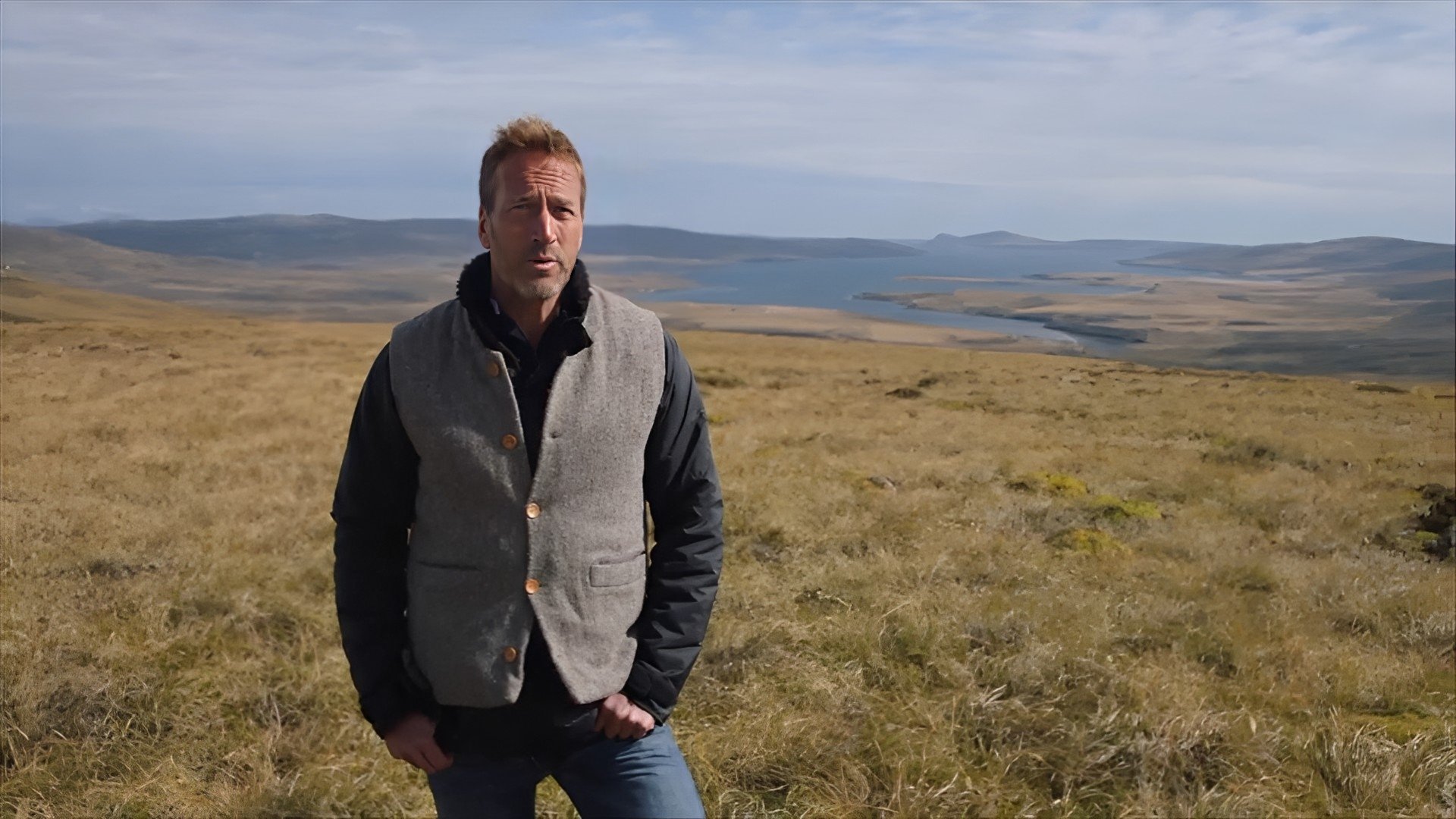
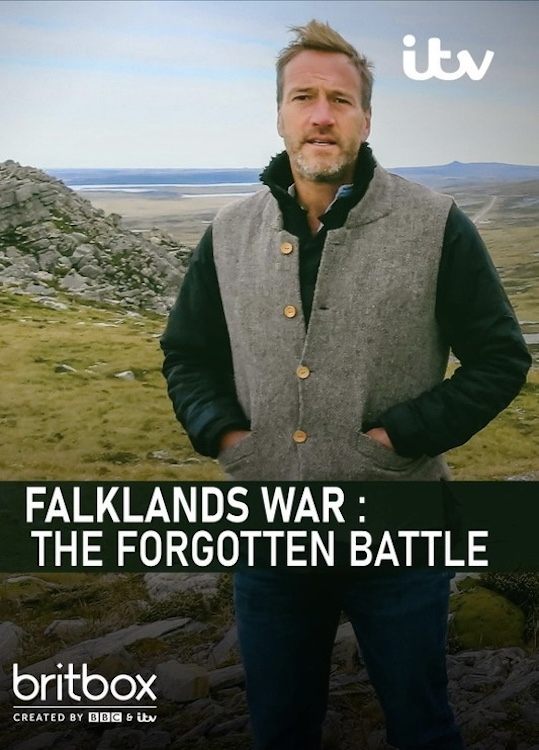
Ben Fogle uncovers one of the untold stories of the Falklands War - a battle fought by 30.000 British Marines against an Argentine invading force ten times that number.

Social & External
Presenter
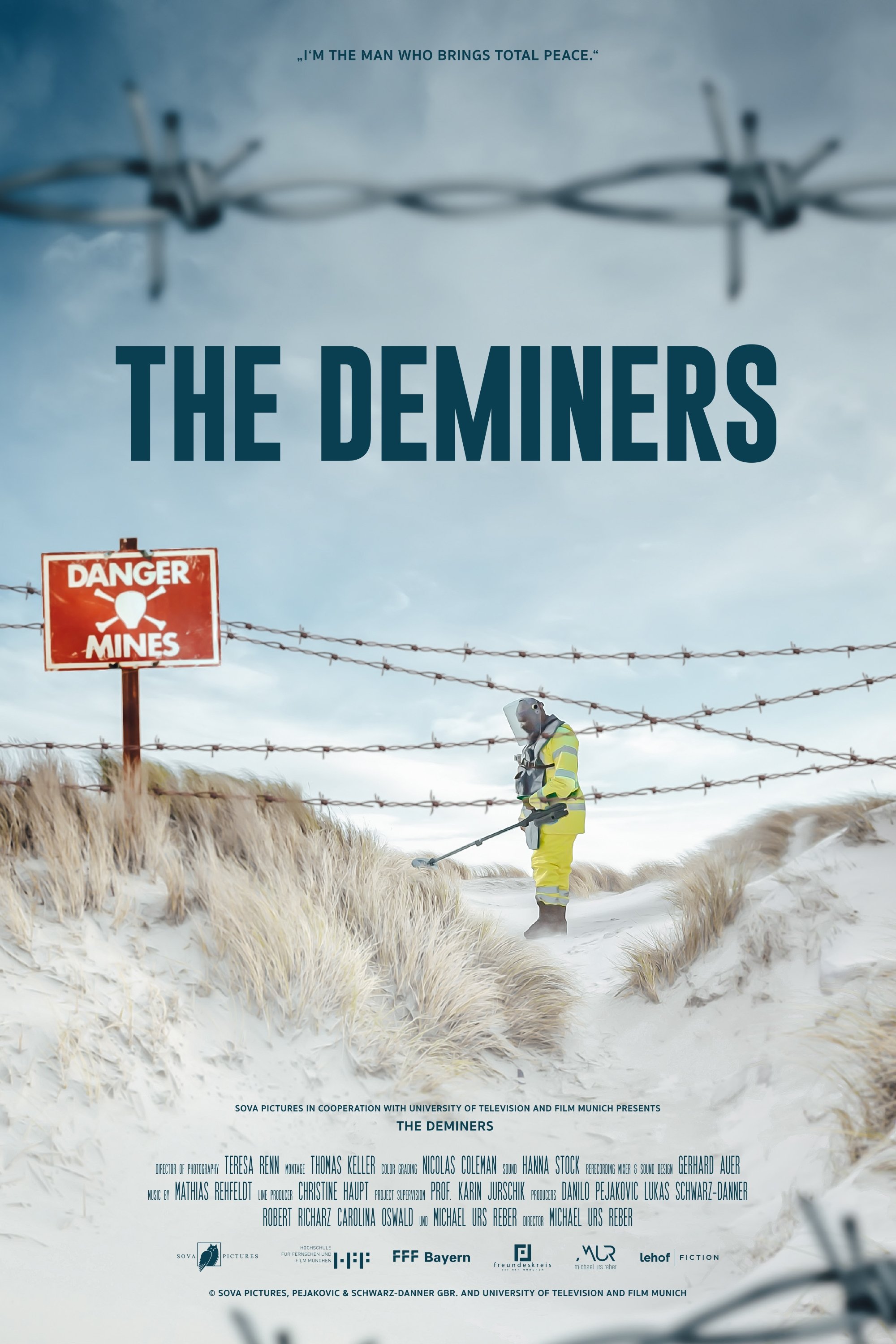
Zimbabwean landmine clearers Shame and Cosimas, as well as medic Previous have been traveling to the other side of the world for years to clear mines in the British Falkland Islands. In the subpolar cold, between sand dunes and penguins, they defuse and blow up the legacies of a forgotten war.
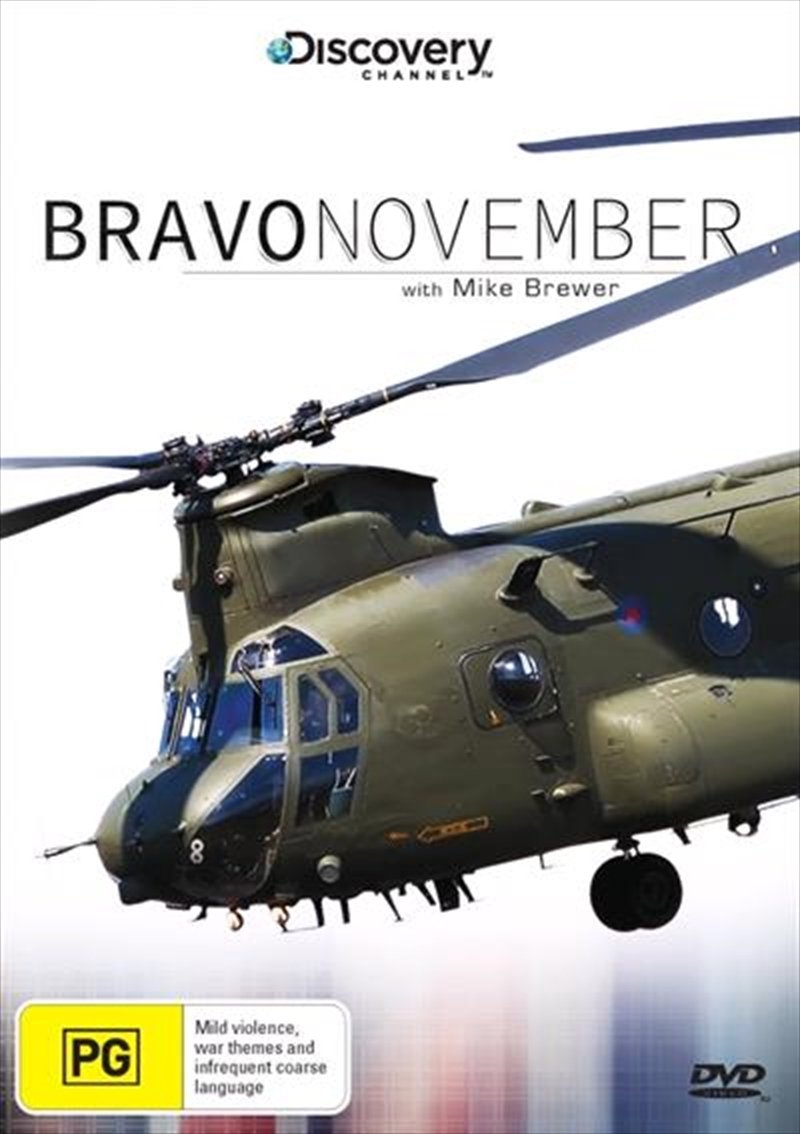
Mike Brewer sets off on a journey of discovery to find out the story of one of the most remarkable aircraft in the British Armed Forces: a Chinook helicopter code named Bravo November. By doing so he examines the invaluable contribution that these helicopters have made to campaigns from the Falklands War to modern day British Military service over the past thirty years.
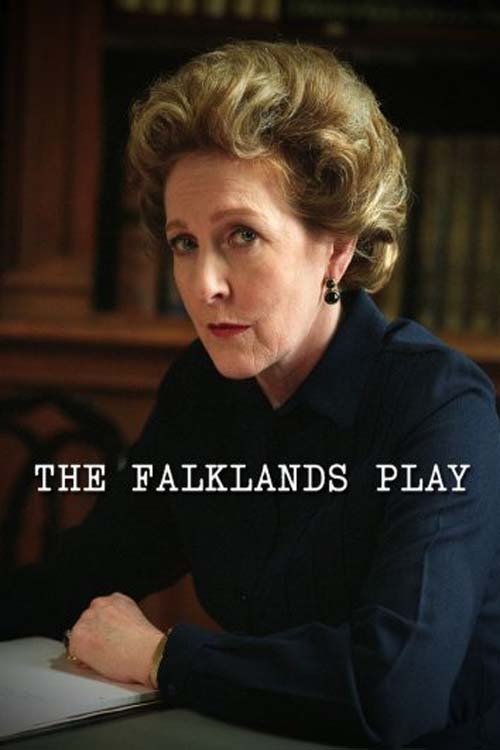
The Falklands Play is a dramatic account of the political events leading up to, and including, the 1982 Falklands War. The play was written by Ian Curteis, an experienced writer who had started his television career in drama, but had increasingly come to specialise in dramatic reconstructions of history. It was originally commissioned by the BBC in 1983, for production and broadcast in 1986, but was subsequently shelved by Controller of BBC One Michael Grade due to its alleged pro-Margaret Thatcher stance and jingoistic tone. This prompted a press furore over media bias and censorship.The play was not staged until 2002, when it was broadcast in separate adaptations on BBC Television and Radio.
A look at the life of Margaret Thatcher, the former Prime Minister of the United Kingdom, with a focus on the price she paid for power.
Based on actual accounts, this film portrays the days and hours before and during the invasion of the Falkland Islands by Argentina, which eventually lead to the Falklands War. As the Argentine forces land on the main island and make their way towards Government House, the handful of British defenders batten down the hatches and prepare to defend Governor Rex Hunt, his family, and their fellow islanders from the invaders.
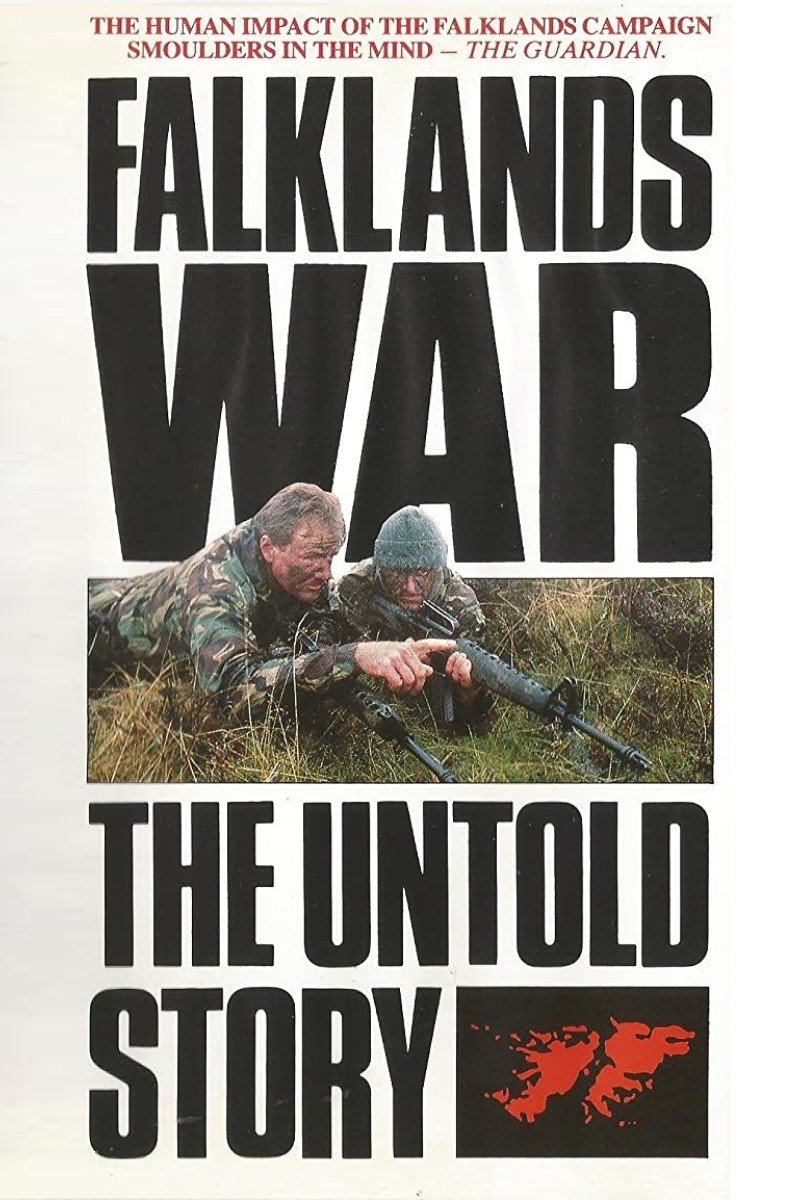
Five years after the war in the Falklands between Britain and Argentina, many facts were still wrapped in red tape. Many of the key figures had remained silent. No-one had been to Argentina to tell the other side of the story. For the majority of the British people, the war was another glorious chapter in their history. With flags waving and bands playing, British troops had sailed away to repel the invaders. Patriotic emotions were stirred as they returned victorious. Government MPs tried to get the film banned, but Yorkshire TV's telephones were jammed with messages of support from wives and mothers of those who died in the conflict. Called 'the documentary to end all documentaries about the Falklands War' in the British press, it was also described as 'more poem than polemic - a hymn against war'.
Thirty years after the Falkland's War, journalist and military historian Max Hastings explores the conflict's impact and its legacy. Hastings, who sailed with the Task Force in 1982 and reported on the Falklands campaign first-hand, looks at how victory in the South Atlantic revived the reputation of our armed forces and renewed Britain's sense of pride and its image abroad after years of decline as an imperial and military power. Hastings examines how the Falklands provided a model of a swift and successful war that was matched by other conflicts Britain fought at the end of the 20th-century. In contrast, the long campaigns in Iraq and Afghanistan have left the British public sceptical about sending our armed forces in large numbers to war again. The Falklands could well be the last popular war Britain fights, and certainly the country's last imperial hurrah.
The film centers on the experiences of Robert Lawrence MC, an officer of the Scots Guards during the Falklands War of 1982. While fighting at the Battle of Mount Tumbledown, Lawrence is shot in the head by an Argentine sniper and left paralyzed on his left side. He then must learn to adjust to his new disability.
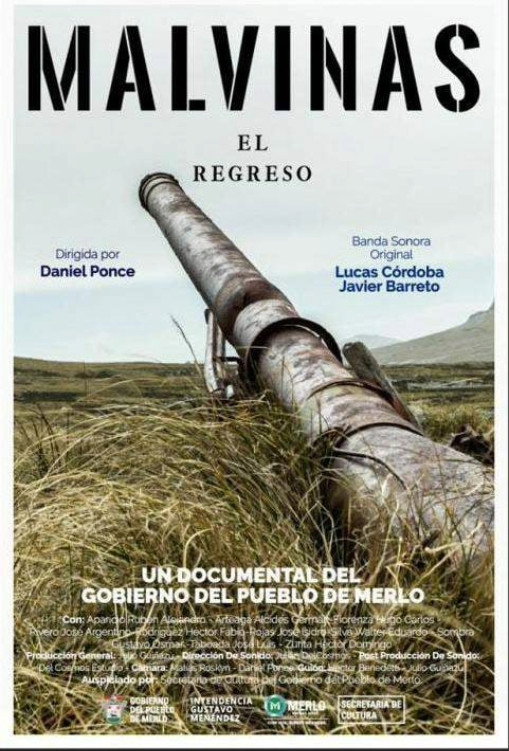
A detailed account of each of the details of the Malvinas War based on interviews, dramatic scenes, maps and other elements of historical roots without ignoring the historical antecedents from the 18th century that ended in this confrontation.
A single female voice sings of waiting in her garden for her ‘dark-eyed sailor’ to return from war, bearing the other half of their token, a gimmel ring. Three veterans pass on the road as she waits, and she asks them: “When you were fighting in distant lands, did you think of the home you left?” In reply the veterans relate their recollections. The garden images in the accompanying film represent ‘home’, but also stand for a more general possibility of redemption, of the potential of the past to return at any time, disguised and changed, to renew the present: “Each moment of time is a garden gate,” the song goes, “Through it my love may walk.”
Documentary film about the then longest range bombing mission in history, which changed the outcome of the Falklands War.
The drama tells the story of an Argentine elementary-school teacher sent by the government to a rural hamlet located in the northwestern province of Jujuy. It shows how he touches the lives of the villagers, especially the young and impressionable boy Verónico, whose mother died and father left to seek work when he was an infant. The film is based on a non-fiction book written by Fortunato Ramos, a rural teacher in northwest Argentina, that discusses his teaching experiences.
The Falklands/Malvinas War has proved a powerful motif in contemporary Argentine film-making and Ramiro Longo's new documentary offers a unique take on the conflict and its pervasive legacy. While Argentina suffered 649 casualties during the War, subsequently over 350 ex-servicemen have committed suicide while attempting to come to terms with civilian life in the aftermath of the 1982 defeat. Longo's film is structured around an extended interview with War veteran Sergio Delgado who provides a moving testimony on the conflict and the ways in which it has subsequently haunted his life and aspirations. As much an insider's view of the conflict as a tale of the legacy of trauma, Not Really Ours offers a reflection on memory, fear and the shaping of a nation's psyche. Longo's deft editing juxtaposes telling footage alongside Delgado's story. The result is both a moving tapestry of war and its scars and a telling reflection on the ways in which official history is constructed.
To mark 30 years since the Falklands War, this documentary follows three men back to the islands. For veteran Simon Weston, the journey is an opportunity to experience some of the stunning wildlife on Sea Lion Island.
The story of the relatives of the 649 Argentine fallen in the Malvinas War, who as soon as the military conflict ended, found themselves alone with their pain and prevented from approaching the grave of their loved ones, either because their bodies were left in the Cemetery of Darwin, in the Malvinas, or because they disappeared without being identified.
For many, the name Malvinas/Falklands evokes an absurd war between England and Argentina in 1982. For Julieta Vitullo, the protagonist of this film, this tragic history becomes deeply personal 25 years later when she suffers a loss associated with her search to uncover that past, unfolding into a life-affirming struggle for renewal and rebirth. This film tells the story of two trips, one made in 2006 and the other in 2010. In the space between one trip and the next, between past and present, between the public and the private, between what can and cannot be told, the movie reflects on the possibilities of conveying extreme life experiences, presenting landscapes and sounds that suggest subtle contours of that shape, 'The Exact Shape of the Islands.'
On the 40th anniversary of the conflict, senior commanders and ground troops reveal how a series of mistakes nearly cost Britain its hard-won victory over Argentina in the South Atlantic.
A story told by ten men who fought together in the Falklands War, with unflinching honesty, discussion of life-changing moments of combat and how they have come to terms with them since.
The Falklands War began on April 2, 1982, with the Argentine landing on the islands ordered by Leopoldo Fortunato Galtieri, and culminated with the cessation of hostilities between Argentina and the United Kingdom of Great Britain on June 14, 1982. Through dynamic editing and the use of archival materials, the documentary considers the war as part of our recent past, but also opens up multiple questions and reflections on contemporary society and the future projection of what such a conflict generates for us Argentines.
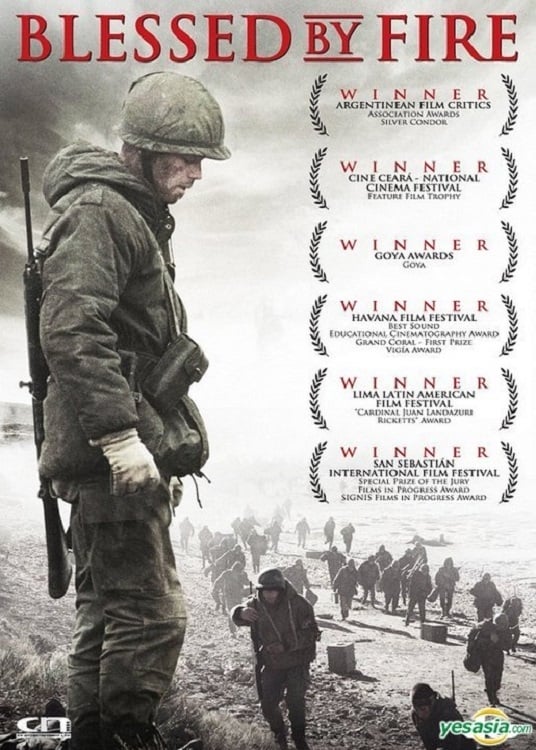
Argentine film about the experiences of conscripts in the Malvinas Islands War.
On Thursday 7th July 2005 four suicide bombers struck in Central London. Within an hour 52 people were killed and 770 wounded in an attack that brought London to a standstill. On the tenth anniversary of the 7/7 attacks, this documentary recounts the events of that day, paying tribute to the bravery of survivors and rescuers and commemorating those who lost their lives.
A group of students are preparing works for an art exhibition, they belittle a myth that "Any inanimate object that resembles a living thing, is not just a dead-object"
Joe Dexter, a famous gunfighter known as Nevada Joe, Golden Hill reaches a mining town. There he will find that the transport of gold from the mines is monopolized by John Randolph, who is opposed only Julia Brooks, owner of a mining concession, with which Dexter intimará and support in its confrontation with Randolph.
It is the first time that Joana, a Brazilian, has visited her friend Kevin in her country, Uganda. They met 20 years ago when they studied together in Germany and have not seen each other for a long time. Now they are close to turning 40 and life is more complex than in youth. This is a film about a friendship between women.
Explores Anand Dighe's life, tracing his political journey and capturing the essence of his impactful legacy as a prominent figure.
"'Rote Movie' is part of a series of works examining aspects of the traumatic experience. It is an examination of decay and forgetting, where what both distance and time can bring to one's private feelings of belonging and home. Highly immersed in a fragmented and disjointed haptic space of its own materiality, this film stutters out its thoughts frame by frame" - Steven Ball, 'Mesh' 3, Autumn 1994.
A doomsday pepper is surprised to find a mysterious box appear in his living room with no trace as to how it could've gotten there.
6 weeks before her 18th birthday Katharina inherits her mothers farm with all it's problems. At the funeral she meets her two uncles, which she never met before, but turn out to be very helpful.
Serial killers have plagued the American landscape for decades, committing gruesome atrocities, and providing some tough cases for criminal investigators to crack. Two detectives are on the trail of a bizarre murderer intent on slaughtering his victims, then using them as real-life puppets in a tale that he is trying to tell.
Convicts on a chain gang sniff formaldehyde fumes to get high. They attempt a prison break and are shot down by the guards. After being buried, they rise from the dead, killing all in their path with shovels and hoes.
An uptight military school gets a dose of hippie-infused rebellion when a group of students gather in support of the 1960s uprising going on around them. When a few students decide to bring the more liberal, artsy side of the revolution onto campus, they face opposition from much of the school's staff.
The film delicately follows 25-year-old Anna, whose mother has died suddenly. She wants to send her Orthodox mother on her last journey according to customs, but she runs into bureaucratic rules that do not allow Anna to dress her departed mother herself. This conflict brings her together with Maria, a 45-year-old funeral home worker, who in this story represents the hidden fears of death and grief on a deep emotional level.
The stooges are firemen at a station that still uses horses to pull the engines. A salesman who wants to sell the chief some modern equipment plants gun powder in one of the engines. The chiefs daughter catches him and after a chase both are knocked unconscious. When a fire starts, the stooges respond to the alarm, but don't realize its their firehouse that's burning! Somehow they manage to arrive in time to save the girl, and the villain gets his just desserts.
In this stop-motion animated comedy, a young couple's romantic weekend getaway is interrupted by a birth control mishap.
Making of documentary surrounding the production of ‘Anora’
In the middle of a broadcast about Typhoon Yolanda's initial impact, reporter Jiggy Manicad was faced with the reality that he no longer had communication with his station. They were, for all intents and purposes, stranded in Tacloban. With little option, and his crew started the six hour walk to Alto, where the closest broadcast antenna was to be found. Letting the world know what was happening to was a priority, but they were driven by the need to let their families and friends know they were all still alive. Along the way, they encountered residents and victims of the massive typhoon, and with each step it became increasingly clear just how devastating this storm was. This was a storm that was going to change lives.