Social & External
The events that took place at the beach of El Tarajal in Ceuta (Spain) in February 2014 - the killing by the border police of 15 people who were trying to reach the Spanish coast - are an example of how the police force can violate the laws of its own country and international conventions with total impunity. The worst part is that this violation of human rights is protected by the Spanish Ministry of Interior itself, which hinders any effective action by the prosecution. For this reason, the civil society plays a fundamental role in revealing the facts. This is where the figure of collective complaints (DESC Observatory and the association Coordinadora de Barrios) steps in.
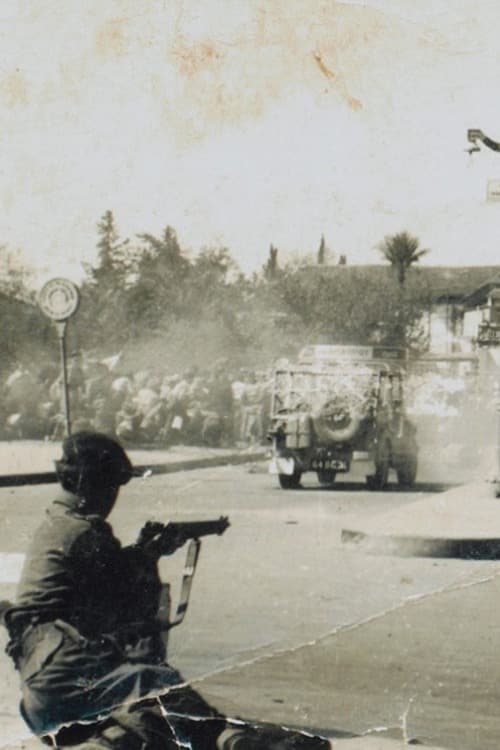
32.Day, a news classic by Mehmet Ali Birand, is with you this time with the documentary 50 Years of Cyprus!
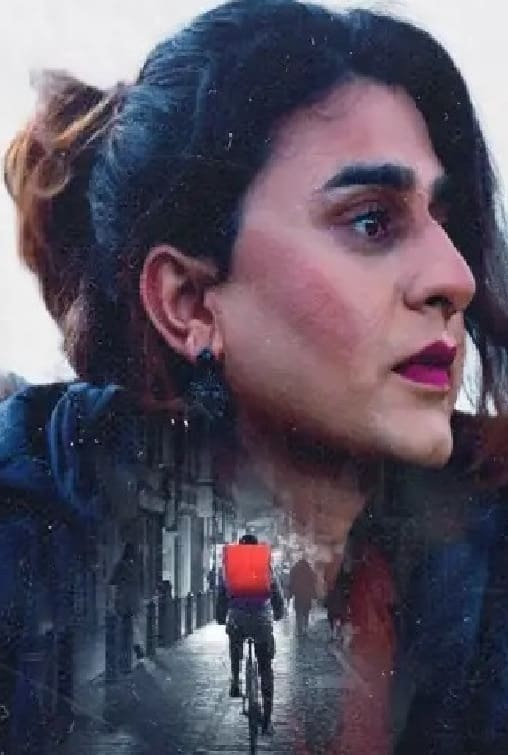
The story of a young gay man who faced persecution due to his sexuality and made a frightening journey to the UK with just a suitcase.
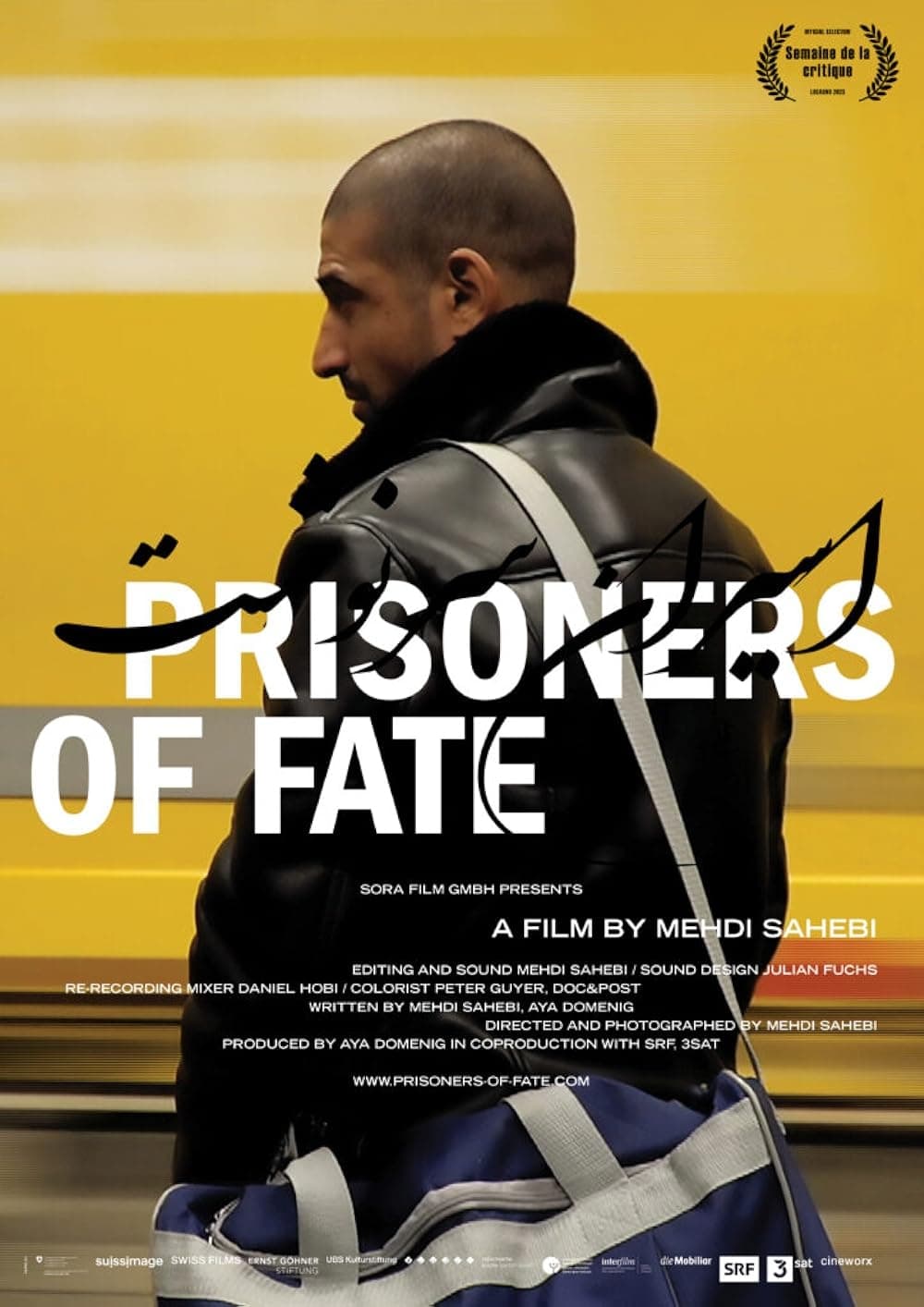
After the hardships of fleeing their home countries, refugees from Afghanistan and Iran face the challenge of having to adapt to a new environment: Switzerland.
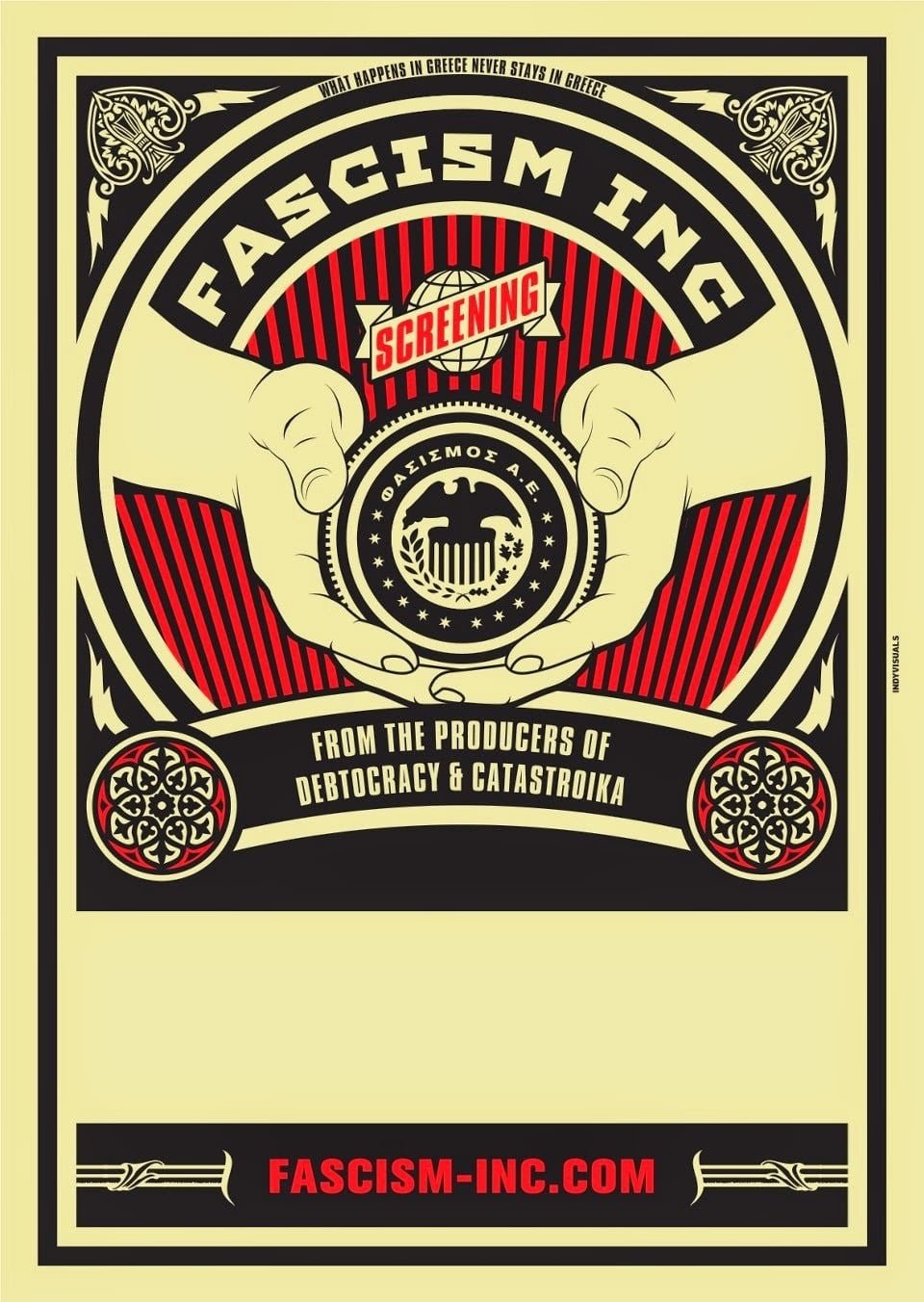
Unknown short stories from the past, the present and the future of fascism and its relation to the economic interests of each era. We will travel from Mussolini’s Italy to Greece under the Nazi occupation, the civil war and the dictatorship; and from Hitler’s Germany to the modern European and Greek fascism.
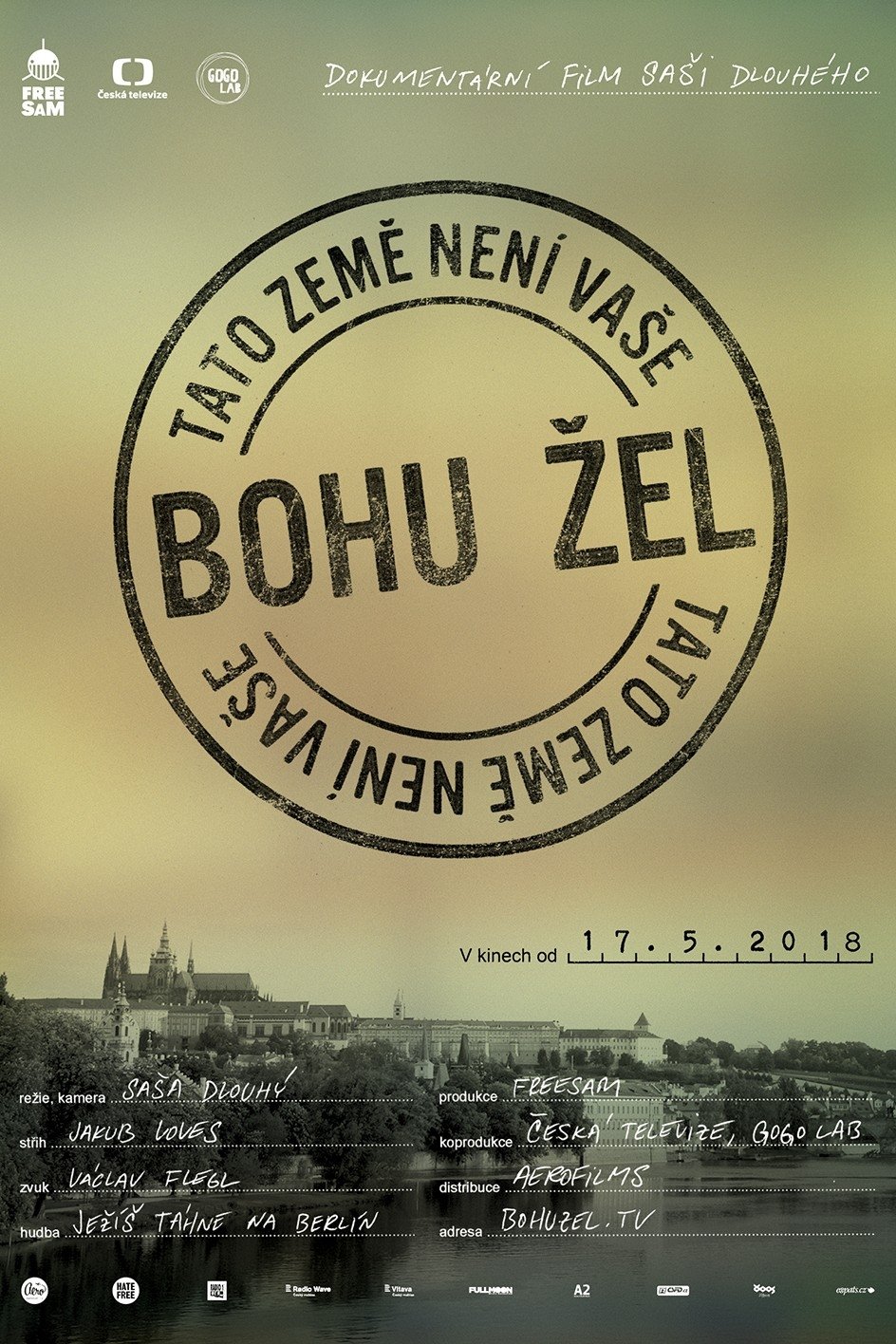
Six refugee stories experienced over several years in the Czech Republic. As a former member of the Soviet socialist bloc and now part of the European Union, the Czech Republic shows almost the greatest resistance to refugees from a pan-European perspective, without having any itself.
Follow the emotional journey of Hiba Noor, a talented artist forced to flee her home country, as she navigates a new life in London while awaiting her asylum fate. This film takes you on a journey into the production of MATAR, a short film about a fellow asylum seeker facing similar problems.
Based on a poem by a Zimbabwean LGBT activist written in response to the gay hate speech that is being perpetuated president Robert Mugabe. The film was shot in South East London UK with a cast of six women from several African countries playing multiple roles in this portrayal of being a lesbian in homophobic Zimbabwe. Five of the actors and the producer are refugees who fled their countries in fear of persecution for their sexuality.
During Summer 2000, the mayor of the Greek island of Lesbos tried to ban 26 lesbians from arriving on a package holiday from the UK; but he ended up biting off more than he could chew. This programme follows the love, lust and laughs over the course of their holiday as the women drink, dance and snog their way around the island. Despite being shadowed by the papparazi and some negative islanders, nothing can stop our women from fighting for their right to party.
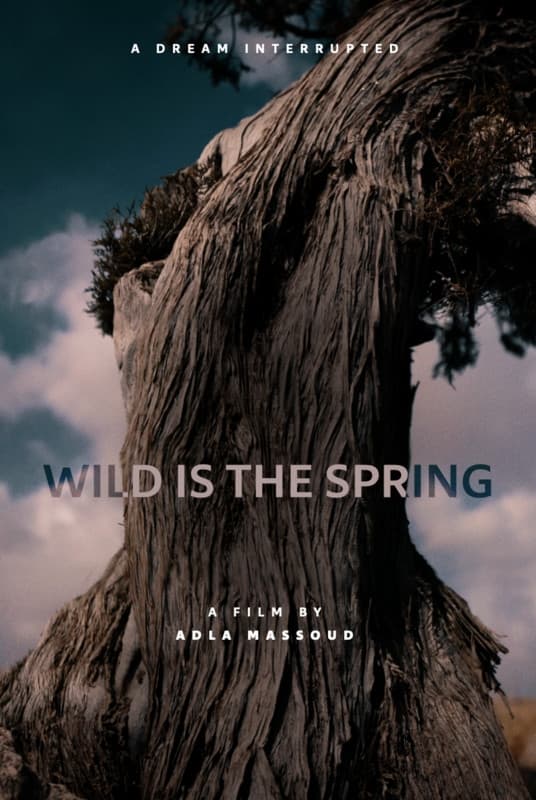
Through a series of vignettes from the ancient and war-torn Levant, WILD IS THE SPRING captures moments in the lives of diverse ethnic communities who struggle to survive when life descends into chaos.
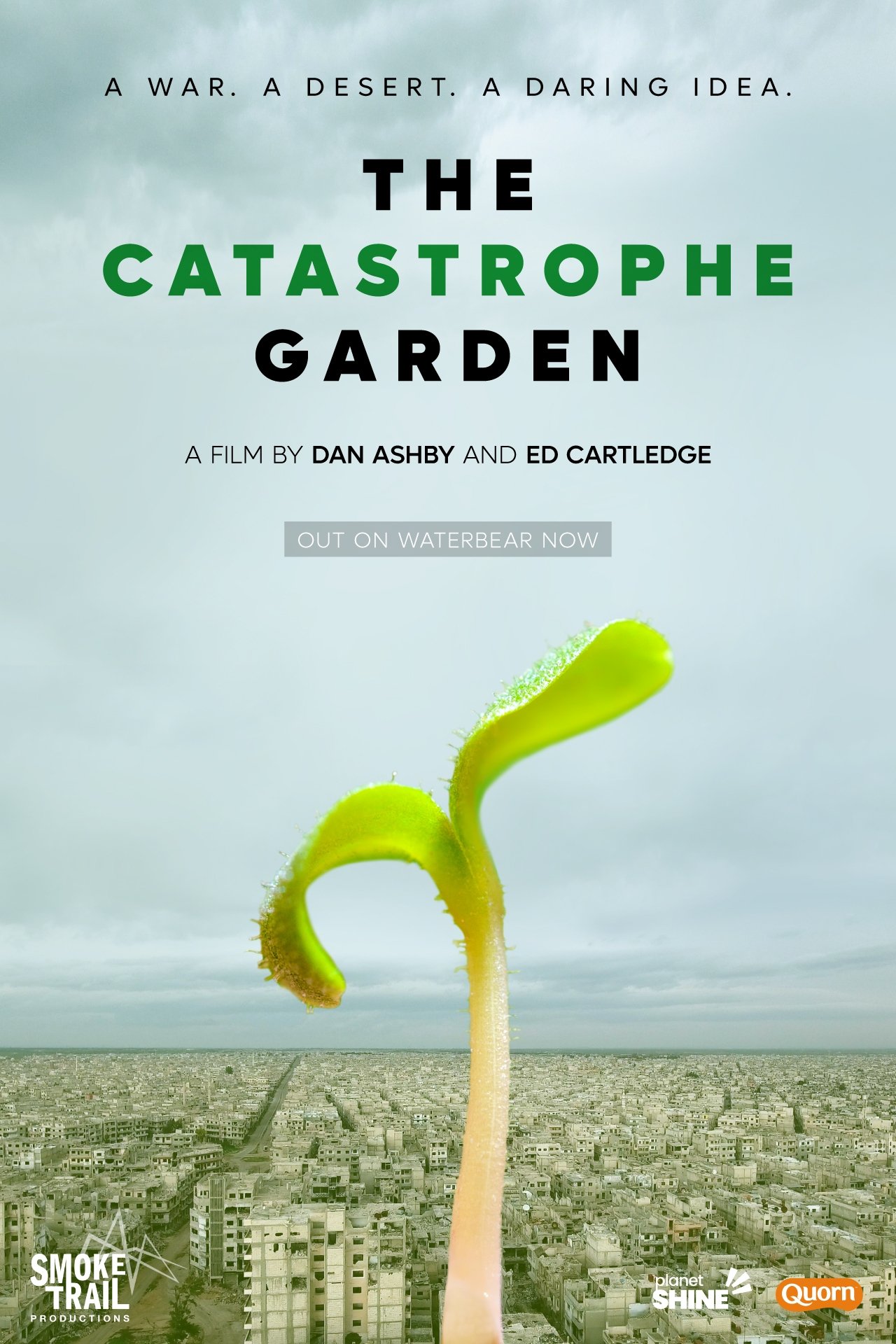
It is a daring idea: to grow food from old mattresses in a desolate camp at the edge of a war zone. When a refugee scientist meets two quirky professors, they must confront their own catastrophes - and make a garden grow. Short film now streaming on Waterbear.com.
The tragedy of the Syrian people: War, conflict, loss, migration, exile, asylum, detention, drowning… A deserted place. Abandoned people. Abandoned country. The doors slammed shot; the doors are now locked - the keys thrown away...for what seems forever.
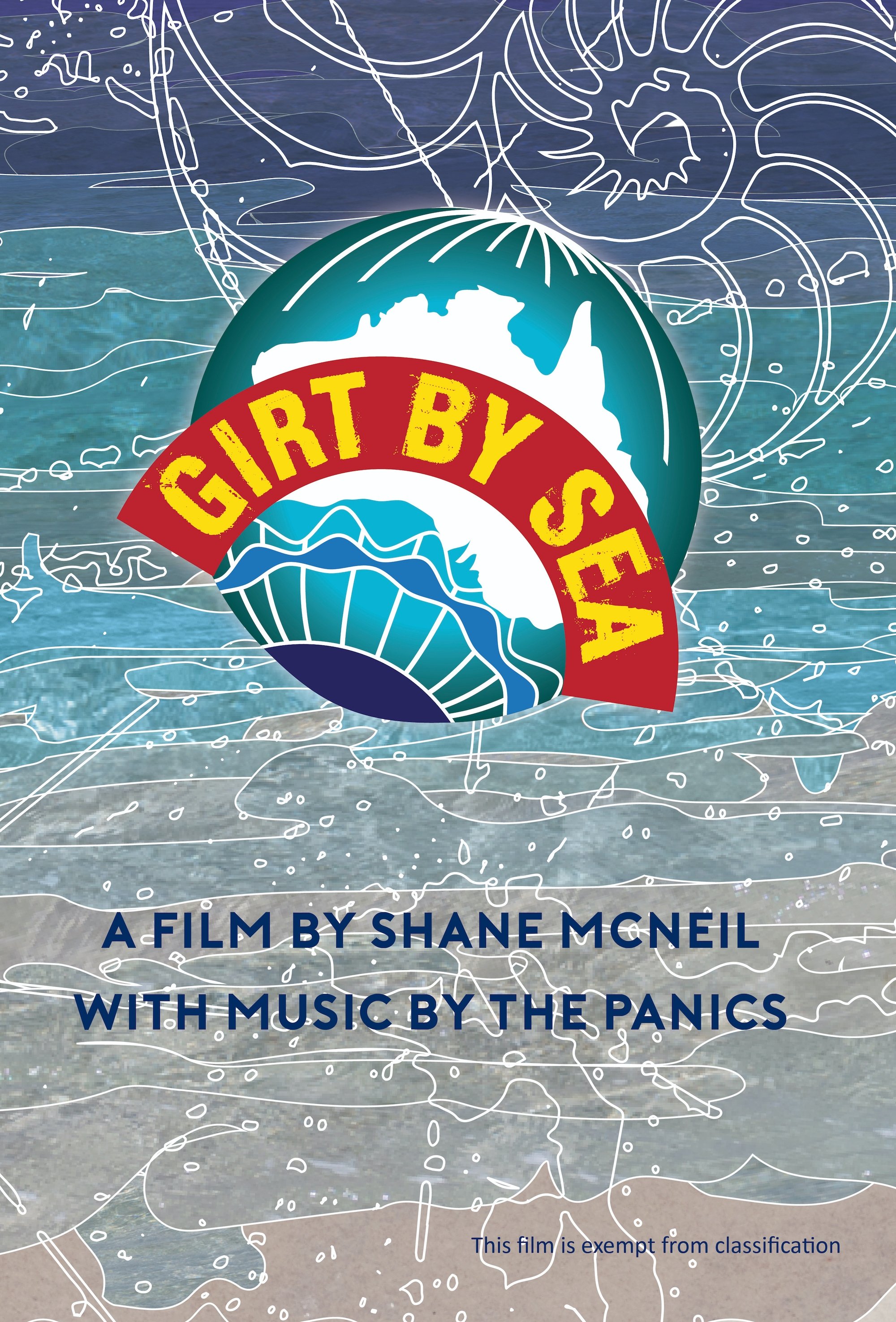
Girt By Sea is a cinematic love letter to the coastline of Australia - a poetic celebration of our connection to the sea as documented through archival footage over the past 100 years.
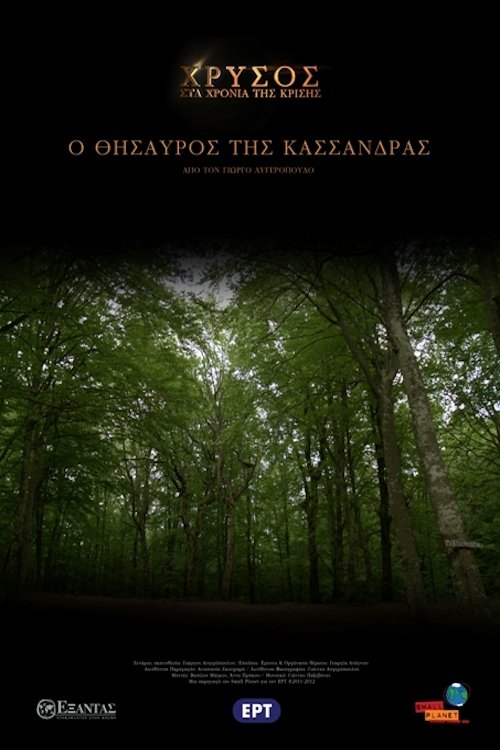
The exploitation of the country’s mineral wealth is projected as the most reasonable solution to deal with the economic crisis that plagues Greece. The Greek state has ceded its mining rights over 31.700 ha of land in northern Halkidiki, a region rich in gold, copper and other metals, to the Canadian multinational company Eldorado Gold. However, many of the region’s inhabitants, who have been resisting the construction of a goldmine for years, claim that this investment will cause irreparable damage to the environment and the benefits will be fewer than the losses. “Cassandra’s Treasure” presents a detailed picture of the modern Greek state before and during the crisis period.
A harrowing account of Europe's migrant crisis. A family of Syrian refugees separated by the borders of Europe, fight to be reunited as they migrant from Syria to Germany.
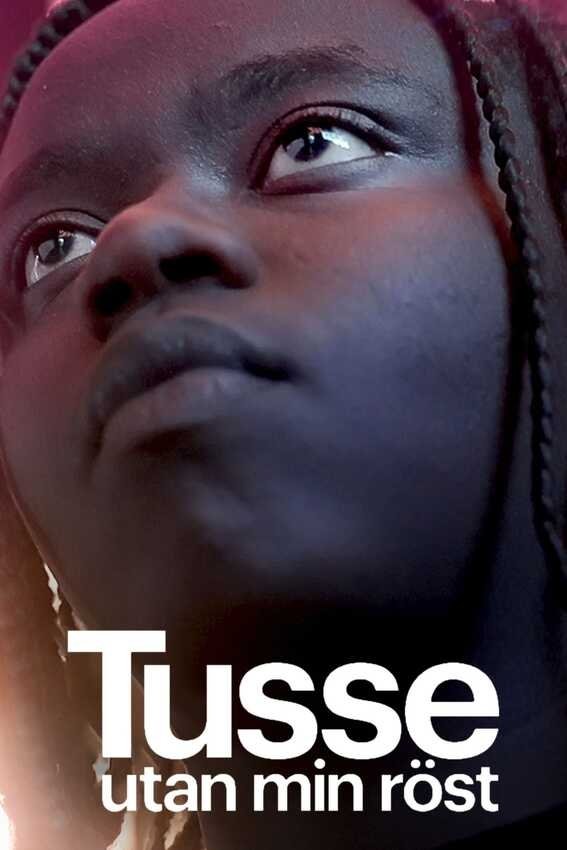
With less than a month until his Eurovision appearance Tusse must undergo a surgery that puts everything in jeopardy. Here is Tusse’s incredible life story, from Congolese refugee to winner of Swedish Idol and Melodifestivalen.
In 2011, as tens of thousands of migrants, Loss, and Madess Moussa arrived in Europe via Turkey. Required by EU law to remain in Greece, they only want one thing : to leave. Therefore earn the money needed to start is an obsession and all means are good. The film "The Adventure" follows the lives of these three Ivorians to Athens - their sense of enclosure, strategies to find money, failover illegally, attempts to start - and explores what is at stake, individually and collectively during migration: relations to other migrant communities, friendship, betrayal, solidarity, mafias and violence.
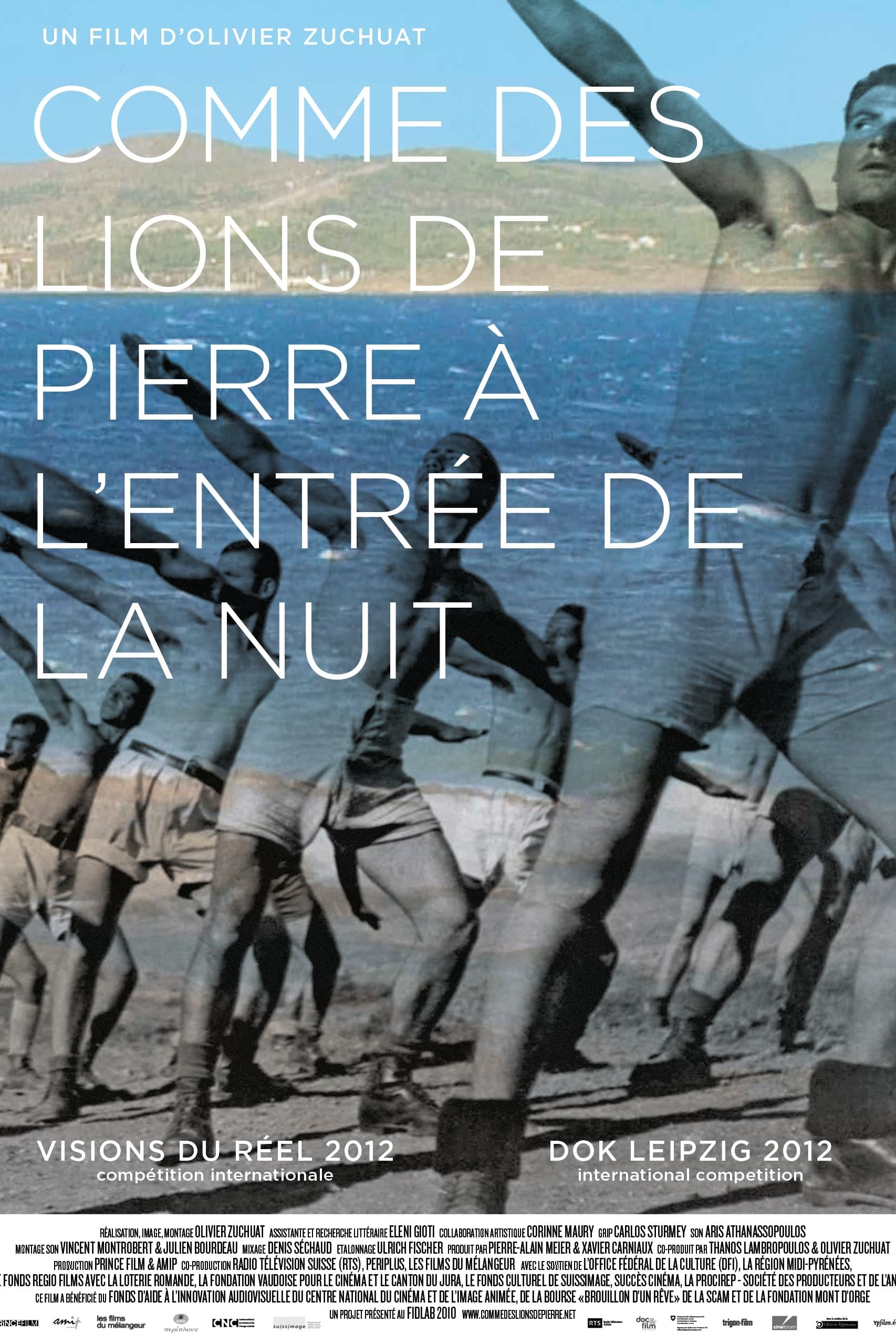
Between 1947 and 1951, more than 80 000 Greek men, women and children were deported to the isle of Makronissos (Greece) in reeducation camps created to ‘fight the spread of Communism’. Among those exiles were a number of writers and poets, including Yannis Ritsos and Tassos Livaditis. Despite the deprivation and torture, they managed to write poems which describe the struggle for survival in this world of internment. These texts, some of them buried in the camps, were later found. «Like Lions of stone at the gateway of night» blends these poetic writings with the reeducation propaganda speeches constantly piped through the camps’ loudspeakers. Long tracking shots take us on a trance-like journey through the camp ruins, interrupted along the way by segments from photographic archives. A cinematic essay, which revives the memory of forgotten ruins and a battle lost.
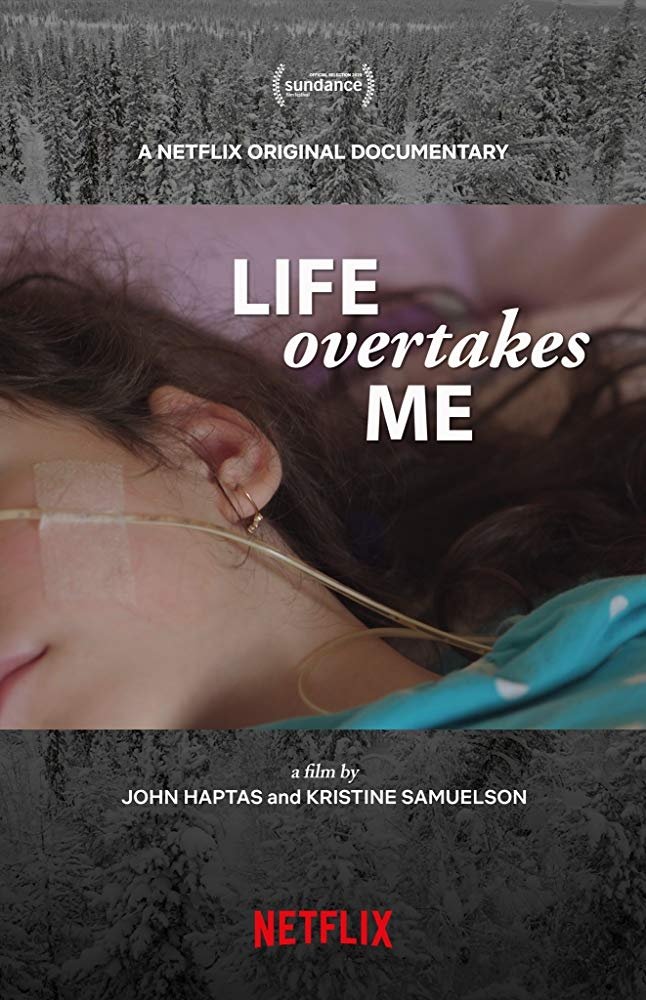
Hundreds of refugee children in Sweden, who have fled with their families from extreme trauma, have become afflicted with 'uppgivenhetssyndrom,' or Resignation Syndrome. Facing deportation, they withdraw from the world into a coma-like state, as if frozen, for months, or even years.
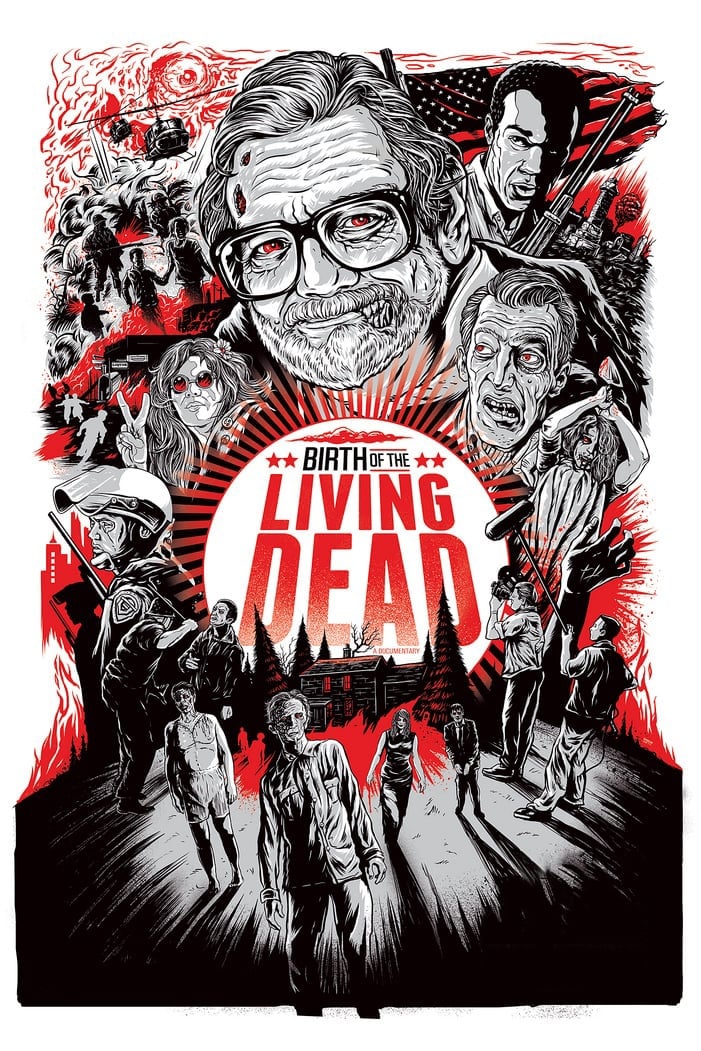
A behind the scenes look into George Romero's groundbreaking horror classic Night of the Living Dead.
Using the book 'Fragments', which collects Marilyn Monroe's poems, notes and letters, and with participation from the Arthur Miller and Truman Capote estates who have contributed more material, each of the actresses will embody the legend at various stages in her life.
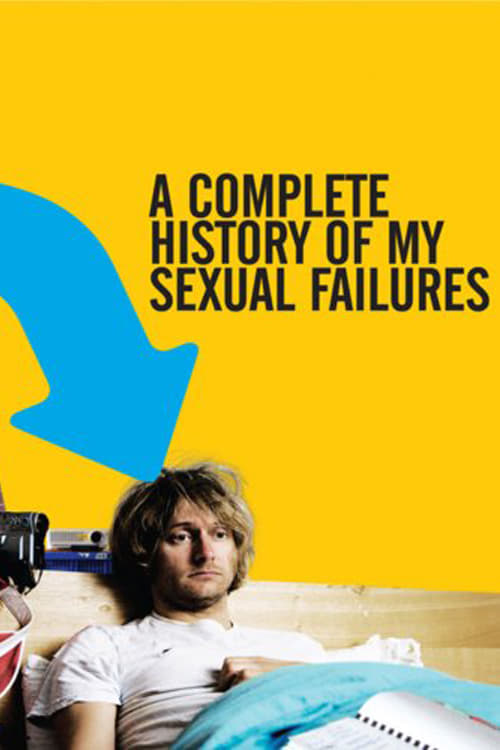
The egocentric documentary-maker Chris Waitt traces his romantic ineptitude and sexual impotence through awkward interviews with irate ex-girlfriends and stunts involving S&M parlours, Harley Street doctors and Viagra overdoses. The results are often hilarious, sometimes moving and speak directly to the hapless paramour in all of us.
A detailing of the rise to prominence and global sporting superstardom of six supremely talented young Manchester United football players (David Beckham, Nicky Butt, Ryan Giggs, Paul Scholes, Phil and Gary Neville). The film covers the period 1992-1999, culminating in Manchester United's European Cup triumph.
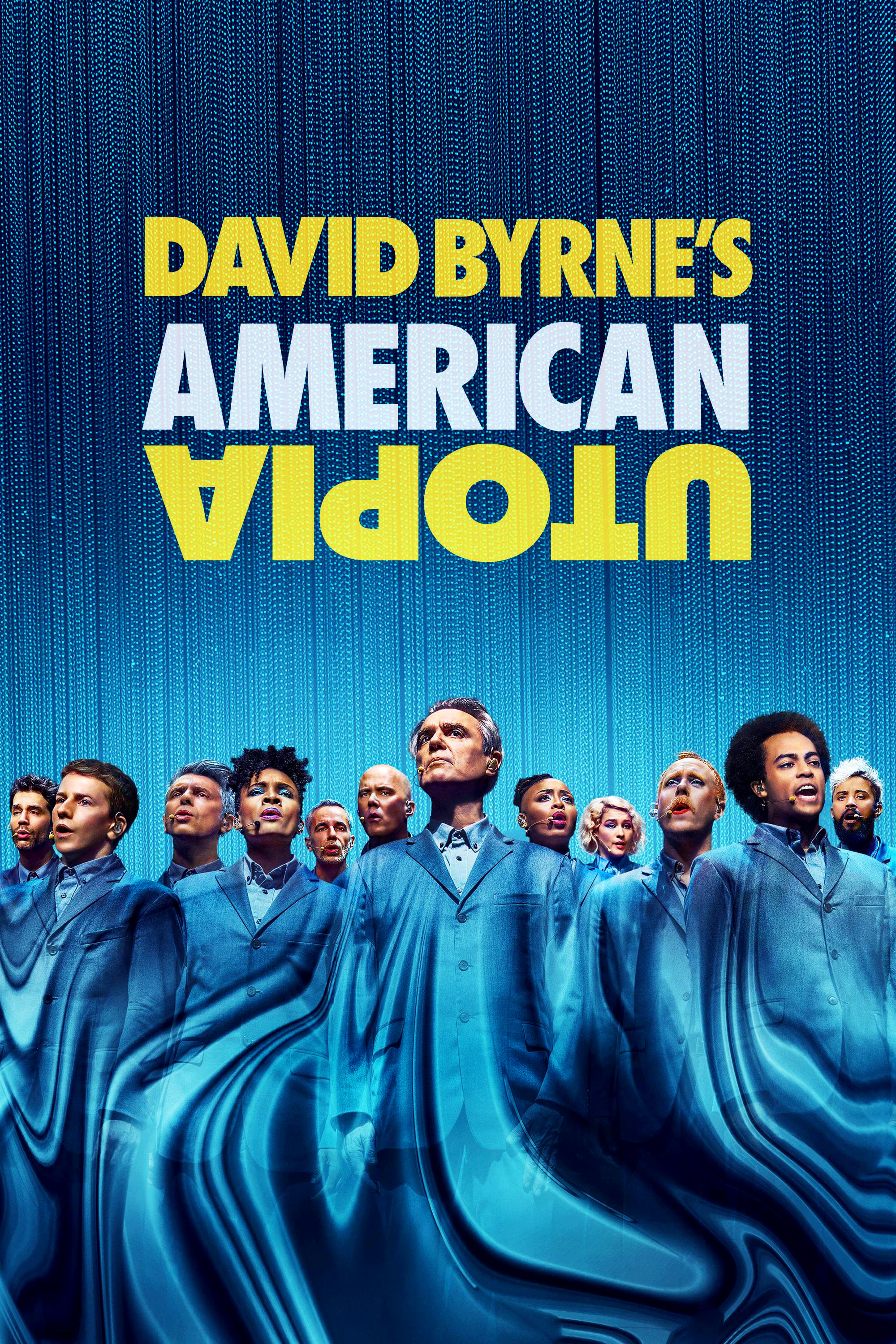
A filmed version of David Byrne's Broadway show, a unifying musical celebration that inspires audiences to connect to each other and to the global community.
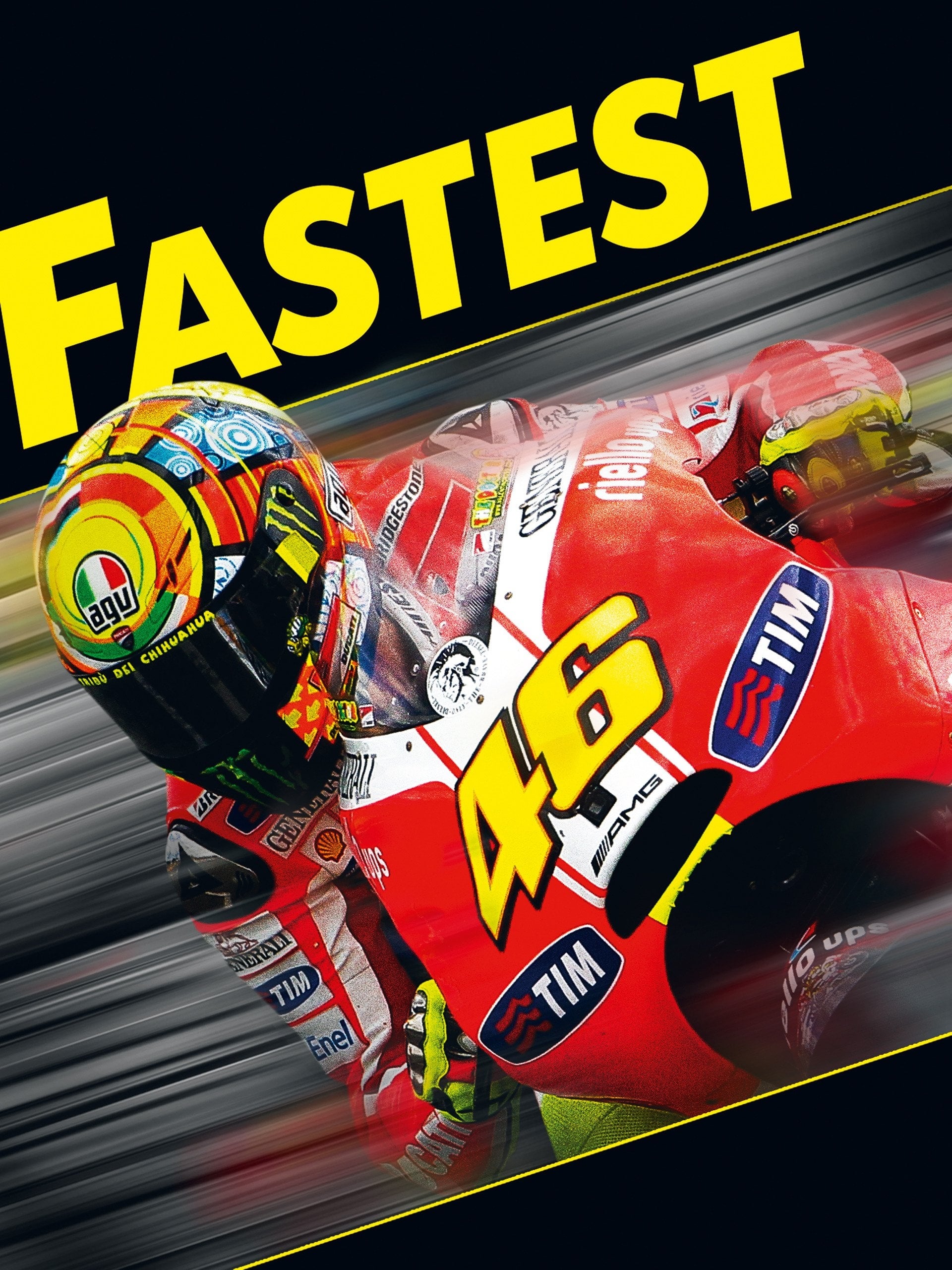
What does it take to be the fastest? From award-winning filmmaker Mark Neale, comes Fastest, a spectacular maximum-speed, full-length documentary delving deep into the world of MotoGP™. This thrilling documentary, narrated by Ewan McGregor, highlights the thrills, spills and incredible commitment and courage the sport demands of it stars. With unprecedented behind-the-scenes access and never before seen angles, interviews and insight, this truly cinematic experience charts the exhilarating highs, crushing lows, career-threatening crashes and spectacular comebacks, including Rossi’s 41 days turn around to race following a leg shattering crash.
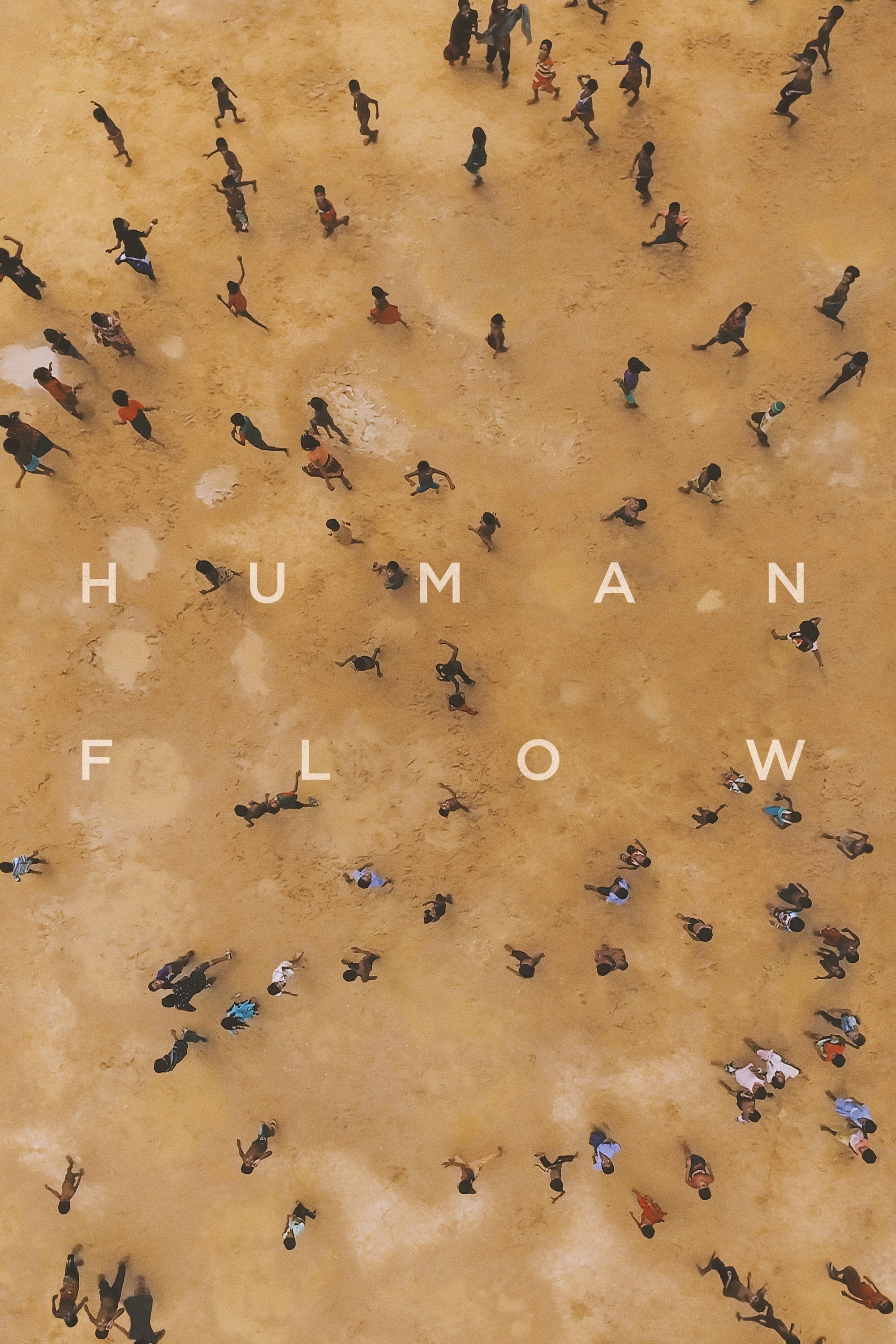
More than 65 million people around the world have been forced from their homes to escape famine, climate change and war, the greatest displacement since World War II. Filmmaker Ai Weiwei examines the staggering scale of the refugee crisis and its profoundly personal human impact. Over the course of one year in 23 countries, Weiwei follows a chain of urgent human stories that stretch across the globe, including Afghanistan, France, Greece, Germany and Iraq.
“Showrunners” is the first ever feature length documentary film to explore the fascinating world of US television showrunners and the creative forces aligned around them. These are the people responsible for creating, writing and overseeing every element of production on one of the United State’s biggest exports – television drama and comedy series. Often described as the most complex job in the entertainment business, a showrunner is the chief writer / producer on a TV series and, in most instances, the show’s creator. Battling daily between art and commerce, showrunners manage every aspect of a TV show’s development and production: creative, financial and logistical.
The second "visual album" (a collection of short films) by Beyoncé, this time around she takes a piercing look at racial issues and feminist concepts through a sexualized, satirical, and solemn tone.
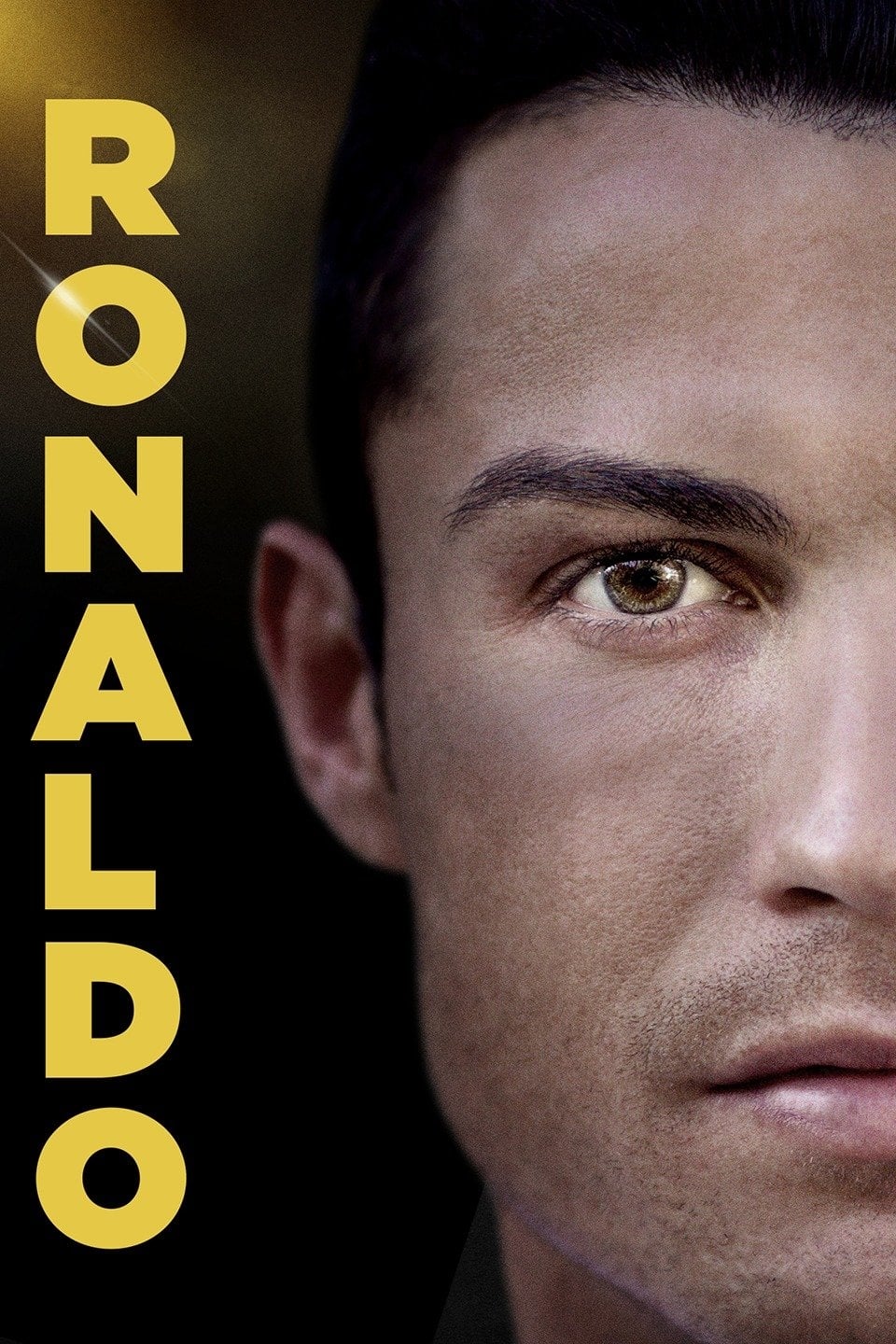
Filmed over 14 months with unprecedented access into the inner circle of the man and the sport, this is the first official and fully authorised film of one of the most celebrated figures in football. For the first time ever, the world gets vividly candid and un-paralleled, behind-closed-doors access to the footballer, father, family-man and friend in this moving & fascinating documentary. Through in-depth conversations, state of the art football footage and never before seen archival footage, the film gives an astonishing insight into the sporting and personal life of triple Ballon D'Or winner Cristiano Ronaldo at the peak of his career. From the makers of ‘Senna’ and ‘Amy’, Ronaldo takes audiences on an intimate and revealing journey of what it’s like to live as an iconic athlete in the eye of the storm.
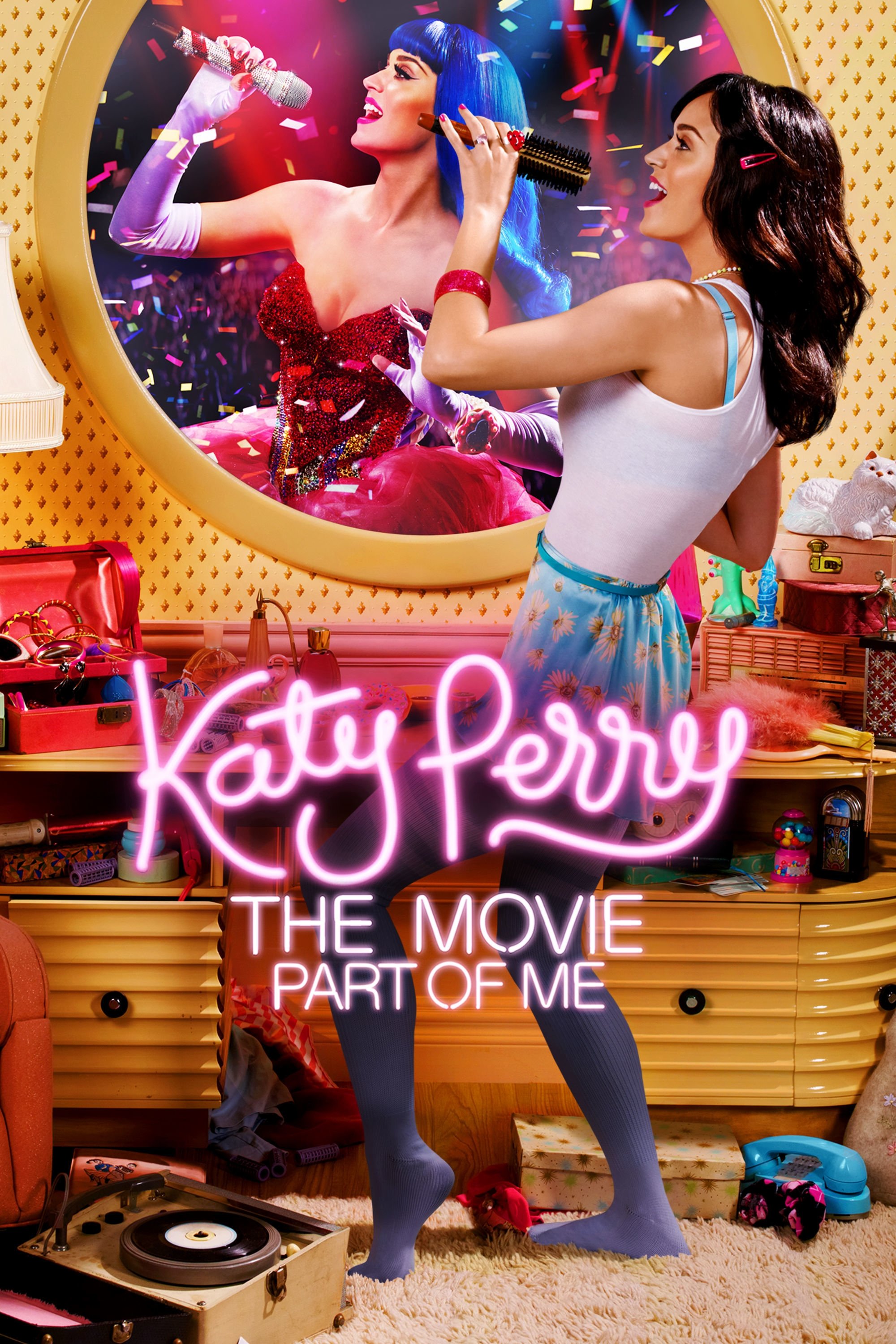
Giving fans unprecedented access to the real life of the music sensation, Katy Perry: Part of Me exposes the hard work, dedication and phenomenal talent of a girl who remained true to herself and her vision in order to achieve her dreams. Featuring rare behind-the-scenes interviews, personal moments between Katy and her friends, and all-access footage of rehearsals, choreography, Katy’s signature style and more, Katy Perry: Part of Me reveals the singer’s unwavering belief that if you can be yourself, then you can be anything.
SEDUCED AND ABANDONED combines acting legend Alec Baldwin with director James Toback as they lead us on a troublesome and often hilarious journey of raising financing for their next feature film. Moving from director to financier to star actor, the two players provide us with a unique look behind the curtain at the world's biggest and most glamourous film festival, shining a light on the bitter-sweet relationship filmmakers have with Cannes and the film business. Featuring insights from directors Martin Scorsese, 'Bernando Bertolucci' and Roman Polanski; actors Ryan Gosling and Jessica Chastain and a host of film distribution luminaries.
A documentary on the expletive's origin, why it offends some people so deeply, and what can be gained from its use.
In this concert film, 'Hannah Montana' star Miley Cyrus performs a slew of hit songs, including 'Just Like You' and 'Life's What You Make It.'
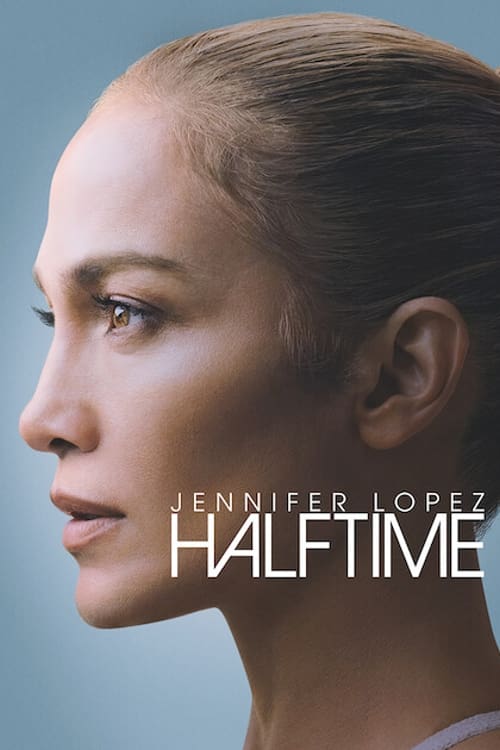
Global superstar Jennifer Lopez reflects on her multifaceted career and the pressure of life in the spotlight in this intimate documentary.
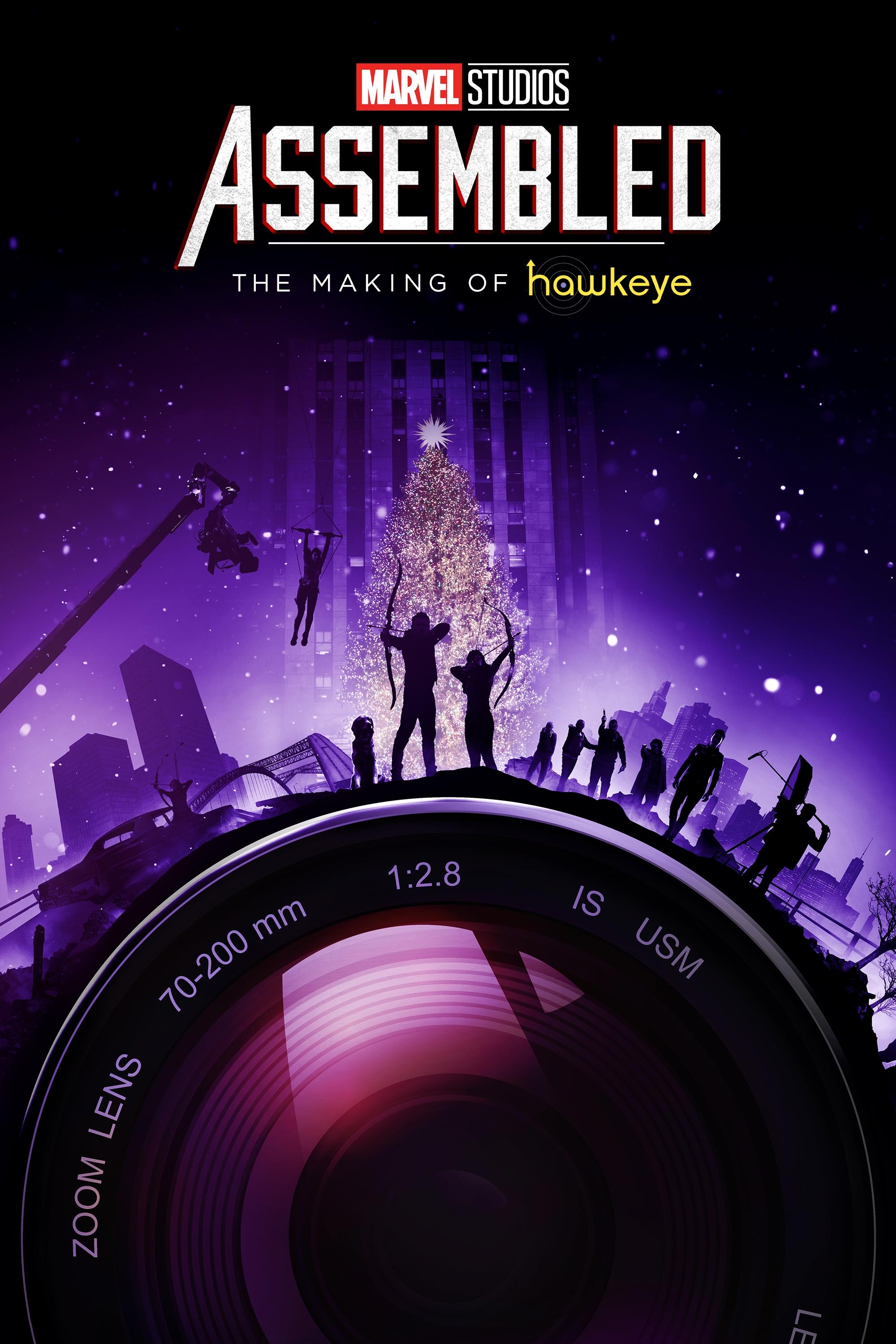
Join the likes of Jeremy Renner, Hailee Steinfeld, Florence Pugh, and Vincent D’Onofrio as they reveal how Marvel Studios’ “Hawkeye” was conceived and created. Witness firsthand what it took to pull off the show’s pulse-pounding action set pieces, and discover how iconic characters from the pages of Marvel Comics such as Kate Bishop were adapted and brought to life for the six-episode series.
A documentary on a former Miss Wyoming who is charged with abducting and imprisoning a young Mormon Missionary.
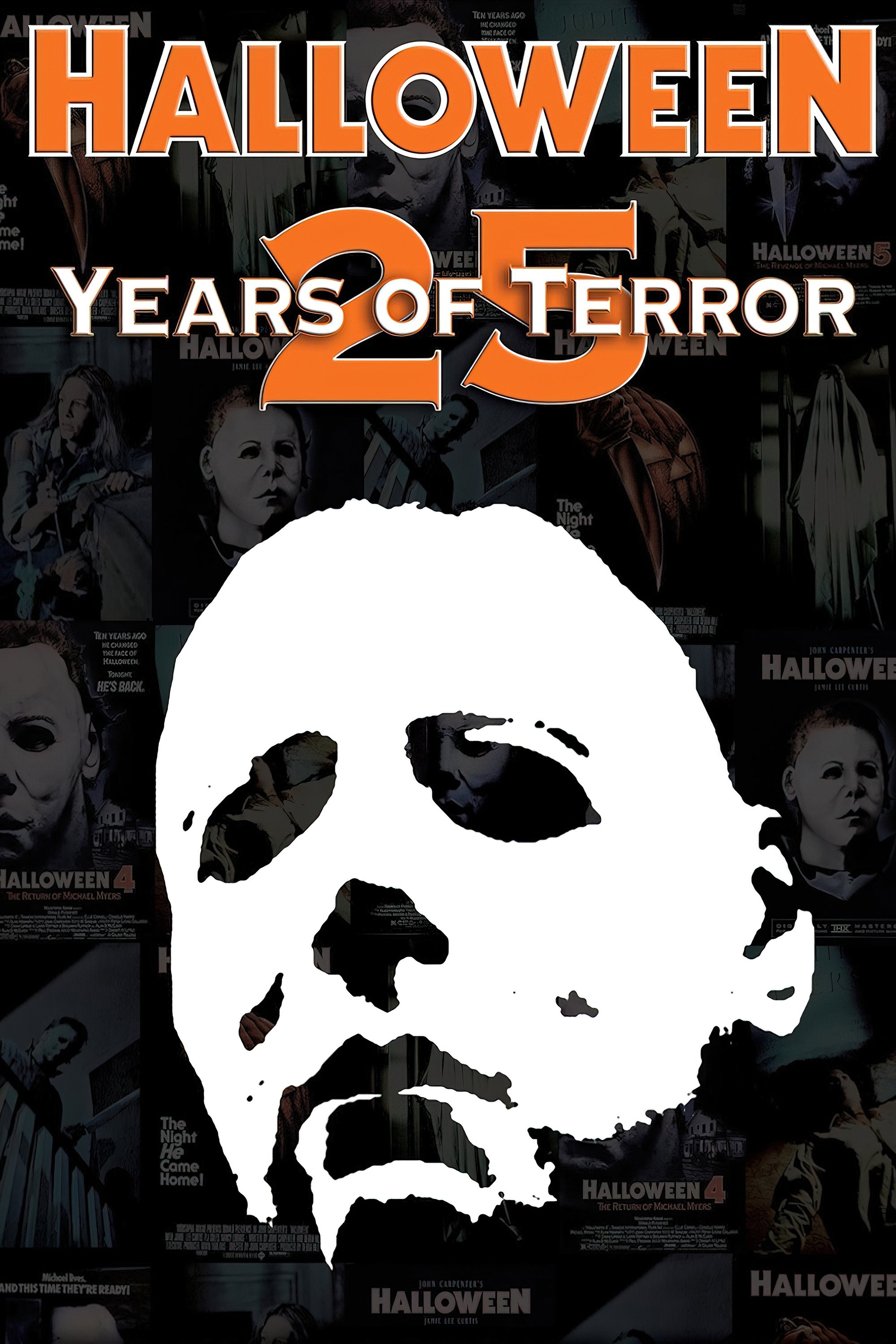
Follow the evolution of the 'Halloween' movies over the past twenty-five years. It examines why the films are so popular and revisits many of the original locations used in the films - seeing the effects on the local community. For the first time, cast, crew, critics and fans join together in the ultimate 'Halloween' retrospective.
A visual montage portrait of our contemporary world dominated by globalized technology and violence.