Social & External
Unknown Role

Otto and Kaija have celebrated their surprise wedding, but after a coctail party nothing between them is the same as Otto does not remember what actually happened, and the mess is ready when Otto's American uncle who hates women comes for a visit.
Hero and Beatrice, cousins and best friends, have very different approaches to love. Beatrice, burned once, is fiercely avoiding her arrogant ex-boyfriend Benedick and has sworn off men in general. Hero, a true romantic, is deeply in love with Benedick's friend Claudio, but too shy to say it. When they get trapped in a house with the entire boys rugby team, they'll be forced to face the questions they'd been avoiding.
You will meet the family of the miller Kaliba, who is proud not only of his mill, but also of the family tradition, according to which the milling profession has been passed down at the inn's mill for almost three hundred years. And since Mr. Kaliba has no son, it is certain that his only daughter Liduška must marry a miller. Perhaps this would have happened if the Kalibas had not gone to the anniversary exhibition. Here, Liduška meets the handsome engineer Karel Loukota, who is an overly zealous member of the cycling club "Don't Get Married!", but is not immune to love at all. Of course, he will face many hardships and obstacles, the biggest of which is, of course, the miller Kaliba with his fierce efforts to uphold the family tradition...
Young woman flies to Lapland together with her father and his new female friend whom the daughter dislikes. On a lonely skiing-trip across the vast wilderness, the young lady ends up in a shack inhabited by two research engineers and a funny old Lapland man who sees peculiar dreams.
Hate Mail is an epistolary play something like Love Letters, with two actors reading letters and other correspondence, but it's a little wilder and more hysterically funny. It tells the story of Preston, a spoiled rich kid who meets his match in Dahlia, an angst-filled artist. Their worlds collide when Preston sends a complaint letter that gets Dahlia fired from her job, and then there's no turning back. The play stays with their increasingly crazed correspondence as they move from hate to love, and then right back again.
A young princess arrives at her estate. She is bored by the welcoming ceremony and is quite happy to hear about the rebellious miller who refused to come to the castle. He lives with his mother and ward Hanička in an old mill. The miller is exempt from work, but he is obliged, if the lordship requests it, to accompany her with a lantern to the forest castle. The princess likes the miller and therefore uses his right...
The story of seedy sideshow barker Nicky, who uses everyone he meets to get ahead. Nicky isn't even above exploiting his singing sweetheart Lily to suit his purposes, but this time it is he who ends up the loser -- at least until he gets wise to himself.
Alf discovers that one of the buttons on his pyjamas is made from the metal of Aladdin's lamp and that when he cleans it a genie appears.
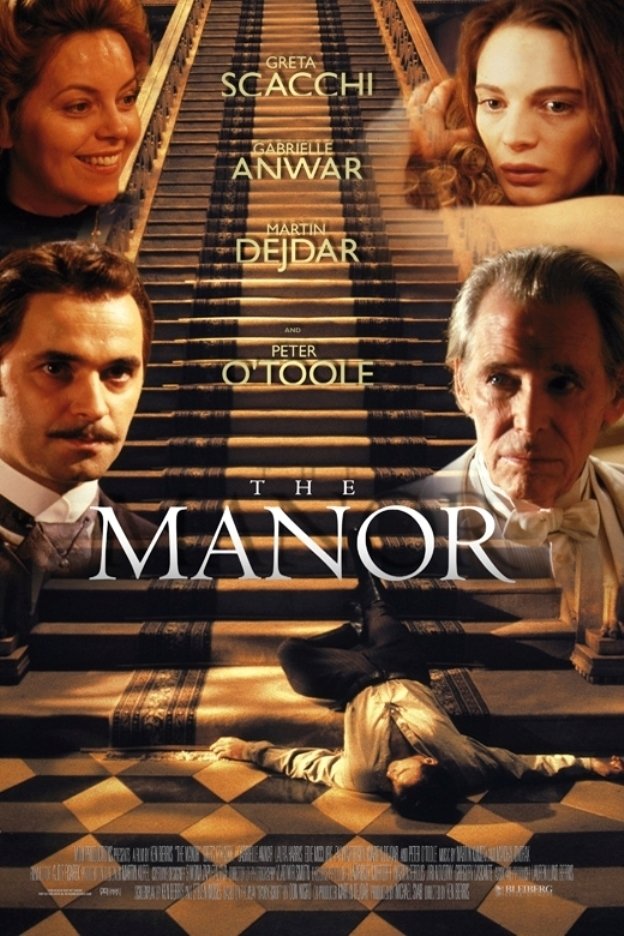
A decrepit house in Badajoz, Spain, on a cold winter night in 1925. Laura and her mother Adela, who is confined to a wheelchair, are faced with the possibility of putting an end to the grumpy grandfather's life, who is around ninety-two years old. But then, suddenly, cousin Enrique, a doctor by profession, shows up, which will change the course of events…
Young lovers Hero and Claudio, soon to wed, conspire to get verbal sparring partners and confirmed singles Benedick and Beatrice to wed as well.
Young bricklayers Franta Doubrav and his friend Béla meet two girls, Mařka and Vlasta, on their way back from a friend's wedding, but they only manage to call them by their name and the construction site they are currently working on. Imagine their surprise when they discover that Mařka is a trained bricklayer who has joined Franta's father's work crew, where she proposes a new way of working that will help catch up on the construction delays. As a young girl, however, she must first deal with the distrust of the older and more experienced bricklayers.
Le Bourgeois gentilhomme satirizes attempts at social climbing and the bourgeois personality, poking fun both at the vulgar, pretentious middle-class and the vain, snobbish aristocracy. The title is meant as an oxymoron: in Molière's France, a "gentleman" was by definition nobly born, and thus there could be no such thing as a bourgeois gentleman.
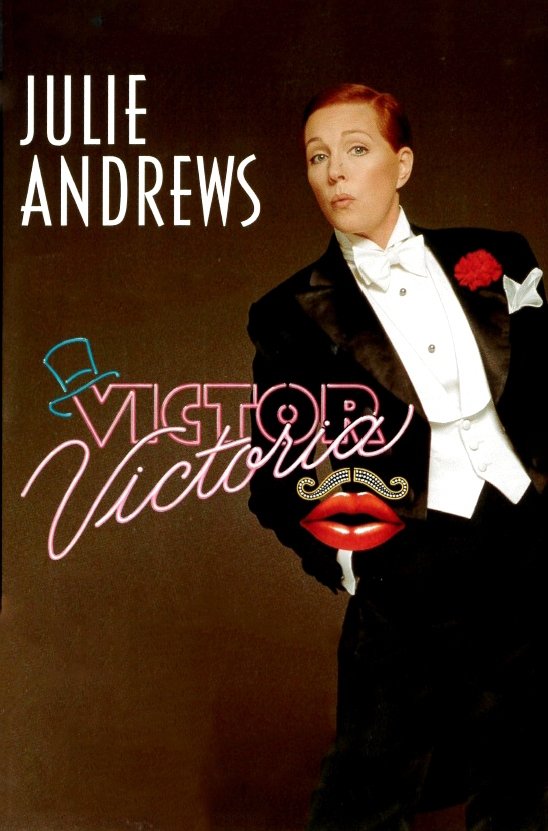
A 20-year-old stage actress takes on her most challenging role when she pretends to be her own mother's 12-year-old daughter.