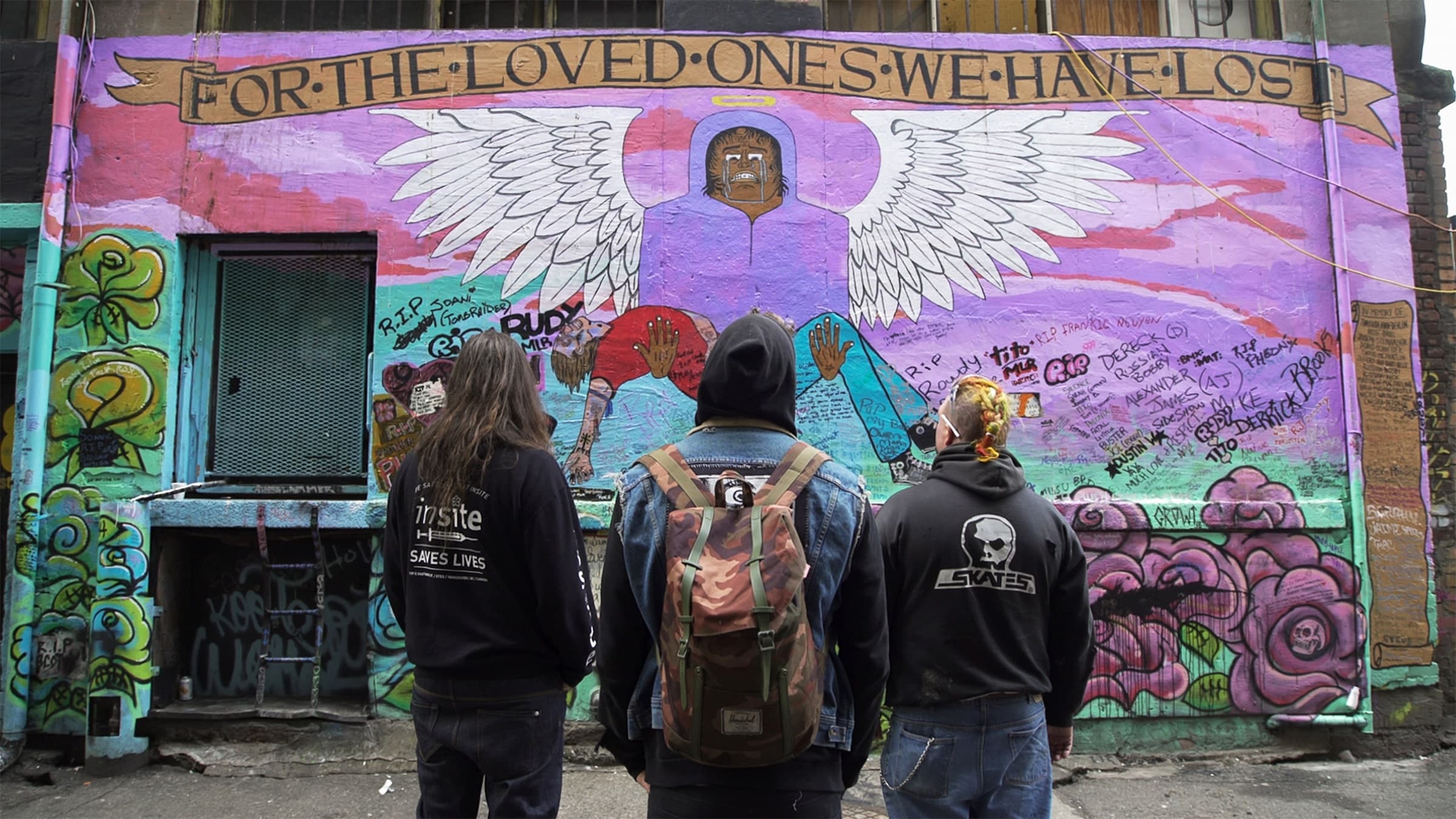
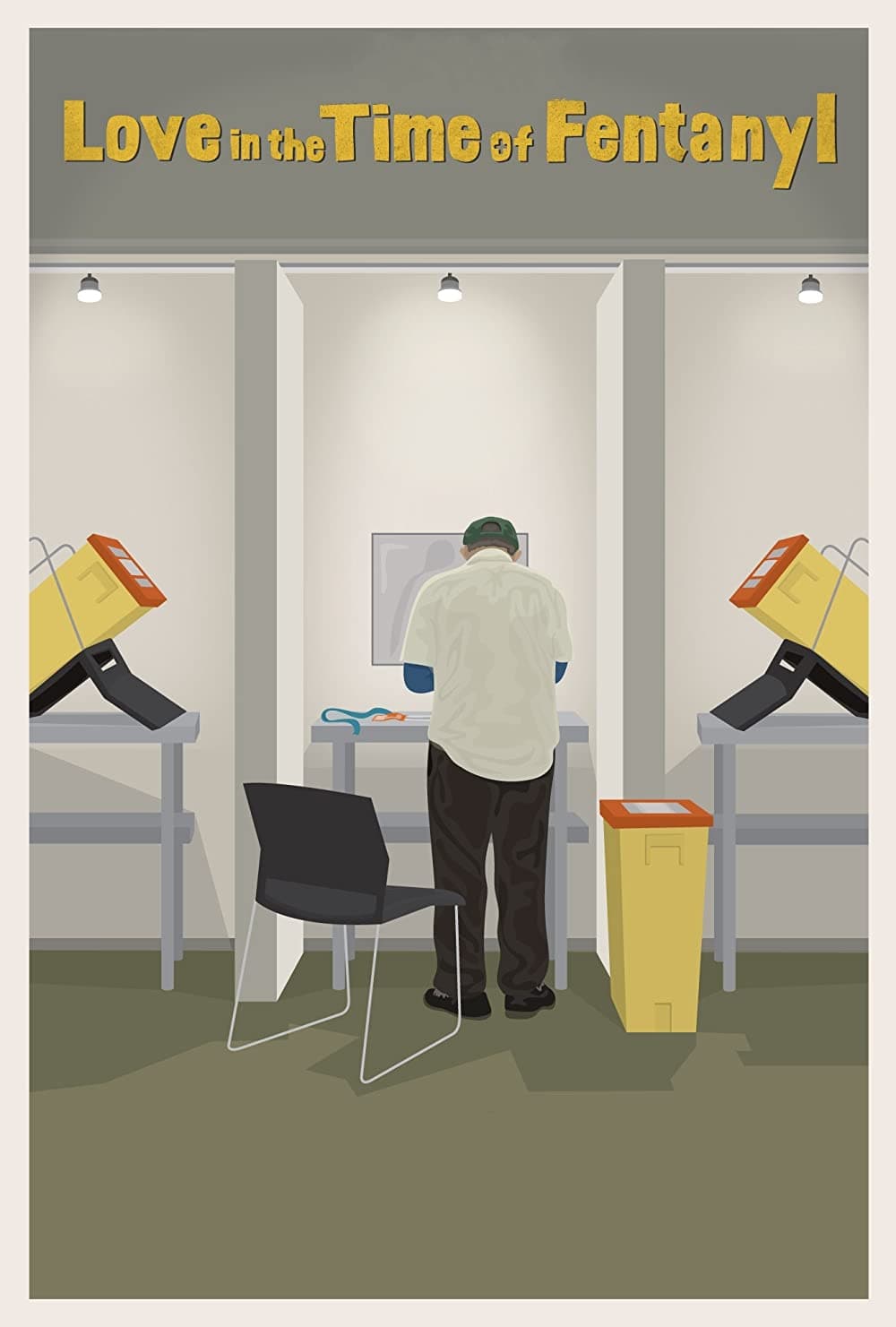
An intimate portrait of a community fighting to save lives and keep hope alive in a neighborhood ravaged by the overdose crisis.
Stream
Social & External
The people behind it
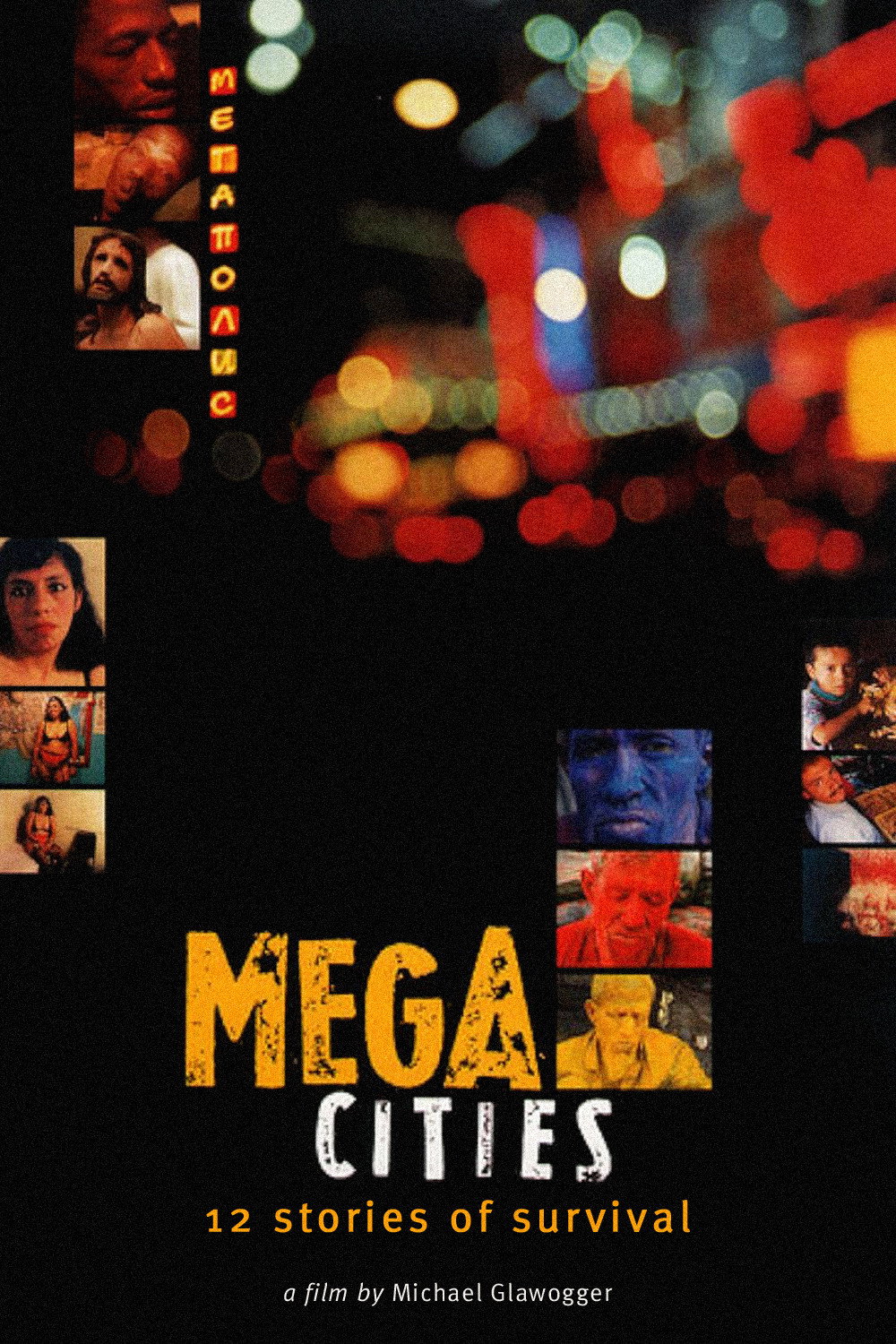
Megacities is a documentary about the slums of four different metropolitan cities.
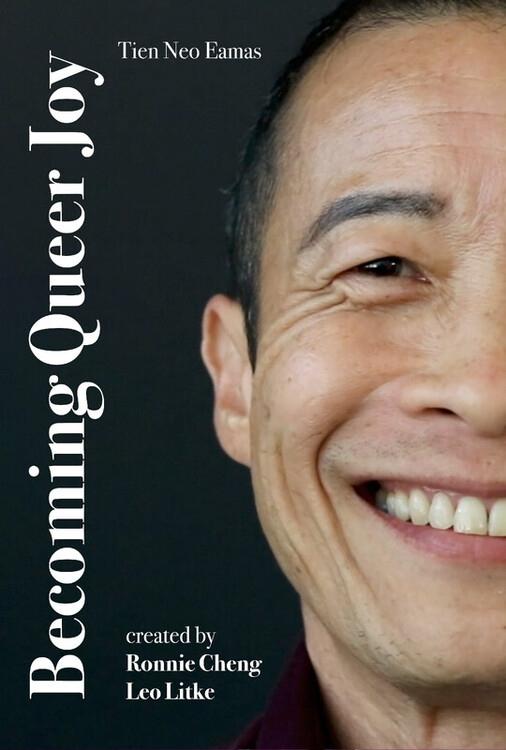
Tien is the first Asian trans man to publicly come out in the Vancouver, then, gay and lesbian community of 2001. In this profound and inspiring film, Tien shares his story as a trailblazing, racialised, transgender immigrant and his journey to discovering his true purpose in life — cultivating and becoming joy.
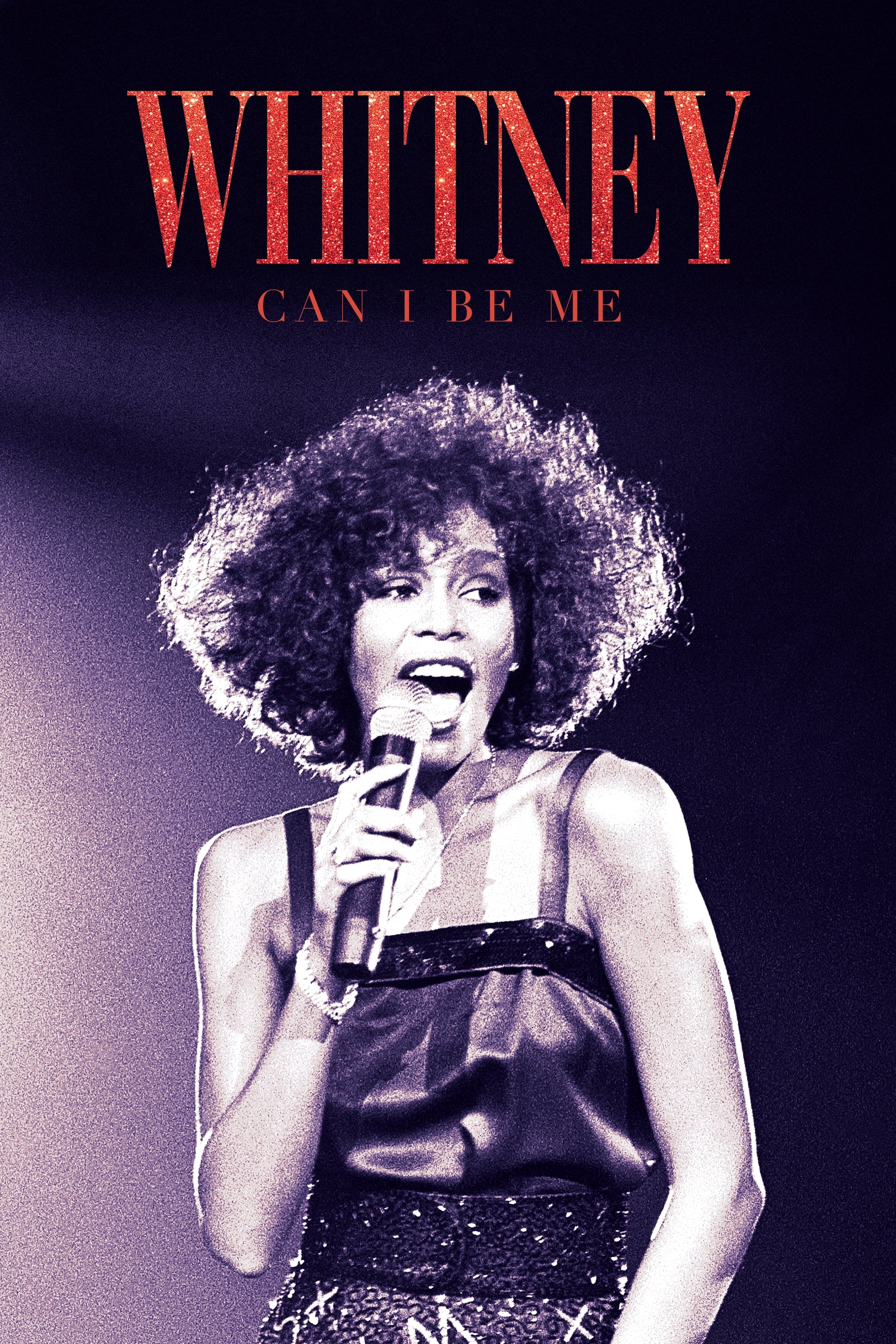
The life and tragic death of Whitney Houston.
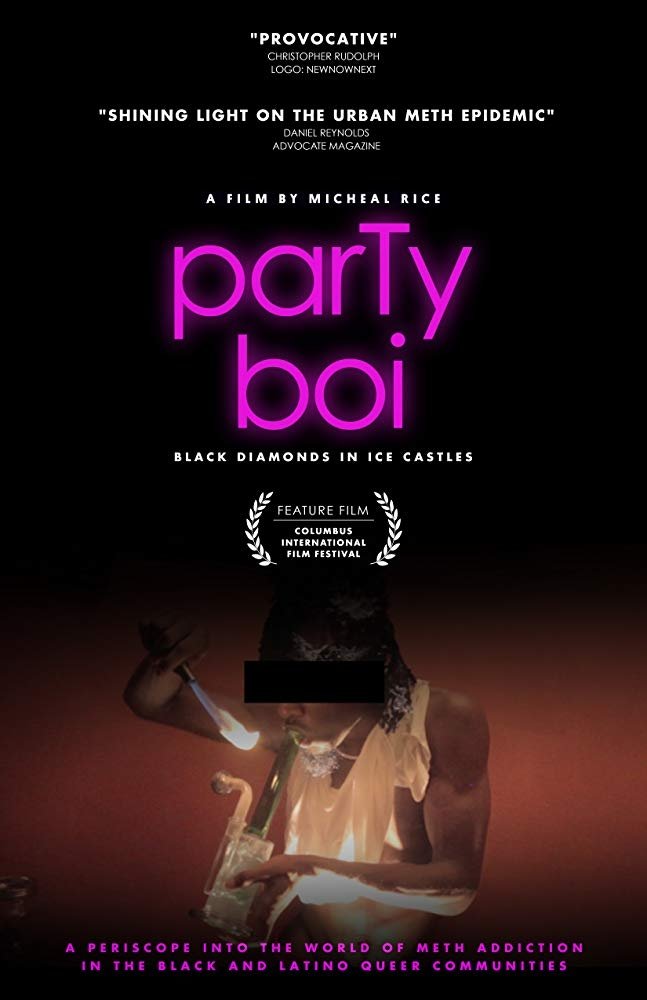
A documentary focusing on the effects of crystal meth addiction in LGBTQ communities of color. Featuring real stories of real people who are dealing with and surviving crystal meth addiction. A riveting film to captivate and bring awareness to all audiences and change the perception of the 'Party & Play' lifestyle within the inner city demographic of LGBTQ people of color.
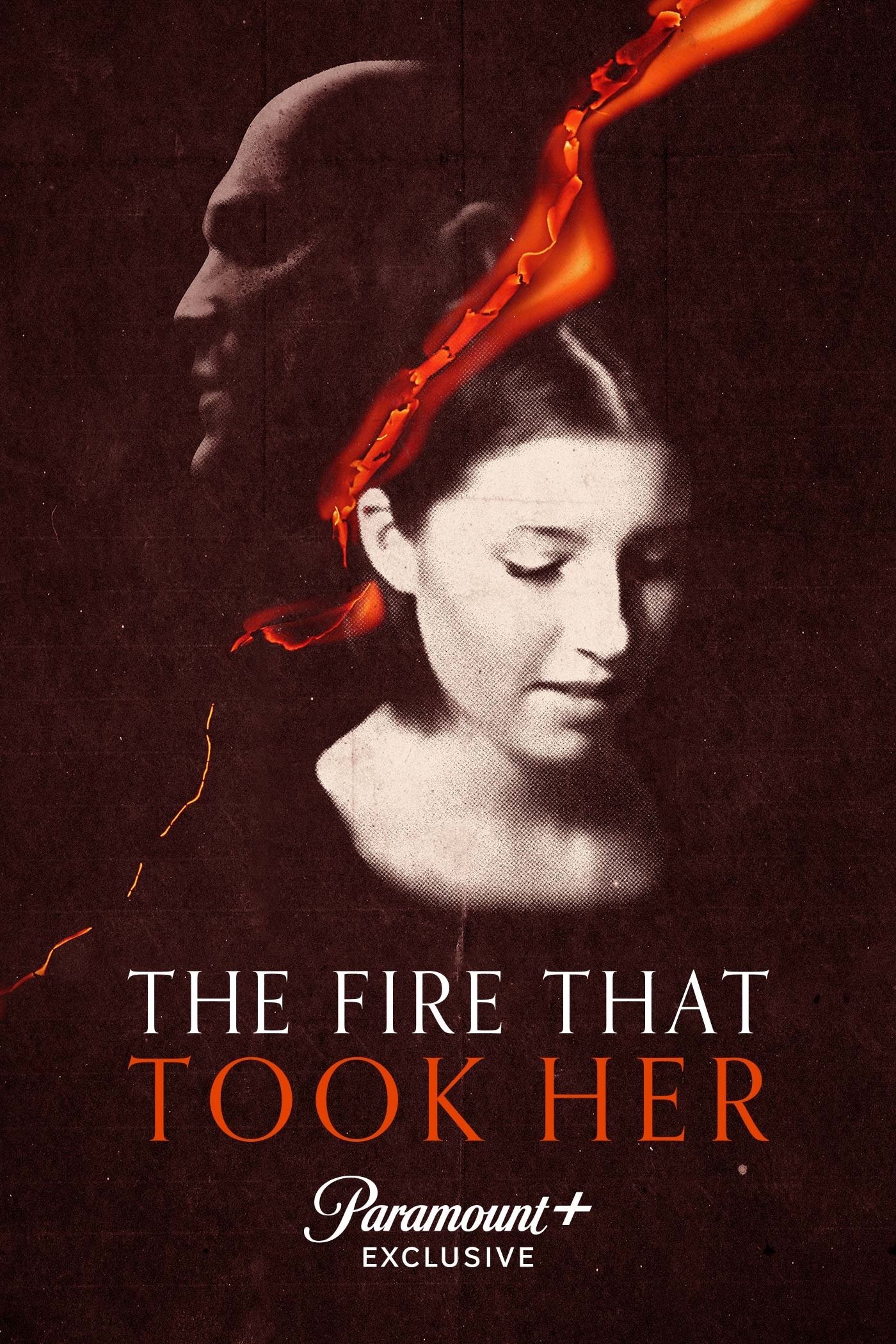
Mother-of-two Judy Malinowski, then 31, was doused in gasoline and set on fire by her crazed boyfriend – and one of the first ever to testify from beyond the grave, at the trial for her own murder. A story that lives at the intersection of true crime and #MeToo, THE FIRE THAT TOOK HER goes deep inside a landmark case to ask a timely question: How much must women suffer in order to be believed?
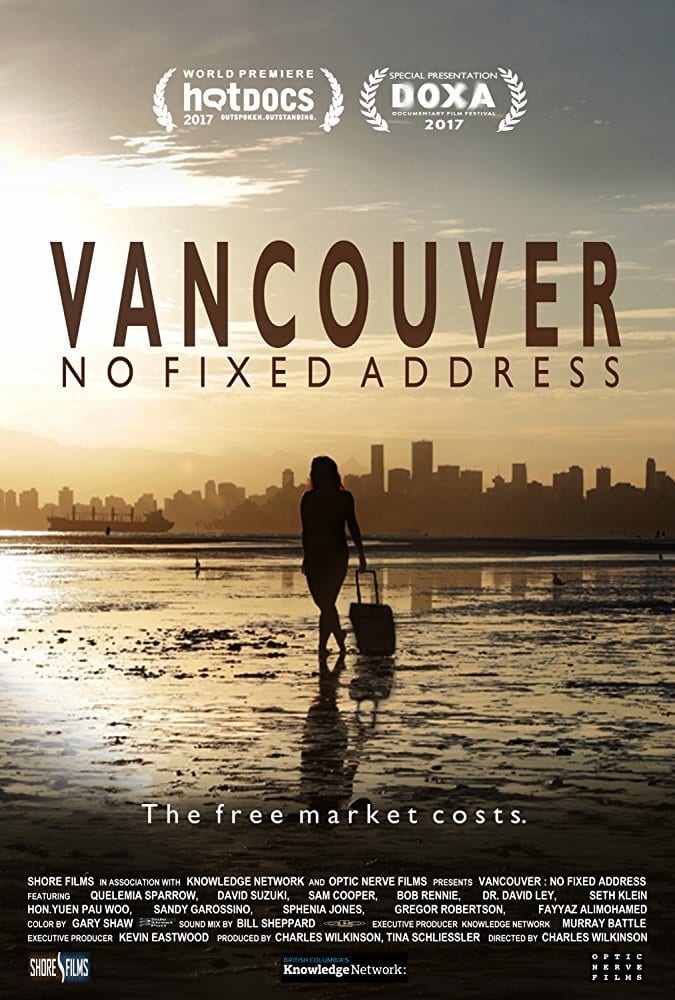
There is no topic that unites all of Vancouver quite like that of housing. At every dinner party, social gathering, or chance meeting in the street, everyone has an opinion, and they want to share it. Charles Wilkinson’s new film Vancouver: No Fixed Address tackles the subject from a multiplicity of perspectives. A chorus of voices chime in — everyone from David Suzuki, to Vancouver Mayor Gregor Robertson, Seth Klein, Condo King Bob Rennie, Senator Yuen Pau Woo, and lots of regular Vancouver citizens.
The life and career of the hailed Hollywood movie star and underappreciated genius inventor, Hedy Lamarr.
Maya is Ayaibex's daughter, an addict in recovery that feels a blame for damages that caused her daughter, Maya decides to remember her mother's childhood experiences in her world of addiction to seek the redemption of the weight that her mother has loaded for 20 years and get both to forgiveness.
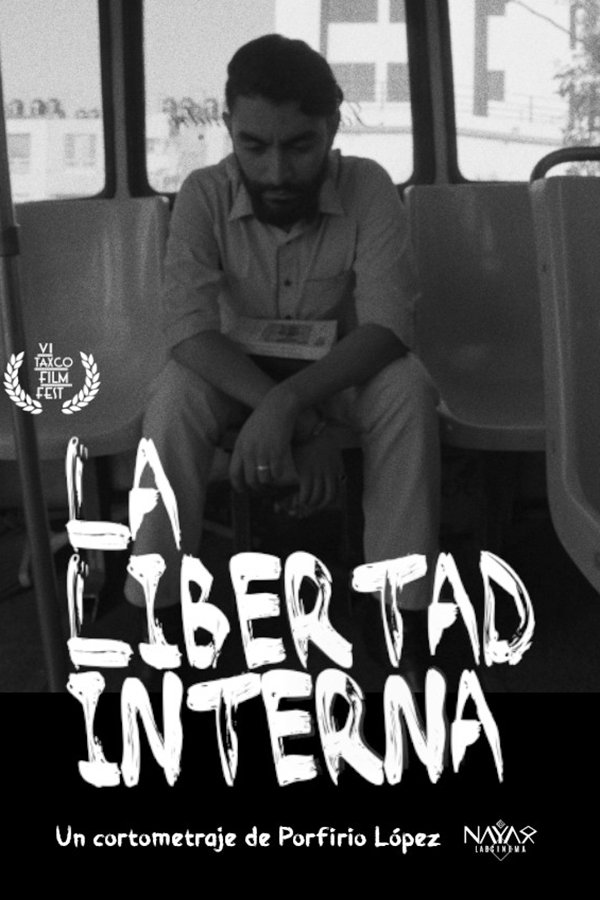
A young woman reflects on her high school drug addiction on a weekend trip to her hometown in Pennsylvania where it took place.
Chronicles of a male homosexual drug addict in 1980's in voice-over with long take scenes from Rome, television snippets of news of Gulf War and commercials.
For those who electrical sensitivity, there aren’t many places to seek refuge. In a remote part of West Virginia, the so-called National Radio Quiet Zone offers one such escape.
An in-depth portrait of British composer, pianist and singer Elton John, pop star and myth of modern culture.
A man tries to get a group of young people trapped in drugs out through philosophy.
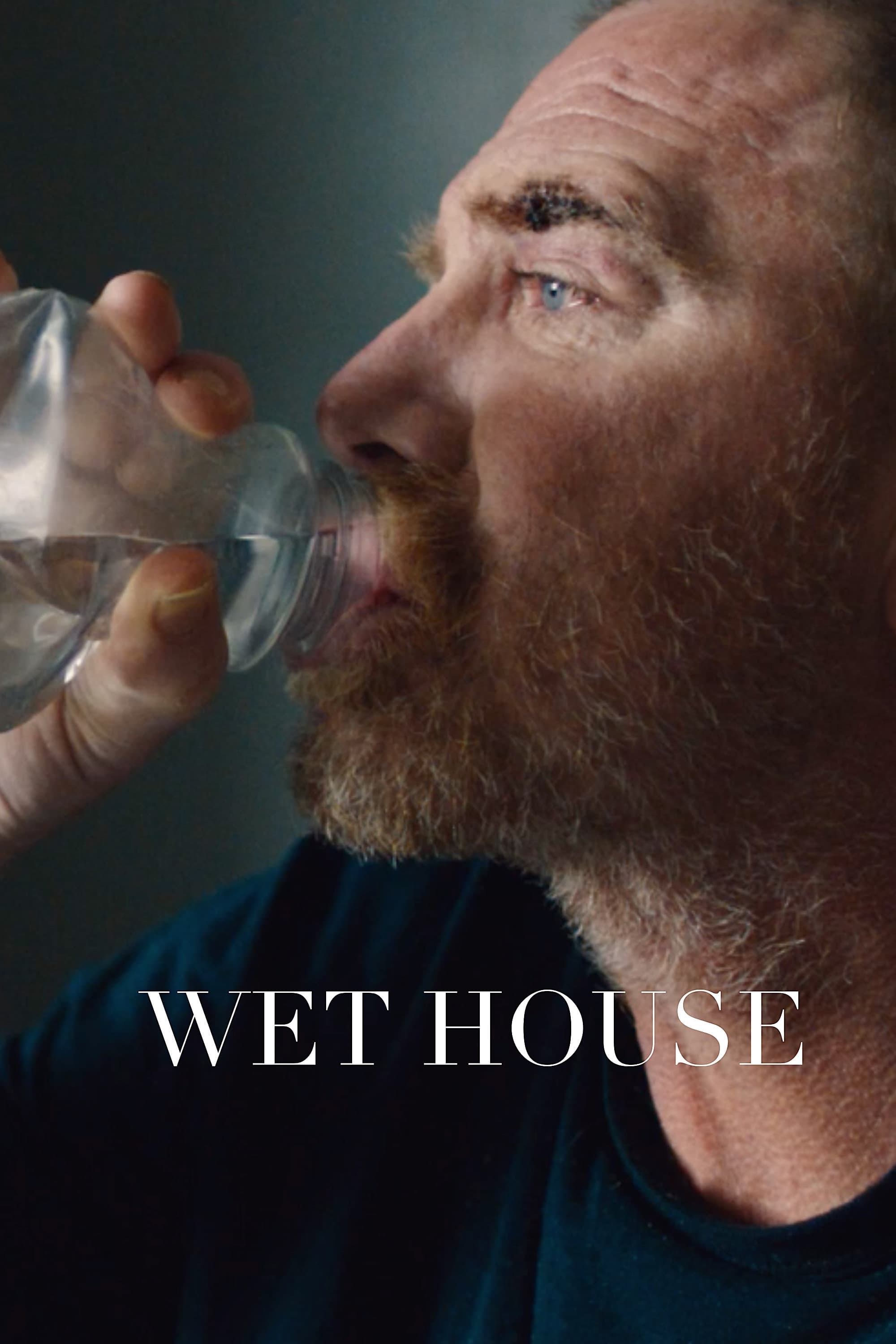
An unflinching look at life on the fringe, documenting the changing fortunes of residents throughout a year. Encountering humanity within this harrowing reality, a radical care-model offers hope for chronic alcoholism.
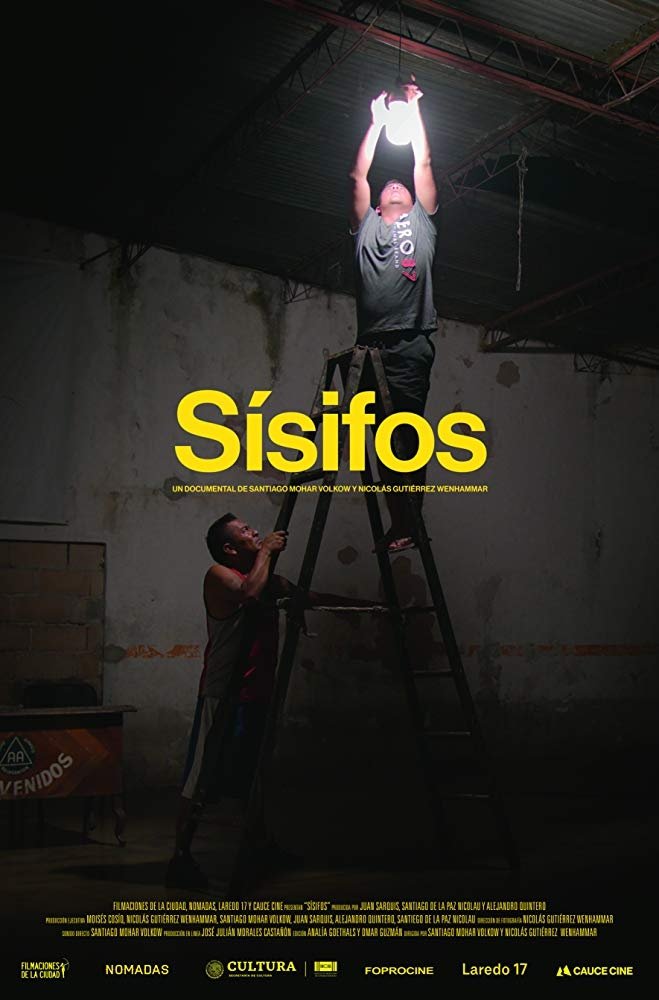
Sisyphus is a journey through the rehabilitation of addictions in Mexico. In the absence of a public infrastructure to combat this problem, the annexes are the alternative that addicts themselves have created. The annexes are unofficial rehabilitation centers in which a method of rehabilitation thought apart from medicine or professional therapy is offered.
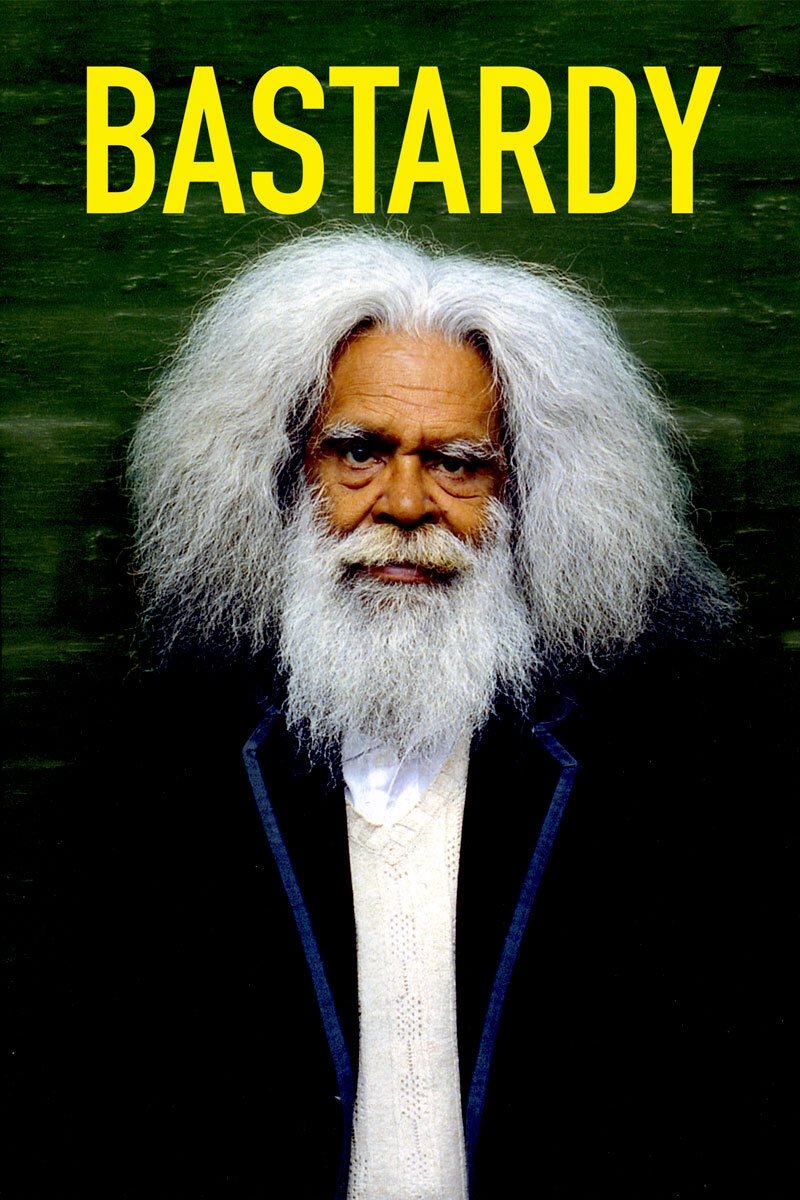
Provocative, funny and profoundly moving, Bastardy is the inspirational story of a self proclaimed Robin Hood of the streets. For Forty years and with infectious humour and optimism, Jack Charles has juggled a life of crime with another successful career- acting
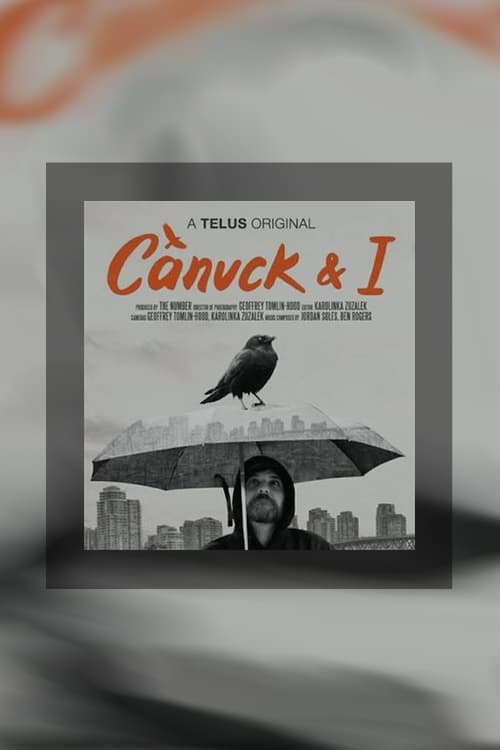
Meet Canuck – a wild crow who formed an unlikely bond with his human friend, Shawn. The mischievous crow has captured the hearts of Vancouverites and garnered global attention through his antics.
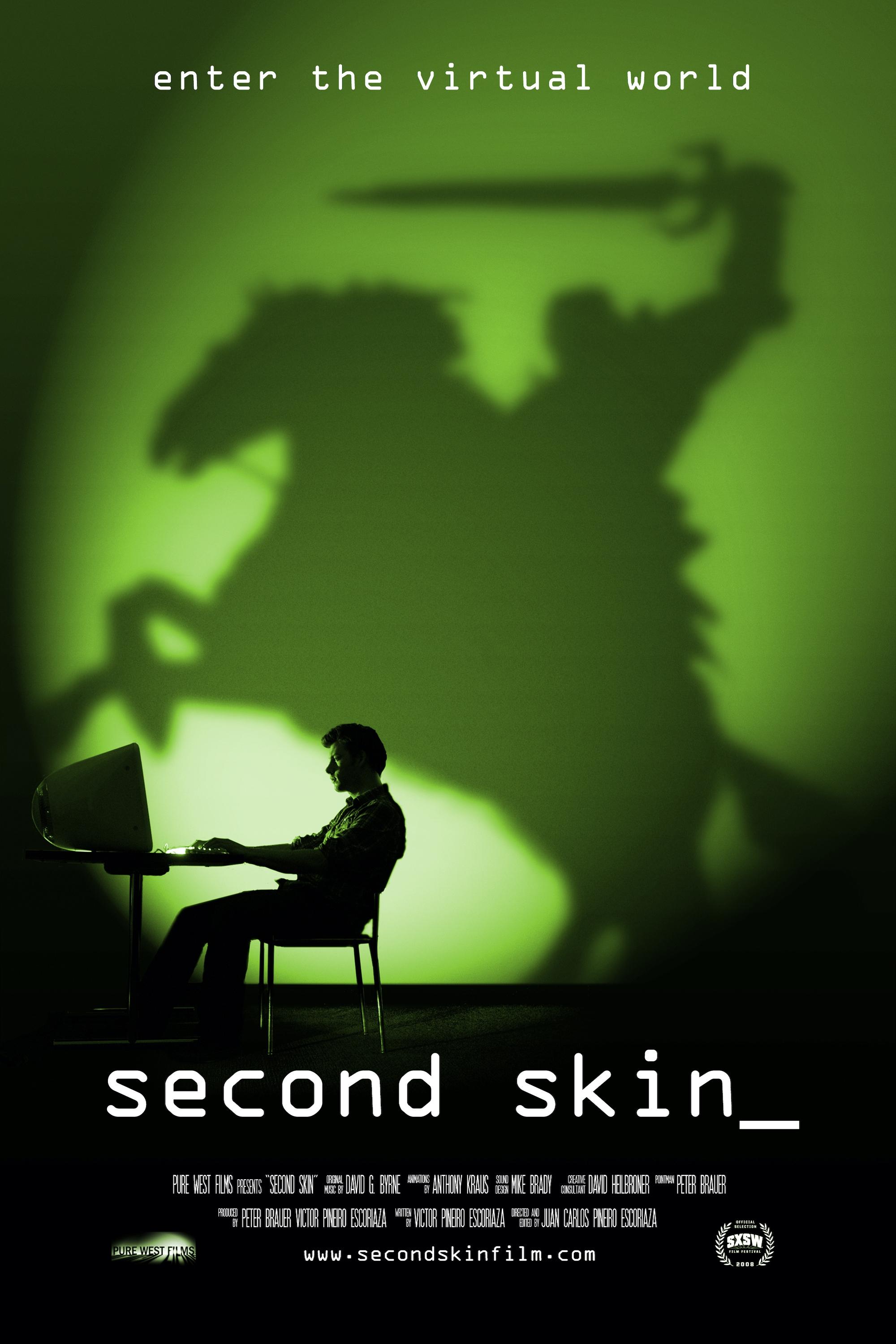
Second Skin takes an intimate look at three sets of computer gamers whose lives have been transformed by online virtual worlds. An emerging genre of computer software called Massively Multiplayer Online games, or MMOs, allows millions of users to interact simultaneously in virtual spaces. Of the 50 million players worldwide, 50 percent consider themselves addicted.
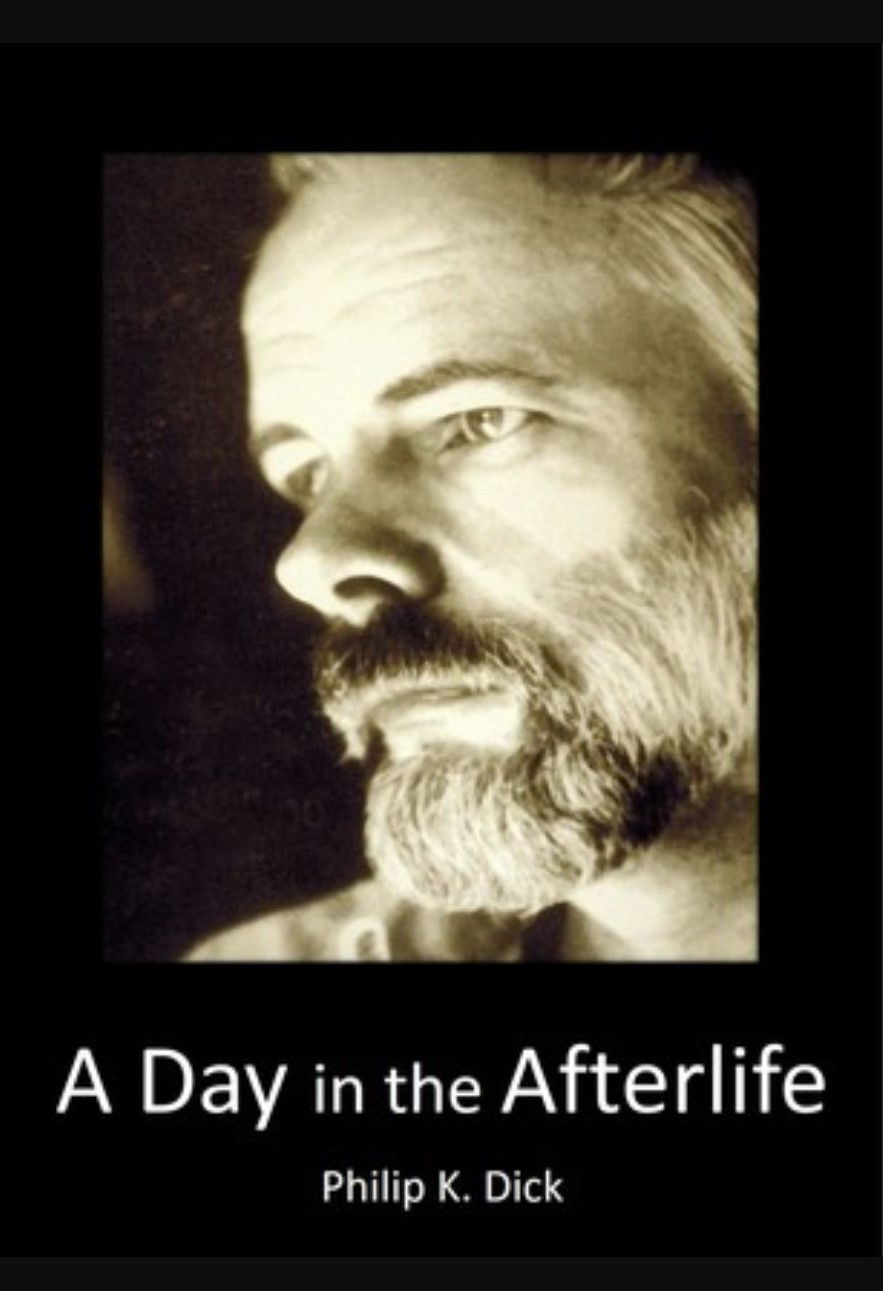
A poetic look at the life and legacy of legendary author Philip K. Dick (1928-1982), who wrote over a hundred short stories and 44 novels of mind-bending sci-fi, exploring themes of authority, drugs, theology, mental illness and much more.
Because of the internet's accessibility, anonymity, and affordability, pornography addictions have risen to epidemic levels, destroying intimacy, marriages and families, while distorting our definition of sex and sexuality.
Through deeply personal interviews with her siblings and an examination of the photographs, letters, and belongings left behind, Mariska assembles a new portrait of her mother Jayne Mansfield, an extraordinary and complex woman.
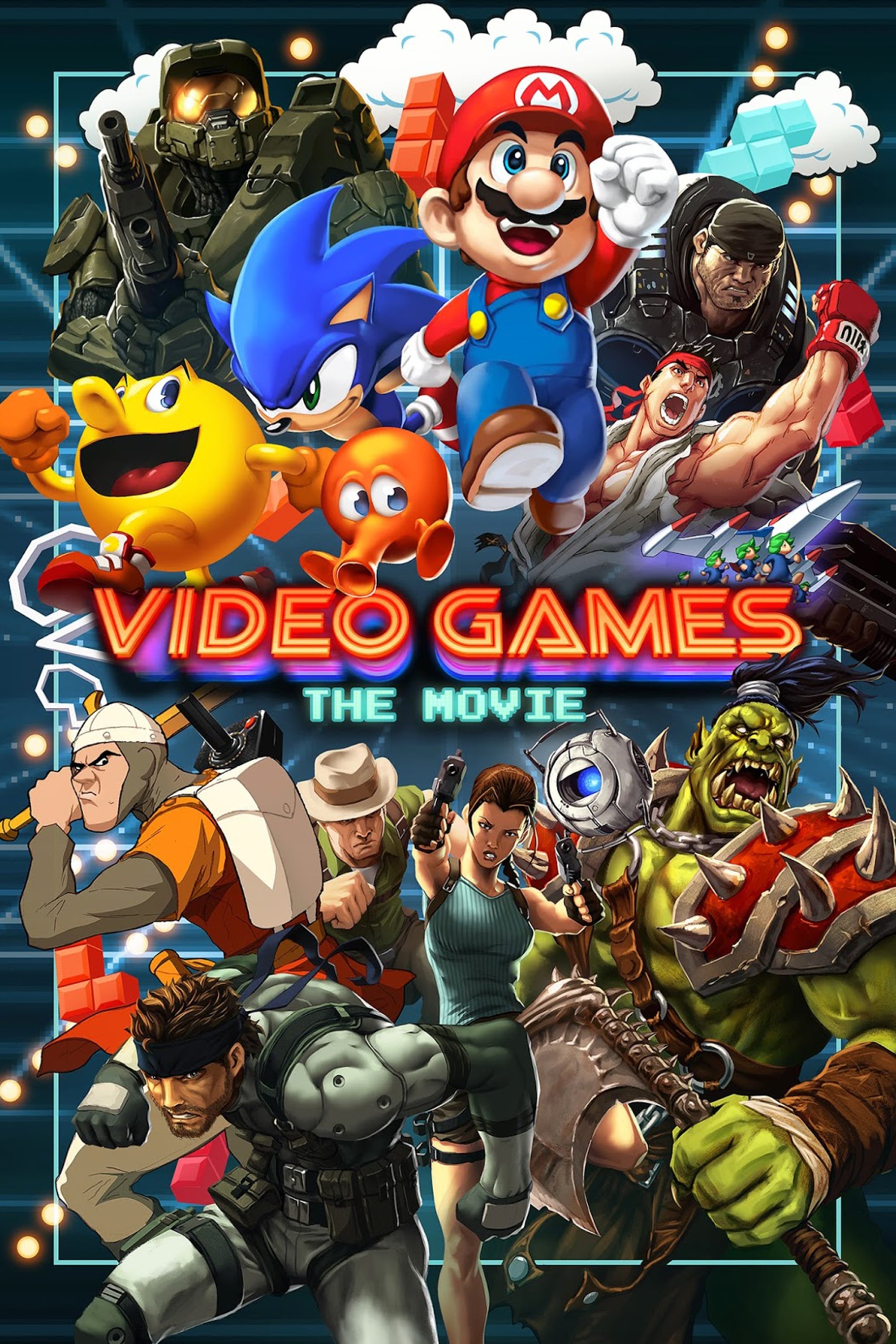
From executive producer Zach Braff and director Jeremy Snead, "Video Games: The Movie" is an epic feature length documentary chronicling the meteoric rise of video games from nerd niche to multi-billion dollar industry. Narrated by Sean Astin and featuring in-depth interviews with the godfathers who started it all, the icons of game design, and the geek gurus who are leading us into the future, "Video Games: The Movie" is a celebration of gaming from Atari to Xbox and an eye-opening look at what lies ahead.
A visual montage portrait of our contemporary world dominated by globalized technology and violence.
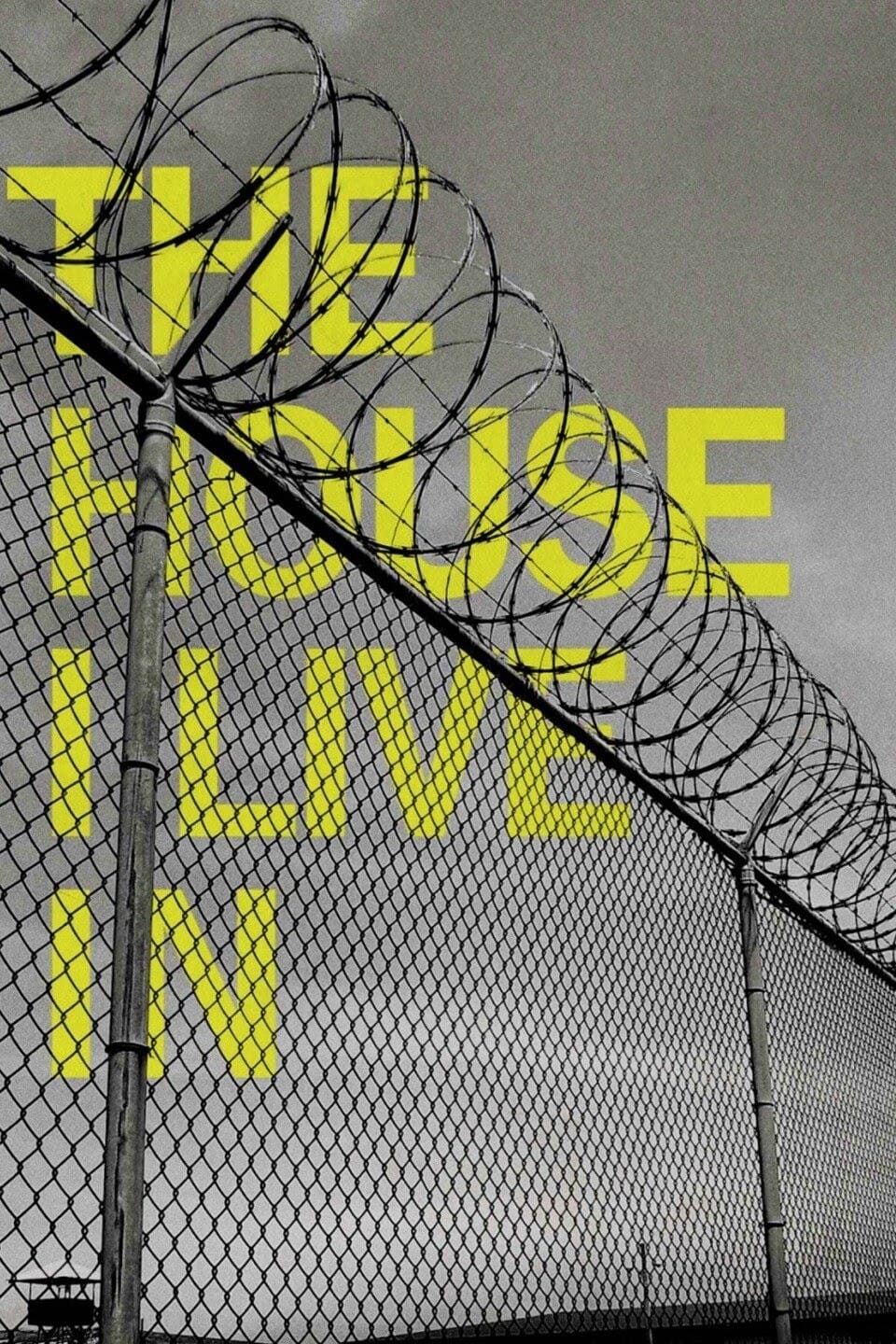
In the past 40 years, the War on Drugs has accounted for 45 million arrests, made America the world's largest jailer, and destroyed impoverished communities at home and abroad. Yet drugs are cheaper, purer, and more available today than ever. Where did we go wrong?
Musician and performance artist Laurie Anderson reflects on the deaths of her husband Lou Reed, her mother and her beloved dog.
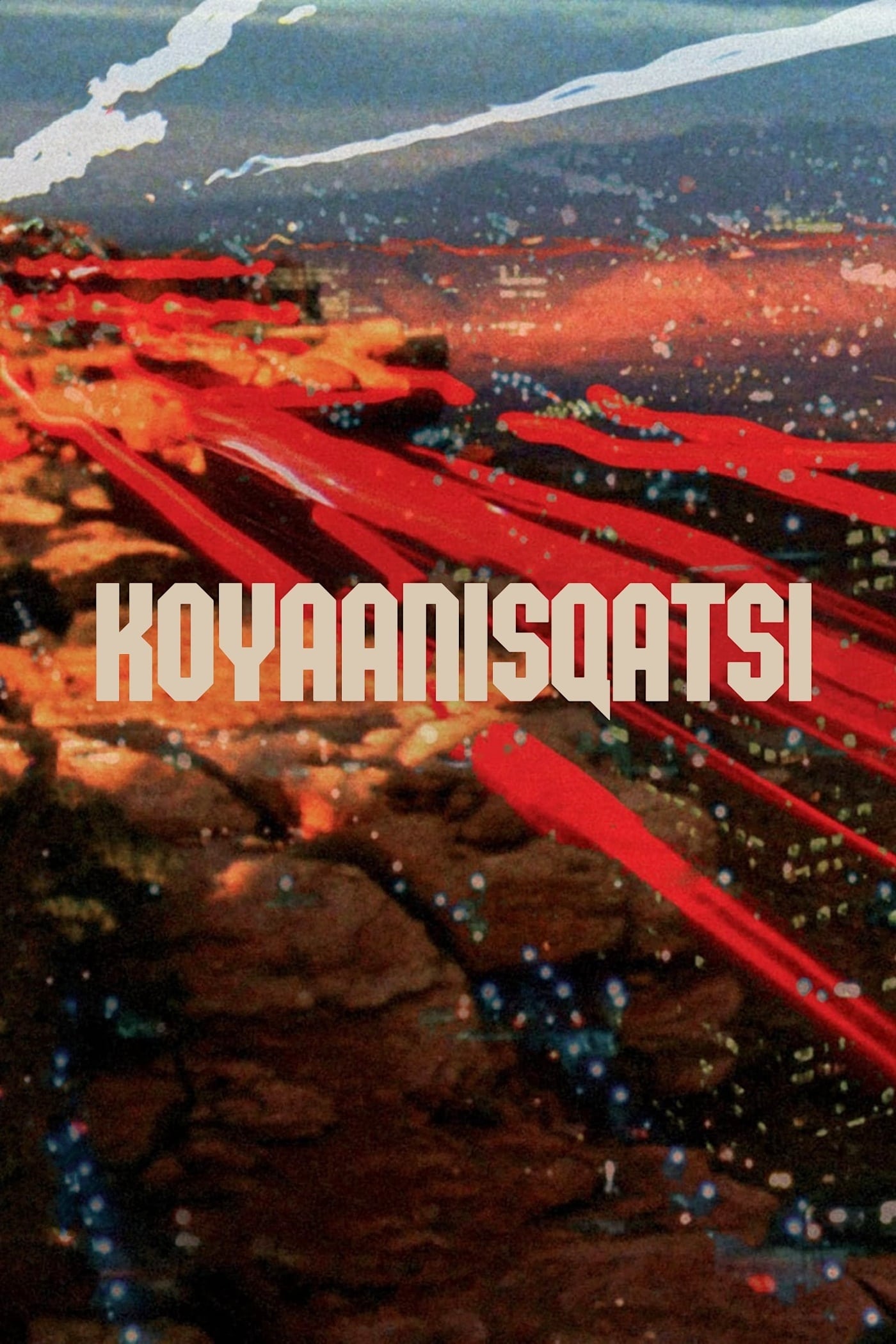
Takes us to locations all around the US and shows us the heavy toll that modern technology is having on humans and the earth. The visual tone poem contains neither dialogue nor a vocalized narration: its tone is set by the juxtaposition of images and the exceptional music by Philip Glass.
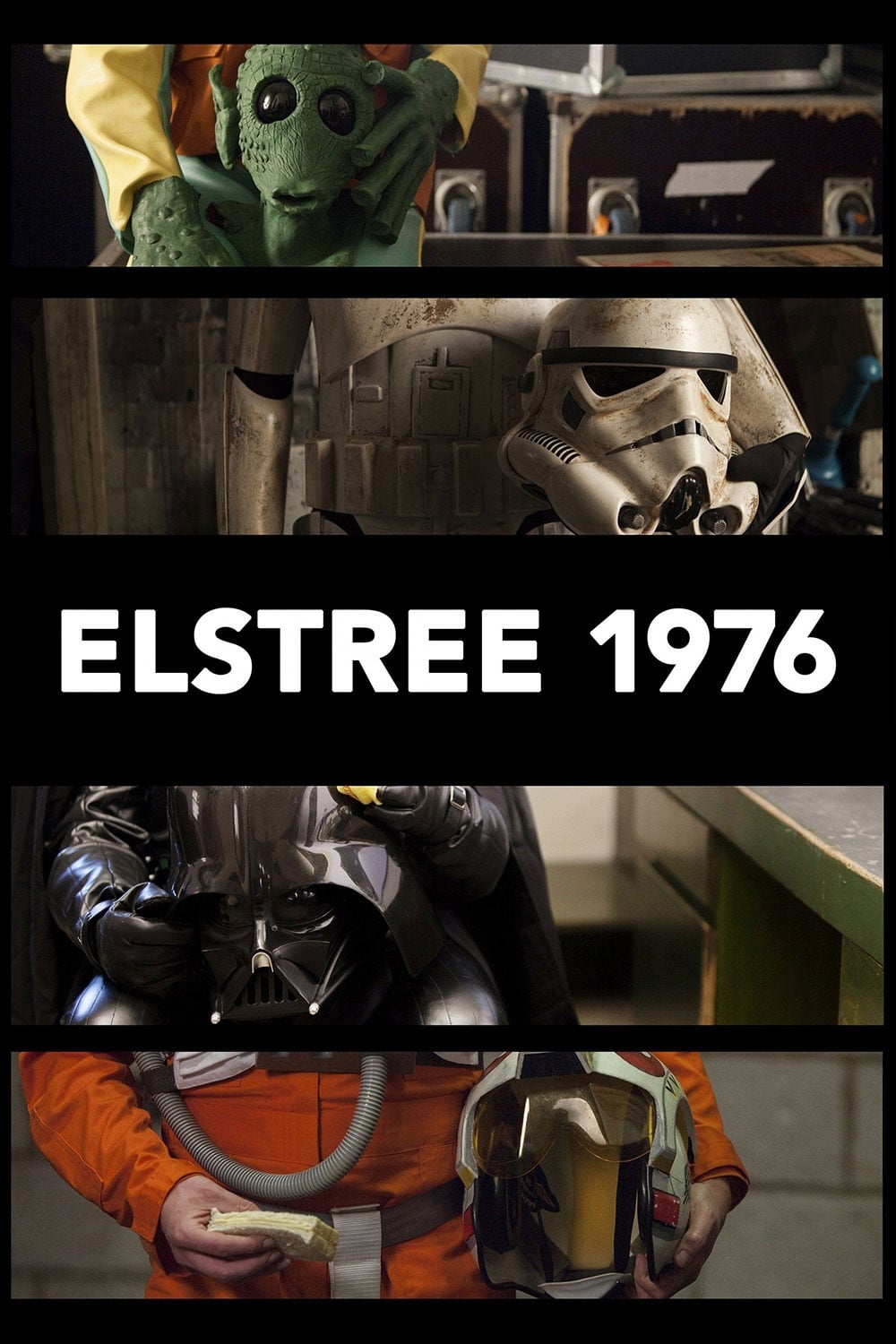
A documentary about ten very different lives connected by having appeared onscreen wearing masks or helmets in Star Wars.
BBC Arena's documentary on the Dames of British Theatre and film featuring Maggie Smith, Eileen Atkins, Judi Dench and Joan Plowright on screen together for the first time as they reminisce over a long summer weekend in a house Joan once shared with Sir Laurence Olivier.
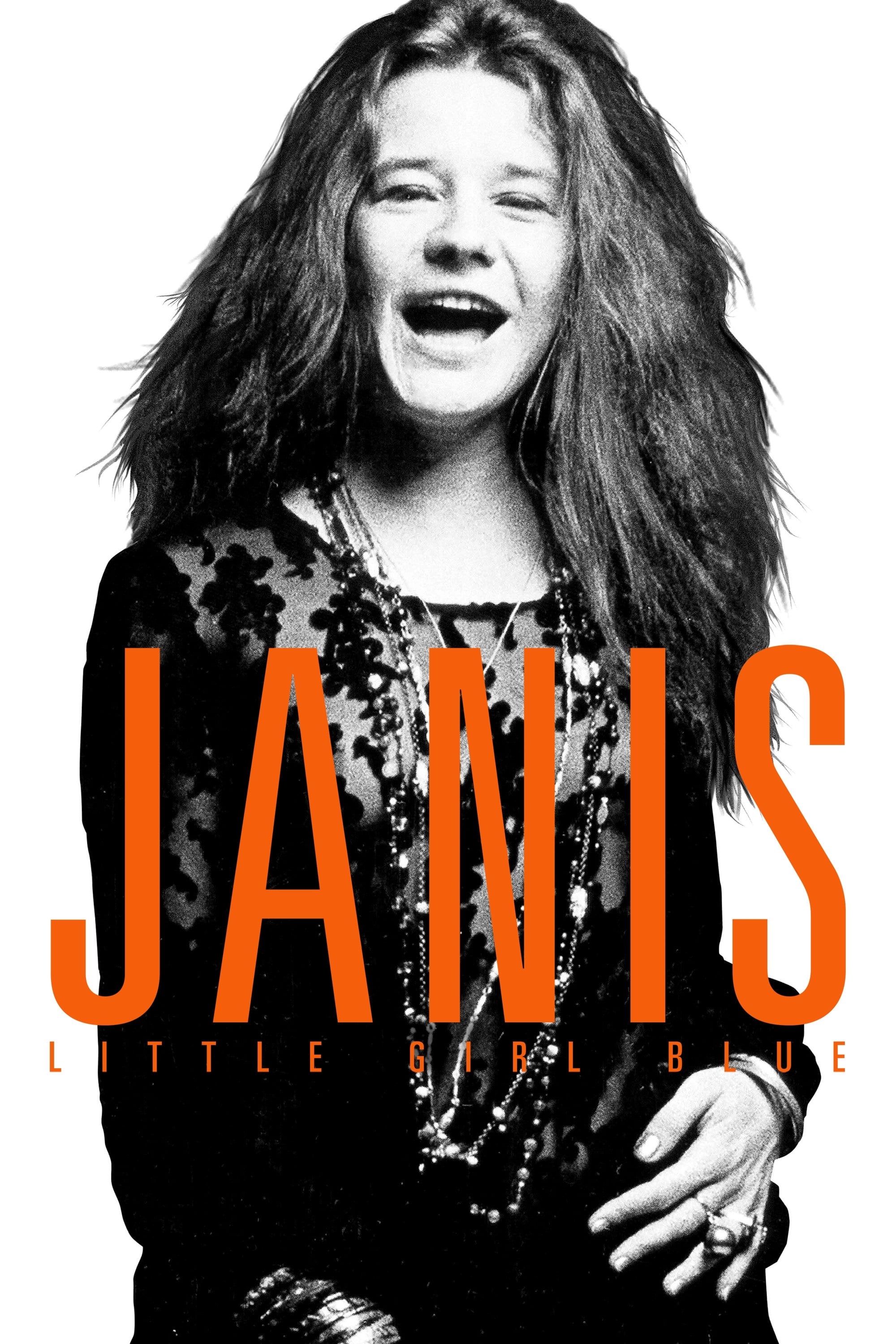
Janis Joplin is one of the most respected and iconic rock & roll singers of all time, a tragic and misunderstood figure who captivated millions of listeners and blazed new creative trails before her death in 1970 at age 27. Director Amy Berg explored Joplin's story in depth. A portrait of a complicated, driven and often beleaguered artist. Joplin's own words recount a series of letters she wrote to her family over the years. Janis was a vessel of energy when she sang. Her rapid rise and untimely death changed music forever.
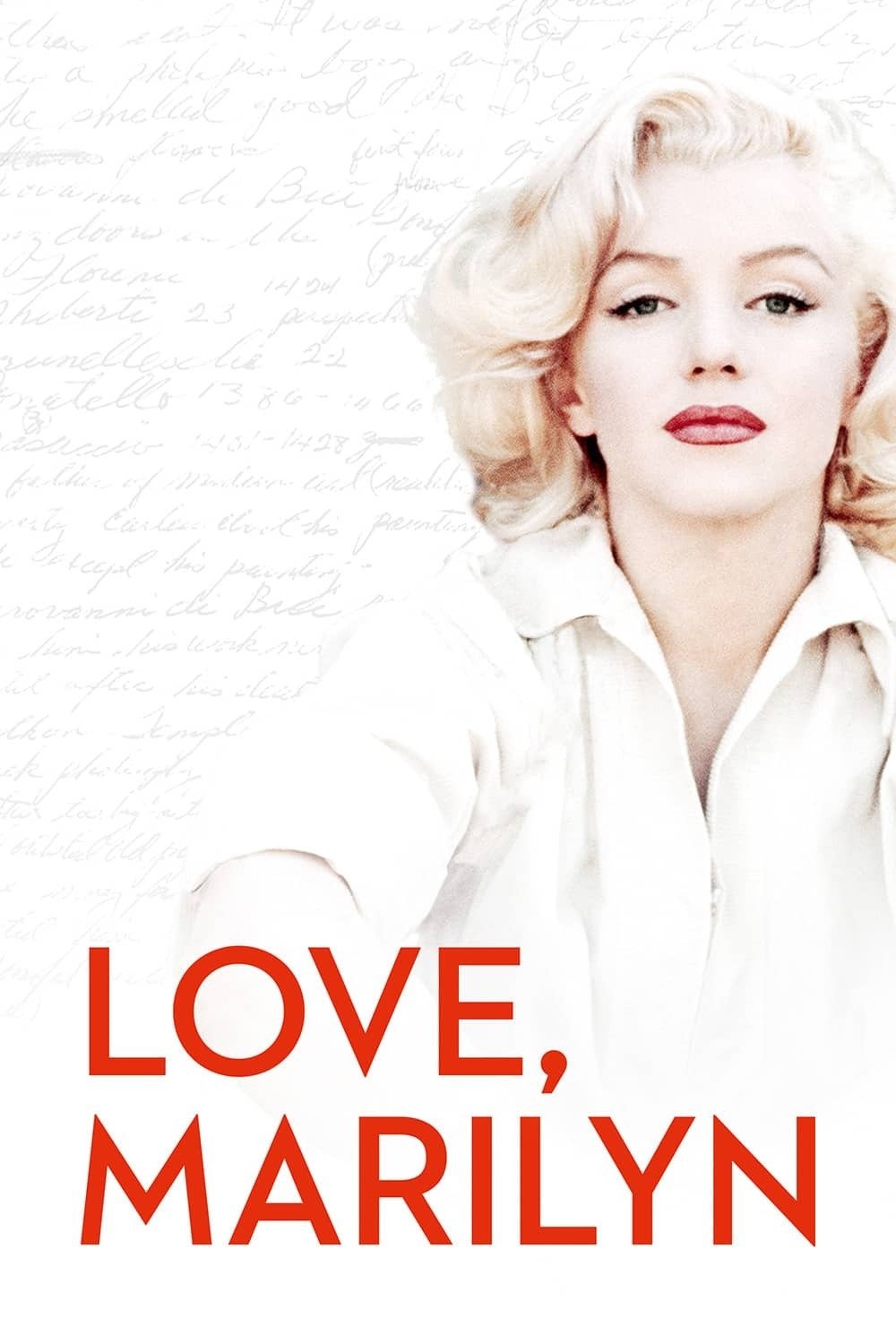
Using the book 'Fragments', which collects Marilyn Monroe's poems, notes and letters, and with participation from the Arthur Miller and Truman Capote estates who have contributed more material, each of the actresses will embody the legend at various stages in her life.
Live Aid was held on 13 July 1985, simultaneously in Wembley Stadium in London, England, and the John F. Kennedy Stadium in Philadelphia, United States. It was one of the largest scale satellite link-ups and television broadcasts of all time: watched live by an estimated global audience of 1.9 billion, across 150 nations. "It's twelve noon in London, seven AM in Philadelphia, and around the world it's time for Live Aid...!"
A documentary detailing the epic Rogues' Gallery of DC Comics from The Joker and Lex Luthor, Sinestro, Darkseid and more, this documentary will explore the Super Villains of DC Comics.
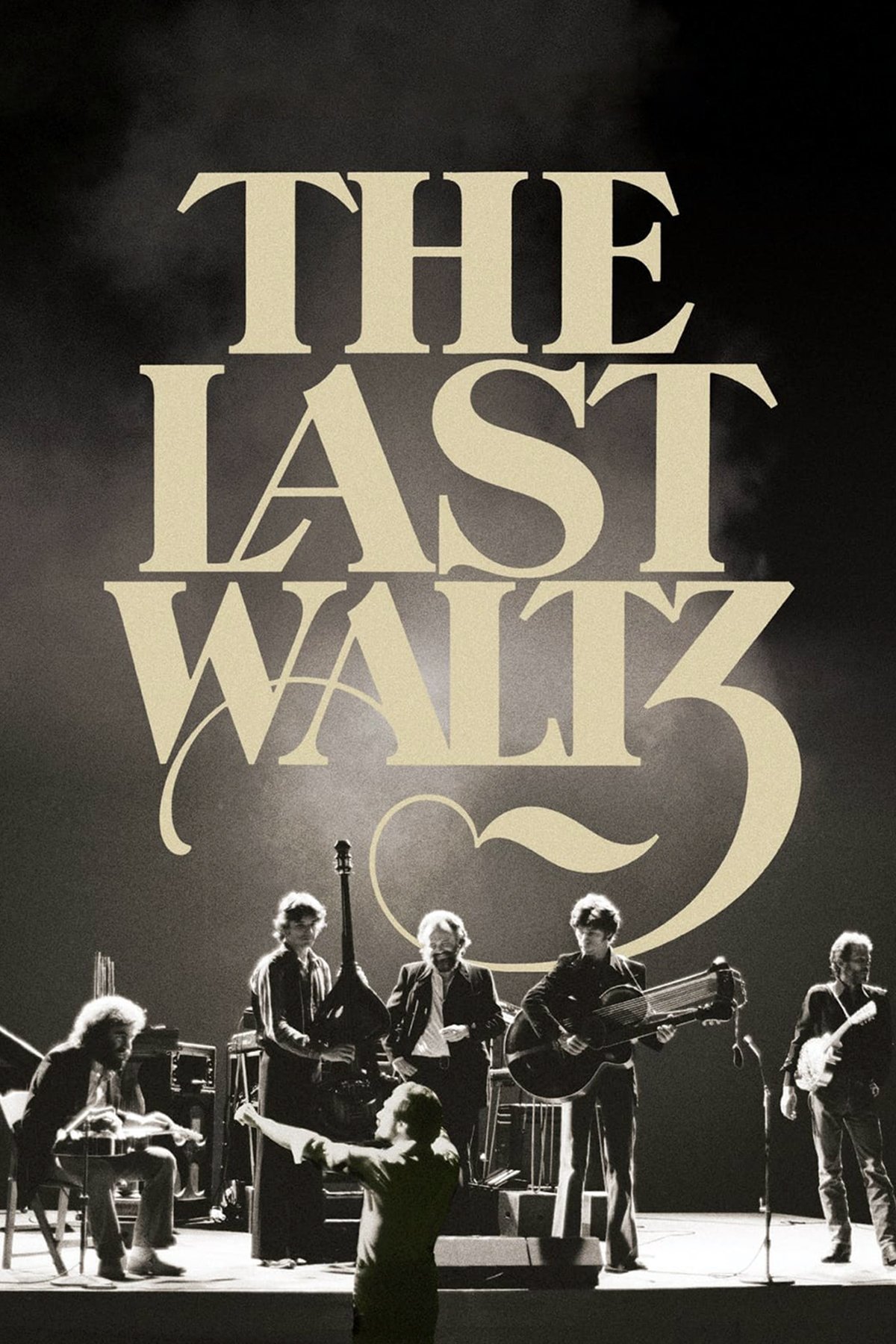
Martin Scorsese's documentary intertwines footage from The Band's incredible farewell tour with probing backstage interviews and featured performances by Eric Clapton, Bob Dylan, Joni Mitchell, Van Morrison, and other rock legends.
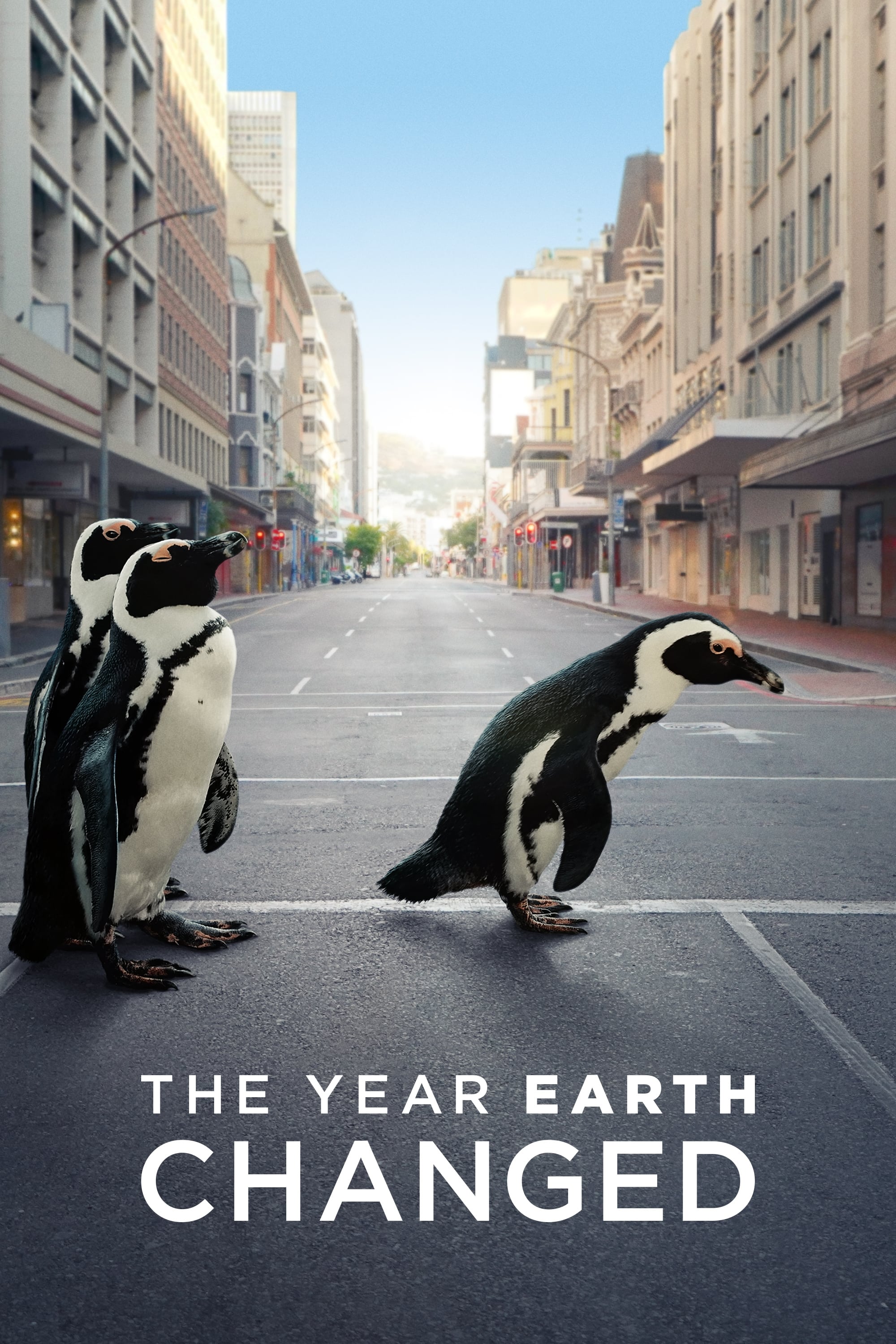
Never-before-seen footage shows how our living in lockdown opened the door for nature to bounce back and thrive. Across the seas, skies, and lands, Earth found its rhythm when we came to a stop.
A documentary chronicling Vogue editor-in-chief Anna Wintour's preparations for the 2007 fall-fashion issue.
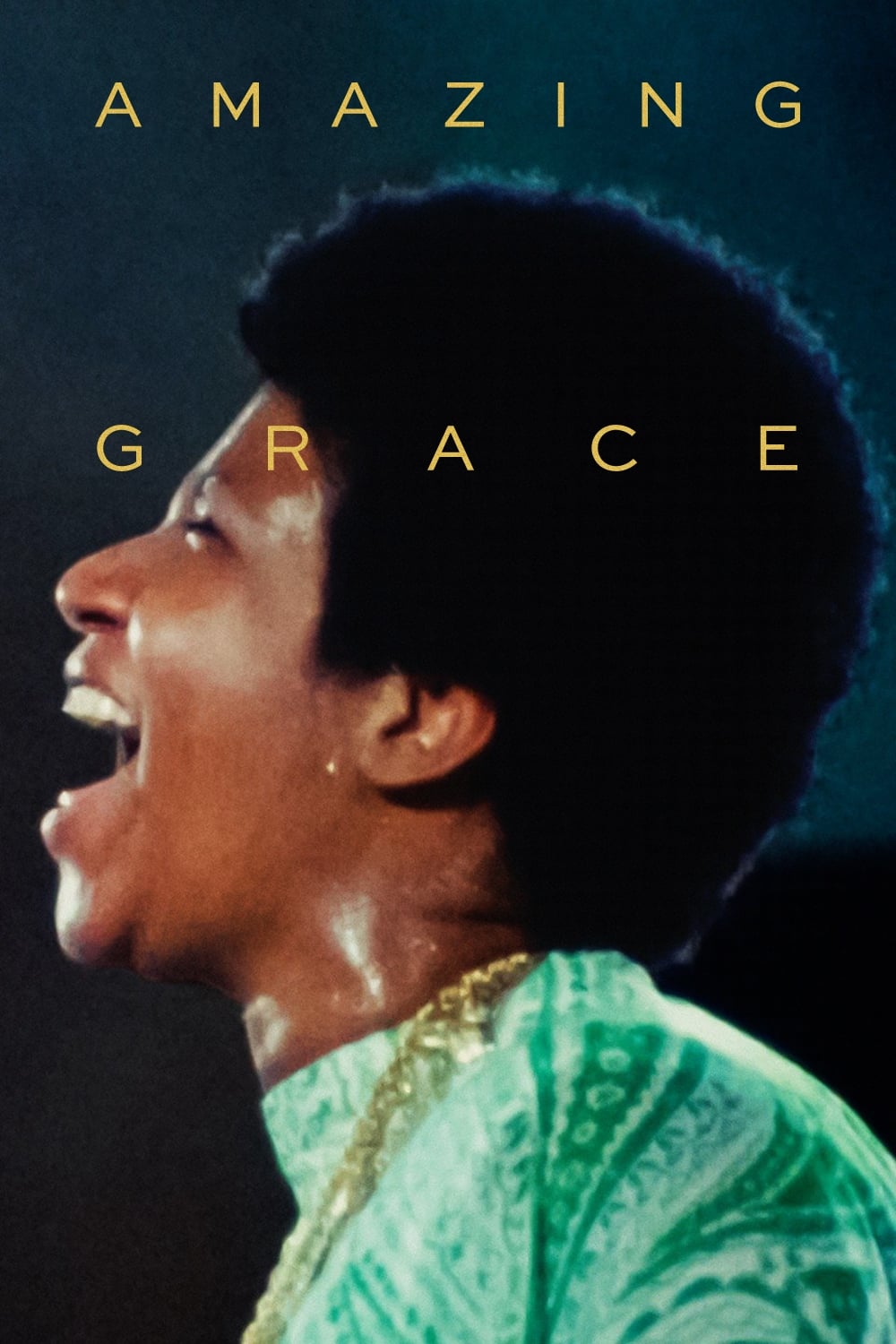
A behind-the-scenes documentary about the recording of Aretha Franklin's best-selling album finally sees the light of day more than four decades after the original footage was shot.
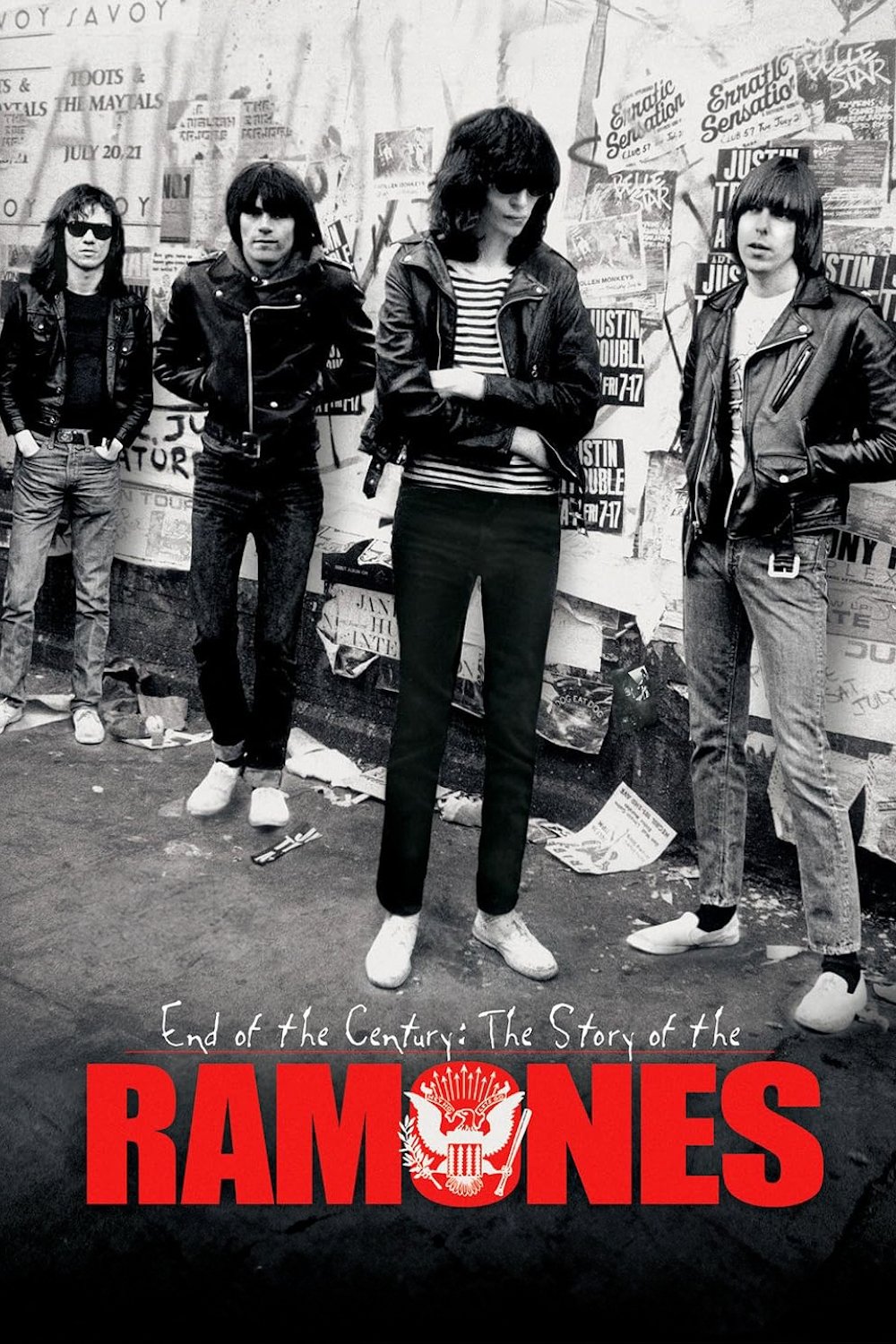
A years-in-the-making documentary on the legendary punk band the Ramones. Through a mixture of archival footage, archival and new interviews with all members of the band's various lineups, and new interviews with a number of their contemporaries, the film traces the peaks and valleys the band experienced over the course of its 20-plus year career before disbanding in 1995.
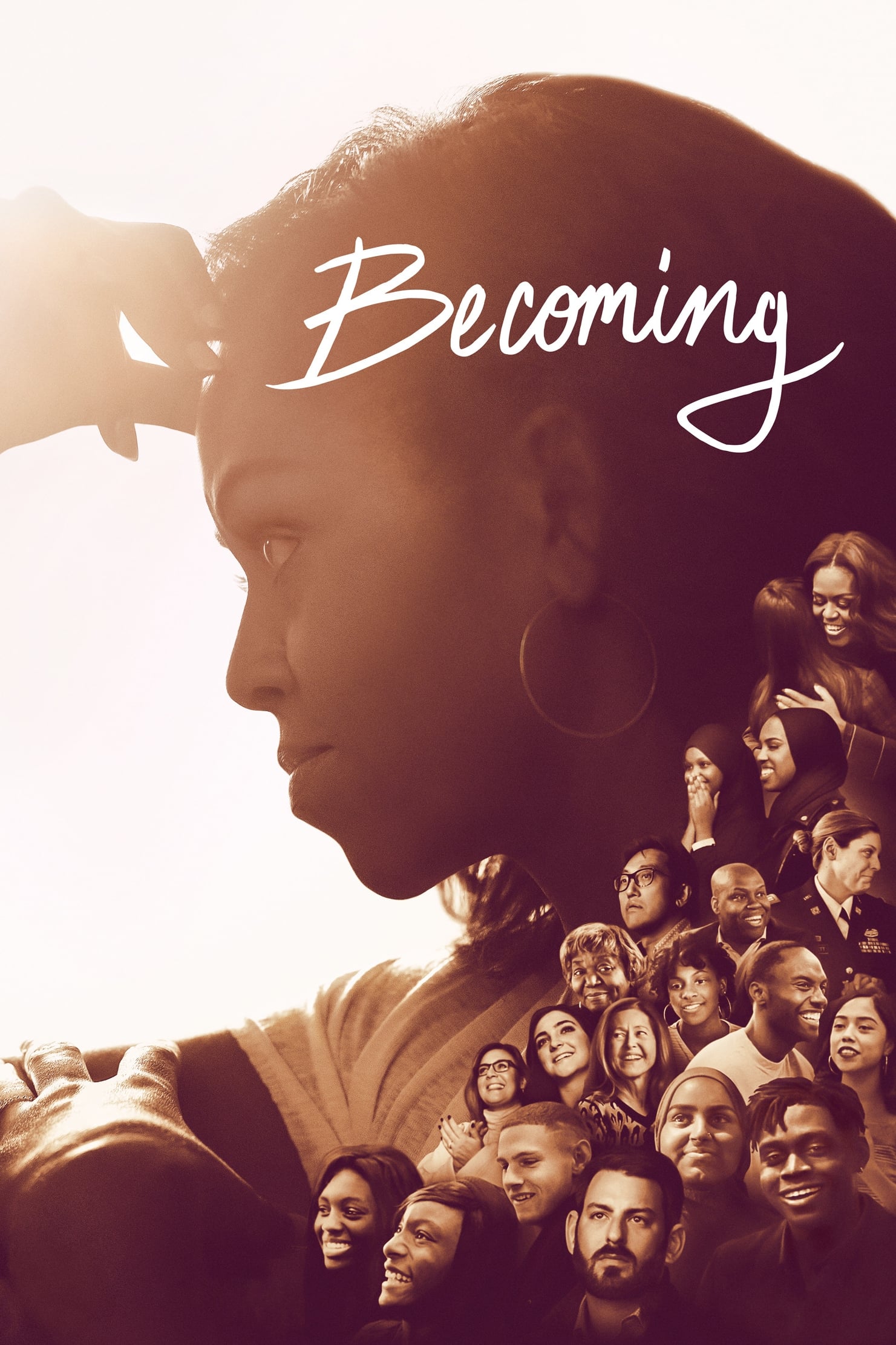
Join former first lady Michelle Obama in an intimate documentary looking at her life, hopes and connection with others.
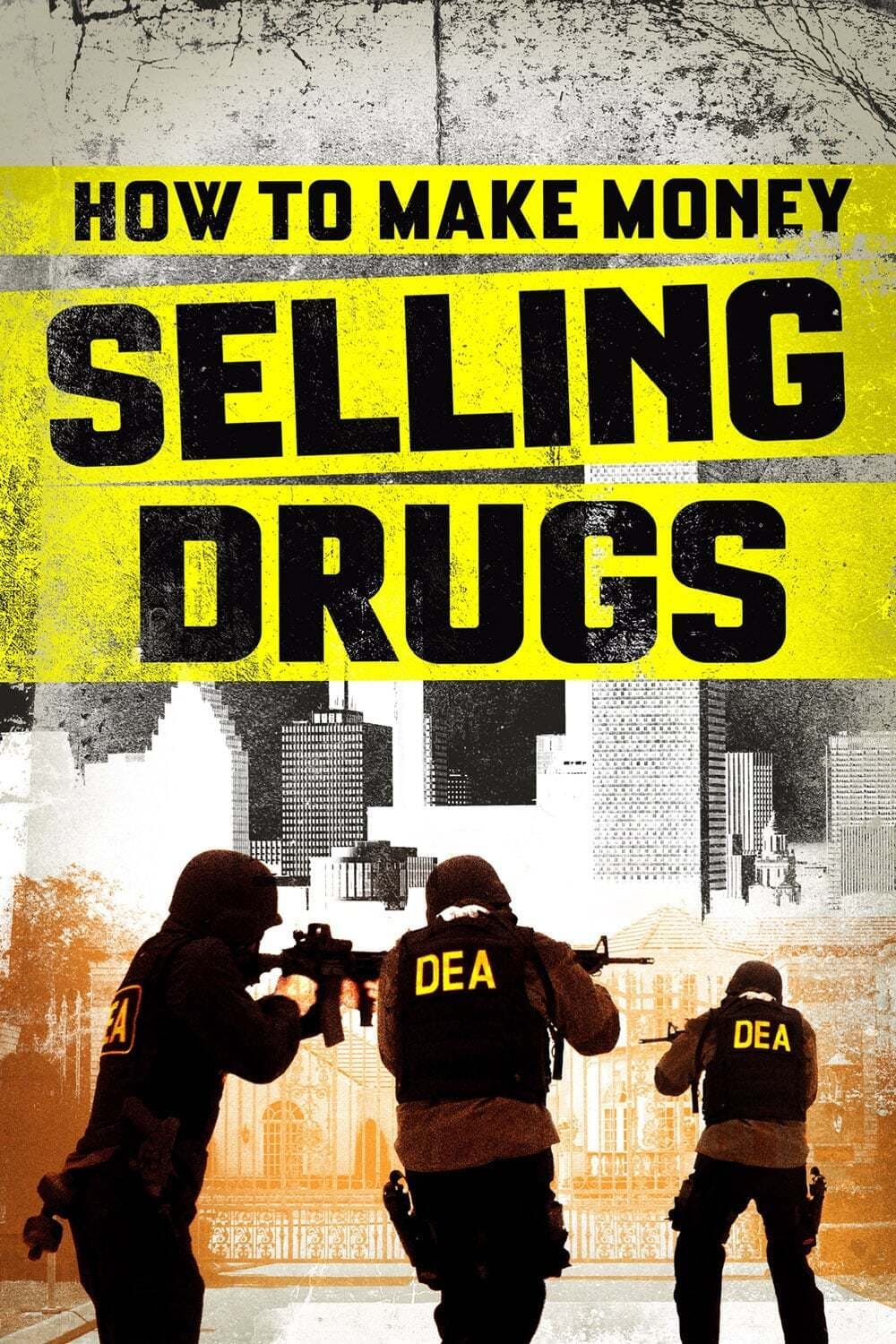
Ten easy steps show you how to make money from drugs, featuring a series of interviews with drug dealers, prison employees, and lobbyists arguing for tougher drug laws.
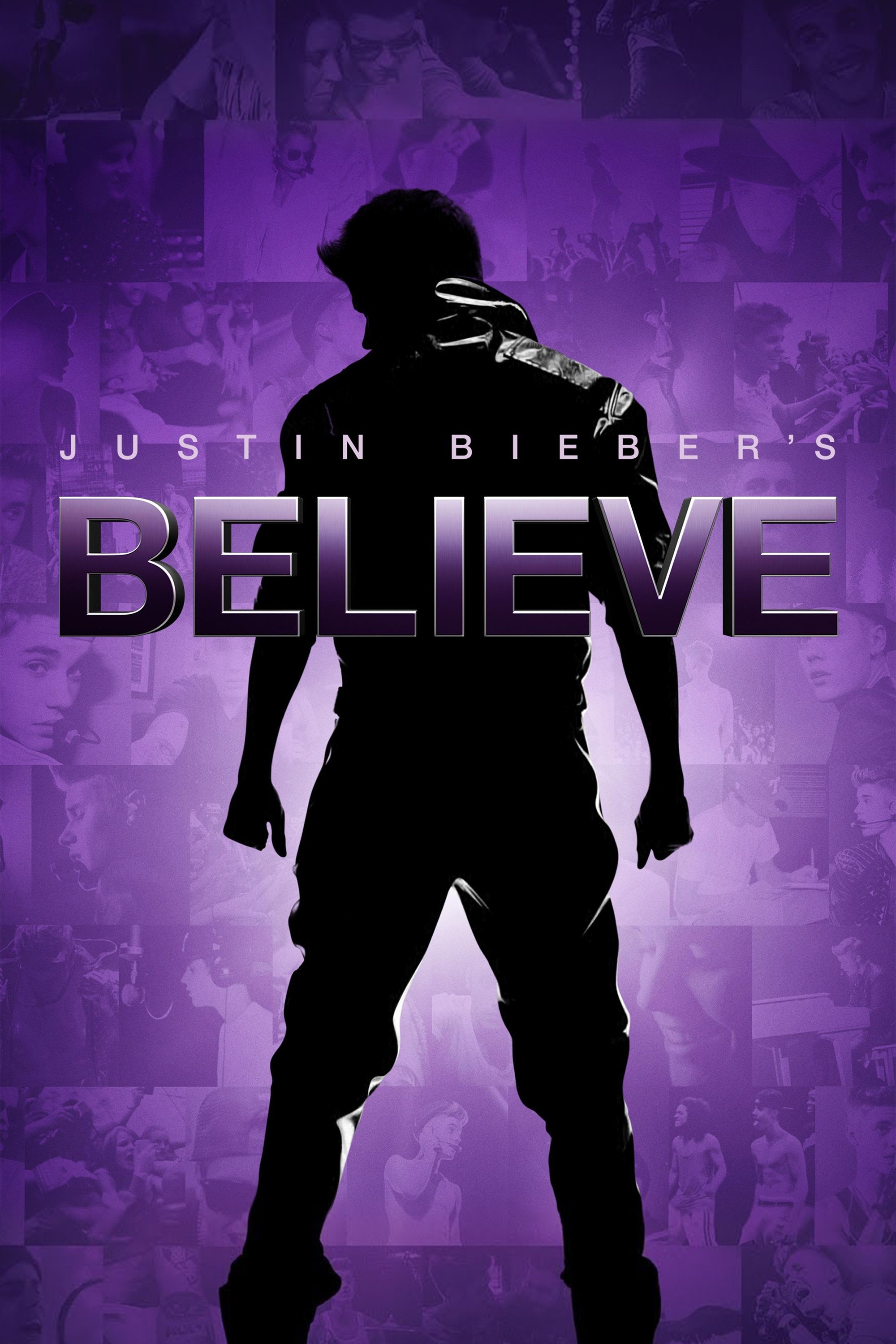
A backstage and on-stage look at Justin Bieber during his rise to super stardom.