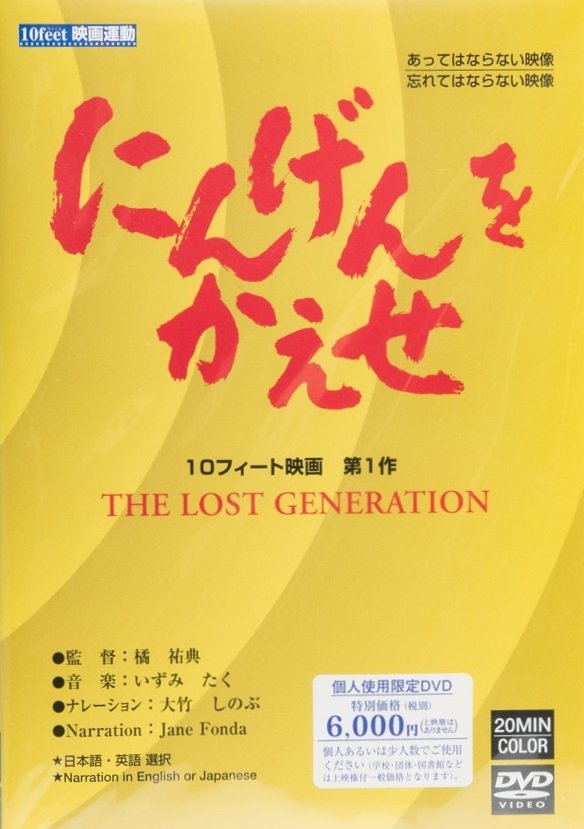
Documentary about the victims and effects in the Hiroshima bombing. Part of the "Ten-Feet Movement"
Social & External
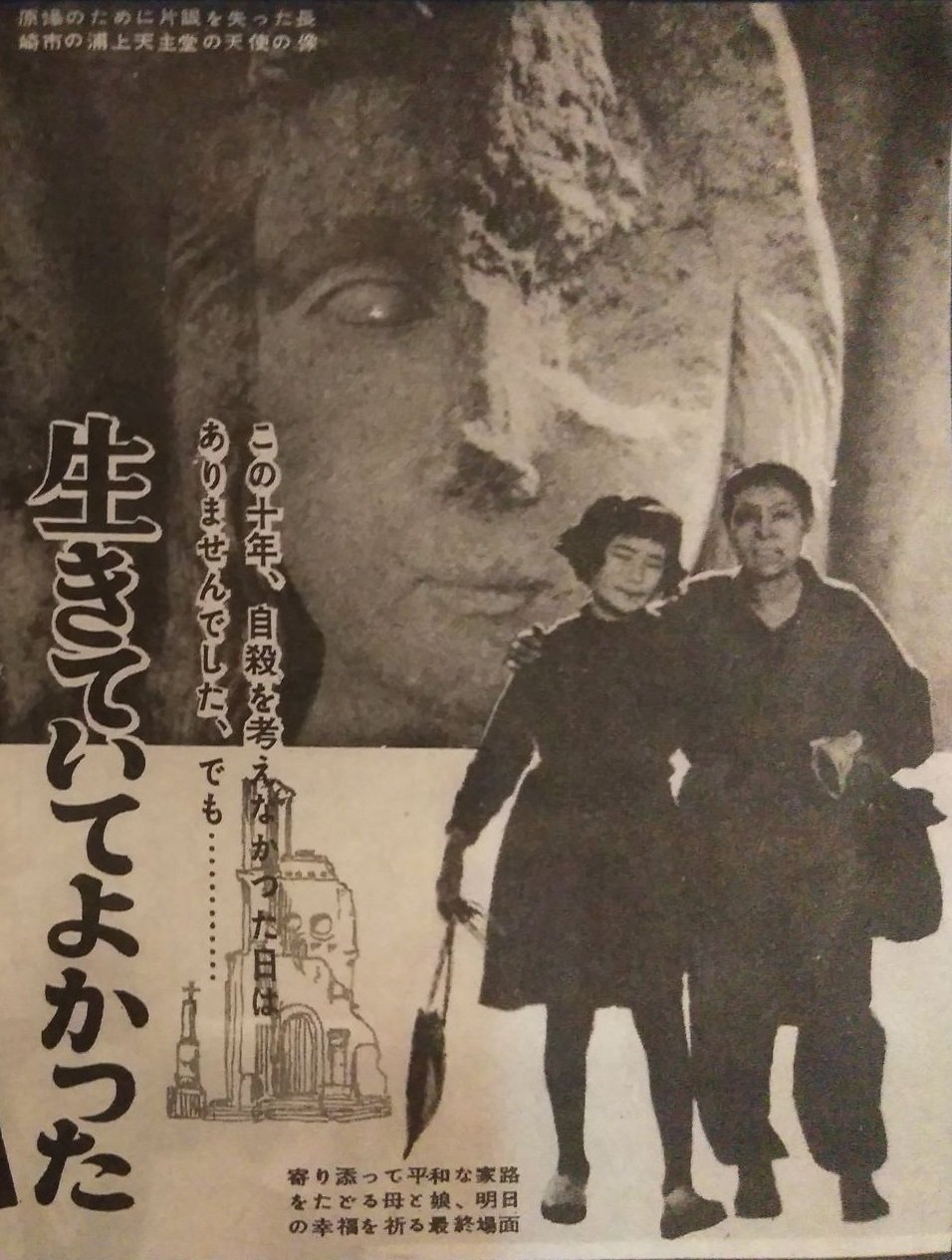
One of the first documentaries to focus on the aftermath of Hiroshima and Nagasaki, the film gives voice to survivors of the atomic bombings and documents the long-term effects of radiation on their lives. Combining testimony with stark images of destruction and recovery, it serves as an early cinematic appeal against nuclear war.
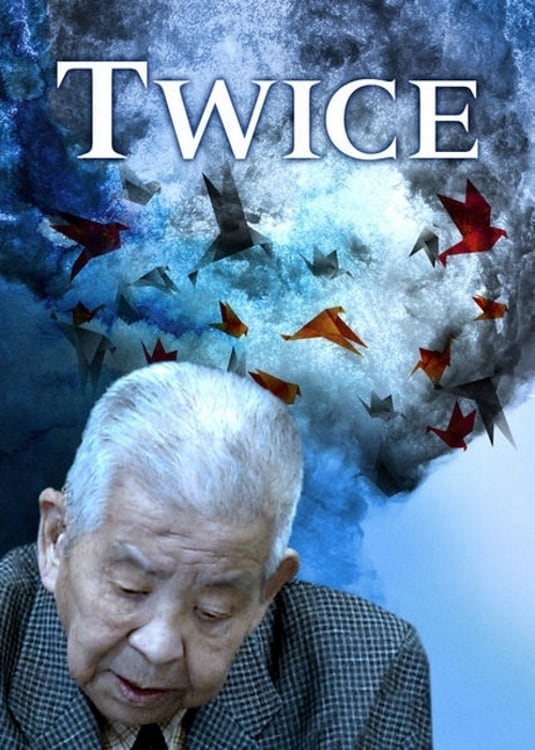
Tsutomu Yamaguchi is a hibakusha. A survivor of both atomic bomb blasts in 1945. First at Hiroshima, then again at Nagasaki. Now nearing 90, Yamaguchi finally speaks out. Breaking taboos of shame and sorrow, he responds to a call to fight for a world without nuclear weapons by telling his story, so that no one else will ever have to tell one like it again. Twice reconstructs Yamaguchi’s experiences in 1945 Japan, interviews him on the after-effects of exposure and documents the last five years of the late-blooming activist’s life.
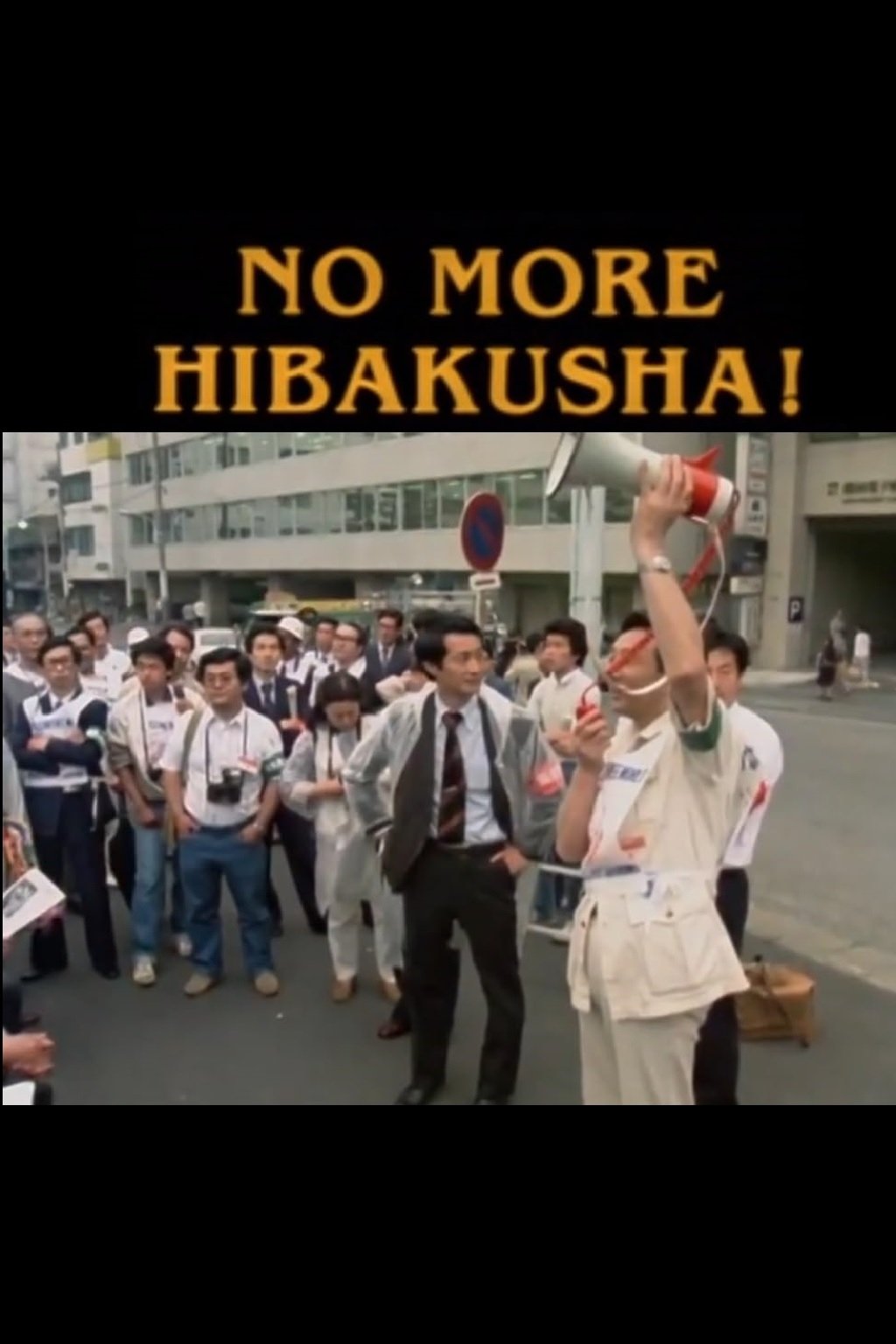
Survivors of the 1945 bombings of Hiroshima and Nagasaki travel to New York for a UN conference on disarming nuclear weapons.
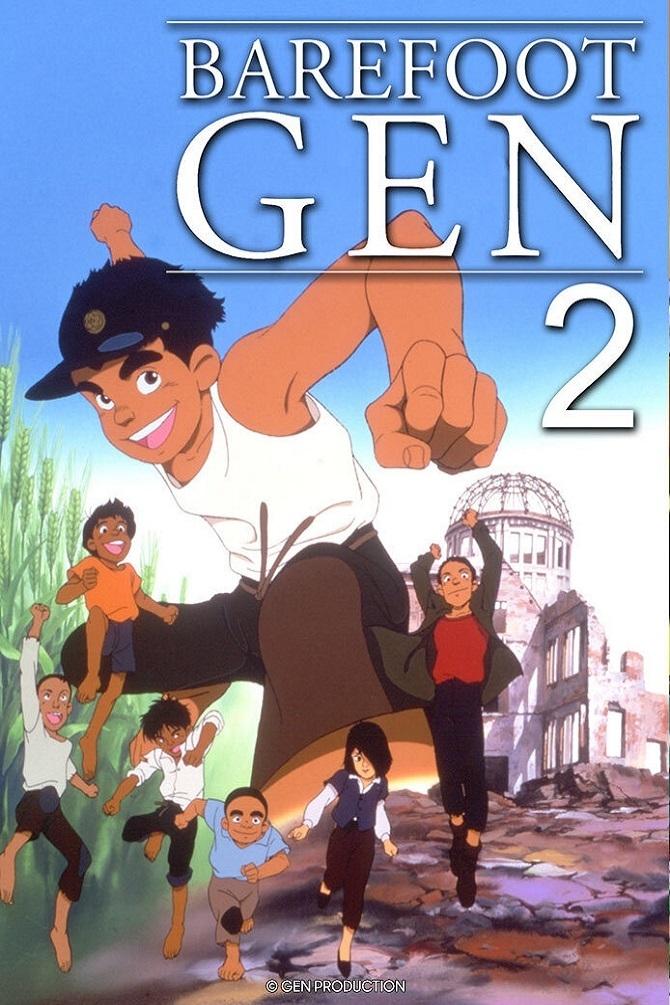
Three years after the Hiroshima bombing, a teenager helps a group of orphans to survive and find their new life.
Shigematsu Shizuma, who lives with his family in a village near Fukuyama, was in Hiroshima with his wife and niece just after the devastating atomic bombing, a tragedy that cruelly took the lives of thousands of people and forever marked the harsh existence of the survivors.
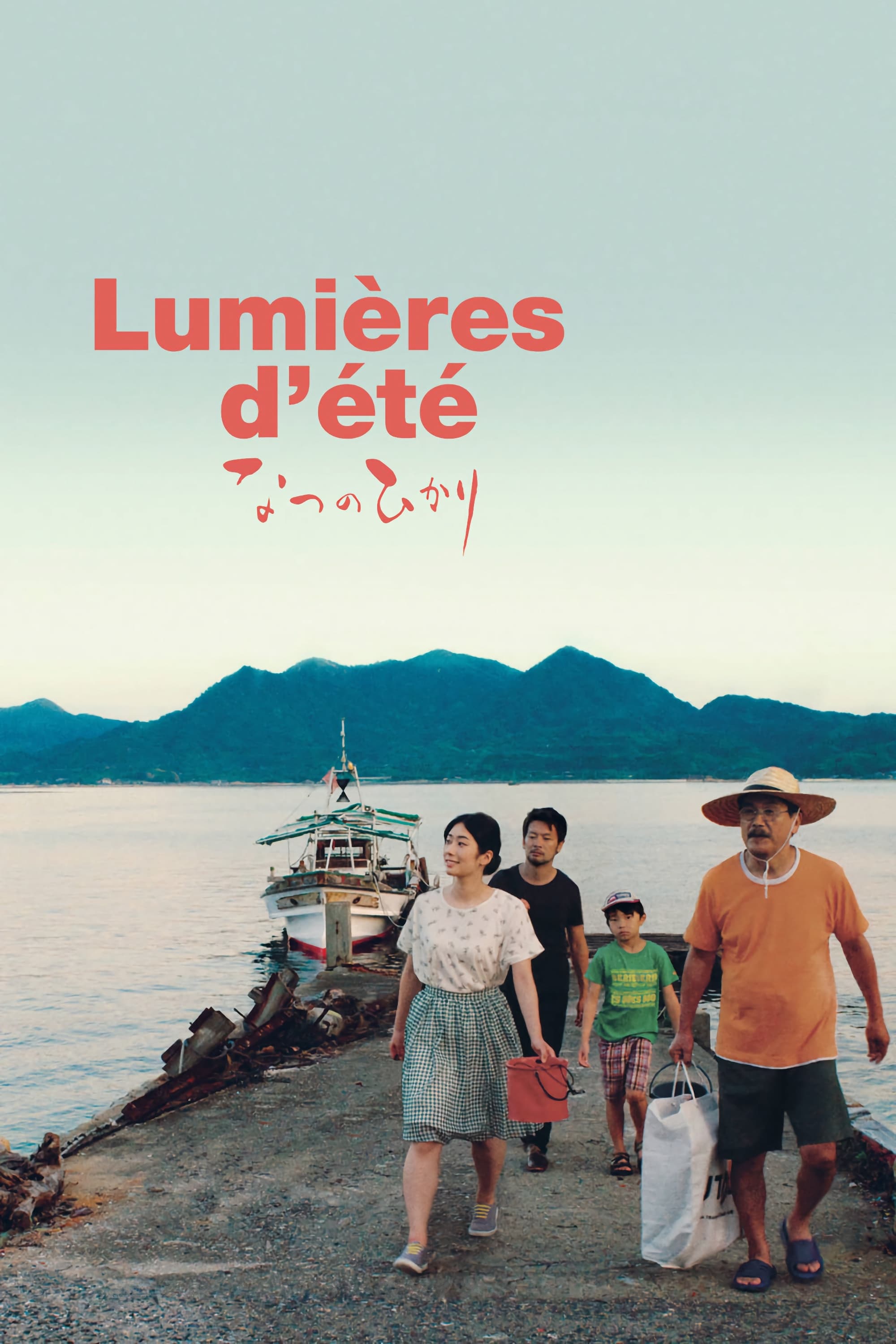
On the 70th anniversary of the atomic bombing of Hiroshima, Akihiro, a native Japanese filmmaker living in Paris, travels to Japan to interview survivors for a documentary commemorating the victims of the attack. Deeply moved by the interviews, he decides to take a break to wander through the city during which he meets Michiko, a merry, enigmatic young woman. Michiko takes him for a joyful and improvised journey from the city towards the sea where the horrors of the past are mingled with the simplicity of the present.
Voices from Tsutomu Yamaguchi, who was twice exposed to the atomic bombs in Hiroshima and Nagasaki and later became a storyteller, as well as those who continue the storyteller activities with his daughters, grandchildren, and great-grandchildren, and other people who were twice exposed to the atomic bombs. How will a storyteller who was not involved in the story pass on the memories in the future?
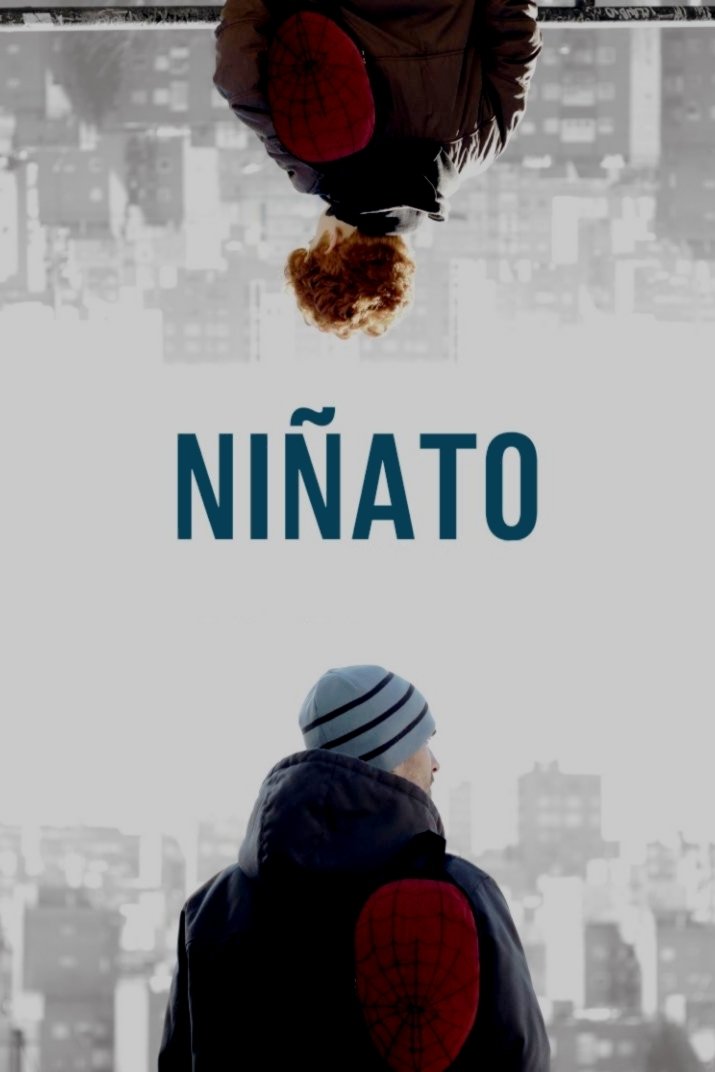
Jobless and with no prospects, Niñato (Brat) lives with his parents and does hip-hop music. He lives the life of the outskirts, it's the Madrid of the chronic crisis. But he is 34 years old and has three children to bring up. Time goes by, the kids are growing up and Niñato carries on, making music and looking after the children, without worrying too much about his future. Oro, the smallest one, not too motivated at school, will demand more attention and drive Niñato to face his own conflicts.
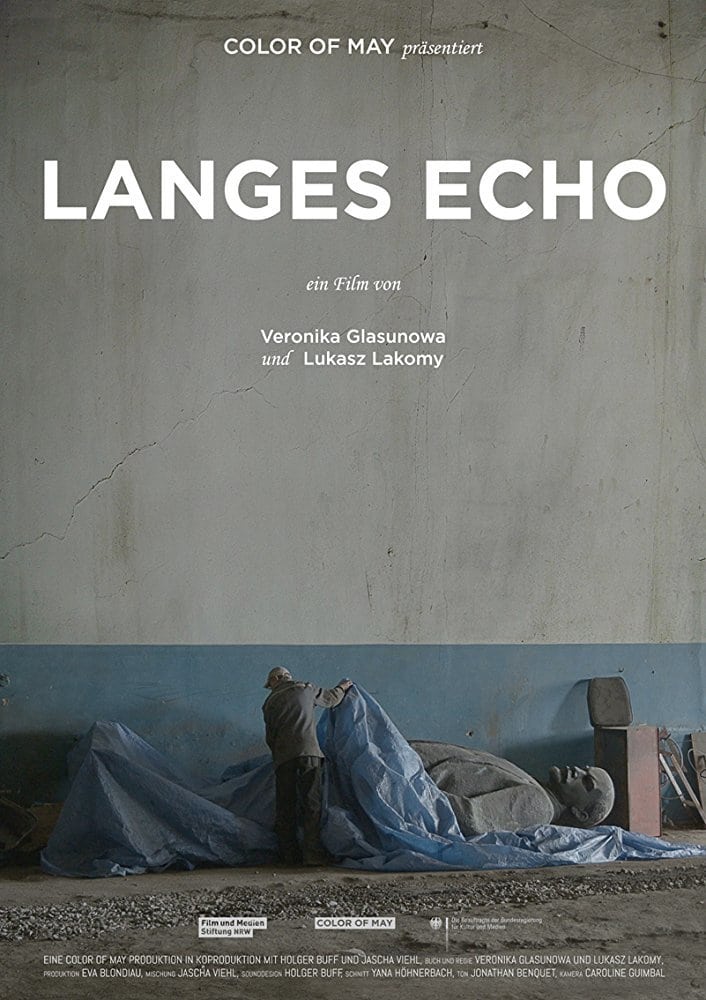
Dobropillia is a town located in Eastern Ukraine: 70 km from the border where conflicts with the breakaway republics are raging on and people feel always like being on the verge of total war. The sheer uncertainty about the future pushes folks to cling on to their daily habits while trying to get along with the ever-shifting political landscape. A wide array of wildly diversified characters try to cope as good as they can with the hardships in their town. A death metal band keeps rehearsing daily. A teacher guides visitors through the story of the city. The wonders of a vibrating armchair are tested as a tool against stress and anxiety. An elderly lady who has lost her son tries to talk some sense into her fellow citizens urging them to accept peace.
To help visualize the dramatic final chapter in Cassini's remarkable story, NASA's Jet Propulsion Laboratory produced this short film that features beautiful computer-generated animation, thoughtful narration and a rousing score. Producers at JPL worked with filmmaker Erik Wernquist, known for his 2014 short film "Wanderers," to create a stirring finale video befitting one of NASA's most successful missions of exploration.
This short follows the early career of actress Jane Barnes. She starts by doing extra work. After several months she is offered a studio contract (the "first step"). However, her work consists mostly of fashion shoots and bit parts that end up on the cutting room floor. She is even used as a stand-in for Maureen O'Sullivan on the set of a Tarzan movie when camera angles and lighting must be set up.
See how the world’s most influential chefs battle food waste through the eyes of chef-heroes like Massimo Bottura, Dan Barber and Danny Bowien.
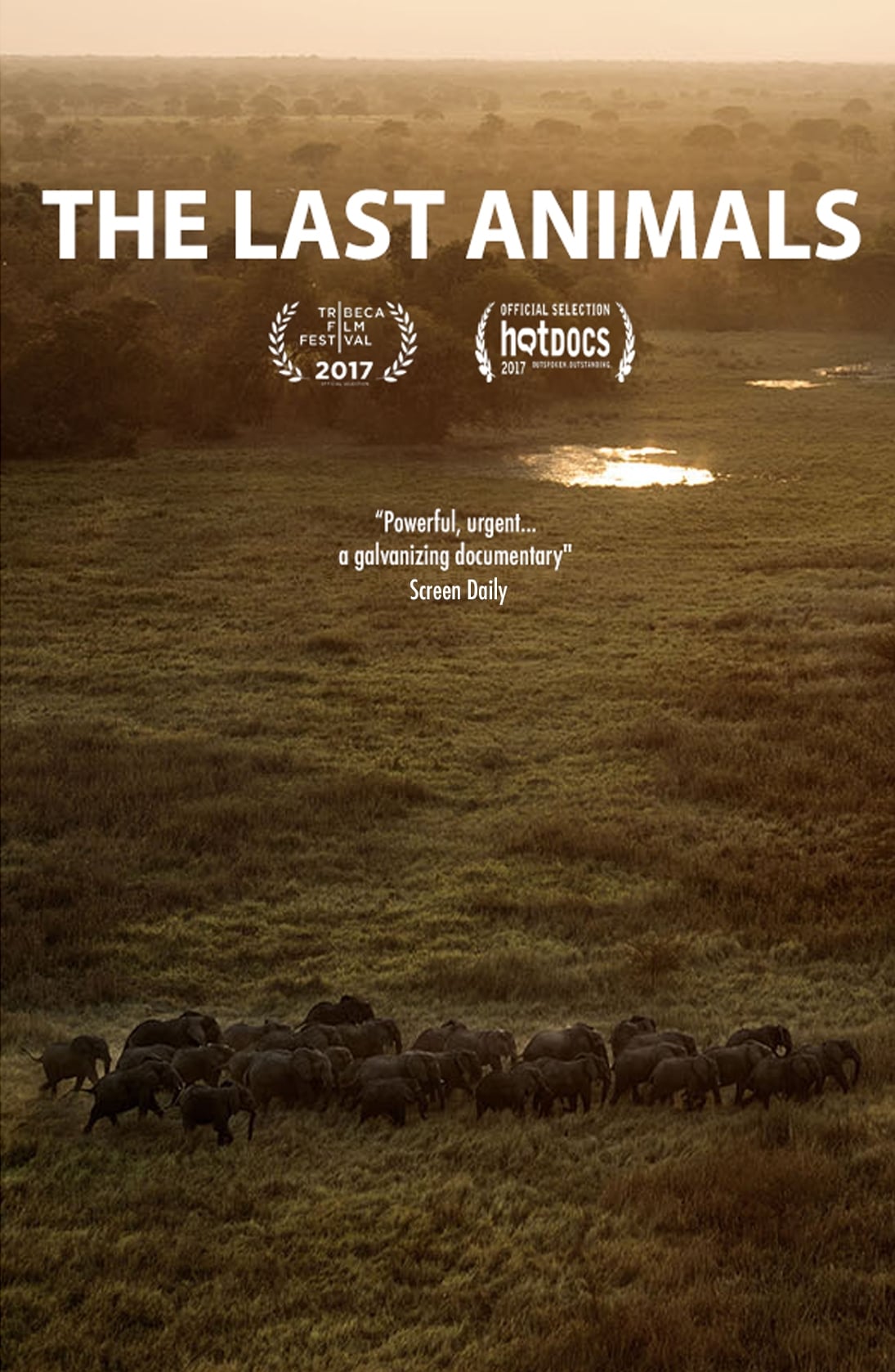
The Last Animals is a story about an extraordinary group of people who go to incredible lengths to save the planet's last animals. The documentary follows the conservationists, scientists and activists battling poachers and transnational trafficking syndicates to protect elephants and rhinos from extinction. From Africa's front lines to behind the scenes of Asian markets, the film takes an intense look at the global response to this slaughter and the desperate measures to genetically rescue the Northern White rhinos who are on the edge of extinction.
Deep in the Amazon, the population of the indigenous pink river dolphin is dwindling. Docile and easy to catch, this near-mythical animal is being hunted to extinction and used as bait for scavenger fish. But two activists are each working tirelessly to raise awareness and protect the species. On the one hand a marine biologist and on the other a famous TV star, each has their own very different approach to their one common goal.
Fusing history, culture, politics, and contemporary issues, Motherland sweeps across Africa to tell a new story of a dynamic continent. From the glory and majesty of Africa's past through its complex history. Africa as you have never seen it.
This film is about the greatest rip-off in history - the very way money and debt are created and controlled. This affects everyone on the planet, and is the basic cause of all of our economic problems today. Until we all recognize this - in every nation - there is nothing any national government does will fix the problem, and all of us will see mounting debts and sinking standards of living. Our children will inherit this mess, and it will get worse every single year. The truth is that depressions are NOT normal. They are contrived. The truth is that nations don't need a national debt. The truth is that nations don't have to borrow. Why would you borrow when you can create the money you need? The truth is that governments generally aren't PRINTING money wildly; governments are BORROWING money wildly. The good news is we CAN fix this. It won't take a war or a revolution; it only takes a simple understanding of the problem, and its simple solution. The truth is that ANYONE can
HISTORY brings you an all-encompassing documentary event cantered around the 25th anniversary of the LA Riots, the most destructive riot in American history that left 53 people dead and caused over a billion dollars in damage.
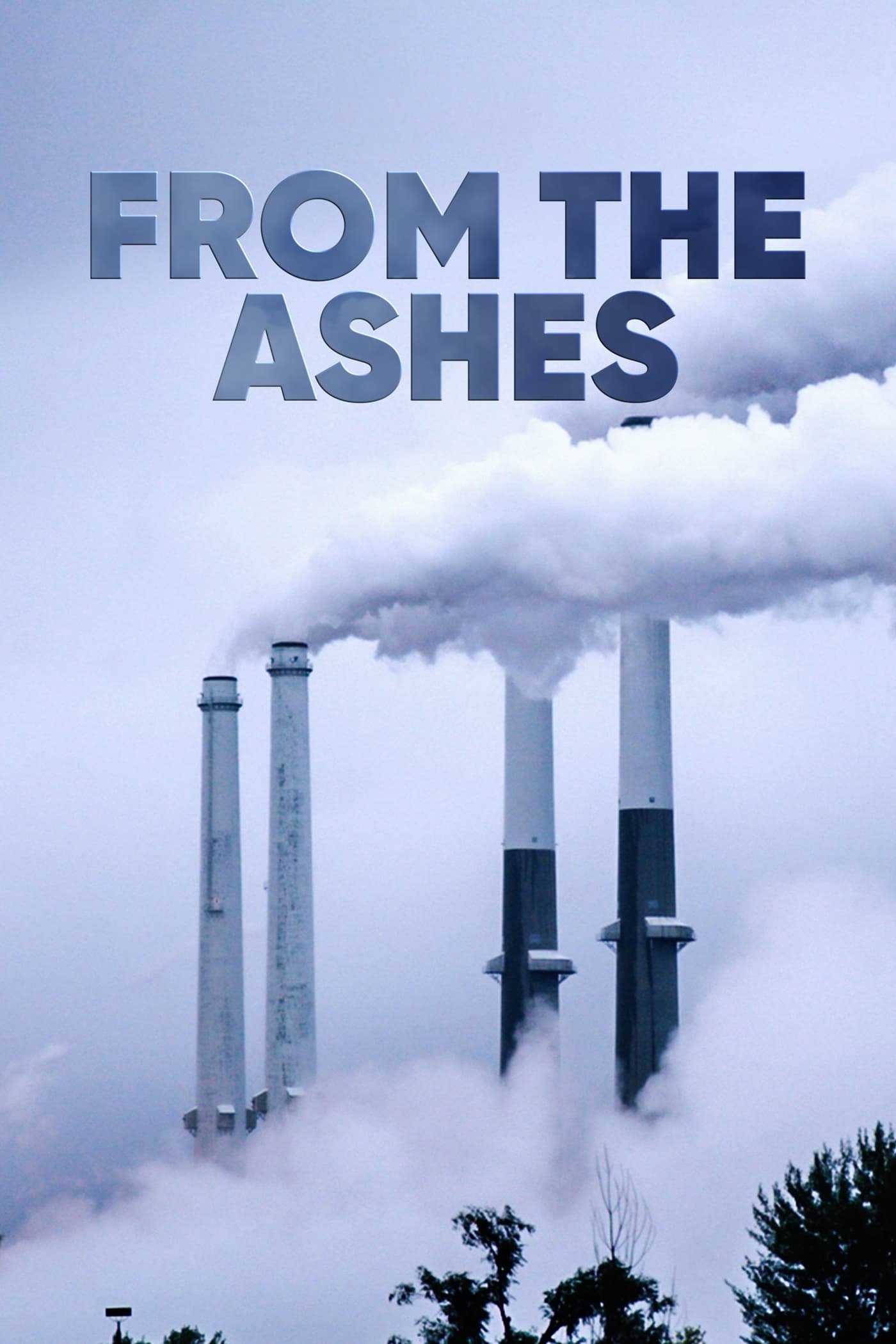
Capturing Americans in communities across the country as they wrestle with the legacy of the coal industry and what its future should be under the Trump Administration. From Appalachia to the West’s Powder River Basin, the film goes beyond the rhetoric of the “war on coal” to present compelling and often heartbreaking stories about what’s at stake for our economy, health, and climate.
This documentary focuses on 1939, considered to be Hollywood's greatest year, with film clips and insight into what made the year so special.