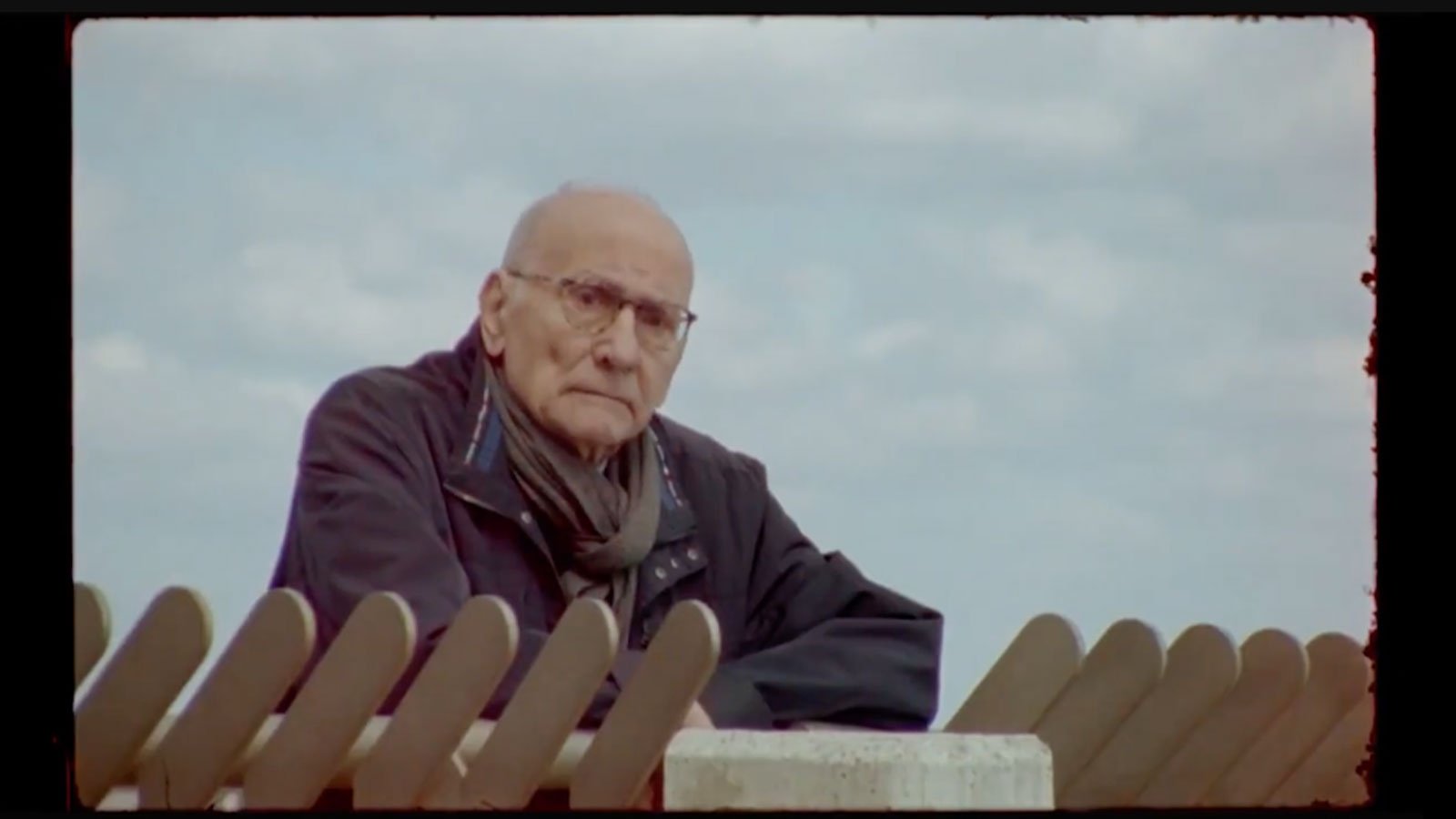
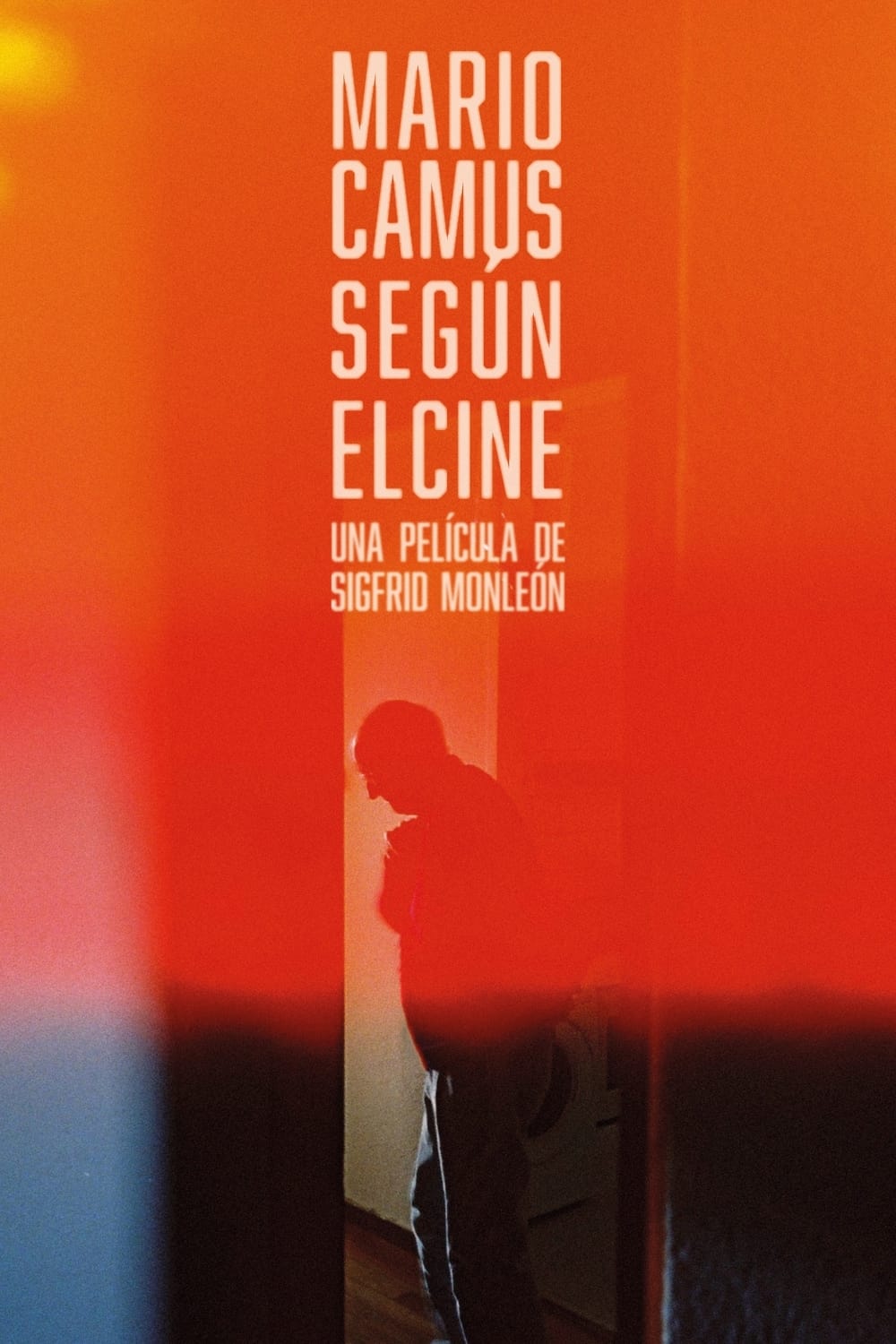
A look at the life and work of Spanish filmmaker Mario Camus (1935-2021).
Social & External
The people behind it
Mario Camus
Self - Filmmaker (archive footage)
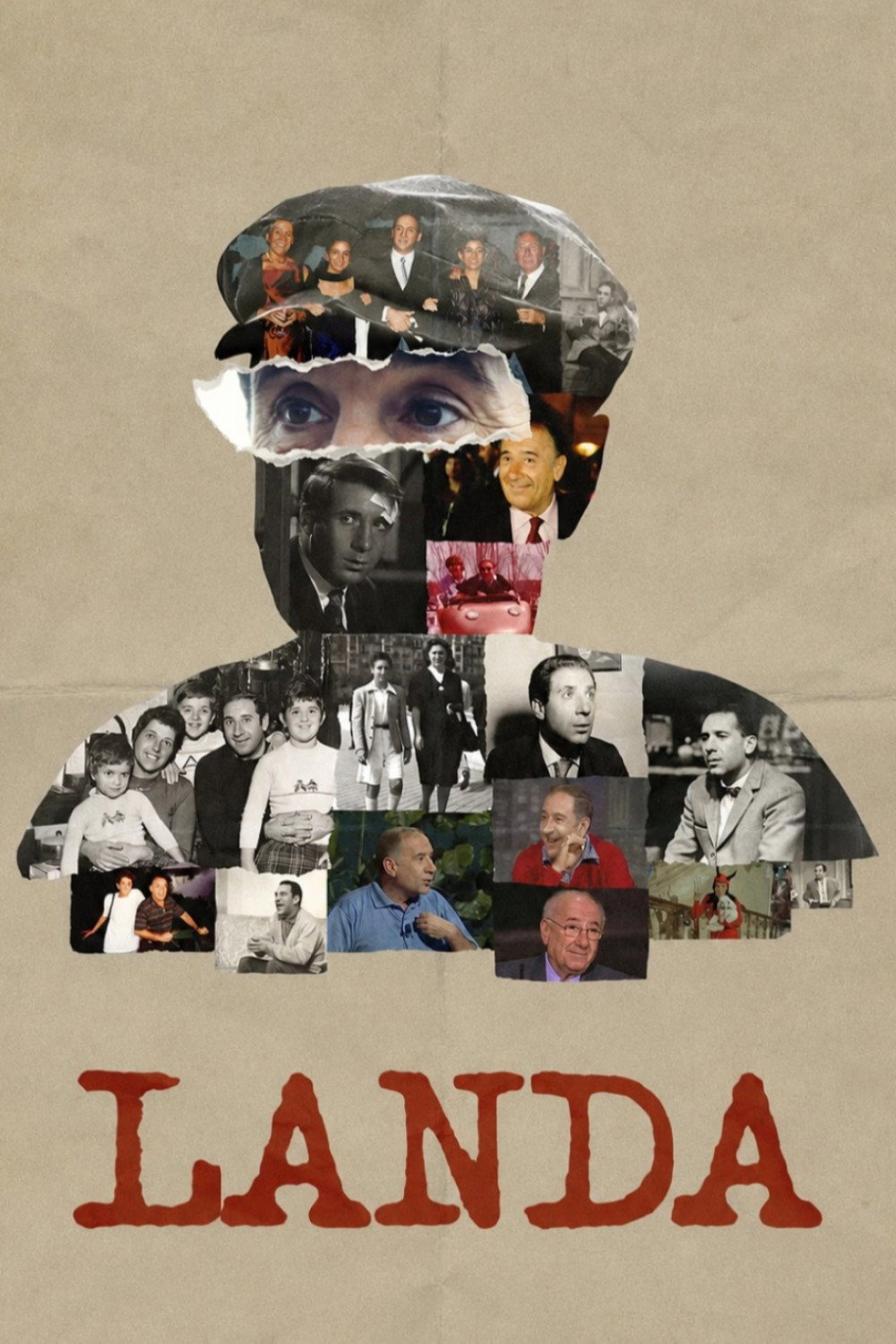
Portrait of Alfredo Landa, Spanish cinema's most popular actor. From landismo to his greatest roles, featuring public affection, prestigious awards, unreleased material, and intimate testimonies about the person behind the performer
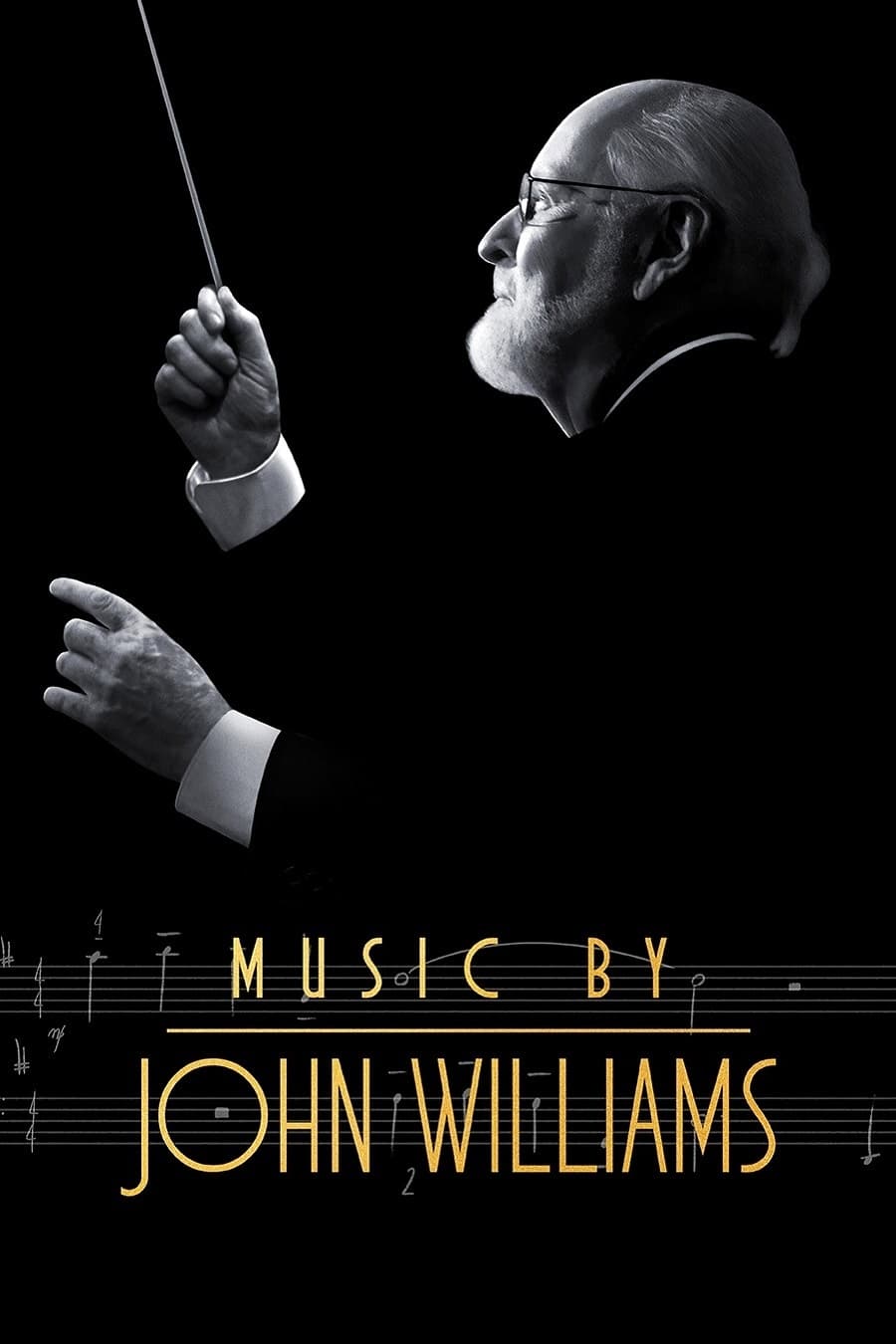
His unforgettable scores are an essential part of some of the most beloved movies of our time, over a career that spans decades. See and hear maestro John Williams' own story, with insights from filmmakers, musicians, and others he has inspired, complete with rare behind-the-scenes looks at the making of movie history.
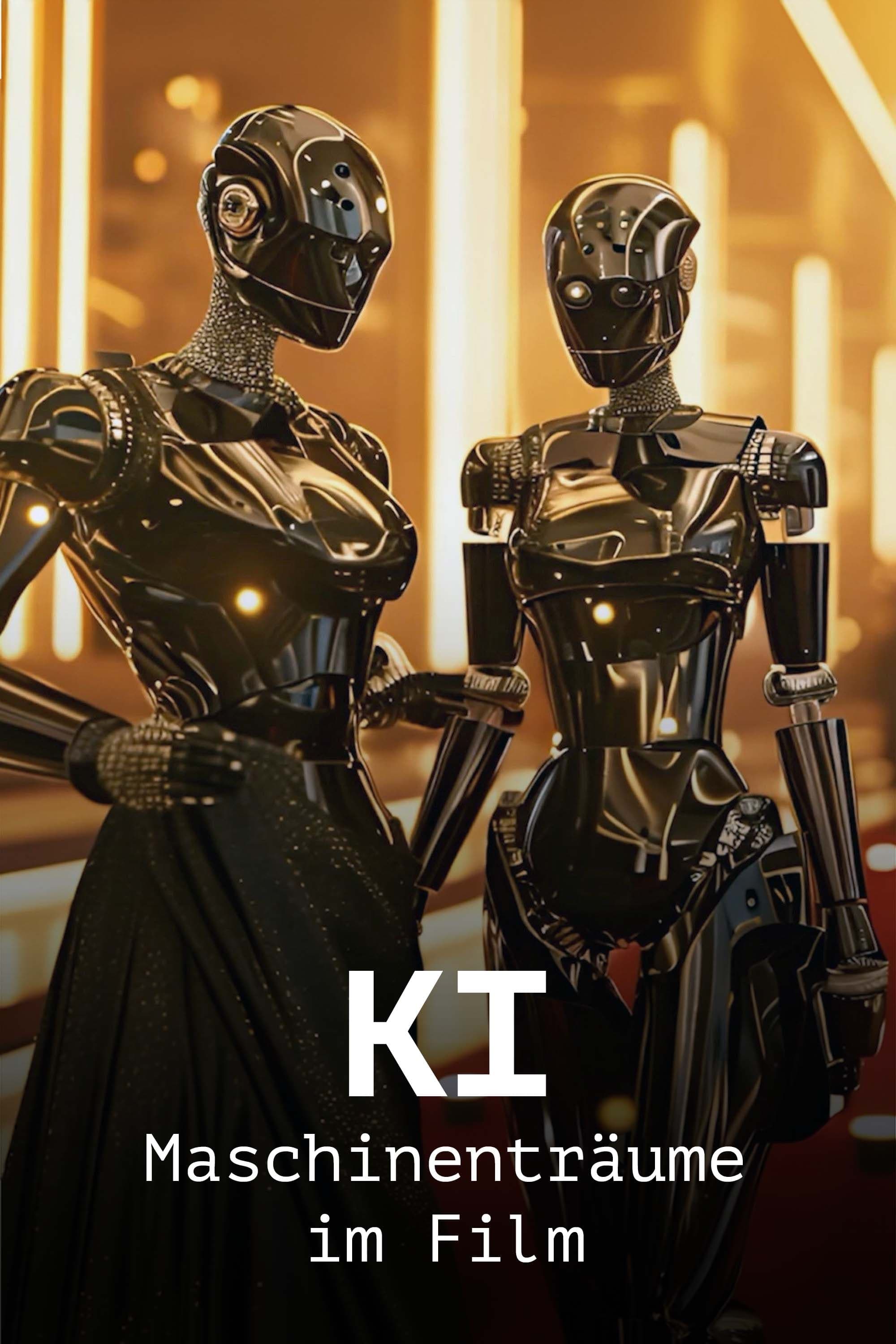
As artificial intelligence becomes ever more sophisticated, the film industry is split between enthusiasm at what the technology can achieve and concern over the future for human workers in the industry. Will actors and actresses be replaced by machines? An overview on the coming wave of AI in cinema.
The history of cinematic sound, told by legendary sound designers and visionary filmmakers.
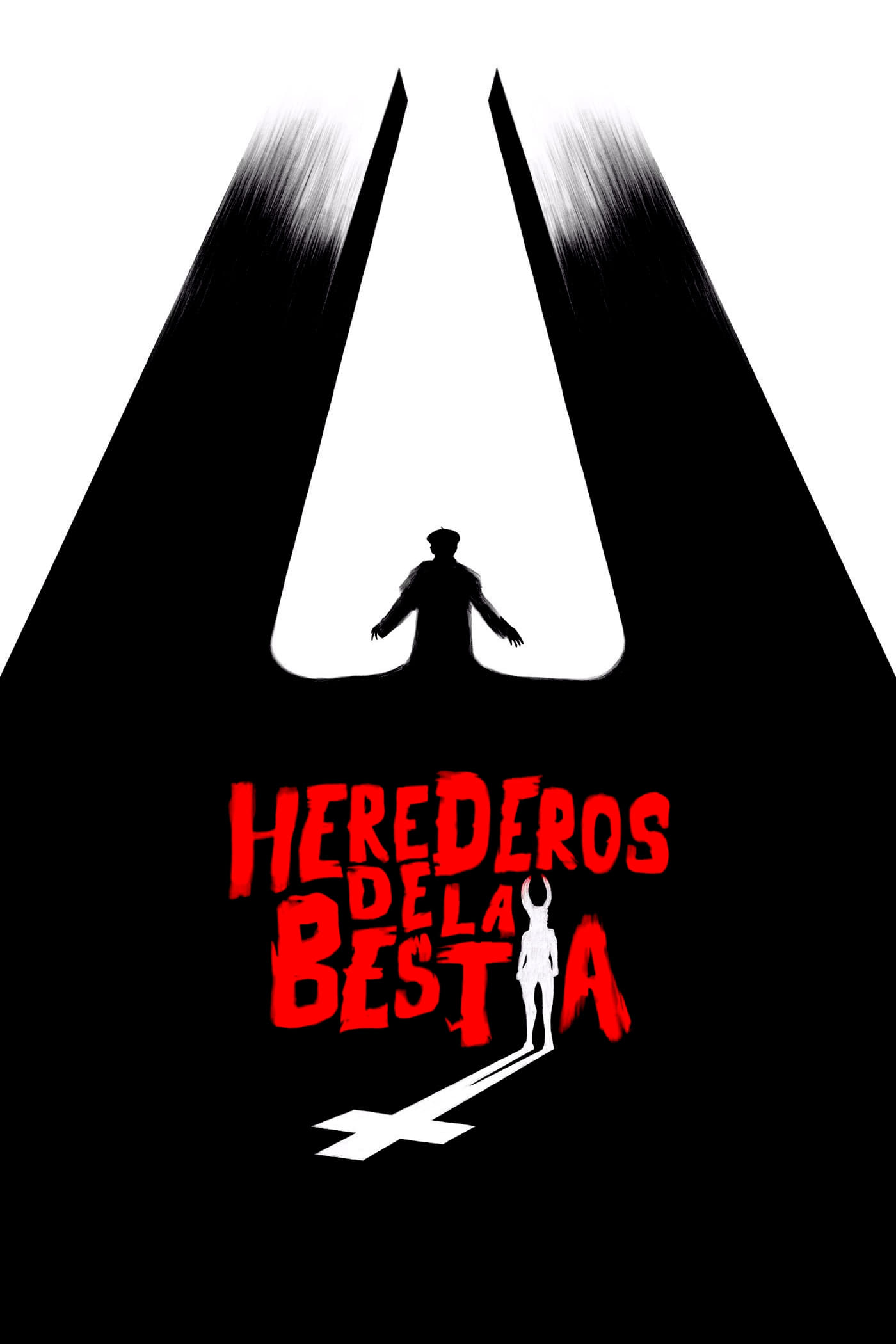
The story of the making and subsequent success of The Day of the Beast, the Spanish cult film directed by Álex de la Iglesia and released in 1995.
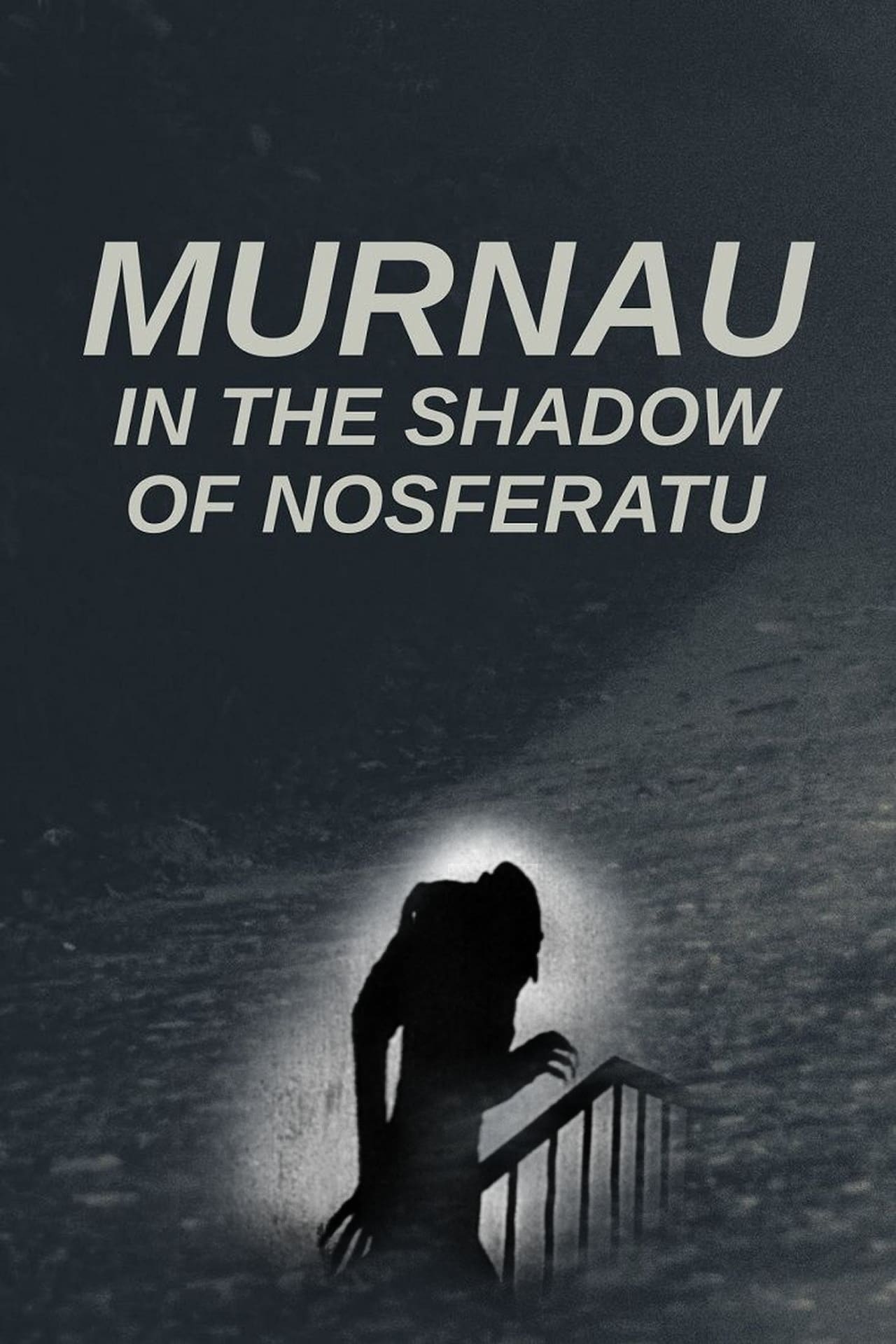
Documentary on the life and work of F.W. Murnau.
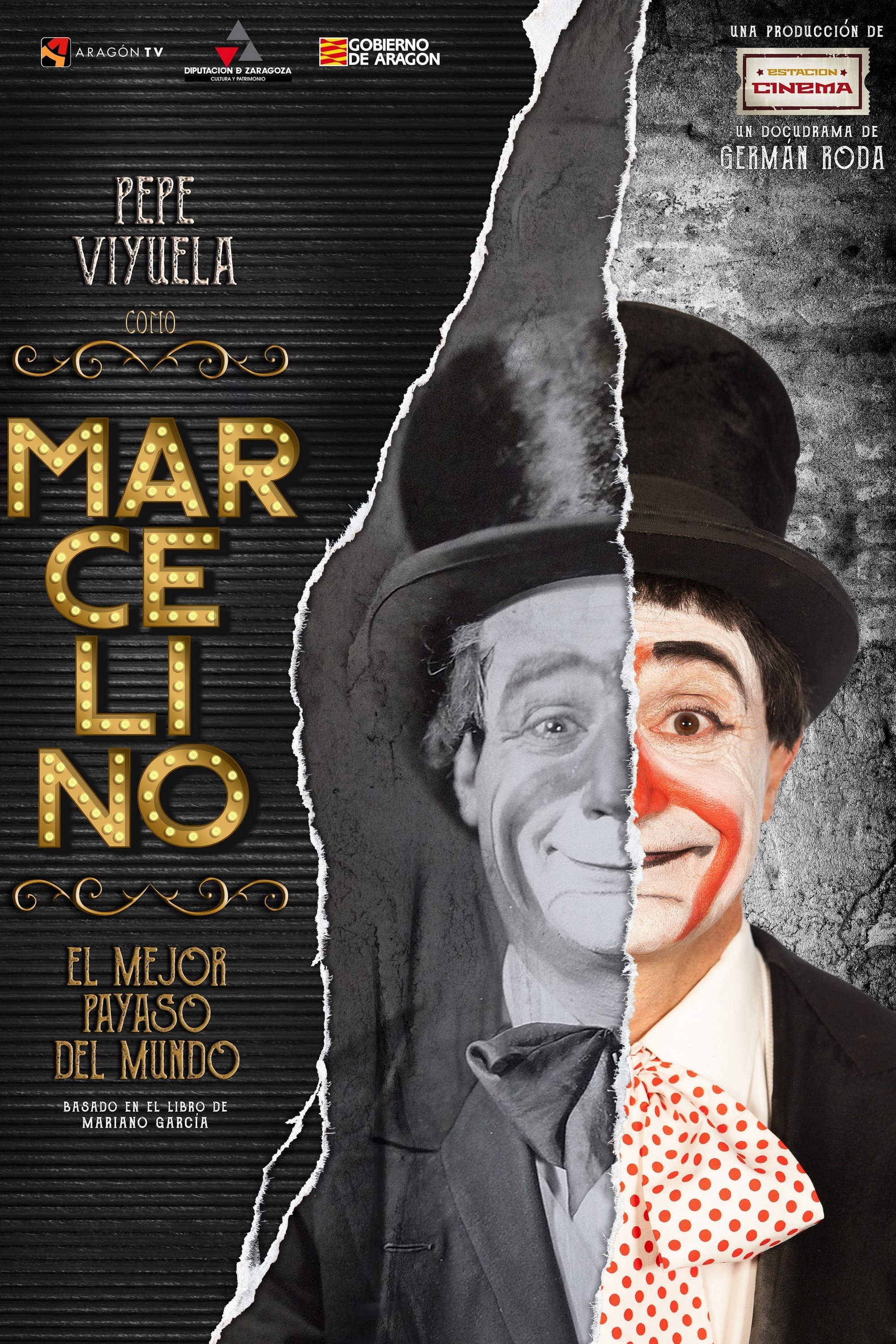
An account of the life and work of the Spanish clown, mime, acrobat and actor Marcelino Orbés (1873-1927), known as Marceline, who, between 1900 and 1914, was unanimously acclaimed as the best in the world.
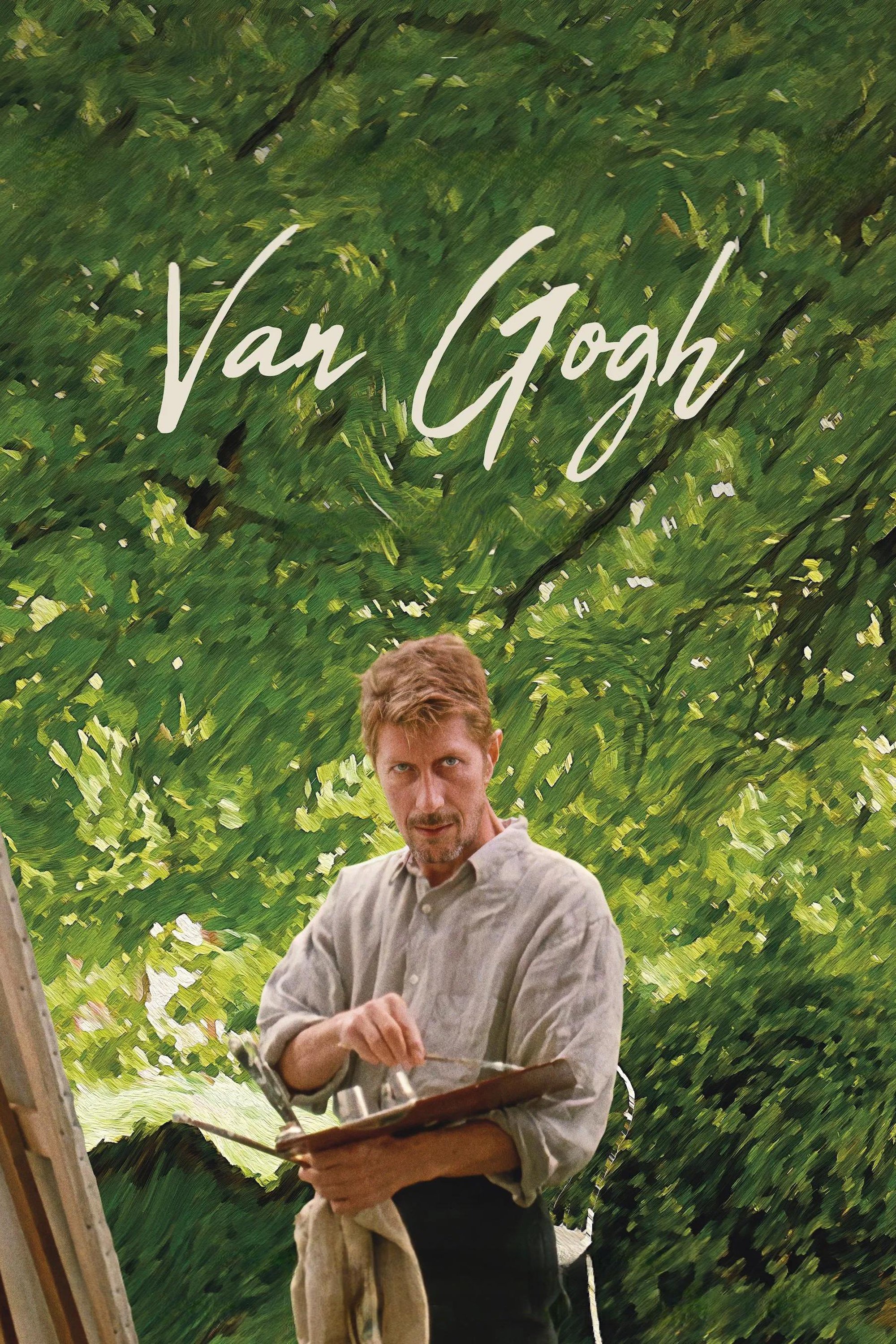
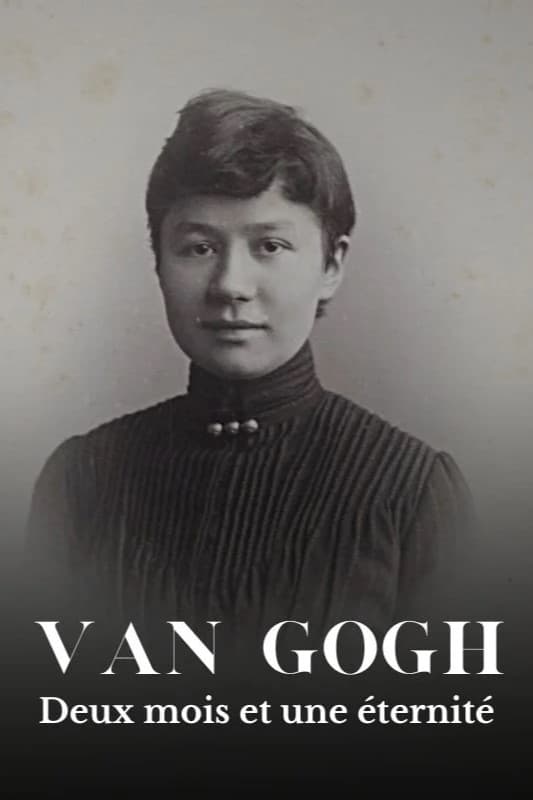
After leaving the asylum, Vincent van Gogh settles in the home of Doctor Gachet, where he keeps painting amidst the torments of his failing mental health. He begins an affair with his host’s daughter, however, she soon realizes that he doesn’t love her and that his heart beats only for art.
A documentary about Hong Kong cinema mythology via Julien Carbon and Laurent Courtiaud’s experience as screenwriters in the HK film industry, working for Wong Kar-wai, Tsui Hark, Daniel Lee and Johnnie To
A personal meditation on Rumble Fish, the legendary film directed by Francis Ford Coppola in 1983; the city of Tulsa, Oklahoma, USA, where it was shot; and its impact on the life of several people from Chile, Argentina and Uruguay related to film industry.
Documentary about belgian actor and director Bouli Lanners
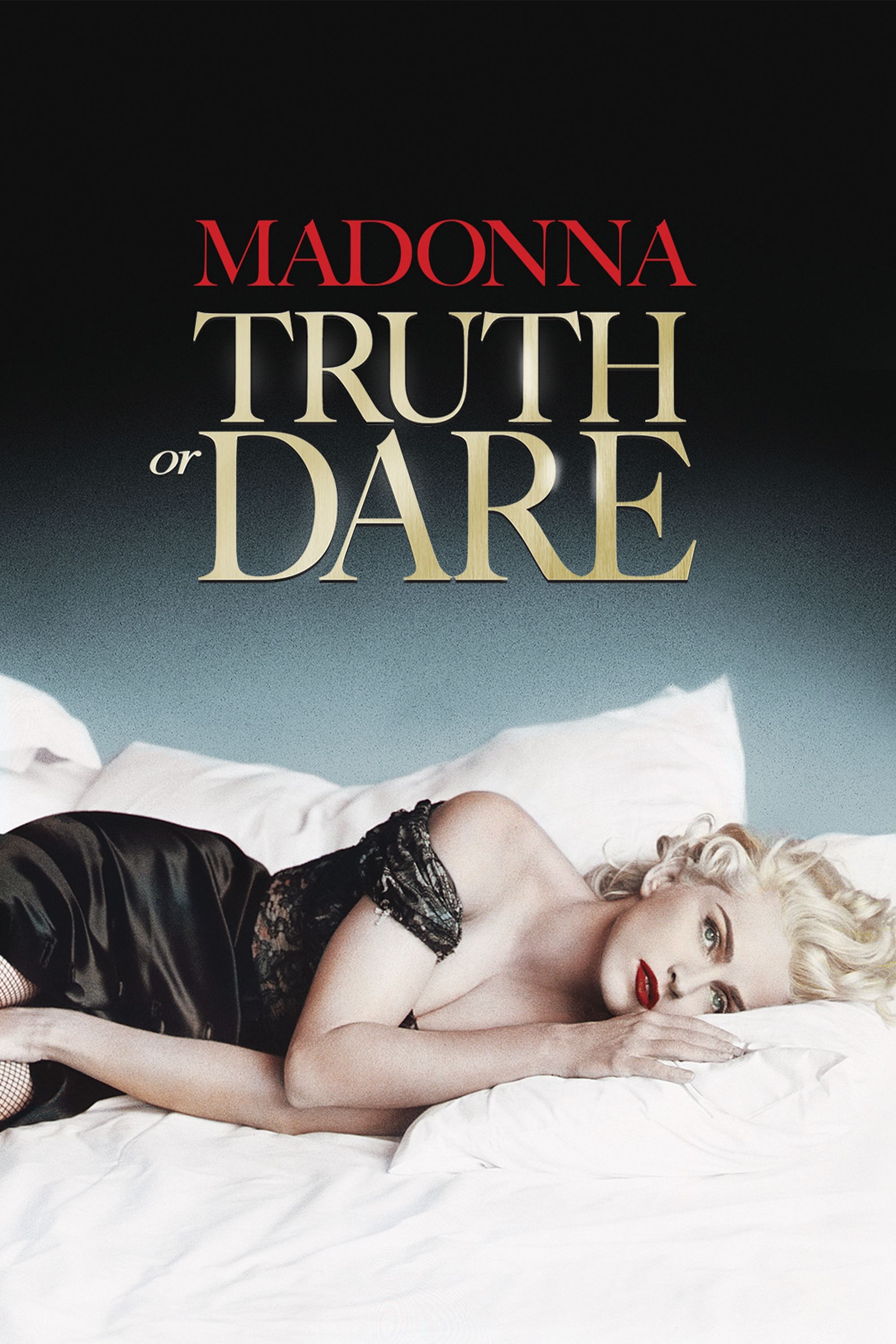
From the rains of Japan, through threats of arrest for 'public indecency' in Canada, and a birthday tribute to her father in Detroit, this documentary follows Madonna on her 1990 'Blond Ambition' concert tour. Filmed in black and white, with the concert pieces in glittering MTV color, it is an intimate look at the work of the icon, from a prayer circle before each performance to bed games with the dance troupe afterwards.
Six elderly retired women, two from Buenos Aires, Argentina; two from Montevideo, Uruguay; and two from Madrid, Spain, have something in common, despite their different interests and lives: they go to the movies almost every day.
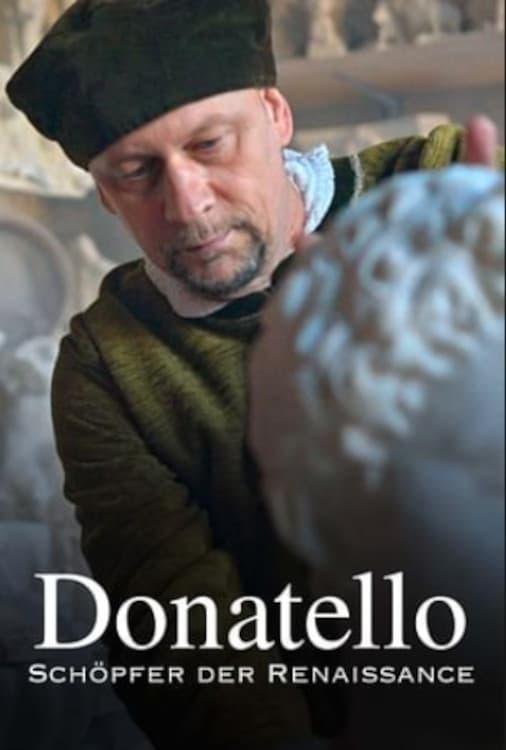
Portrait of the Italian sculptor Donatello (1386-1466), a precursor of the High Renaissance who considerably influenced sculptural art with his innovative way of conceiving space. Donatello is already a legend in his own lifetime. The sculptor is the forefather of the High Renaissance and pioneer for artists such as Raphael or Michelangelo. His bronze sculpture of the "David" or the "Pazzi Madonna" in marble are icons of art history and testify to his sculptural power of renewal.
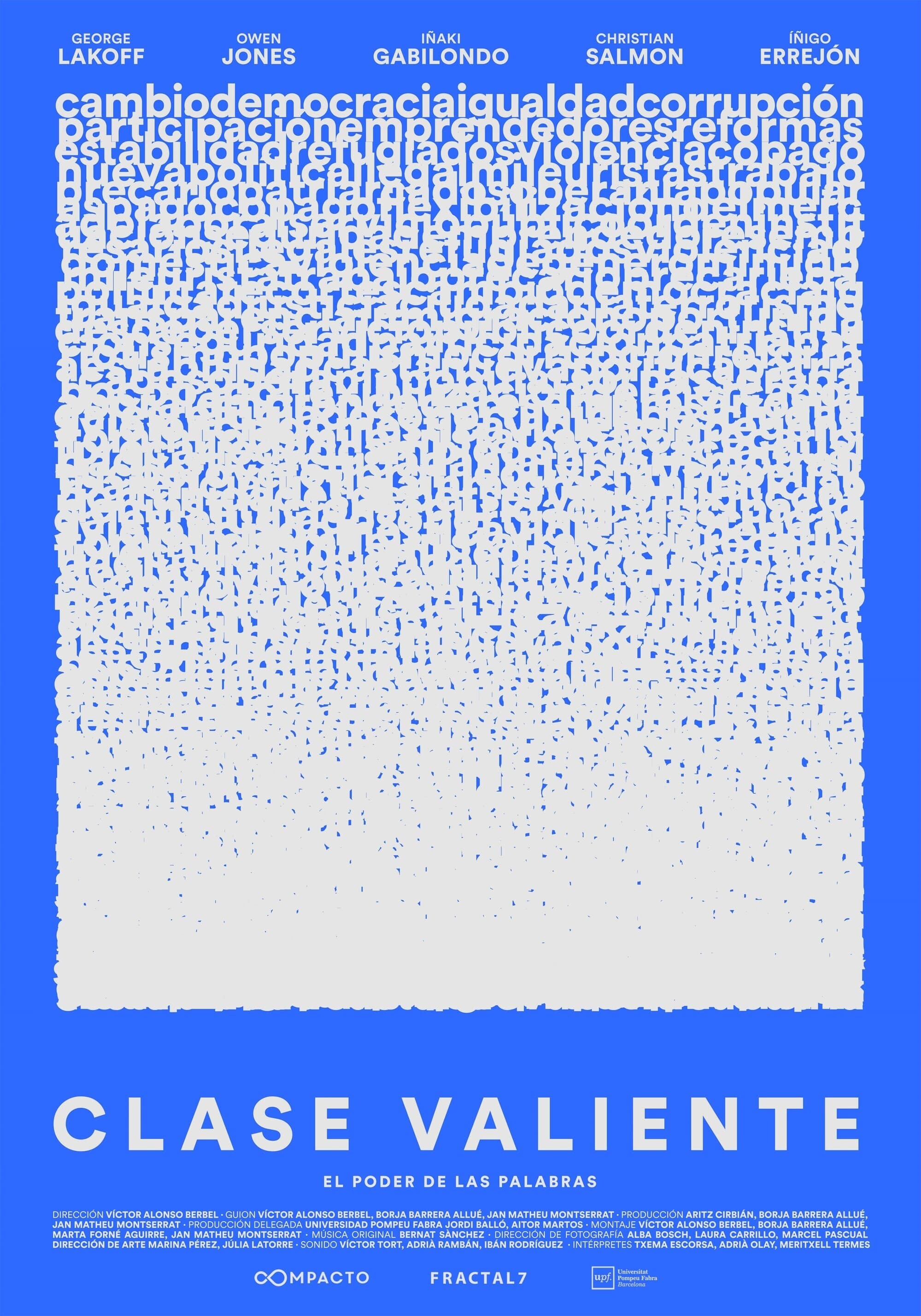
Three college students start a social experiment to prove that reality changes according to the words we use to describe it. Through research, activist actions, and artistic interventions, they analyze the importance of language in the way we understand the world. The documentary includes analysis from more than 20 international experts and leaders in the fields of political communication and information.
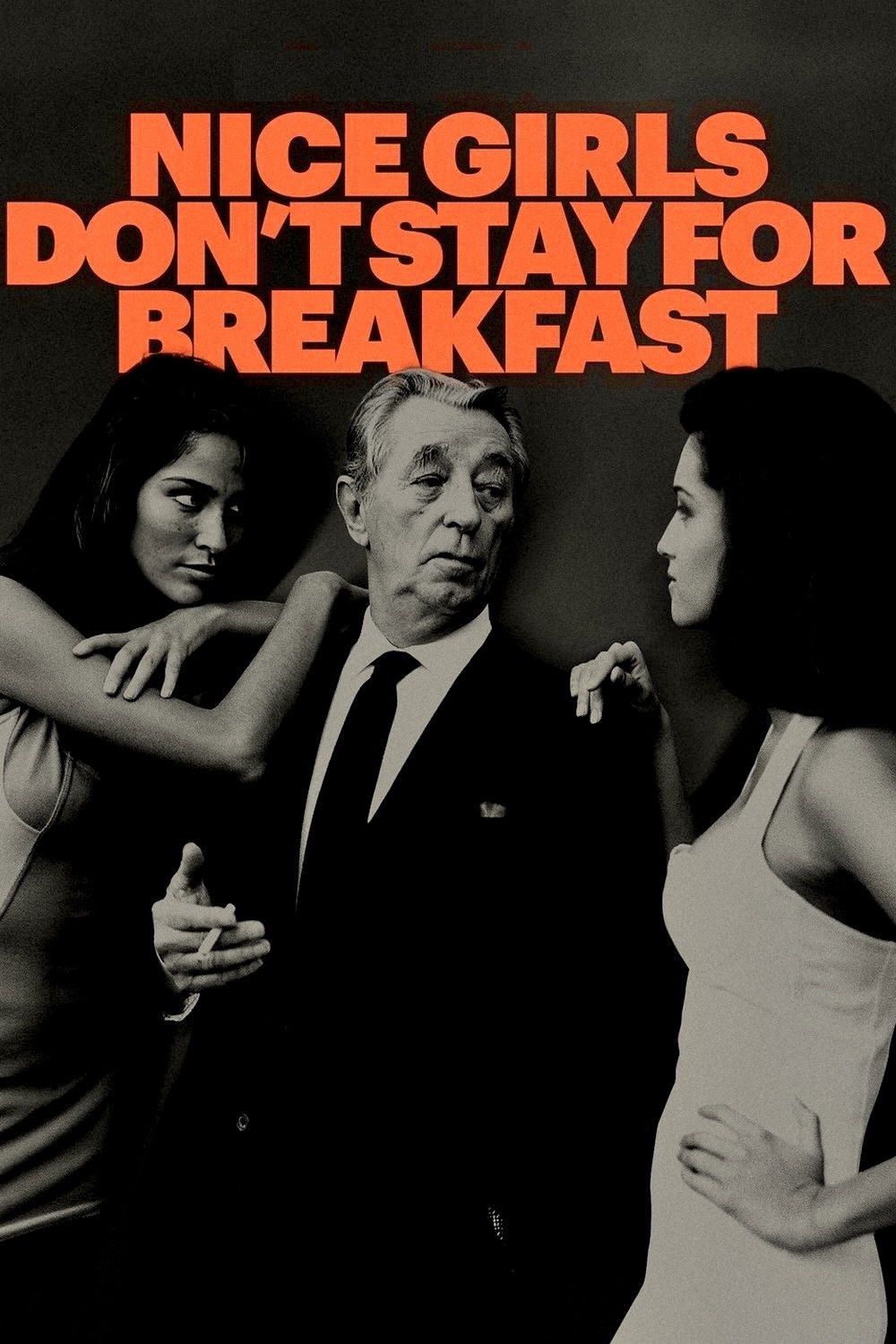
In the late 1990s, iconic photographer Bruce Weber barely managed to convince legendary actor Robert Mitchum (1917-97) to let himself be filmed simply hanging out with friends, telling anecdotes from his life and recording jazz standards.
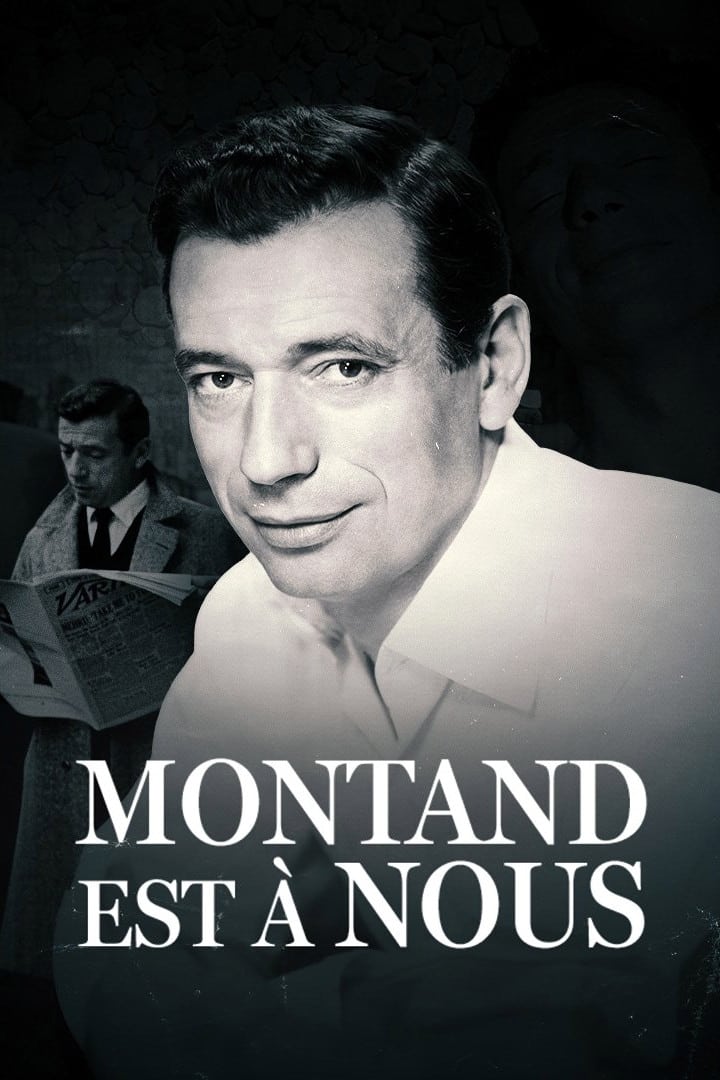
Yves Montand would have been 100-years-old in 2021. A journey through the 20th century by the son of an Italian immigrant who reached the peak of his art and popularity. The song, the cinema, the commitments, a film all in archives.
A conversation with the classical and modern musician Kalle Moraeus.
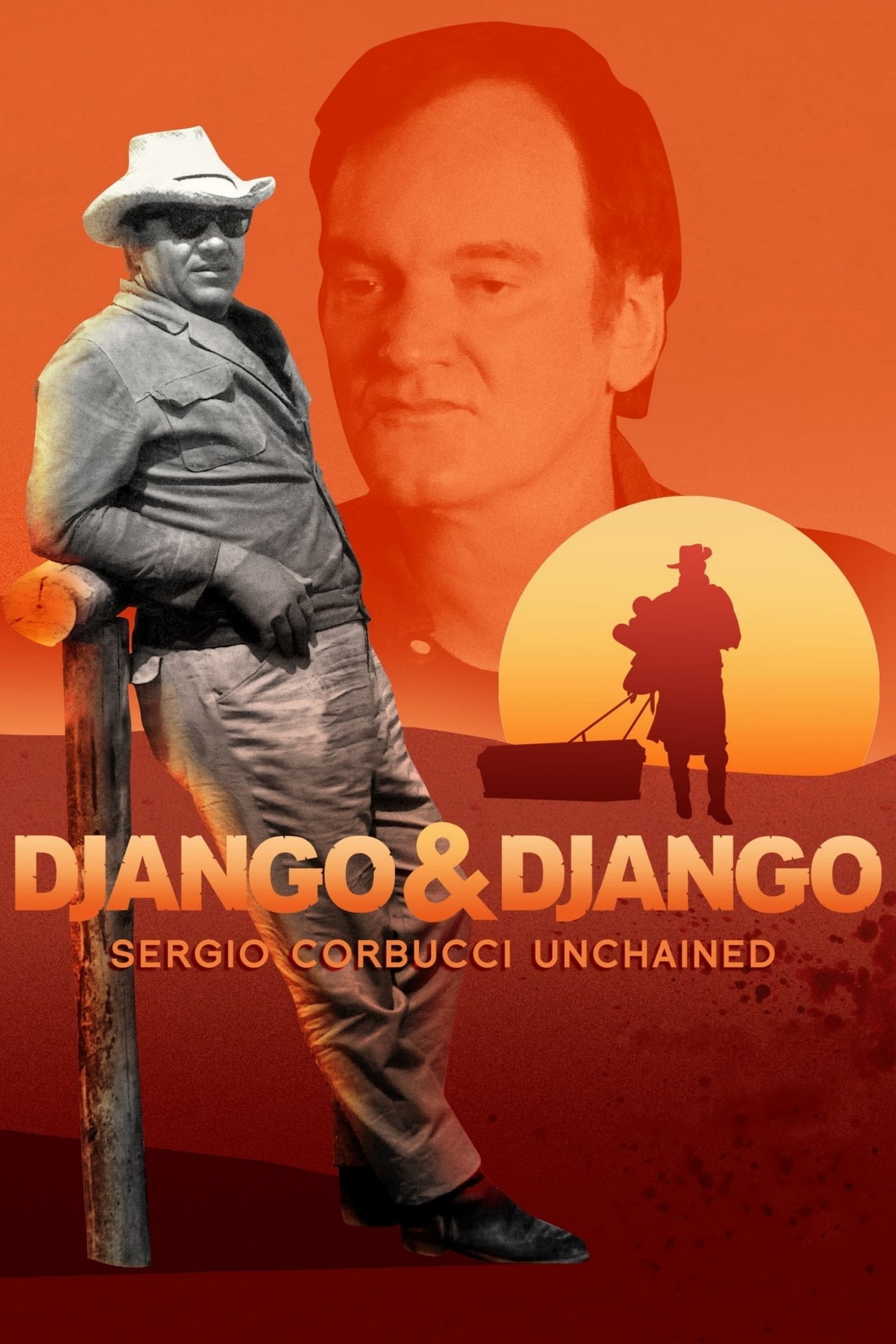
A tribute to Italian filmmaker Sergio Corbucci (1926-90), presented by American filmmaker Quentin Tarantino.
As a visually radical memoir, CAMERAPERSON draws on the remarkable footage that filmmaker Kirsten Johnson has shot and reframes it in ways that illuminate moments and situations that have personally affected her. What emerges is an elegant meditation on the relationship between truth and the camera frame, as Johnson transforms scenes that have been presented on Festival screens as one kind of truth into another kind of story—one about personal journey, craft, and direct human connection.
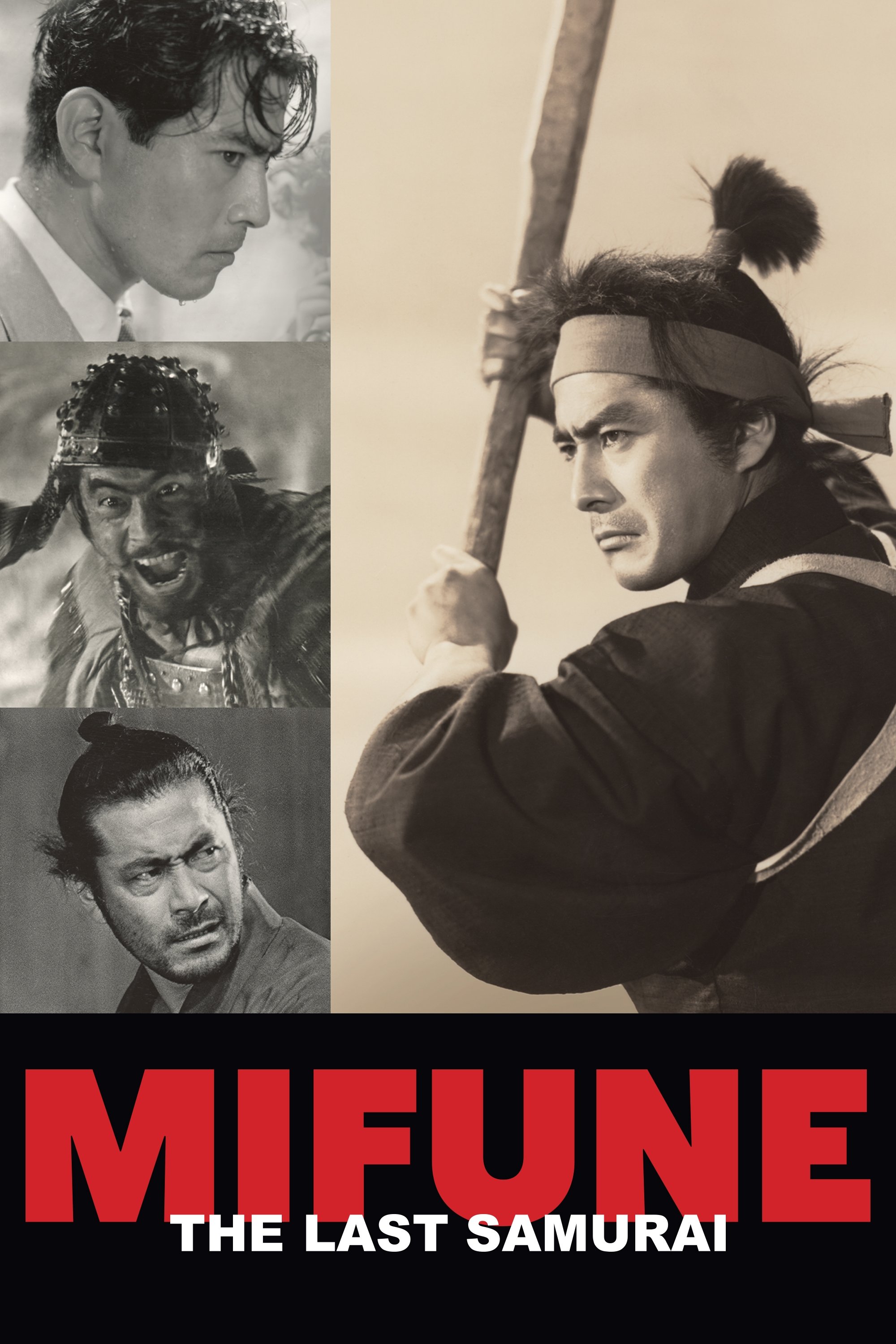
An account of the life and work of legendary Japanese actor Toshirō Mifune (1920-97), the most prominent actor of the Golden Age of Japanese cinema.
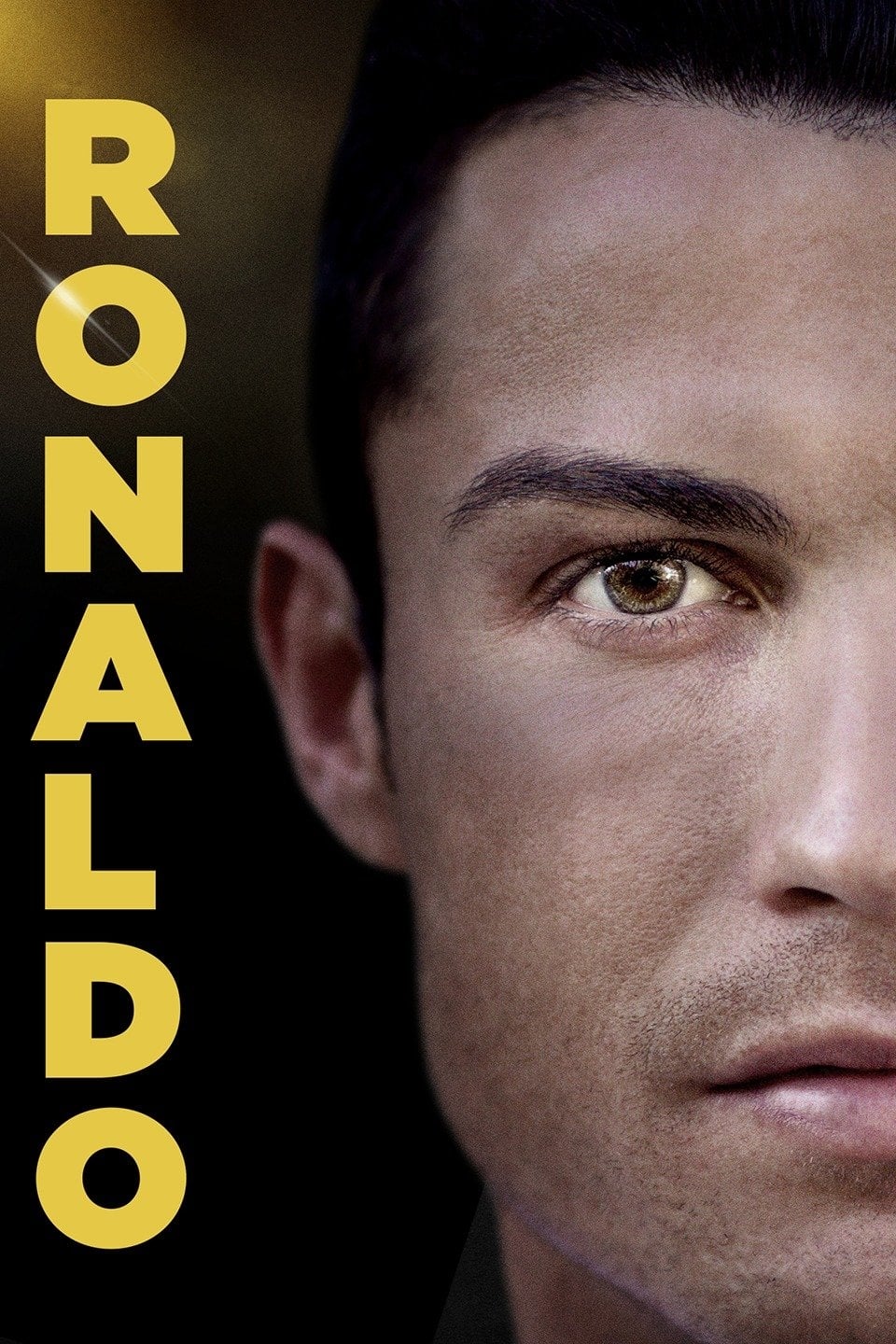
Filmed over 14 months with unprecedented access into the inner circle of the man and the sport, this is the first official and fully authorised film of one of the most celebrated figures in football. For the first time ever, the world gets vividly candid and un-paralleled, behind-closed-doors access to the footballer, father, family-man and friend in this moving & fascinating documentary. Through in-depth conversations, state of the art football footage and never before seen archival footage, the film gives an astonishing insight into the sporting and personal life of triple Ballon D'Or winner Cristiano Ronaldo at the peak of his career. From the makers of ‘Senna’ and ‘Amy’, Ronaldo takes audiences on an intimate and revealing journey of what it’s like to live as an iconic athlete in the eye of the storm.
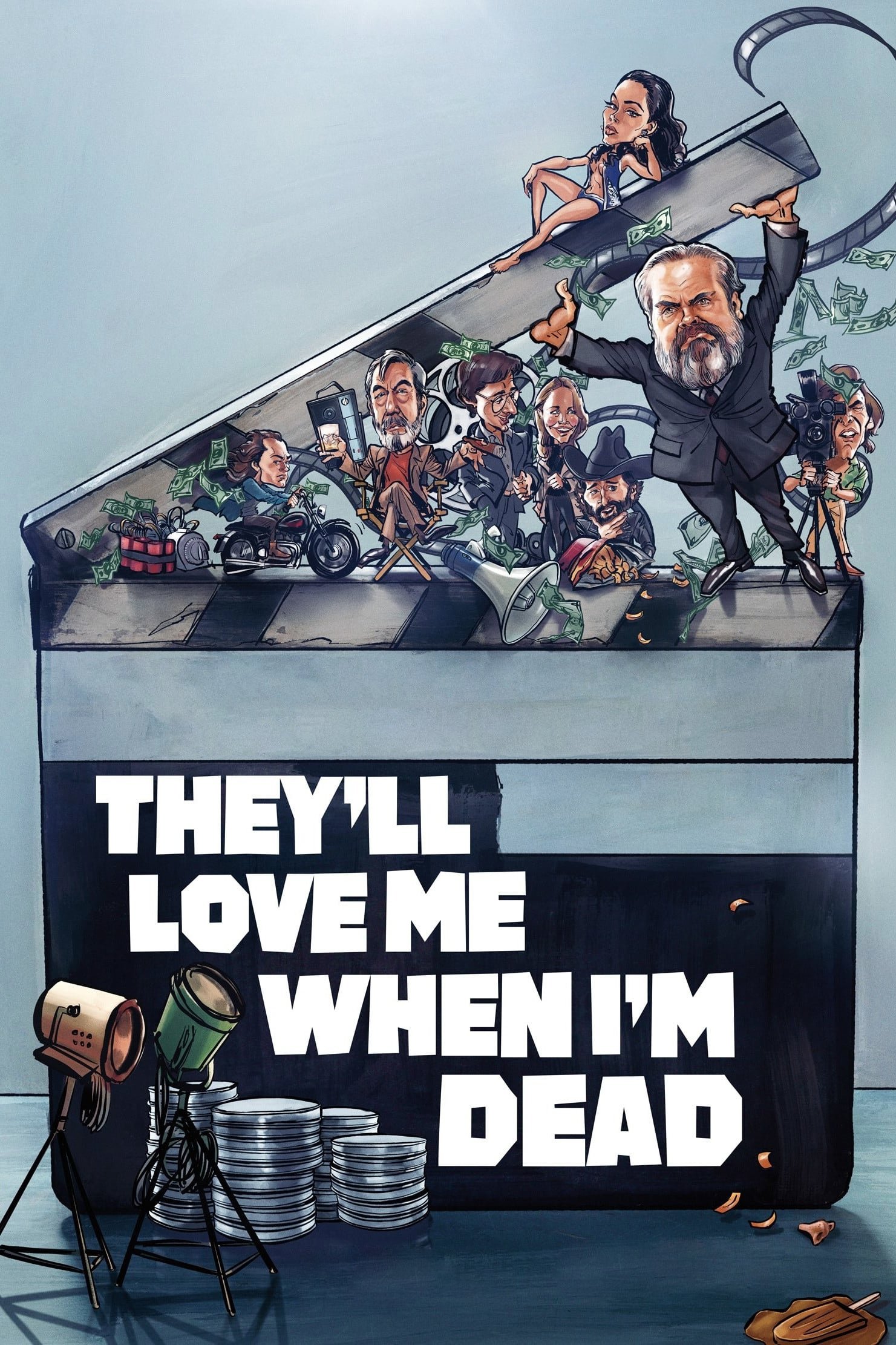
As his life comes to its end, famous Hollywood director Orson Welles puts it all on the line at the chance for renewed success with the film The Other Side of the Wind.
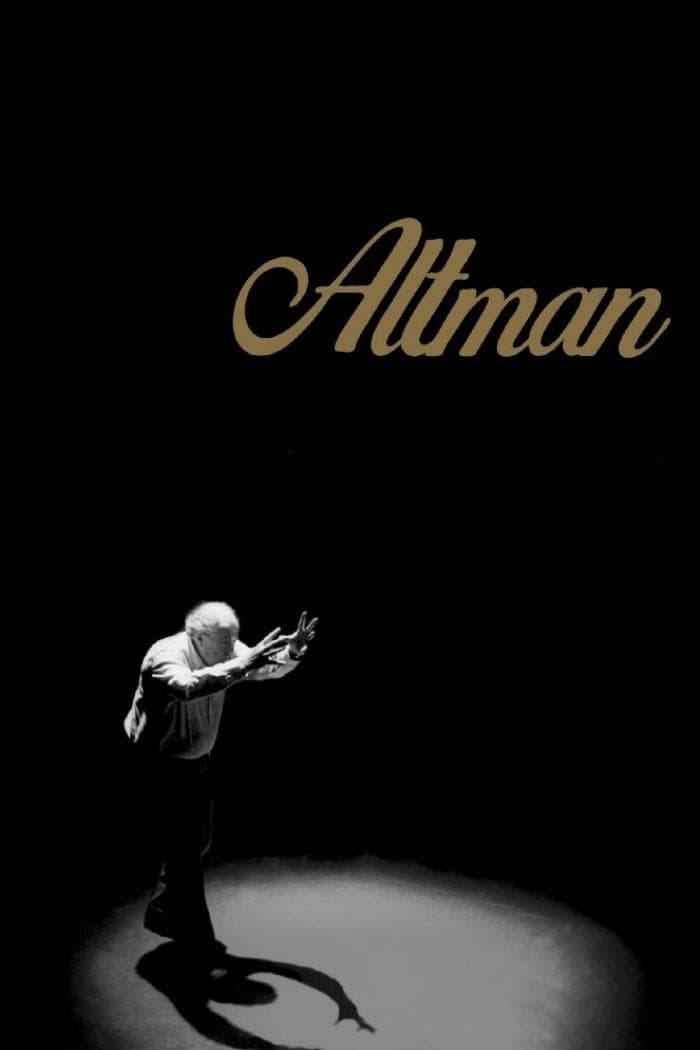
Robert Altman's life and career contained multitudes. This father of American independent cinema left an indelible mark, not merely on the evolution of his art form, but also on the western zeitgeist. With its use of rare interviews, representative film clips, archival images, and musings from his family and most recognizable collaborators, Altman is a dynamic and heartfelt mediation on an artist whose expression, passion and appetite knew few bounds.
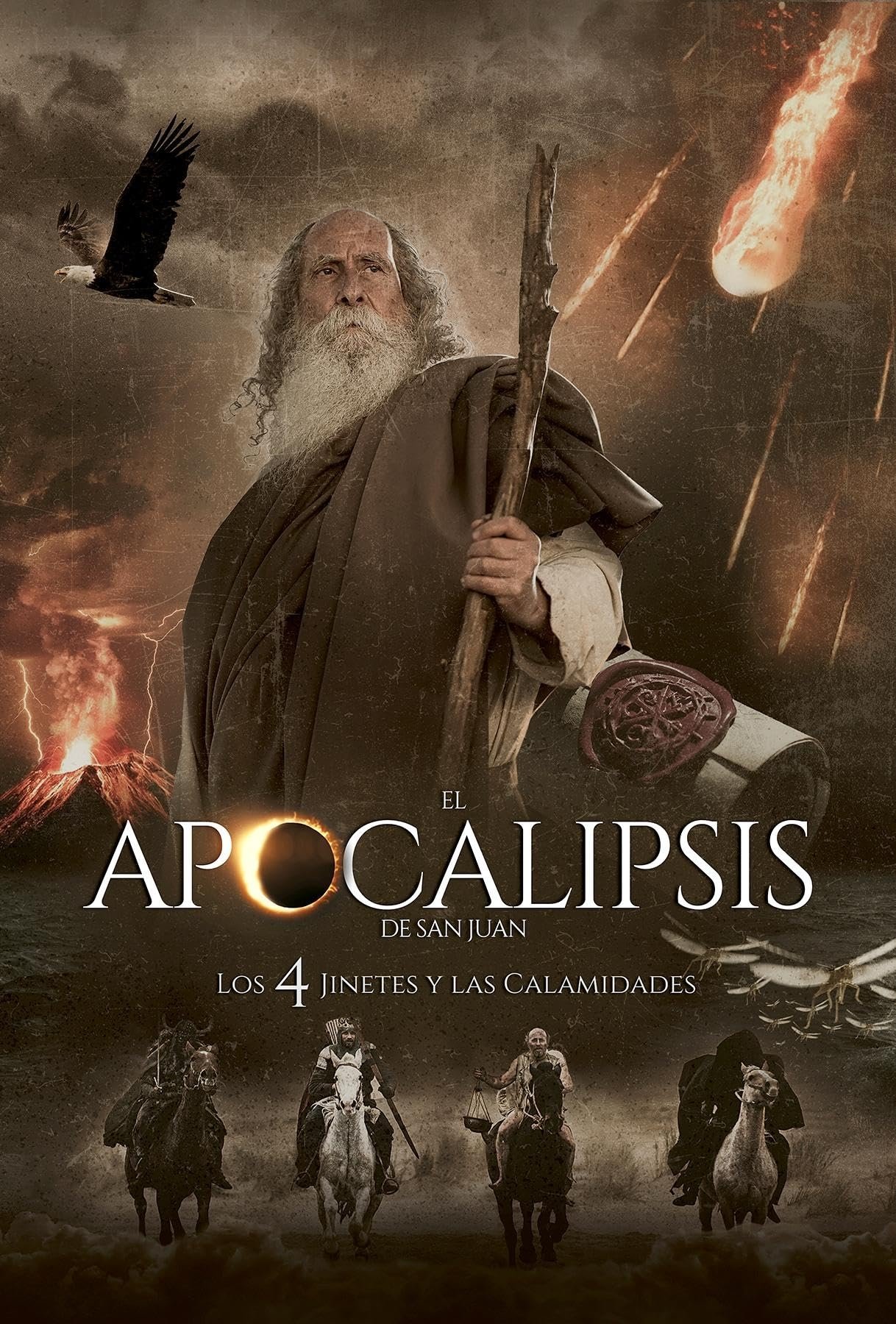
Embark on an epic journey through time and faith with 'The Apocalypse of Saint John.' Join the Apostle John in a stunning visual narrative that unravels the visions of the End Times. Experience each vision like never before, with striking visual effects and epic scenes that immerse you in the apocalyptic narrative.
From a prolific career in film and television, Anton Yelchin left an indelible legacy as an actor. Through his journals and other writings, his photography, the original music he wrote, and interviews with his family, friends, and colleagues, this film looks not just at Anton's impressive career, but at a broader portrait of the man.
Daniel Craig candidly reflects on his 15 year adventure as James Bond. Including never-before-seen archival footage from Casino Royale to the upcoming 25th film No Time To Die, Craig shares his personal memories in conversation with 007 producers, Michael G Wilson and Barbara Broccoli.
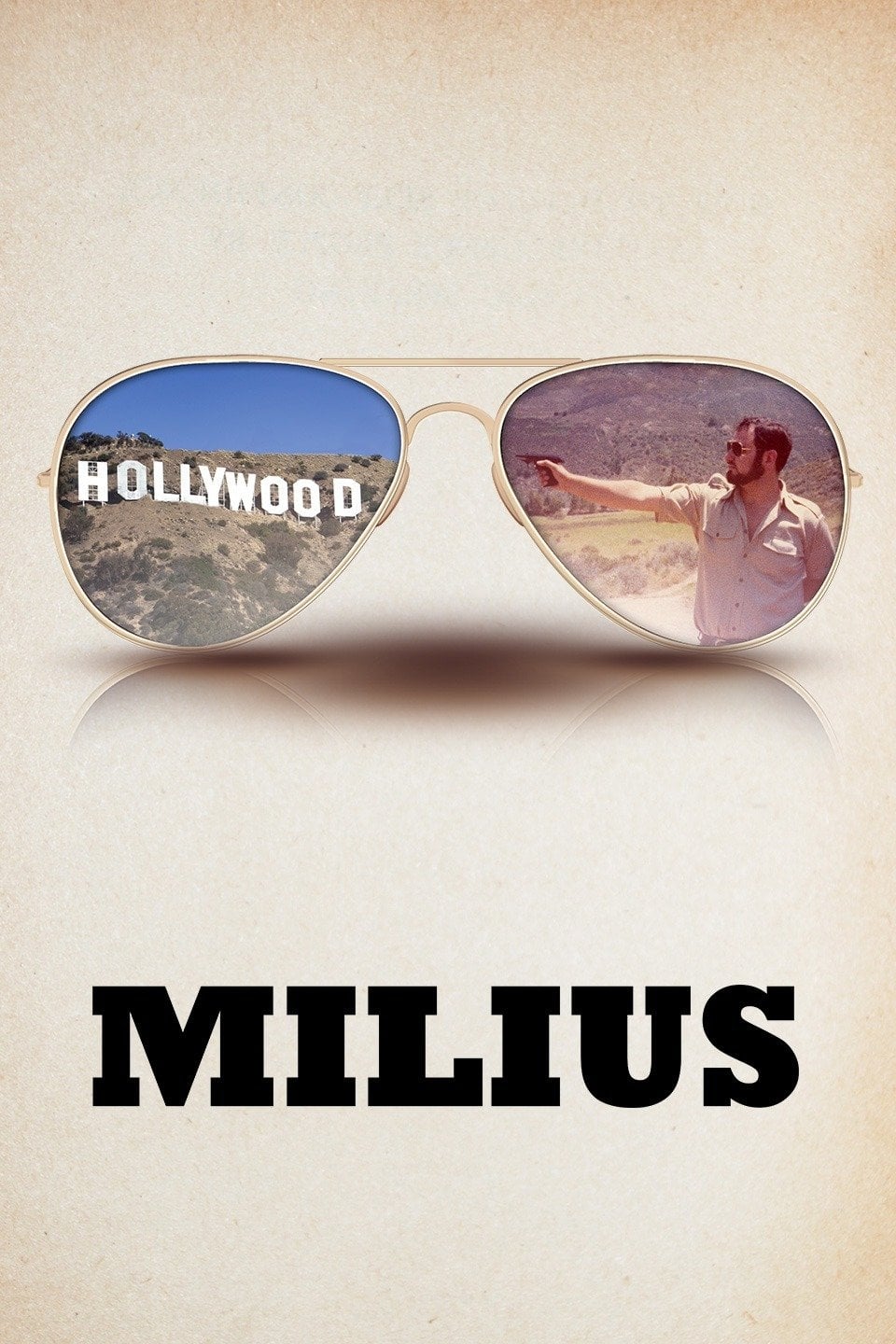
The life story of ‘Zen Anarchist’ filmmaker John Milius, one of the most influential storytellers of his generation.
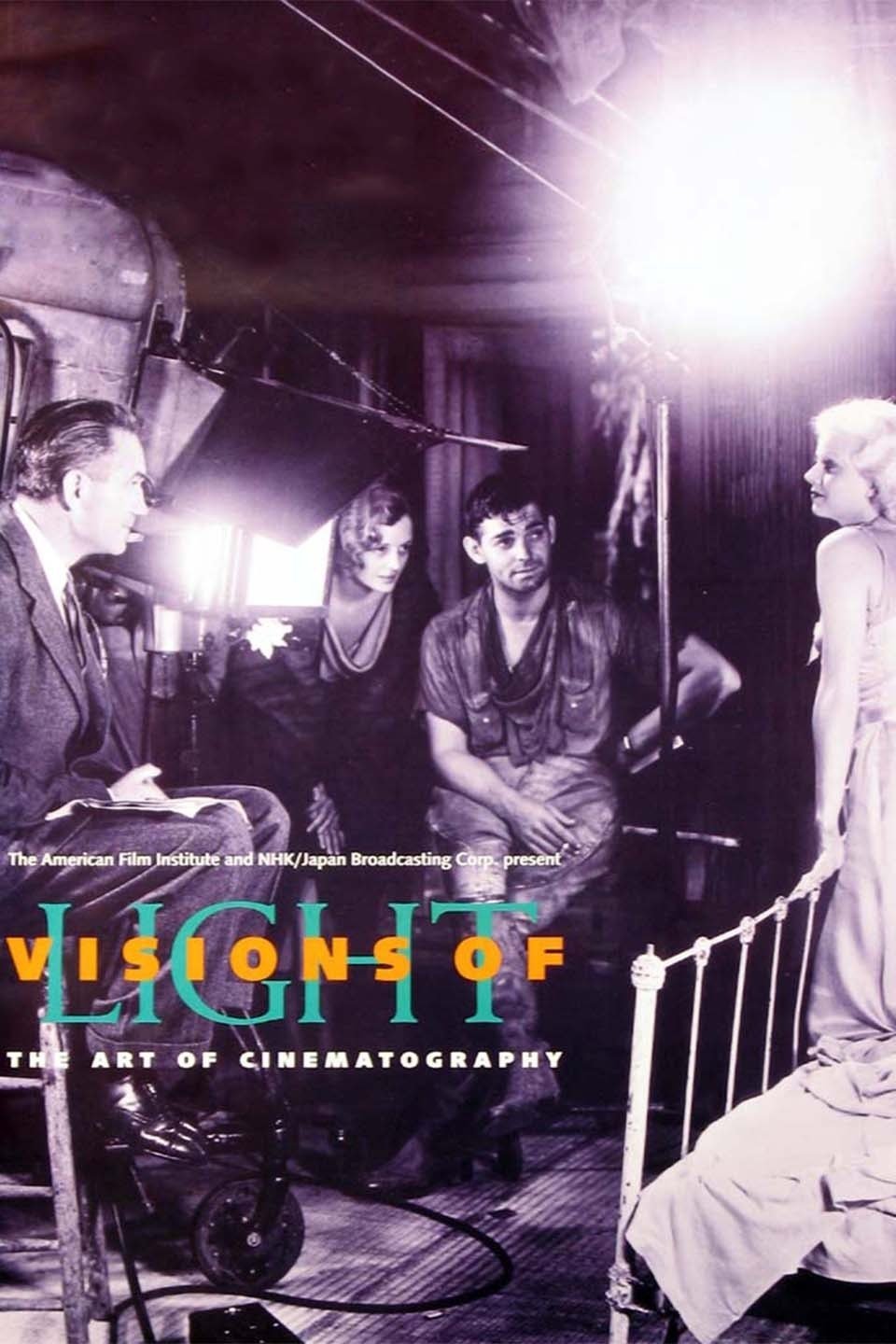
Cameramen and women discuss the craft and art of cinematography and of the "DP" (the director of photography), illustrating their points with clips from 100 films, from Birth of a Nation to Do the Right Thing. Themes: the DP tells people where to look; changes in movies (the arrival of sound, color, and wide screens) required creative responses from DPs; and, these artisans constantly invent new equipment and try new things, with wonderful results. The narration takes us through the identifiable studio styles of the 30s, the emergence of noir, the New York look, and the impact of Europeans. Citizen Kane, The Conformist, and Gordon Willis get special attention.
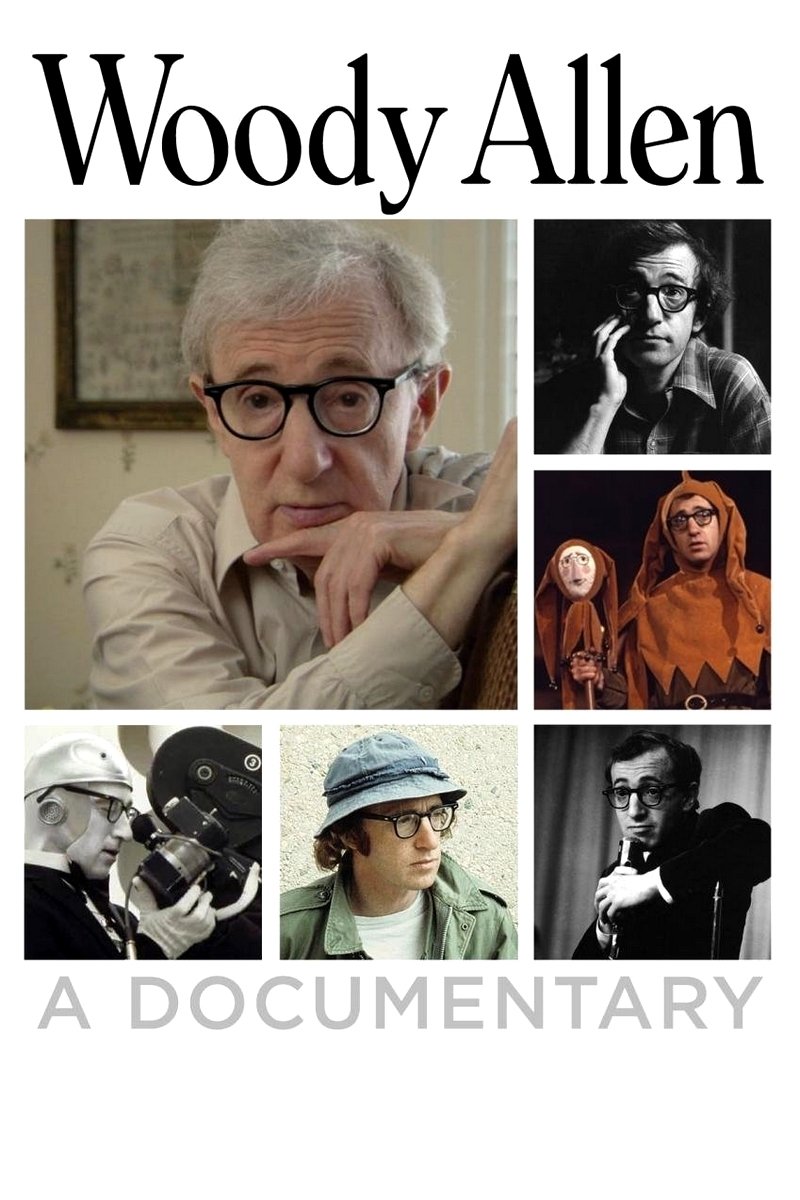
An intense portrait of the iconic filmmaker, writer, actor, comedian and musician Woody Allen: his life, family and friends; his writing and directing habits, and his relationship with performers.
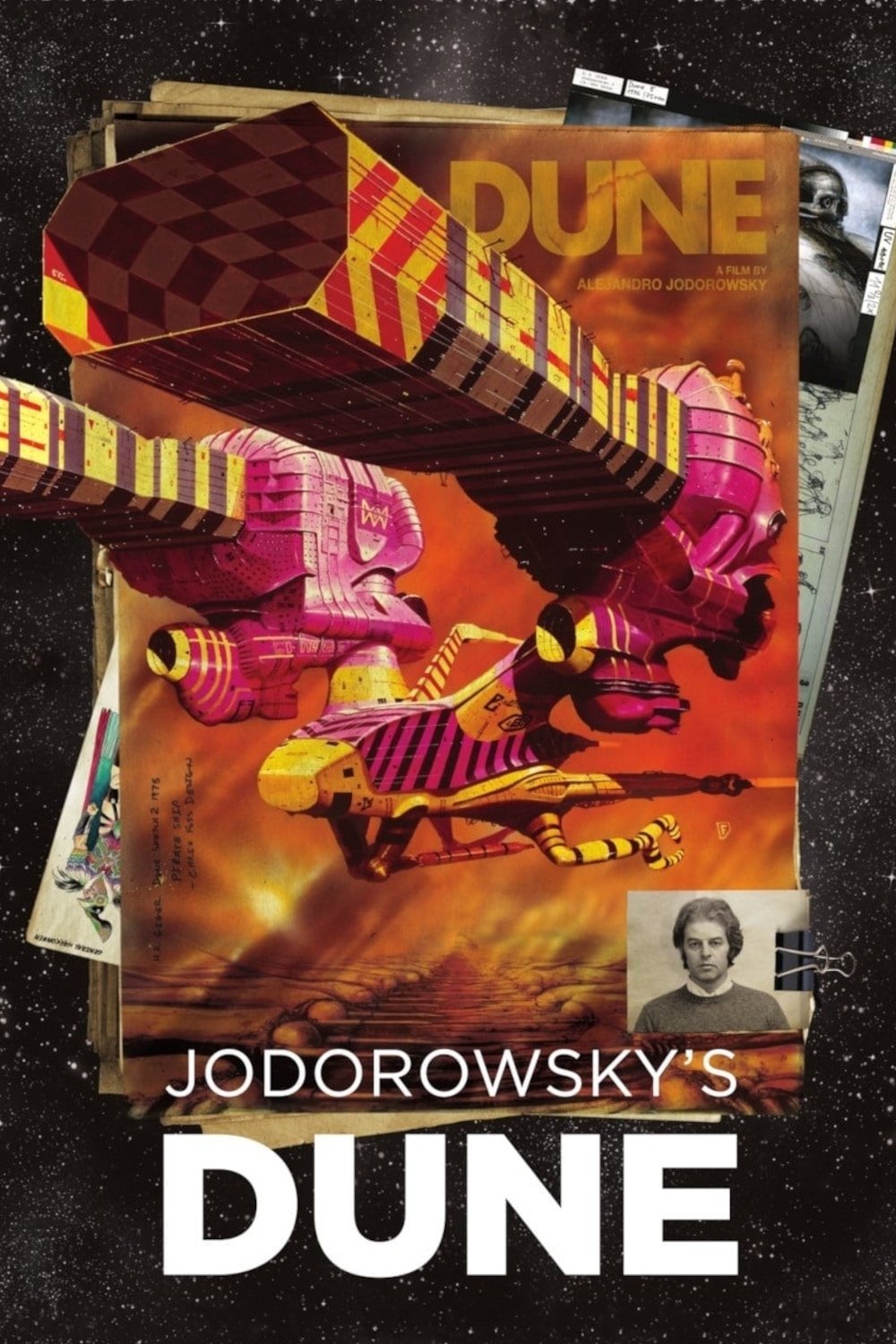
In 1974, Chilean-French director Alejandro Jodorowsky embarked on the quixotic project of adapting Frank Herbert's influential novel Dune (1969) for the big screen. After investing two years, and millions of dollars, the gigantic project ended in failure; but the artists Jodorowsky brought together to carry it out continued to work together, and ended up laying the foundations for modern science fiction cinema.
Told through performances, TV interviews, home movies, family photographs, private letters and unpublished memoirs, the film reveals the essence of an extraordinary woman who rose from humble beginnings in New York City to become a glamorous international superstar and one of the greatest artists of all time.
This revealing documentary honors the legendary Sidney Poitier—iconic actor, filmmaker, and civil rights activist. Featuring interviews with Denzel Washington, Spike Lee, Halle Berry, and more.
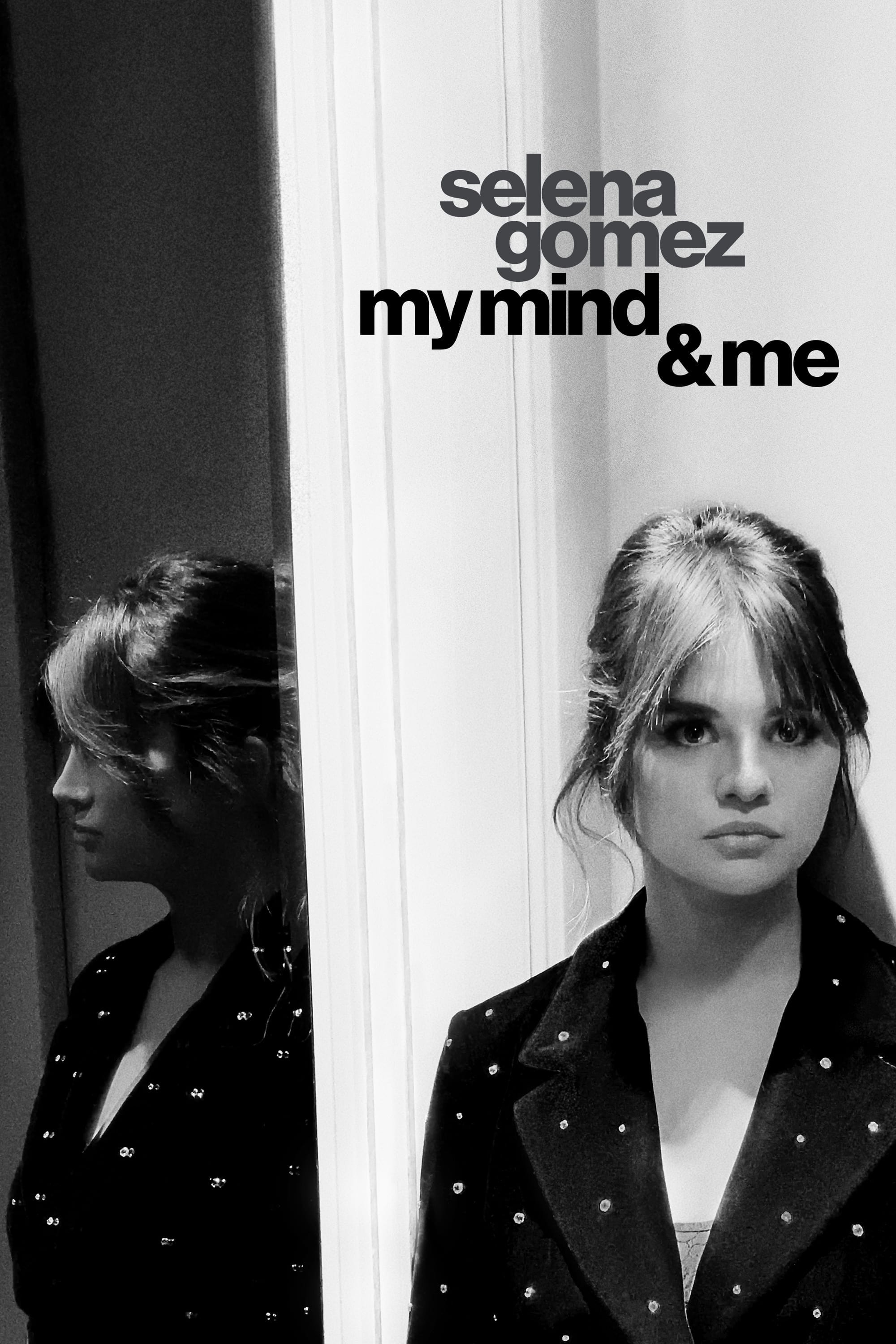
After years in the limelight, Selena Gomez achieves unimaginable stardom. But just as she reaches a new peak, an unexpected turn pulls her into darkness. This uniquely raw and intimate documentary spans her six-year journey into a new light.
Documentary about the art of film editing. Clips are shown from many groundbreaking films with innovative editing styles.
A compilation of over 30 years of private home movie footage shot by Lithuanian-American avant-garde director Jonas Mekas, assembled by Mekas "purely by chance", without concern for chronological order.
Since the invention of cinema, the standard format for recording moving images has been film. Over the past two decades, a new form of digital filmmaking has emerged, creating a groundbreaking evolution in the medium. Keanu Reeves explores the development of cinema and the impact of digital filmmaking via in-depth interviews with Hollywood masters, such as James Cameron, David Fincher, David Lynch, Christopher Nolan, Martin Scorsese, George Lucas, Steven Soderbergh, and many more.