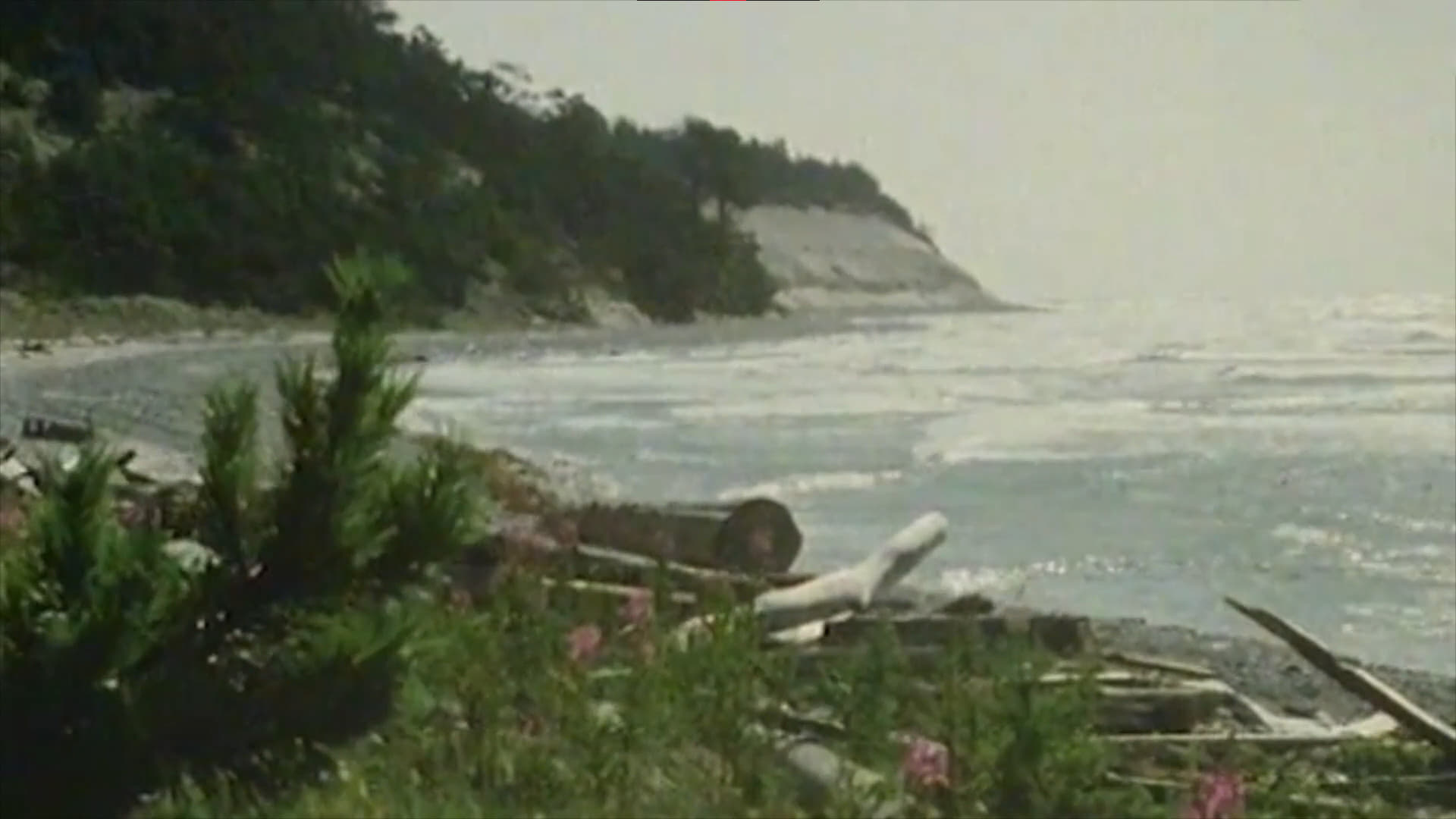
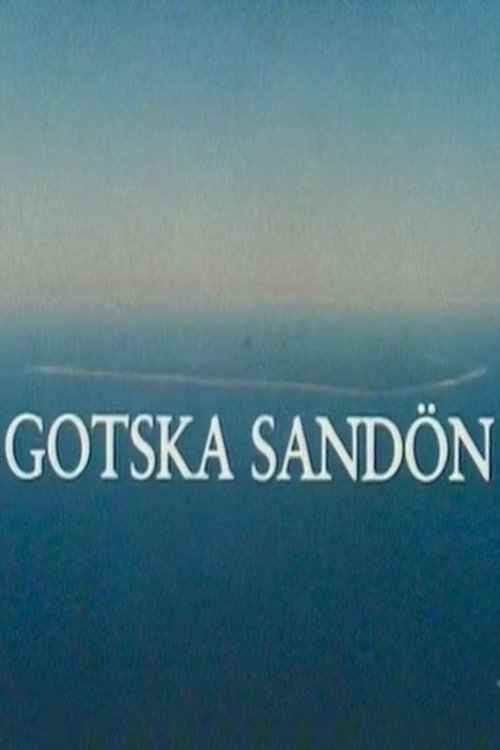
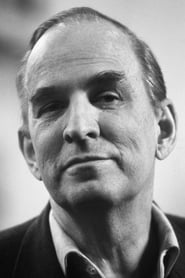
A poetic documentary of its nature and of some rare people living on Gotska Sandön, an isolated island in the Baltic Sea, close to Ingmar Bergman’s home residence Fårö.
Social & External
The people behind it
Nils Linnman
Self
Bengt-Olof Landin
Tryggve Siltberg
Bror Silvergren
Erik Olsson
Hans Hörlin
Werner Larsson
Gunnar Hörlin
Fanny Hörlin
Katarina Hörlin
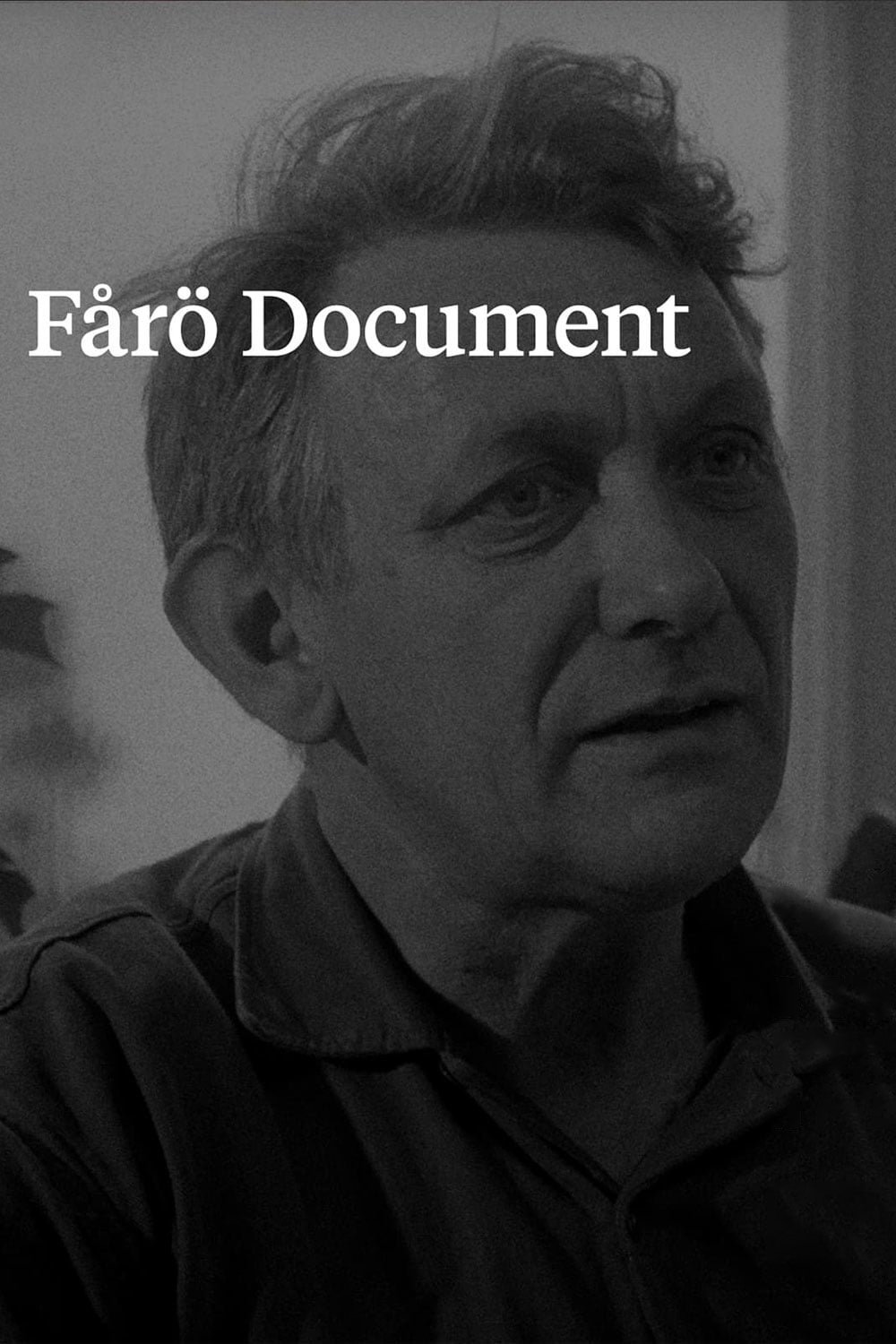
Shot on the island of Fårö, this documentary presents interviews with local inhabitants as they discuss work, family life, and the conditions of living in a sparsely populated rural community. Bergman documents generational differences and practical concerns surrounding farming, fishing, education, and migration as the island confronts social and economic change.
Documentary about the Swedish band Di sma undar jårdi mixed with recordings from one of their shows.
Tom Leimer arrives to the isle of Gotland, Sweden during the summer in order to find his old love Therese Sandström. She has, however, started a new life together with the upper-class-guy Karl von Silberhelm, and wishes no longer to know Tom because of his criminal past. A virus, turning people into living dead, breaks out on the isle. Tom makes his decision to try to rescue Therese - a choice that turns out to be more dangerous than he expected, since each who is infected hungers always for fresh human-flesh.
Lieutenants Johnny Waller and Ingvar Lund have been appointed captains of two torpedo boats.
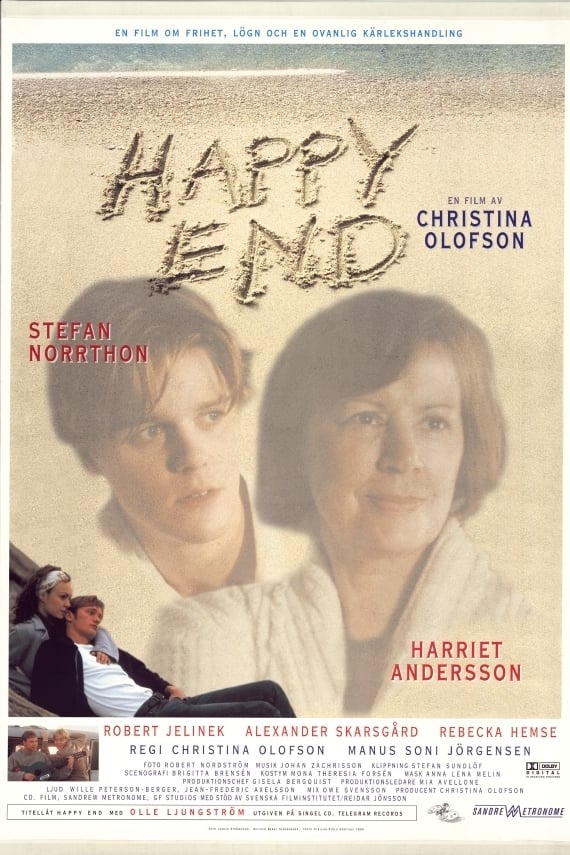
Happy End is a story about Lukas, a self-absorbed young man adrift who meets Marja, an experienced, older woman. Lukas dreams of becoming a rock star. He escapes the city to his father's holiday flat in Visby, a town on the Baltic island of Gotland. But the flat has been rented out to Marja, an eccentric 69-year-old writer determined to complete her memoirs. Nothing can hold her back, least of all a confused dreamer. Much against their will, a friendship slowly develops. But Marja harbors a secret, and when the truth emerges their friendship is put to the test. Their stay on Gotland takes an unexpected turn...
Set in beautiful Faro, a young woman named Ida, feels lonely and loses all hope, believing death is looking for her. She soon comes up with a creative way of trying to cheat death itself.
A bunch of young people travel to Gotland on their vacation - partying expected 24/7. But they get into trouble - with both the local population and a criminal gang.
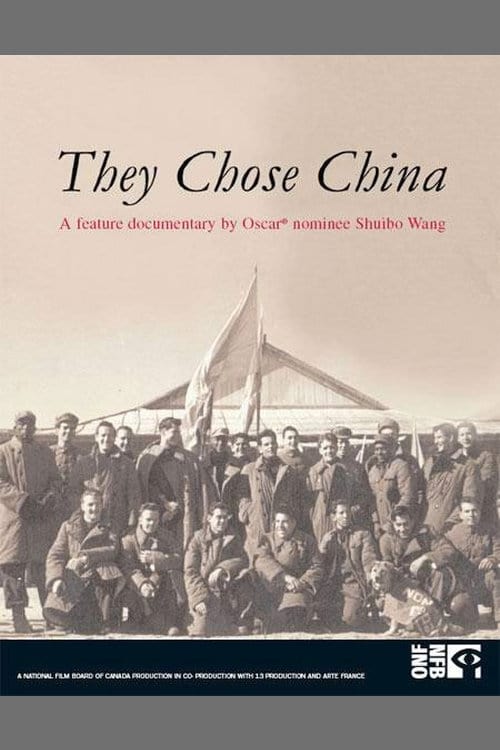
The story of twenty-one American POWs who, after the Korean War ended, chose to live in China instead of returning the USA.
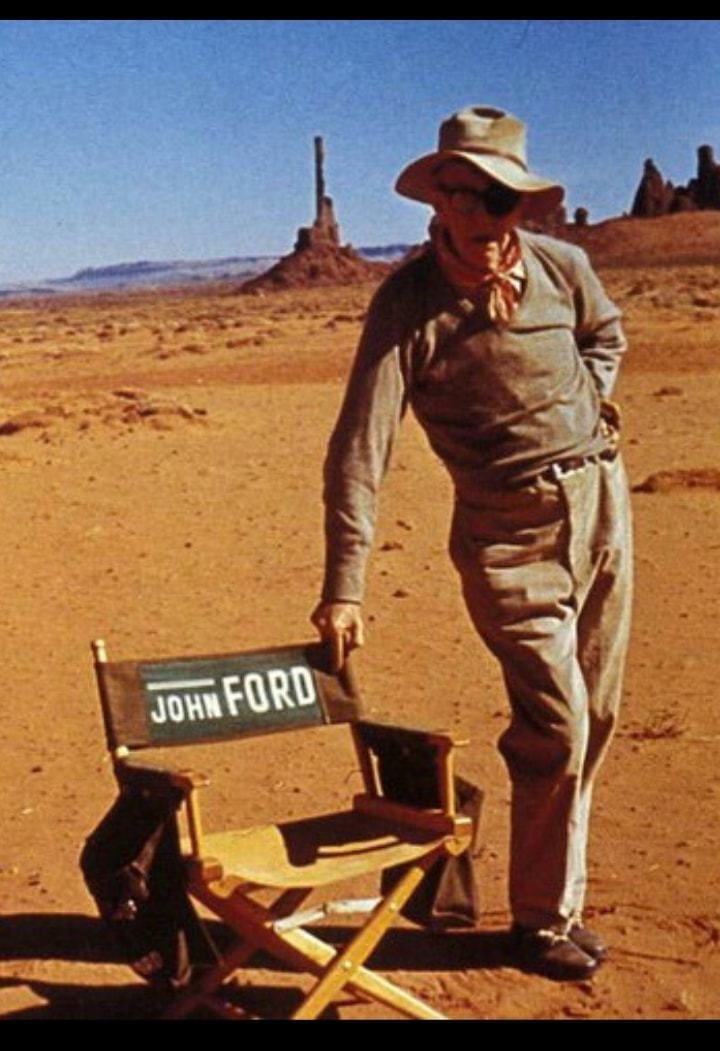
John Wayne, Henry Fonda and James Stewart discuss working with John Ford
Produced for the Criterion Collection in 2018, the documentary features actors Peter Gallagher, Andie MacDowell, and Laura San Giacomo discussing their work with director Steven Soderbergh on his first feature, and the ways that the film transformed their careers.
Looking back at the history of the struggle for true equality, we follow the daughters and sons of immigrant workers who have been nominated as candidates representing "diversity" in various election campaigns since the 2007 presidential election. On the ground, through meetings, debates, and more "intimate" encounters with candidates and actors from past struggles, a great diversity of thought emerges. But they all have the same goal: not to be just "candidates for Beurs." With many activists from working-class neighborhoods, from Clichy-sous-Bois to Marseille, via Roubaix, and candidates Mouloud Aounit, Kamel Hamza, Faouzi Lamdaoui, Halima Boumedienne, Omar Slaouti, Samia Ghali, Karim Zeribi, Rama Yade, and others... Will these "new faces" of the Republic be in the picture when the votes are counted, or will they simply be "candidates for the Beurs"?
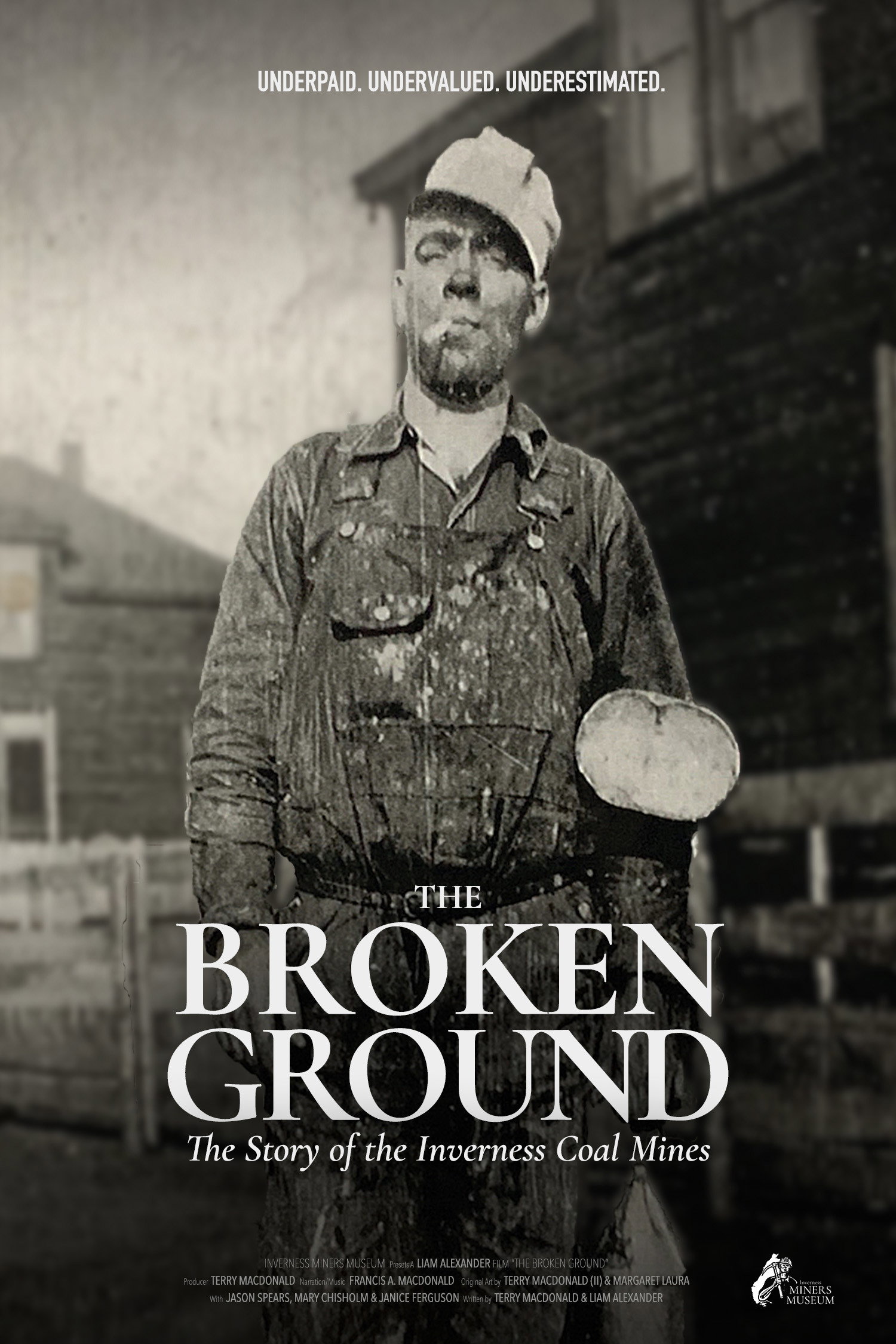
Based on the book by Ned MacDonald comes this engaging feature documentary that explores the history of the Inverness Coal Mines. After an abundance of quality coal is discovered in a remote settlement on Cape Breton Island, wealthy foreign developers and miners arrive from across the world to extract the black gold from the depths. As the years continue, exploitation of the land and workers challenges the survival of Inverness Town and its people.
For decades Italian genre cinema dominated the world and before changing beyond recognition it went to unthinkable places. Giants don't die quietly however and this is the story of an industry's most absurd, extreme, blood-soaked fight for survival. Through dozens of brand new interviews, and never-before-seen archival materials, with the men and women who were there during one of the most unique moments in film history, MASTERS OF MAYHEM tells their stories of scandal, contradictions, drama and outrage.
A Second World War documentary film produced for and by the National Film Board of Canada in 1942 as part of the "Canada Carries On" short documentary series. It uses stock footage, dating back to the First World War, in its theme of showing how dependent modern war vehicles are on having a fuel supply source. In the First World War, Britain's sea power was preserved through the maintenance of a series of coaling stations dotting the Seven Seas. With the change to oil, rather than coal, the necessities for European nations, without home supply, are dependent on the Near-and-Far East where the pipe-lines and oil production have to be defended against attacks by the Axis powers. Canada's role in oil production is also highlighted.
"The Harvest Shall Come" is a wartime story/documentary produced by Realist Film Unit and starring John Slater. This tells the story of an ordinary farmer (Tim Grimwood), and his struggles as a boy starting out in 1900, to a farm labourer come the second world war. The story documents the ebbs and flows of the fortunes of such as him in the industry over those 40 years, and (as the name suggests) has an air of new dawn, whereby farmers essential to the war effort would at last secure a fair deal.
An inside look at one of the most anticipated movie sequels ever with James Cameron and cast.
A visual montage portrait of our contemporary world dominated by globalized technology and violence.
SEDUCED AND ABANDONED combines acting legend Alec Baldwin with director James Toback as they lead us on a troublesome and often hilarious journey of raising financing for their next feature film. Moving from director to financier to star actor, the two players provide us with a unique look behind the curtain at the world's biggest and most glamourous film festival, shining a light on the bitter-sweet relationship filmmakers have with Cannes and the film business. Featuring insights from directors Martin Scorsese, 'Bernando Bertolucci' and Roman Polanski; actors Ryan Gosling and Jessica Chastain and a host of film distribution luminaries.
Those who knew iconic funnyman John Candy best share his story, in their own words, through never-before-seen archival footage, imagery, and interviews.
The Captains is a feature-length documentary film written and directed by William Shatner. The film follows Shatner as he interviews the other actors who have portrayed starship captains in the Star Trek franchise.
The film follows adventurer Jeff Johnson as he retraces the epic 1968 journey of his heroes Yvon Chouinard and Doug Tompkins to Patagonia.
Constructed from over 500 hours of never-before-seen footage, this documentary centers on the personal life and career of the controversial football player Diego Maradona who played for SSC Napoli and Argentina in the 1980s.
A detailing of the rise to prominence and global sporting superstardom of six supremely talented young Manchester United football players (David Beckham, Nicky Butt, Ryan Giggs, Paul Scholes, Phil and Gary Neville). The film covers the period 1992-1999, culminating in Manchester United's European Cup triumph.
Interviews with leading authors, philosophers and scientists, with an in-depth discussion of the Law of Attraction. The audience is shown how they can learn and use 'The Secret' in their everyday lives.
A purely observational non-fiction film that takes viewers into the ethically murky world of end-of-life decision making in a public hospital.
The life and career of an actor, artist, and icon. His own journey through his own camera.
Take a virtual vacation to some of the Star Wars films' most iconic and beloved locations like Hoth, Tatooine, and Sorgan, as this charming series whisks you off for fly-through tours of the Galaxy Far, Far Away.
Join the likes of Jeremy Renner, Hailee Steinfeld, Florence Pugh, and Vincent D’Onofrio as they reveal how Marvel Studios’ “Hawkeye” was conceived and created. Witness firsthand what it took to pull off the show’s pulse-pounding action set pieces, and discover how iconic characters from the pages of Marvel Comics such as Kate Bishop were adapted and brought to life for the six-episode series.
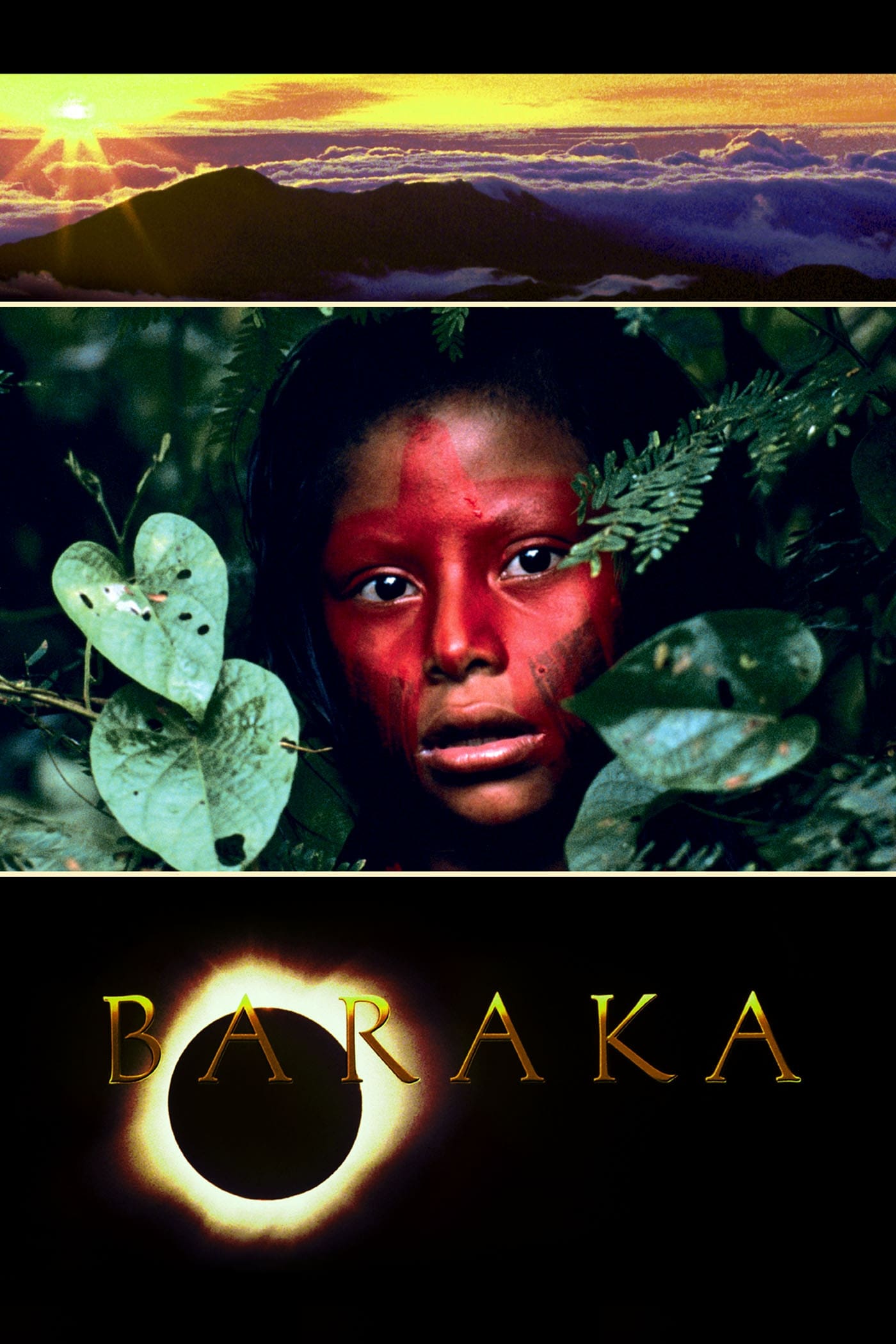
A paralysingly beautiful documentary with a global vision—an odyssey through landscape and time—that attempts to capture the essence of life.
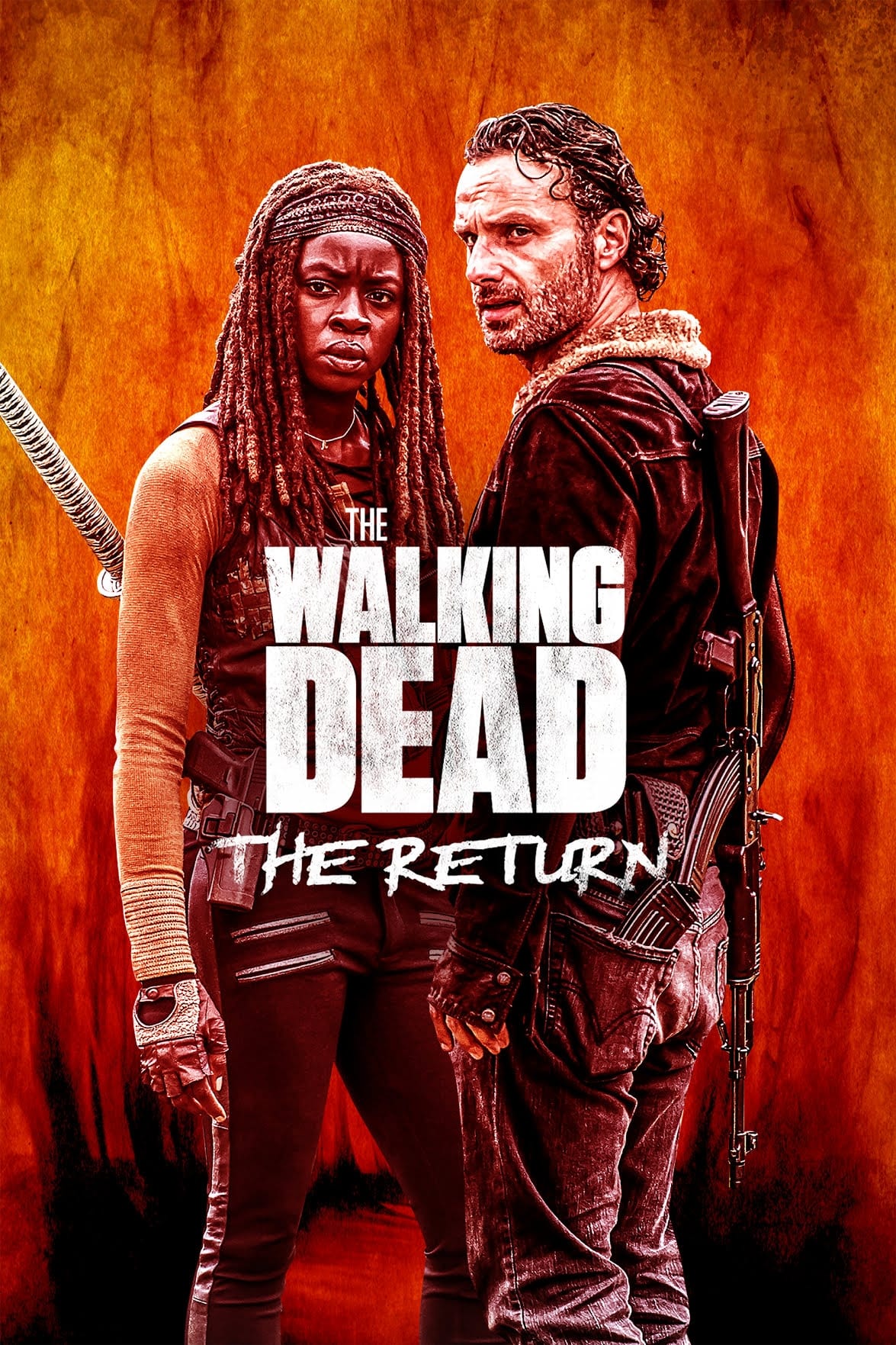
Stars of "The Walking Dead," Andrew Lincoln and Danai Gurira, walk down memory lane and visit iconic locations where pivotal moments between their characters, Rick and Michonne, were filmed.
The life of Mr. Spock, as well as that of Leonard Nimoy, the actor who played him for almost fifty years, written and directed by his son: Adam.
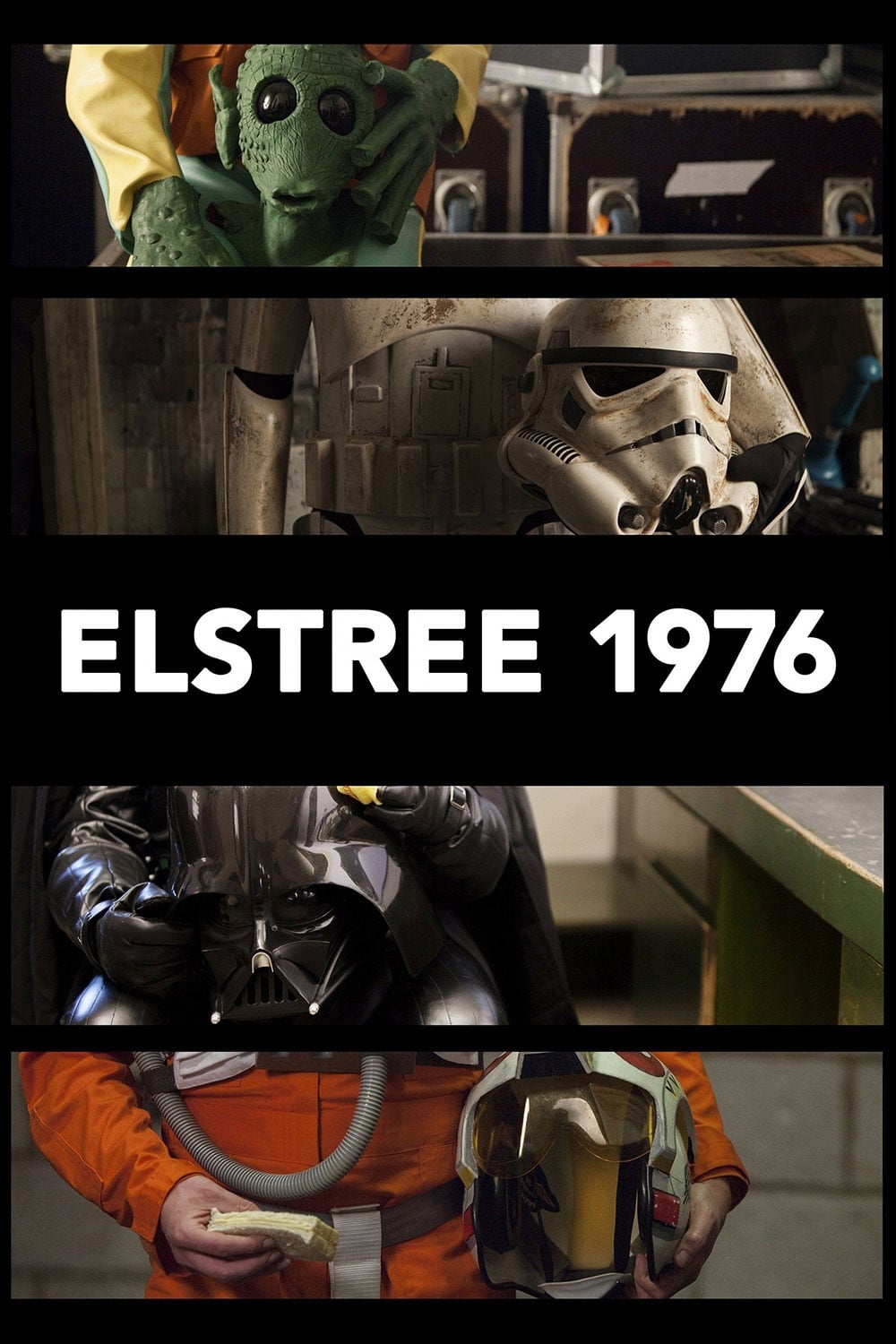
A documentary about ten very different lives connected by having appeared onscreen wearing masks or helmets in Star Wars.
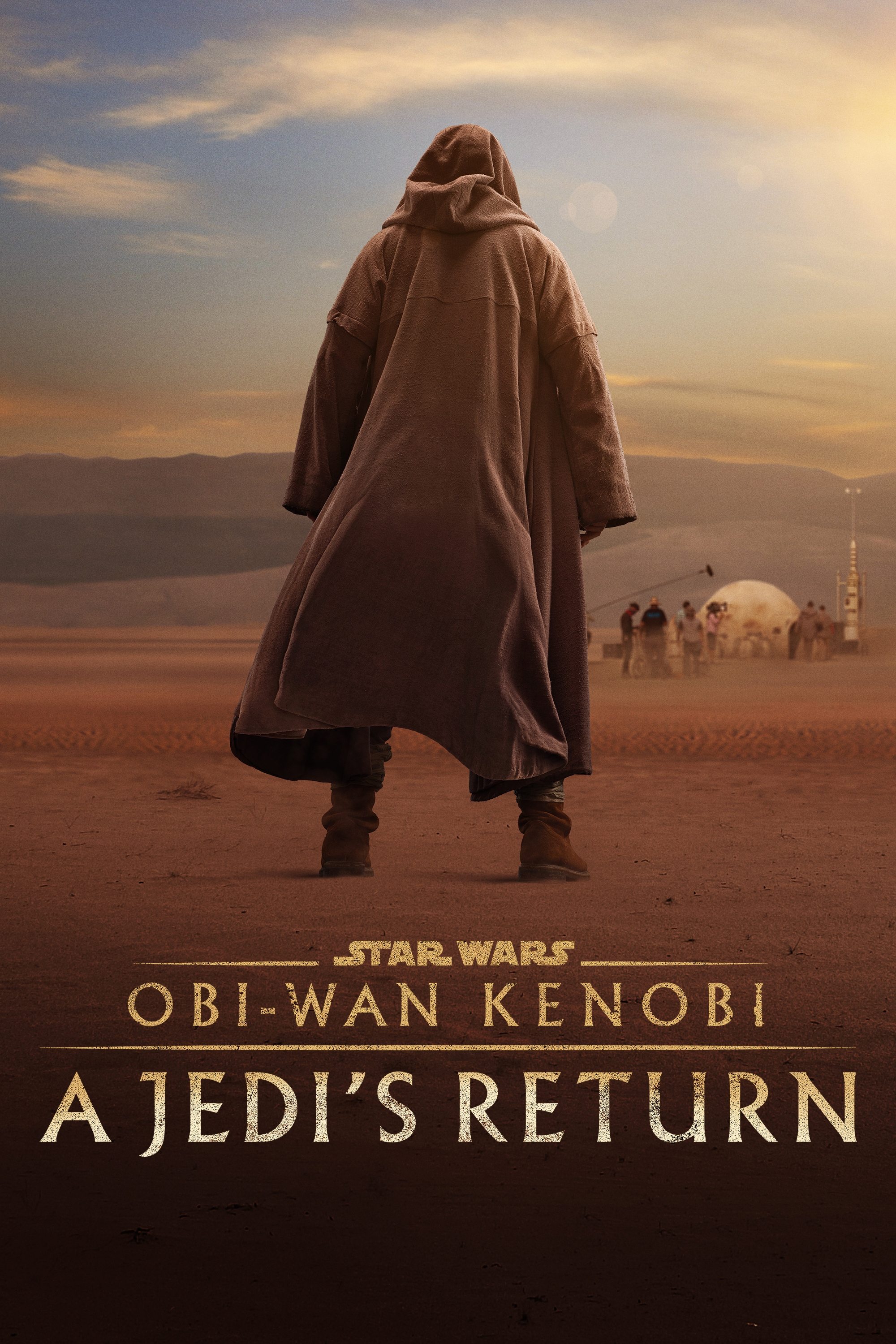
This special explores the return of Obi-Wan Kenobi and Anakin Skywalker to the screen, as well as Ewan McGregor and Hayden Christensen to their classic roles. Director Deborah Chow leads the cast and crew as they create new heroes and villains that live alongside new incarnations of beloved Star Wars characters, and an epic story that dramatically bridges the saga films.
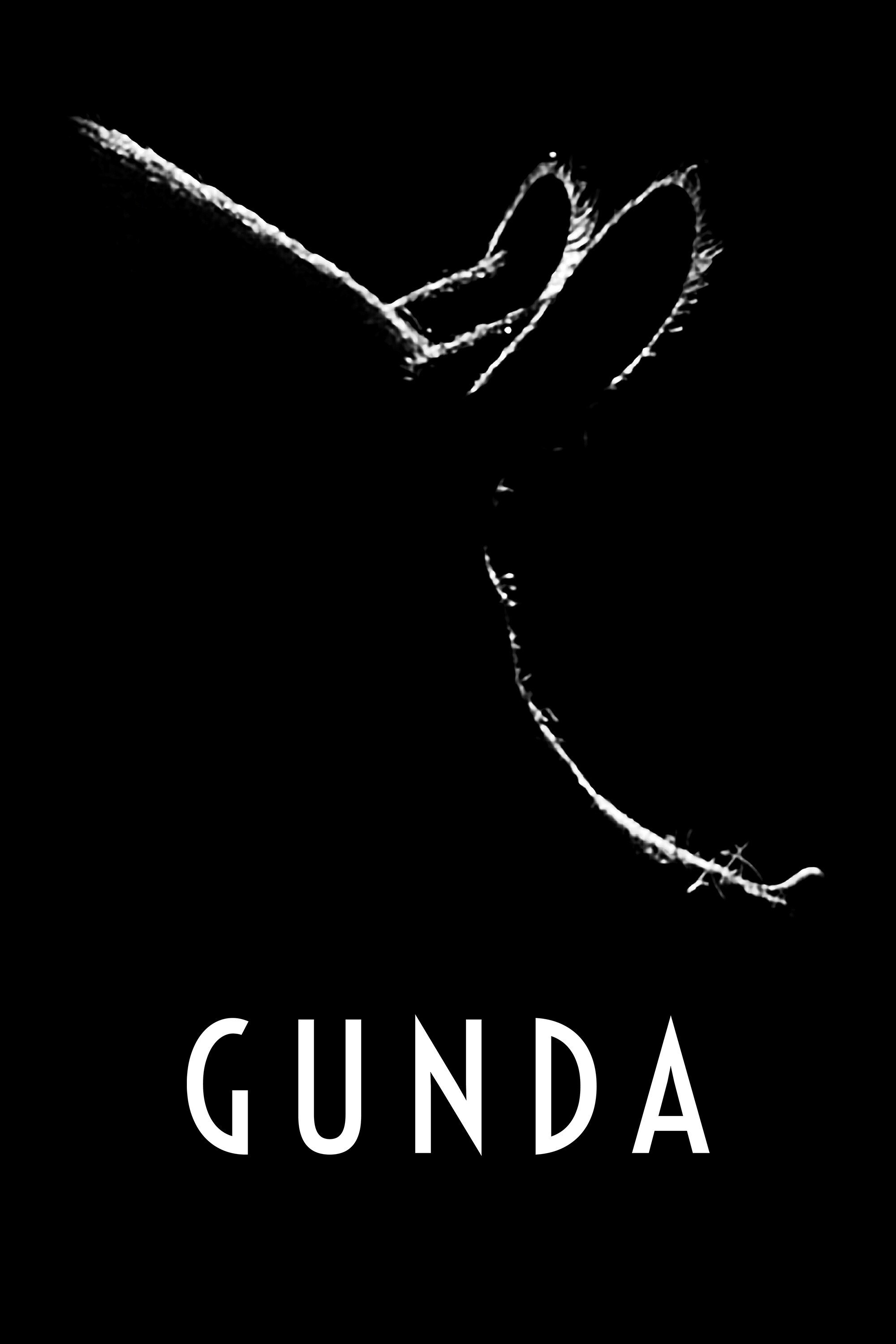
A glimpse into the raw and simple power of nature through encounters with farm animals: the eponymous Gunda, a mother pig; two cows, and a one-legged chicken.
This revealing documentary honors the legendary Sidney Poitier—iconic actor, filmmaker, and civil rights activist. Featuring interviews with Denzel Washington, Spike Lee, Halle Berry, and more.