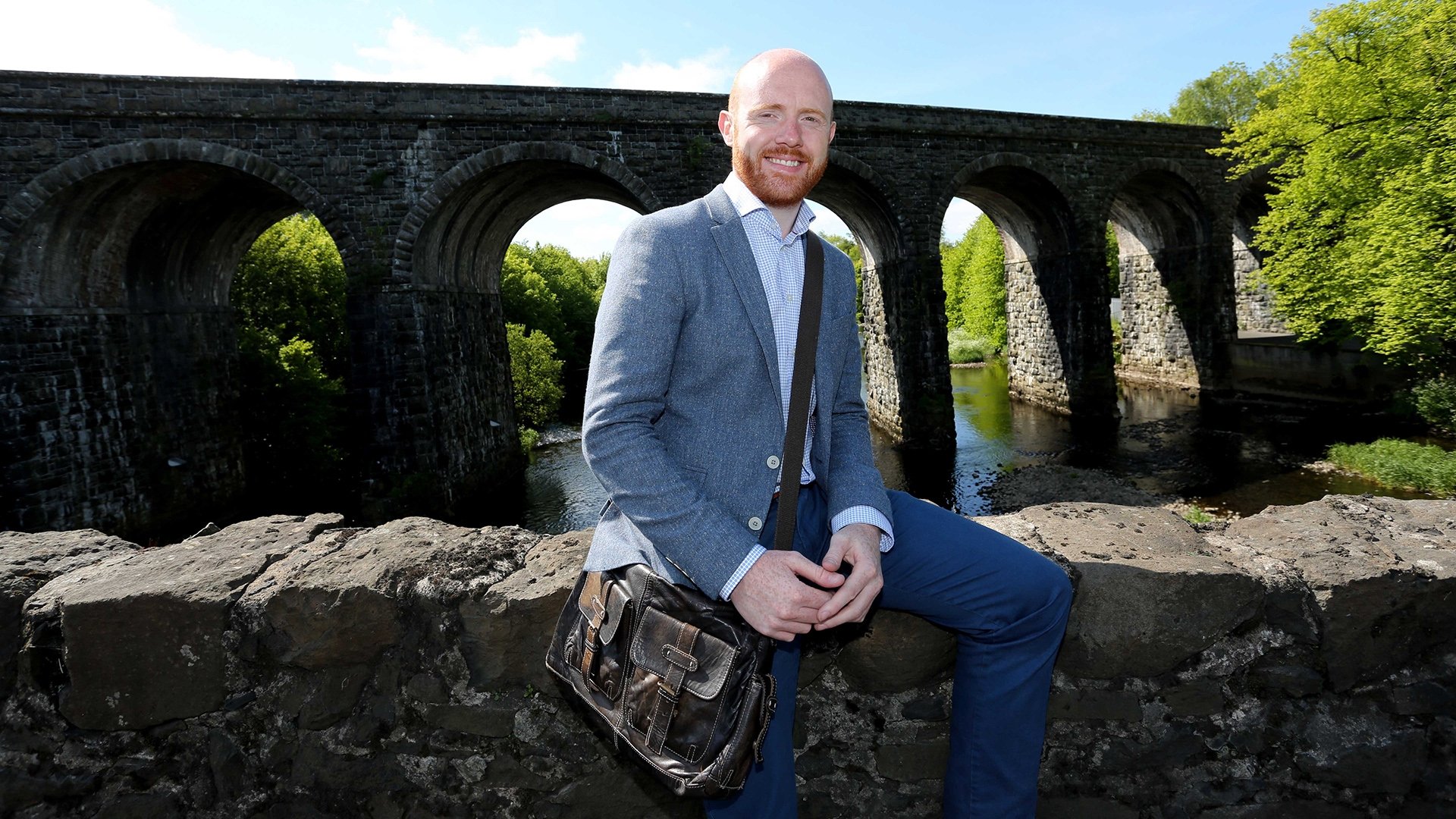
Barra Best sets out to uncover and explore some of Northern Ireland's lost railways.
Social & External
The people behind it
Barra Best
Self - Presenter
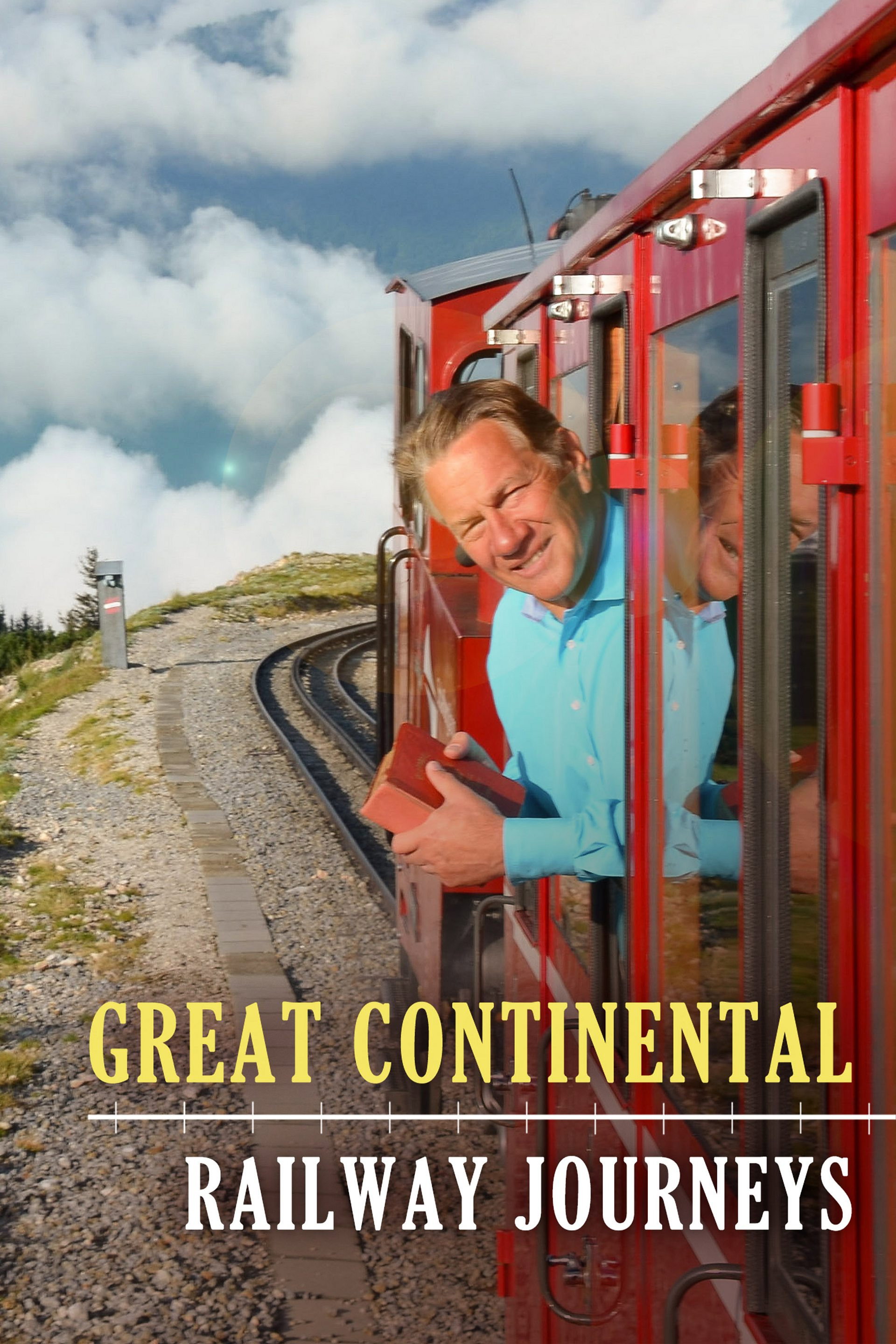
Michael Portillo travels on the great train routes of Europe, as he retraces the journeys featured in George Bradshaw's 1913 Continental Railway Guide.
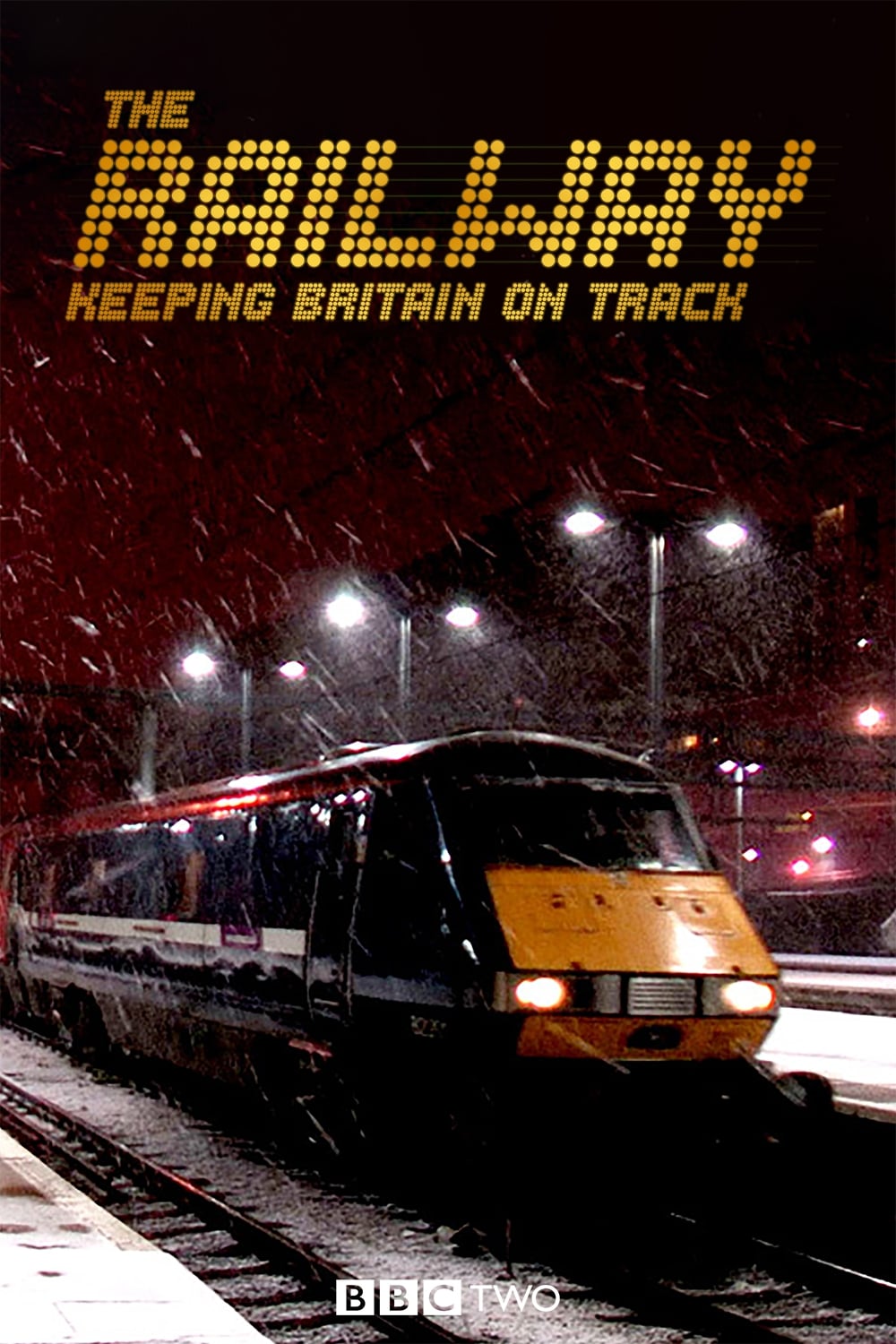
Documentary series revealing the inner workings of Britain's railways, introducing the track-workers, train guards, drivers, police officers and management teams determined to keep the country moving.
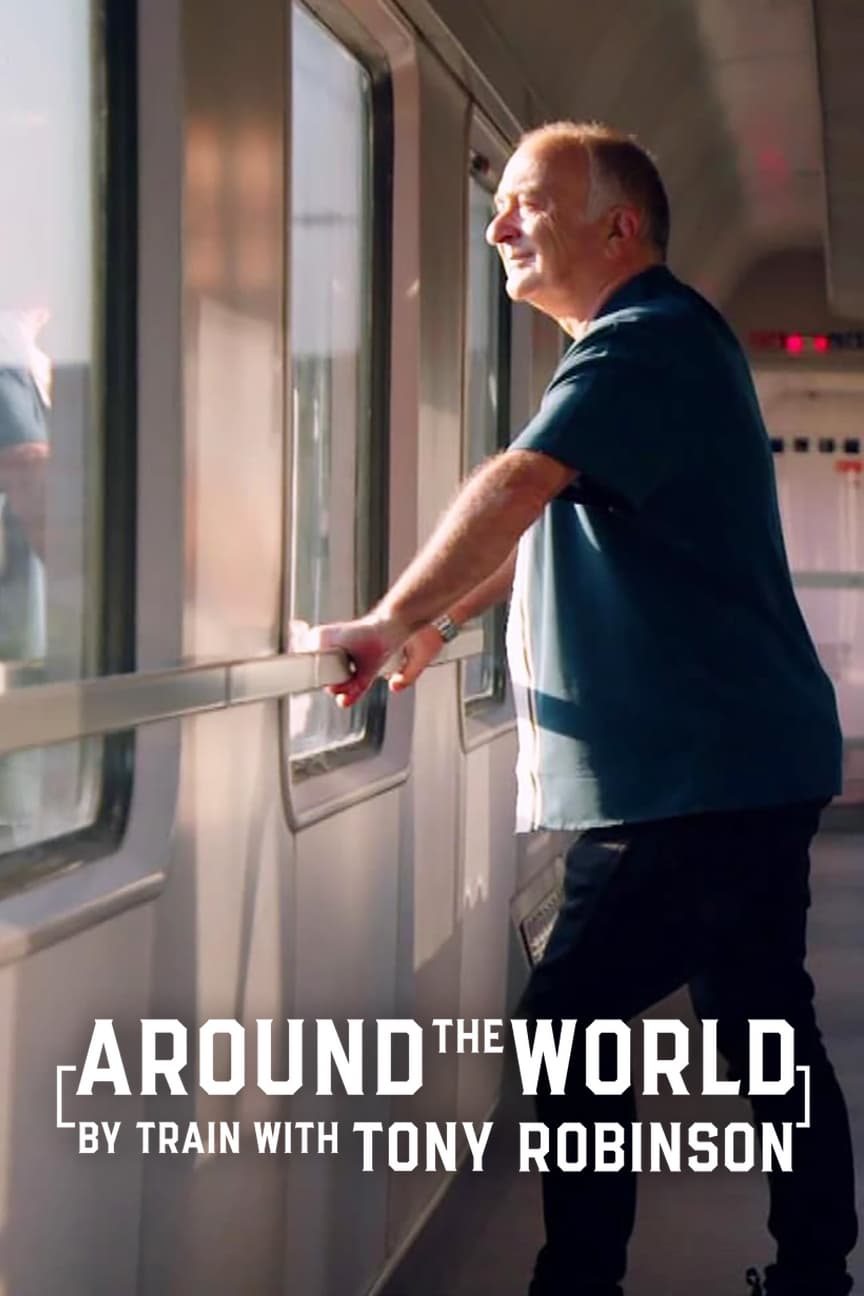
Covering thousands of miles, Sir Tony Robinson takes a whirlwind journey around the globe by train.
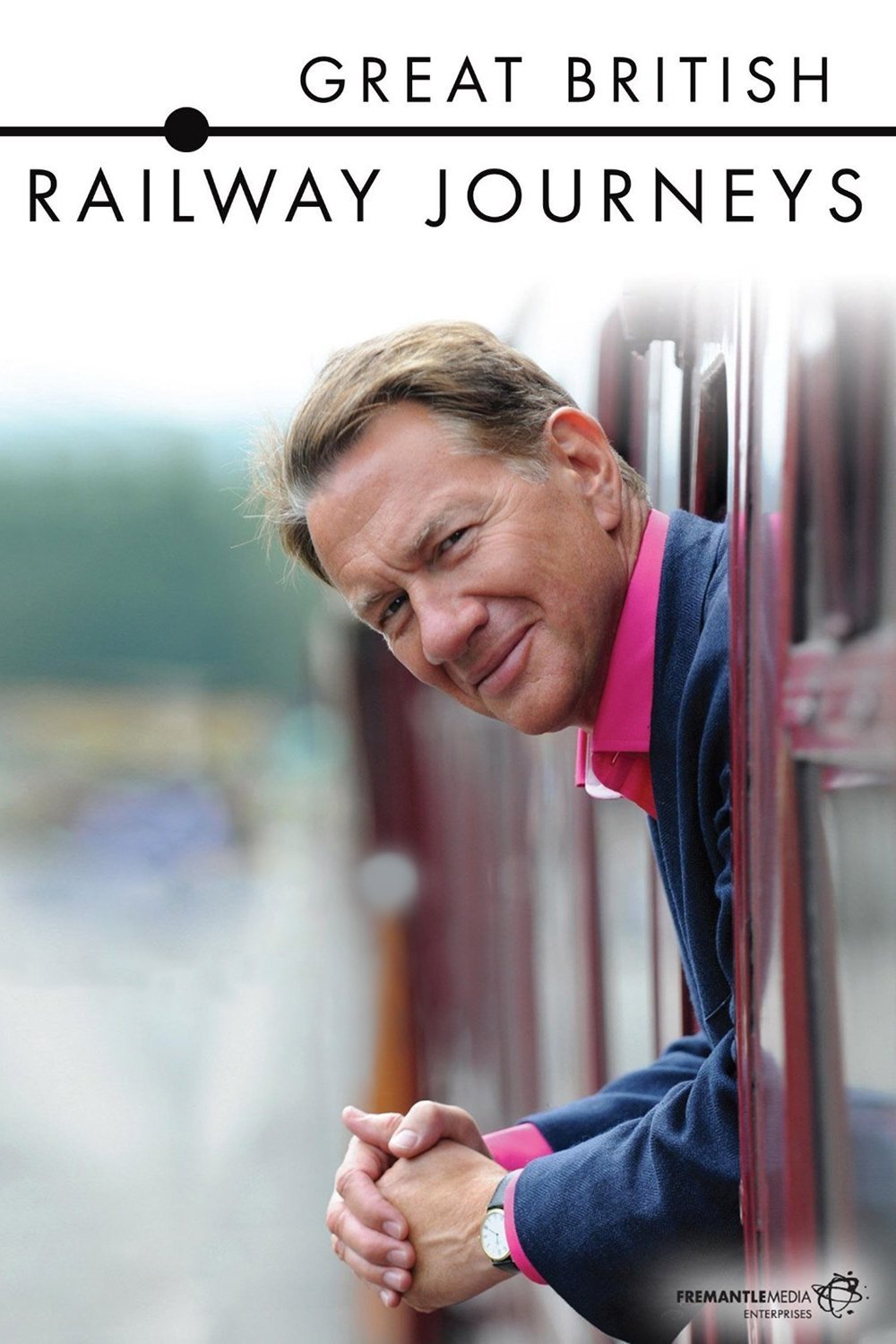
Michael Portillo takes to the tracks with a copy of George Bradshaw's Victorian Railway Guidebook. Portillo travels the length and breadth of the country to see how the railways changed us, and what of Bradshaw's Britain remains.
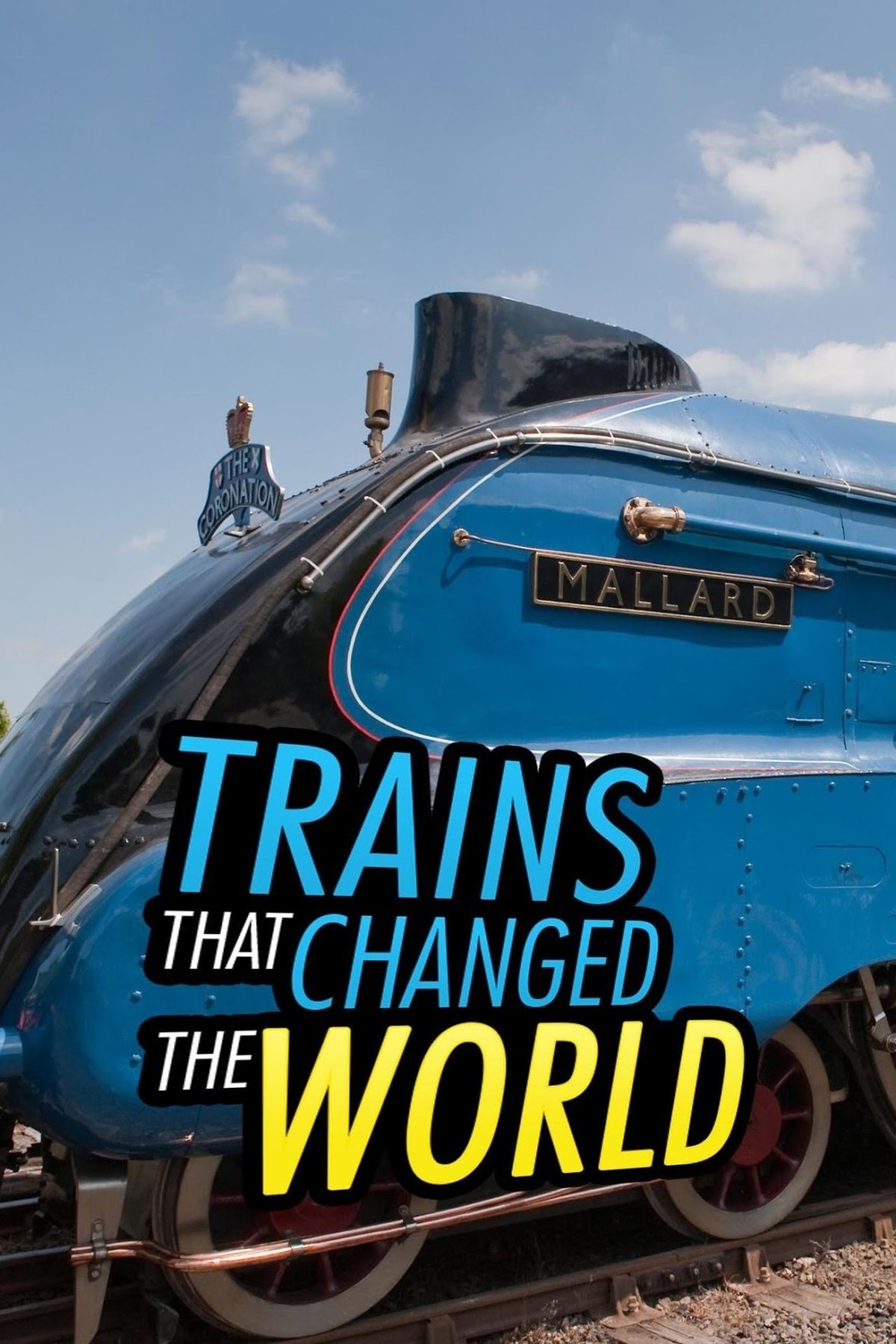
This series looks at the iconic trains that have done the most to change history. Each train is an engineering marvel, each one a leap forward in the history of trains and railways. But more than this, these are the trains that made the modern world. These are the trains that unify nations and open up continents, that miraculously shrink distance and create a global economy, changing how we trade, what we buy and make and sell. They change how we live and even how we think, speeding up our lives and expanding our horizons. These are the machines that made us modern. Each episode features one iconic train and describes its impact on railway history and on history in general, combining archive and expert testimony with actuality and hands-on engineering demonstrations.
The invention of trains transformed everything about how humans lived. From the movement of goods and population, the design of cities, to conquest and warfare, there are few aspects of civilization that were left untouched by these machines.
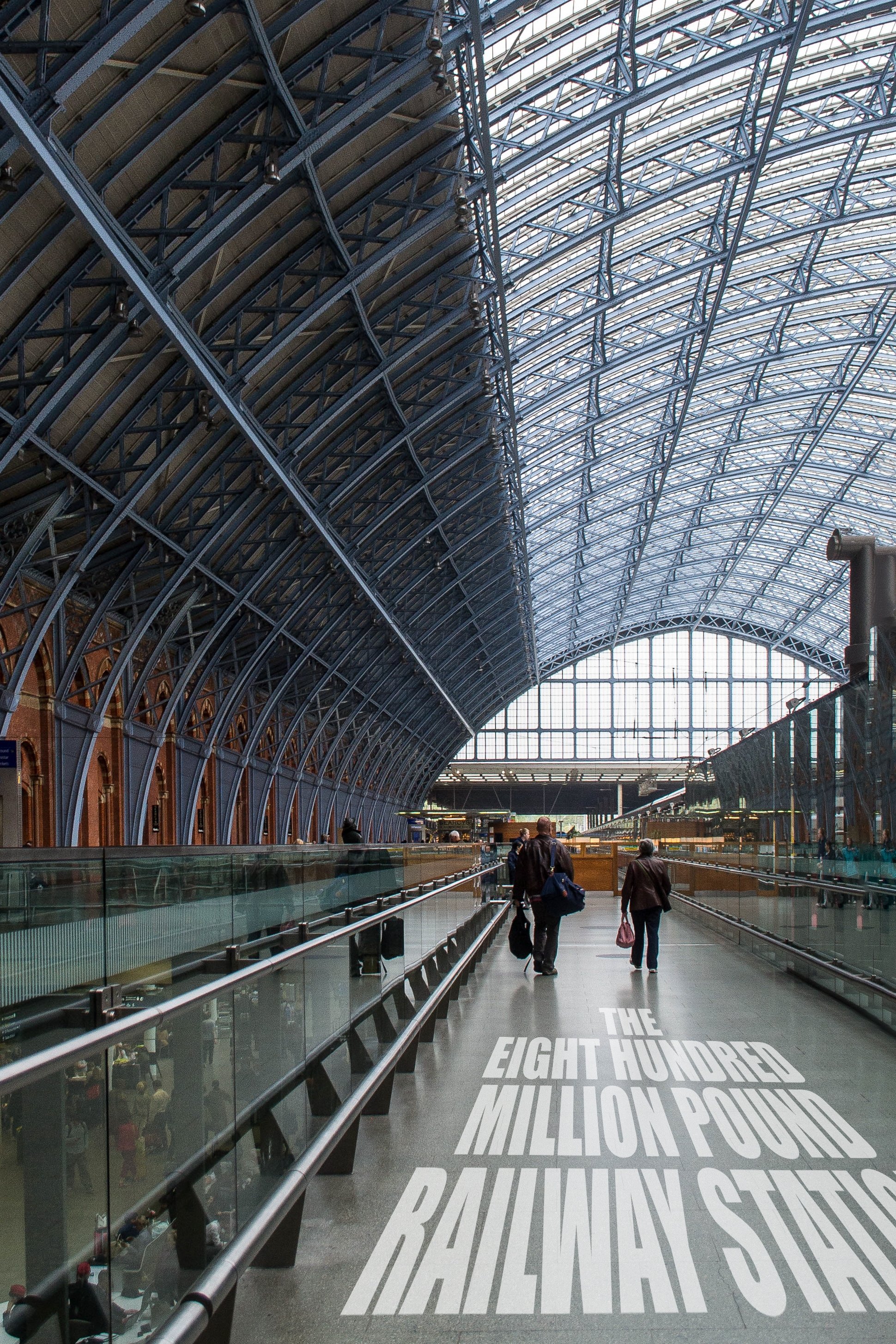
Series telling the story of the architects, engineers and spin doctors who entered a frantic two year race to make the Royal Opening of St Pancras on time.
Scotland's rail network crosses a landscape voted the best in the world. This series follows the staff and enthusiasts safeguarding these iconic routes.
Series exploring life in, on and around three of Northern Ireland's major rivers.
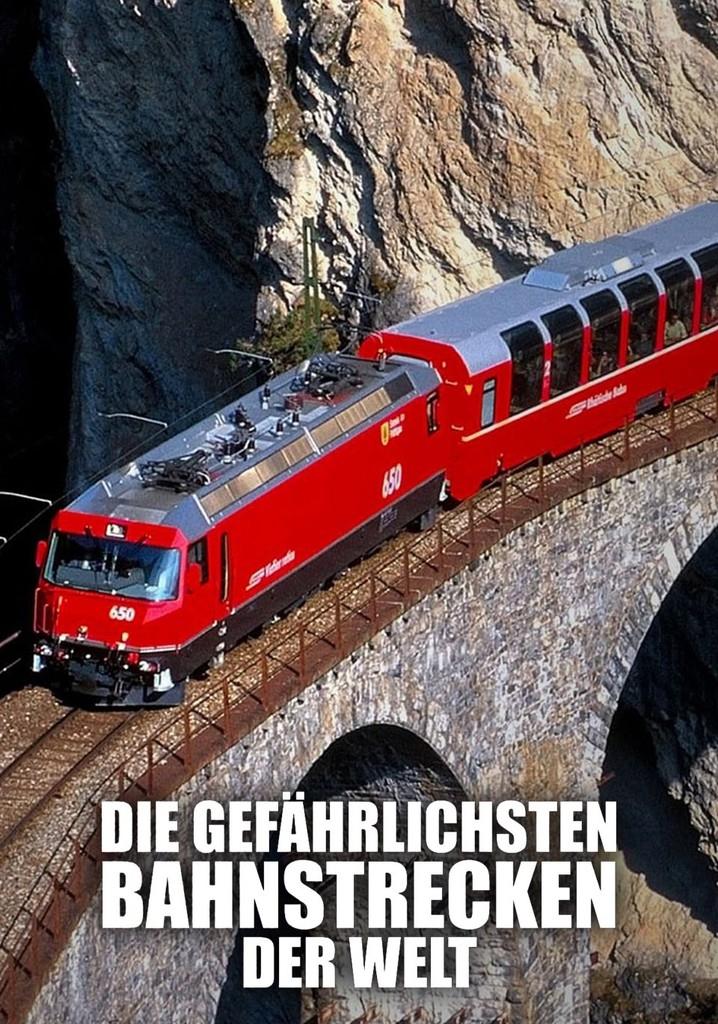
The most dangerous railway lines in the world are breathtakingly beautiful, fascinating and lead through extreme landscapes. They touch the sky and for some they go straight to hell afterwards, leading over extreme heights, across oceans or savannahs and braving hurricanes.
In 2013, Michaella McCollum from Northern Ireland and Melissa Reid from Scotland were caught at the Jorge Chavez International Airport in Peru trying to smuggle £1.5 million of cocaine into Spain. The pair, also known as the `Peru Two,' were sentenced to almost seven years in one of the most notorious prisons in the world. The series provides a first-hand account from Michaella, a former club hostess in the Spanish nightlife, as she traces her journey from arriving in the foreign country for her first holiday to her downward spiral into the illicit world of drugs and excess.
Series exploring caravan life on the north, east and west coasts of Ulster, Ireland.
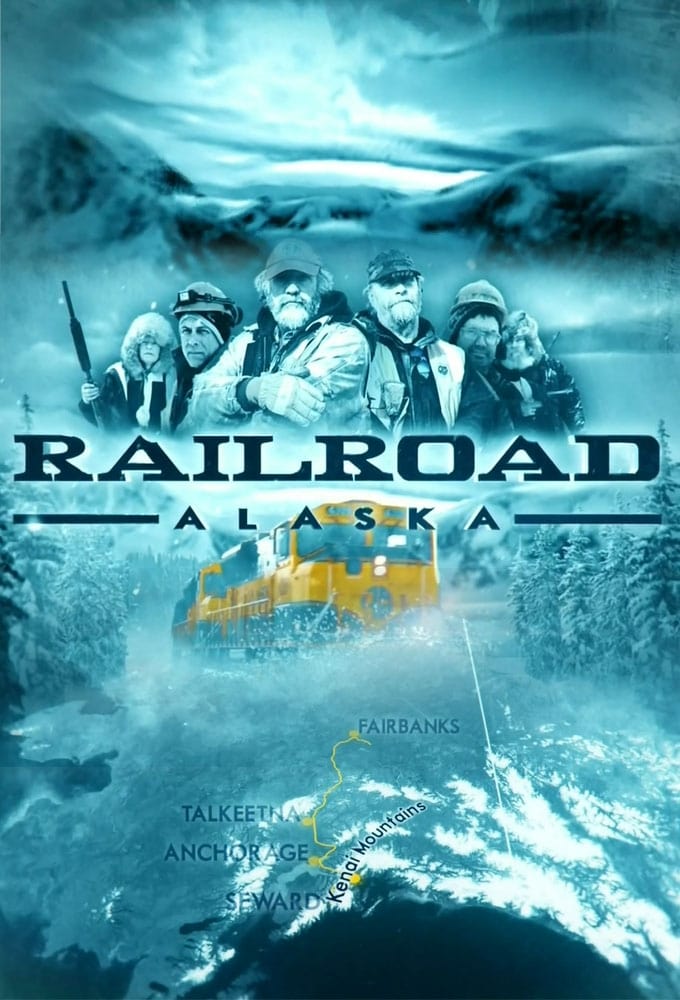
Following an elite crew of workers-- brakemen, engineers, construction crews, mechanics and train drivers – Railroad Alaska illustrates the battle against ferocious weather and treacherous terrain to keep the State of Alaska’s critical 500-mile long railroad rolling to deliver life sustaining supplies. From controlled avalanches to prevent catastrophe, to fascinating characters, like Jim James, the one-handed handy man, learn what it takes to keep this train on track.
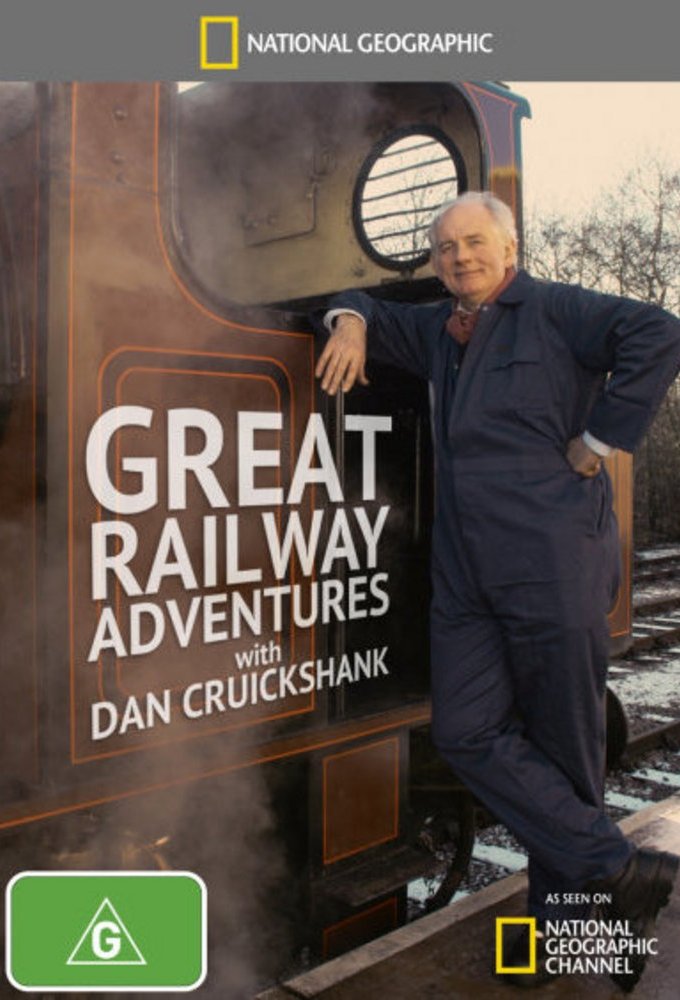
Climb up on the footplate and join historian and host Dan Cruickshank for a railway adventure like no other as he investigates how trains helped shape modern Britain. This three-part series resurrects an exhilarating age and kicks off by focusing on the railways' role in defeating Hitler, before unearthing the incredible engineering achievements of Isambard Brunel and embarking on a trip on the earliest steam engines.
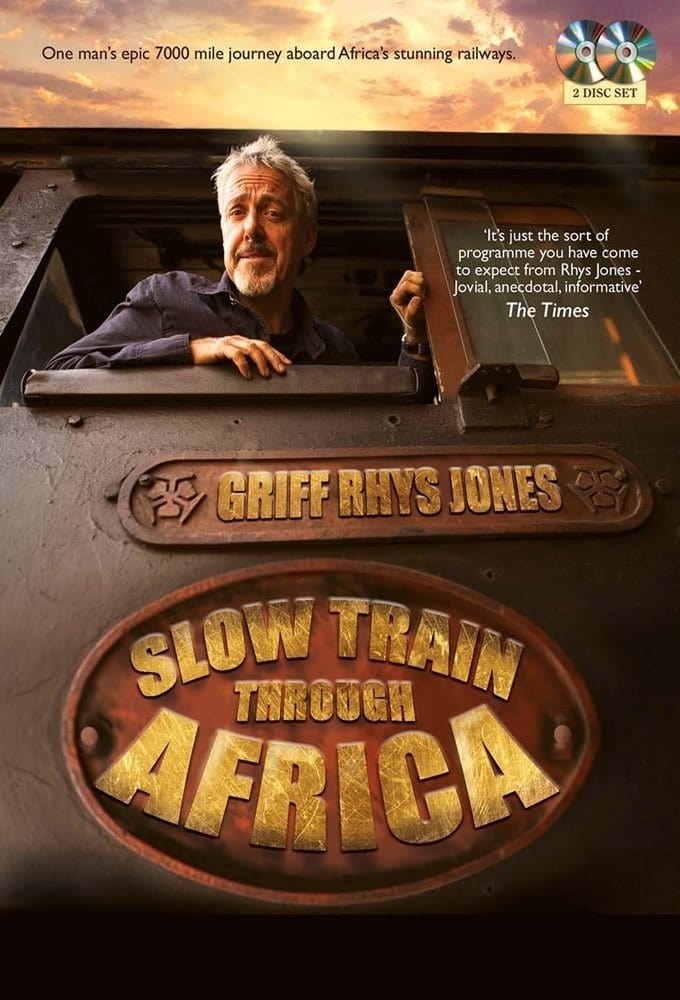
In this series, Griff Rhys Jones embarks on a leisurely journey across Africa, utilizing the continent's railways as a means to truly experience its beauty and charm. Spanning 7,000 miles over five separate journeys, Griff explores diverse landscapes, encounters remarkable wildlife, and meets intriguing individuals. Through a combination of breathtaking aerial footage and insightful travelogue, Griff shares his unique perspective on Africa, gained from his experiences on and off the train. As he traverses the continent in five episodes, Griff discovers how the railway network offers a window into the history, culture, and daily life of the places he visits. By train, he ventures into remote deserts, forests, villages, and cities, uncovering their stories and learning about their modern-day significance.
British comedian and travel enthusiast Griff Rhys Jones hops on some of Australia's most impressive long distance trains, travelling across the expansive outback and along spectacular coastlines.
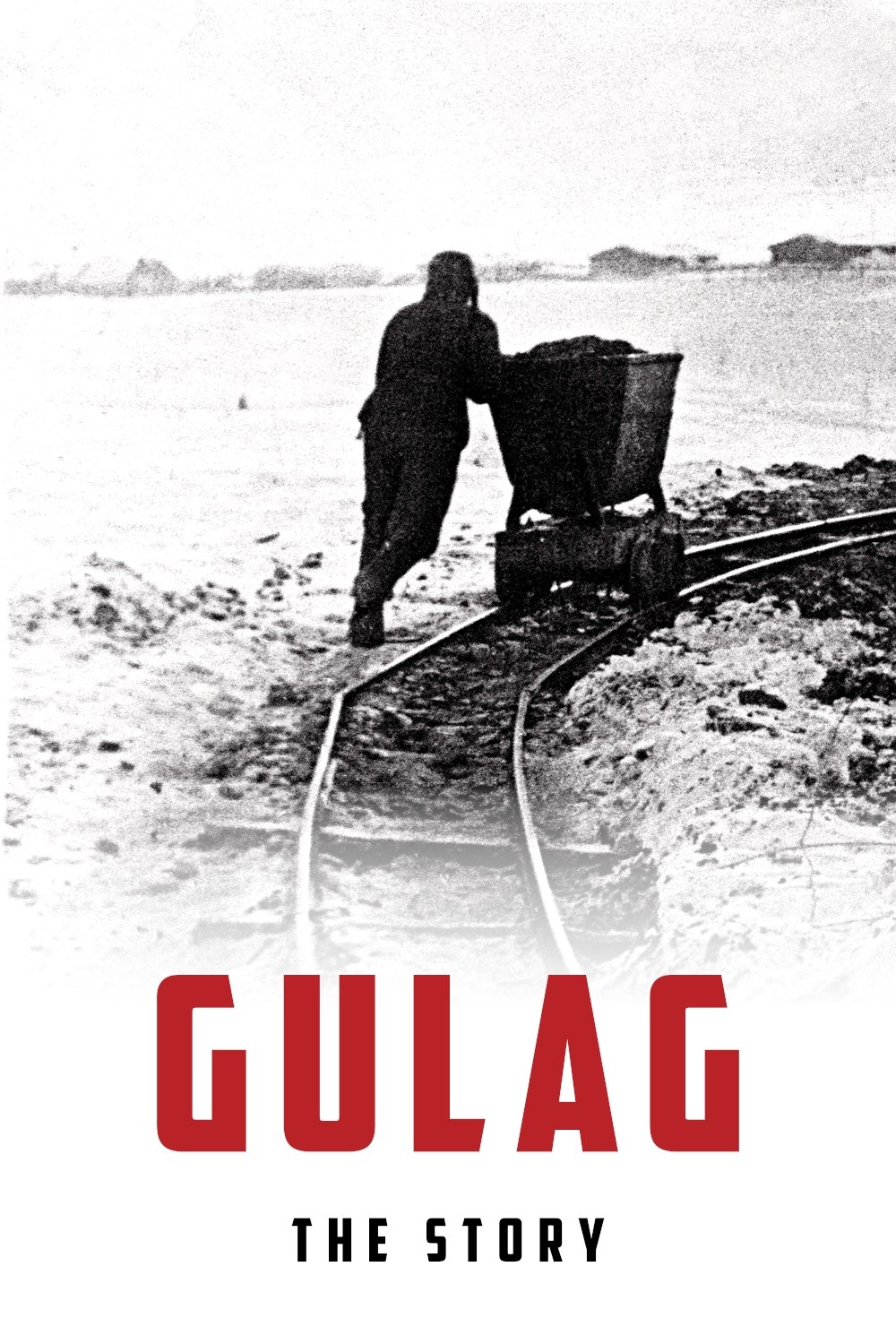
A major political, historical, human and economic fact of the 20th century, the Gulag, the extremely punitive Soviet concentration camp system, remains largely unknown.
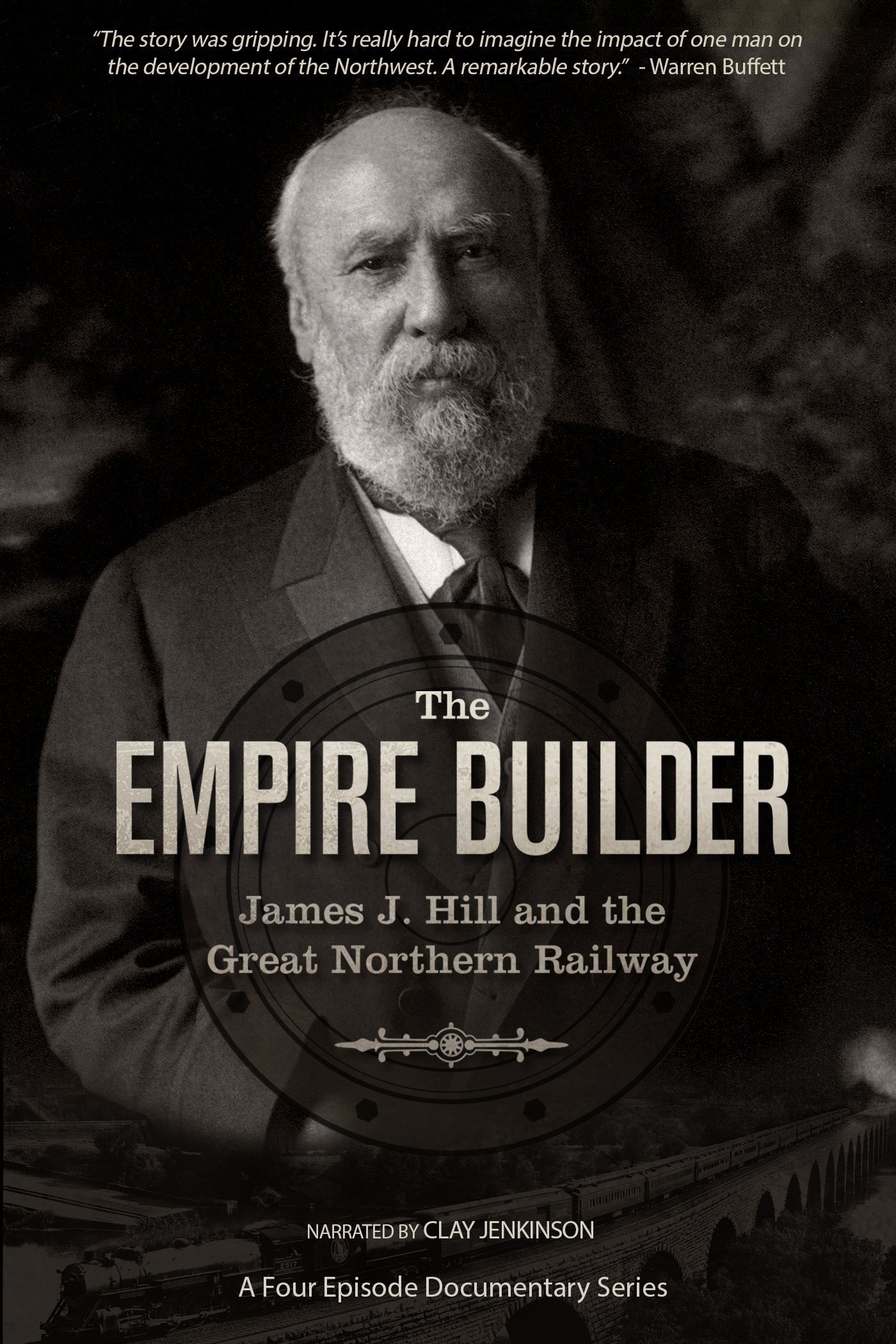
A 4-part documentary series capturing the compelling story of James J. Hill and the Great Northern Railway.
The stories behind the iconic structures and engineering feats that have shaped and defined our nation and our world.
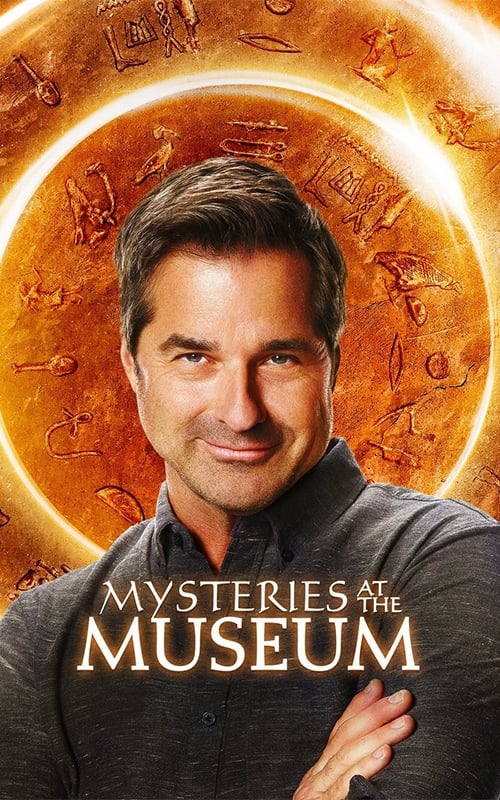
Don Wildman unearths relics from the world's greatest institutions to reveal secrets from the past. He examines each artifact to illuminate history's most incredible triumphs, sensational crimes and bizarre encounters.
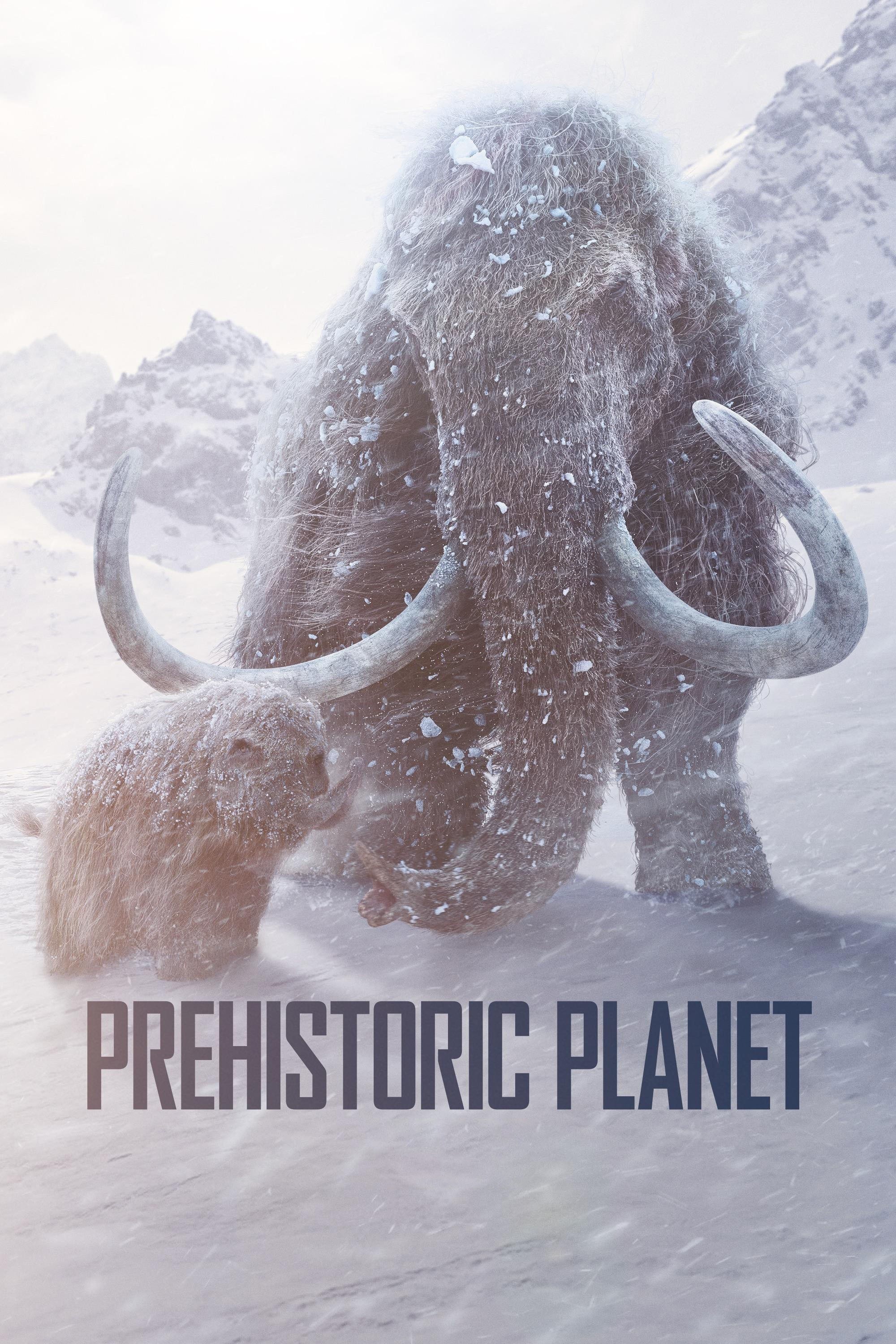
Experience the wonders of our world like never before in this epic series from Jon Favreau and the producers of Planet Earth. Travel back 66 million years to when majestic dinosaurs and extraordinary creatures roamed the lands, seas, and skies.
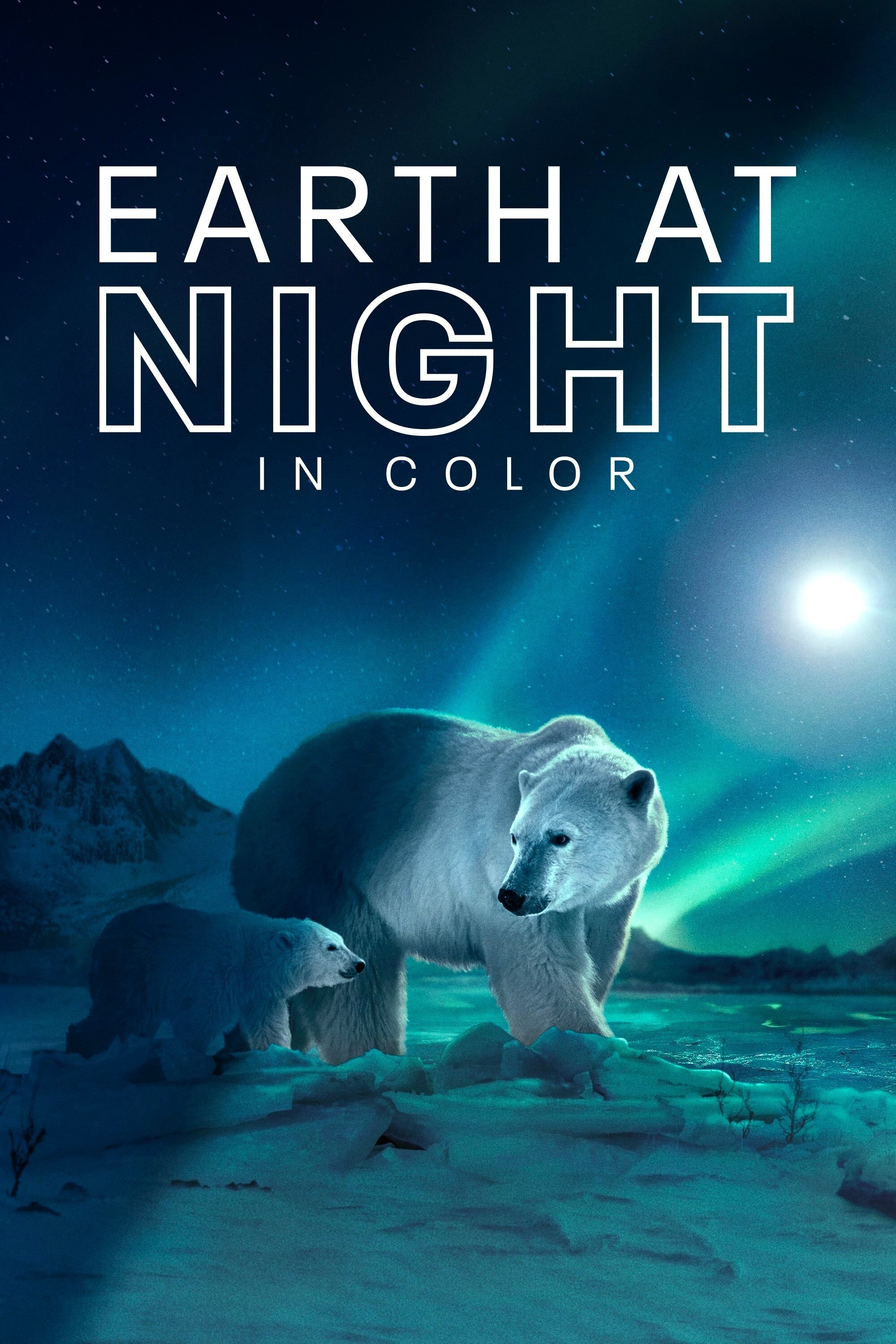
Filmed across six continents, this docuseries uses cutting-edge camera technology to capture animals' nocturnal lives, revealing new behaviours filmed in full color like never before.
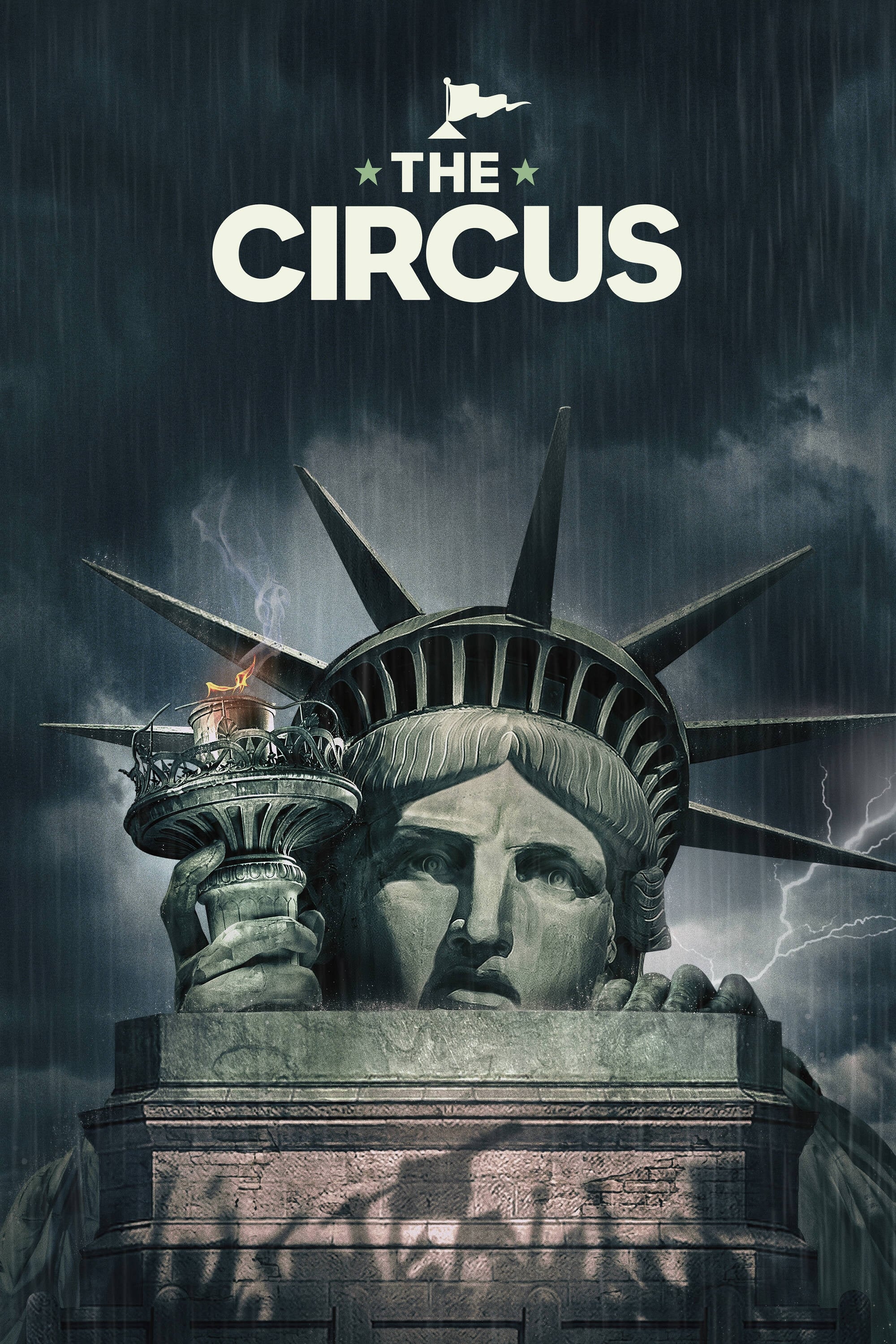
Come one, come all to The Circus. This real-time documentary series pulls back the curtain on the current political stories, revealing the intense, inspiring and infuriating stories behind the headlines. Key characters and events are presented in real time, as they are happening.
Explore the past, present and future of Walt Disney Imagineering with noted filmmaker Leslie Iwerks. Ms. Iwerks comes from a family with deep Disney history — her grandfather was an early Disney animator and her father is a former Imagineer — and her previous work includes profiles of Pixar Animation Studios and visual effects house Industrial Light & Magic.
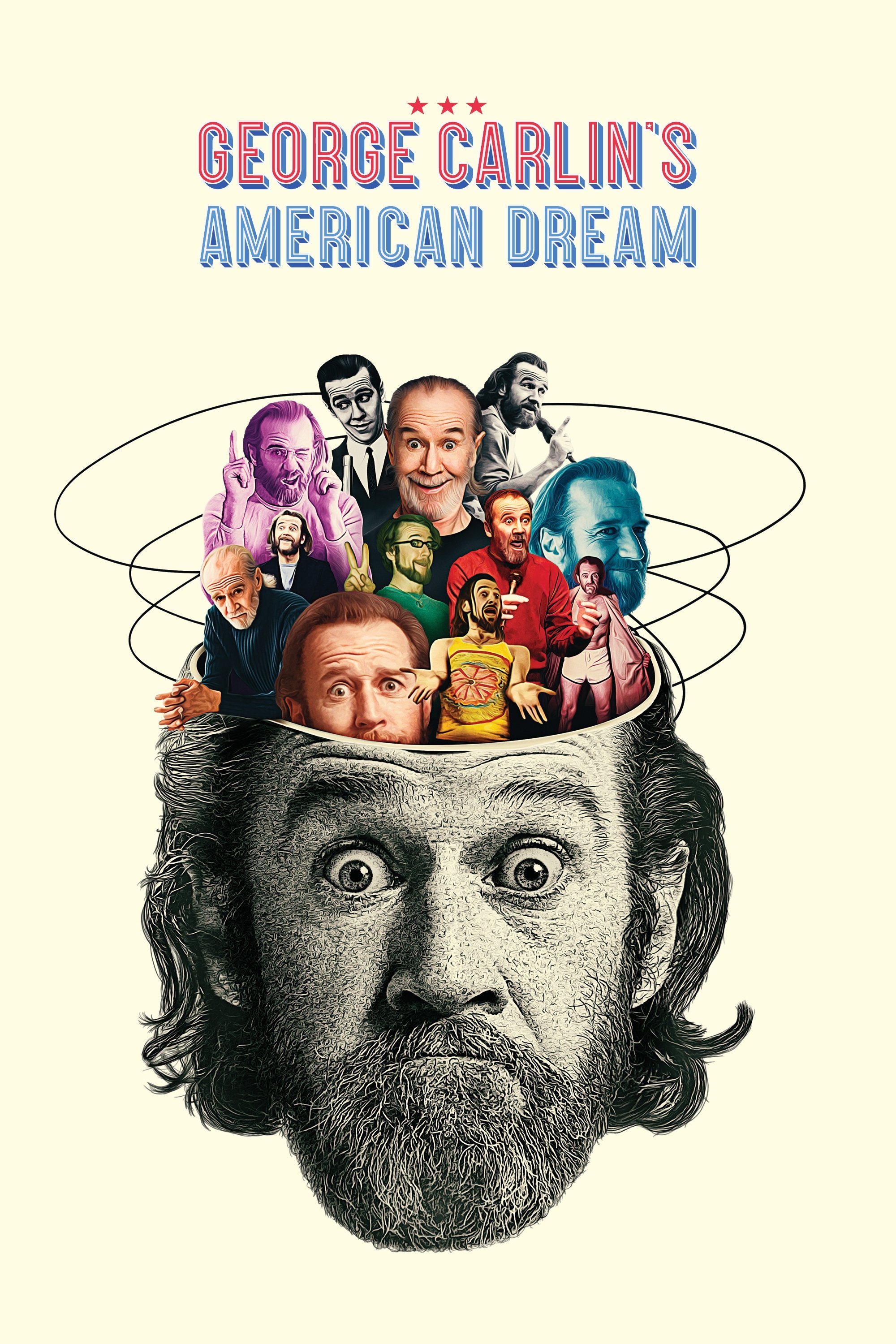
A look at the life and work of legendary comedian George Carlin.
30 for 30 is the title for a series of documentary films airing on ESPN, its sister networks, and online highlighting interesting people and events in sports history. This currently includes four "volumes" of 30 episodes each, a 13-episode series under the ESPN Films Presents title in 2011–2012, and a series of 30 for 30 Shorts shown through the ESPN.com website. The series has also expanded to include Soccer Stories, which aired in advance of the 2014 FIFA World Cup, and audio podcasts. This entry refers to the main Volumes of the series presented by ESPN
A couple built a spiritual business to help people find true love. Now, former followers are sharing their disturbing practices in this docuseries.
Award-winning actor and nervous explorer Eugene Levy steps out of his comfort zone for a whirlwind tour of the world's most beautiful and intriguing destinations.
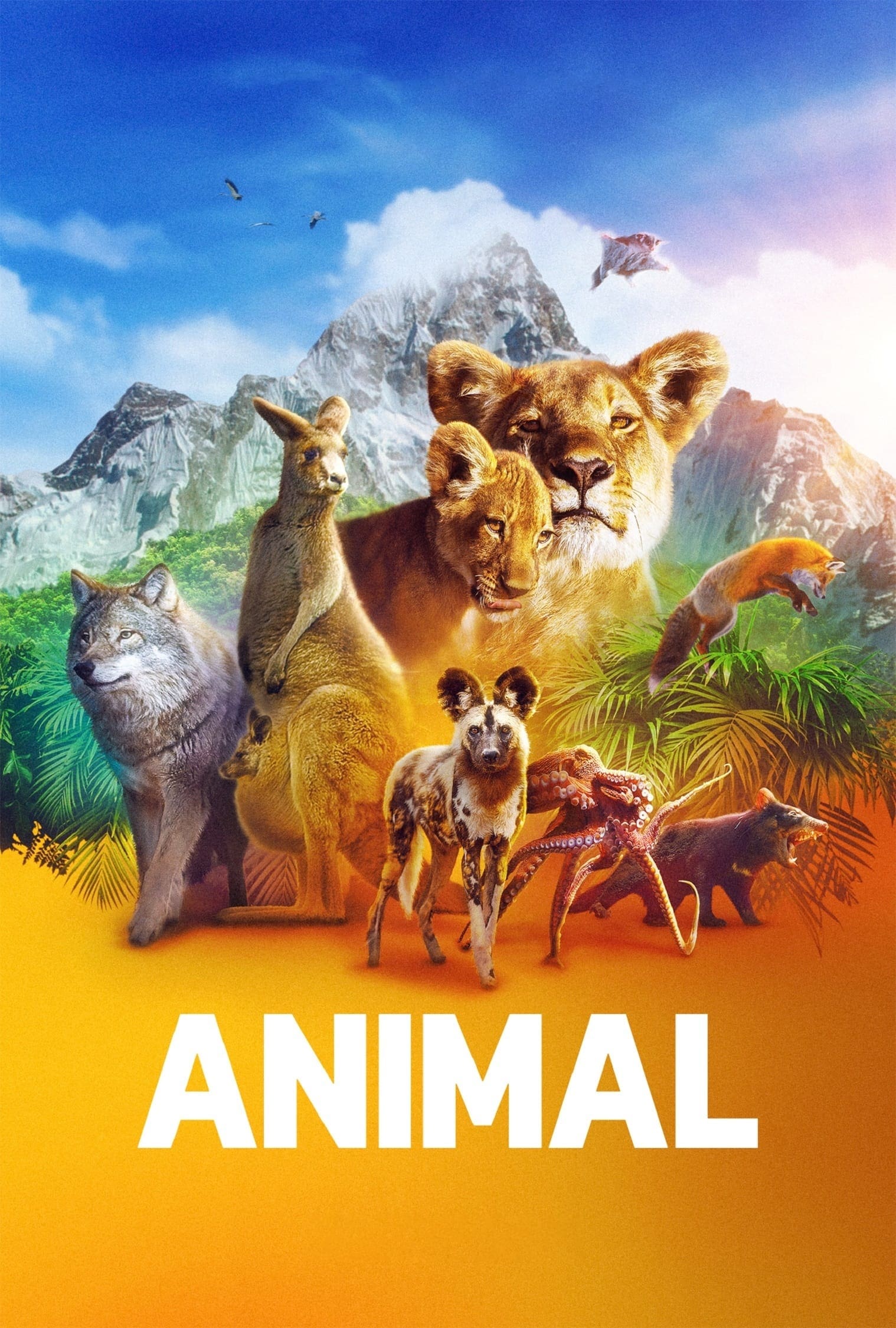
This immersive series follows the world's most magnificent creatures, capturing never-before-seen moments from the heartwarming to the outrageous.
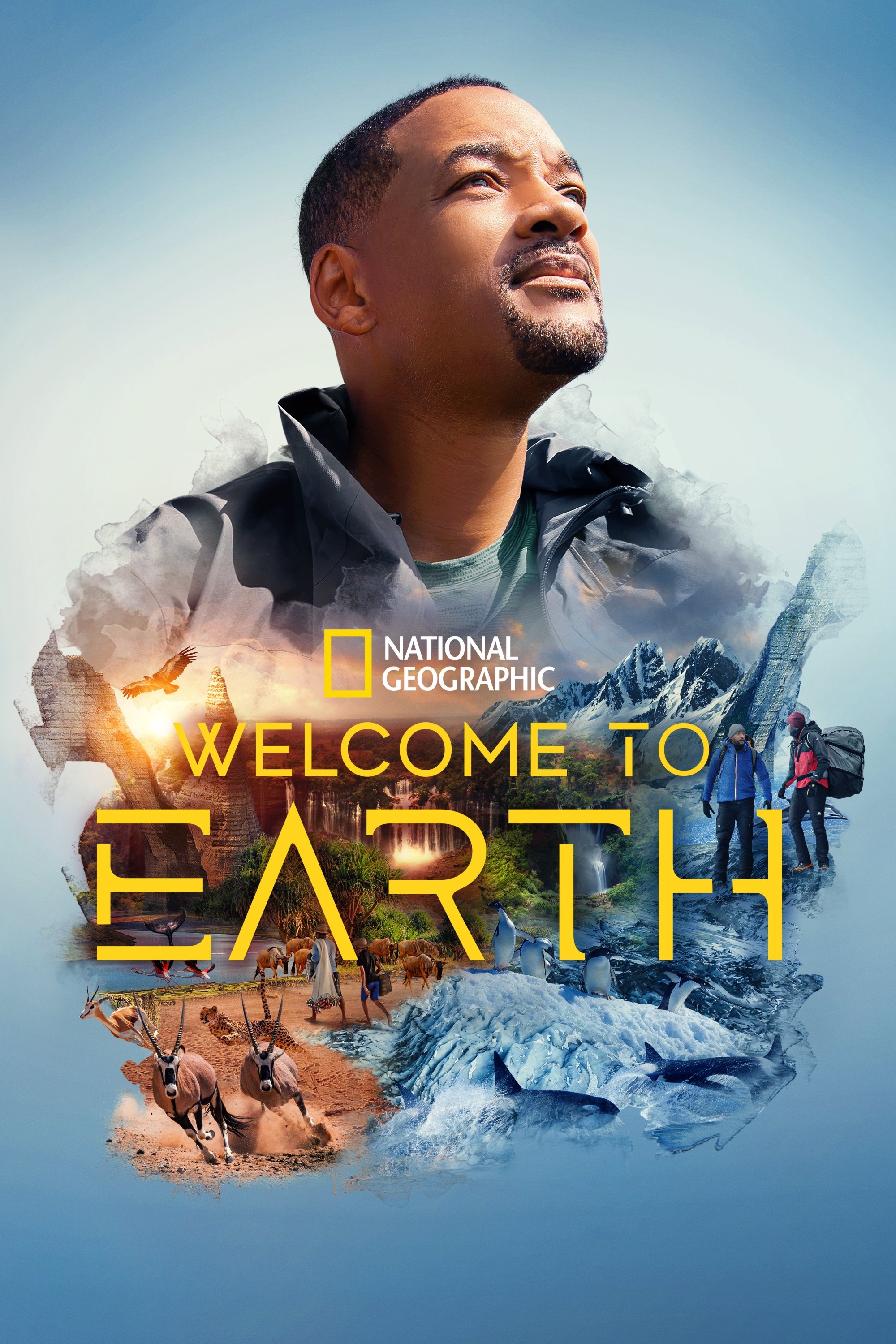
Will Smith whose curiosity and wonder is positively infectious—is guided by National Geographic Explorers traveling to different corners of the world to get up close and personal with the weirdest, most unusual, dangerous and thrilling spectacles of the planet.
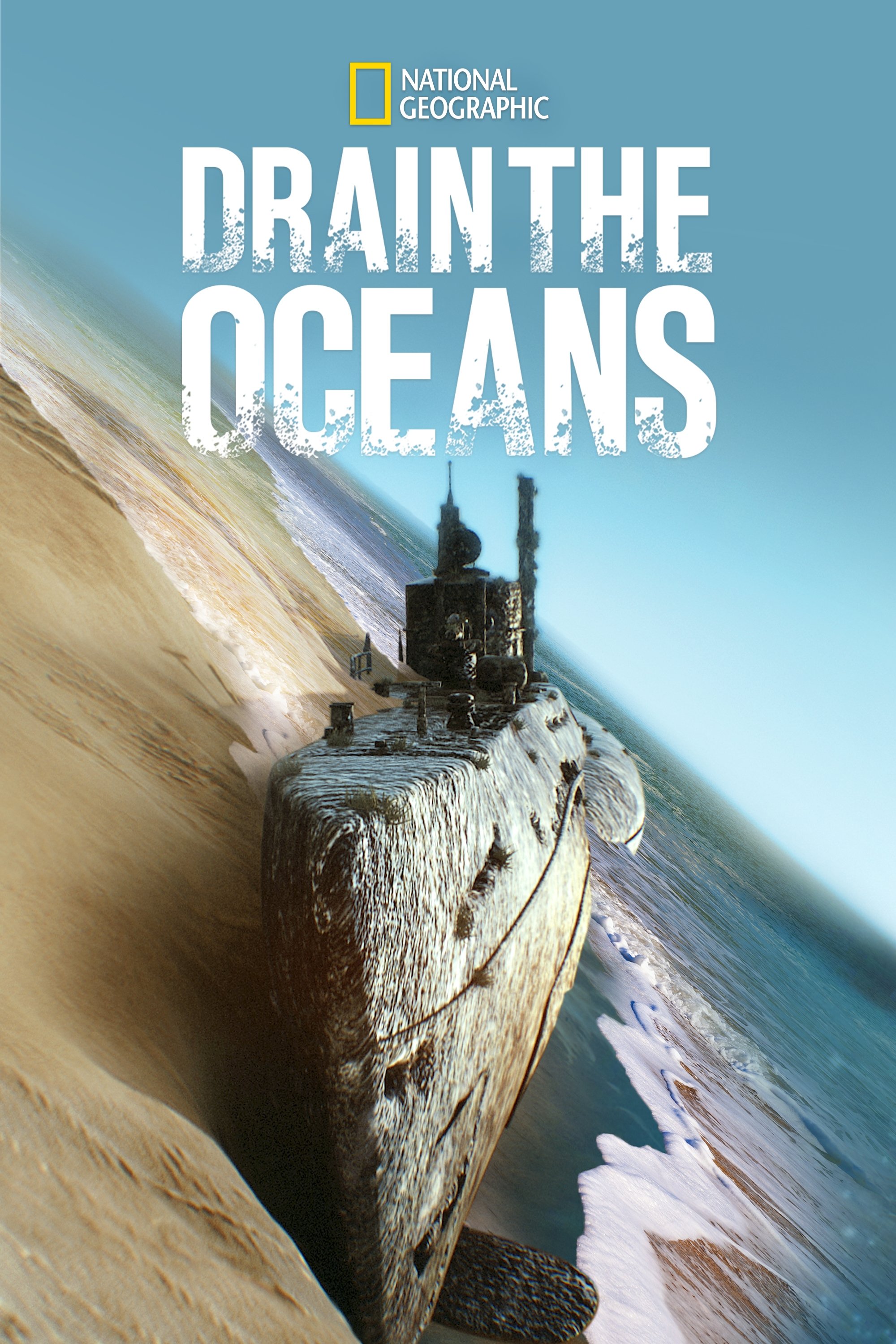
Maritime mysteries—old and new—come to life in this series, combining scientific data and digital re-creations to reveal shipwrecks, treasures, and sunken cities on the bottom of lakes, seas and oceans around the world.
The documentary takes viewers through Janet Jackson's life and career, contain never-before-seen footage, and feature home videos from the legendary artist. Jackson discusses her controversial 2004 Super Bowl halftime show performance with Justin Timberlake, her father Joe Jackson, the death of her brother Michael Jackson, and more.
Oscar and Grammy Award-winning producer and artist Mark Ronson explores the intersection of technology and musical innovation with his heroes and fellow hitmakers – including Paul McCartney, DJ Premier, Charli XCX, Dave Grohl, and Questlove.
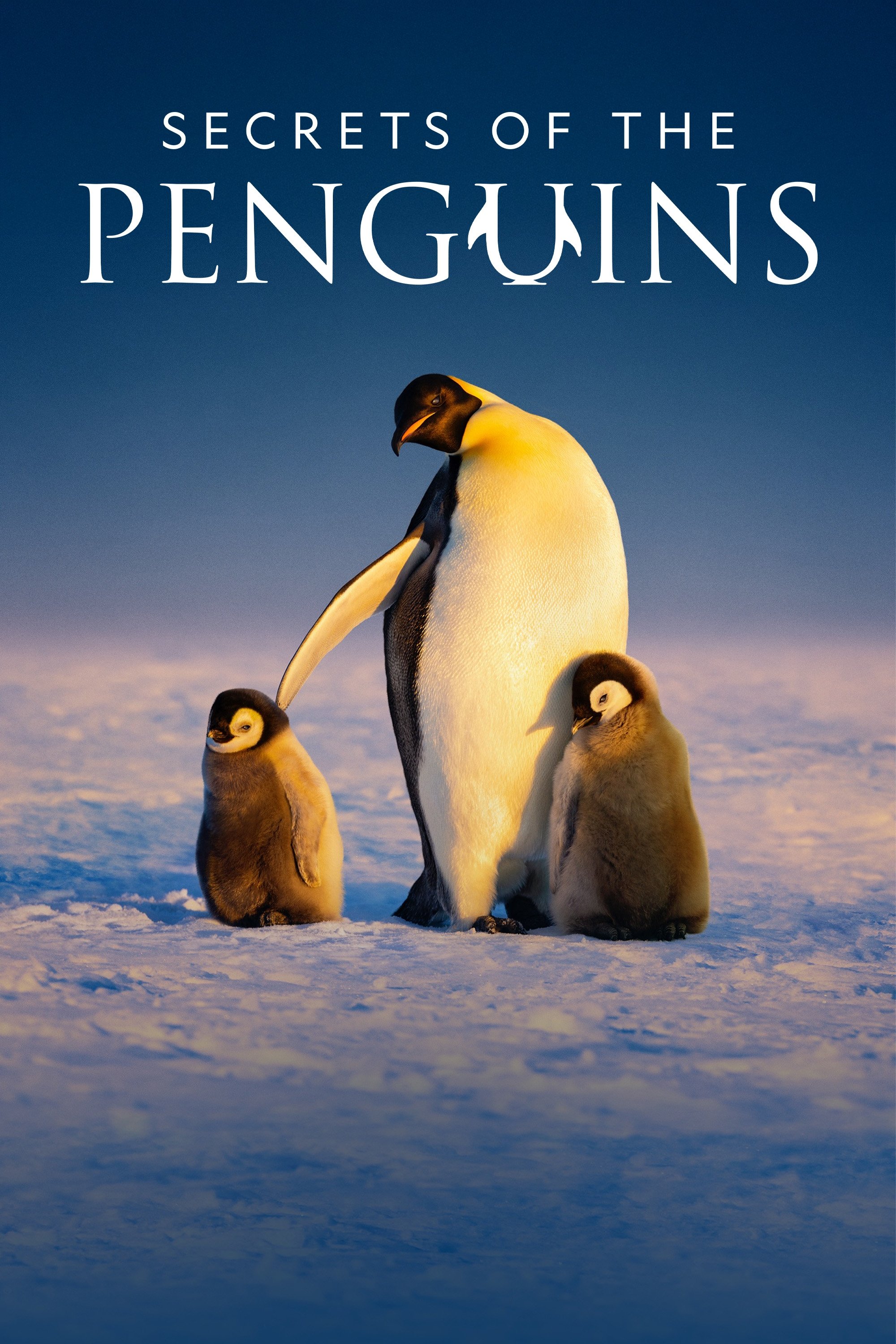
Over two extraordinary years, National Geographic Explorer Bertie Gregory discovered never-before-filmed secret traditions, surprising intelligence and close-knit societies of penguins. This astonishing series reveals they are more like us than we ever dreamed, from their powerful friendships to the courageous risk-takers using ingenuity and innovation in some of the world's most extreme places.
Natural World is a nature documentary television series broadcast annually on BBC Two and regarded by the BBC as its flagship natural history brand. It is currently the longest-running series in its genre on British television, with more than 400 episodes broadcast since its inception in 1983. Natural World is produced by the BBC Natural History Unit in Bristol, but individual programmes can be in-house productions, collaborative productions with other broadcasters or films made and distributed by independent production companies and purchased by the BBC. Natural World programmes are often broadcast as PBS Nature episodes in the USA. Since 2008, most Natural World programmes have been shot and broadcast in high definition.
Honoring service members whose courage merited the awarding of a Medal of Honor, this docudrama series re-creates their inspiring true stories.
This trophy-packed, insider-fuelled documentary charts José Mourinho's iconic rise as one of the world's top footballing managers of the most elite clubs.
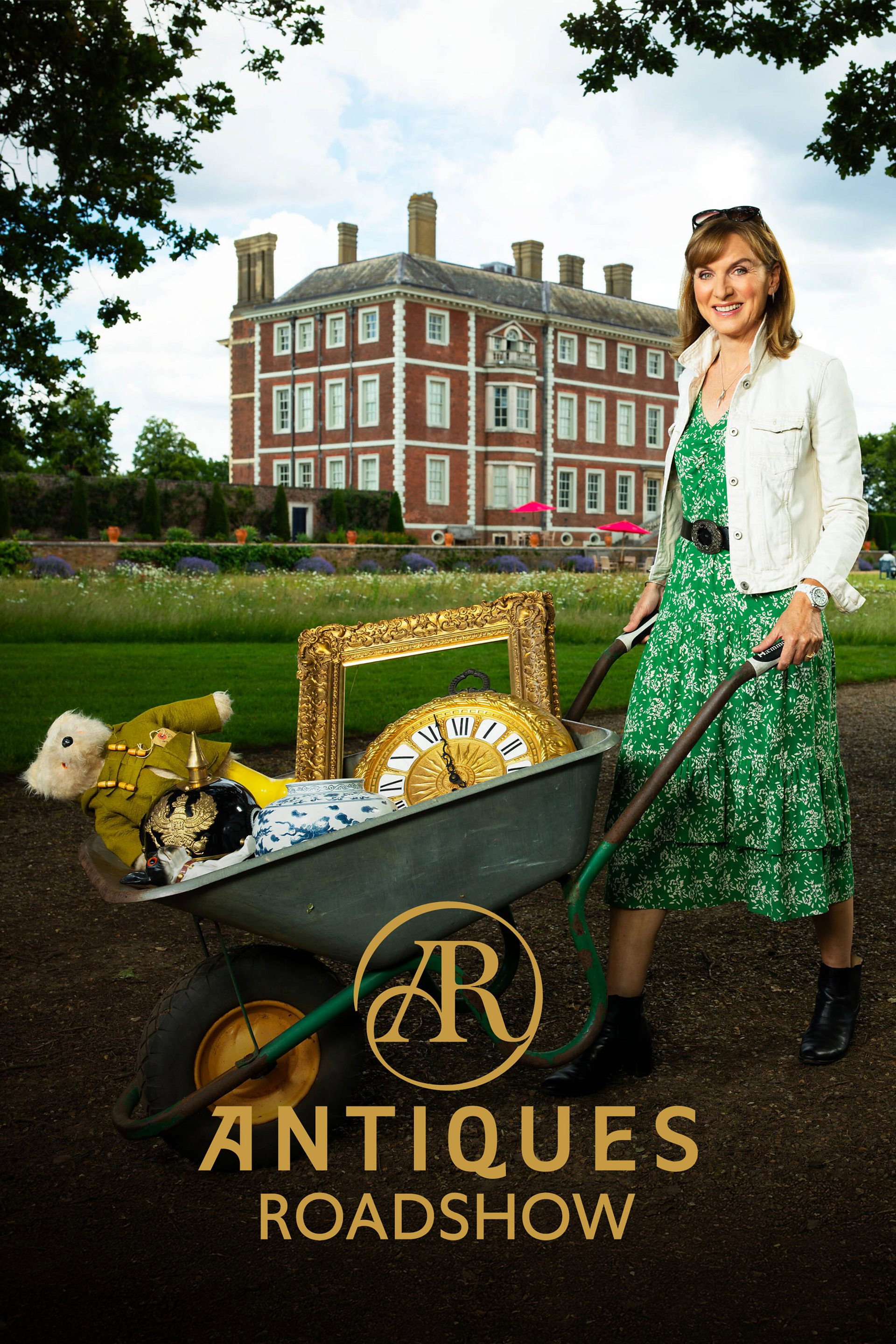
Antiques Roadshow is a British television show in which antiques appraisers travel to various regions of the United Kingdom to appraise antiques brought in by local people. It has been running since 1979. There are also international versions of the programme.
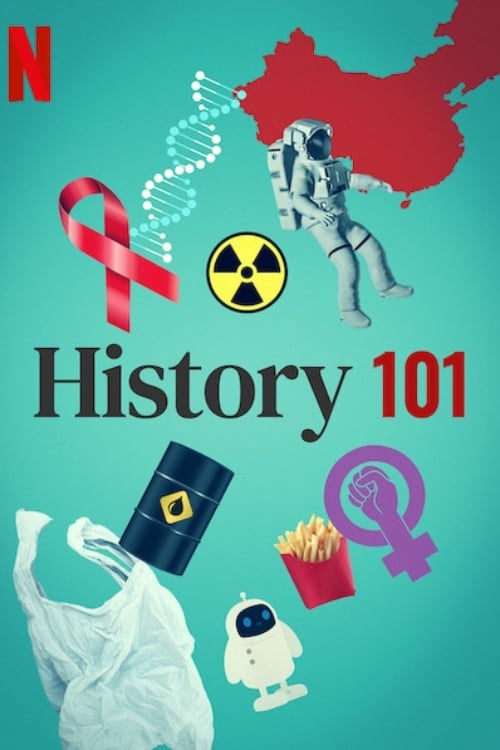
Infographics and archival footage deliver bite-size history lessons on scientific breakthroughs, social movements and world-changing discoveries.