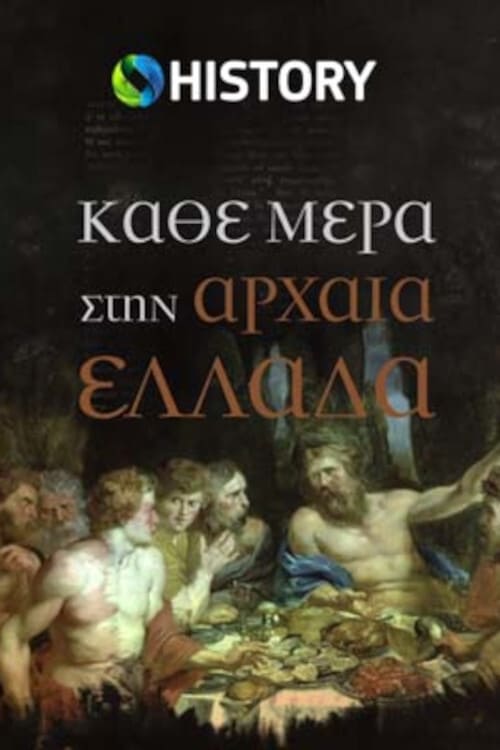
How was everyday life in Ancient Greece? Did it have anything in common with our lives today? With the help of specialized scientists and a rich audiovisual material, a journey back in time begins!
Social & External
Who was Homer, and what is the meaning of The Odyssey? In this documentary we follow the footsteps of Ulysses, also known by his Greek name Odysseus—a hero as relevant today as he was nearly three thousand years ago, on a journey across some of the most fascinating landscapes and seascapes of the Mediterranean region. With the help of prominent international scholars, we seek to resolve the questions that still surround one of humanity’s greatest literary works and its enigmatic author.
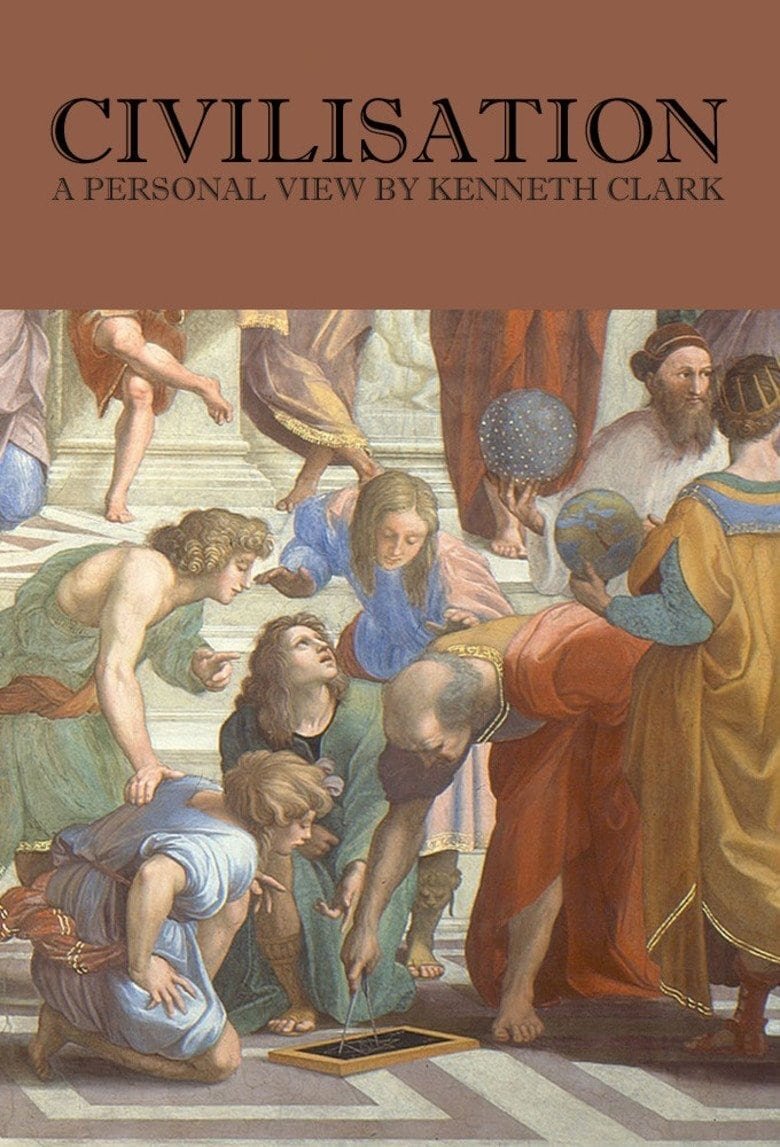
Archaeologist and historian Richard Miles traces the development of Western civilization, from the first cities in Mesopotamia to the fall of the Roman Empire. In this six-part series, Miles travels through the Middle East, Egypt, Pakistan and the Mediterranean to discover how the challenges of society -- religion and politics, art and culture, war and diplomacy, technology and trade -- were dealt with and fought over in order to maintain a functioning civilization. Stories are told of disappeared, ruined and modern cities, from ancient Iraq to modern Damascus, to reveal how successes and failures of the ancients shaped the world today.
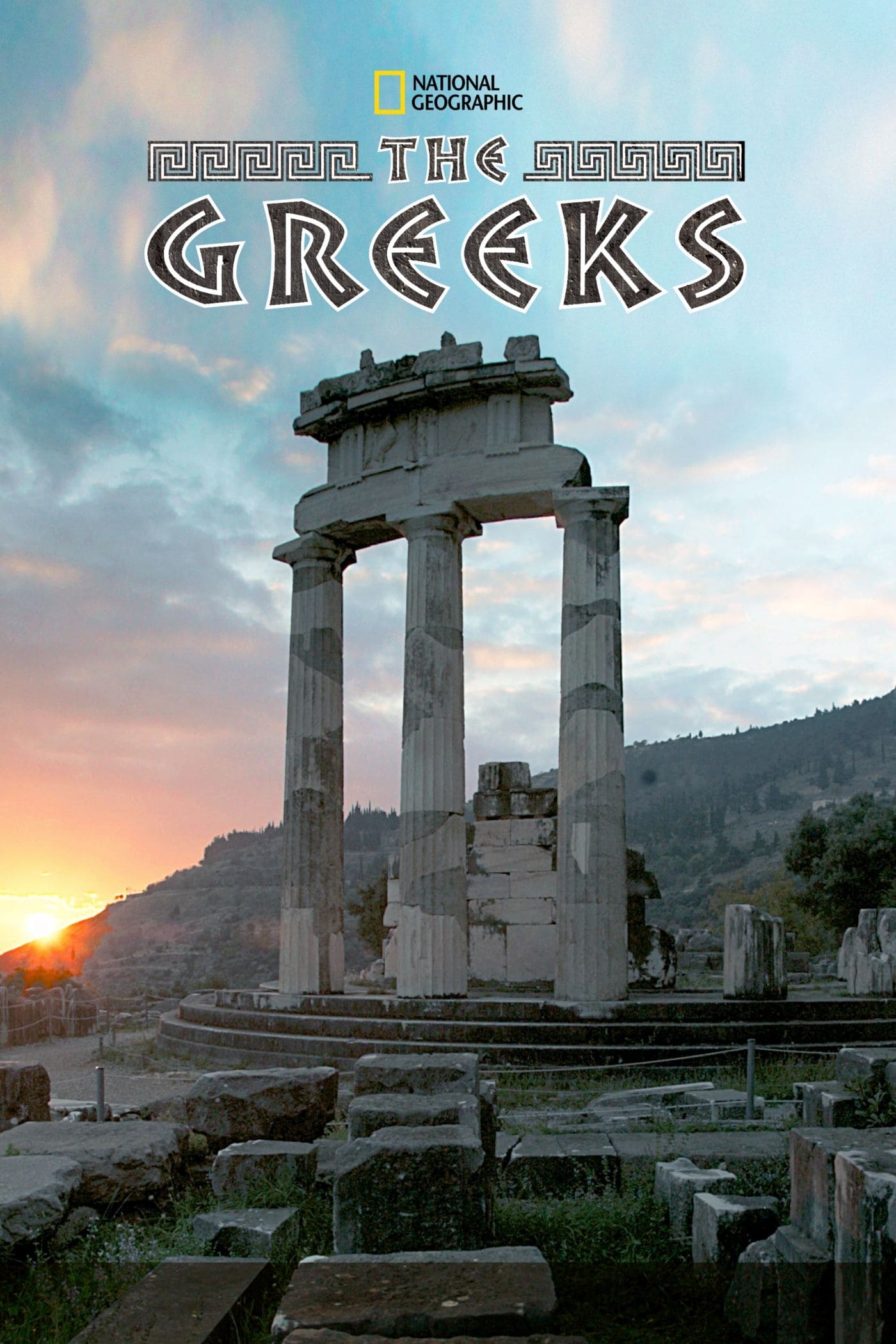
National Geographic's landmark event series, The Greeks, brings together historians, archaeologists, actors, athletes, scientists and artists to launch a groundbreaking exploration into the ancient Greeks' journey - not just to better understand their past, but to discover how their legacy illuminates our present, and will shape our future. The story of the Greeks is the story of us.
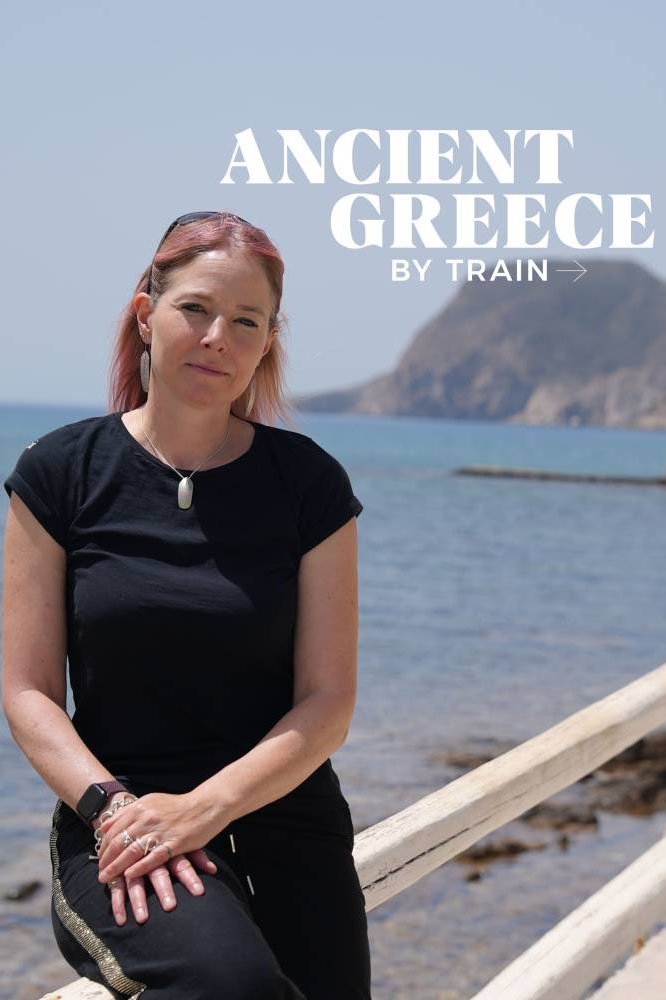
Professor Alice Roberts travels across Greece and thousands of years back to our collective past, tracing how the Ancient Greeks developed philosophy, art, theatre and democracy.
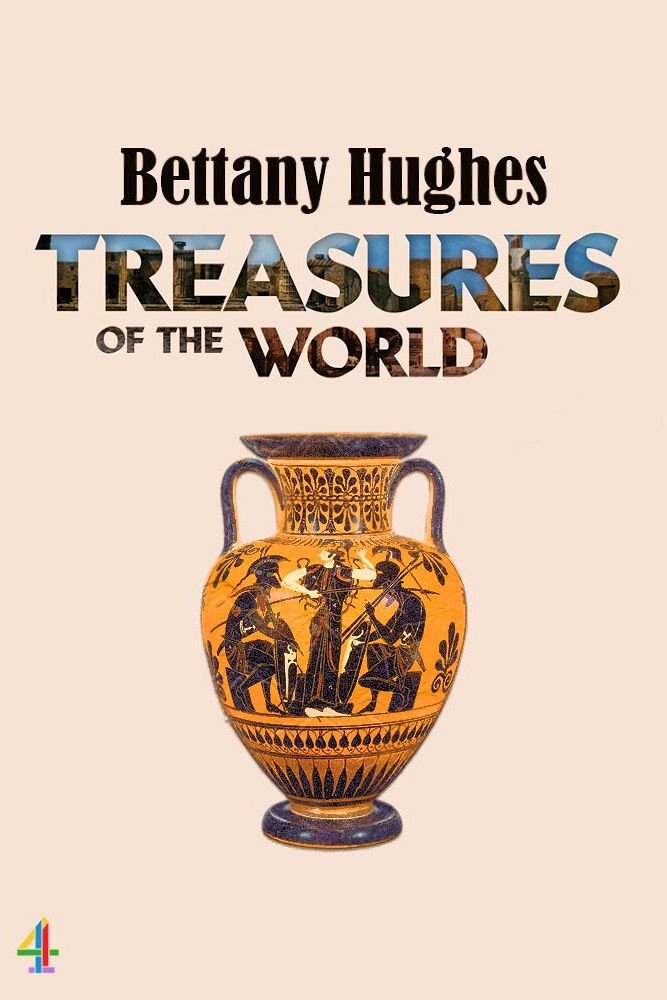
Bettany Hughes take viewers on armchair travels to explore household-name treasures and new finds from across the world.
Egyptian archaeologist Dr. Yasmin el-Shazly and photographer Mahmoud Rashad investigate the life and burial of King Tut.
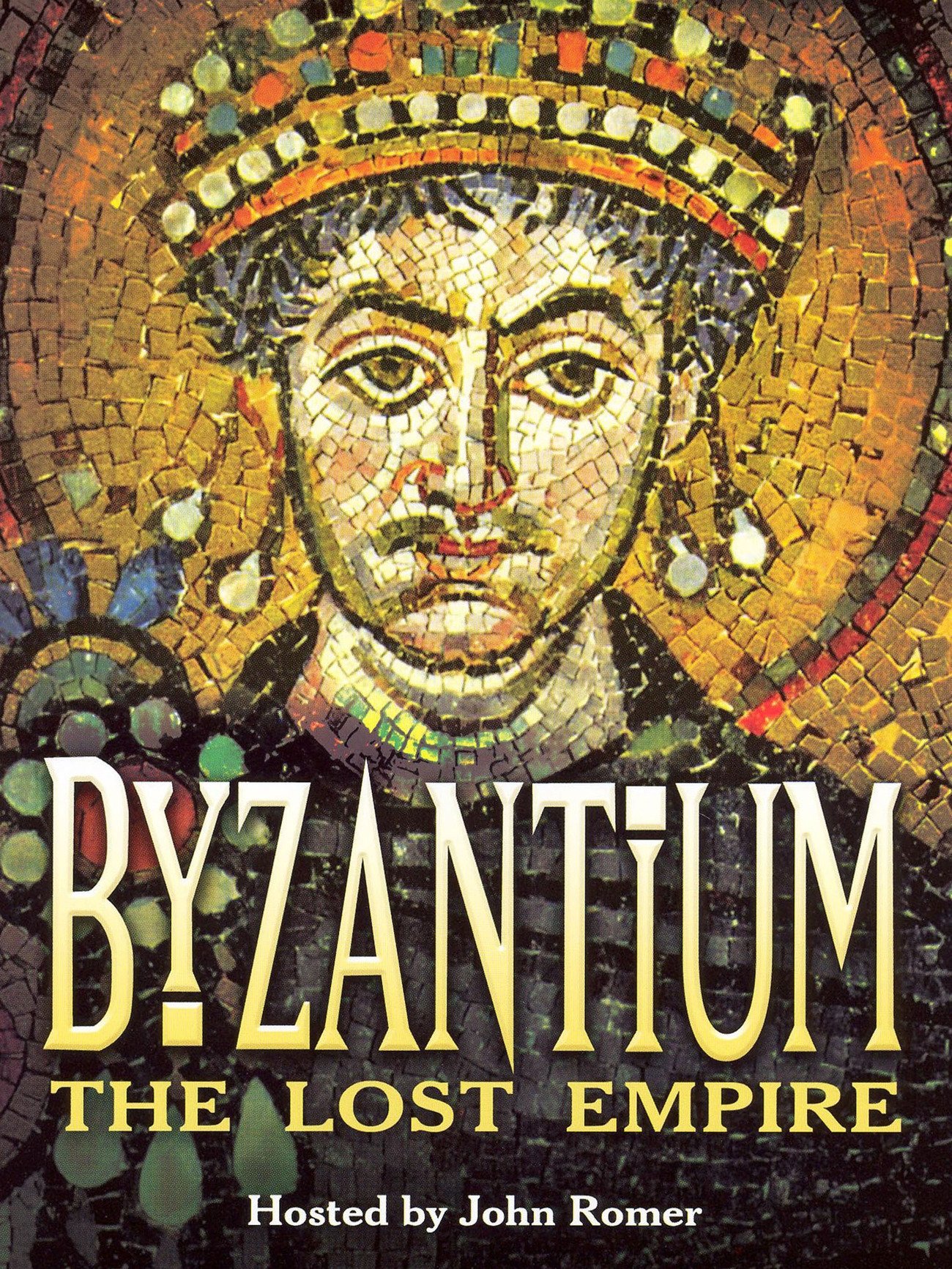
John Romer recreates the glory and history of Byzantium. From the Hagia Sophia in present-day Istanbul to the looted treasures of the empire now located in St. Marks in Venice.
Bettany Hughes searches out the real truth about the birth of democracy in ancient Athens 2500 years ago
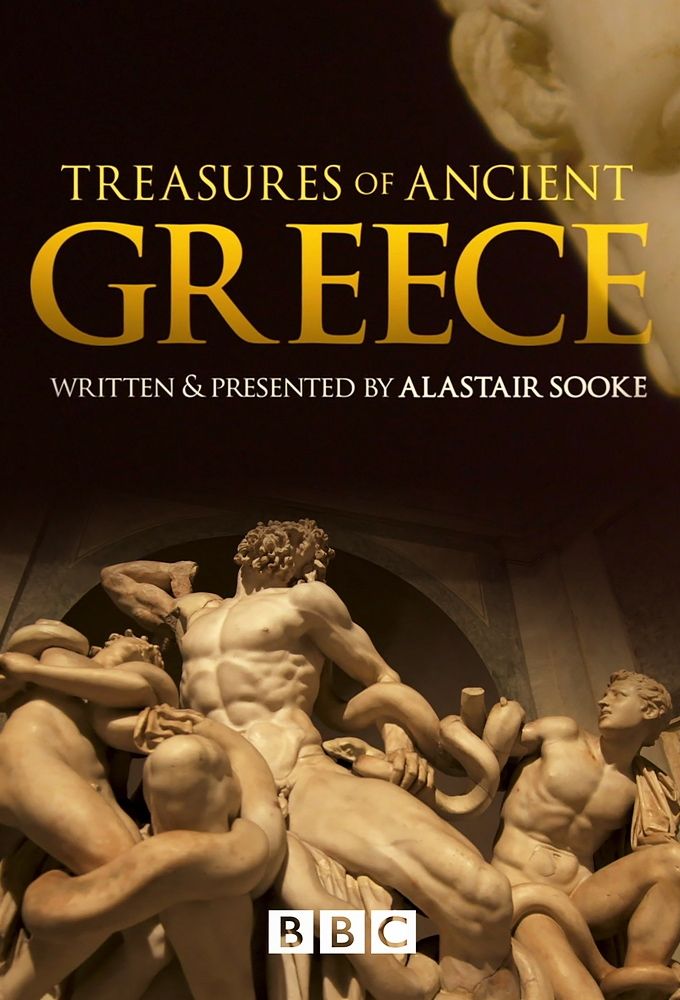
Alastair Sooke explores the riches and unique legacy of Greek art.
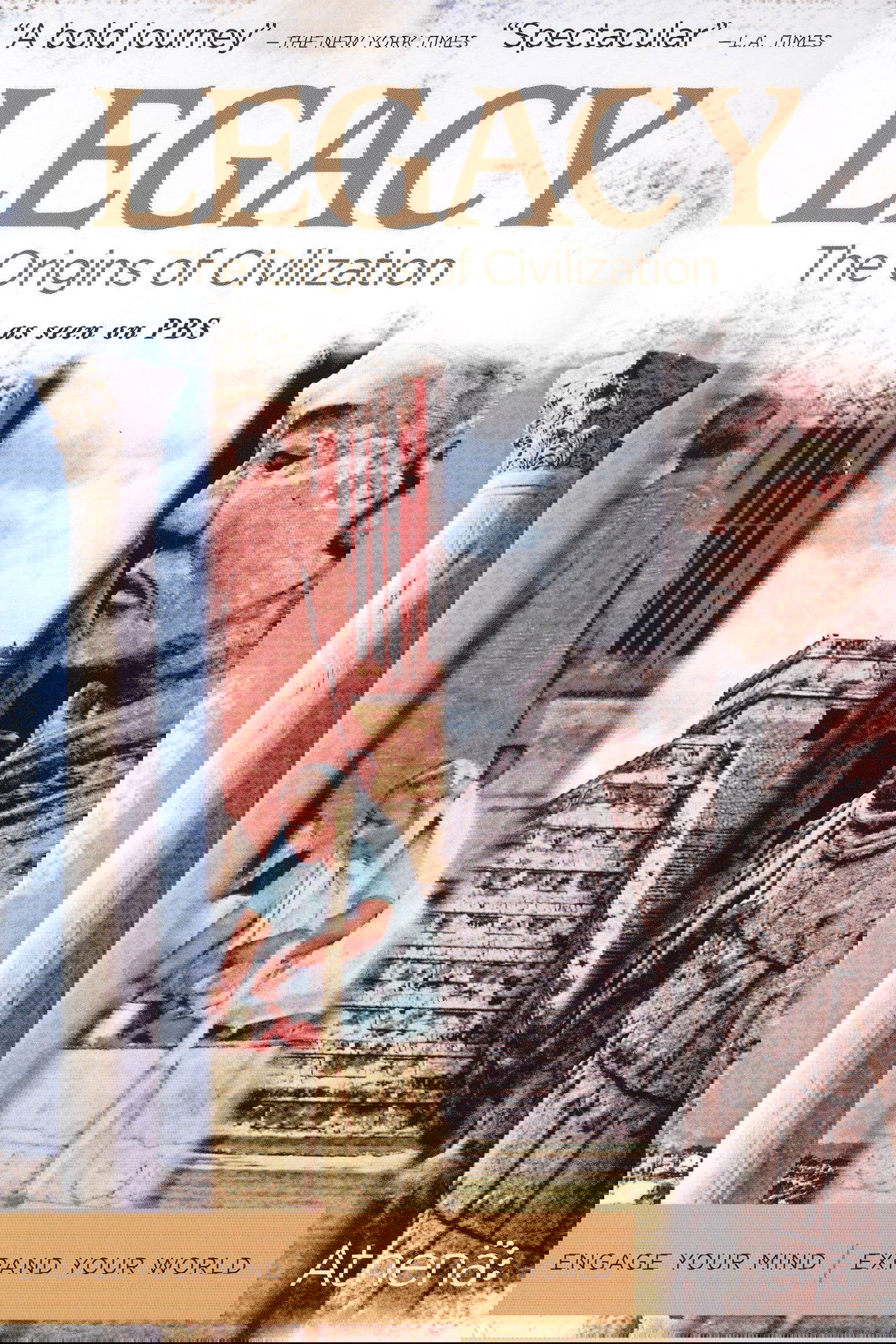
In the fourth and fifth centuries, B.C., the Greeks built an empire that stretched across the Mediterranean from Asia to Spain. They laid the foundation of modern science, politics, warfare and philosophy, and produced some of the most breathtaking art and architecture the world has ever seen. It was perhaps the most spectacular flourishing of imagination and achievement in recorded history.
Throughout the centuries great empires have been erected, whose creators have governed nations, regions and continents for hundreds and even thousands of years. From the great civilizations of antiquity to the first world powers of our days, this series reviews the legacy left to us by the great empires that have written the history of humanity. Combining computer-generated images with dramatic reconstructions, experts and historians analyze the role these civilizations have played and how their heritage has survived to this day.
A guided tour of the history of numbers and how they’ve shaped the development of humankind is at the heart of this unique series. In five episodes that take us across time and around the world, we see how mathematics played an important role in ancient Egypt and Greece, early India, medieval Europe, and our own modern world. Computer graphics make mathematical formulae accessible and interesting, while dramatic reenactments of history pique the viewer’s interest.
1984 Channel 4 documentary series surveying the history of New Testament scholarship, giving an overview of the contemporary New Testament scholarship, and finally a tracing of the history of the development of Christianity.
Professor Suzannah Lipscomb deep dives into some of the greatest death mysteries of the ancient world, as she turns forensic detective and re-examines the final moments of four of ancient history's most iconic figures. Blending science, history, and compelling detective work, Suzannah is joined by world-renowned forensic pathologist, Dr Richard Shepherd, who deploys cutting-edge digital autopsy technology to reveal trauma, disease, and possible foul play.
Explores every aspect of Sparta's culture, lifestyle, history and legacy. Author Steven Pressfield reflects on the significance of the Battle of Thermopylae, where a force led by 300 Spartan warriors stalled the advance of a hundred-thousand-plus strong Persian army for nearly a week. Scholars explore the factors that drove the Peloponnesian city-state to strive for martial excellence. Ancient accounts explain how Sparta's warriors were trained and detail their prowess in battle.
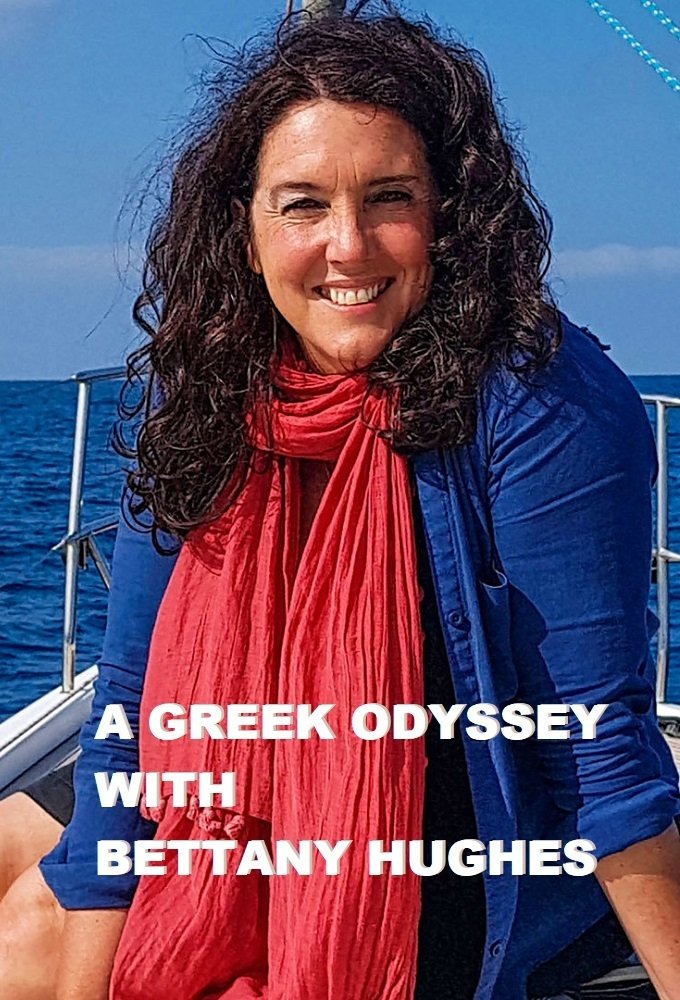
Historian Bettany Hughes has embarked on an epic, personal journey. Inspired by Homer's The Odyssey, she will sail the unpredictable Mediterranean seas, tracing Odysseus's long journey home. Her mission: to experience what the Greek hero experienced and to uncover truths behind the myths and legends, all while enjoying the delights of ancient Greece today. Follow her 1,700-mile adventure as it takes her to over a dozen islands and 22 historic sites and puts her through two hair-raising storms and even an earthquake.
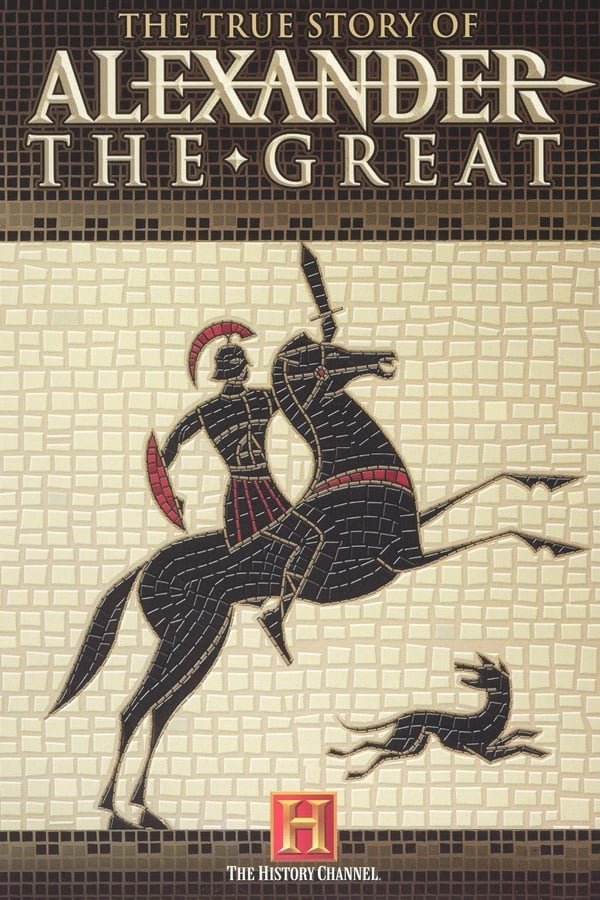
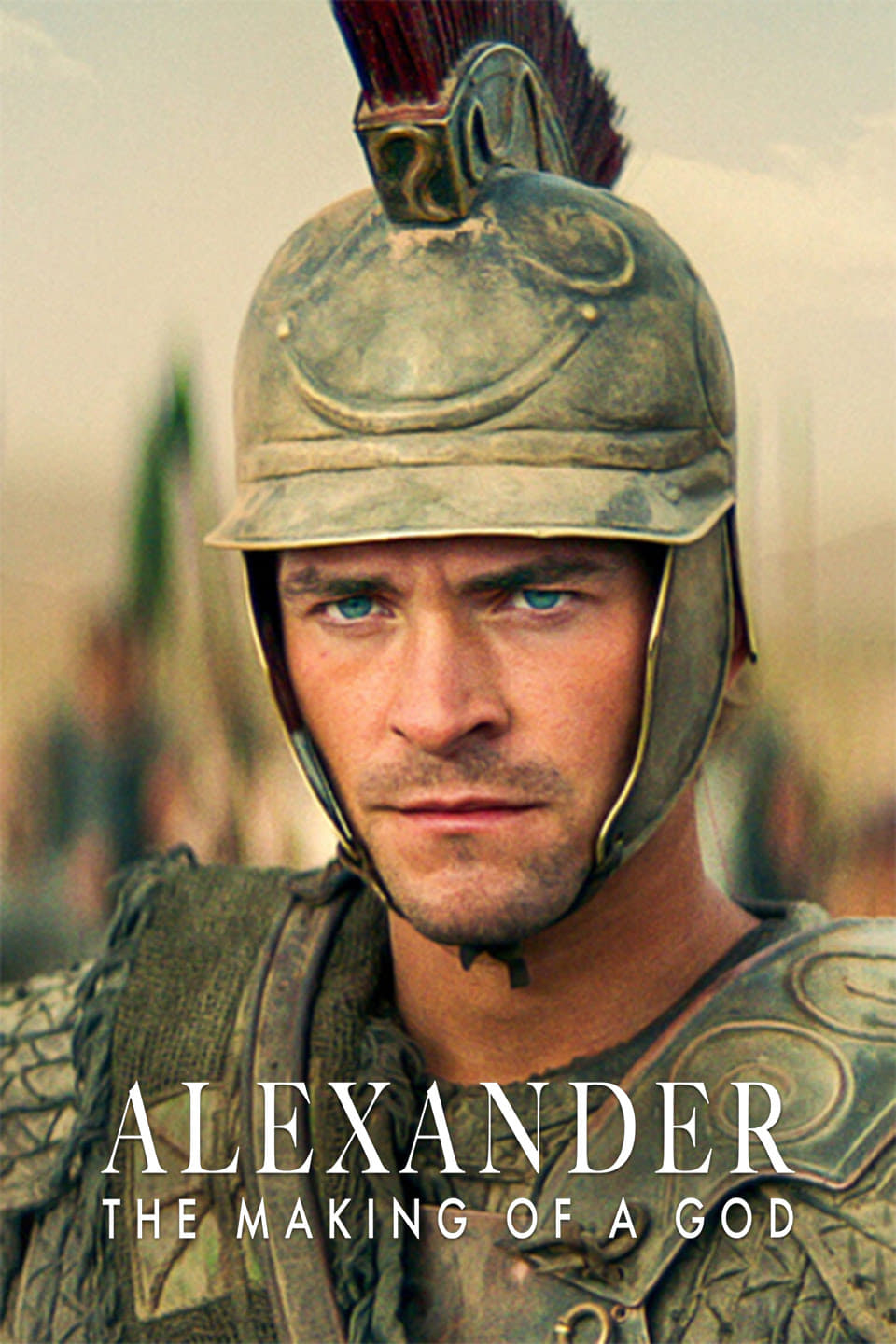
Expert interviews and gripping reenactments combine to reveal the extraordinary life of Alexander the Great and his burning desire to conquer the world.