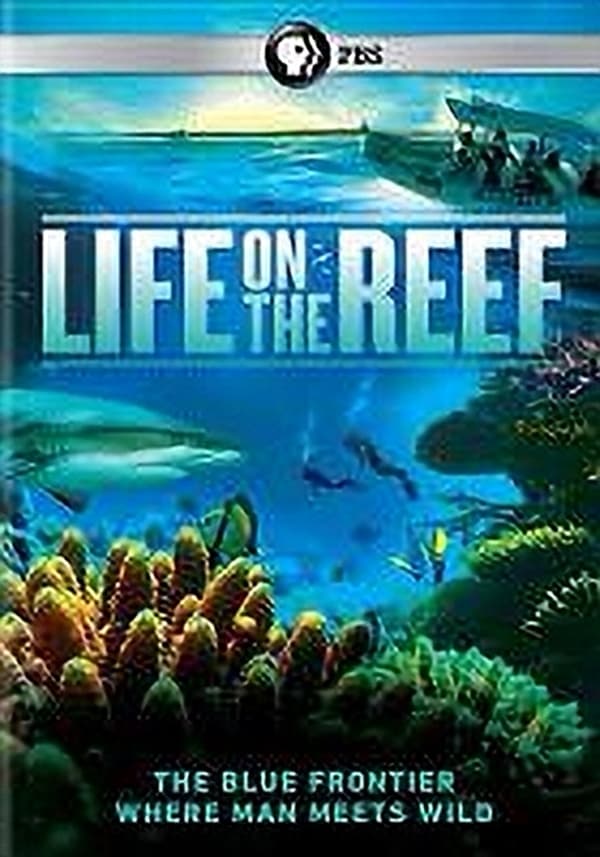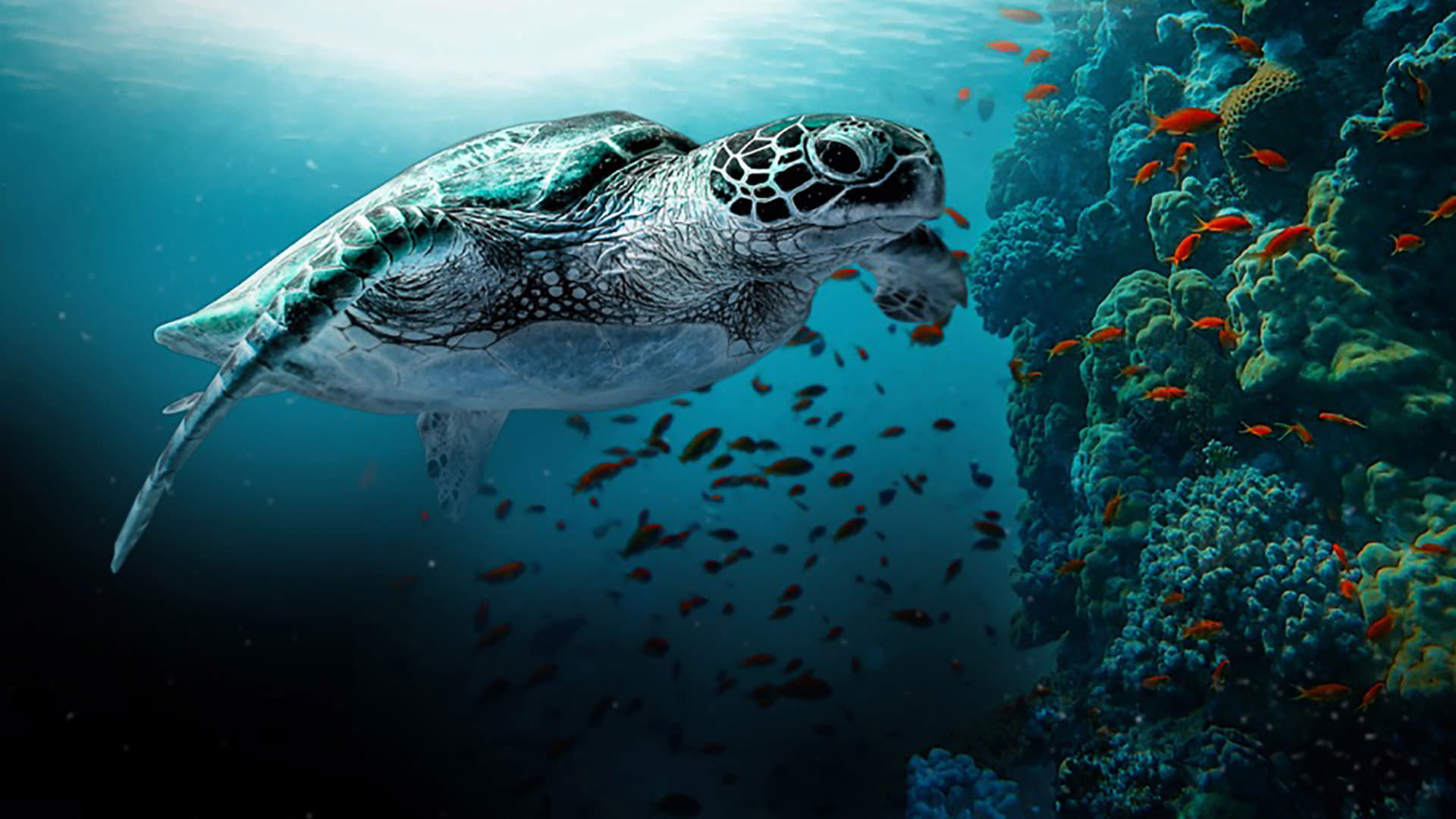
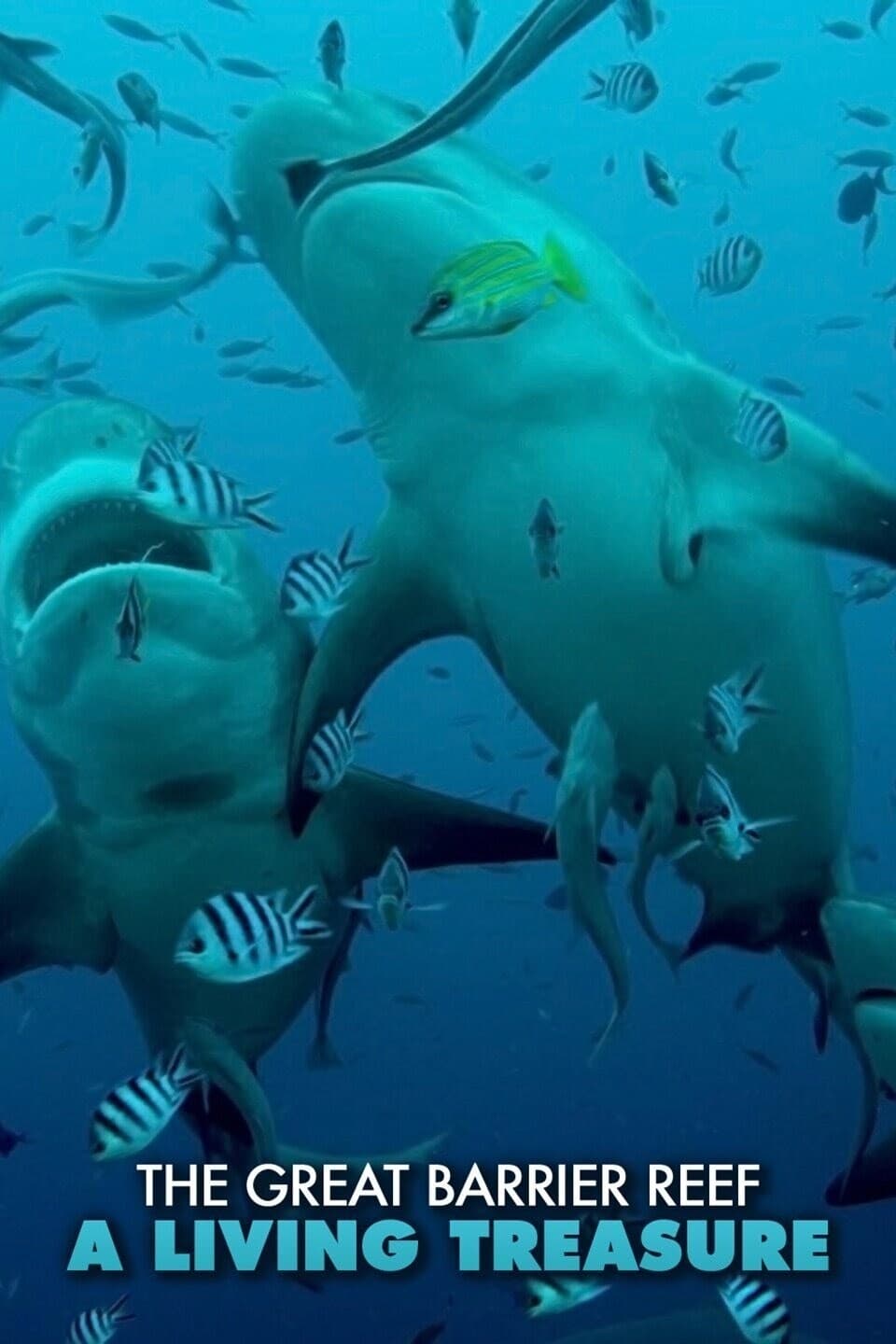
The Great Barrier Reef is a living, breathing organism supporting the richest, most complex ecosystem on the planet.
Social & External
Narrator (voice)

Travel with Christy Leung to Western Australia and Queensland, and enjoy breathtaking ocean views. Overcome her fears and go skydiving. Discover the desert on a 4-wheeler and explore the mysterious stone formations. Take on the jungle with ropes courses and get close to wildlife, including koalas, kangaroos, and quokkas. Indulge in fresh seafood and beer, and enjoy a picnic in the great outdoors.
Candid interview series with Kerry O'Brien revealing the forces that shaped Paul Keating's ambitions, and some of the inside stories from Australian political history
Julia Bradbury explores the immense and enchanting charms of Australia. Travelling by propeller plane, helicopter, camel, golf buggy, bicycle, boats, 4x4s and and on foot, Julia embarks on an epic journey to discover modern Australia and the people who live there.
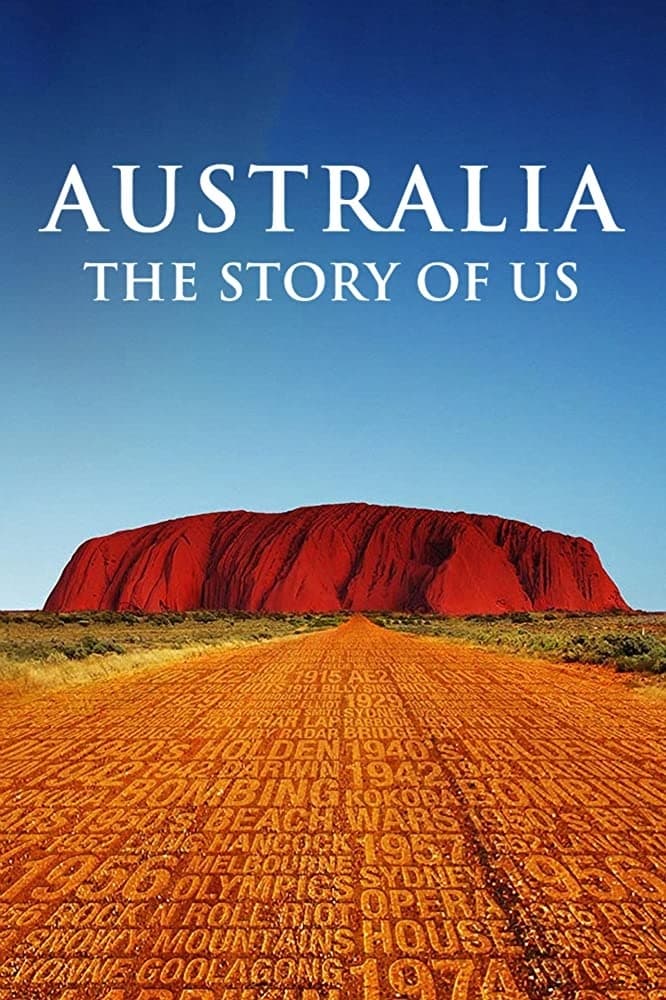
This four-part history series looks at how Australia has been shaped by its many definitions of home. Historic moments impacted homes, their designs, and the way we live as a society. From economic booms and busts to the fight for Land Rights and recognition, from various cultural migrations to the unrelenting force of nature, emerges a country building its way into the future.
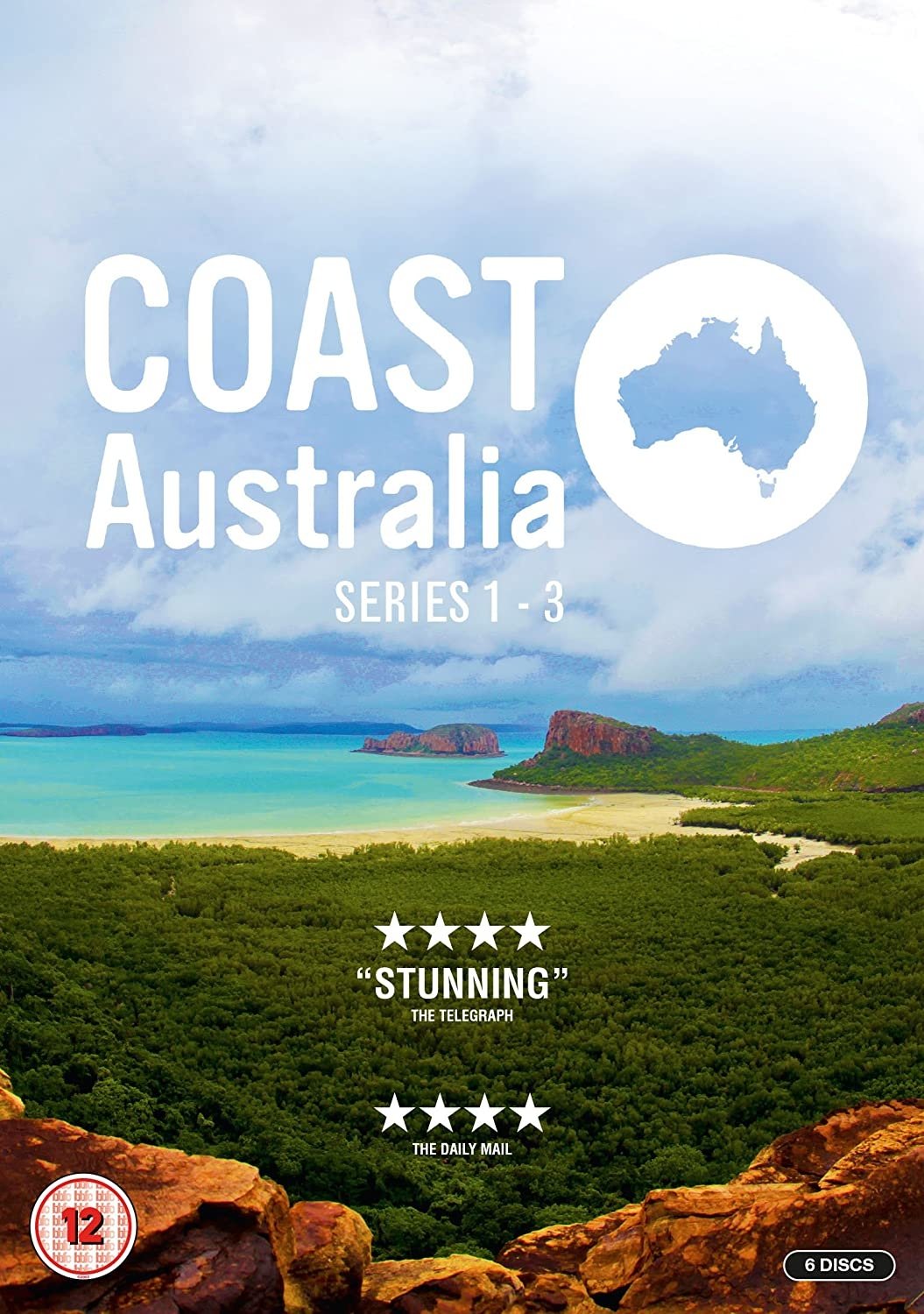
Renowned bushcraft expert Ray Mears returns to one of the harshest environments, the Australian outback, and travels through it in order to explore how wildlife and people adapt, thrive and survive. Ray swims in turquoise waters with whale sharks in out on the Ningaloo reef, and discovers fossils of their giant prehistoric ancestors in Ningaloo's limestone cliffs which rose out of the seabed 20 million years ago. Ray also traverses through large mangroves and the waterways of Kakadu, where he encounters salt water crocodiles, and stays with an aboriginal family who share with him the history of farming with fire and finding ingredients to make a meal out of the bush, as well as climbing into mountain ranges and exploring deep into the ancient Walpole forest, on the trail for the quokka, one of Australia's most timid marsupials.
Ever wanted to quit your job and go travelling round the world? Well James and Karl did and filmed it all. The backpacking documentary follows James and Karl as they travel through 20 countries in 4 continents over 9 months, covering a distance of over 42,000 miles.
Bushcraft guru Ray Mears travels to the remotest parts of Australia to examine the astonishing creatures that thrive in such demanding conditions.
Series following comedian John Bishop as he embarks on an Australian adventure, cycling from Sydney to Cairns. Along the way he meets extraordinary people and experiences some true natural wonders.
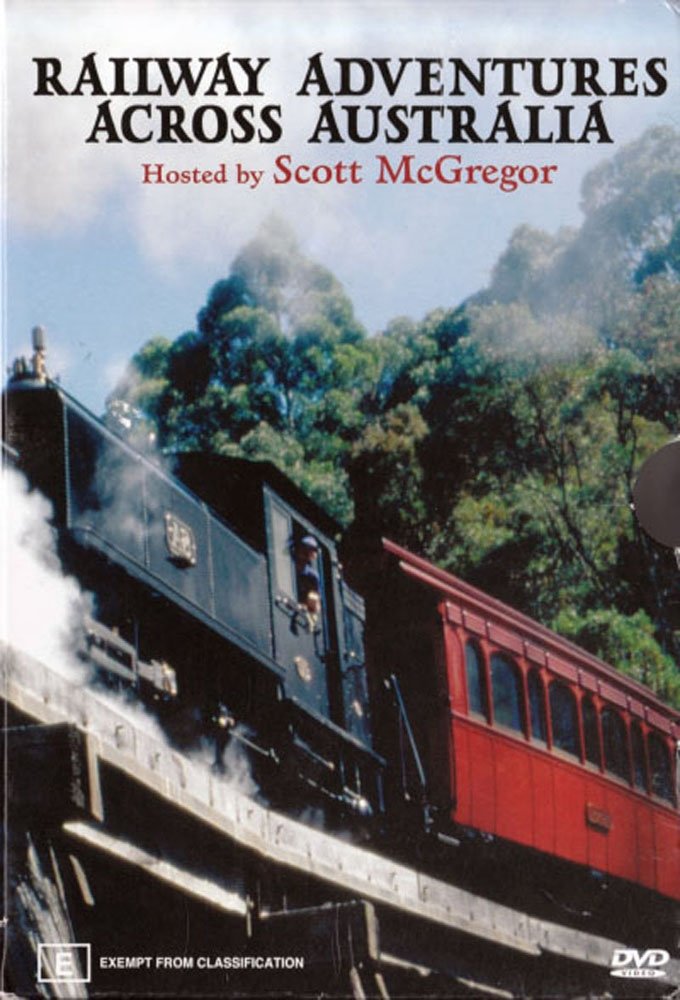
Railway adventures across Australia follows the exploits of Scott McGregor on his quest to find the famous, unusual and unique trains and stories at the end of the line.
This is the inspirational and intimate behind-the-scenes story of the Matildas - Australia's women's national football team working towards the World Cup on home soil. We follow the players on and off the field as they inspire the next generation.
Bert Taylor travels around Australia's vast countryside.
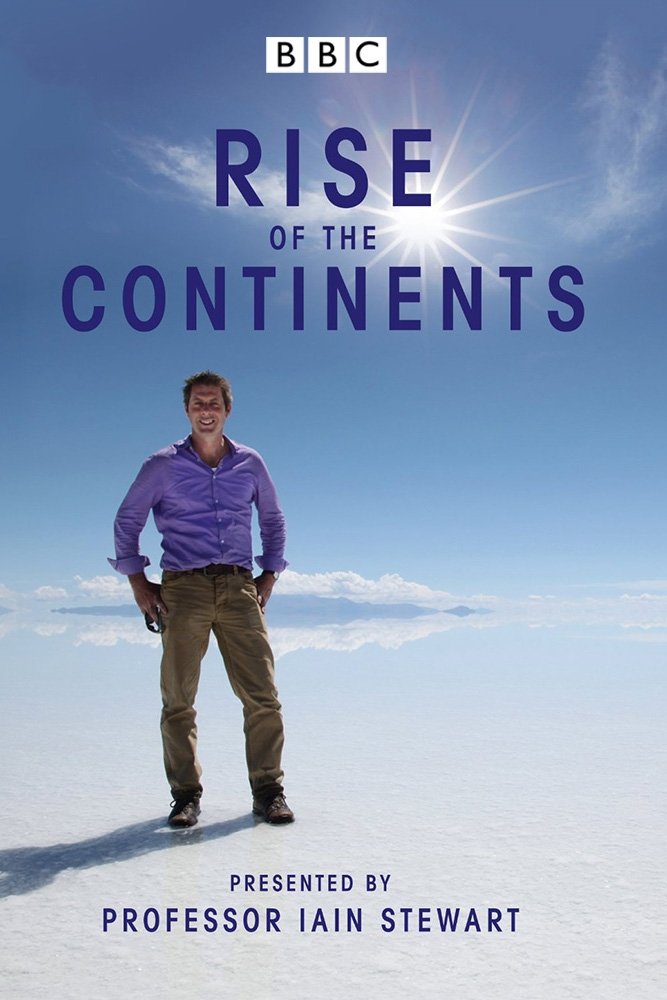
The Earth’s continents are instantly recognizable. These iconic landmasses seem permanent and unchanging, yet they are merely the wreckage of a much larger long-lost supercontinent – Pangaea. In this stunning four part series Professor Iain Stewart uncovers the evidence for this ancient past. He reveals how the world around us is full of clues – in the rocks, the landscapes and even the animals. All of which tell us how the land we live on was created.
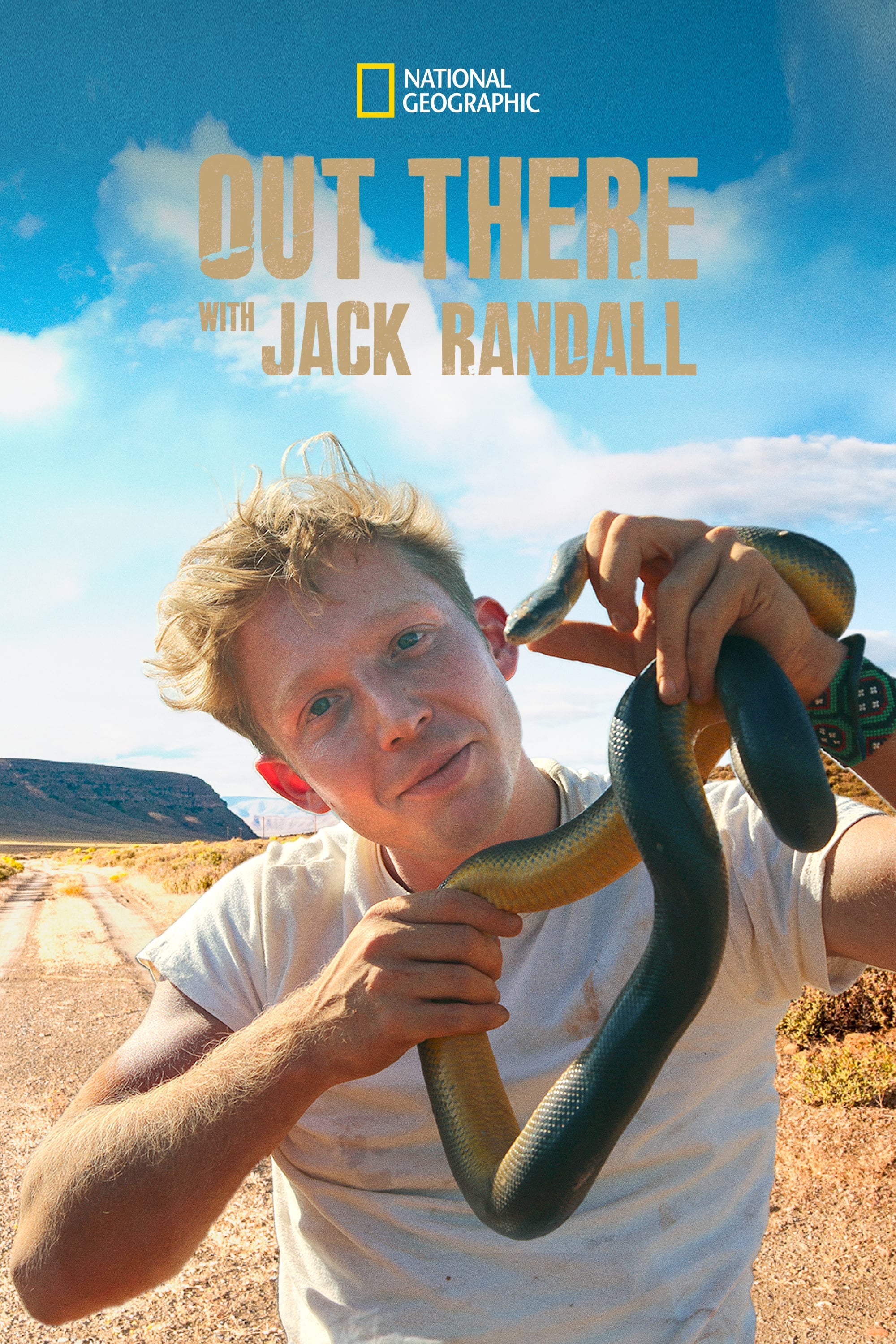
Zoologist Jack Randall journeys into Australia's Outback to encounter extraordinary wildlife.
Tells the inside story of the challenges the Lebanese Australian community has faced in Australia and how they have fought to overcome them. This landmark documentary series hears from community leaders, police, families and individuals, as they combine to tell the compelling and dramatic story of a proud and resilient community, under intense pressure and scrutiny. The story begins in the 1970s when large numbers of Lebanese migrants flooded into Australia. Many were Muslim, most were traumatised by civil war, all were desperate to build a better future. Over the coming decades, these new Australians struggled to establish a new life in their adopted country.
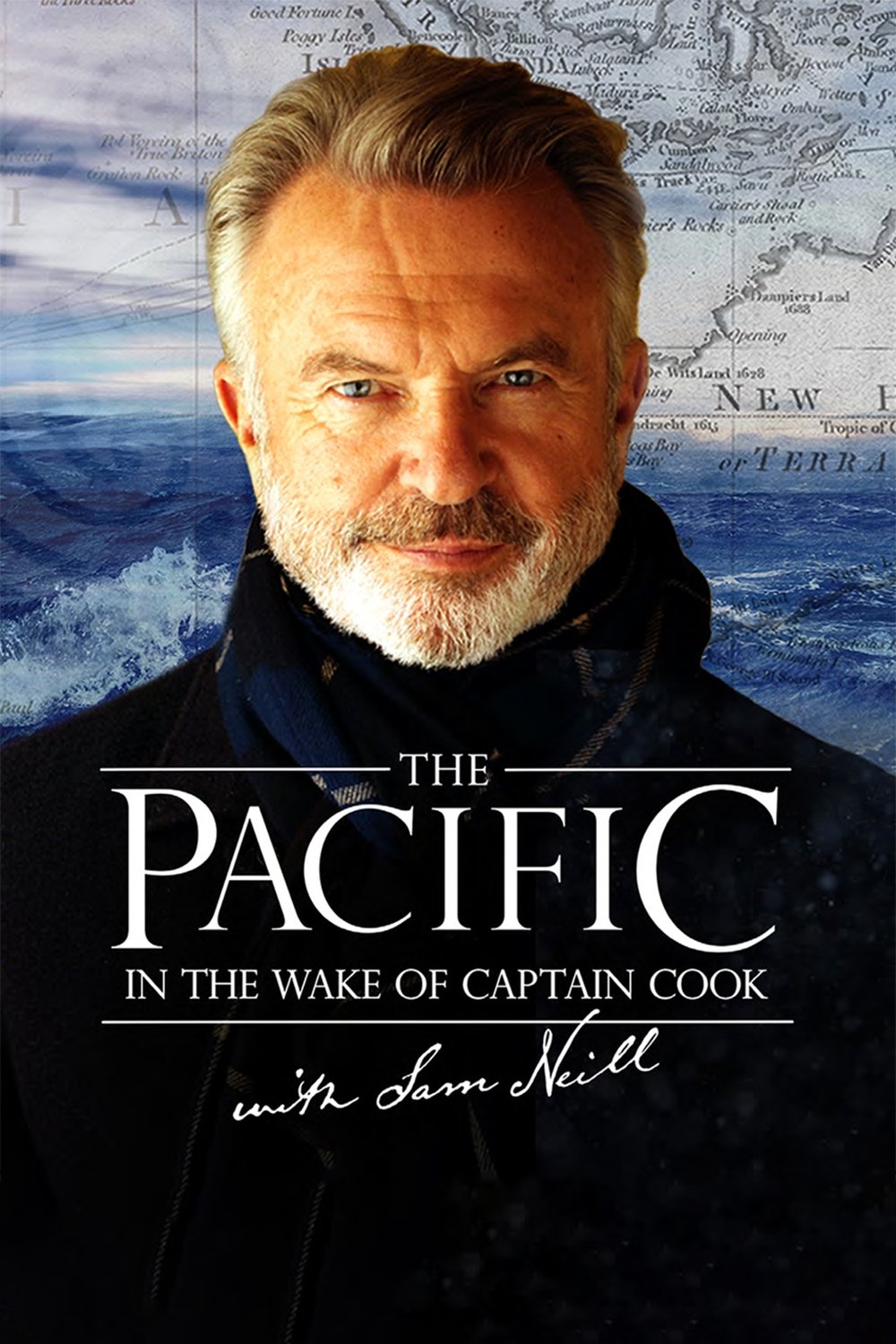
History is taking to the seas and walking in the footsteps of Captain James Cook. 250 years after Cook began his epic exploration of the Pacific, Sam Neill (Jurassic Park, The Piano) journeys in his wake uncovering stories that resonate from those times on both sides of the beach. Sam begins with a disclaimer – he is merely an actor – but the story of Cook, and the impact he has had on the Pacific in the 250 years since his first voyage, has always fascinated him.
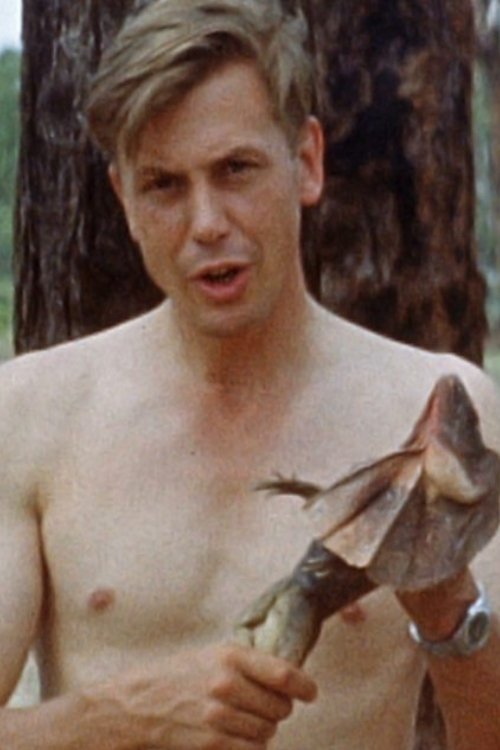
Following his visit to the Great Barrier Reef in 1957, naturalist and broadcaster David Attenborough returns and uses the latest filming techniques to unlock the secrets of the natural wonder.
Take a road less travelled to the small towns and communities that make Australia special. Join Heather Ewart and guest presenters as they discover remarkable stories and inspiring people you'll never forget.
Armed with his 1913 Bradshaw’s Handbook to the Chief Cities of the World, Michael embarks on six new railway journeys across spectacular Australia.
Natural World is a nature documentary television series broadcast annually on BBC Two and regarded by the BBC as its flagship natural history brand. It is currently the longest-running series in its genre on British television, with more than 400 episodes broadcast since its inception in 1983. Natural World is produced by the BBC Natural History Unit in Bristol, but individual programmes can be in-house productions, collaborative productions with other broadcasters or films made and distributed by independent production companies and purchased by the BBC. Natural World programmes are often broadcast as PBS Nature episodes in the USA. Since 2008, most Natural World programmes have been shot and broadcast in high definition.
MegaStructures is a documentary television series appearing on the National Geographic Channel in the United States and the United Kingdom, Channel 5 in the United Kingdom, France 5 in France, and 7mate in Australia. Each episode is an educational look of varying depth into the construction, operation, and staffing of various structures or construction projects, but not ordinary construction products. Generally containing interviews with designers and project managers, it presents the problems of construction and the methodology or techniques used to overcome obstacles. In some cases this involved the development of new materials or products that are now in general use within the construction industry. MegaStructures focuses on constructions that are extreme; in the sense that they are the biggest, tallest, longest, or deepest in the world. Alternatively, a project may appear if it had an element of novelty or are a world first. This type of project is known as a Megaproject.
PBS' premier science series helps viewers of all ages explore the science behind the headlines. Along the way, NOVA demystifies science and technology, and highlights the people involved in scientific pursuits.
Infographics and archival footage deliver bite-size history lessons on scientific breakthroughs, social movements and world-changing discoveries.
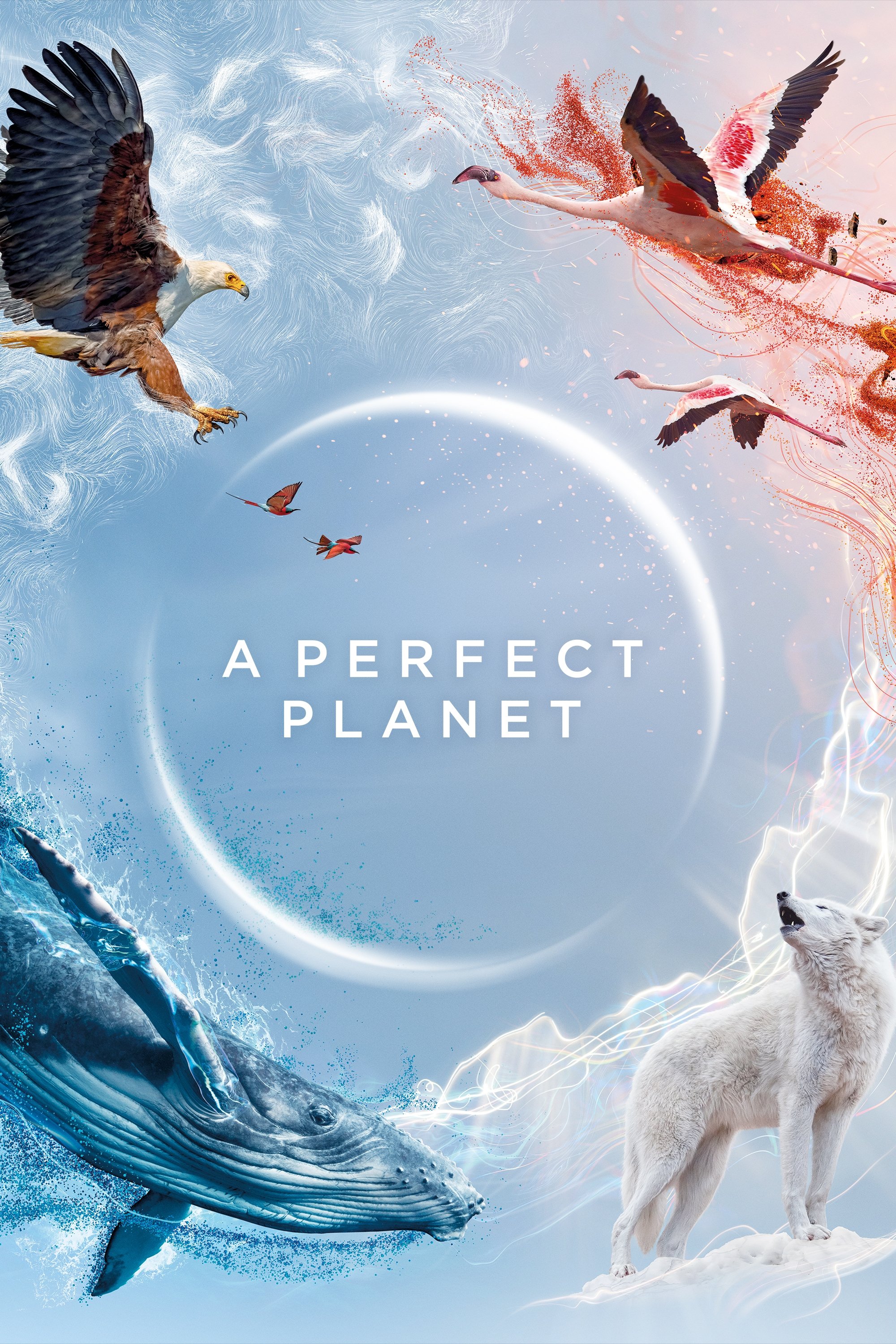
Experience our planet's natural beauty and examine how climate change impacts all living creatures in this ambitious documentary of spectacular scope.
Motoring programme featuring reviews of and reports about cars of all types.
David Attenborough presents a documentary series exploring how animals meet the challenges of surviving in the most iconic habitats on earth.
This immersive series follows the world's most magnificent creatures, capturing never-before-seen moments from the heartwarming to the outrageous.
This nature documentary introduces viewers to the fauna and flora of Britain and Ireland across four main areas: woodlands, grasslands, freshwater and marine.
A documentary news series with a taboo-breaking team who deliver incredible news stories from around the world.
Filmed across six continents, this docuseries uses cutting-edge camera technology to capture animals' nocturnal lives, revealing new behaviours filmed in full color like never before.
20/20 is an American television newsmagazine that has been broadcast on ABC since June 6, 1978. Created by ABC News executive Roone Arledge, the show was designed similarly to CBS's 60 Minutes but focuses more on human interest stories than international and political subjects. The program's name derives from the "20/20" measurement of visual acuity. The hour-long program has been a staple on Friday evenings for much of the time since it moved to that timeslot from Thursdays in September 1987, though special editions of the program occasionally air on other nights.
David Attenborough celebrates the amazing variety of the natural world in this epic documentary series, filmed over four years across 64 different countries.
Horizon tells amazing science stories, unravels mysteries and reveals worlds you've never seen before.
Explore the surprising things we know (and don’t know) about why people are the way they are through expert interviews, rare footage from historical experiments, and brand-new, ground-breaking demonstrations of human nature at work.
This show combines cold hard science with some of the craziest, most spectacular and painful user generated clips ever recorded. Richard Hammond introduces all manner of mishaps featuring brave, if misguided individuals from around the world and then explains the science behind their failure and humiliation with the use of bespoke animations and super slo-mo cinematography. Every episode features between 50 and 60 clips of misadventure – ordinary folk making extraordinary mistakes. Each week watch stunts involving weightlifting, shooting guns or jumping over cars, that have gone wrong, paused, re-wound, and re-played and analysed to determine exactly what went wrong and why. Richard explains the physics, chemistry and biology at play, then presents forensic details to explain the stupidity that resulted in failure. He’ll look at everything including weight, volume, momentum, combustion and even how the brain operates. This is misadventure explained. This is the Science of Stupid.
Biography is a documentary television series. It was originally a half-hour filmed series produced for CBS by David Wolper from 1961 to 1964 and hosted by Mike Wallace. The A&E Network later re-ran it and has produced new episodes since 1987. The older version featured historical figures such as Helen Keller and Mark Twain, or long-dead entertainment figures such as Will Rogers or John Barrymore. The A&E series has placed the emphasis on such people as Marilyn Monroe, Elvis Presley, Plácido Domingo, Freddie Mercury, Jacqueline Kennedy Onassis, Eric Clapton, Pope John Paul II, Gene Tierney, Selena, Diego Rivera, Mao Zedong and Queen Elizabeth II, and fictional characters like The Phantom, Superman, Hamlet, Betty Boop, and Santa Claus. The program ended up profiling enough figures that in 1999, A&E spun it off into an entire network, The Biography Channel.
Discover the stories beneath the surface of the water in this stunning nature documentary series, which explores each of the Earth's five oceans.
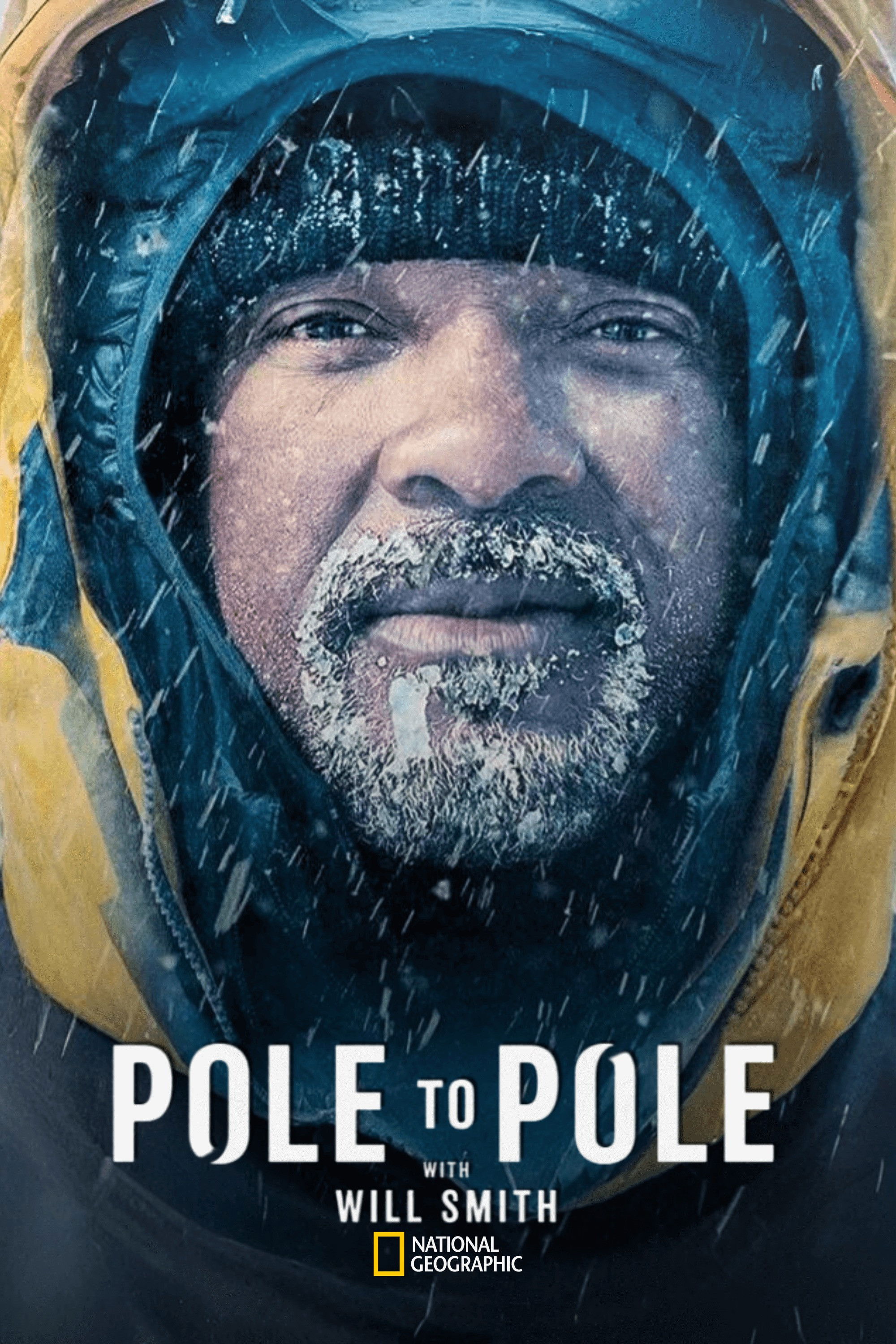
Will Smith whose curiosity and wonder is positively infectious—is guided by National Geographic Explorers traveling to different corners of the world to get up close and personal with the weirdest, most unusual, dangerous and thrilling spectacles of the planet.