Social & External
The people behind it
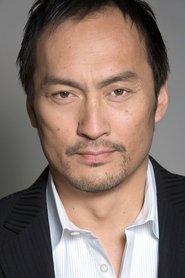
Ken Watanabe
Yūko Natori
Sonny Chiba
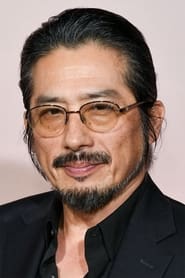
Hiroyuki Sanada
Yukiyo Toake
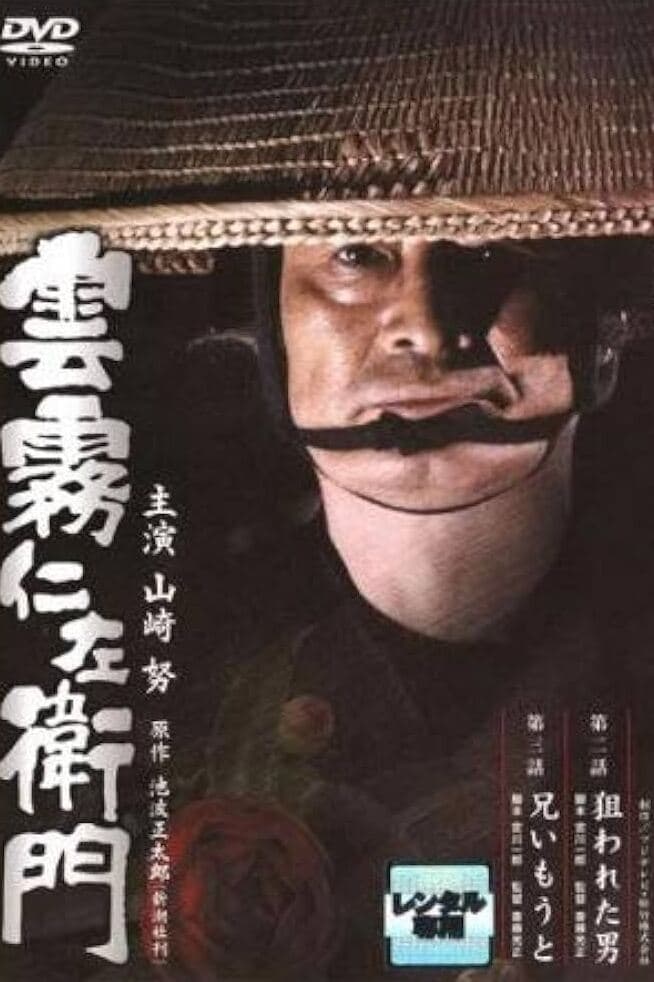
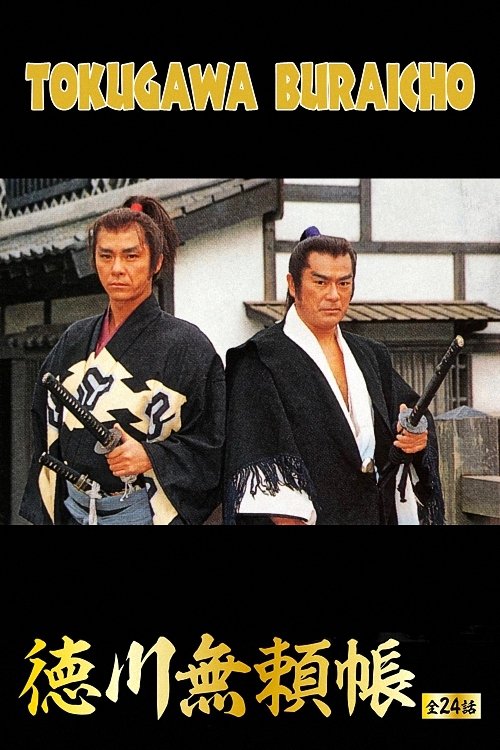
A Japanese television jidaigeki that was broadcast in prime-time in 1995 on Fuji TV. It is based on Shōtarō Ikenami's novel of the same title and stars Tsutomu Yamazaki. In the Kyōhō period, there was a group of bandits called Kumokiri from the people of Edo. Tokugawa shogunate appoints Abe Shikibu a head post of the Hitsuke Tōzoku Aratamegata to arrest Kumokiri clan.
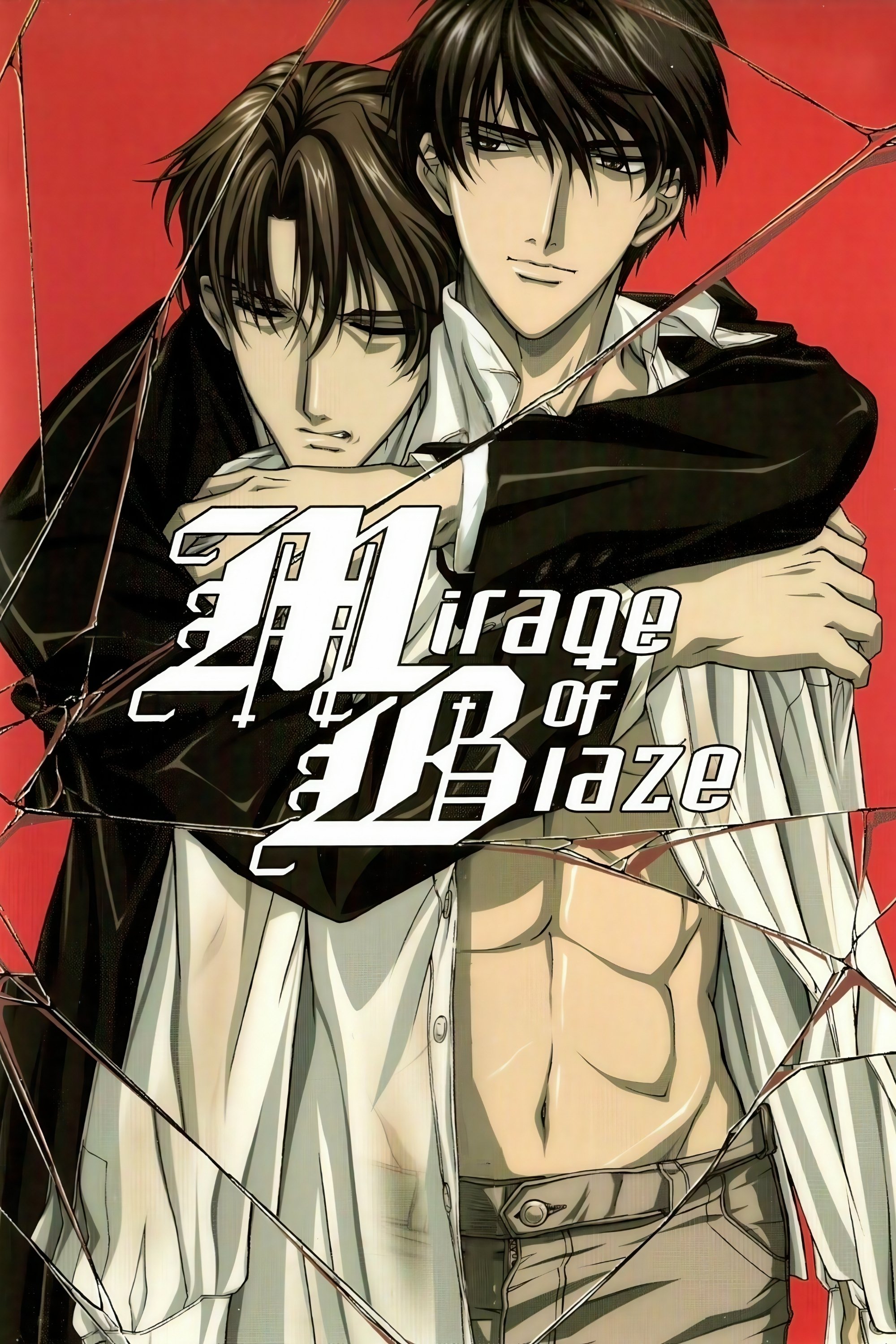
Takaya, an ordinary high school boy, gets drawn into an ancient war of darkness and tragedy when he discovers that he is the reincarnation of a feudal lord from Japan's Warring States Period
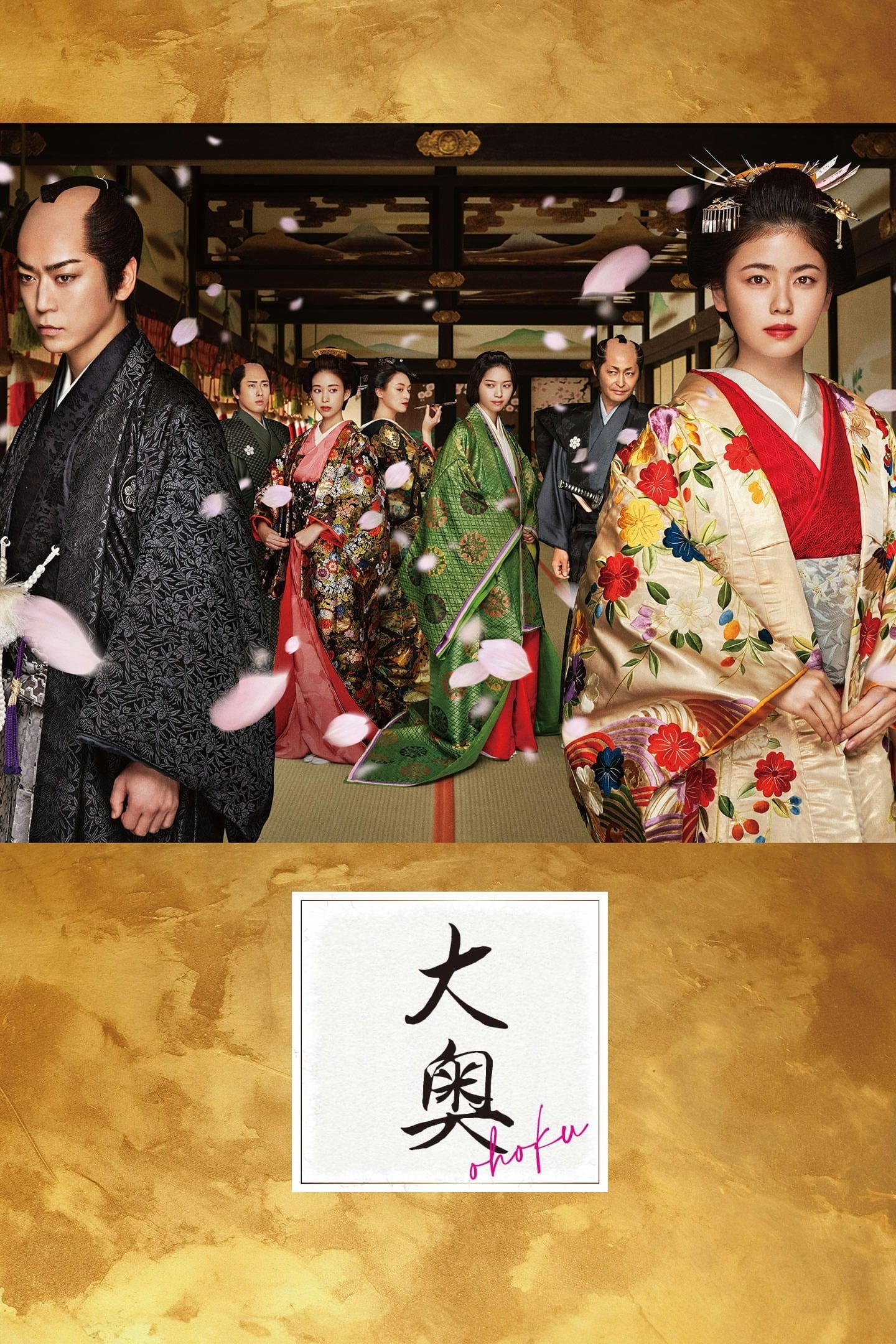
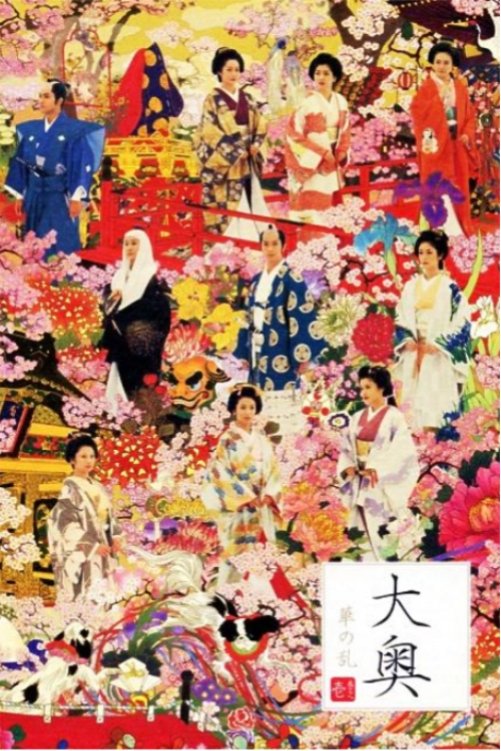
The Ooku of Edo Castle was a mysterious existence that could not be seen from the outside for 300 years in Tokugawa. Love and hate, and fierce power struggles were fought among the women day and night.
Koheita, a newly appointed magistrate, never shows his face in the magistrate's office, instead spending his time in the 'Horisoto', a den of evil where anything goes, from theft to prostitution to murder. However, this man is about to clean up the city in an unconventional way!
Humanistic detective stories that took place in an inn called 'Kawasemi'.
The newest installment in Fuji TV's "Ooku" series is about the women linked to the Tokugawa shogun line. This time, the focus is on Isonomiya Tomoko and her political marriage to the 10th shogun, Tokugawa Ieharu.
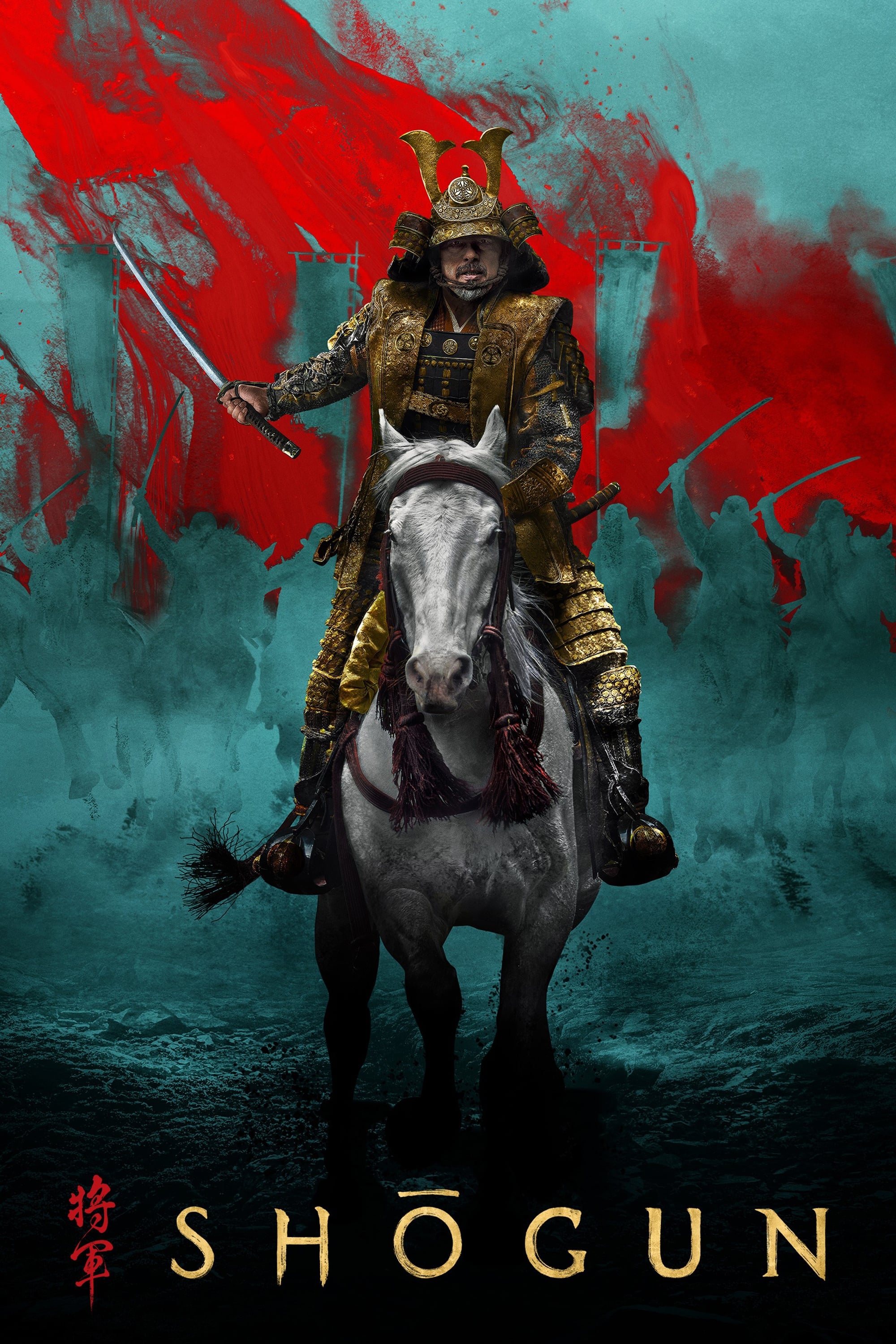
In Japan in the year 1600, at the dawn of a century-defining civil war, Lord Yoshii Toranaga is fighting for his life as his enemies on the Council of Regents unite against him, when a mysterious European ship is found marooned in a nearby fishing village.
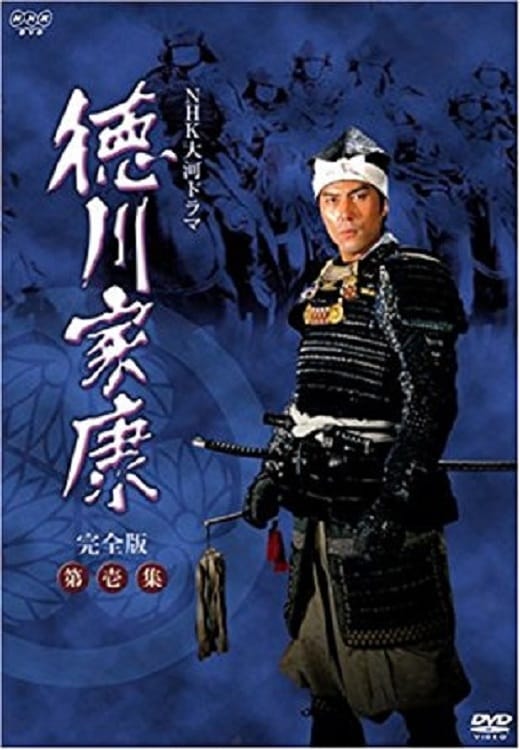
The story chronicles the life of Tokugawa Ieyasu.
Tells the story of the women surrounding Tokugawa Tsunayoshi, the fifth shogun.
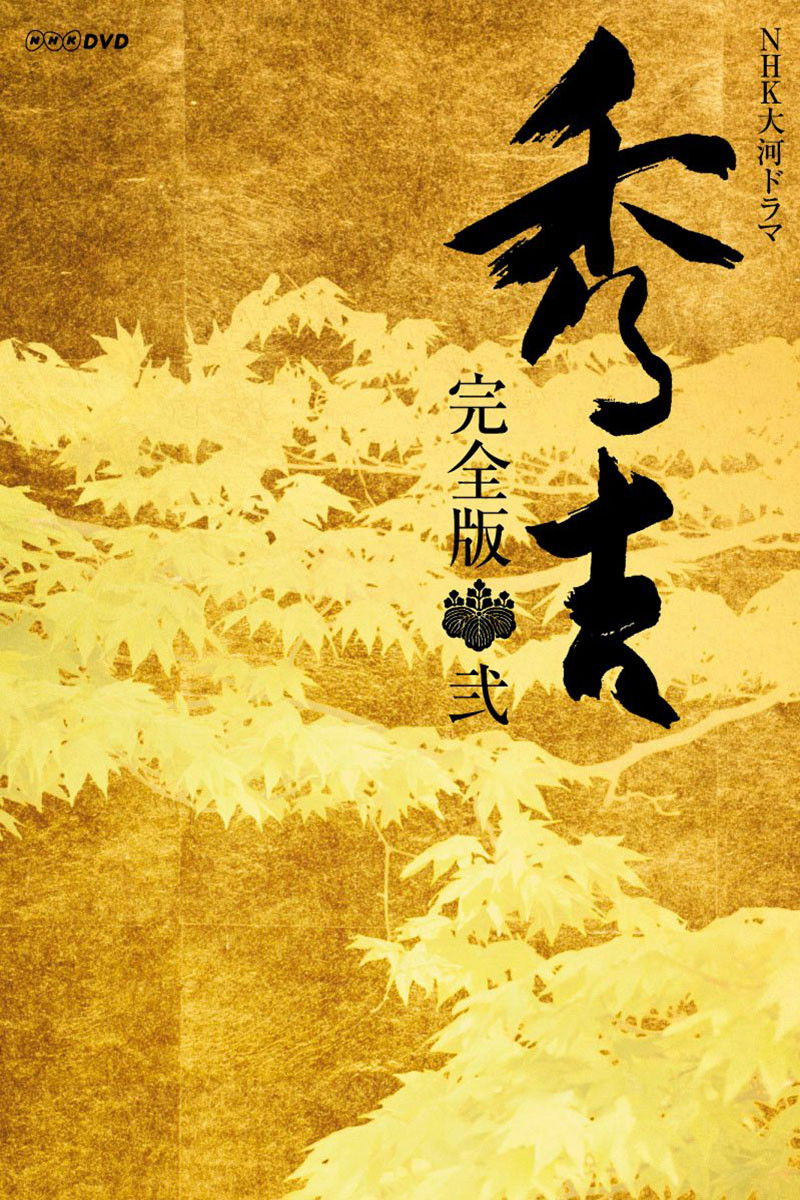
A dramatized biography of the second of Japan's three legendary leaders. Rising from obscurity, Hideyoshi served under the command of Oda Nobunaga. With an extraordinary combination of intelligence, bravery and military skill, Hideyoshi rose to near-absolute power and greatly expanded upon Nobunaga's unification of Japan's warlords. This series also focused on Hideyoshi's personal life, particularly his relationships with his mother and his wife, and the pair's rivalry for influence over him.
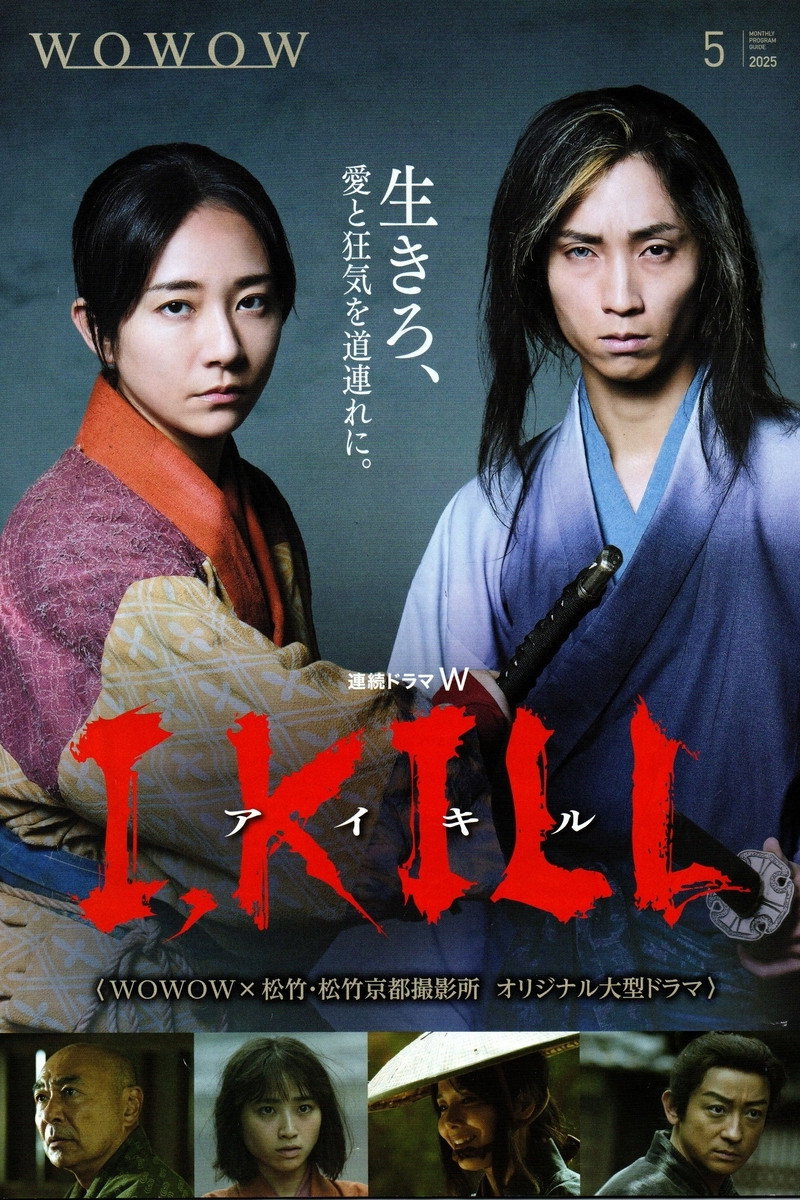
Set in 1635, 35 years after the Battle of Sekigahara, Japan appears peaceful. But a monstrous creature called 'Gun-kyo' that devours humans disrupts this calm. The shogunate burns down villages where Gun-kyo appears to hide the truth. Orin, a former ninja living quietly with her stepdaughter, is drawn back into battle after encountering Gun-kyo while seeking medicine. Meanwhile, Shiro, a Gun-kyo who retains human consciousness, sets out to uncover his origins and the creature's secret.
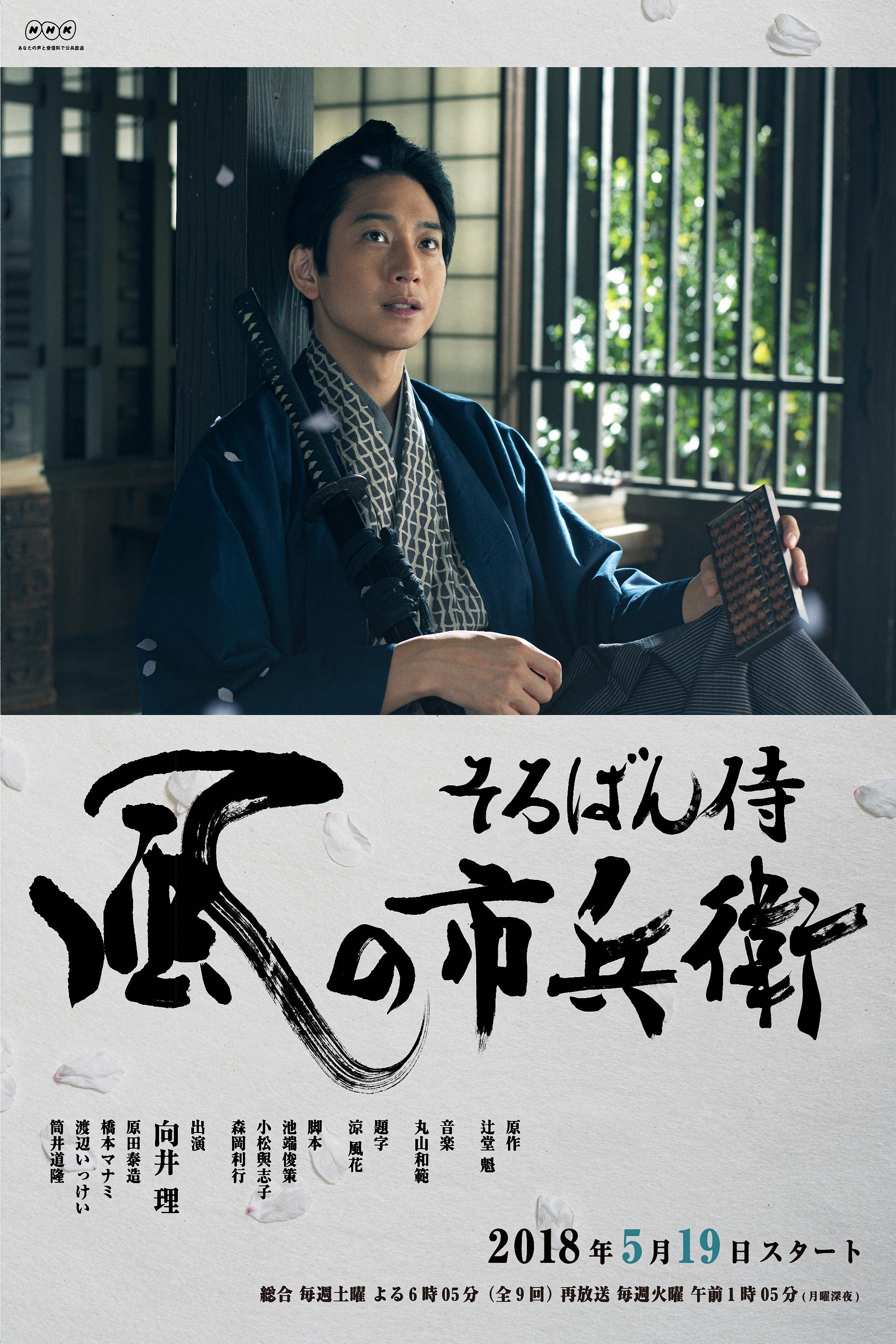
Set during the Bunsei period (1818-1931). Ichibei Karaki (Osamu Mukai) is a samurai with elite swordsman skills. He is also good at accounting and managing money. He is hired by various samurai families as their accountant and management consultant. He knocks down evils who give hard time to diligent people.
A dramatization of Ryotaro Shiba's novel of the same title about the life of Kobayashi Sahē, a chivalrous man who actually existed at the end of the Edo period.
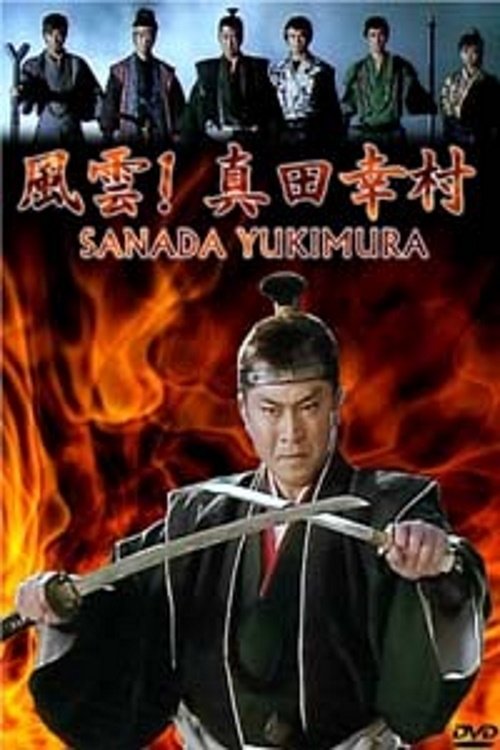
Lord Sanada along with his deadly ninja assassins Kirigakure Saizo and Sarutobi Sasuke attempt to restore the rule of the Toyotomi during the brutal period just after the rise of the Tokugawa Shogunate.
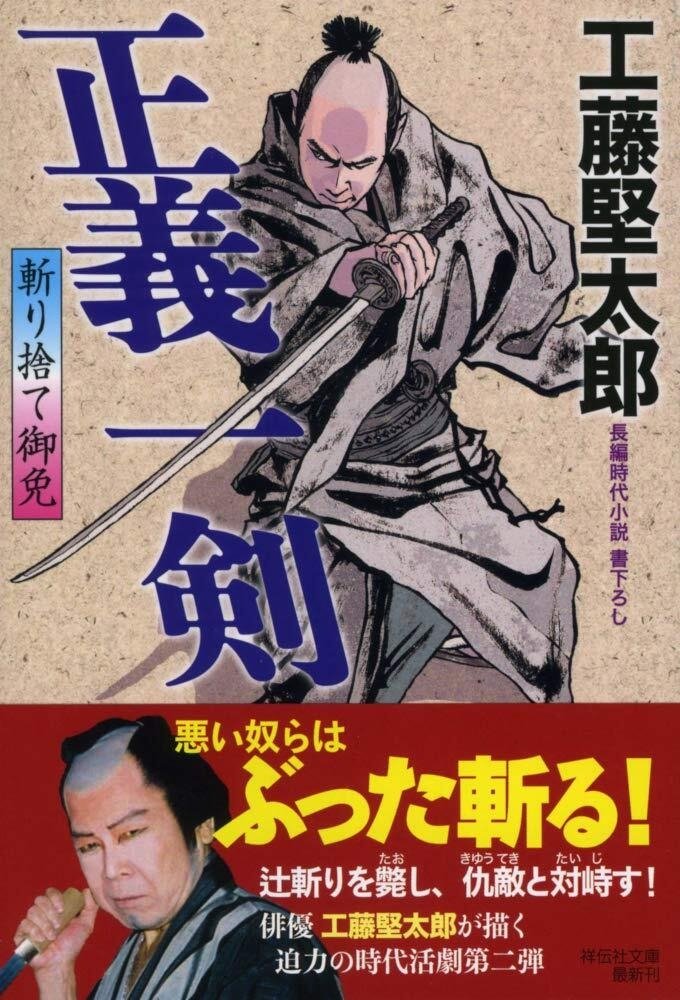
We're in Shamisen-bori of the bustling city of Edo. The officers of Guardhouse 36 monopolize the popularity in Edo. They're strong against evil, soft in compassion. Even the shogun depends on them. They're called the “Kirisute Bansho”... with a right to kill.
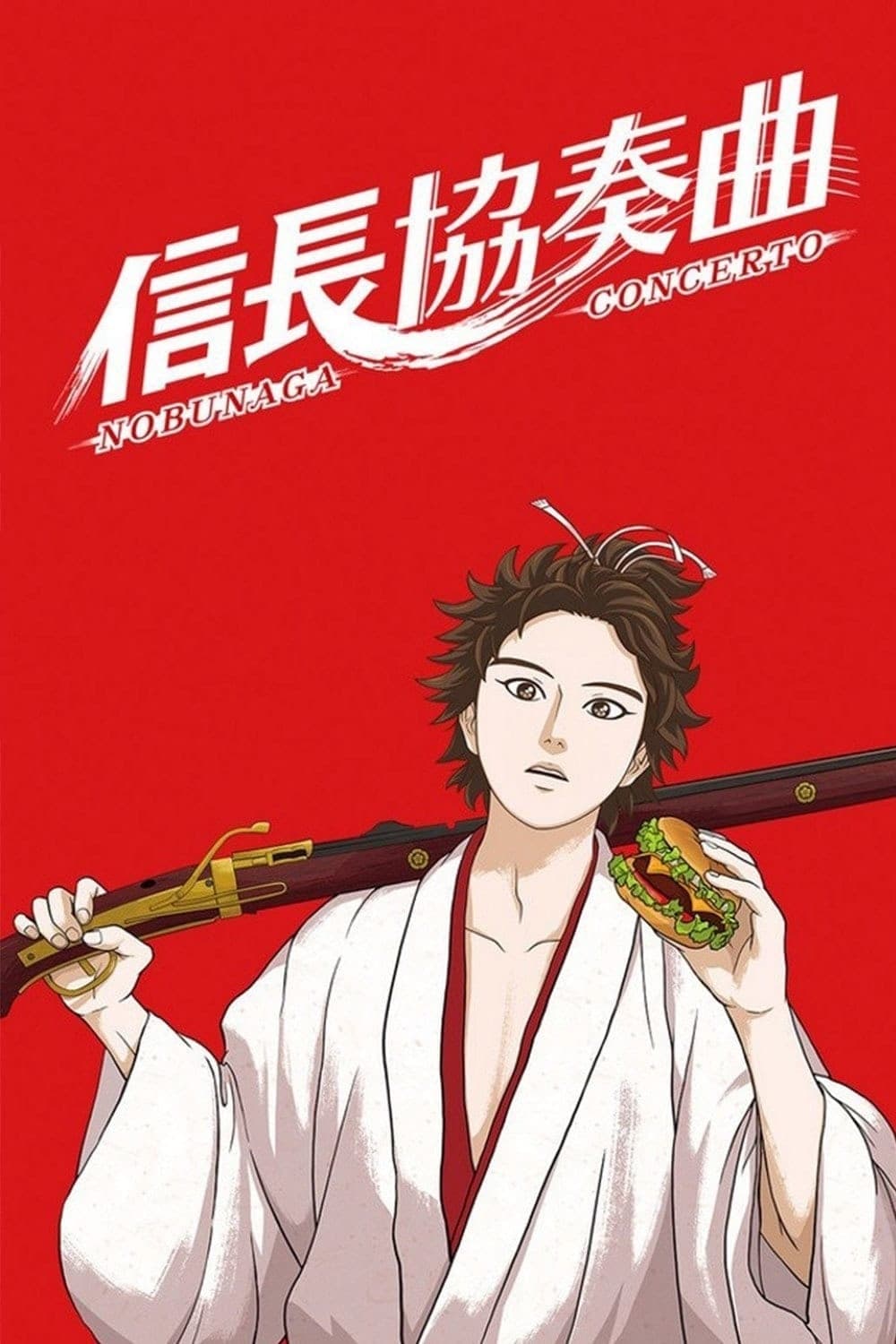
Saburo is a high school student good in sports, but not very good with his studies. One day, Saburo travels back in time and arrives in the Sengoku period of 1549. There, Saburo meets Nobunaga Oda who looks and sounds just like Saburo. Nobunaga Oda is the son of a warlord and magistrate of the lower Owari Province. Nobunaga Oda, though, is physically weak, and he asks Saburo to take his place. Then, Saburo as Nobunaga Oda attempts to unify the country of Japan.
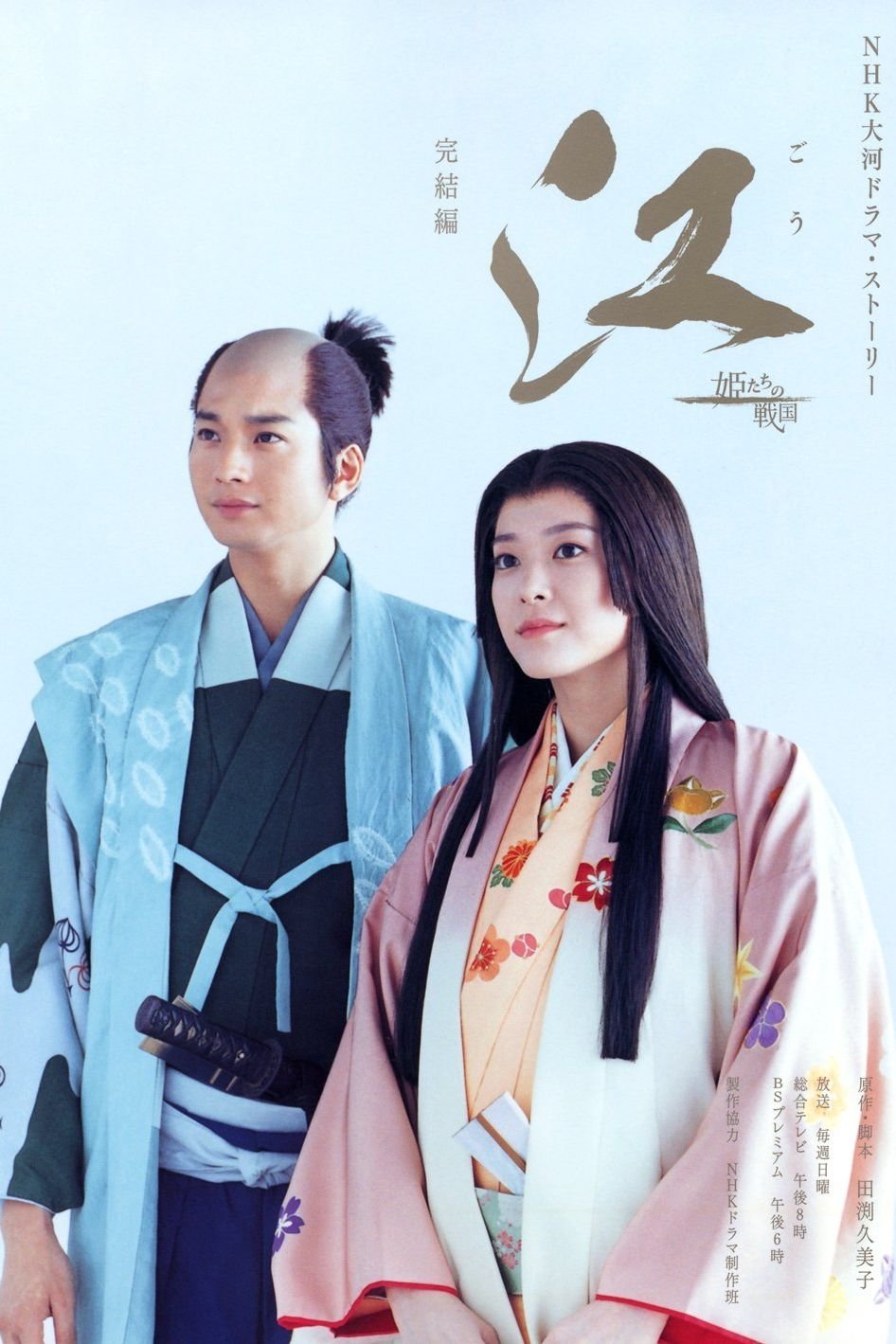
Princess Go was the youngest of the most famous three sisters in Japanese history, who each led a remarkable life in an age of turmoil and civil war. Go loses her parents in the war, marries three times, and feuds with her own sister in competing for power. Go's husband becomes the second Tokugawa Shogun and she ensures her prominence as she gives birth to a son who later becomes the third Shogun and a daughter, a wife of the Emperor. The drama describes the age of the civil war through the eyes of Princess Go, who plays a significant part in establishing the age of peace that lasts over 200 years in Japan.
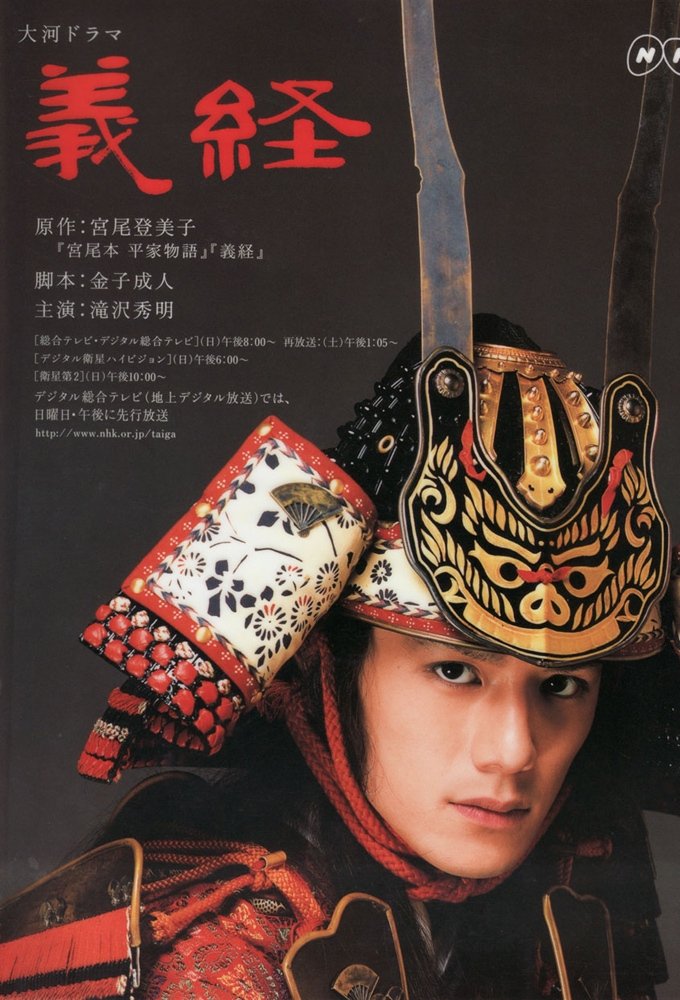
Yoshitsune is a Japanese television drama series originally broadcast between 9 January and 11 December 2005, with a three-part special compilation being aired from 24 December to 25 December 2005. The 44th Taiga Drama, the original work is by Miyao Tomiko, screenplay by Kaneko Narito and starring Hideaki Takizawa.
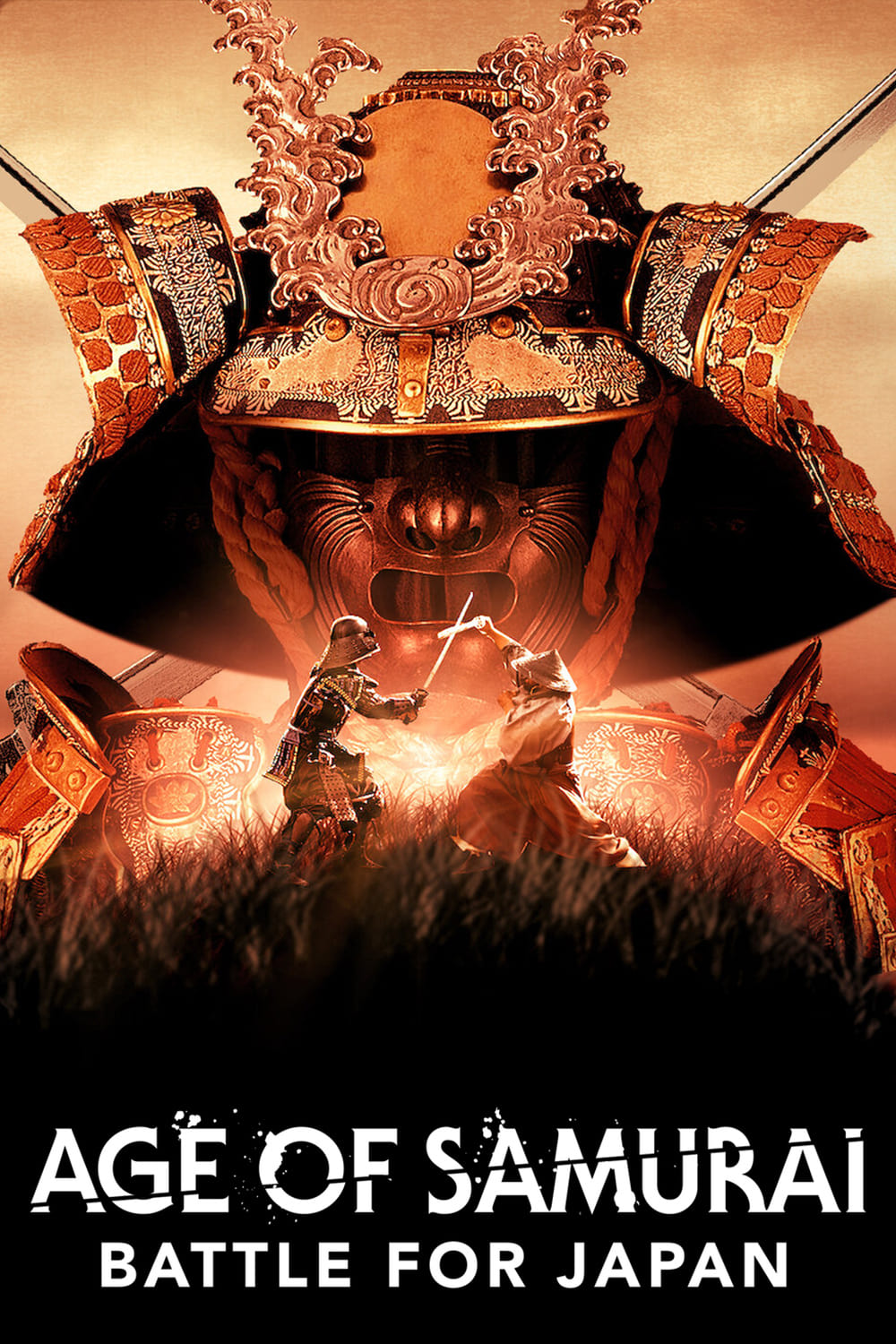
Dynamic reenactments and expert commentaries bring to life the tumultuous history and power struggles of a warring 16th-century feudal Japan.
Matsudaira Tadateru (Shin'ichi Chiba) the sixth son of Tokugawa Ieyasu that was stripped of his title and began life under an assumed name in the Red Light district of Edo. He solves crimes, heals the sick, saves the Geisha from evil Samurai and along the way he teams up with Yagyu Jubei (a role played numerous times by Chiba himself). Awesome Samurai Action.
Saburo is a high school student good in sports, but not very good with his studies. One day, Saburo travels back in time and arrives in the Sengoku period of 1549. There, Saburo meets Nobunaga Oda who looks and sounds just like Saburo. Nobunaga Oda is the son of a warlord and magistrate of the lower Owari Province. Nobunaga Oda though is physically weak and he asks Saburo to take his place. Then, Saburo as Nobunaga Oda attempts to unify the country of Japan.
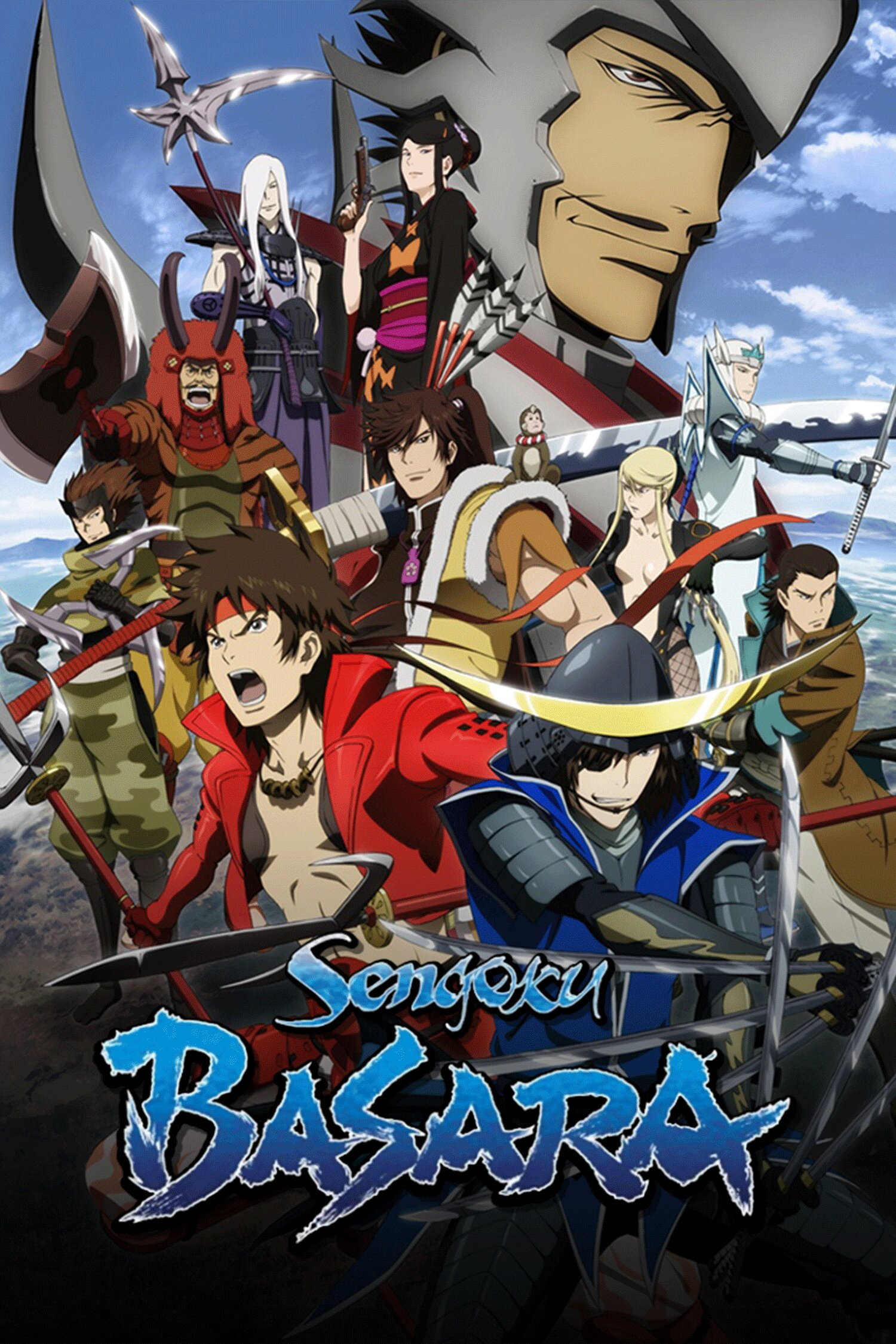
During the Sengoku period, there are many factions constantly at war. One of these is led by a one-eyed man named Date Masamune and another by the imposing Takeda Shingen. The latter has a fiercely loyal subordinate named Sanada Yukimura who goes head to head against Date Masamune multiple times, but the battles between them tend to get interrupted. One such battle occurs when both men try to go after another leader named Imagawa, and they’re forced to break off their heated duel when Imagawa attempts to flee the scene with his body doubles. Yukimura and Masamune go after separate Imagawas, but all of the doubles are killed by a third party, and when their paths cross again, they are in front of the menacing Oda Nobunaga and his army. It was Nobunaga’s subordinates that killed those body doubles, and Nobunaga himself proceeds to kill the real Imagawa with a shotgun blast to the head.
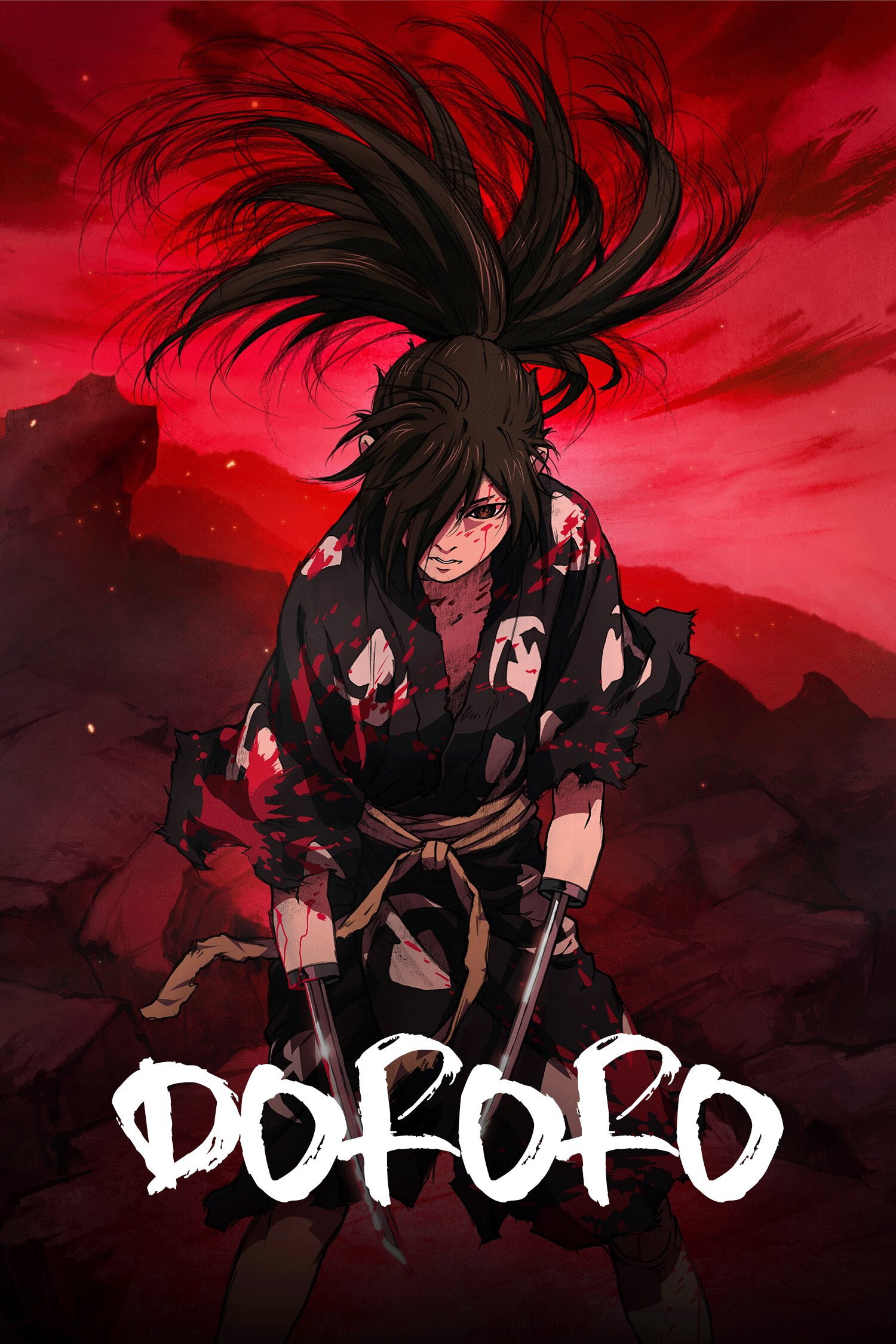
During the Warring States period, the young thief Dororo encounters Hyakkimaru, a strange, sightless boy who wields fearsome prosthetics in place of his missing limbs. Parts of Hyakkimaru’s body were traded to a group of 12 demons by his father in exchange for power, but thanks to a kindly medicine man, Hyakkimaru survived his horrifying ordeal. Now he roams the land in search of his missing body, and together he and Dororo will fight to survive in an unforgiving, demon-plagued world.
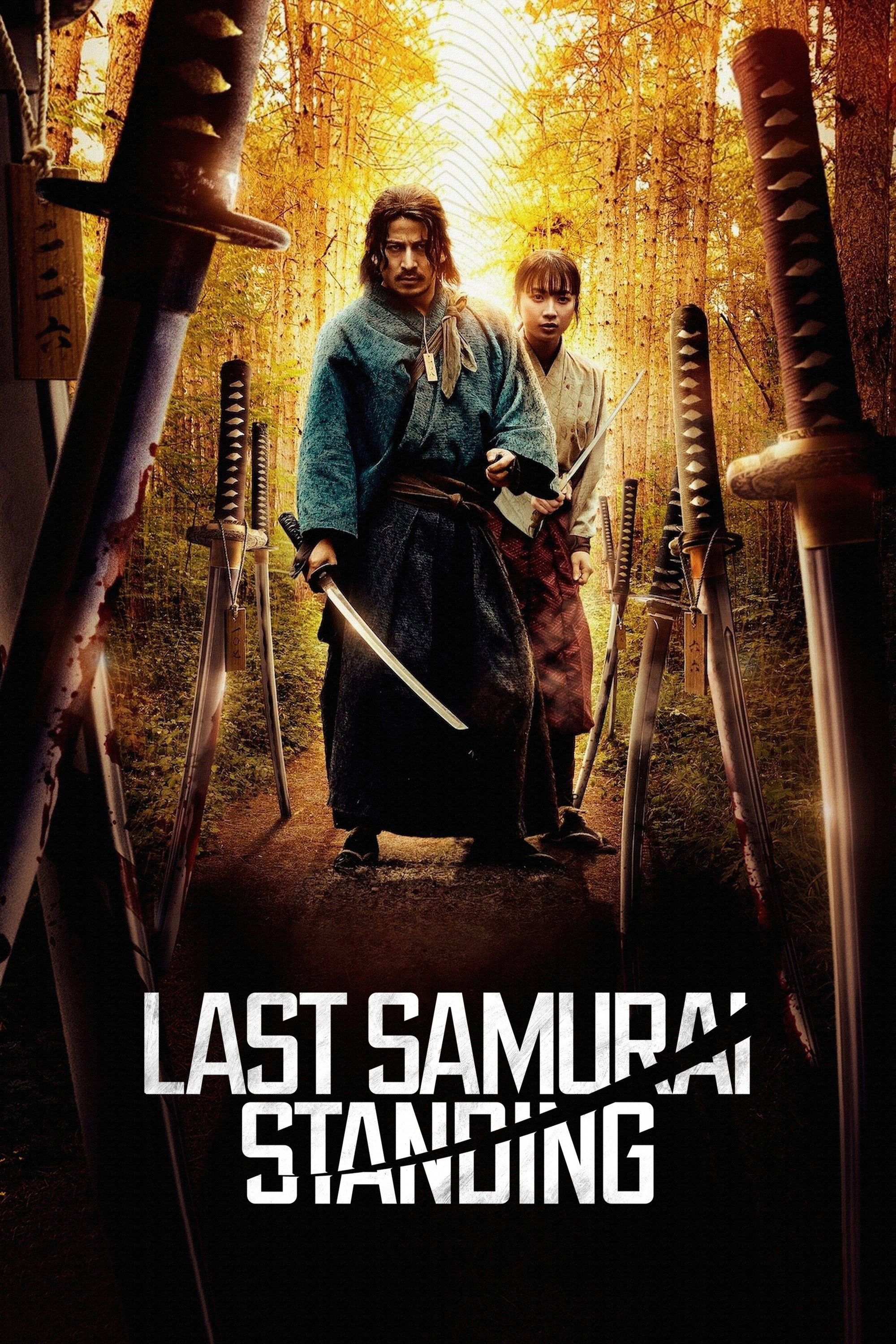
In the early Meiji era, Shujiro, once known as an undefeated samurai, decides to participate in a deadly survival game to save his family and villagers.
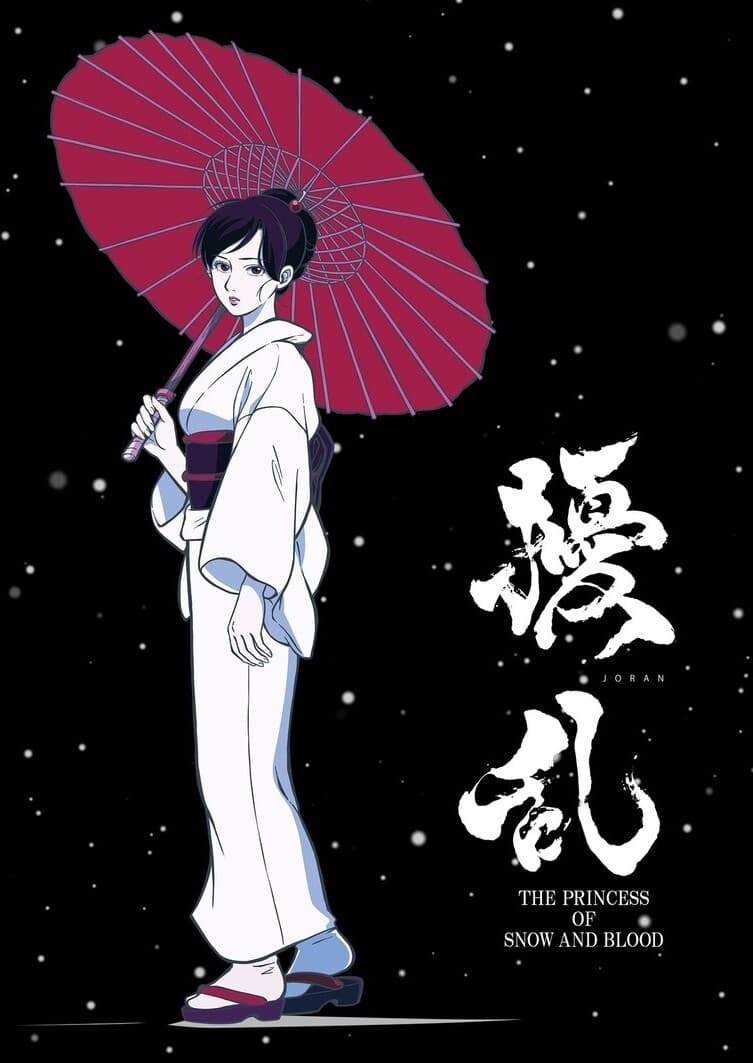
The year is 1931. Prince Tokugawa Yoshinobu holds absolute control over Japan. Remnants of the Meiji era’s culture can be seen around the city, but scientific technology and Japanese esoteric cosmology Onmyodo are also developing. Yet lurking behind the glitz is Kuchinawa, a dissident group planning the assassination of the prince. Tasked to extinguish these dissidents is Nue, the government’s secret executioner group. Sawa Yukimura, who works for this organization, suffered at the hands of the Kuchinawa boss. Her entire family was murdered and she dedicated her life to avenging their death.
An English navigator becomes both a player and pawn in complex political games in feudal Japan.
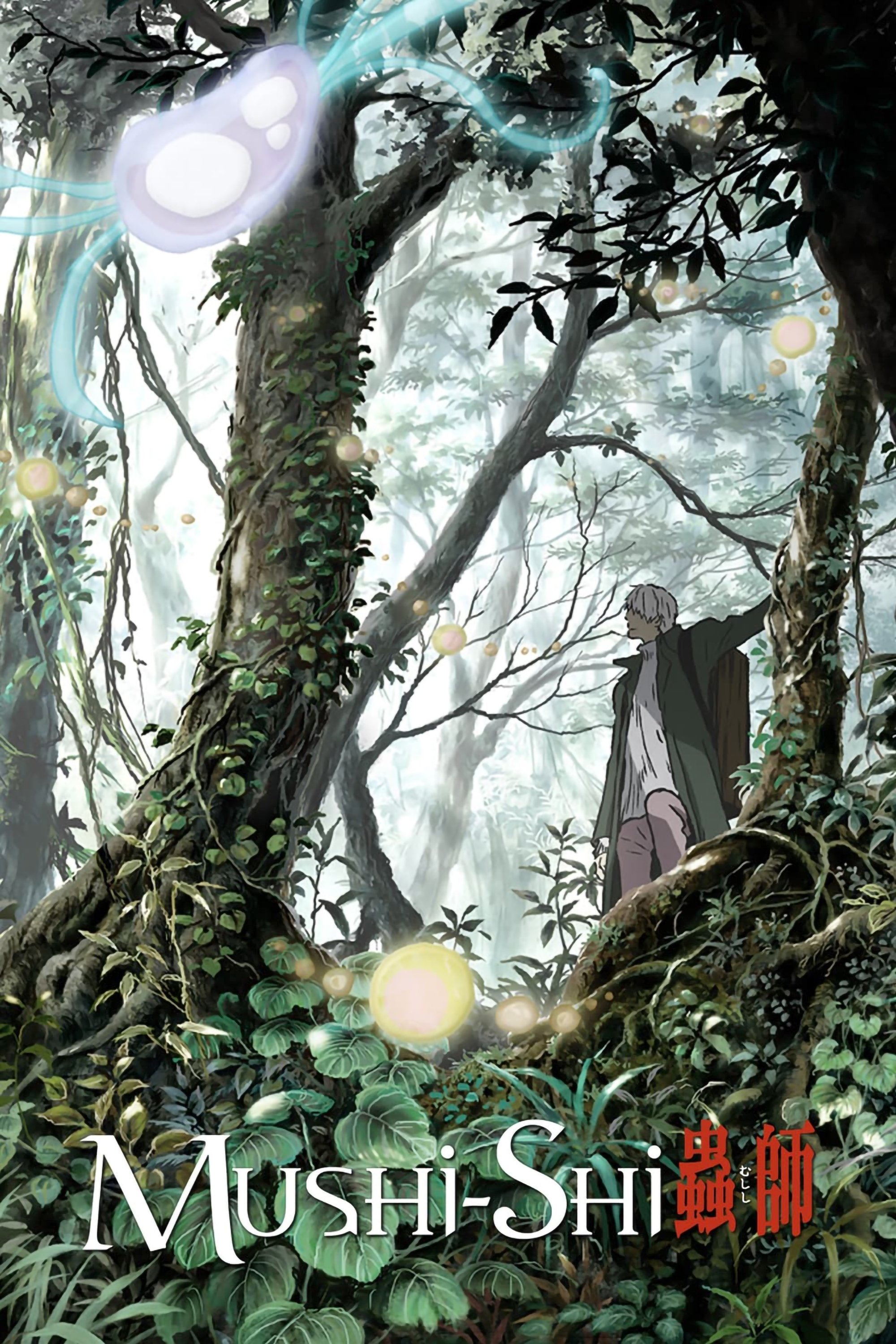
Ginko, a Mushi master, travels from place to place researching the Mushi and helping people who are suffering because of it.
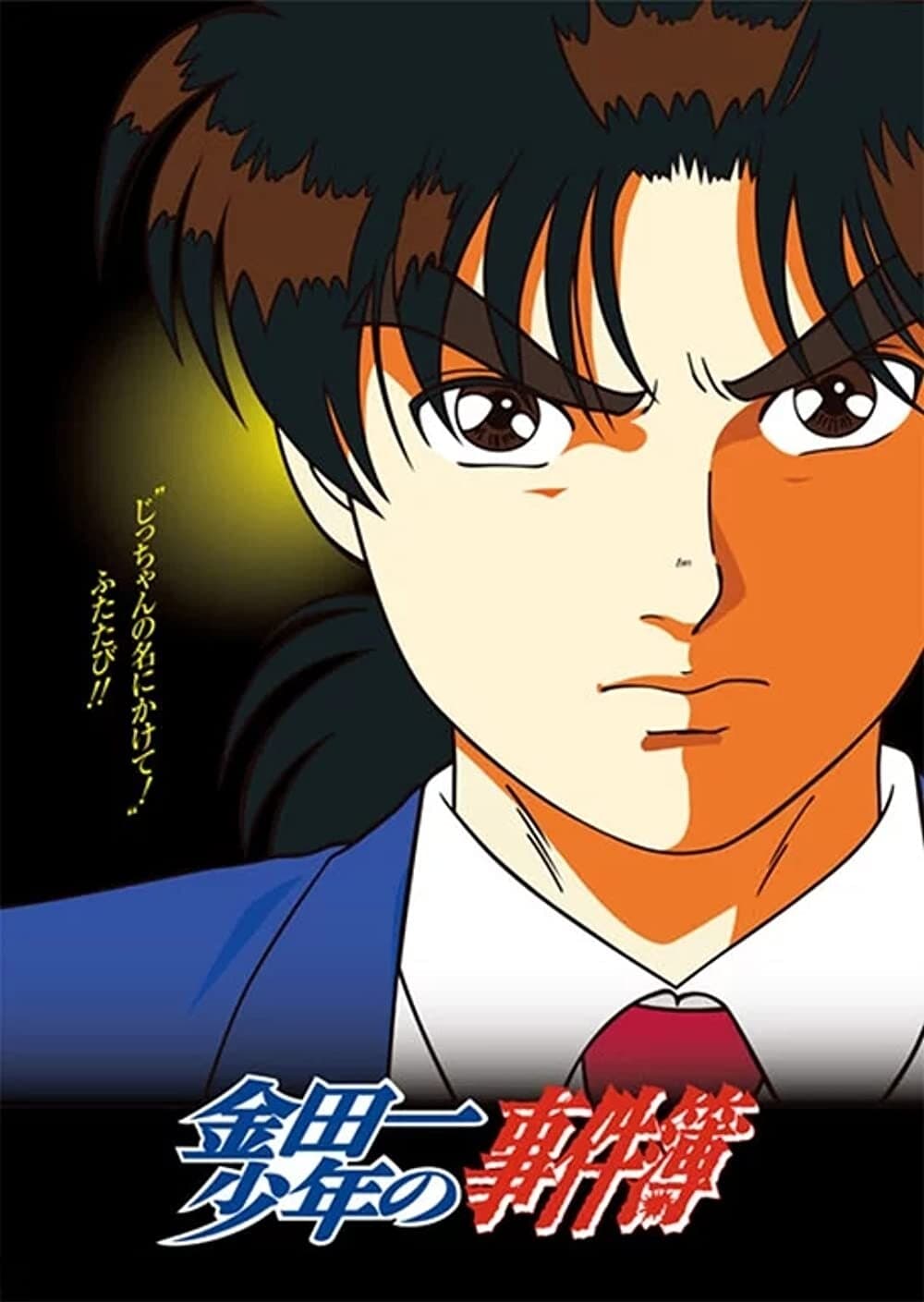
Kindaichi Hajime may look dumb, but he is one of the smartest you will ever see. He encounters mysteries after mysteries with his good friend, Miyuki, and he swears to solve them in the name of his grandfather, which was a great detective.
In this world, creatures like vampires and werewolves still walk about, but Aya Rindo can’t say the same for herself. This beautiful disembodied head, carried by her maid Shizuku Hasei, is a detective in search of her stolen body. One evening, they meet half-human Oni Slayer Tsugaru Shunichi, who offers a lending hand. Now, the trio is traveling through Europe, solving mysteries along the way.
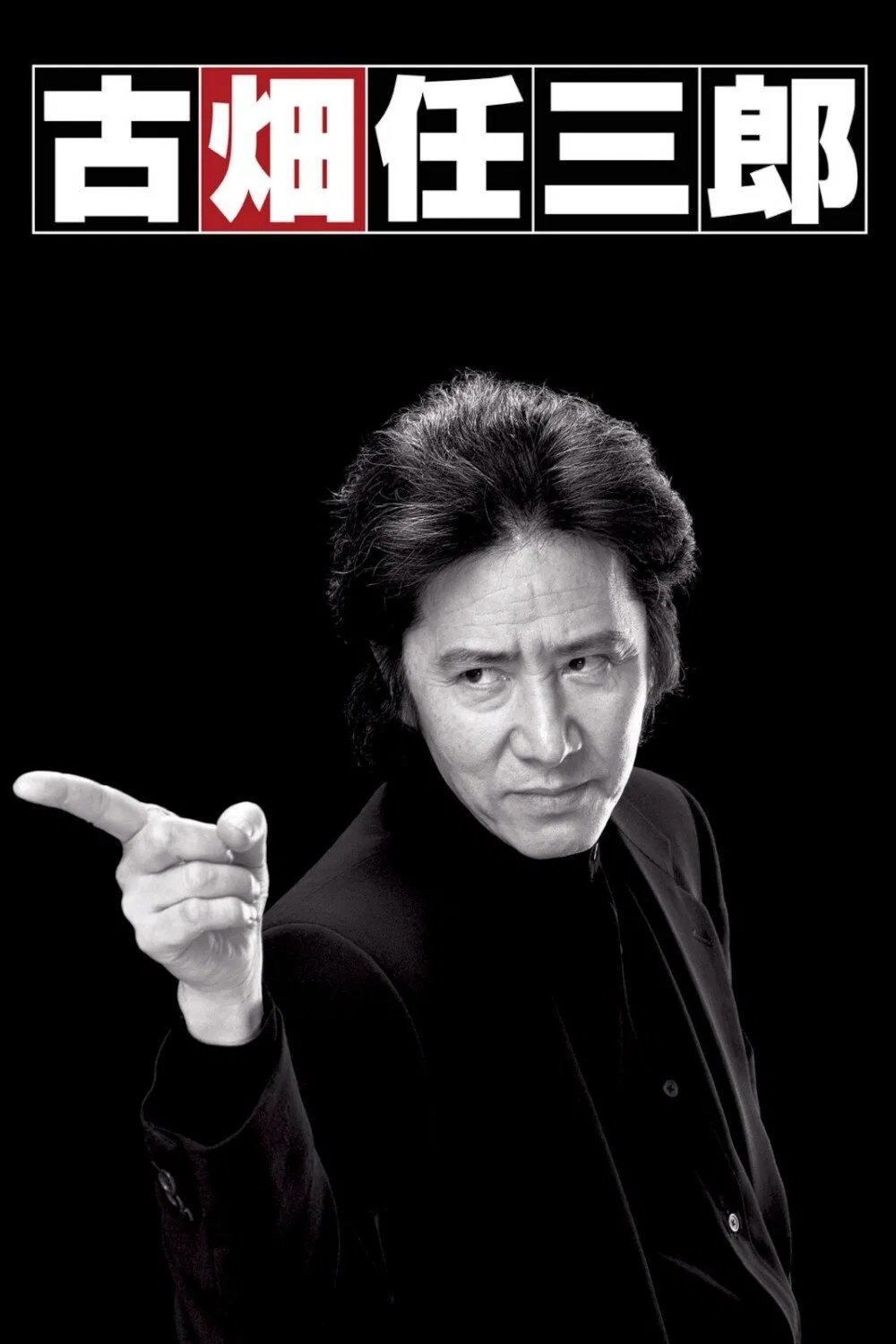
Furuhata Ninzaburō is a Japanese television series that ran periodically on Fuji Television from 1994 until its final episodes in 2006. It was written by Japanese playwright Kōki Mitani and is often referred to as the Japanese version of Columbo. The series is a police detective drama starring actor Masakazu Tamura as Furuhata Ninzaburo and Masahiko Nishimura as his stereotypically bumbling sidekick, Shintaro Imaizumi. The program aired weekly and featured a guest villain each time, usually a famous talent in Japan. Pop-stars like SMAP, television hosts like Sanma Akashiya and even sports figures like Ichiro Suzuki have been featured on this program. It was one of the most popular television dramas in the history of Japanese television, having spawned several seasons and TV specials.
Ten years have passed since the end of Bakumatsu, an era of war that saw the uprising of citizens against the Tokugawa shogunate. The revolutionaries wanted to create a time of peace, and a thriving country free from oppression. The new age of Meiji has come, but peace has not yet been achieved. Swords are banned but people are still murdered in the streets. Orphans of war veterans are left with nowhere to go, while the government seems content to just line their pockets with money.
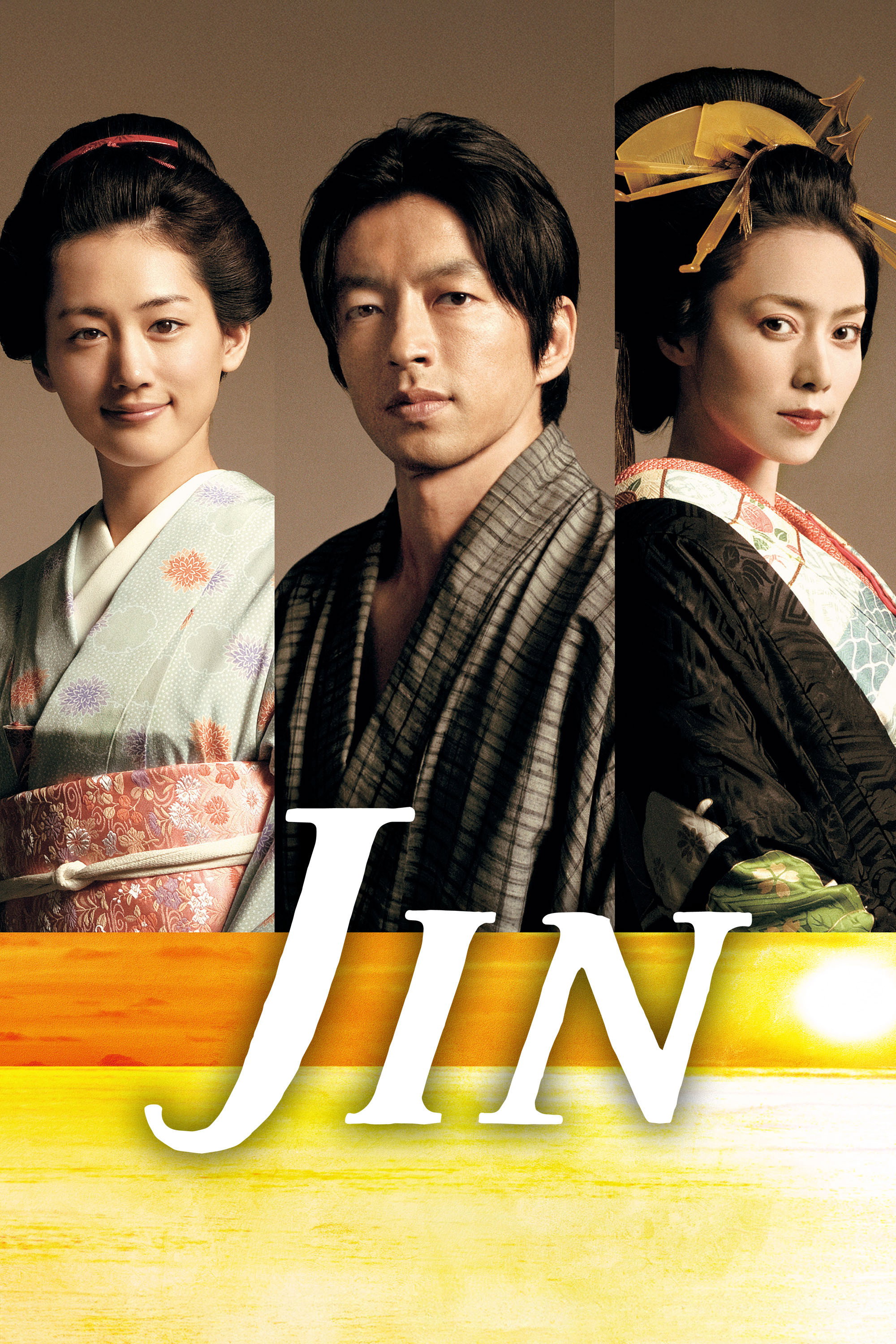
After awakening in the Edo era, a neurosurgeon uses his medical knowledge to help those around him while searching for a way back to the present day.
A young orphan named Biwa is taken in by the powerful Taira Clan—also known as the Heike—after their leader witnesses her extraordinary psychic abilities. Unfortunately, what she predicts is a future of bloodshed, violence, and civil war. Inspired by the 12th-century epic tale Heike Monogatari.
In the Taiheimeji era, the Tokugawa shogunate values breasts highly, equating them with wealth and status. The Manyu Clan, government allies, know secret techniques for breast enhancement, detailed in a scroll. Chifusa, the clan's heir, flees with this scroll, rebelling against the oppressive norms set by her clan.
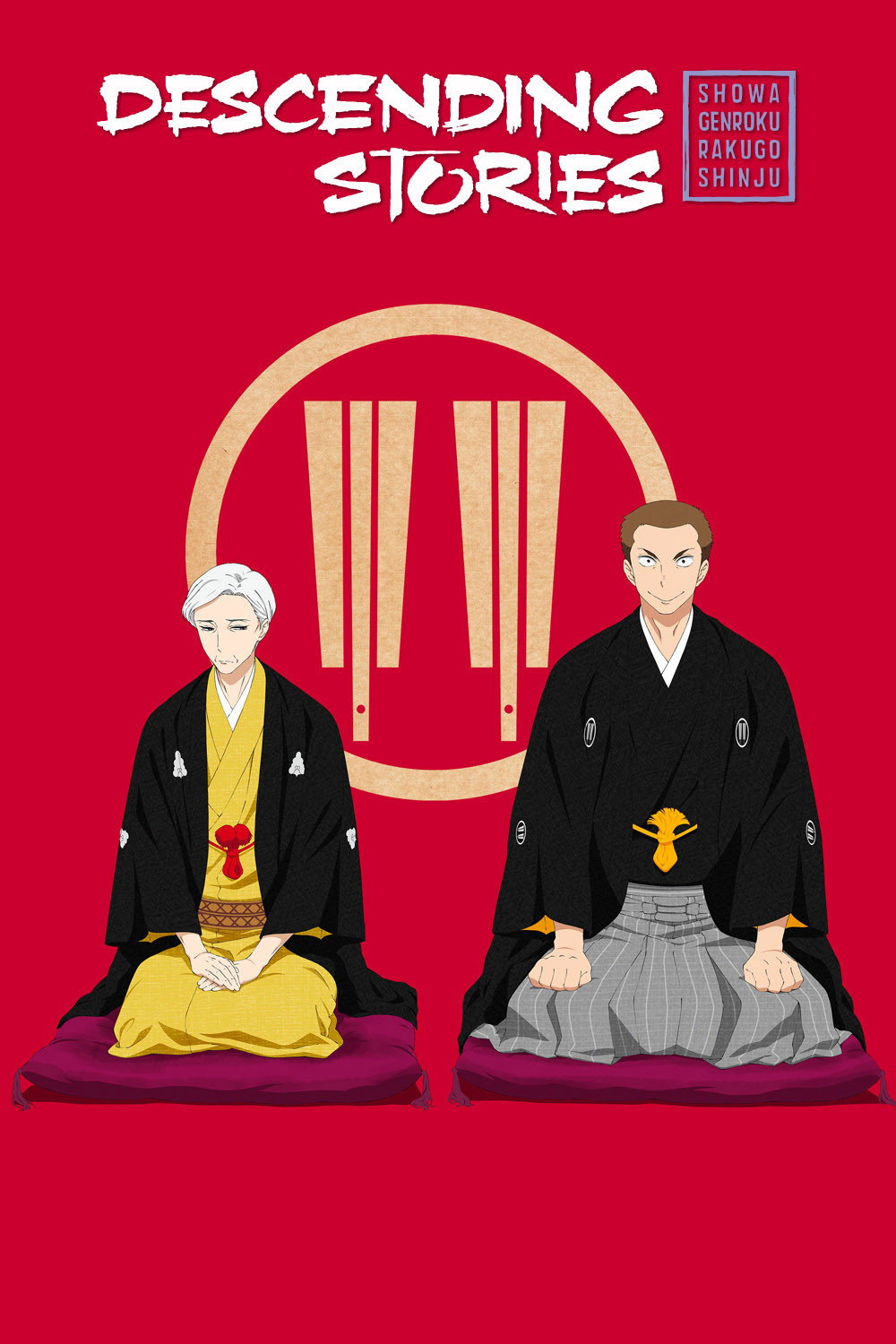
When a certain man is released from prison, he knows exactly where he's heading first. After falling in love with a traditional comic storyteller's rendition of the story called "Shinigami," he is determined to become his apprentice. The performer, Yakumo, has never taken an apprentice before, but to everyone's surprise, he accepts the eager ex-prisoner, nicknaming him "Yotaro." As Yotaro happily begins his new life, he meets others in Yakumo's life, including Yakumo's ward Konatsu. Konatsu was the daughter of a famous storyteller, and Yakumo took her in after her father's tragic death. Konatsu loved her father's storytelling, and would love to become a performer in her own right—but that path is not available for women.
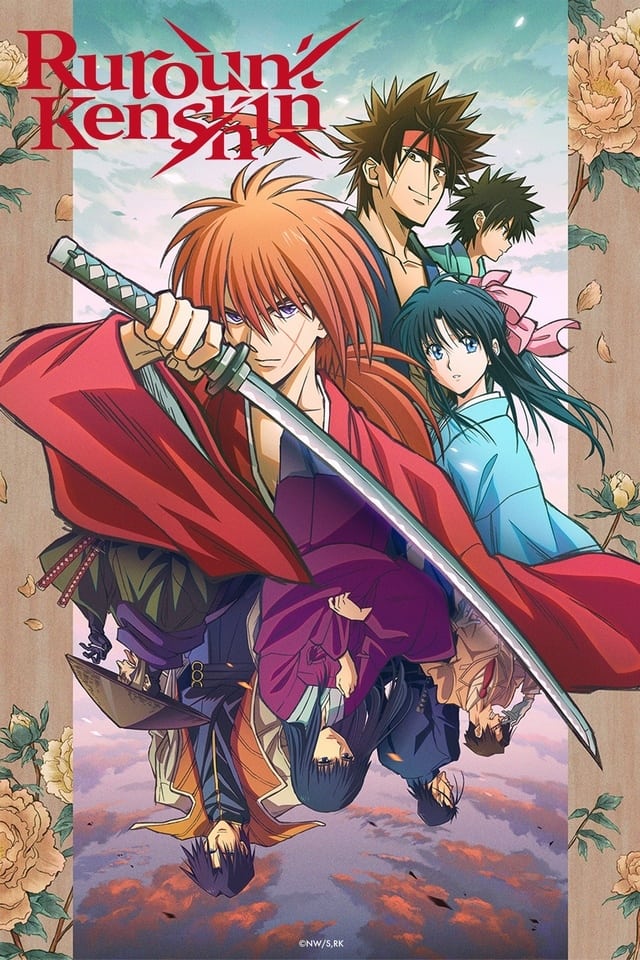
The Meiji Era was one of great renewal for Japan, where swords and killing were outlawed. However, many survivors from the time of Revolution still live, lurking in the shadows and waiting for a chance to use their killing blades again. Only Kenshin Himura, formerly one of the most brutal of killers, hopes to keep his swordsman's honor and still live in the new era.
Kagome Higurashi is a modern day young girl who lives with her family by the old Higure shrine. Unbeknownst to Kagome, she is the reincarnation of priestess Kikyo and posseses the "Jewel of Four Souls" (the Shikon jewel). One ill-fated day, Kagome locates an ancient well near her home and is abruptly transported through the well and into a feudal Japan, inhabited by demons. There, she encounters Inuyasha, son of a powerful demon father and a human mother, who is pinned to a tree by an enchanted arrow.
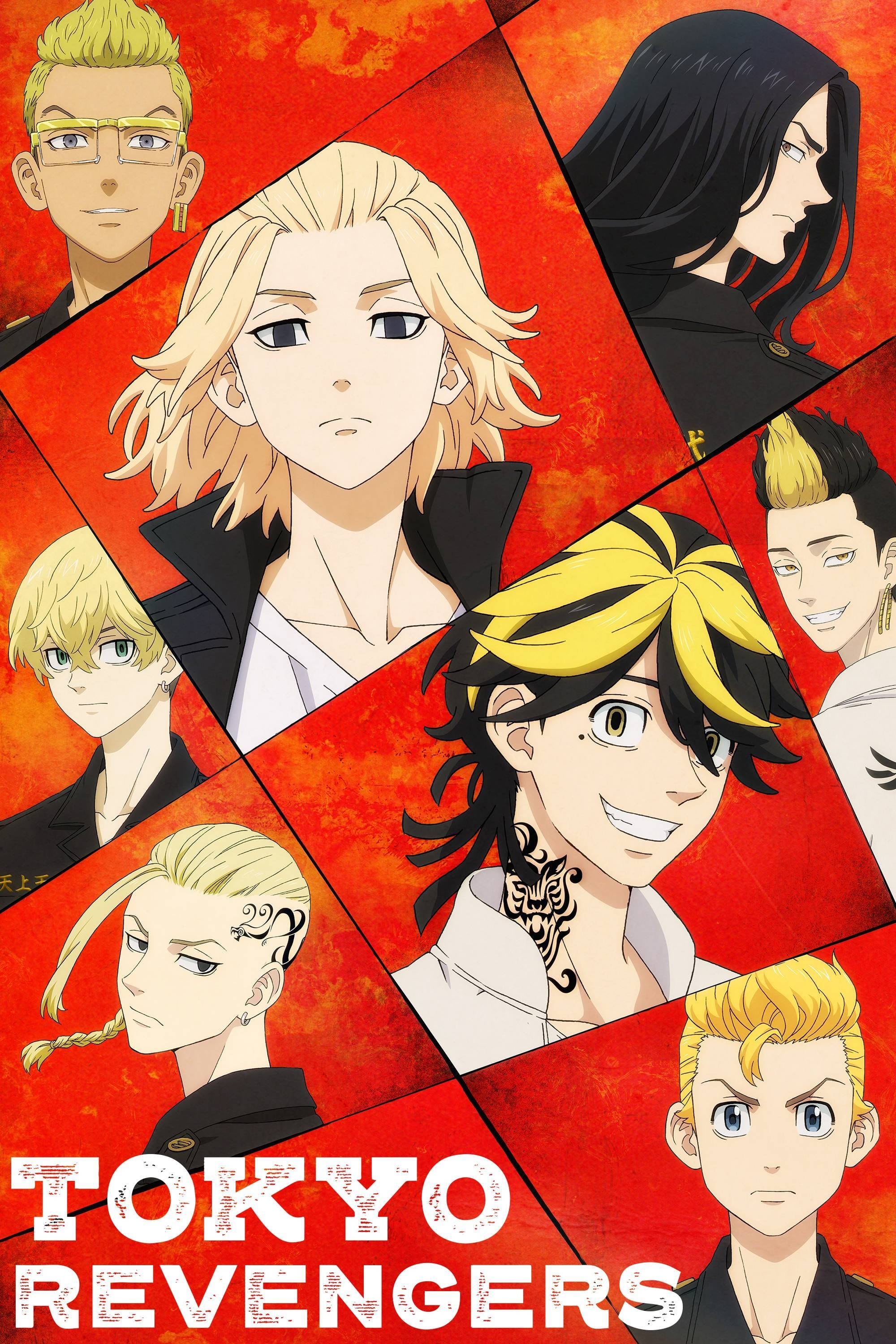
Takemichi Hanagaki is a freelancer that’s reached the absolute pits of despair in his life. He finds out that the only girlfriend he ever had, in middle school, Hinata Tachibana, had been killed by the ruthless Tokyo Manji Gang. The day after hearing about her death, he’s standing on the station platform and ends up being pushed over onto the tracks by a herd of people. He closes his eyes thinking he’s about to die, but when he opens his eyes back up, he somehow had gone back in time 12 years. Now that he’s back living the best days of his life, Takemichi decides to get revenge on his life.
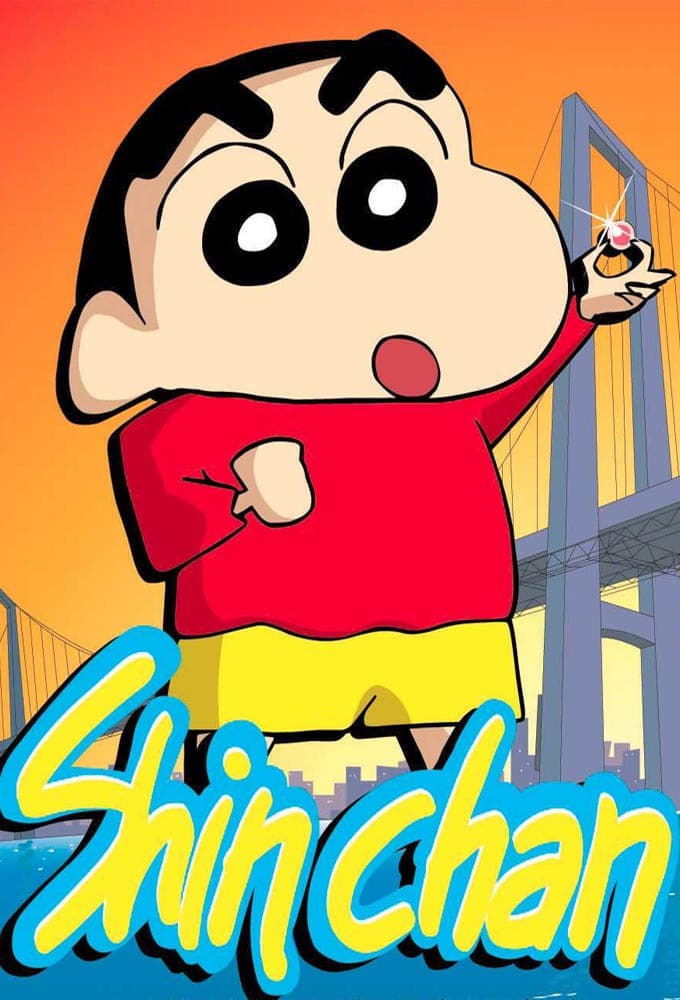
Shin-chan, the boy next door, is a walking disaster, creating chaos wherever he goes. With the body of a child and the mind of an adult, Shinchan is wreaking more havoc than any child before. Shin-chan is carefree, optimistic and gets excited about everything. This 5 year-old likes to do things his way.