Social & External
The people behind it
Koji Yakusho
Miyamoto Musashi
Yuko Kotegawa
Otsu
Hidekazu Nagae
Kimiko Ikegami
Akemi
Koji Ishizaka
Kôetsu Honami
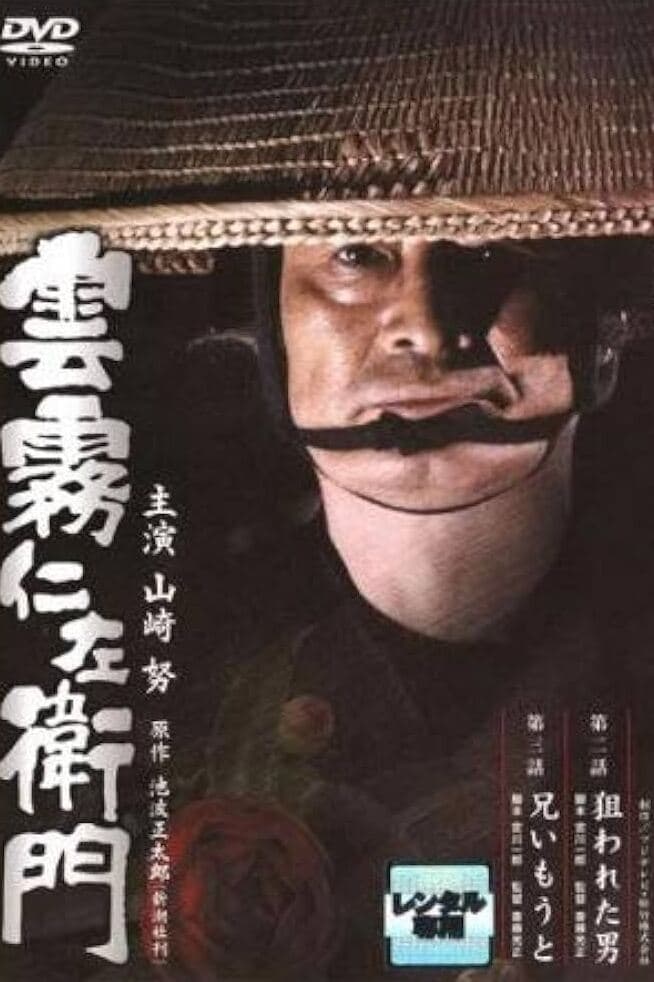
A Japanese television jidaigeki that was broadcast in prime-time in 1995 on Fuji TV. It is based on Shōtarō Ikenami's novel of the same title and stars Tsutomu Yamazaki. In the Kyōhō period, there was a group of bandits called Kumokiri from the people of Edo. Tokugawa shogunate appoints Abe Shikibu a head post of the Hitsuke Tōzoku Aratamegata to arrest Kumokiri clan.
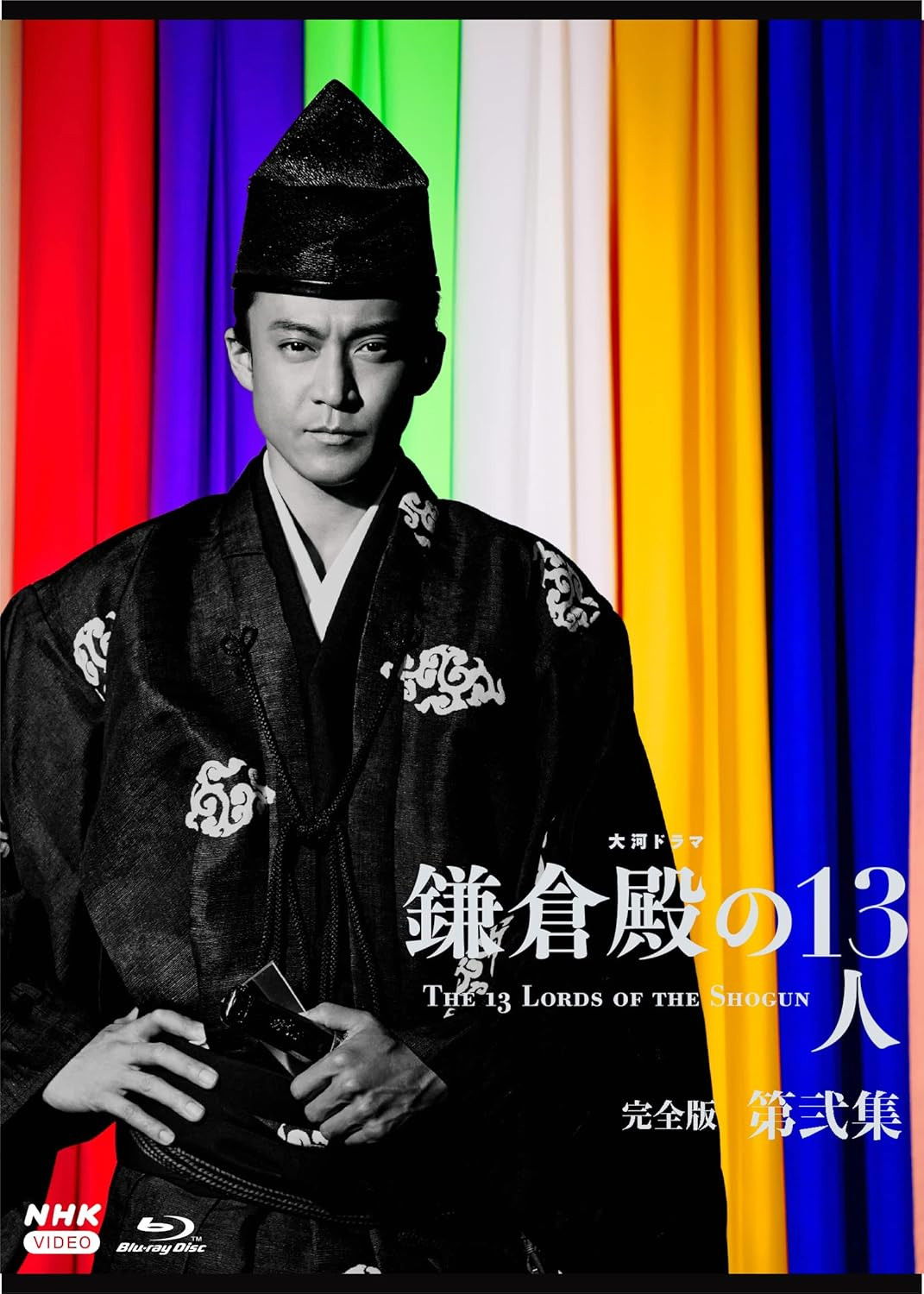
Following the ascension to power of Taira no Kiyomori, the Minamoto clan is exiled. Minamoto no Yoritomo meets Masako, the sister of Hōjō Yoshitoki and later marries her. Following this marriage, the gears of Yoshitoki's destiny begin to turn.
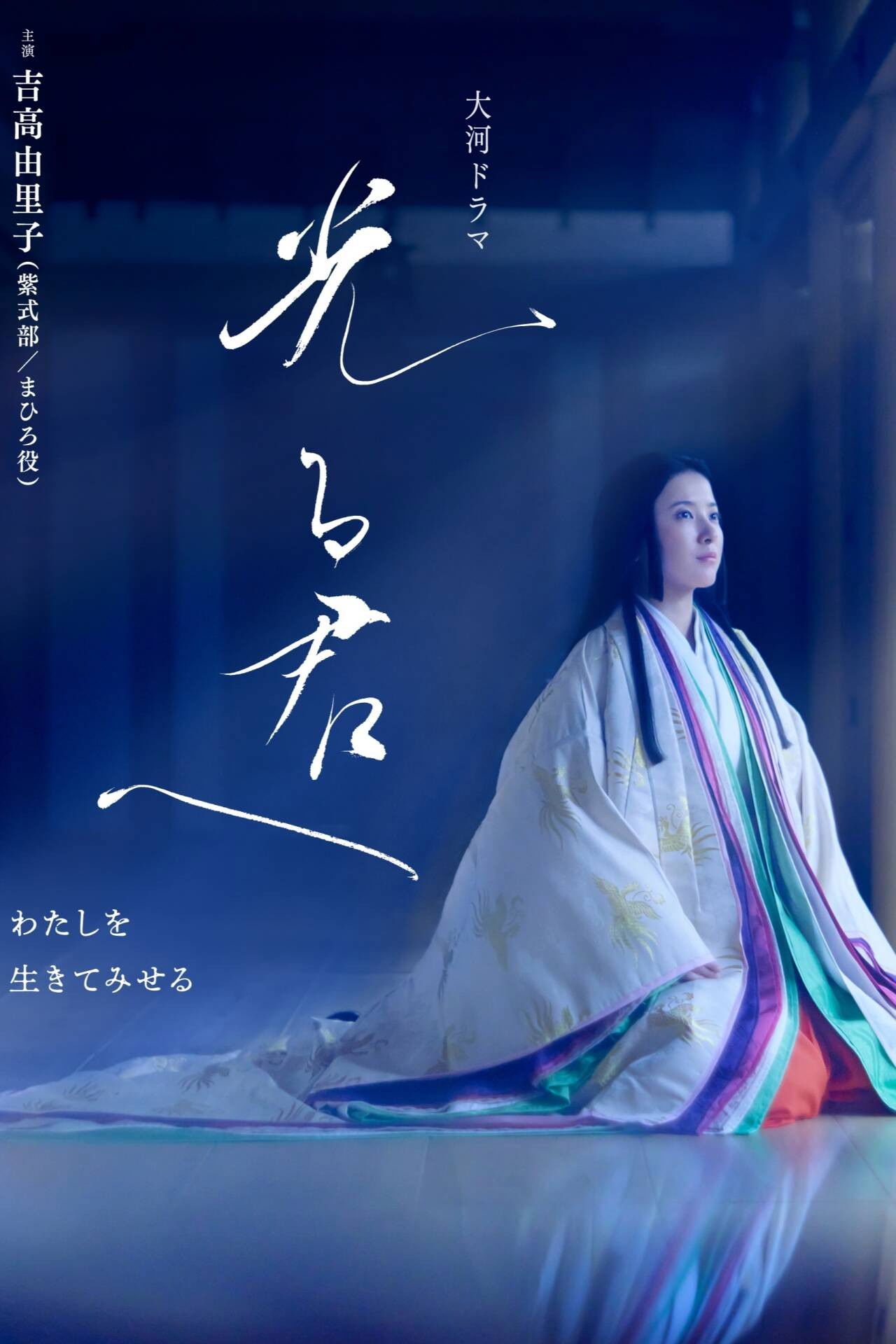
Murasaki Shikibu (Yoshitaka Yuriko), the heroine of this story, wrote the bestseller 'The Tale of Genji,' transcending a thousand years during the Heian period. She weaves the story of Hikaru Genji, fueled by her love for Fujiwara no Michinaga (Emoto Tasuku), with her hidden passion and incomparable imagination. It is a tale of a woman who lived with unchanging love in an ever-changing world. (From TV JAPAN)
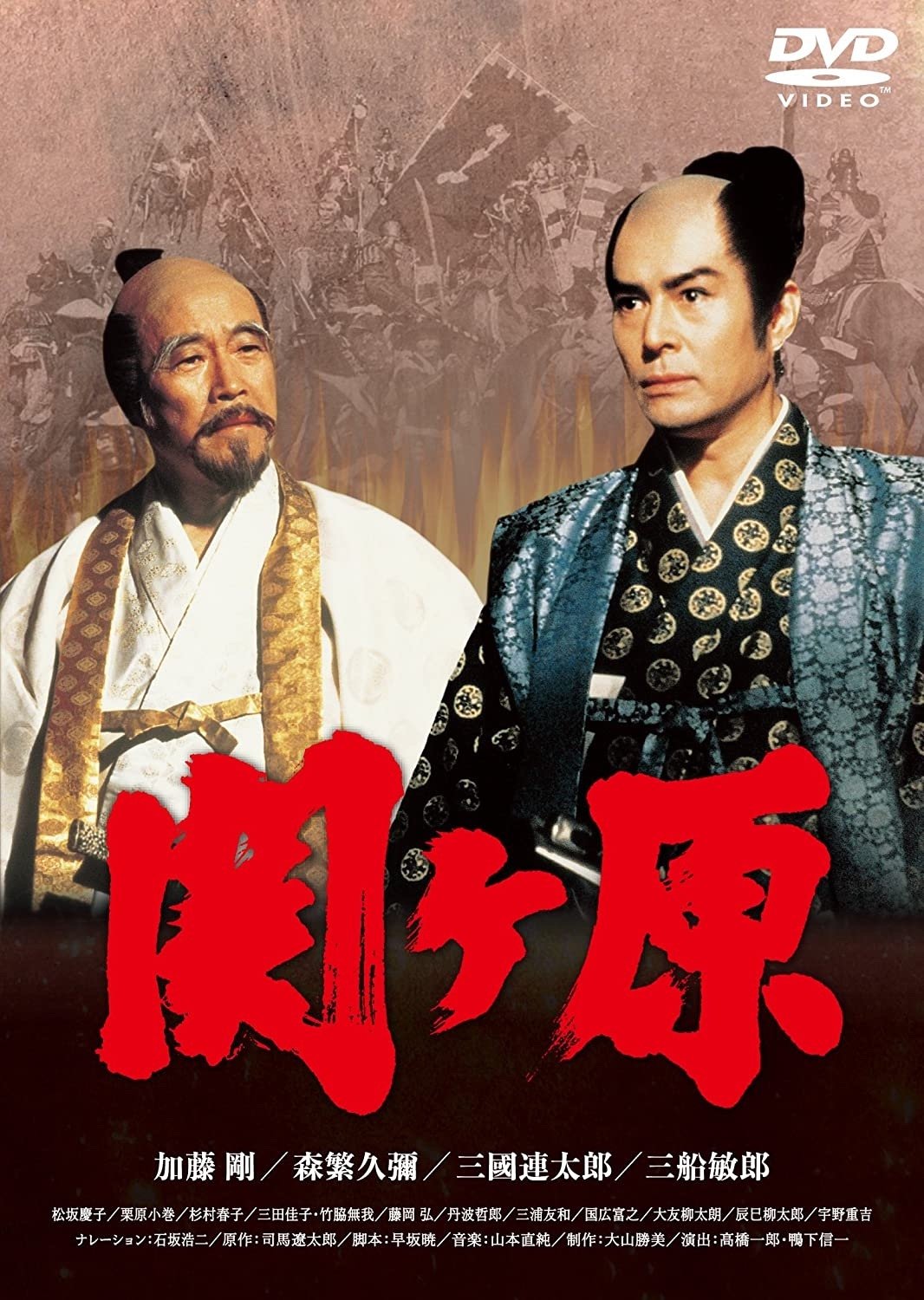
Blockbuster drama based on the novel Sekigahara by Ryotaro Shiba, a program dedicated to the 30th anniversary of TBS. A total of 120 actors, 3,500 extras and about 500 horses recreated the largest battle in history, the Battle of Sekigahara, in which 200,000 warriors clashed from east and west. The battle, which can be called a turning point in the history of Japan, depicts the conflict, love and hate between people on a grand scale and with a great cast.
Koheita, a newly appointed magistrate, never shows his face in the magistrate's office, instead spending his time in the 'Horisoto', a den of evil where anything goes, from theft to prostitution to murder. However, this man is about to clean up the city in an unconventional way!
Humanistic detective stories that took place in an inn called 'Kawasemi'.
The newest installment in Fuji TV's "Ooku" series is about the women linked to the Tokugawa shogun line. This time, the focus is on Isonomiya Tomoko and her political marriage to the 10th shogun, Tokugawa Ieharu.
In Japan in the year 1600, at the dawn of a century-defining civil war, Lord Yoshii Toranaga is fighting for his life as his enemies on the Council of Regents unite against him, when a mysterious European ship is found marooned in a nearby fishing village.
The Ooku of Edo Castle was a mysterious existence that could not be seen from the outside for 300 years in Tokugawa. Love and hate, and fierce power struggles were fought among the women day and night.
The story chronicles the life of Tokugawa Ieyasu.
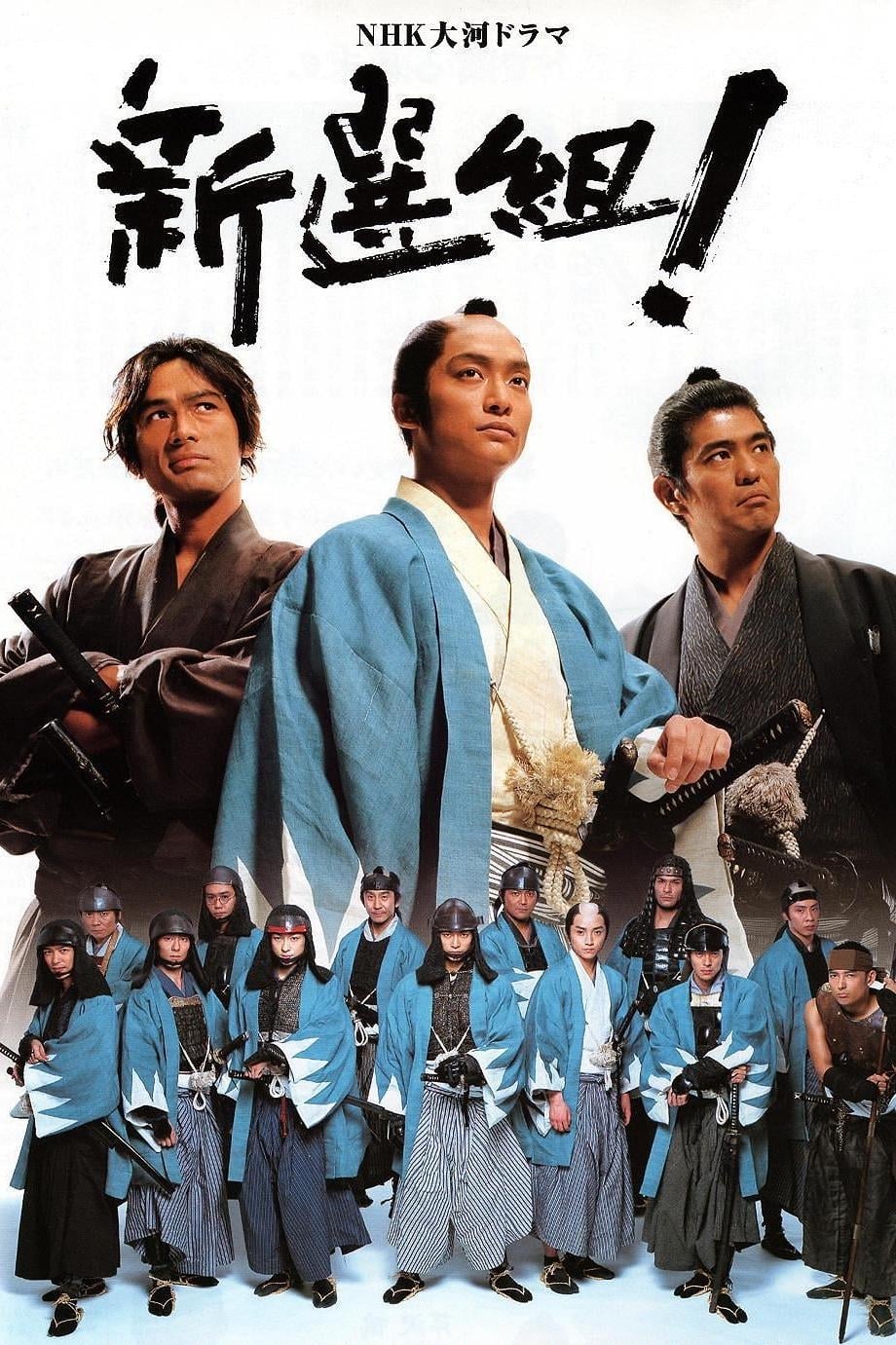
Shinsengumi! is a Taiga drama television series produced by Japanese broadcaster NHK. It was a popular drama about the Shinsengumi, a Japanese special police force from the Bakumatsu period.
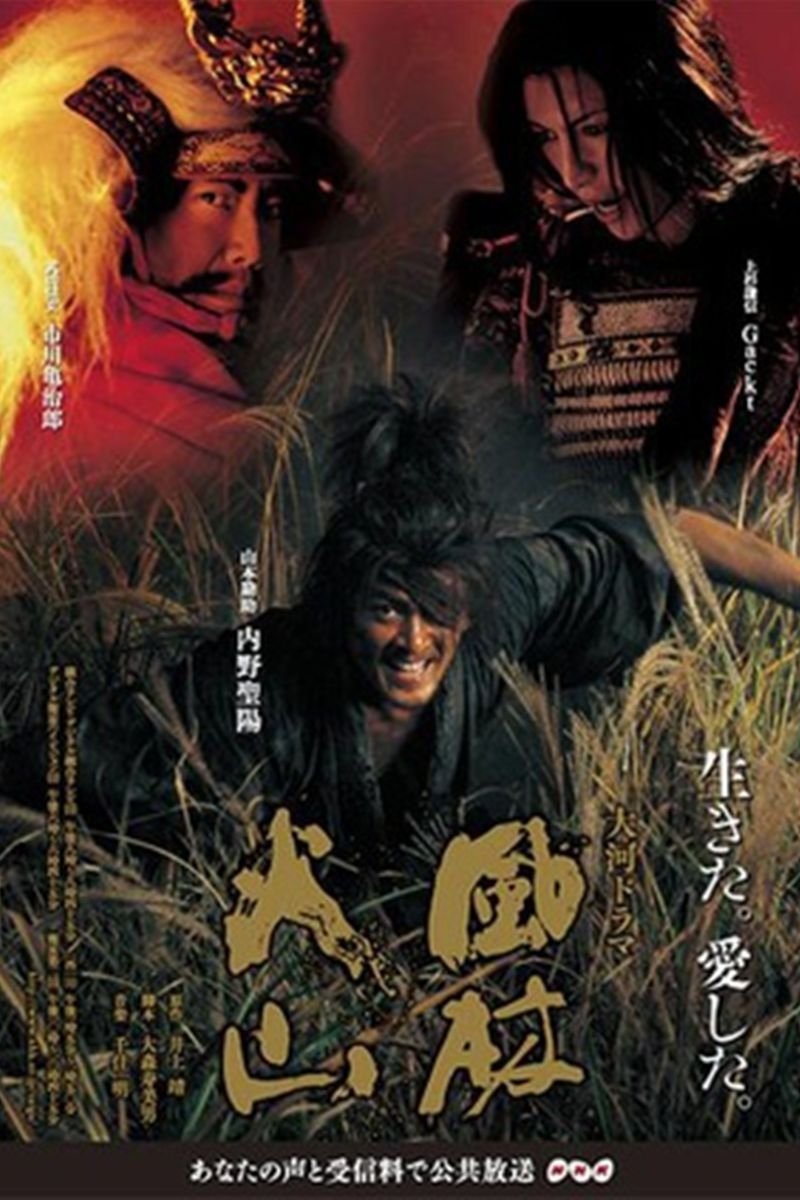
Fūrin Kazan was the 46th NHK Taiga drama beginning on January 7, 2007. It was aired throughout 2007. The four characters from left to right are wind, woods, fire, and mountain. The title is a reference to the war banner used by Takeda Shingen, which in turn was taken from Sun Tzu's The Art of War. It means "Swift as the Wind, Silent as a Forest, Fierce as Fire and Immovable as a Mountain."
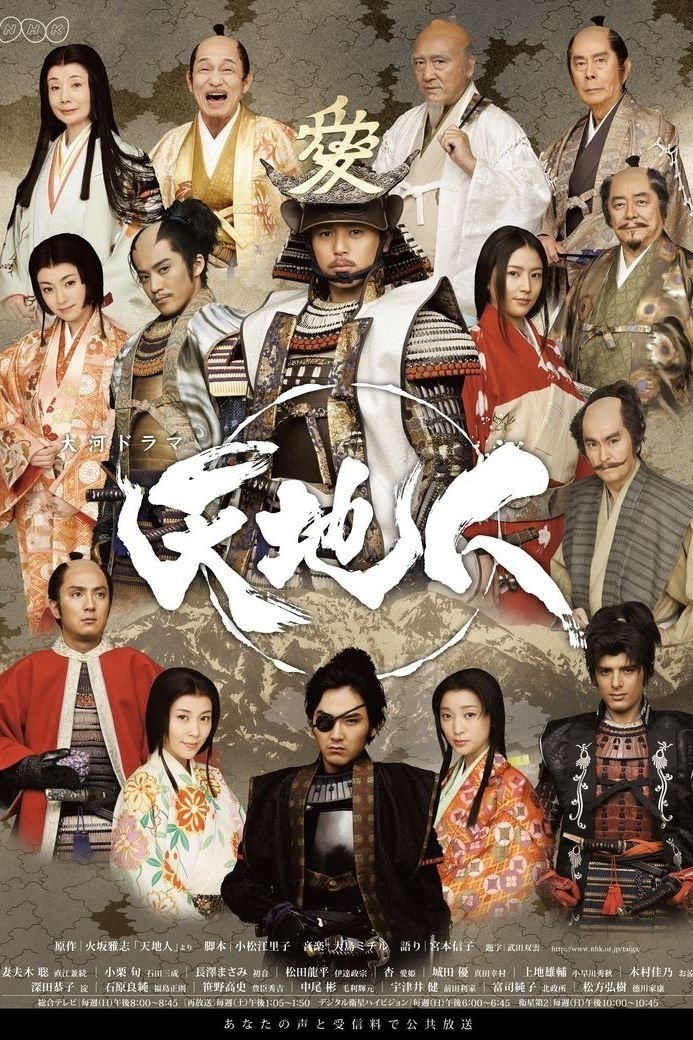
Tenchijin is the 48th NHK Taiga drama. It airs on NHK from January 4, 2009 every Sunday from 20:00 to 20:44 JST to November 22, 2009 spanning 47 episodes. The story centers on the life of the 16th century samurai Naoe Kanetsugu. Production began on April 27, 2007. The story is based on the novel Tenchijin by Masashi Hisaka and was adapted for screen by scriptwriter Eriko Komatsu. The series' music composer was Michiru Oshima. The protagonist of the drama, Naoe Kanetsugu, was taught by Uesugi Kenshin in his youth that to conquer the world is a trifling matter, but what matters is to live one's life with righteousness. After Uesugi's death, Naoe supports Uesugi Kagekatsu, who holds the destiny of Echigo province.
A dramatization of Ryotaro Shiba's novel of the same title about the life of Kobayashi Sahē, a chivalrous man who actually existed at the end of the Edo period.
A story set in the mid-1800's about a young doctor who has been trained in Western-style medicine and a young samurai who is trying to live up to the old traditions of his class and culture. The story is actually based upon real people - the doctor, Ryo-an, was Tezuka's great grandfather. The manga series was adapted to anime by Madhouse Studios and premiered in Japan on NTV on April 4, 2000.
At the beginning of the Edo Era, when people enjoyed a time of peace, Lord Tokugawa Tadanaga holds a fighting tournament. In the past, matches were fought with wooden swords. This time, real swords will be used. One-armed Fujiki Gennosuke and blind Irako Seigen will fight each other in this match. Both are disciples of Iwamoto Kogan, who is known as Japan's greatest swordsman. Each of them are determined to prove himself the successor of Iwamoto's school. However, there can only be one champion. So begins a story of intertwining fates, conflict, and strange destinies.
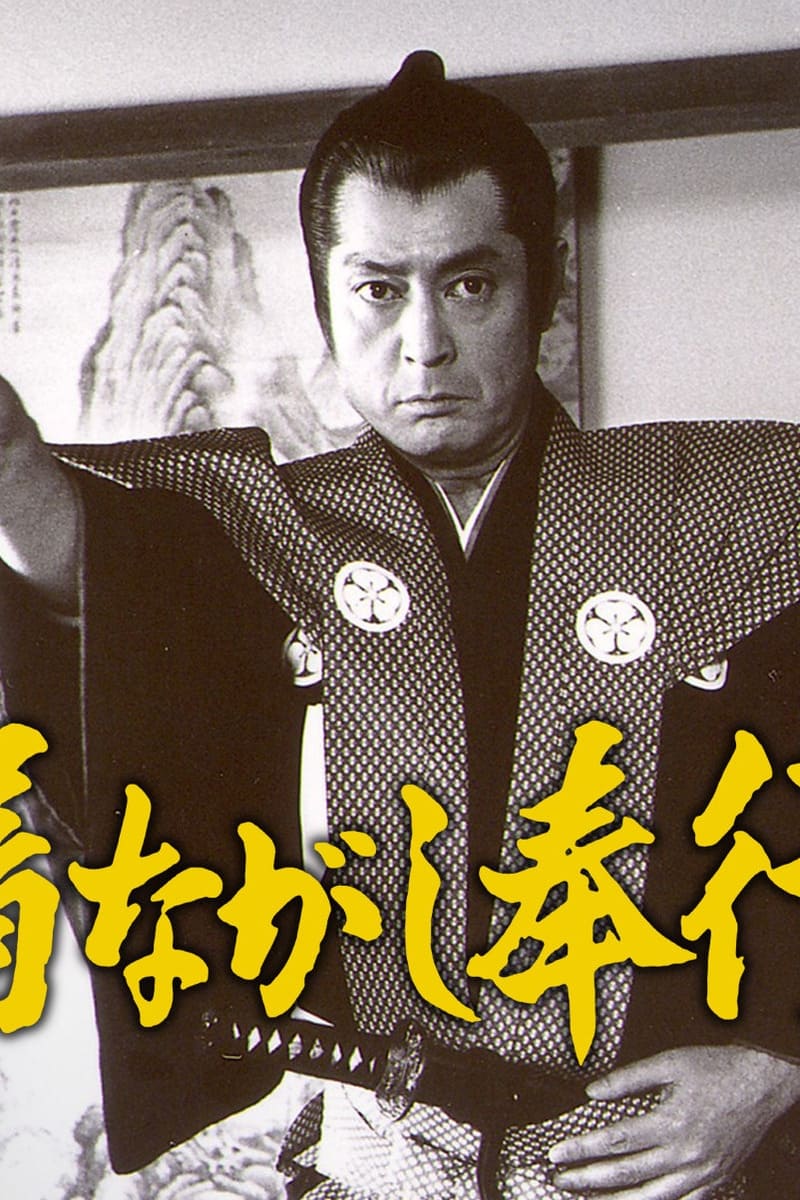
We're in Shamisen-bori of the bustling city of Edo. The officers of Guardhouse 36 monopolize the popularity in Edo. They're strong against evil, soft in compassion. Even the shogun depends on them. They're called the “Kirisute Bansho”... with a right to kill.
Botan Dōrō is a Japanese ghost story that is both romantic and horrific; it is one of the most famous kaidan in Japan. The plot involves sex with the dead and the consequences of loving a ghost.
A human drama based on the "Date Riots".
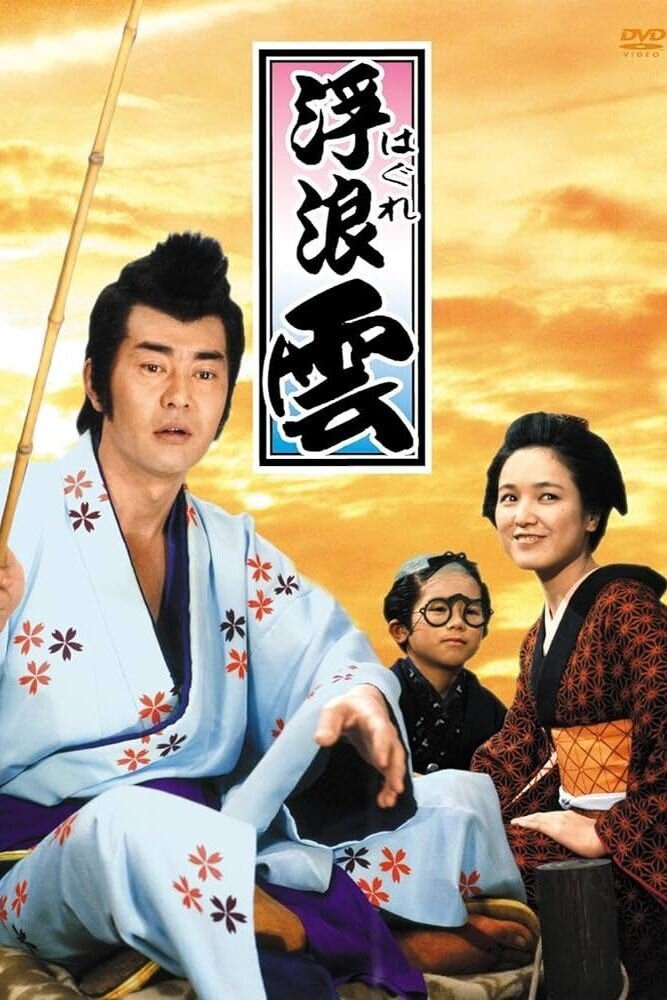
Set at the end of the Edo period, the series depicts Kumo's family with his wife, Kame, their 11-year-old son, Shinnosuke. Kumo is always ignoring work and playing and he is also notorious for womanising.
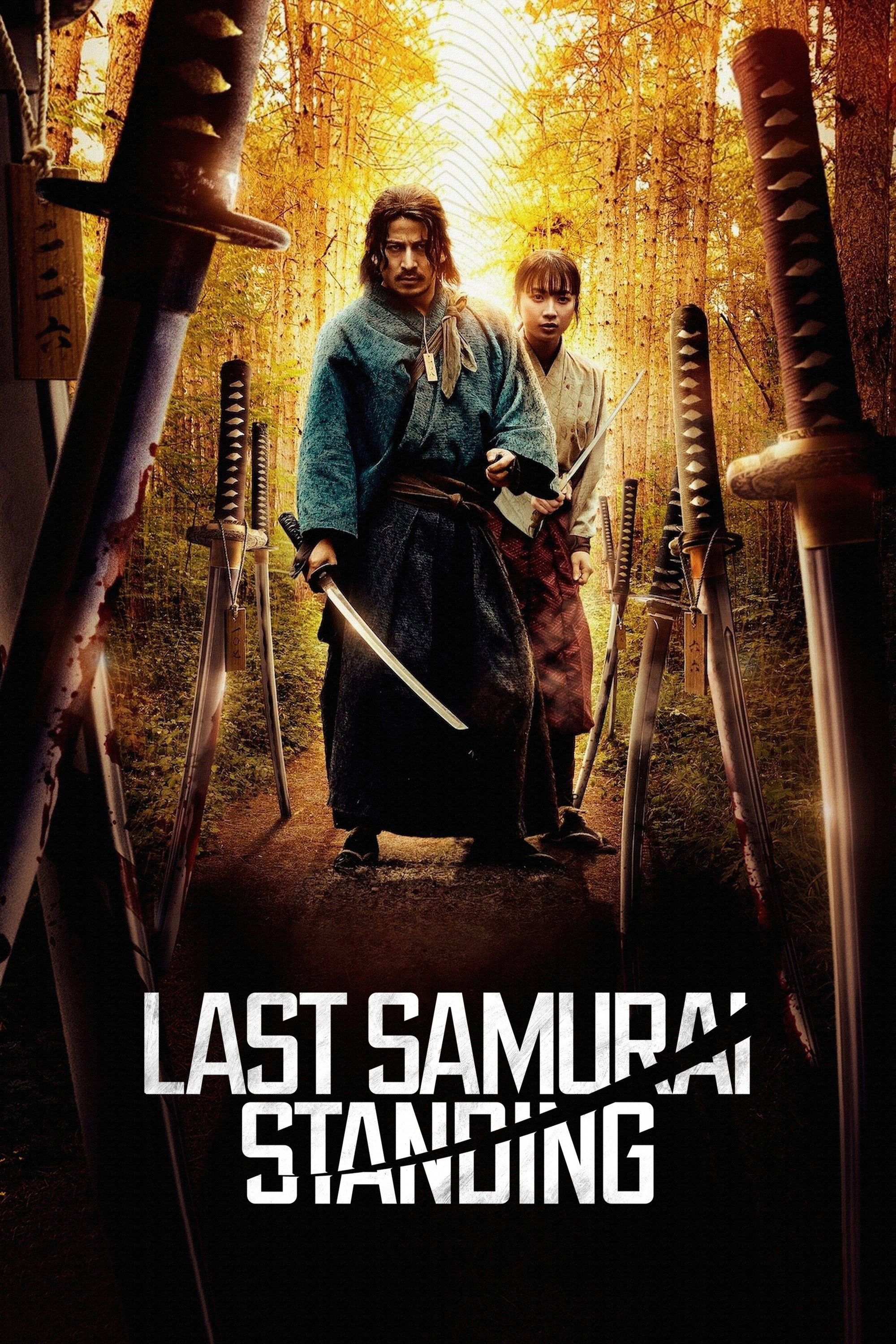
In the early Meiji era, Shujiro, once known as an undefeated samurai, decides to participate in a deadly survival game to save his family and villagers.
After awakening in the Edo era, a neurosurgeon uses his medical knowledge to help those around him while searching for a way back to the present day.
Freelance programmer Sakagami is paralyzed in the lower half of his body and confined to a wheelchair. He sets up a company called dele.LIFE in partnership with a law firm established by his late father. At the request of clients, Sakagami works together with a freelance jack-of-all-trades Mashiba to delete all unfavorable digital records of their clients left in their computers and smartphones after they die. They are not supposed to see inside the files but when they feel something strange in the client’s death, they cannot help getting involved.
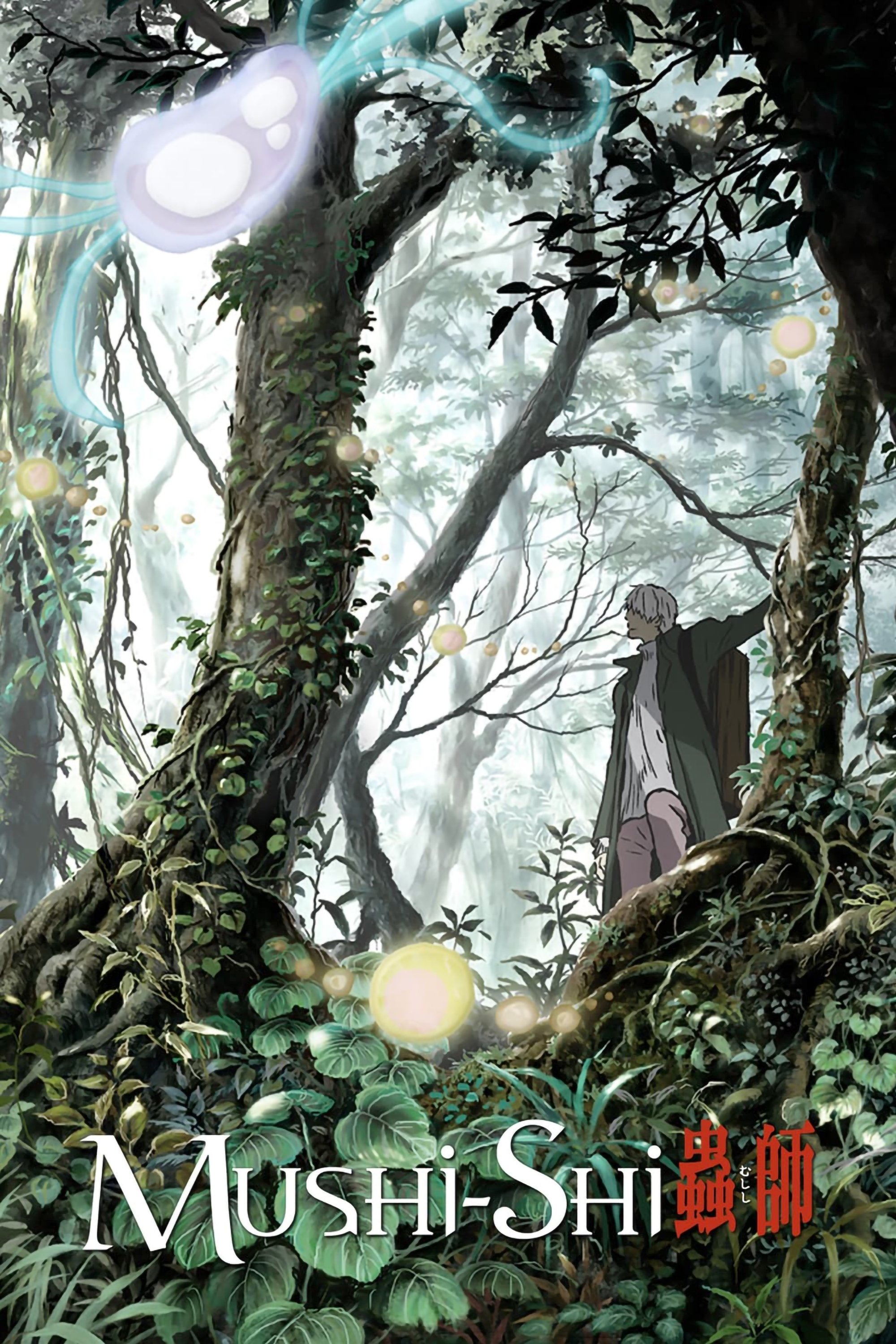
Ginko, a Mushi master, travels from place to place researching the Mushi and helping people who are suffering because of it.
Through Julia Child’s life and her singular joie de vivre, the series explores a pivotal time in American history – the emergence of public television as a new social institution, feminism and the women's movement, the nature of celebrity and America's cultural evolution.
After causing a major incident, police officer Daigo Agawa takes his wife and daughter to live in the remote mountain village of Kuge. It seems the perfect place to recover from the ordeal, despite the mysterious disappearance of a previous officer posted there. One day, the body of an old woman is found on the mountain. The Goto family says she was attacked by a bear, but Daigo notices a human bite mark. It soon becomes clear that not all is as it seems in the village.
Furuhata Ninzaburō is a Japanese television series that ran periodically on Fuji Television from 1994 until its final episodes in 2006. It was written by Japanese playwright Kōki Mitani and is often referred to as the Japanese version of Columbo. The series is a police detective drama starring actor Masakazu Tamura as Furuhata Ninzaburo and Masahiko Nishimura as his stereotypically bumbling sidekick, Shintaro Imaizumi. The program aired weekly and featured a guest villain each time, usually a famous talent in Japan. Pop-stars like SMAP, television hosts like Sanma Akashiya and even sports figures like Ichiro Suzuki have been featured on this program. It was one of the most popular television dramas in the history of Japanese television, having spawned several seasons and TV specials.
After moving into the quiet town of Hinamizawa, Maebara Keiichi spends his days blissfully in school often playing games with his local friends. However, appearances can be deceiving. One fateful day, Keiichi stumbles upon news of a murder that had occurred in Hinamizawa. From this point on, horrific events unfold in front of Keiichi, as he soon learns his close friends may not be all that they seem.
The epic tale of a proud and passionate family, secret loves, and bloody revolution. The Trueba family's passions, struggles, and secrets span a century of violent social change, culminating in a crisis that hurls the proud, tyrannical patriarch and his beloved granddaughter towards opposite sides of the fence.
Detective Ukyo Sugishita confronts crime on the basis of his own convictions. He has a partner that works for him in the Special Task Unit. For the first 7 seasons, Ukyo’s first partner is Kaoru Kameyama. He is a good-natured, hot-tempered, straightforward and somewhat scattered detective. Beginning in Season 8, Takeru Kanbe replaces Kameyama. Contrary to his predecessor, Takeru is a lanky, cool, conceited and confident detective. From Season 11 to Season 13, Ukyo’s partner is a young detective Toru Kai. Toru is a son of Deputy Director-General of The National Police Agency. But he became a detective by his own effort. And starting with Season 14, Ukyo’s current partner is Wataru Kaburagi, an elite bureaucrat who came to the Metropolitan Police Department on temporary assignment. As the first partner without any career of a police officer, he will face challenging cases together with Ukyo.
Former delinquent turned unconventional prosecutor Kohei Kuryu shakes up the legal world with his street-smart instincts and unorthodox style, clashing with ambitious colleague Maiko Amamiya while his relentless pursuit of justice gradually transforms those around him.
This story is about a girl, Candy, who is a orphan. She is a nice and optimistic girl and she has a warm heart. When she was a child, she lived in an orphanage called Pony's Home. She had a good friend called Ann. And she met the "handsome boy on the hill" who is a important person in her life, on the hill behind the orphanage. She was adopted by the Loka's family. What's awaiting her are the bad-hearted Leo and his sister, Eliza. One day, in the rose garden, she met a boy, who is identical to the "handsome boy on the hill" who she had met in her childhood. The boy is called Antony. Thereafter, a fantastic story that she has never expected begins.
Roots: The Next Generations is a television miniseries, introduced in 1979, continuing, from 1882 to the 1960s, the fictionalized story of the family of Alex Haley and their life in Henning, Lauderdale County, Tennessee, USA. This sequel to the 1977 miniseries is based on the last seven chapters of Haley's novel entitled Roots: The Saga of an American Family plus additional material by Haley. Roots: The Next Generations was produced with a budget of $16.6 million, nearly three times as large as that of the original.
The 19th-century tale of love, murder and revenge as men and women travel across the world to make their fortunes on the wild West Coast of New Zealand's South Island.
When Lucy Albright and Stephen DeMarco meet at college, they are at that formative age when seemingly mundane choices lead the way to irrevocable consequences. They quickly fall into an addictive entanglement that will permanently alter not only their lives, but the lives of everyone around them.
In an alternate history where the male population is nearly decimated, eligible men serve as concubines to the woman shogun inside the walls of the Ooku.
When a young mother from a sheltered cult crosses paths with a mysterious stranger, she embarks on a risky affair that awakens desires and dark secrets.
An exuberant drama set in Melbourne's Fitzroy, centering on Nina Proudman and her struggle to deal with her fabulously messy family, her hunt for a decent love life and her tendency to overthink and fly off into fantasy.
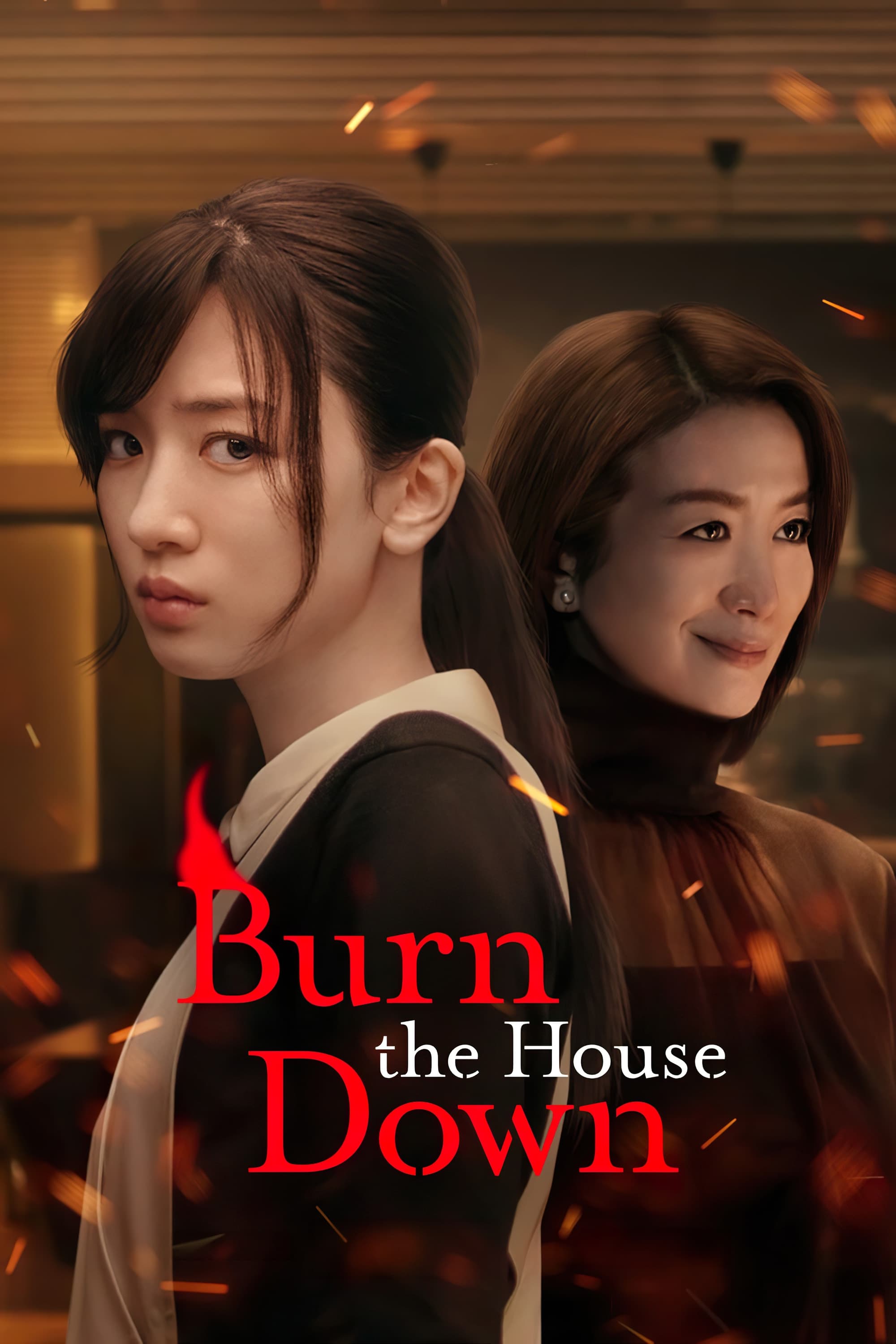
After her mother took the blame for a tragic fire 13 years ago, Anzu plots revenge by working as a housekeeper under a pseudonym for her icy stepmother.