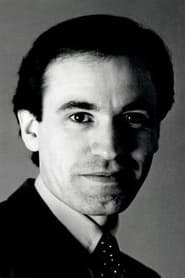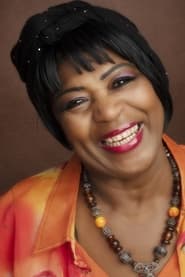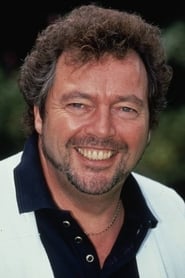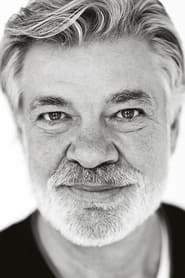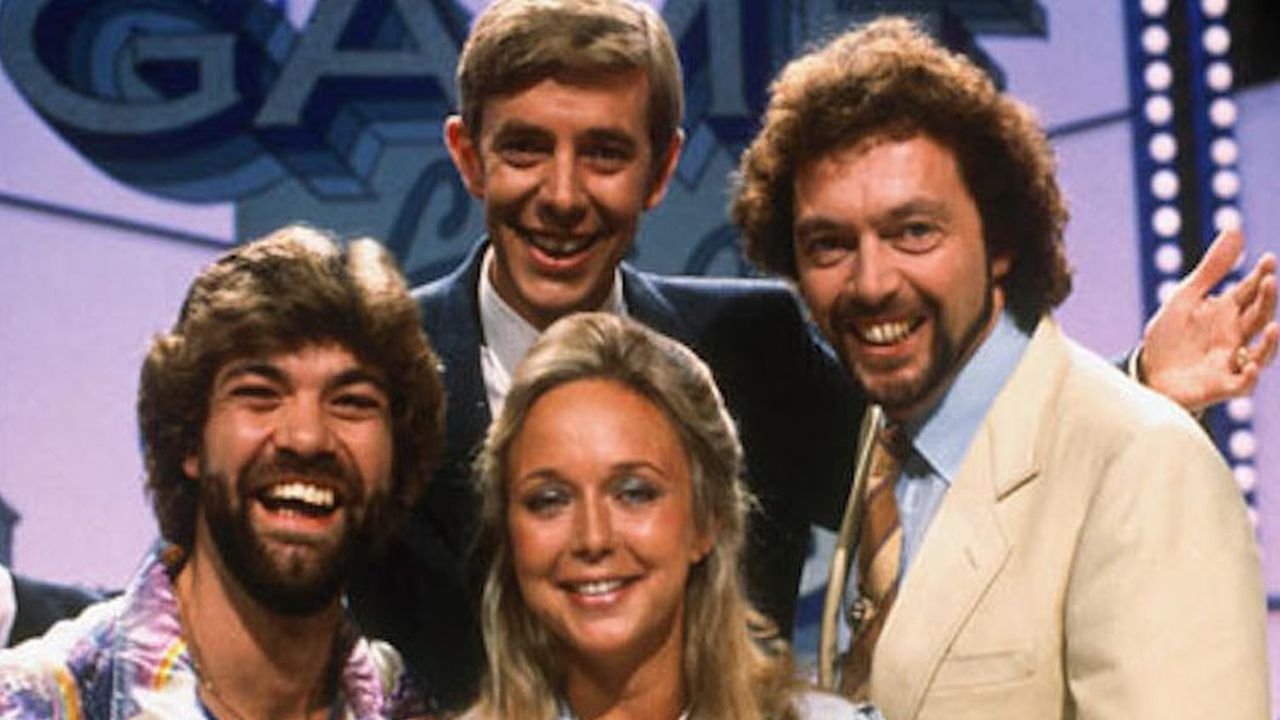
Game for a Laugh is a British light entertainment programme which ran for 56 editions and four specials between 26 September 1981 and 23 November 1985, made by London Weekend Television for the ITV network.

Social & External
The people behind it
Martin Daniels
Himself
Lee Peck
Robin Houston
Narrator
Rustie Lee
Herself
Jeremy Beadle
What happens when the biggest stars in the world get too high on the Hollywood hog? When their bank accounts start swelling bigger than their heads? Master prankster Ashton Kutcher is there to punk 'em down to earth.
A half-hour variety show that features a parade of pets performing ridiculous, silly fun and extraordinary tricks, and demonstrates the bond between humans and their animal friends.
In this Finnish version of popular British format "Taskmaster," Jaakko Saariluoma will be seen in the role of Taskmaster, with Pilvi Hämäläinen as his right hand. They will be judging the stars competing as they explore the limits of their insight in a variety of tasks that require intelligence, skill, and wit. Guests will be visiting the studio and joining the fun.
Holly & Stephen's Saturday Showdown is a CITV children's game show show which was broadcast on the ITV Network from January 2004 to July 2006.
"I Love Kindergarten" is a child growth reality show. It focuses on children aged 2 to 4, and records the children and teachers while in school. It shows them adapting to the process of developing their identities and lets viewers see the world through the perspective of a child.
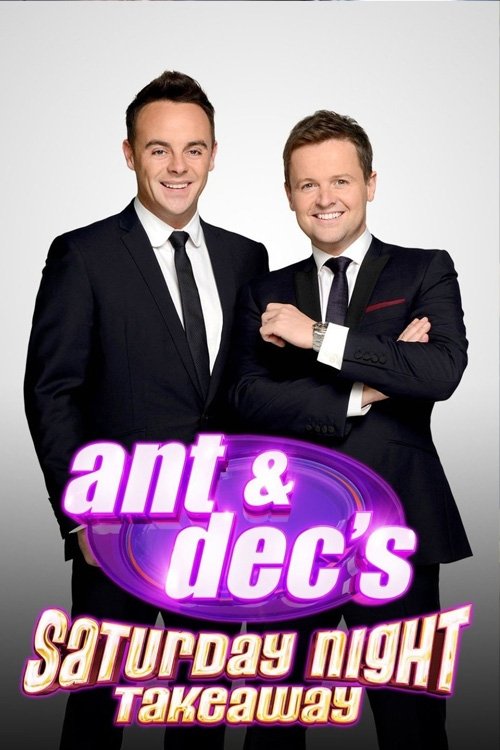
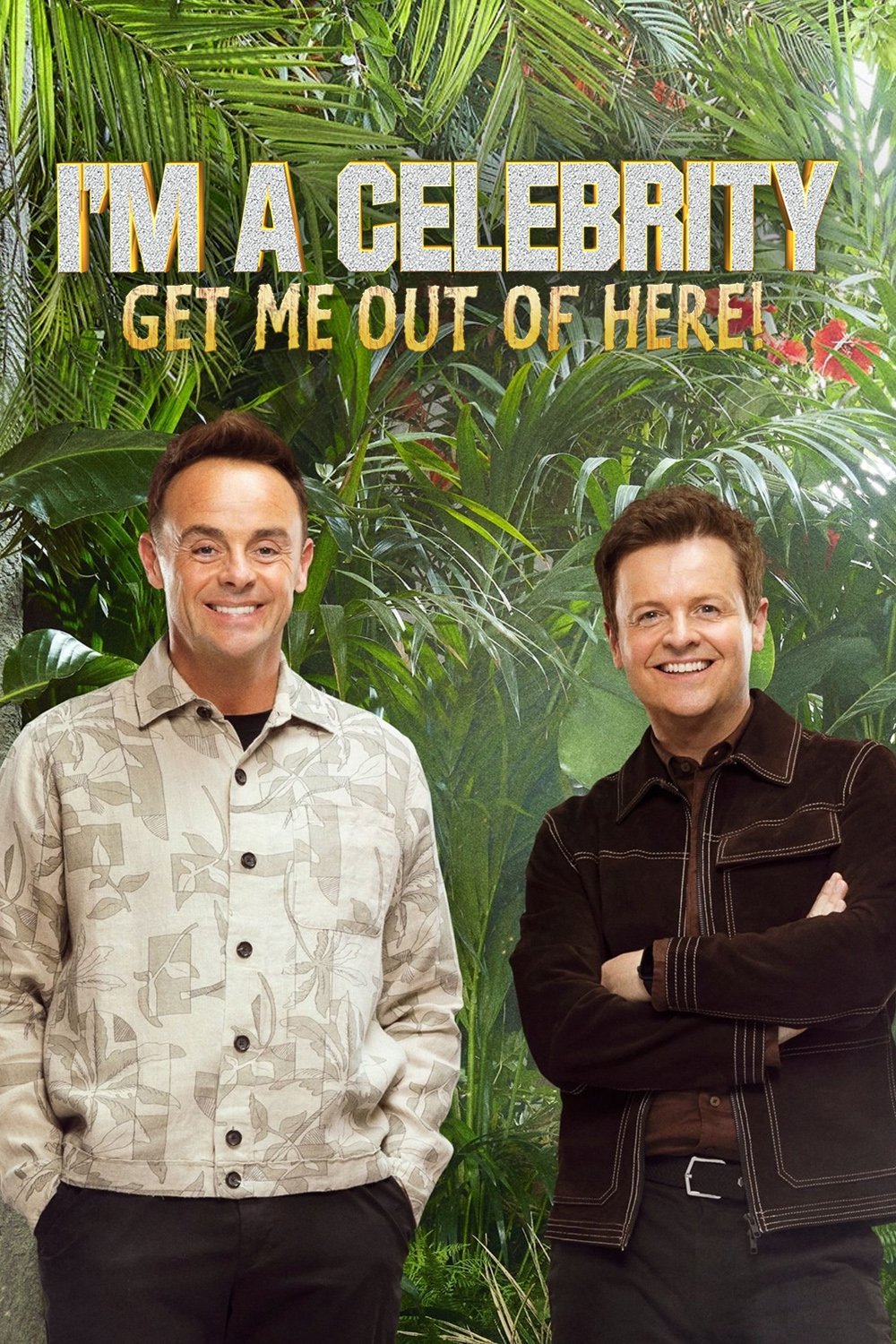
A gameshow hosted by Ant and Dec filled with stunts, sketches, and special guest appearances.
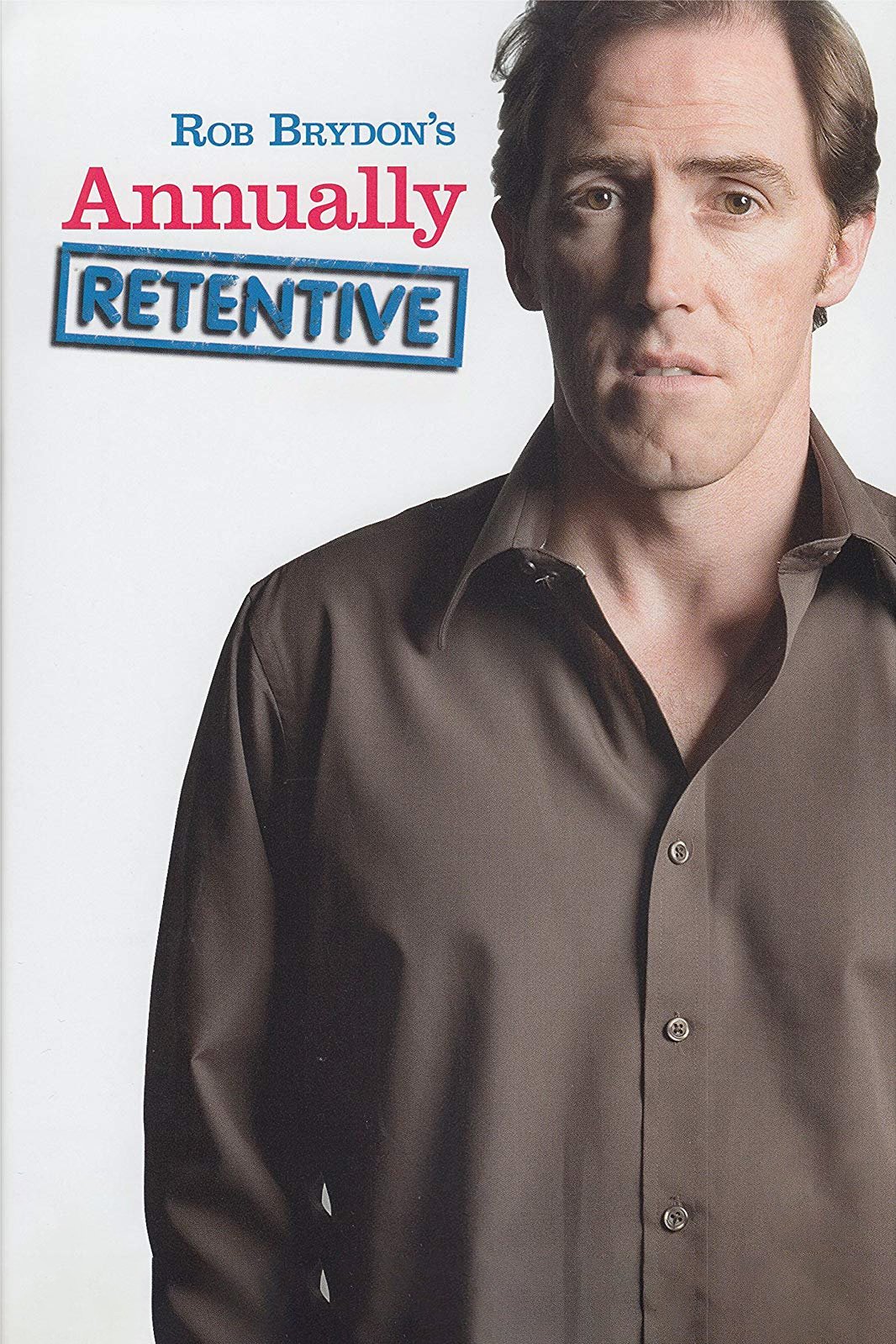
Comedy series in which Rob Brydon plays himself as the host of a low-rent panel show
Monstrous frights meet hilarious reveals on this hidden-camera prank show as real people become the stars of their own full-blown horror movie.
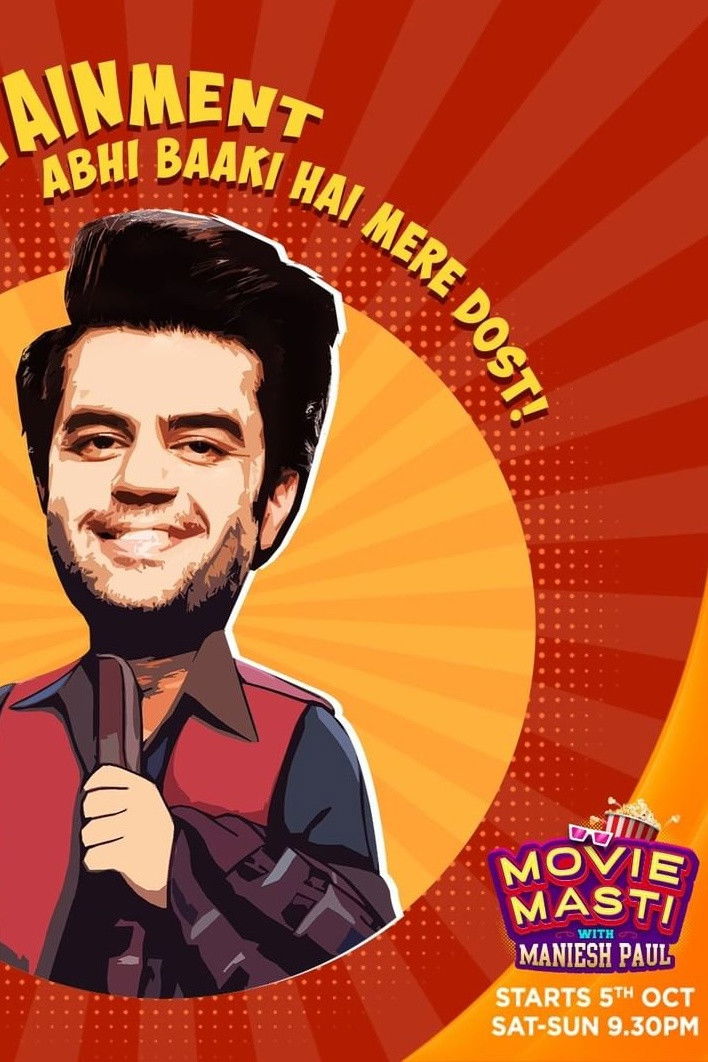
The Famous comedian and host Manish Paul is coming with his New Chat Show “Movie, Masti with Manish Paul”. The “Movie, Masti with Manish” is a game show where Bollywood Celebs come and play many entertaining games.
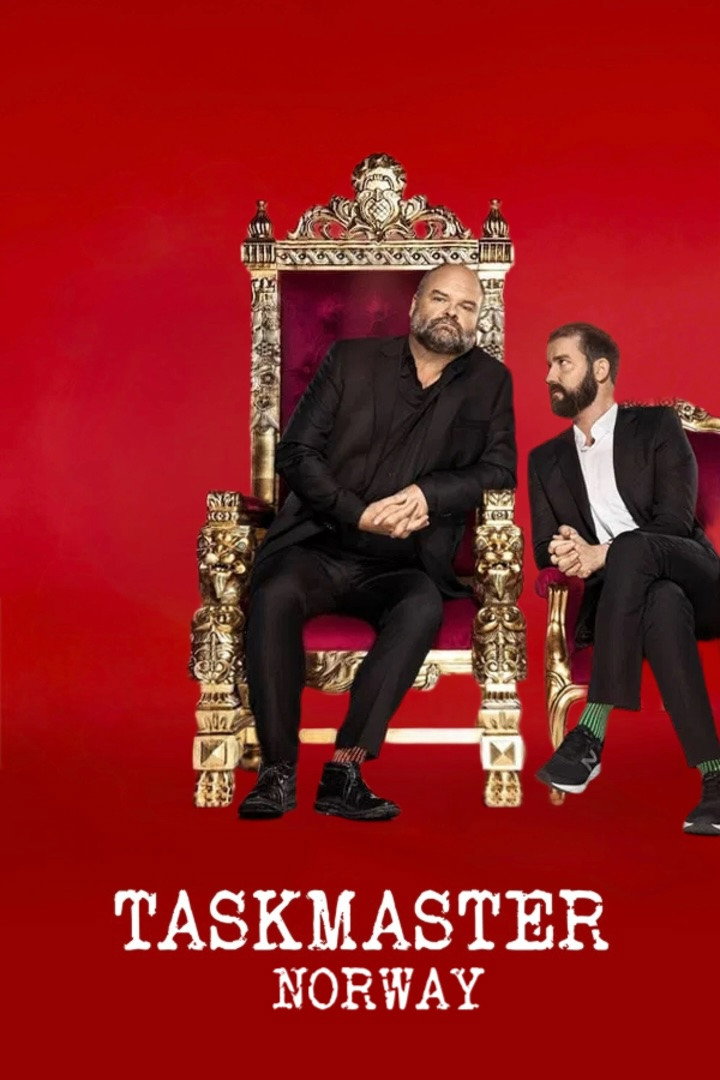
The taskmaster has invited five of Norway's best comedians to solve a number of tasks.
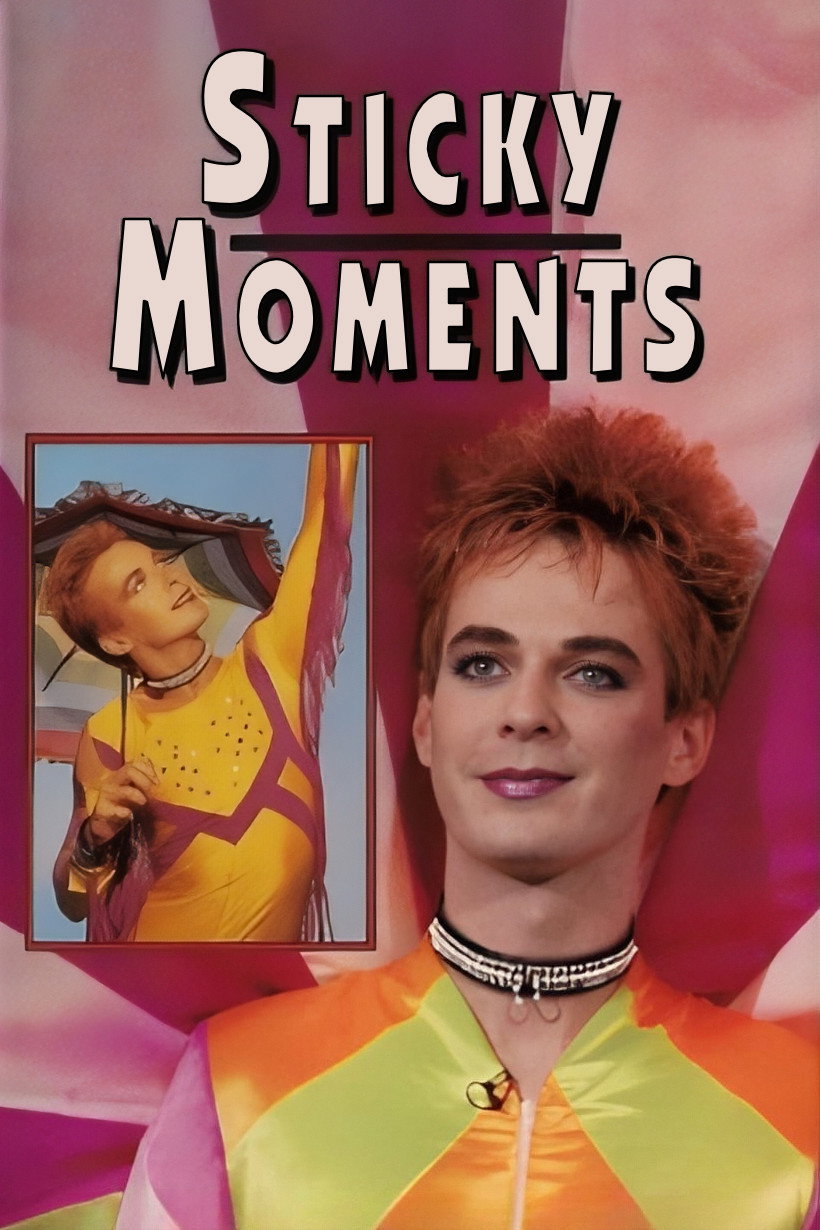
Sticky Moments was a satirical British television game show that aired on Channel 4 in 1989 and 1990. It was hosted by the comedian Julian Clary.
Ally Beardsley hosts this highly entertaining game show where contestants make a joint effort to weed out who among them is secretly stoned.
This half-hour comedy hits the streets of NYC, luring unsuspecting contestants to push their personal limits for cash. By never wasting money on fancy lights, stages or expensive props, hosts David Magidoff and Derek Gaines bring the savings to the people with truly “broke a$$” challenges and irreverent games all promising cold hard cash in exchange for contestants’ dignity.
Twelve celebrities are abandoned in the Australian jungle. In order to earn food, they must perform Bushtucker Trials which challenge them physically and mentally.
Footage from the popular game show, Takeshi's Castle has been re-edited, re-written and re-voiced into a hilarious, intentionally over-produced, modern "action/X-treme" sports show.
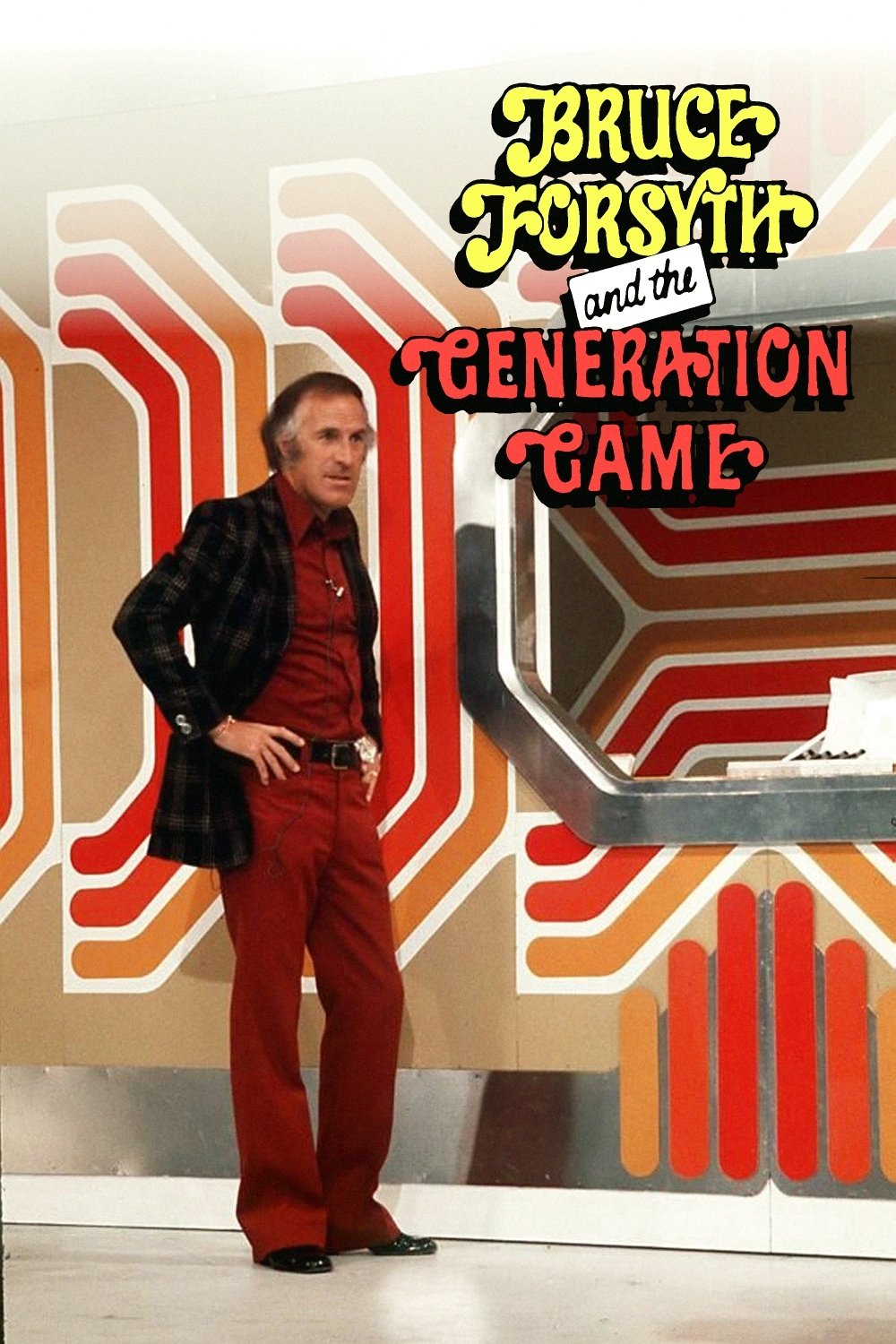
The Generation Game was a British game show produced by the BBC in which four teams of two competed to win prizes. The programme was first broadcast in 1971 under the title Bruce Forsyth and the Generation Game and ran until 1982, and again from 1990 until 2002. The show was based on the Dutch TV show Een van de acht, "One of the Eight", the format devised in 1969 by Theo Uittenbogaard for VARA Television. Mrs. Mies Bouwman - a popular Dutch talk show host and presenter of the show - came up with the idea of the conveyor belt. She had seen it on a German programme and wanted to incorporate it into the show. Another antecedent for the gameshow was 'Sunday Night at the London Palladium' on ATV, which had a game called Beat the Clock, taken from an American gameshow. It featured married couples playing silly games within a certain time to win prize money. This was hosted by Bruce Forsyth from 1958, and he took the idea with him when he went over to the BBC.
Repeat After Me is an American hidden camera comedy television series. Host Wendi McLendon-Covey instructs celebrities to interact with people via a remote ear piece.
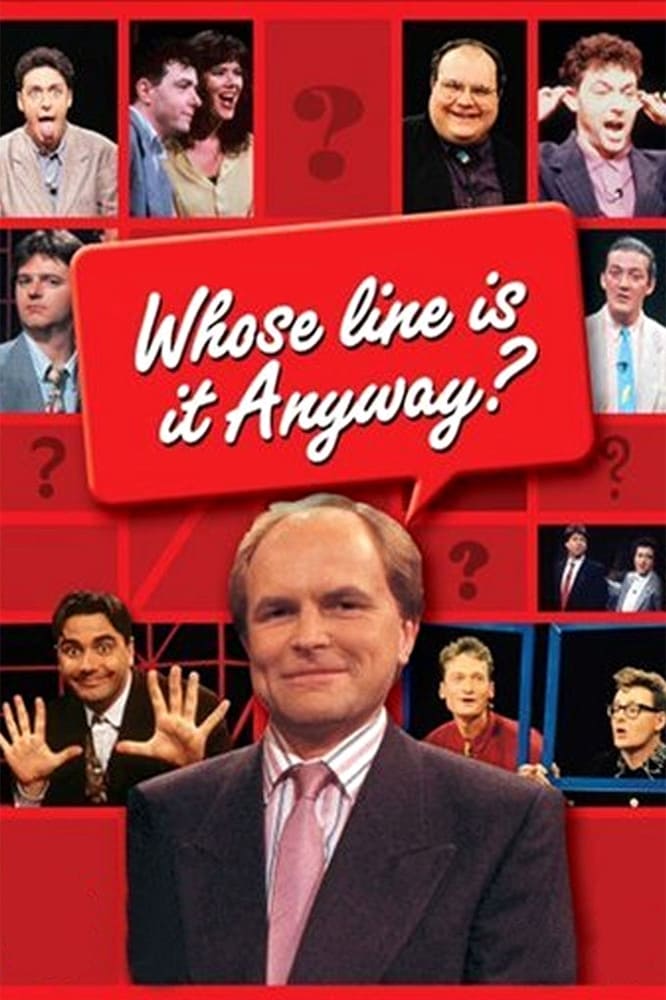
An un-scripted comedy show in which four guest performers improvise their way through a series of games, many of which rely on audience suggestions.
Oblivious is a comedy game show that aired within the United States of America on TNN/Spike TV at various points between 2002 and 2004. It was also aired on Challenge in the UK, Ireland and The Comedy Channel in Australia and still airs on Real TV in South Korea and on TV2 Zebra in Norway. It no longer airs on Spike TV. Comedian Regan Burns served as host. A DVD was later released featuring the best clips of both seasons.
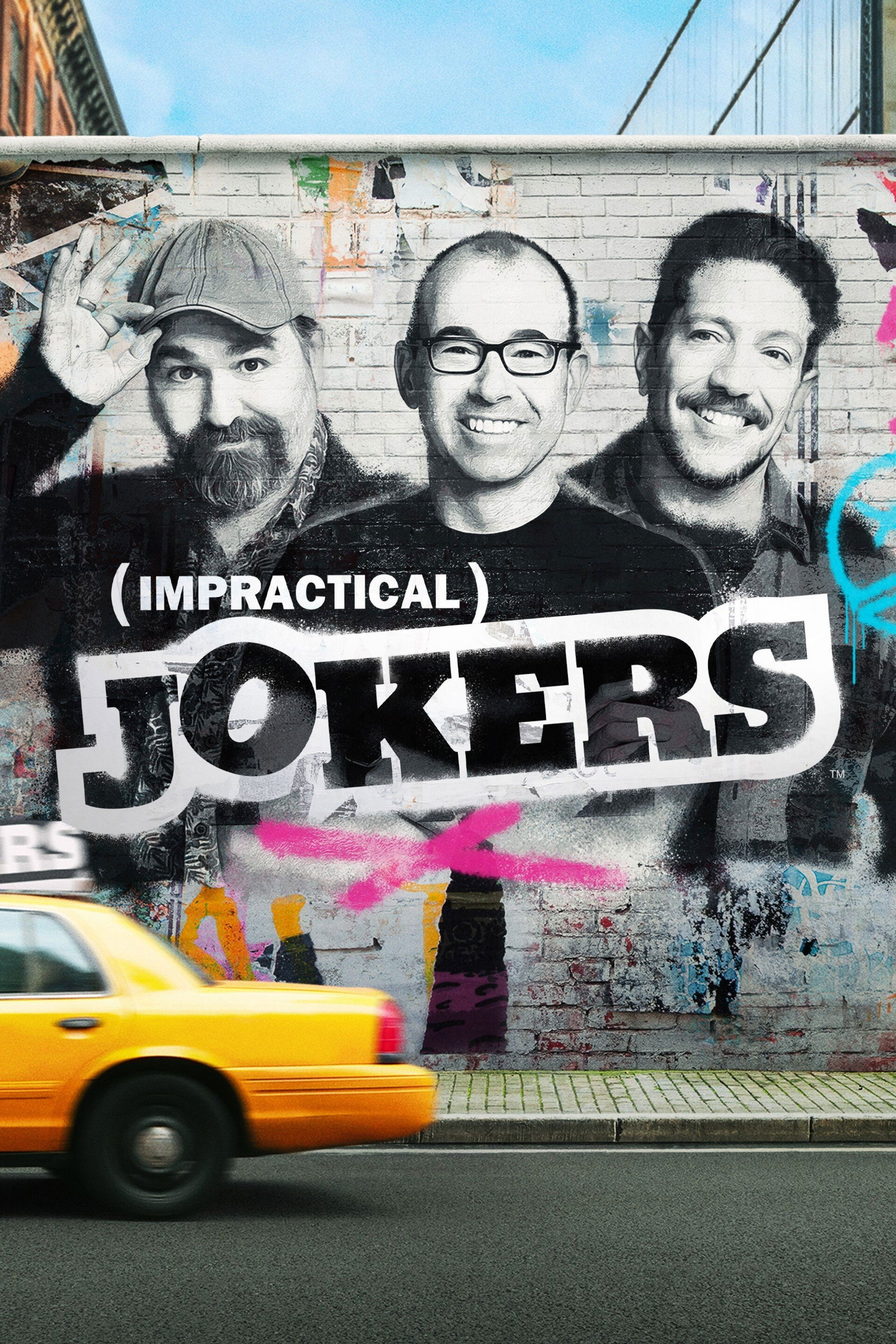
This hidden-camera series follows four lifelong friends -- Brian "Q"' Quinn, James "Murr"' Murray, Joe Gatto and Sal Vulcano -- who take dares to an outrageous level. To find out who is best under pressure, the guys compete in awkward and outrageous hidden-camera hijinks with the loser performing what is deemed to be the most-mortifying challenge yet.
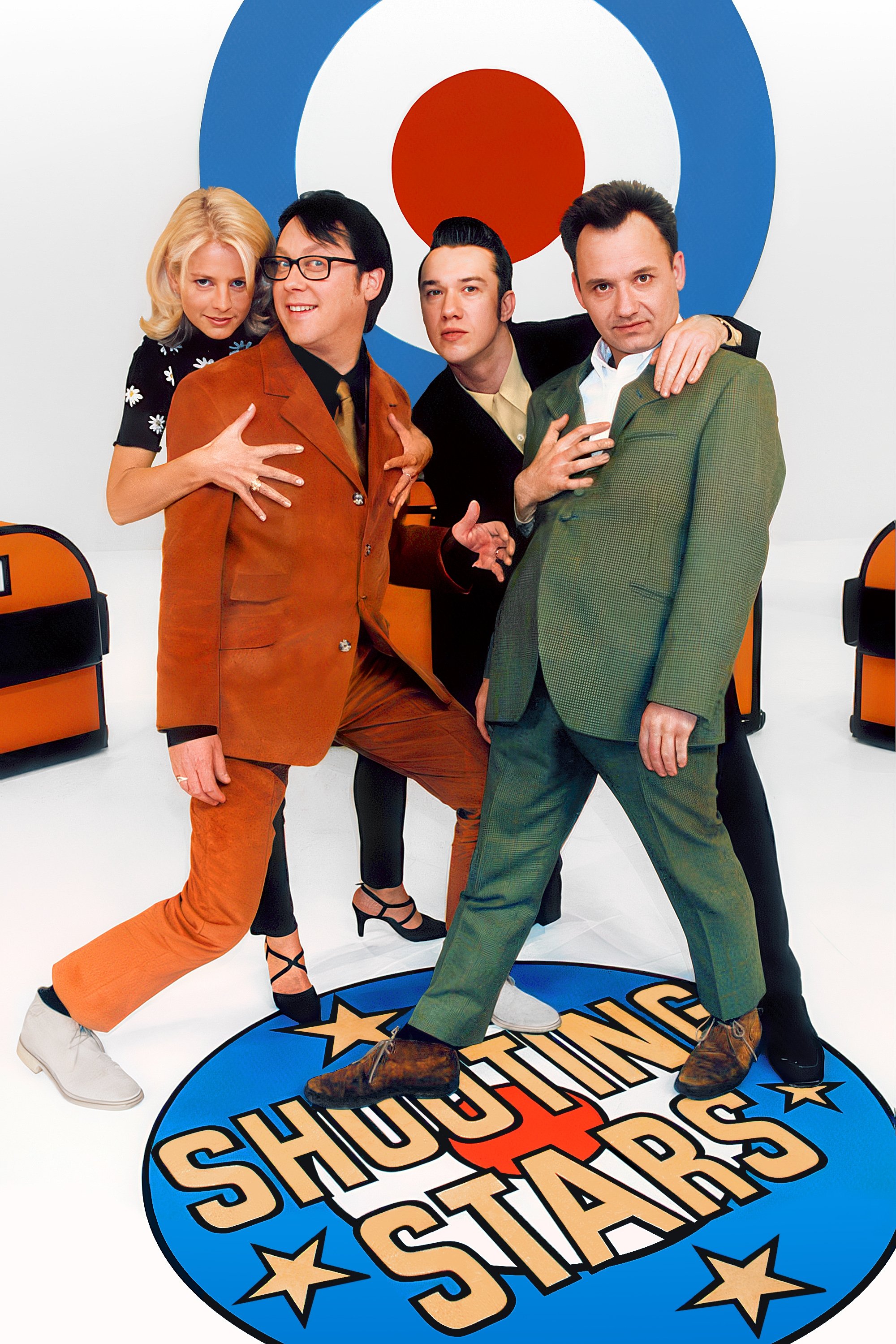
Shooting Stars is a British television comedy panel game broadcast on BBC Two as a pilot in 1993, then as 3 full series from 1995 to 1997, then on BBC Choice from January to December 2002 with 2 series before returning to BBC Two for another 3 series from 2008 until its cancellation in 2011. Created and hosted by double-act Vic Reeves and Bob Mortimer, it uses the panel show format but with the comedians' often slapstick, surreal and anarchic humour does not rely on rules in order to function, with the pair apparently ignoring existing rules or inventing new ones as and when the mood takes them.
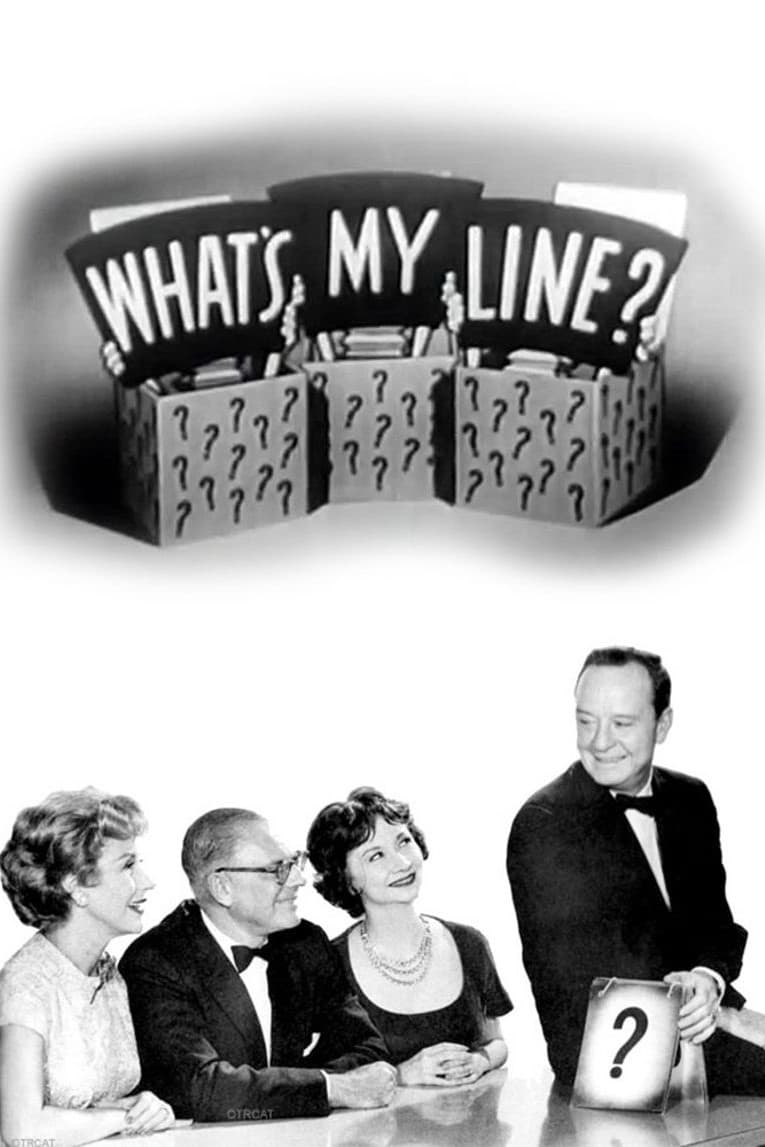
Four panelists must determine guests' occupations - and, in the case of famous guests, while blindfolded, their identity - by asking only "yes" or "no" questions.
Two contestants are transported from their everyday lives into a once-in-a-lifetime night of fun and celebration as they play party games with some of their favorite celebrities and compete for the chance to win up to $25,000.
Nick Cannon and an A-list celebrity lead a team of improv comedians as they compete against each other.
A live-action sitcom about two 12-year-old girls who start a multi-million-dollar gaming company and take on rap superstar Double G as a business partner.
Go behind the curtains as Kermit the Frog and his muppet friends struggle to put on a weekly variety show.
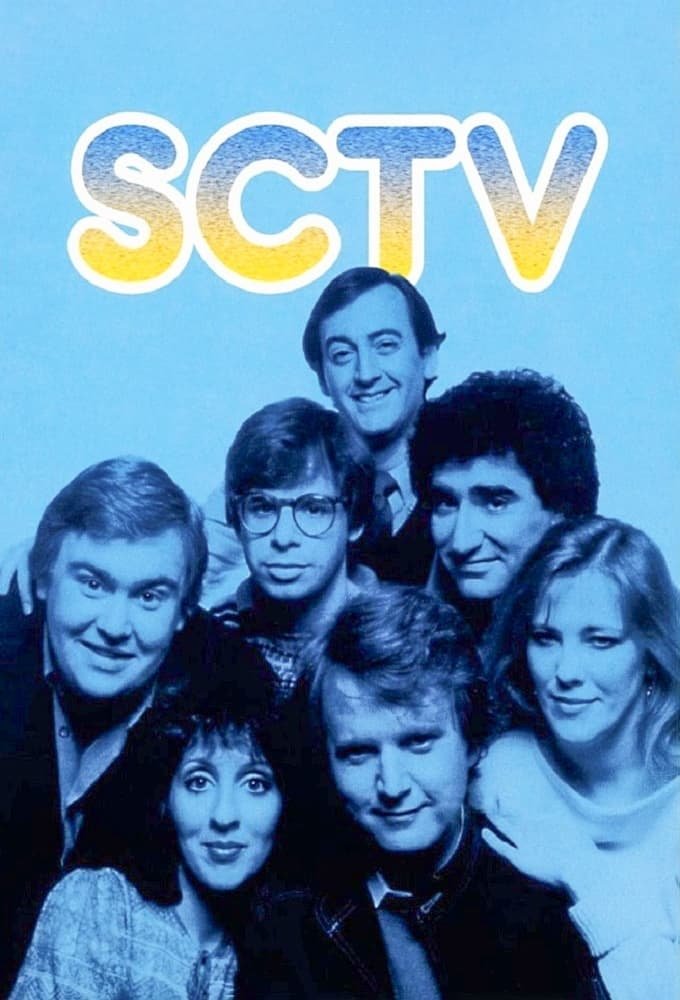
Second City Television is a Canadian television sketch comedy show offshoot from Toronto's Second City troupe that ran between 1976 and 1984.
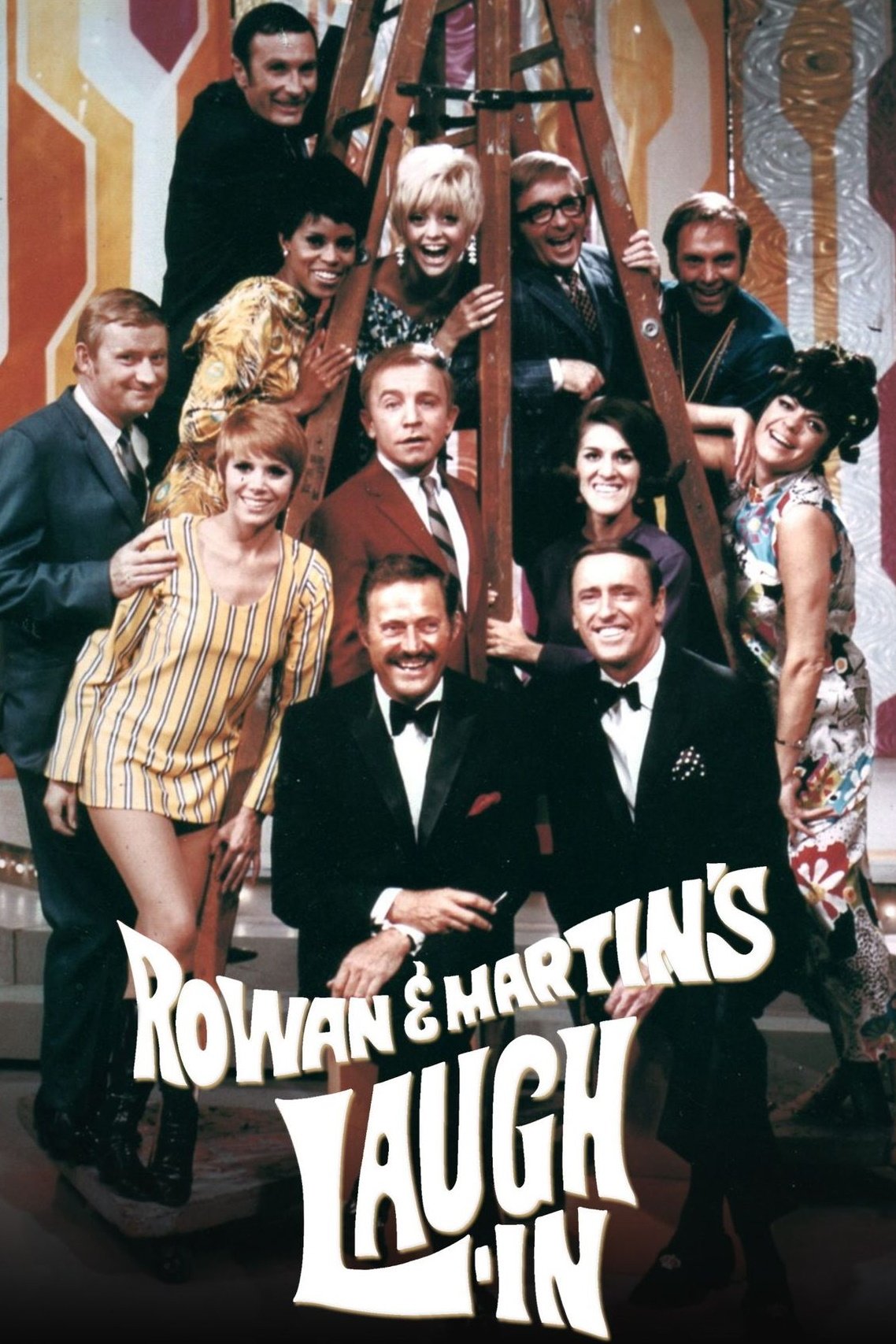
An American sketch comedy television program hosted by comedians Dan Rowan and Dick Martin.
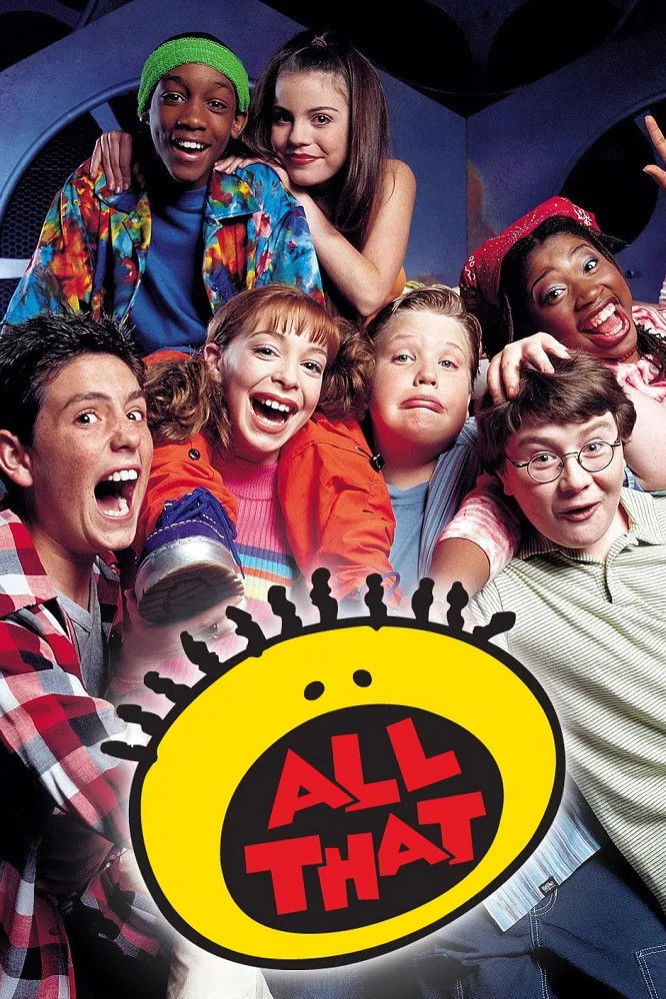
A zany sketch comedy featuring many wacky characters hosted for kids and by kids.
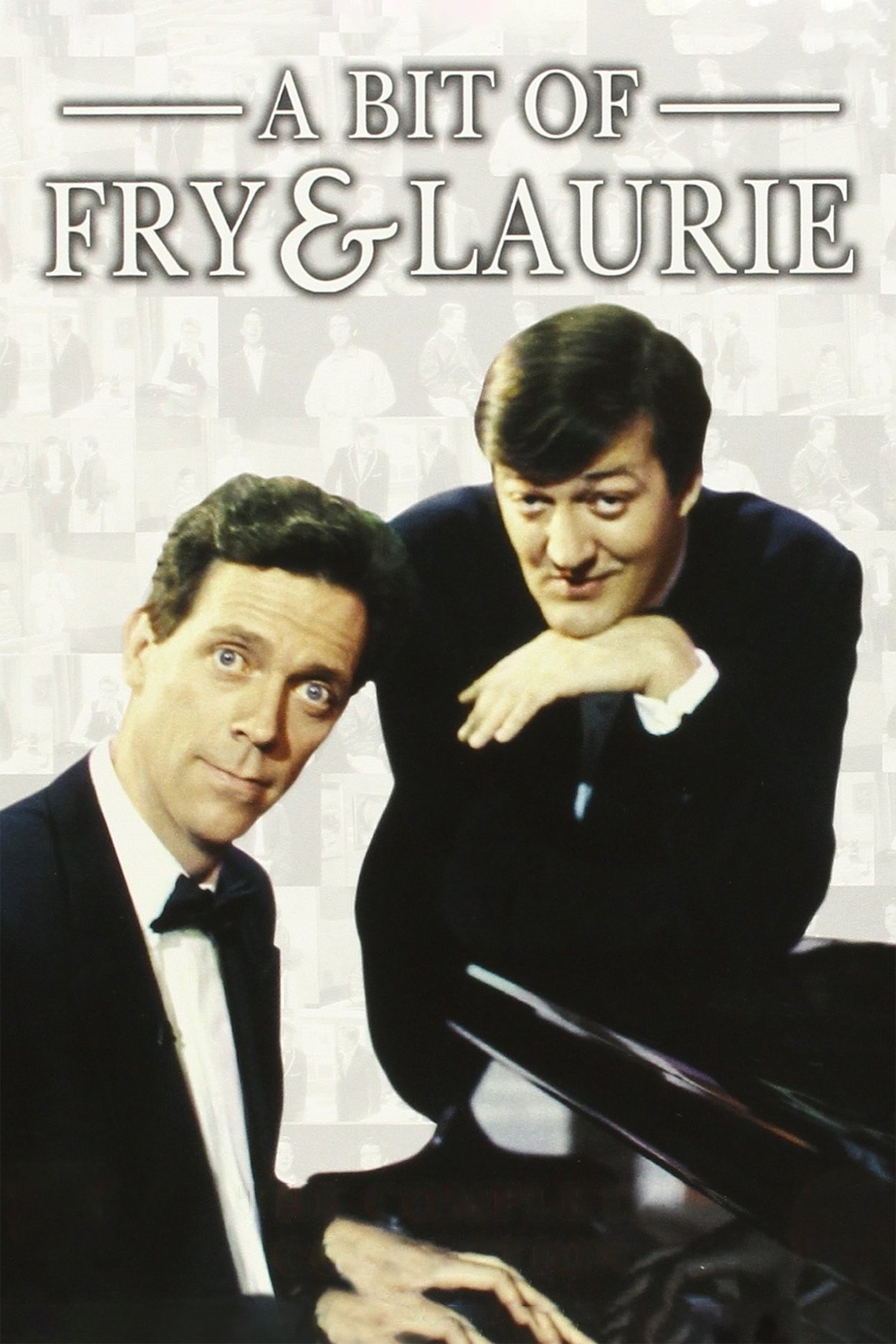
A British comedy television series with turns of phrase and elaborate wordplay, written by and starring former Cambridge Footlights members Stephen Fry and Hugh Laurie.
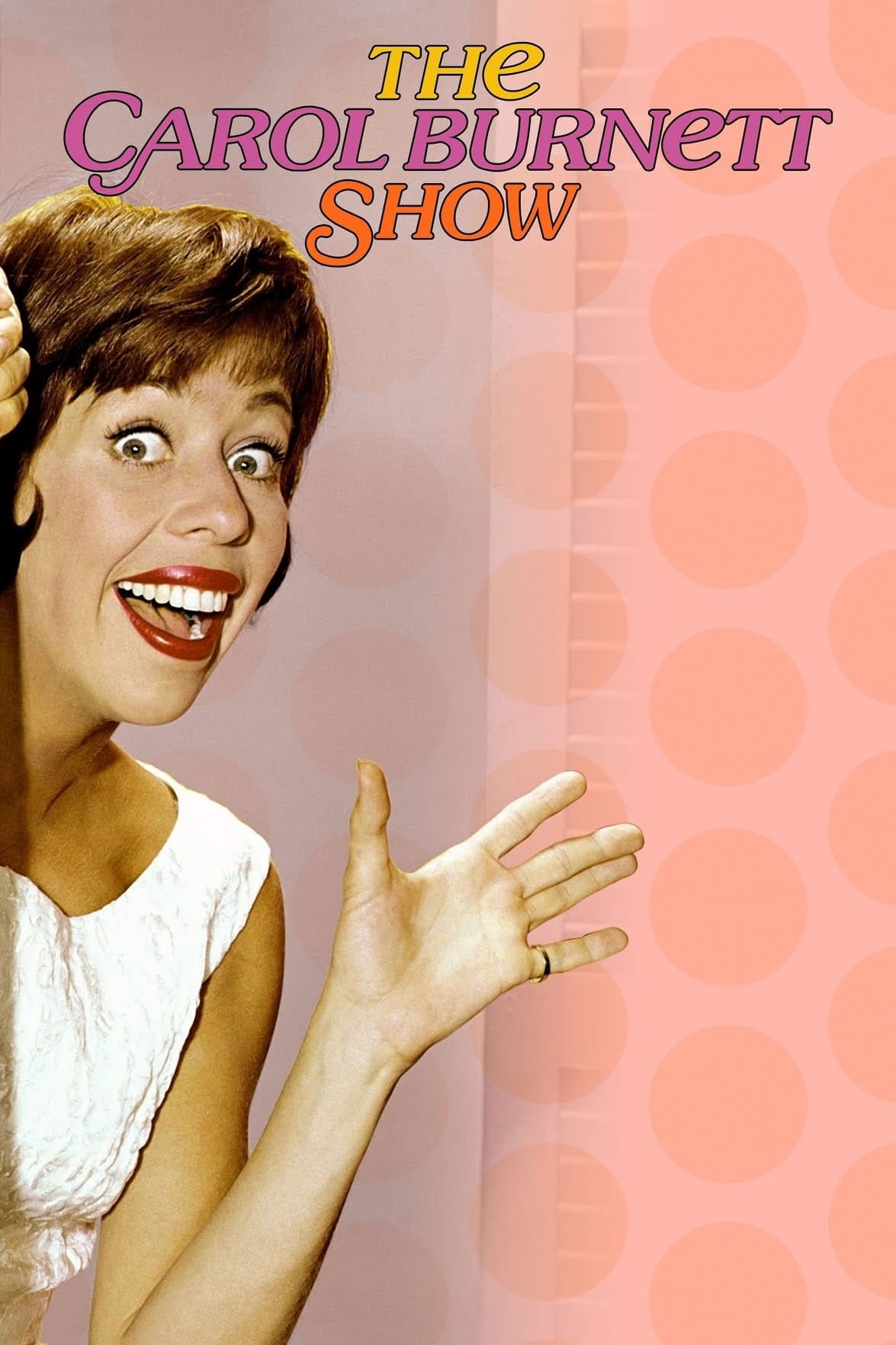
The Carol Burnett Show is an American variety/sketch comedy television show starring Carol Burnett, Harvey Korman, Vicki Lawrence, Lyle Waggoner, and Tim Conway. It originally ran on CBS from September 11, 1967, to March 29, 1978, for 278 episodes and originated from CBS Television City's Studio 33. The series won 25 prime time Emmy Awards, was ranked No. 16 on TV Guide's 50 Greatest TV Shows of All Time in 2002 and in 2007 was listed as one of Time magazine's "100 Best TV Shows of All Time."
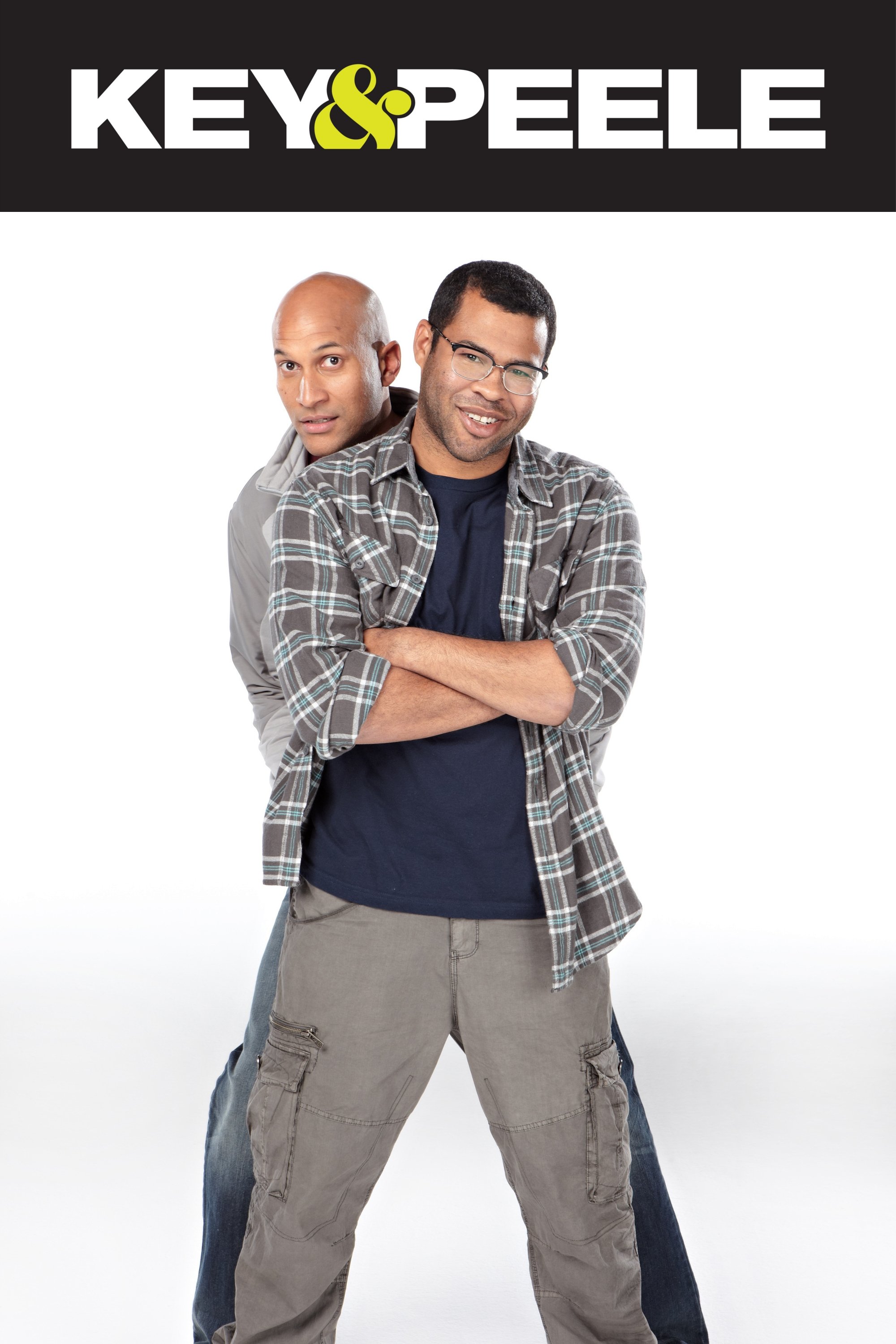
Key & Peele is an American sketch comedy television show. It stars Keegan-Michael Key and Jordan Peele, both former cast members of MADtv. Each episode of the show consists of several pre-taped sketches starring the two actors, introduced by Key and Peele in front of a live studio audience.
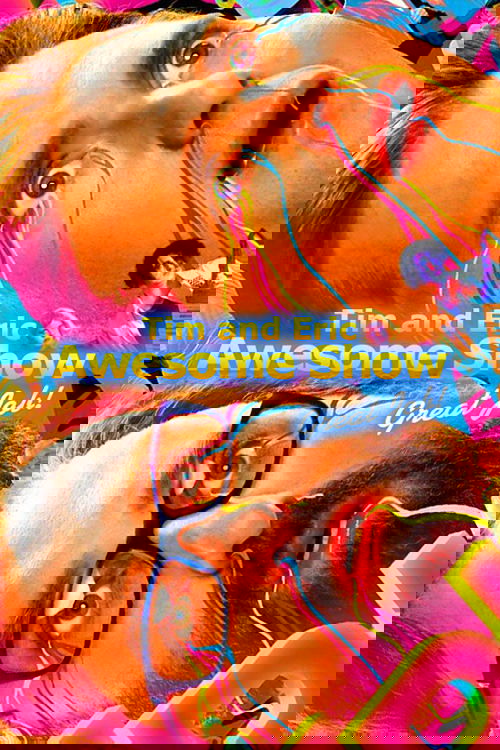
Tim and Eric Awesome Show, Great Job! is an American sketch comedy television series, created by and starring Tim Heidecker and Eric Wareheim, which premiered February 11, 2007 on Cartoon Network's Adult Swim comedy block and ran until May 2010. The program features surrealistic and often satirical humor, public-access television–style musical acts, bizarre faux-commercials, and editing and special effects chosen to make the show appear camp. The program featured a wide range of actors, spanning from stars such as Will Ferrell, John C. Reilly, David Cross, Bob Odenkirk, Will Forte and Zach Galifianakis, to alternative comedians like Neil Hamburger, to television actors like Alan Thicke, celebrity look-alikes and impressionists. The creators of the show have described it as "the nightmare version of television."
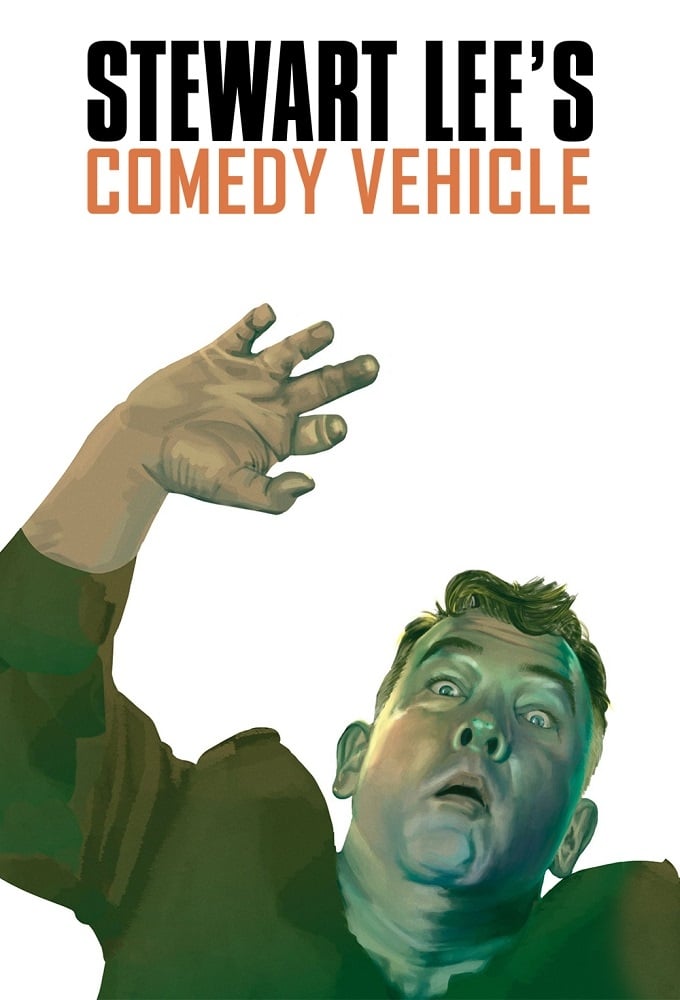
Stewart Lee's Comedy Vehicle is a comedy series created by Stewart Lee. The BBC Two series debuted on 16 March 2009, and featured stand-up routines filmed at The Mildmay Club in Newington Green, and sketches based on a weekly theme, featuring amongst others Simon Munnery, Kevin Eldon and Paul Putner with voice-over parts recorded by Peter Serafinowicz. The series is produced by Richard Webb and directed by Tim Kirkby. The programme is executive-produced by Armando Iannucci and script-edited by Chris Morris, marking a rare reformation of their creative double-act.
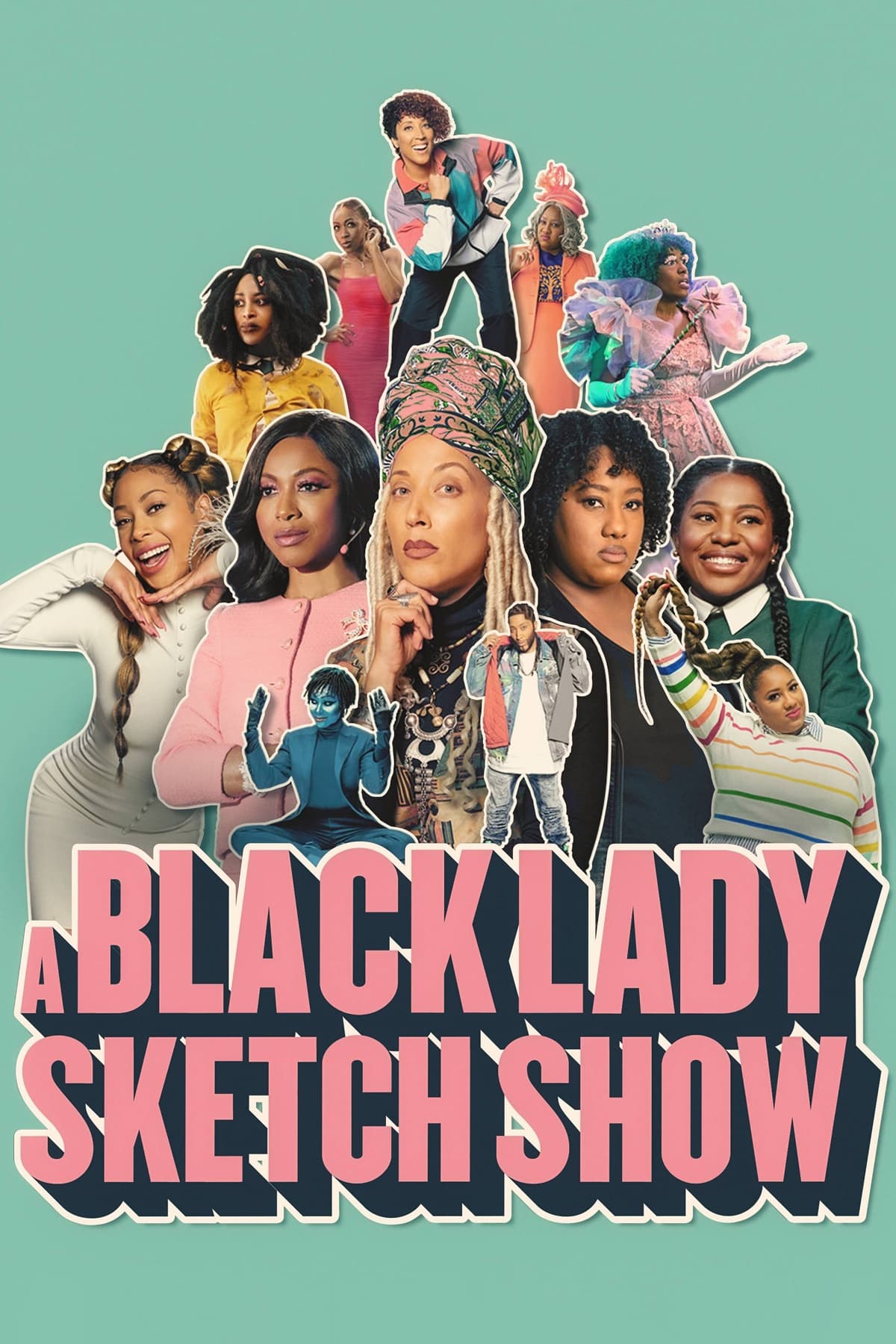
A narrative series set in a limitless magical reality full of dynamic, hilarious characters and celebrity guests presenting sketches performed by a core cast of black women.
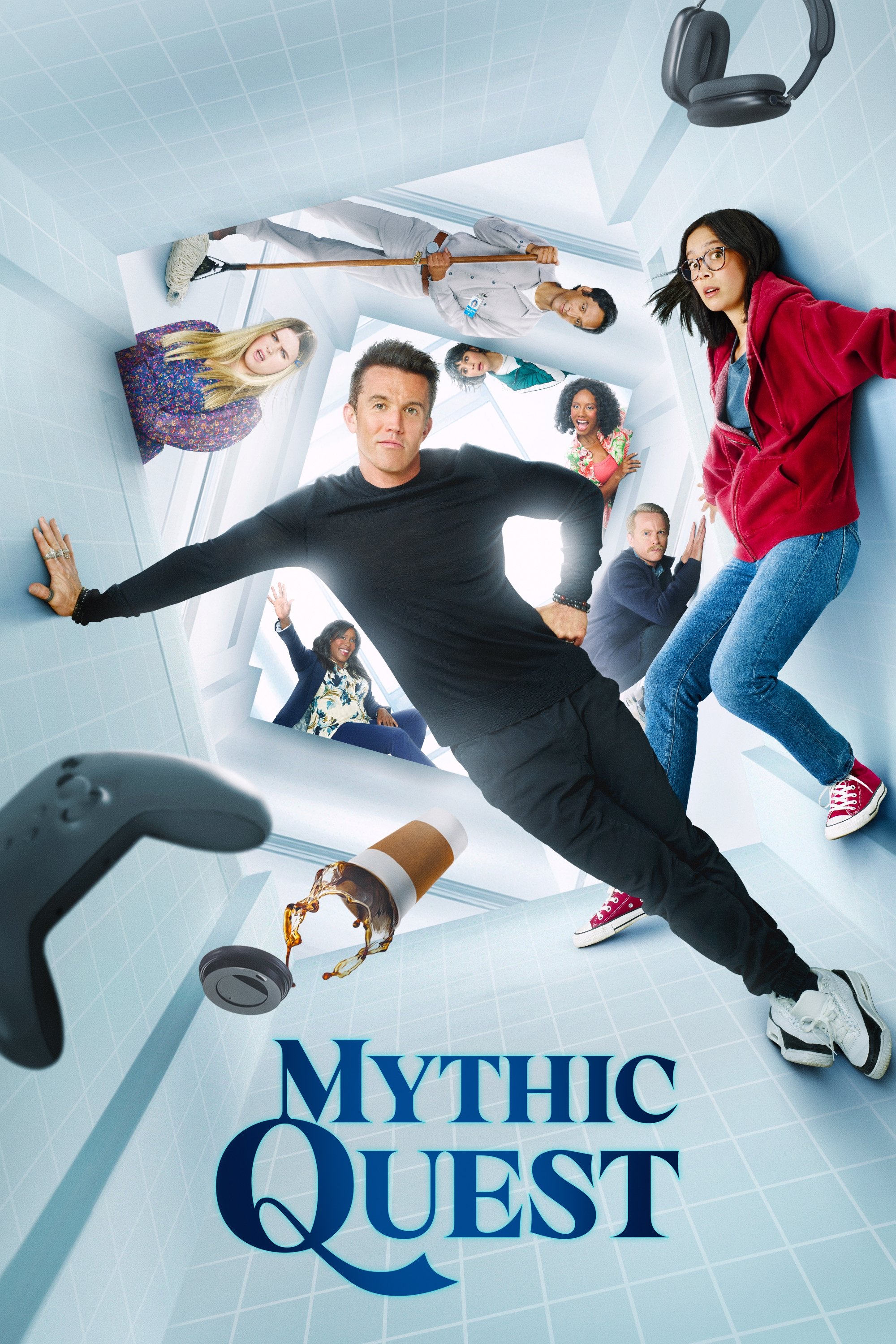
Meet the team behind the biggest multiplayer video game of all time. But in a workplace focused on building worlds, molding heroes, and creating legends, the most hard-fought battles don’t occur in the game—they happen in the office.
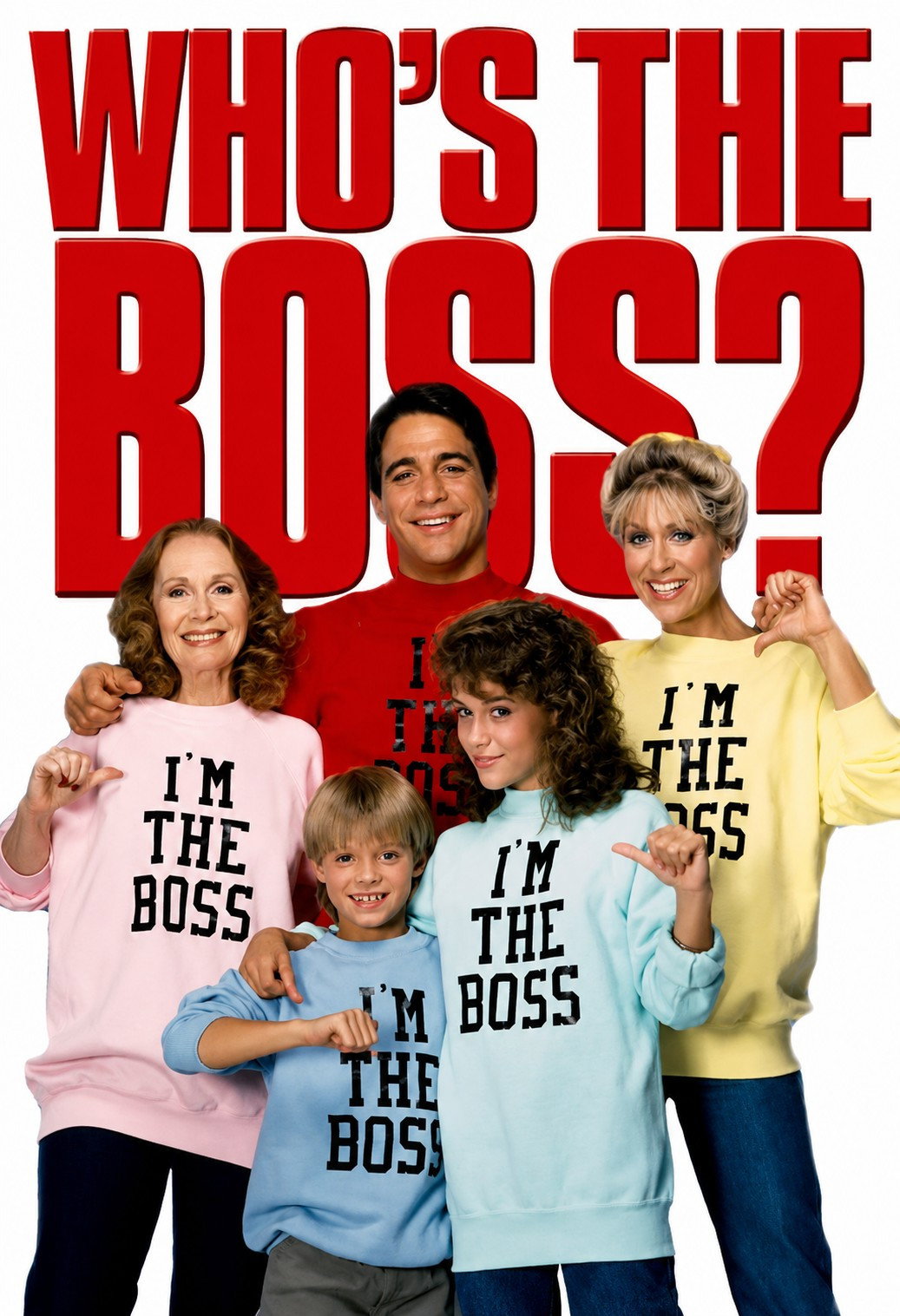
A former professional baseball player, along with his preteen daughter, moves into New York advertising executive Angela Bower's house to be both a housekeeper and a father figure to her young son. Tony 's laid-back personality contrasts with Angela's type-A behavior.
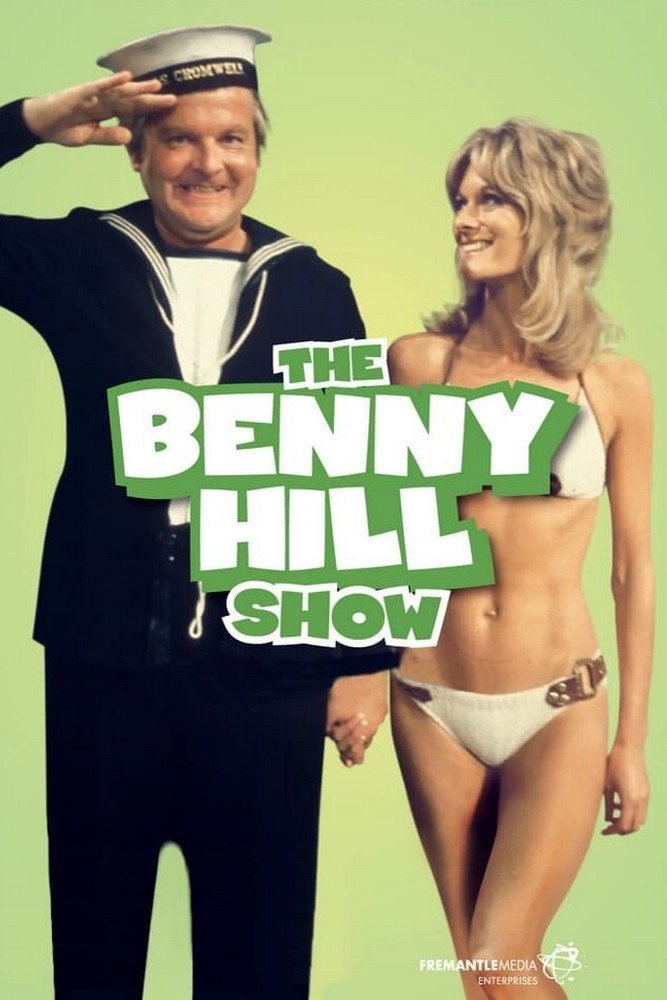
The Benny Hill Show is a British comedy television show that starred Benny Hill and aired in various incarnations between 15 January 1955 and 30 May 1991 in over 140 countries. The show focused on sketches that were full of slapstick, mime, parody, and double-entendre. Thames Television cancelled production of the show in 1989 due to declining ratings and large production costs at £450,000 per show.