The iconic toys that shaped childhoods across the country.
Social & External
The people behind it
Liza Tarbuck
Self - Narrator (voice)
I Love the '90s is a television mini-series produced by VH1 in which various music and TV personalities talk about the 1990s culture and all it had to offer. The show premiered July 12, 2004 with the episode "I Love 1990" and aired two episodes daily until July 16, 2004, when it ended with "I Love 1999". On January 17, 2005, a sequel was aired in the same fashion.
I Love the '80s is a decade nostalgia television program that was produced by VH1, based on the BBC series of the same name. The first episode, "I Love 1980", premiered on December 16, 2002.
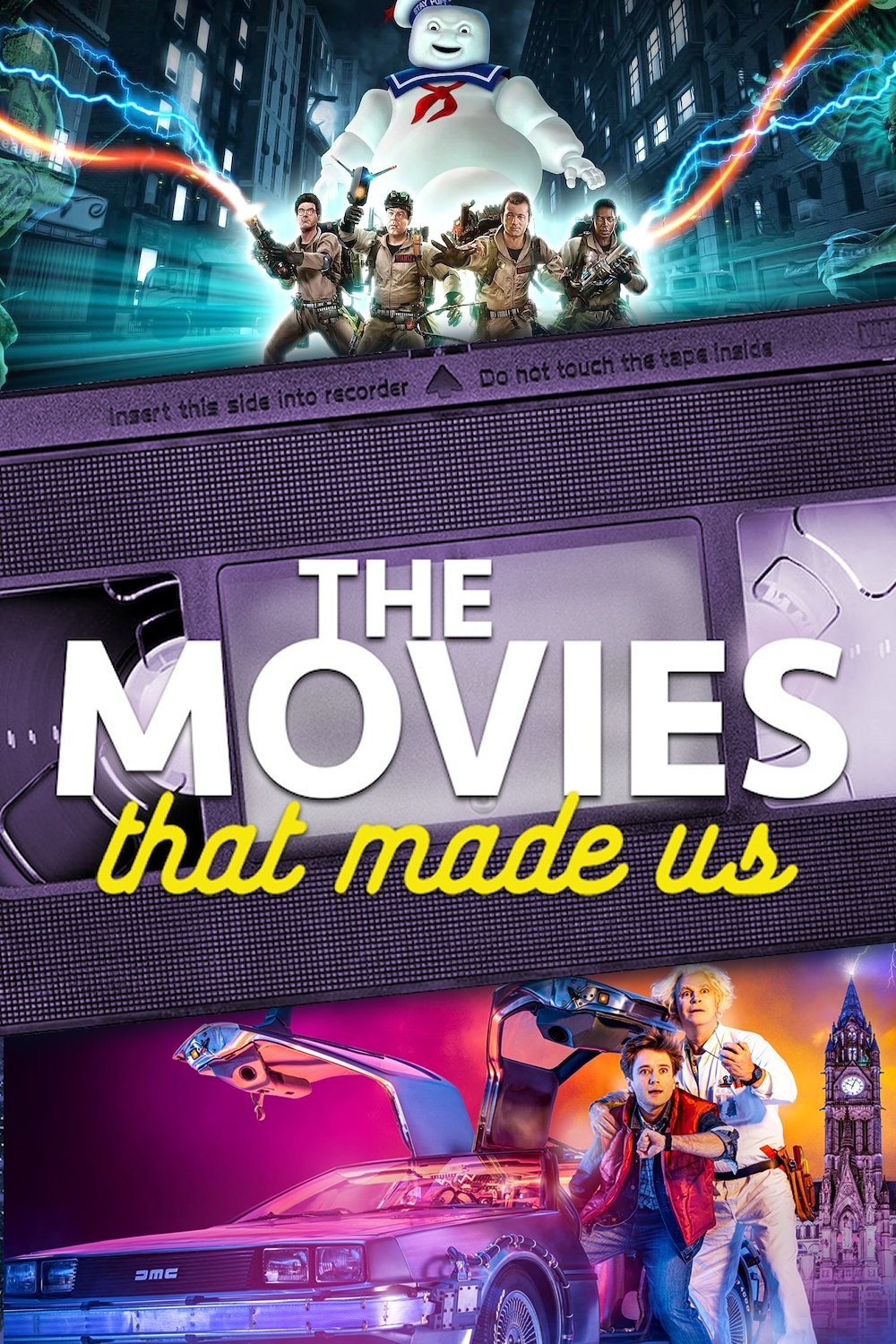
These blockbusters brought us together and gave us the time of our lives. Meet the actors, directors and industry insiders who made them happen.
The space race, the cold war, "free love," civil rights and more: The decade of the 1960s shaped our history -- and changed the world. In collaboration with Tom Hanks, Gary Goetzman and Mark Herzog, CNN explores perhaps the most transformative decade of the modern era in a 10-part documentary series and brings new insights into how those events shaped today.
Listen up, people! This ain't no Ponzi scheme - it's the real deal! VH1 is back to celebrate the decade that kicked off the 21st century with I Love the 2000s. As entertaining as "Jersey Shore", as sexy as Paris Hilton through night vision goggles and almost as long as all the Harry Potter movies combined, VH1's: I Love the 2000s is more fun than a game of Grand Theft Auto. VH1 is bringing back its wildly popular and hilarious I Love the 80s style for the I Love the 2000s series because, well, we can! Viewers will get a major dose of the essential music, movies, TV shows, products, fashions, fads, trends, scandals and major events that defined pop culture in the '00s. From Angry Birds to Snakes on a Plane, "Poker Face" to Facebook, from hipsters to Twihards, we will revisit it all from the inspirational to the preposterous and everything else in between.
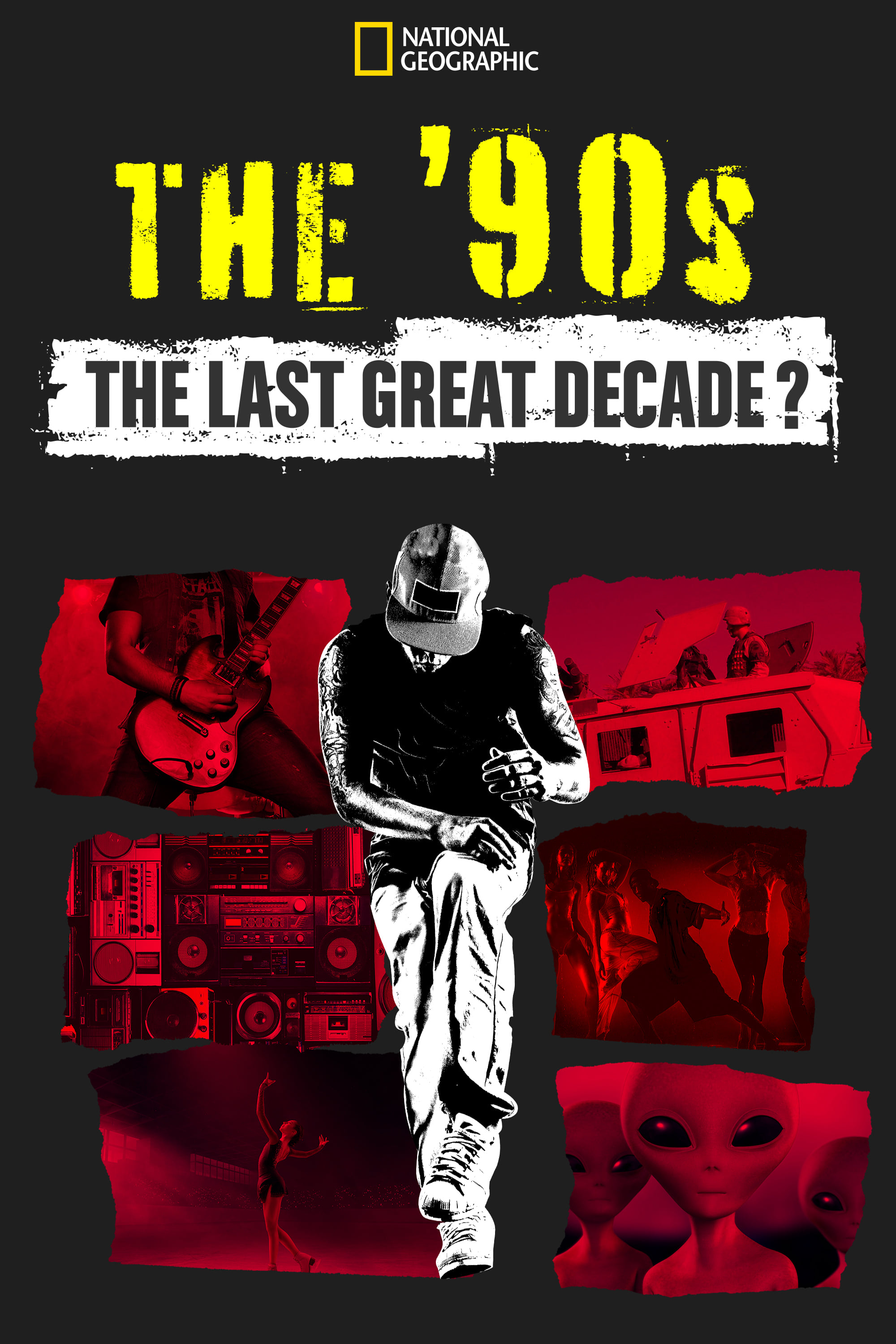
The '90s: The Last Great Decade? revisits the decade through "inside out" storytelling and analysis via 120 original interviews—from unsung heroes behind the decade's most riveting stories to the biggest names in politics, tech, movies and music. They reveal a decade of highs and lows: Bill Clinton swept into office on the promise of change; we all made new "Friends"; the LA Riots kept us glued to our TVs; Nirvana gave Generation X a voice but everyone danced the Macarena; and "The Real World" and Jerry Springer changed the television programming landscape. With a star-studded cast of actors, eyewitnesses, politicians and celebrity interviewees, The '90s tells the story of 10 years before boom turned into bust; 10 years when the Web was wide open; 10 years before global terror hit hard.
A documentary series about NRK, the Norwegian national broadcaster.
MTV's Greatest Hits was a programme that started on 19 March 1990 - later presented by Paul King from 1991. The main idea was to show all the greatest hits throughout 1960s, 1970s, 1980s and even 1990s. The show was shown at 4pm and then repeated at 10pm CET. In 1993, the programme was aired at 1pm and then at 8pm. In the programme, you could always find best videos from the likes of Madonna, Prince, Duran Duran and more. MTV's Greatest Hits gained in popularity throughout the years, but in July 1994 Paul King said goodbye on the screen showing the very last video on the show: Michael Jackson's Thriller. The show continued on MTV with different VJs eventually removed from the screens circa 1996. As well as main VJ Paul King, there were a few others who would stand in for him in his absence such as Pip Dann or Richie Rich.
Two childhood friends go from high school dropouts to the most powerful drug kingpins in Miami in this true story of a crime sage that spanned decades.
I Love the '70s is a decade nostalgia television mini-series produced by VH-1. The series is based on a BBC series of the same name. It examines the pop culture of the 1970s, using footage from the era, along with "Where Are They Now?" interviews with celebrities from the decade. Additionally, the show features comedians poking fun at the kitchiness of what was popular. The first episode of the series, I Love 1970, premiered on August 18, 2003. A sequel, I Love the '70s: Volume 2, appeared in the United States on VH-1 beginning on 10 July 2006.
We travel back to the sweet shops of yesteryear to celebrate the tastes of our childhood, beginning with the sweets and snacks we devoured in the 1970s.
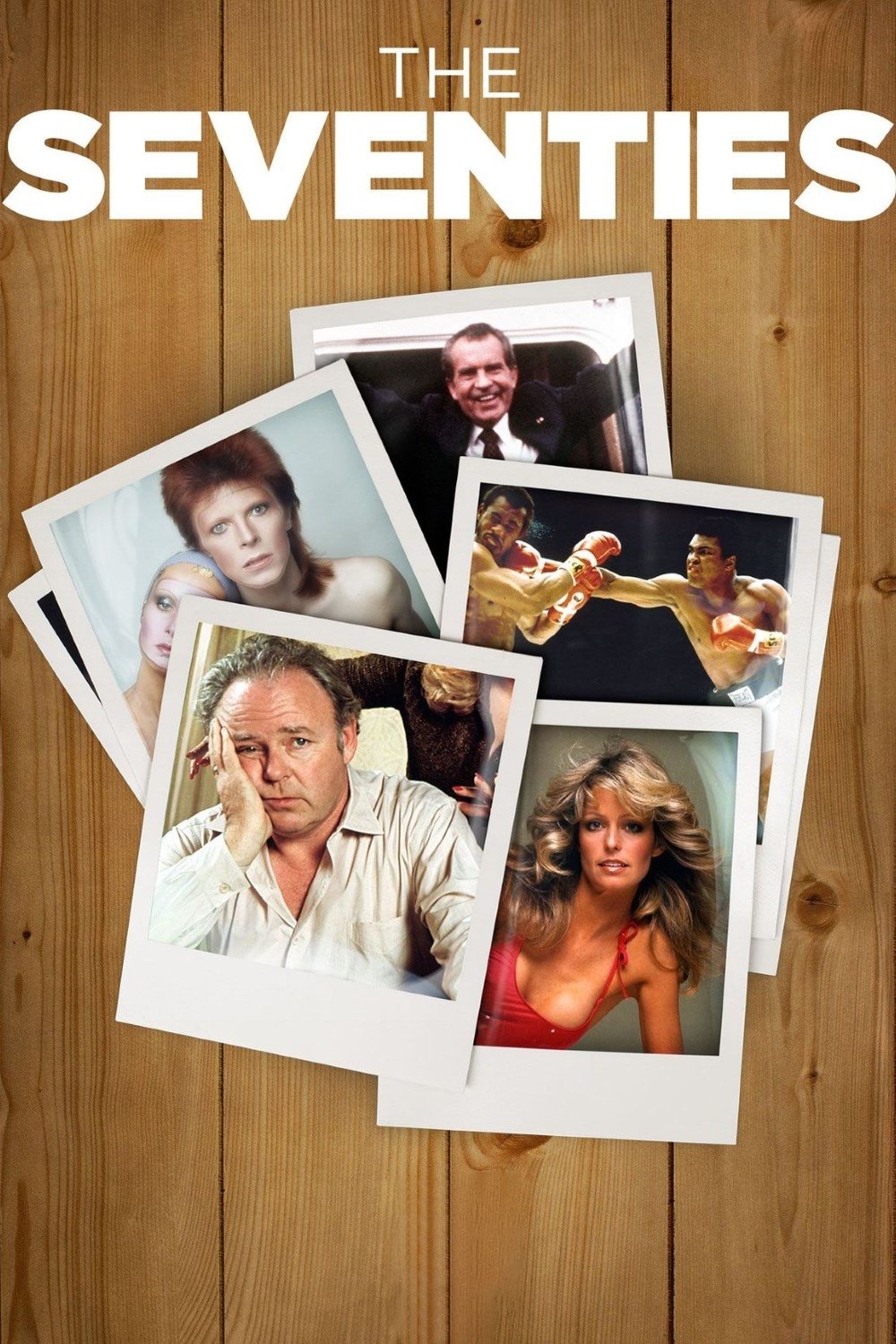
A documentary series focusing on the ongoing Vietnam War, the Watergate scandal, evolving music industry, the Iran Hostage Crisis, the sexual revolution, and the rise of foreign and domestic terrorism.
It is now fifty years since the start of the 1960s – ten years of change, innovation, excitement and creativity that revolutionised our lives. To celebrate this amazing decade, Lulu presents Rewind the 60s - five entertaining programmes that explore all aspects of the 1960s: from where we lived, to what we ate, to how we dressed, and what we listened to. With the help of some very special guests, Lulu shows us how that extraordinary decade transformed Britain and the world forever – and how much fun it was to live through.
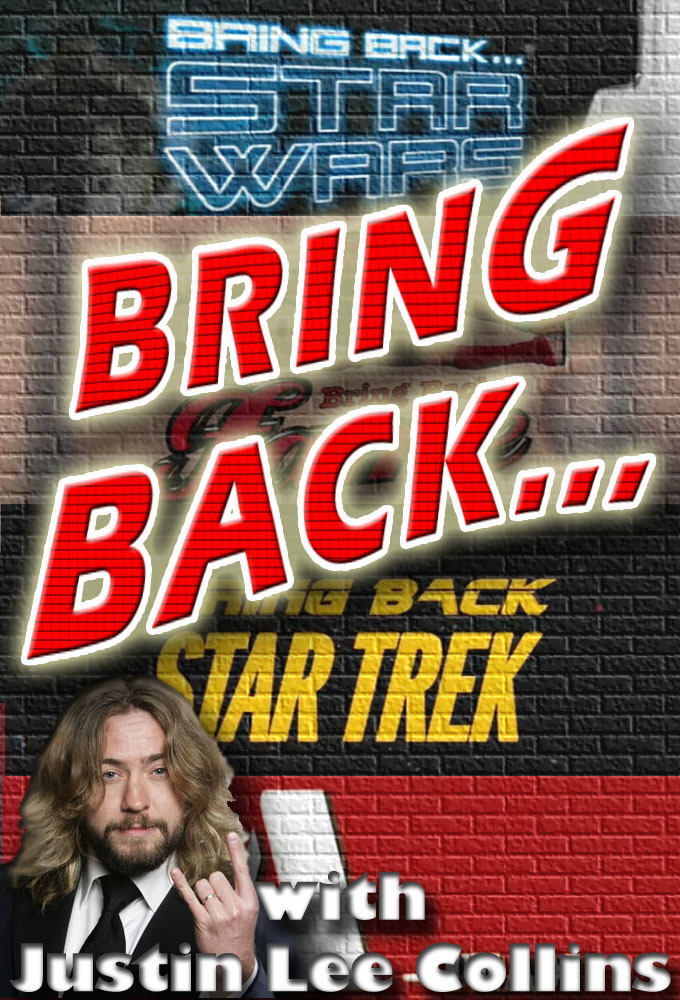
Bring Back... is a British television series comprising one-off shows where Justin Lee Collins tries to locate people from music, TV or film backgrounds to reunite them for a one-off performance or get-together. The series was broadcast on Channel 4.
Celebrities to take a warm, funny look at gadgets, gizmos and games of childhood and Christmases past. 'That's So Last Century' is an entertaining three-part series in which celebrity parents and their kids will dig deep into the not-so-ancient world of the late 20th Century to uncover the technologies, objects and pop culture artefacts that time has forgot. We'll bring together these lost relics in front of the parents (who'll remember them) and their kids (who most probably won't) to see how they react. A new take on the archive show, they'll not only watch clips of these now hilariously outdated objects, but they'll get their hands on them too. With each episode covering a different category of 20th century life, how will they fare when getting to grips with a fax machine, playing the original black and white Nintendo Game Boy, sporting a Global HyperColour t-shirt or recording a programme on VHS? That's So Last Century is an intelligent celebration of how the speed of technological and cultural changes has, in just a few years, made objects, TV shows and gadgets bizarre and unrecognisable to kids today.
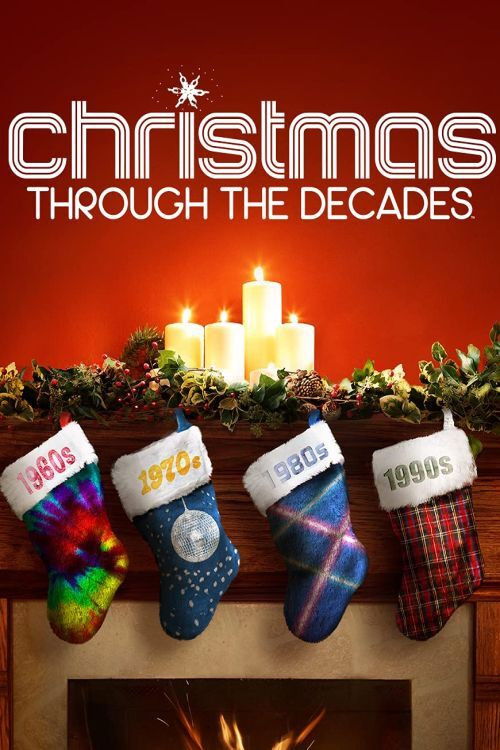
Take a trip back in time to see what Christmas and the holiday season were like in America not too long ago as we reveal how many of today’s popular holiday celebrations and traditions had their start in the 1960s, 70s, 80s and 90s. With experts and cultural icons offering their own insight and personal memories, we reveal how your favorite holiday films, fads, television specials, songs and toys are still part of your holiday celebrations today.
An entertaining documentary series that views popular culture as seen through the media in the baby boomer years.
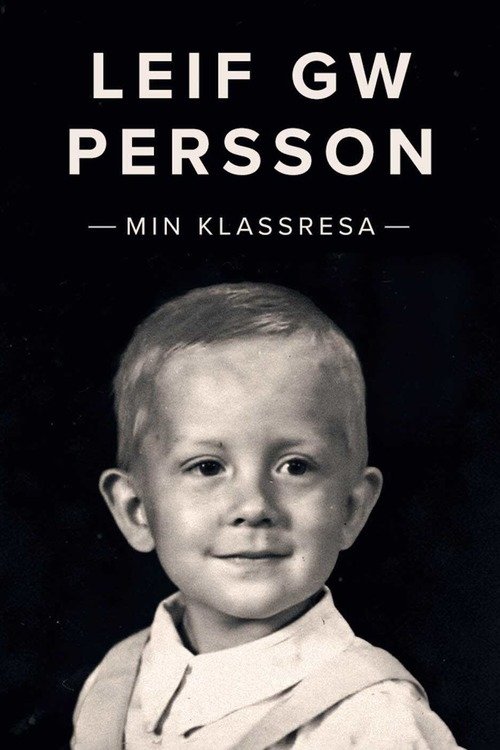
Documentary about Leif GW Persson, told by Jens Lind. The story spans over seven decades, from Leifs birth at the end of world war II in march 1945, until now when the working class kid has become one of Swedens most appreciated writers and tv-personalities.
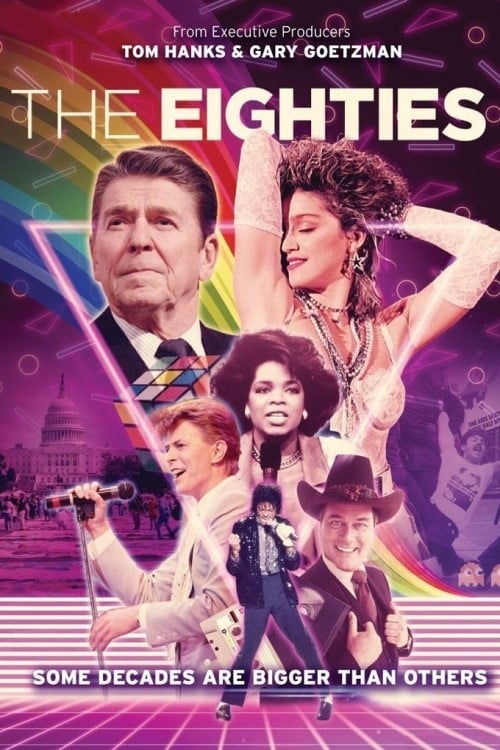
The third installment from executive producers Tom Hanks, Gary Goetzman and Mark Herzog, following in the footsteps of critically-acclaimed series THE SIXTIES and THE SEVENTIES, tackles 10 years shaped by exceptionalism and excess. Like its predecessors, THE EIGHTIES intersperses rare archival newsreel footage, interviews, and comments by historians, journalists, politicians, celebrities and others, painting a perspective-rich picture of a vibrant decade. Episodes examine the age of Reagan, the AIDS crisis, the end of the Cold War, Wall Street corruption, the evolving TV and music scene, and everything in between.
I Love the '80s 3-D is the follow-up to VH1's 1980s nostalgia show I Love the '80s and its sequel I Love the '80s Strikes Back. It premiered October 24, 2005. Like its predecessors, it premiered in one hour installments, each describing the events and trends of a year between 1980 and 1989, two shows per night until Friday, October 28, 2005. The show is actually in 3D, using a process called ChromaDepth that appears in 3D when using a special pair of ChromaDepth glasses, but the process allows the show to be viewable in normal 2D. The ChromaDepth glasses for the show were available free at Best Buy stores across the United States.
Hit rewind and explore the most iconic moments and influential people of The Nineties, the decade that gave us the Internet, DVDs, and other cultural and political milestones.
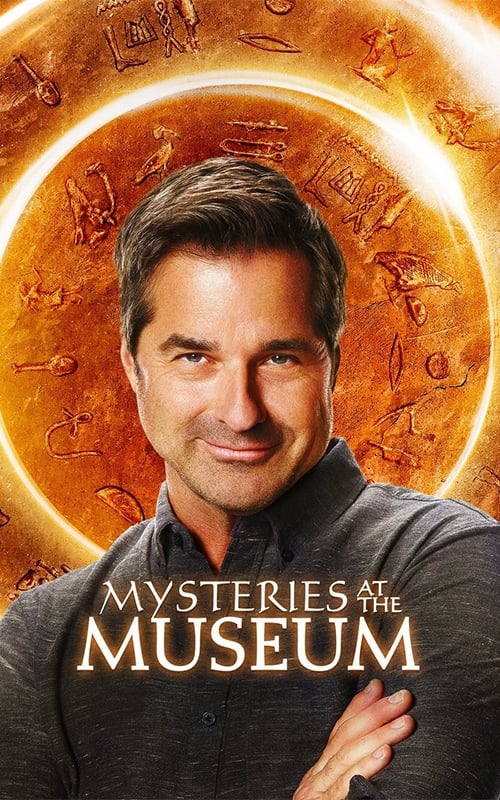
Don Wildman unearths relics from the world's greatest institutions to reveal secrets from the past. He examines each artifact to illuminate history's most incredible triumphs, sensational crimes and bizarre encounters.
Infographics and archival footage deliver bite-size history lessons on scientific breakthroughs, social movements and world-changing discoveries.
TV's most-watched history series brings to life the compelling stories from our past that inform our understanding of the world today.
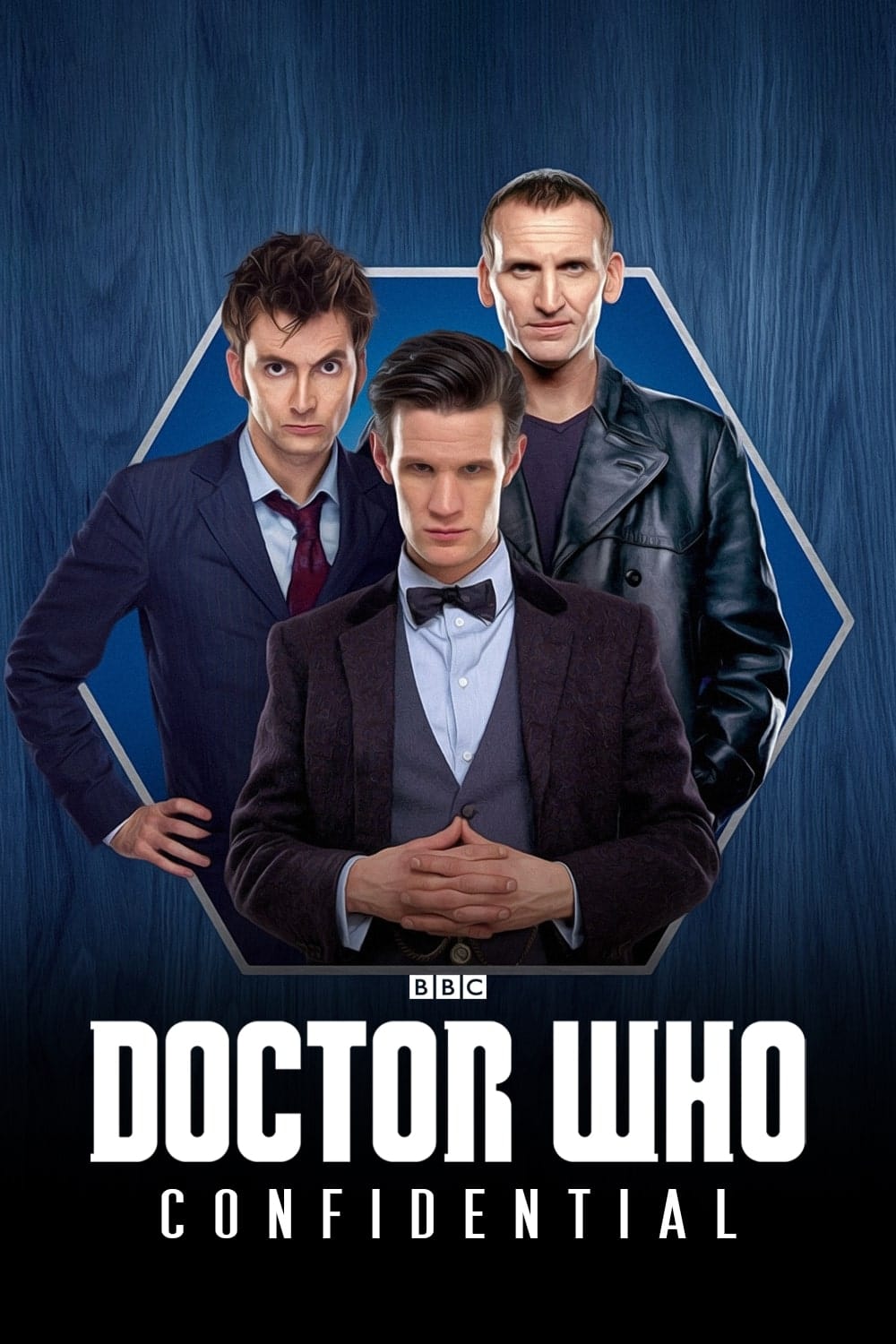
Doctor Who Confidential is a documentary to complement the revival of the long-running British science fiction television series Doctor Who. Each episode was broadcast on BBC Three on Saturdays, immediately after the broadcast of the weekly television episode on BBC One. The running time of the first two series was 30 minutes, being extended to 45 minutes in the third. BBC Three also broadcast a cut-down edition of the programme, lasting 15 minutes, shown after the repeats on Sundays and Fridays and after the weekday evening repeats of earlier seasons.
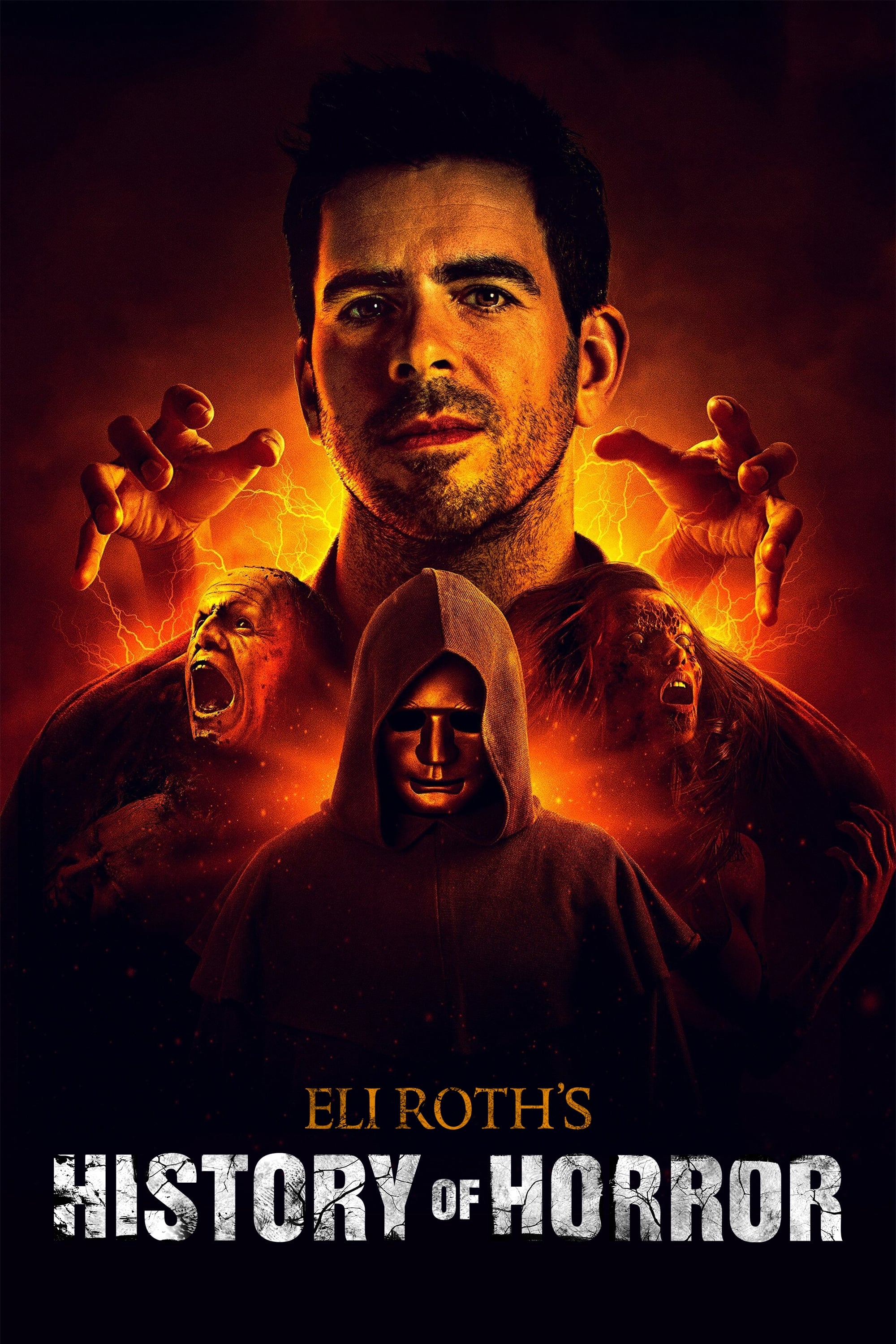
An in-depth look at the history and pop cultural significance of horror films.
Explore American cinema through the decades and the cultural, societal and political shifts that framed its evolution.
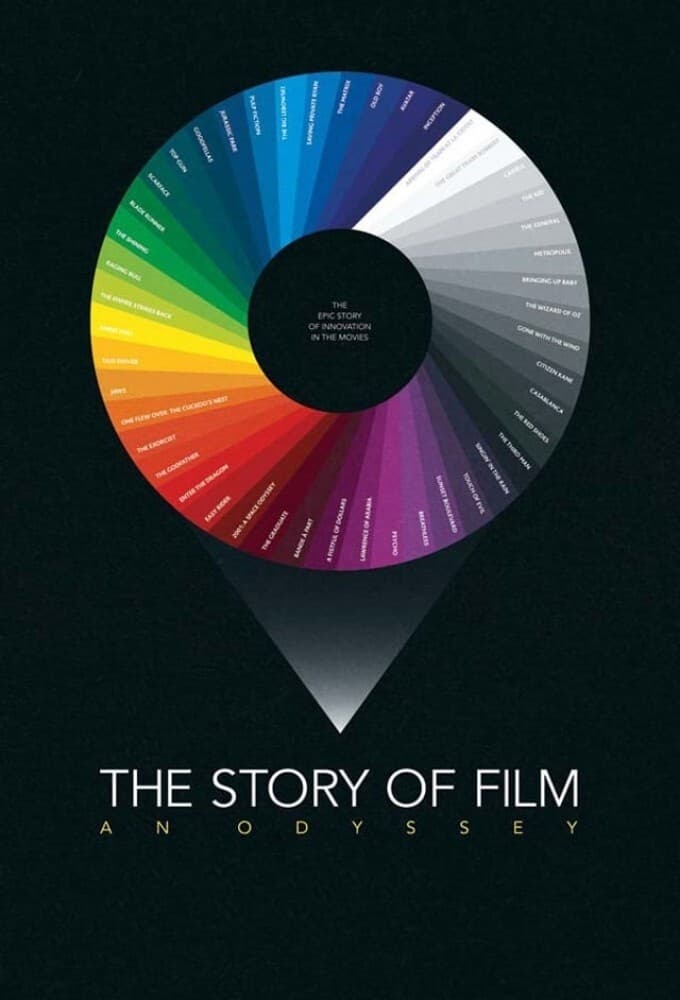
A worldwide guided tour of the greatest movies ever made and the story of international cinema through the history of cinematic innovation.
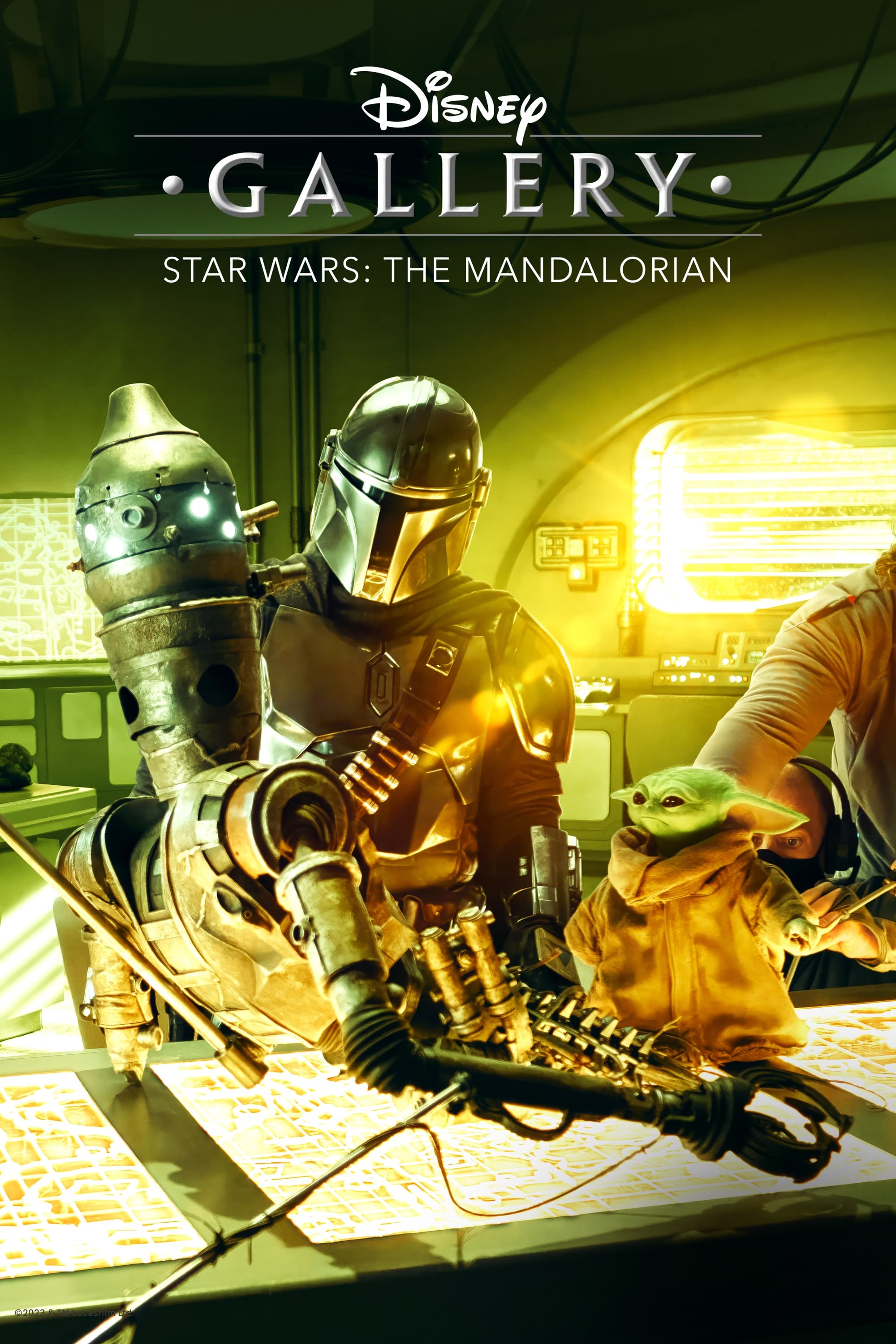
Executive producer Jon Favreau invites the cast and crew of The Mandalorian to share an unprecedented look at the making of the series. Each chapter explores a different facet of the first live-action Star Wars television show through interviews, never-before-seen footage, and roundtable conversations hosted by Favreau himself.
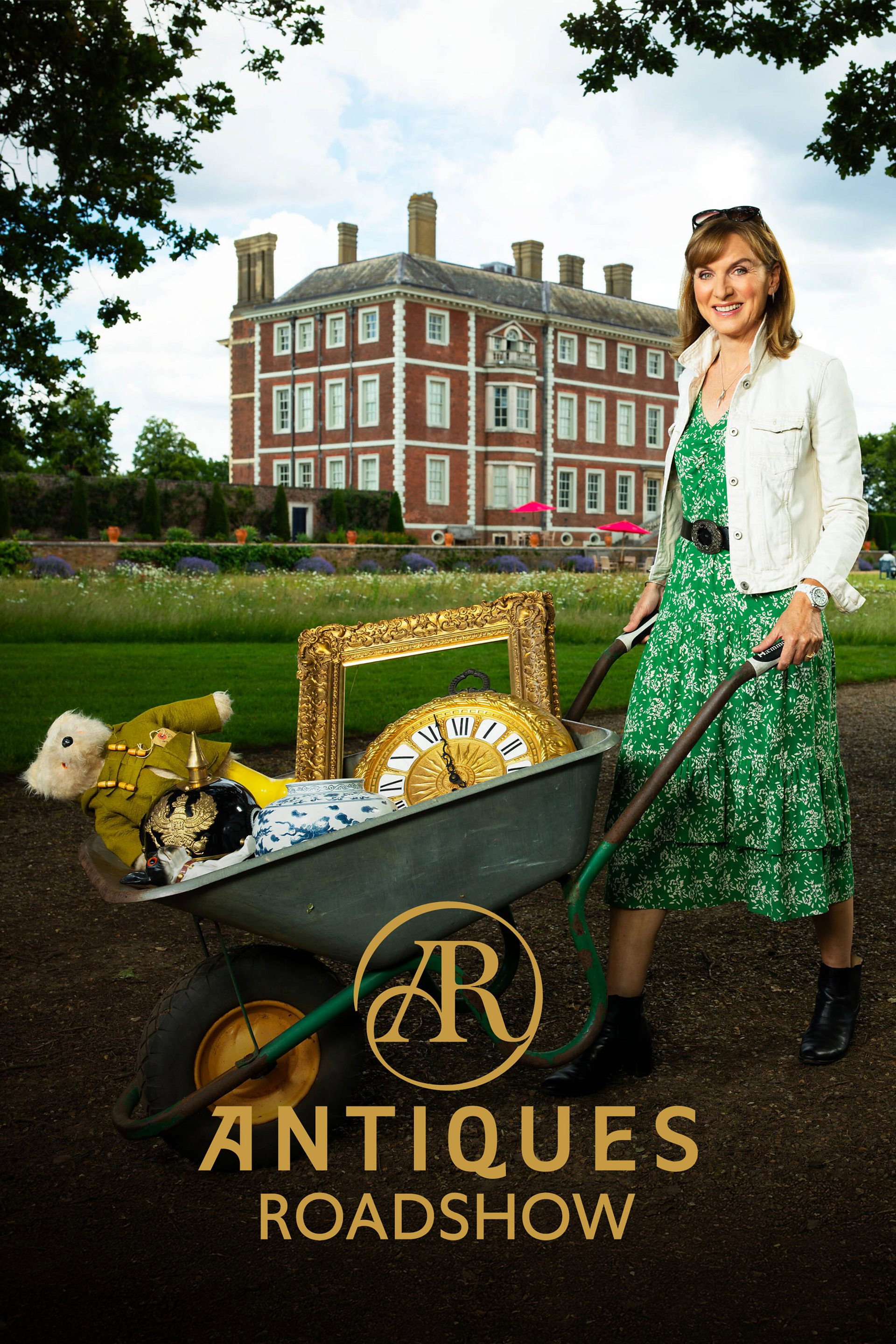
Antiques Roadshow is a British television show in which antiques appraisers travel to various regions of the United Kingdom to appraise antiques brought in by local people. It has been running since 1979. There are also international versions of the programme.
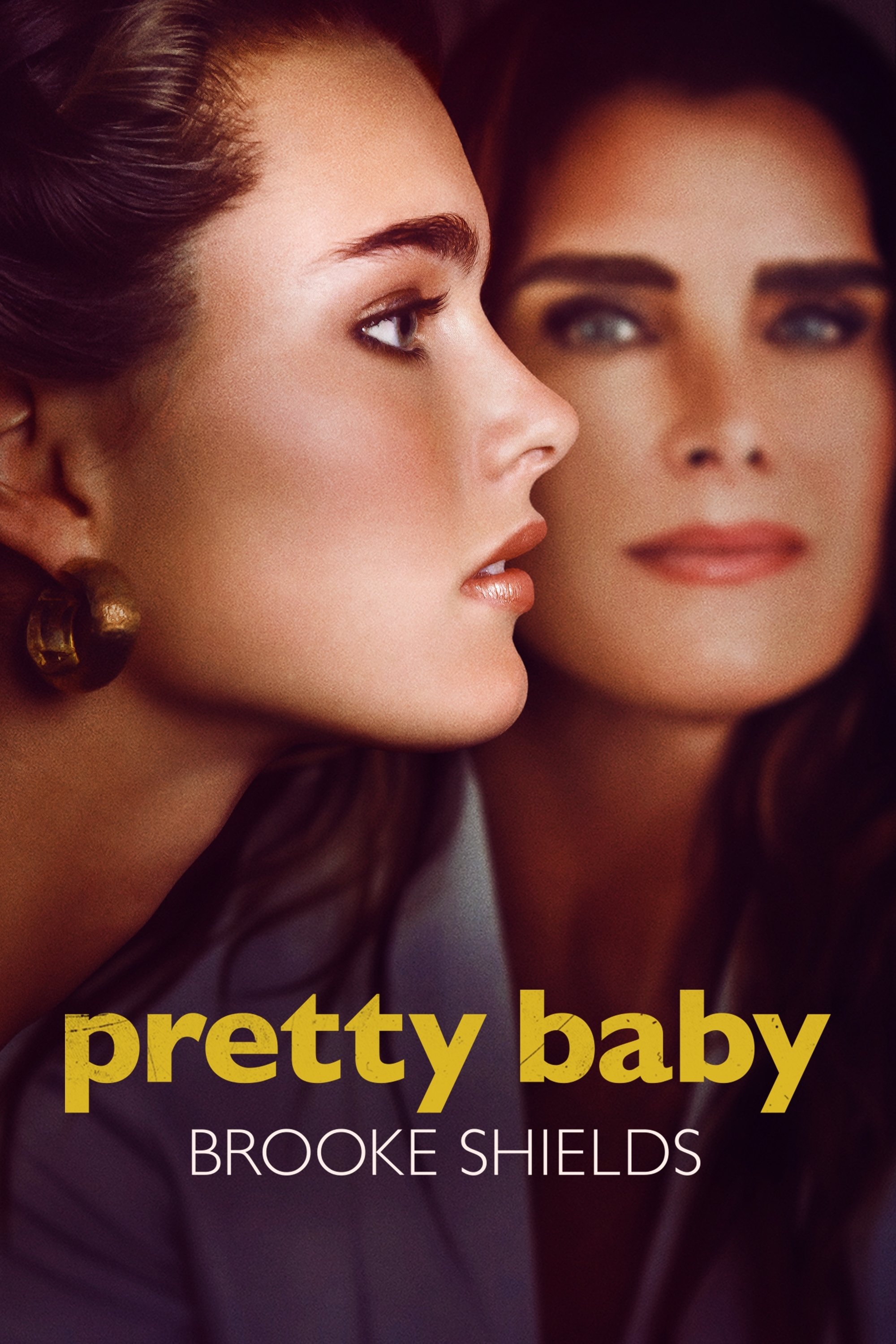
Actor, model, and global superstar Brooke Shields’ journey from a sexualized young girl to a woman who embraces her identity and voice.
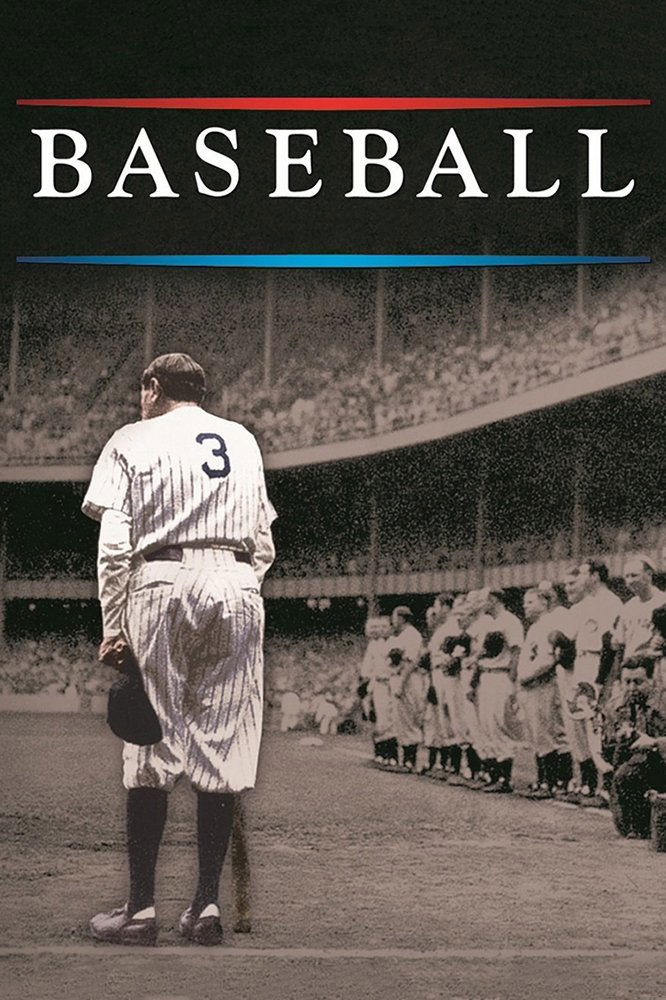
The history of the sport of baseball in America, told through archival photos, film footage, and the words of those who contributed to the game in each era. Writers, historians, players, baseball personnel, and fans review key events and the significance of the game in America's history.
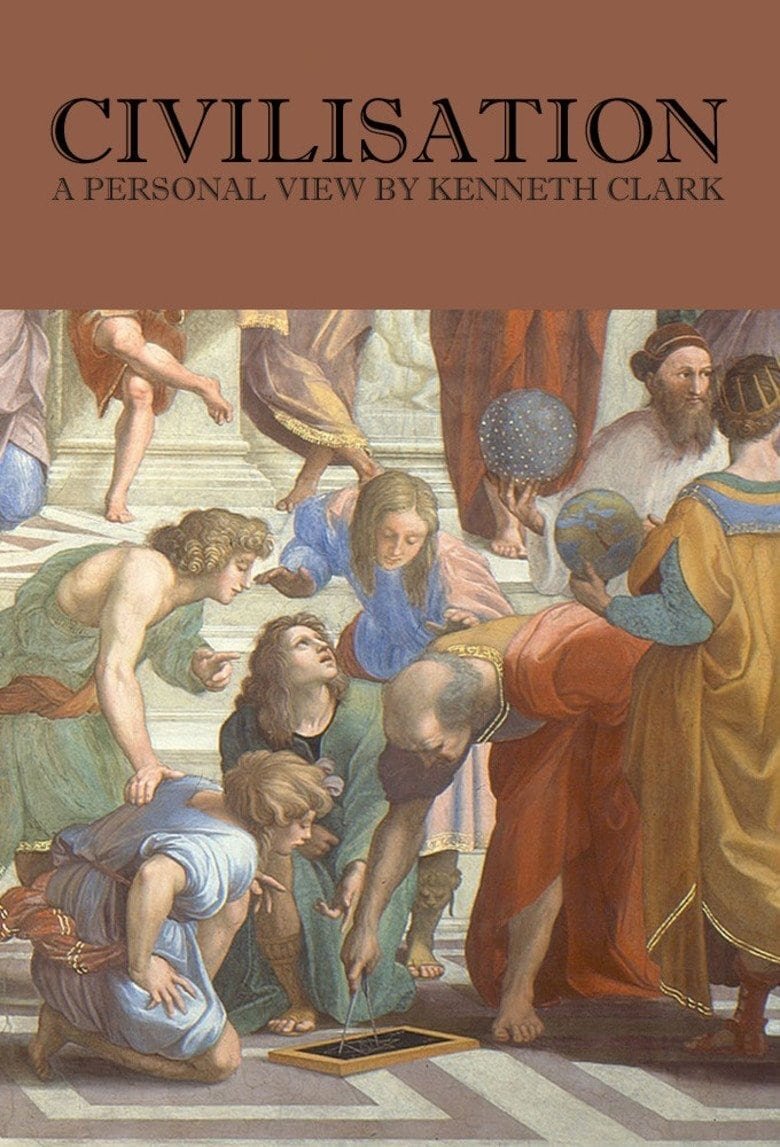
Sir Kenneth Clark guides us through the ages exploring the glorious rise of civilisation in western man. Beginning with the bleakness of the dark ages to the present day, we consider civilisation's articulations and expressions in some of man's finest works of art.
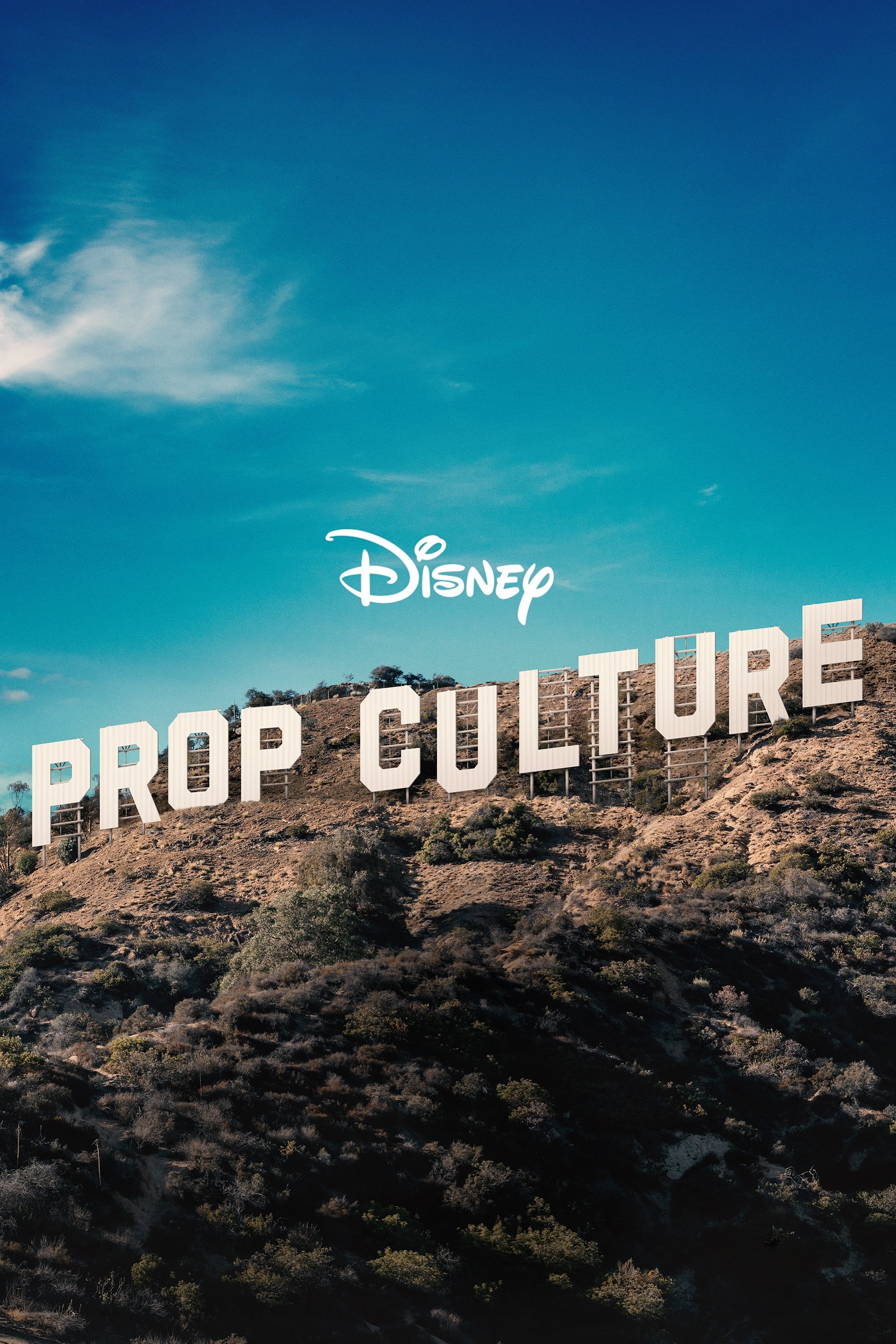
Film historian and prop collector Dan Lanigan reunites iconic Disney movie props with the filmmakers, actors, and crew who created and used them in some of Disney’s most beloved films. Throughout this journey, Dan will recover lost artifacts, visit private collections, and help restore pieces from the Walt Disney Archives to their original glory.
A British genealogy documentary series in which celebrities trace their ancestry, discovering secrets and surprises from their past.
Gadget Man shows the world's collection of handy gadgets throughout the ages, from today's smart devices to decades old electronics to even older mechanical devices.
American Masters is a PBS television series which produces biographies on enduring writers, musicians, visual and performing artists, dramatists, filmmakers, and others who have left an indelible impression on the cultural landscape of the United States.