This is the story of the unsung heroes who took America into space.
Social & External
The untold true story behind the Cold War race to put man into space.
The stories of the men and women who made America's mission to the Moon possible are told through archival film, oral histories taken directly from the astronauts and Apollo artifacts, such as John Glenn's camera and Apollo 11's command module.
From the planets to the stars and out to the edge of the unknown, history and science collide in a wondrous yet deadly adventure through space and time.
A documentary mini-series that chronicles NASA's historic journey to the moon.

An unprecedented look at the decade-long odyssey to land a man on the moon. This documentary pulls back the curtain on the familiar narrative of the moonshot, revealing a fascinating stew of scientific innovation, political calculation, media spectacle, visionary impulses and personal drama.
Bill Nye walks viewers through various areas of science to show how far they've come through their beginnings until modern times.
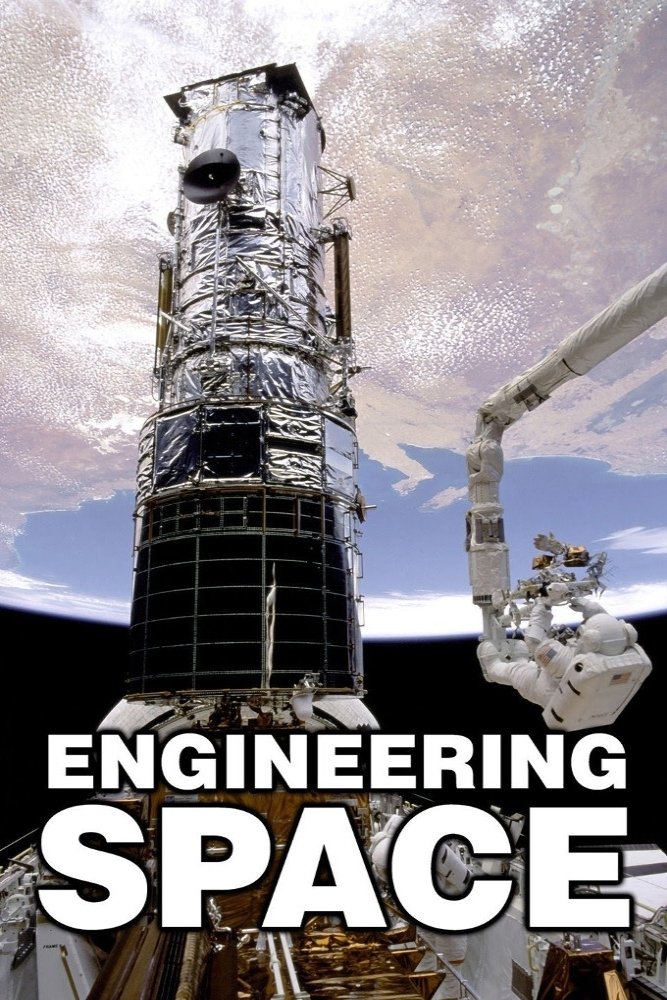
This 4-part documentary miniseries covers the history of manned and unmanned space-flight, from the late 1800s through the mid-1980s.
On May 25, 1961, President John F. Kennedy made a historic speech where he pledged to send astronauts to the moon before the end of the decade. Eight years later, on July 20, 1969, Apollo commander Neil Armstrong stepped out of the lunar module and made a giant leap for mankind - a step that symbolized one of the most remarkable feats in human history. From that moment on, the exploration of our universe has achieved unimaginable feats with hundreds of missions stretching light years into the distant galaxy. This exciting documentary series takes viewers into the past, present and future of NASA.
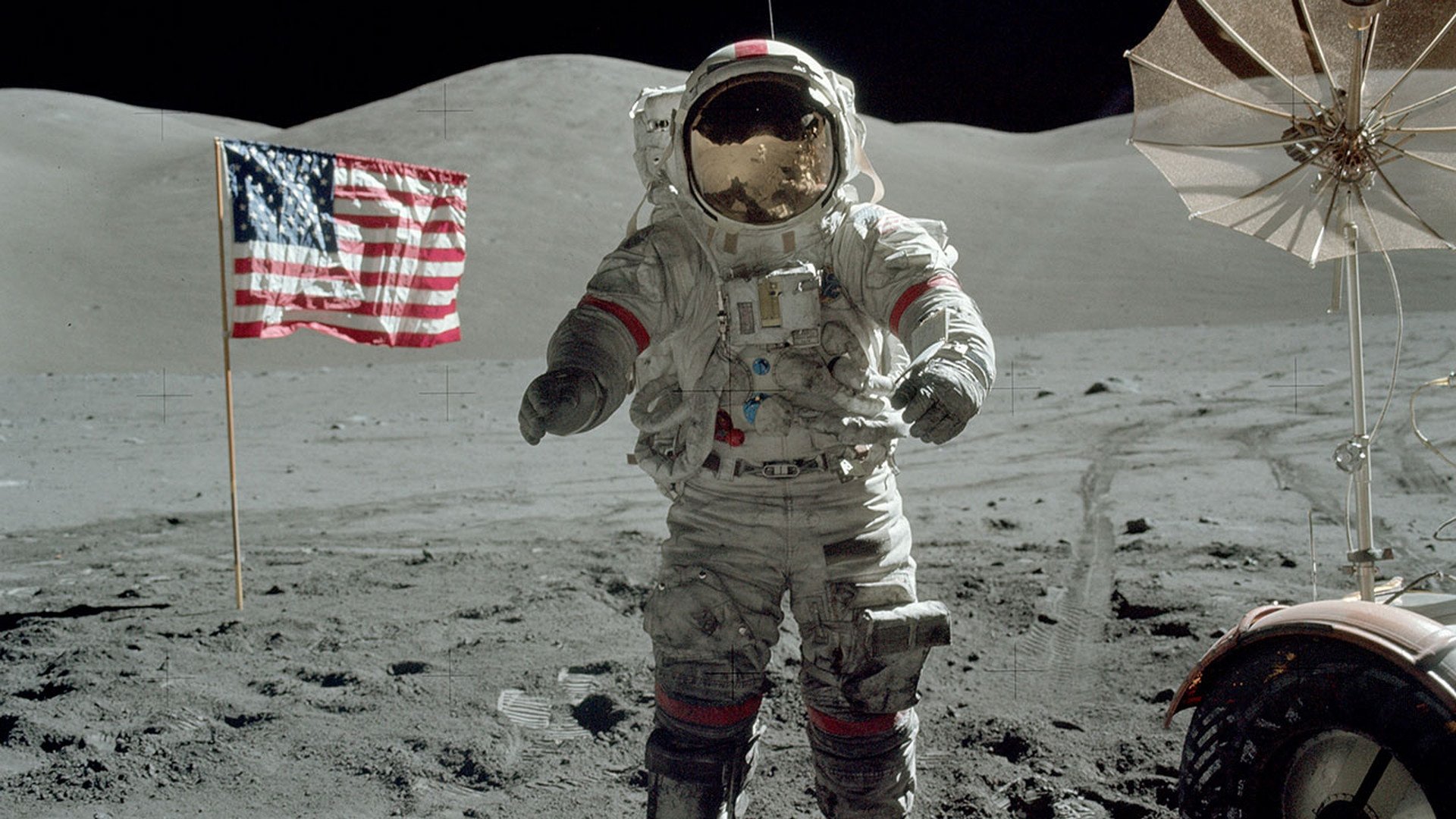
The story of the United States' space program, from its beginnings in 1961 to the final moon mission in 1972.
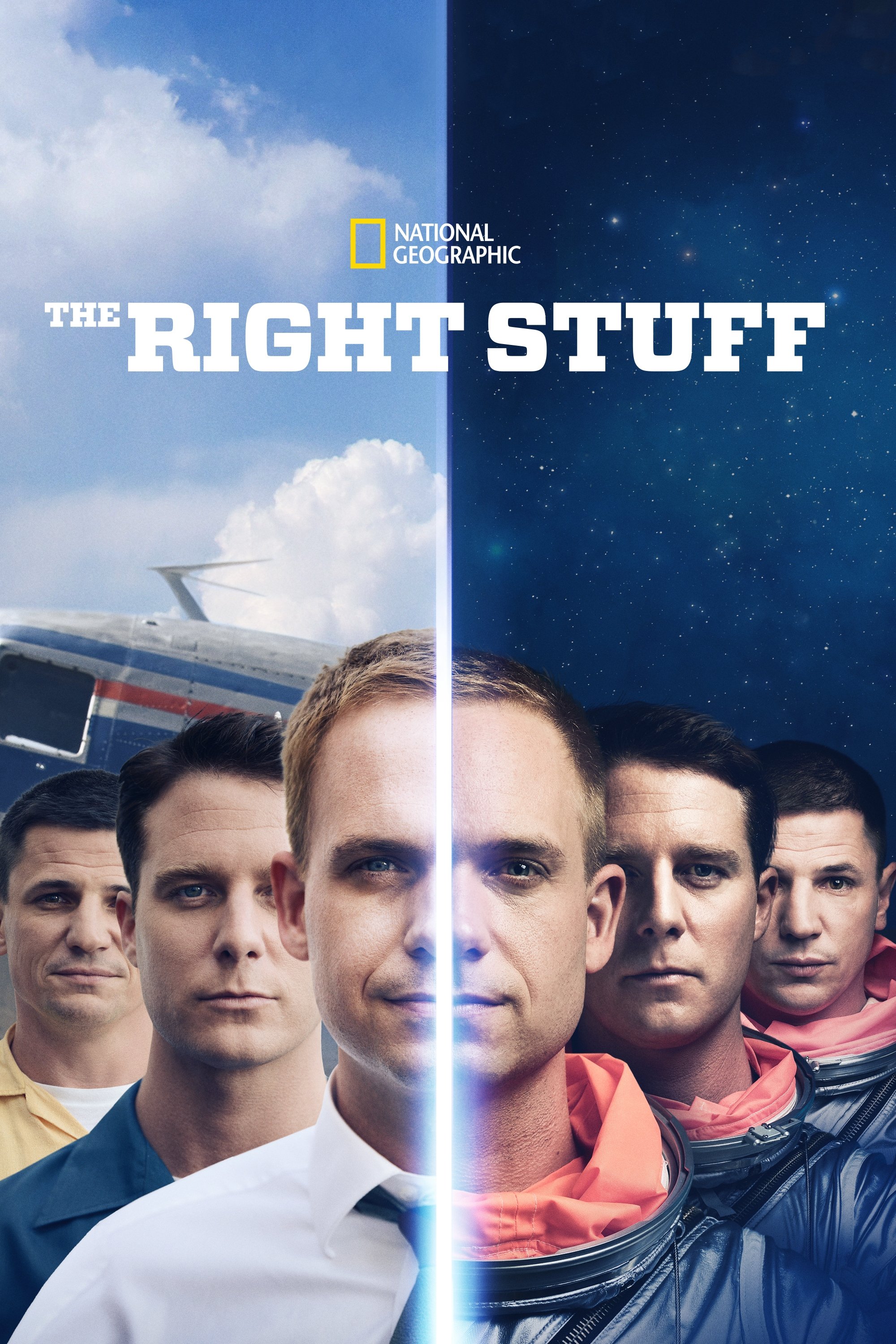
At the height of the Cold War, newly formed NASA selects seven of the military’s best test pilots to become astronauts. Competing to be the first in space, these men achieve the extraordinary, inspiring the world to turn towards a new horizon of ambition and hope.
A 13-hour miniseries detailing James A. Michner's fictional account of the American space program from the years after World War II to the Apollo landings on the moon in the early 1970s.
Explore an aspirational world where NASA and the space program remained a priority and a focal point of our hopes and dreams as told through the lives of NASA astronauts, engineers, and their families.
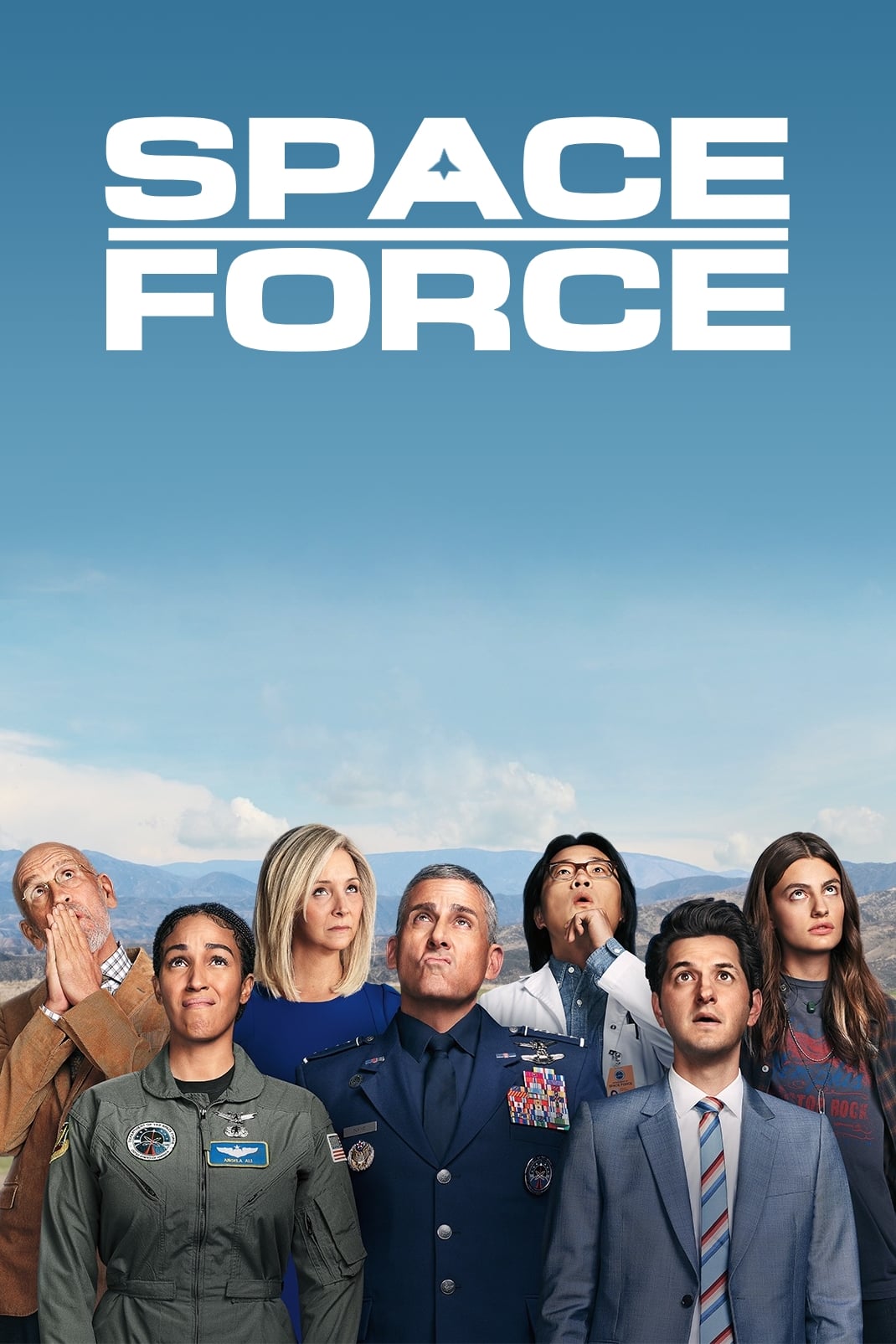
A four-star general begrudgingly teams up with an eccentric scientist to get the U.S. military's newest agency — Space Force — ready for lift-off.
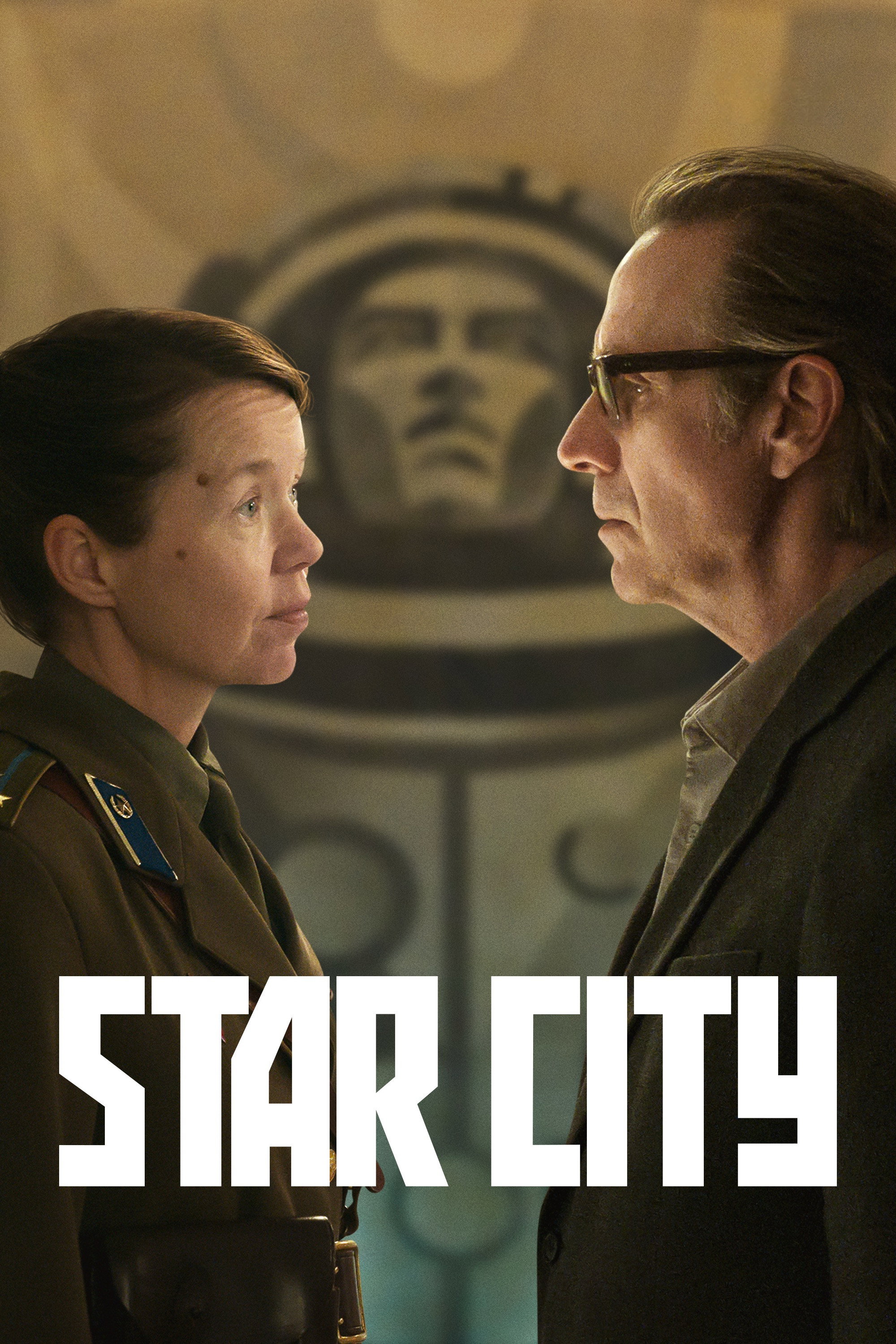
Step into a thrilling chapter inspired by For All Mankind. Same alt-history universe. Different perspective: the Soviet Union's. Go behind the Iron Curtain with the cosmonauts, engineers, and intelligence officers who risked it all in the race for the Moon.
The series heads to the very frontiers of space and science to produce the definitive television history of science fiction, told through its impact on cinema, television and literature, with the help of filmmakers, writers, actors, and graphic artists. Each episode will explore one of the enduring themes of science fiction: time travel; the exploration of space; robots and artificial intelligence; and aliens.
A miniseries documenting American human spaceflight, spanning from the first Mercury flights through the Gemini program to the Apollo moon landings, the Space Shuttle, and the construction of the International Space Station. It was created in association with NASA to commemorate the agency's fiftieth anniversary in 2008.
Carl Sagan covers a wide range of scientific subjects, including the origin of life and a perspective of our place in the universe.
TV's most-watched history series brings to life the compelling stories from our past that inform our understanding of the world today.
Engineers, officials and the crew members' families provide their perspective on the 1986 Space Shuttle Challenger disaster and its aftermath.
A mind-bending, thrilling journey exploring the fragility and wonder of planet Earth, one of the most peculiar, unique places in the entire universe, brought to life by the only people to have left it behind – the world’s most well known and leading astronauts.
Horizon tells amazing science stories, unravels mysteries and reveals worlds you've never seen before.
Motoring programme featuring reviews of and reports about cars of all types.
Honoring service members whose courage merited the awarding of a Medal of Honor, this docudrama series re-creates their inspiring true stories.
Through the prism of Jeff Goldblum's always inquisitive and highly entertaining mind, nothing is as it seems. Each episode is centered around something we all love — like sneakers or ice cream — as Jeff pulls the thread on these deceptively familiar objects and unravels a wonderful world of astonishing connections, fascinating science and history, amazing people, and a whole lot of surprising big ideas and insights.
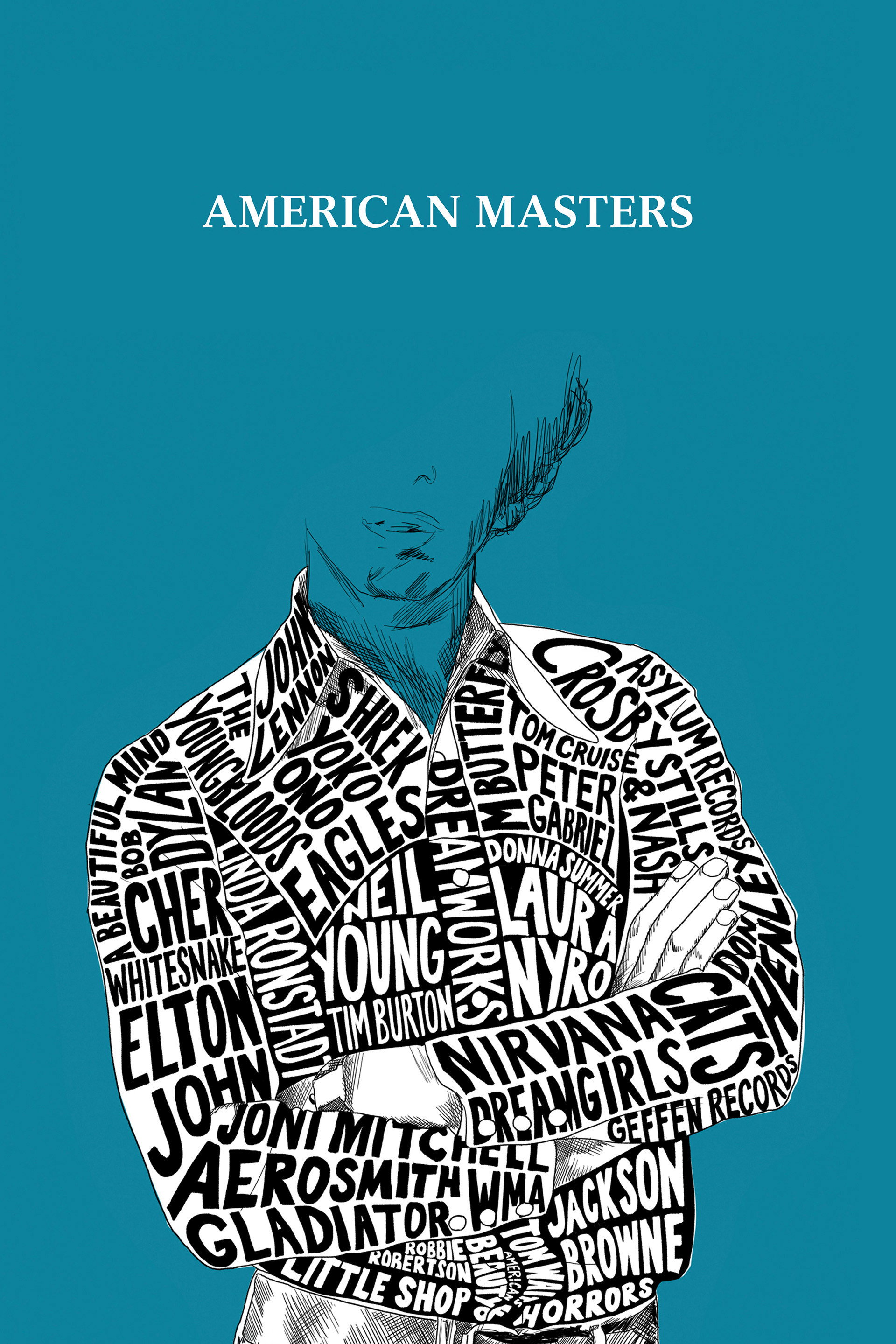
American Masters is a PBS television series which produces biographies on enduring writers, musicians, visual and performing artists, dramatists, filmmakers, and others who have left an indelible impression on the cultural landscape of the United States.
Biography is a documentary television series. It was originally a half-hour filmed series produced for CBS by David Wolper from 1961 to 1964 and hosted by Mike Wallace. The A&E Network later re-ran it and has produced new episodes since 1987. The older version featured historical figures such as Helen Keller and Mark Twain, or long-dead entertainment figures such as Will Rogers or John Barrymore. The A&E series has placed the emphasis on such people as Marilyn Monroe, Elvis Presley, Plácido Domingo, Freddie Mercury, Jacqueline Kennedy Onassis, Eric Clapton, Pope John Paul II, Gene Tierney, Selena, Diego Rivera, Mao Zedong and Queen Elizabeth II, and fictional characters like The Phantom, Superman, Hamlet, Betty Boop, and Santa Claus. The program ended up profiling enough figures that in 1999, A&E spun it off into an entire network, The Biography Channel.
Have you ever wondered how the products you use every day are made? How It's Made leads you through the process of how everyday products, such as apple juice, skateboards, engines, contact lenses, and many more objects are manufactured.
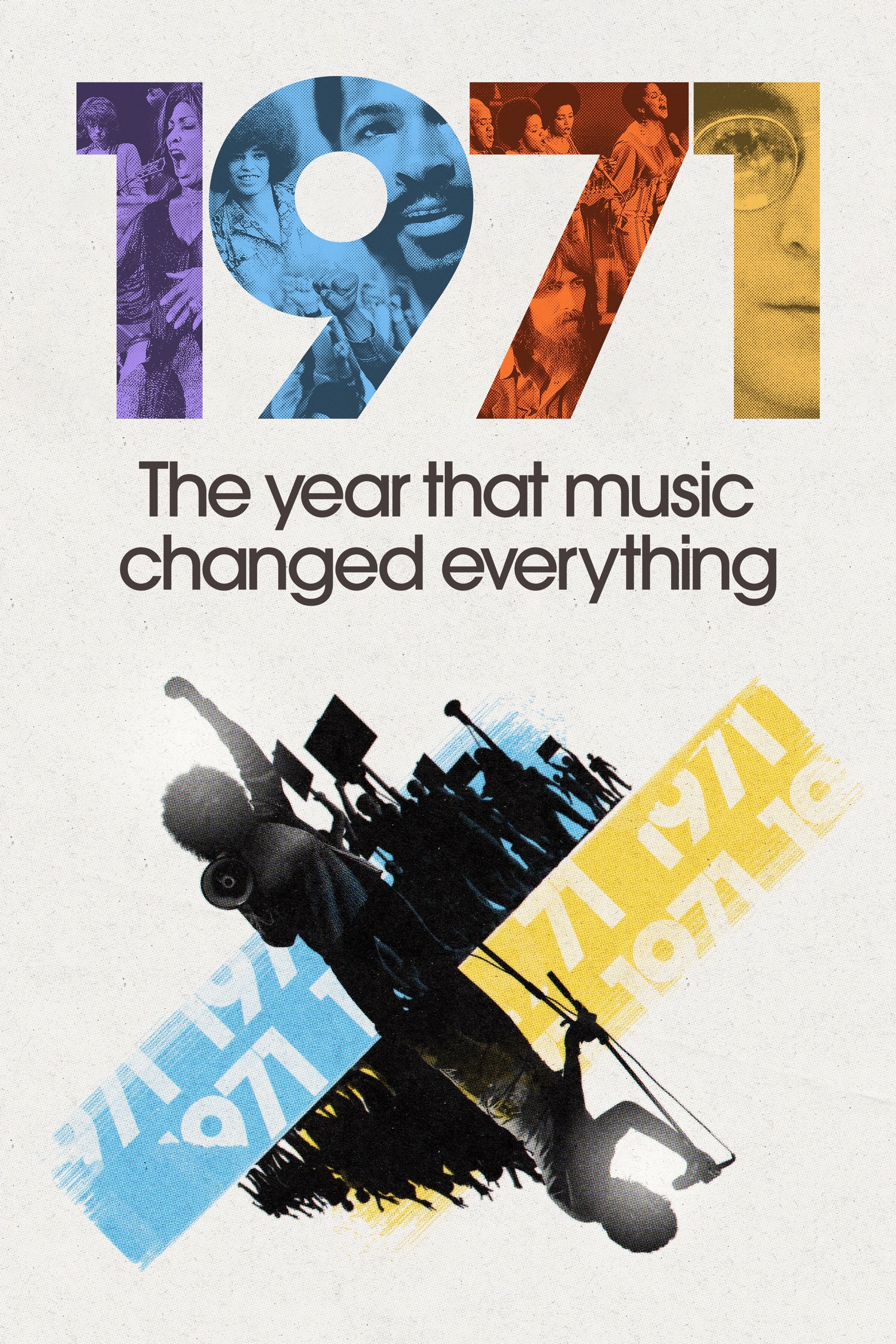
In a tumultuous era, 1971 was a year of musical innovation and rebirth fueled by the political and cultural upheaval of the time. Stars reached new heights, fresh talent exploded onto the scene, and boundaries expanded like never before.
A series of standalone documentaries powered by the unparalleled journalism and insight of The New York Times, bringing viewers close to the essential stories of our time.
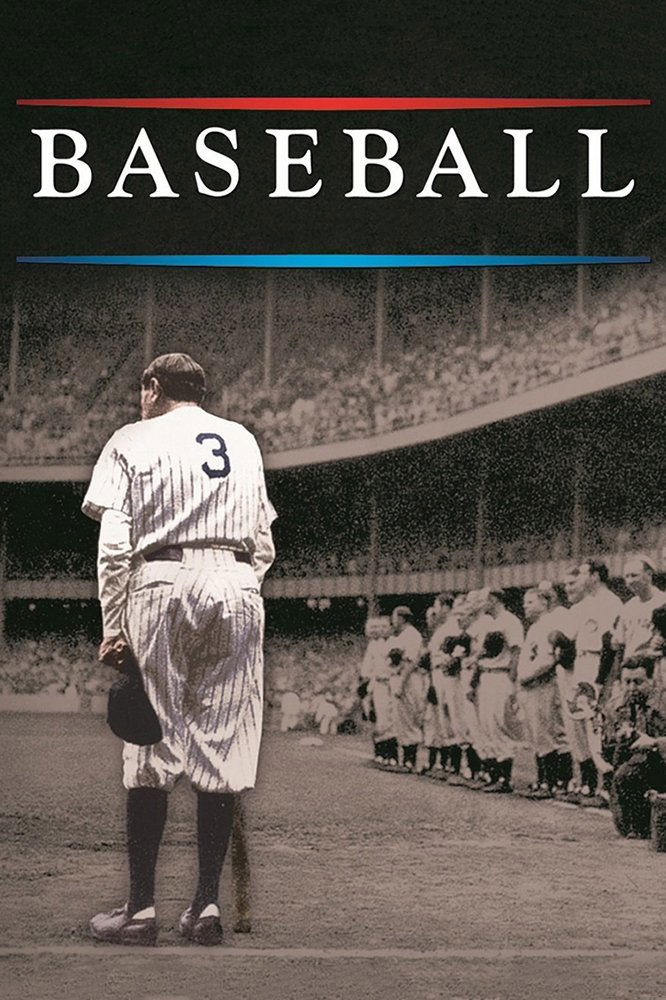
The history of the sport of baseball in America, told through archival photos, film footage, and the words of those who contributed to the game in each era. Writers, historians, players, baseball personnel, and fans review key events and the significance of the game in America's history.
Infographics and archival footage deliver bite-size history lessons on scientific breakthroughs, social movements and world-changing discoveries.
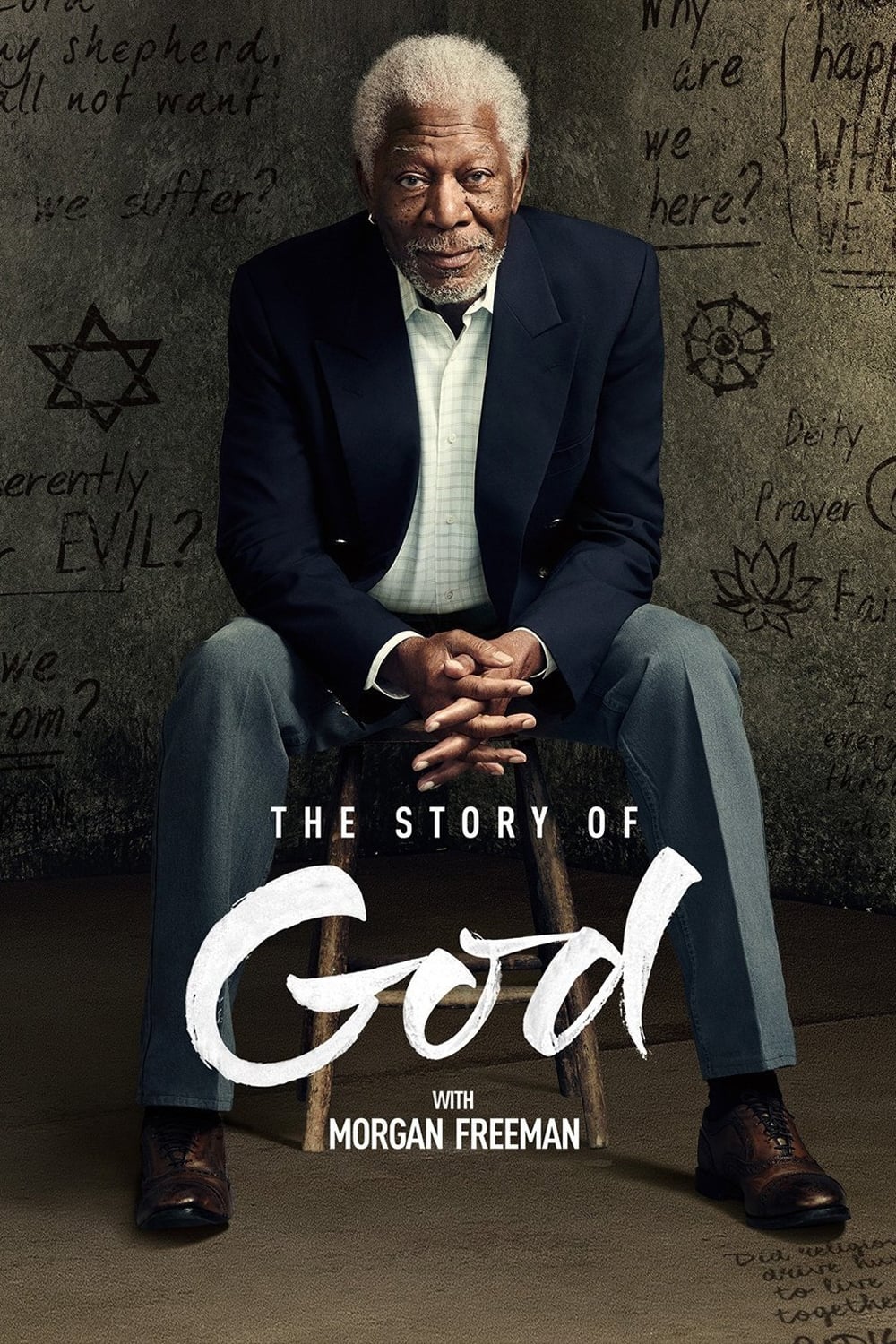
Morgan Freeman presents his quest in order to find how most religions perceive life after death, what different civilizations thought about the act of creation and other big questions that mankind has continuously asked.
30 for 30 is the title for a series of documentary films airing on ESPN, its sister networks, and online highlighting interesting people and events in sports history. This currently includes four "volumes" of 30 episodes each, a 13-episode series under the ESPN Films Presents title in 2011–2012, and a series of 30 for 30 Shorts shown through the ESPN.com website. The series has also expanded to include Soccer Stories, which aired in advance of the 2014 FIFA World Cup, and audio podcasts. This entry refers to the main Volumes of the series presented by ESPN