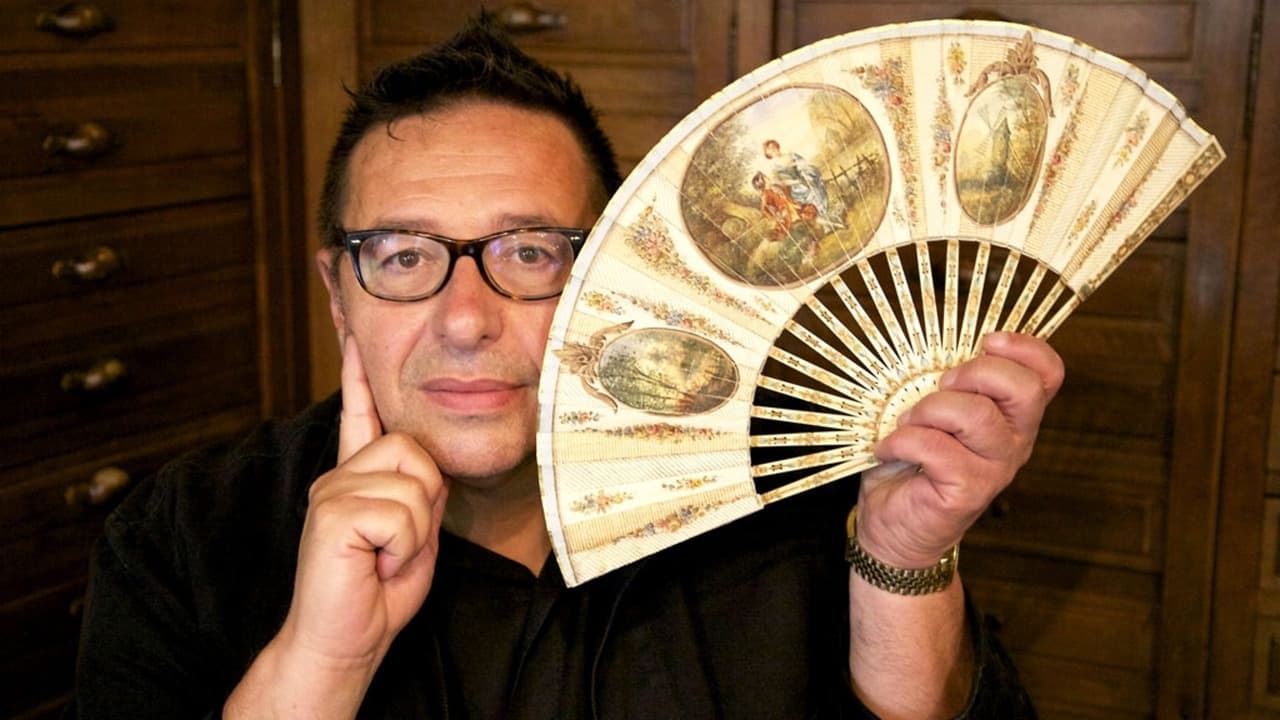
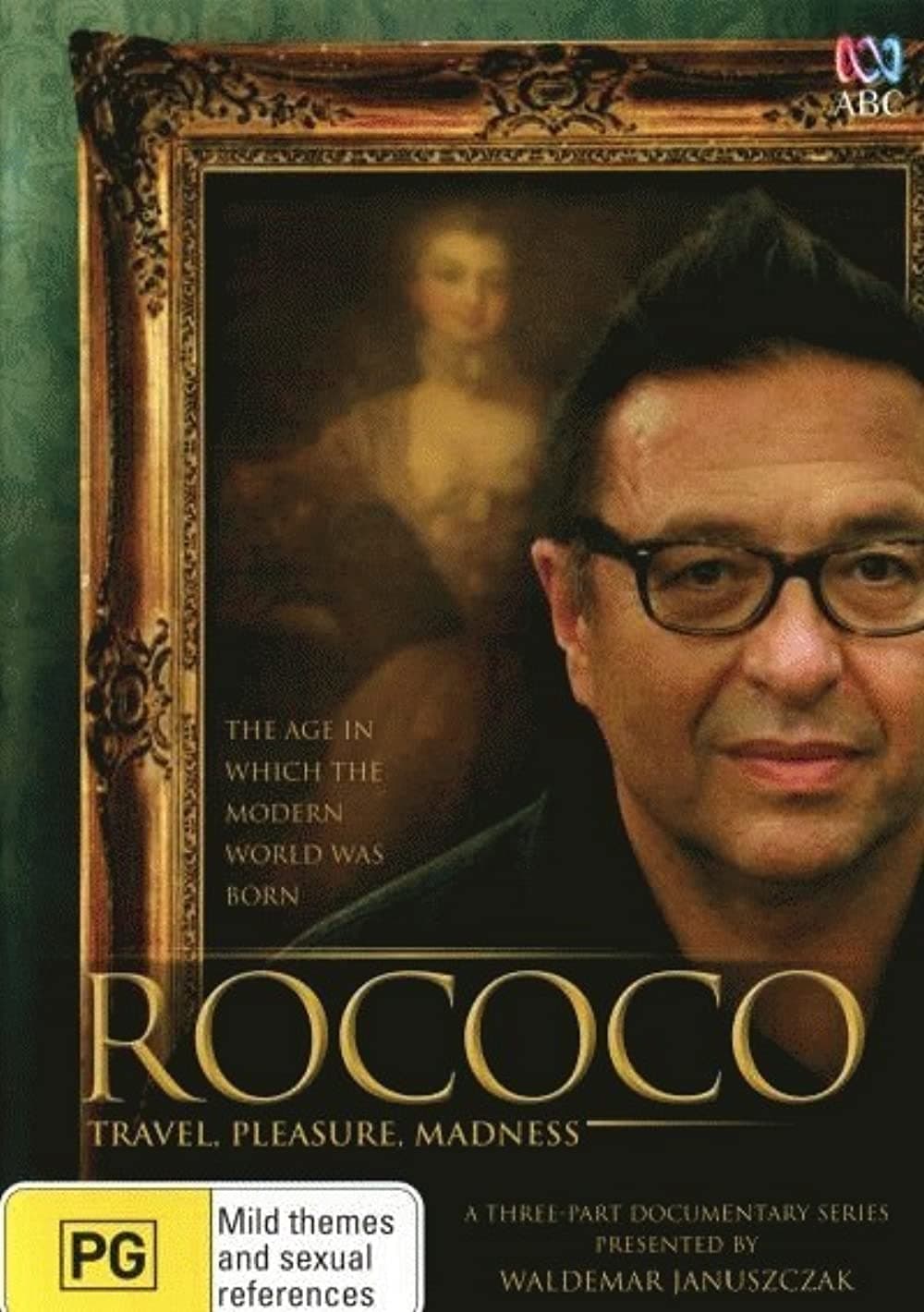
Rococo art is often dismissed as frivolous. But Waldemar Januszczak disagrees and in this three-part series he tries to bring Rococo art closer to us, and argues that the Rococo was the age in which the modern world was born.
Social & External
Host, Narrator
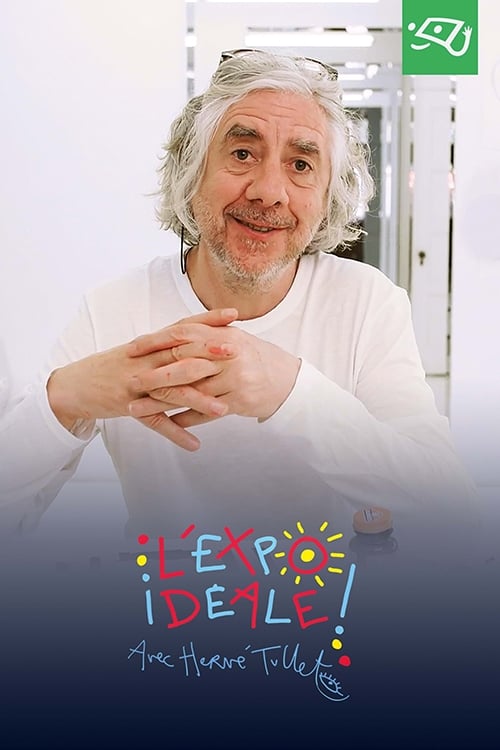
Hervé Tullet, an artist of playful and uninhibited creations, invites young and old to unleash their creativity. He offers a series of creation, recreation and inspiration workshops, so that anyone can put together their own Ideal Exhibition.
Through the beauty of artistic forms, Ramon Gener goes inside the inner workings of human nature. All artists use art to explain their emotions.
Seven Ages of Britain is a BBC television documentary series which is written and presented by David Dimbleby. The seven part series was first aired on Sunday nights at 9:00pm on BBC One starting on 31 January 2010. The series covers the history of Britain's greatest art and artefacts over the past 2000 years. Each episode covers a different period in British history. In Australia, all seven episodes aired on ABC1 each Tuesday at 8:30pm from 7 September 2010.
Great Art Explained is a video series that focuses on one piece of art per episode, breaking it down, using clear and concise language free of 'art-speak'.
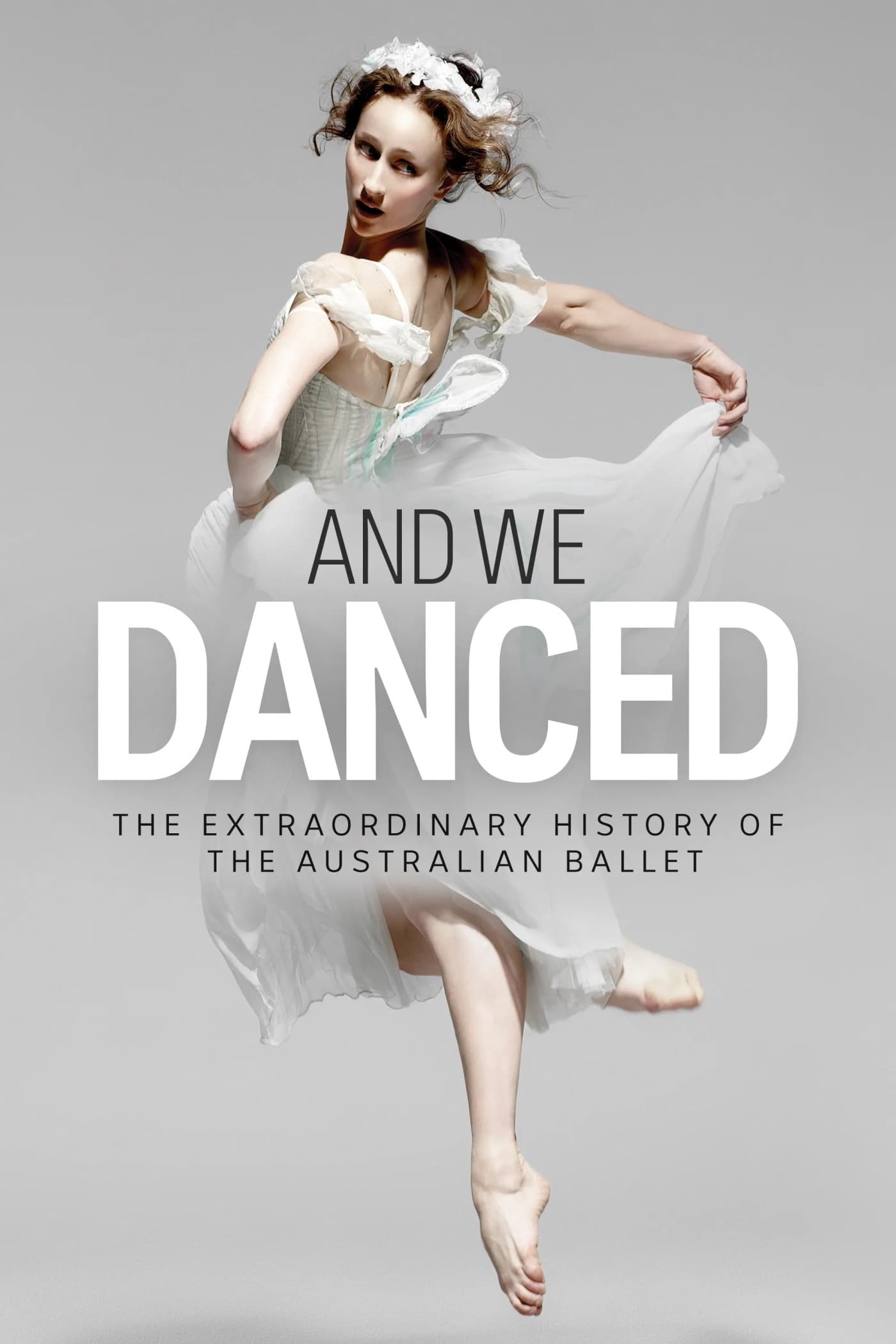
The Australian Ballet has evolved to become our nation's most treasured performing arts company and an icon of dance. 'And We Danced' looks back to reveal what has shaped this world-class institution and made it uniquely ours.
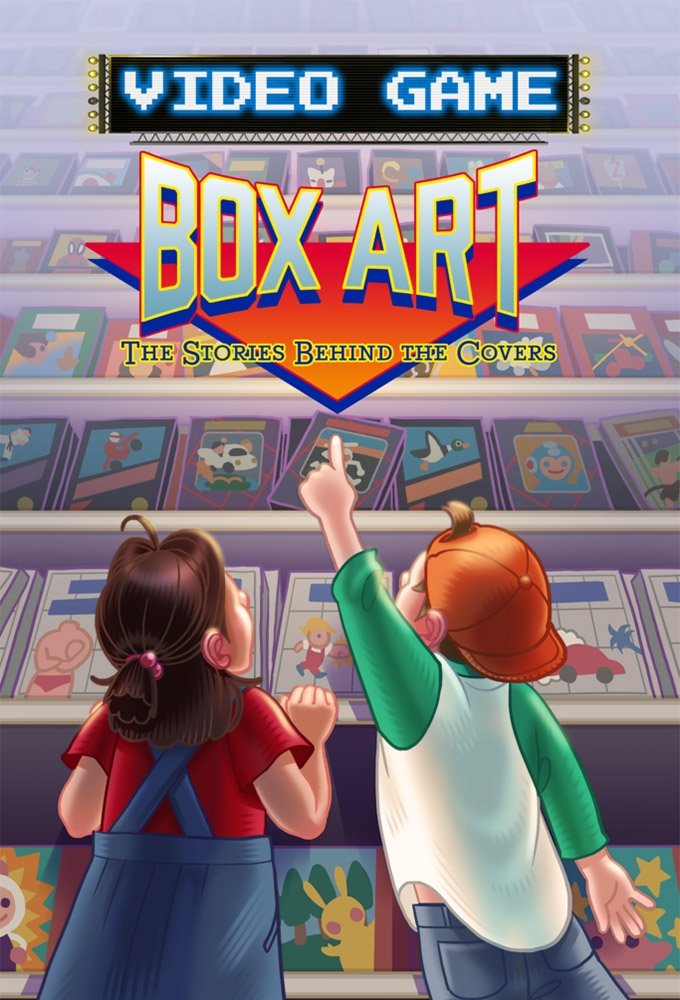
Delve into the world of video game box art with the artists responsible for some of gaming’s most iconic images ever created. Hear about the creation process, discover easter eggs hidden in plain sight, see alternate cover art options, and learn how the gaming industry evolved from infancy until now. Welcome to Video Game Box Art: The Stories Behind the Covers.
« For over twenty years we have filmed at night in the most important museums in the world. It's the only possible time to film the empty halls or the precious artifacts out of the windows because there are no visitors. But at night the Museum changes face. Just you in front of the masterpieces in the silence. The Museum seems to show and offer you its treasures in an atmosphere of intimacy. I always wanted to transmit and give this atmosphere that I breathed to viewers. » (Alberto Angela)
The cemetery, for all its creepiness and mystery, is actually a fascinating place to uncover incredible art, surprising architectural finds, and a rich and varied history. In this provocative and edgy series, we travel from Paris to New Orleans, New York to London, Hollywood and beyond exploring some of the world’s most interesting and visually compelling cemeteries. We uncover fascinating, often scandalous, tales of the graveyard’s residents, plus curious angles, quirky traits, and, first and foremost- artistic appeal.
Danny Baker, Simon Callow, Richard E Grant, Cerys Matthews, Miriam Margolyes and Michael Sheen follow in the footsteps of their favourite British artists.
Series that explores national museum collections at a time of enforced closure.
An educational French TV documentary series which goes into depth during each episode into the analysis of a single painting.
The mythical properties of light in glass captivated not only Czech medieval culture. History of Czech glassmaking from centuries-old traditions to modern techniques.
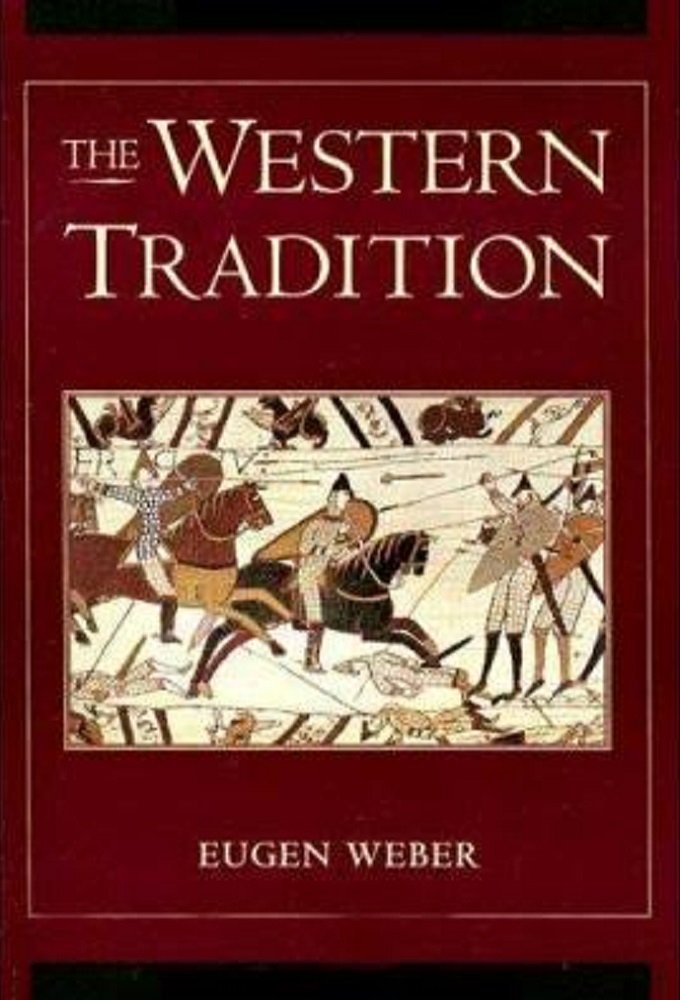
First broadcast on October 2, 1989, these 18 original 30-minute episodes provide a panorama of 2000 years of architecture, painting and sculpture, and studies the art masterpieces as reflections of the Western culture that produced them.
Andrew Graham-Dixon explores the history of Scandinavia through its art.
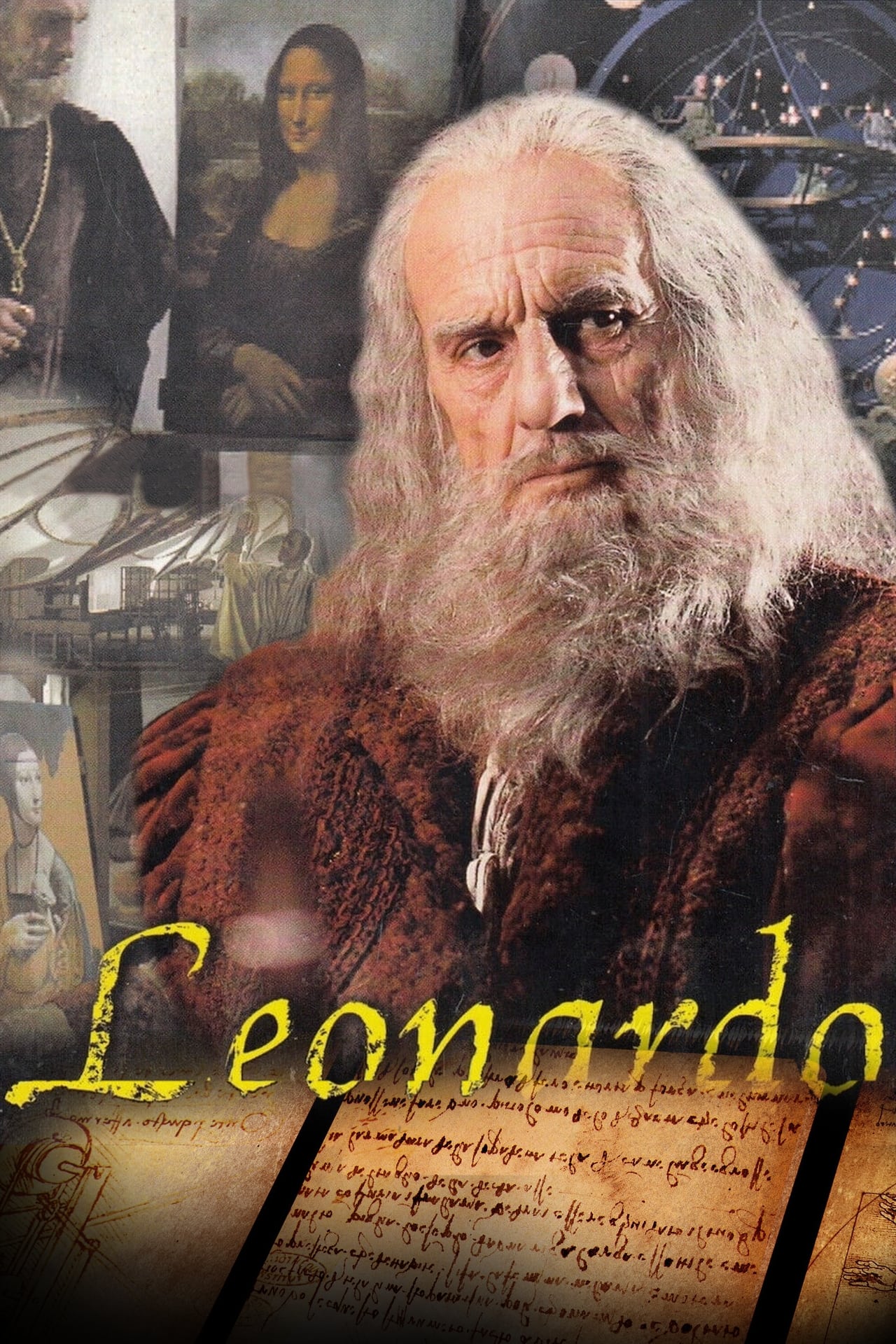
La vita di Leonardo da Vinci — in English, The Life of Leonardo da Vinci — is a 1971 Italian television miniseries dramatizing the life of the Italian Renaissance polymath Leonardo da Vinci. The Golden Globe-winning miniseries was directed by Renato Castellani, and produced by RAI and distributed in the United States by CBS, which aired it from August 13, 1972 to September 10, 1972. Castellani wrote the screenplay. It was filmed entirely on location in Italy and France. The total runtime of the five episodes is nearly five hours.
Andrew Graham-Dixon embarks on his most ambitious journey yet, an exploration of the rich, exciting and diverse art history of the United States of America
Andrew Graham-Dixon undertakes an epic journey to uncover the art of China.