Enclaves, loaned territories, disputed areas and microstates: This is the series that looks at places with absurd borders.
Social & External
The people behind it
Olivier Marchon
Narrator (voice)
The history of the Labor Party in government in Australia from 1983 to 1993 under Bob Hawke and Paul Keating. The series is told entirely through the eyes of all the major players in government and the bureaucracy, including Bob Hawke and Paul Keating.
Working-class, left-leaning Harry Perkins is elected PM. As he works to implement social change via democratic process, the conservatives and their allies quietly begin working to remove him. Perkins' goals include nuclear disarmament, the dissolution of newspaper monopolies, open government and the closure of all US military bases on UK soil. While many members of the govnerment oppose him, he finds some support in Home Secretary Joan Cook and key members of his staff.
La grande storia is a historical documentary series aired by Italian public television network Rai 3.
An exclusive, all-access look at one of the most unique political campaigns of the 2014 mid-term elections - the improbable Congressional run of American Idol star Clay Aiken.
A Cold War relic returns amid fears of terrorism but turns out to be a forgotten Soviet space mission. What it brings back will have implications for the entire world.
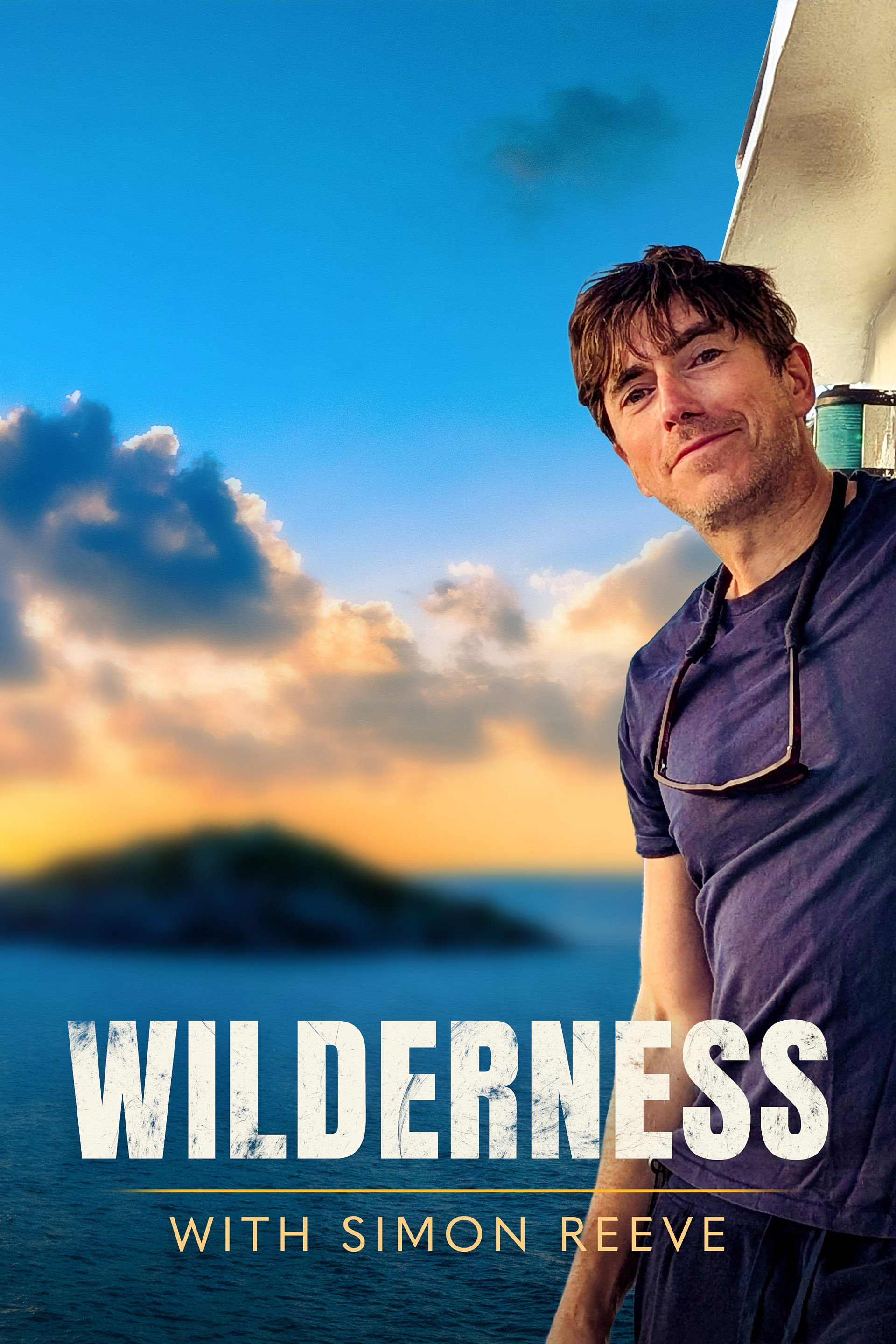
On his toughest journeys yet, Simon Reeve travels through some of the most remote landscapes on Earth in search of the people and the wildlife of the planet’s greatest wildernesses.
Documentaries are broadcast every week on Dutch TV Channel NPO 2 under the name 2Doc: inspiring stories of the here and now.
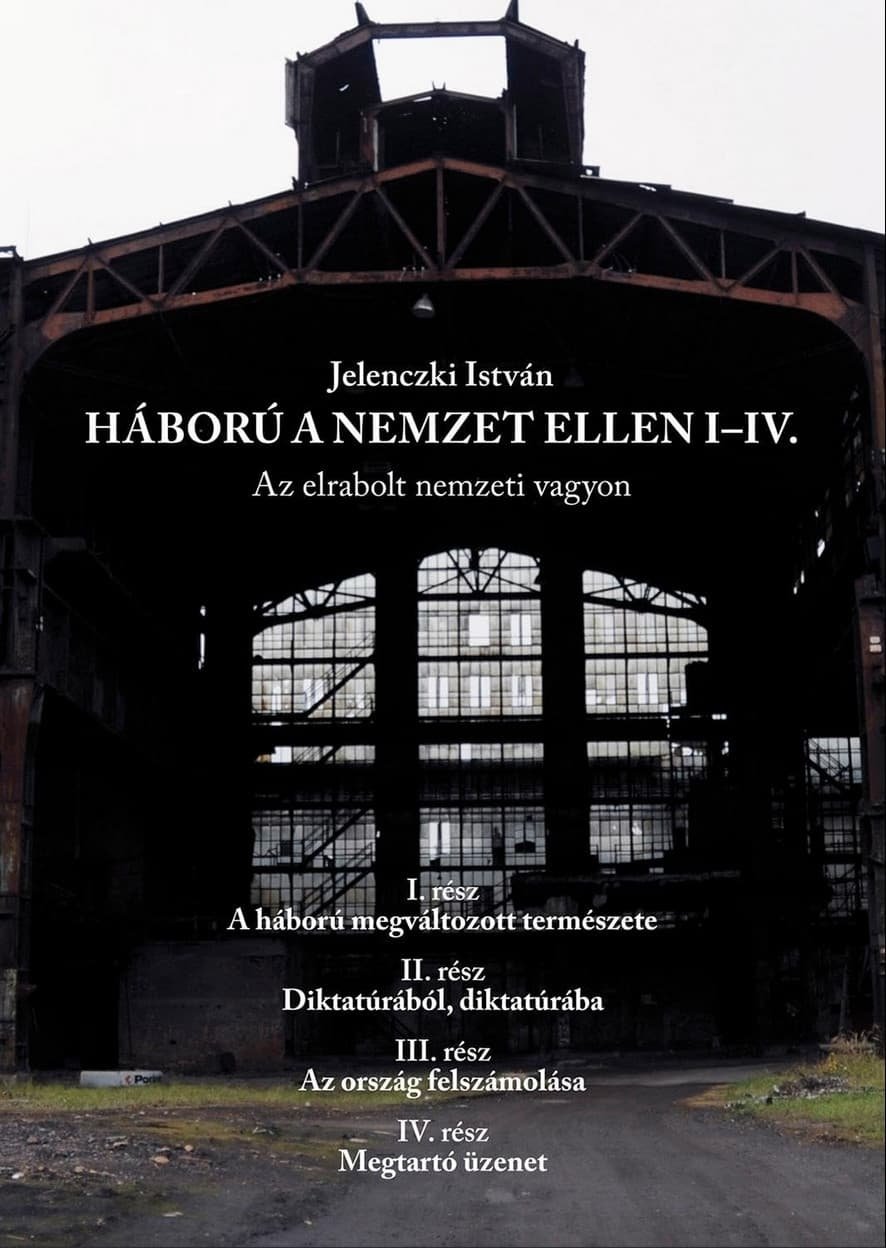
Hungarian documentary about the economic war against the Hungarian nation.
The epic continuation of Diriliş Ertuğrul, Kuruluş Osman follows Osman Bey — son of Ertuğrul and destined founder of the Ottoman Empire — as he transforms a small Turkic tribe into a sovereign state. Battling the Byzantine Empire, Mongol forces and treachery from within, Osman must prove himself as both a warrior and a leader. A sweeping historical action drama built on faith, honour and the birth of one of history's greatest empires.
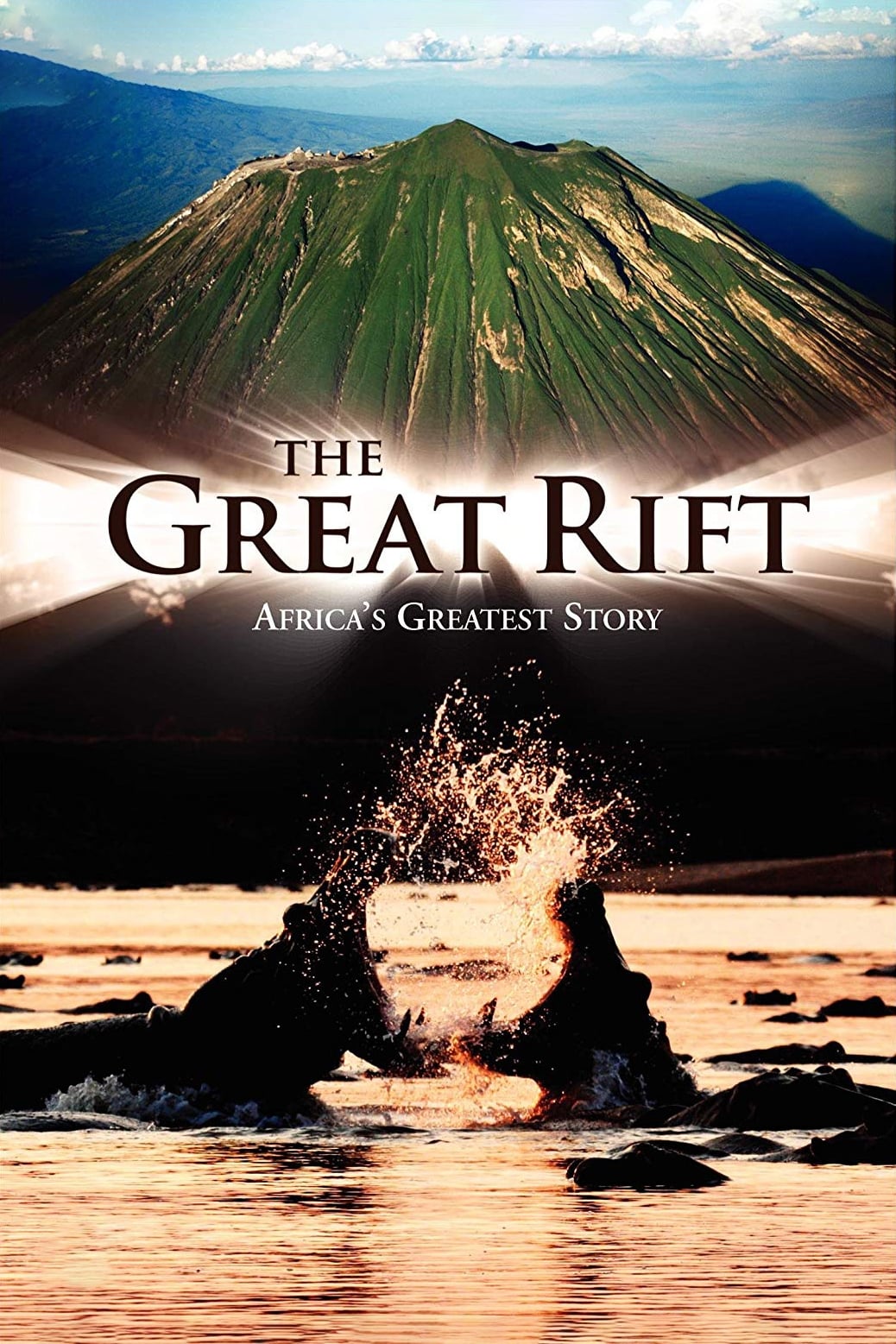
A BBC/Animal Planet co-production, the three-part series focuses on the landscape and wildlife of the Great Rift Valley in East Africa.
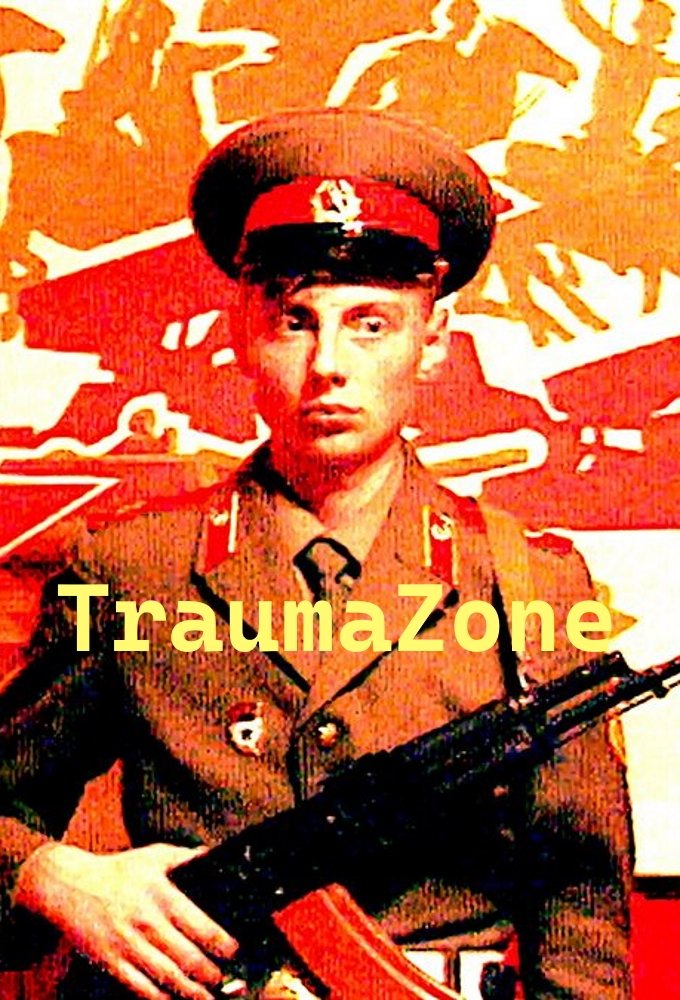
What it felt like to live through the collapse of communism and democracy. A series of films by Adam Curtis.
An investigation based on the largest leak of documents in British political history. The Labour Files examines thousands of internal documents, emails and social media messages to reveal how senior officials in one of the two parties of government in the UK ran a coup by stealth against the elected leader of the party.
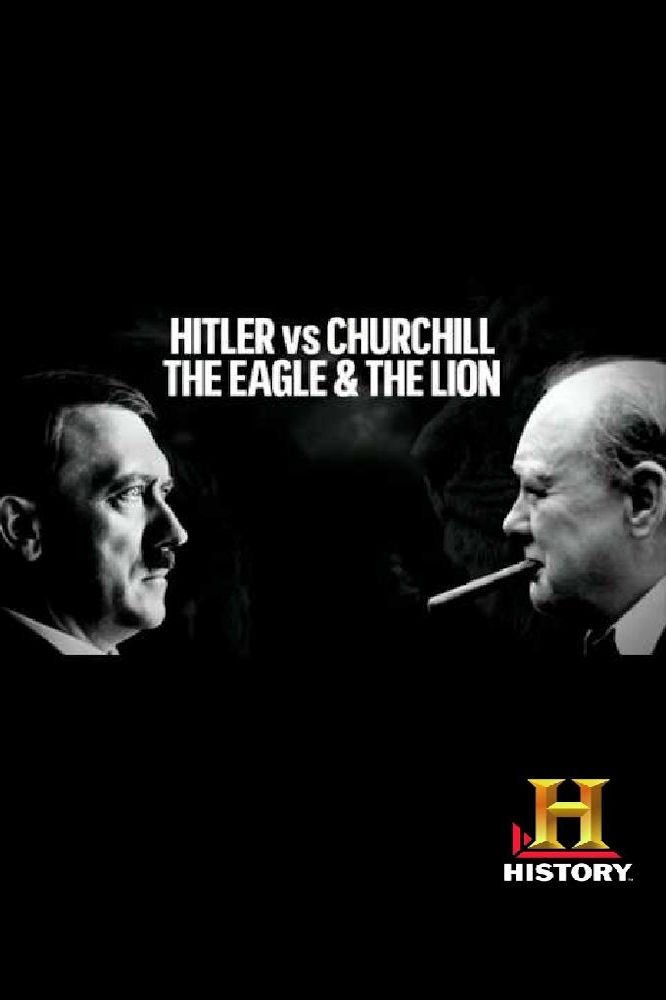
A documentary which explores the remarkable parallels between the careers of Adolf Hitler and Winston Churchill, as well as their personal rivalry and animosity.
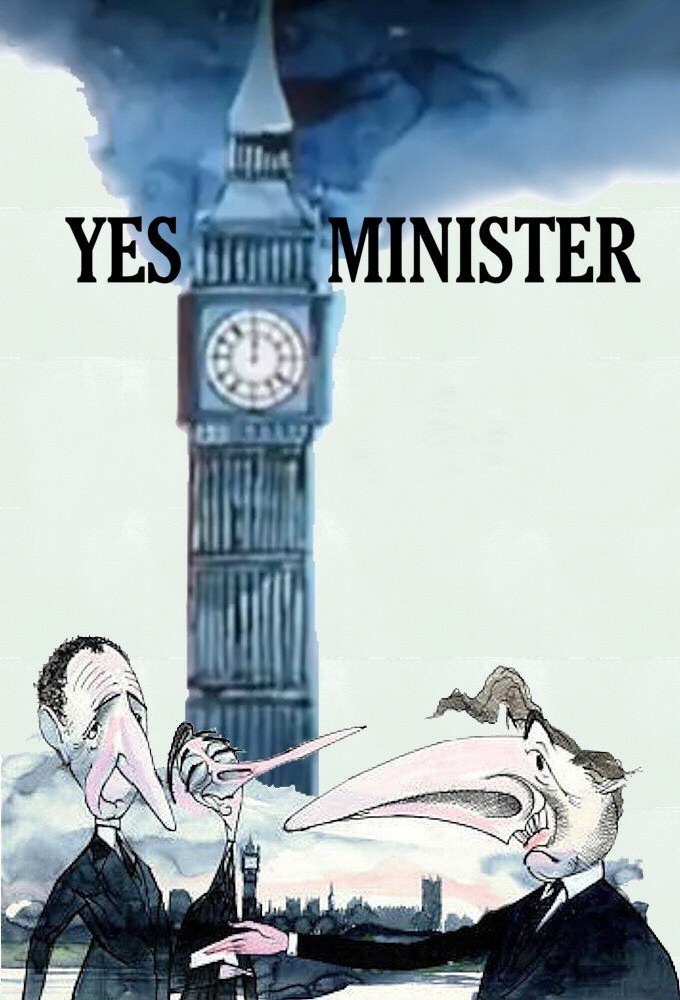
Satirical sitcom set in the office of a UK Cabinet minister, Jim Hacker MP, who struggles with Civil Service bureaucracy and political machinations as he tries to get on with government business.
Shortly after astrology predicts destruction to befall the Tang Dynasty, a coup d'état led by the crown prince Li's very own brother kills him and his wife and sons. Li's daughter, princess Yongning, manages to escape, but is soon declared dead alongside her family. Full of wrath, the princess swears to avenge them as she takes on the identity of a young man, Li Chang Ge, and moves to the Shou province to advance her goals. Li Chang Ge uses her wits to gain the trust of the Shou emperor and swiftly climbs the military ranks as a brilliant strategist. Captivatingly drawn, Song of the Long March portrays the feisty girl's adolescent journey toward countless unknown adventures, faithful comradeship, as well as formidable enmity awaiting her along the way.
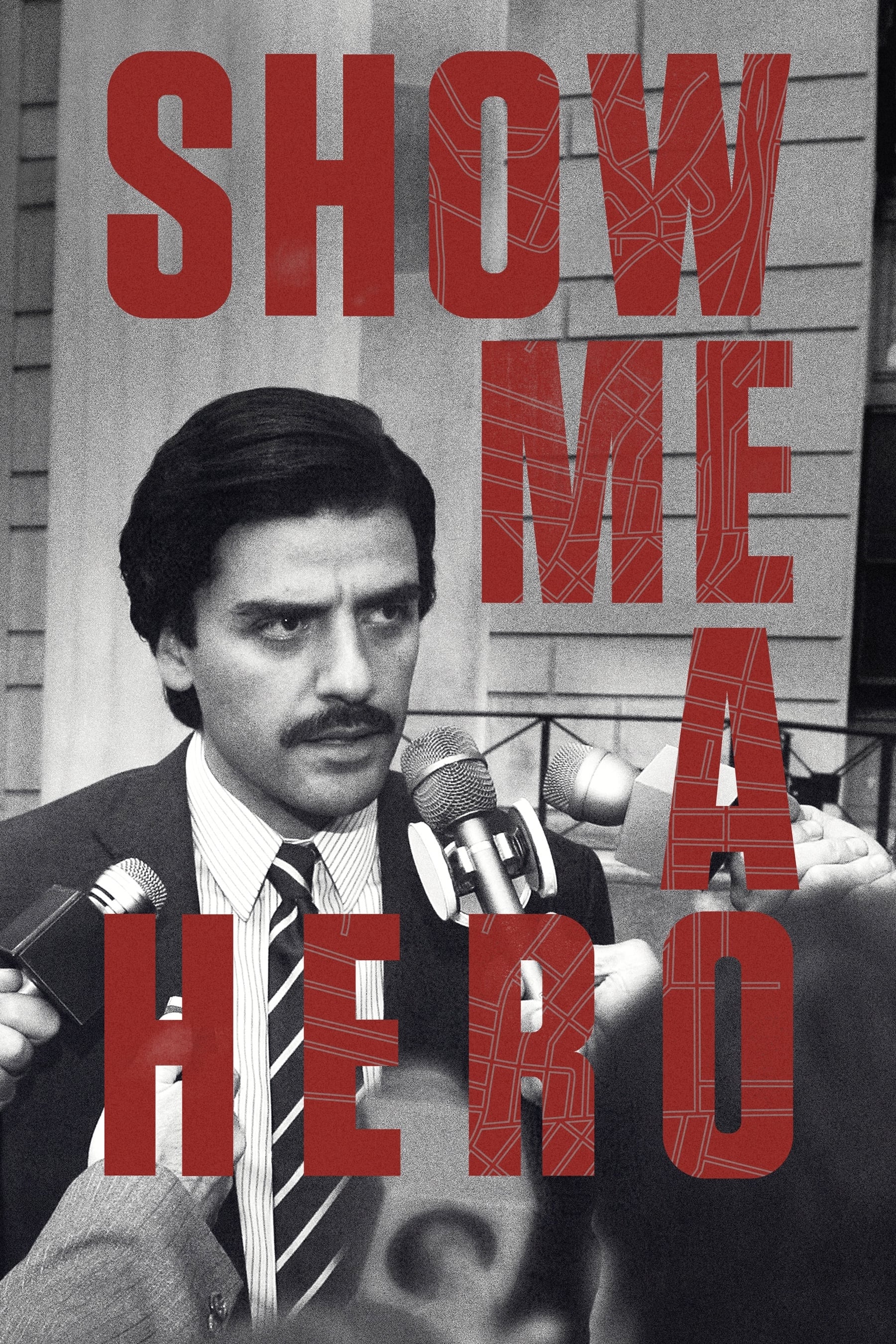
Mayor Nick Wasicsko took office in 1987 during Yonkers' worst crisis when federal courts ordered public housing to be built in the white, middle class side of town, dividing the city in a bitter battle fueled by fear, racism, murder and politics.
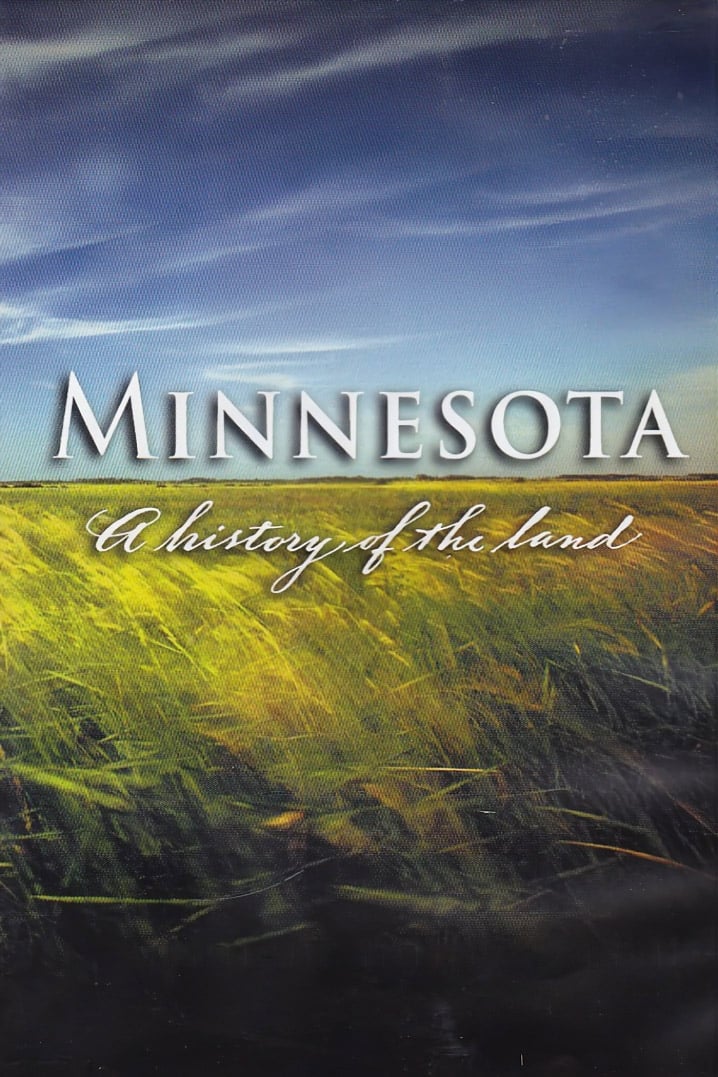
Brings to life the epic story of the people and landscapes of Minnesota - from the retreat of the last ice sheets to the growth of today’s suburbs - using nature videography from across the state, never-before-seen historic images, state-of-the-art animations, and historic recreations.
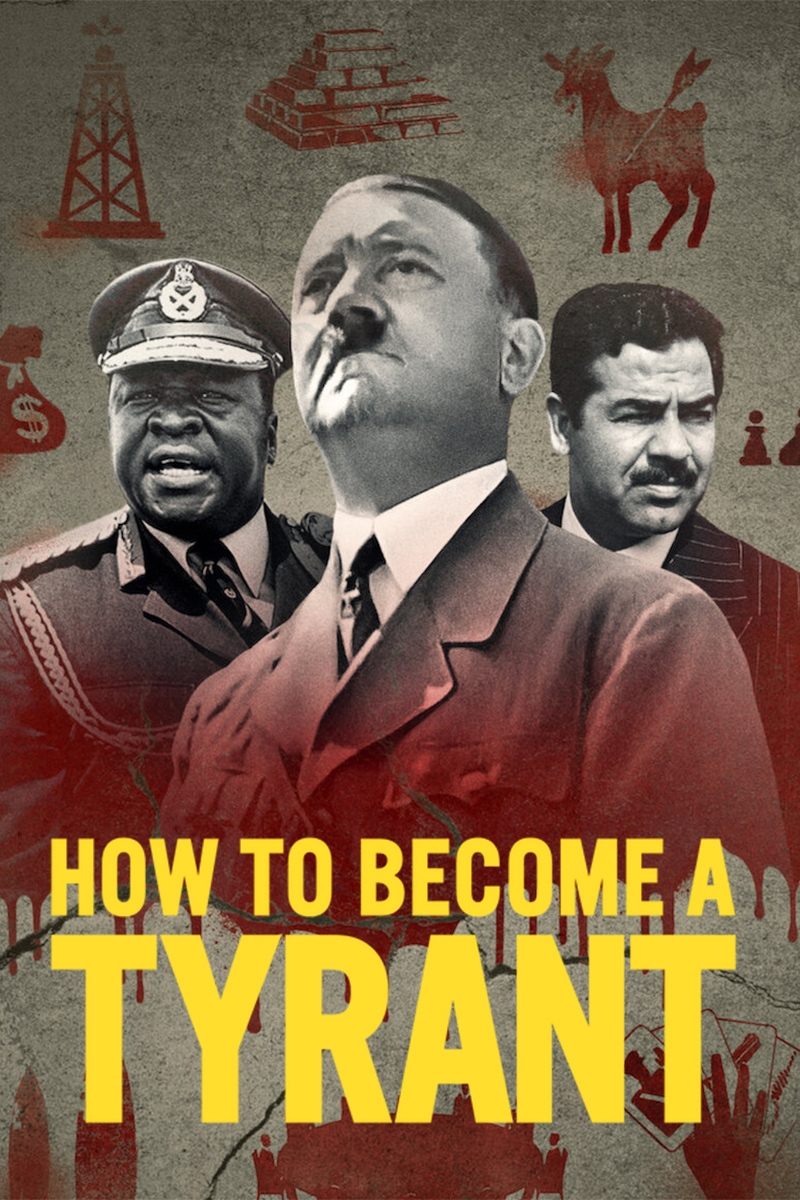
The documentary series explores different political figures throughout history.
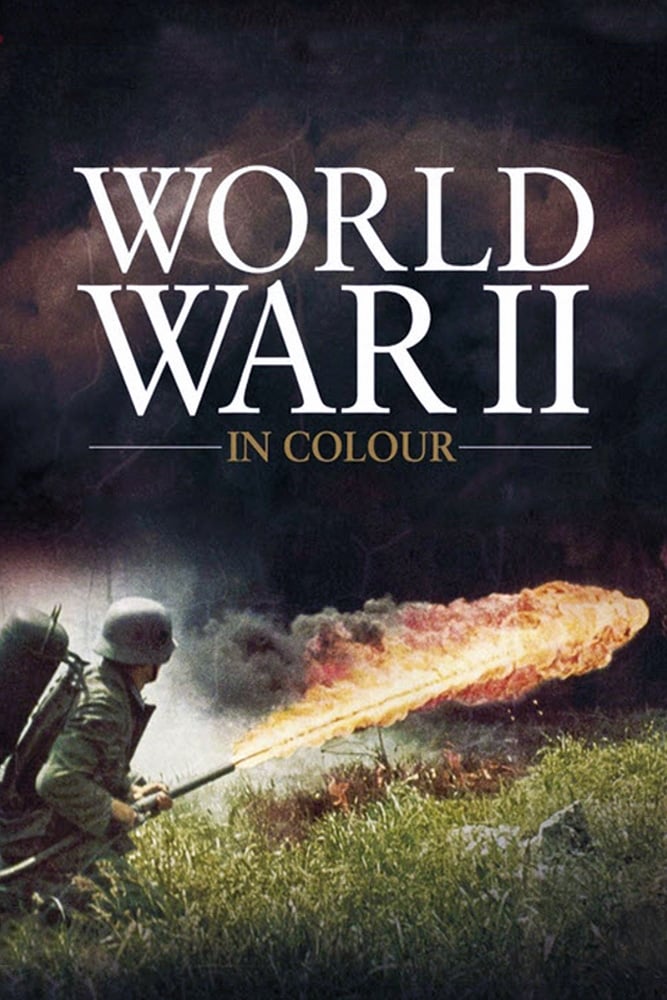
World War II In Colour is a 13-episode television documentary miniseries recounting the events of World War II narrated by Robert Powell. The show covers the Western Front, Eastern Front, and the Pacific War. It is on syndication in America on the Military Channel. This series is in full color, combining both original and colorized footage.
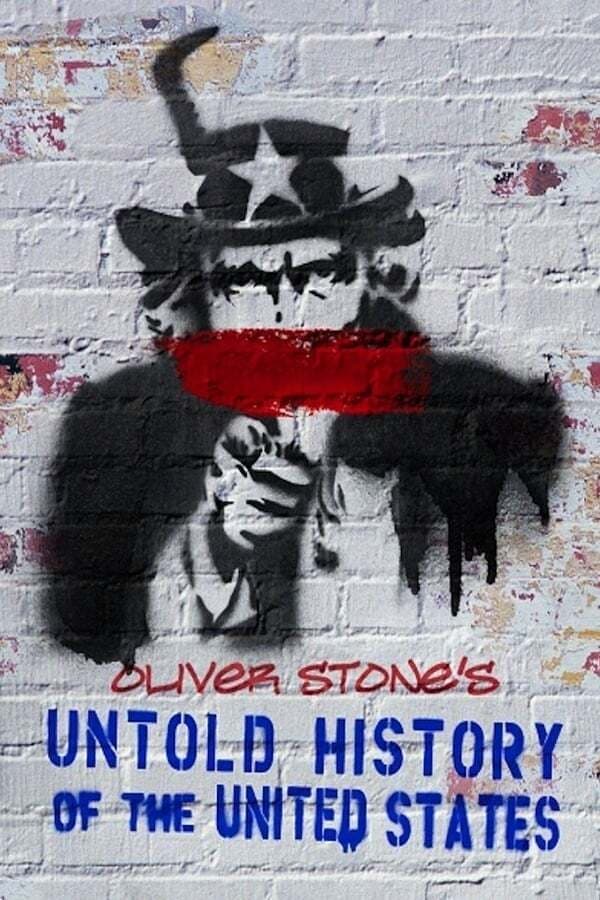
Oliver Stone's re-examination of under-reported events in American history.
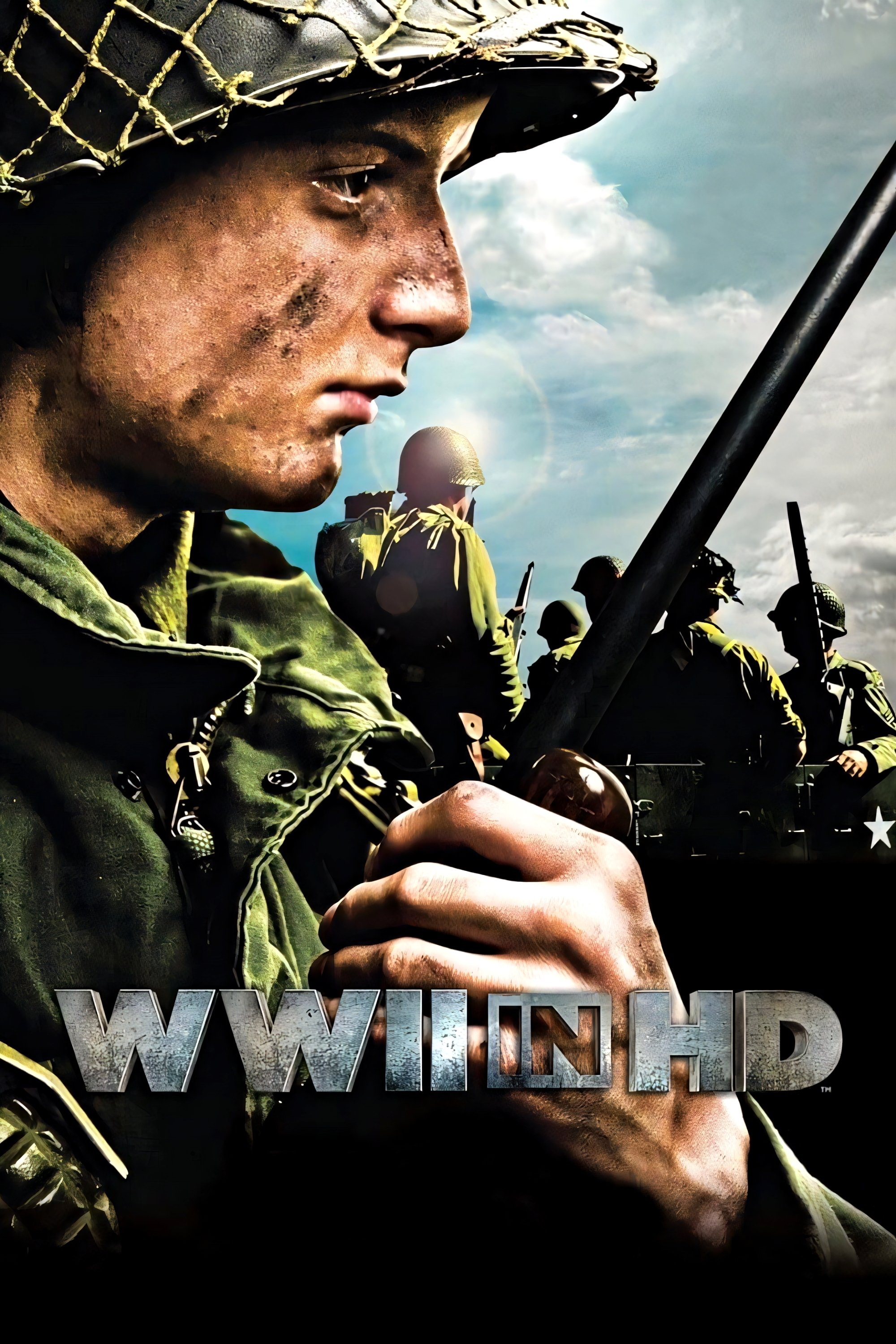
WWII in HD is a 10-part American documentary television miniseries that originally aired from November 15 to November 19, 2009 on the History Channel. The program focuses on the firsthand experiences of twelve American service members during World War II, including an Army nurse, a member of the Tuskegee Airmen, a second generation Japanese American and prisoner of war, and an Austrian Jewish immigrant. The twelve members recorded their time in both theaters and some had later interviews; found footage from the battlefield was paired with the stories of the twelve service members. The episodes premiered on five consecutive days, with two episodes per day. The series is narrated by Gary Sinise and was produced by Lou Reda Productions in Easton, Pennsylvania, United States.
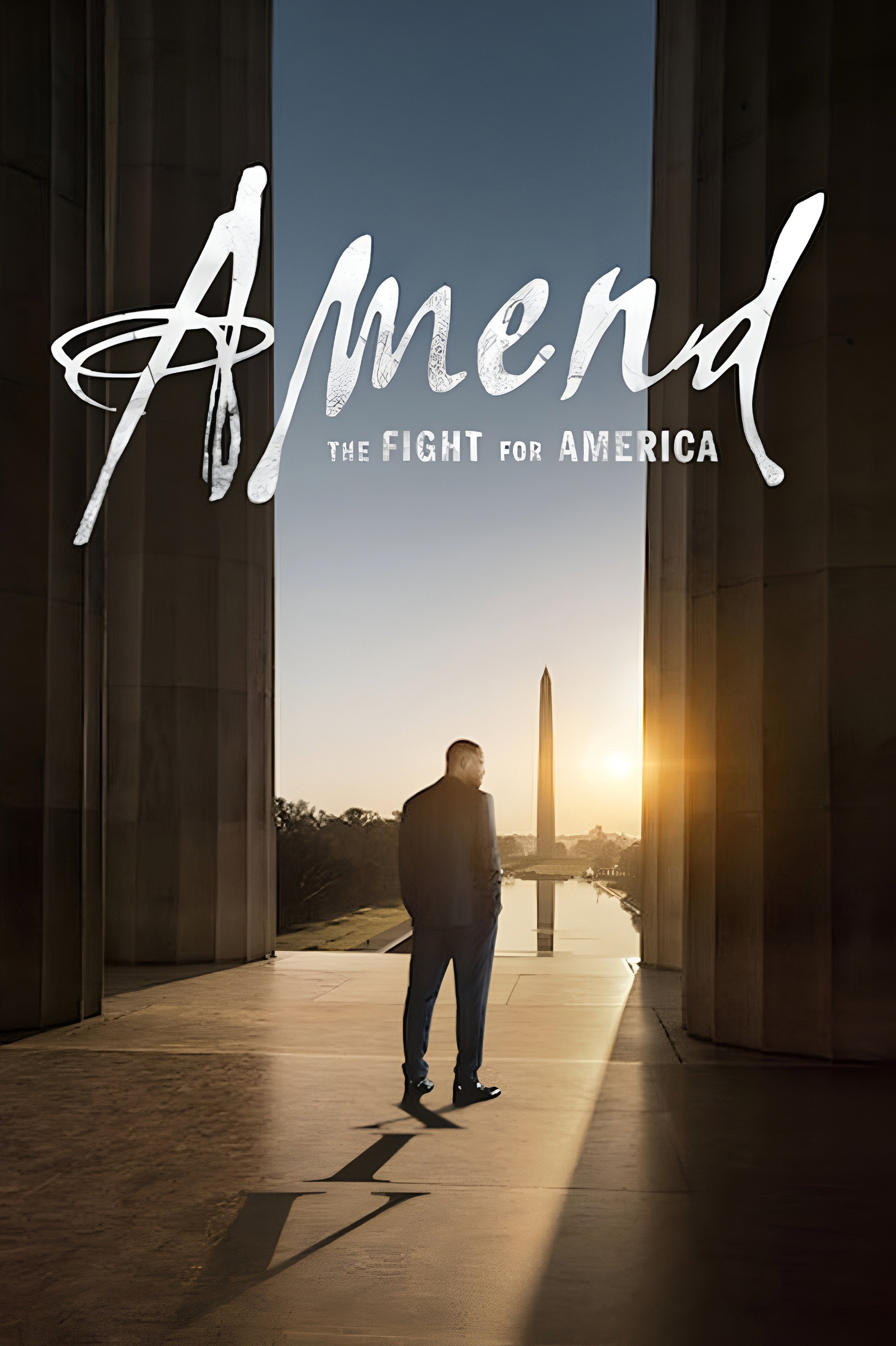
Will Smith hosts this look at the evolving, often lethal, fight for equal rights in America through the lens of the US Constitution's 14th Amendment.
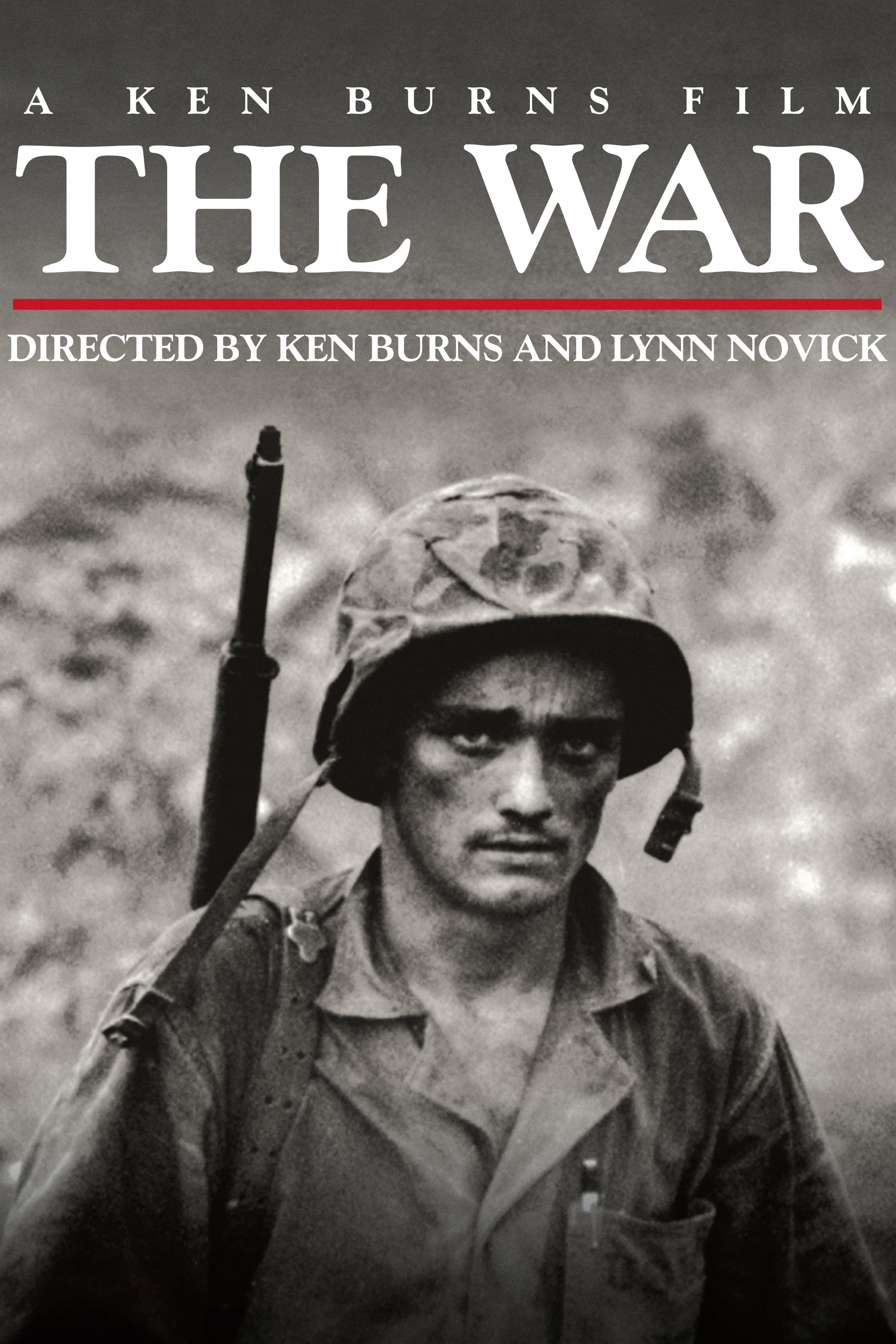
The story of the Second World War through the personal accounts of a handful of men and women from four American towns. The war touched the lives of every family on every street in every town in America and demonstrated that in extraordinary times, there are no ordinary lives.
TV's most-watched history series brings to life the compelling stories from our past that inform our understanding of the world today.
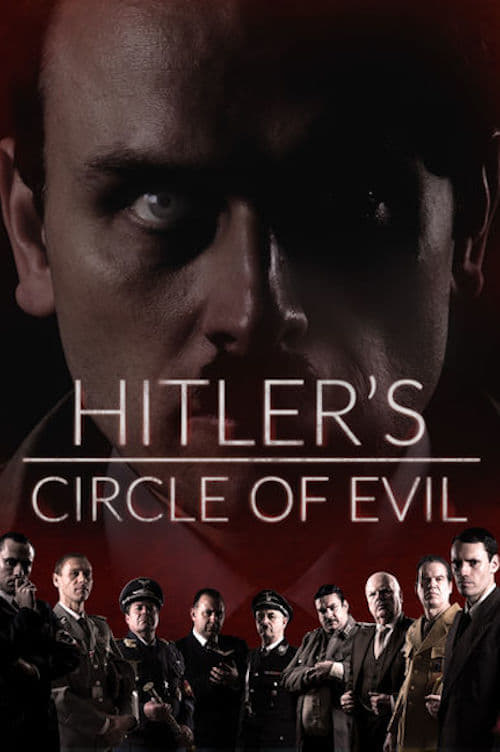
Surviving power struggles, betrayals and plots, Hitler's inner circle of Nazi leaders seizes control of Germany and designs its disastrous future.
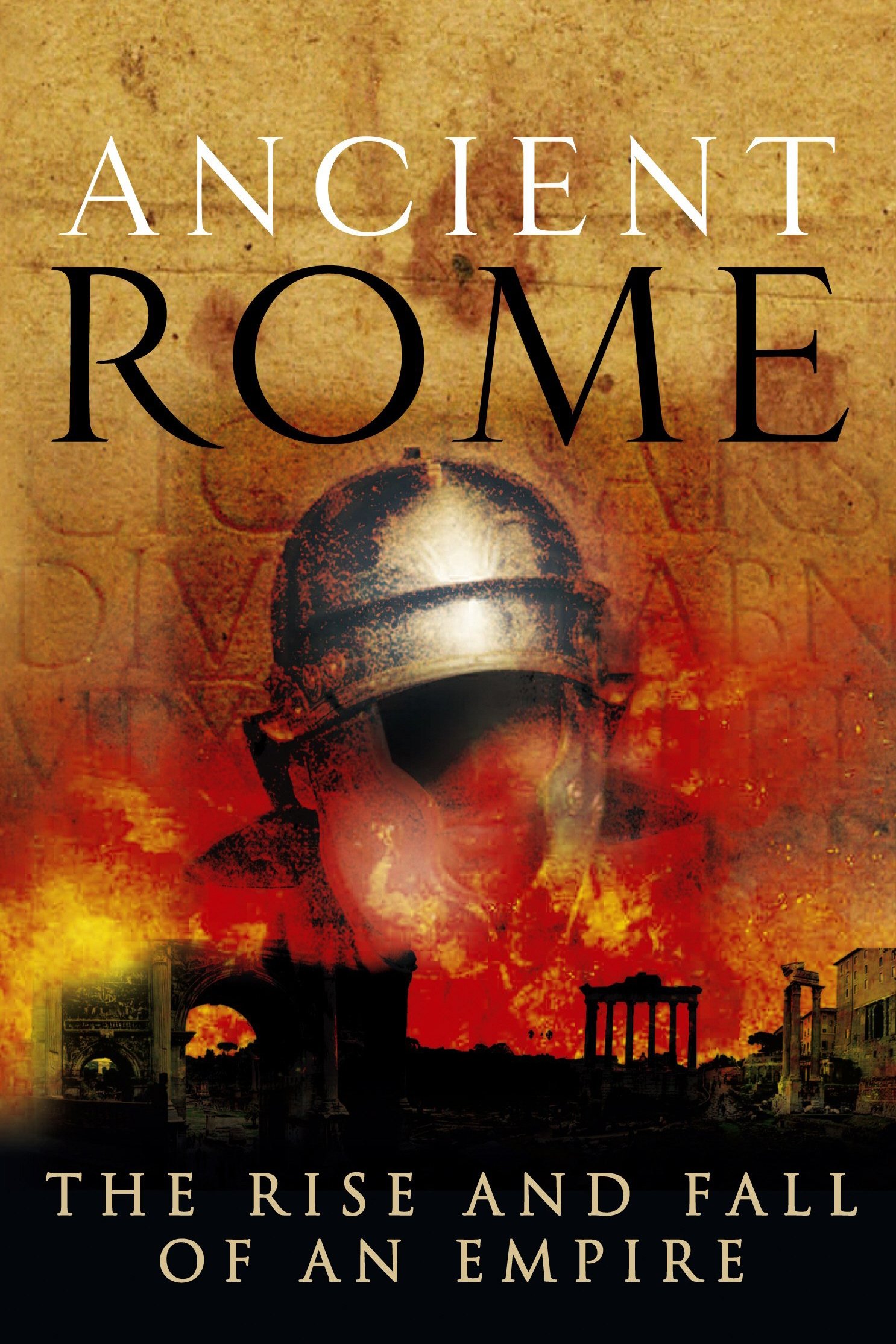
Turning points in ancient Roman history and some of the Empire's greatest stories are brought to life in this drama documentary series.
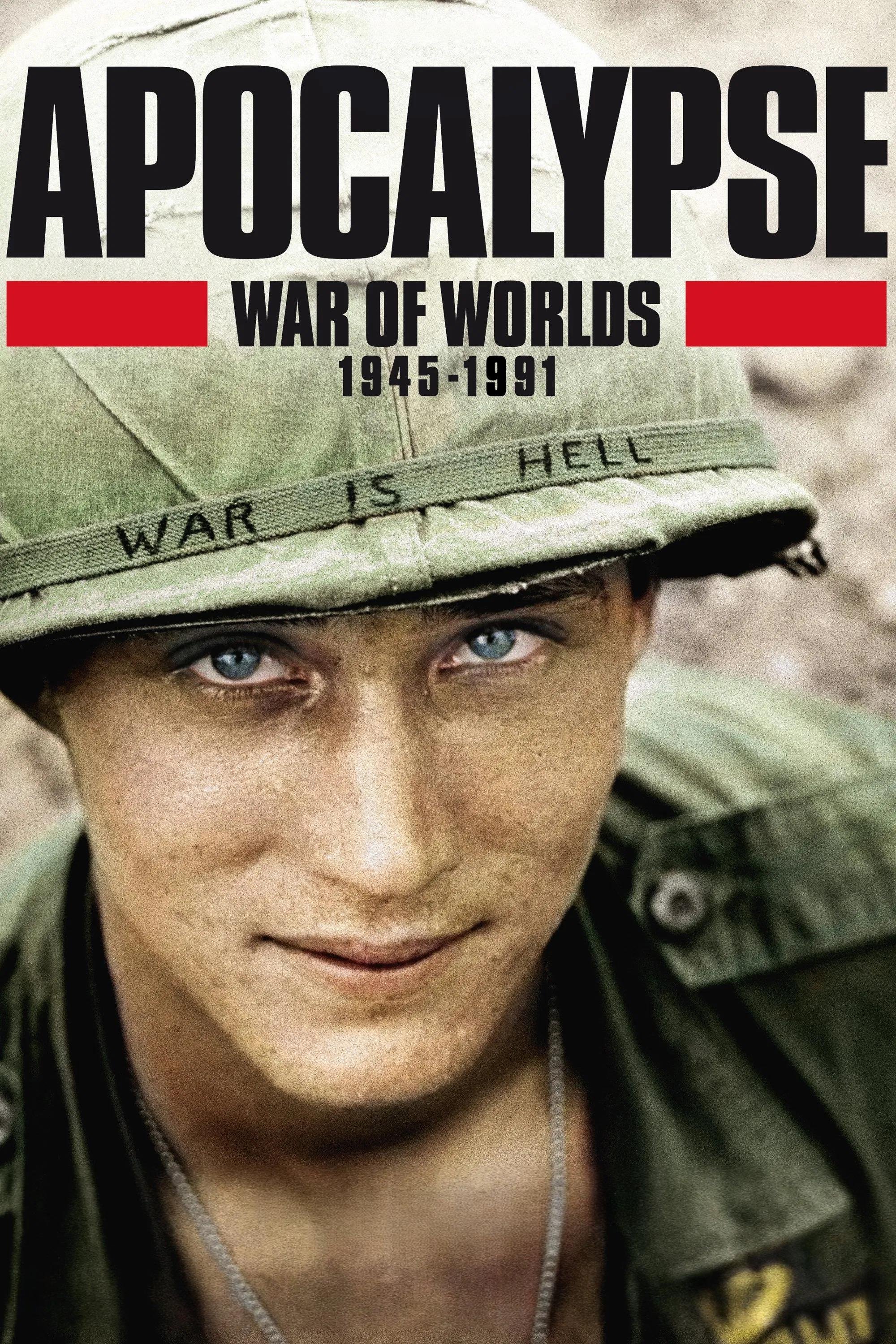
The story of this fantastic period of history between 1945 and 1991, which was defined by the confrontation of two worlds and two systems. The capitalist West, dominated by the ever-powerful United States, is pitted against the Communist East, the Soviet Empire.
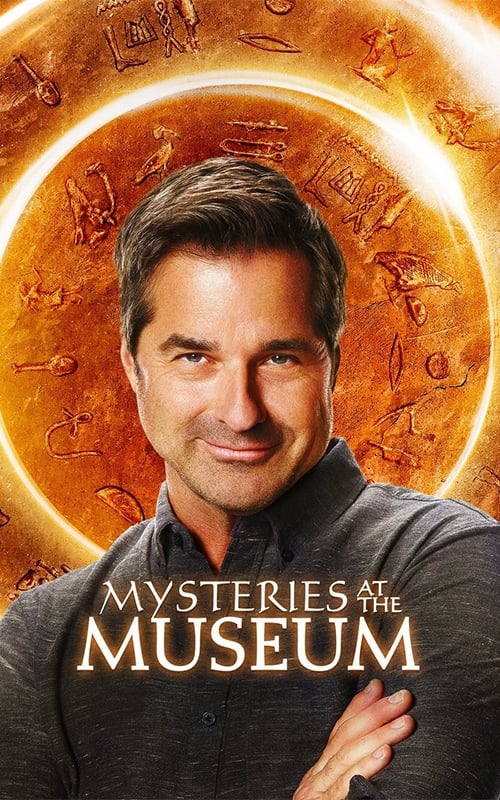
Don Wildman unearths relics from the world's greatest institutions to reveal secrets from the past. He examines each artifact to illuminate history's most incredible triumphs, sensational crimes and bizarre encounters.
Using highly advanced colourisation techniques, critical moments from World War II, from Stalingrad to The Battle of Britain, are shown in a whole new light.
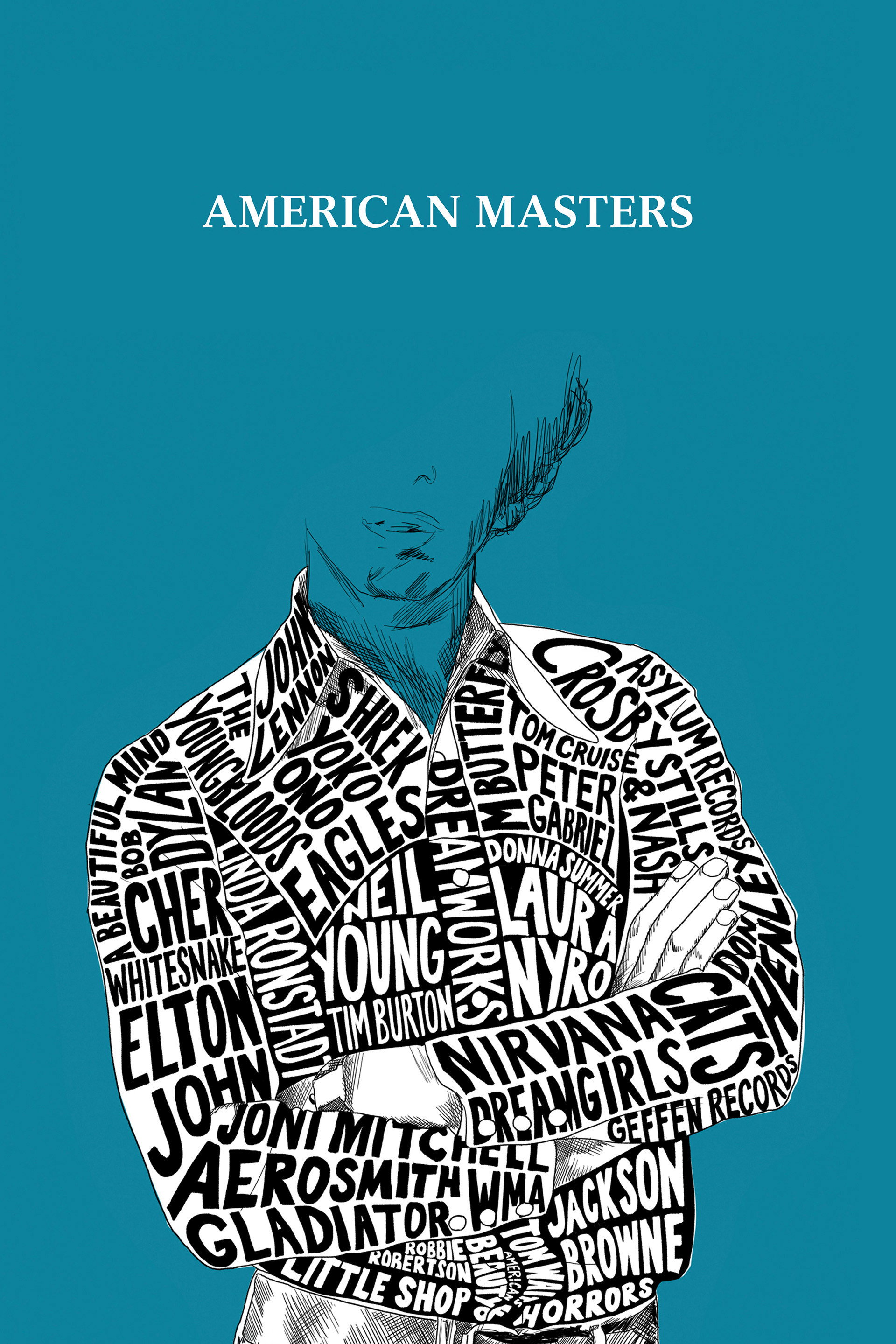
American Masters is a PBS television series which produces biographies on enduring writers, musicians, visual and performing artists, dramatists, filmmakers, and others who have left an indelible impression on the cultural landscape of the United States.
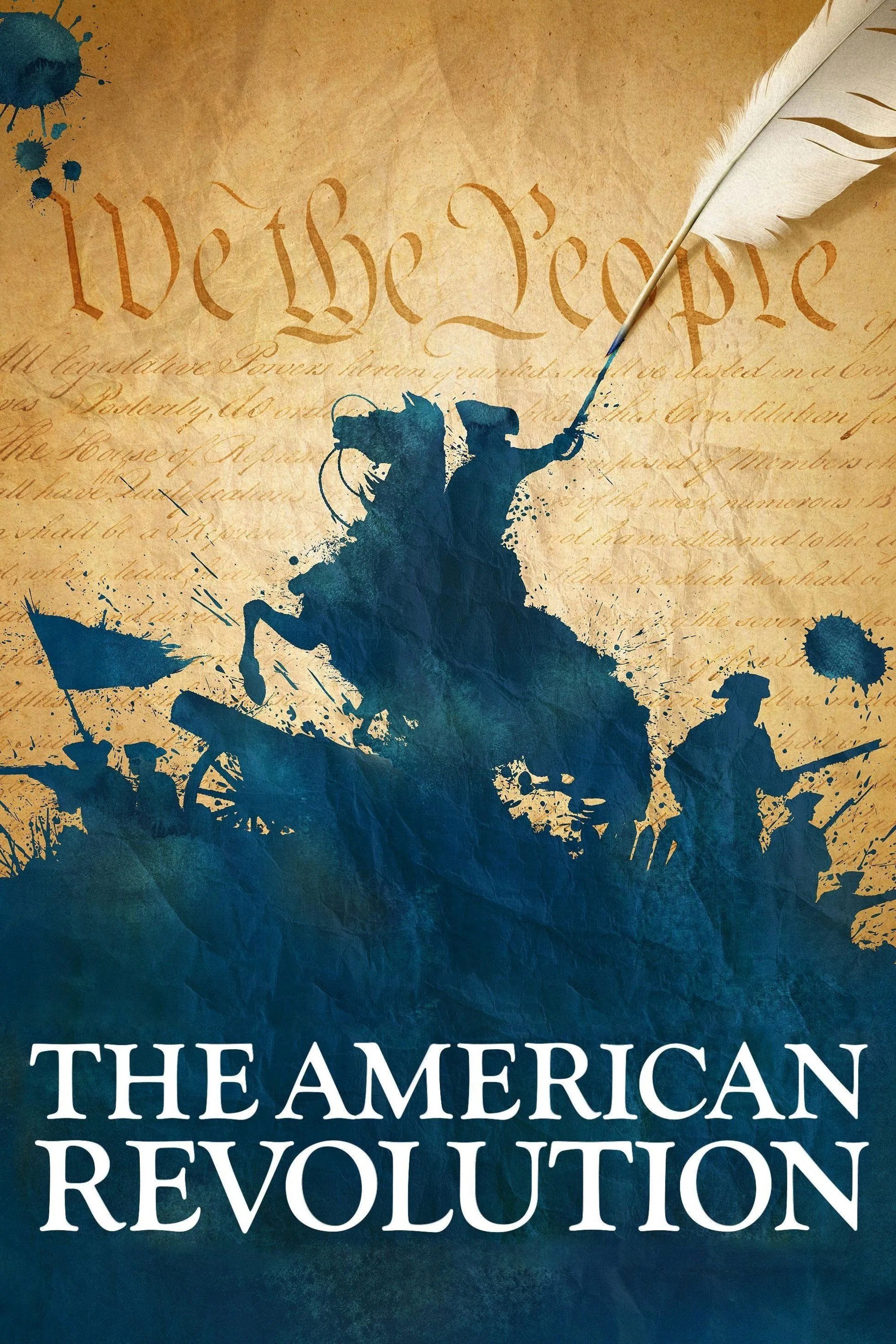
The American Revolution was at once a war for independence, a war of conquest, a civil war, and a world war, fought by neighbors on American farms and between global powers an ocean or more away. It impacted millions from Vermont’s Green Mountains to the swamps of South Carolina, from Indian Country to the Iberian Peninsula. In defeating the British Empire and giving birth to a new nation, the American Revolution turned the world upside-down. Thirteen colonies on the Atlantic Coast united in rebellion, won their independence, and established a republic that still endures. The American Revolution will present the story of the men and women of the Revolutionary generation, their humanity in victory and defeat, and the crisis that they lived through.
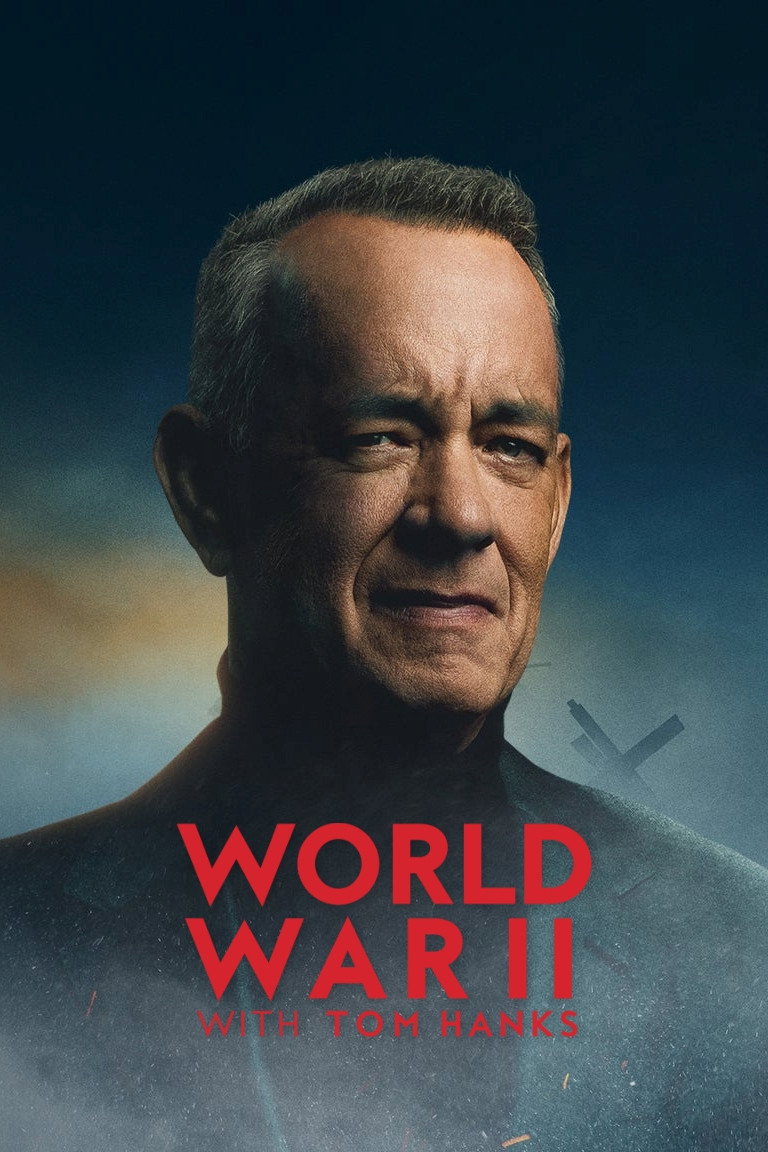
A documentary series that gives a historical account of the events of World War II, from its roots in the 1920s to the aftermath and the lives it profoundly influenced.
Award-winning actor and nervous explorer Eugene Levy steps out of his comfort zone for a whirlwind tour of the world's most beautiful and intriguing destinations.
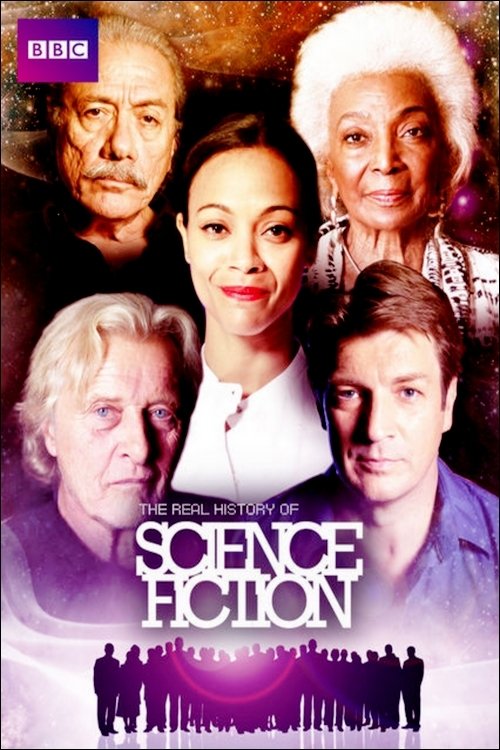
The series heads to the very frontiers of space and science to produce the definitive television history of science fiction, told through its impact on cinema, television and literature, with the help of filmmakers, writers, actors, and graphic artists. Each episode will explore one of the enduring themes of science fiction: time travel; the exploration of space; robots and artificial intelligence; and aliens.
Explores WWII from Germany's invasion of Poland through the atomic age, examining pivotal battles, wartime leaders like Churchill and Roosevelt, and the human cost of total war.
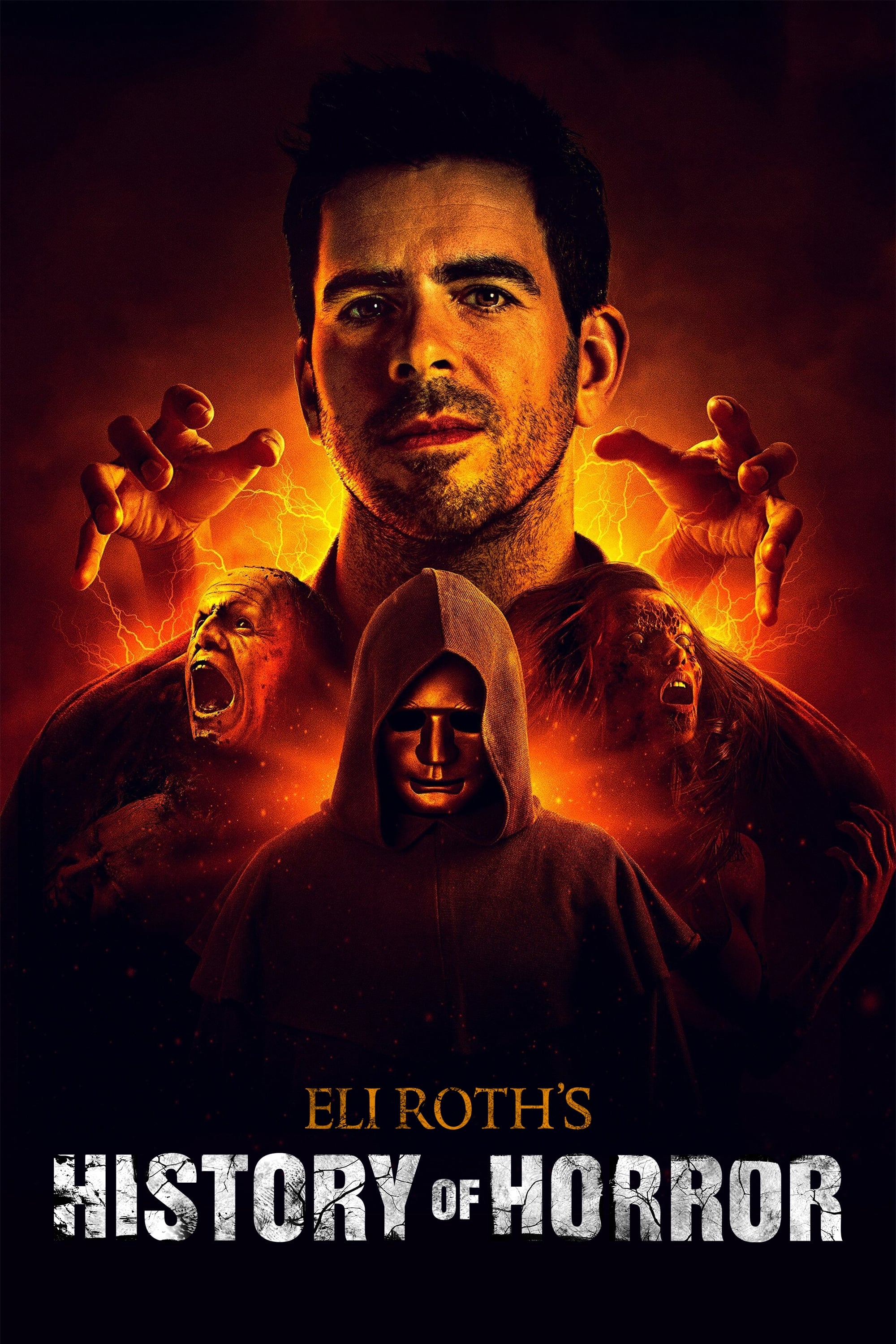
An in-depth look at the history and pop cultural significance of horror films.
Horizon tells amazing science stories, unravels mysteries and reveals worlds you've never seen before.