Social & External
The people behind it
Karen Martínez
Sofía Santero
Rafael Novoa
Santiago Rodríguez Salazar
Ana María Trujillo
Francesca Sabina
Alejandro López
Nicolás Pardo
Orlando Fundichely
Antonio 'Toño' Rivas
Ana Laverde.
Valeria Sabina
Salvatore Basile
Salvatore Sabina
Marcela Gallego
Fabiola de Neira
Pedro Mogollón
Santos Neira
Katherine Vélez
Adela Salazar viuda de Rodríguez
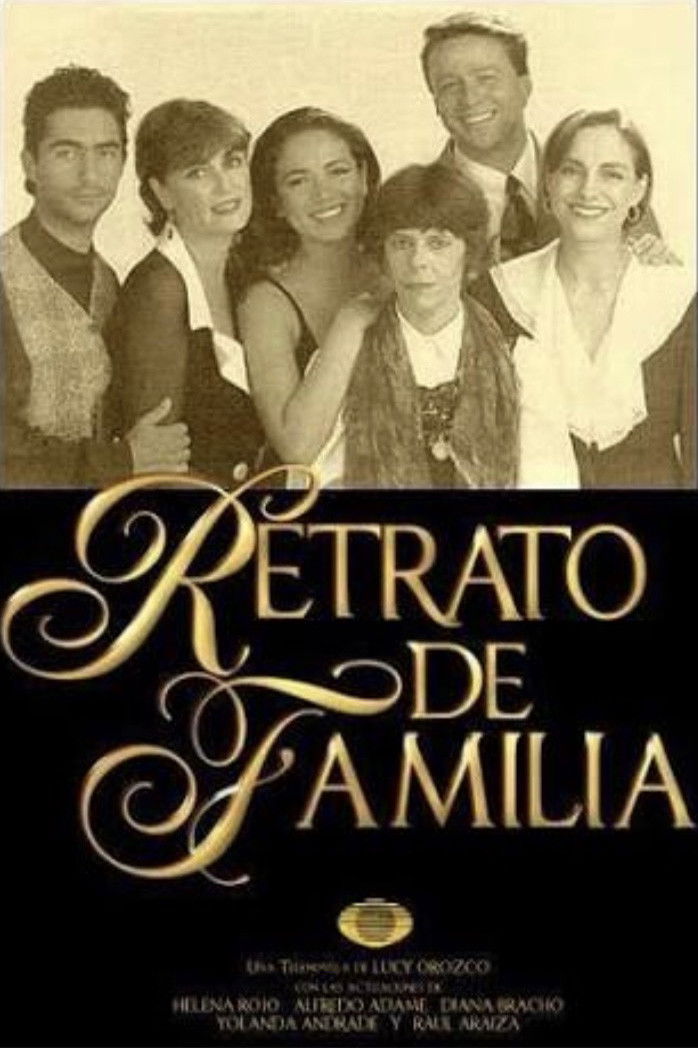
Retrato de familia is a Mexican telenovela produced by Lucy Orozco for Televisa and originally broadcast on Canal de las Estrellas from October 23, 1995, to January 19, 1996. Created by Jesús Calzada, the telenovela stars Helena Rojo, Alfredo Adame, Diana Bracho, and Yolanda Andrade. The story is set in Guadalajara and centers on the Mariscal Preciado family. The story follows Cecilia Mariscal, a devoted mother whose troubled marriage to Agustín falls apart, leaving her to rebuild her life. When she falls in love with Dr. Esteban Acuña, she faces unexpected opposition from her own daughter, Elvira, who also becomes obsessed with him. As family rivalries, forbidden love, betrayal, and long-hidden secrets emerge, the Mariscal family's relationships are pushed to the breaking point.
Cúmplices de um Resgate is a Brazilian children's musical telenovela produced by SBT and originally broadcast from August 3, 2015, to December 13, 2016. It is a remake of the Mexican telenovela Cómplices al rescate (2002), created by Rosy Ocampo. Adapted by Íris Abravanel, with direction by Reynaldo Boury, the telenovela stars Larissa Manoela, João Guilherme, Duda Nagle, and Juliana Baroni. The story follows Manuela and Isabela, twin sisters separated at birth who grow up in very different worlds. Manuela is a sweet and talented girl raised in a small town, while Isabela is a wealthy and spoiled young woman living in the city. After discovering each other's existence, they decide to switch places to uncover the truth about their past and face family secrets, conflicts, and challenges. Along the way, they find friendship, love, and the importance of family.
The illusionist is mysterious, captivating and mesmerizes all those around him. But is he really a swindler or a man with extraordinary powers? This fascinating telenovela tells the story of seductive Herculano Quintanilha, who exerts significant influence over his great love Amanda, the Hayalla family and his friends. These and other enigmas can be found in The Illusionist, a telenovela where seduction is the great secret.
A healing romance begins between fallen star doctor Jin Su Ji and stubborn newbie doctor Choi U Ri.
It is about a marriage formed by Isabela (Ángela Contreras) and Gustavo (Francisco Pérez-Bannen), a relationship that is broken when Gustavo tries to escape with his lover, Adriana (Luz Valdivieso), but in an accident, he loses all the memories of this year. Now, Adriana will try everything to make Gustavo regain his memory. Besides, Isabela is reunited with an old love, Martín (Francisco Melo), and doubts her marriage.
An engineer who works in a large construction company and a poor worker without aspirations both share a love that dared to go beyond all prejudices and differences.
Christian and Renato are identical twins who have opposite lives: Christian grew up in an orphanage and is underemployed, struggling to survive. Renato was adopted by a rich family and had everything that money can buy. When they meet again as adults, a tragedy happens: Renato is murdered and identified as Christian who, in turn, takes the place of his brother. However, to this end, he must leave behind his identity and his great love.
In 1934 two supposed brothers survived an avalanche in the Himalayas: the millionaire Franz Hauser (Bruno Gagliasso), who is saved by Buddhist monks, and Manfred (Carmo Dalla Vecchia), rescued by a team of climbers. Manfred returns to Brazil with a terrible secret: he sabotaged Franz’s equipment in order to take his place in the family business. After an exhaustive search, Ernest Hauser gives his son up for dead and appoints his bastard son as the director of the Hauser Group.
Heartbreak forever changed the fate of the young and humble José Alfredo. Years later, he became the Lord Alfredo, a successful owner of a jewelry empire and a man obsessed with power. Temperamental and cunning, he tries to balance his turbulent marriage, an extramarital love affair, and the dispute between his children over succession in his business. One day, however, the unexpected appearance of a possible daughter, of whom he was unaware, causes upheaval in his life and takes his familial conflicts to a whole new level.
The department store Fuzuê, specialized in popular items, is a success led by Nero Braga e Silva. Little does he know that the store's grounds have hidden relics for over 300 years.
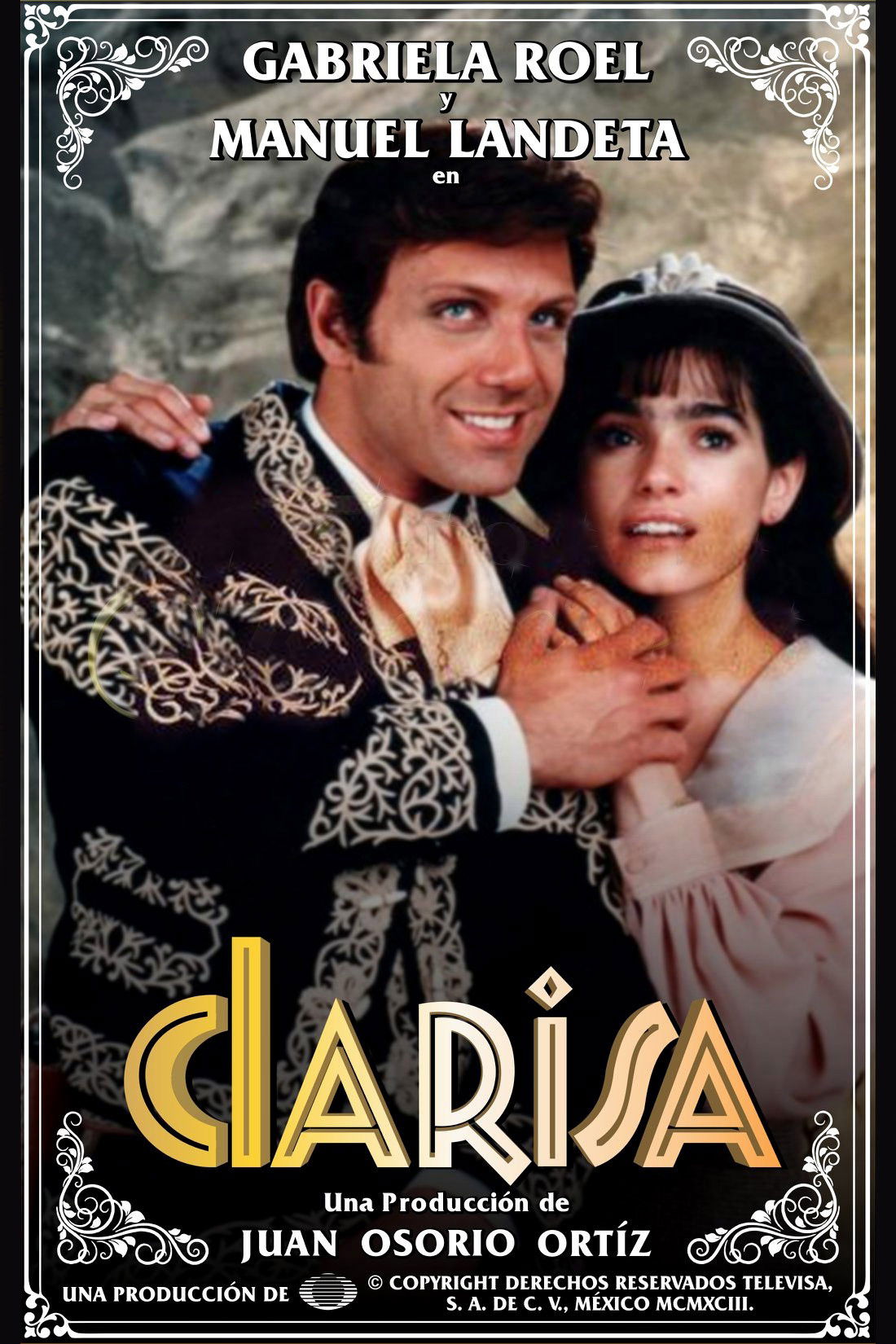
Clarisa is a Mexican telenovela produced by Juan Osorio for Televisa and originally broadcast on Canal de las Estrellas from March 15 to June 11, 1993. Created by Ramón Obón, Lupita Obón, Pilar Obón, and María Teresa García, with literary editing by Dinorah Issak, the telenovela stars Gabriela Roel and Manuel Landeta. Set in the 1930s, the story follows Clarisa González León, a kind-hearted young woman who becomes the target of her ambitious and resentful sister, Elide. After tragedy strikes her family, Clarisa loses her husband and is led to believe that her newborn daughter has died. Years later, determined to uncover the truth, she embarks on a journey marked by love, betrayal, family secrets, and the hope of reuniting with her child.
Buscando el paraíso is a Mexican youth telenovela produced by Luis de Llano Macedo and Marco Flavio Cruz for Televisa and originally broadcast on Canal de las Estrellas from November 8, 1993, to April 1, 1994. Directed by Benjamín Cann, the telenovela stars Pedro Fernández and Yolanda Andrade, with Karla Álvarez and Alejandro Ibarra in antagonist roles. The story follows Dalia and Andrea Montero Machado, two sisters with very different personalities. While Andrea is confident and charismatic, Dalia is shy and insecure. Dalia secretly falls in love with Ángel, Andrea's former boyfriend, who begins a relationship with her only to hurt her. After being abandoned and discovering she is pregnant, Dalia finds support in Julio, a humble and hardworking young man. However, jealousy, betrayal, and unresolved feelings threaten their chance at happiness.
Inspired by the 1997 American drama Donnie Brasco, El Dandy tells the story of a law professor who has been hired by the Attorney General, to participate in a program of special operations, where you must infiltrate one of the most notorious drug cartels of Mexico City. Under the false name Daniel "El Dandy" Bracho, begins the task of identifying all the members of this clandestine network. However, he quickly finds that his acute ability to police work is only comparable with the exciting sense of danger that experiences living life to the fullest. Along the way, it avails itself of the help of a criminal's petty, loyal, even corrupt, called El Chueco, who quickly befriends Bracho and comes dangerously close to discover his true identity. Much deeper Bracho is involved in the mafia, more work tells him to get out, and the professor once incorruptible has to choose between returning to a normal life as a respectable citizen or fully embrace his criminal life.
The encounter between a young nanny and a lonely child serves as the starting point for a show about affection, companionship, human relationships, and the diverse forms of motherhood.
Oscar Leal is an irresponsible taxi driver who does not like compromises but a lover of parties. Oscar's life changes when he wins the lottery, going to live in a luxurious apartment where he meets Tatiana, an attractive business executive.
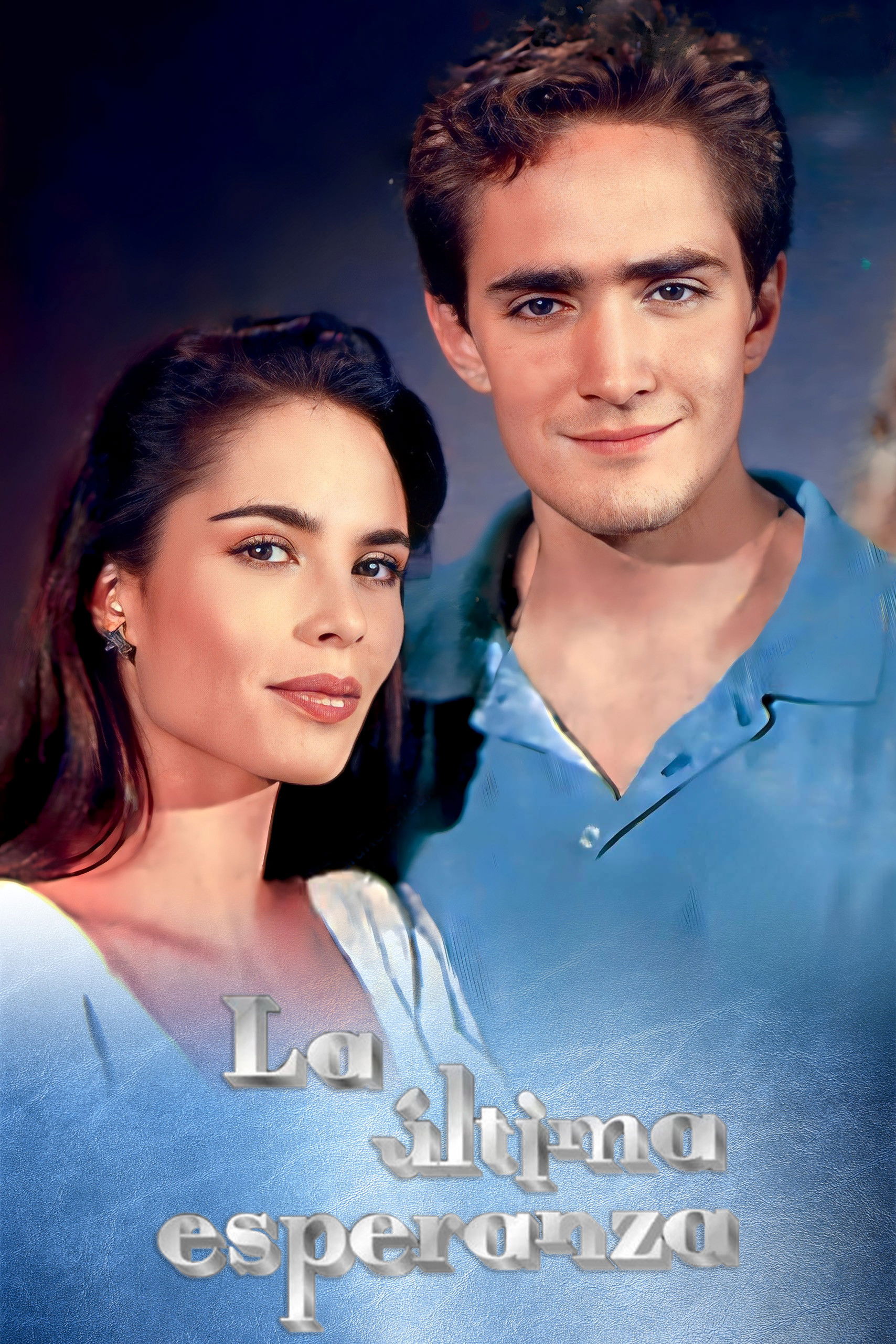
La última esperanza is a Mexican telenovela produced by Eugenio Cobo for Televisa and originally broadcast on Canal de las Estrellas from February 1 to May 14, 1993. It is a remake of the 1973 Mexican telenovela Muñeca, which was itself based on the 1971 Argentine telenovela Así en la villa como en el cielo, created by Abel Santa Cruz. The story follows Estelita Suárez, a kind-hearted young woman who lives in the impoverished neighborhood of La Última Esperanza while caring for her alcoholic father. Her life changes when she meets Daniel Burana, a wealthy young man who disguises himself as a poor resident to win her love. As their romance blossoms, they must confront family greed, corruption, and betrayal while fighting to protect their community from those determined to destroy it.
Por Estas Calles is a telenovela broadcast by Radio Caracas Televisión between 1992 and 1994. It was extremely popular in Venezuela, due to its very realistic approach to the day-to-day life of the country and local tone. It was the first Venezuelan program to give a realistic view of the corruption in political life, as well as the first to show the day-to-day life in the poor barrios. For example, it showed the impact on poor people's lives of the intermittent water supply, showing community meetings and lovers' trysts cut short by the news that the water was on, sending everyone running to fill storage tanks and barrels. It was considered by the Spanish edition of the magazine Rolling Stone as the 8th best show between the 100 Best TV Shows Ever in all Latin America. It is believed to be the longest telenovela ever produced in Venezuela.
Las secretas intenciones is a Mexican telenovela produced by Lucy Orozco for Televisa and originally broadcast on Canal de las Estrellas from August 17 to November 27, 1992. Created by Alberto Rudich and directed by Francisco Franco, the telenovela stars Yolanda Andrade and Cristián Castro in their first leading roles. The story follows Larisa Cardenal and Miguel Ángel Curiel, two young people whose romance is threatened by family conflicts, hidden secrets, and the manipulations of Antonieta Alcántara, a woman determined to take revenge on Larisa's family. As long-buried truths come to light, their lives become entangled in a web of love, betrayal, and ambition.
Esmeralda is a Brazilian telenovela produced by SBT in association with Televisa and originally broadcast from December 6, 2004, to July 19, 2005. It is a Brazilian adaptation of the Mexican telenovela Esmeralda (1997), itself based on the original story by Delia Fiallo. Adapted by Henrique Zambelli and Rogério Garcia, the telenovela stars Bianca Castanho and Cláudio Lins. The story follows Esmeralda, a young woman who has been blind since birth after being accidentally switched with another baby shortly after her birth. Raised by a humble family in the countryside, she grows up unaware of her true identity. When she falls in love with José Armando, the son of a wealthy landowner, their romance is threatened by family secrets, prejudice, social differences, and the revelation of the truth about her origins.
The adventures of Vicenta Acero, the feared coyote who now leads the dynasty of illicit dealings once under the control of her father.
Follow the complicated dynamic between the rich and powerful Cryer family and the hired help who work in their opulent Savannah, Georgia, mansion.
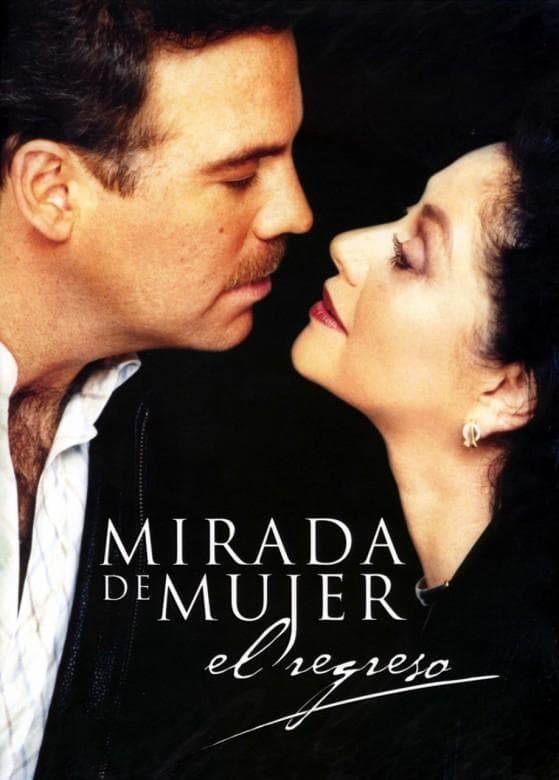
Mirada de mujer: El regreso is a Mexican telenovela, which was produced by and broadcast on TV Azteca in 2003. It is the sequel of Mirada de Mujer.
Las Amazonas is a Mexican telenovela produced by Salvador Mejía Alejandre for Televisa and originally broadcast on Las Estrellas from May 16 to September 4, 2016. It is based on the Venezuelan telenovela Amazonas (1985). The story follows ranch owner Victoriano Santos and his three daughters, whose lives are transformed by love, family rivalries, and long-hidden secrets. As old betrayals resurface and unexpected romances develop, they must confront painful truths that will test their relationships, reshape their family, and change their future forever.
1763. The life of Adriana, a brave and loyal woman, suffers an unexpected setback when she receives a devastating blow: her father has died, and, as a result of a secret pact, she must travel from the city of Madrid to Valle Salvaje, in northern Spain, to marry a stranger. A dark secret from her past follows her to the remote valley, home to her fiancé's family and her troubled aunt, Doña Victoria. There, her life will change forever. She will experience true love, betrayal, and danger as she tries to uncover the truth behind her father's death.
Worlds collide when a vengeance-obsessed young woman from the other side of the tracks captures the attention of two well-off friends.
Ana, a dedicated wife and mother, must reinvent her life after divorcing her philandering husband. When she meets and falls in love with a much younger man named Joaquín, her family and future change forever.
Alejandra and Rafael come from completely different worlds, but a life-changing accident brings them together. A massive debt forces them to stay close, sparking a relationship full of tension, passion, and unexpected emotions. Between jealousy, heartbreak, and fate’s twists, their story takes unpredictable turns that will test their connection.
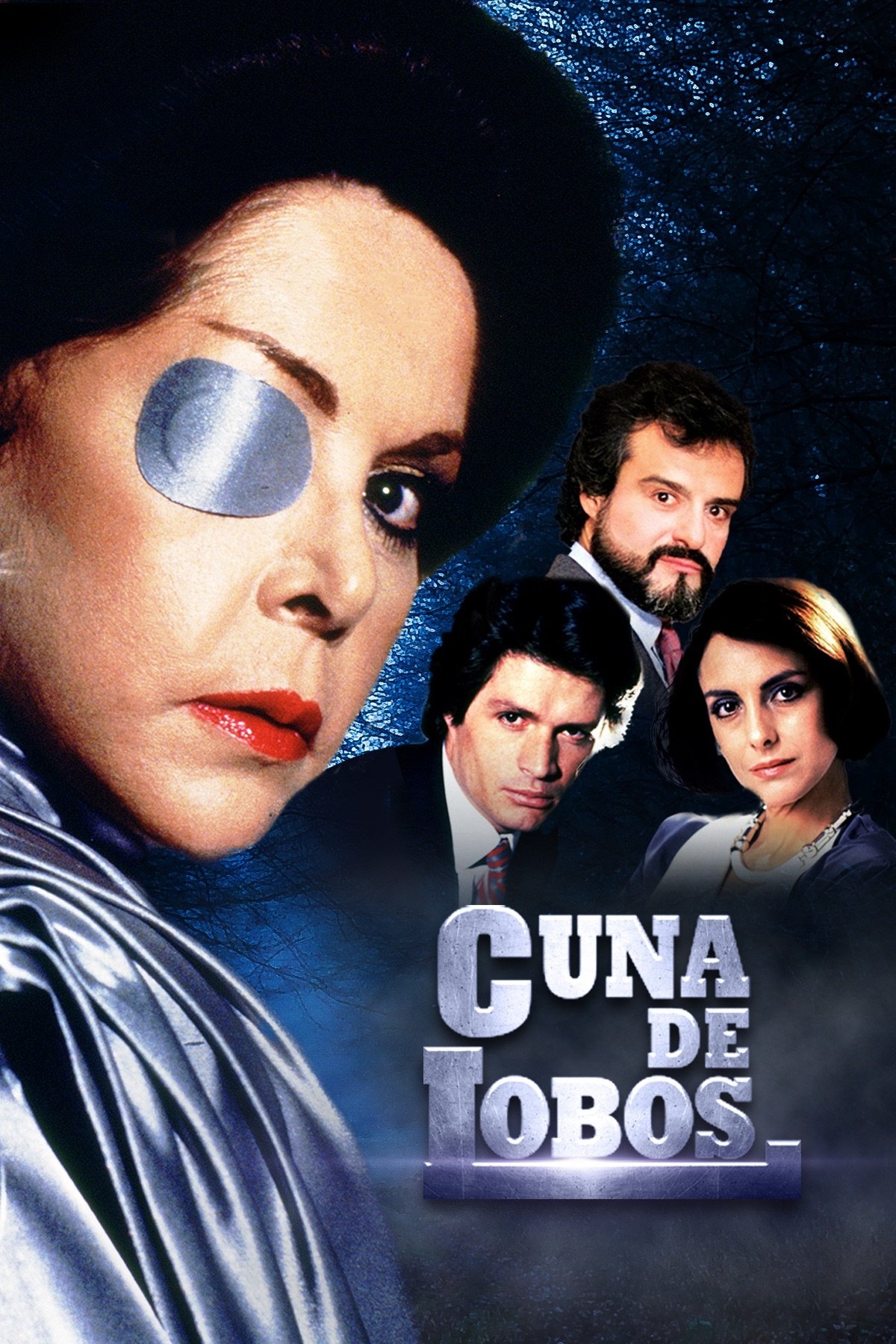
Cuna de lobos is a Mexican soap opera produced by Televisa and broadcast by Canal de las Estrellas in 1986 to 1987. The serial, about the struggle for power within a wealthy Mexican dynasty, was enormously popular in its native Mexico. It was also a hit in several foreign countries, including the United States, Germany and Australia. The soap opera starring antagonistically María Rubio as the main villain interpreting the evil "Catalina Creel", with Gonzalo Vega, Diana Bracho, Alejandro Camacho and Rebecca Jones.
Follow the relationships of a group of husbands and wives that live and love on the same street. While the neighbors come from very different backgrounds, their lives are similar – raising children, dealing with exes, worrying about money and keeping romance in their relationships. But just below the surface — secrets, lies and deception threaten to destroy what they have built.
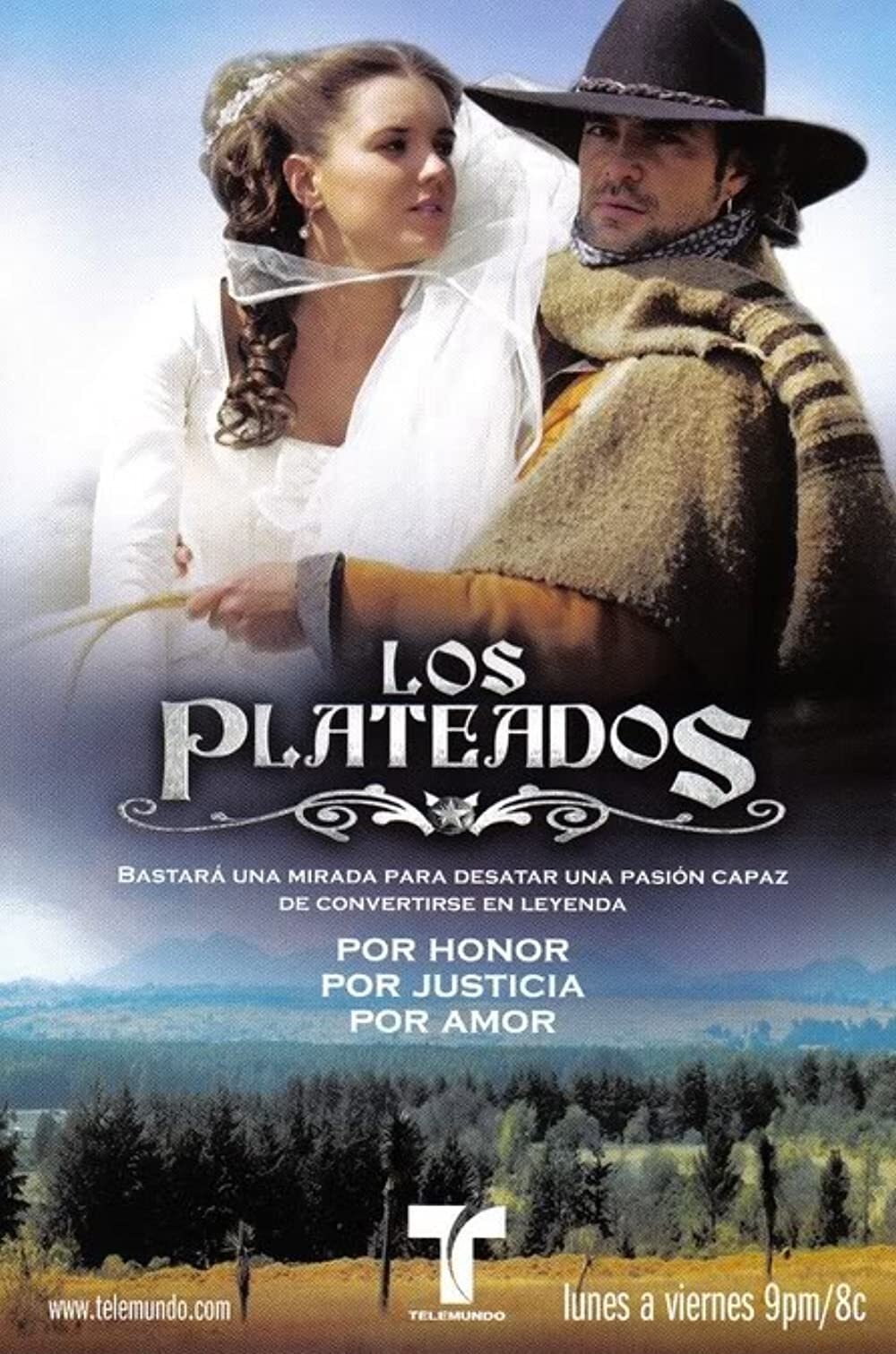
This is a historical novel with its Roots in the beginning of XIX century. "Silverplated" were bandits who stole from the routes which transported silver to the states of Guanajuato and Taxco in Mexico. For that reason the bandits were called "the silver plated ones", which means "the silver-plated". It was the social time of the bandits, They would steal from the rich and give to the poor. This soap opera bring that era to us with plenty of excitement and romance.
Las Muñecas De La Mafia is a 2009 Colombian telenovela produced by BE-TV and broadcast by Caracol TV. It's based on Juan Camilo Ferrand and Andres Lopez's book "Las Fantásticas". They also wrote the scripts for the television series. The telenovela will debut soon on the Telefutura Network. Series debuted on May 3, 2010 after the Vecinos finale. The show ended July 2010 in the U.S. It talks about the story of Brenda, Olivia, Violeta, Renata and Pamela. They get into trouble throughout the series because they get involved with some mafia guys from "El Carmen" in Colombia.They all have sad endings. Pamela immigrates, at the end of the story, to the United States of America to try to get away from trouble and be close to her father, who was a pilot and end up in jail because he was captured by DEA taking cocaine to U.S in a plain, and ends up as a maid but tells Brenda she is happy and having a great life. Olivia ends up in jail for having a fake wedding with a Braulio Bermudez and getting some of his properties. Violeta dies when the two mafia opposite sides were going to end a war that was going on in between them.Renata also dies because she was force by erick, to pay money she owe him, to carry drugs in her stomach to the United States and no one of her loved ones knew because she had no identification on her. Brenda ends up being pregnant by Braulio, she never saw him again, because he was taken to an US jail. This is a very exiting story to see and it shows how easy life is never a good choice, might be nice and easy at the beginning but some day all ends.
Soñadoras is a Mexican telenovela. It was produced by and broadcast on Televisa in 1998, and shown in 1999 on Univision.
A man hell-bent on exacting revenge on the organ trafficking organization that murdered his wife becomes involved with the woman who received her heart.
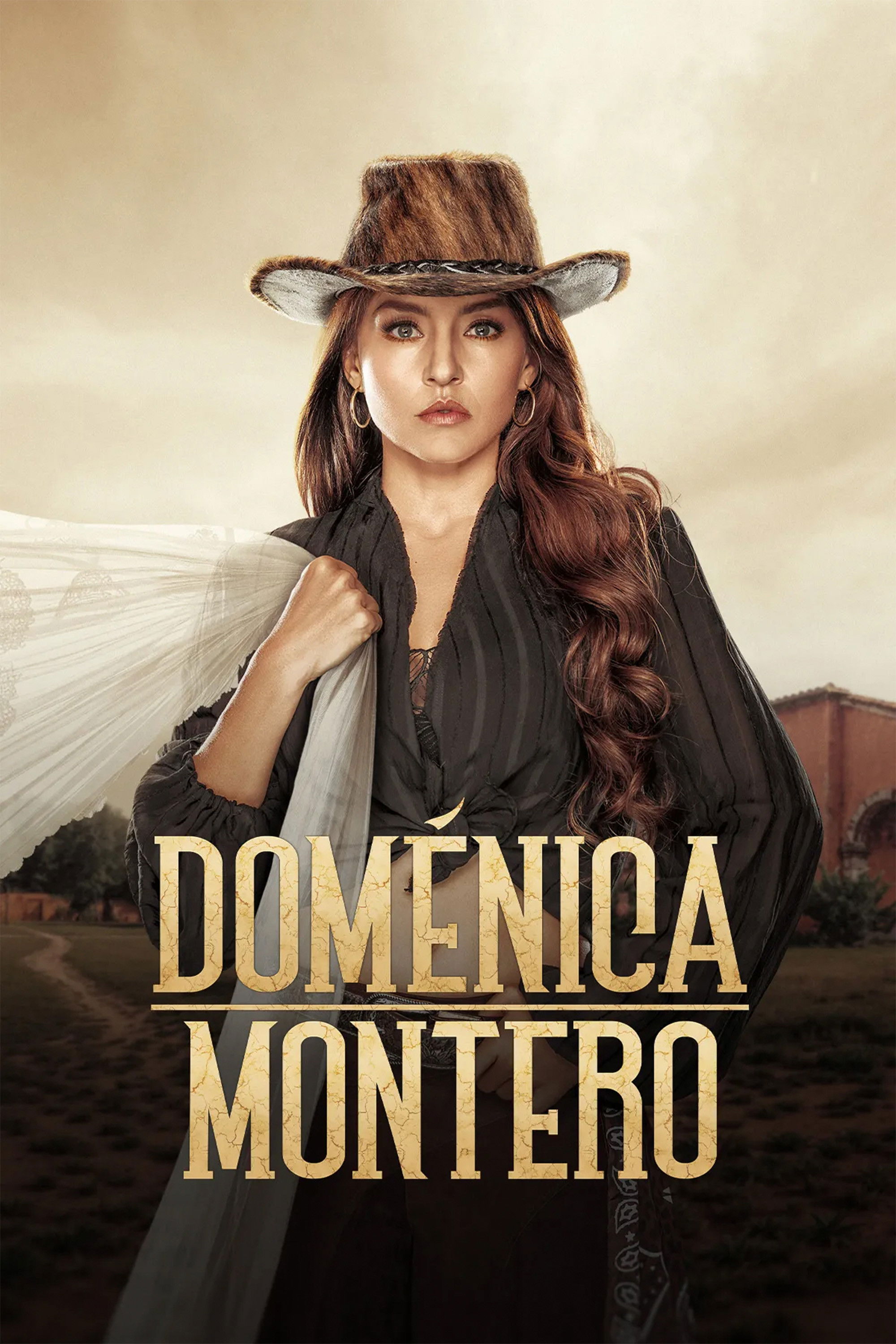
A respected and renowned businesswoman and philanthropist, considered one of the most sought-after brides in the country, who is left at the altar on her wedding day. Humiliated, betrayed, and turned into a target of public scrutiny, Doménica decides to flee and take refuge in one of her parents’ old estates. There, marked by pain, she faces new challenges and meets Luis Fernando, the owner of the neighboring estate, who also carries a painful past. Between them, an explosive relationship develops, marked by pride, misunderstandings, and growing attraction, where land disputes intertwine with their shared desire to rebuild, heal, and give new meaning to their lives.
Against all odds, young Arelys Henao pursues her dream of becoming a singer in this music-filled drama, based on the beginnings of the iconic Colombian star.
Yolanda dreamed her entire life of being a pilot. She found a stewardess job, and an unexpected role in drug smuggling.
The domestic adventures, misdeeds and everyday interactions of five families living on a cul-de-sac in a small California community.
Rosa is abandoned as a baby at a boarding school along with a payment of 18 white diamonds. Her mother is Rosaura Sotomayor, a distinguished socialite who needs to hide the fruit of her affair. Rosa grows up and befriends Eva Sotomayor, and both girls vow to live as sisters. Their lives change after they meet José Ignacio Altamirano, an attractive, intelligent and conquering man who takes advantage of Eva’s innocence. The rich heiress dies in a mysterious accident, and Rosa decides to take her identity to avenge her dear friend.
Dame Chocolate is a 2007 Spanish-language telenovela, which was produced by the United States-based television network Telemundo and aired from March 5 until October 5, 2007. This limited-run serial stars Génesis Rodríguez as a sweet, simple girl who leaves rural Mexico for Miami in the US to fulfill her destiny in the chocolate business. Elements of this romantic soap opera resemble Ugly Betty, the Tammy films, The Beverly Hillbillies and No Holds Barred. Lionsgate Home Entertainment and Xenon Pictures released a four-disc DVD set of Dame Chocolate in the US on November 27, 2007. The abridged version runs over 13 hours. It includes English subtitles and carries a TV-PG rating.