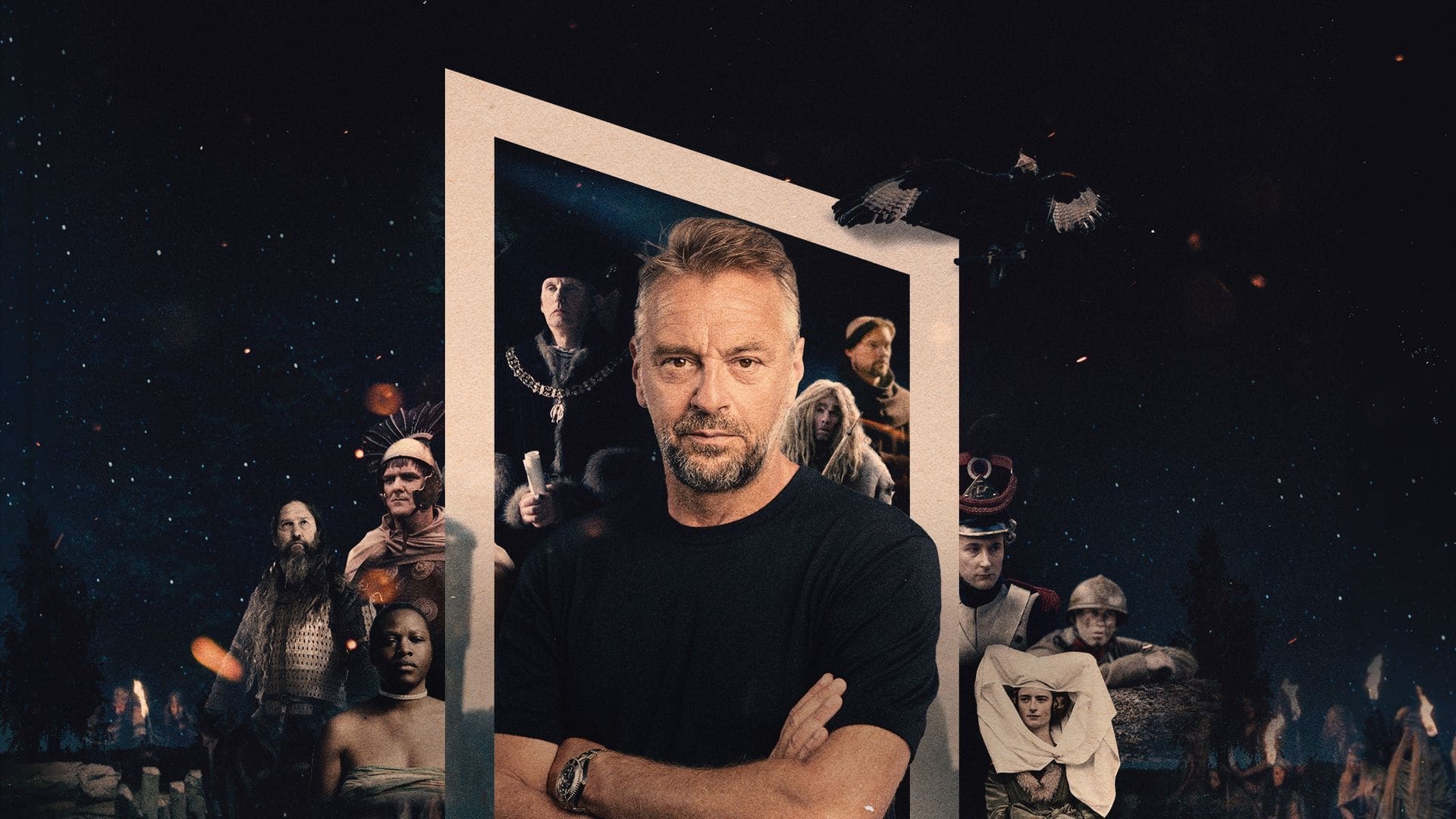
In this documentary series, interspersed with historical reconstructions, Tom Waes investigates what has happened since the arrival of the first Homo sapiens, on the 14,000 square kilometers that we today call Flanders.
Social & External
The people behind it
Tom Waes
Self
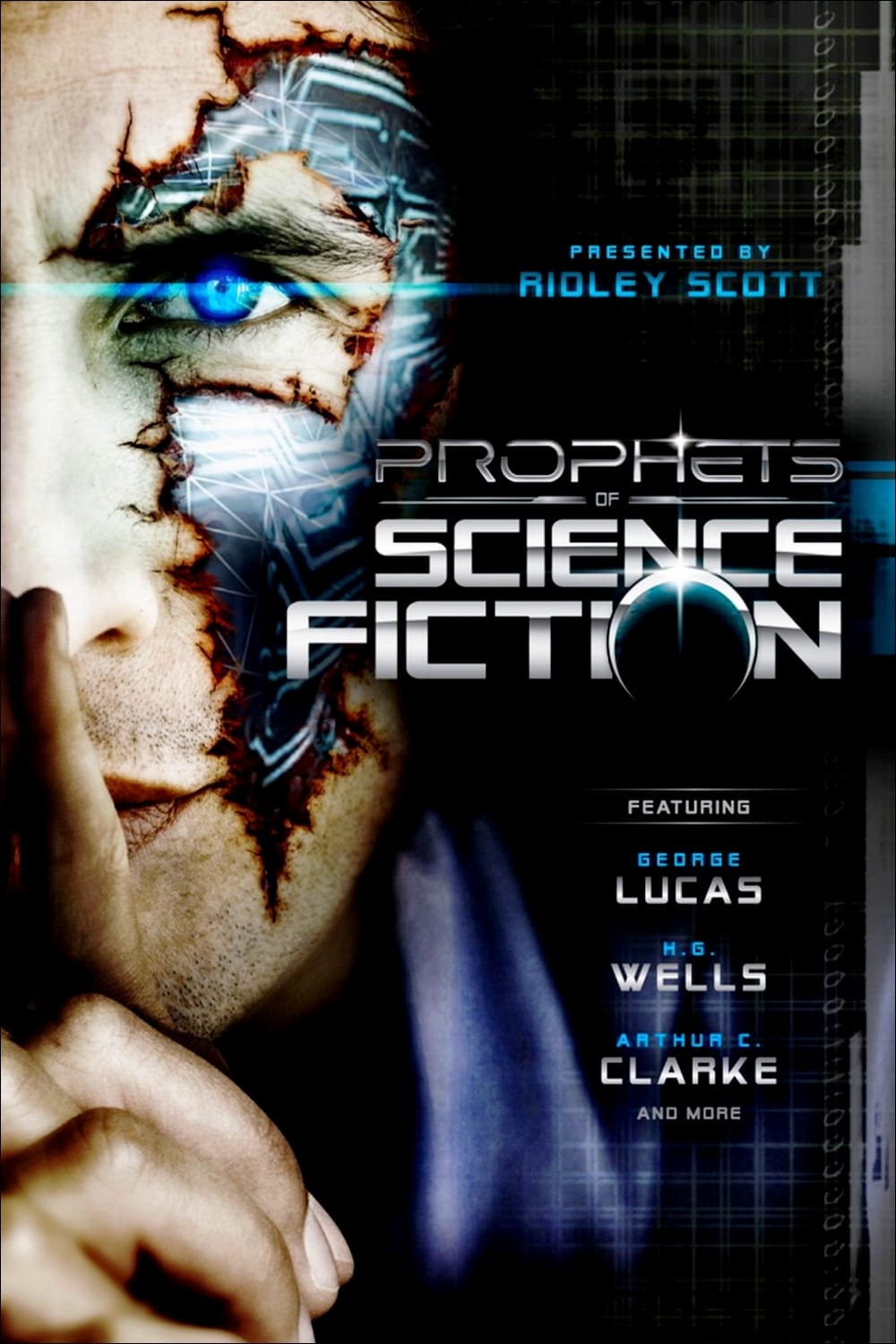
The series covers the life and work of leading science fiction authors of the last couple of centuries. It depicts how they predicted and, accordingly, influenced the development of scientific advancements by inspiring many readers to assist in transforming those futuristic visions into everyday reality.
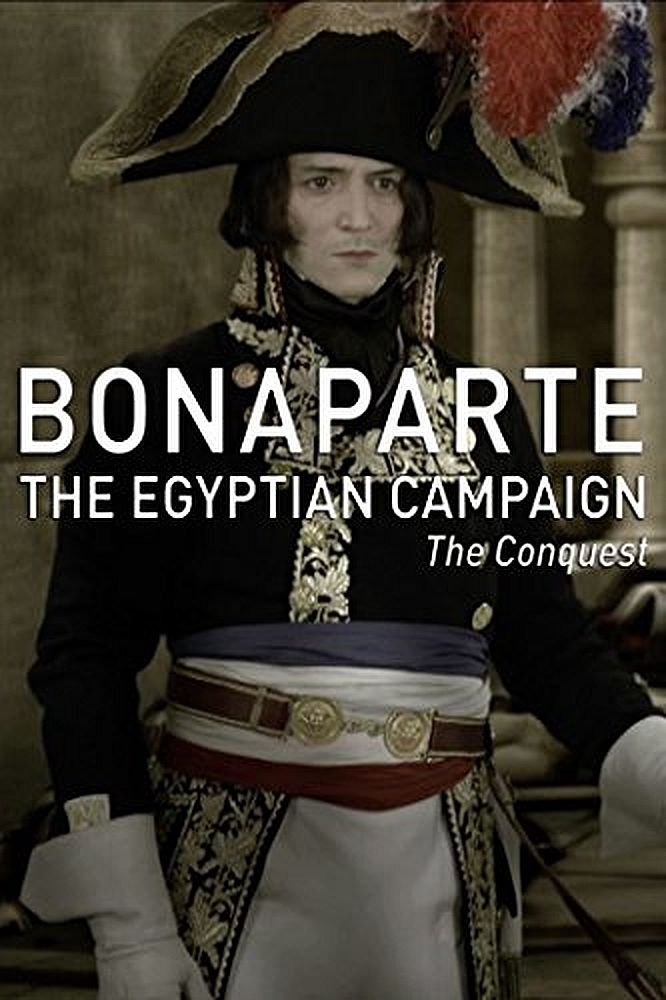
In the spring of 1798, Napoleon set out with 38,000 men and 10,000 sailors to conquer Egypt.
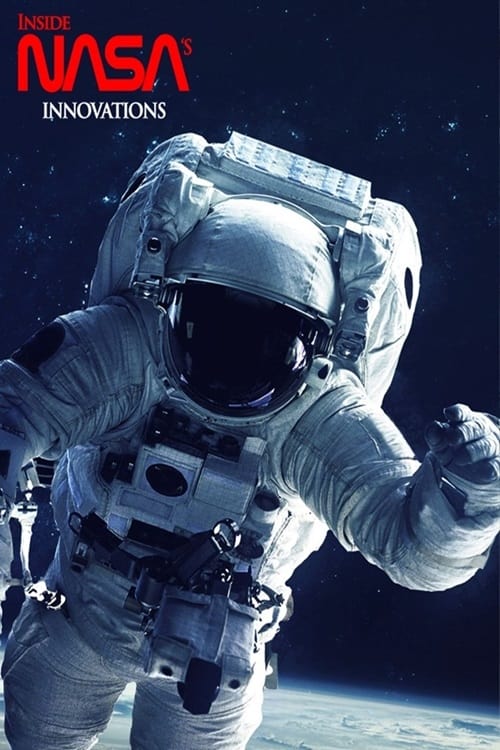
Inside NASA's Innovations takes you behind the scenes with one of the world's leading technology innovators. Find out what it takes to collaborate with NASA in developing the next breakthrough in space exploration.

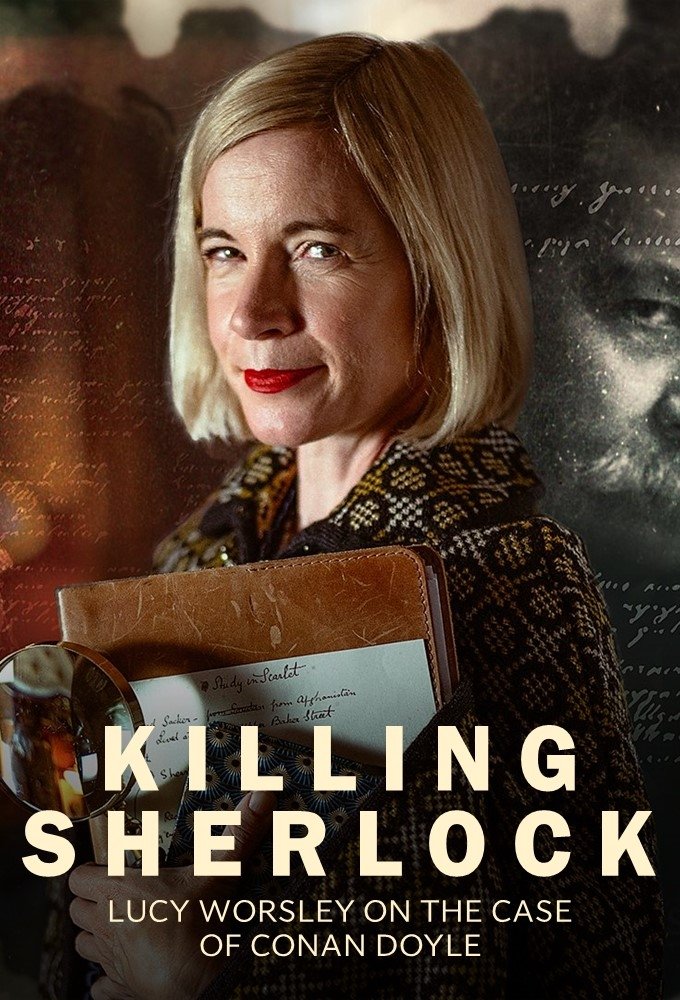
This is the story of a power struggle between two men - one fictional, and one real. In one corner is the master of crime – the greatest detective who never lived, Sherlock Holmes. In the other is writer, physician and spiritualist leader Sir Arthur Conan Doyle. Lucy Worsley explores the extraordinary love-hate relationship between author and creation.

The specter of drug trafficking haunts Europe. Struggling with ultra-violent criminal groups that control the vast majority of cocaine trade, European police forces are overwhelmed. The epicenter of all this trafficking: the Netherlands. A nation at the forefront of international trade and drug policy. This two-part film delves into the origins of European drug trafficking through the unique history of the Kingdom of the Netherlands.
A historical exploration about the eruption of Vesuvius in 79 A.D. and the preserved Roman city it left behind.
From dangerous explosives and deadly curses that put everyday people at risk, to treasures found in the unlikeliest of ways, each episode digs into the people, the places and historical significance of these discoveries. And sometimes just being in the right place at the right time can make history…because nothing stays hidden forever.
In four chapters, largely based on and illustrated with archaeological finds and sites, Neil Oliver explains how, as far as is known, the Iron Age Celtic tribes known as the Ancient Britains evolved and entered European civilization. Their internecine tribal phase was warlike and partitioned. Overseas contacts, especially metal trade, brought wealth and progress. Ultimately, it attracted the superior Roman empire, which would conquer and pacify Britain into a province, like Gaul shortly before, but Caesar's invasion wasn't the definitive annexation yet, that was left to emperor Claudius; even afterward some Celtic traits and even rebellions remained.
Carla Hall travels around the world to track down the unexpected lineage and international origins of America's favorite dishes.
How To Survive the End of the World examines terrifying and scientifically plausible doomsday scenarios by exploring distinct, world-threatening events and the methods by which humanity would fight to survive against grim odds.
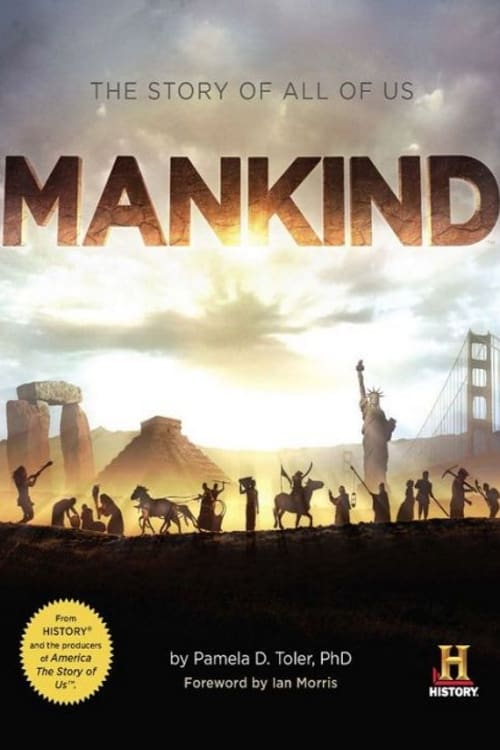
"Mankind : The Story of All of Us" is an epic 12-hour television event about the greatest adventure of all time—the history of the human race. It takes 10 billion years for the ideal planet to form and 3 billion more for the right conditions to emerge before it finally happens: mankind begins. From there unfolds a fast-paced story told here through key turning points—stepping stones in our journey from hunter-gatherer to global citizen. It’s a tale of connections—why some ideas take hold and spread around the globe, and how the lives of people in one part of the world are shaped by events in another.
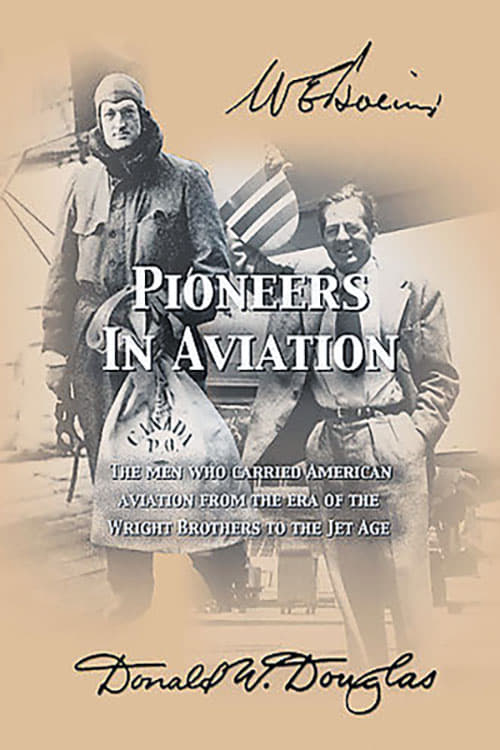
EMMY-nominated PBS documentary covering the history of American aviation, from the Wright Brothers to the very frontiers of space.
Days that Shocked the World explores the most iconic disasters of the last 50 years, combining eye-witness testimony with powerful archive footage, to learn how each tragedy changed both the lives of individuals and the world. The anthology series features one- and two-part episodes that coincide with key anniversaries of these defining global events: including the Challenger Space Shuttle explosion in 1986, the Chernobyl nuclear disaster of the same year, the 2000 Air France Concorde crash, the 9/11 terrorist attacks in 2001 and the 2011 Fukushima earthquake and tsunami.
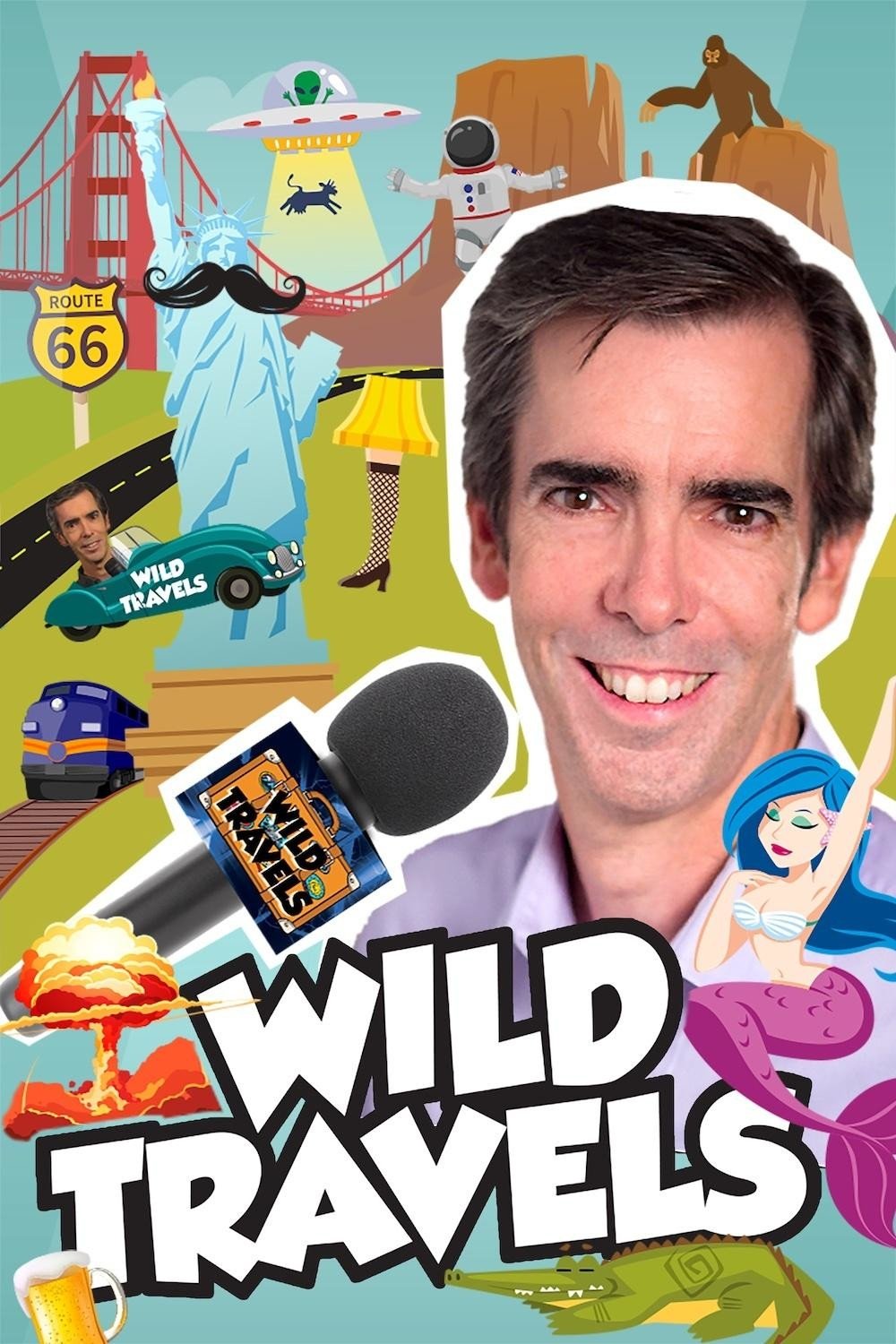
WILD TRAVELS goes off the beaten path to celebrate America's unusual festivals, unknown museums and unconventional characters. It's intelligent, funny, and a bit irreverent, spotlighting our country's quirkiest people and places.
What it felt like to live through the collapse of communism and democracy. A series of films by Adam Curtis.
Series using the Rank Organisation's "Look at Life" documentary shorts to examine British society during the 1960s.
Covering the ancient world through the age of technology, this illustrated lecture by Eugen Weber presents a tapestry of political and social events woven with many strands — religion, industry, agriculture, demography, government, economics, and art. A visual feast of over 2,700 images from the Metropolitan Museum of Art portrays key events that shaped the development of Western thought, culture, and tradition.
This series explores the facts and investigates the truth behind the British Redcoat Army's campaign in Zululand during 1879. The war was started by a country at the height of it's imperial powers and prosecuted by an army charged with the responsibility of implementing a policy known as Confederation - a proposal to unite various black and white factions in South Africa under British authority. Interviews, on-location footage and new geological surveys all help to reconstruct the conflicts and give insight into the tactics used in these epic battles.
Tutored by Aristotle, helpless witness to his father's assassination, and a brilliant, pioneering tactician, Alexander the Great had conquered the known world--and sealed his legacy as one of history's most remarkable rulers--by the age of 25. In the year 334 B.C., 20-year-old King Alexander of Macedonia decided to bring the farthest reaches of the world under one domain. Over the next 12 years, he led a grand army across more than 20,000 miles and eventually brought all of Asia under his control, only to perish from battle wounds at the age of 32. Incorporating dramatic onsite reenactments with high-end computer graphics and the expertise of renowned scholars, THE TRUE STORY OF ALEXANDER THE GREAT is a special presentation from THE HISTORY CHANNEL®, examining the life and career of this military genius, impassioned lover, and fearless leader.
The documentary series explores different political figures throughout history.
WWII in HD is a 10-part American documentary television miniseries that originally aired from November 15 to November 19, 2009 on the History Channel. The program focuses on the firsthand experiences of twelve American service members during World War II, including an Army nurse, a member of the Tuskegee Airmen, a second generation Japanese American and prisoner of war, and an Austrian Jewish immigrant. The twelve members recorded their time in both theaters and some had later interviews; found footage from the battlefield was paired with the stories of the twelve service members. The episodes premiered on five consecutive days, with two episodes per day. The series is narrated by Gary Sinise and was produced by Lou Reda Productions in Easton, Pennsylvania, United States.
World War II In Colour is a 13-episode television documentary miniseries recounting the events of World War II narrated by Robert Powell. The show covers the Western Front, Eastern Front, and the Pacific War. It is on syndication in America on the Military Channel. This series is in full color, combining both original and colorized footage.
The story of the Second World War through the personal accounts of a handful of men and women from four American towns. The war touched the lives of every family on every street in every town in America and demonstrated that in extraordinary times, there are no ordinary lives.
Explores WWII from Germany's invasion of Poland through the atomic age, examining pivotal battles, wartime leaders like Churchill and Roosevelt, and the human cost of total war.
TV's most-watched history series brings to life the compelling stories from our past that inform our understanding of the world today.
Oliver Stone's re-examination of under-reported events in American history.
A documentary series that gives a historical account of the events of World War II, from its roots in the 1920s to the aftermath and the lives it profoundly influenced.
Gripping historical footage and expert commentary give detailed insights into the leading figures and decisive turning points of World War II.
Infographics and archival footage deliver bite-size history lessons on scientific breakthroughs, social movements and world-changing discoveries.
Don Wildman unearths relics from the world's greatest institutions to reveal secrets from the past. He examines each artifact to illuminate history's most incredible triumphs, sensational crimes and bizarre encounters.
Using highly advanced colourisation techniques, critical moments from World War II, from Stalingrad to The Battle of Britain, are shown in a whole new light.
A documentary on the American Civil War narrated by Ken Burns, covering the secession of the Confederacy to the assassination of Abraham Lincoln.
Surviving power struggles, betrayals and plots, Hitler's inner circle of Nazi leaders seizes control of Germany and designs its disastrous future.
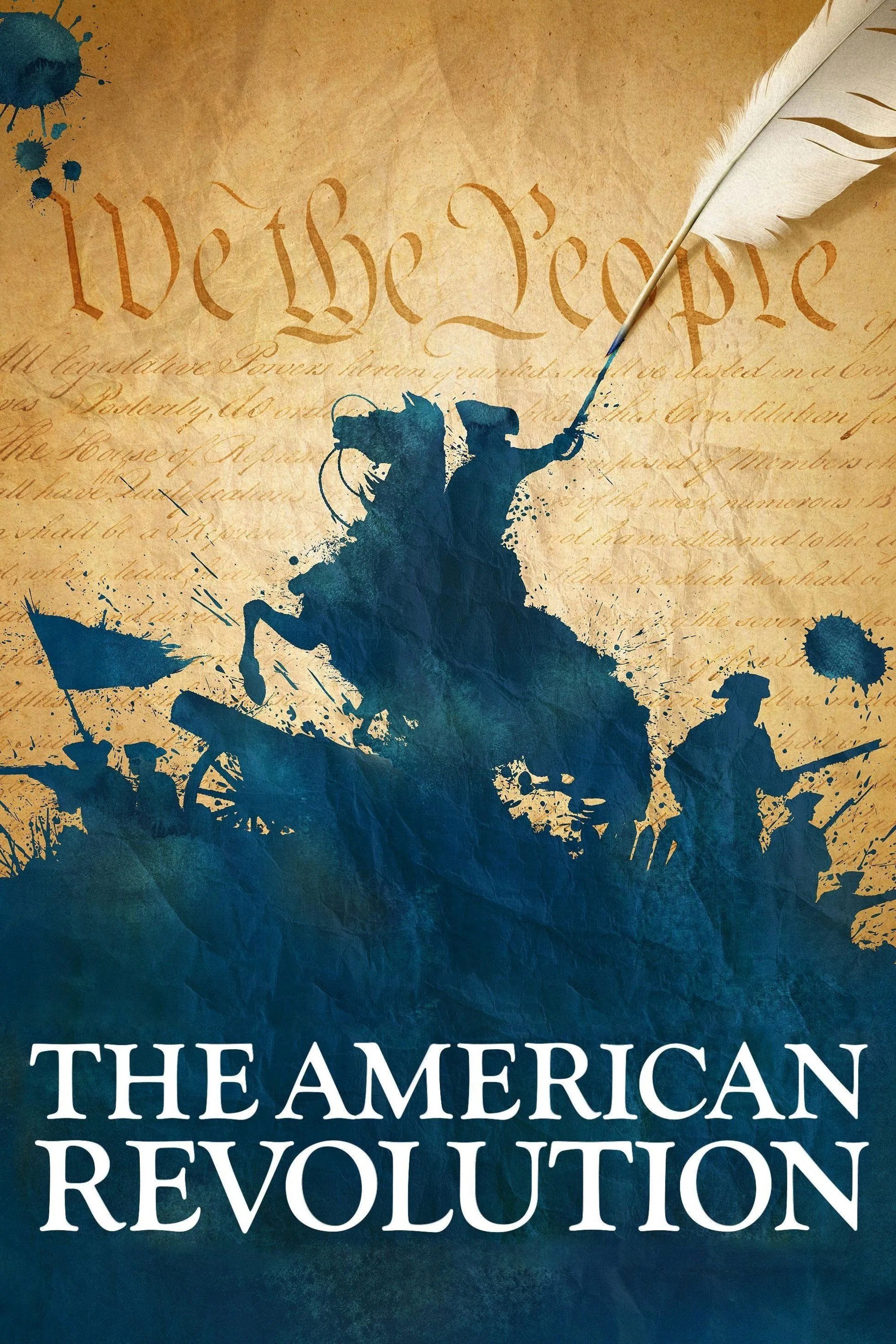
The American Revolution was at once a war for independence, a war of conquest, a civil war, and a world war, fought by neighbors on American farms and between global powers an ocean or more away. It impacted millions from Vermont’s Green Mountains to the swamps of South Carolina, from Indian Country to the Iberian Peninsula. In defeating the British Empire and giving birth to a new nation, the American Revolution turned the world upside-down. Thirteen colonies on the Atlantic Coast united in rebellion, won their independence, and established a republic that still endures. The American Revolution will present the story of the men and women of the Revolutionary generation, their humanity in victory and defeat, and the crisis that they lived through.
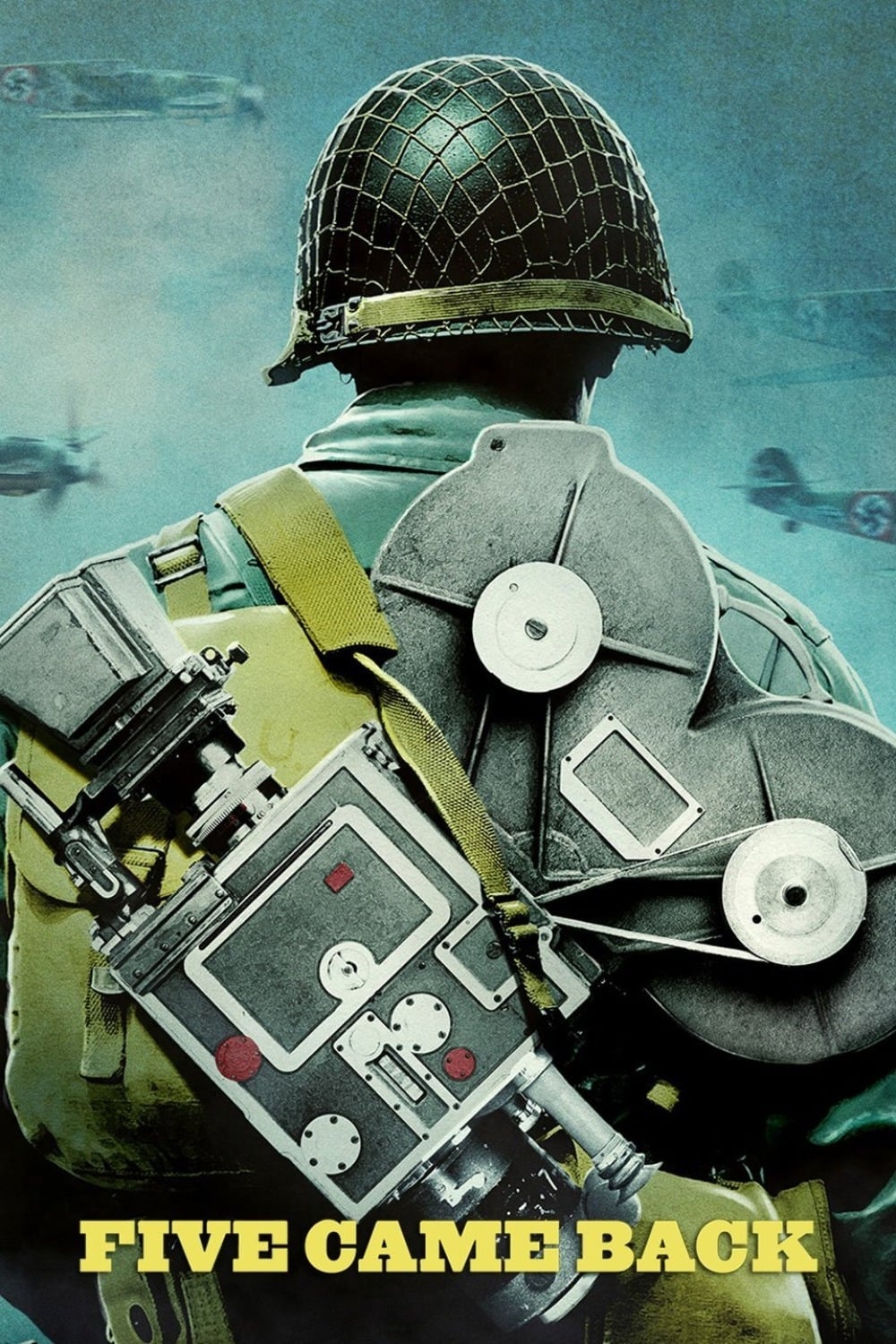
Five acclaimed contemporary directors tell the story of five legendary Hollywood filmmakers who enlisted in the armed forces to document World War II.
An insider's look at the engineering and scientific miracles behind the things that form the modern world.
Award-winning actor and nervous explorer Eugene Levy steps out of his comfort zone for a whirlwind tour of the world's most beautiful and intriguing destinations.
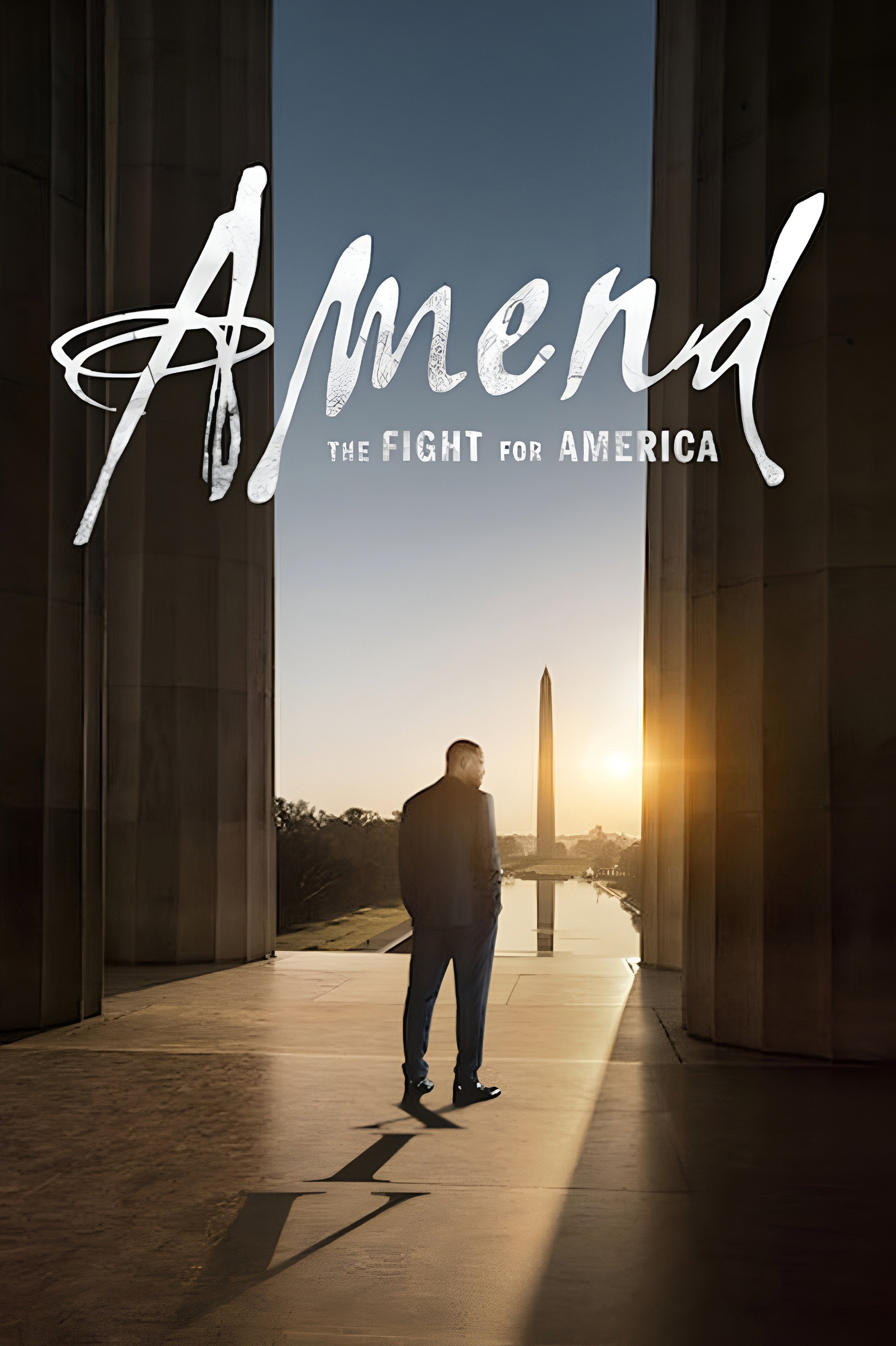
Will Smith hosts this look at the evolving, often lethal, fight for equal rights in America through the lens of the US Constitution's 14th Amendment.
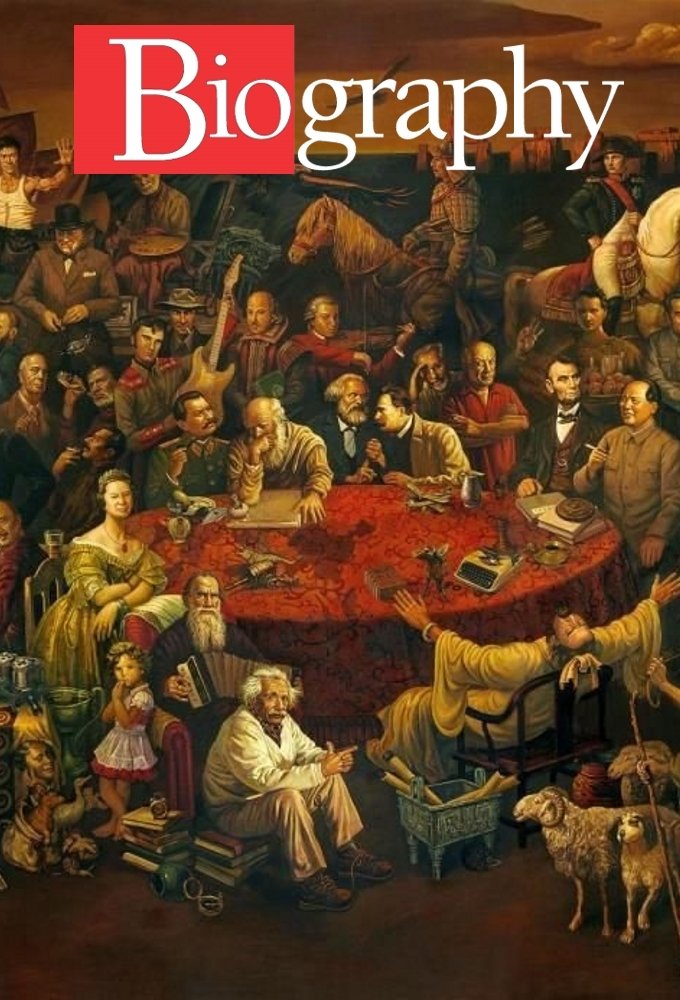
Biography is a documentary television series. It was originally a half-hour filmed series produced for CBS by David Wolper from 1961 to 1964 and hosted by Mike Wallace. The A&E Network later re-ran it and has produced new episodes since 1987. The older version featured historical figures such as Helen Keller and Mark Twain, or long-dead entertainment figures such as Will Rogers or John Barrymore. The A&E series has placed the emphasis on such people as Marilyn Monroe, Elvis Presley, Plácido Domingo, Freddie Mercury, Jacqueline Kennedy Onassis, Eric Clapton, Pope John Paul II, Gene Tierney, Selena, Diego Rivera, Mao Zedong and Queen Elizabeth II, and fictional characters like The Phantom, Superman, Hamlet, Betty Boop, and Santa Claus. The program ended up profiling enough figures that in 1999, A&E spun it off into an entire network, The Biography Channel.