Social & External
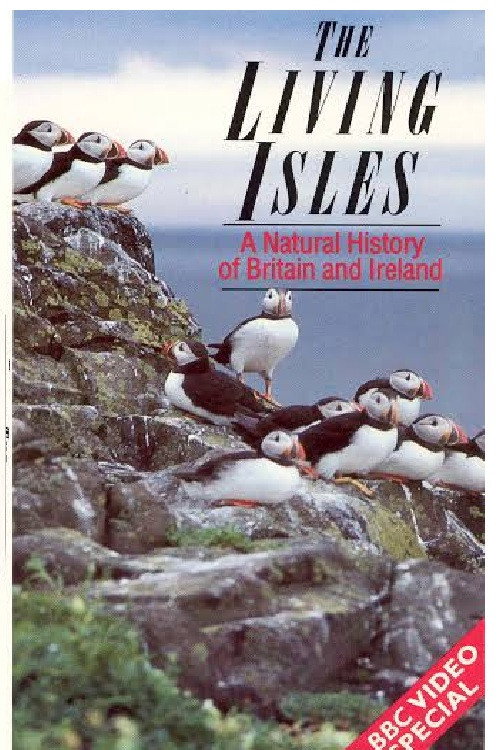
The story of the permanently changing landscape and its wildlife of the British isles since the last ice age. In 10 episodes.
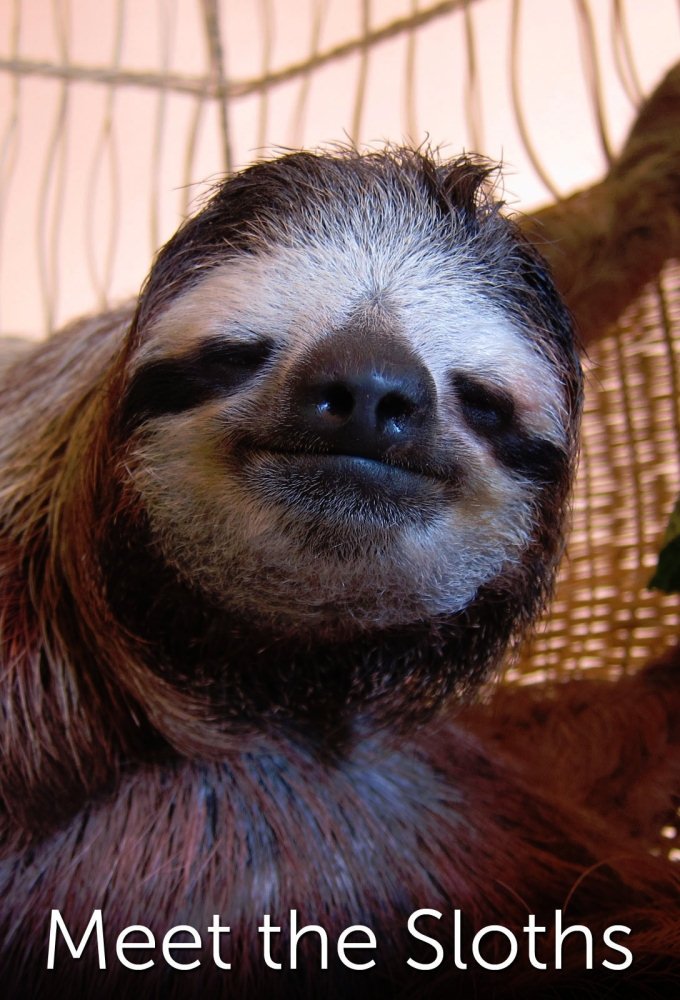
Meet The Sloths follows a year in the life of five slow-moving residents of the Aviarios Sloth Sanctuary in Costa Rica, a sanctuary dedicated to saving orphaned or injured sloths. Filmmaker Lucy Cooke headed to the sanctuary to follow the stories of these loveable and unique creatures. And, apart from filming adorable videos – including one that’s got two million hits on YouTube – she has captured a unique insight into these very secretive animals. The stories demonstrate the difficulty in caring for sloths, and stories include: baby sloth twins fighting for survival, an injured and sexually frustrated ex-lothario sloth called, naturally, Randy and at the oldest living sloth in captivity that has lived to the ripe old age of 20-years-old. Over a year in their company Lucy watches as an unlikely soap opera of love, loss and lust develops and learns first hand that although slow on their feet, a sloths life is anything but slothful.
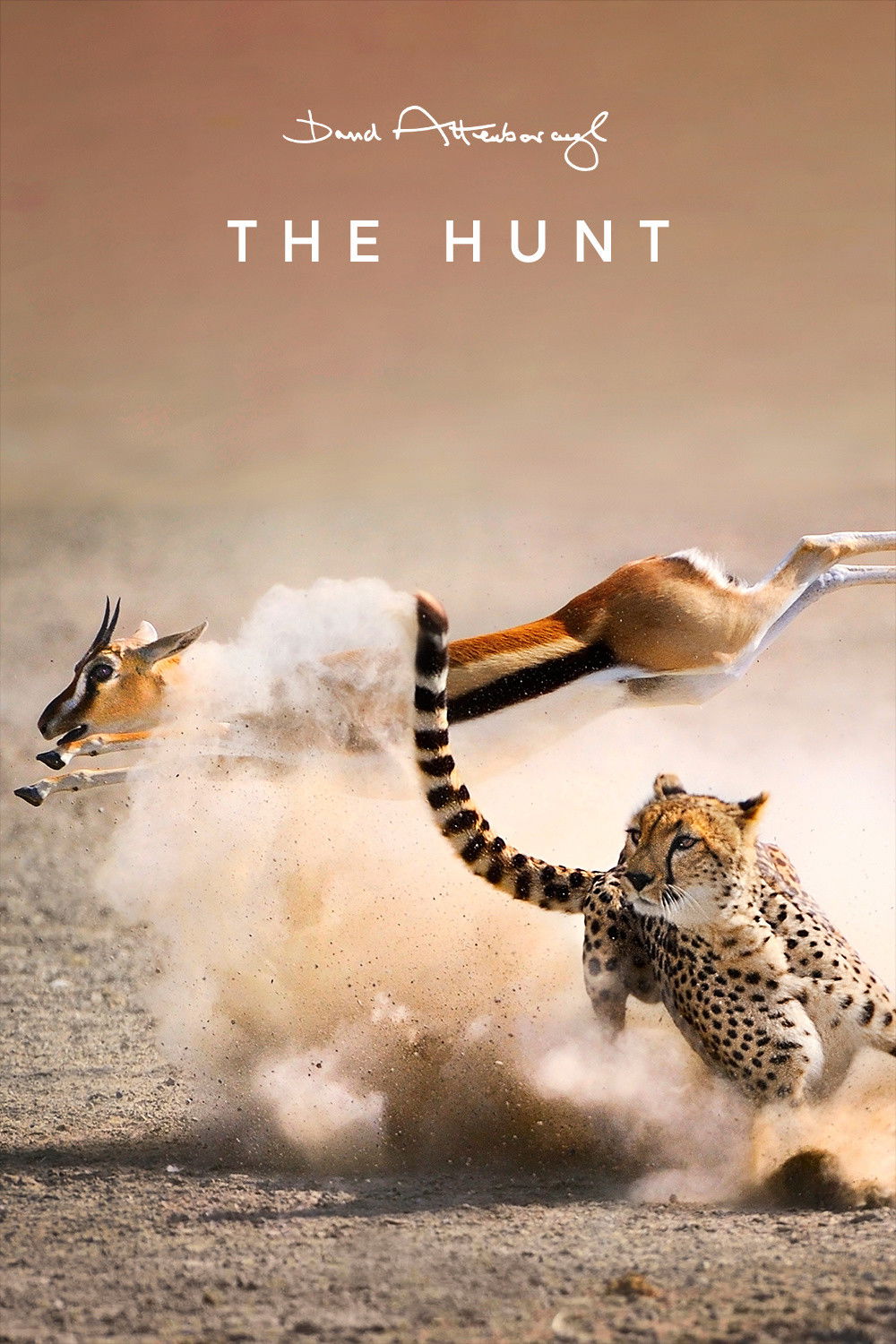
This major landmark series looks in detail at the fascinating relationship between predators and their prey. Rather than concentrating on ‘the blood and guts’ of predation, the series looks in unprecedented detail at the strategies predators use to catch their food and prey use to escape death. Sir David Attenborough narrates.
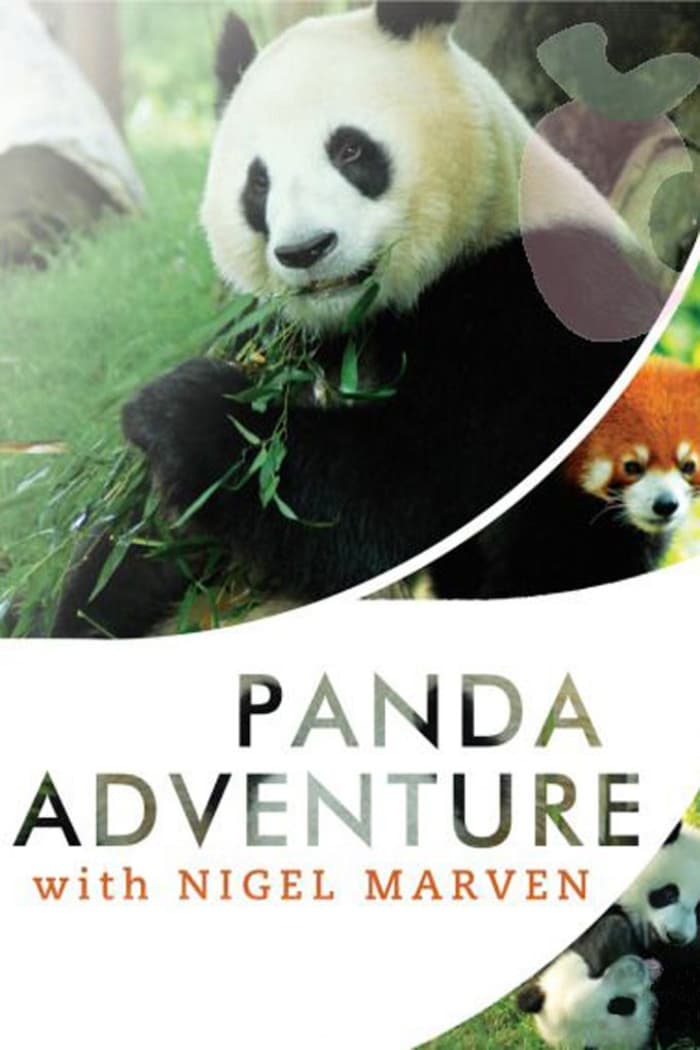
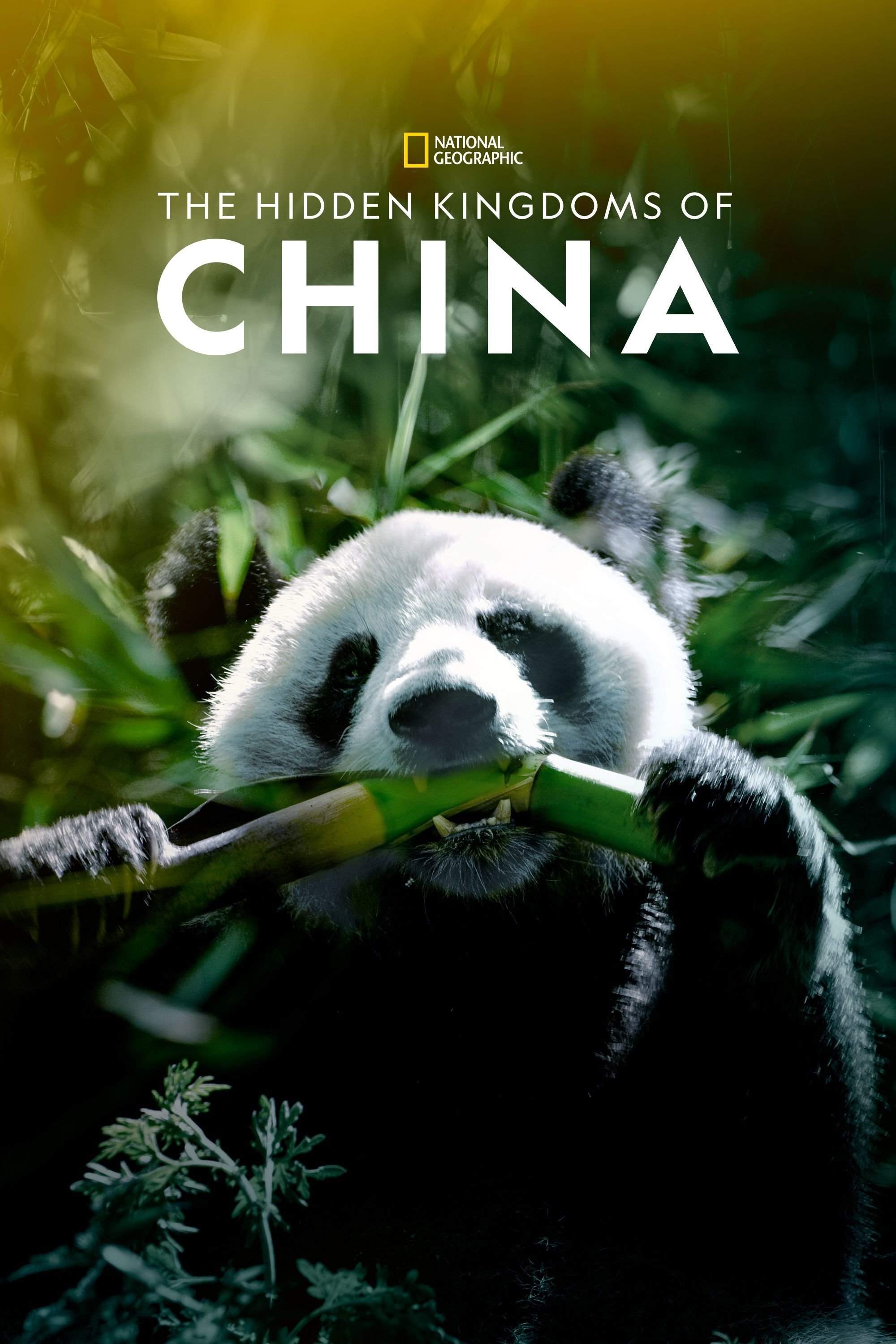
Nigel heads to China to learn about giant pandas for his latest adventure. He visits the beautiful reserves the pandas inhabit, before heading into the wild to achieve his ambition of being the first presenter to be filmed with a giant panda in its native habitat. He is also astonished to witness a brown panda cub, one of only five known to science. Along his journey Nigel meets the other amazing creatures that live in the bamboo forest, including naughty macaques, golden snub-nosed monkeys and fluffy bamboo rats. He also feeds adorable red pandas, distant relatives of the giant panda.
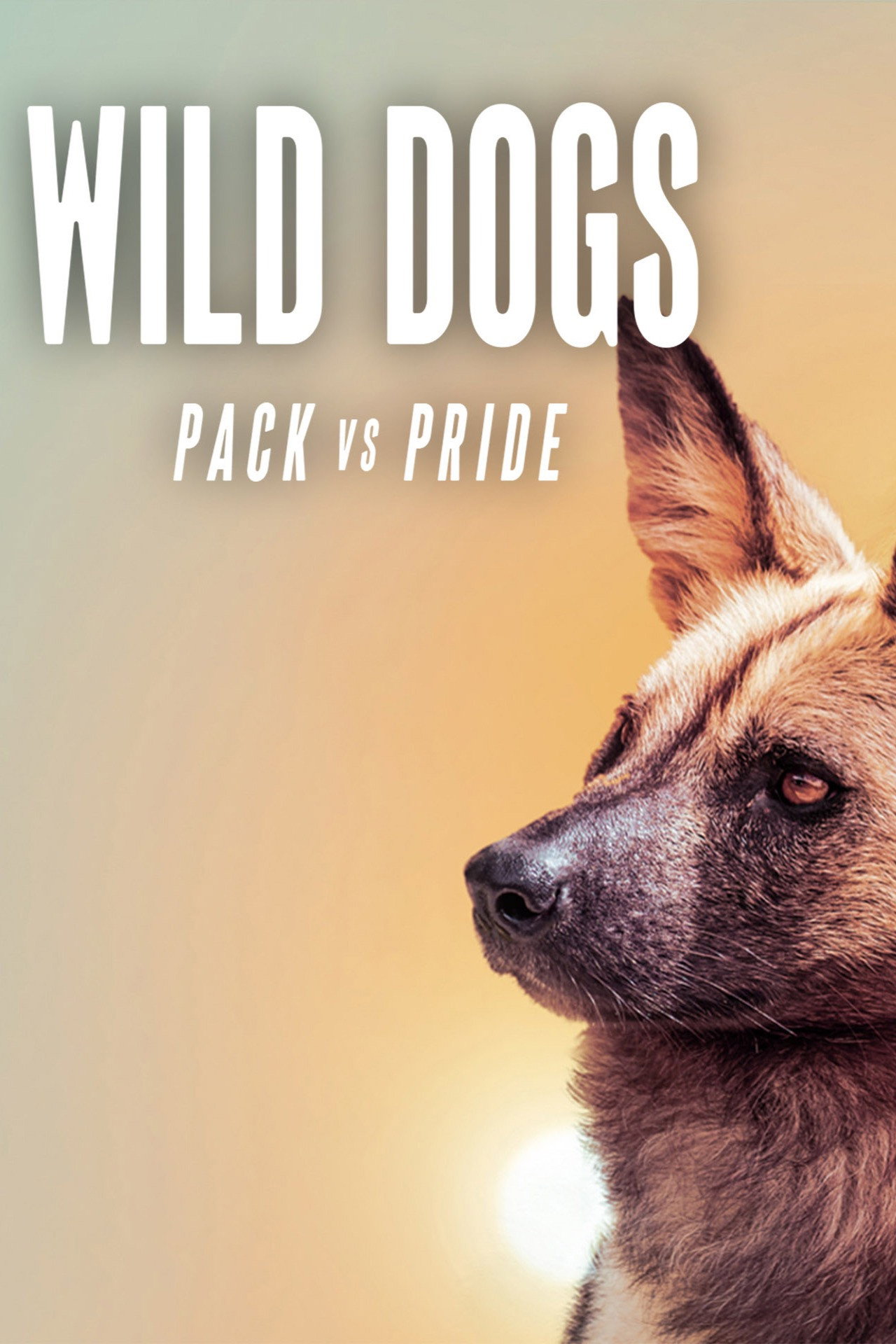
Roaming South Luangwa National Park in Eastern Zambia following three wild dog packs during the dry season, capturing their triumphs and disasters during the toughest time of year in this world-famous wildlife sanctuary.
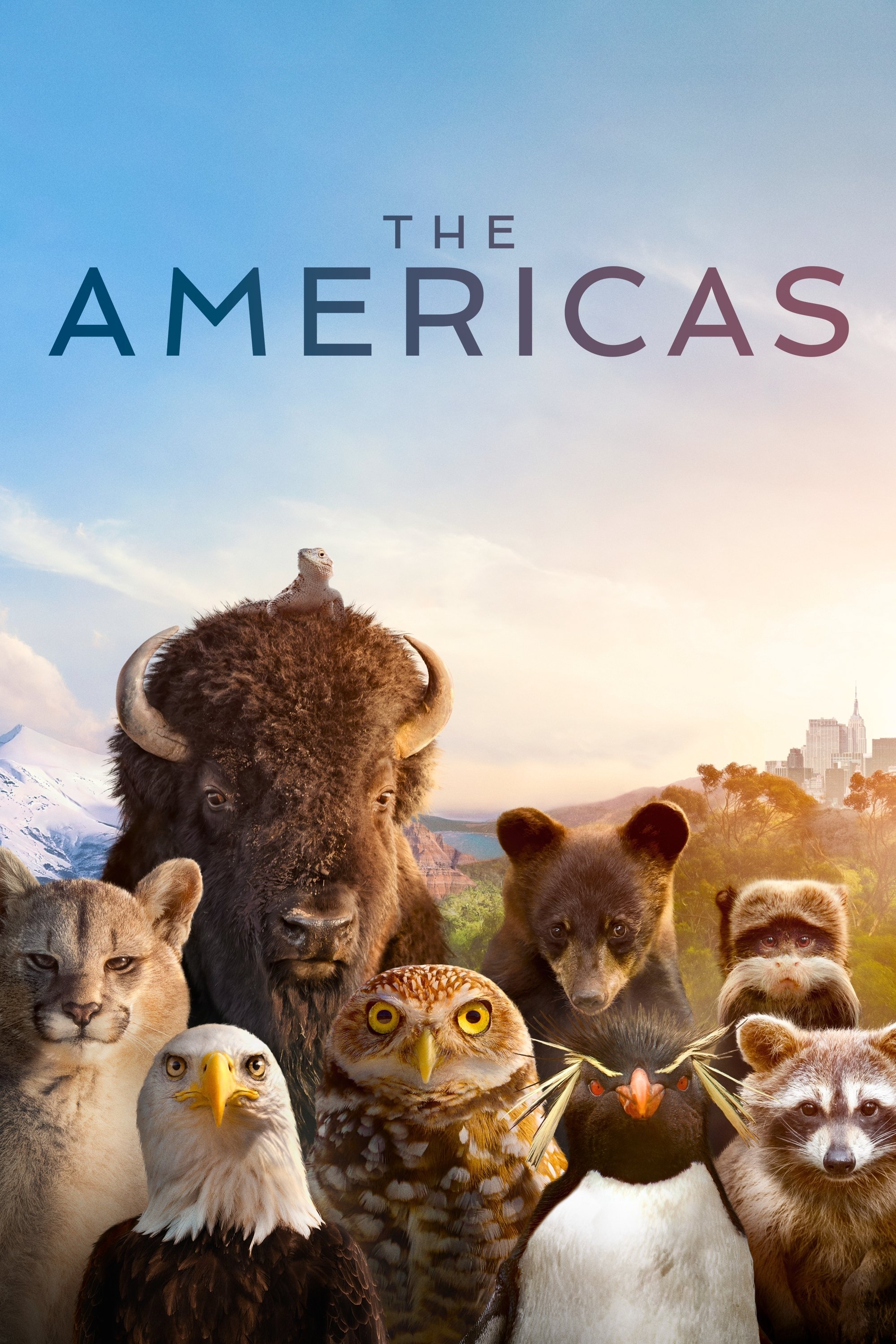
A showcase of the wonders, secrets and fragilities of the Americas, narrated by Tom Hanks.
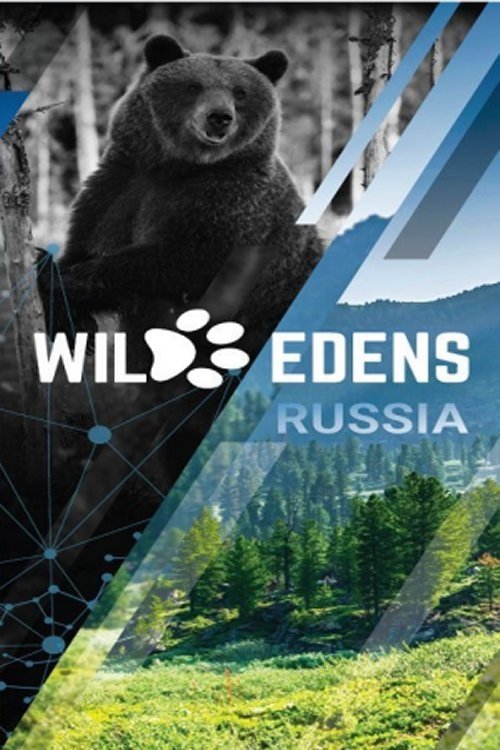
The WILD EDENS project was initiated by the State Atomic Energy Corporation “Rosatom” and includes the filming and broadcasting of a series of full-length documentaries on distant corners of nature, whose ecosystem is especially vulnerable to the effects of global warming. The main goal of the project is to attract the attention of the international community to climate change and the need for a global transition to clean energy. WILD EDENS: RUSSIA - the first film of the new series, telling about the flora and fauna of the one of a kind wild corners of Russia: the Altai Mountains, the Kamchatka Peninsula and the Arctic
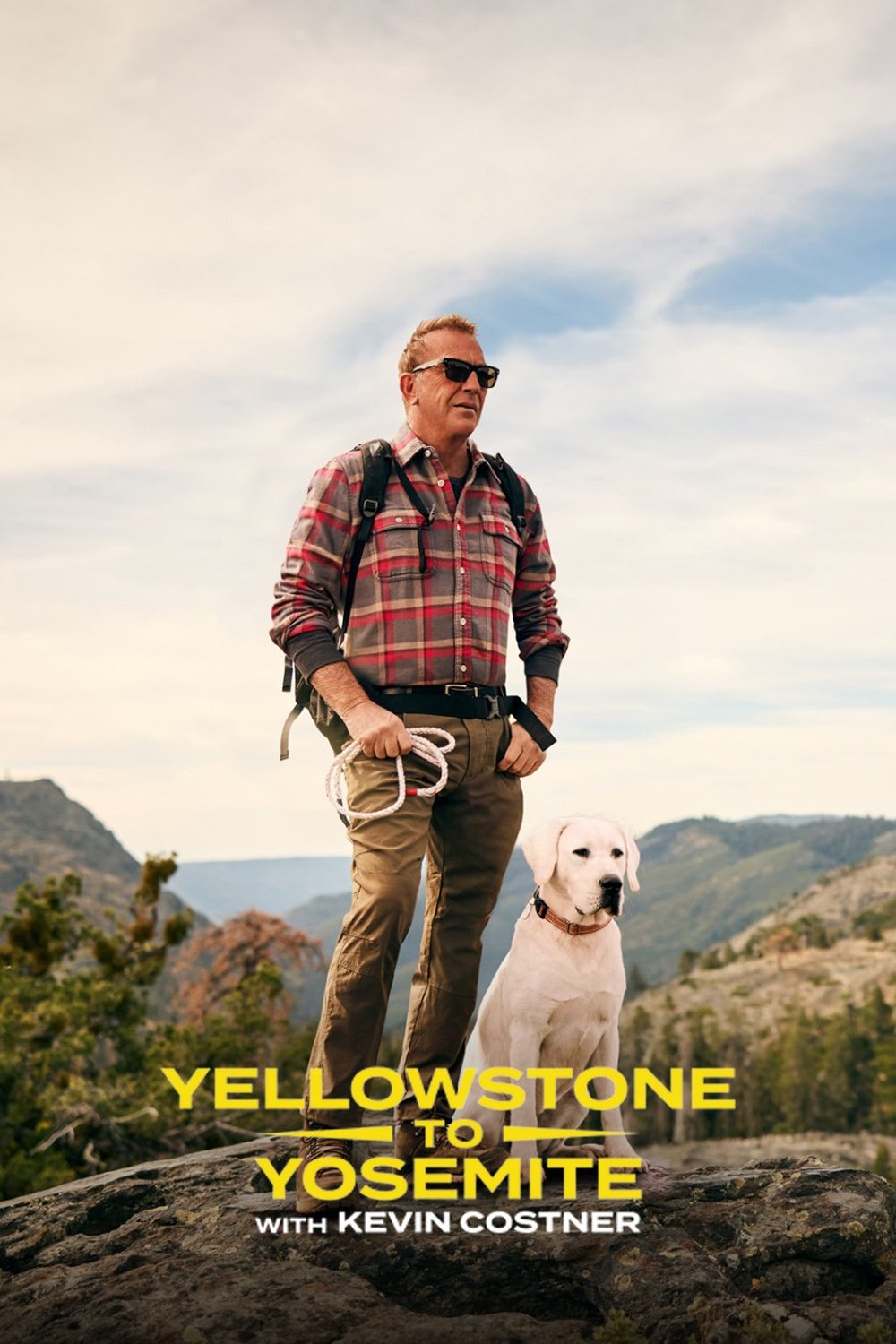
Follow Kevin Costner as he traces the footsteps of the pivotal 1903 Yosemite expedition of 26th President Teddy Roosevelt and environmental advocate John Muir. Through spectacular visuals of the geology, flora, and fauna of Glacier Point to El Capitan, Yosemite Falls and more, Costner brings the fascinating journey and long battles to preserve the American frontier to life.
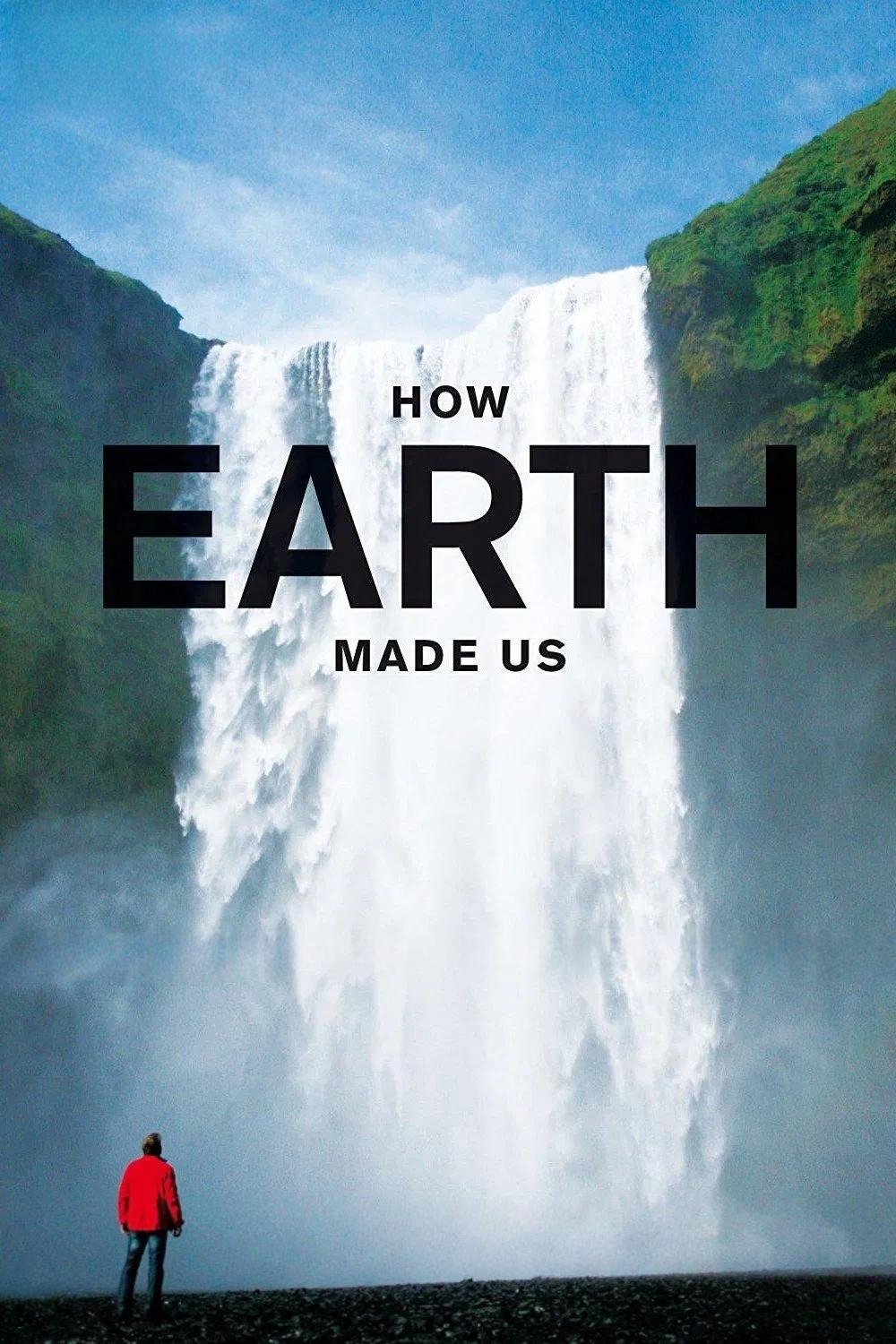
In each episode, geologist Iain Stewart describes how a certain geological force played a determinant part in human history. Culture may render people less dependent on nature, it still interacts with it, and actually increases the importance of such natural resources as minerals and fossil fuels.
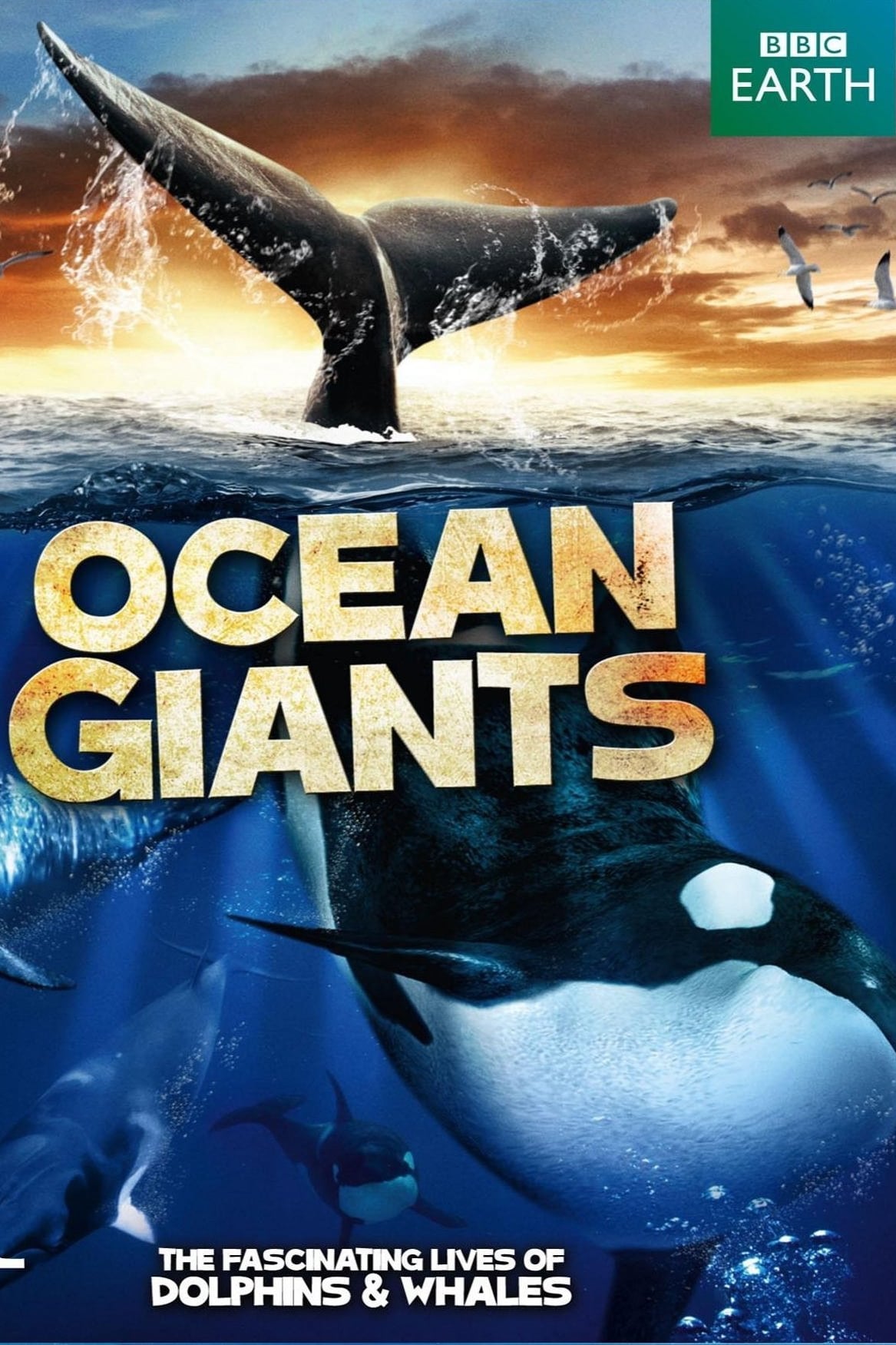
Ground-breaking documentary granting a unique and privileged access into the magical world of whales and dolphins, uncovering the secrets of their intimate lives as never before.
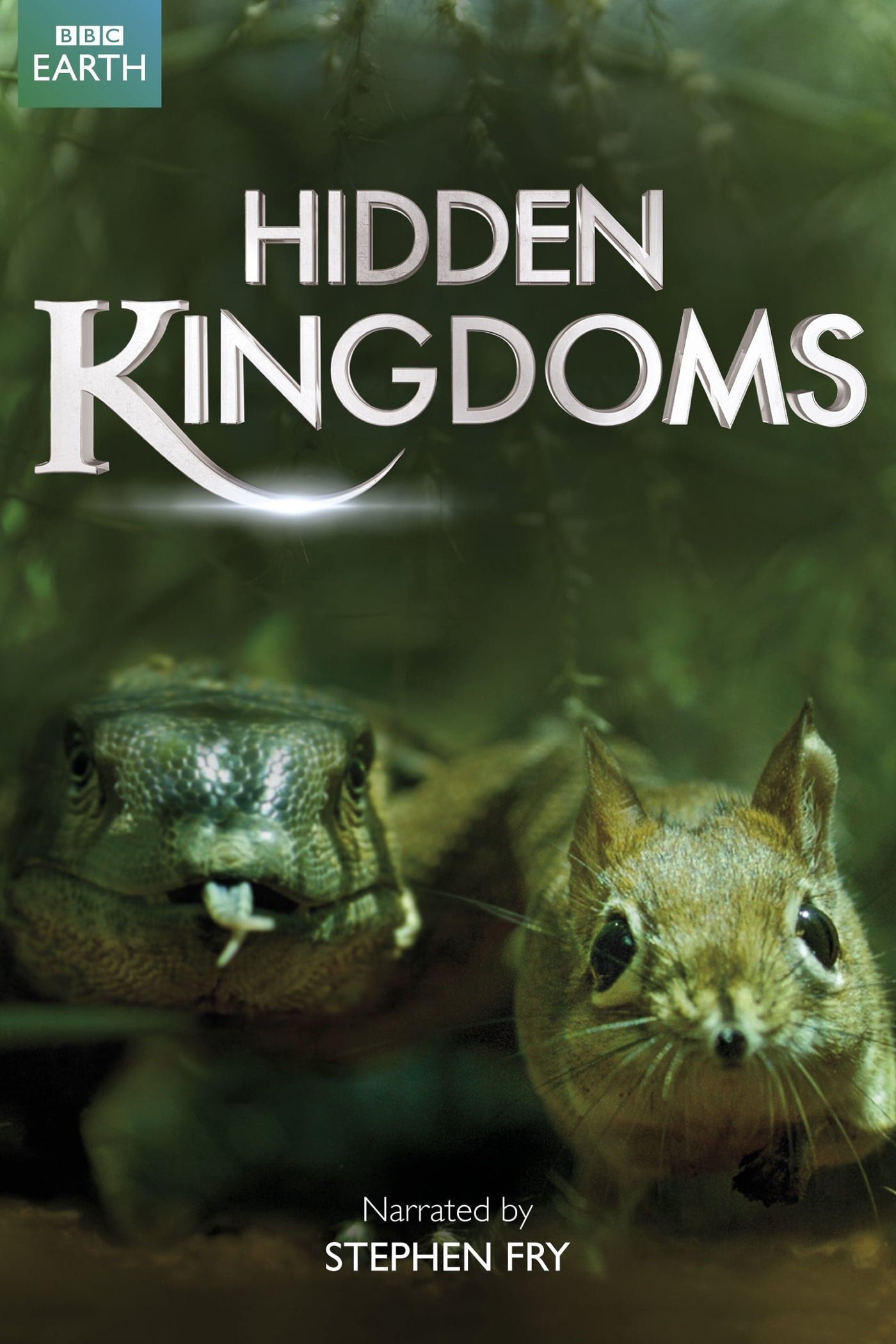
Immerse yourself in the lives of extraordinary characters that stand a few inches tall. From chipmunks to mice, be entertained and spellbound by the creatures that call the Hidden Kingdoms home.
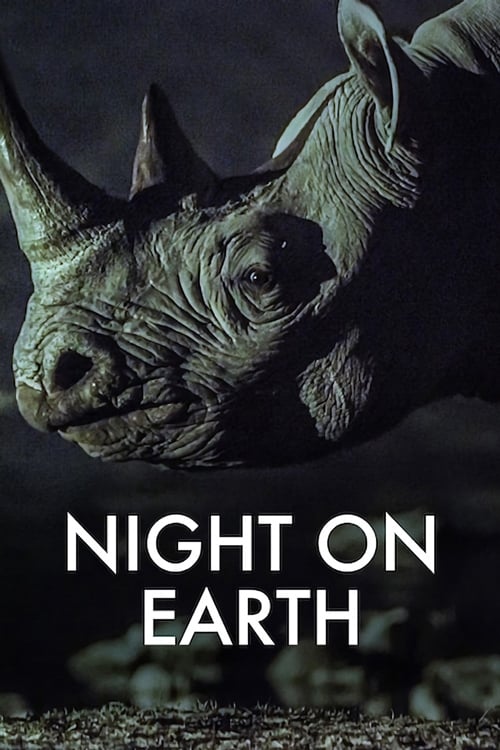
This nature series’ new technology lifts night’s veil to reveal the hidden lives of the world’s creatures, from lions on the hunt to bats on the wing.
From its highest mountains and plateaus, to its thickest jungles and bamboo forests, CHINAS HIDDEN KINGDOMS will reveal the wild side to China that few knew existed.
Documentary series exploring the vast landscapes, remote wilderness and mysterious creatures that inhabit North America, Central America and South America, covering the largest rainforests, tallest trees, oldest living beings and the most extreme elemental forces of the continent.
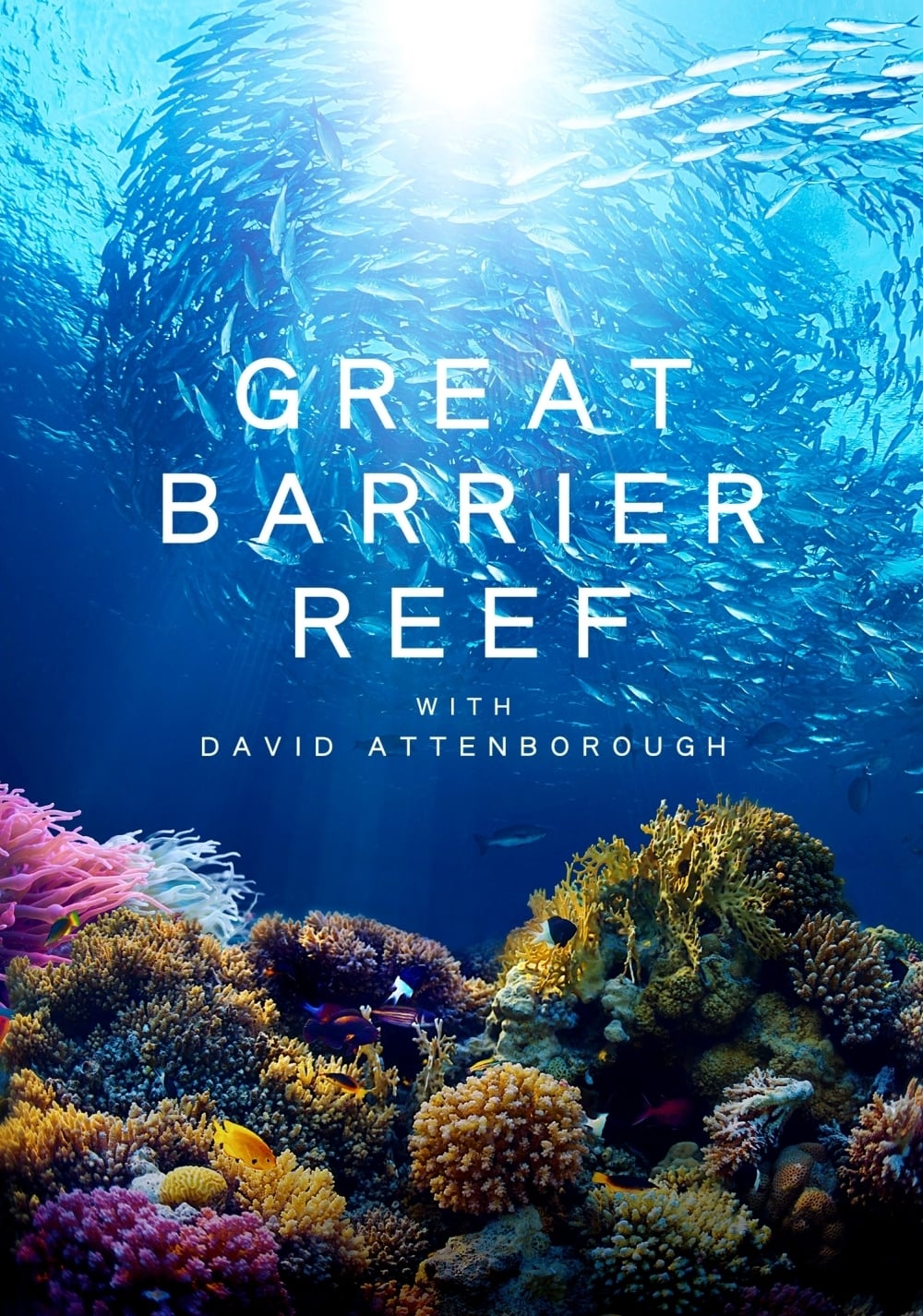
Following his visit to the Great Barrier Reef in 1957, naturalist and broadcaster David Attenborough returns and uses the latest filming techniques to unlock the secrets of the natural wonder.
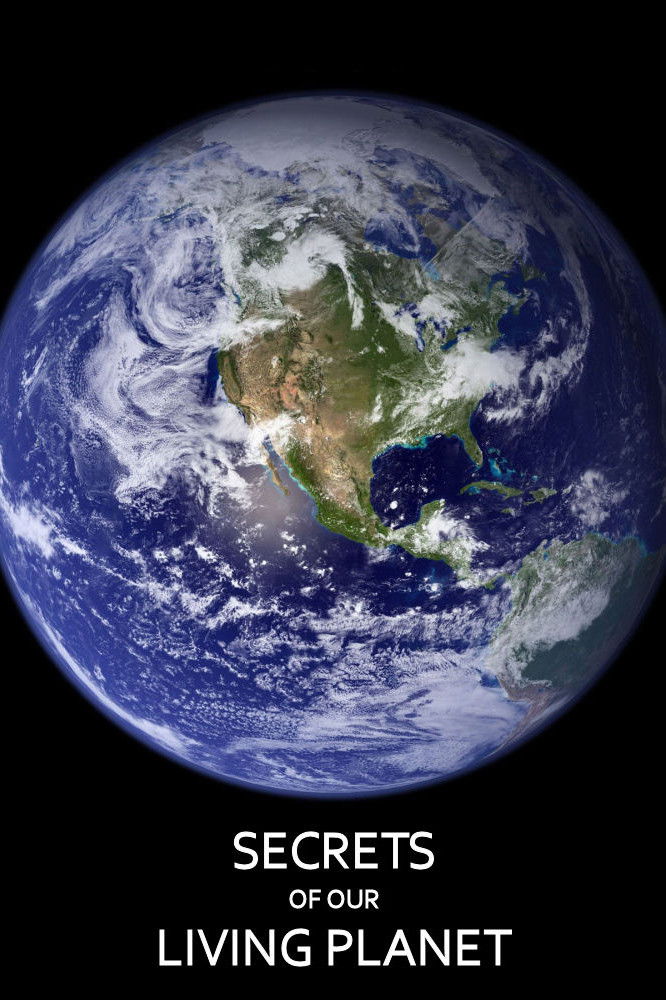
In this series, naturalist Chris Packham reveals the natural world in a way that you’ve never seen it before. For him, what is really beautiful about nature is not the amazing animals and plants that we share the planet with but the hidden relationships between them. These relationships may sound bizarre but without them, no life would be possible. Discover previously unknown relationships, like why a tiger needs a crab; or why a gecko needs a giraffe. Each week Chris visits one of our planet's most vital and spectacular habitats and dissects it, to reveal the secrets of how our living planet works.
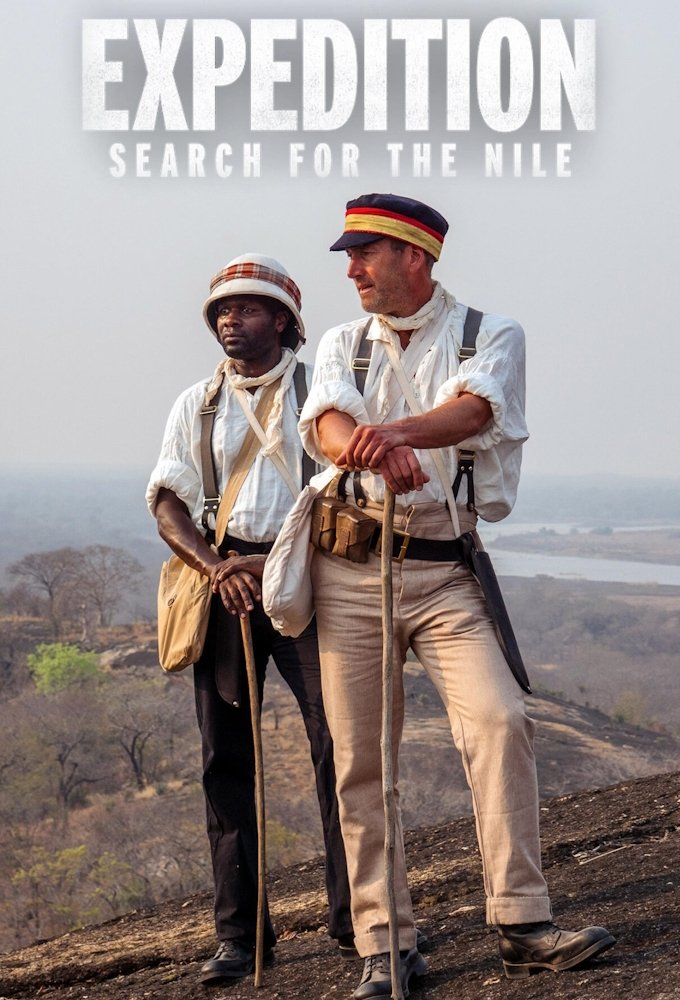
Ben Fogle and Dwayne Fields head to Africa to explore the race for the source of the Nile.
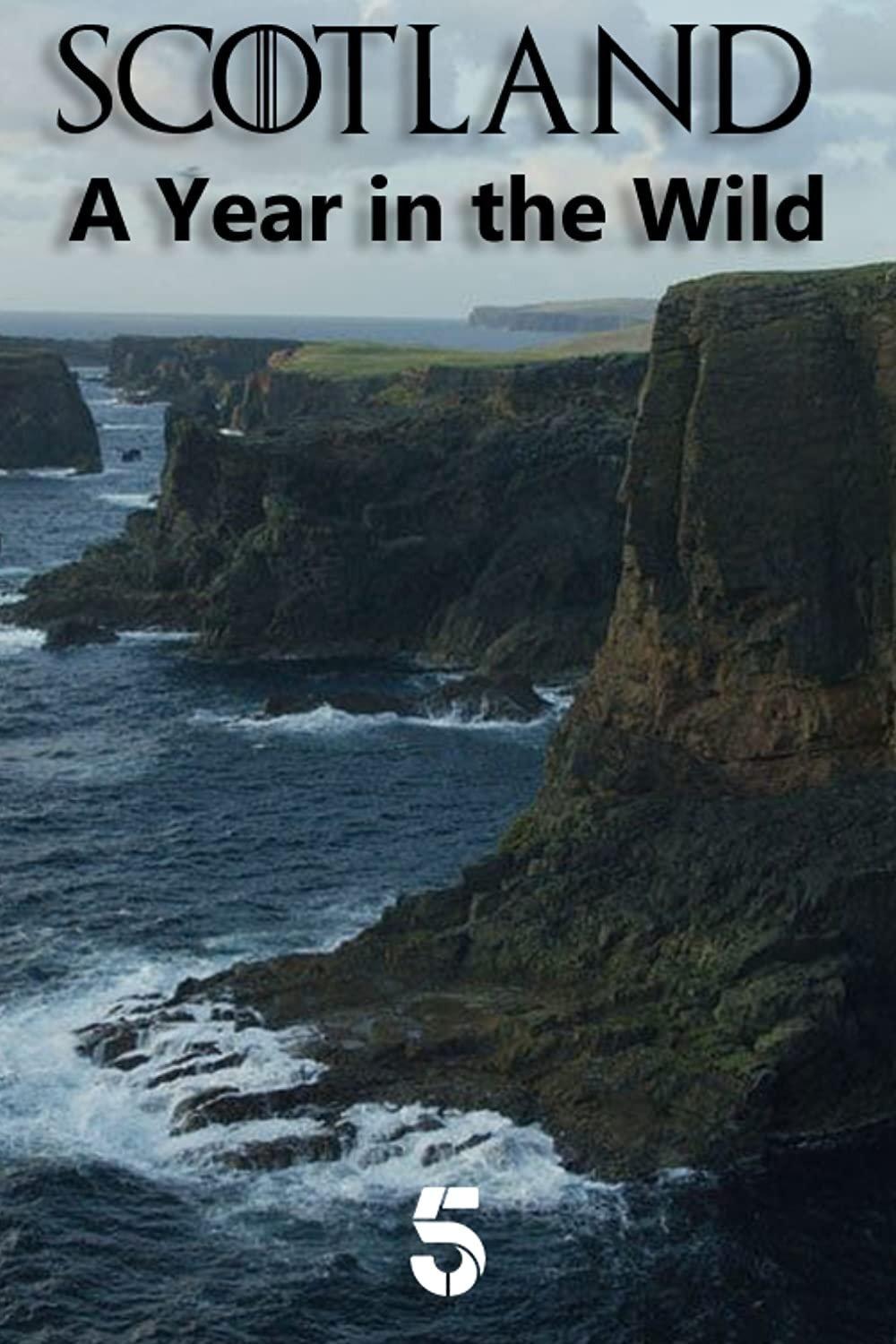
This four-part nature series reveals the extraordinary stories of Scotland’s secret wild places and the unexpected animals that live there. Scotland hosts a spectacular array of wildlife, from highland red deer, white-tailed eagles, red squirrels and pine martens to coastal dwelling puffins, grey seals, otters, and even killer whales. Stretching from the Shetlands to the south of the country, each episode focuses on how animals strive to survive through four very different seasons in one epic year, dominated by a maritime climate that’s both punishing and unpredictable, with their lives always at the mercy of the elements.
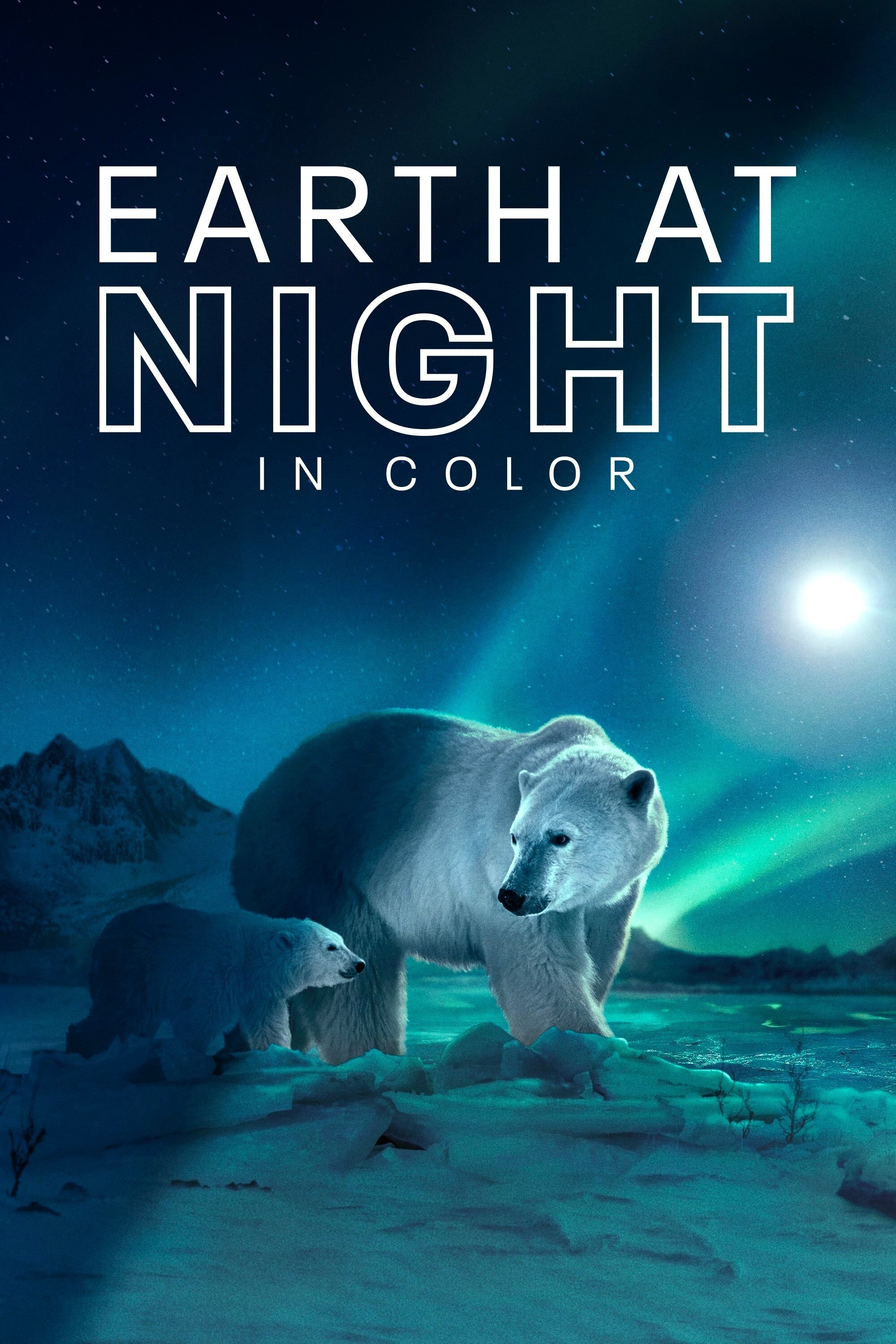
Filmed across six continents, this docuseries uses cutting-edge camera technology to capture animals' nocturnal lives, revealing new behaviours filmed in full color like never before.
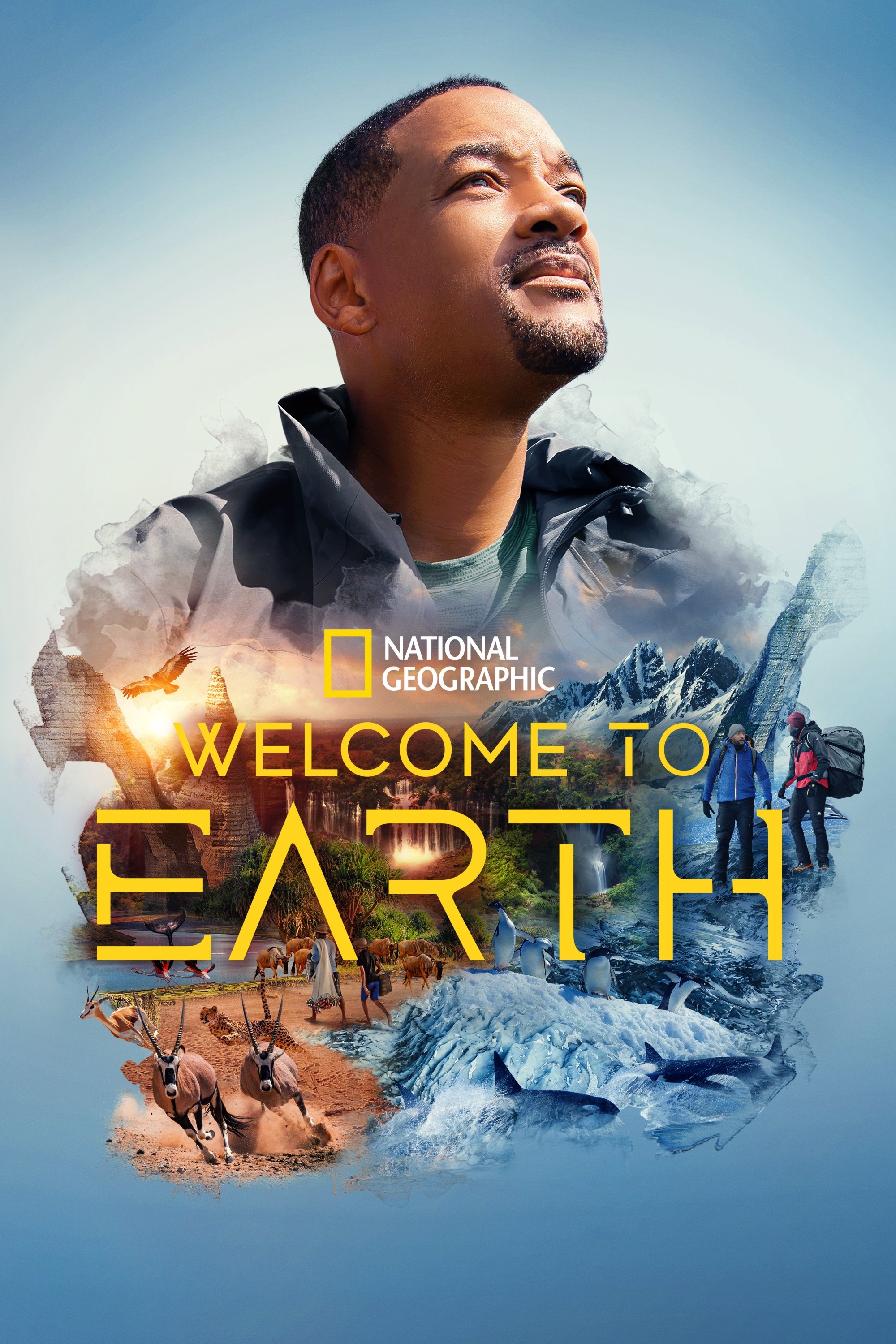
Will Smith whose curiosity and wonder is positively infectious—is guided by National Geographic Explorers traveling to different corners of the world to get up close and personal with the weirdest, most unusual, dangerous and thrilling spectacles of the planet.
Natural World is a nature documentary television series broadcast annually on BBC Two and regarded by the BBC as its flagship natural history brand. It is currently the longest-running series in its genre on British television, with more than 400 episodes broadcast since its inception in 1983. Natural World is produced by the BBC Natural History Unit in Bristol, but individual programmes can be in-house productions, collaborative productions with other broadcasters or films made and distributed by independent production companies and purchased by the BBC. Natural World programmes are often broadcast as PBS Nature episodes in the USA. Since 2008, most Natural World programmes have been shot and broadcast in high definition.
David Attenborough celebrates the amazing variety of the natural world in this epic documentary series, filmed over four years across 64 different countries.
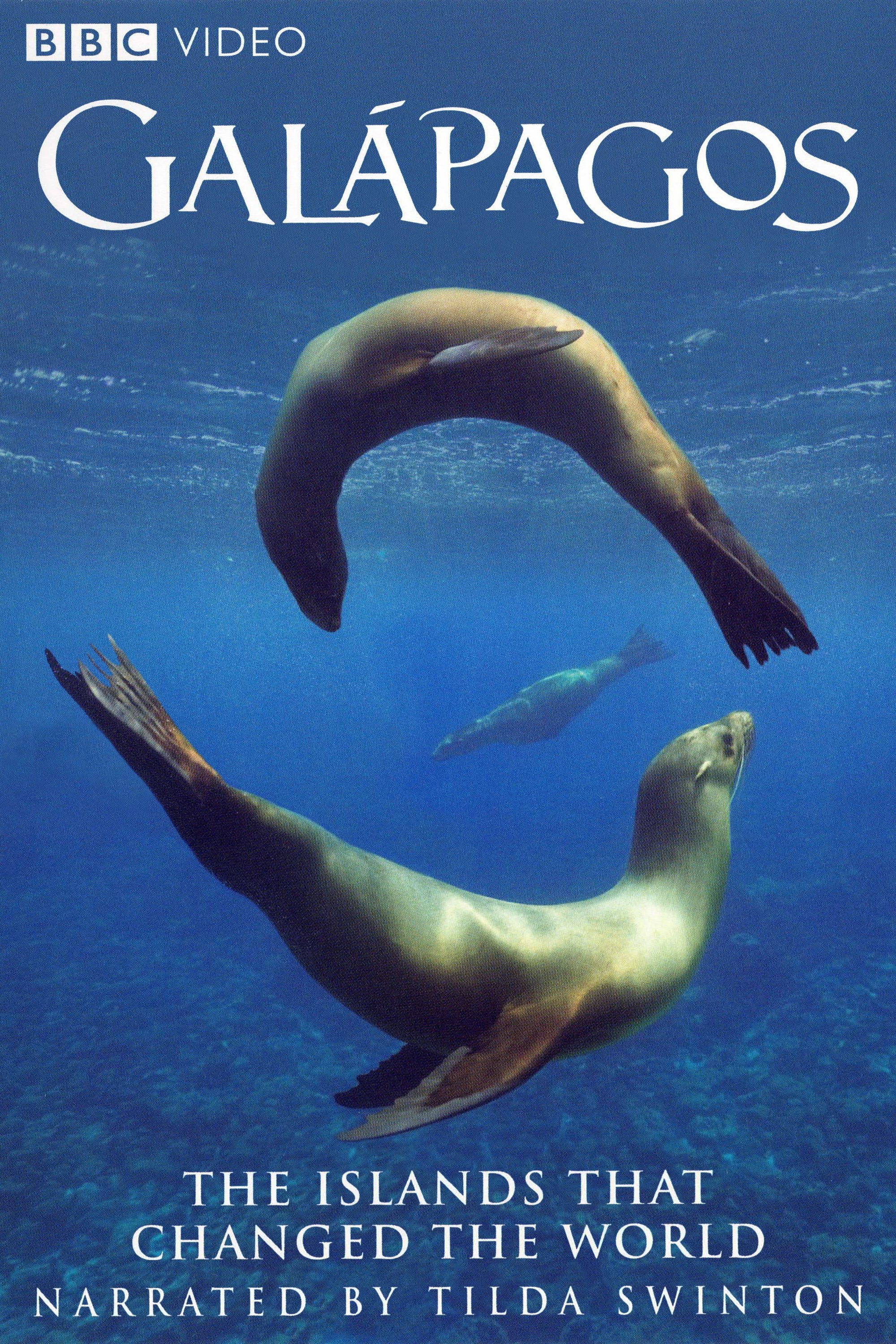
The history of these beautiful Islands from their creation as uprising lava to their being studied by Darwin to their modern day inhabitants.
The documentary takes viewers through Janet Jackson's life and career, contain never-before-seen footage, and feature home videos from the legendary artist. Jackson discusses her controversial 2004 Super Bowl halftime show performance with Justin Timberlake, her father Joe Jackson, the death of her brother Michael Jackson, and more.
Consistently stunning documentaries transport viewers to far-flung locations ranging from the torrid African plains to the chilly splendours of icy Antarctica. The show's primary focus is on animals and ecosystems around the world. A comic book based on the show, meant to be used an as educational tool for kids, was briefly distributed to museums and schools at no cost in the mid-2000s.
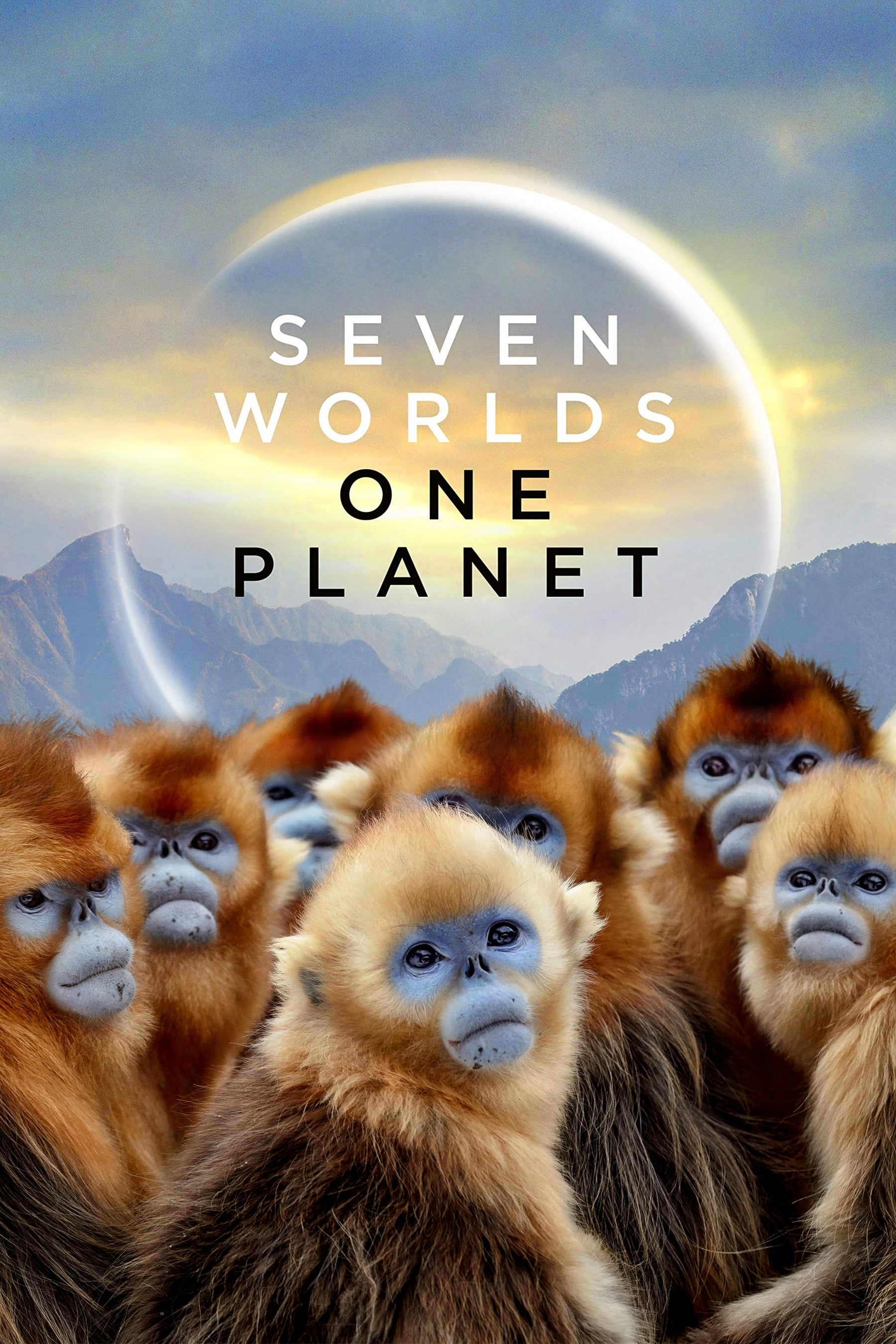
Millions of years ago, incredible forces ripped apart the Earth’s crust creating seven extraordinary continents. This documentary series reveals how each distinct continent has shaped the unique animal life found there.
Infographics and archival footage deliver bite-size history lessons on scientific breakthroughs, social movements and world-changing discoveries.
Shot from land and air, in trees and cliff-blinds, on ice floes and underwater, this documentary tells the powerful stories of many of the planet's species and their movements, while revealing new scientific insights with breathtaking high-definition clarity and emotional impact. The beauty of these stories is underscored by a new focus into these species; fragile existence and their life-and-death quest for survival in an ever-changing world.
David Attenborough looks at the extraordinary ends to which animals and plants go in order to survive. Featuring epic spectacles, amazing TV firsts and examples of new wildlife behaviour.
Experience the wonders of our world like never before in this epic series from Jon Favreau and the producers of Planet Earth. Travel back 66 million years to when majestic dinosaurs and extraordinary creatures roamed the lands, seas, and skies.
Journeying to the far reaches of our planet, this eight part series follows some of the world's most amazing species, telling extraordinary stories that are dramatic, thrilling, funny and sometimes heart-breaking, but always full of hope.
Witness the remarkable story of our universe over billions of years and its inextricable link to life on Earth in this sweeping documentary series.
This six part documentary draws attention to the most extraordinary — almost supernatural — accounts of animals that have adapted to the cruelest evolutionary curveballs.
Over two extraordinary years, National Geographic Explorer Bertie Gregory discovered never-before-filmed secret traditions, surprising intelligence and close-knit societies of penguins. This astonishing series reveals they are more like us than we ever dreamed, from their powerful friendships to the courageous risk-takers using ingenuity and innovation in some of the world's most extreme places.
David Attenborough presents a documentary series exploring how animals meet the challenges of surviving in the most iconic habitats on earth.
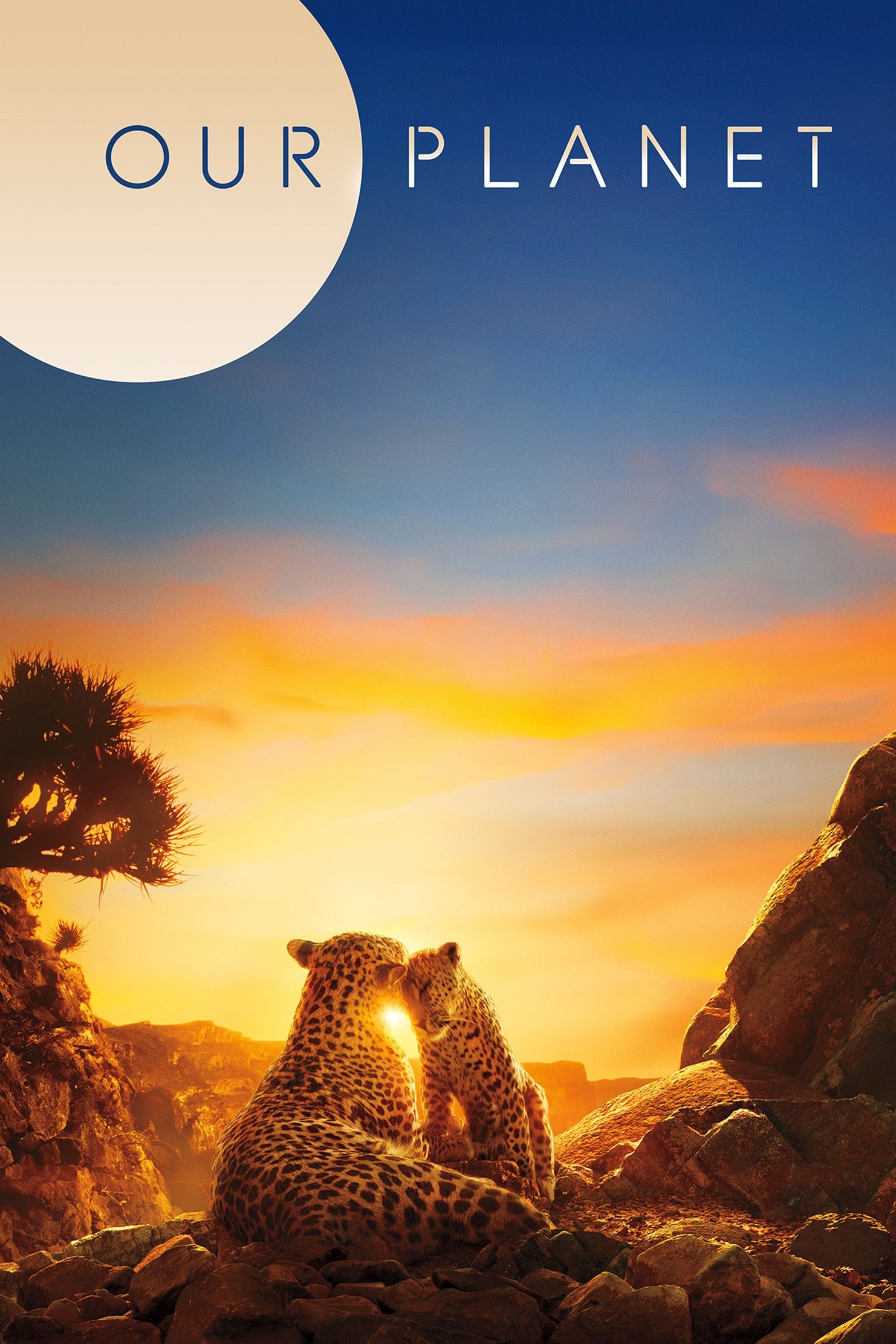
Experience our planet's natural beauty and examine how climate change impacts all living creatures in this ambitious documentary of spectacular scope.
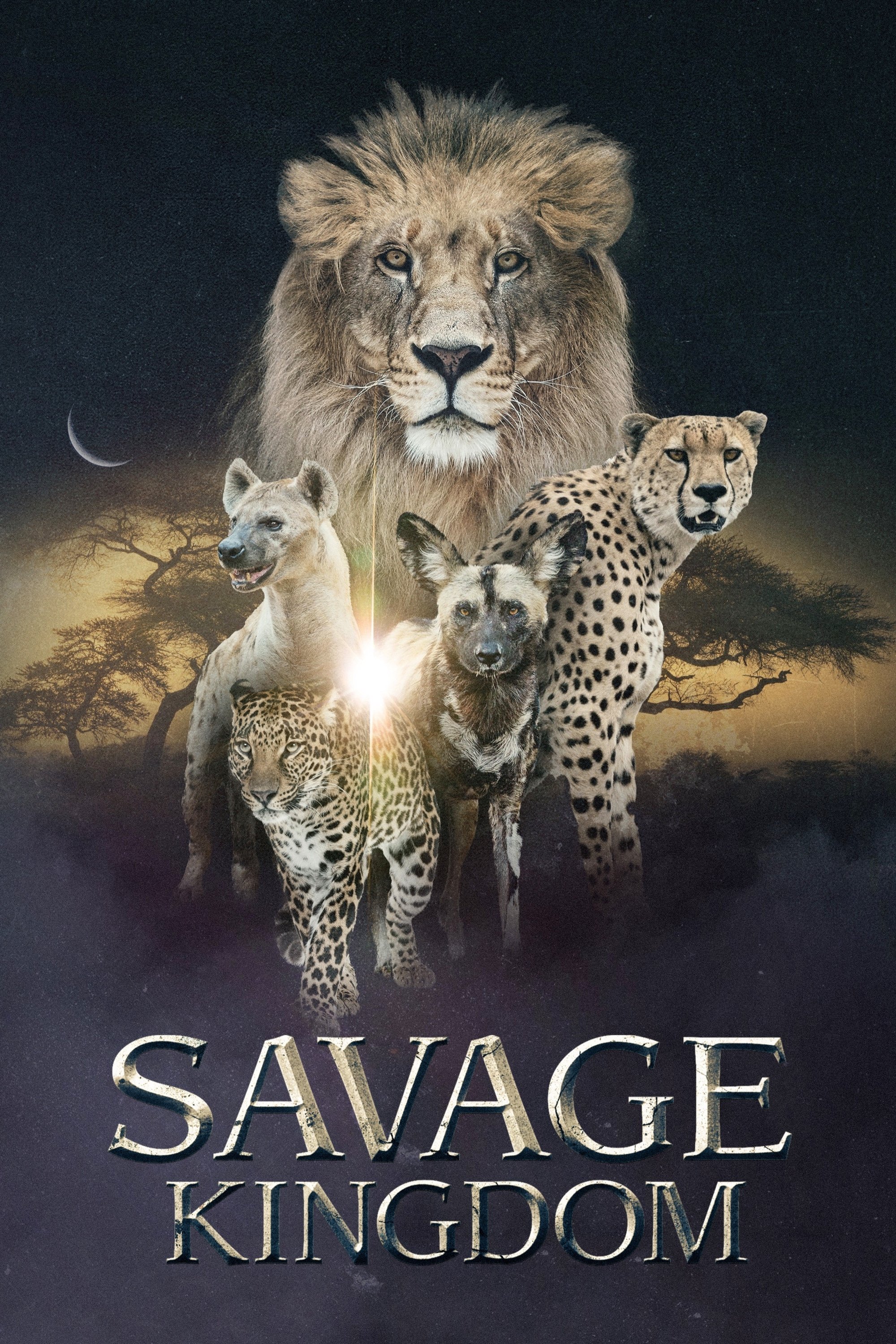
A rare look at warring animal clans battling for survival in a remote region of Africa, which is drying up after years of flood-soaked abundance.