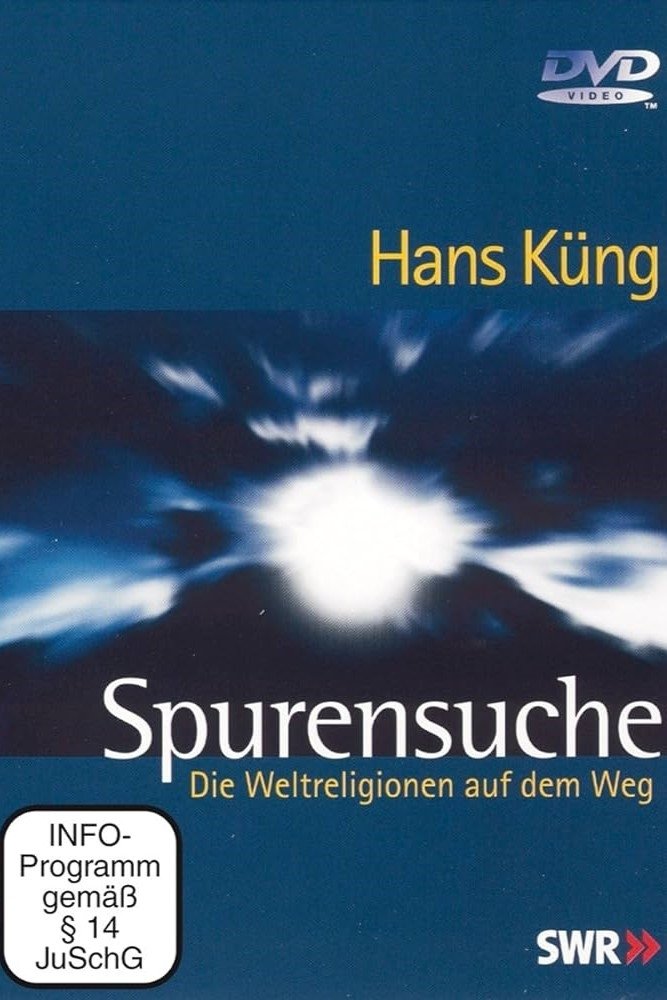
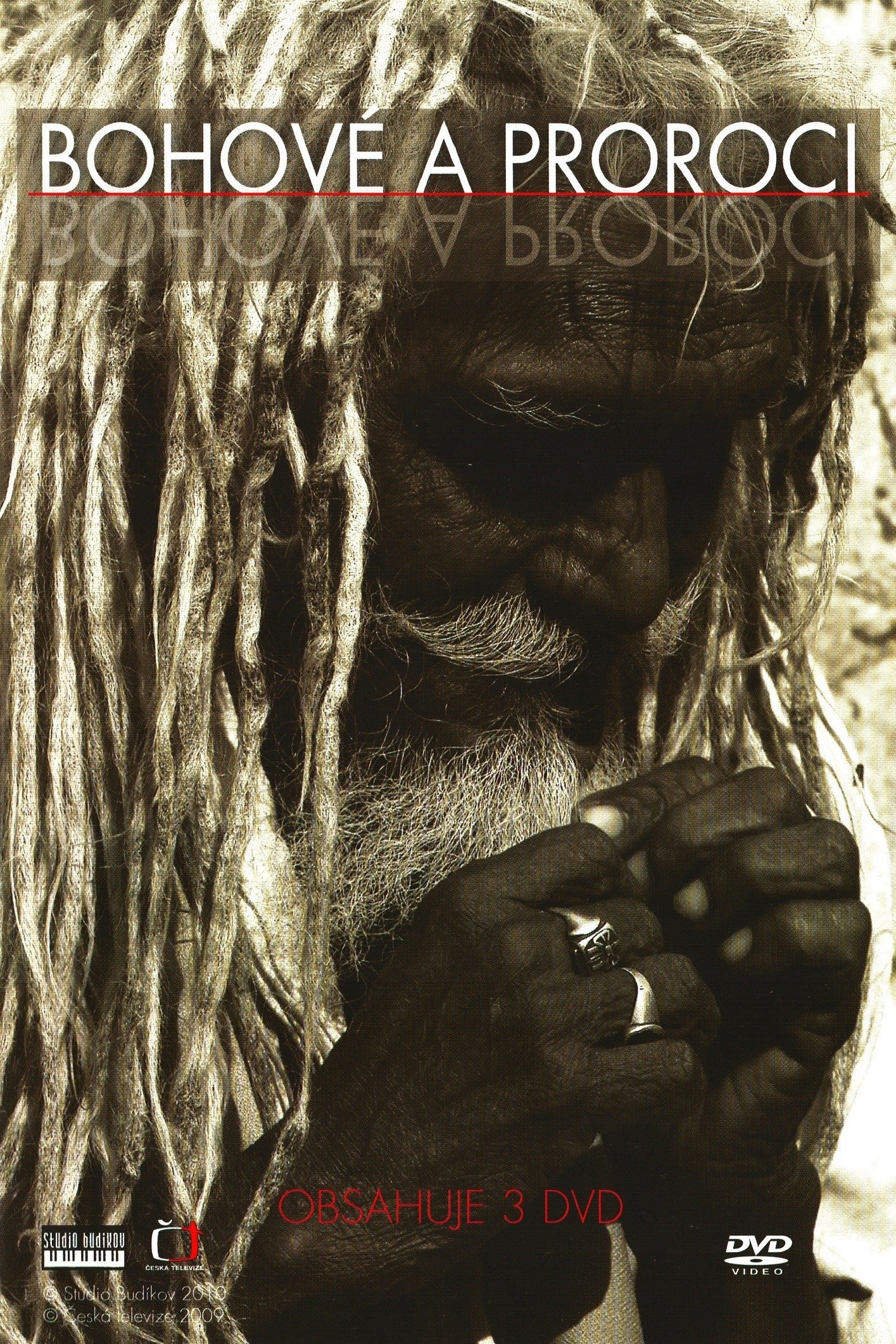
Theologian Hans Küng explains and explores religions around the world, where they originated, and what defines them.
Social & External
The people behind it
Hans Küng
Narrator
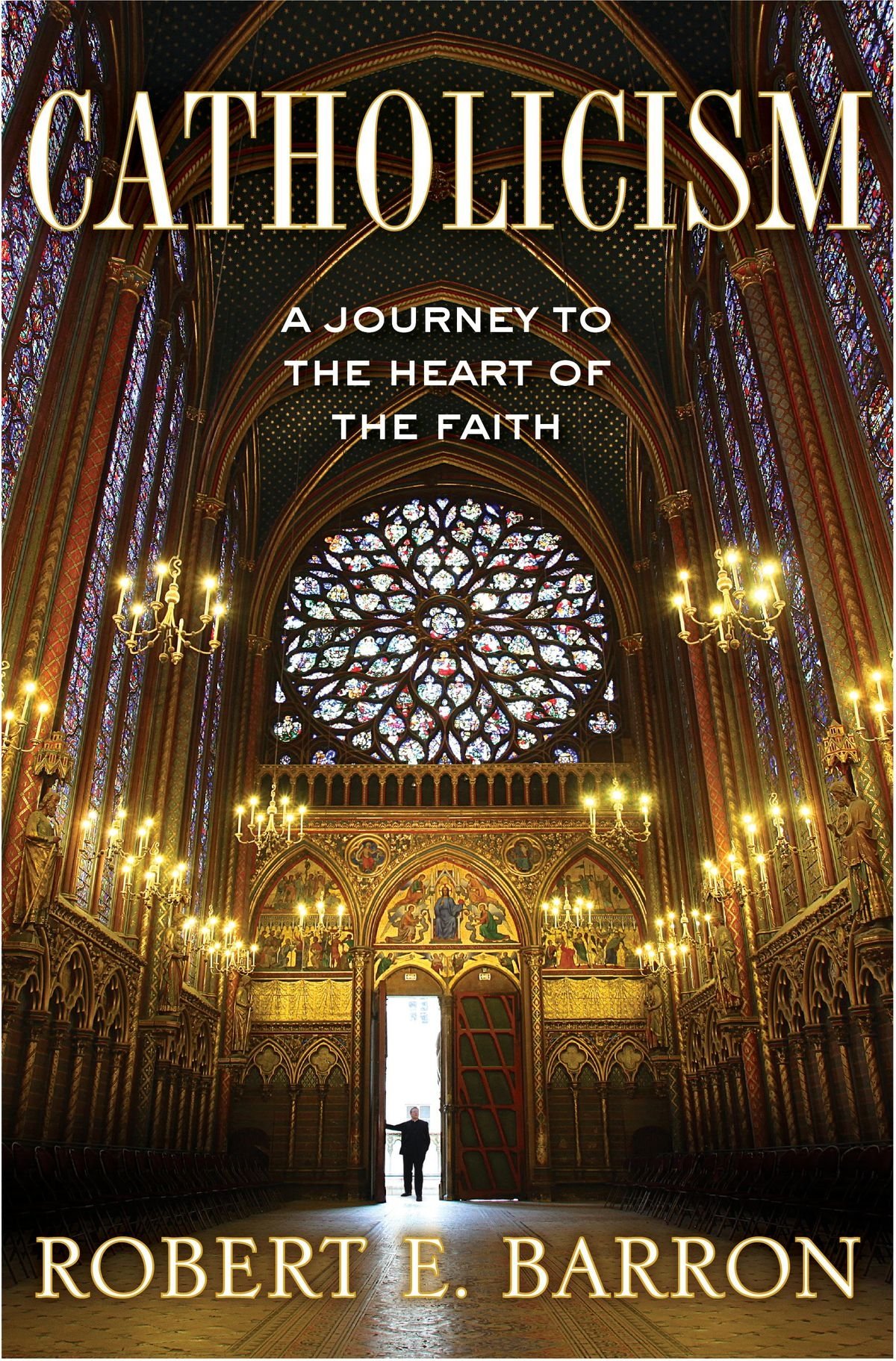
For the first time, in breathtaking and high-definition cinematography, the truth, goodness, and beauty of Catholicism are illustrated in a multimedia experience. Journey with Fr. Robert Barron to more than 50 locations throughout 16 countries. Be illuminated by the spiritual and artistic treasures of this global culture that claims more than one billion of the earth's people. Learn what Catholics believe and why. Discover the full meaning of the faith.
Animated World Faiths tells the stories of the world's major faiths and their founders. Gloriously animated in studios in India, Poland, the Czech Republic, Hungary and the UK, these programmes have been produced by a team of the worlds best childrens television producers.
Covering the ancient world through the age of technology, this illustrated lecture by Eugen Weber presents a tapestry of political and social events woven with many strands — religion, industry, agriculture, demography, government, economics, and art. A visual feast of over 2,700 images from the Metropolitan Museum of Art portrays key events that shaped the development of Western thought, culture, and tradition.
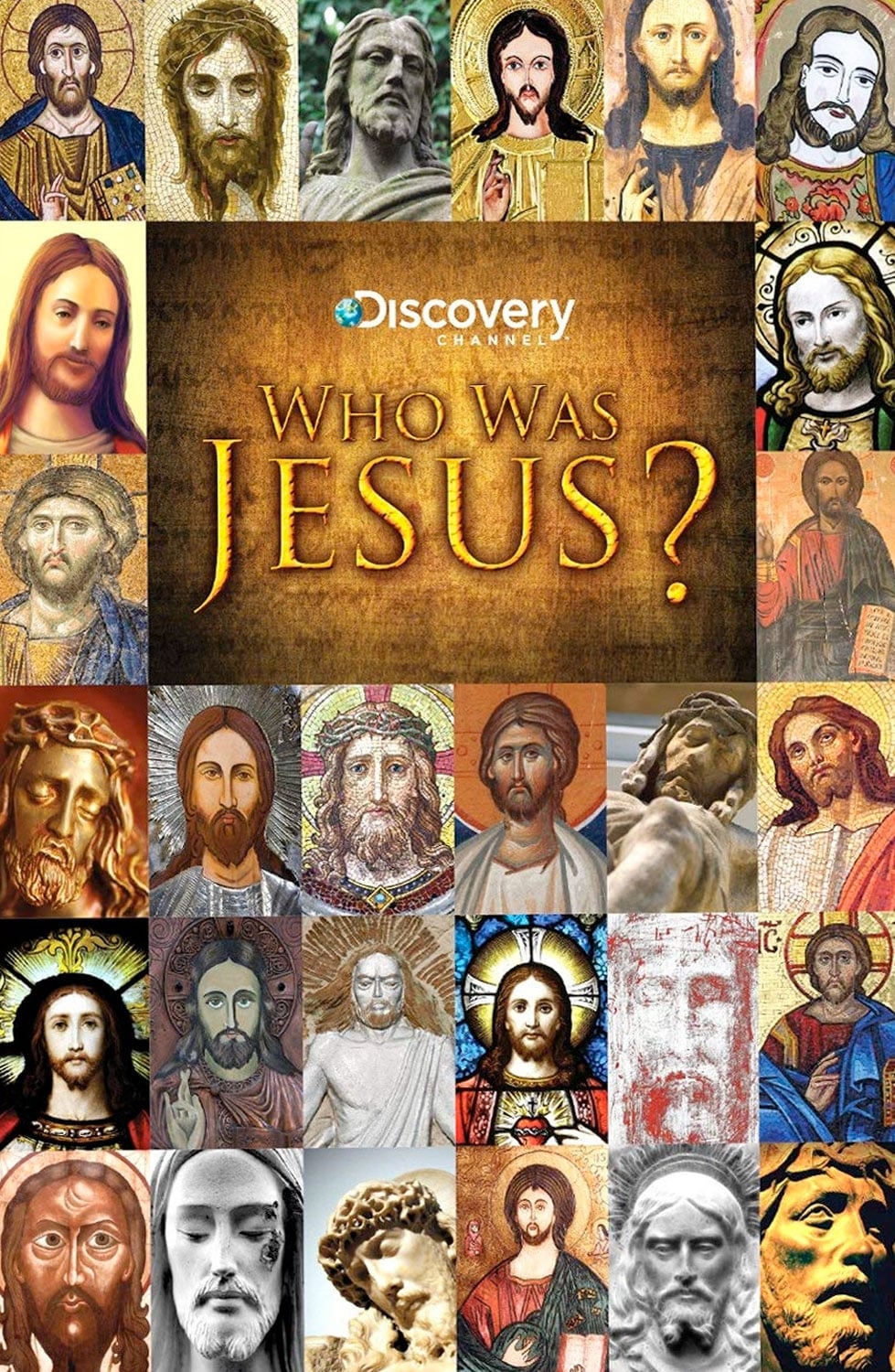
It is said to be one of the oldest books in the world. Has it been altered? If yes why? A remarkable journey back in time to see what the Old Testament and the New Testament is hiding from us.
Deadly Journeys of the Apostles explores beyond the Bible, building new biographies of the Apostles from 2,000 years of history strewn across the globe, including the latest discoveries, controversies and insights. Can the Bible’s puzzling, often baffling and contradictory stories of the Apostles, riddled with high stakes mysteries, magic and malevolence ultimately be understood through modern investigation? Deadly Journeys of the Apostles explores the ultimate hero’s journeys. New support from historical records, archeology, Apocrypha (historic stories and writing outside the Biblical Canon) and modern investigation expands on the traditional biblical accounts of the Apostles. This series explores fresh evidence of the Apostles’ incredible travels.
Documentary series covering a year in the life of Canterbury Cathedral.
Do you know the real story behind the New Testament? We all share a fascination for discovering ‘the rest of the story.’ Through reading the New Testament we discover that God indeed keeps his promises, but those promises don’t always look like what people expected. Especially when it comes to Jesus. Join well-known Bible scholars N.T. Wright and Michael F. Bird as they team up to take you on a tour of the explosive story behind the story of the New Testament.
Atheism: A Rough History of Disbelief – known in the United States as A Brief History of Disbelief – is a 2004 television documentary series written and presented by Jonathan Miller for the BBC and tracing the history of atheism.
Dr Francesca Stavrakopoulou examines how archaeological discoveries are changing the way people interpret stories from the Bible.
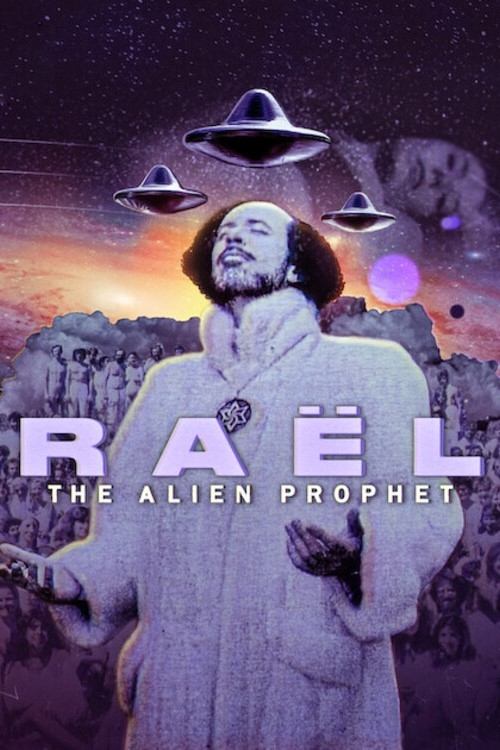
Featuring interviews with his followers, critics and Raël himself, this docuseries traces how a UFO-inspired religion spiraled into a controversial cult.
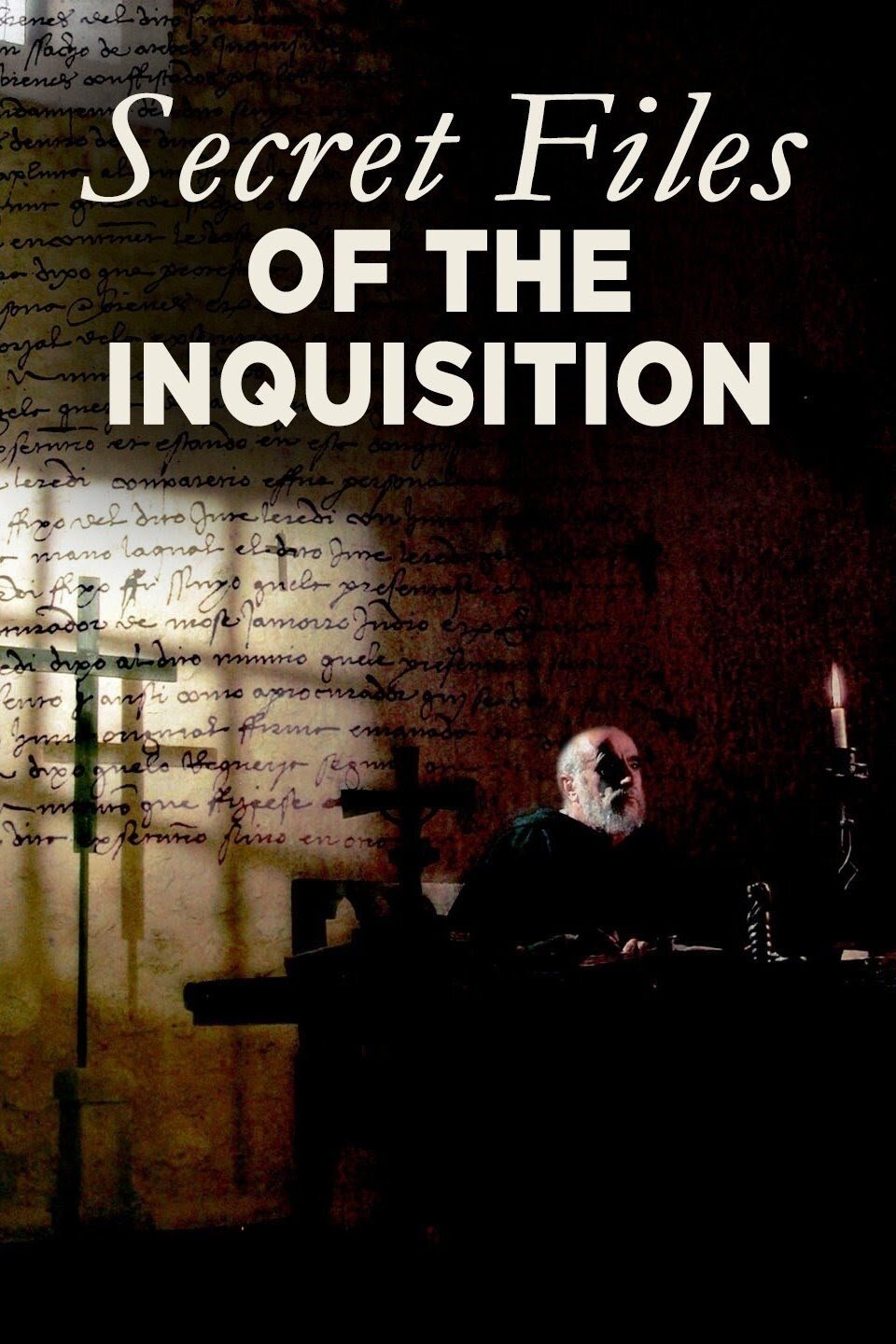
A four-part history of the Inquisition, a 500-year campaign against heretics by the Roman Catholic Church initiated by Pope Gregory IX. The series benefits from the 1998 release of secret Vatican files.
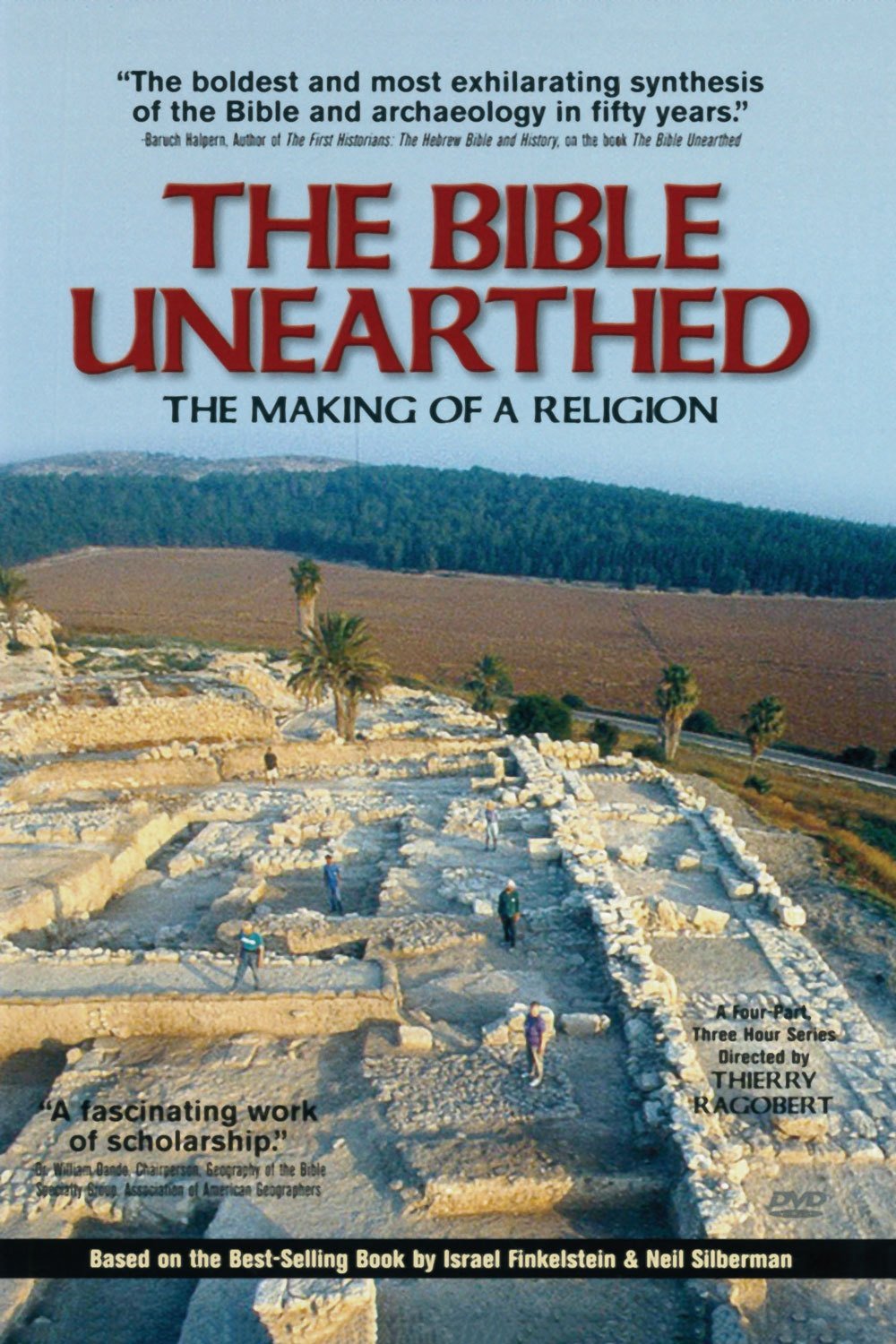
The Bible is both a religious and historical work, but how much is myth and how much is history?
Five men searching for meaning in their lives accept a challenge from the Benedictine monks of Worth Abbey to live according to the monks' rules for 40 days and nights.
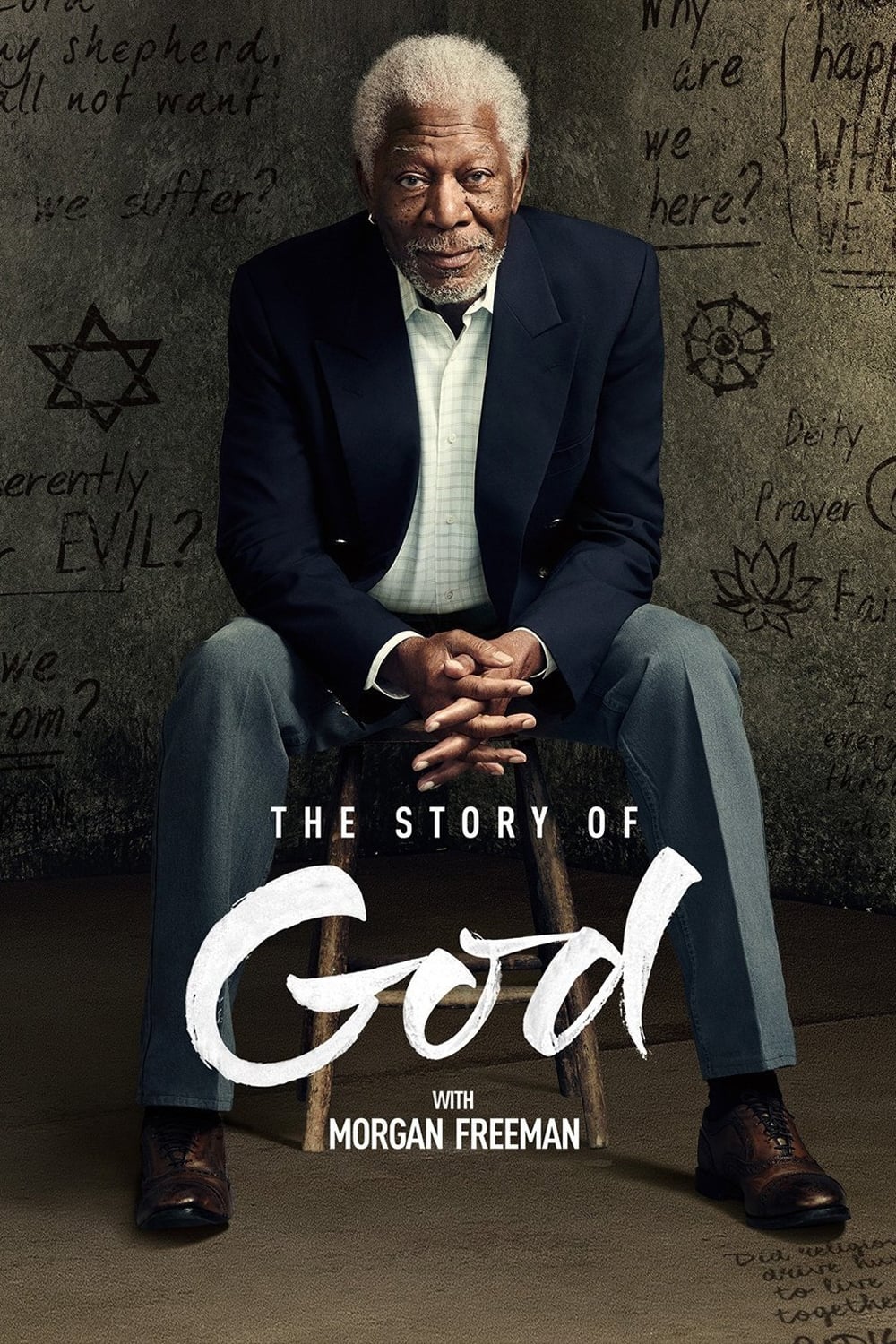
Morgan Freeman presents his quest in order to find how most religions perceive life after death, what different civilizations thought about the act of creation and other big questions that mankind has continuously asked.
A series of programmes exploring great figures and events from biblical times. Historical, archaeological and anthropological evidence gives fresh insights into the historical realities of the times. Stylish drama re-enactments, CGI graphics, and expert opinions offer a comprehensive exploration into some of the Bible's most compelling people and stories. Was Mary Magdalene really a prostitute? Where was St Peter laid to rest? Did Joseph actually have a 'coat of many colours'? Did Herod really order the massacre of the innocents? This series answers these questions and more.
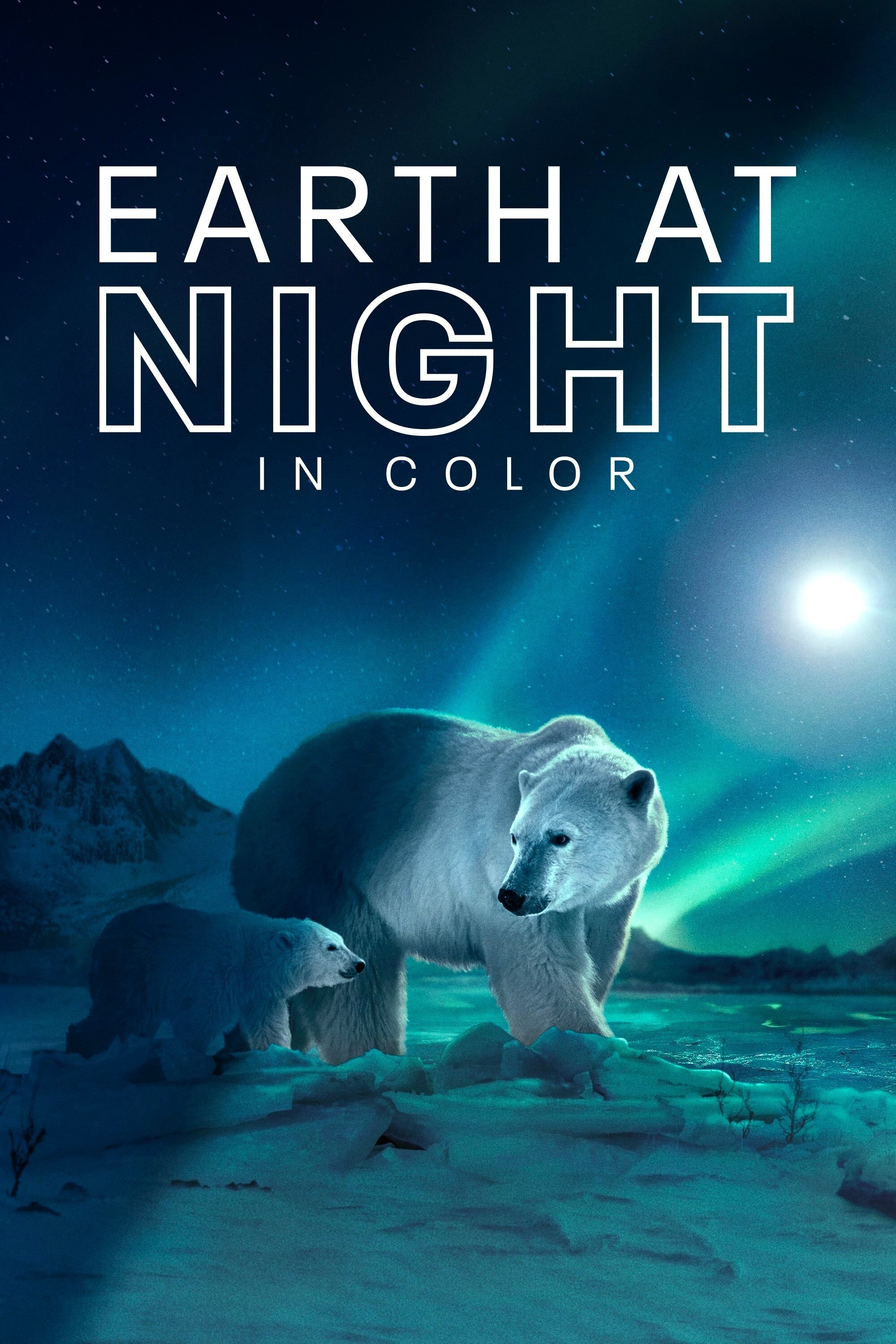
Filmed across six continents, this docuseries uses cutting-edge camera technology to capture animals' nocturnal lives, revealing new behaviours filmed in full color like never before.
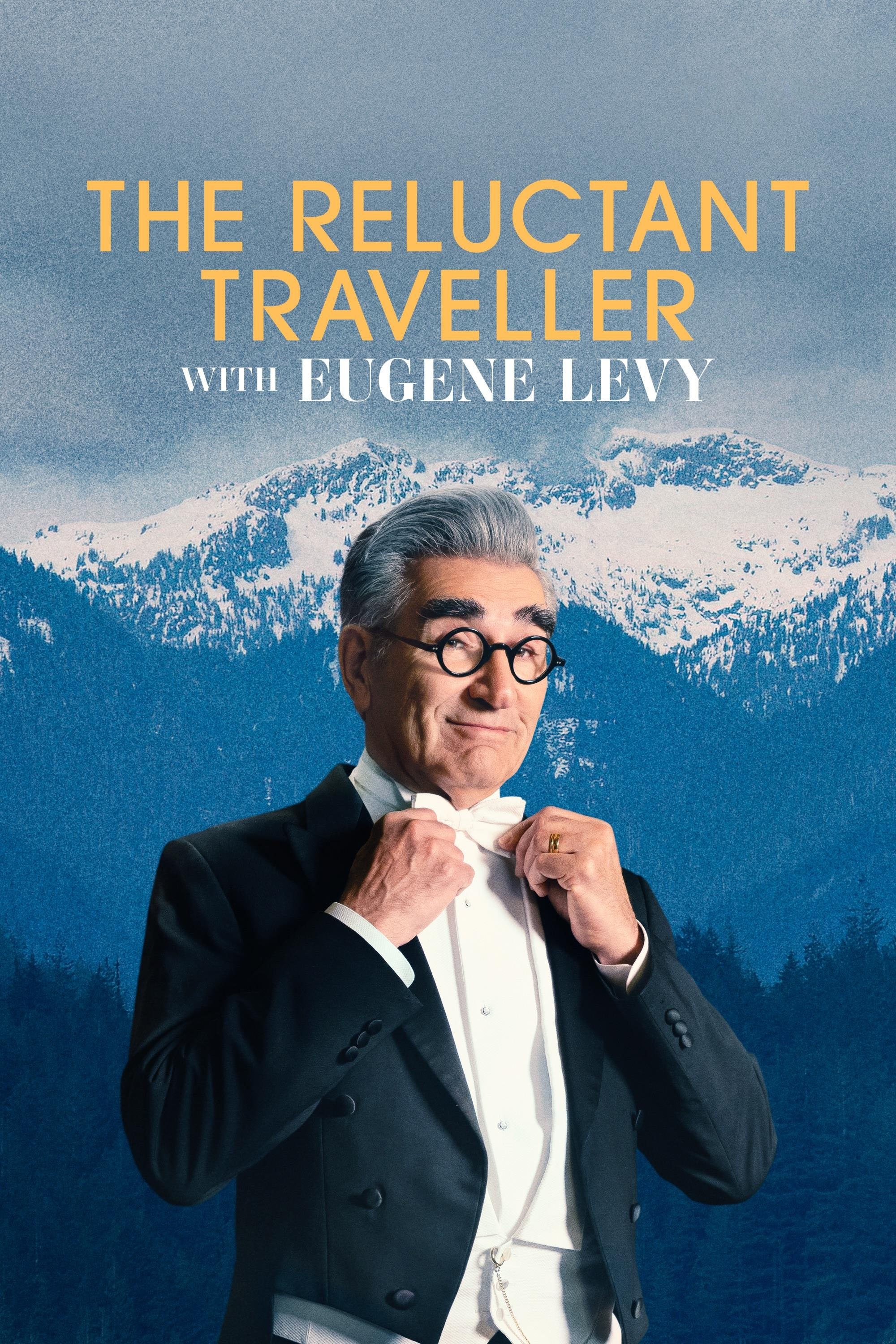
Award-winning actor and nervous explorer Eugene Levy steps out of his comfort zone for a whirlwind tour of the world's most beautiful and intriguing destinations.
Natural World is a nature documentary television series broadcast annually on BBC Two and regarded by the BBC as its flagship natural history brand. It is currently the longest-running series in its genre on British television, with more than 400 episodes broadcast since its inception in 1983. Natural World is produced by the BBC Natural History Unit in Bristol, but individual programmes can be in-house productions, collaborative productions with other broadcasters or films made and distributed by independent production companies and purchased by the BBC. Natural World programmes are often broadcast as PBS Nature episodes in the USA. Since 2008, most Natural World programmes have been shot and broadcast in high definition.
The history of the sport of baseball in America, told through archival photos, film footage, and the words of those who contributed to the game in each era. Writers, historians, players, baseball personnel, and fans review key events and the significance of the game in America's history.
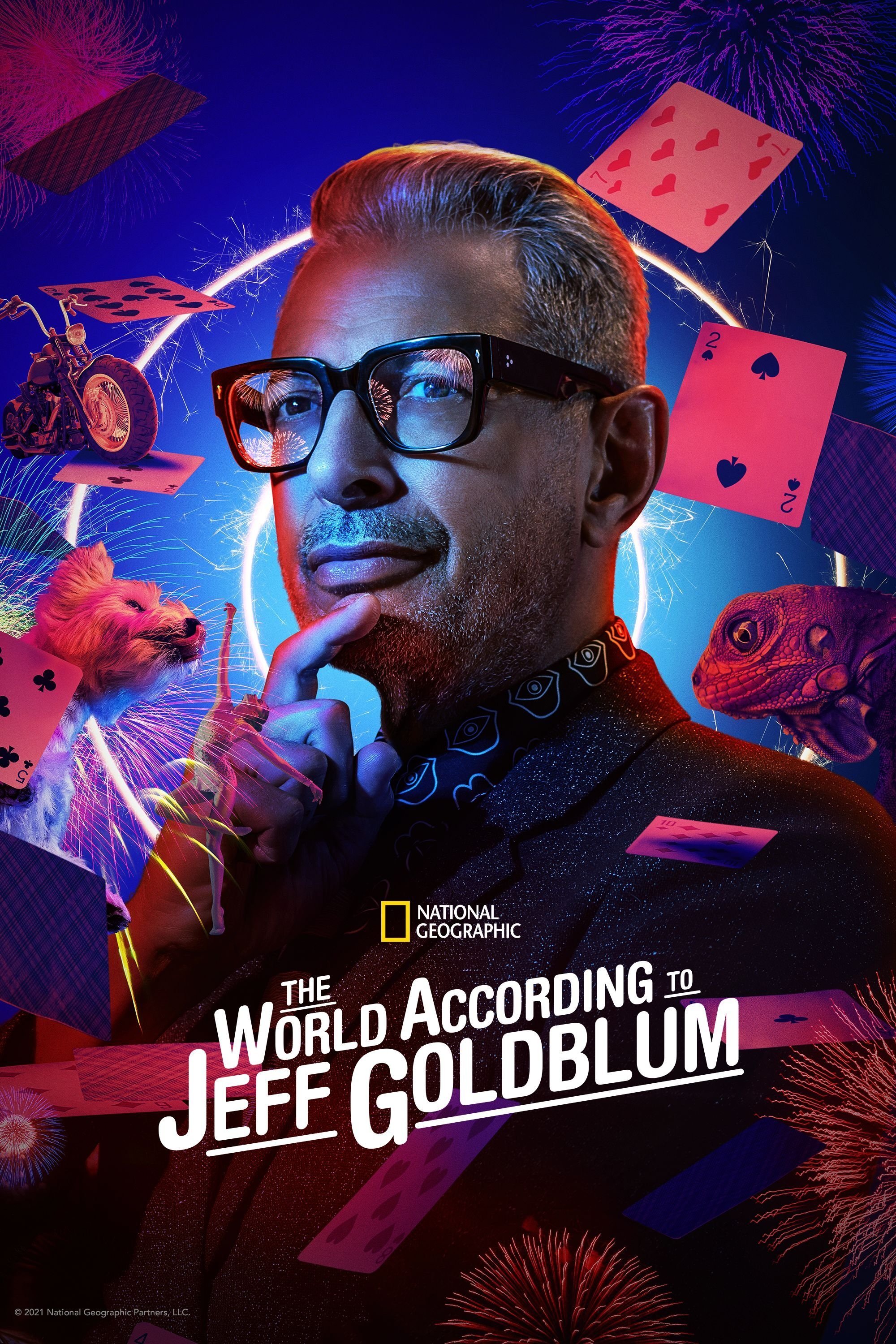
Through the prism of Jeff Goldblum's always inquisitive and highly entertaining mind, nothing is as it seems. Each episode is centered around something we all love — like sneakers or ice cream — as Jeff pulls the thread on these deceptively familiar objects and unravels a wonderful world of astonishing connections, fascinating science and history, amazing people, and a whole lot of surprising big ideas and insights.
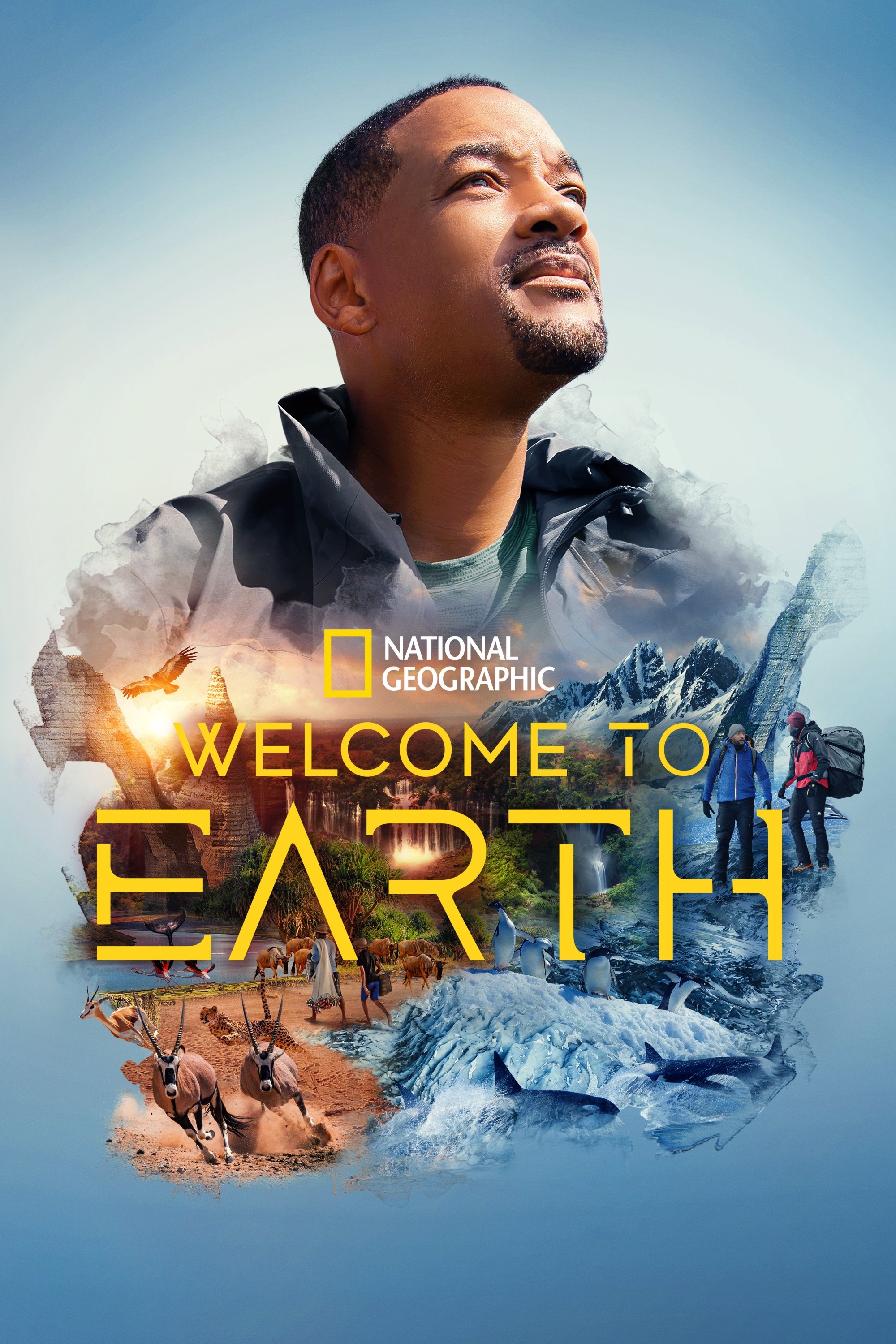
Will Smith whose curiosity and wonder is positively infectious—is guided by National Geographic Explorers traveling to different corners of the world to get up close and personal with the weirdest, most unusual, dangerous and thrilling spectacles of the planet.
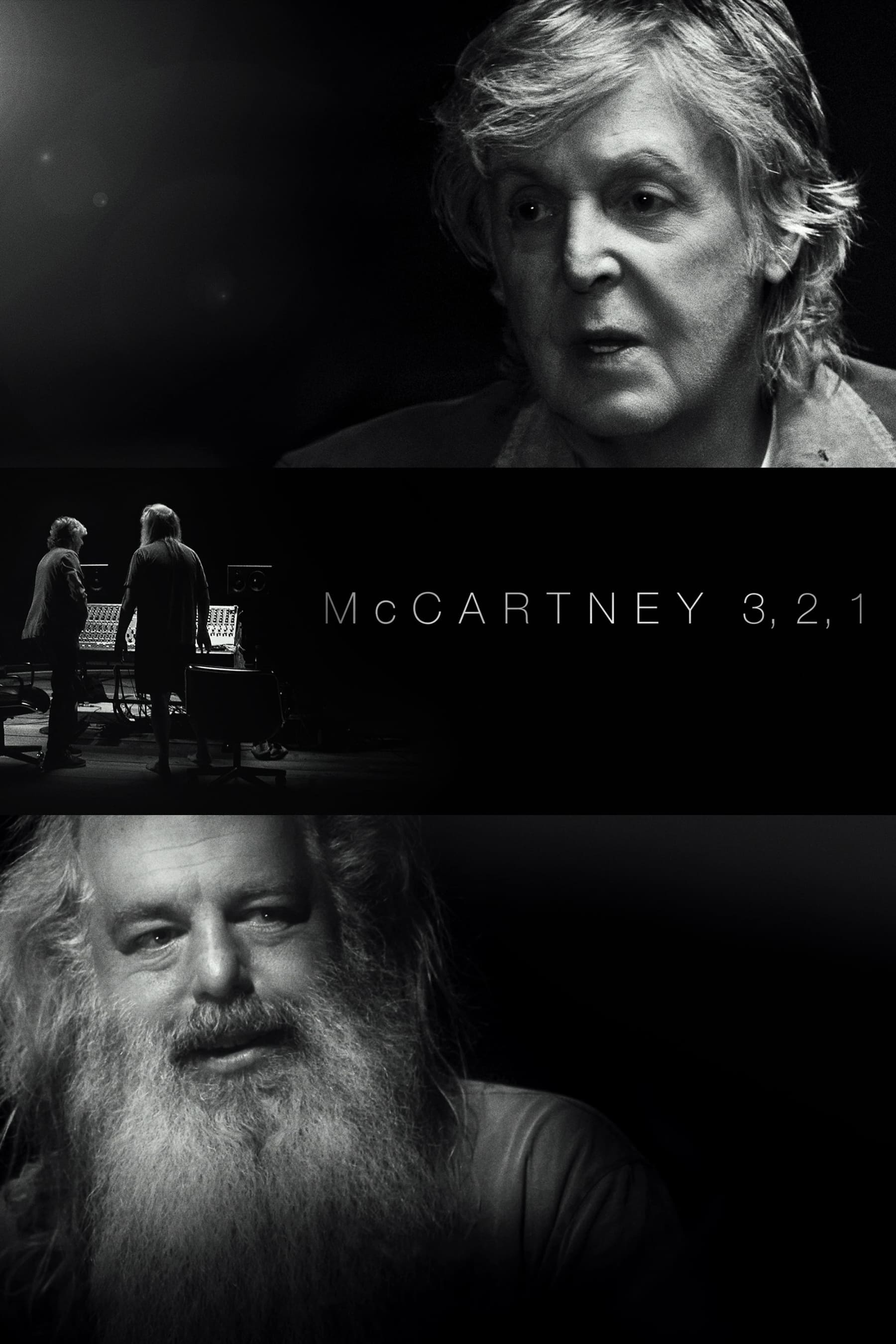
Paul McCartney sits down for a rare in-depth one-on-one with legendary producer Rick Rubin to discuss his ground breaking work with The Beatles, the emblematic 70s arena rock of Wings and his 50 years and counting as a solo artist.
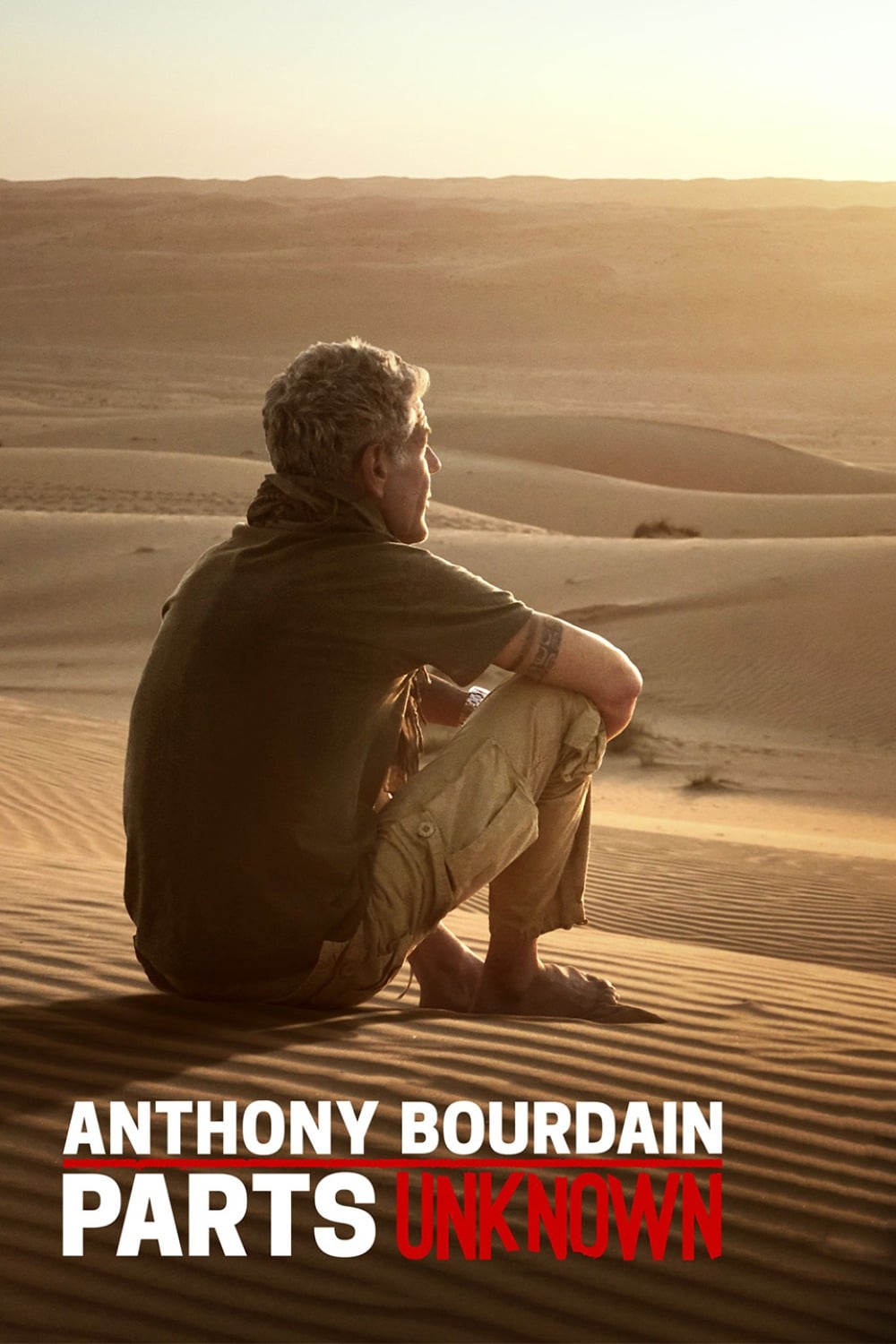
Bourdain travels across the globe to uncover little-known areas of the world and celebrate diverse cultures by exploring food and dining rituals. Known for his curiosity, candor, and acerbic wit, Bourdain takes viewers off the beaten path of tourist destinations – including some war-torn parts of the world – and meets with a variety of local citizens to offer a window into their lifestyles, and occasionally communes with an internationally lauded chef on his journeys.
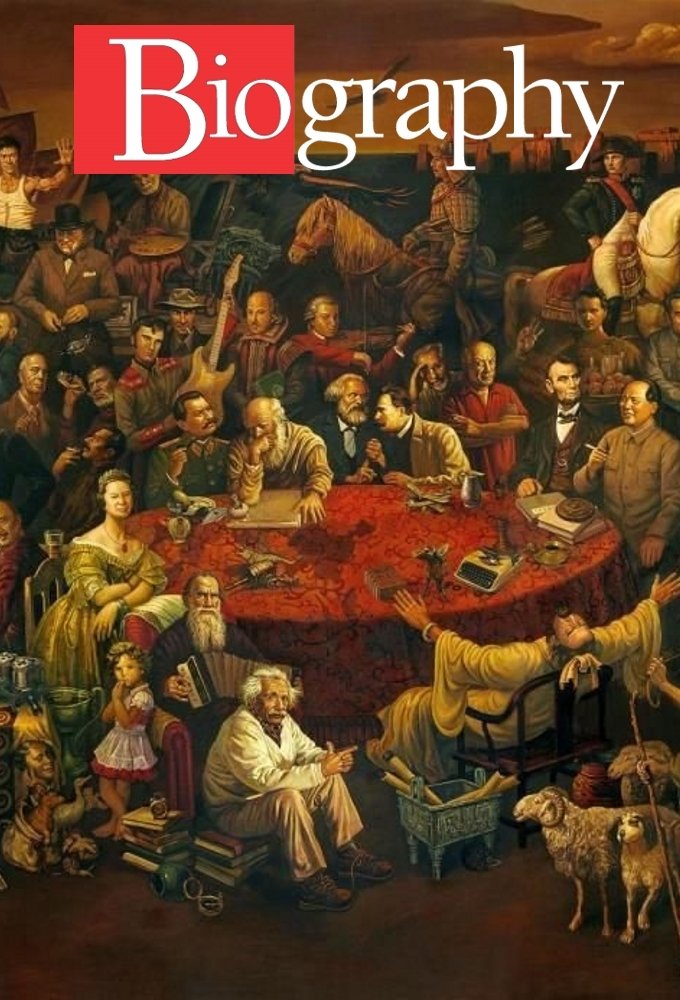
Biography is a documentary television series. It was originally a half-hour filmed series produced for CBS by David Wolper from 1961 to 1964 and hosted by Mike Wallace. The A&E Network later re-ran it and has produced new episodes since 1987. The older version featured historical figures such as Helen Keller and Mark Twain, or long-dead entertainment figures such as Will Rogers or John Barrymore. The A&E series has placed the emphasis on such people as Marilyn Monroe, Elvis Presley, Plácido Domingo, Freddie Mercury, Jacqueline Kennedy Onassis, Eric Clapton, Pope John Paul II, Gene Tierney, Selena, Diego Rivera, Mao Zedong and Queen Elizabeth II, and fictional characters like The Phantom, Superman, Hamlet, Betty Boop, and Santa Claus. The program ended up profiling enough figures that in 1999, A&E spun it off into an entire network, The Biography Channel.
Professor Brian Cox explores the dramatic lives of the eight majestic planets/worlds that make up our solar system.
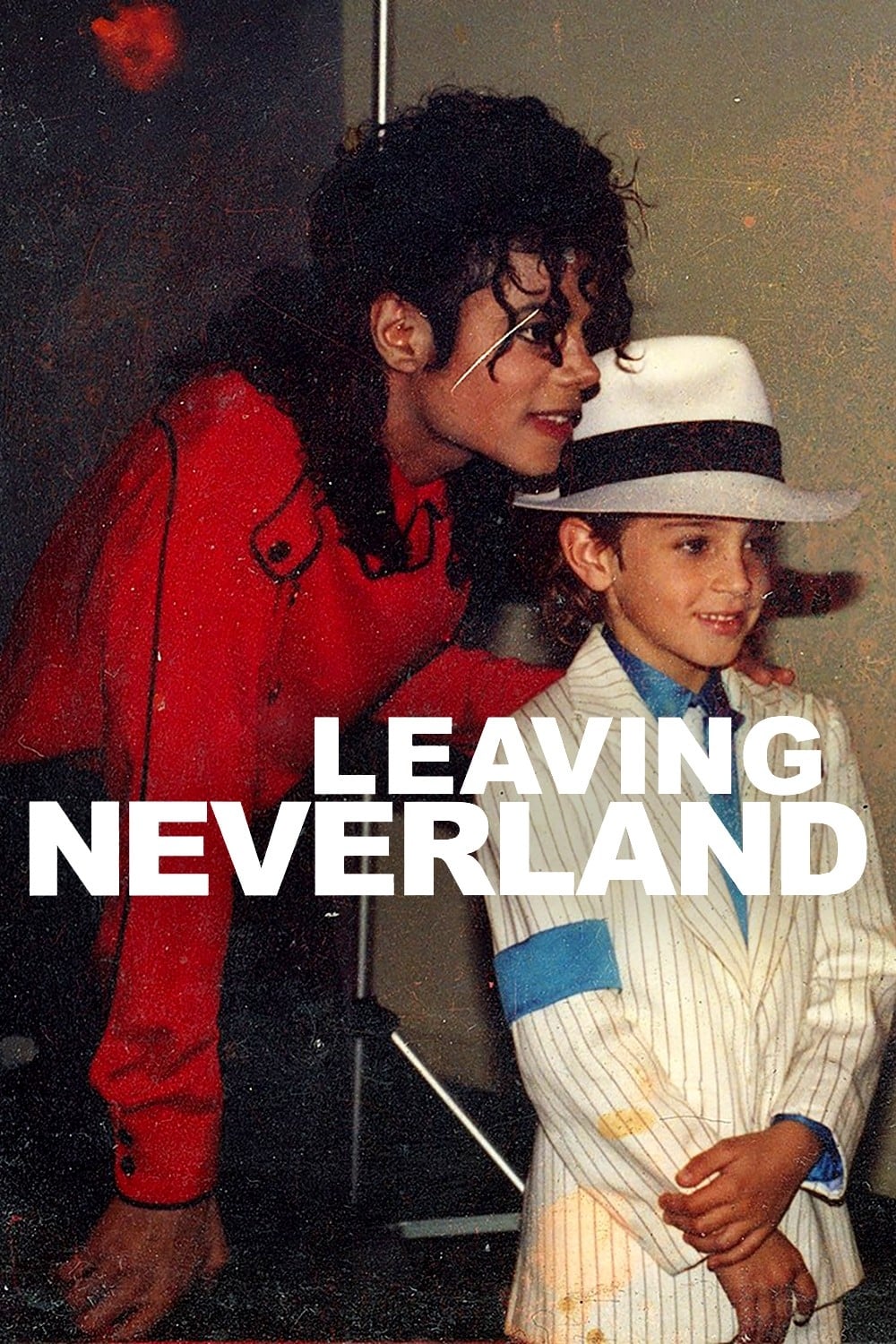
Explores the experiences of James Safechuck and Wade Robson, who were both befriended and sexually abused by singer Michael Jackson, and the complicated feelings that led them both to confront their experiences.
An insider's look at the engineering and scientific miracles behind the things that form the modern world.
Explore the past, present and future of Walt Disney Imagineering with noted filmmaker Leslie Iwerks. Ms. Iwerks comes from a family with deep Disney history — her grandfather was an early Disney animator and her father is a former Imagineer — and her previous work includes profiles of Pixar Animation Studios and visual effects house Industrial Light & Magic.
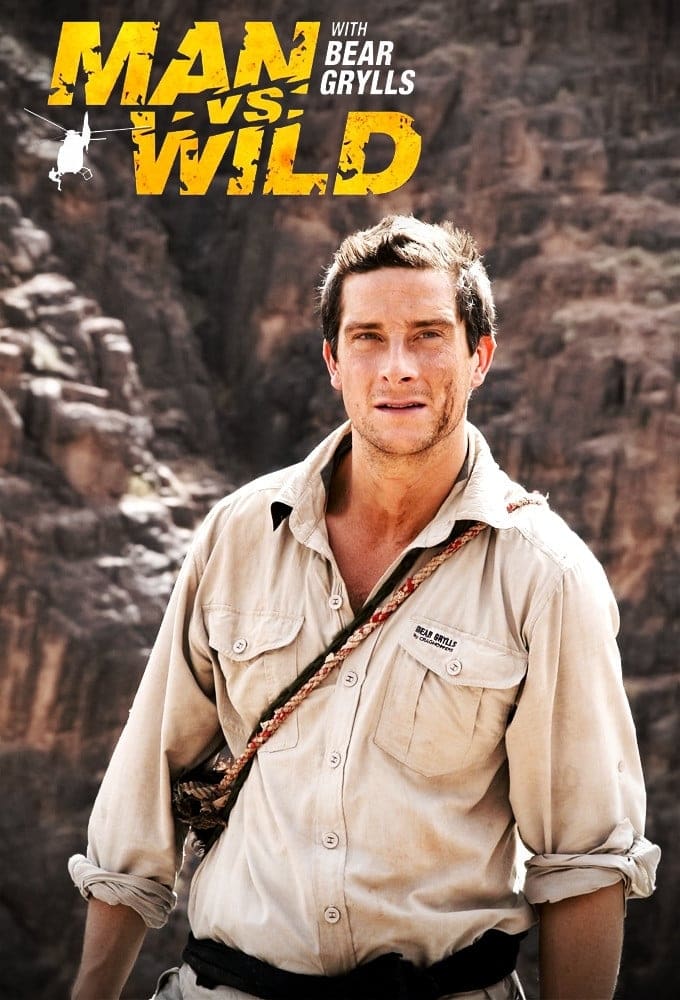
Bear strands himself in popular wilderness destinations where tourists often find themselves lost or in danger.
Doctor Who Confidential is a documentary to complement the revival of the long-running British science fiction television series Doctor Who. Each episode was broadcast on BBC Three on Saturdays, immediately after the broadcast of the weekly television episode on BBC One. The running time of the first two series was 30 minutes, being extended to 45 minutes in the third. BBC Three also broadcast a cut-down edition of the programme, lasting 15 minutes, shown after the repeats on Sundays and Fridays and after the weekday evening repeats of earlier seasons.
Australian host Steve Irwin and his wife Terri run a wildlife refuge. Their shared passion is educating the world about wildlife, including the much feared crocodile and numerous venomous snakes. Steve's specialty is the capture and relocation of crocodiles. No animal appears too threatening to Steve, his true respect for animals is the foundation for everything he does.
Horizon tells amazing science stories, unravels mysteries and reveals worlds you've never seen before.
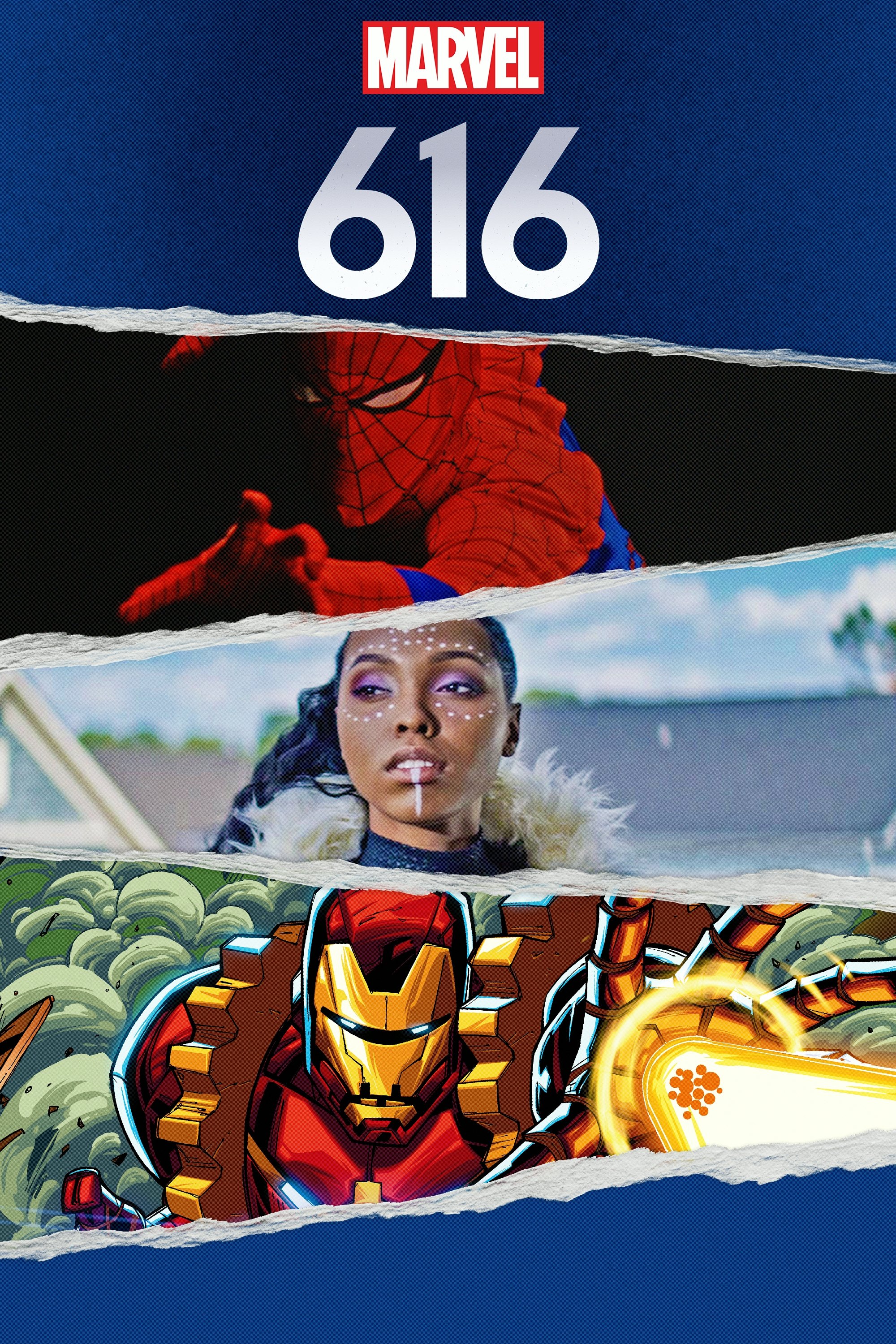
Explore Marvel’s rich legacy of pioneering characters, creators and storytelling to reflect the world outside your window. Each documentary, helmed by a unique filmmaker, showcases the intersections of storytelling, pop culture, and fandom within the Marvel Universe.
British television series which features unusual and often elaborate architectural homebuilding projects.