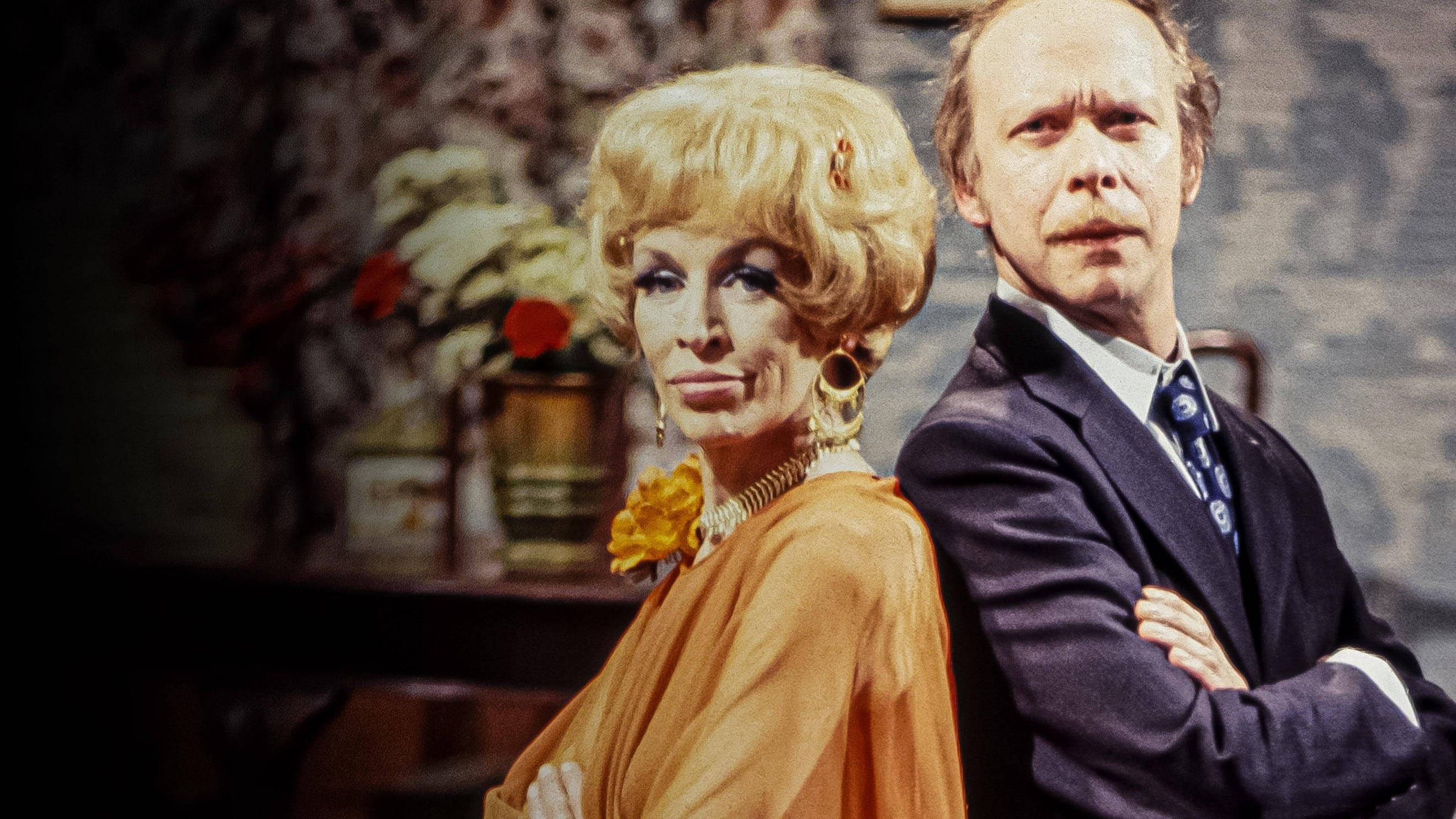
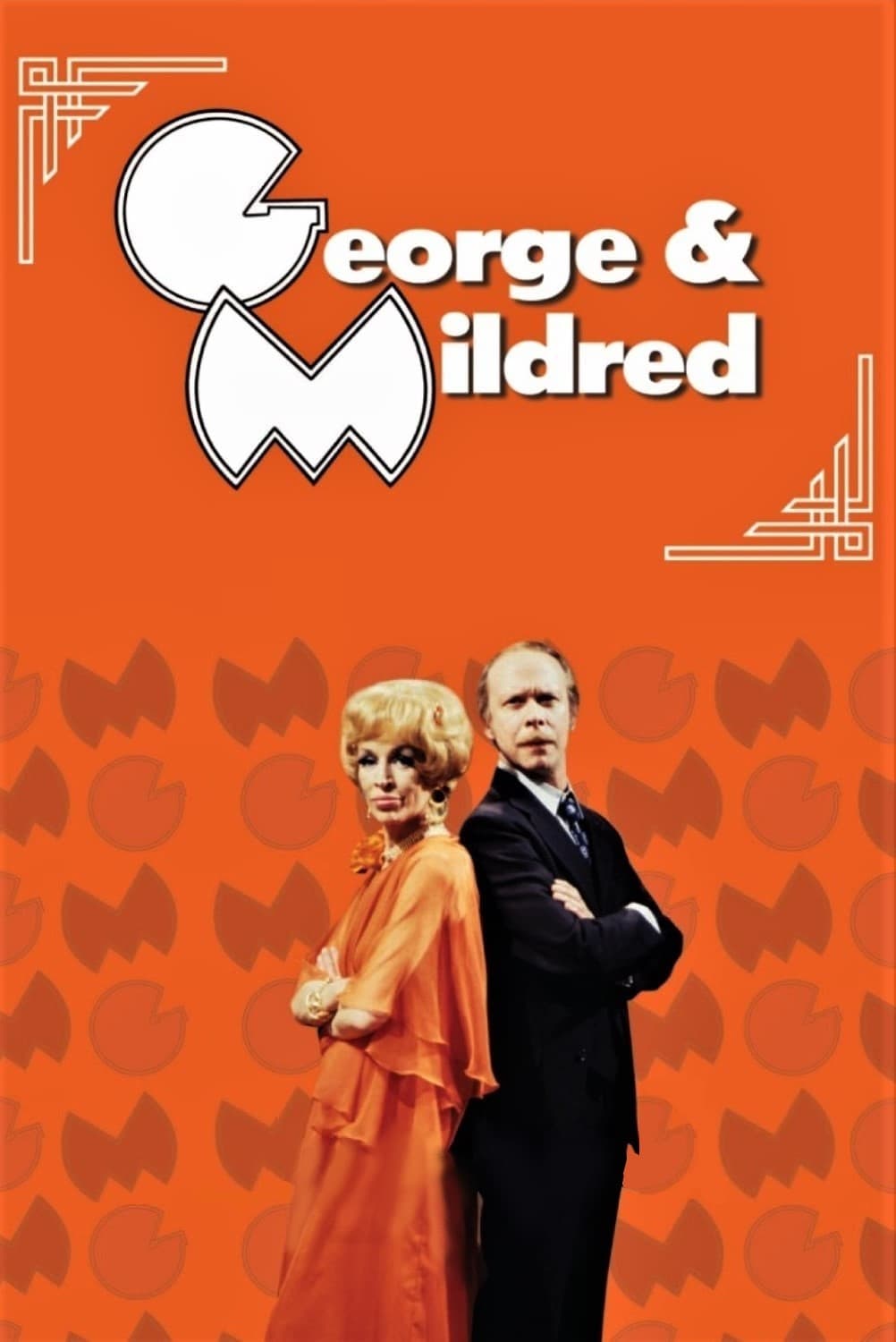
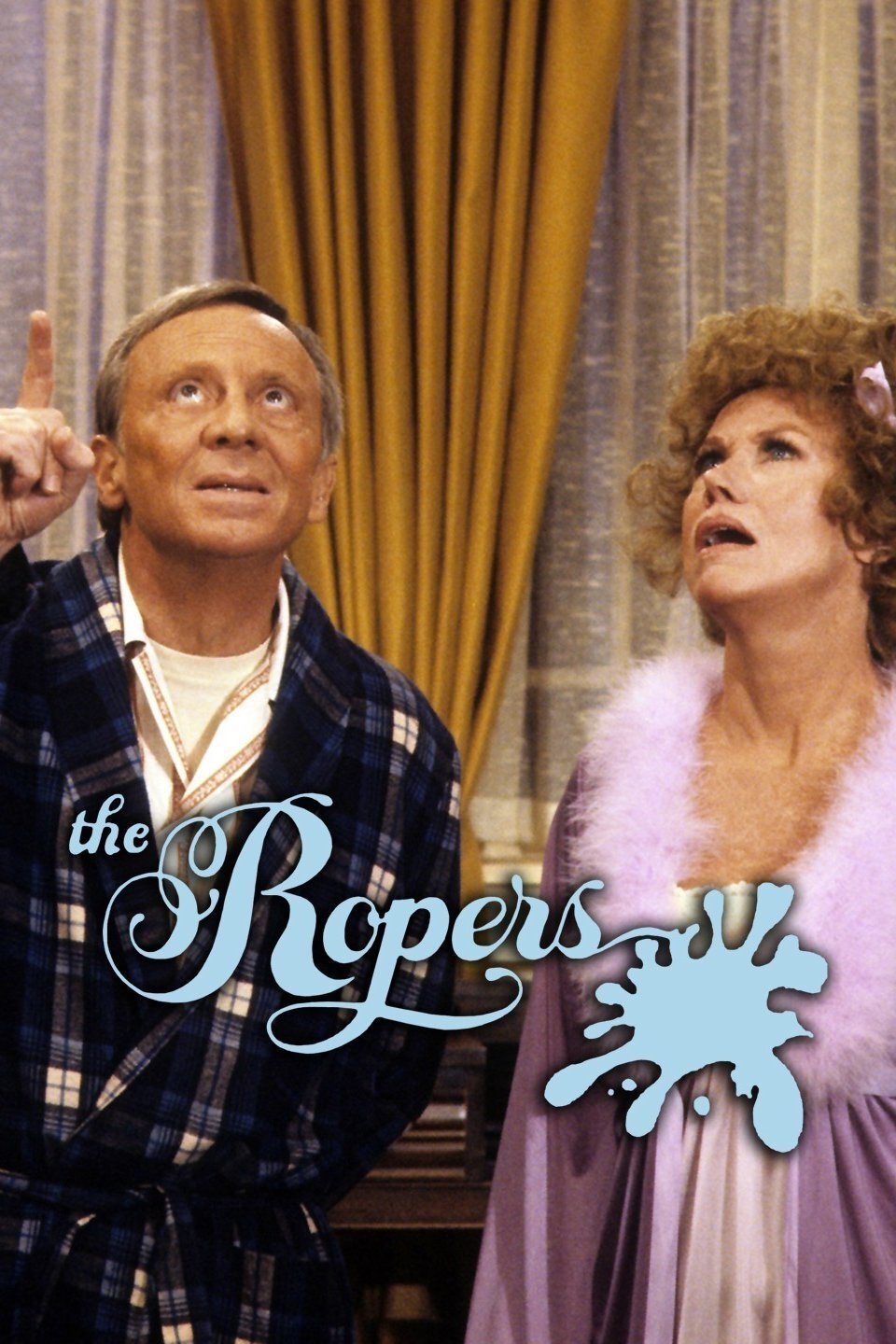
A middle-aged housewife feels frustrated with her mean and miserable husband, the married couple adapting to life in an up-market housing estate.
Social & External
The people behind it
Brian Murphy
George Roper
Yootha Joyce
Mildred Roper
Norman Eshley
Jeffrey Fourmile
Sheila Fearn
Ann Fourmile
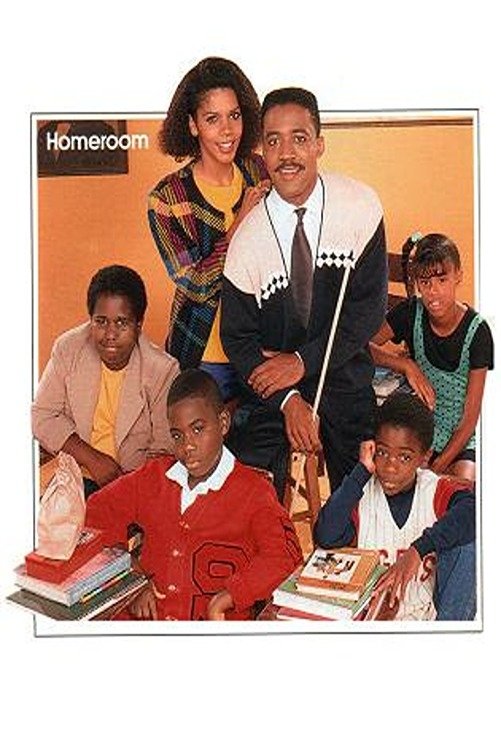
Homeroom is an American sitcom that aired on ABC from September 16, 1989 to December 17, 1989. The series stars stand-up comedian Darryl Sivad as a fourth grade teacher at an inner-city school. ABC created the show as a vehicle for Sivad after seeing his routine on The Tonight Show Starring Johnny Carson.
When former Princeton music professor Arthur Cochran unexpectedly stumbles into choir practice at a small-town church, he finds a group of singers that are out of tune in more ways than one.
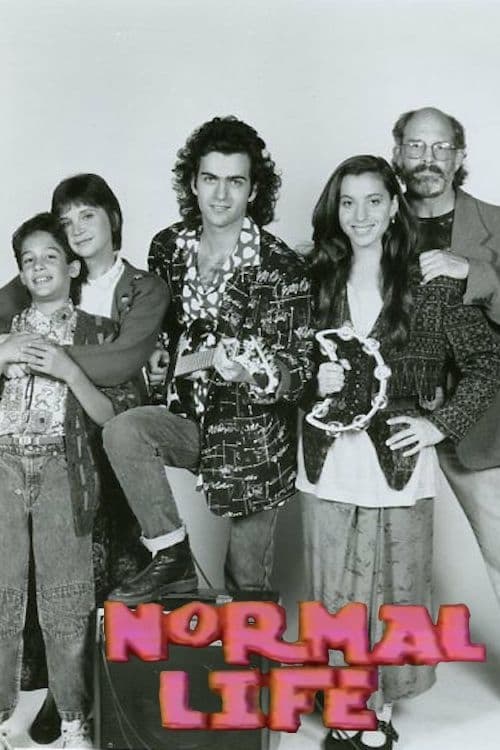
Normal Life is an American sitcom television series that aired from March 21 until July 18, 1990.
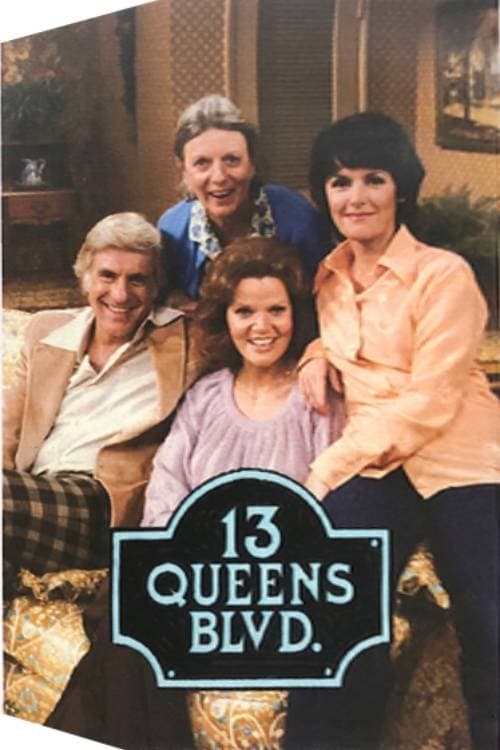
13 Queens Boulevard is an American sitcom that aired from March 20 until July 24, 1979.
Pig in the Middle was a British romantic comedy television series that aired on ITV from 1980 to 1983, spanning 20 episodes over three seasons. The show centred on Barty Wade, a dithering middle-aged man who cannot decide between his elegant wife, Susan, and his flighty mistress, Nellie.
The Ted Knight Show is a 1978 United States comedic television series starring Ted Knight which centers around the owner of an escort service in New York City. The show aired between April 8, 1978, and May 13, 1978.
British sitcom in which Reverend Philip Lambe, after becoming bored in his wealthy Oxfordshire parish, asks for a transfer to a more difficult assignment. Sent to Edendale, a fictional urban town in the Midlands, he is accompanied by his wife Emma, sixteen-year-old daughter Miranda and twelve-year-old son Peter.
The life and times of rather traditional Sutcuoglu family and their comedic struggles to adapt the high-profile contemporary life of Nisantasi.
Roger 'Raj' Thomas has graduated from the University of Southern California, and become a fledgling writer. He and his wife Nadine, a social worker, move in to his old home in Watts (given to him by his mother, Mabel, now remarried and living in Phoenix, Arizona). His sister Dee is away at college. Childhood friend Dwayne Nelson has become a computer programmer, while Freddie 'Rerun' Stubbs is a used-car salesman. The old soda shop hangout, Rob's Place, has gone out of business and left abandoned. Reminded of his youth, and seeing an opportunity, Raj and Shirley Wilson, who used to wait tables there, decide to buy the business together, renaming it Rob's.
Malcolm and Eddie are as different as one can imagine. Nevertheless, they're best friends who manage to be roommates as well as co-workers and not kill each other.
Only Fools and Horses.... Is a British sitcom created and written by John Sullivan. Seven series were originally transmitted on BBC One from 1981 to 1991, with sixteen sporadic Christmas specials aired until 2003. In working-class Peckham in south-east London, ambitious market trader Derek 'Del Boy' Trotter and his younger half-brother Rodney, explore their highs and lows in life, in particular their attempts to get rich. Initially not an immediate hit and receiving little promotion early on, it later achieved consistently high ratings, and the 1996 episode "Time on Our Hands" (originally billed as the series finale) holds the record for the biggest UK audience for a sitcom episode, attracting 24.3 million viewers. The series bears a significant influence on British culture, contributing several words and phrases to the English language.
Martin Bryce lives in a quiet suburban close with his wife Anne. He does his best to "organise" the leisure time of all of the other inhabitants of the close, running umpteen societies and doing "good works". He's is quite happy with his lot until Paul Ryman moves in next door.
Welcome to Beacon Street Pizza, the perfect workplace and hangout for aimless wise-guy Berg, neurotic Pete and campus beauty Sharon. Pete and Berg are roommates and students at a local Boston university, while Sharon struggles with her work and relationships. Together, these three best friends try to navigate life and love in Boston!
Two lovers are reunited after decades apart following a mutual misunderstanding.
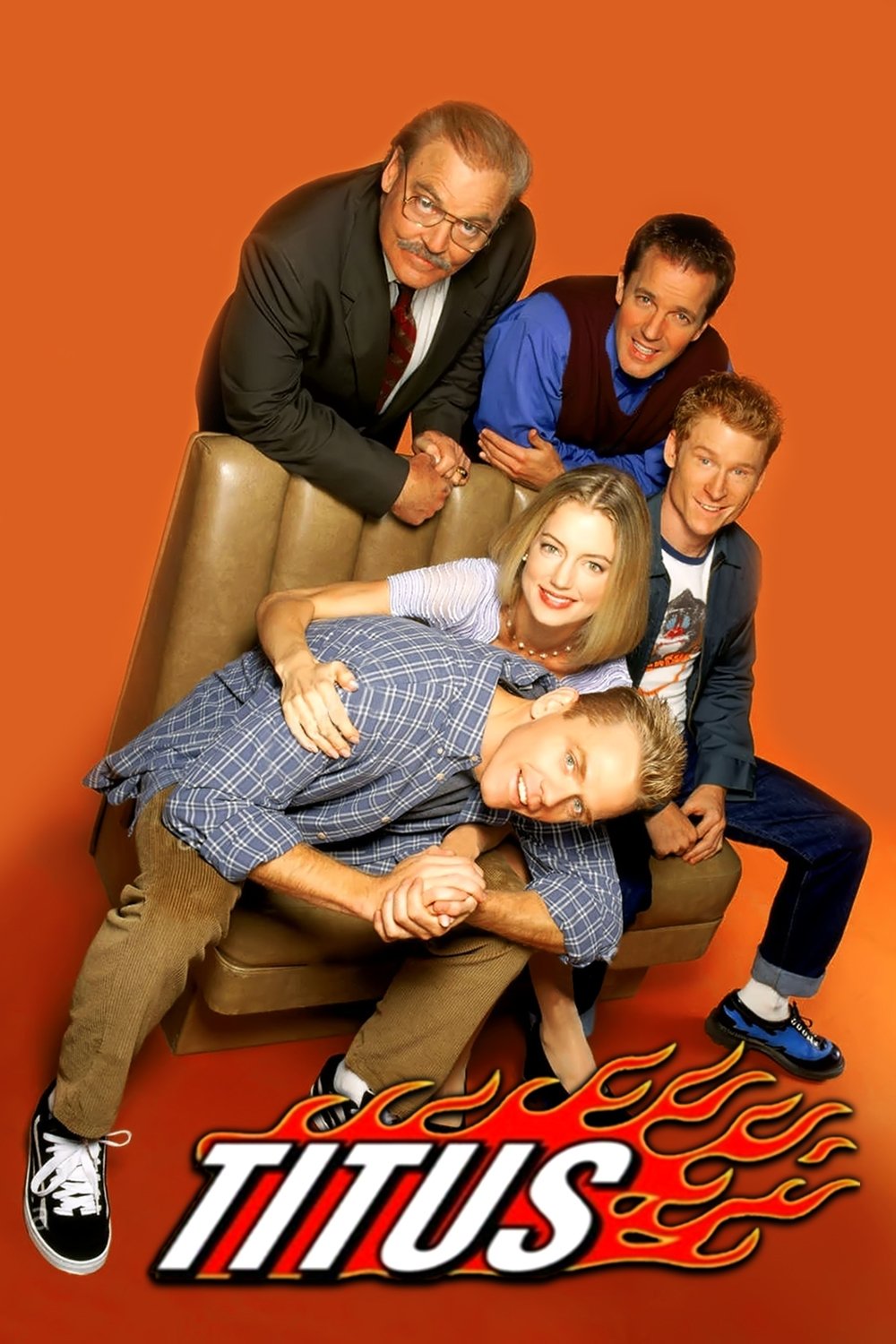
Titus is an American dark comedy sitcom that debuted on Fox in 2000. The series was created by its star, Christopher Titus, Jack Kenny, and Brian Hargrove. This sitcom was based on Christopher's stand-up comedy act, more specifically his one-man show Norman Rockwell is Bleeding, which was based loosely upon his real-life family; lines from Norman Rockwell is Bleeding were spoken by Titus as commentary. Titus plays an outwardly childish adult, who owns a custom car shop. The show follows him and his dimwitted halfbrother Dave, his girlfriend Erin with the "heart of gold", his goody-goody friend Tommy, and his arrogantly lewd, bigoted and multiple-divorced father Ken "Papa" Titus.
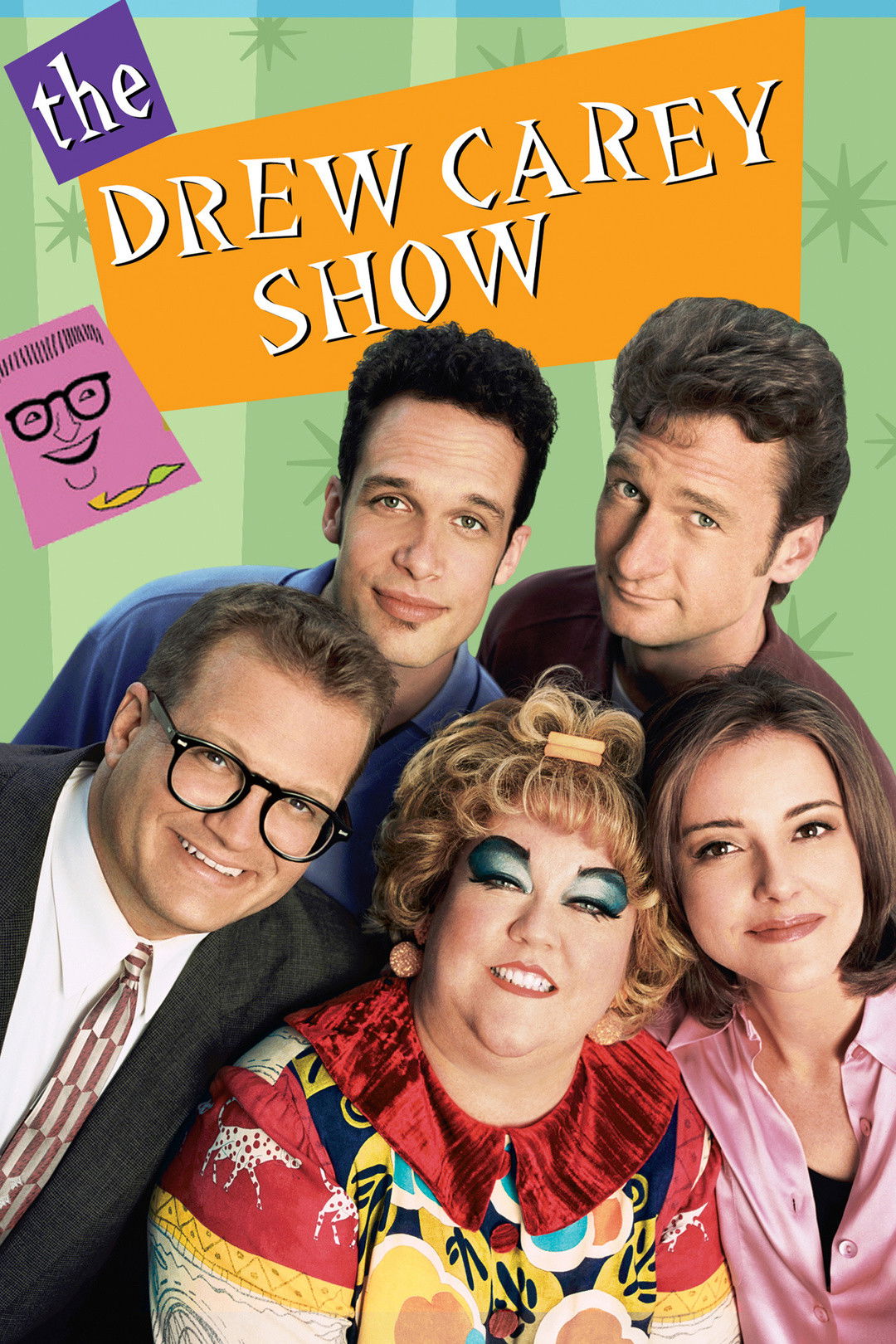
Drew is an assistant director of personnel in a Cleveland department store and he has been stuck there for ten years. Other than fighting with co-worker Mimi, his hobbies include drinking beer and not being able to get dates. To make a few extra bucks he has a micro-brewery going in his garage with his buddies.
Based on the bestselling book by Candace Bushnell, Sex and the City tells the story of four best friends, all single and in their late thirties, as they pursue their careers and talk about their sex lives, all while trying to survive the New York social scene.
Andy Taylor is the widowed sheriff of the fictional small community of Mayberry, North Carolina. His life is complicated by an inept, but well-meaning deputy, Barney Fife, a spinster aunt and housekeeper, Aunt Bee, and a precocious young son, Opie. Local ne'er-do-wells, bumbling pals, and temperamental girlfriends further complicate his life.
Claude Casey moved up in the secretarial world of television news, from temp to the anchor's desk. After her boss hires her full time, Claude realizes she may be in over her head in this world of assistants fighting to get ahead. But Claude is determined to prove that though she may not be perfect, she's not going down without a fight.
The story of a group of friends in Madrid.
Life’s good for deliveryman Doug Heffernan, until his newly widowed father-in-law, Arthur, moves in with him and his wife Carrie. Doug is no longer the king of his domain, and instead of having a big screen television in his recently renovated basement, he now has a crazy old man.
Young, urban newlyweds Paul and Jamie Buchman try to sustain their marital bliss while sidestepping the hurdles of love in the '90s.
Jim is the typical all-American guy — a macho "everyman" — with a soft spot for his beautiful wife and children. Jim's boyish bravado and humorous antics keep a certain level of turmoil in their home, but there's never a doubt that this "opposites attract" couple are in their marriage for keeps!
A sitcom about three divorced men sharing an apartment across the hall from their female divorce attorney, who is also their landlord.
A comedy about two young couples and their outrageously contrasting views on parenting. Greg and Kim Warner struggle on a daily basis to become perfect at the job. Kim is a neurotic, stay-at-home mother, and although her husband, Greg, is a success in his career, his more difficult job is keeping his wife calm as they raise their two young children. While Kim is determined to be the perfect mother and perfect wife and to raise the perfect children, her sister, Christine Hughes, a very down-to-earth mother of two, continually reminds her that life will never be perfect. Christine's husband, Jimmy, often feels compelled to share with his brother-in-law his philosophy about being a husband and a parent while still remaining a man.
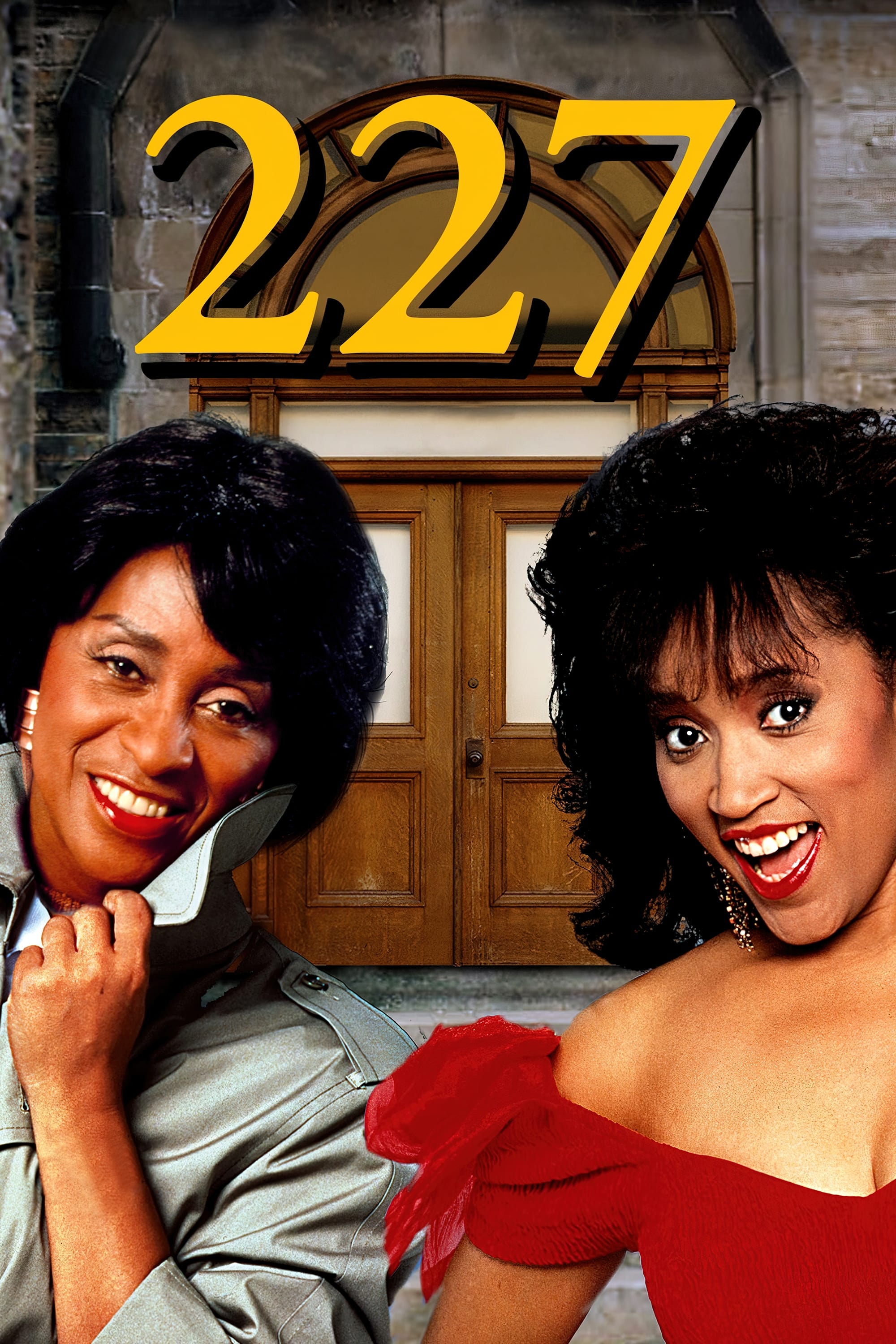
A housewife sits on the stoop of her apartment building in a black neighborhood of Washington, D.C., and discusses all manner of things with her neighbors.
After 18 years of marriage, high school sweethearts Bill and Judy Miller still make each other laugh and try to keep their marriage intact, even when their family pulls them in different directions. Since Bill has a far more immature approach to marriage and raising their three children than Judy does, they work at striking a balance and remembering why they love each other, quirks and all.
Cuban Bandleader Ricky Ricardo would be happy if his wife Lucy would just be a housewife. Instead she tries constantly to perform at the Tropicana where he works, and make life comically frantic in the apartment building they share with landlords Fred and Ethel Mertz, who also happen to be their best friends.
Are We There Yet? opens where the popular film of the same name left off, with Nick and Suzanne newly married. After six months, their family is beginning to show growing pains, from the complexities of life as newlyweds to weathering the storm of teenage children. Work makes life all the more complicated. Former athlete Nick has sold his sports paraphernalia store and now works in information technology. Party planner Suzanne also has a hectic professional schedule.
After dropping everything to make the move from skyscrapers to farmhouses, Rio and Mike soon realize that the simpler life isn't as easy as they planned.
When two single girls, Janet and Chrissy, need a roommate to share their Santa Monica apartment, they decide to offer a room to Jack, a man they find passed out in the bathtub after the going-away party for their last roommate. However, hijinks ensure when Jack must pretend to be gay in order to throw off the scent of the trio's conservative landlady.
A fresh and funny take on modern friendship and what one urban family will do to stay friends after the perfect couple who brought them all together break up on their wedding day. The failed wedding forces them all to question their life choices. Then there are Alex and Dave themselves, who strike a truce and must learn to live with the changes their breakup has brought.
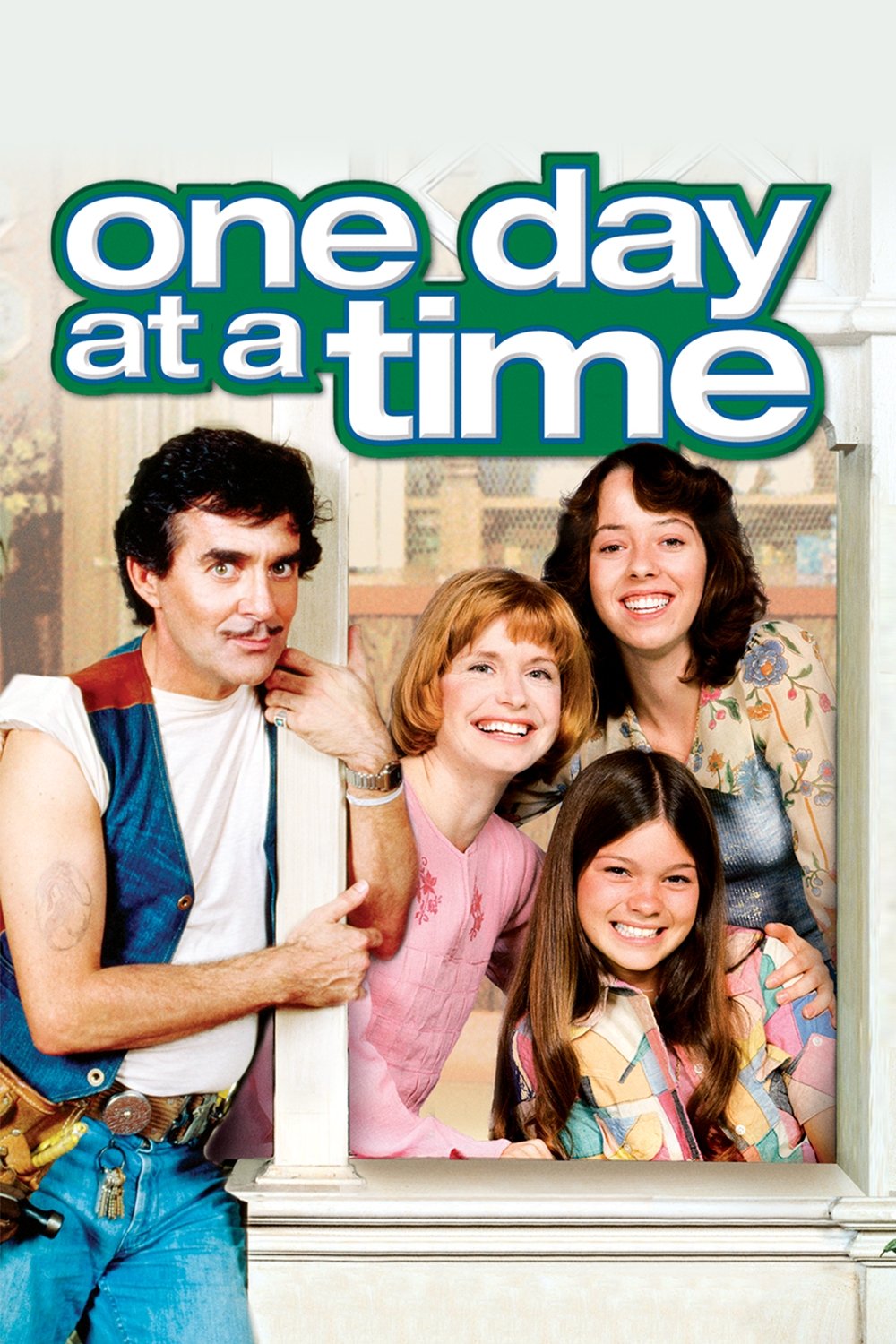
The misadventures of a divorced mother, two teenage daughters, and their new building superintendent in Indianapolis.
Green Acres is an American sitcom starring Eddie Albert and Eva Gabor as a couple who move from New York City to a rural country farm. Produced by Filmways as a sister show to Petticoat Junction, the series was first broadcast on CBS, from September 15, 1965 to April 27, 1971. Receiving solid ratings during its six-year run, Green Acres was cancelled in 1971 as part of the "rural purge" by CBS. The sitcom has been in syndication and is available in DVD and VHS releases. In 1997, the two-part episode "A Star Named Arnold is Born" was ranked #59 on TV Guide's 100 Greatest Episodes of All Time.
Mel and Howard's wedding is one week away. Howard experiences a series of humiliating disasters in the week leading up to the ceremony.
A spin-off of Three's Company and based on the British sitcom George and Mildred, the series focuses on middle-aged couple Stanley and Helen Roper, who were landlords to Jack, Janet, and Chrissy on Three's Company.
Thelma Harper and her spinster sister Fran open their home to Thelma's recently divorced son Vinton and his teenage son and daughter. It's quite an adjustment for everyone, especially the cranky, argumentative Thelma.
The daily mishaps of a married woman and her semi-dysfunctional family and their attempts to survive life in general in the city of Orson, Indiana.
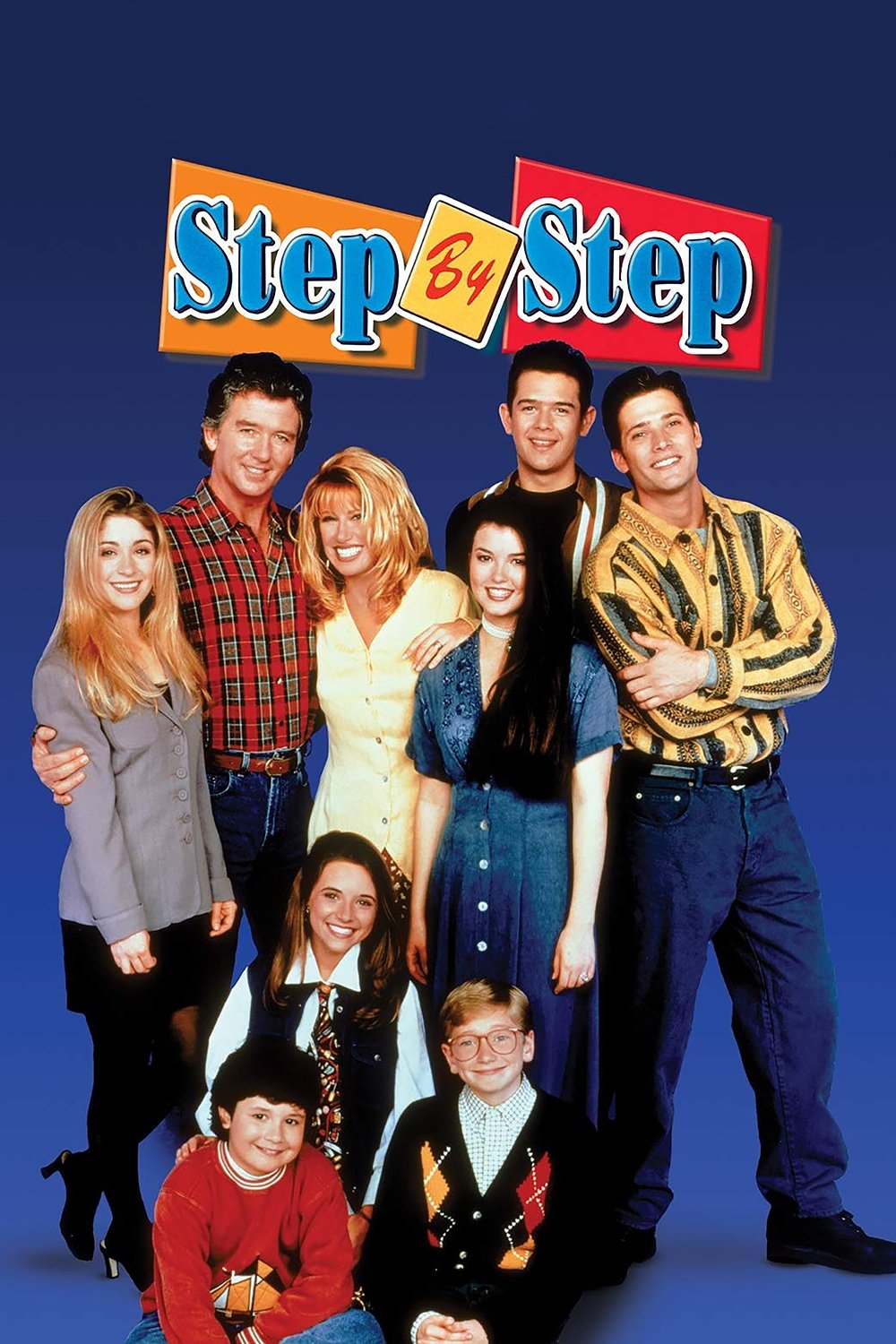
Step by Step is an American television sitcom with two single parents, who spontaneously get married after meeting one another during a vacation, resulting in them becoming the heads of a large blended family
After her dentist husband of 20 years leaves her for his dental hygienist, Reba Hart's seemingly perfect world is turned upside down.