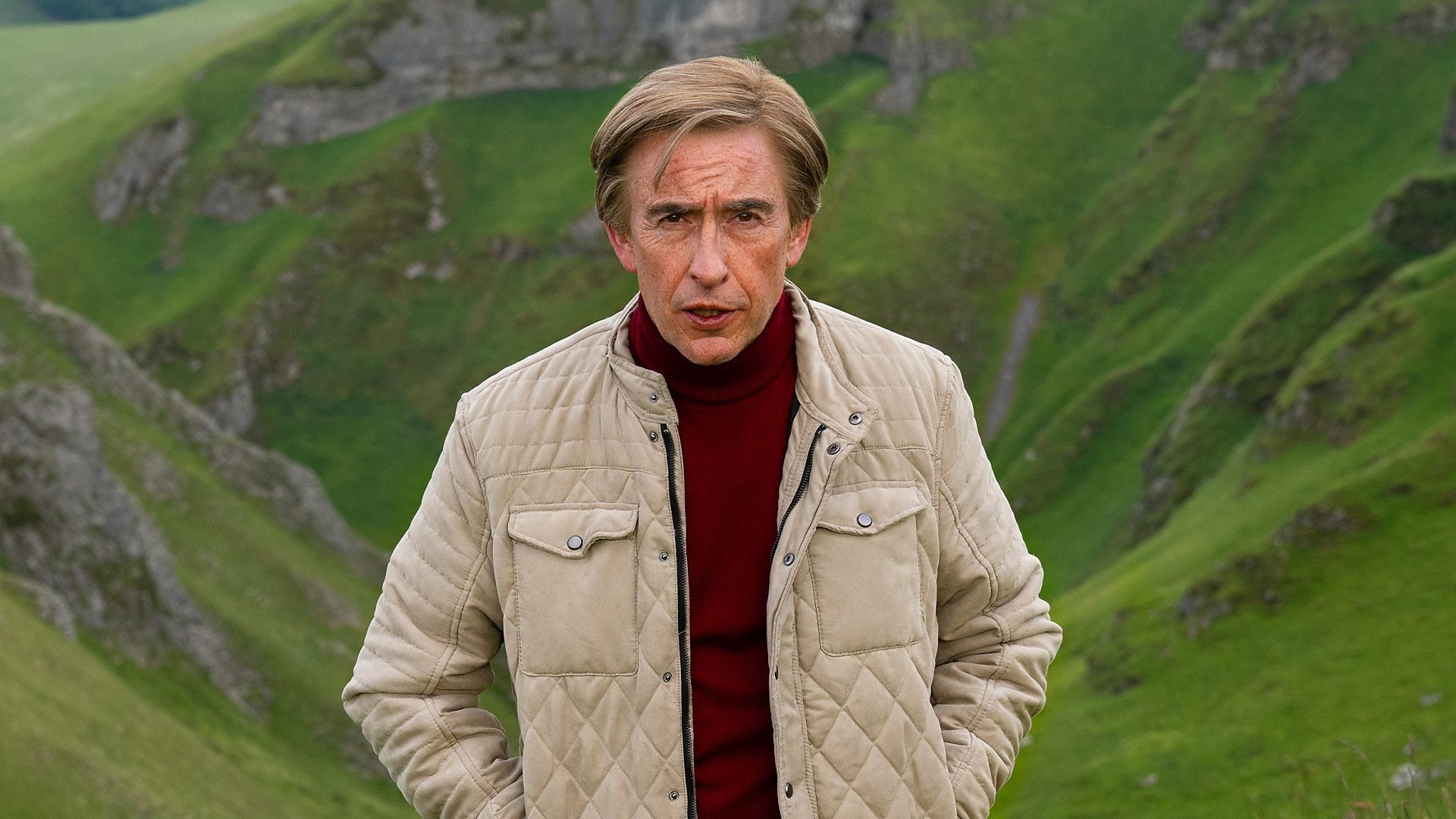
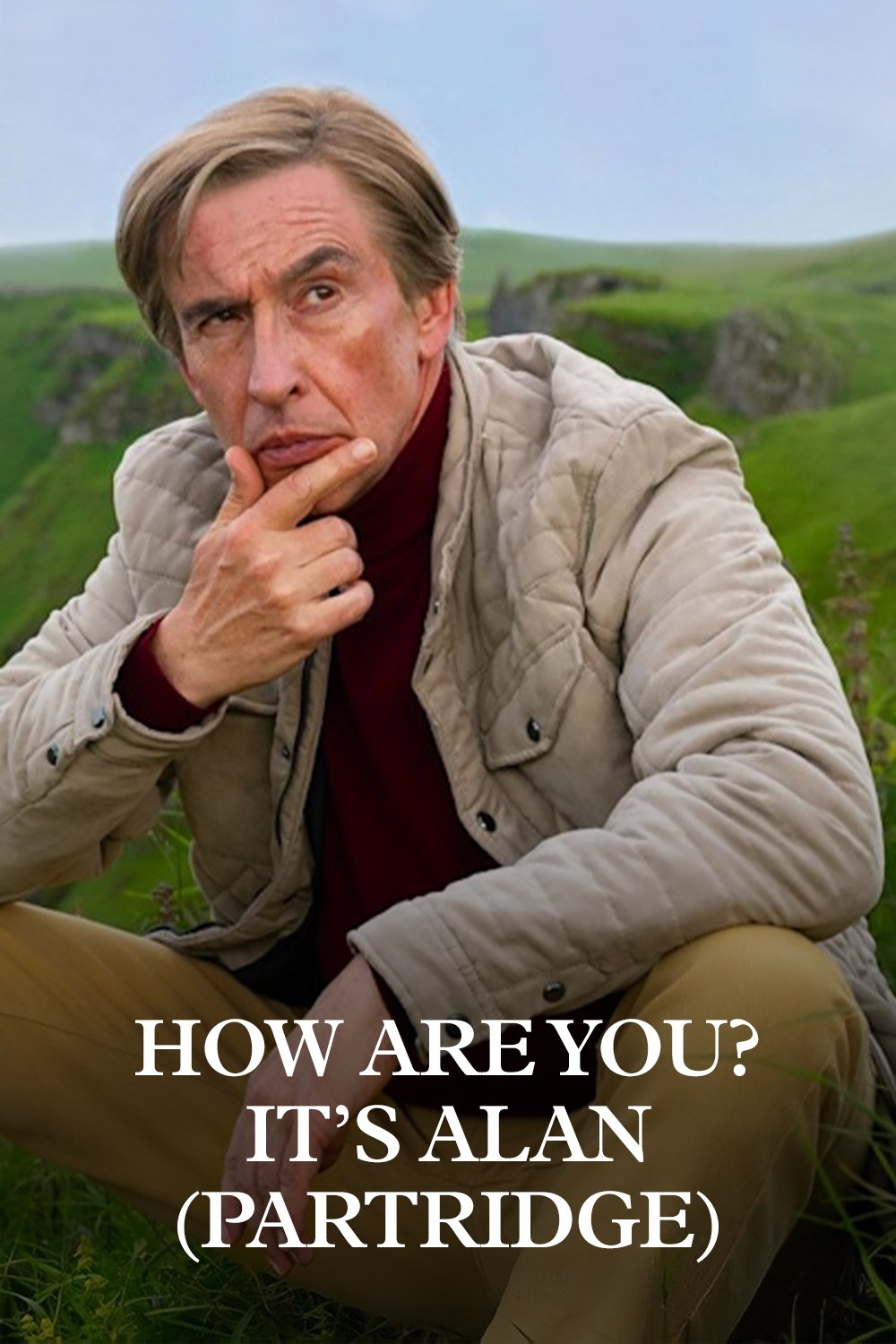
The beloved and, to be fair, revered broadcaster returns to Britain after a year in Saudi Arabia to ask some important questions.
Stream
Social & External
The people behind it
Steve Coogan
Alan Partridge
Felicity Montagu
Lynn
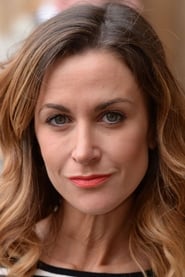
Katherine Kelly
Katrina
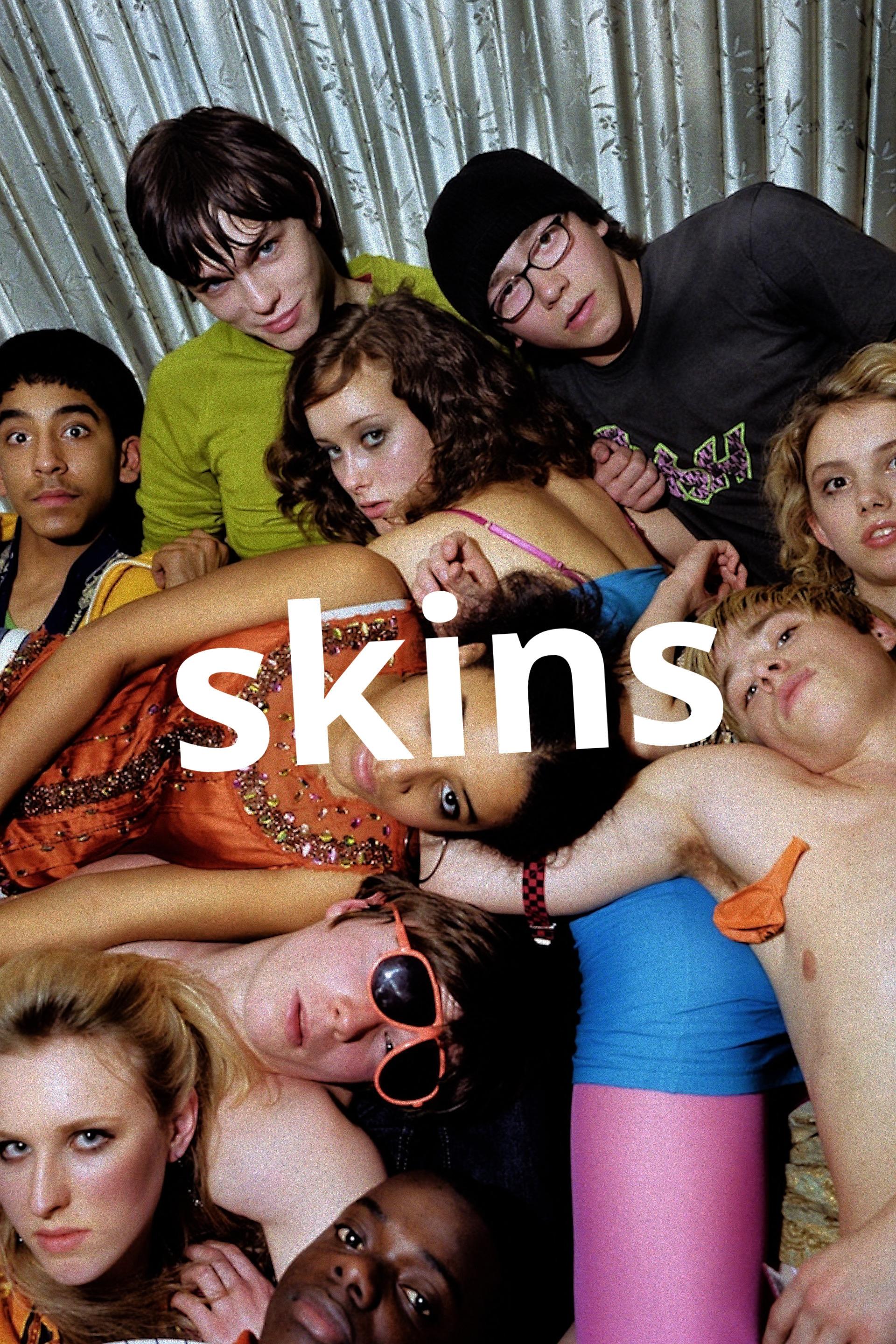
Irreverent comedy drama which follows the messy lives, loves, delirious highs and inevitable lows of a group of raucous teenage friends in Bristol.
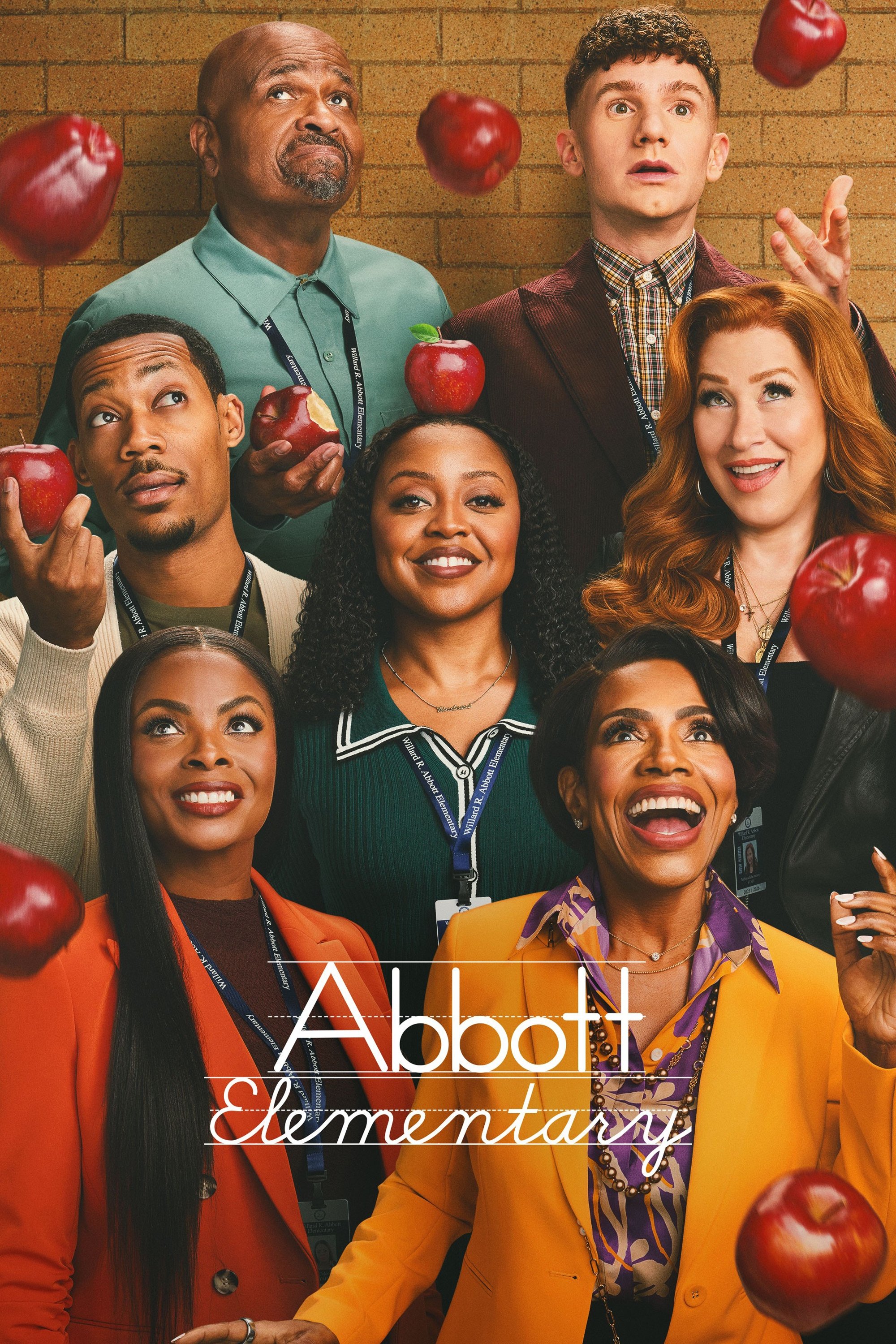
In this workplace comedy, a group of dedicated, passionate teachers — and a slightly tone-deaf principal — are brought together in a Philadelphia public school where, despite the odds stacked against them, they are determined to help their students succeed in life. Though these incredible public servants may be outnumbered and underfunded, they love what they do — even if they don’t love the school district’s less-than-stellar attitude toward educating children.
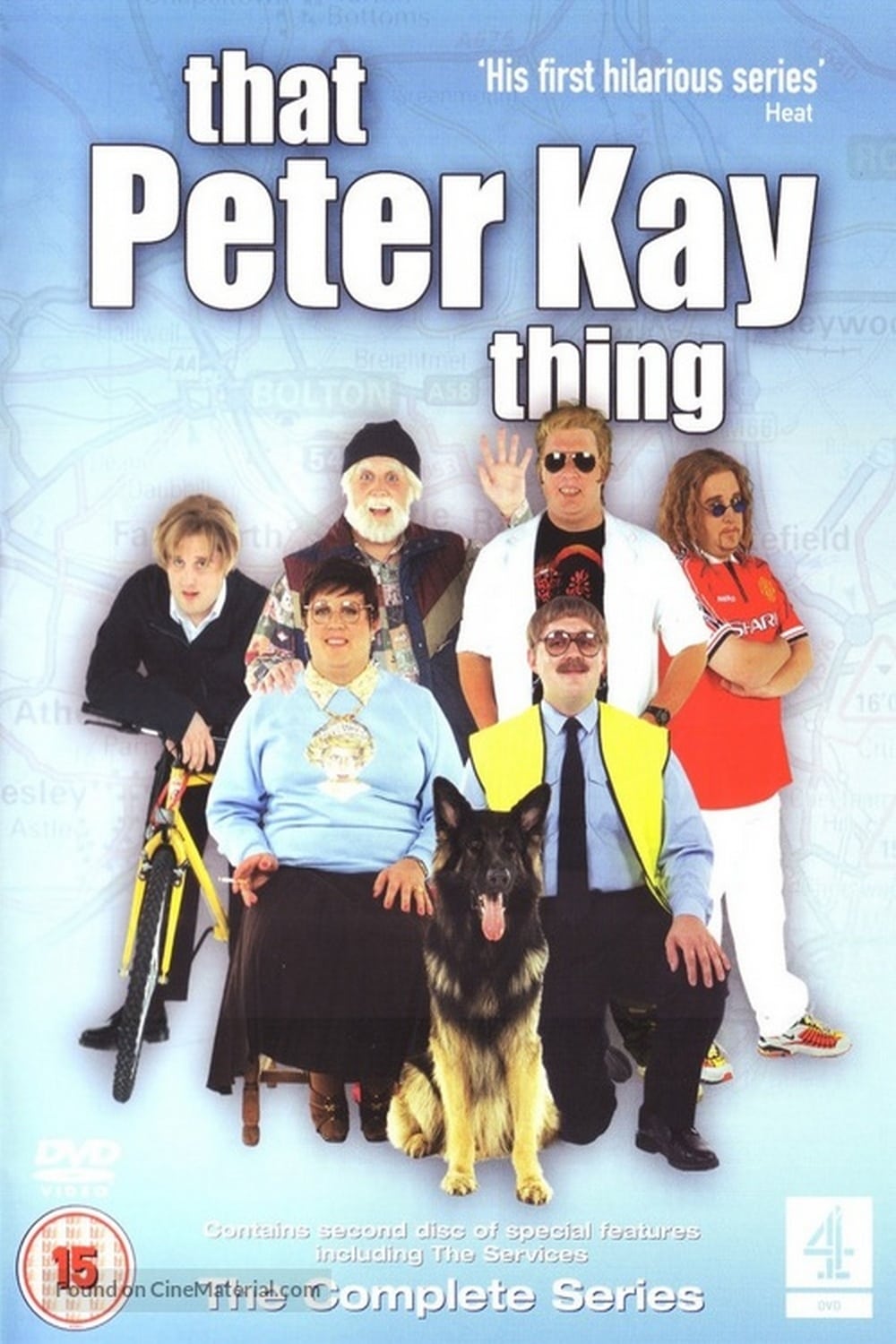
That Peter Kay Thing is a series of six spoof documentaries shown on Channel 4 in January 1999. Set in and around Bolton, these follows the lives of different characters and stars Peter Kay as the subject of each documentary. All of the episodes display Kay's penchant for nostalgic humour and unsympathetic lead characters. The series was narrated by Andrew Sachs. Many of the plot lines were based around actual events from Kay's life. At least six of the characters appear in the spin-off series Peter Kay's Phoenix Nights.
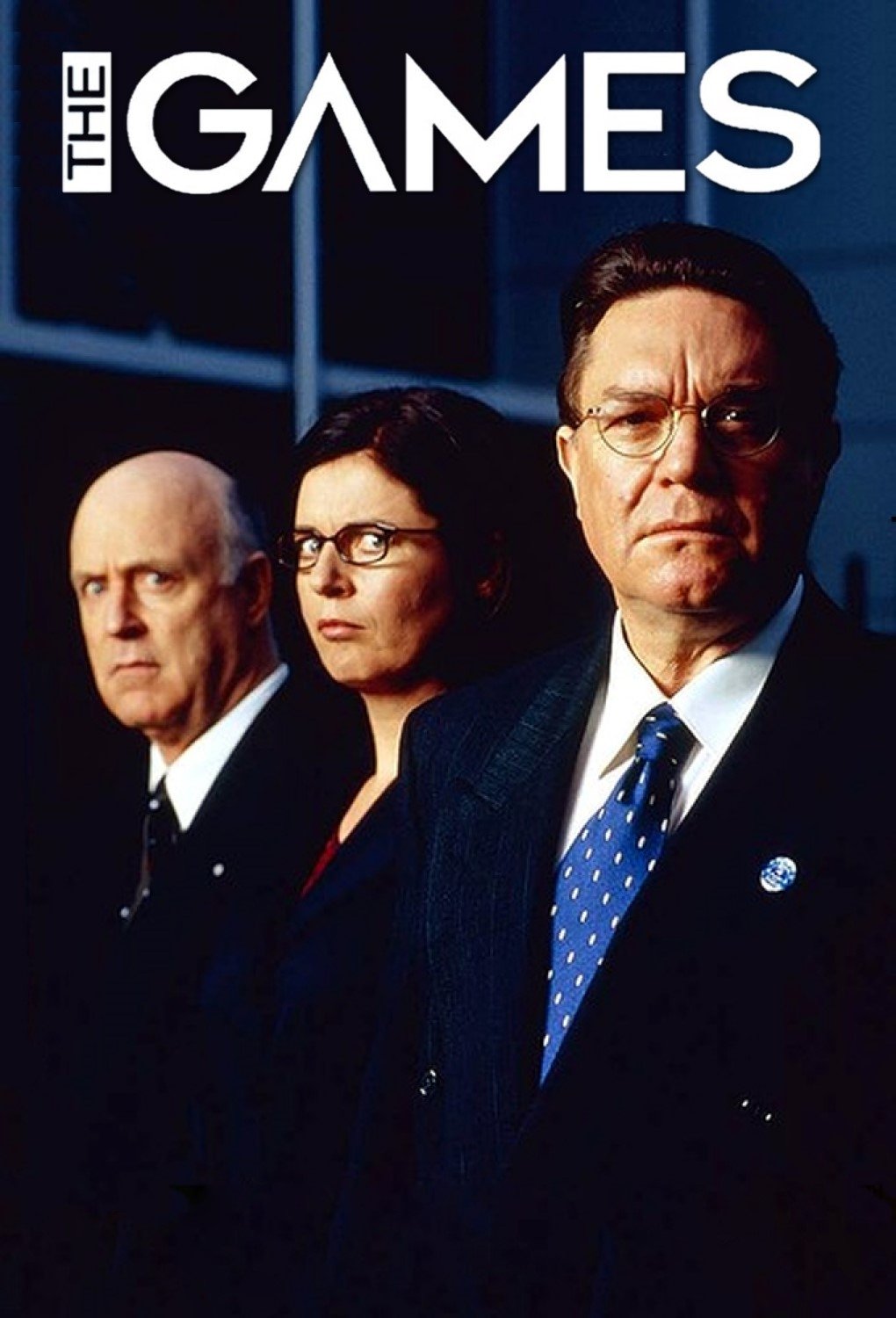
The Games was an Australian mockumentary television series about the 2000 Summer Olympics in Sydney. The series was originally broadcast on the ABC and had two seasons of 13 episodes each, the first in 1998 and the second in 2000. 'The Games' starred satirists John Clarke and Bryan Dawe along with Australian comedian Gina Riley and actor Nicholas Bell. It was written by John Clarke and Ross Stevenson. The series centred on the Sydney Organising Committee for the Olympic Games and satirised corruption and cronyism in the Olympic movement, bureaucratic ineptness in the New South Wales public service, and unethical behaviour within politics and the media. An unusual feature of the show was that the characters shared the same name as the actors who played them, to enhance the illusion of a documentary on the Sydney Games.
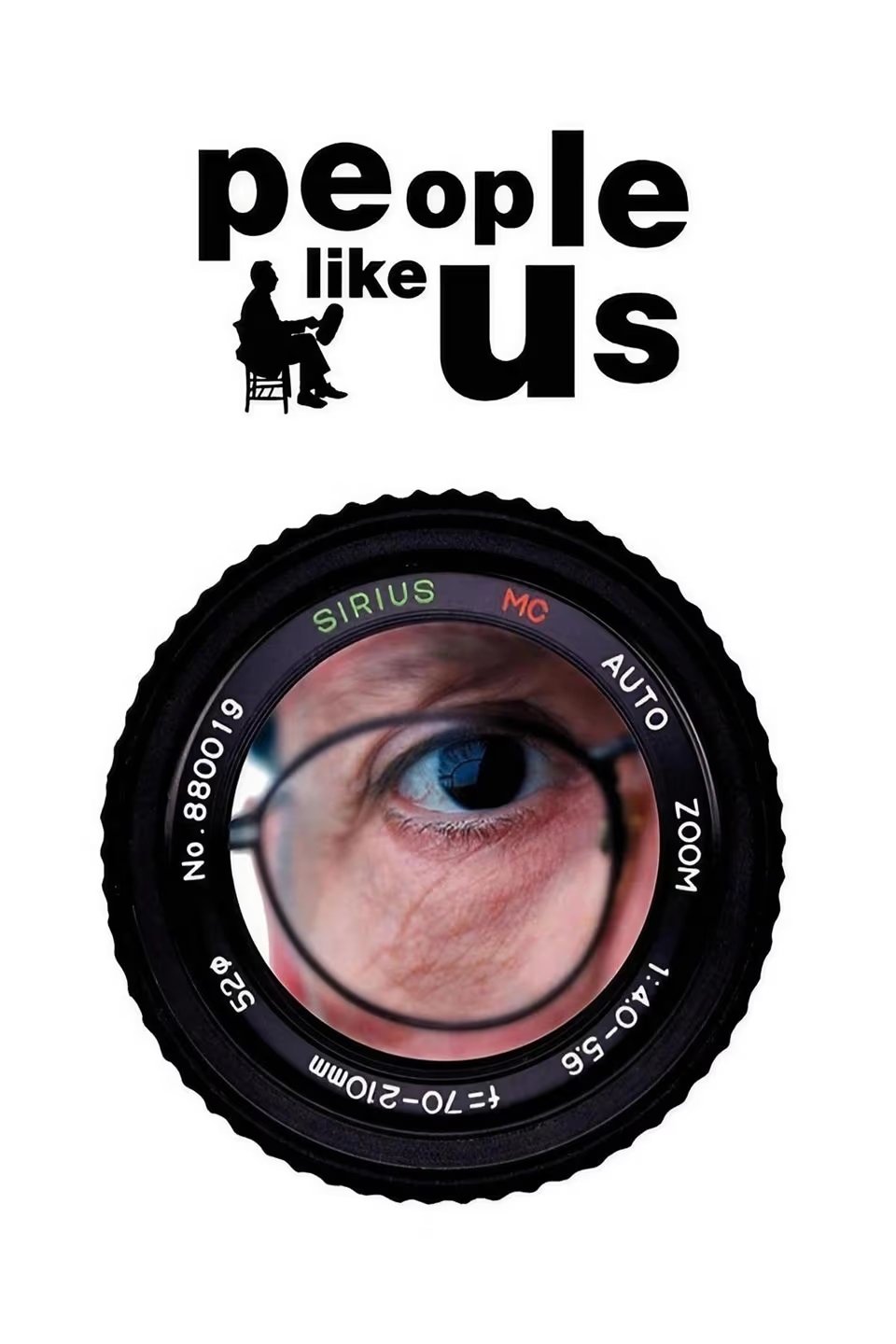
People Like Us was a British radio and TV comedy programme, a spoof on-location documentary written by John Morton, and starring Chris Langham as Roy Mallard, an inept interviewer. Originally a radio show for BBC Radio 4 in three series from 1995 to 1997, it was made into a television series for BBC Two that aired from September 1999 to June 2000.
Is It Legal? is a British television sitcom set in a solicitors office in Hounslow, west London, which ran from 1995 to 1998. It was produced by Hartswood Films and was shown on ITV for Series 1-2 and Channel 4 for Series 3. It was written by Simon Nye, who also wrote other ITV sitcoms such as Men Behaving Badly and Hardware.
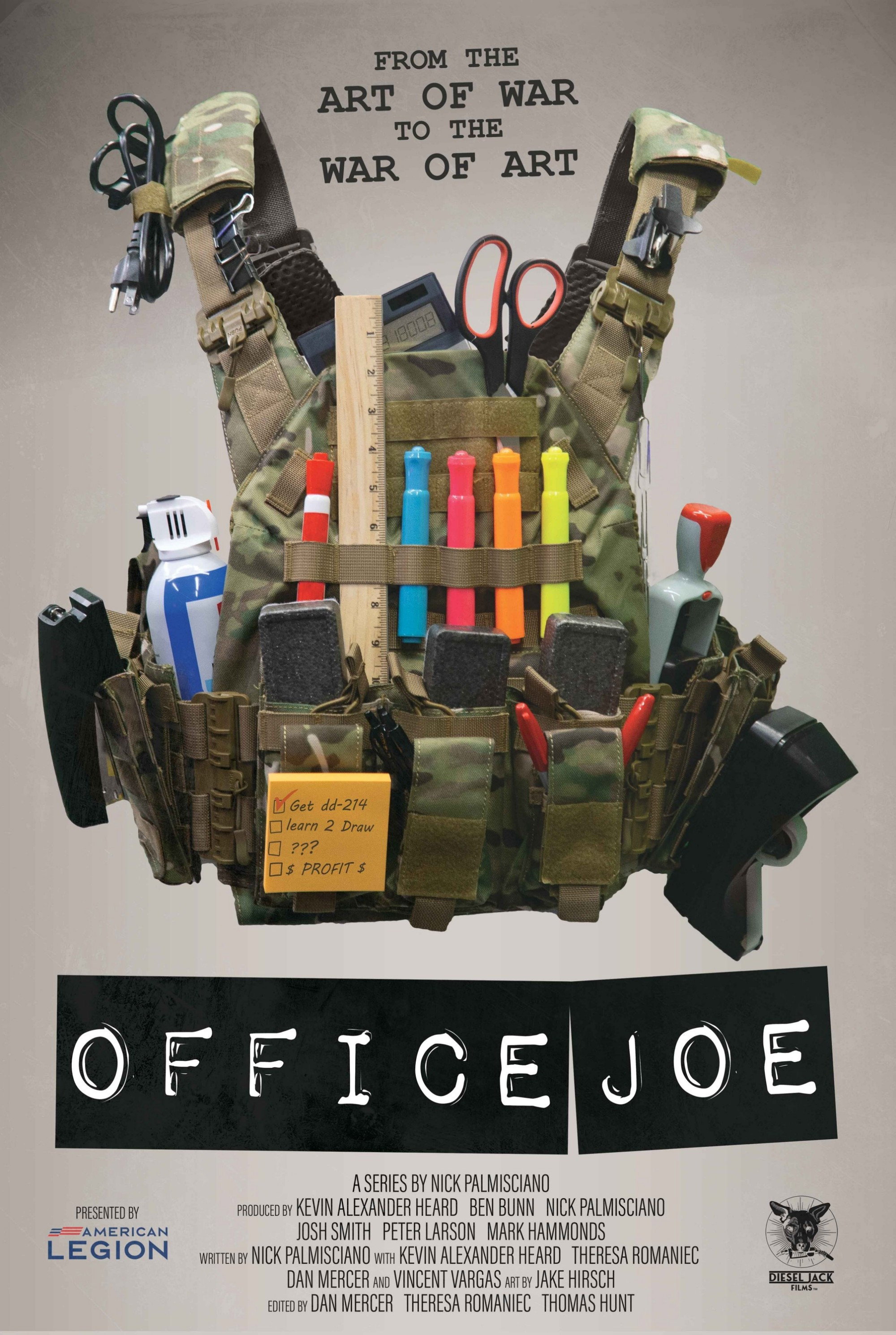
Joe Hauser, an Army Infantry Sergeant, gets his DD214, the document that means he is now a civilian. With his newfound freedom in hand, he drives across the country to start a job as a graphic designer, a skill he perfected by drawing on porta potties across multiple combat zones. Fresh out of the military and never having had a civilian job, Joe hilariously finds himself on a quest for the two things that every military veteran searches for when they get out: Tribe and Purpose, as well as the one thing every human seeks: Love.
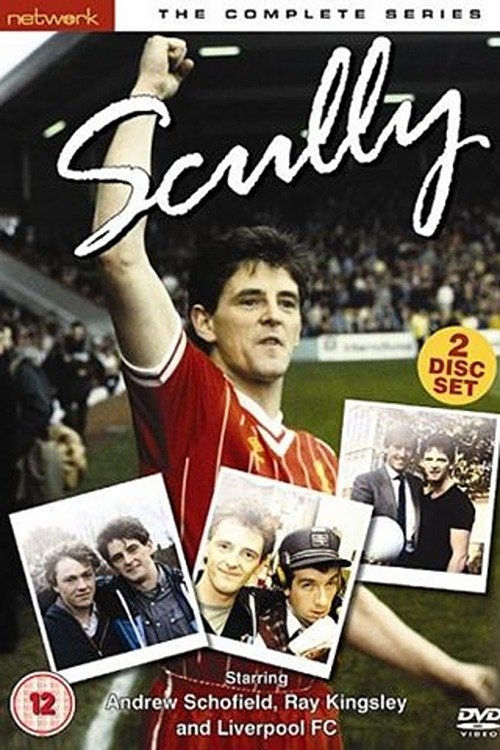
Scully was a British television drama with some comedy elements set in the city of Liverpool, England, that originated from a BBC Play For Today episode "Scully's New Years Eve". Originally broadcast on Channel Four in 1984, the single series was spread over six half-hour episodes plus a one-hour final episode. It was written by playwright Alan Bleasdale. The drama is notable for featuring many of the Liverpool football club first-team squad of that era. Francis Scully is a teenage boy who has his heart set on gaining a trial match for Liverpool to hopefully fulfil his ambition of playing for the club. Francis, in everyday situations during his waking hours, occasionally "sees" famous Liverpool players such as Kenny Dalglish when they are not really there. These dream-like sequences recur throughout the episodes. The main plotline is the efforts of Scully's school teachers to persuade Scully to appear in the school pantomime which they attempt by promising him a trial with his beloved Liverpool if he will cooperate. When Scully and his friends are not in school making trouble for the teachers and the school caretaker, they are seen roaming the local streets upsetting the neighbours and getting into trouble with the police. Scully sometimes has visions of the school caretaker appearing as a vampire due to the caretaker's nickname being Dracula. These frequent waking dream sequences give the show a somewhat surreal atmosphere.
Set in the year 2031, this mockumentary looks back at events that ostensibly happened during the first 30 years of the 21st century. The series follows a format that co-creator Armando Iannucci previously used in his satirical year-in-review programme '2004: The Stupid Version'.
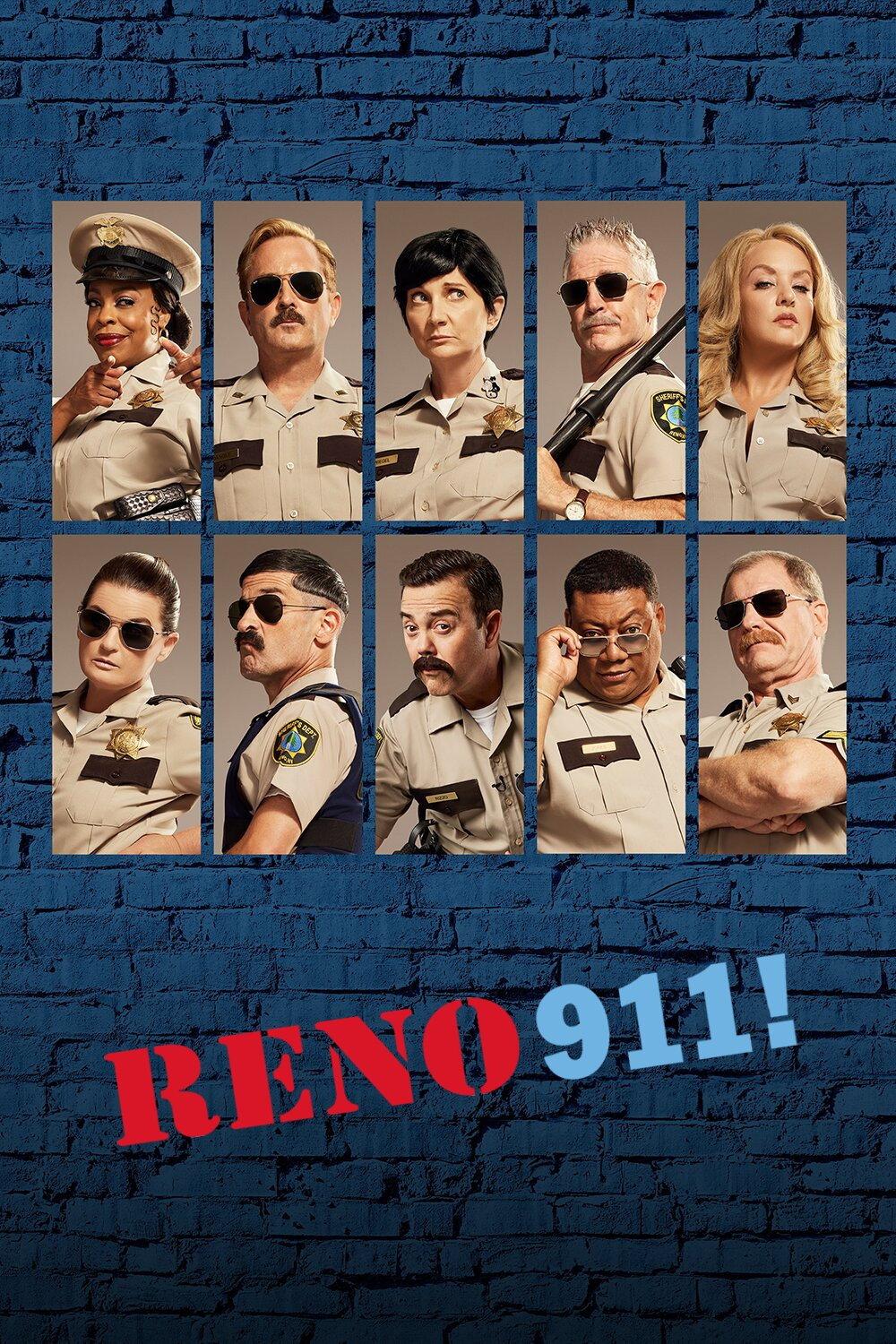
This partially unscripted comedy brings viewers into the squad car as incompetent officers swing into action, answering 911 calls about everything from speeding violations and prostitution to staking out a drug den. Within each episode, viewers catch a "fly on the wall" glimpse of the cops' often politically incorrect opinions, ranging from their personal feelings to professional critiques of their colleagues.
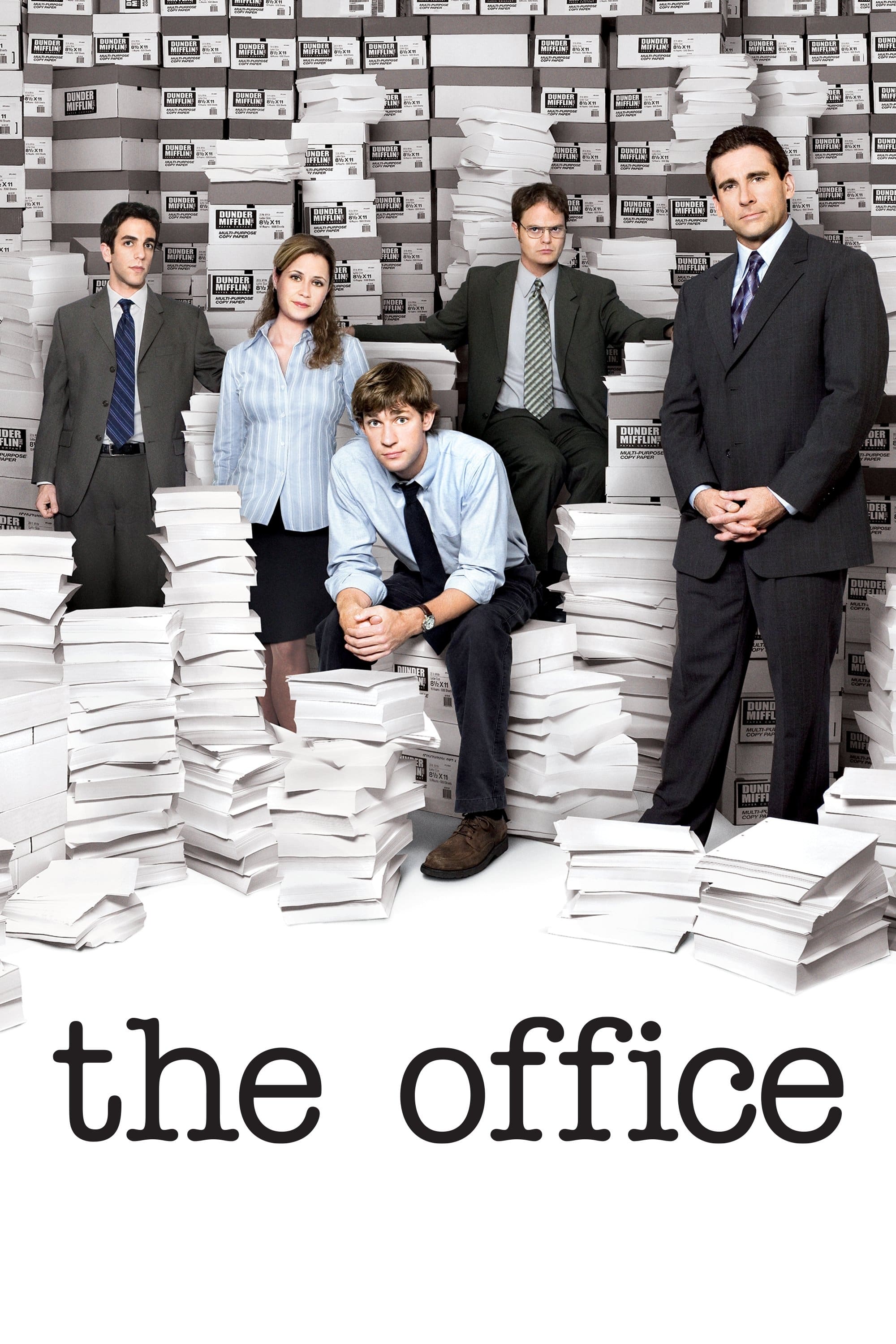
The everyday lives of office employees in the Scranton, Pennsylvania branch of the fictional Dunder Mifflin Paper Company.
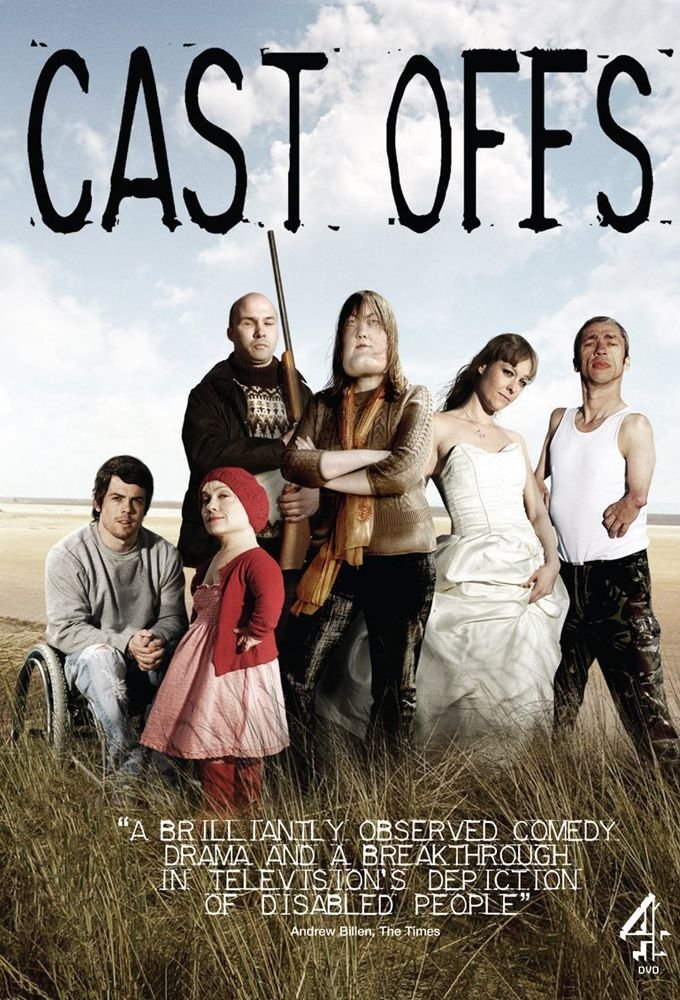
Cast Offs is a BAFTA-nominated dramedy mockumentary that follows a group of six disabled people sent to a remote British Island for a fictional reality show. The series is made up of six episodes, with each episode concentrating on one of the six characters. It follows each character for the year leading up to them being dropped off on the island and also the happenings on the island when they are left to fend for themselves.
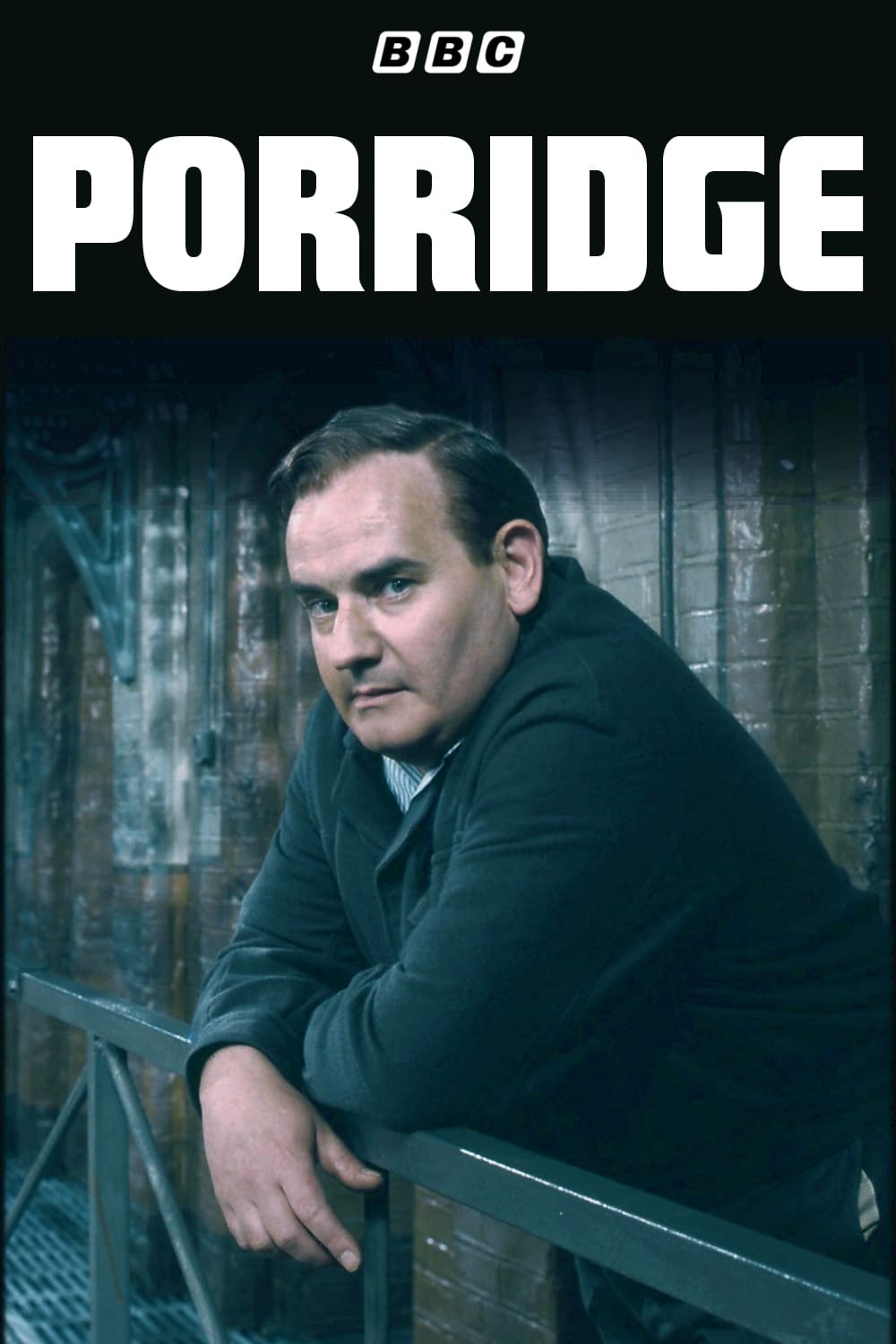
Porridge is a British situation comedy broadcast on BBC1 from 1974 to 1977, running for three series, two Christmas specials and a feature film also titled Porridge. Written by Dick Clement and Ian La Frenais, it stars Ronnie Barker and Richard Beckinsale as two inmates at the fictional HMP Slade in Cumberland. "Doing porridge" is British slang for serving a prison sentence, porridge once being the traditional breakfast in UK prisons. The series was followed by a 1978 sequel, Going Straight, which established that Fletcher would not be going back to prison again. Porridge was voted number seven in a 2004 BBC poll of the 100 greatest British sitcoms.
In 1988, renegade filmmaker Robert Altman and Pulitzer Prize–winning Doonesbury cartoonist Garry Trudeau created a presidential candidate, ran him alongside the other hopefuls during the primary season, and presented their media campaign as a cross between a soap opera and TV news. The result was the groundbreaking Tanner ’88, a piercing satire of media-age American politics.
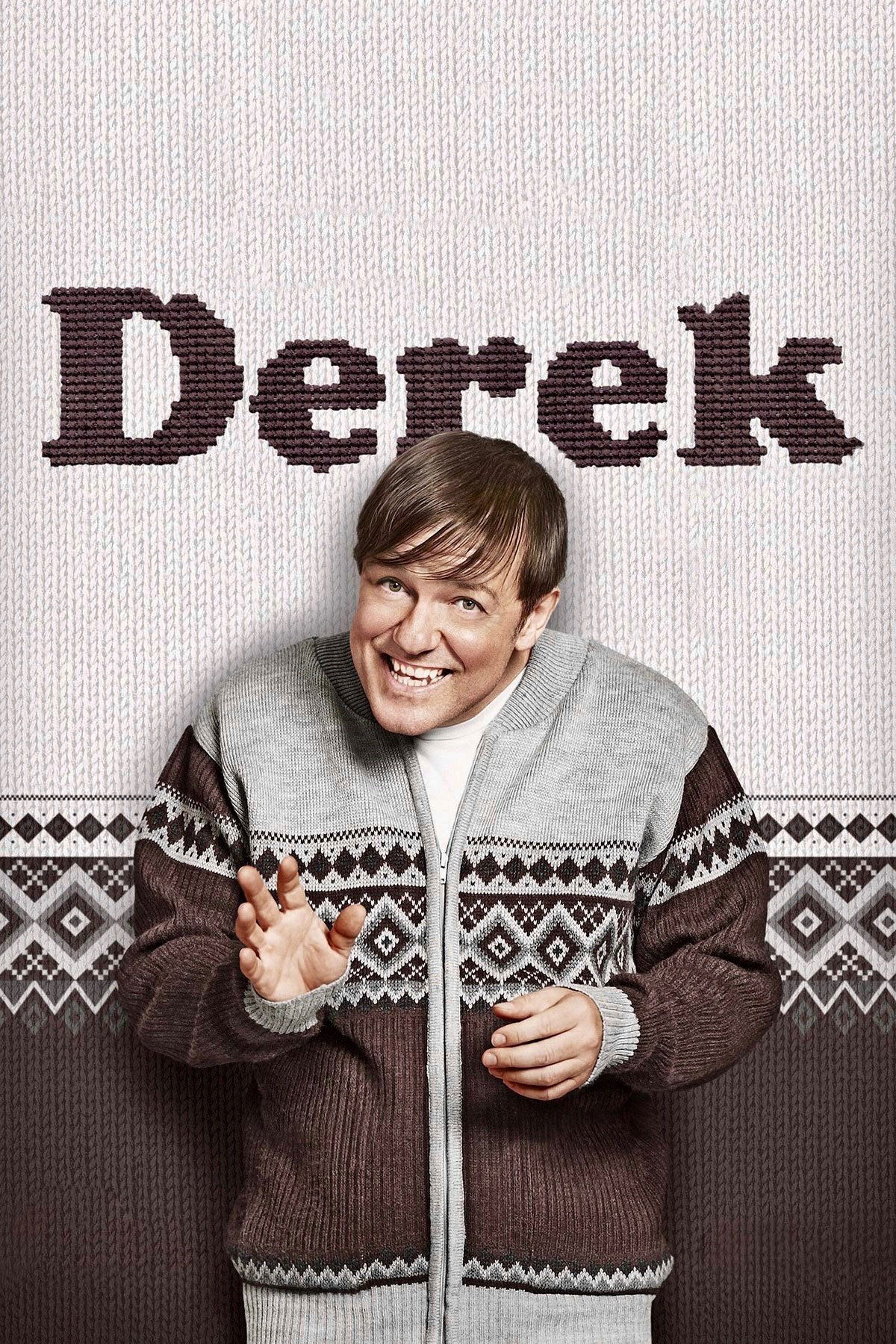
Derek is a loyal nursing home caretaker who sees only the good in his quirky co-workers as they struggle against prejudice and shrinking budgets to care for their elderly residents.
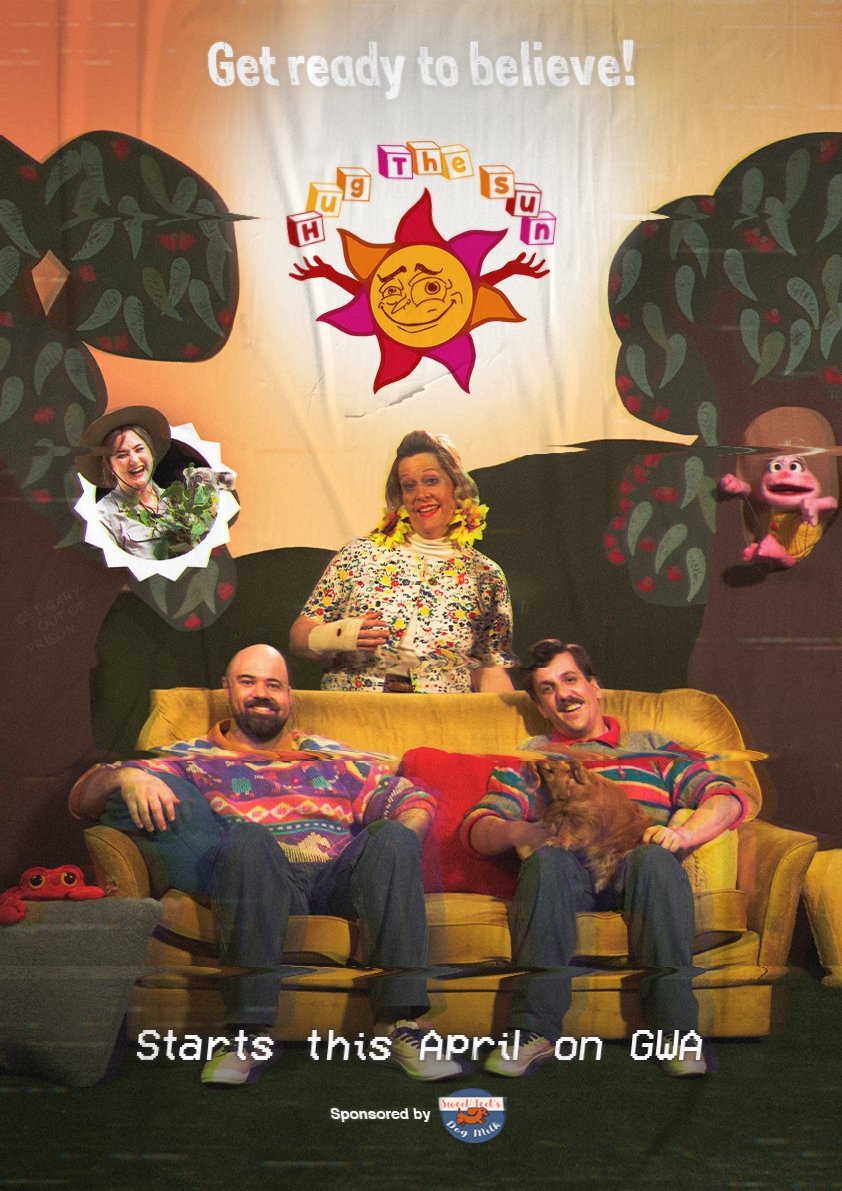
BJ, Trent, Linda and (occasionally) Trina host Australia's favourite religious variety hour that is most certainly NOT for children. Praise Oxtos.
For Valerie Cherish, no price is too high to pay for clinging to the spotlight. Desperate to revive her career, she agrees to star in a reality TV series, allowing cameras to follow her every move as she lands a part on a new network sitcom.
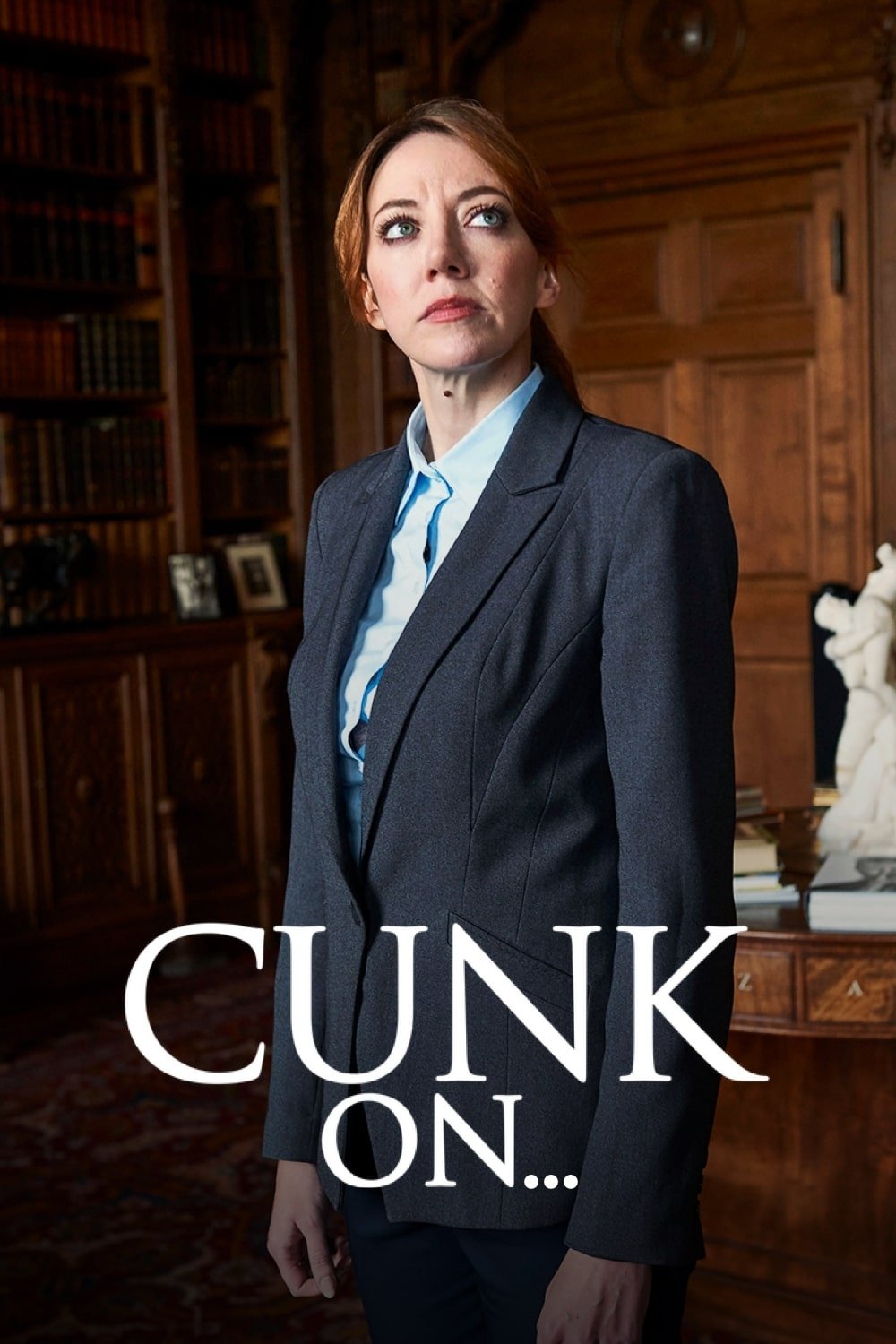
Landmark mockumentary-maker Philomena Cunk traces the history of Britain, Earth, and cinema.
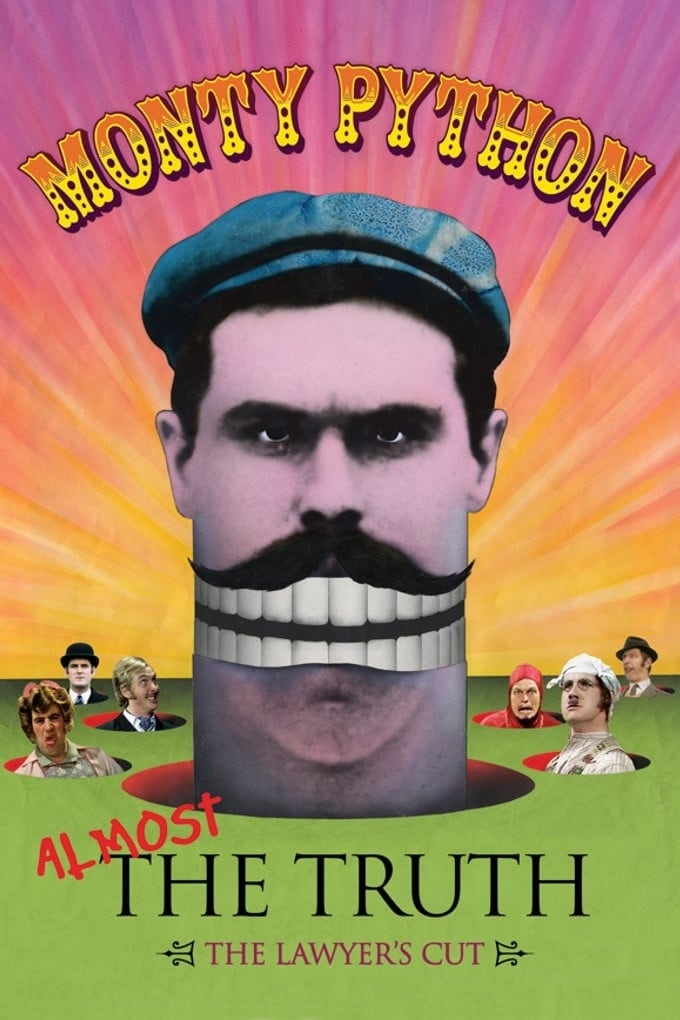
A 2009 television documentary series in six parts that covers 40 years of the surreal comedy group Monty Python, from Flying Circus to present day projects such as the musical Spamalot. The series highlights their childhood, schooling and university life, and pre-Python work. The series featured new interviews with surviving members John Cleese, Terry Gilliam, Eric Idle, Terry Jones and Michael Palin, alongside archive interview footage of Graham Chapman and interviews with several associates of the Pythons, including Carol Cleveland, Neil Innes and Chapman's partner David Sherlock, along with commentary from modern comedians.
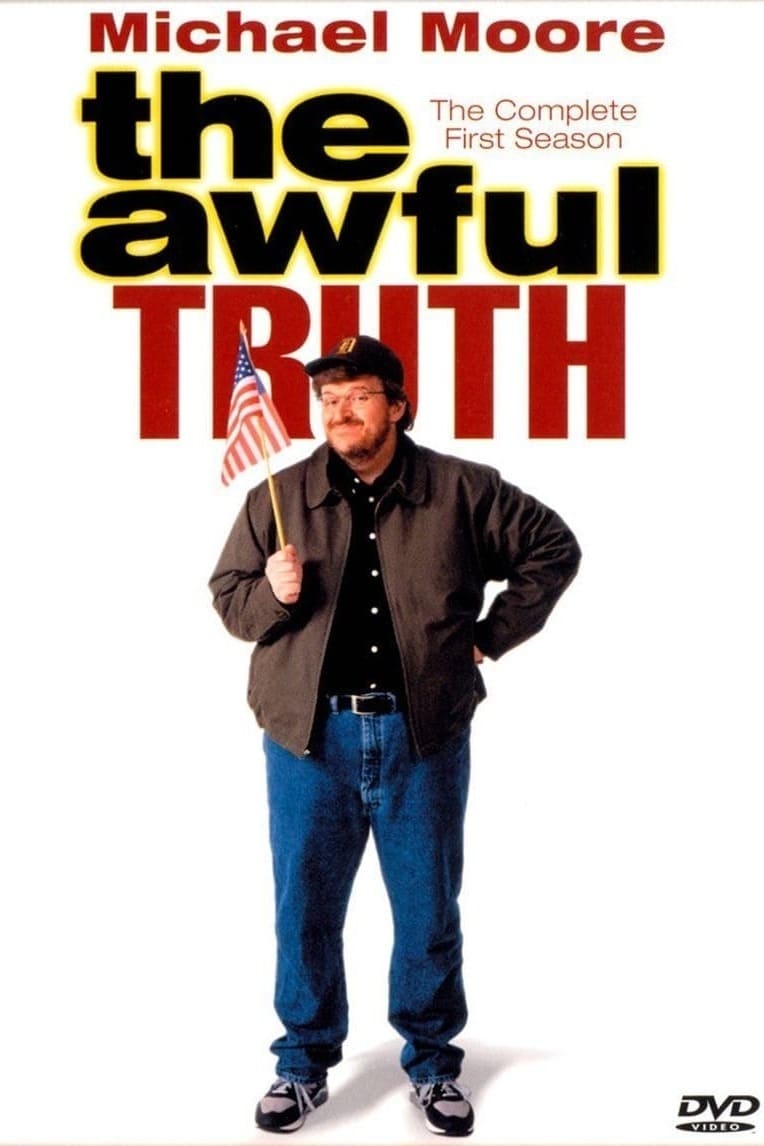
The Awful Truth is a satirical television show that was directed, written, and hosted by filmmaker Michael Moore, and funded by the British broadcaster Channel 4.
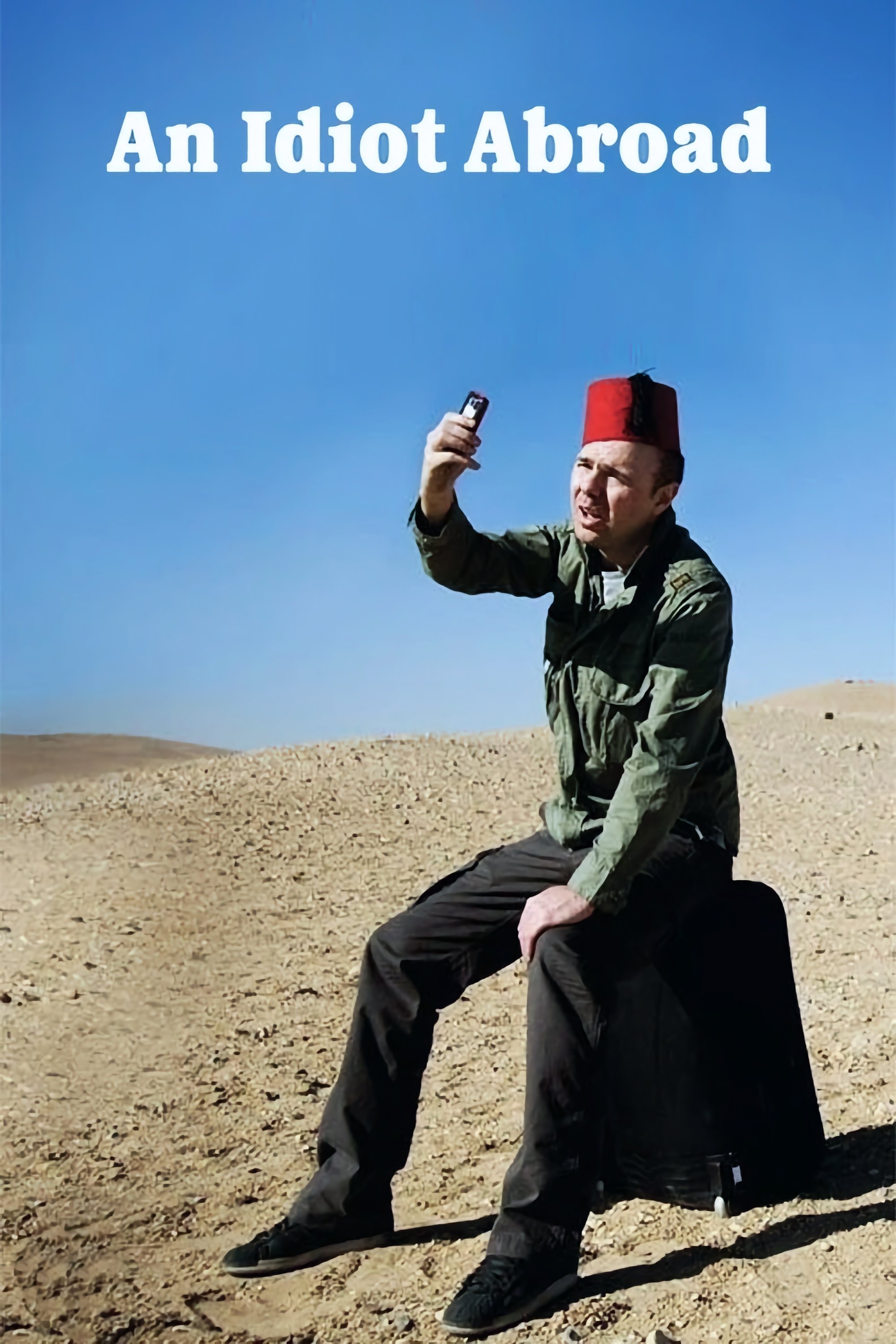
An Idiot Abroad is a British travel documentary television series broadcast on Sky1 and Science, as well as spin-off books published by Canongate Books, created by Ricky Gervais and Stephen Merchant and starring Karl Pilkington. The ongoing theme of both the television series and the books is that Pilkington has no interest in global travel, so Merchant and Gervais make him travel while they stay in the United Kingdom and monitor his progress.
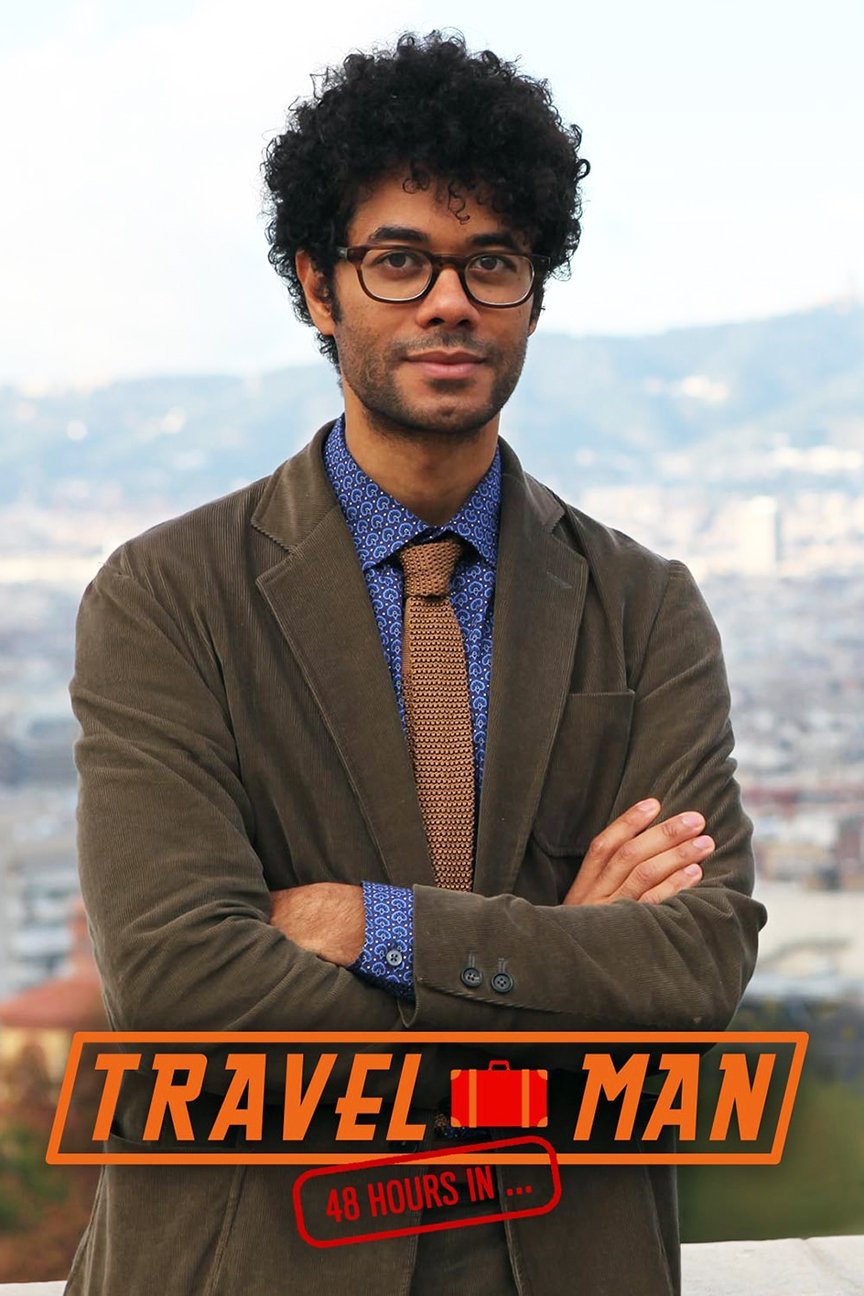
British comedian Richard Ayoade (later taken over by Joe Lycett), accompanied by a celebrity guest, takes a ruthlessly efficient approach to travel, covering everything top tourist destinations have to offer in just 48 hours.
This daring original series stars postmodern bad boys of magic Penn & Teller as they question many of our culture's most cherished and widely held beliefs. From the truth about palm readings and TV psychics to the reality behind Feng Shui and Ouija boards, the archly comic masters of misdirection host this eye-opening analysis of the middle-ground between perception and reality.
Host Adam Conover employs a combination of comedy, history and science to dispel widespread misconceptions about everything we take for granted.
Consistently stunning documentaries transport viewers to far-flung locations ranging from the torrid African plains to the chilly splendours of icy Antarctica. The show's primary focus is on animals and ecosystems around the world. A comic book based on the show, meant to be used an as educational tool for kids, was briefly distributed to museums and schools at no cost in the mid-2000s.
Brainiac is The Alternative science series that shows you the experiments you were never allowed to do in school. Richard Hammond aims to answer the scientific questions that have been bothering us all such as what you shouldn't put in a microwave and Do mobile phones really cause explosions in petrol stations.
Doctor Who Confidential is a documentary to complement the revival of the long-running British science fiction television series Doctor Who. Each episode was broadcast on BBC Three on Saturdays, immediately after the broadcast of the weekly television episode on BBC One. The running time of the first two series was 30 minutes, being extended to 45 minutes in the third. BBC Three also broadcast a cut-down edition of the programme, lasting 15 minutes, shown after the repeats on Sundays and Fridays and after the weekday evening repeats of earlier seasons.
How TV Ruined Your Life is a six-episode BBC Two television series written and presented by Charlie Brooker. Charlie Brooker, whose earlier TV-related programmes include How to Watch Television, Charlie Brooker's Screenwipe and You Have Been Watching, examines how the medium has bent reality to fit its own ends. Produced by Zeppotron, the series aired its first episode in January 2011.
With a construction crew, a legion of actors, and seemingly unlimited resources, Nathan Fielder allows ordinary people to prepare for life's biggest moments by "rehearsing" them in carefully crafted simulations of his own design. When a single misstep could shatter your entire world, why leave life to chance?
Self-proclaimed business expert, writer, director and comedian Nathan Fielder helps real small businesses turn a profit with marketing tactics that no ordinary consultant would dare to attempt. From driving foot traffic to an off-the-strip souvenir shop by using Hollywood flair and a Johnny Depp impersonator, to creating a rebate that can only be redeemed by climbing a mountain, to founding a coffee shop called "Dumb Starbucks,” Nathan has always gone to the limit to make his ideas come to life. With his unorthodox approach to problem solving, Nathan’s genuine efforts to do good often draw the real people he encounters into an experience far beyond what they signed up for.
Filmed across six continents, this docuseries uses cutting-edge camera technology to capture animals' nocturnal lives, revealing new behaviours filmed in full color like never before.
Infographics and archival footage deliver bite-size history lessons on scientific breakthroughs, social movements and world-changing discoveries.
30 for 30 is the title for a series of documentary films airing on ESPN, its sister networks, and online highlighting interesting people and events in sports history. This currently includes four "volumes" of 30 episodes each, a 13-episode series under the ESPN Films Presents title in 2011–2012, and a series of 30 for 30 Shorts shown through the ESPN.com website. The series has also expanded to include Soccer Stories, which aired in advance of the 2014 FIFA World Cup, and audio podcasts. This entry refers to the main Volumes of the series presented by ESPN
Natural World is a nature documentary television series broadcast annually on BBC Two and regarded by the BBC as its flagship natural history brand. It is currently the longest-running series in its genre on British television, with more than 400 episodes broadcast since its inception in 1983. Natural World is produced by the BBC Natural History Unit in Bristol, but individual programmes can be in-house productions, collaborative productions with other broadcasters or films made and distributed by independent production companies and purchased by the BBC. Natural World programmes are often broadcast as PBS Nature episodes in the USA. Since 2008, most Natural World programmes have been shot and broadcast in high definition.
Biography is a documentary television series. It was originally a half-hour filmed series produced for CBS by David Wolper from 1961 to 1964 and hosted by Mike Wallace. The A&E Network later re-ran it and has produced new episodes since 1987. The older version featured historical figures such as Helen Keller and Mark Twain, or long-dead entertainment figures such as Will Rogers or John Barrymore. The A&E series has placed the emphasis on such people as Marilyn Monroe, Elvis Presley, Plácido Domingo, Freddie Mercury, Jacqueline Kennedy Onassis, Eric Clapton, Pope John Paul II, Gene Tierney, Selena, Diego Rivera, Mao Zedong and Queen Elizabeth II, and fictional characters like The Phantom, Superman, Hamlet, Betty Boop, and Santa Claus. The program ended up profiling enough figures that in 1999, A&E spun it off into an entire network, The Biography Channel.
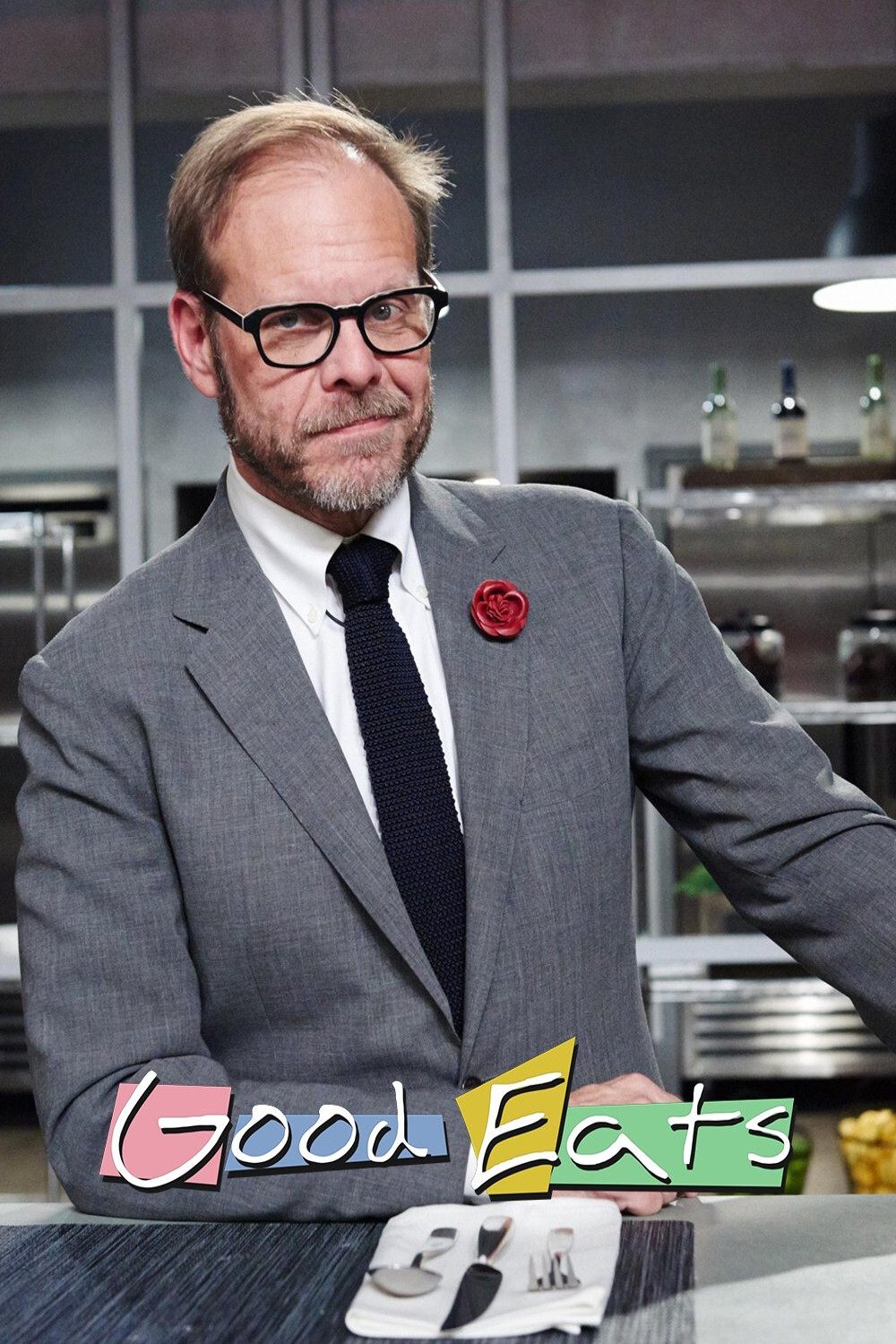
Host Alton Brown explores the origins of ingredients, decodes culinary customs and presents food and equipment trends. Punctuated by unusual interludes, simple preparations and unconventional discussions, he'll bring you food in its finest and funniest form.
The documentary takes viewers through Janet Jackson's life and career, contain never-before-seen footage, and feature home videos from the legendary artist. Jackson discusses her controversial 2004 Super Bowl halftime show performance with Justin Timberlake, her father Joe Jackson, the death of her brother Michael Jackson, and more.