"Die Deutsche Wochenschau" was a unified newsreel series released in the cinemas of Nazi Germany. The coordinated newsreel production was set up as a vital instrument for the mass distribution of Nazi propaganda at war.
Social & External
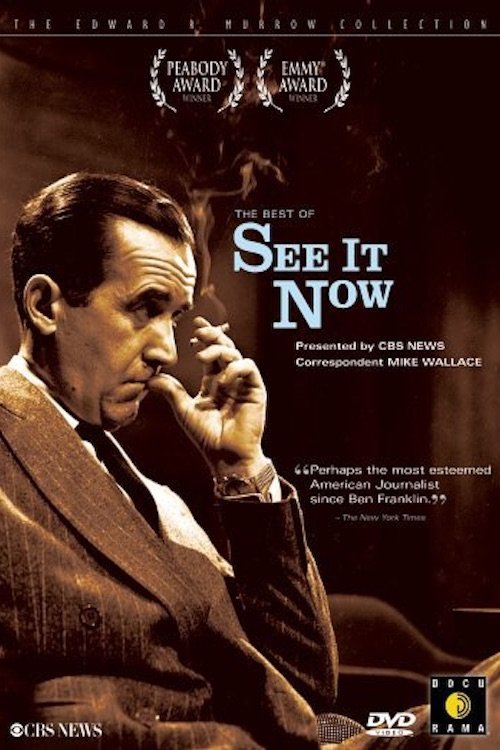
See It Now is an American newsmagazine and documentary series broadcast by CBS from 1951 to 1958. It was created by Edward R. Murrow and Fred W. Friendly, Murrow being the host of the show. From 1952 to 1957, See It Now won four Emmy Awards and was nominated three other times. It also won a 1952 Peabody Award, which cited its
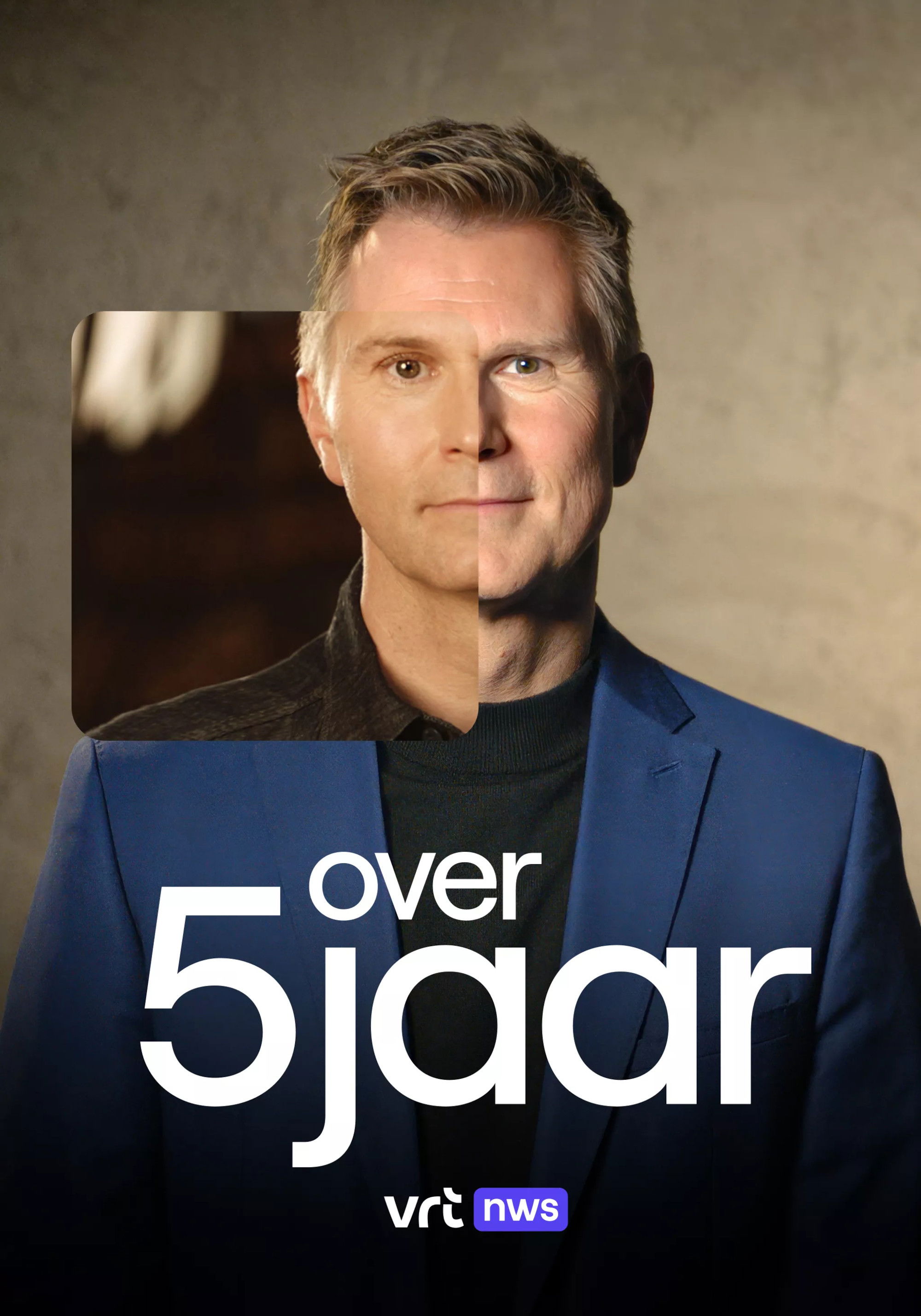
What do you think the world will look like in five years? And how do you think you'll be doing in five years? These provocative questions form the basis of Over 5 Jaar (Over 5 Years), a program produced only every five years. Five years ago, Wim De Vilder visited nine well-known and interesting Flemish people at their homes or workplaces. And he asked them to look into the future, five years ahead. Not easy. The interviews from back then were hidden away for five years. No one could see them. A reason for the guests to really let their guard down. Now, Wim De Vilder confronts the guests with their own predictions.
Comedian Guy Williams presents a spinoff of New Zealand Today, this time looking to the future as he brings his signature sense of humour to investigate some of the challenges facing Aotearoa.
A one-hour series showcasing documentary films from across the Al Jazeera Network.
This hit podcast turned TV show features four of the BBC's wittiest political commentators, bringing you the most digestible explanations of Brexit along with Westminster gossip, trivia, running gags, and daft small-talk.
La grande storia is a historical documentary series aired by Italian public television network Rai 3.
A reality series that chronicles the highs and lows of several restaurants in the competitive New York culinary scene.
"News Treasury" explores historical news events and rarely seen footage, allowing viewers to dig into the news archives. From Bruce Lee's funeral and the Baoshang Bank robbery to Queen Elizabeth II's visit to Hong Kong and the Sha Tin measles outbreak, viewers can relive important moments in history. The show offers a chance to revisit key events that shaped modern Hong Kong.
Online American liberal/progressive political and social commentary program hosted by Cenk Uygur and Ana Kasparian
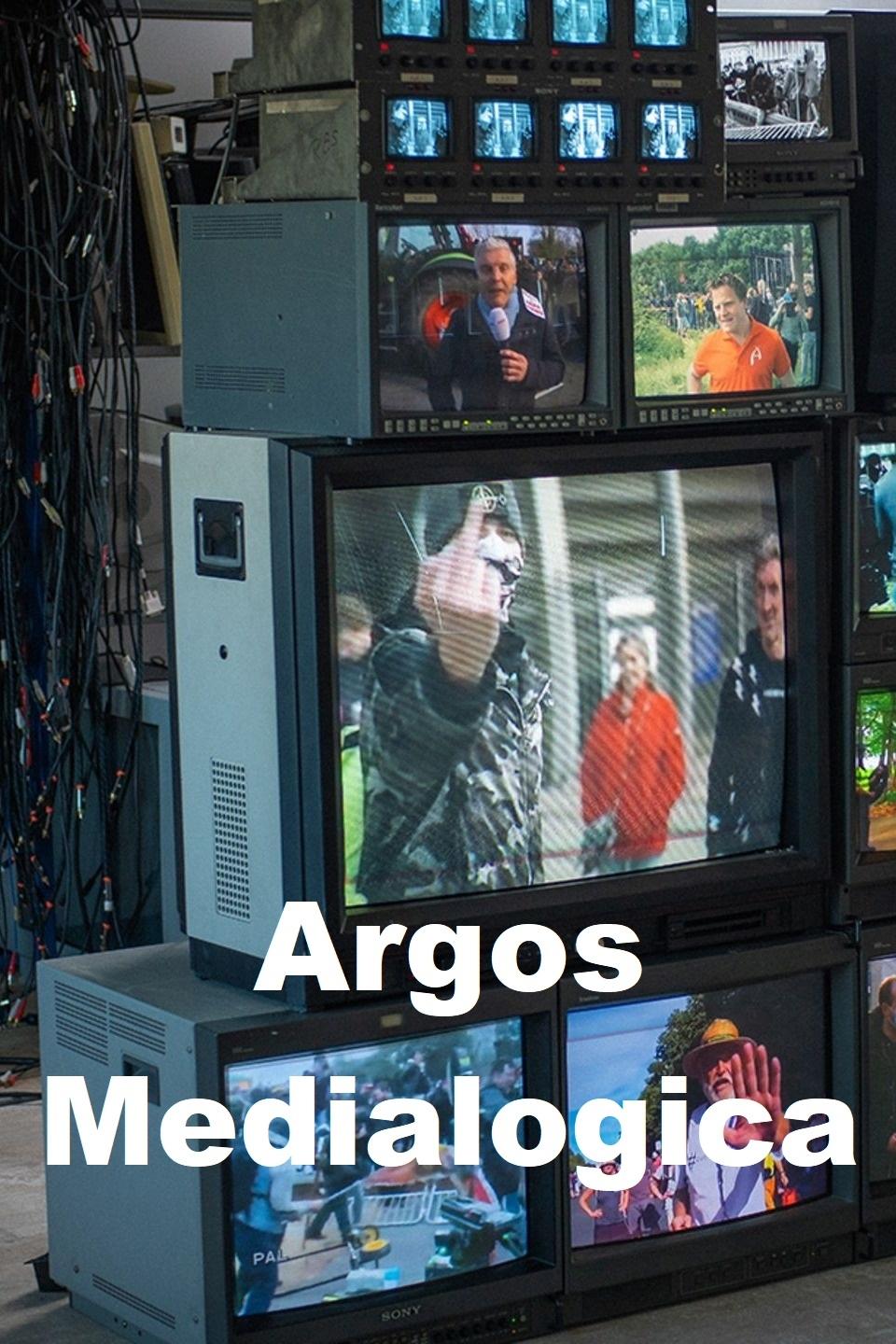
Media logic investigates the difference between image and reality. Media serve as a guide to get a grip on reality. But to what extent are they a reliable guide? How is public opinion formed? And what influence does this have on the actions of administrators, journalists and citizens?
Three rival freelance stringers scour the streets at night to film crime scenes, fires, accidents -- and anything else they can sell to news outlets.
In hour-long, in-depth explorations, CNN hosts examine extraordinary individuals, unexpected events and controversial subjects through interviews, stories, images and videos.
Kontant is the consumer magazine, which every week addresses important issues that affect Danes and their wallets. The editors focus on the consumers' agenda, follow their complaints, come up with good advice, investigate and provide an overview.
This documentary series, made in partnership with Vox, explain some of the world's current trends, from politics, to science to pop culture.
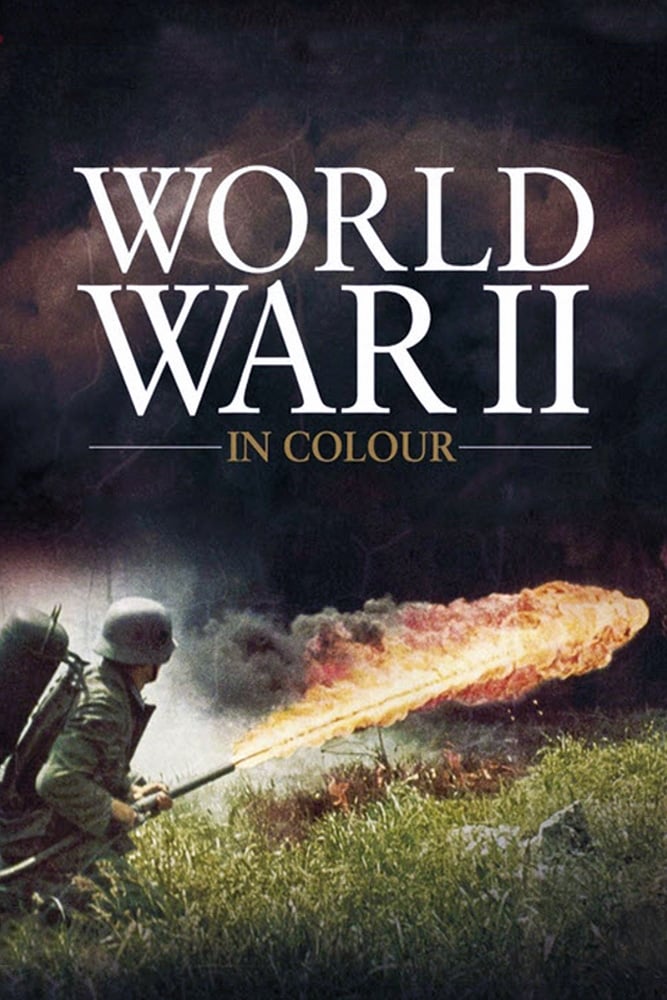
Using highly advanced colourisation techniques, critical moments from World War II, from Stalingrad to The Battle of Britain, are shown in a whole new light.
World War II In Colour is a 13-episode television documentary miniseries recounting the events of World War II narrated by Robert Powell. The show covers the Western Front, Eastern Front, and the Pacific War. It is on syndication in America on the Military Channel. This series is in full color, combining both original and colorized footage.
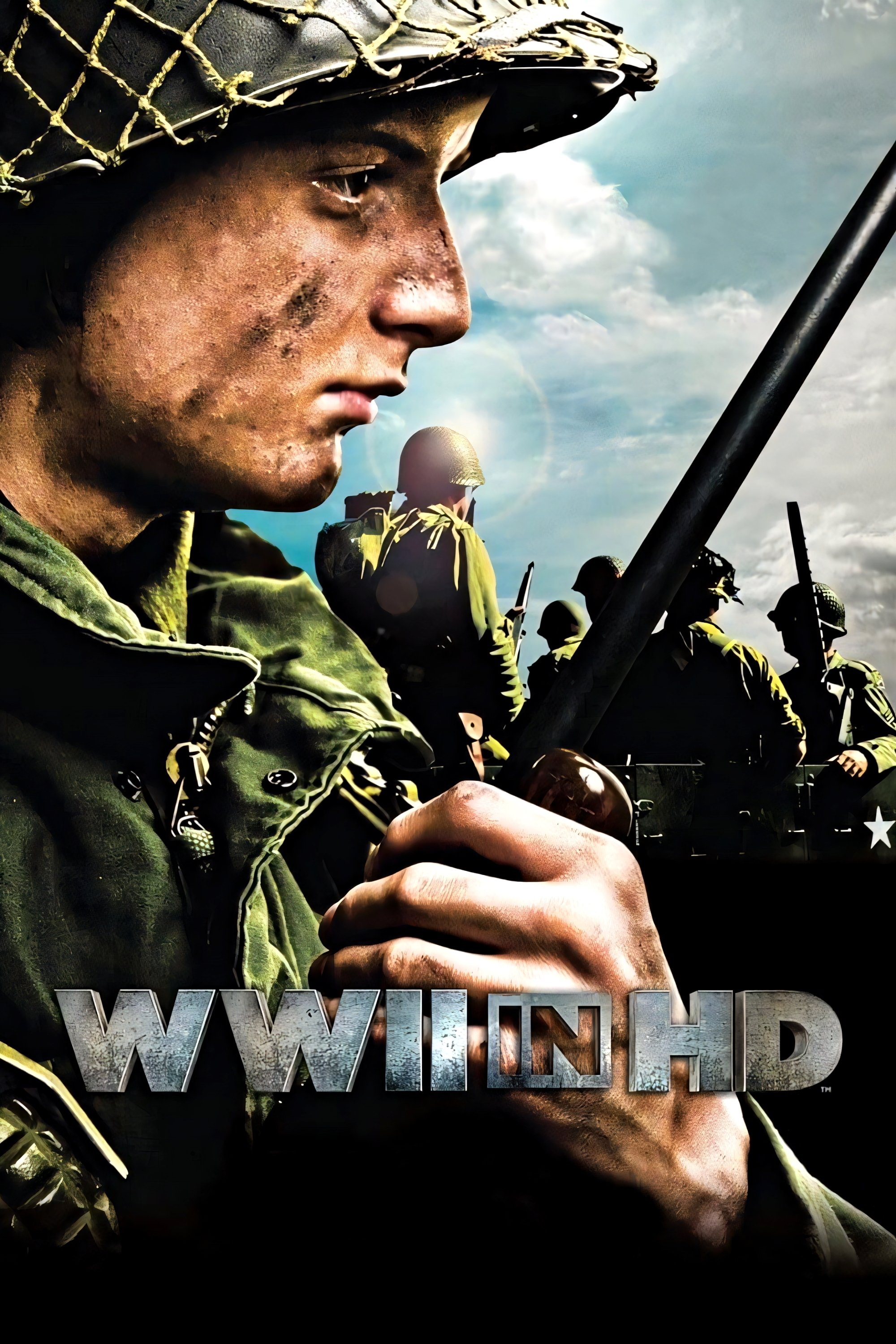
WWII in HD is a 10-part American documentary television miniseries that originally aired from November 15 to November 19, 2009 on the History Channel. The program focuses on the firsthand experiences of twelve American service members during World War II, including an Army nurse, a member of the Tuskegee Airmen, a second generation Japanese American and prisoner of war, and an Austrian Jewish immigrant. The twelve members recorded their time in both theaters and some had later interviews; found footage from the battlefield was paired with the stories of the twelve service members. The episodes premiered on five consecutive days, with two episodes per day. The series is narrated by Gary Sinise and was produced by Lou Reda Productions in Easton, Pennsylvania, United States.
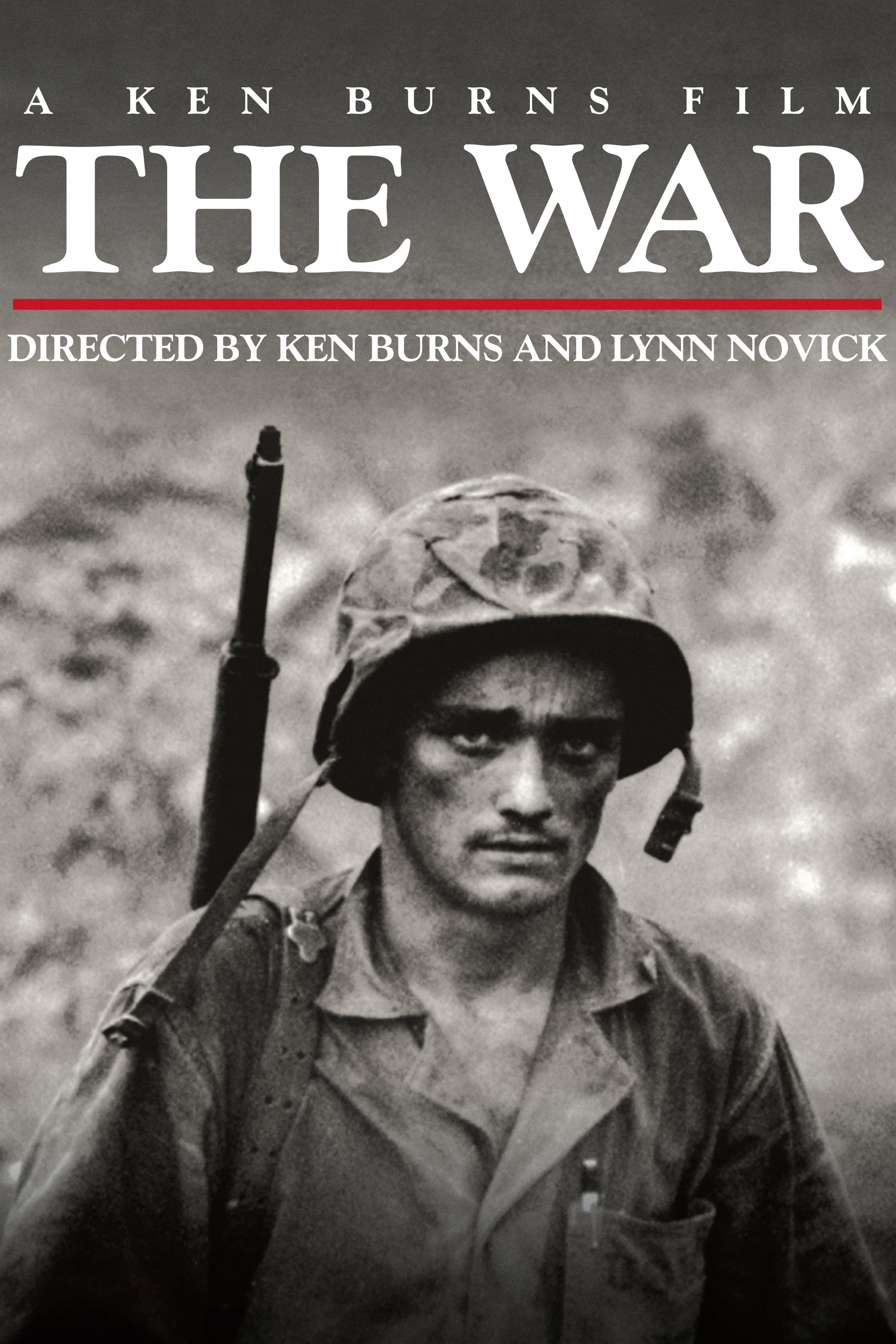
The story of the Second World War through the personal accounts of a handful of men and women from four American towns. The war touched the lives of every family on every street in every town in America and demonstrated that in extraordinary times, there are no ordinary lives.
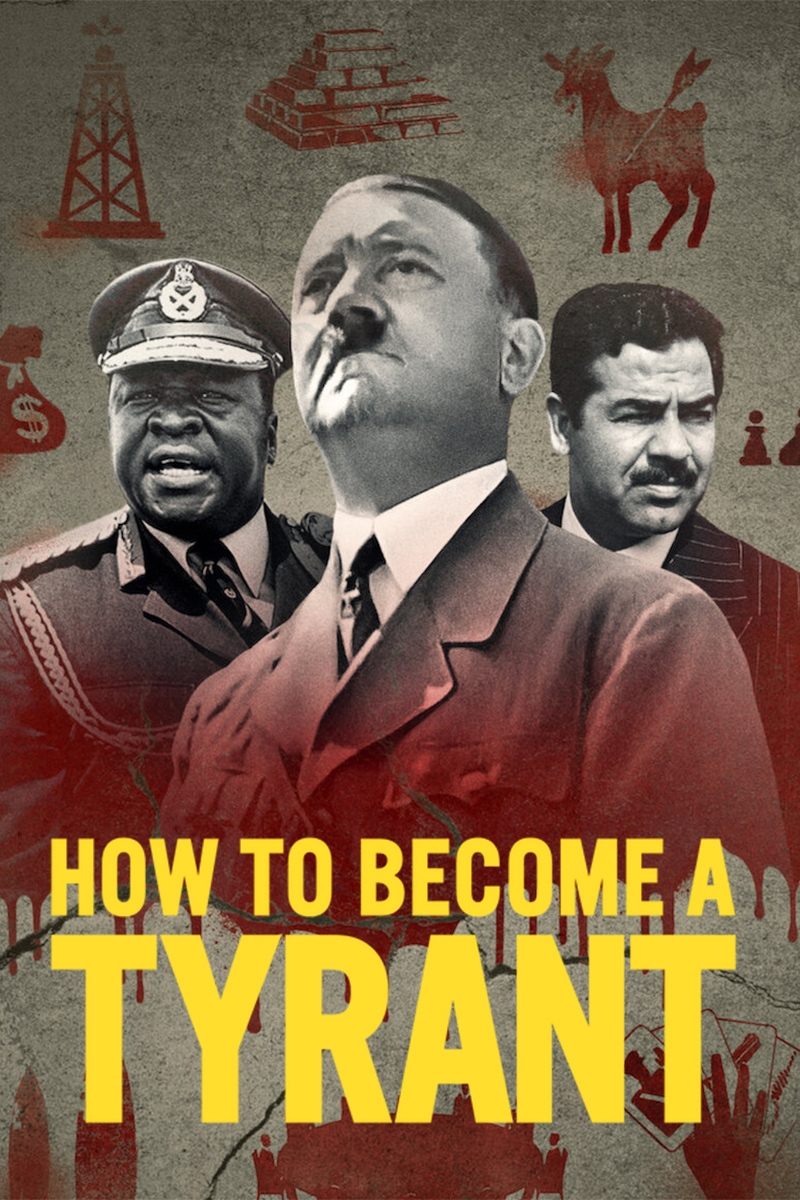
The documentary series explores different political figures throughout history.
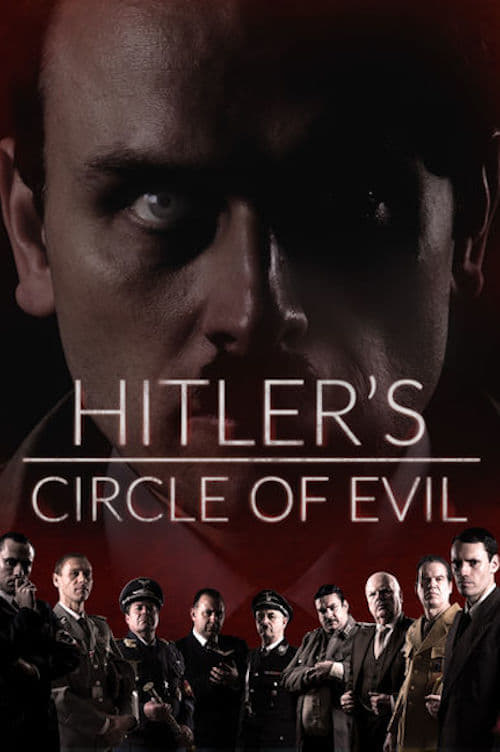
Surviving power struggles, betrayals and plots, Hitler's inner circle of Nazi leaders seizes control of Germany and designs its disastrous future.
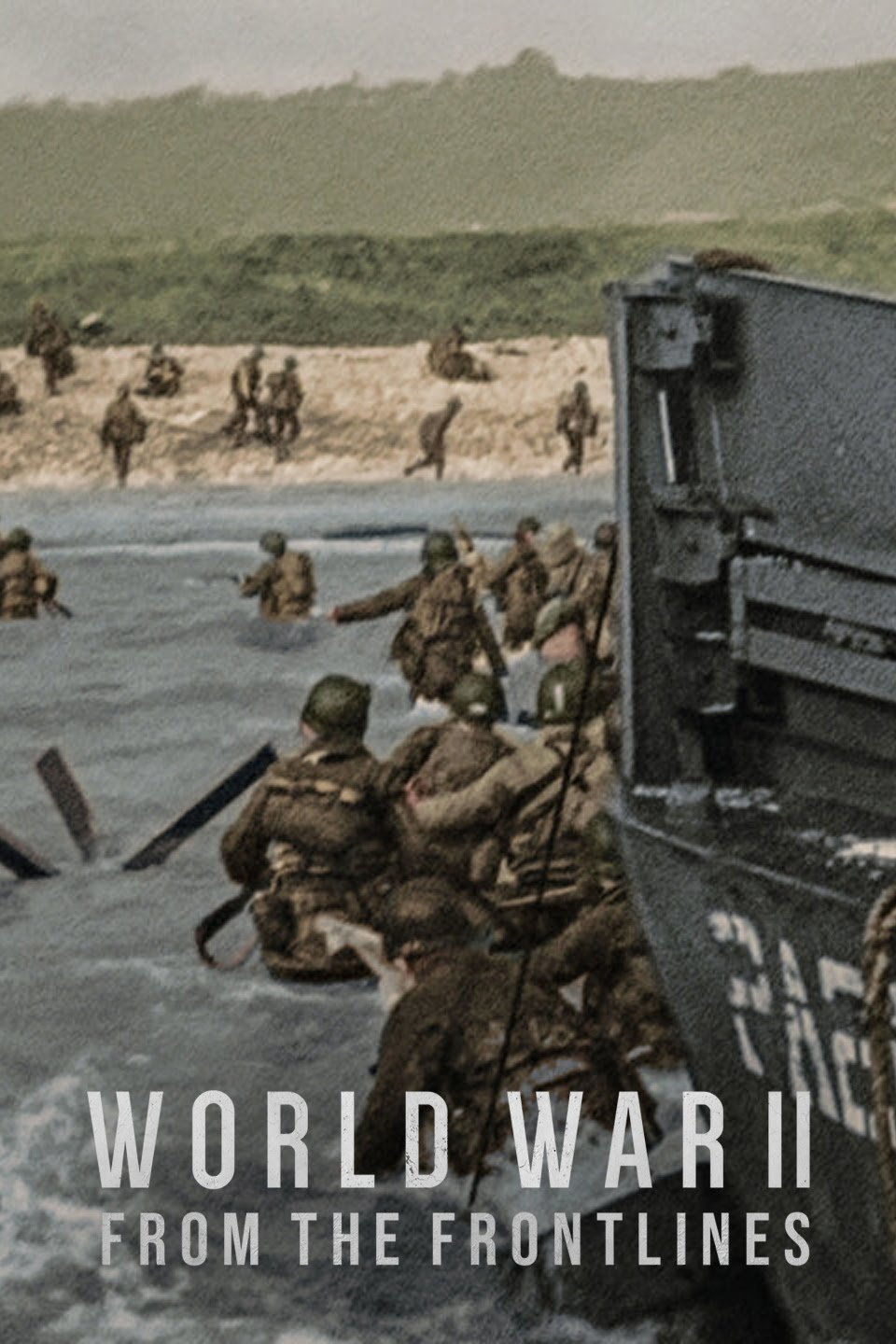
Through vividly enhanced archival footage and voices from all sides of the conflict, this docuseries brings WWII to life like never before.
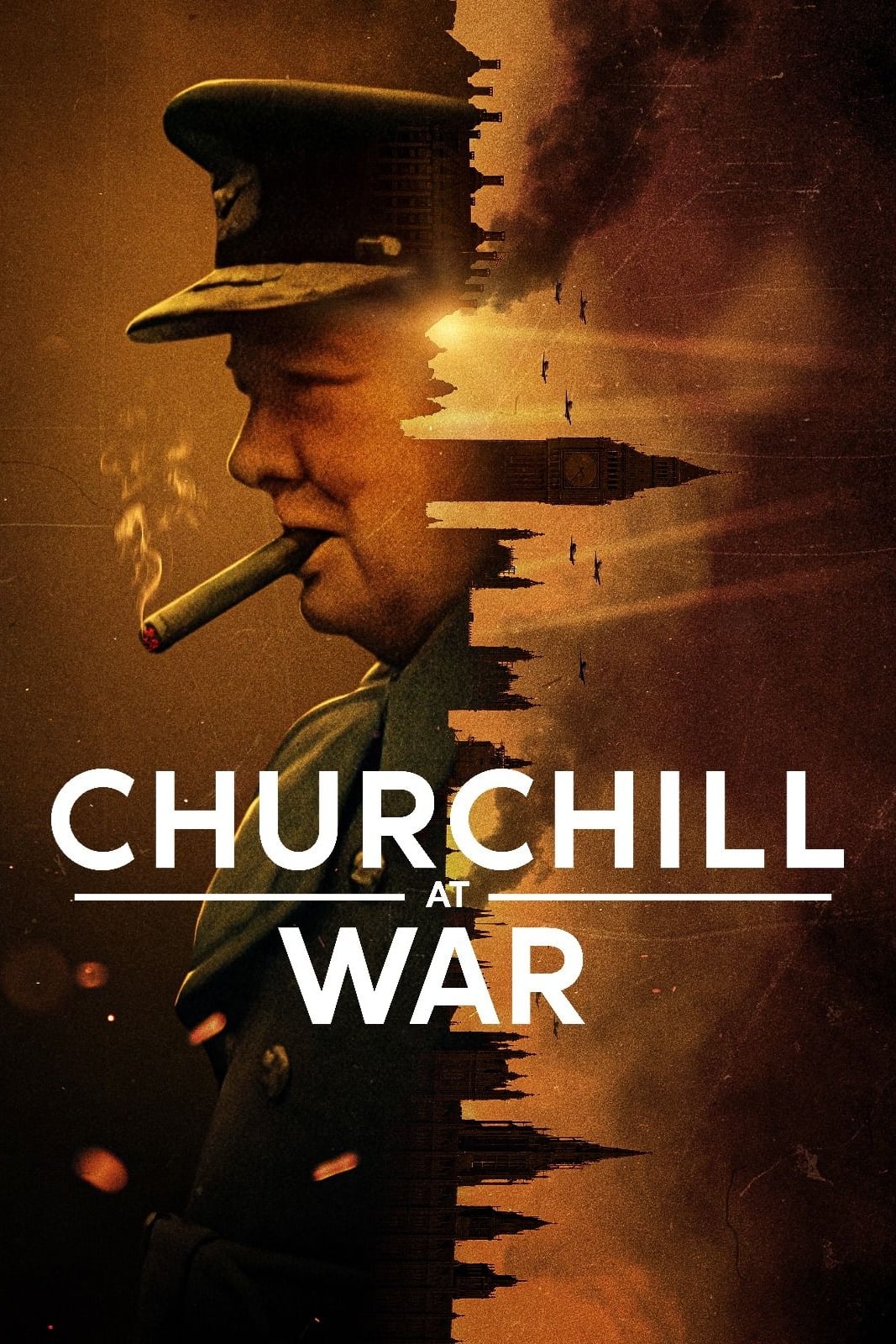
This captivating docuseries examines Winston Churchill's pivotal role in World War II and the formative events that made him an ideal leader for the era.
A documentary series that gives a historical account of the events of World War II, from its roots in the 1920s to the aftermath and the lives it profoundly influenced.
Modern history can be divided into two time frames: before 9/11 and after 9/11. This five-part docuseries is a cohesive chronicle of the September 11, 2001 attacks on the U.S., offering illuminating perspectives and personal stories of how the catastrophic events of that day changed the course of the nation.

A series of standalone documentaries powered by the unparalleled journalism and insight of The New York Times, bringing viewers close to the essential stories of our time.
The exploits of four Allied soldiers — three Americans and one Englishman — who are part of a long-range desert patrol group in the North African campaign during World War II. Their mission: "to attack, harass and wreak havoc on Field Marshal Rommel's vaunted Afrika Korps".
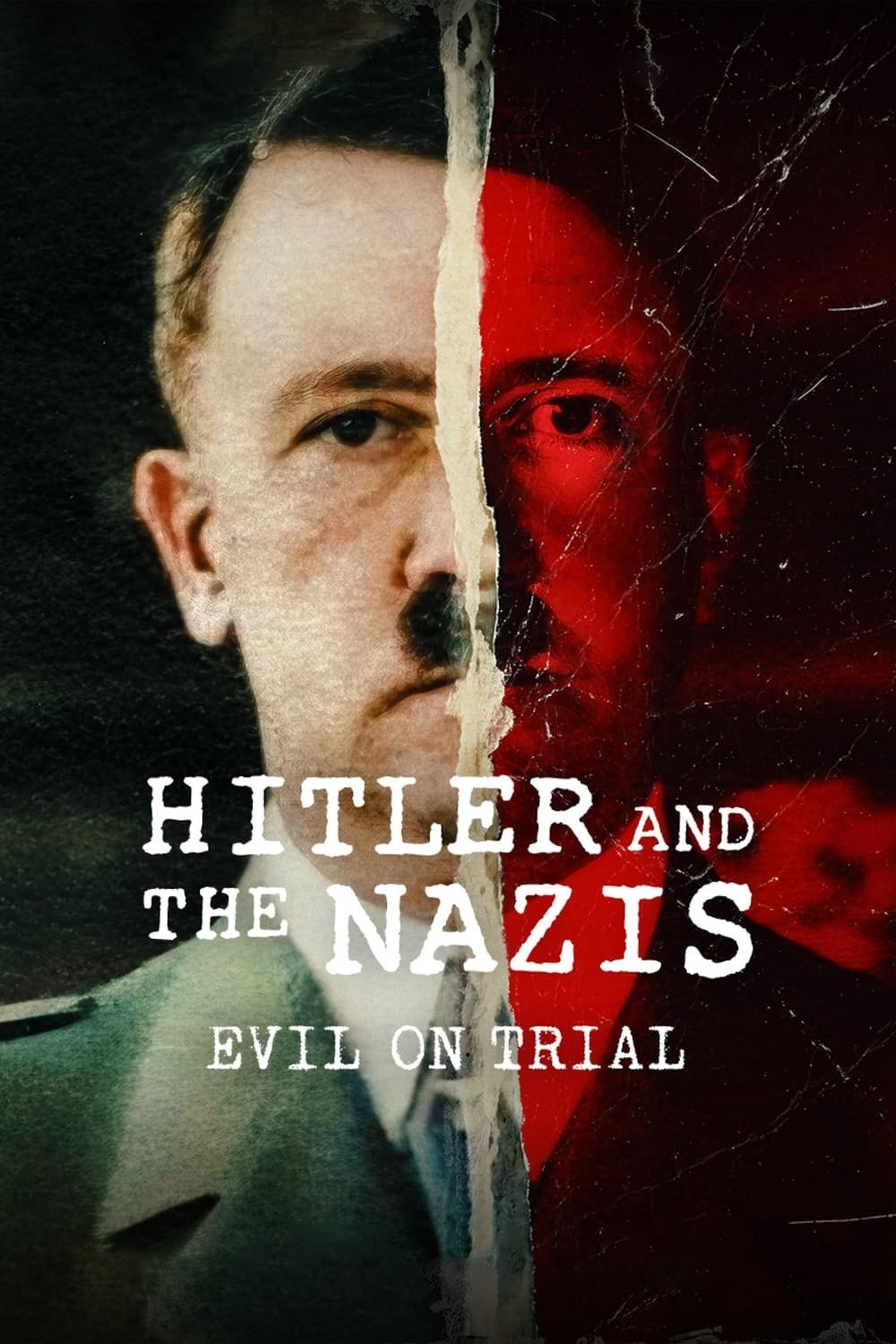
This gripping docuseries examines Adolf Hitler and the Nazis' rise, rule and reckoning from pre-WWII to the Holocaust to the Nuremberg trials.
Infographics and archival footage deliver bite-size history lessons on scientific breakthroughs, social movements and world-changing discoveries.
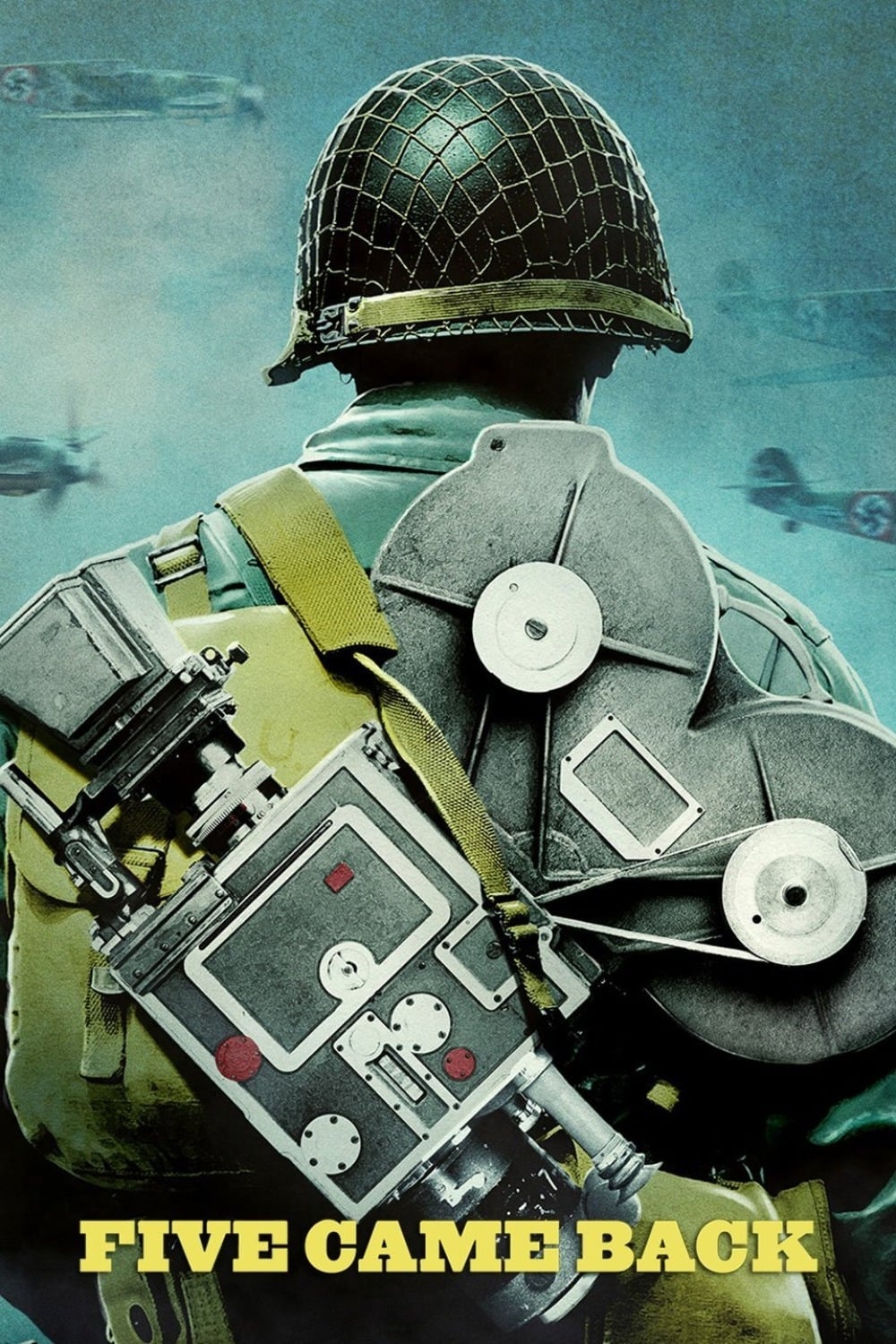
Five acclaimed contemporary directors tell the story of five legendary Hollywood filmmakers who enlisted in the armed forces to document World War II.
Doctor Who Confidential is a documentary to complement the revival of the long-running British science fiction television series Doctor Who. Each episode was broadcast on BBC Three on Saturdays, immediately after the broadcast of the weekly television episode on BBC One. The running time of the first two series was 30 minutes, being extended to 45 minutes in the third. BBC Three also broadcast a cut-down edition of the programme, lasting 15 minutes, shown after the repeats on Sundays and Fridays and after the weekday evening repeats of earlier seasons.
The story of three decades of war told through the eyes of various men who were its key players: Roosevelt, Hitler, Patton, Mussolini, Churchill, Tojo, DeGaulle and MacArthur. The series examines the two wars as one contiguous timeline starting in 1914 and concluding in 1945 with these unique individuals coming of age in World War I before ultimately calling the shots in World War II.
Oliver Stone's re-examination of under-reported events in American history.
TV's most-watched history series brings to life the compelling stories from our past that inform our understanding of the world today.
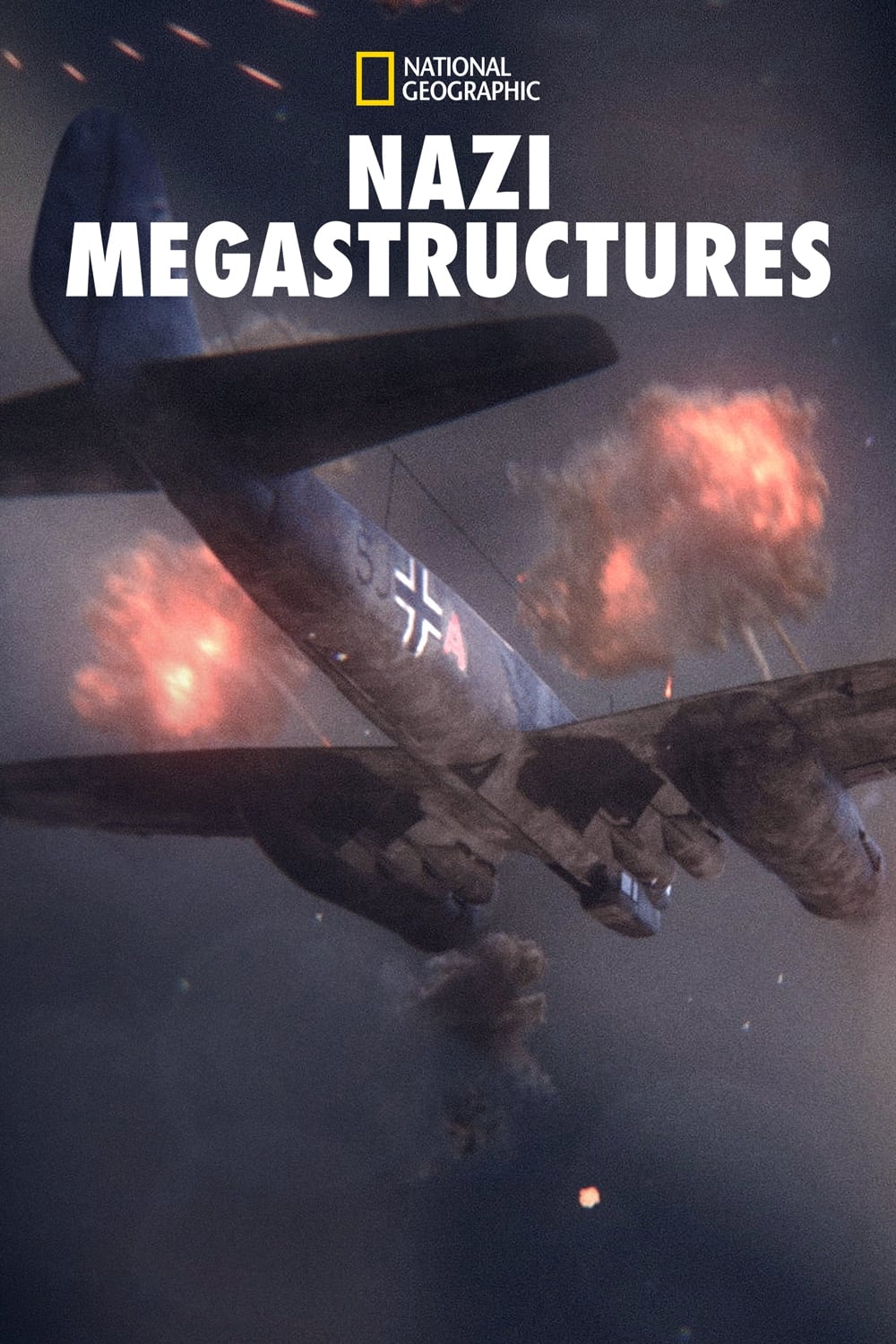
In a quest for world domination, the Nazis built some of the biggest and deadliest pieces of military hardware and malevolent technology in history. This is the stories of the engineers who designed them and how these structures sparked a technological revolution that changed warfare forever.