Social & External
The second version of the American television game show.
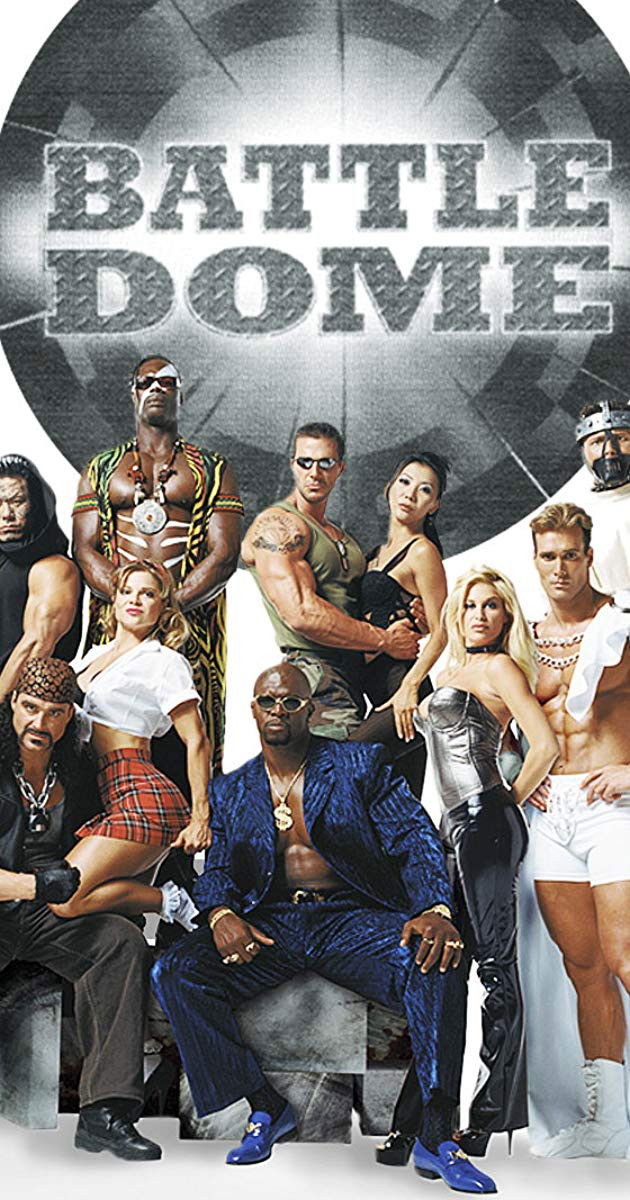
Battle Dome was a syndicated American television series that aired from September 1999 to April 2001. It combined elements of American Gladiators - inspired athletic competition with scripted antics more reminiscent of professional wrestling. Recurring character-athletes known as "Warriors" competed against weekly contestants in a variety of physically demanding events. The series was filmed at the Los Angeles Sports Arena and produced by Columbia TriStar Television. The entire first and second season of Battle Dome is available for purchase on iTunes and Amazon Instant Video.
"Bilibili Rush Forward" is a water reality program. Each episode gathers at least 12 players to participate in the program and play sports games. Contestants not only have to use their personal abilities to break through many game levels, but they must also compete and cooperate in multiple challenges to reach the high platform at the end. Between the relaxed atmosphere of joy and fun along with the tense and heated atmosphere of the competition, the show will pass on the optimistic, upward, happy and healthy youth style to everyone.
The drama series "Story of Kunning Palace" is planning a team-building trip in Sanya for three days and two nights with eight of its main cast members. They will not only experience pirate-themed activities but also take on various game tasks combined with the plot. The loser of each game will receive a punishment written by the female lead's "magical pen." Finally, they will hold a themed concert for the audience.
"Die Promi-Darts-WM" is a TV format designed as a darts competition by ProSieben, which is then broadcast live. In eight teams of two - and since 2019 in six teams of two - German celebrities each compete together with a professional darts player. The program is moderated by Christian Düren, Elmar Paulke acts as commentator.
A German game show where two contestants battle each other to win 50000 Euros. The winner also gets to be on the next show and have another chance to win against a new rival.
Humorous and energetic Christmas show where the participants will fight for a gold Christmas ball with a picture of Atle Antonsen.
9 participants live in isolation from society in small cubicles resembling a solitary cell.
The classic mafia game with a twist! Idols dance to their latest song but some members are 'mafia' and are hearing a different song instead. Can the other members spot who the mafia are, or will the mafia succeed in correctly dancing and claim victory?
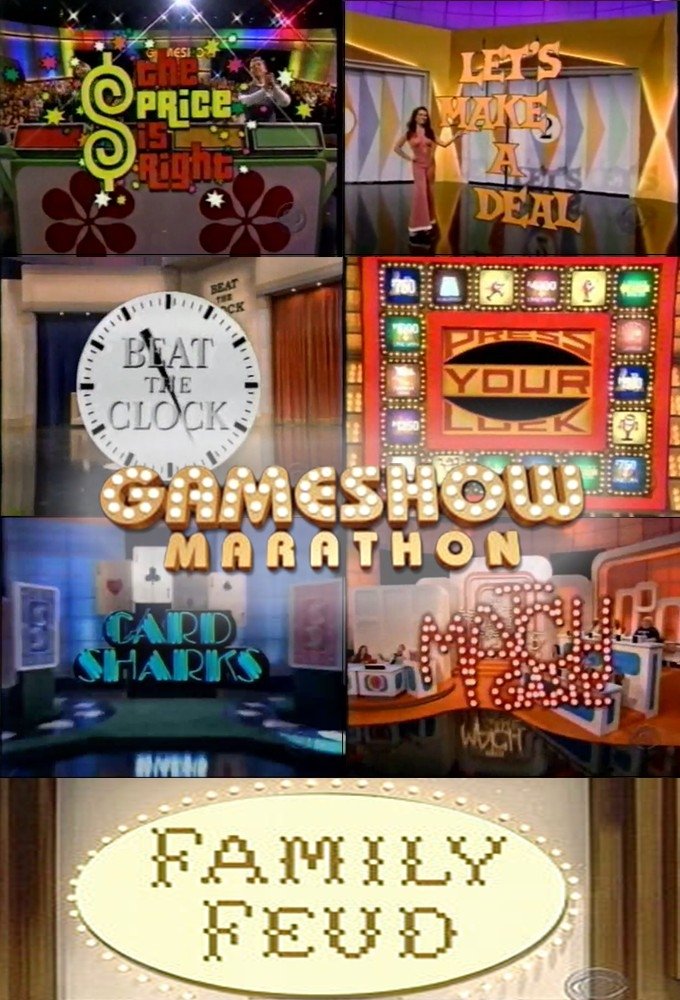
Card Sharks is an American television game show created by Chester Feldman for Mark Goodson-Bill Todman Productions. Two contestants compete for control of a row of oversized playing cards by answering questions posed by the host and then guessing if the next card is higher or lower in value than the previous one. The concept has been made into a series four separate times since its debut in 1978, and also appeared as part of CBS's Gameshow Marathon. The primary announcer for the first three series was Gene Wood.
Game$how Marathon is an American television program which aired on CBS from May 31, 2006 to June 29, 2006. It is based on the UK series Ant & Dec's Gameshow Marathon which aired on ITV in 2005. The show features contestants competing in some of television's most historically popular game shows, in a single-elimination format until an ultimate winner is found. Both the UK and US versions featured celebrity contestants. The US version was produced by FremantleMedia North America and Granada America and was hosted by Ricki Lake and announced by Rich Fields. In the US, the series only aired for a single season, while in the UK a second season aired in 2007, this time entitled Gameshow Marathon and hosted by Vernon Kay. This program was recorded at Stage 46, CBS Television City in Los Angeles, CA, USA.
In a Temple filled with lost treasures and protected by mysterious Mayan temple guards, six teams of two children compete to retrieve one of the historical artifacts in the Temple by performing physical stunts and answering questions based on history, mythology, and geography. After three elimination rounds, only one team remains, who then earns the right to go through the Temple to retrieve the artifact within three minutes and win a grand prize.
There will be different scenarios for the cast members to go through, but there is a rule that they have to follow without fail: they are not allowed to laugh throughout. For every time a cast member laughs, ₩10,000 will be deducted instantly from his appearance fee, and get wet from his head by water coming out from the water backpack that each cast member will carry throughout. At the end of each scenario, the cast member with the least amount of money deducted will have his appearance fee paid in full.
The Traitors - Murder at the Castle: A ruthless game of trust, fear, strategy, mental warfare, and total deception. The groundbreaking crime-reality’s nerve-wracking plot is co-written by life and the participants themselves, and like in any good crime story, the big and final truth will only be revealed on the last pages! 22 celebrities head to a Tudor-style castle to take part in a nerve-wracking challenge: they must survive a "series of murders" to win a grand prize of up to 20 million forints. The "murderers" are hiding among the players—they are the Traitors, who mercilessly kill their Innocent companions under the cover of night. The Innocents’ task is to expose the Traitors and, if they fall under suspicion, convince their companions of their own innocence.
Deal or No Deal is back! Join brand new host Stephen Mulhern for the return of one of the most exciting and iconic gameshows of all time. Each episode a brave new contestant takes on the infamous Banker for the chance to win a life-changing cash prize. There are no questions in this gameshow, except for one; Deal or No Deal?
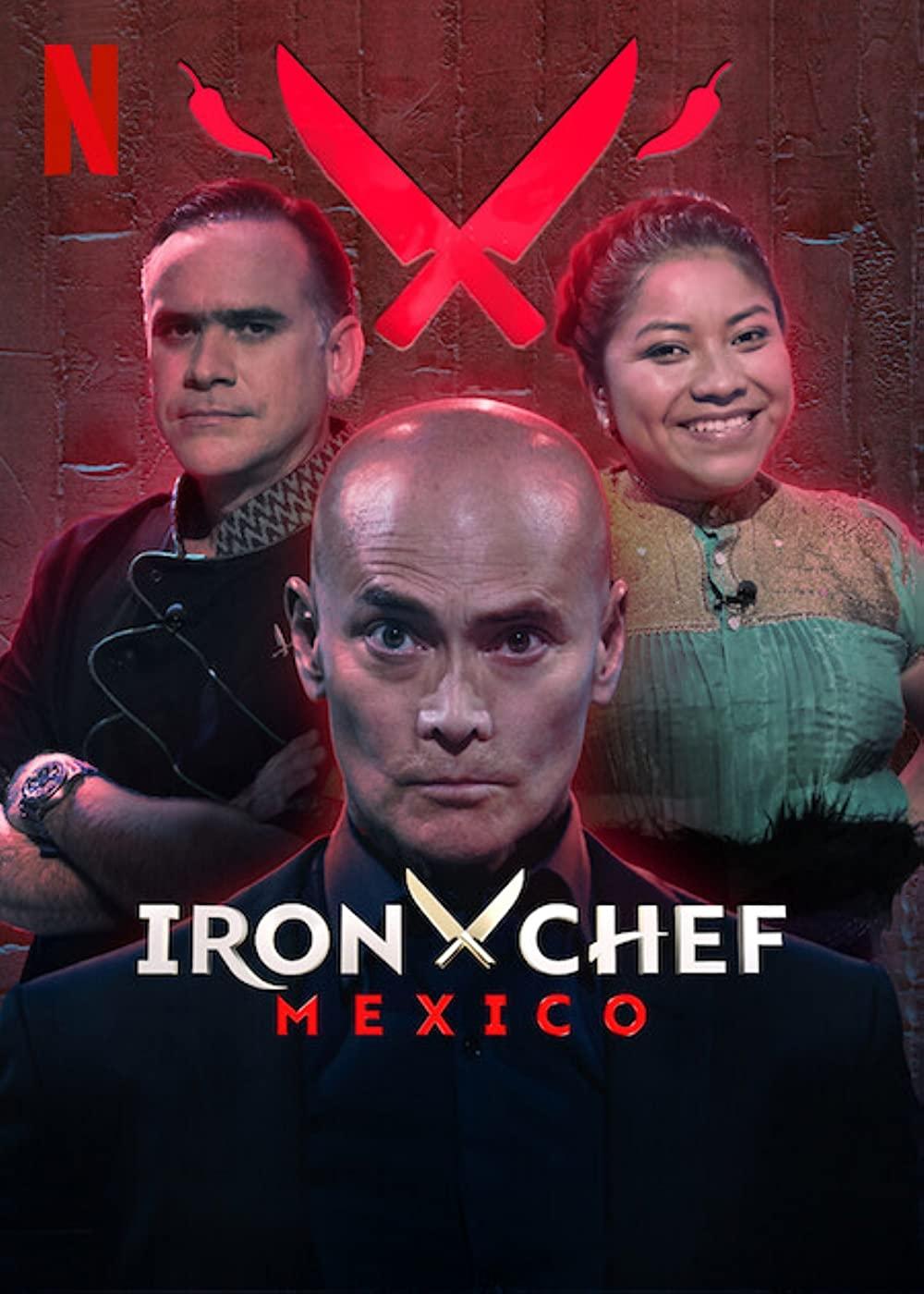
Rising talents participate in this cooking competition against three of Mexico's finest chefs to win the mythical katana and become the Legendary Chef.
Hosted by Meredith Vieira, two teams of celebrities and civilians face off in a fast paced word game with a top prize of $10,000.
Two teams, each with one contestant and two Impractical Jokers, will compete against each other by attempting to rate hilarious and miserable real-life events on a scale of 1-100 based on the “Misery Index,” a ranking system created by a team of therapists.
Human cannonballs! Human pinballs! Crashes, smashes and mud splashes! Twenty-four thrill-seekers will compete in the world's largest extreme obstacle course designed to provide the most spills, face plants and wipeouts ever seen on television.
The clock is ticking as contestants compete in games of lexical dexterity and numerical agility.
Status and strategy collide in this social experiment and competition show where online players flirt, befriend and catfish their way toward $100,000.
A talented cast of aspiring makeup artists live and work together as they attempt to prove their potential to industry professionals from a multitude of worlds from fashion to film. With regular eliminations, the challenges not only test their skills under pressure but also give them the opportunity to unleash their creative vision with jaw-dropping results.
Couples travel to a tropical paradise where they are forced to decide if they're ready to commit to one another for the rest of their lives. A reboot of the 2001 reality series.
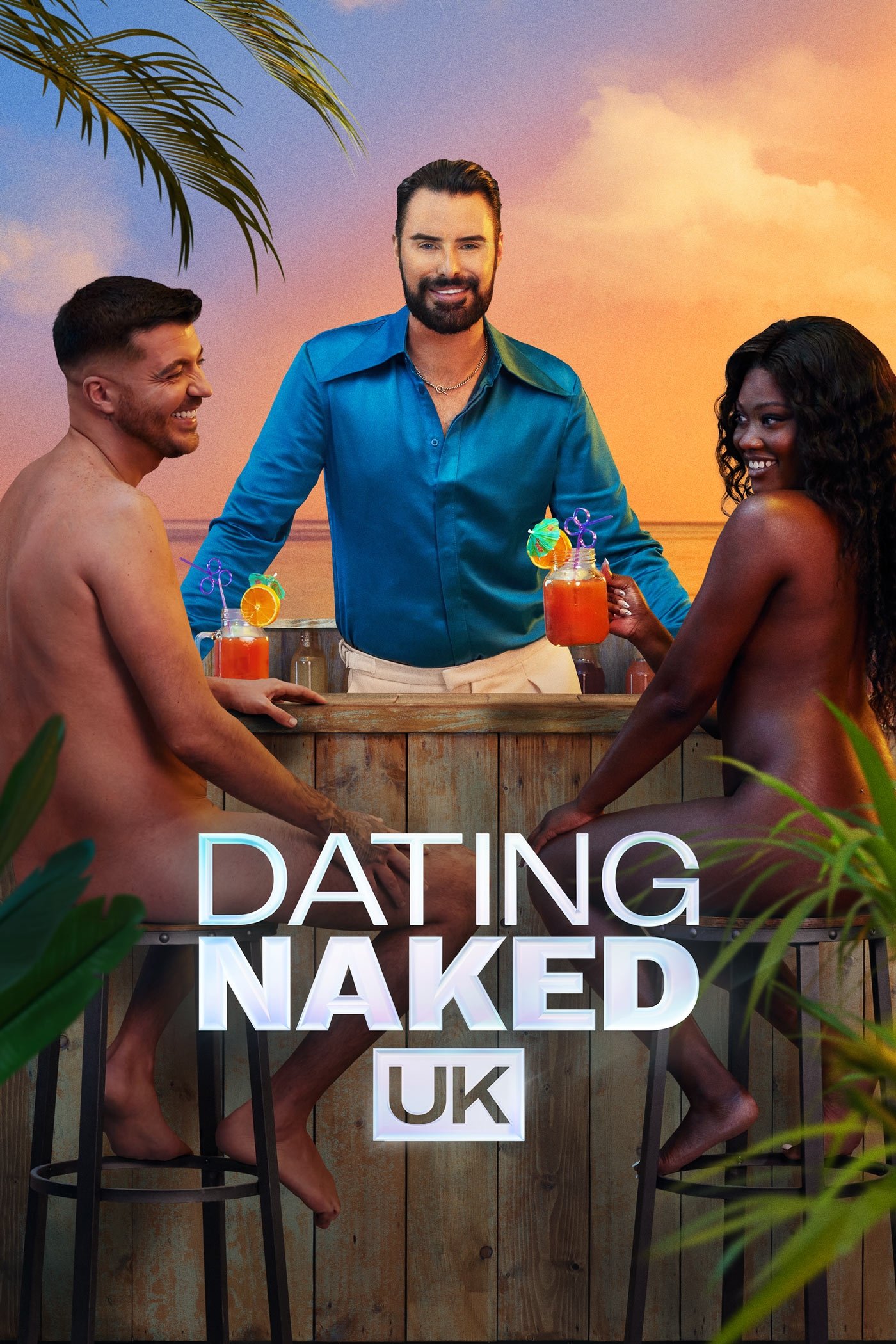
In the pursuit of love, 10 singles take the brave steps of stripping off before entering a daring, dating experience. Unclothed they must begin to get to know each other, before their connections are put at risk.
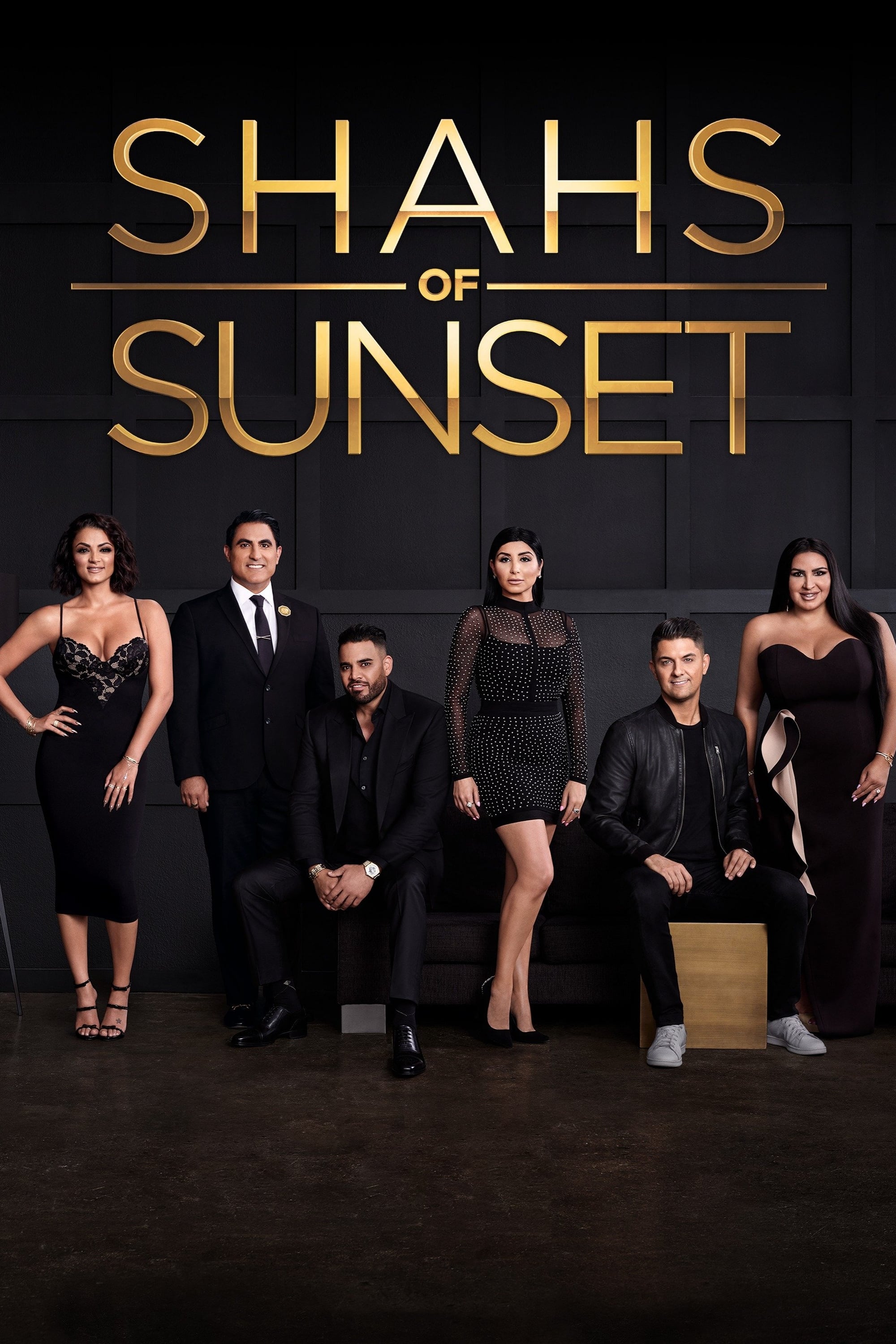
Follow a group of affluent young Persian-American friends who juggle their flamboyant, fast-paced L.A. lifestyles with the demands of their families and traditions.
A cast of young women, who recognize that their outrageous behavior has hindered their relationships, careers and lives, are brought together in a beautiful mansion. They claim they want to change, but will living together help them move forward and turn their lives around – or will chaos rule?
Just up the river from our nation’s capital lies a hidden gem—Potomac, Maryland. Its rolling hills, gated mansions, sophisticated prep schools, and exclusive country clubs all serve to keep the area invitation-only. Sprinkled throughout this community are a handful of old-line, wealthy African-American families who have historically broken racial barriers to provide a life of privilege for their children. In a town where entry is granted only through class, pedigree, and lineage, how far will the ladies go to secure their spot at the top of this prestigious circle?
Follow LA's wildly wealthy Asian and Asian American fun seekers as they go all out with fabulous parties, glamour and drama in this reality series.
Couples who prove their compatibility gain the power to make or break other matches in this strategic and seductive dating competition.
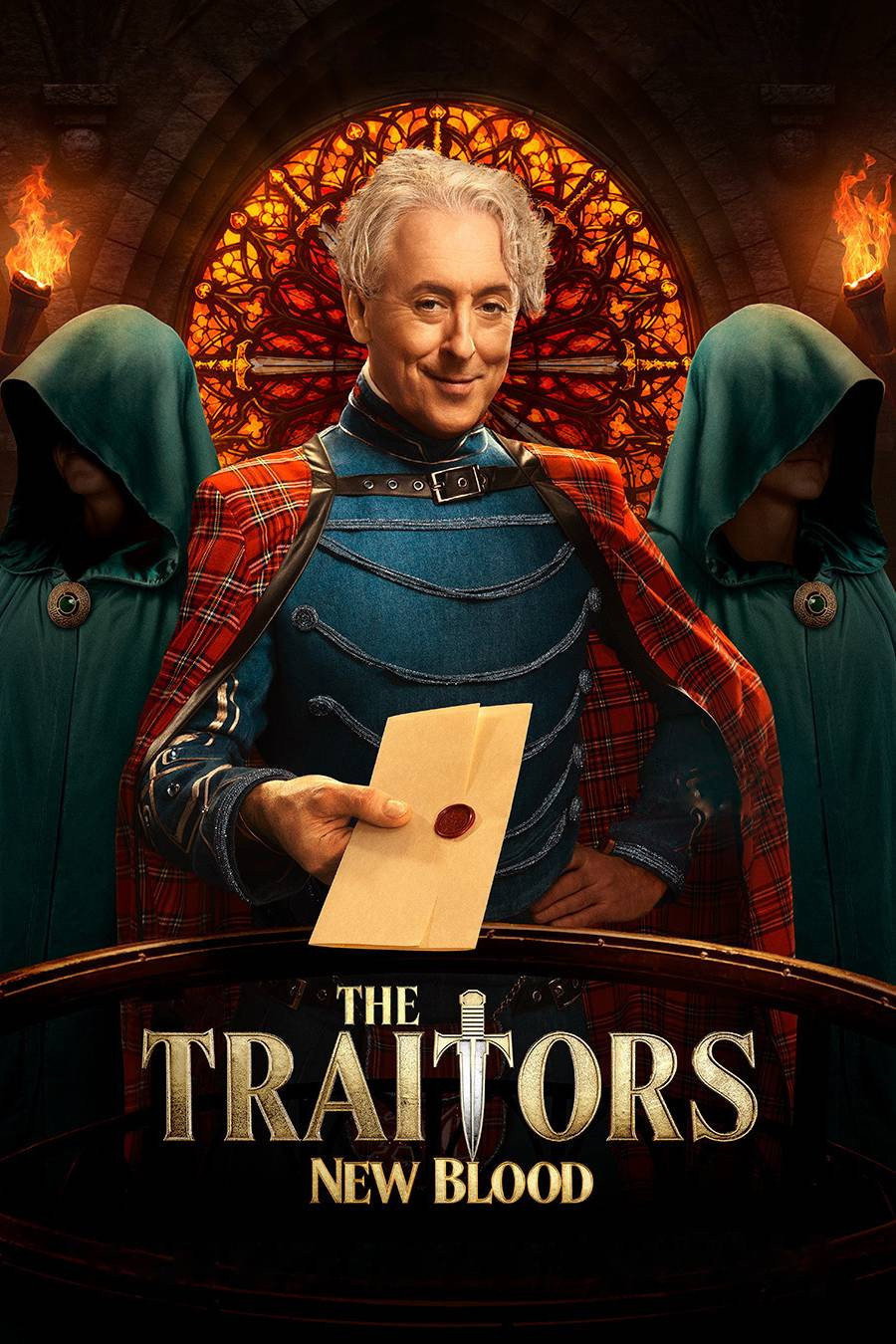
Hosted by award-winning actor Alan Cumming at an ancient castle set deep in the Scottish Highlands, contestants work together on a series of exhilarating missions to build a prize fund worth up to $250,000. Hidden amongst the Faithful are the Traitors, whose goal is to eliminate the Faithful and claim the prize for themselves.
The show looks at whether a partner can be found based solely on the naked body and animal magnetism. Two singletons join host Anna Richardson as they seek to choose a date from a selection of six naked people, who will be revealed to them one body part at a time. They then get dressed and head off on a date, to see if there is any chemistry when the clothes come on.
The matchmaking begins as a group of single "Islanders" come together in a stunning villa on a beautiful tropical island, ready to embark on a summer of dating, romance, and ultimately, relationships. Every few days the Islanders pair up and those who are not coupled are at risk of being dumped from the island. Islanders are on the lookout for romance, but the road to love doesn't always run smoothly.
Kylie Jenner welcomes viewers to her unfiltered world of fame, fortune, relationships and empire.
An inside look of the lives of seven WWE Divas from their work within WWE to their personal lives.
On the shores of paradise, gorgeous singles meet and mingle. But there’s a twist. To win a $100,000 grand prize, they’ll have to give up sex.
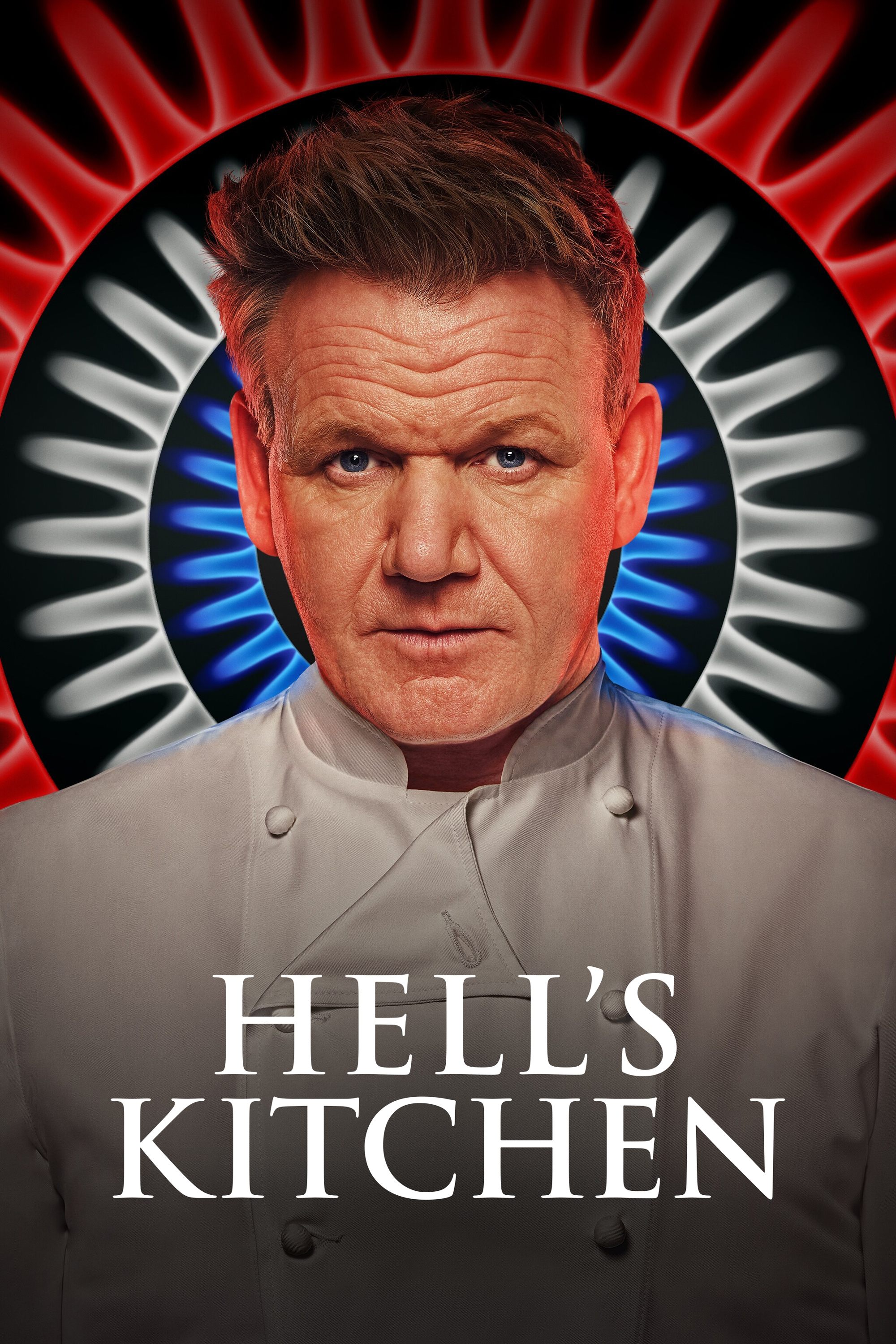
Aspiring restaurateurs brave Ramsay and his fiery command of the kitchen as he puts the competitors through an intense culinary academy to prove they possess the right combination of ingredients to win a life-changing grand prize.
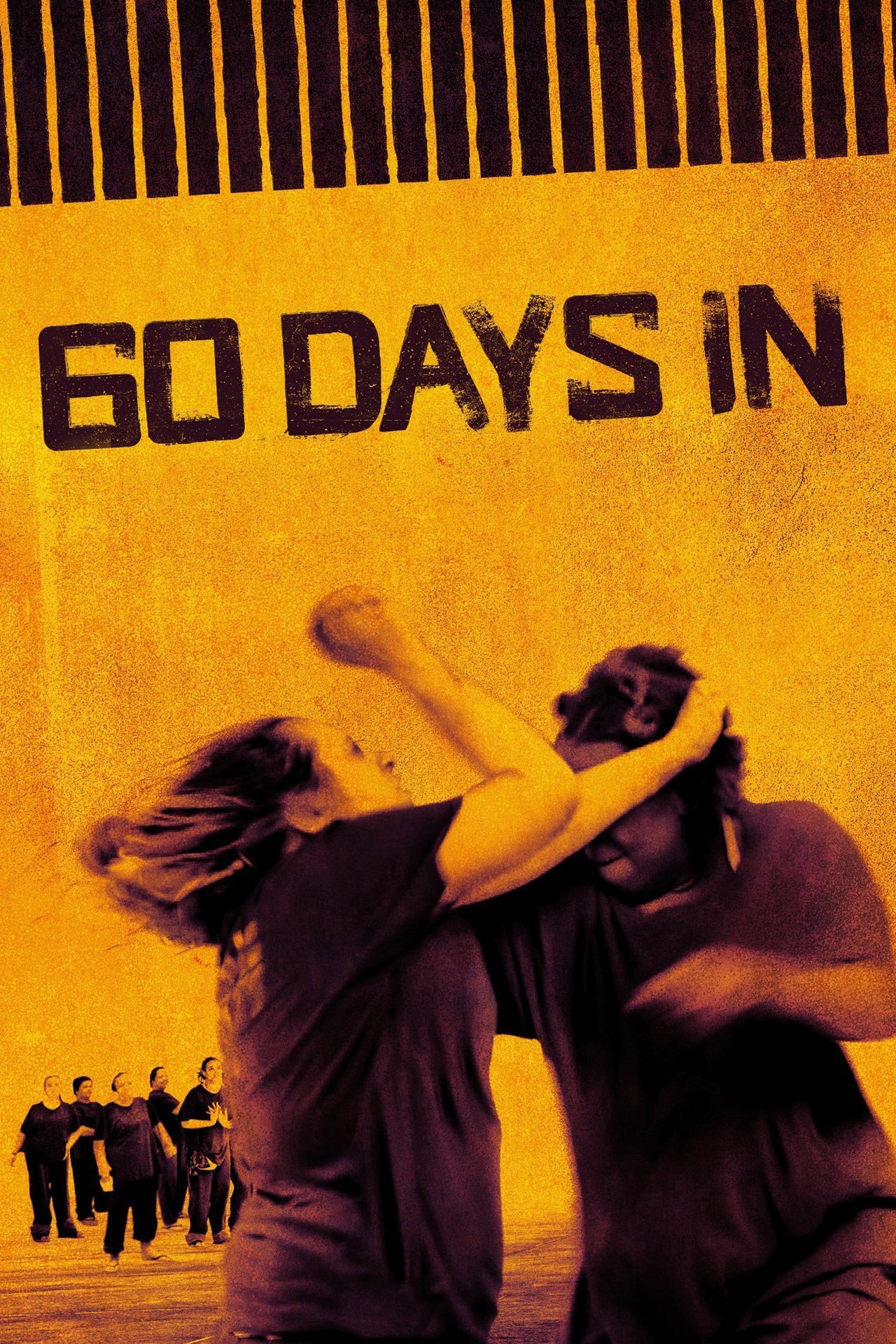
An unprecedented look at life behind bars at Indiana's Clark County Jail as seven innocent volunteers are sent to live among its general population for 60 days without officers, fellow inmates, or staff knowing their secret.
Join RuPaul, the world's most famous drag queen, as the host, mentor and judge for the ultimate in drag queen competitions. The top drag queens in the U.S. will vie for drag stardom as RuPaul, in full glamazon drag, will reign supreme in all judging and eliminations while helping guide the contestants as they prepare for each challenge.