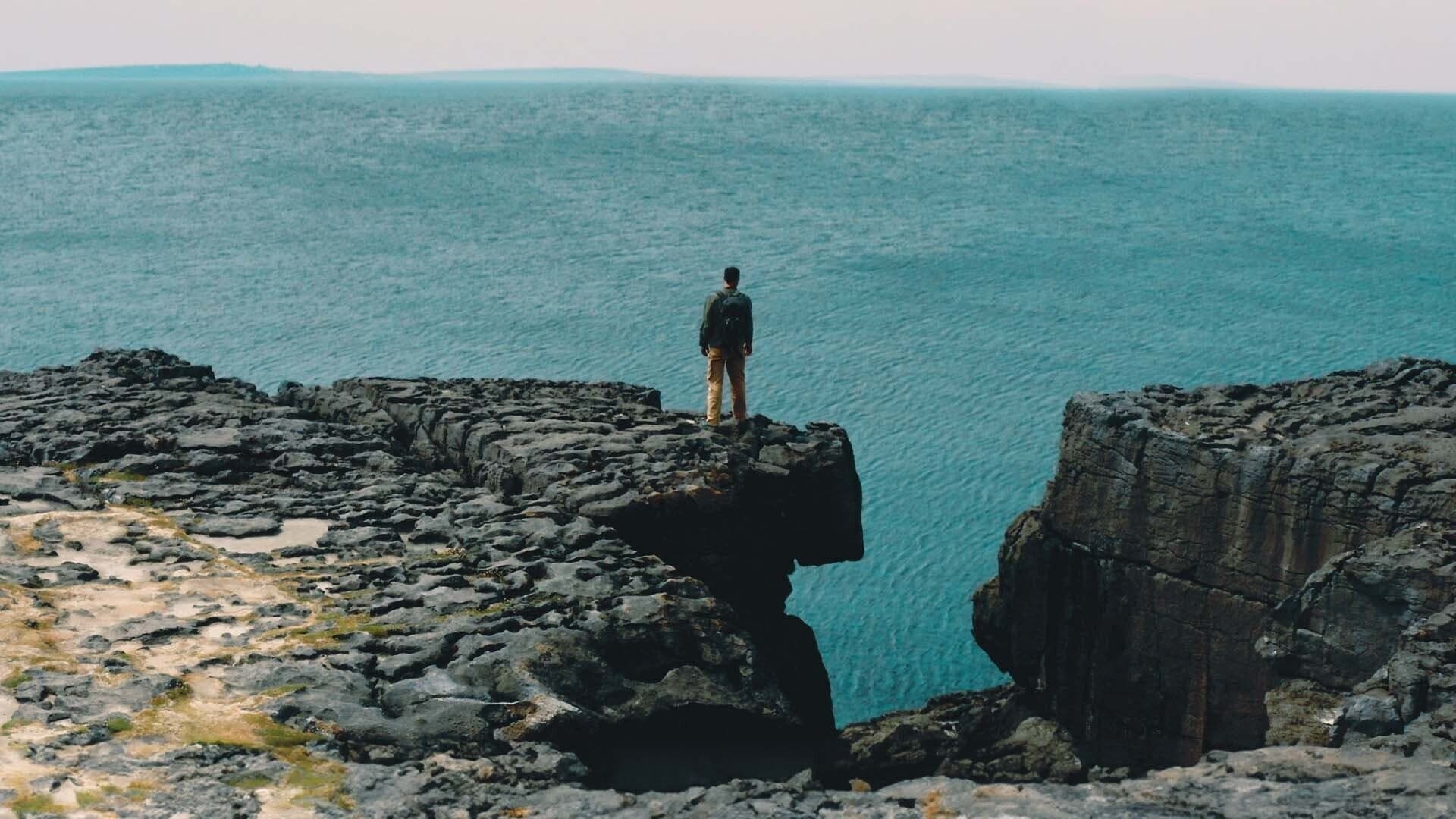
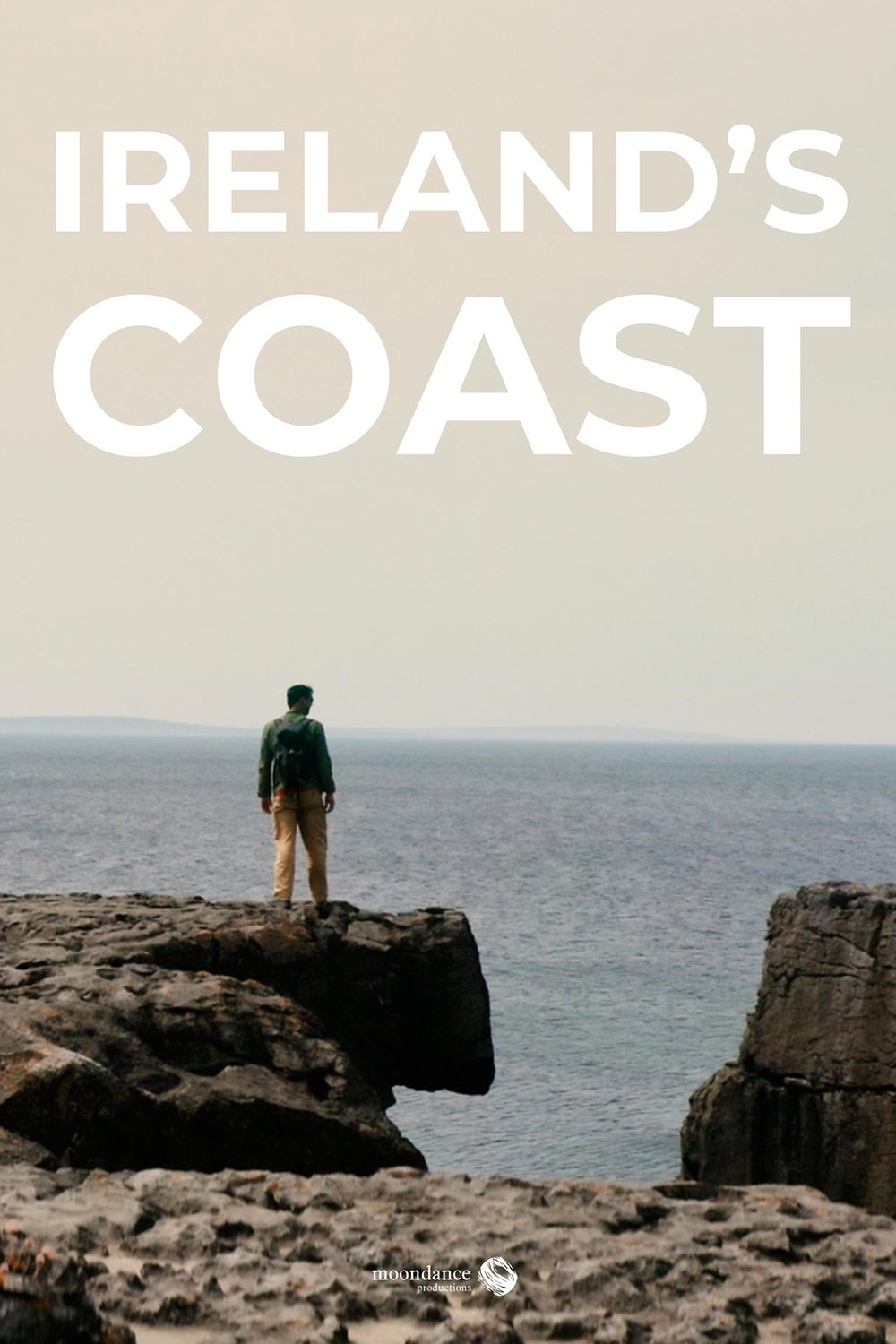
A three-part documentary series that journeys to the heart of Ireland's coast, revealing its fascinating origins, rich biodiversity and magnetic charm.

Social & External
Narrator
The catastrophic floods of New York, Bangkok and New-Orleans have shed light on the extreme vulnerability of more than 130 coastal cities faced with the violence of the sea. The mega-cities are threatened by a series of unusual phenomena: a surprising subsidence of soils, an unexplained rising of the level of the sea in some parts of the world, an increase in the frequency of extreme climatic events and exponential urbanization. Considering that science is capable of anticipating dangers and of suggesting protections, why do such disasters occur so often? Can they be avoided?
An international team of scientists, cavers and wildlife filmmakers venture deep into the heart of the remote tropical island of New Guinea.
On the 22nd June 1921 King George V and Queen Mary arrived in Belfast for the official opening of the first Northern Ireland parliament. Fearful for their lives, they had come to a city scarred by bitter sectarian violence. The King’s visit to Belfast was the culmination of three centuries of history – and three years of political brinkmanship and brutal communal violence. The occasion marked the creation of the new state of Northern Ireland. A line had been drawn on the map – a new border that separated the north and south of the island. One hundred years on, this is the story of the dramatic events that led to the partition of Ireland. A story that continues to reverberate to the present day - and dominate relationships between the islands of Britain and Ireland.
The Great Global Warming Swindle is a polemical documentary film that suggests that the scientific opinion on climate change is influenced by funding and political factors, and questions whether scientific consensus on anthropogenic global warming exists. The program was formally criticised by Ofcom, the UK broadcasting regulatory agency, which upheld complaints of misrepresentation made by David King. The film, made by British television producer Martin Durkin, presents scientists, economists, politicians, writers, and others who dispute the scientific consensus regarding anthropogenic global warming. The programme's publicity materials assert that man-made global warming is "a lie" and "the biggest scam of modern times." Its original working title was "Apocalypse my arse", but the title The Great Global Warming Swindle was later adopted as an allusion to the 1980 mockumentary The Great Rock 'n' Roll Swindle about British punk band the Sex Pistols. The UK's Channel 4 premiered the documentary on 8 March 2007. The channel described the film as "a polemic that drew together the well-documented views of a number of respected scientists to reach the same conclusions. This is a controversial film but we feel that it is important that all sides of the debate are aired." According to Hamish Mykura, Channel 4's head of documentaries, the film was commissioned "to present the viewpoint of the small minority of scientists who do not believe global warming is caused by anthropogenic production of carbon dioxide."
PBS' premier science series helps viewers of all ages explore the science behind the headlines. Along the way, NOVA demystifies science and technology, and highlights the people involved in scientific pursuits.
David Attenborough uses pioneering 3D-techniques and technology to explore the unique environments and species of the Galapagos.
Geologist Iain Stewart explain in three stages of natural history the crucial interaction of our very planet's physiology and its unique wildlife. Biological evolution is largely driven bu adaptation to conditions such as climate, soil and irrigation, but biotopes were also shaped by wildlife changing earth's surface and climate significantly, even disregarding human activity.
John Creedon travels in his vintage car to discover some of the lesser well-known wonders of Ireland's 4 major cities.
Man on Earth is a four-part British documentary television series presented by Tony Robinson. The programme documents the effects of climate change across 200,000 years of human history. The series premiered 7 December 2009 on Channel 4 with 1.4 million viewers. Accompanying Robinson to help explain the science are archaeologist Dr. Jago Cooper and climate modeller Dr. Joy Singarayer.

The most important story of our time. 2022 is set to be a year of unprecedented climate chaos across the planet. As the world’s leading climate scientists issue new warnings about climate change and the soaring cost of fuel highlights the world’s ongoing dependence on fossil fuels – how did we get here?
Far From being passive or boring, Plants have evolved a host of tricks to beat the elements, predators and other plants
Baboons with Bill Bailey is a wildlife documentary series presented by Bill Bailey. The series follows Bill as he attempts to find out more about the lives of baboons who are living in several colonies in Cape Town, South Africa.
James Nesbitt's Ireland is a British documentary series about Ireland, presented by actor James Nesbitt. The first series began airing on ITV on 18 March 2013, this series contained eight episodes. Each episode is 30 minutes in length.
Filmed over the course of more than six years at some of nature's most spectacular locales – from Acadia to Yosemite, Yellowstone to the Grand Canyon, the Everglades of Florida to the Gates of the Arctic in Alaska - “The National Parks: America's Best Idea” is nonetheless a story of people: people from every conceivable background – rich and poor; famous and unknown; soldiers and scientists; natives and newcomers; idealists, artists and entrepreneurs; people who were willing to devote themselves to saving some precious portion of the land they loved, and in doing so reminded their fellow citizens of the full meaning of democracy.
Living Britain is a six-part nature documentary series, made by the BBC Natural History Unit, transmitted from October to December 1999. It was produced by Peter Crawford. It examines British wildlife over the course of one year. Each of the programs takes place in a different time of year.
In this new season, Simon D’Amours hits the road to the Yukon aboard his trailer-towing schoolbus. His objective is to meet people who can help him fulfill his quest for a life off the grid.
David Attenborough presents a documentary series exploring how animals meet the challenges of surviving in the most iconic habitats on earth.
Experience our planet's natural beauty and examine how climate change impacts all living creatures in this ambitious documentary of spectacular scope.
Natural World is a nature documentary television series broadcast annually on BBC Two and regarded by the BBC as its flagship natural history brand. It is currently the longest-running series in its genre on British television, with more than 400 episodes broadcast since its inception in 1983. Natural World is produced by the BBC Natural History Unit in Bristol, but individual programmes can be in-house productions, collaborative productions with other broadcasters or films made and distributed by independent production companies and purchased by the BBC. Natural World programmes are often broadcast as PBS Nature episodes in the USA. Since 2008, most Natural World programmes have been shot and broadcast in high definition.

Filmed across six continents, this docuseries uses cutting-edge camera technology to capture animals' nocturnal lives, revealing new behaviours filmed in full color like never before.
This nature documentary introduces viewers to the fauna and flora of Britain and Ireland across four main areas: woodlands, grasslands, freshwater and marine.
David Attenborough celebrates the amazing variety of the natural world in this epic documentary series, filmed over four years across 64 different countries.
Will Smith whose curiosity and wonder is positively infectious—is guided by National Geographic Explorers traveling to different corners of the world to get up close and personal with the weirdest, most unusual, dangerous and thrilling spectacles of the planet.
Sir David Attenborough narrates this critically acclaimed series that dives deep into the marine environment of Planet Earth. Although two-thirds of the world's surface is covered with water, scientists know less about the oceans than they do about the surface of the moon. This limited series travels from various coasts to the poles to examine watery denizens ranging from the gigantic blue whale to microscopic coral polyps.

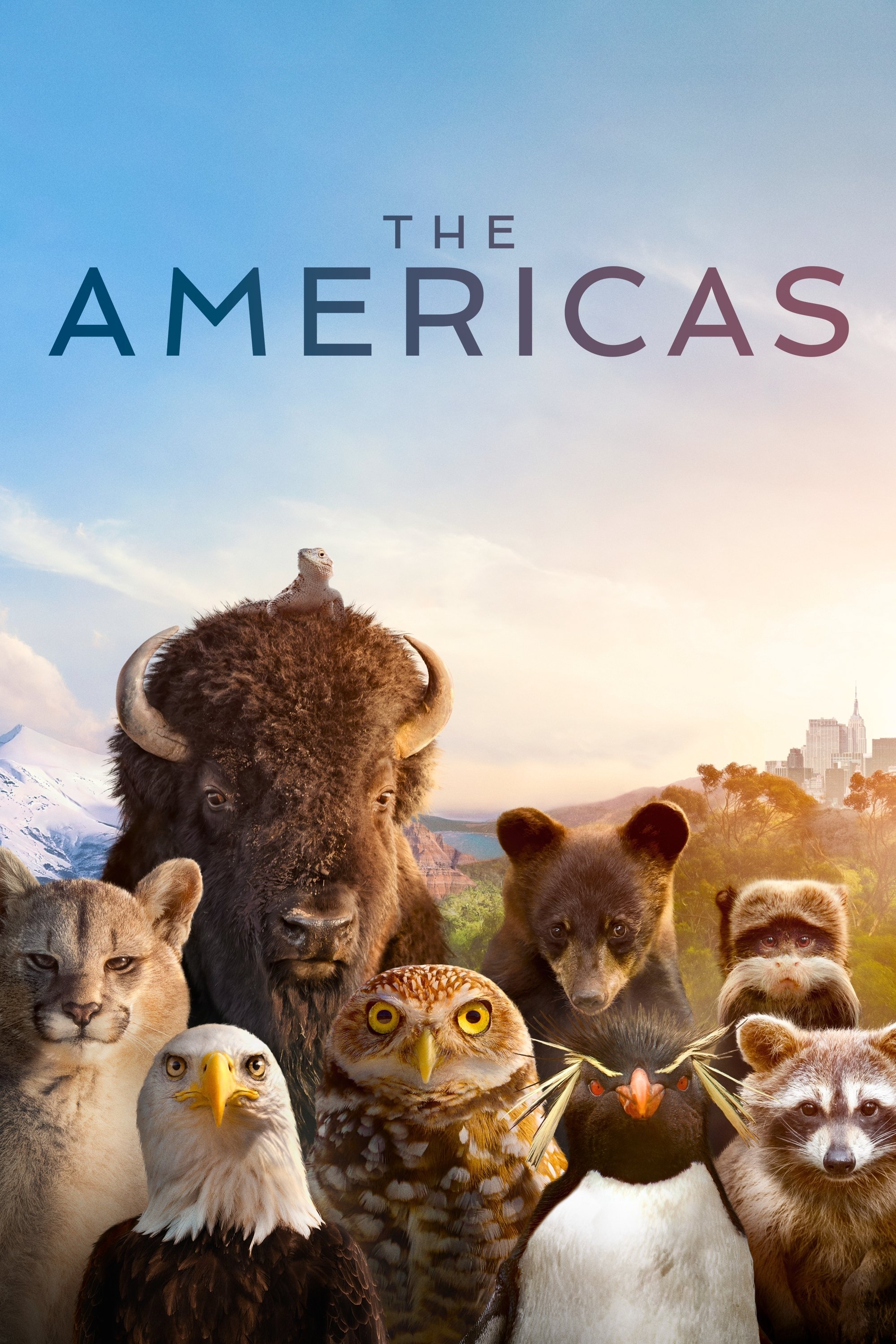
Consistently stunning documentaries transport viewers to far-flung locations ranging from the torrid African plains to the chilly splendours of icy Antarctica. The show's primary focus is on animals and ecosystems around the world. A comic book based on the show, meant to be used an as educational tool for kids, was briefly distributed to museums and schools at no cost in the mid-2000s.
Journeying to the far reaches of our planet, this eight part series follows some of the world's most amazing species, telling extraordinary stories that are dramatic, thrilling, funny and sometimes heart-breaking, but always full of hope.
The history of these beautiful Islands from their creation as uprising lava to their being studied by Darwin to their modern day inhabitants.
Millions of years ago, incredible forces ripped apart the Earth’s crust creating seven extraordinary continents. This documentary series reveals how each distinct continent has shaped the unique animal life found there.
David Attenborough examines the ways in which animals and plants adapt to their surroundings.
This stunning nature series narrated by Cate Blanchett explores the intelligence, resourcefulness and interconnectedness of life on our planet.
This immersive series follows the world's most magnificent creatures, capturing never-before-seen moments from the heartwarming to the outrageous.
Experience the wonders of our world like never before in this epic series from Jon Favreau and the producers of Planet Earth. Travel back 66 million years to when majestic dinosaurs and extraordinary creatures roamed the lands, seas, and skies.
Infographics and archival footage deliver bite-size history lessons on scientific breakthroughs, social movements and world-changing discoveries.
There is nowhere more powerful and unforgiving yet more beautiful and compelling than the ocean. Join us and explore the greatest yet least known parts of our planet.
In the documentary series produced by the BBC, The Life of Birds, Sir David Attenborough unveils a new investigation into the behaviour of birds, perfectly adapted animals that conquer the air. This ten-part series reveals the secret of the birds' great success, their remarkable strategies for finding food, their complex social systems, and their ingenious and often bizarre ways of mating and breeding. From the high speed of large airborne hunters to long distance migrations or the bright colors of nectar feeding hummingbirds, this is the ultimate bird series that every ornithologist should not miss.