Social & External
The people behind it
Tomer Sisley
Narrator
Sonia Rolland
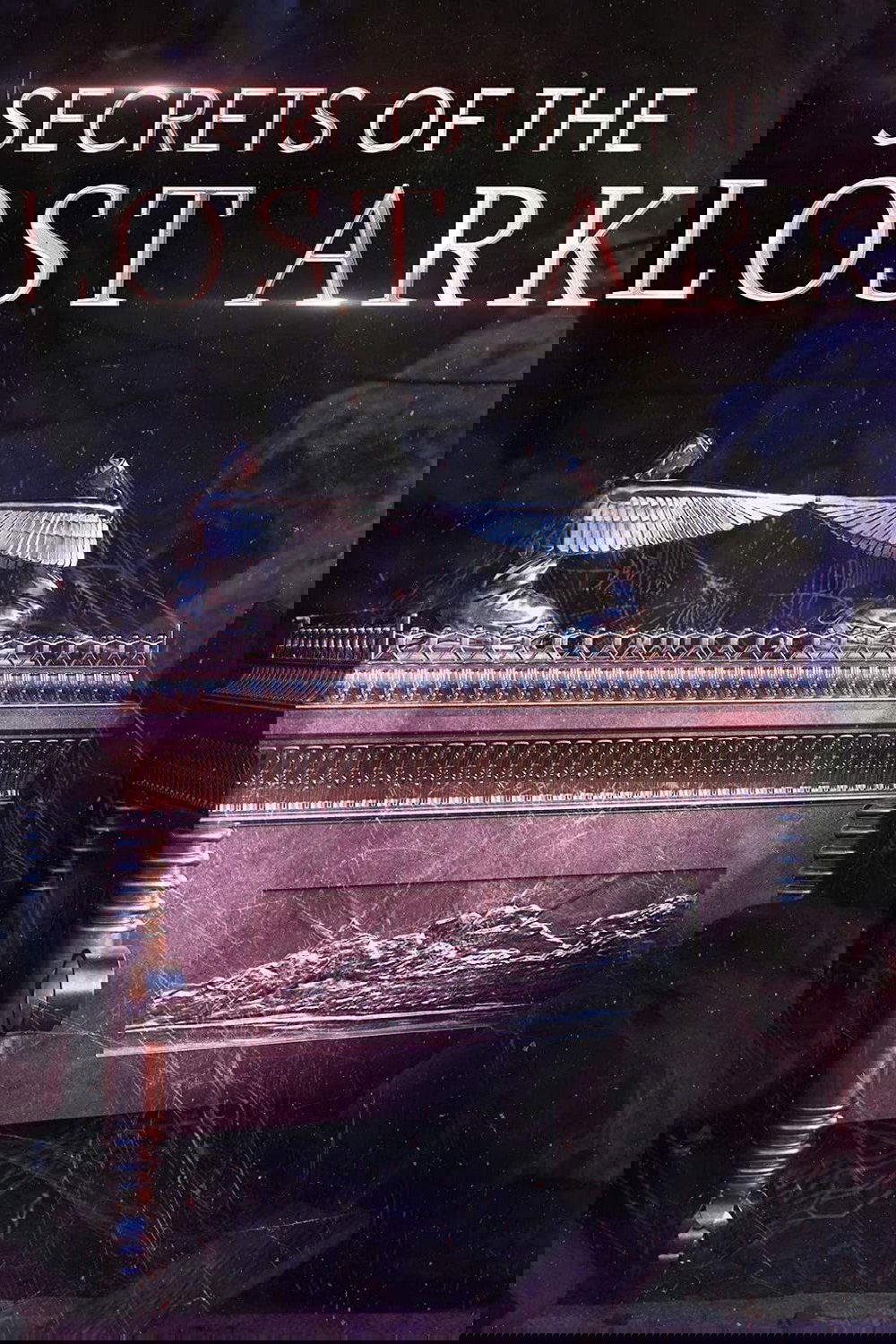
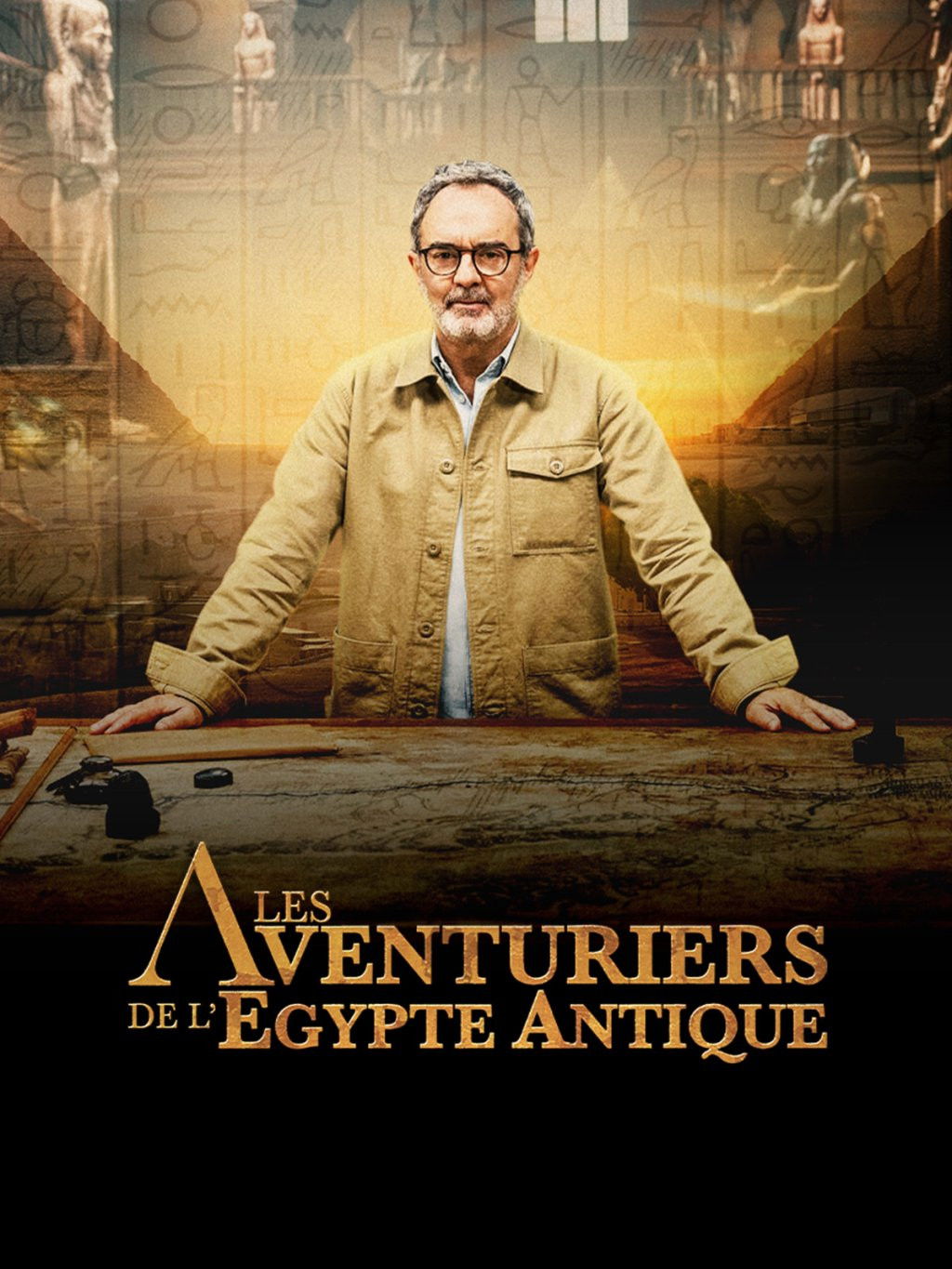
For centuries, explorers have searched for the Bible’s most sacred religious artefacts. One of the most mysterious of these objects is the famed Ark of the Covenant. The gold-plated wooden chest – one of the most instrumental symbols of faith and God's presence – was believed to house the two tablets bearing the Ten Commandments. The Ark’s exact whereabouts has long puzzled scholars. Where did it go? And why has it remained such a mystery?
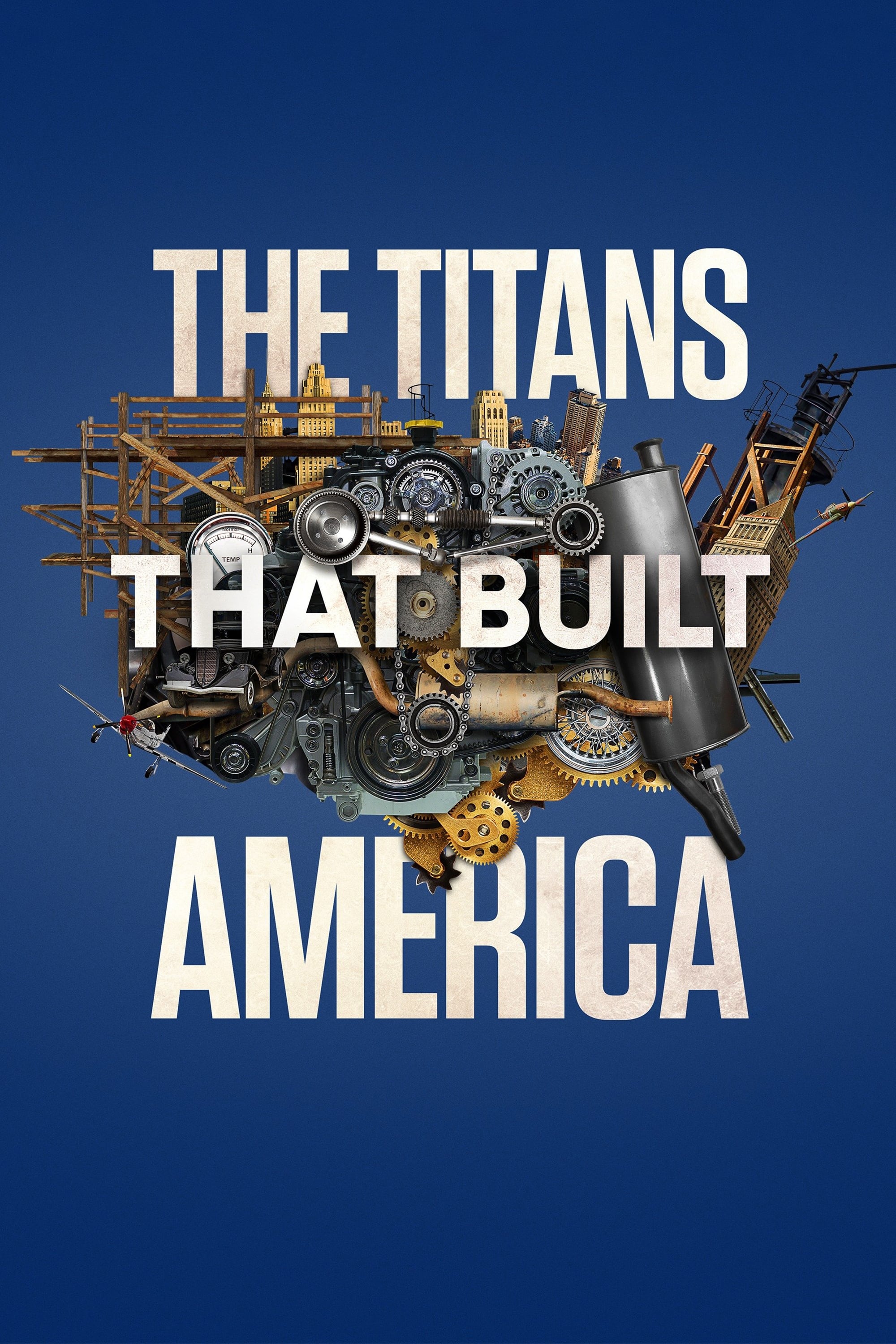
Out of the ashes of World War I, a new generation of titan rises…Pierre Du Pont, Walter Chrysler, J.P. Morgan Jr., Henry Ford, and William Boeing. Their fight to reach the top will transform America as they compete to dominate new industries—from the highways to the skyways. After years of fighting each other, and FDR, these rivals must unite during World War II to defeat a greater enemy and save the world.
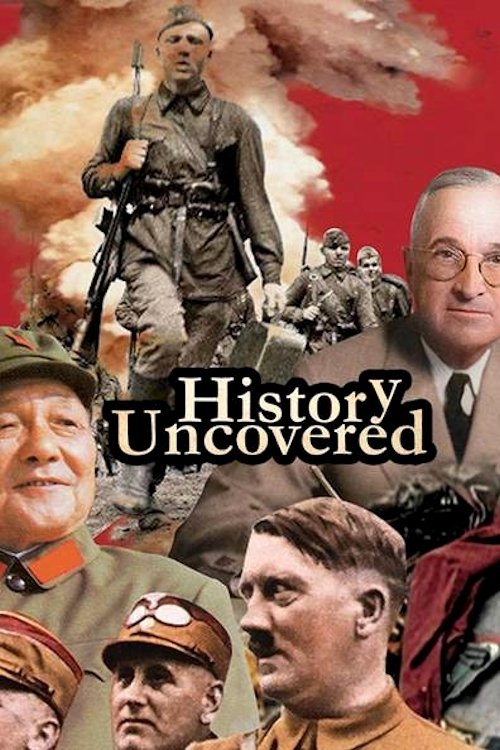
Myths die hard, and the history of the 20th century is no exception to this rule. Even today, we hold popular beliefs that we take for Evangelical truths. Thus, we believe that Hiroshima caused Japan to surrender, that the Marshall Plan saved Europe, that Adolf Hitler was a military genius, or that Mao Zedong was a necessary evil for China’s modernization. Of course, these judgements contain some truth; but, too broad-stroked to be accurate, they contradict the historical reality by denying its complexity. What if the truth was slightly different? Through an exploration of great national or international myths, this full archive documentary collection revisits the key moments of the 20th century with a new perspective in order to provide a new, smarter and more subtle interpretation, bringing elements to light that have been forgotten or sometimes overshadowed.
One of the most important historical investigations carried out by Rai, signed by the great Sergio Zavoli with the collaboration of Luciano Onder and Edek Osser and the scientific consultancy of Alberto Aquarone, Gaetano Arfé, Renzo De Felice, Gabriele De Rosa, Gastone Manacorda and Salvatore Valitutti. The six-part series, broadcast for the first time in the autumn of 1972, represented, half a century after the "March on Rome", a significant assessment of the years of the advent of the Mussolini regime, recalled with the rigor of the best television journalism (Saint-Vincent Award 1973) and through the direct testimonies of over fifty protagonists of the time, both fascists and anti-fascists.
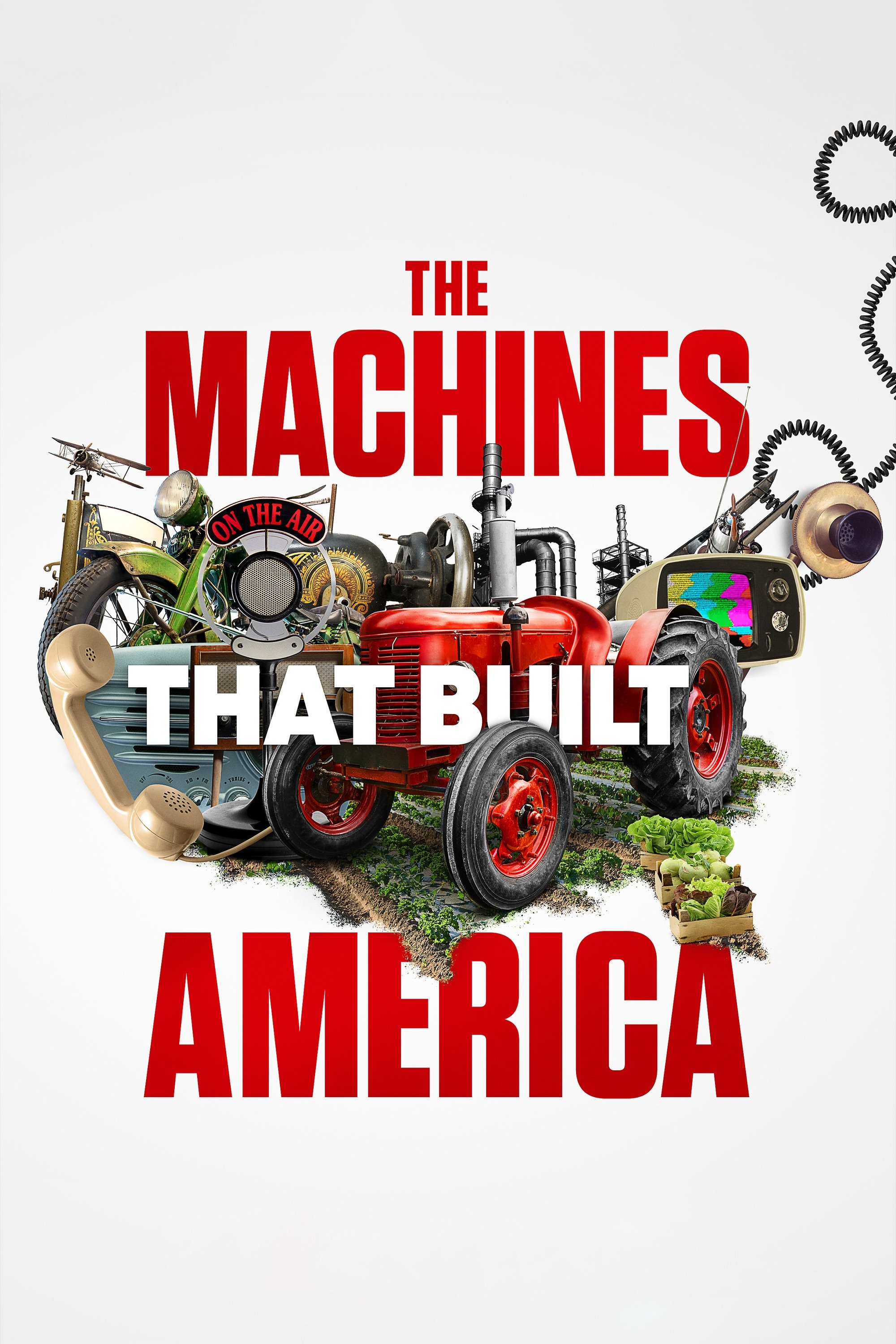
The stories behind innovations such as TV, radio, phones, airplanes, motorcycles and power tools as well as the inventors including Nikola Tesla, William Harley, Alexander Graham Bell, Duncan Black and Alonzo Decker.
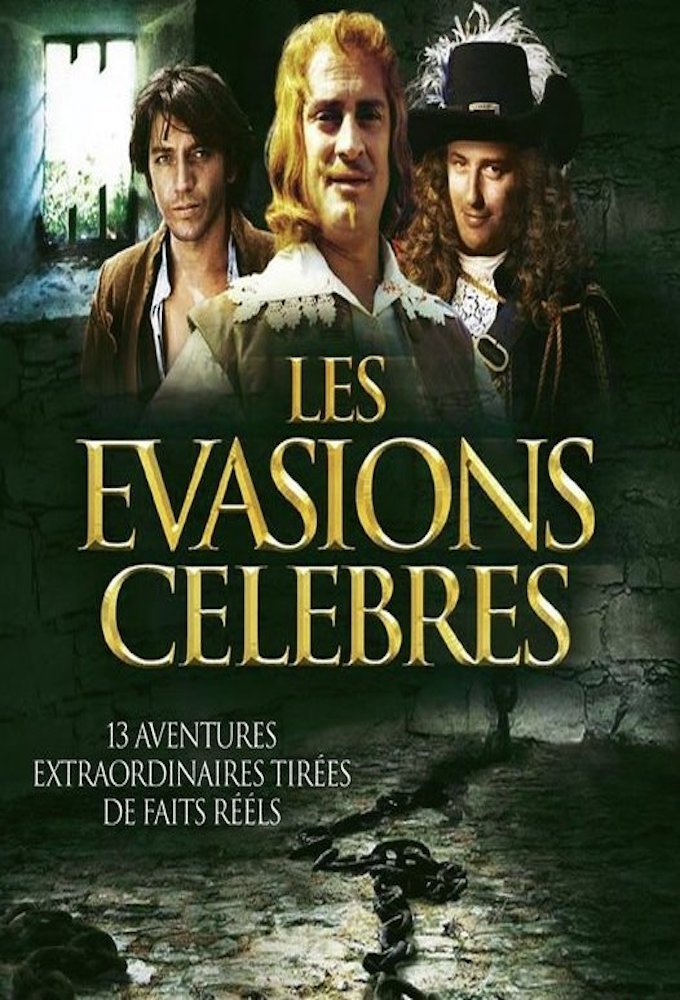
From Bonaparte to Casanova, history is cast in the light of famous escapes from various European countries.
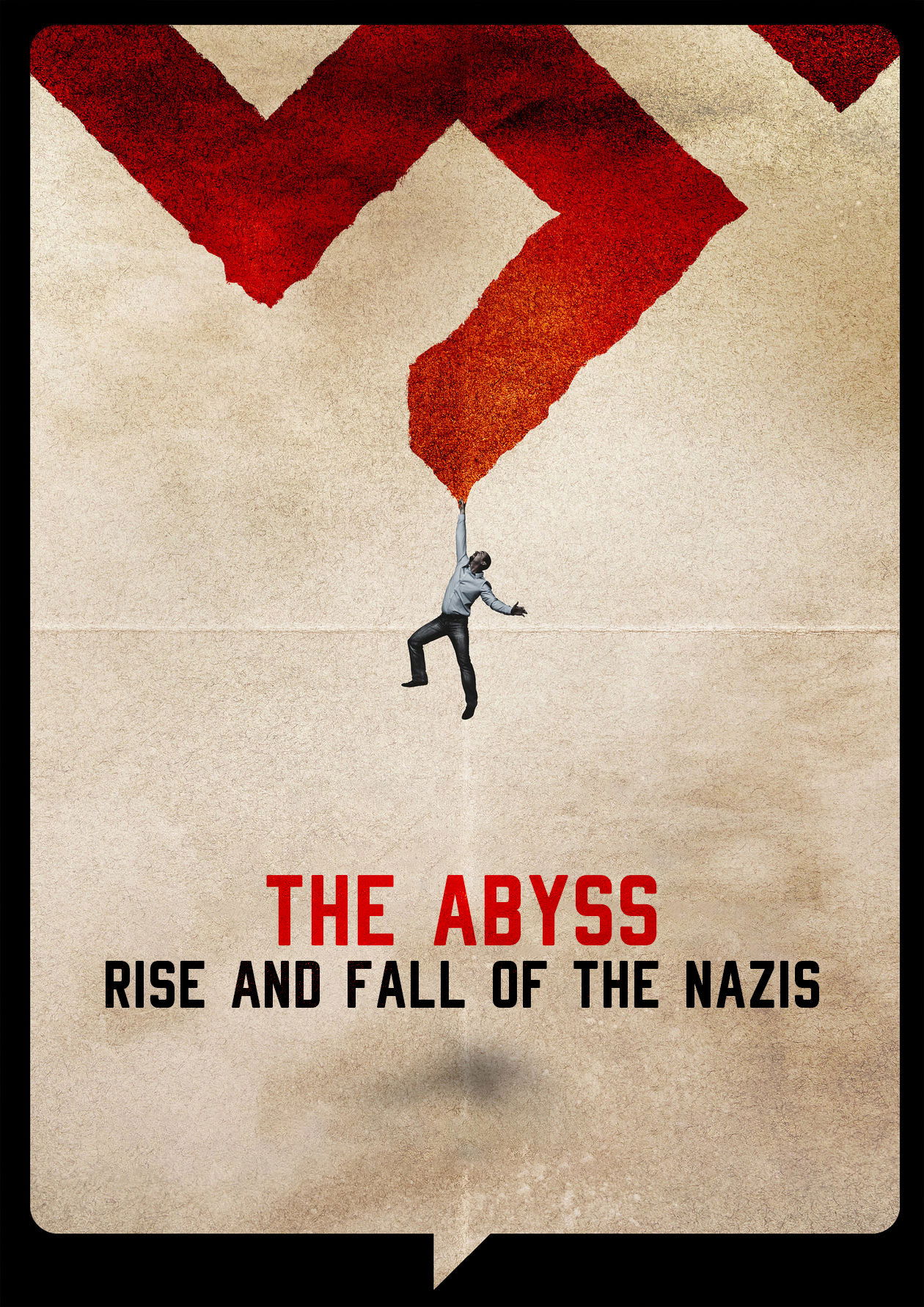
Explores the Third Reich from a contemporary perspective to investigate how the Nazis managed to conquer Germany and then half of Europe in the wake of World War I.
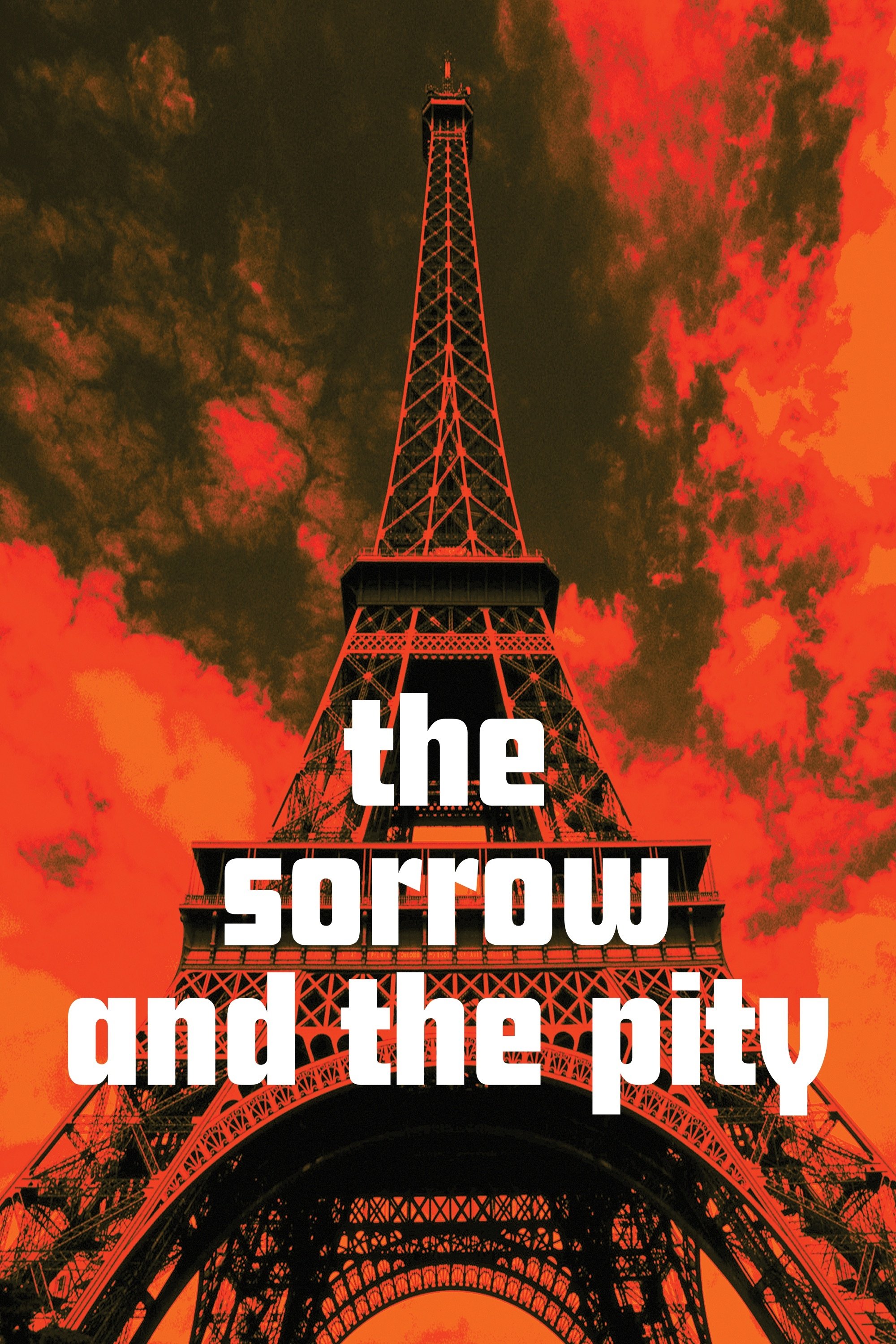
An investigation into the nature, details and reasons for the collaboration, from 1940 to 1944, during World War II, between the Vichy regime, established in the south of France and headed by Marshal Pétain, and Nazi Germany.
How the Silk Road Made the World 3 x 60' NHNZ/CCTV (China Central Television) The Silk Road is one of humanity’s greatest enterprises. For thousands of years across the vastness of Eurasia, a trade route linking east and west has deeply influenced history. Silk Road trade has helped to build and break empires, fed revolutions and profoundly affected civilisations. Humanity as we know it, and all we have created, owes much to the legendary Silk Road. This is true of objects as basic yet revolutionary as a piece of paper, to the complex metropolis of New York City. Travel through time to witness the evolution of ancient warfare, experience the horror of the Black Death, see the explosive impacts of innovations and live through radical social change. Embark on a dramatic historical journey throughout Eurasia and delve into the captivating tales of this world-famous trade route. Discover How the Silk Road Made the World.
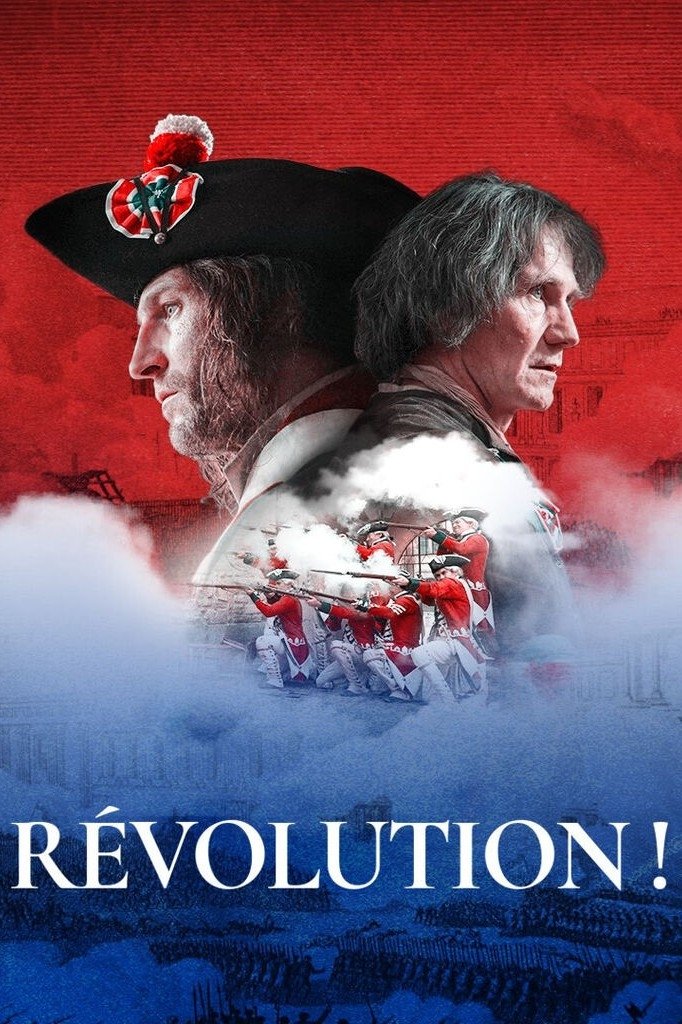
This is the “embedded” French Revolution that we want to share: an exceptional, immersive experience seen through cameras that dive into the heart of history, following its every jolt. It's the story of the fall of the world's most glorious, most powerful ad most ancient monarchy.
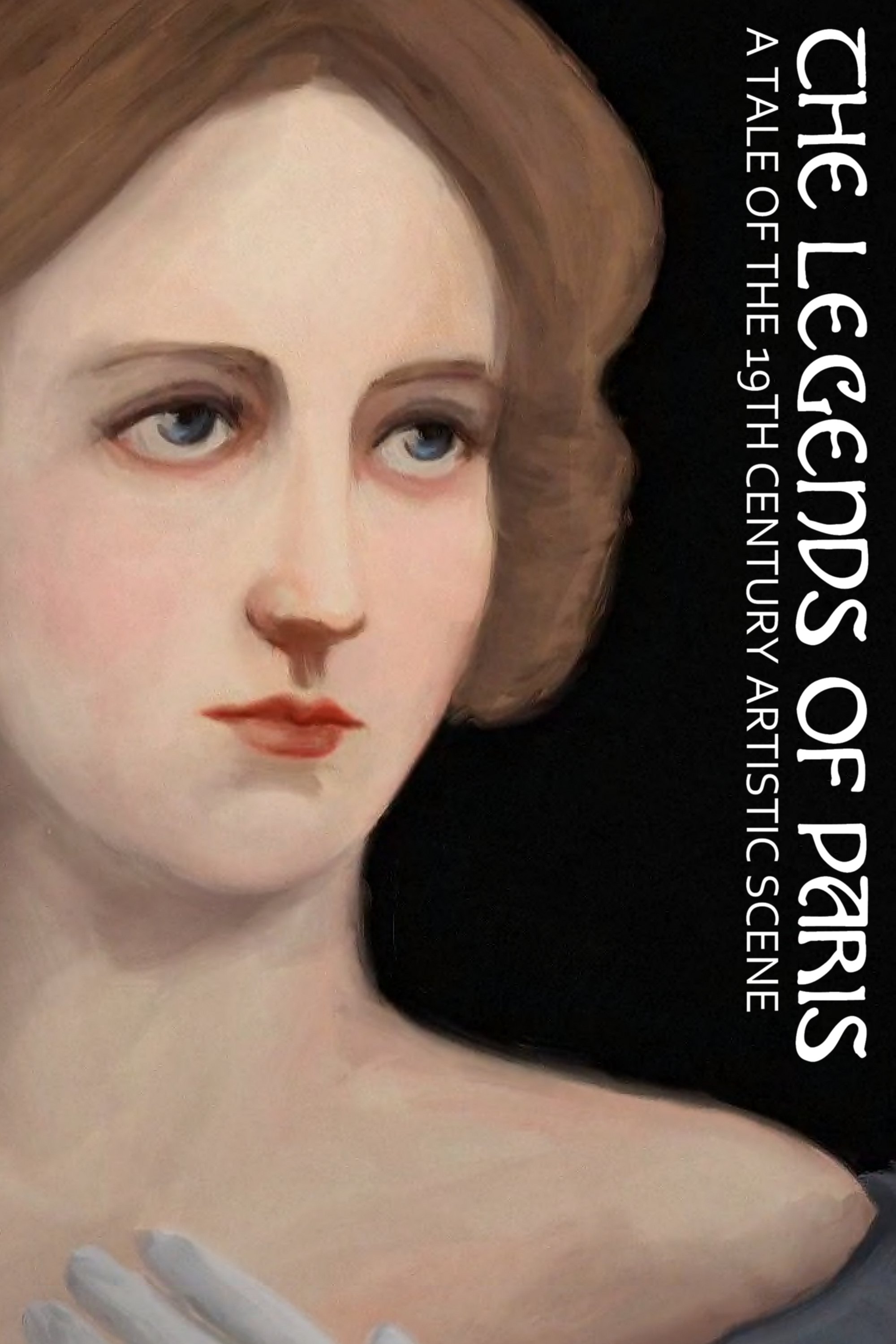
During the turbulent 19th century, a number of brilliant French artists developed the Romantic movement in Paris: writers Victor Hugo, Alexandre Dumas, George Sand, Honoré de Balzac and Charles Baudelaire, painter Eugène Delacroix and composer Hector Berlioz, among others, changed the way of looking at art and created enduring works that have inspired the world to this day.
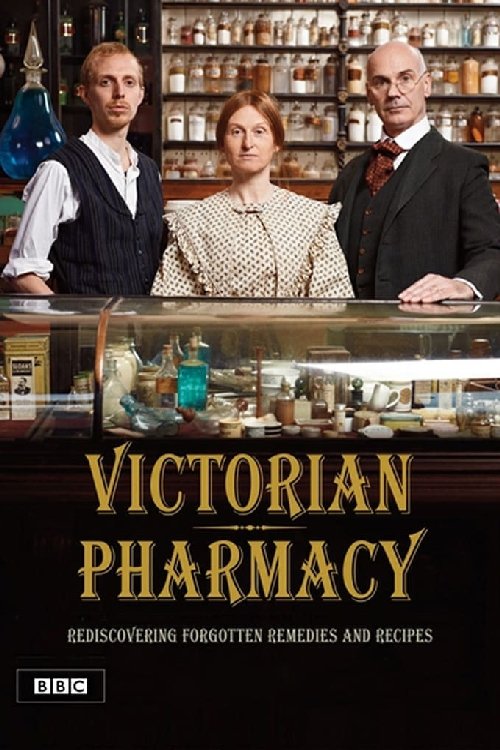
Victorian Pharmacy is a historical documentary TV series in four parts, first shown on BBC Two in July 2010. It was made for the BBC by independent production company Lion Television. It was filmed at Blists Hill Victorian Town in Shropshire. It is a historical documentary that looks at life in the 19th Century and how people attempted to cure common ailments. Since some of the ingredients of Victorian remedies are now either illegal or known to be dangerous, Nick Barber often uses his modern pharmaceutical knowledge to produce similar products without those ingredients. The other main presenters are Tom Quick, a PhD student, and Ruth Goodman, a domestic historian who also appeared in Tales from the Green Valley, Victorian Farm and Edwardian Farm.
The Blues (2003) is a seven-part documentary series produced by Martin Scorsese that explores the history and influence of blues music. Each episode, directed by a different filmmaker, traces a unique aspect of the genre’s evolution—from its African roots to its global impact. Originally airing on PBS, the series includes Scorsese’s Feel Like Going Home, Wim Wenders’ The Soul of a Man, Richard Pearce’s The Road to Memphis, Charles Burnett’s Warming by the Devil’s Fire, Marc Levin’s Godfathers and Sons, Mike Figgis’ Red, White and Blues, and Clint Eastwood’s Piano Blues.
Modern history can be divided into two time frames: before 9/11 and after 9/11. This five-part docuseries is a cohesive chronicle of the September 11, 2001 attacks on the U.S., offering illuminating perspectives and personal stories of how the catastrophic events of that day changed the course of the nation.
The documentary series explores different political figures throughout history.
Dynamic reenactments and expert commentaries bring to life the tumultuous history and power struggles of a warring 16th-century feudal Japan.
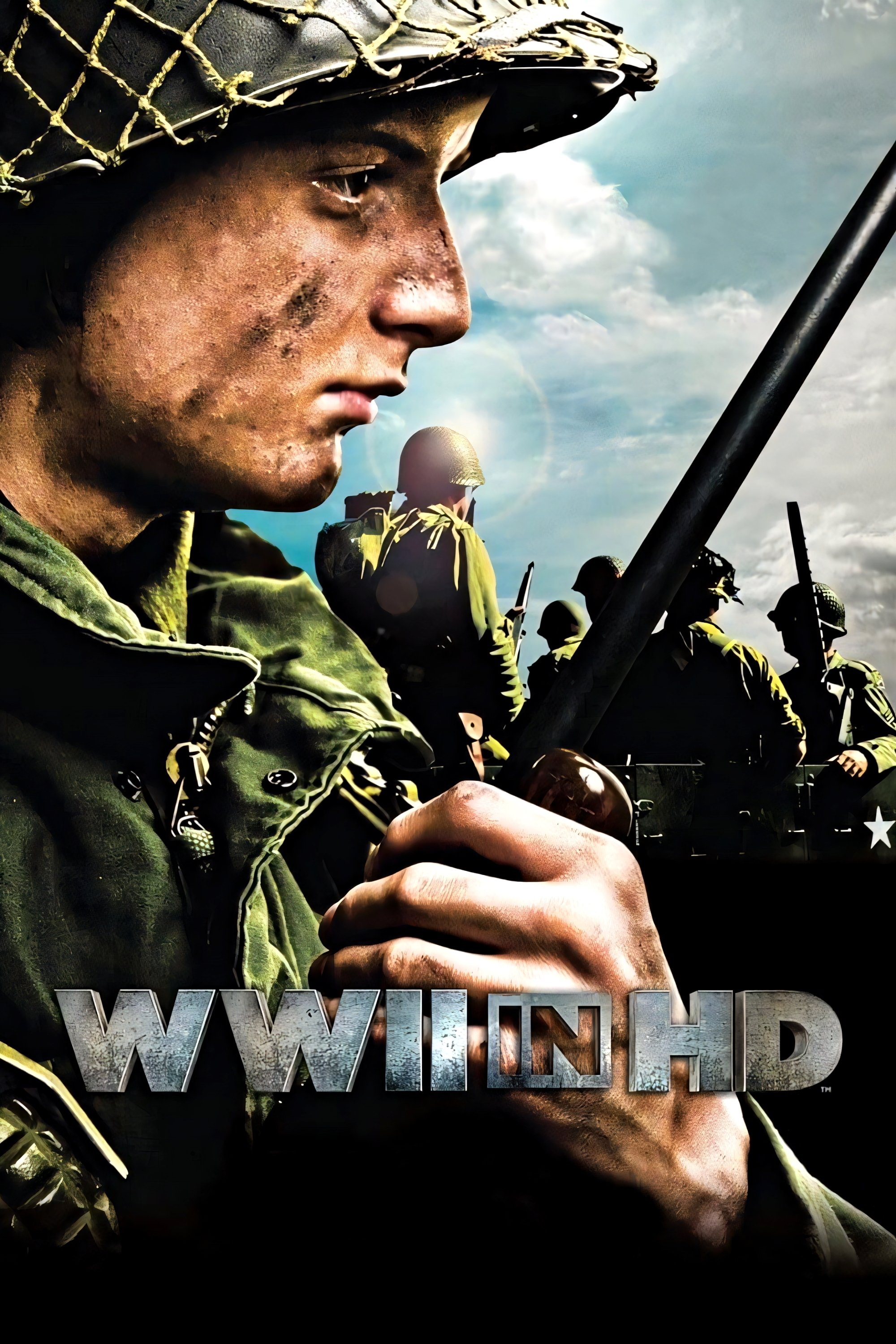
WWII in HD is a 10-part American documentary television miniseries that originally aired from November 15 to November 19, 2009 on the History Channel. The program focuses on the firsthand experiences of twelve American service members during World War II, including an Army nurse, a member of the Tuskegee Airmen, a second generation Japanese American and prisoner of war, and an Austrian Jewish immigrant. The twelve members recorded their time in both theaters and some had later interviews; found footage from the battlefield was paired with the stories of the twelve service members. The episodes premiered on five consecutive days, with two episodes per day. The series is narrated by Gary Sinise and was produced by Lou Reda Productions in Easton, Pennsylvania, United States.
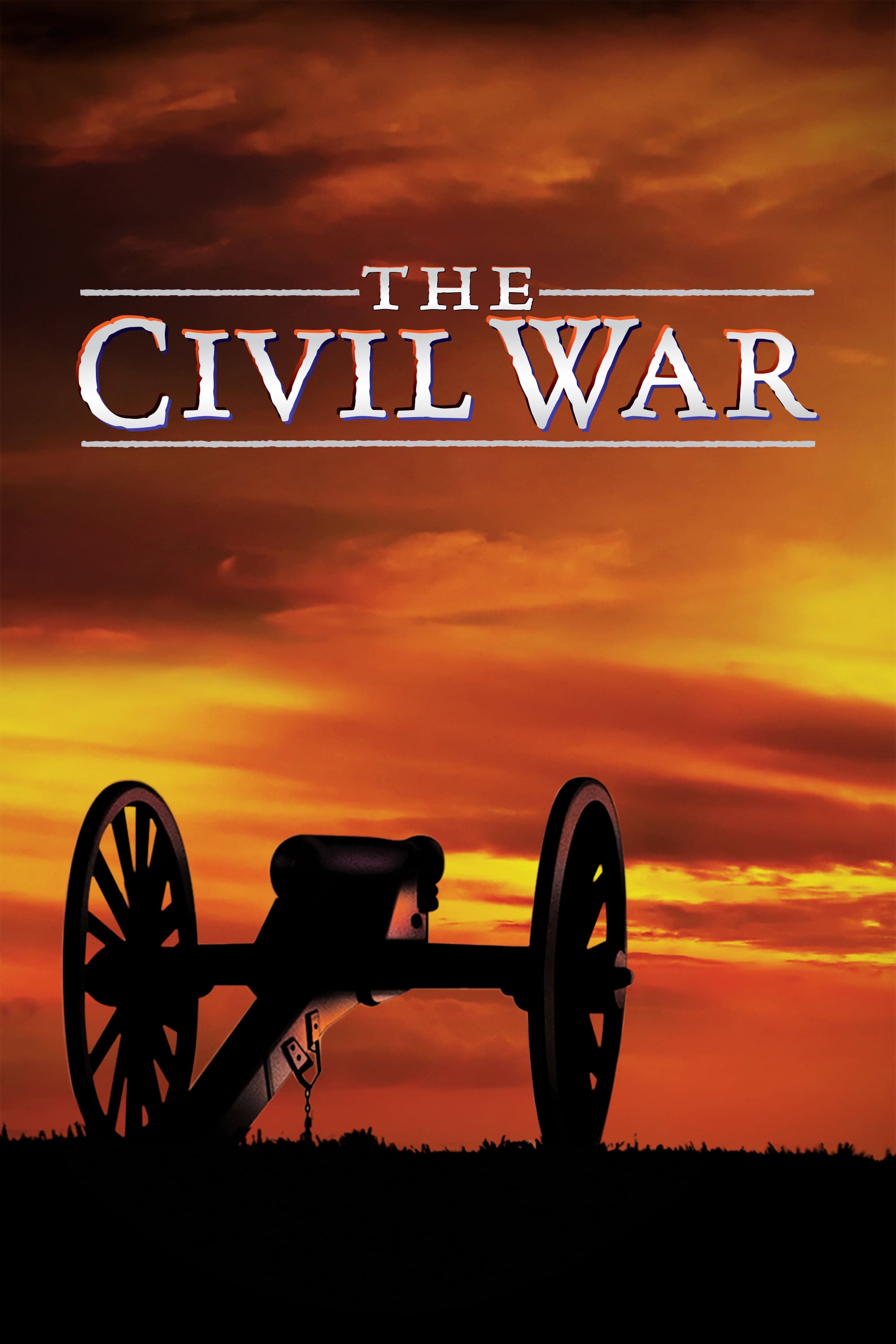
A documentary on the American Civil War narrated by Ken Burns, covering the secession of the Confederacy to the assassination of Abraham Lincoln.
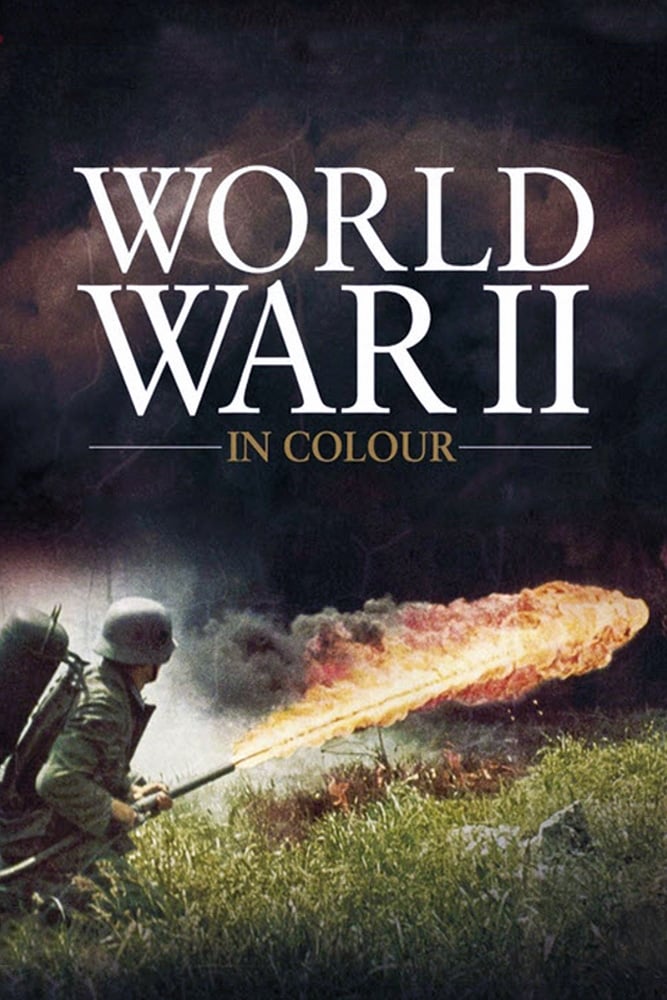
World War II In Colour is a 13-episode television documentary miniseries recounting the events of World War II narrated by Robert Powell. The show covers the Western Front, Eastern Front, and the Pacific War. It is on syndication in America on the Military Channel. This series is in full color, combining both original and colorized footage.
A documentary series that gives a historical account of the events of World War II, from its roots in the 1920s to the aftermath and the lives it profoundly influenced.
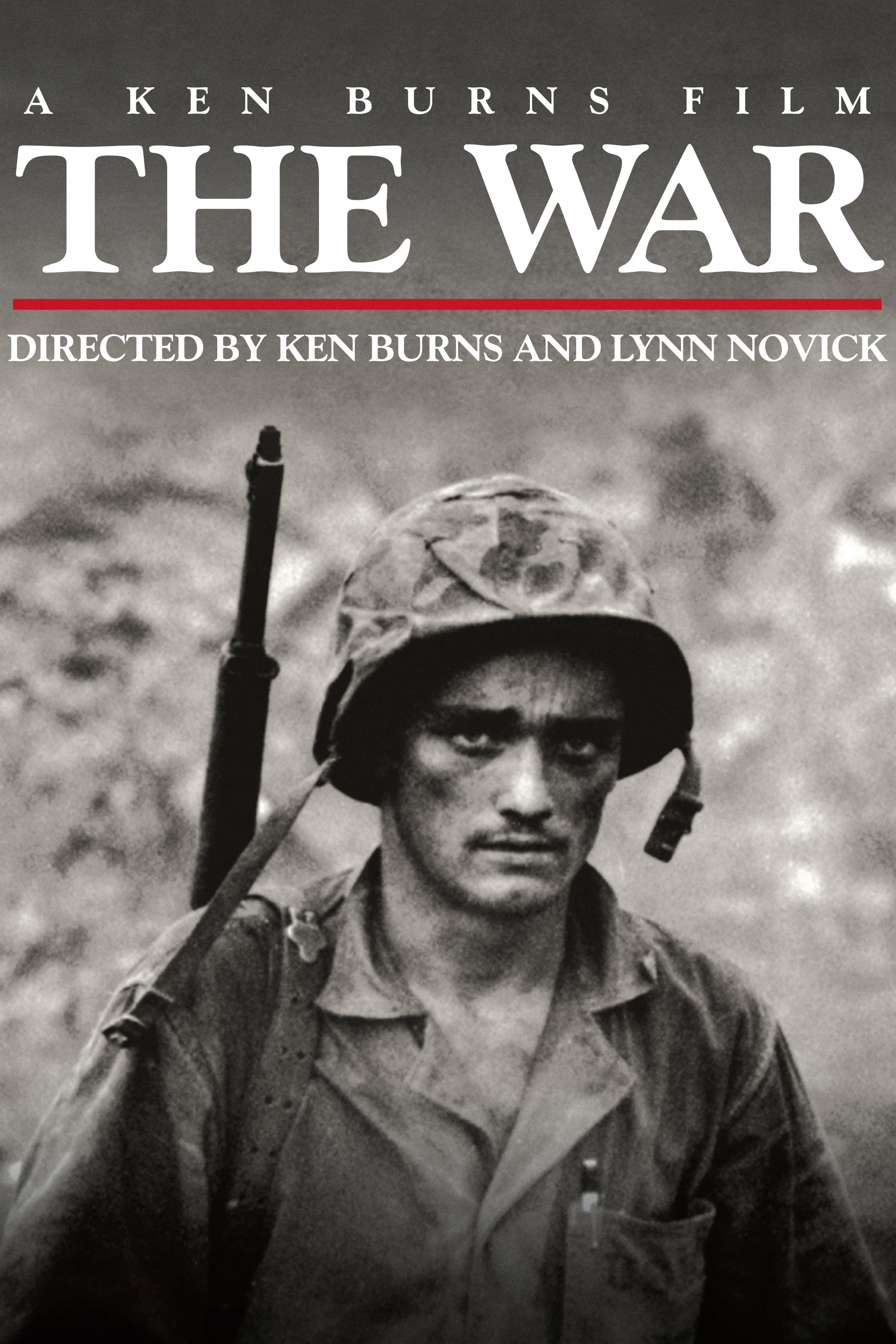
The story of the Second World War through the personal accounts of a handful of men and women from four American towns. The war touched the lives of every family on every street in every town in America and demonstrated that in extraordinary times, there are no ordinary lives.
Infographics and archival footage deliver bite-size history lessons on scientific breakthroughs, social movements and world-changing discoveries.
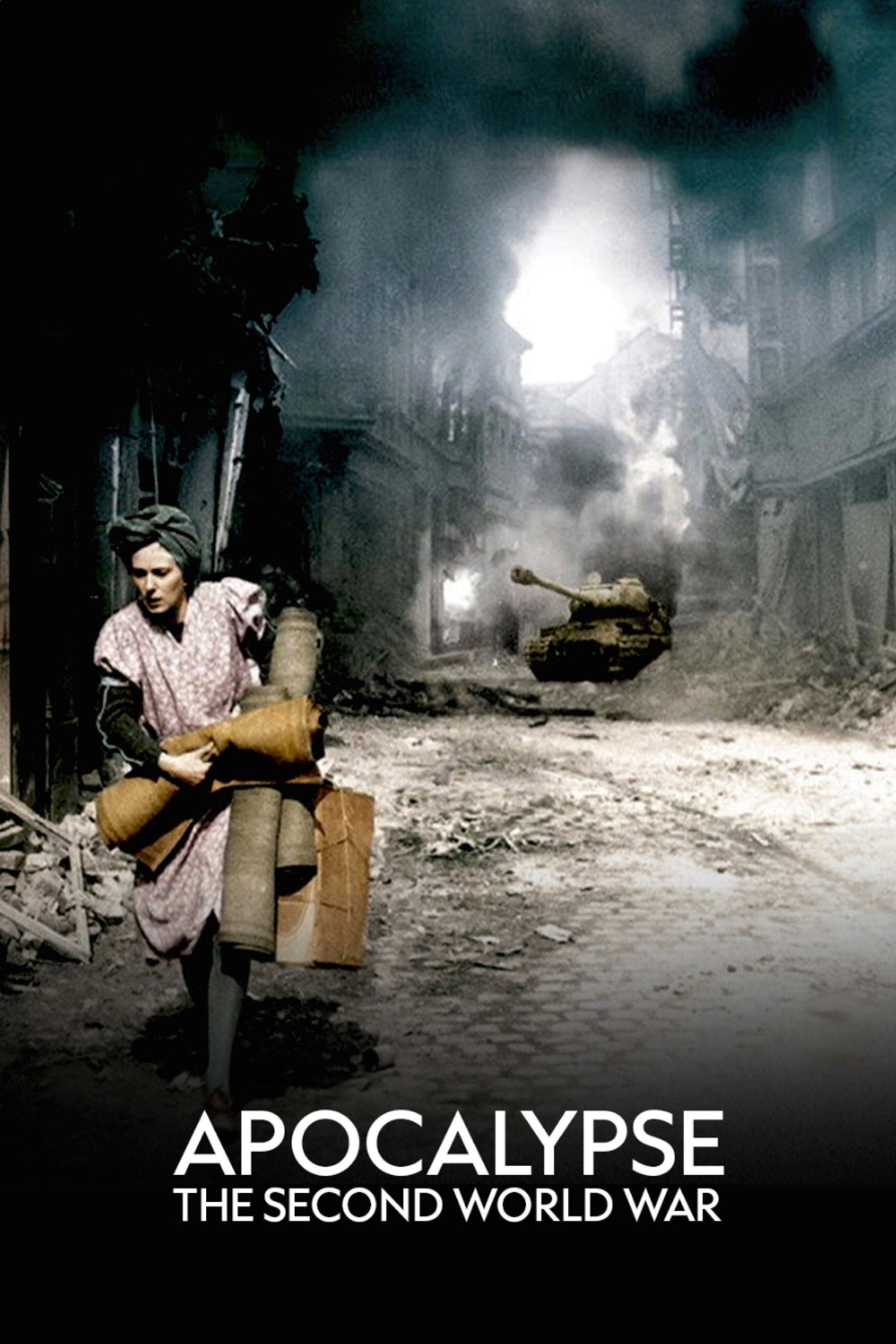
A six-part French documentary about the Second World War composed exclusively of actual footage of the war as filmed by war correspondents, soldiers, resistance fighters and private citizens. The series is shown in color, with the black and white footage being fully colorized, save for some original color footage. The only exception to the treatment are most Holocaust scenes, which are presented in the original black and white.
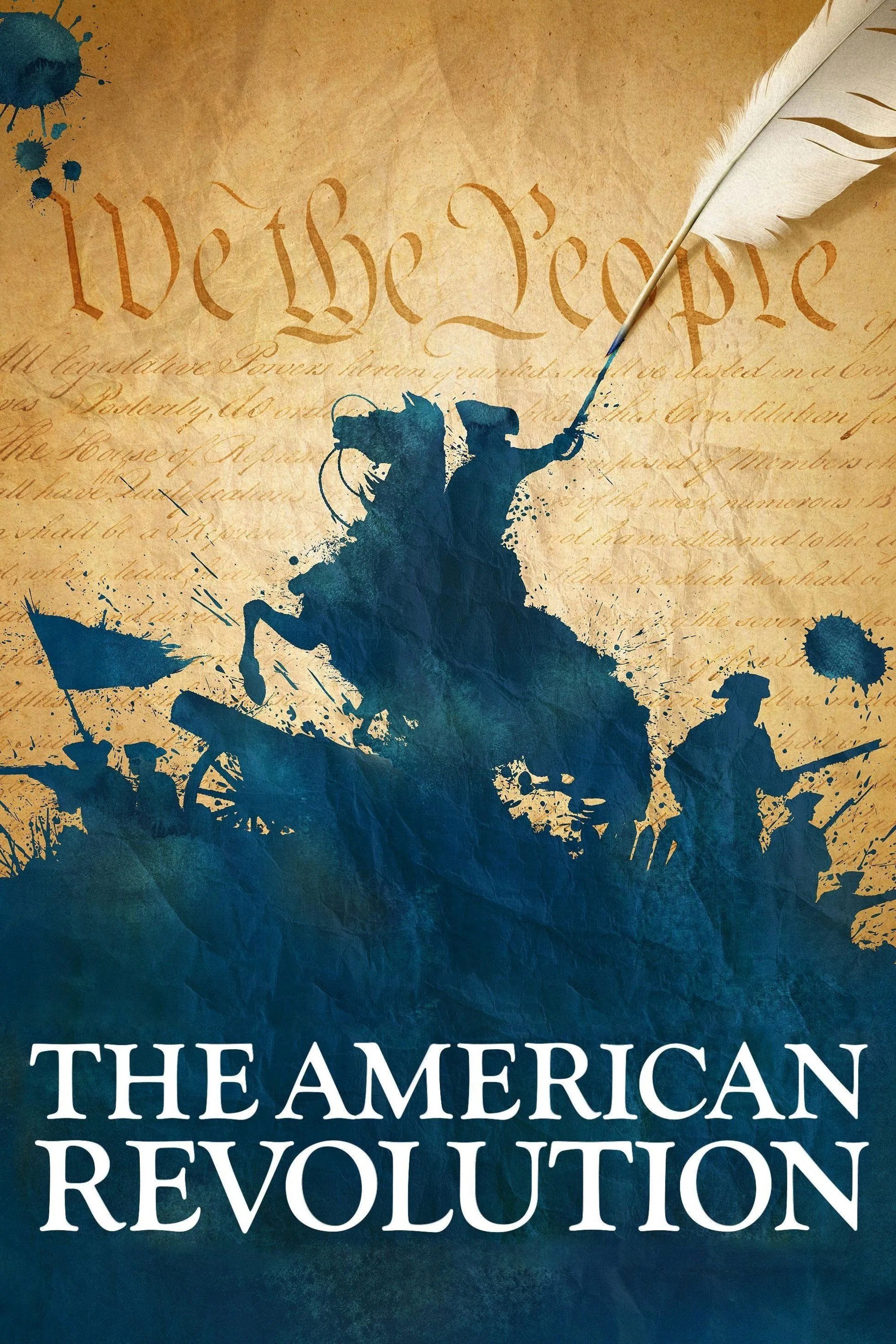
The American Revolution was at once a war for independence, a war of conquest, a civil war, and a world war, fought by neighbors on American farms and between global powers an ocean or more away. It impacted millions from Vermont’s Green Mountains to the swamps of South Carolina, from Indian Country to the Iberian Peninsula. In defeating the British Empire and giving birth to a new nation, the American Revolution turned the world upside-down. Thirteen colonies on the Atlantic Coast united in rebellion, won their independence, and established a republic that still endures. The American Revolution will present the story of the men and women of the Revolutionary generation, their humanity in victory and defeat, and the crisis that they lived through.
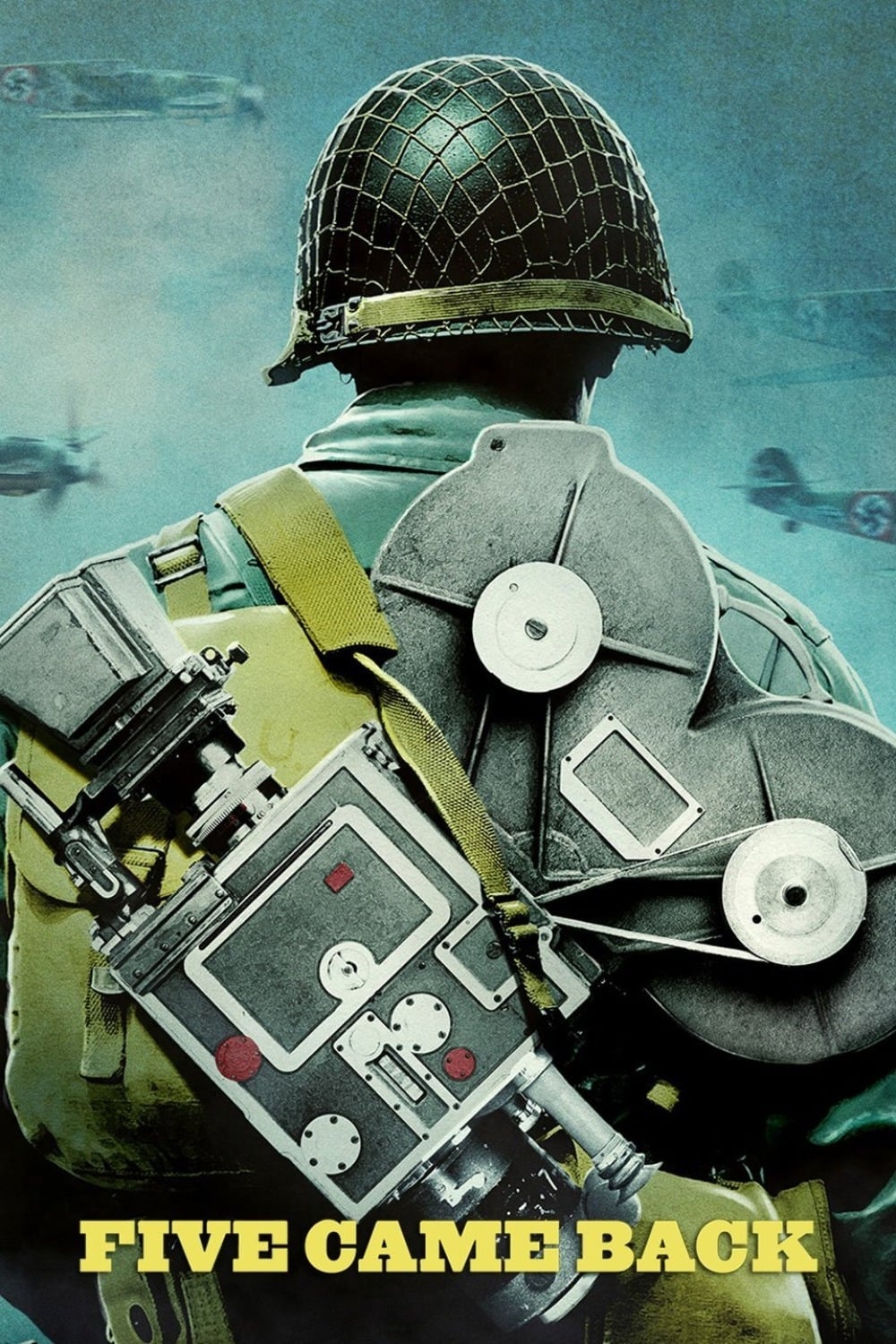
Five acclaimed contemporary directors tell the story of five legendary Hollywood filmmakers who enlisted in the armed forces to document World War II.
An immersive 360-degree narrative telling the epic story of the Vietnam War as it has never before been told on film. Featuring testimony from nearly 80 witnesses, including many Americans who fought in the war and others who opposed it, as well as Vietnamese combatants and civilians from both the winning and losing sides.
Oliver Stone's re-examination of under-reported events in American history.
A worldwide guided tour of the greatest movies ever made and the story of international cinema through the history of cinematic innovation.
Using highly advanced colourisation techniques, critical moments from World War II, from Stalingrad to The Battle of Britain, are shown in a whole new light.
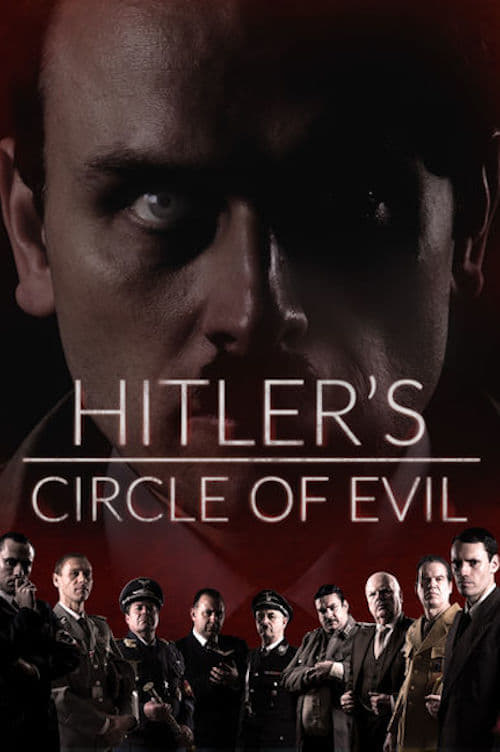
Surviving power struggles, betrayals and plots, Hitler's inner circle of Nazi leaders seizes control of Germany and designs its disastrous future.
The documentary takes viewers through Janet Jackson's life and career, contain never-before-seen footage, and feature home videos from the legendary artist. Jackson discusses her controversial 2004 Super Bowl halftime show performance with Justin Timberlake, her father Joe Jackson, the death of her brother Michael Jackson, and more.
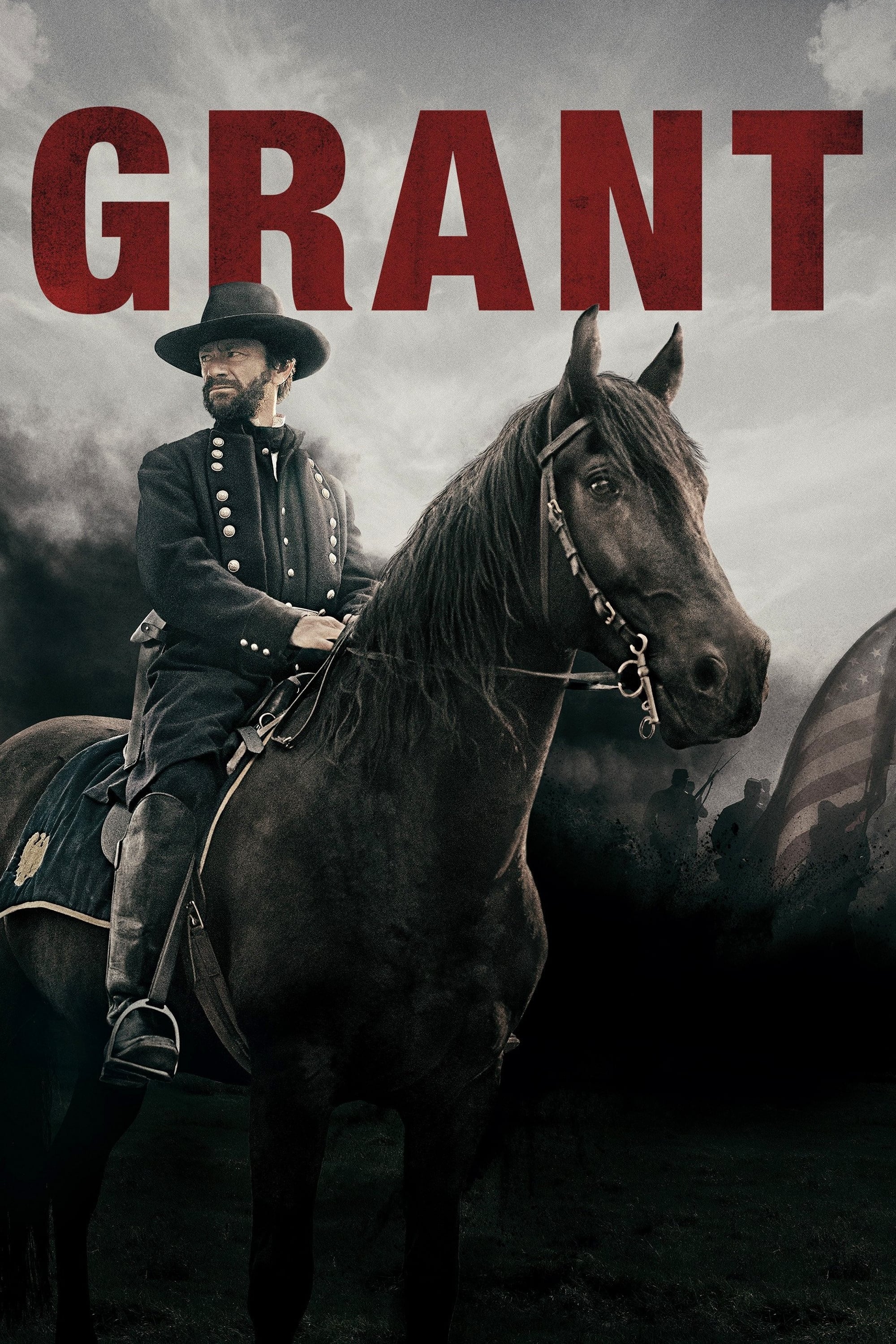
This documentary-series examines Grant's life story using his perspective and experiences to explore a turbulent time in history: the Civil War and Reconstruction.
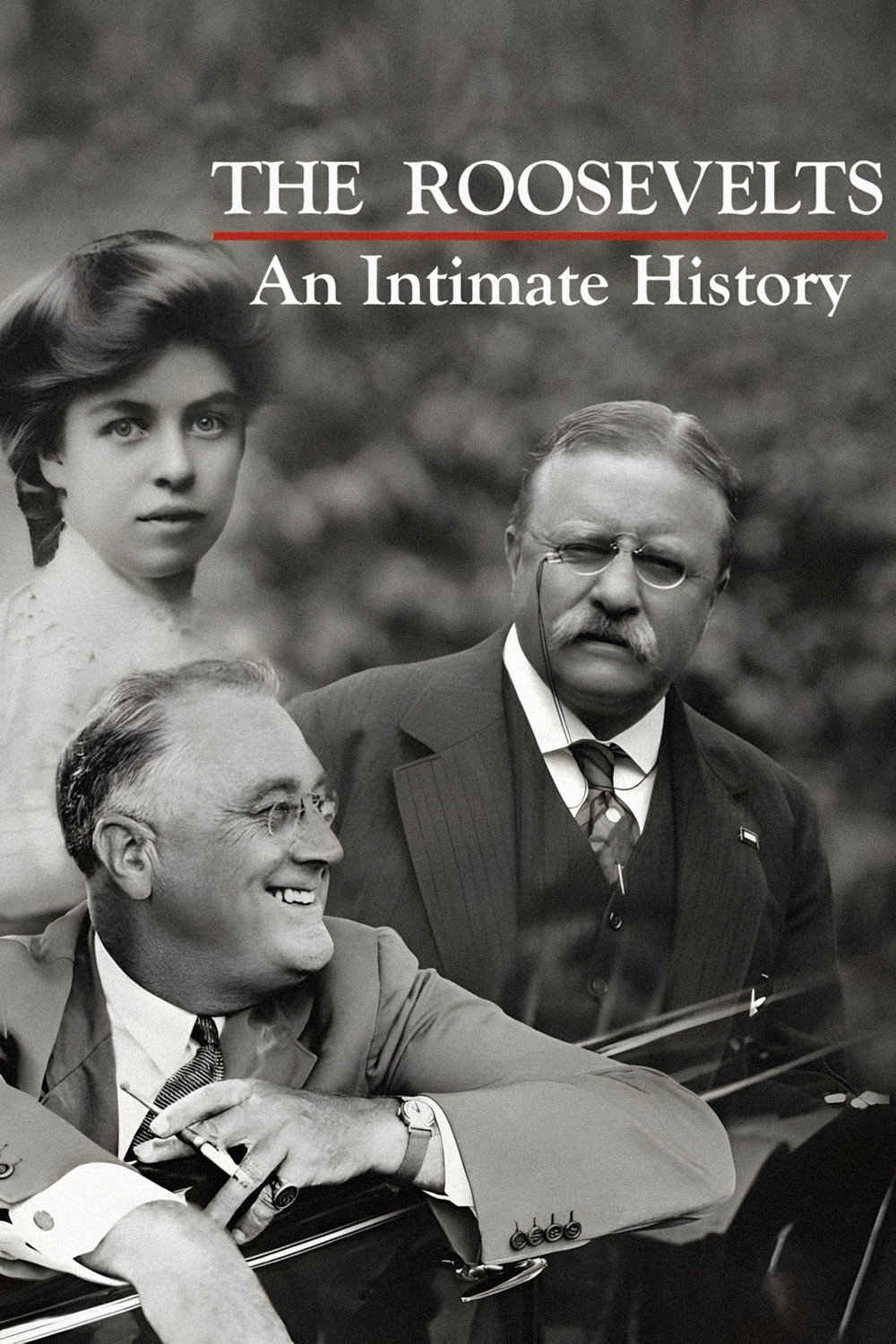
Chronicles the lives of Theodore, Franklin and Eleanor Roosevelt, three members of the most prominent and influential family in American politics. It is the first time in a major documentary television series that their individual stories have been interwoven into a single narrative. This seven-part, fourteen hour film follows the Roosevelts for more than a century, from Theodore’s birth in 1858 to Eleanor’s death in 1962.
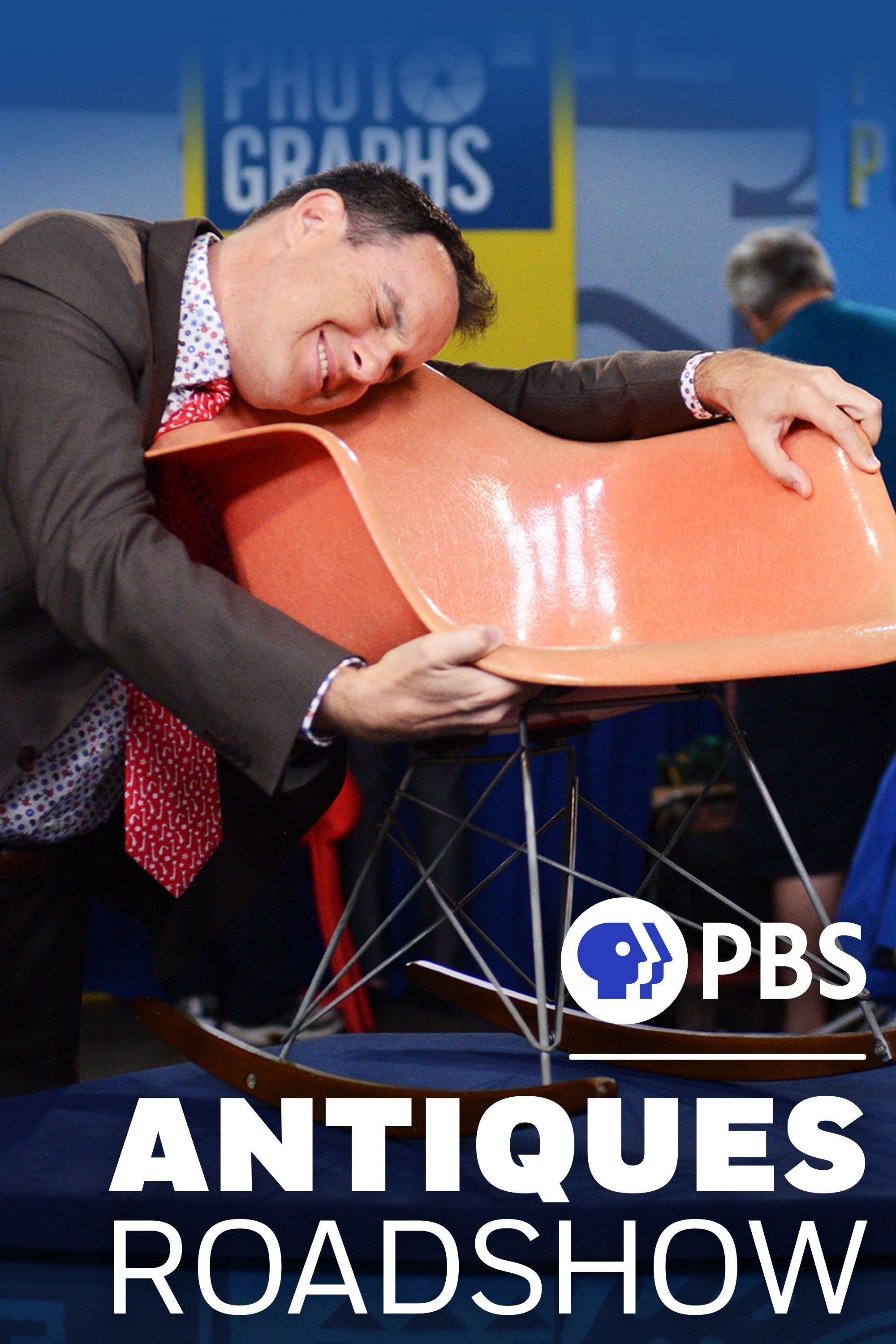
Based on the popular BBC series running since 1979, the PBS Antiques Roadshow combines history with discovery. Each year, the show visits a handful of cities to appraise items brought in by viewers. Are these items worth a lot of money, more than the visitors expect?