Social & External
The people behind it
Kerttu Kotakorpi
Markku Sipi
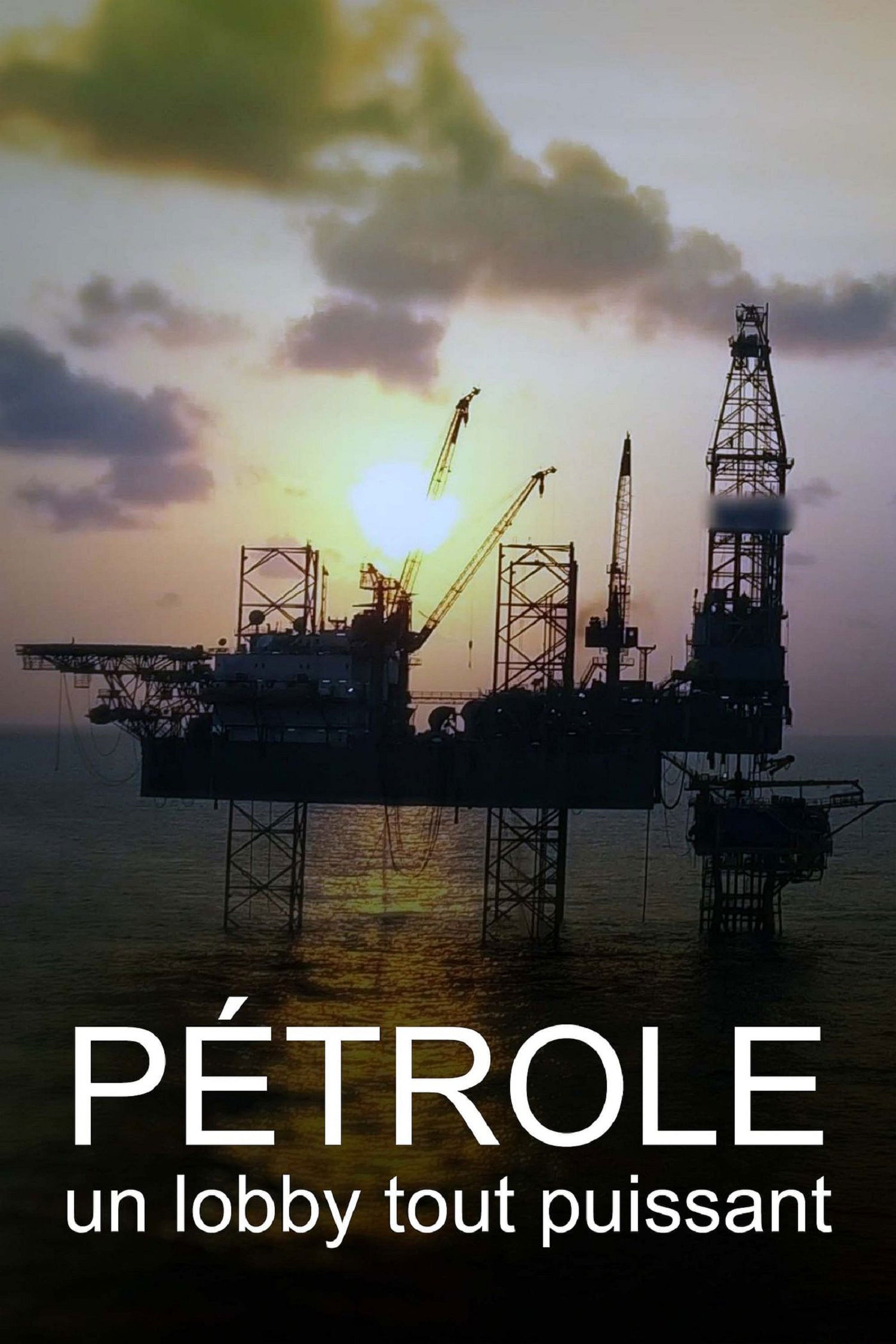
To coincide with COP28, the two-part arte documentary (originally from PBS Frontline/BBC under the title "Big Oil vs. The World" / "The Power of Big Oil") shows how oil companies and politicians have, for decades, sowed doubt about the causes of climate change and obstructed necessary countermeasures. In light of the growing threat of natural disasters, heat waves, and floods, the film examines the precise reasons for this long-standing obstruction and questions the responsibility of powerful oil companies like ExxonMobil.
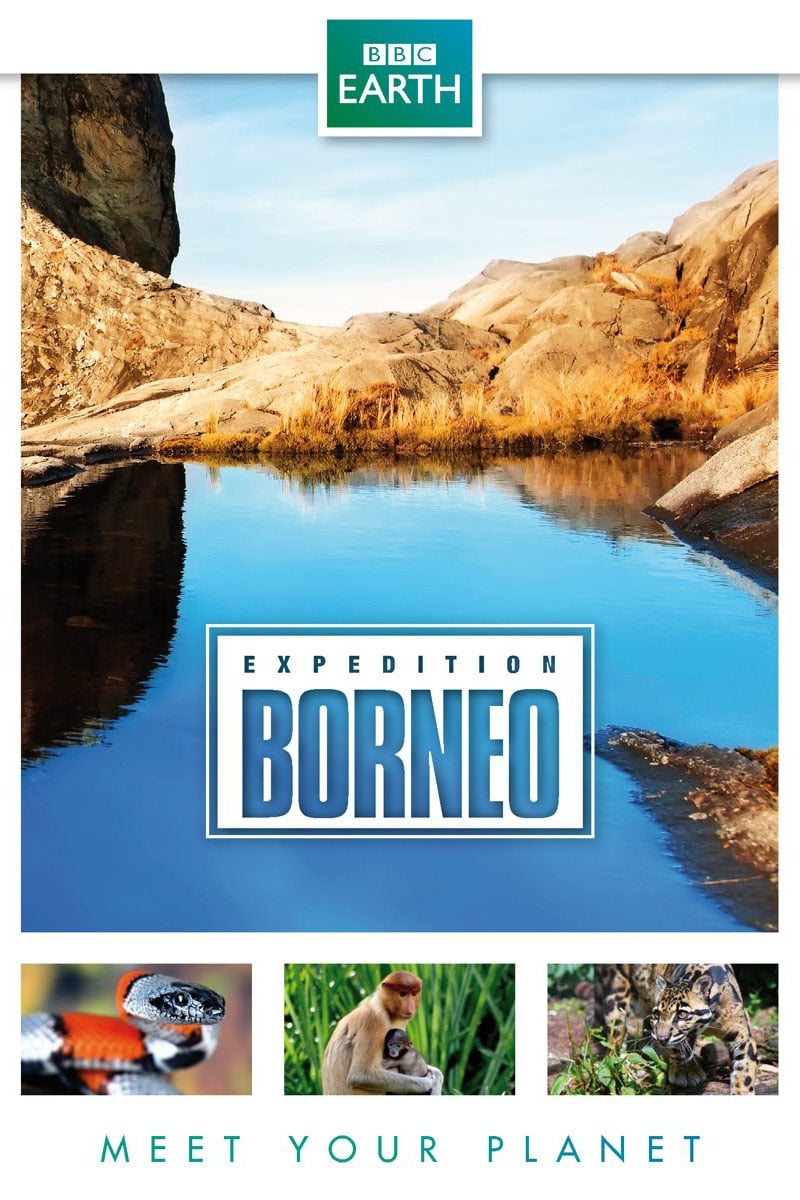
Wildlife adventure series following a team of explorers in the heart of the tropical island of Borneo.
A celebration of the natural wonder and power of nature in our backyard. From iconic places to secret gems, this series will open the gateways for all to explore the breadth of the beauty and tranquility
David Attenborough celebrates the amazing variety of the natural world in this epic documentary series, filmed over four years across 64 different countries.
Take a trip inside the mind of Bill Gates as the billionaire opens up about those who influenced him and the audacious goals he's still pursuing.
David Attenborough reveals the surprising truth about the cold-blooded lives of reptiles and amphibians. These animals are as dramatic, as colourful and as tender as any other animals.
Baboons with Bill Bailey is a wildlife documentary series presented by Bill Bailey. The series follows Bill as he attempts to find out more about the lives of baboons who are living in several colonies in Cape Town, South Africa.
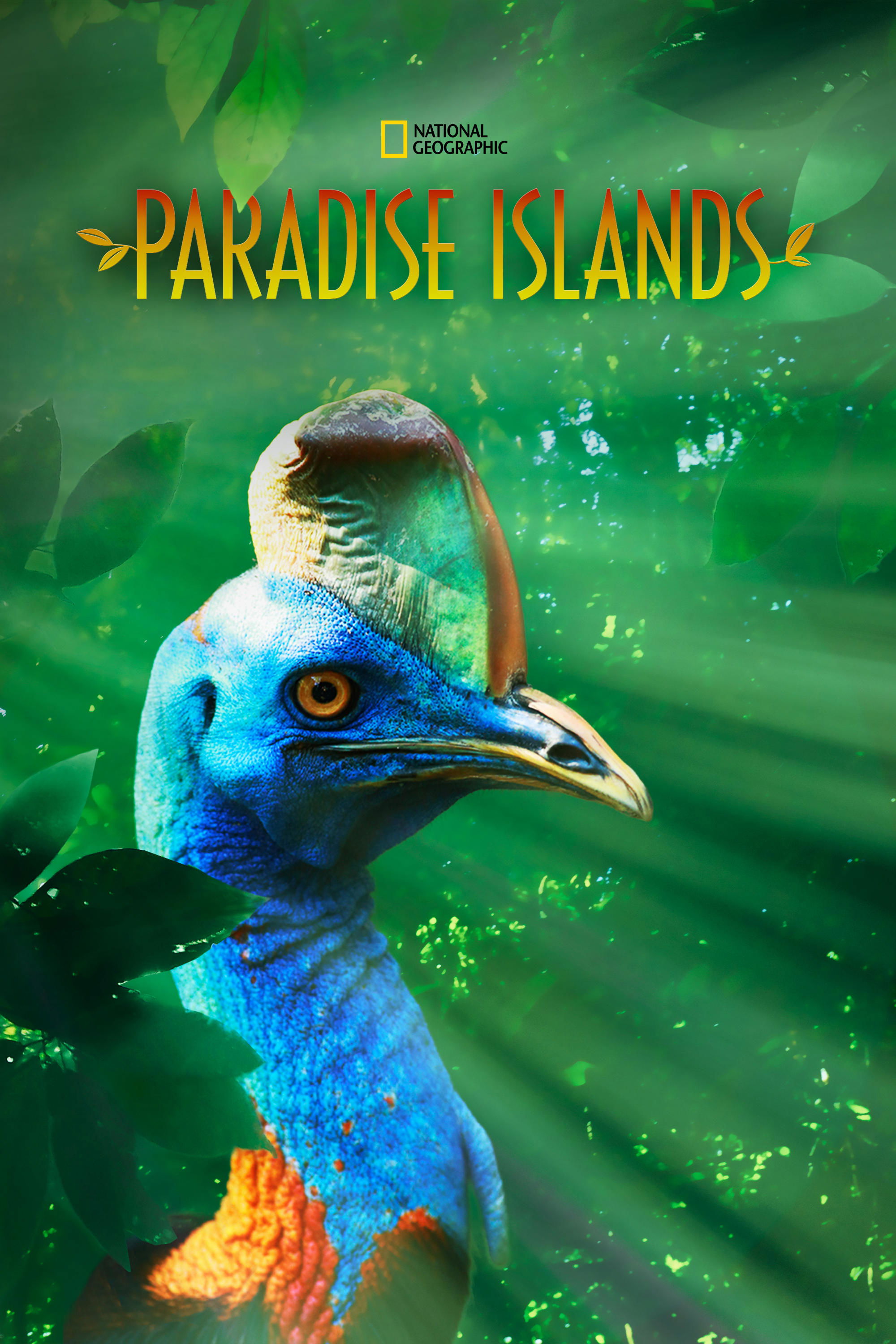
The tropical islands that lie between Asia and Australia are among the biologically richest on earth, and home to a vast number of plants and animals. From tree kangaroos to tarsiers, manta rays to mudskippers, the region abounds with life. But why? The answer lies deep in time, due to the many millions of years these islands have existed - and the power of the earth, the sun and the moon.
The series will explore dynamics of life on the reef and beyond via a clown fish.
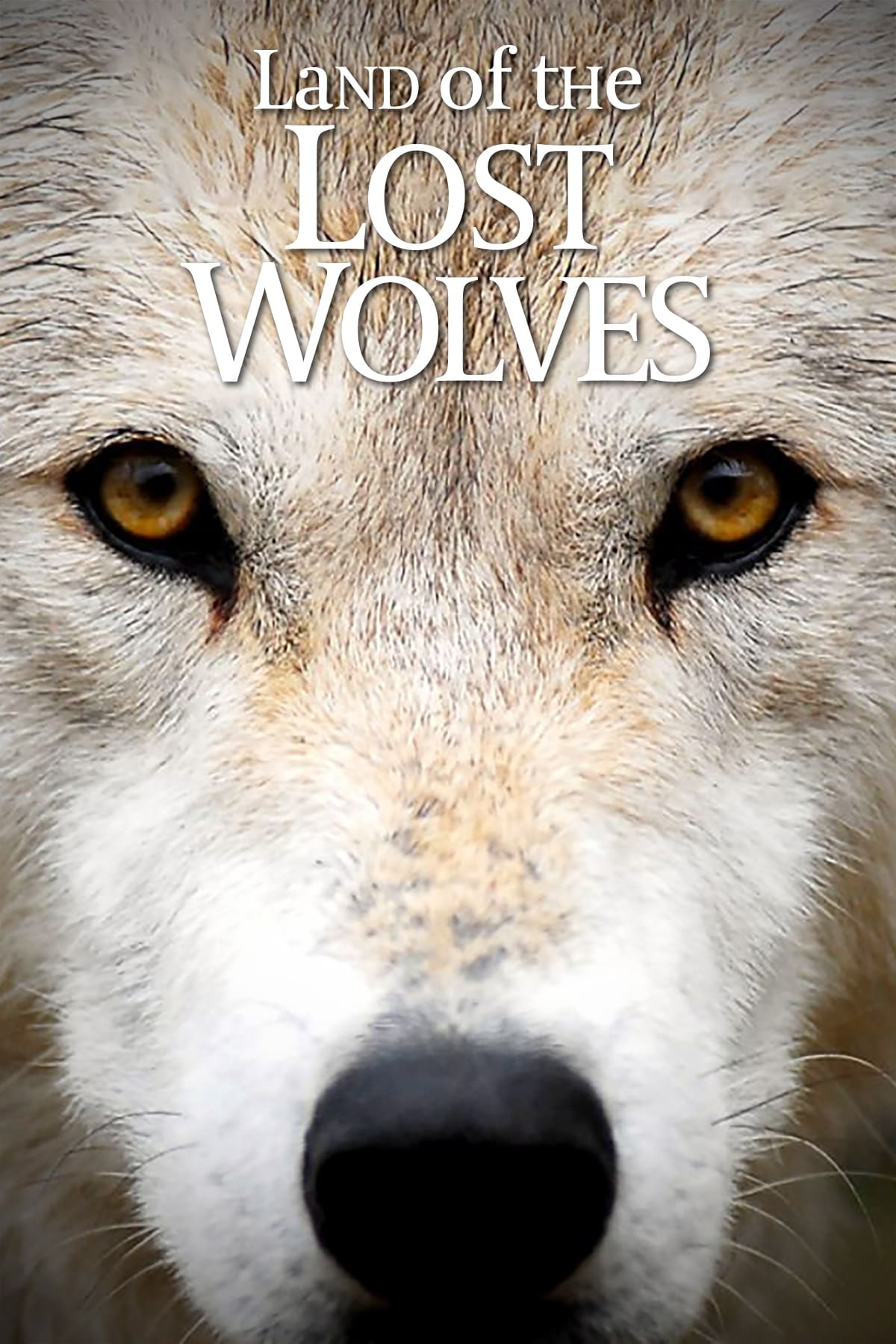
Two-part natural history series following the fortunes of one very special pack of wolves as they return to North America's West Coast.
PBS' premier science series helps viewers of all ages explore the science behind the headlines. Along the way, NOVA demystifies science and technology, and highlights the people involved in scientific pursuits.
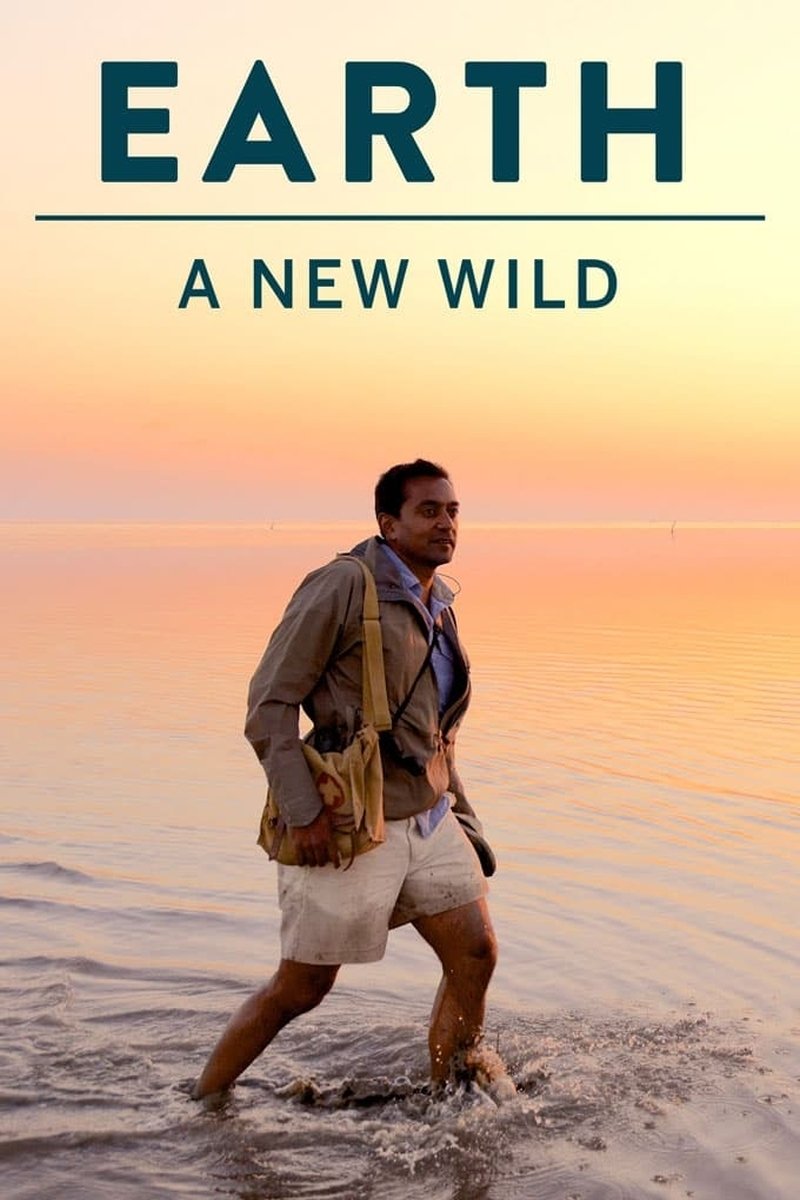
A fresh look at humankind’s relationship to the planet’s wildest places and most fascinating species. Using advanced filming techniques, this series will provide visuals as stunning as the best natural history programs. Distinguishing itself from nearly all other nature films, however, the series turns the cameras around, showing the world as it really is—with humans in the picture.
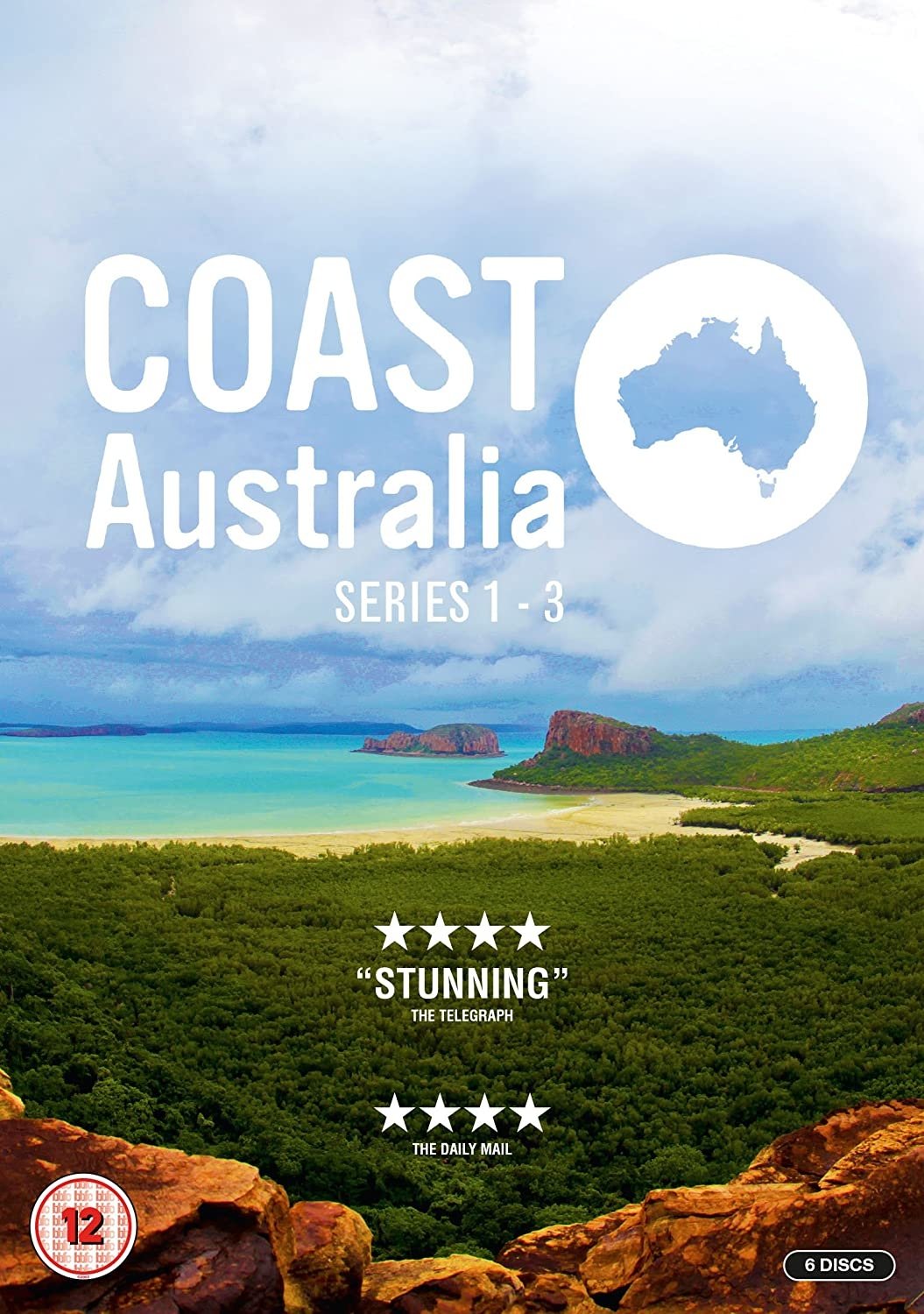
Coast Australia follows renowned Scottish archaeologist and historian Neil Oliver on his very first trip to Australia, as he and a diverse group of co-hosts gather stories about our spectacular coastline: the history, the people, the archaeology, the geography and the marine life, investigating interesting and little known facts along the way. Oliver’s co-hosts, all experts in their field, are journalist and Australian arts and culture specialist Miriam Corowa, environmentalist Professor Tim Flannery, marine scientist Dr Emma Johnston, anthropologist Dr Xanthe Mallett and television presenter and landscape architect Brendan Moar.
Three-part series that looks at a year in Alaska, revealing the stories of pioneering Alaskans, both animal and human, as they battle the elements and reap the benefits of nature's seasonal gold rush.
The Great Global Warming Swindle is a polemical documentary film that suggests that the scientific opinion on climate change is influenced by funding and political factors, and questions whether scientific consensus on anthropogenic global warming exists. The program was formally criticised by Ofcom, the UK broadcasting regulatory agency, which upheld complaints of misrepresentation made by David King. The film, made by British television producer Martin Durkin, presents scientists, economists, politicians, writers, and others who dispute the scientific consensus regarding anthropogenic global warming. The programme's publicity materials assert that man-made global warming is "a lie" and "the biggest scam of modern times." Its original working title was "Apocalypse my arse", but the title The Great Global Warming Swindle was later adopted as an allusion to the 1980 mockumentary The Great Rock 'n' Roll Swindle about British punk band the Sex Pistols. The UK's Channel 4 premiered the documentary on 8 March 2007. The channel described the film as "a polemic that drew together the well-documented views of a number of respected scientists to reach the same conclusions. This is a controversial film but we feel that it is important that all sides of the debate are aired." According to Hamish Mykura, Channel 4's head of documentaries, the film was commissioned "to present the viewpoint of the small minority of scientists who do not believe global warming is caused by anthropogenic production of carbon dioxide."
On his toughest journeys yet, Simon Reeve travels through some of the most remote landscapes on Earth in search of the people and the wildlife of the planet’s greatest wildernesses.
Filmed over the course of a year, this three-part documentary follows those who live in one of the most extraordinary places on the planet, Australia's Great Barrier Reef.
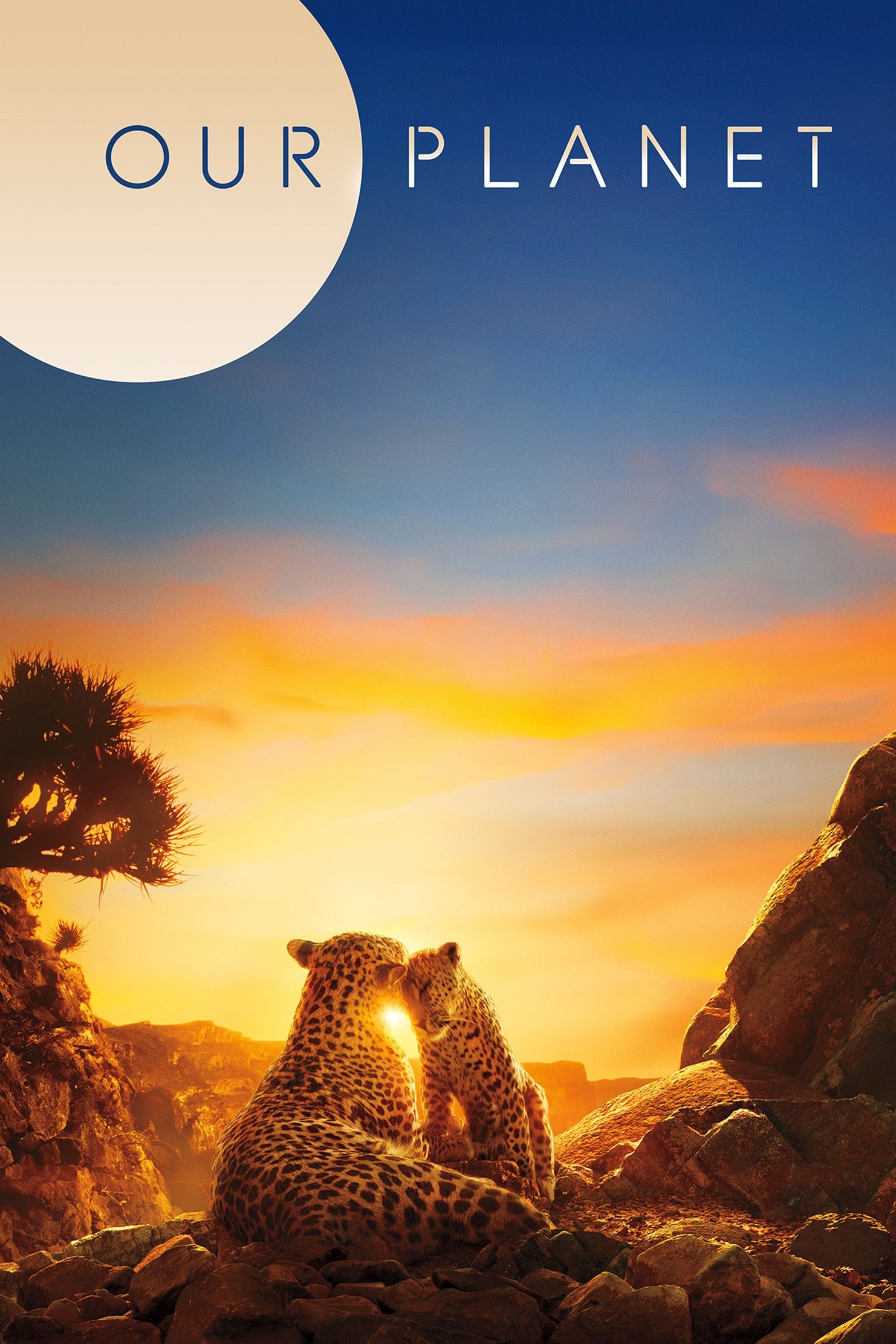
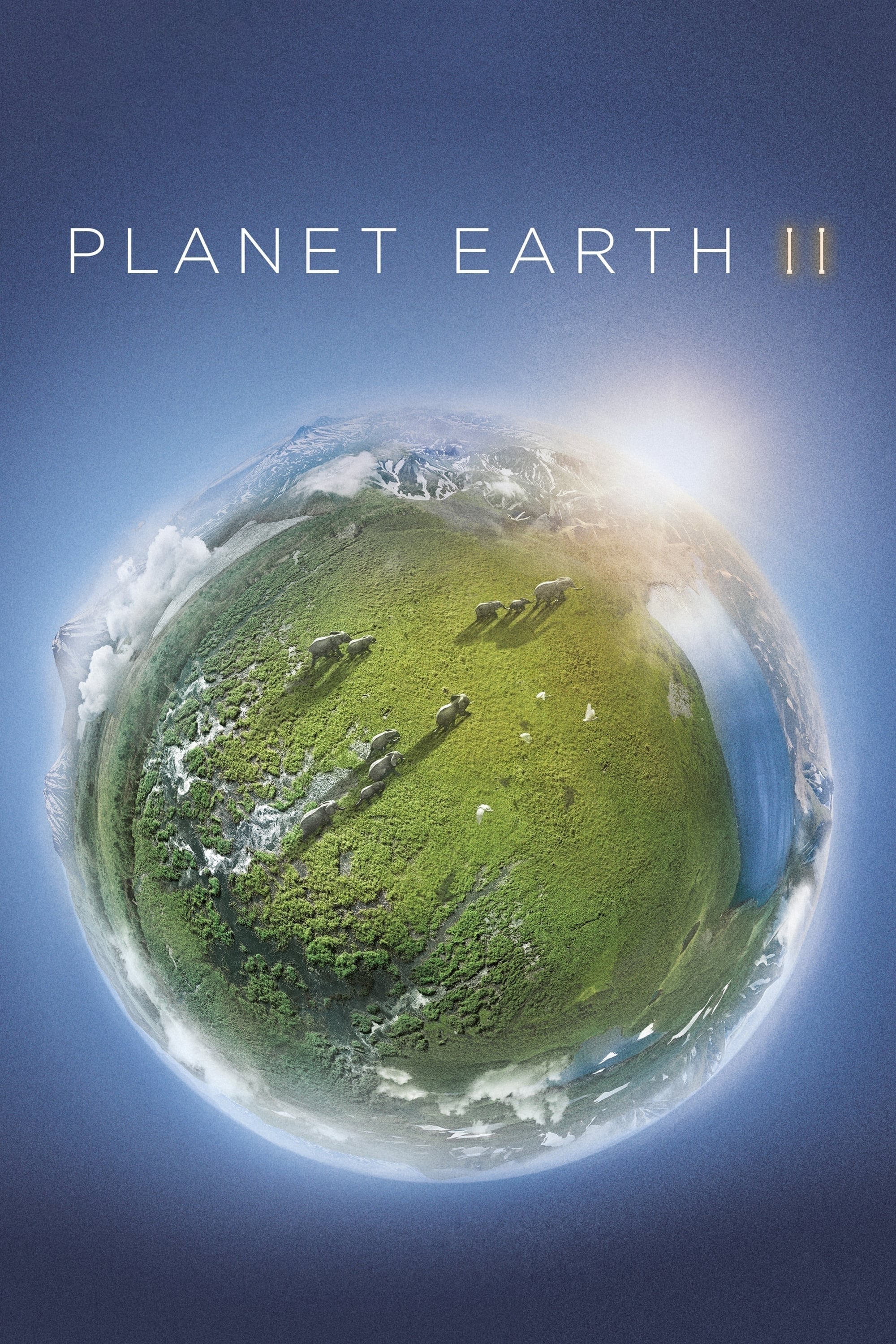
Experience our planet's natural beauty and examine how climate change impacts all living creatures in this ambitious documentary of spectacular scope.
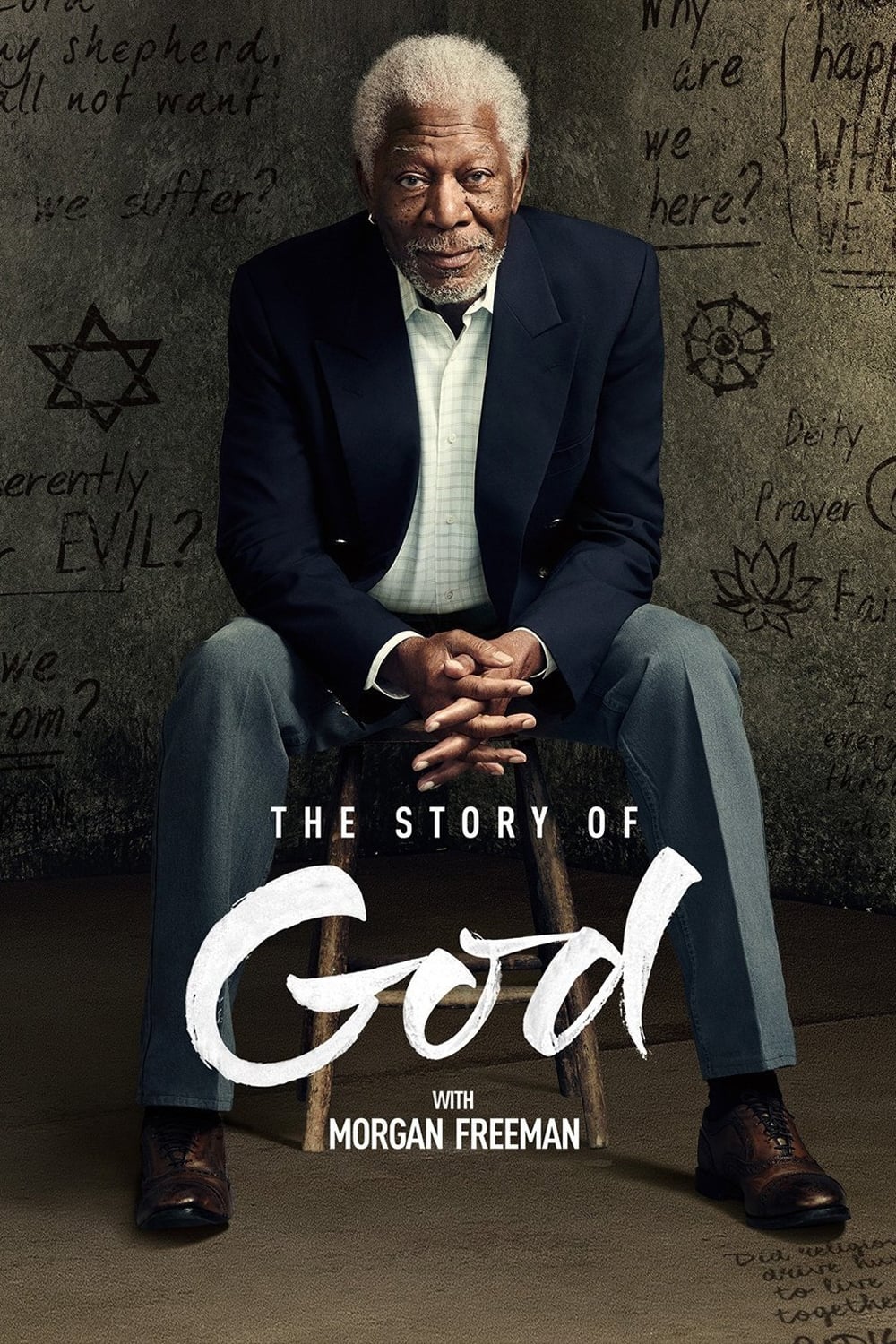
Morgan Freeman presents his quest in order to find how most religions perceive life after death, what different civilizations thought about the act of creation and other big questions that mankind has continuously asked.
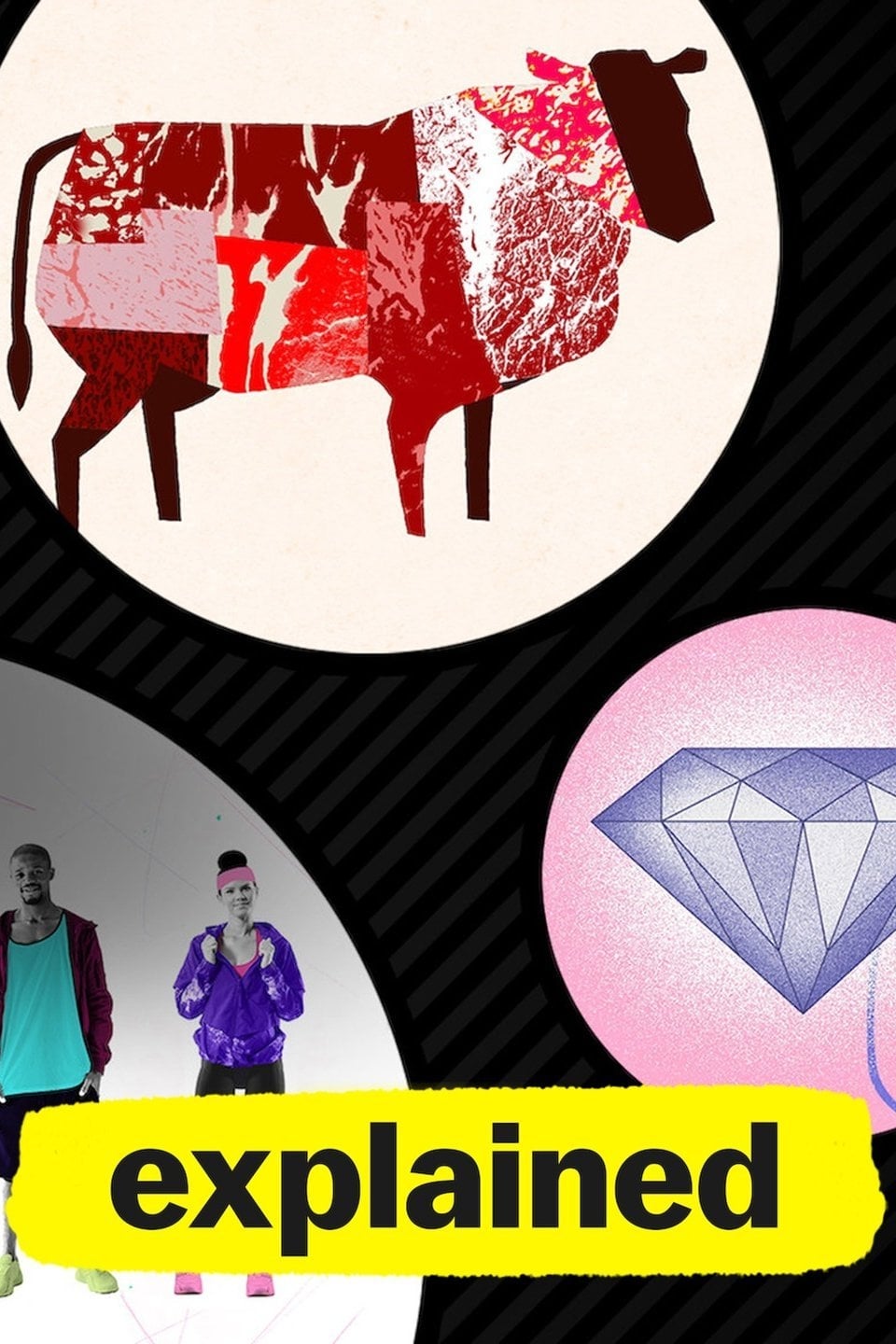
This enlightening series from Vox digs into a wide range of topics such as the rise of cryptocurrency, why diets fail, and the wild world of K-pop.
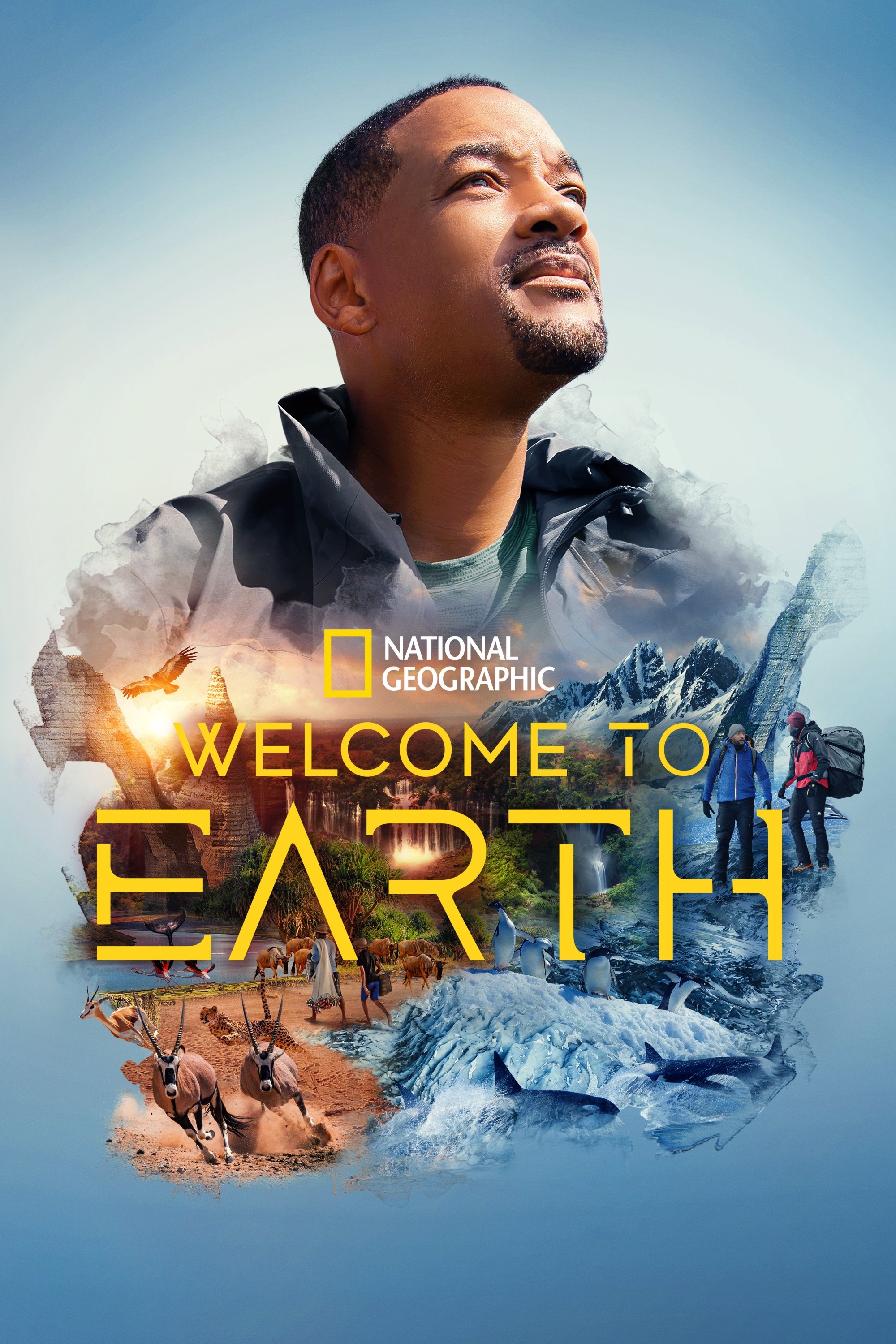
Will Smith whose curiosity and wonder is positively infectious—is guided by National Geographic Explorers traveling to different corners of the world to get up close and personal with the weirdest, most unusual, dangerous and thrilling spectacles of the planet.
David Attenborough presents a documentary series exploring how animals meet the challenges of surviving in the most iconic habitats on earth.
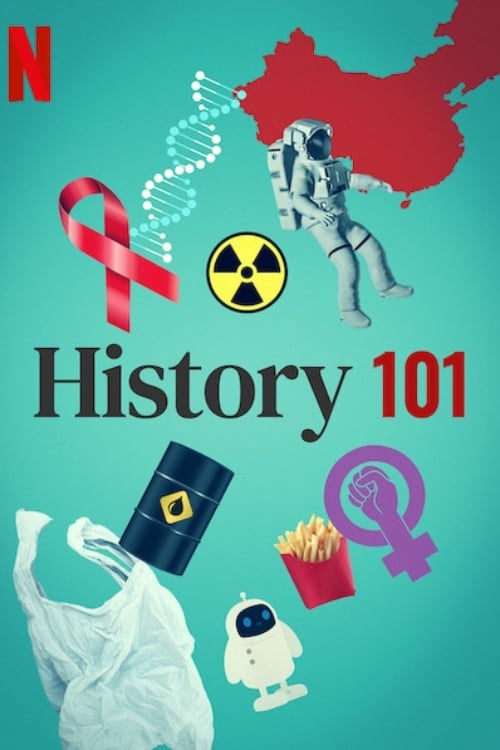
Infographics and archival footage deliver bite-size history lessons on scientific breakthroughs, social movements and world-changing discoveries.
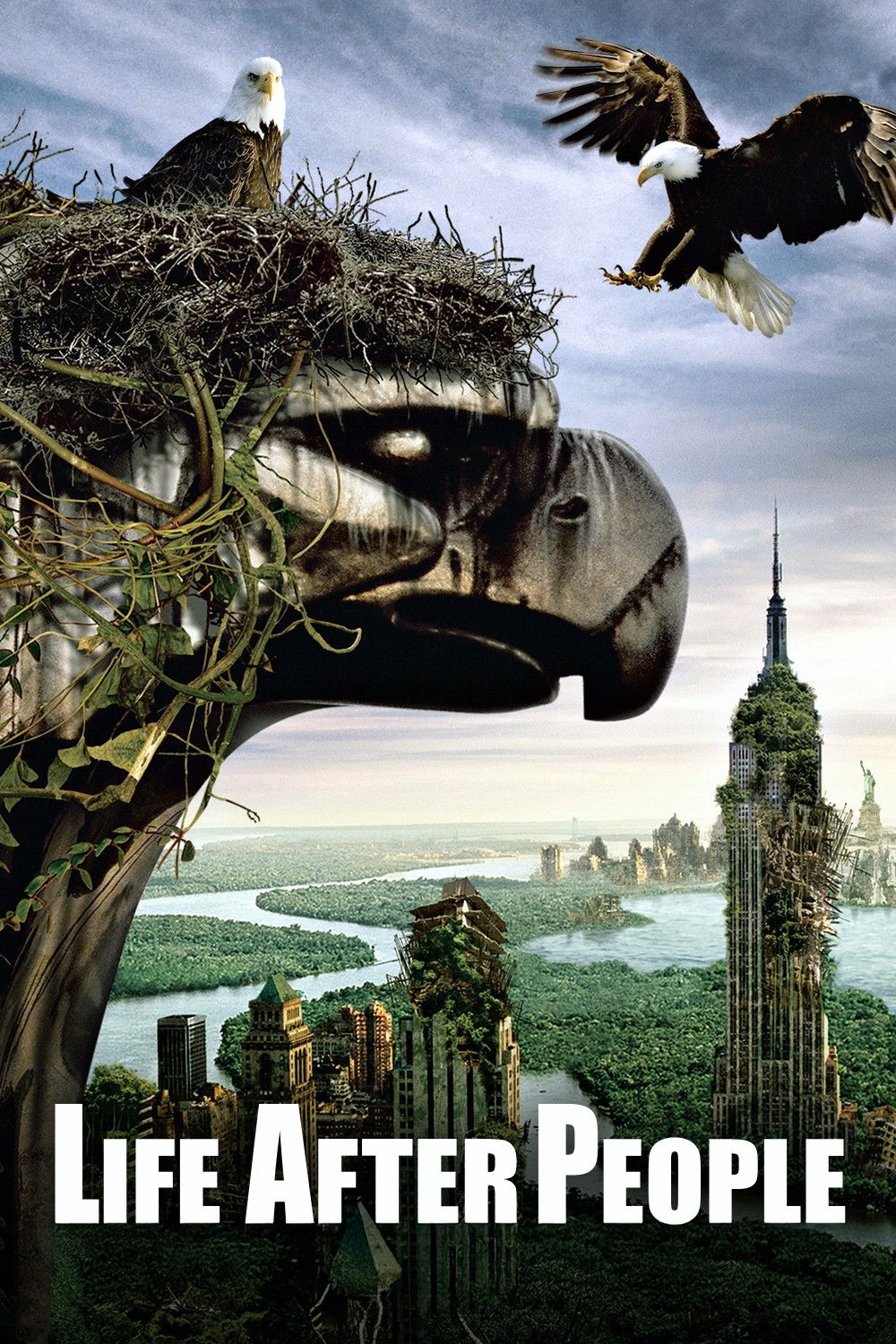
Life After People is a television series on which scientists, structural engineers, and other experts speculate about what might become of Earth should humanity instantly disappear. The featured experts also talk about the impact of human extinction on the environment, and the vestiges of civilization thus left behind.
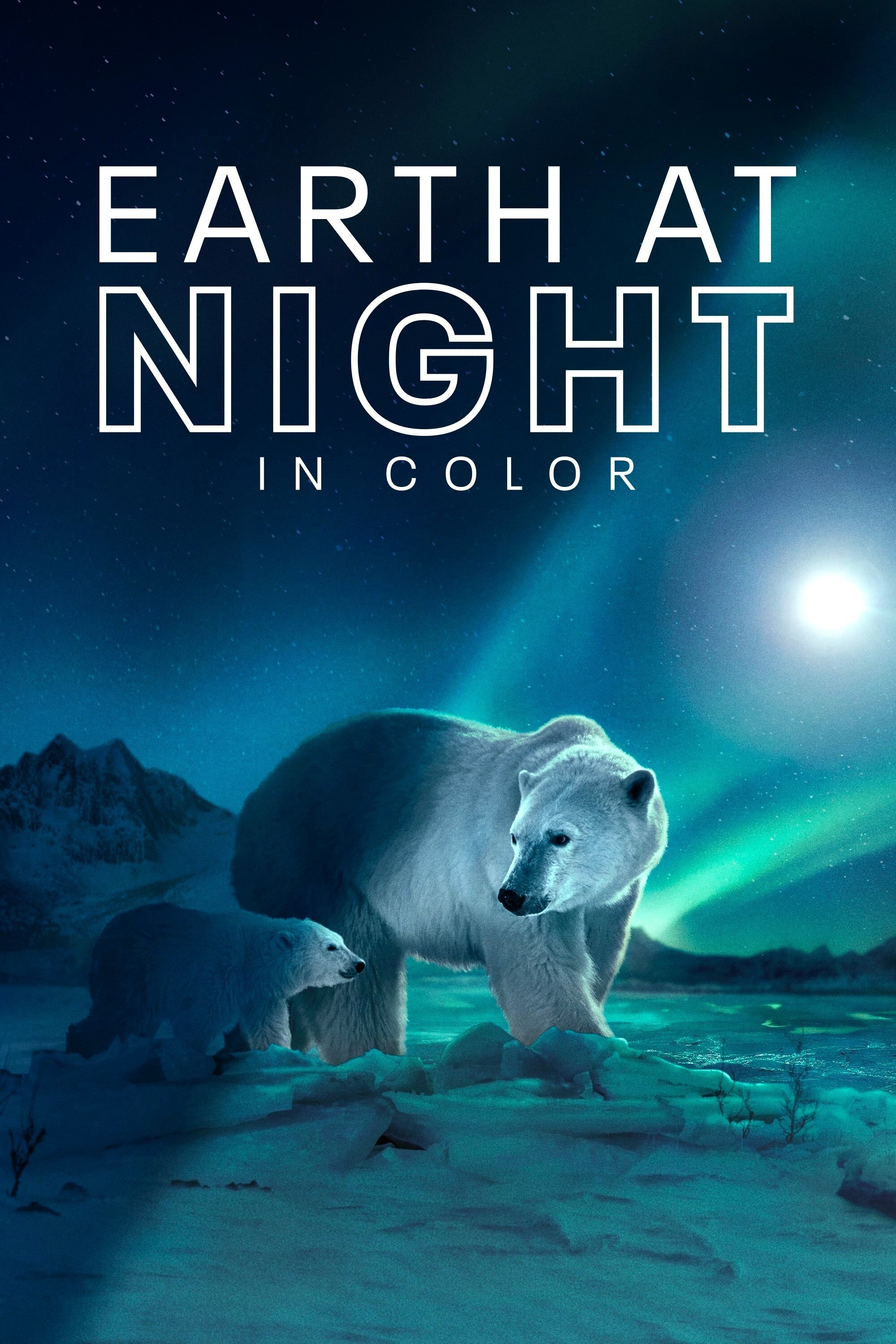
Filmed across six continents, this docuseries uses cutting-edge camera technology to capture animals' nocturnal lives, revealing new behaviours filmed in full color like never before.
Natural World is a nature documentary television series broadcast annually on BBC Two and regarded by the BBC as its flagship natural history brand. It is currently the longest-running series in its genre on British television, with more than 400 episodes broadcast since its inception in 1983. Natural World is produced by the BBC Natural History Unit in Bristol, but individual programmes can be in-house productions, collaborative productions with other broadcasters or films made and distributed by independent production companies and purchased by the BBC. Natural World programmes are often broadcast as PBS Nature episodes in the USA. Since 2008, most Natural World programmes have been shot and broadcast in high definition.
Journeying to the far reaches of our planet, this eight part series follows some of the world's most amazing species, telling extraordinary stories that are dramatic, thrilling, funny and sometimes heart-breaking, but always full of hope.
Explore the past, present and future of Walt Disney Imagineering with noted filmmaker Leslie Iwerks. Ms. Iwerks comes from a family with deep Disney history — her grandfather was an early Disney animator and her father is a former Imagineer — and her previous work includes profiles of Pixar Animation Studios and visual effects house Industrial Light & Magic.
The documentary takes viewers through Janet Jackson's life and career, contain never-before-seen footage, and feature home videos from the legendary artist. Jackson discusses her controversial 2004 Super Bowl halftime show performance with Justin Timberlake, her father Joe Jackson, the death of her brother Michael Jackson, and more.
A series of standalone documentaries powered by the unparalleled journalism and insight of The New York Times, bringing viewers close to the essential stories of our time.
Motoring programme featuring reviews of and reports about cars of all types.
Experience the wonders of our world like never before in this epic series from Jon Favreau and the producers of Planet Earth. Travel back 66 million years to when majestic dinosaurs and extraordinary creatures roamed the lands, seas, and skies.
An insider's look at the engineering and scientific miracles behind the things that form the modern world.
Horizon tells amazing science stories, unravels mysteries and reveals worlds you've never seen before.
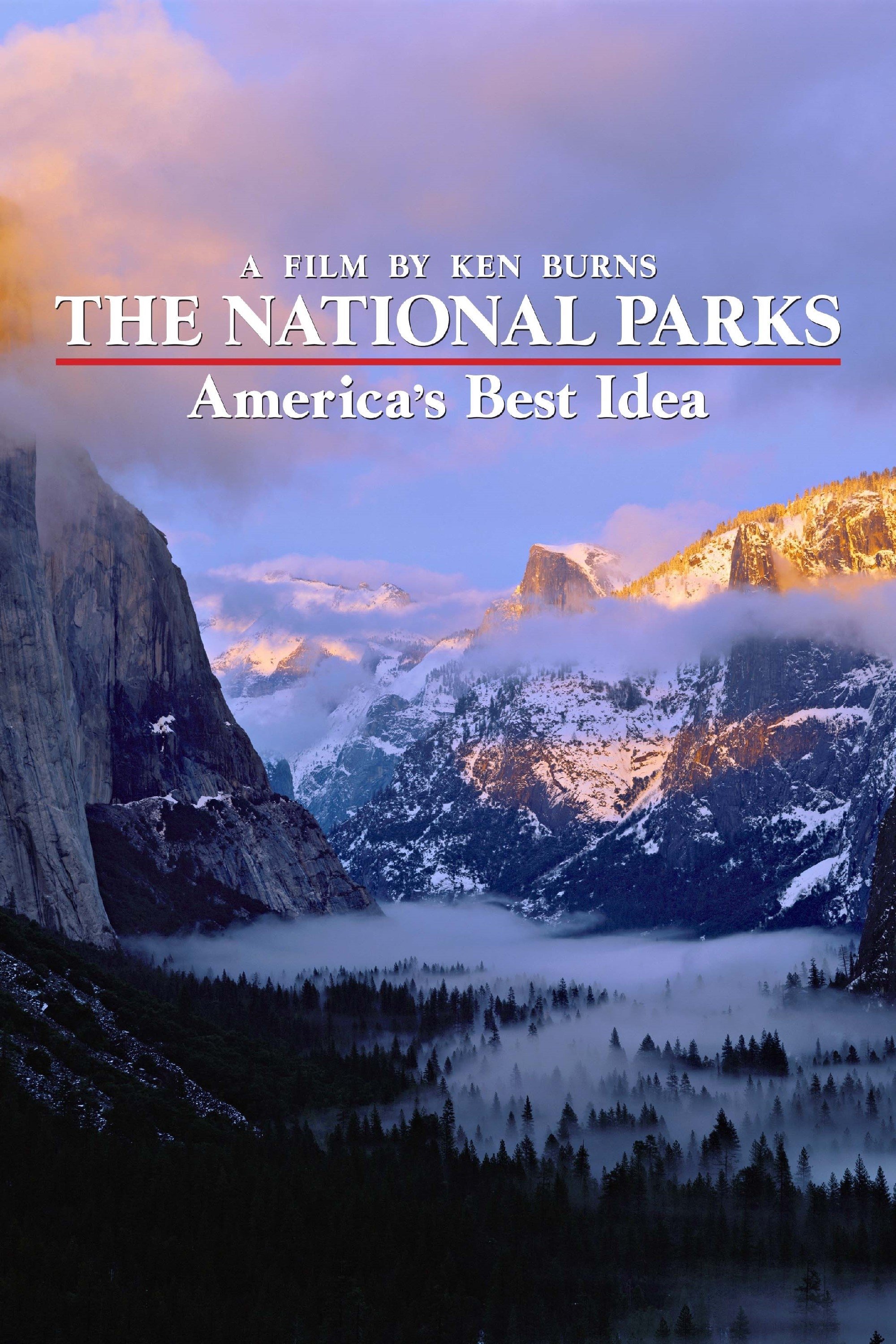
Filmed over the course of more than six years at some of nature's most spectacular locales – from Acadia to Yosemite, Yellowstone to the Grand Canyon, the Everglades of Florida to the Gates of the Arctic in Alaska - “The National Parks: America's Best Idea” is nonetheless a story of people: people from every conceivable background – rich and poor; famous and unknown; soldiers and scientists; natives and newcomers; idealists, artists and entrepreneurs; people who were willing to devote themselves to saving some precious portion of the land they loved, and in doing so reminded their fellow citizens of the full meaning of democracy.