Life evolved in the sea, in a water-bound planet, but landmasses slowly appeared and aquatic life began to explore different ways to colonize it.
Stream
Social & External
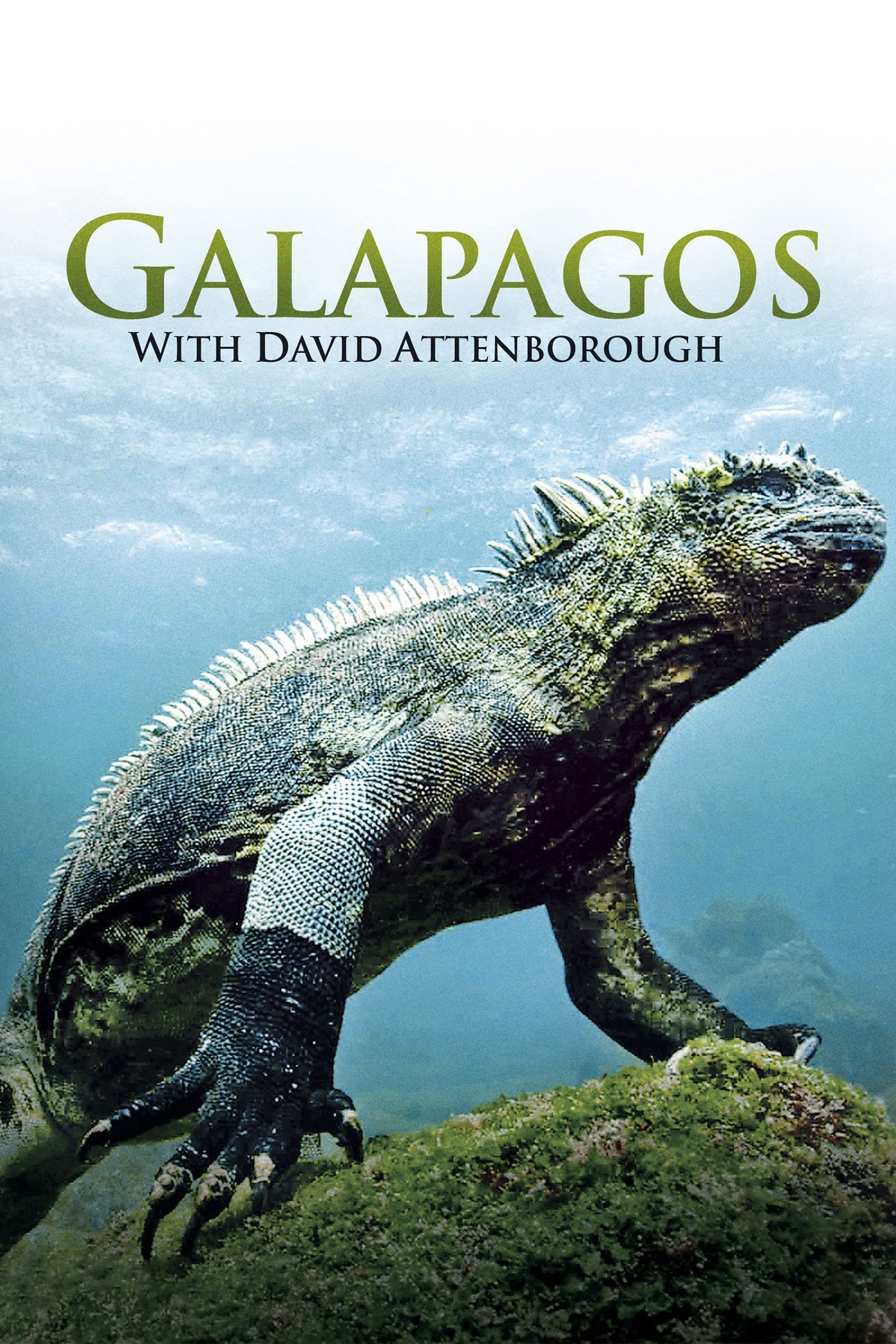
David Attenborough uses pioneering 3D-techniques and technology to explore the unique environments and species of the Galapagos.
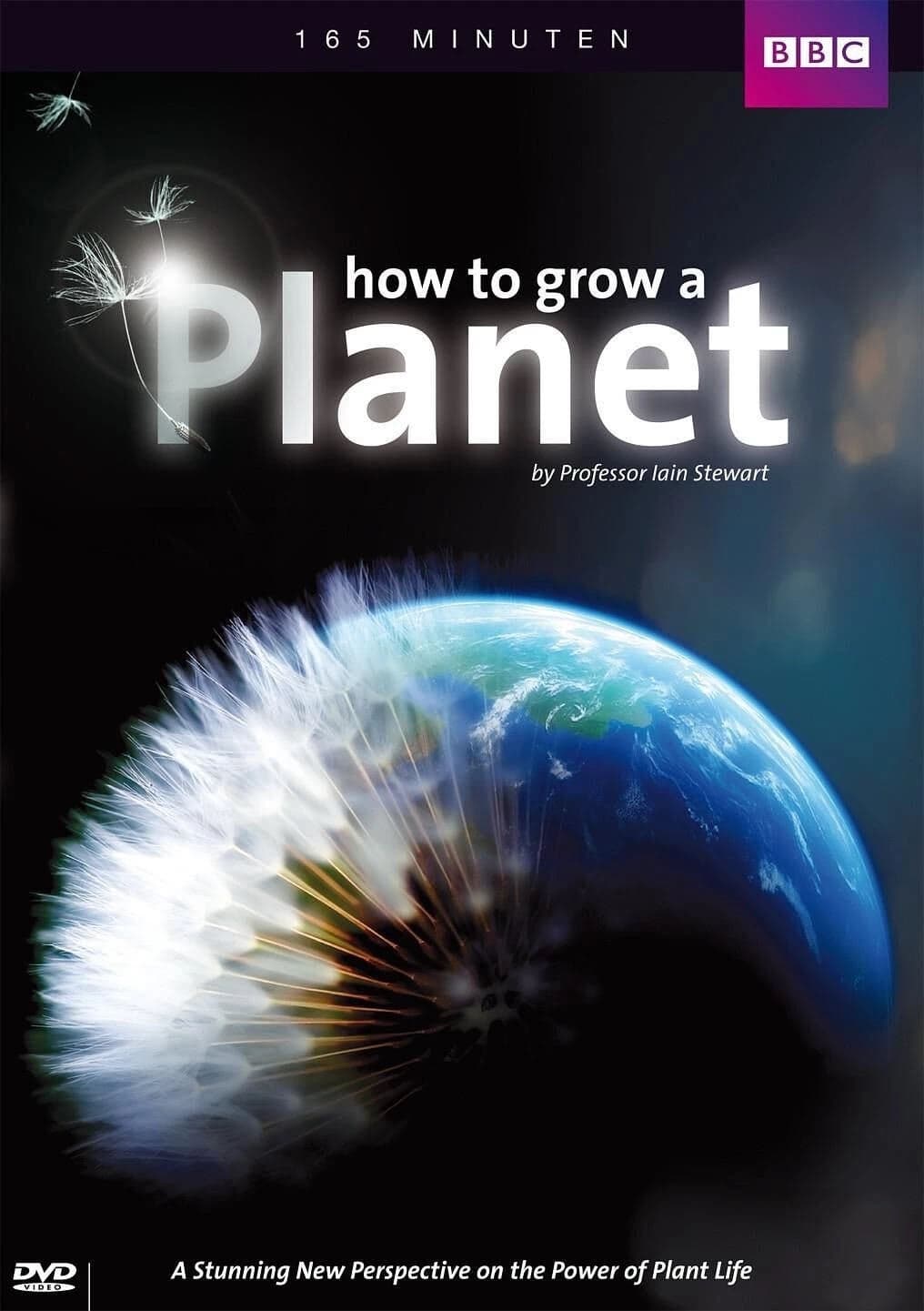
Geologist Iain Stewart explain in three stages of natural history the crucial interaction of our very planet's physiology and its unique wildlife. Biological evolution is largely driven bu adaptation to conditions such as climate, soil and irrigation, but biotopes were also shaped by wildlife changing earth's surface and climate significantly, even disregarding human activity.
David Attenborough celebrates the amazing variety of the natural world in this epic documentary series, filmed over four years across 64 different countries.
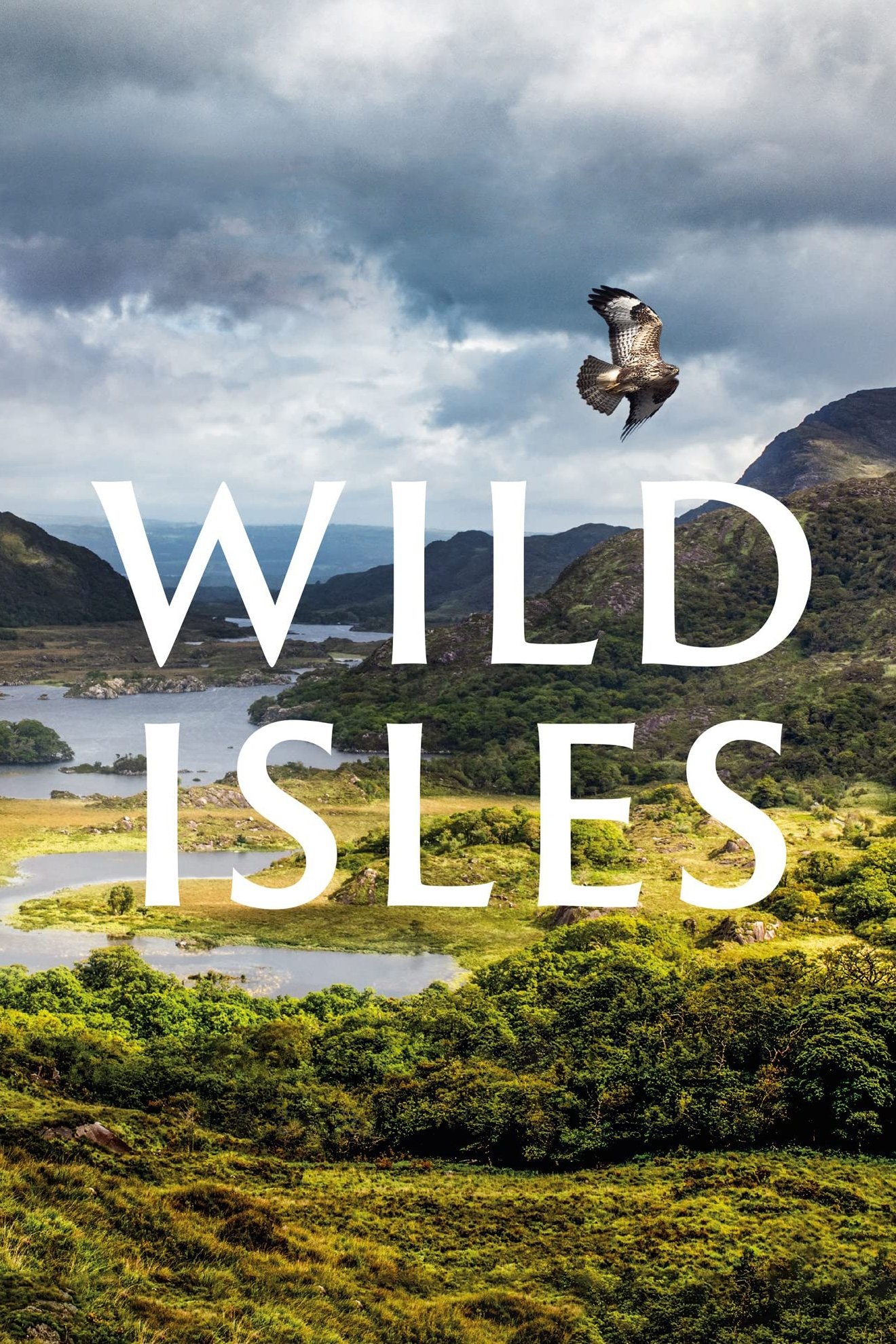
This nature documentary introduces viewers to the fauna and flora of Britain and Ireland across four main areas: woodlands, grasslands, freshwater and marine.
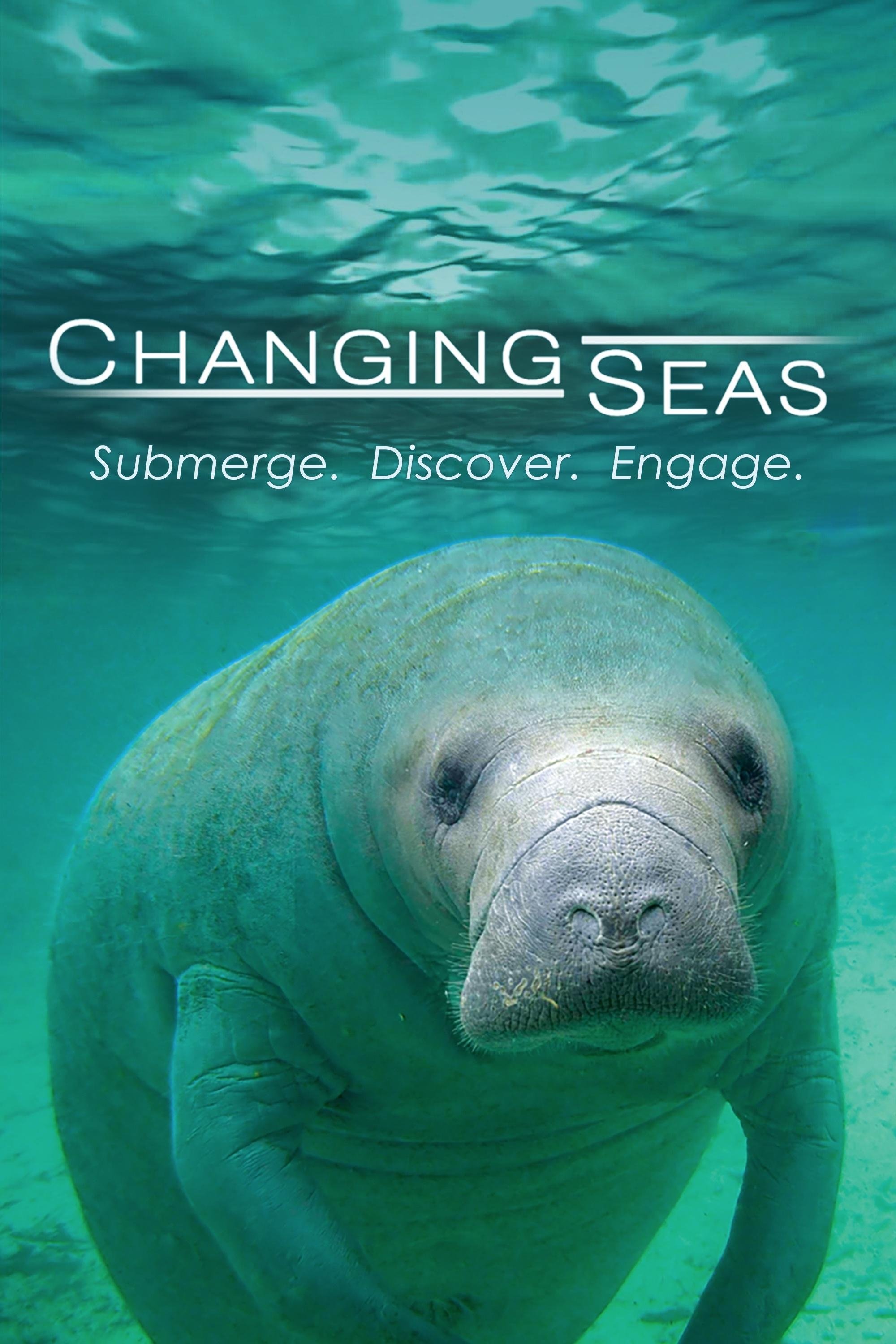
Produced by South Florida PBS in Miami, Florida, Changing Seas gives viewers a fish-eye view of life in the deep blue. Join scientists as they study earth’s last frontier and discover the mysteries of our liquid planet.
David Attenborough reveals the surprising truth about the cold-blooded lives of reptiles and amphibians. These animals are as dramatic, as colourful and as tender as any other animals.
An animated globe named Spin whisks kids around the world, teaching them about animals and their habitats.
Baboons with Bill Bailey is a wildlife documentary series presented by Bill Bailey. The series follows Bill as he attempts to find out more about the lives of baboons who are living in several colonies in Cape Town, South Africa.
The series will explore dynamics of life on the reef and beyond via a clown fish.
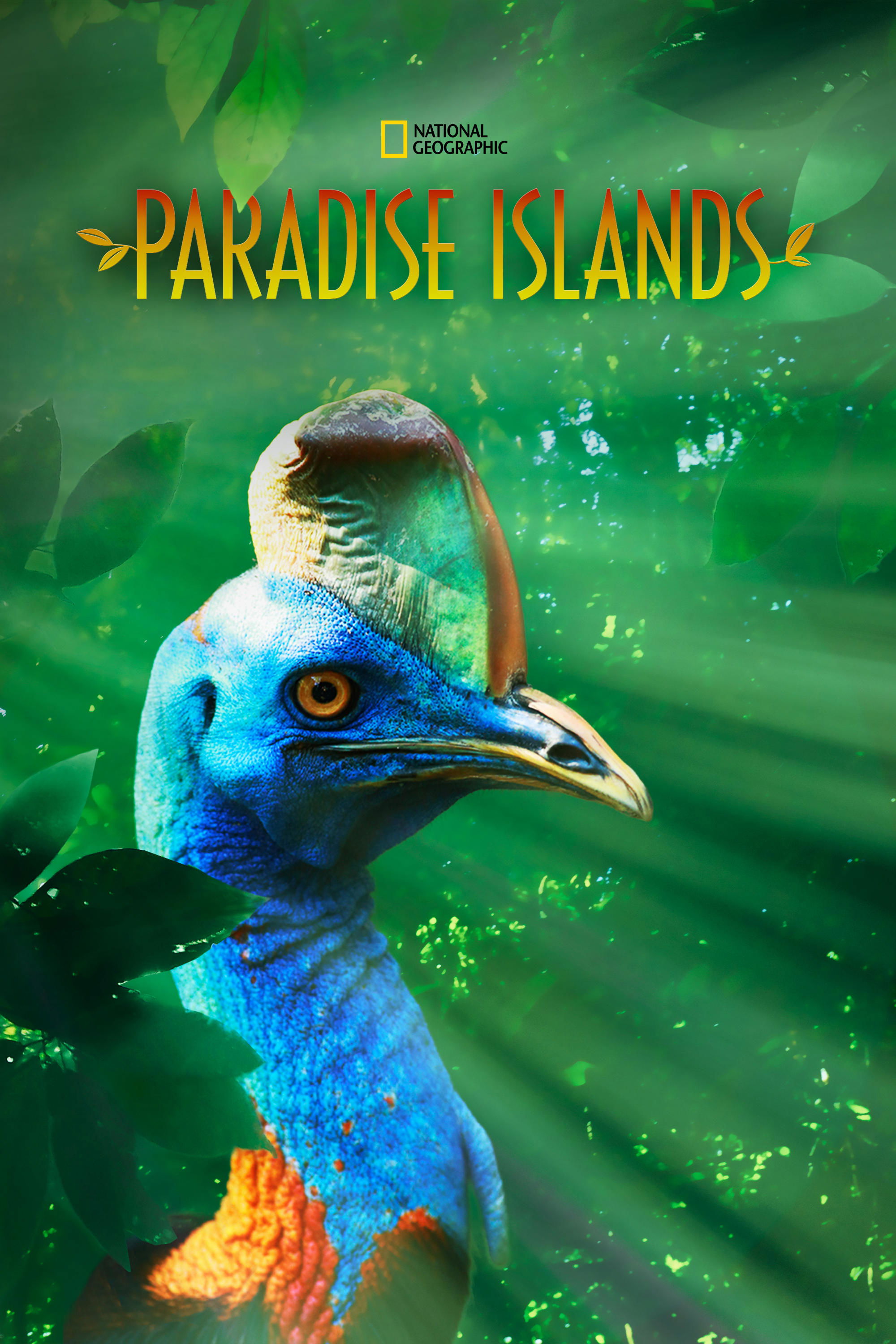
The tropical islands that lie between Asia and Australia are among the biologically richest on earth, and home to a vast number of plants and animals. From tree kangaroos to tarsiers, manta rays to mudskippers, the region abounds with life. But why? The answer lies deep in time, due to the many millions of years these islands have existed - and the power of the earth, the sun and the moon.
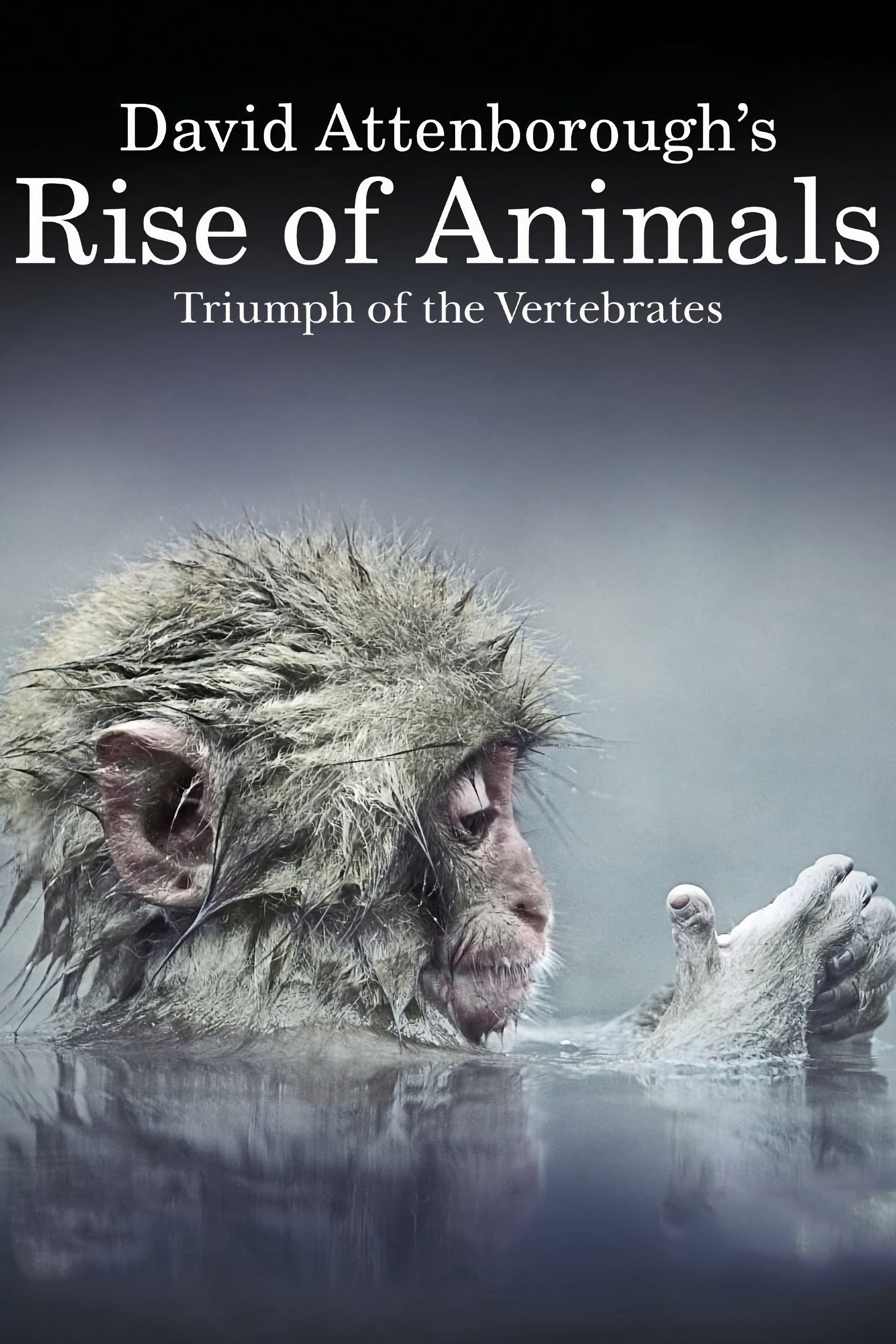
David Attenborough embarks on a remarkable 500 million-year journey revealing the extraordinary group of animals that dominate our world, and how their evolution defines our human bodies.
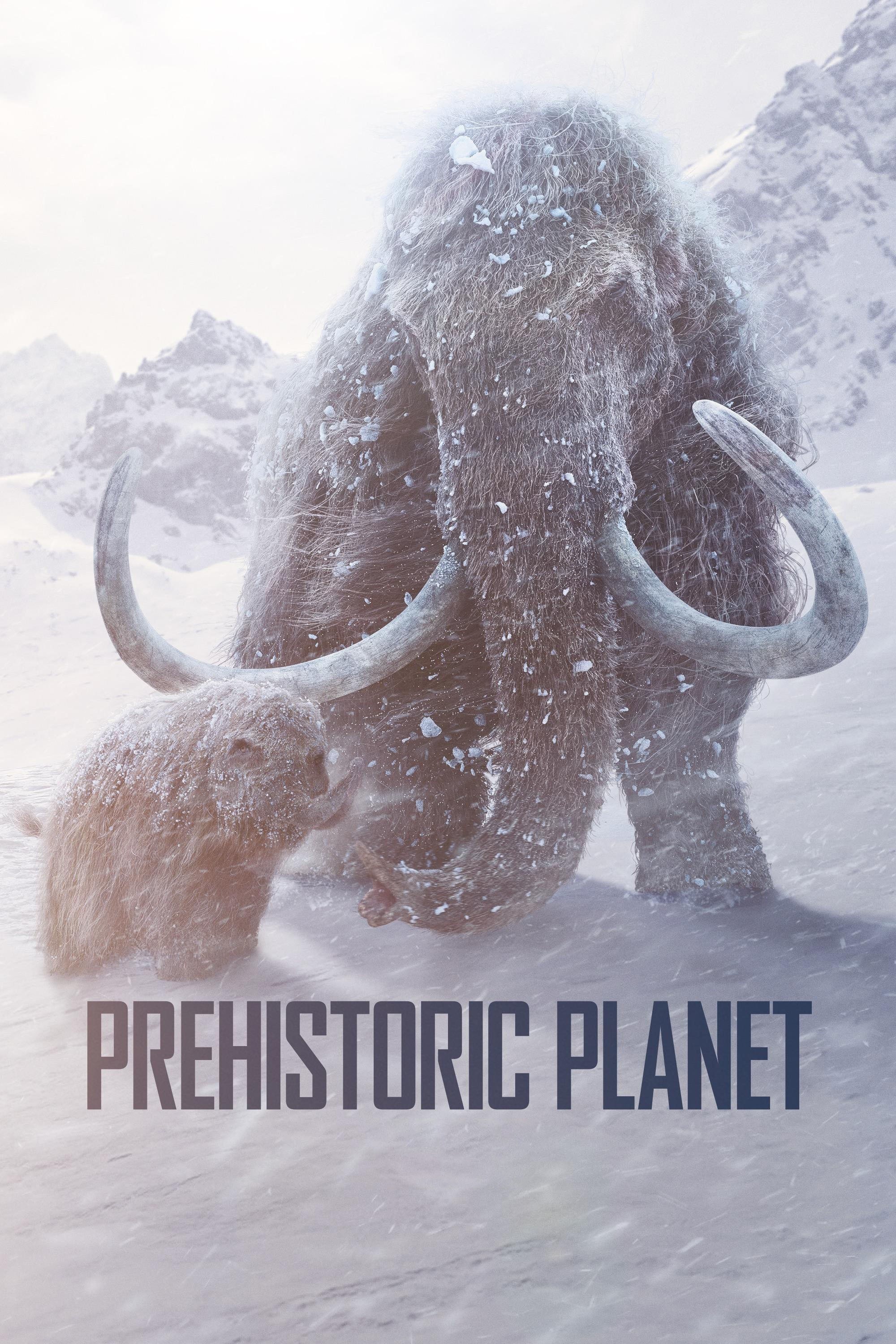
Walking With Prehistoric Beasts explores how life on earth first began. Using real footage, the series goes inside the body of our monster ancestors. For the first time, morphing technology is used to reveal how our ancestors evolved.
All In Earth's 4 billion year history, nature has solved all of lifes problems, from the highest mountain to the deepest ocean. Evolution is the ultimate inventor and many of mans most clever engineering solutions have exact counterparts in nature. In three amazing episodes, NatureTech views our world with fresh eyes, where nature and technology stand hand in hand.
The third series of this nature documentary uses the very latest in underwater filming techniques to reveal brand new and untold stories from magical underwater worlds focusing on five major underwater habitats: the tropical seas, temperate seas, polar seas, high seas and deep seas.
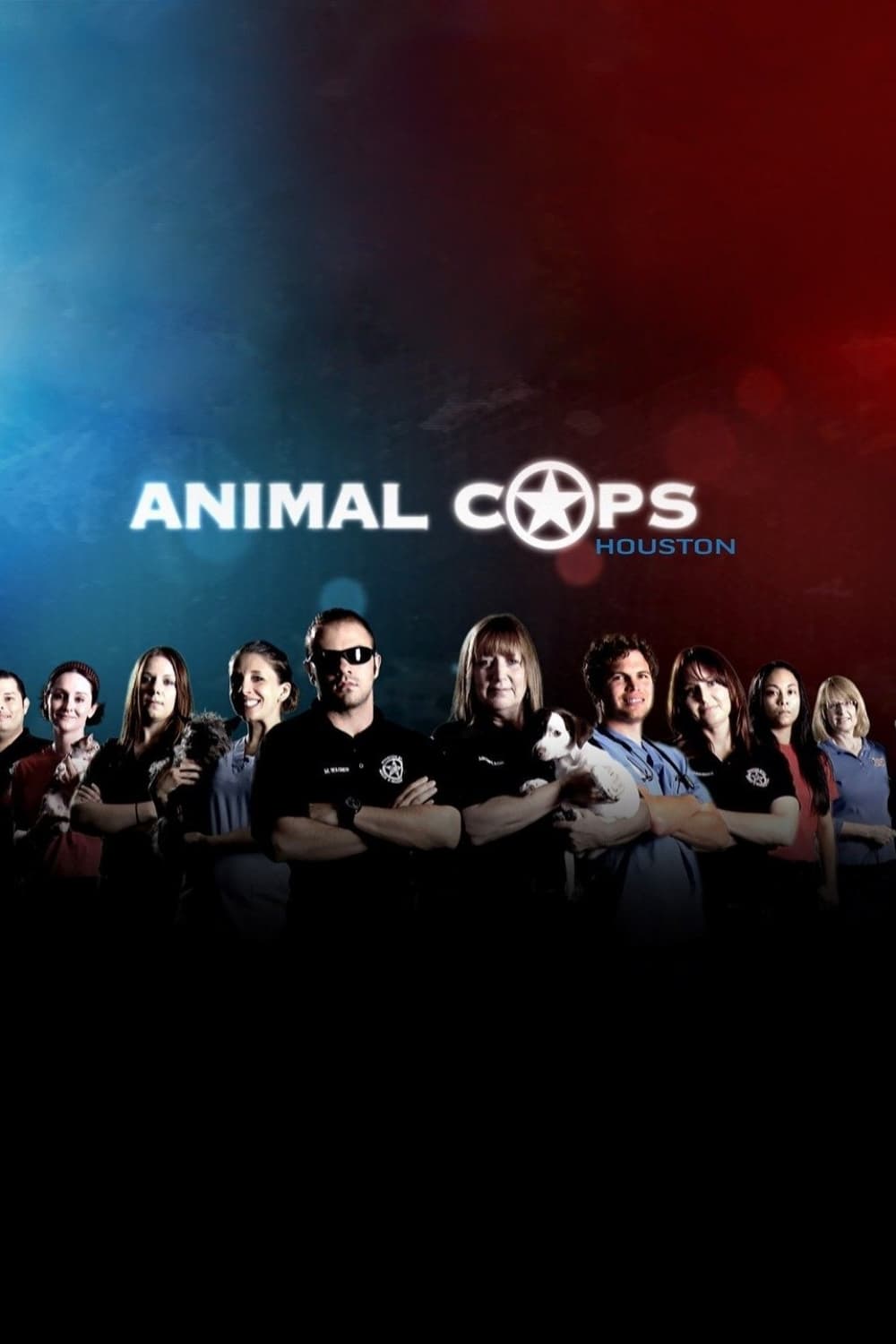
The dedicated team at the Houston Society for the Prevention of Cruelty to Animals, a private charity, responds to a variety of distress calls involving an average of more than 100 animals per day. This series documents the work they do, from the initial investigation through, in some cases, the animals being adopted into loving homes.
Traverse the planet’s richest, most diverse woodlands, from the tropics to the poles and everywhere in between. Get to know the wild residents of these magical ecosystems and learn how forests connect and nurture the lives of countless species.
Experience the wonders of our world like never before in this epic series from Jon Favreau and the producers of Planet Earth. Travel back 66 million years to when majestic dinosaurs and extraordinary creatures roamed the lands, seas, and skies.
The story of life, from the first primitive cells to the plants and animals that now live around us.
Life's extraordinary journey to conquer, adapt and survive on Earth across billions of years comes alive in this groundbreaking nature docuseries.
Natural World is a nature documentary television series broadcast annually on BBC Two and regarded by the BBC as its flagship natural history brand. It is currently the longest-running series in its genre on British television, with more than 400 episodes broadcast since its inception in 1983. Natural World is produced by the BBC Natural History Unit in Bristol, but individual programmes can be in-house productions, collaborative productions with other broadcasters or films made and distributed by independent production companies and purchased by the BBC. Natural World programmes are often broadcast as PBS Nature episodes in the USA. Since 2008, most Natural World programmes have been shot and broadcast in high definition.
This immersive series follows the world's most magnificent creatures, capturing never-before-seen moments from the heartwarming to the outrageous.
TV's most-watched history series brings to life the compelling stories from our past that inform our understanding of the world today.
David Attenborough presents a documentary series exploring how animals meet the challenges of surviving in the most iconic habitats on earth.
Millions of years ago, incredible forces ripped apart the Earth’s crust creating seven extraordinary continents. This documentary series reveals how each distinct continent has shaped the unique animal life found there.
Experience our planet's natural beauty and examine how climate change impacts all living creatures in this ambitious documentary of spectacular scope.
A unique fusion of blue chip natural history and earth science that explains how our living planet operates. This five-part series shows how the forces of nature drive, shape and support Earth’s great diversity of wildlife.
Consistently stunning documentaries transport viewers to far-flung locations ranging from the torrid African plains to the chilly splendours of icy Antarctica. The show's primary focus is on animals and ecosystems around the world. A comic book based on the show, meant to be used an as educational tool for kids, was briefly distributed to museums and schools at no cost in the mid-2000s.
A cinematic experience bringing you the most amazing human stories in the world. Humans and wildlife surviving in the most extreme environments on Earth.
Journeying to the far reaches of our planet, this eight part series follows some of the world's most amazing species, telling extraordinary stories that are dramatic, thrilling, funny and sometimes heart-breaking, but always full of hope.
Filmed across six continents, this docuseries uses cutting-edge camera technology to capture animals' nocturnal lives, revealing new behaviours filmed in full color like never before.
Shot from land and air, in trees and cliff-blinds, on ice floes and underwater, this documentary tells the powerful stories of many of the planet's species and their movements, while revealing new scientific insights with breathtaking high-definition clarity and emotional impact. The beauty of these stories is underscored by a new focus into these species; fragile existence and their life-and-death quest for survival in an ever-changing world.
The history of the sport of baseball in America, told through archival photos, film footage, and the words of those who contributed to the game in each era. Writers, historians, players, baseball personnel, and fans review key events and the significance of the game in America's history.
From the first dinosaurs to the last, this epic documentary series examines their 165 million years on Earth and the forces that shaped their evolution.
Professor Brian Cox explores the dramatic lives of the eight majestic planets/worlds that make up our solar system.
Sir David Attenborough narrates this critically acclaimed series that dives deep into the marine environment of Planet Earth. Although two-thirds of the world's surface is covered with water, scientists know less about the oceans than they do about the surface of the moon. This limited series travels from various coasts to the poles to examine watery denizens ranging from the gigantic blue whale to microscopic coral polyps.
Horizon tells amazing science stories, unravels mysteries and reveals worlds you've never seen before.