Social & External
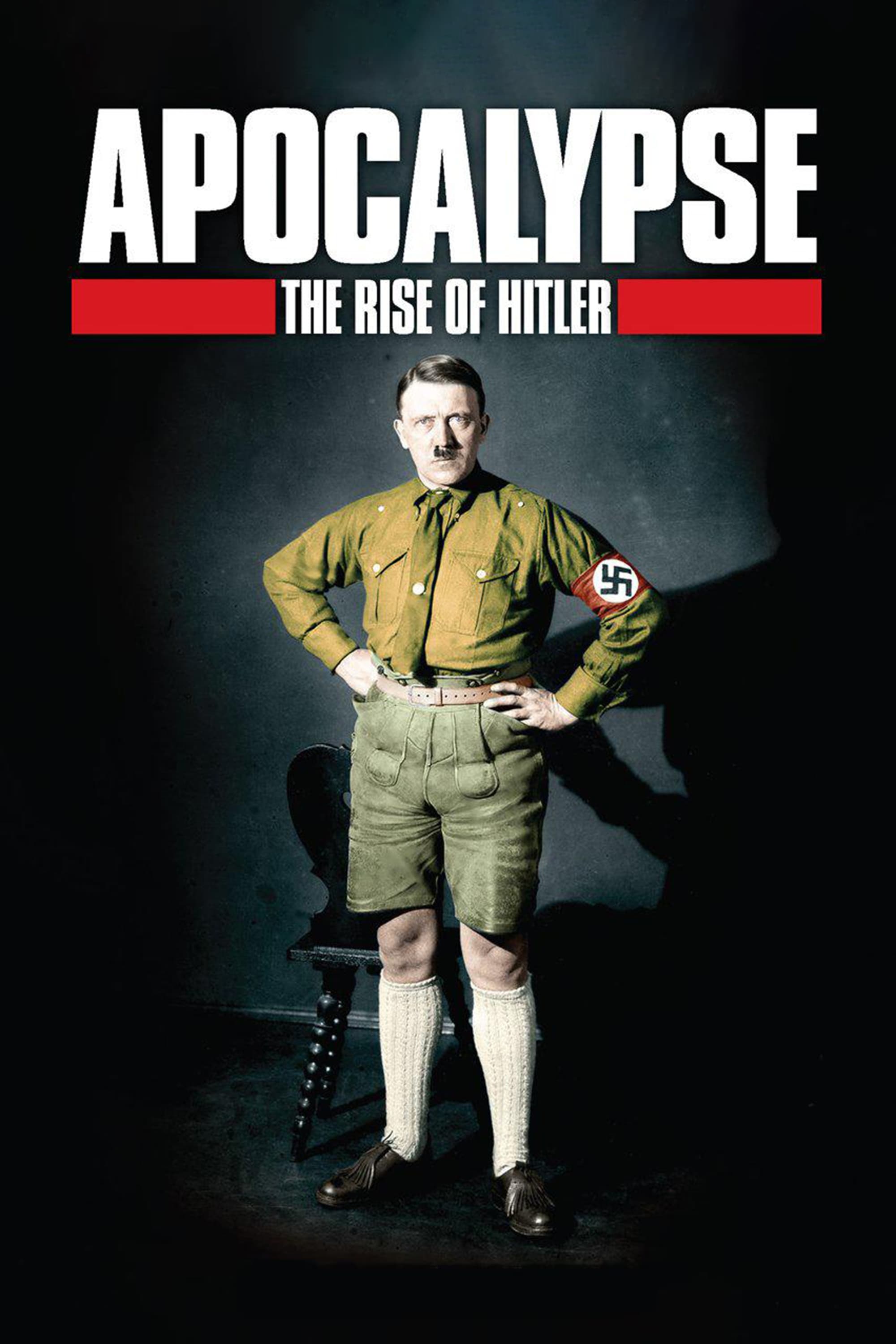
Explores the Third Reich from a contemporary perspective to investigate how the Nazis managed to conquer Germany and then half of Europe in the wake of World War I.
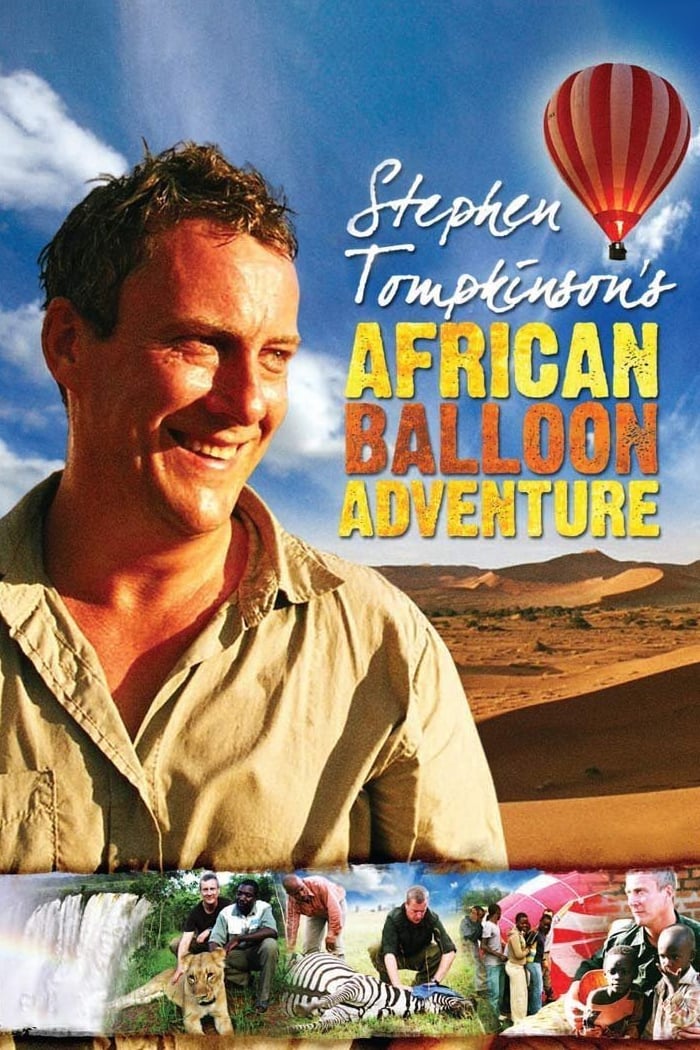
Stephen Tompkinson and hot air balloon pilot Robin Batchelor embark on the journey of a lifetime across the African continent. They experience the amazing abundance and diversity of wildlife and explore the relationship between Africa's game and its people.
Out of the ashes of World War I, a new generation of titan rises…Pierre Du Pont, Walter Chrysler, J.P. Morgan Jr., Henry Ford, and William Boeing. Their fight to reach the top will transform America as they compete to dominate new industries—from the highways to the skyways. After years of fighting each other, and FDR, these rivals must unite during World War II to defeat a greater enemy and save the world.
For centuries, explorers have searched for the Bible’s most sacred religious artefacts. One of the most mysterious of these objects is the famed Ark of the Covenant. The gold-plated wooden chest – one of the most instrumental symbols of faith and God's presence – was believed to house the two tablets bearing the Ten Commandments. The Ark’s exact whereabouts has long puzzled scholars. Where did it go? And why has it remained such a mystery?
What does it feel like to be one of the best tennis players in the world? An intimate look inside the life of one of the most gifted and complex athletes of her generation offers insight into the tough decisions and ecstatic triumphs that shape Naomi Osaka as both an elite global superstar and a young woman navigating a pressure-filled world.
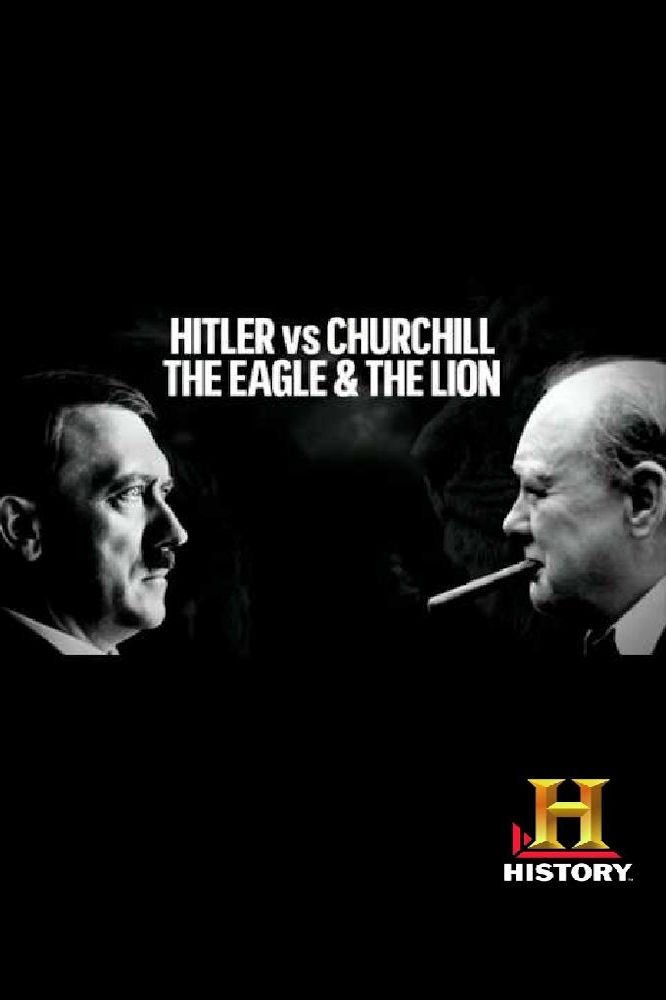
A documentary which explores the remarkable parallels between the careers of Adolf Hitler and Winston Churchill, as well as their personal rivalry and animosity.
This documentary series follows Carlos Alcaraz as he balances the pressures of a phenomenal tennis career with a 20-year-old's desire to let loose.
Our cities, transformed a mere century ago to accommodate cars, now want to rid their streets of them. Countries go to war over fuel shortages, and automobiles are at the core of a global ecological crisis. Today, the history of automobile has hit its climax. How did we get here? How did the invention of a single machine reorganize how we work, revolutionize our lifestyles, transform our landscapes, trigger global crises and wreak havoc with the equilibrium of our planet? This documentary series explores the creation and meteoric development of an unprecedented object - the automobile - and its role in mankind’s wild race toward progress.
In this adaptation of the award-winning podcast, Slow Burn’s Leon Neyfakh excavates the strange subplots and forgotten characters of recent political history—and finds surprising parallels to the present.
Women write art history – but in turn are systematically ignored by it. LOST WOMEN ART tells the story of the suppressed female avant-garde and by doing so introduces a new art history.
A deep dive into Elizabeth Taylor's craft and technique as an actor – one who mesmerized cinemagoers, but also changed the relationship between audiences and stars – while going on to spotlight her work becoming a billion-dollar businesswoman, activist and advocate.
The Blues (2003) is a seven-part documentary series produced by Martin Scorsese that explores the history and influence of blues music. Each episode, directed by a different filmmaker, traces a unique aspect of the genre’s evolution—from its African roots to its global impact. Originally airing on PBS, the series includes Scorsese’s Feel Like Going Home, Wim Wenders’ The Soul of a Man, Richard Pearce’s The Road to Memphis, Charles Burnett’s Warming by the Devil’s Fire, Marc Levin’s Godfathers and Sons, Mike Figgis’ Red, White and Blues, and Clint Eastwood’s Piano Blues.
Modern history can be divided into two time frames: before 9/11 and after 9/11. This five-part docuseries is a cohesive chronicle of the September 11, 2001 attacks on the U.S., offering illuminating perspectives and personal stories of how the catastrophic events of that day changed the course of the nation.
Stephen Tompkinson's adventure begins in dramatic fashion when his maiden flight over South Australia's Flinders Ranges ends in a crash landing at 40 mph. But he presses on to the Barossa Valley, where a serene flight over the vineyards is followed by a far from calm cricket match against local winemakers - the outcome of which sends Stephen packing for Victoria and a spell on the mighty Murray River. Stephen's bid to win Australia’s biggest balloon competition continues. A childhood dream is fulfilled when he walks out onto the pitch of the Melbourne Cricket Ground during an Aussie Rules game - and trumped the following morning when his balloon flies through the ground's goalposts. His balloon truck gets a makeover and the city's Greek festival nearly ends in a diplomatic incident. Then heavy rain prevents him flying over Canberra - and to get back on track he risks a flight to 10,000 feet. Actor Stephen Tompkinson's attempt to win Australia's prestigious Canowindra Balloon Challenge concludes in this final episode. Stephen heads to Sydney, where he samples some of the city's culinary delights with MasterChef's Matt Preston, helps judge a drag competition, and receives some encouragement from the British High Commissioner to Australia. When the day of the race finally arrives, he meets his competitors at Canowindra. The teams have to hit three targets laid out over the countryside, but things start disastrously for Stephen when he misreads the wind and drifts off-course. Can he recover and win the challenge?
One of the most important historical investigations carried out by Rai, signed by the great Sergio Zavoli with the collaboration of Luciano Onder and Edek Osser and the scientific consultancy of Alberto Aquarone, Gaetano Arfé, Renzo De Felice, Gabriele De Rosa, Gastone Manacorda and Salvatore Valitutti. The six-part series, broadcast for the first time in the autumn of 1972, represented, half a century after the "March on Rome", a significant assessment of the years of the advent of the Mussolini regime, recalled with the rigor of the best television journalism (Saint-Vincent Award 1973) and through the direct testimonies of over fifty protagonists of the time, both fascists and anti-fascists.
The documentary series explores different political figures throughout history.
Surviving power struggles, betrayals and plots, Hitler's inner circle of Nazi leaders seizes control of Germany and designs its disastrous future.
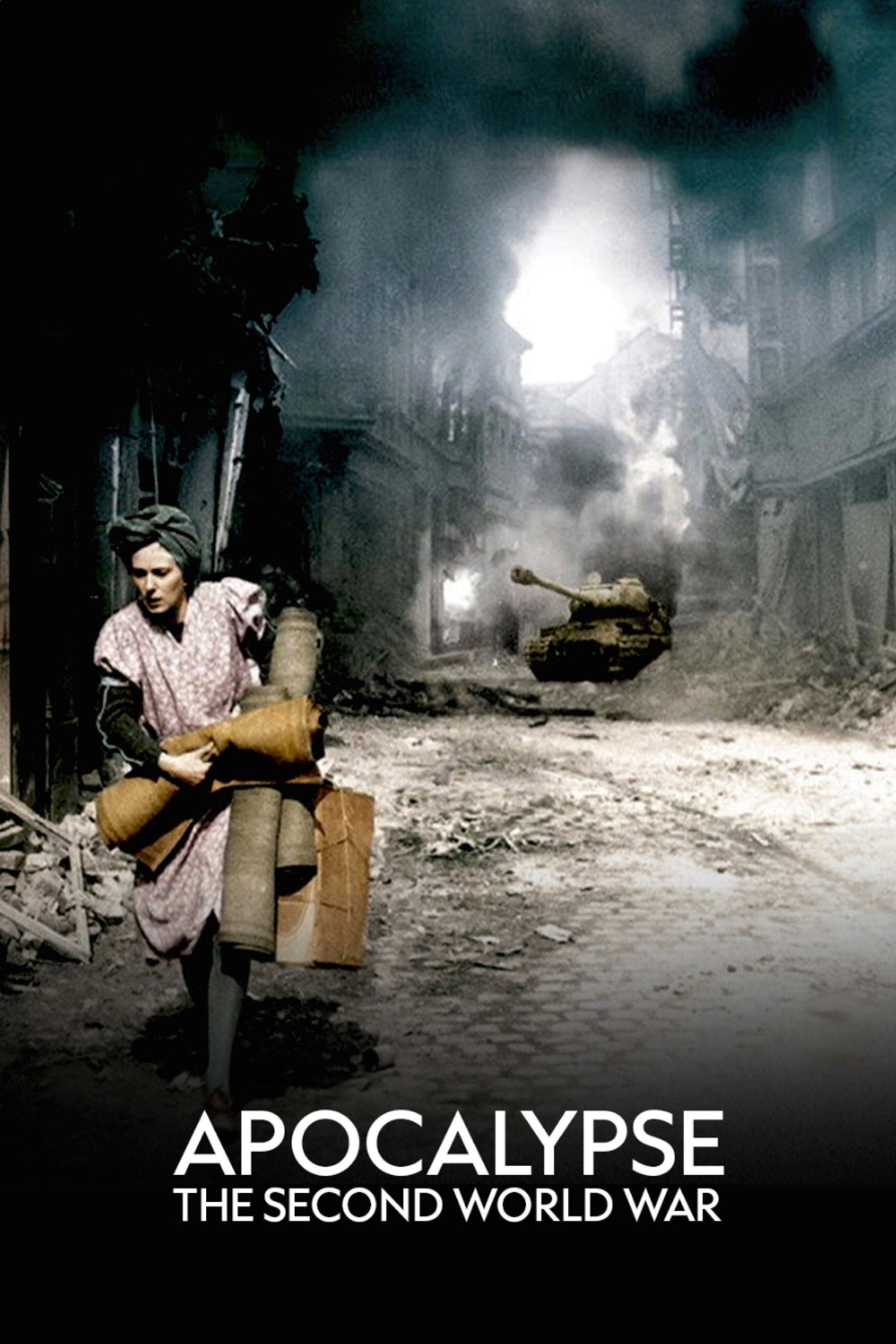
A documentary series that gives a historical account of the events of World War II, from its roots in the 1920s to the aftermath and the lives it profoundly influenced.
The story of the Second World War through the personal accounts of a handful of men and women from four American towns. The war touched the lives of every family on every street in every town in America and demonstrated that in extraordinary times, there are no ordinary lives.
WWII in HD is a 10-part American documentary television miniseries that originally aired from November 15 to November 19, 2009 on the History Channel. The program focuses on the firsthand experiences of twelve American service members during World War II, including an Army nurse, a member of the Tuskegee Airmen, a second generation Japanese American and prisoner of war, and an Austrian Jewish immigrant. The twelve members recorded their time in both theaters and some had later interviews; found footage from the battlefield was paired with the stories of the twelve service members. The episodes premiered on five consecutive days, with two episodes per day. The series is narrated by Gary Sinise and was produced by Lou Reda Productions in Easton, Pennsylvania, United States.
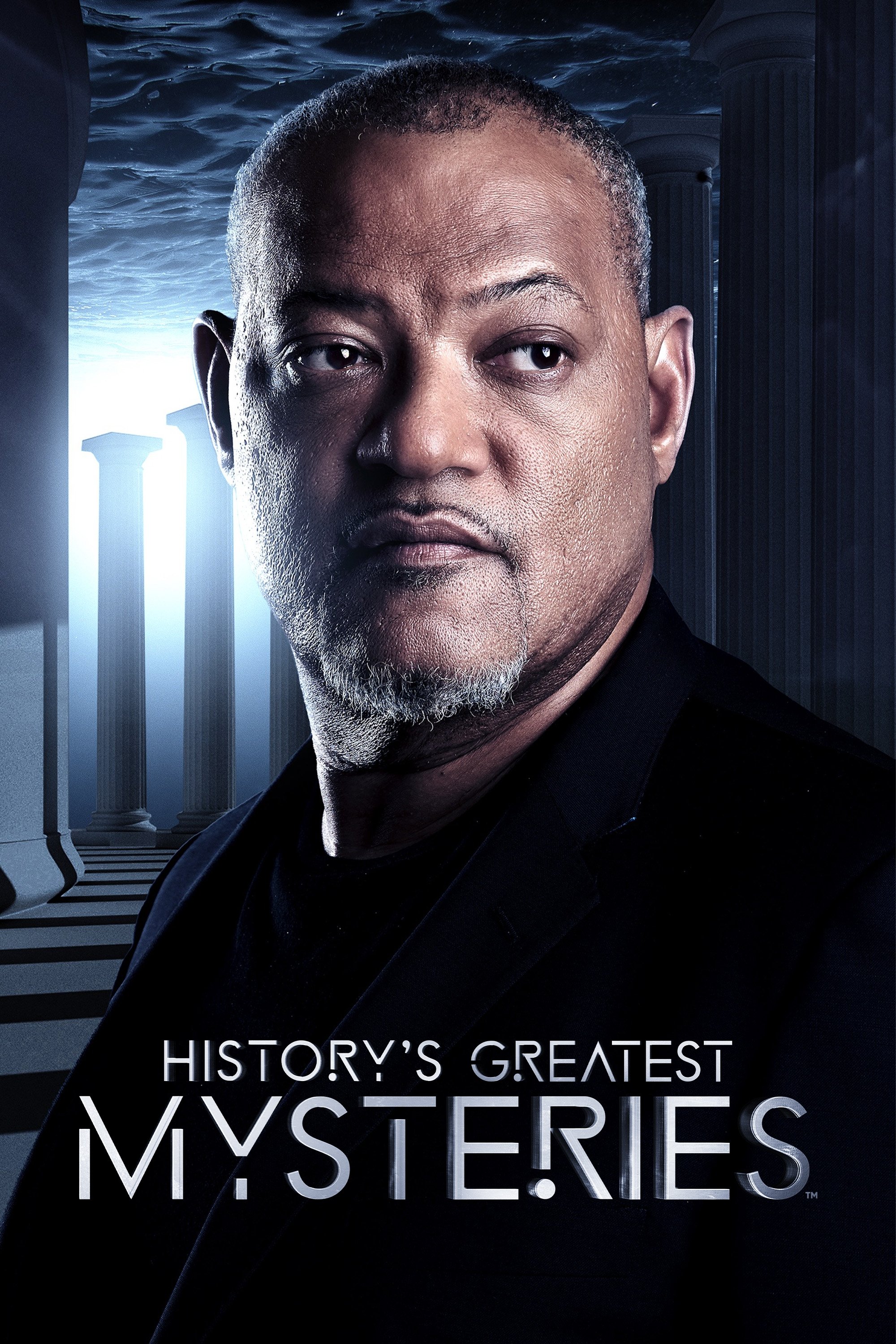
Investigates a wide range of historically compelling topics and the mysteries surrounding each including the Titanic, D.B. Cooper, Roswell, John Wilkes Booth, and more. Fresh, new evidence and perspectives will be showcased, such as never-before-released documents, personal diaries and DNA evidence.
Oliver Stone's re-examination of under-reported events in American history.
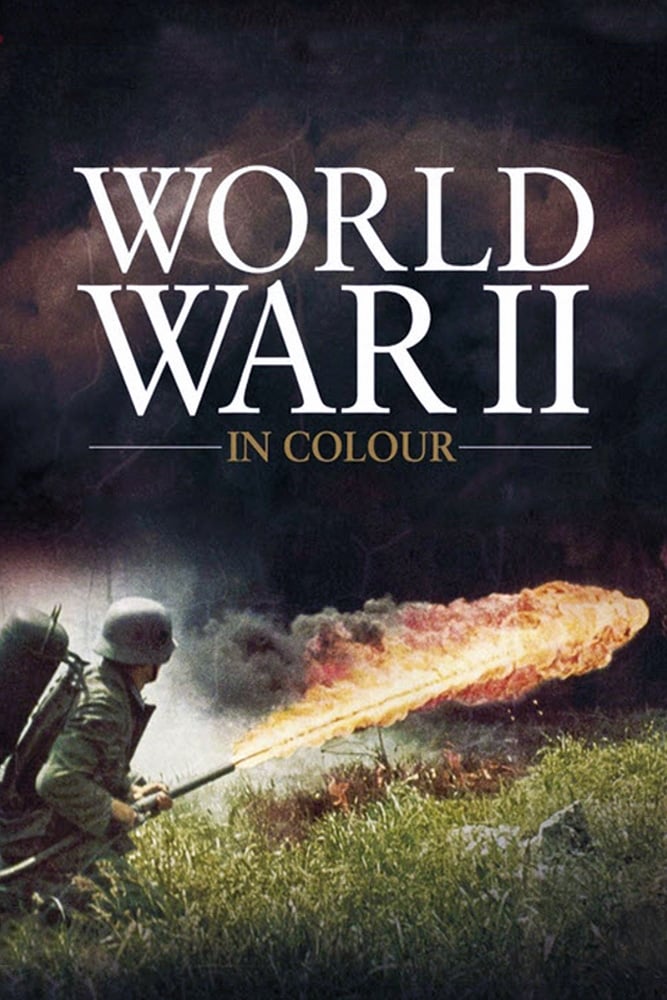
World War II In Colour is a 13-episode television documentary miniseries recounting the events of World War II narrated by Robert Powell. The show covers the Western Front, Eastern Front, and the Pacific War. It is on syndication in America on the Military Channel. This series is in full color, combining both original and colorized footage.
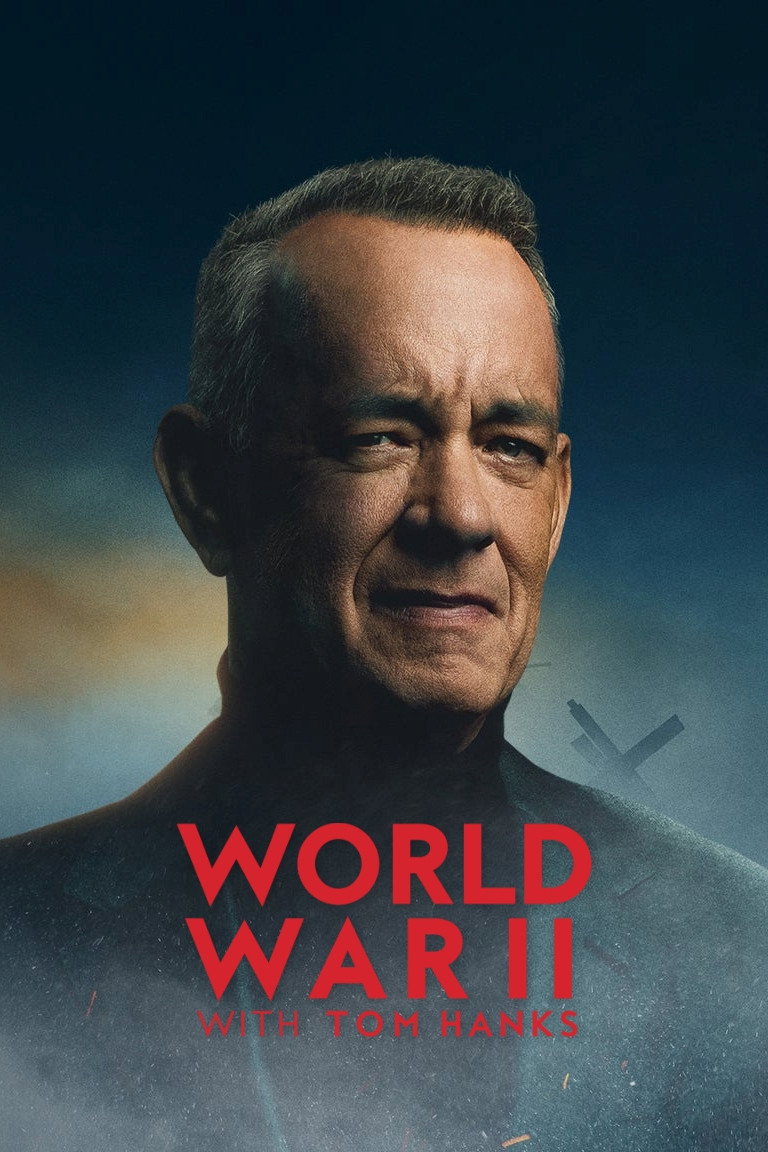
Explores WWII from Germany's invasion of Poland through the atomic age, examining pivotal battles, wartime leaders like Churchill and Roosevelt, and the human cost of total war.
The team behind Frozen II open their doors to cameras for a six-part documentary series to reveal the hard work, heart, and collaboration it takes to create one of the most highly-anticipated films in Walt Disney Animation Studios’ near-century of moviemaking. Cameras were there to capture an eye-opening - and at times jaw-dropping - view of the challenges and the breakthroughs, the artistry, creativity and the complexity of creating the #1 animated feature of all time.
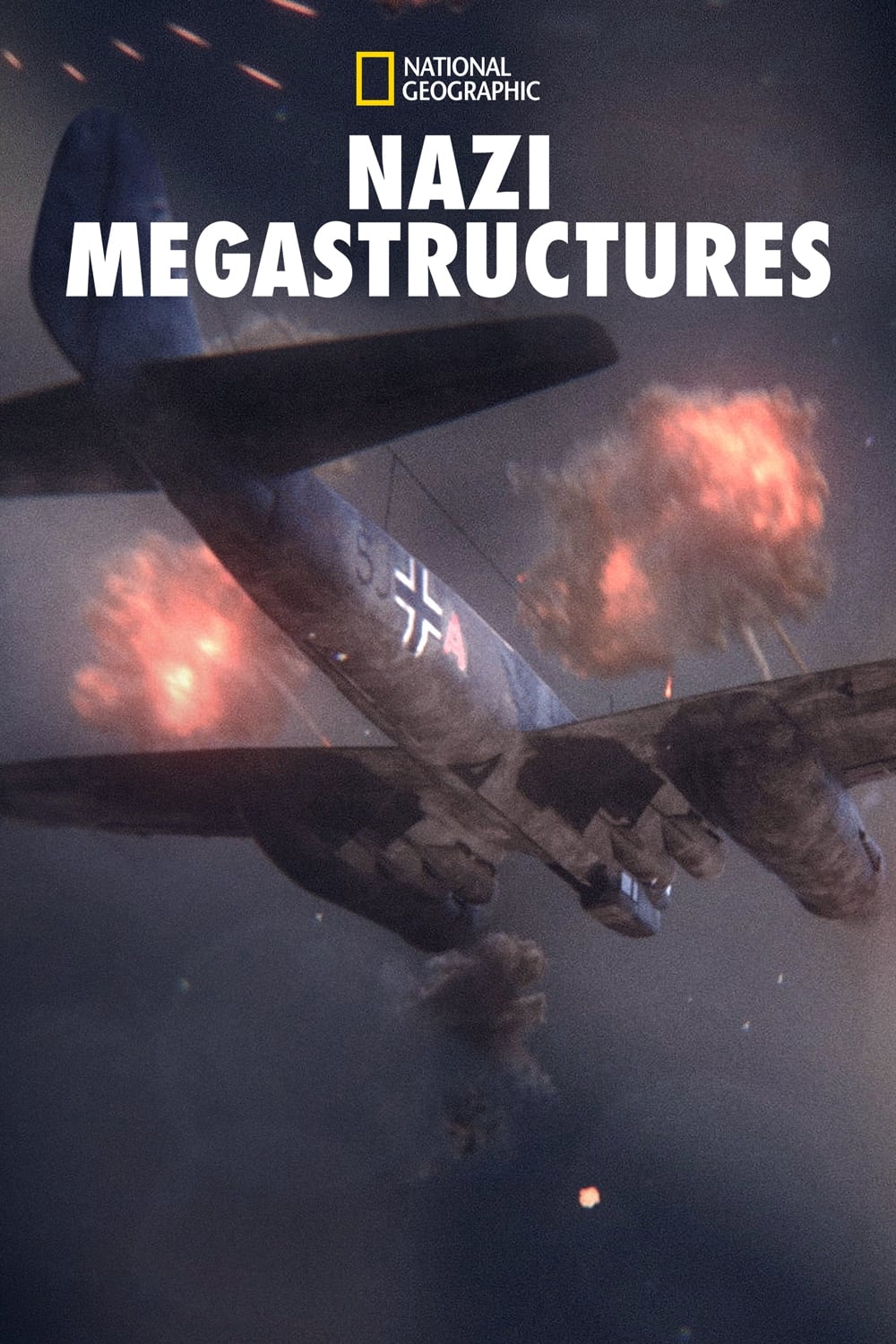
In a quest for world domination, the Nazis built some of the biggest and deadliest pieces of military hardware and malevolent technology in history. This is the stories of the engineers who designed them and how these structures sparked a technological revolution that changed warfare forever.
Adolf Hitler (1889-1945) was a mediocre who rose to power because of the blindness and ignorance of the Germans, who believed he was nothing more than an eccentric dreamer. But when the crisis of 1929 devastated the economy, the population, fearful of chaos and communism, voted for him. And no one defended democracy. As the dictatorship extended its relentless shadow, the leader claimed peace, but was preparing the Apocalypse.
A six-part French documentary about the Second World War composed exclusively of actual footage of the war as filmed by war correspondents, soldiers, resistance fighters and private citizens. The series is shown in color, with the black and white footage being fully colorized, save for some original color footage. The only exception to the treatment are most Holocaust scenes, which are presented in the original black and white.
Biography is a documentary television series. It was originally a half-hour filmed series produced for CBS by David Wolper from 1961 to 1964 and hosted by Mike Wallace. The A&E Network later re-ran it and has produced new episodes since 1987. The older version featured historical figures such as Helen Keller and Mark Twain, or long-dead entertainment figures such as Will Rogers or John Barrymore. The A&E series has placed the emphasis on such people as Marilyn Monroe, Elvis Presley, Plácido Domingo, Freddie Mercury, Jacqueline Kennedy Onassis, Eric Clapton, Pope John Paul II, Gene Tierney, Selena, Diego Rivera, Mao Zedong and Queen Elizabeth II, and fictional characters like The Phantom, Superman, Hamlet, Betty Boop, and Santa Claus. The program ended up profiling enough figures that in 1999, A&E spun it off into an entire network, The Biography Channel.
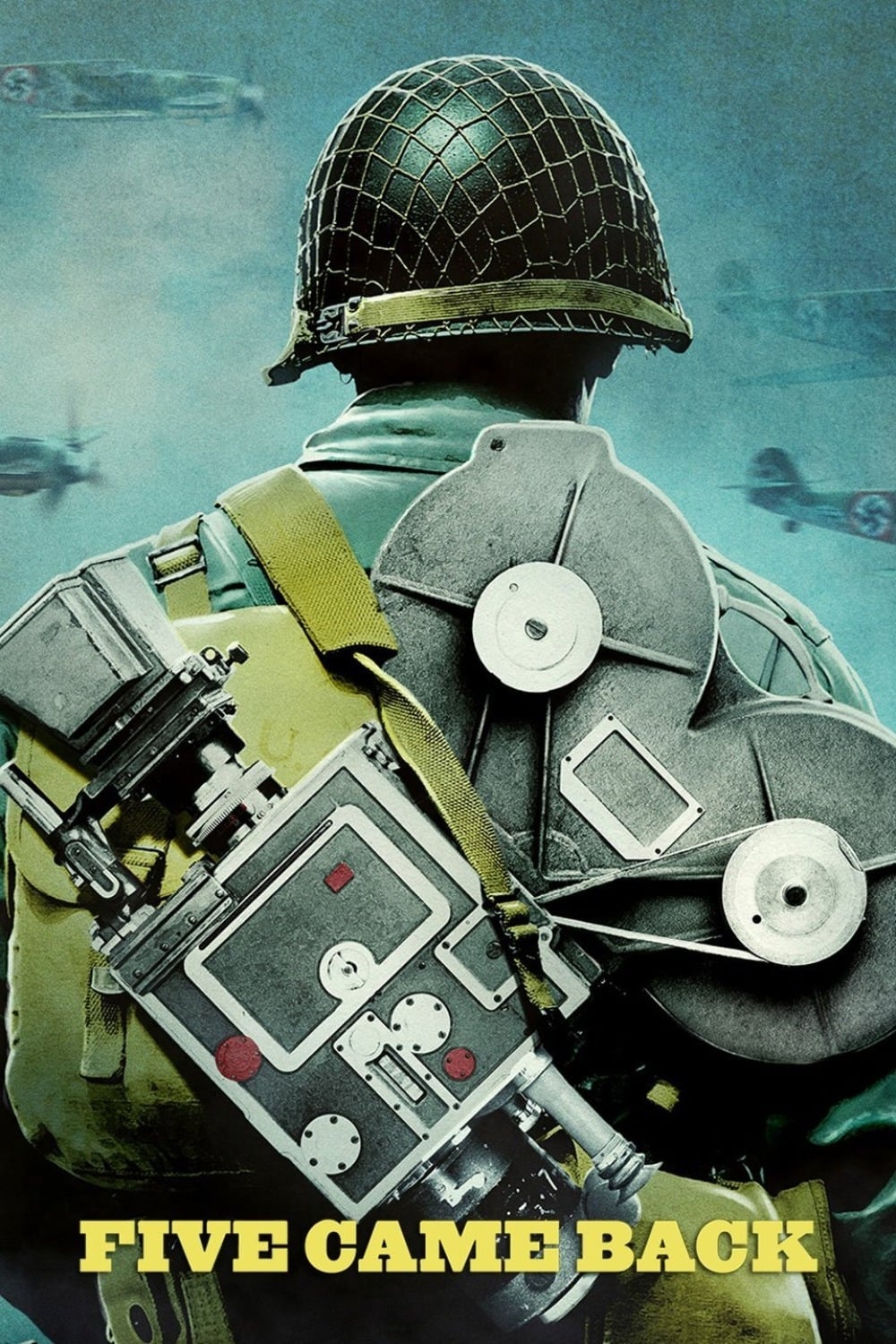
Five acclaimed contemporary directors tell the story of five legendary Hollywood filmmakers who enlisted in the armed forces to document World War II.
A documentary on the American Civil War narrated by Ken Burns, covering the secession of the Confederacy to the assassination of Abraham Lincoln.
30 for 30 is the title for a series of documentary films airing on ESPN, its sister networks, and online highlighting interesting people and events in sports history. This currently includes four "volumes" of 30 episodes each, a 13-episode series under the ESPN Films Presents title in 2011–2012, and a series of 30 for 30 Shorts shown through the ESPN.com website. The series has also expanded to include Soccer Stories, which aired in advance of the 2014 FIFA World Cup, and audio podcasts. This entry refers to the main Volumes of the series presented by ESPN
Infographics and archival footage deliver bite-size history lessons on scientific breakthroughs, social movements and world-changing discoveries.
An immersive 360-degree narrative telling the epic story of the Vietnam War as it has never before been told on film. Featuring testimony from nearly 80 witnesses, including many Americans who fought in the war and others who opposed it, as well as Vietnamese combatants and civilians from both the winning and losing sides.
The American Revolution was at once a war for independence, a war of conquest, a civil war, and a world war, fought by neighbors on American farms and between global powers an ocean or more away. It impacted millions from Vermont’s Green Mountains to the swamps of South Carolina, from Indian Country to the Iberian Peninsula. In defeating the British Empire and giving birth to a new nation, the American Revolution turned the world upside-down. Thirteen colonies on the Atlantic Coast united in rebellion, won their independence, and established a republic that still endures. The American Revolution will present the story of the men and women of the Revolutionary generation, their humanity in victory and defeat, and the crisis that they lived through.