Social & External
The people behind it
Daniela Ramalho
Self - Host
Hot topics in worldwide soccer/football are discussed, with a look at recent match highlights, plus regular segments on the English Premier League and Americans playing abroad.
F1 expert Ted Kravitz reviews the action from the pit lane.
'Esporte Espetacular' is Globo's oldest sports program on air. It debuted with the aim of opening up space on television for different sports, at a time when football predominated in the news. With a light and dynamic format, the attraction follows the stories of the athletes, behind the scenes, best moments and world records achieved in different competitions.
Sports news show that started airing on TBS in March 2009.
Front Office Sports Tonight focuses on the cultural, entertainment, and business side of sports rather than traditional game highlights.
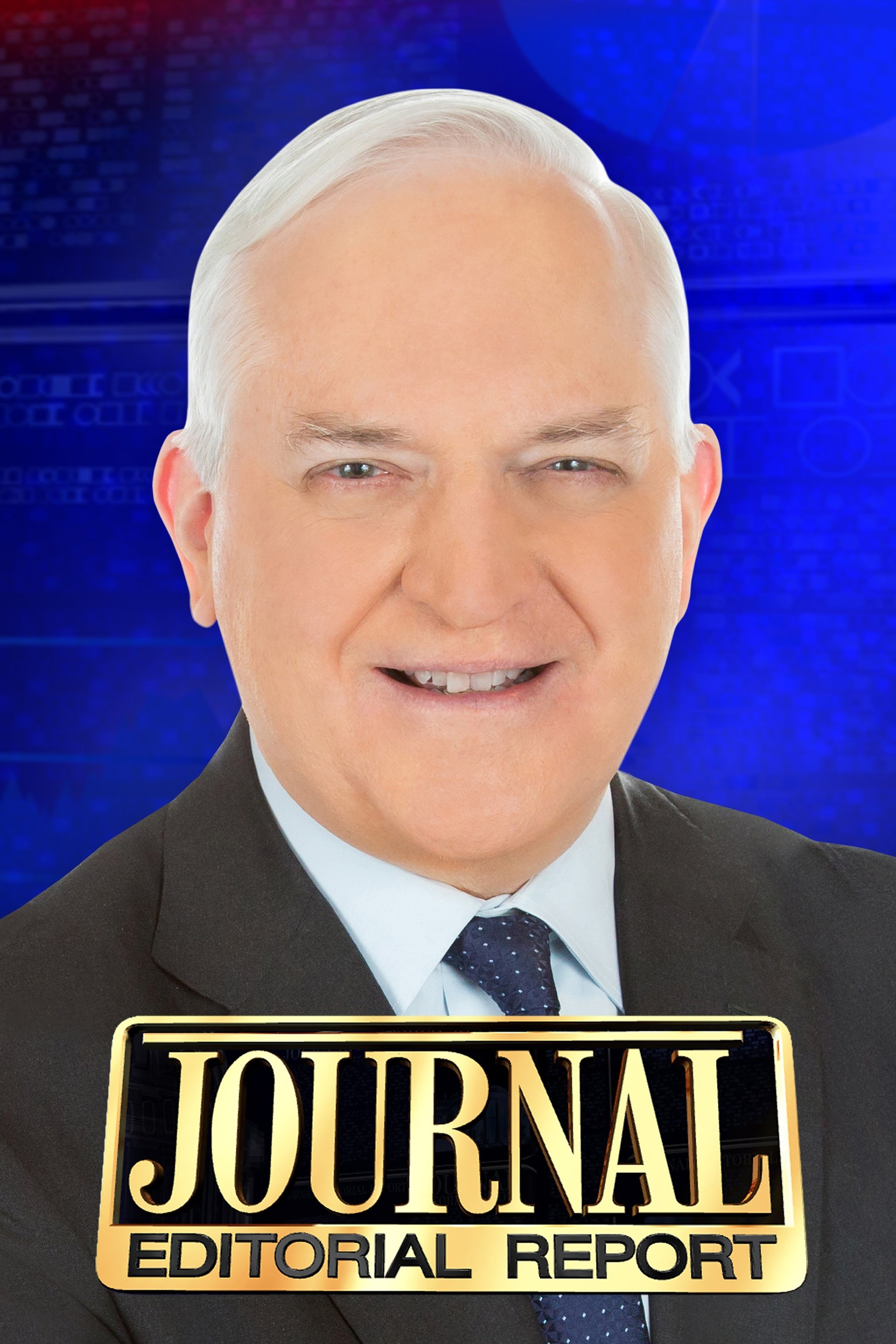
The Journal Editorial Report is a weekly American interview and panel discussion TV program on Fox News Channel, hosted by Paul Gigot, editorial page editor of The Wall Street Journal. Prior to moving to Fox News, the show aired on PBS for 15 months, ending on December 2, 2005.
Kabuhayang Swak na Swak is an entrepreneurial and informative show produced by Bayan Productions, Inc. which airs weekend mornings on ABS-CBN. The program features ways, means and techniques of how to start, setting up and maintaining a certain business. It is currently presented by Bobby Yan, with the special participation of Dimples Romana and airs every Saturday and Sunday at 7:00 a.m..
Balitanghali is the noontime newscast of GMA News TV in the Philippines. The newscast is also heard simultaneously on Super Radyo DZBB 594 every weekends. The newscast is anchored by Pia Arcangel and Raffy Tima during weekdays and Mariz Umali and Jun Veneracion during weekends. It also aired worldwide via GMA Life TV.
Fox Online was an American talk/ news program on the Fox News Channel.
Rita Cosby: Live and Direct is a news/talk program which aired nightly on MSNBC. Hosted by Rita Cosby, Rita Cosby: Live and Direct consisted of breaking news reports and rare interviews. It largely emphasized getting the big stories and exclusives. Airing Monday through Thursday at 10pm ET, it also replayed in late night, at 1 a.m. ET. It originally aired at 9pm ET, and in that timeslot was the network's highest-rated program. Later, it switched time-slots with Scarborough Country a few months before it was canceled. Cosby’s shows originated from key areas around the globe, including from New Orleans and the Gulf Coast region to report on Hurricanes Katrina and Rita, as well as from Afghanistan and along the extensive US-Mexico border. The show's final air date was July 7, 2006. Cosby continued at the network as a lead host and senior correspondent until leaving in April 2007.
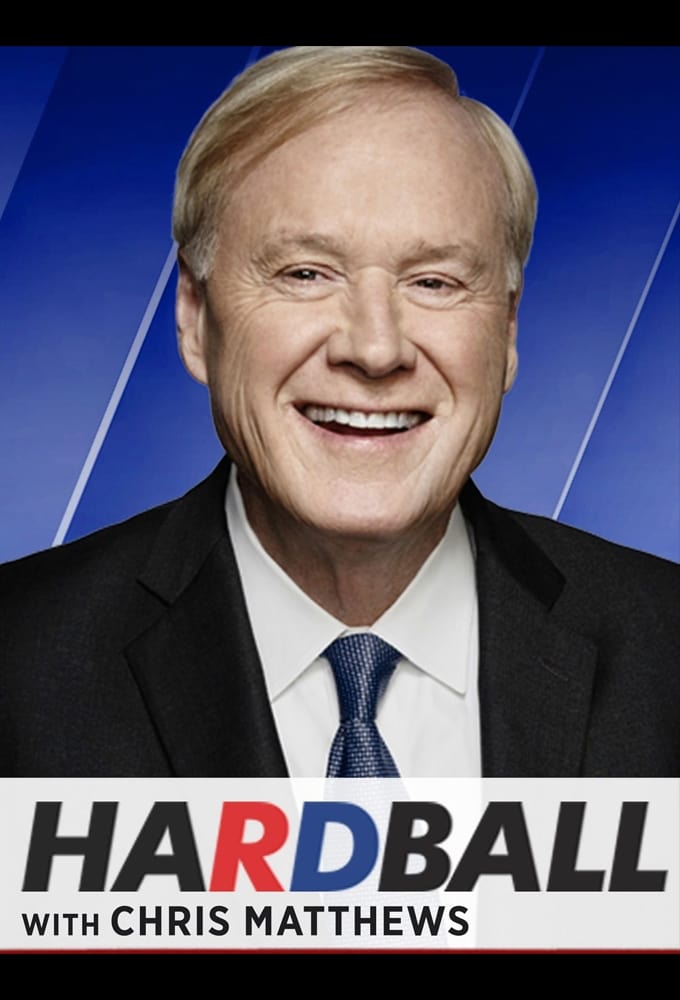
Hardball with Chris Matthews is an American television talk show on MSNBC, broadcast weekdays at 7 PM ET hosted by Chris Matthews. It originally aired on now-defunct America's Talking and later CNBC. The current title was derived from a book Matthews wrote in 1988, Hardball: How Politics Is Played Told by One Who Knows the Game. Hardball is a talking-head style cable news show where the moderator advances opinions on a wide range of topics, focusing primarily on current political issues. These issues are discussed with a panel of guests that usually consists of political analysts and sometimes include politicians. It also runs in a "Best of" format Saturday mornings at 5 AM.
This Hour Has 22 Minutes is a weekly Canadian television comedy that airs on CBC Television. Launched in 1993 during Canada's 35th general election, the show focuses on Canadian politics, combining news parody, sketch comedy and satirical editorials. Originally featuring Cathy Jones, Rick Mercer, Greg Thomey and Mary Walsh, the series featured satirical sketches of the weekly news and Canadian political events. The show's format is a mock news program, intercut with comic sketches, parody commercials and humorous interviews of public figures. The on-location segments are frequently filmed with slanted camera angles.
VICE News' half-hour nightly newscast. We now interrupt your regularly scheduled worldview.
The sparkling notes of a trumpet fanfare and the familiar logo of the sun alert viewers that it's time for CBS's Sunday morning staple. Journalist Jane Pauley helms the show, taking over hosting duties from Charles Osgood, who spent 22 years on the job. A morning talk show, this program airs at a different pace and focuses much of its attention on the performing arts. After a quick update of the day's news and national weather, correspondents offer longer-length segments on a variety of topics, from architecture to ballet to music to pop culture to politics.
America's popular television News magazine in which an ever changing team of CBS News correspondents contribute segments ranging from hard news coverage to politics to lifestyle and pop culture.
60 Minutes, an Australian version of the U.S. television newsmagazine 60 Minutes, airs on Sunday nights on the Nine Network and is presented in much the same way as the American program on which it is based. The New Zealand version of the show has also featured segments of the Australian version. Gerald Stone, the founding executive producer, was given the job by Kerry Packer and was told: "I don't give a f... what it takes. Just do it and get it right." After the first episode was broadcast on 11 February 1979, Packer was less than impressed, telling Stone: "You've blown it, son. You better fix it fast." Over the years, Stone's award winning 60 Minutes revolutionised Australian current affairs reporting and enhanced the careers of Ray Martin, Ian Leslie, George Negus, and later Jana Wendt. Since it was first broadcast, 60 Minutes has won five Silver Logies, one Special Achievement Logie, and received nominations for a further six Logie awards.
Veteran political journalist Tucker Carlson hosts this nightly series that bears his name. Fox News describes the show as an "hour of spirited debate and powerful reporting," with Carlson taking on issues that viewers care about. He is joined by guests to help him discuss issues that don't seem to get much coverage in other parts of the media. Regular segments include Carlson calling out political correctness that goes too far and putting overblown social-media outrage in its place, all done in what the network calls "his signature style."