Social & External
The people behind it
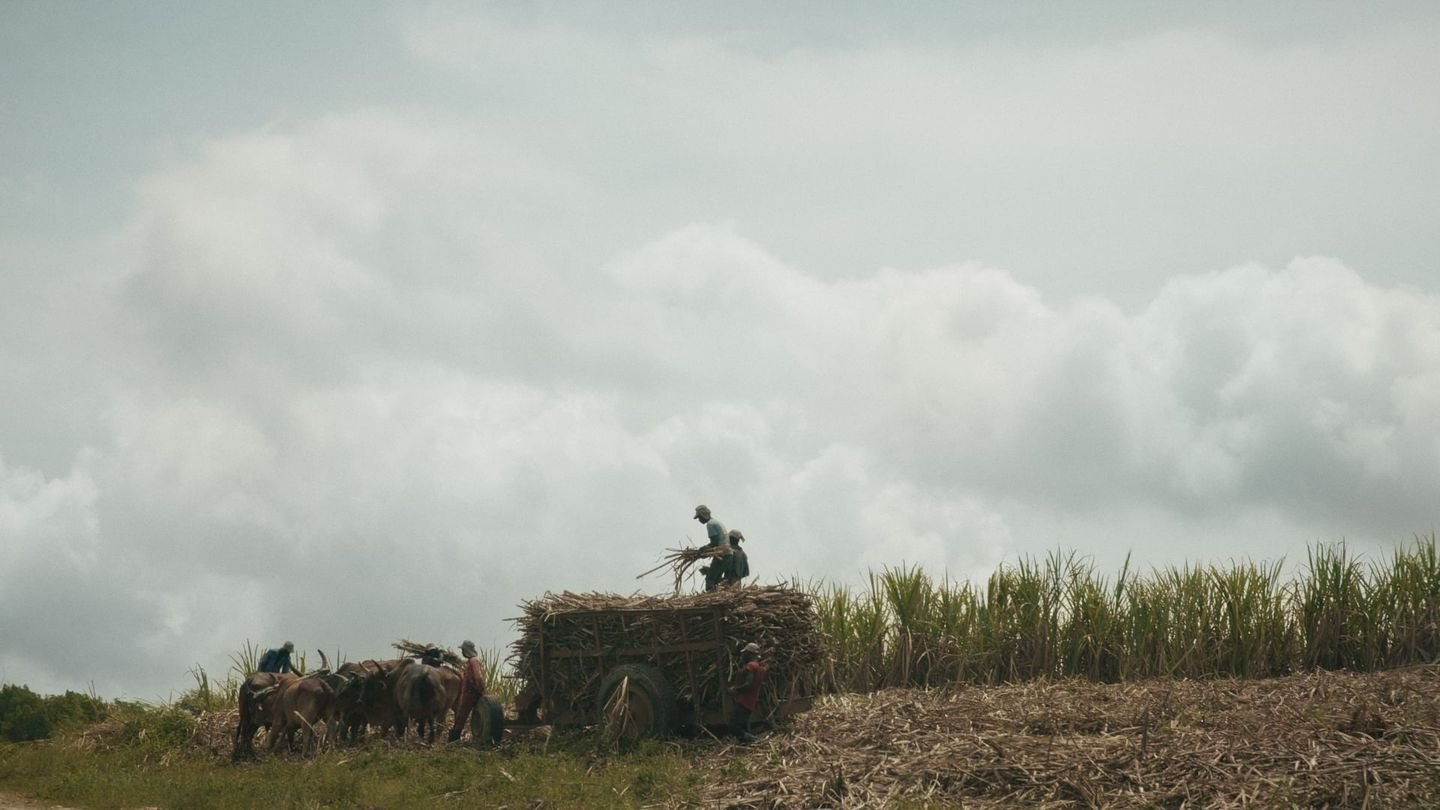
The specter of drug trafficking haunts Europe. Struggling with ultra-violent criminal groups that control the vast majority of cocaine trade, European police forces are overwhelmed. The epicenter of all this trafficking: the Netherlands. A nation at the forefront of international trade and drug policy. This two-part film delves into the origins of European drug trafficking through the unique history of the Kingdom of the Netherlands.
A look into the Belgian colonisation of Congo through interviews of both colonials as Congolese people that lived it.
In 1829, a recently widowed Englishman brings his children to New South Wales to claim land and begin a new life, only to find it already occupied. Forced to settle as squatters, the family faces mounting challenges from colonial authorities, rival settlers, and the harsh conditions of the frontier.
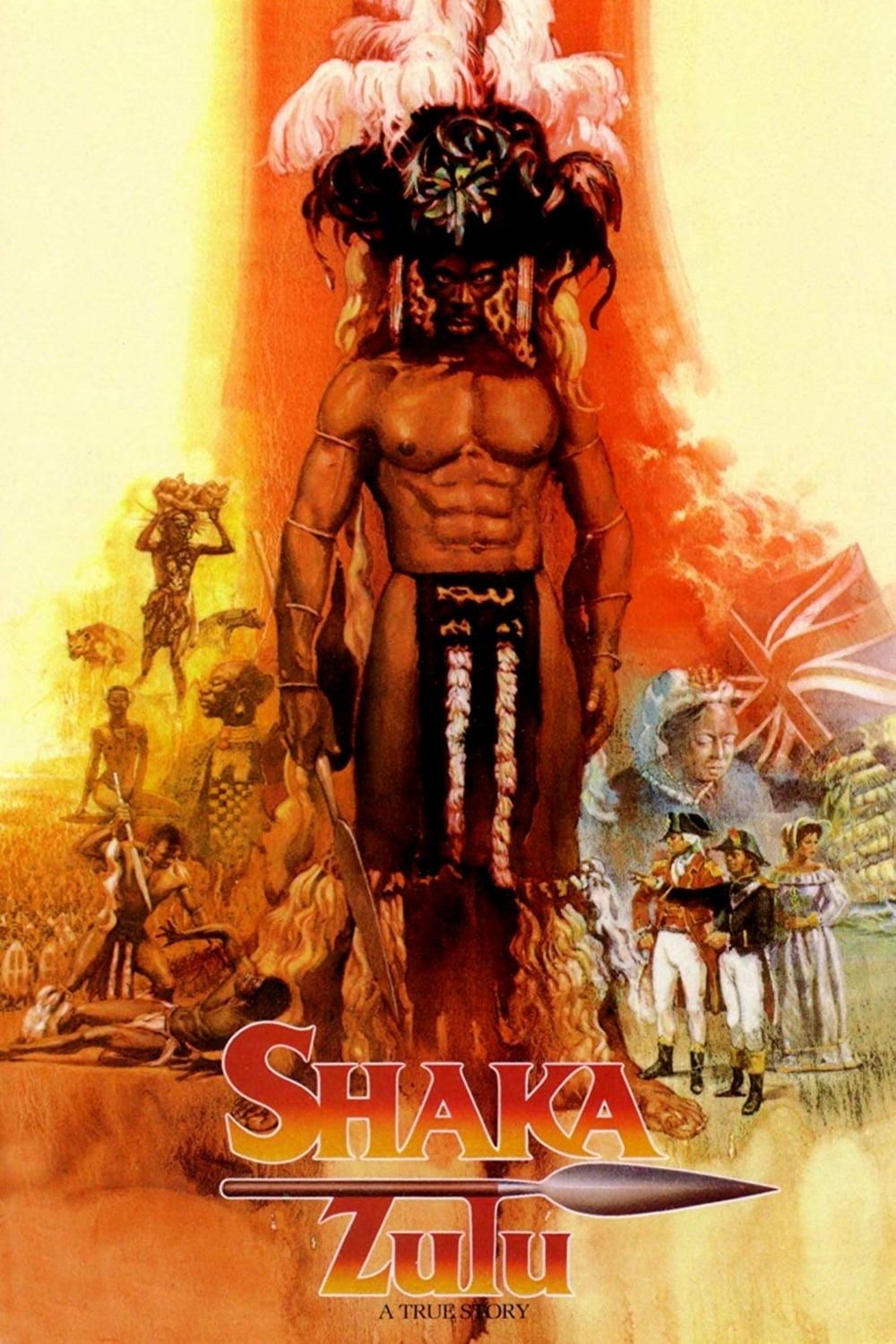
South Africa, 1823. The Zulu Empire, headed by King Shaka, a brilliant but ruthless military strategist, begin to encroach on the British colony of Cape Town. A volunteer cadre of explorers, mercenaries and professional soldiers are sent to Zululand to try to make contact with Shaka and assess the real threat of his army.
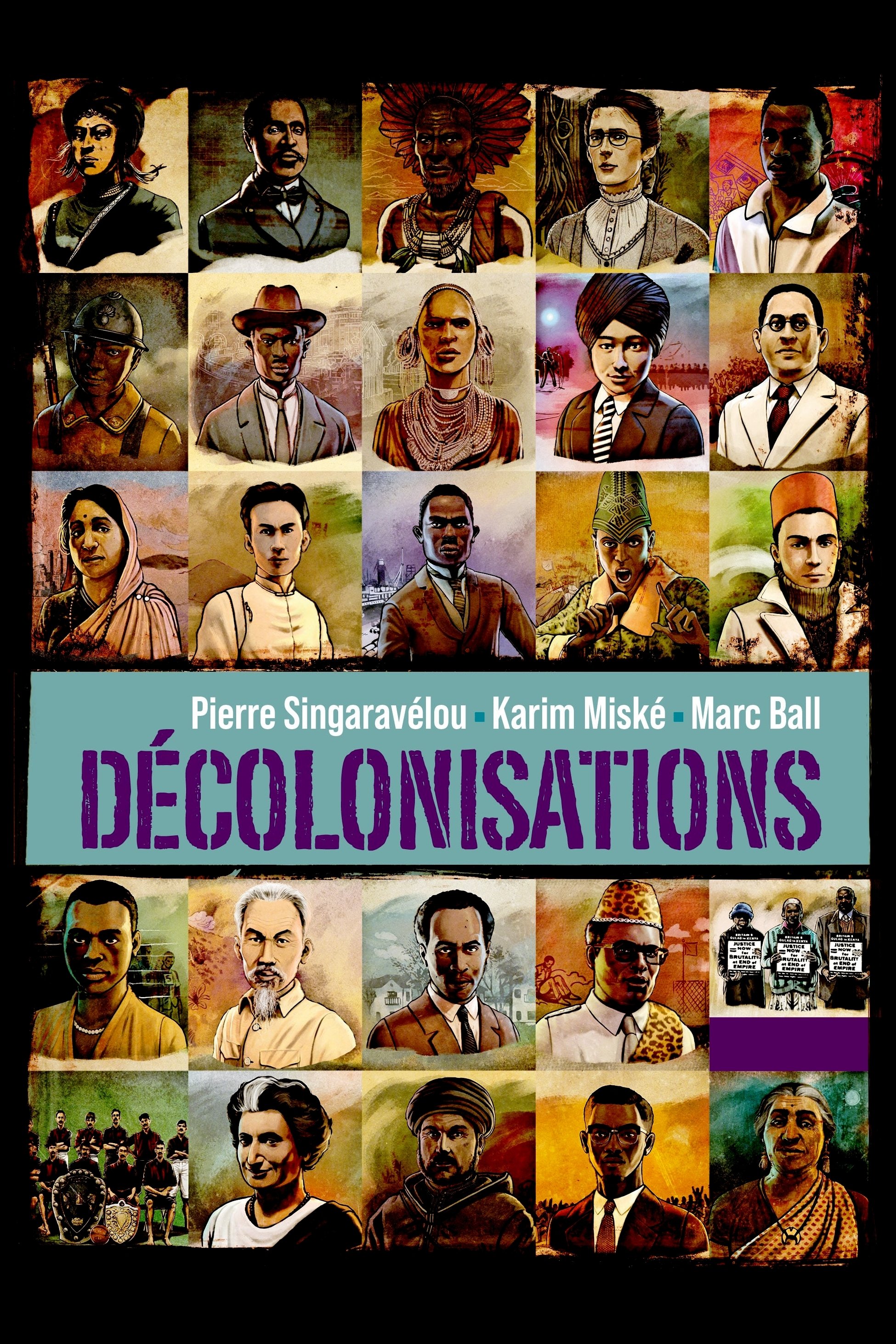
The history of decolonization from the point of view of colonized peoples, an epic story that still resonates and reverberates to this day.
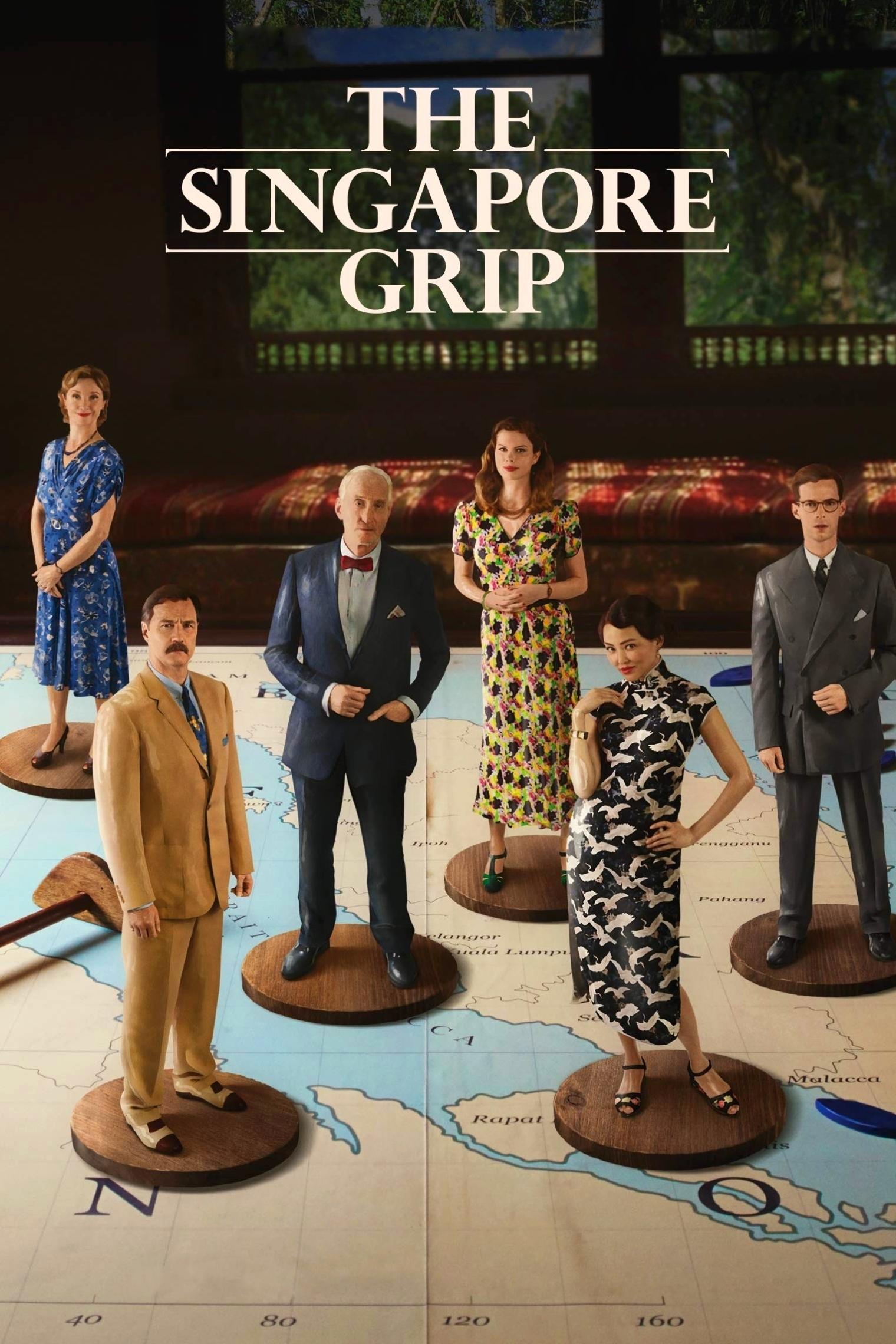
In WWII-era colonial Singapore, a wealthy British family struggle to preserve their prosperous business – whether by commercial or amorous schemes – amid cataclysmic world events.
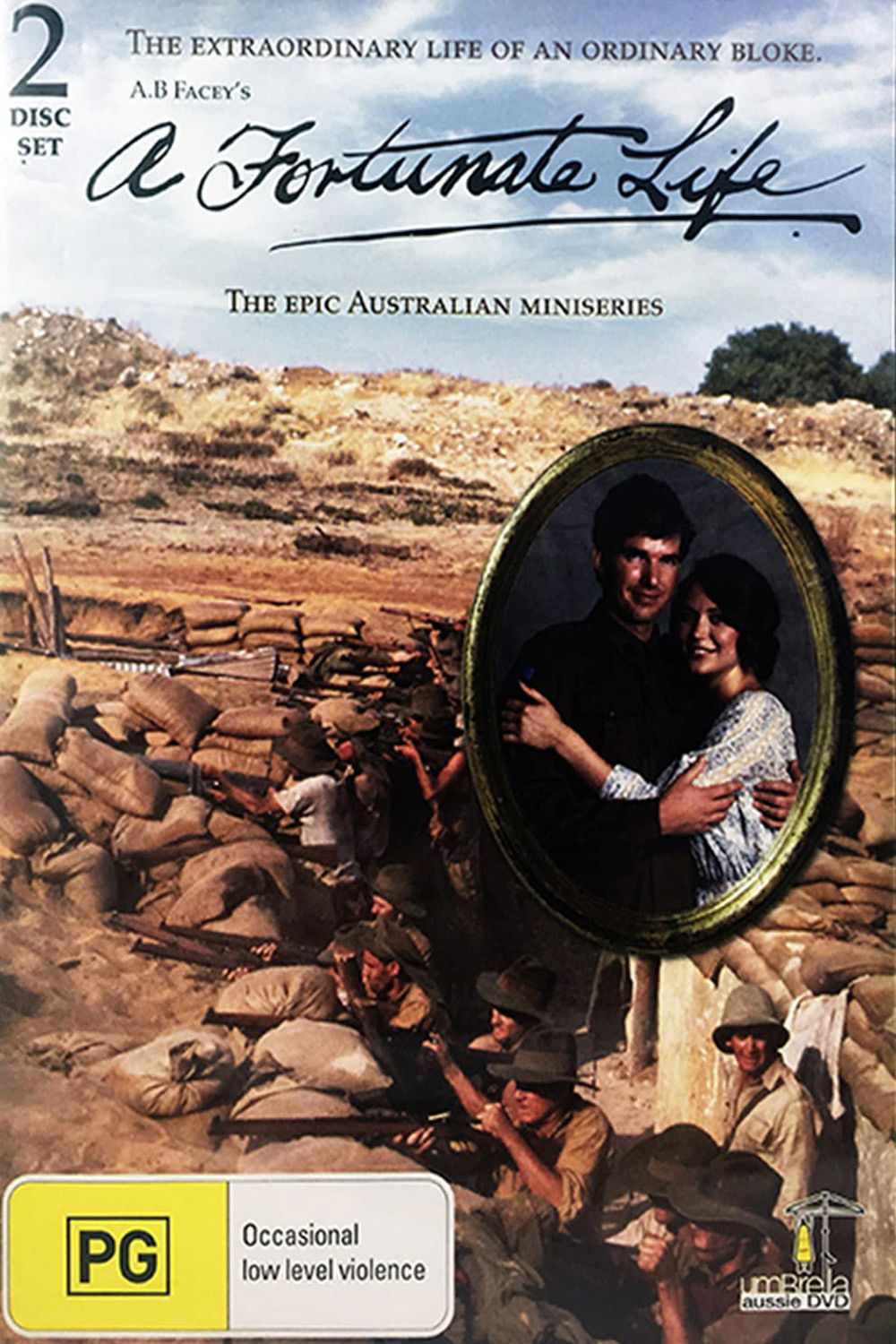
At eight years old, an impoverished Bert Facey was forced to start the backbreaking, dawn-to-dusk life of a farm labourer. Unschooled, his father dead, abandoned by his mother, by the age of twenty he had survived the rigours of pioneering the harsh Australian bush and the slaughter of the bloody WWI campaign at Gallipoli.
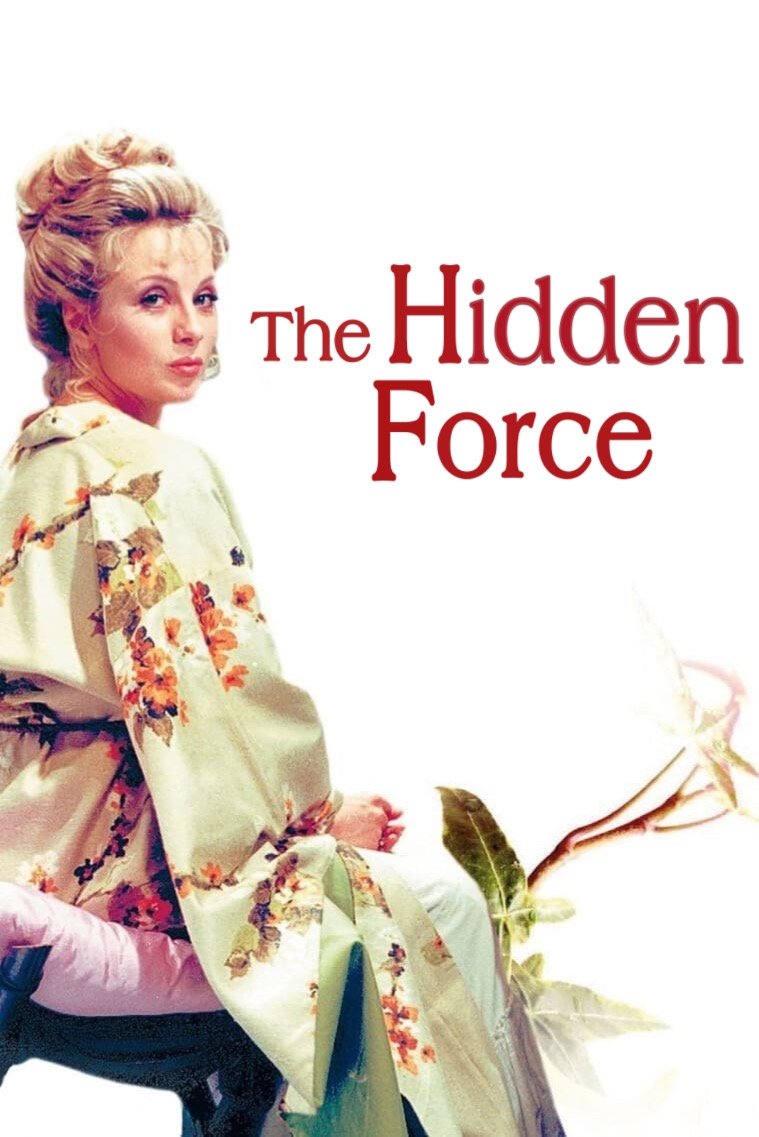
In the sweltering Dutch East Indies, the European colonizers are plagued by a hidden force; a combination of tropical magic, Eastern inscrutability and mutual incomprehension. Blind and deaf to the slumbering powers of the East Indian people, resident Van Oudyck, his son, daughter and seductive wife slowly but surely fall prey to this mysterious force...
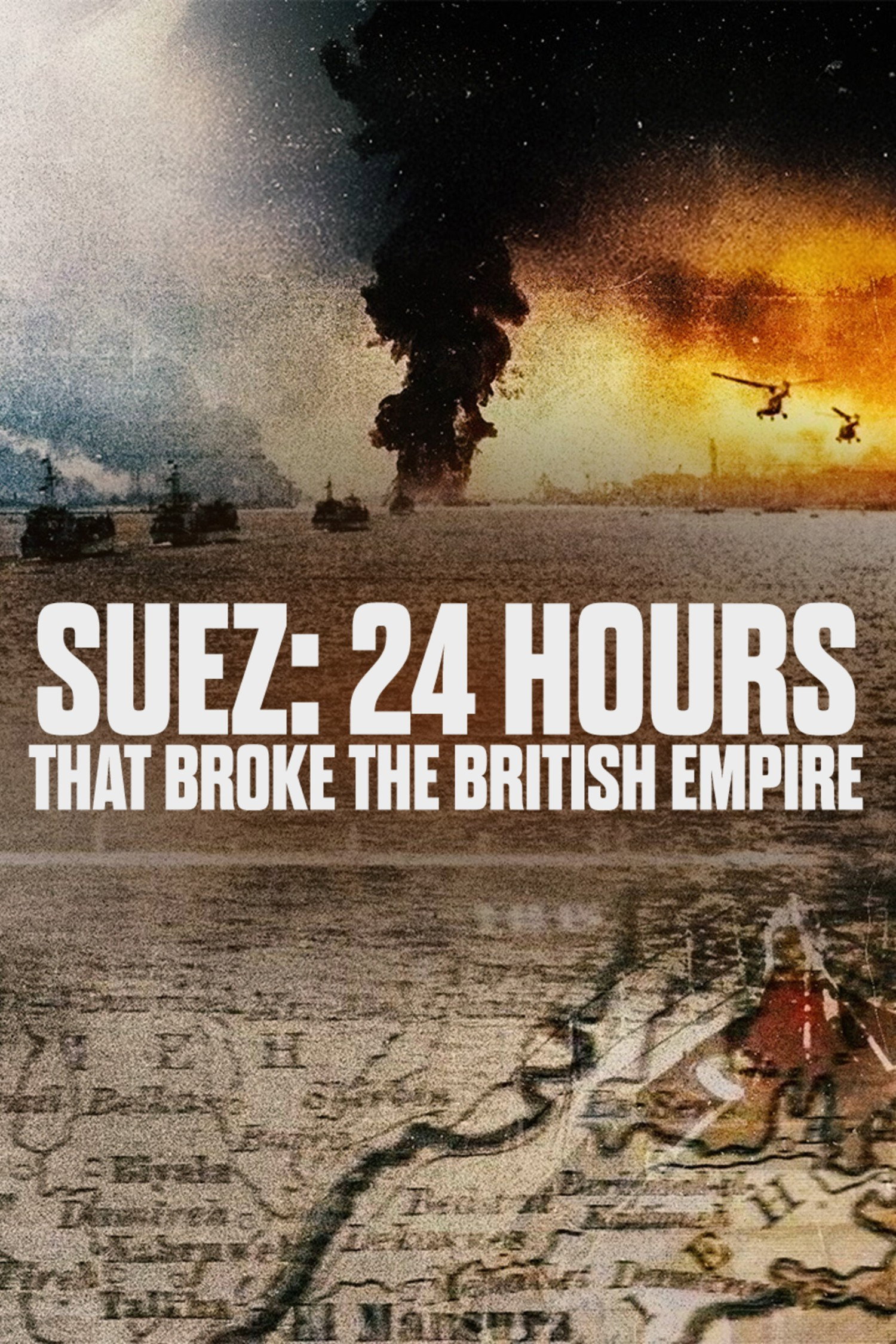
The dramatic inside story of 6 November 1956, the final day of the Suez Crisis. A day that changed Britain forever. Exactly as it happened - hour by hour, minute by minute.
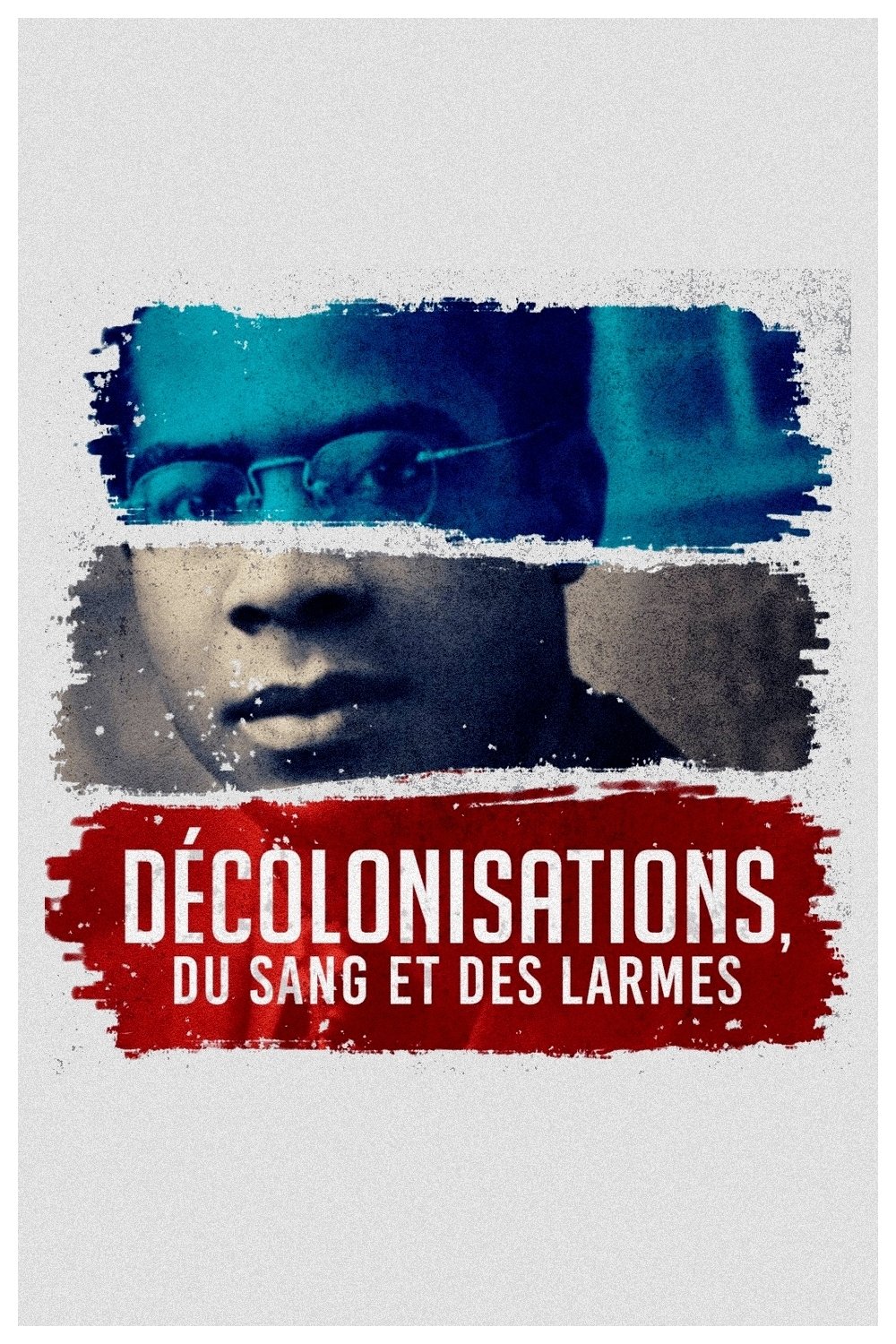
After World War II, the French colonial empire, which dominated the lives of over 110 million people on five continents, collapsed in just under a quarter century of blood and tears.
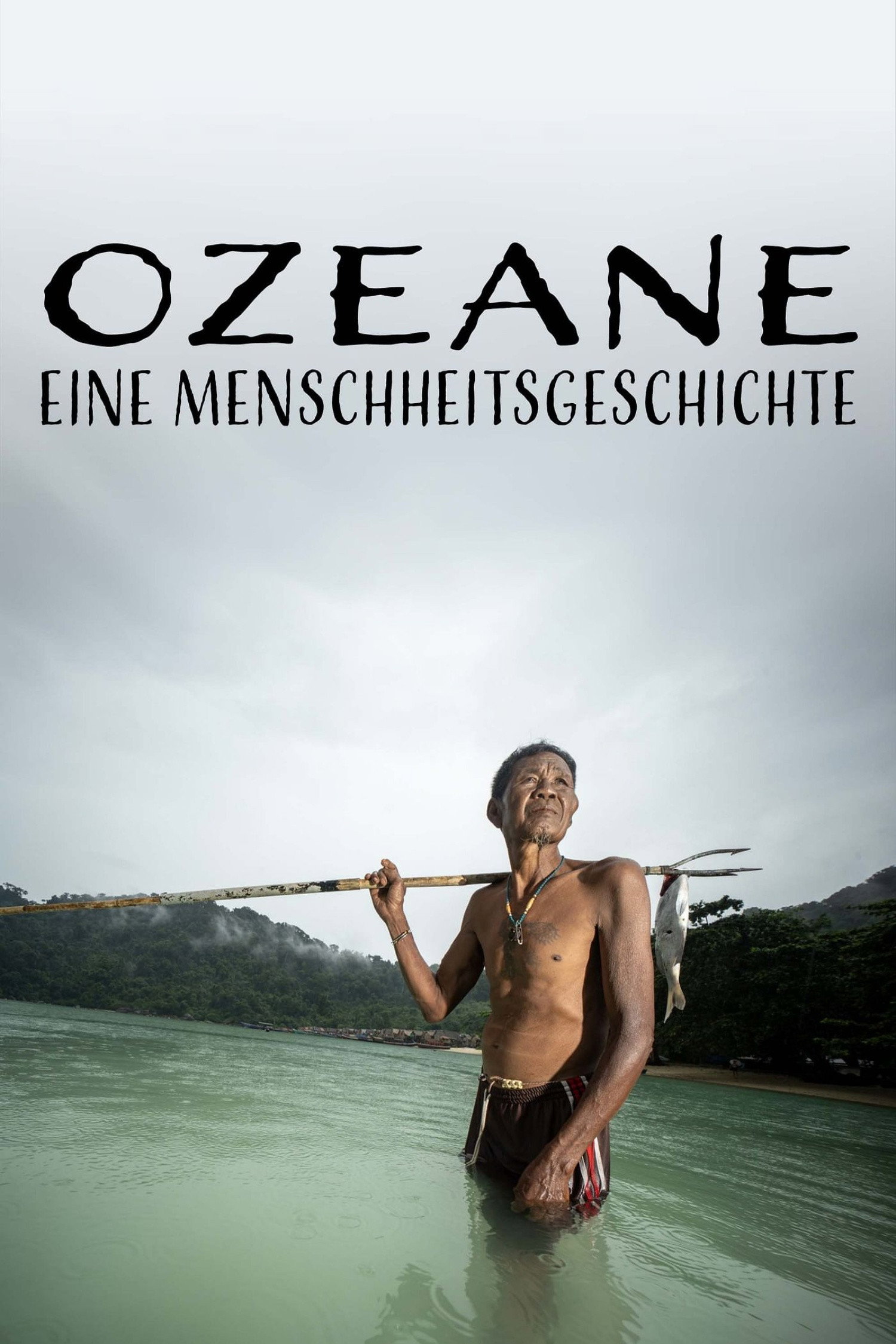
The story of humanity is told through the lens of the world's oceans. Focusing on the Atlantic, Pacific and Indian Oceans, the series explores how these vast bodies of water have shaped migration, trade, cultural exchange and the rise of civilizations for thousands of years. Ocean currents, tides and monsoon systems have influenced not only life along the coasts but also societies, economies and the global climate. Stunning natural imagery and the latest scientific insights offer a sweeping perspective on the enduring relationship between people and the sea.
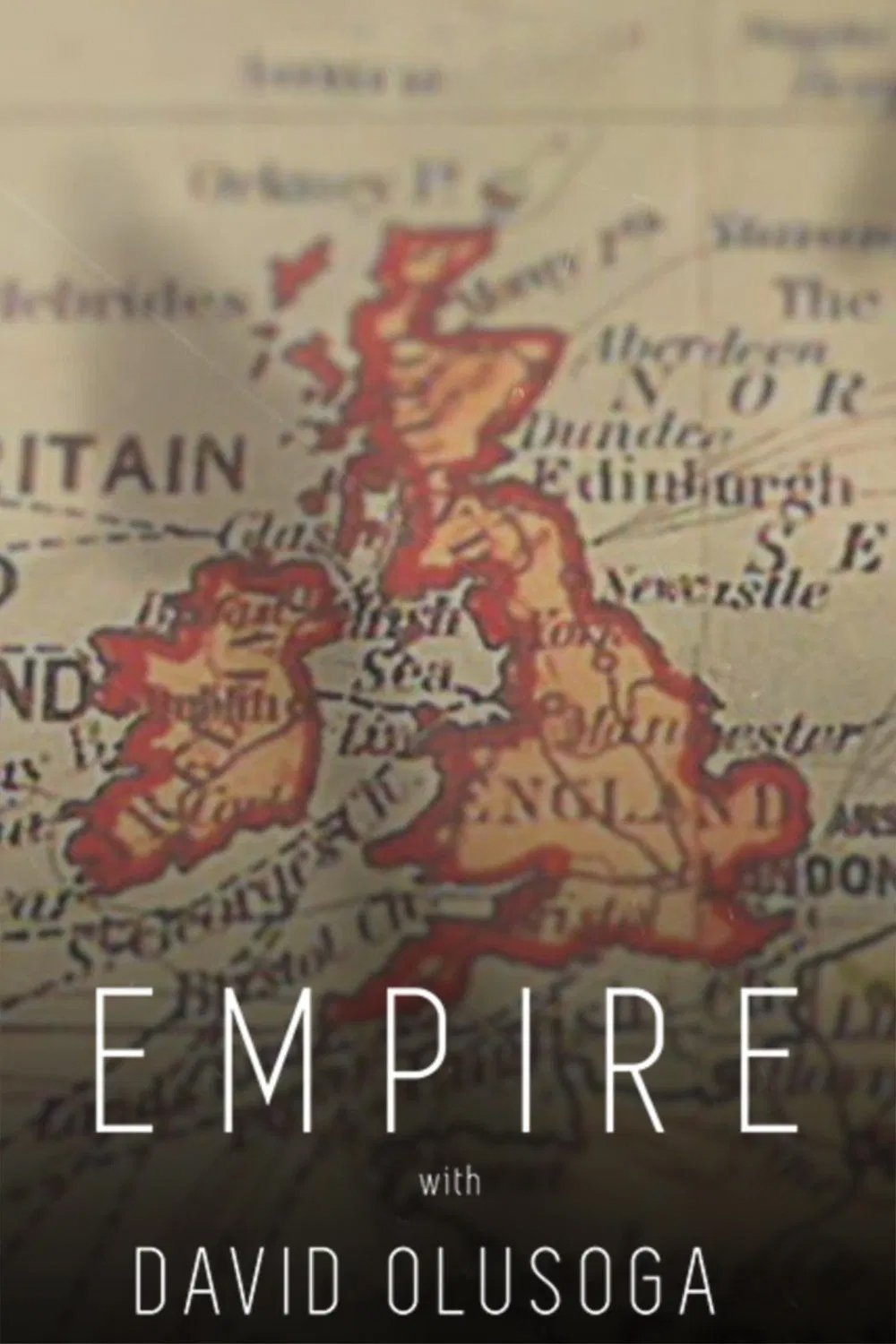
How did a small island once rule over a quarter of the world's population? This shared history still shapes us today - and billions of people are part of its story.
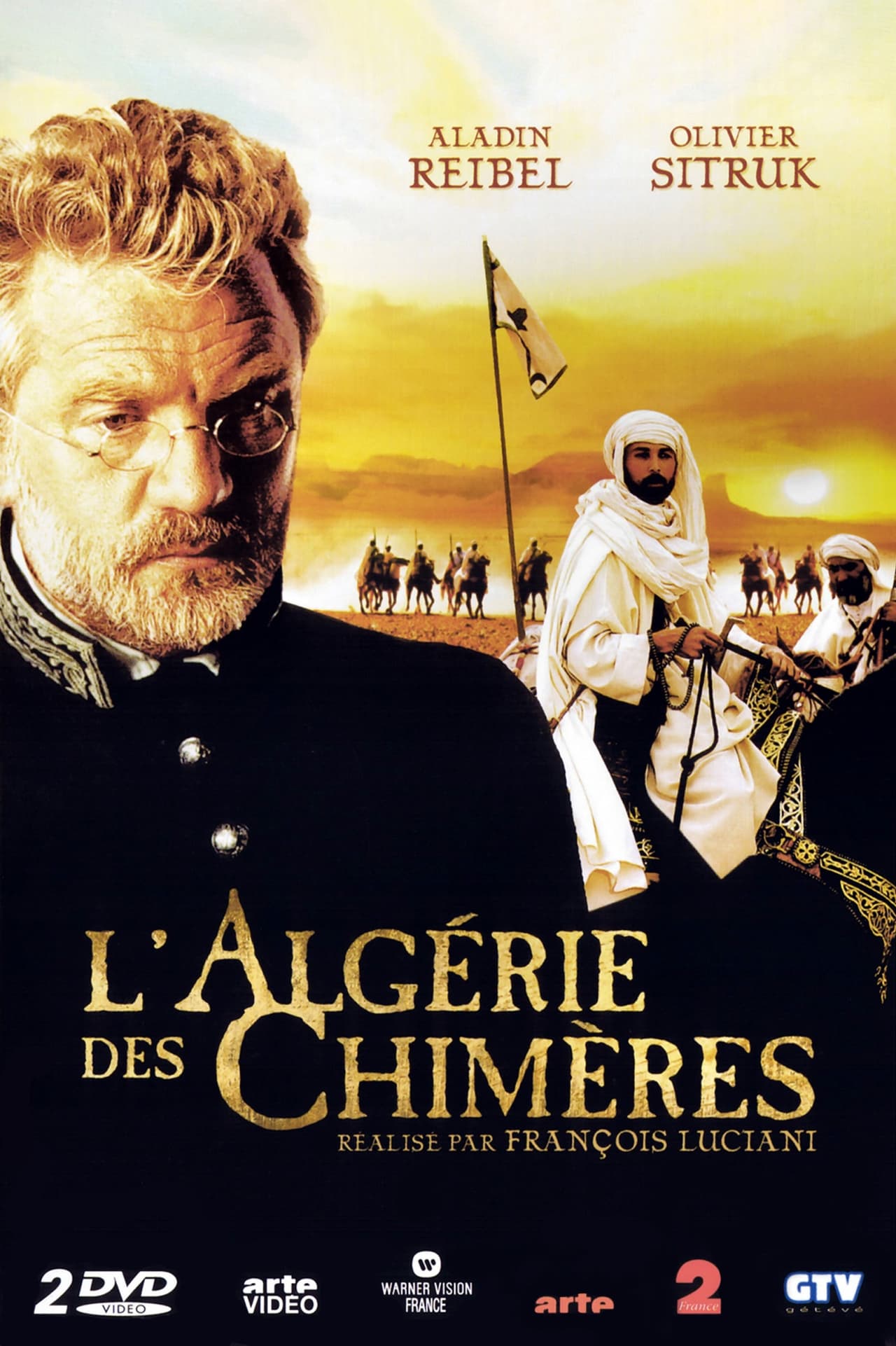
Through the fictionalized lives of two young Saint-Simonians, this television film presents the history of French colonization in Algeria from 1837 to the end of the Second Empire.
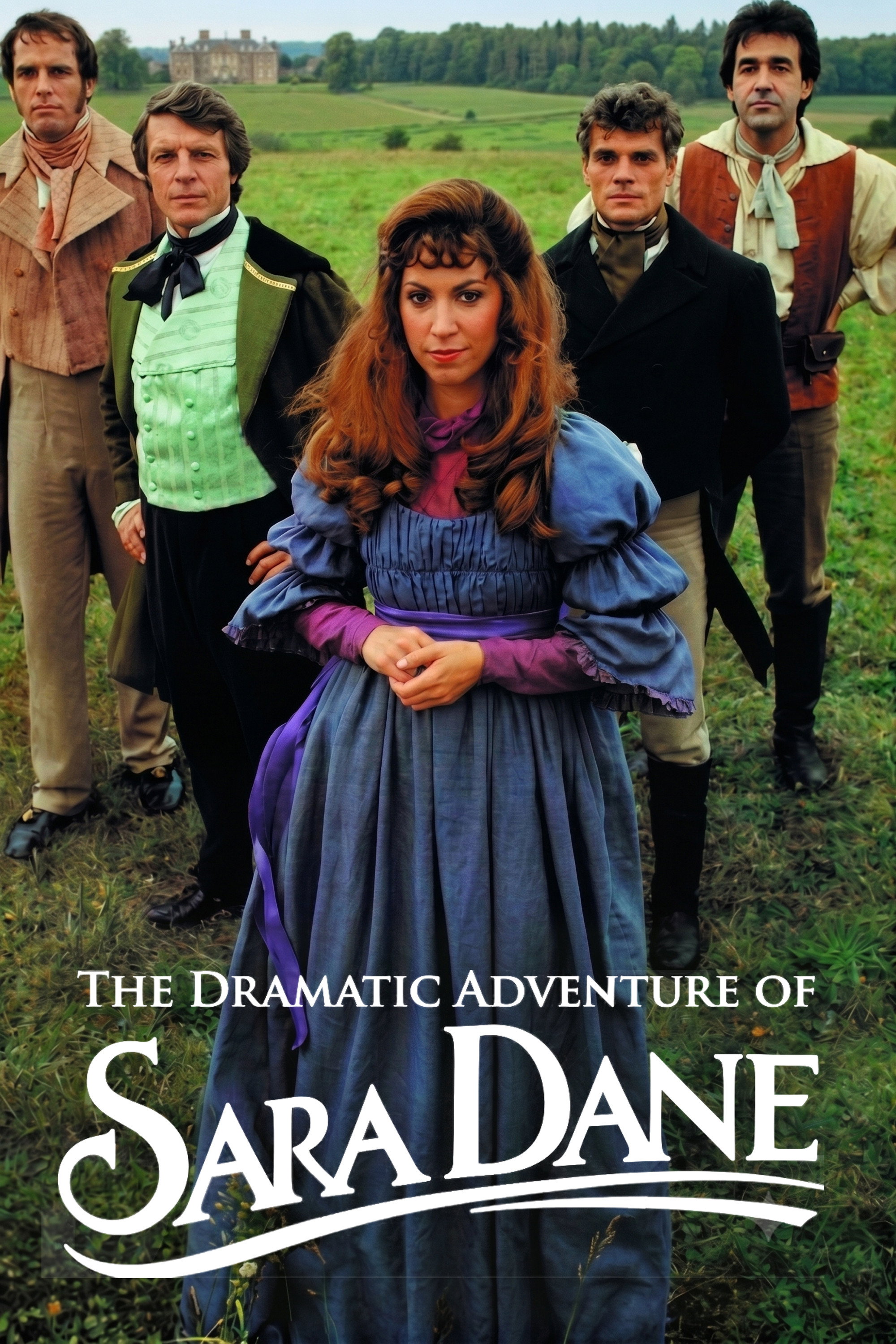
Sara Dane is a 1982 Australian television miniseries about a woman transported from England to Australia for a crime she did not commit.
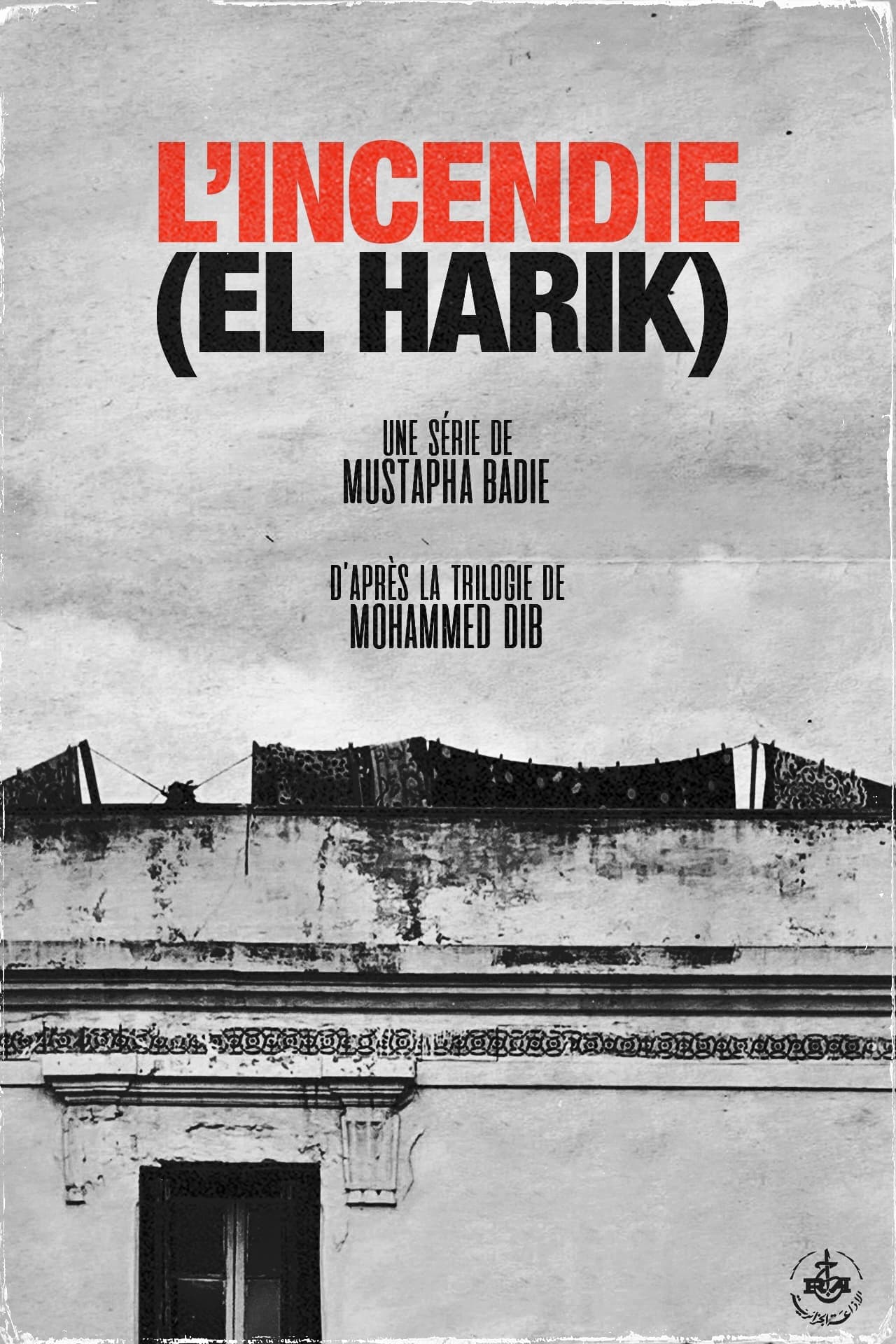
In 1939 in eastern Algeria, Omar, a young boy of ten, lives with his family in a room in Dar Sbitar, a house shared by several families who overcome the trials they go through every day to ensure their subsistence. Her deceased father is Aïni, the mother, who bleeds herself from all four veins to keep her children and their grandmother alive. The families of Dar Sbitar share their intimacy and their daily life, this life animates the big house, which itself becomes a character in its own right. "El Harik" (The Fire), is an Algerian drama series in 10 episodes adapted from Mohamed Dib's trilogy "The Big House", "The Fire" and "The Loom".
Michael Palin’s latest adventure takes him into the heart of one of the most fascinating, politically-charged and historically complicated areas on earth - the Philippines. A place still dominated by the legacy of the Marcos family and its most infamous husband and wife couple Ferdinand and Imelda, whose 21-year rule from 1965-86 ended with an alleged $10 billion theft from the nation’s coffers, as their extravagant regime was exposed.
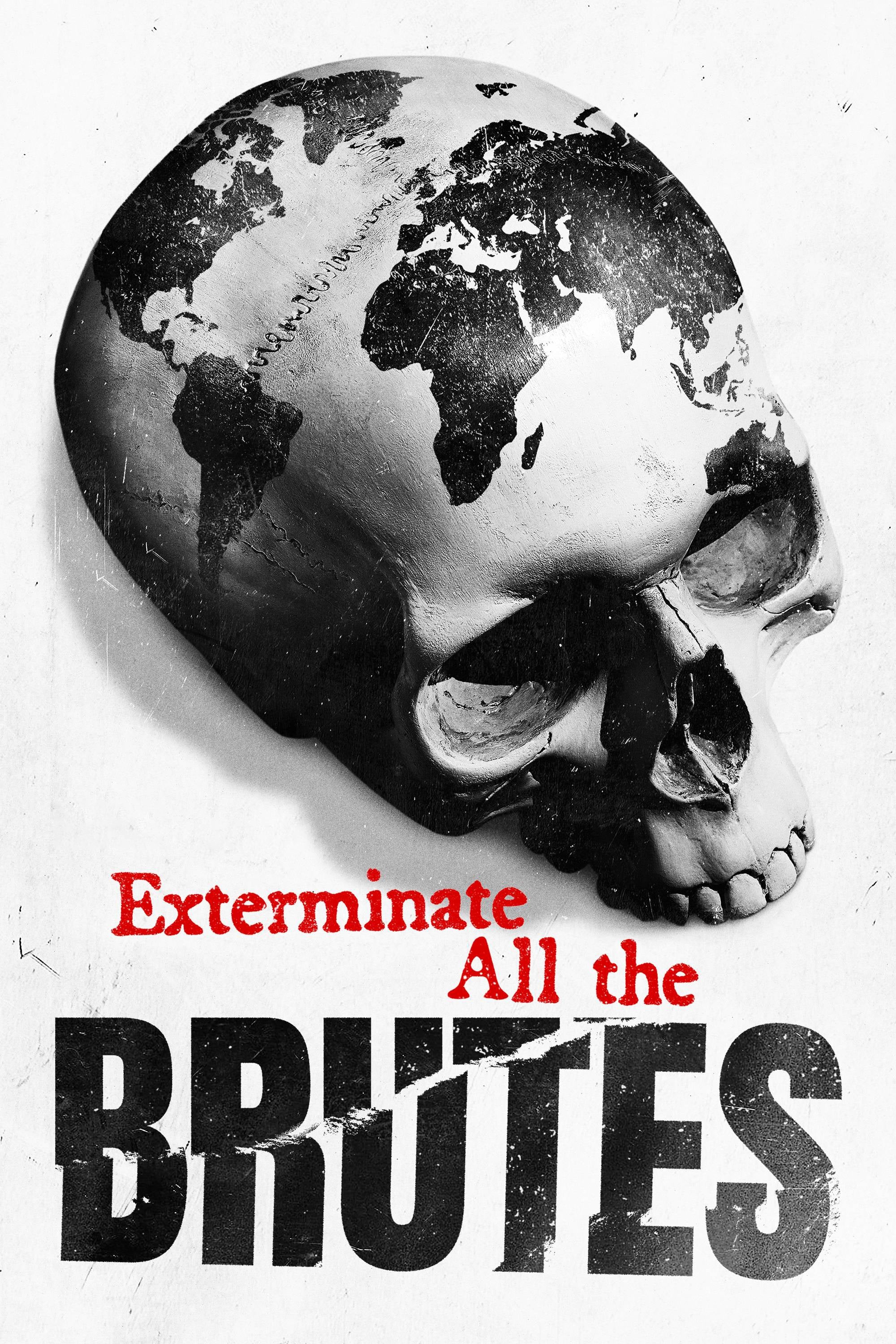
Hybrid docuseries offering an expansive exploration of the exploitative and genocidal aspects of European colonialism, from America to Africa, and its impact on society today.
One Life to Live is an American soap opera broadcast on television for more than 43 years on the ABC network, from July 15, 1968, to January 13, 2012, and on the internet as a web series on Hulu and iTunes via The Online Network since April 29, 2013. Created by Agnes Nixon, the series was the first daytime drama to primarily feature ethnically and socioeconomically diverse characters and consistently emphasize social issues. One Life to Live was expanded from 30 minutes to 45 minutes on July 26, 1976, and then to an hour on January 16, 1978.
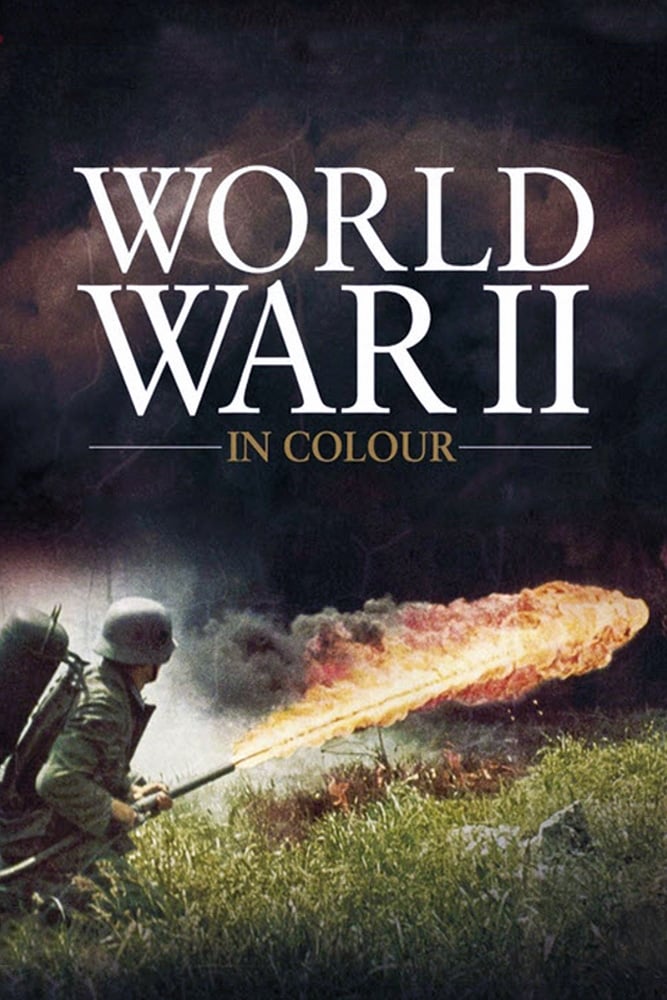
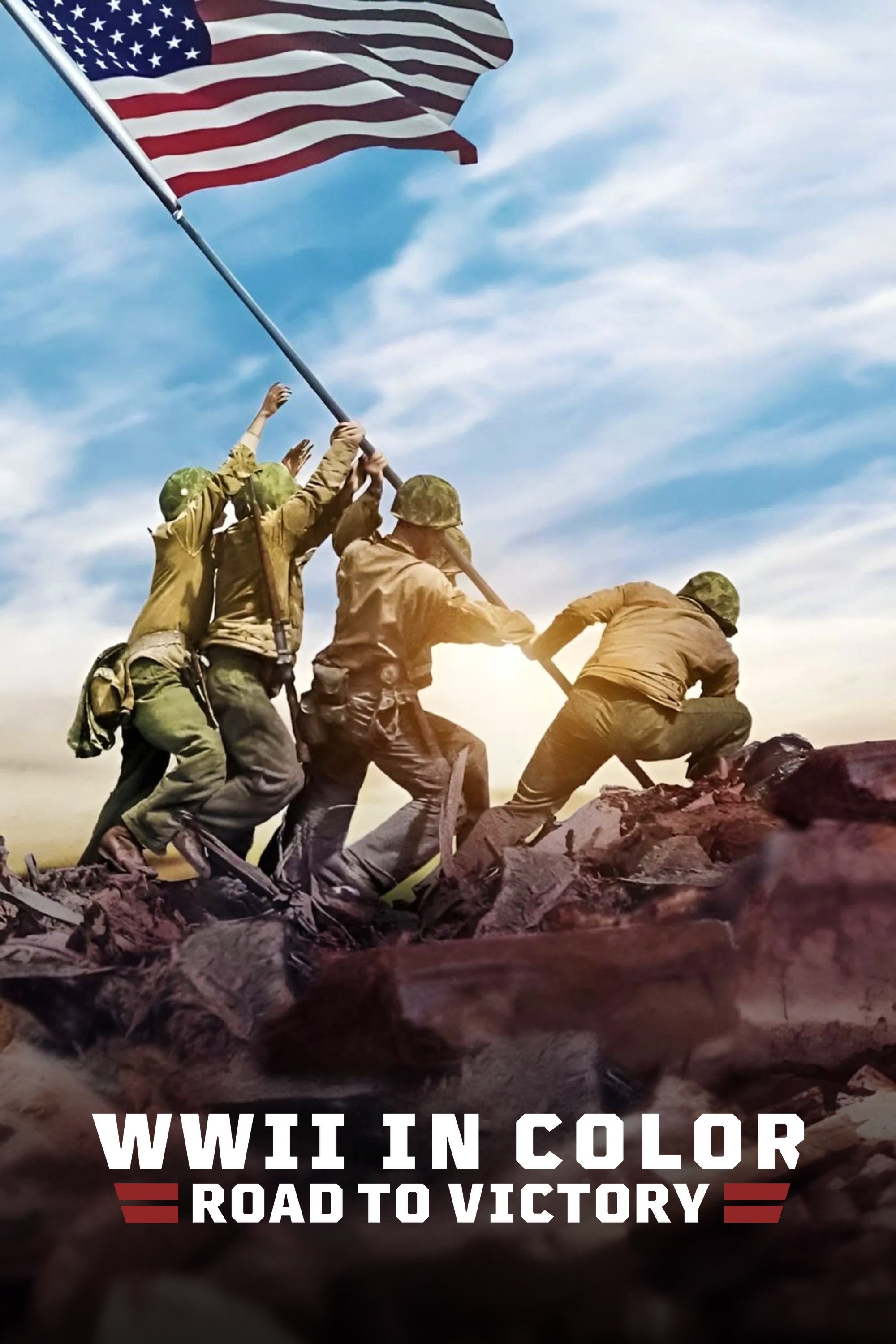
World War II In Colour is a 13-episode television documentary miniseries recounting the events of World War II narrated by Robert Powell. The show covers the Western Front, Eastern Front, and the Pacific War. It is on syndication in America on the Military Channel. This series is in full color, combining both original and colorized footage.
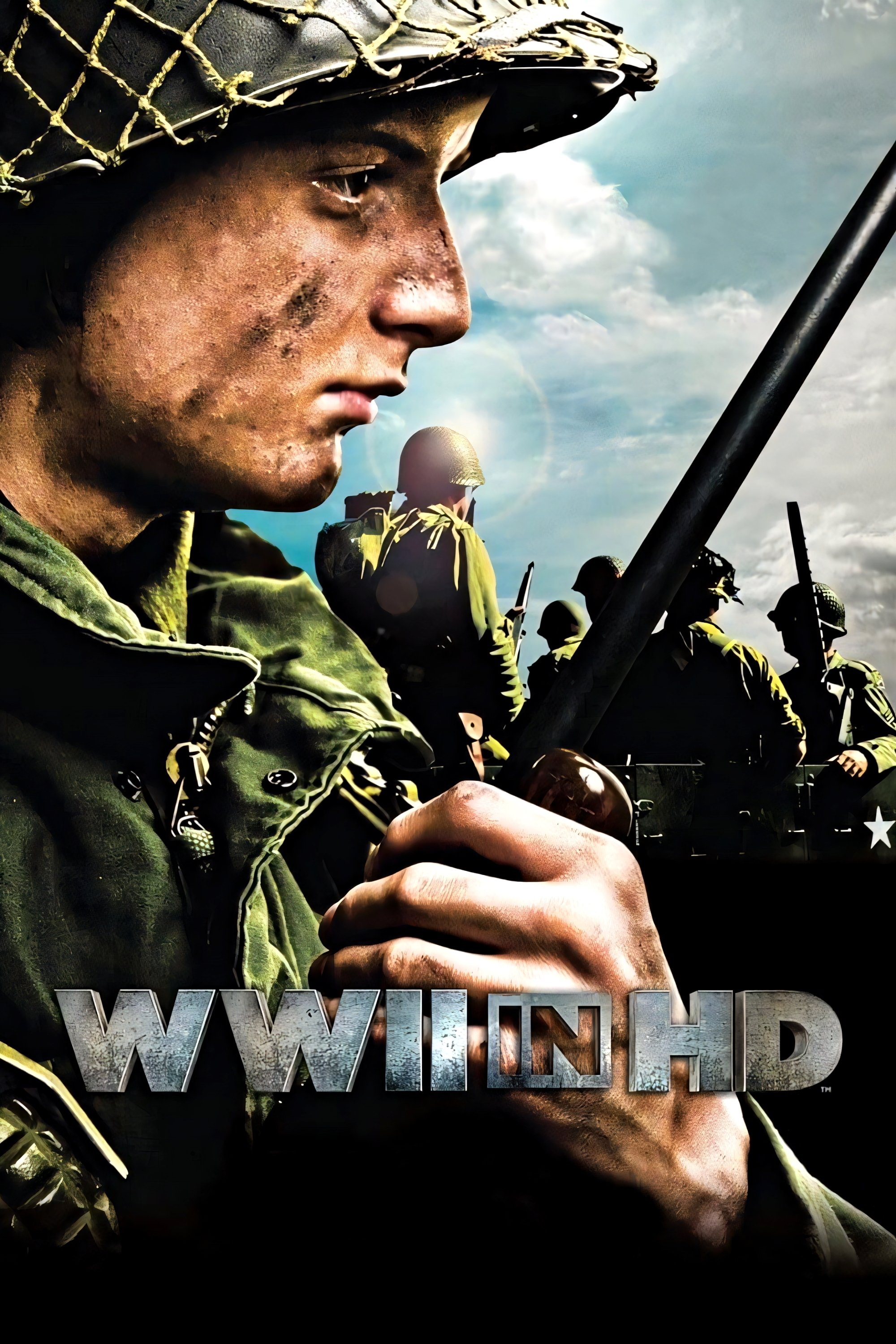
WWII in HD is a 10-part American documentary television miniseries that originally aired from November 15 to November 19, 2009 on the History Channel. The program focuses on the firsthand experiences of twelve American service members during World War II, including an Army nurse, a member of the Tuskegee Airmen, a second generation Japanese American and prisoner of war, and an Austrian Jewish immigrant. The twelve members recorded their time in both theaters and some had later interviews; found footage from the battlefield was paired with the stories of the twelve service members. The episodes premiered on five consecutive days, with two episodes per day. The series is narrated by Gary Sinise and was produced by Lou Reda Productions in Easton, Pennsylvania, United States.
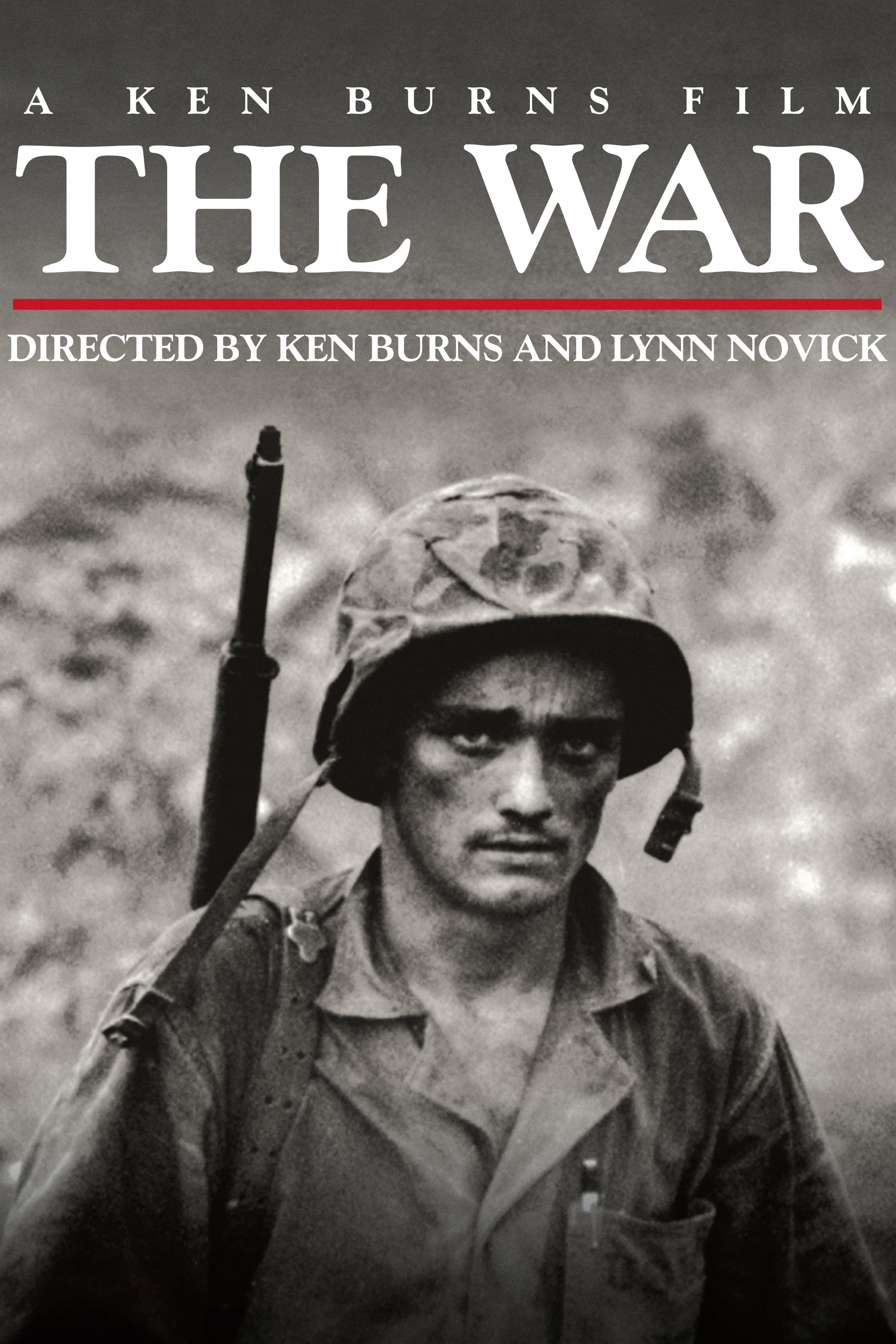
The story of the Second World War through the personal accounts of a handful of men and women from four American towns. The war touched the lives of every family on every street in every town in America and demonstrated that in extraordinary times, there are no ordinary lives.
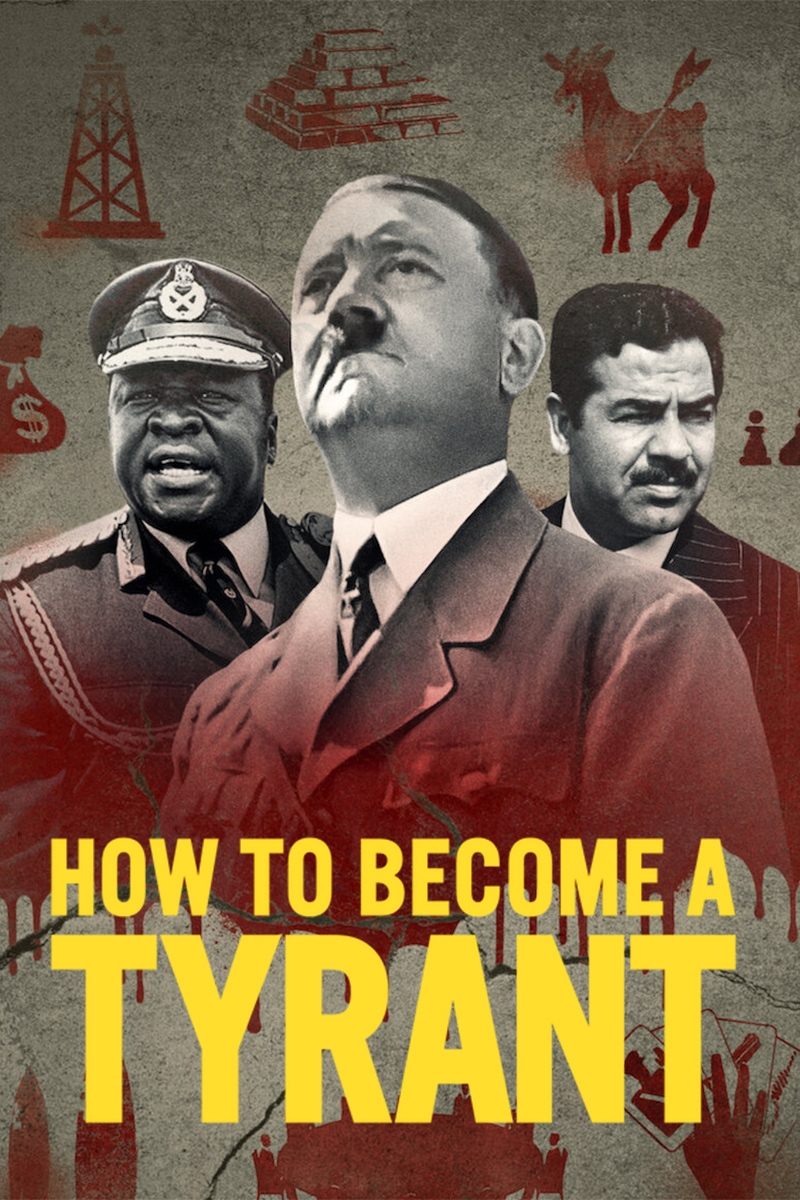
The documentary series explores different political figures throughout history.
A documentary series that gives a historical account of the events of World War II, from its roots in the 1920s to the aftermath and the lives it profoundly influenced.
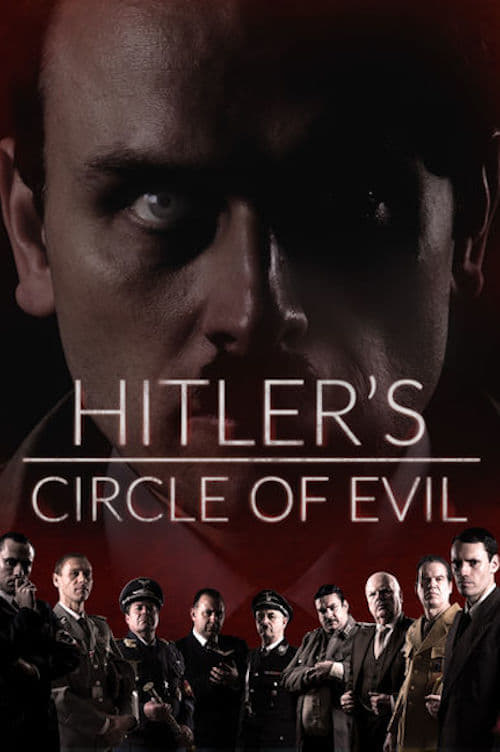
Surviving power struggles, betrayals and plots, Hitler's inner circle of Nazi leaders seizes control of Germany and designs its disastrous future.
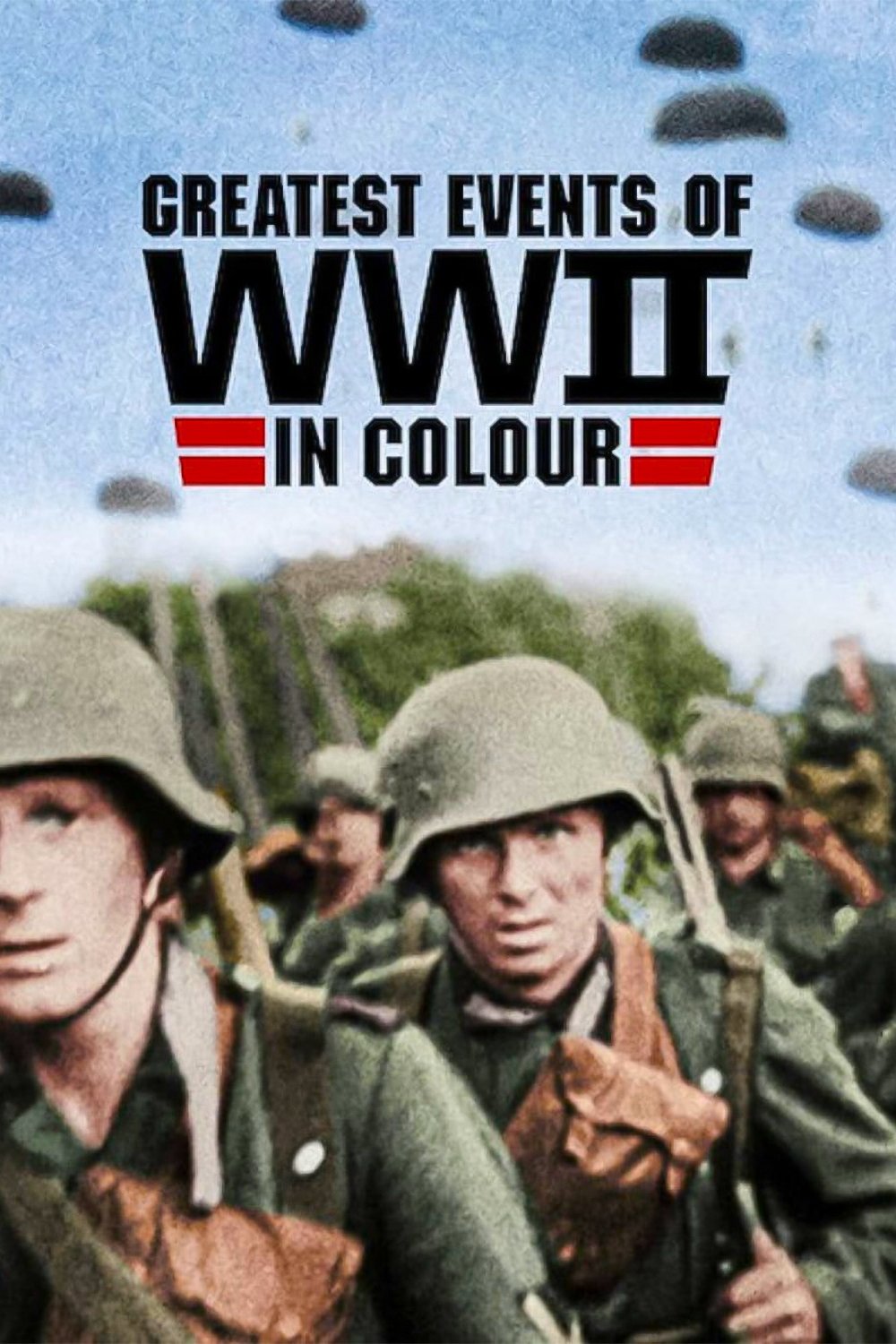
Using highly advanced colourisation techniques, critical moments from World War II, from Stalingrad to The Battle of Britain, are shown in a whole new light.
The American Revolution was at once a war for independence, a war of conquest, a civil war, and a world war, fought by neighbors on American farms and between global powers an ocean or more away. It impacted millions from Vermont’s Green Mountains to the swamps of South Carolina, from Indian Country to the Iberian Peninsula. In defeating the British Empire and giving birth to a new nation, the American Revolution turned the world upside-down. Thirteen colonies on the Atlantic Coast united in rebellion, won their independence, and established a republic that still endures. The American Revolution will present the story of the men and women of the Revolutionary generation, their humanity in victory and defeat, and the crisis that they lived through.
A documentary on the American Civil War narrated by Ken Burns, covering the secession of the Confederacy to the assassination of Abraham Lincoln.
Oliver Stone's re-examination of under-reported events in American history.
An immersive 360-degree narrative telling the epic story of the Vietnam War as it has never before been told on film. Featuring testimony from nearly 80 witnesses, including many Americans who fought in the war and others who opposed it, as well as Vietnamese combatants and civilians from both the winning and losing sides.
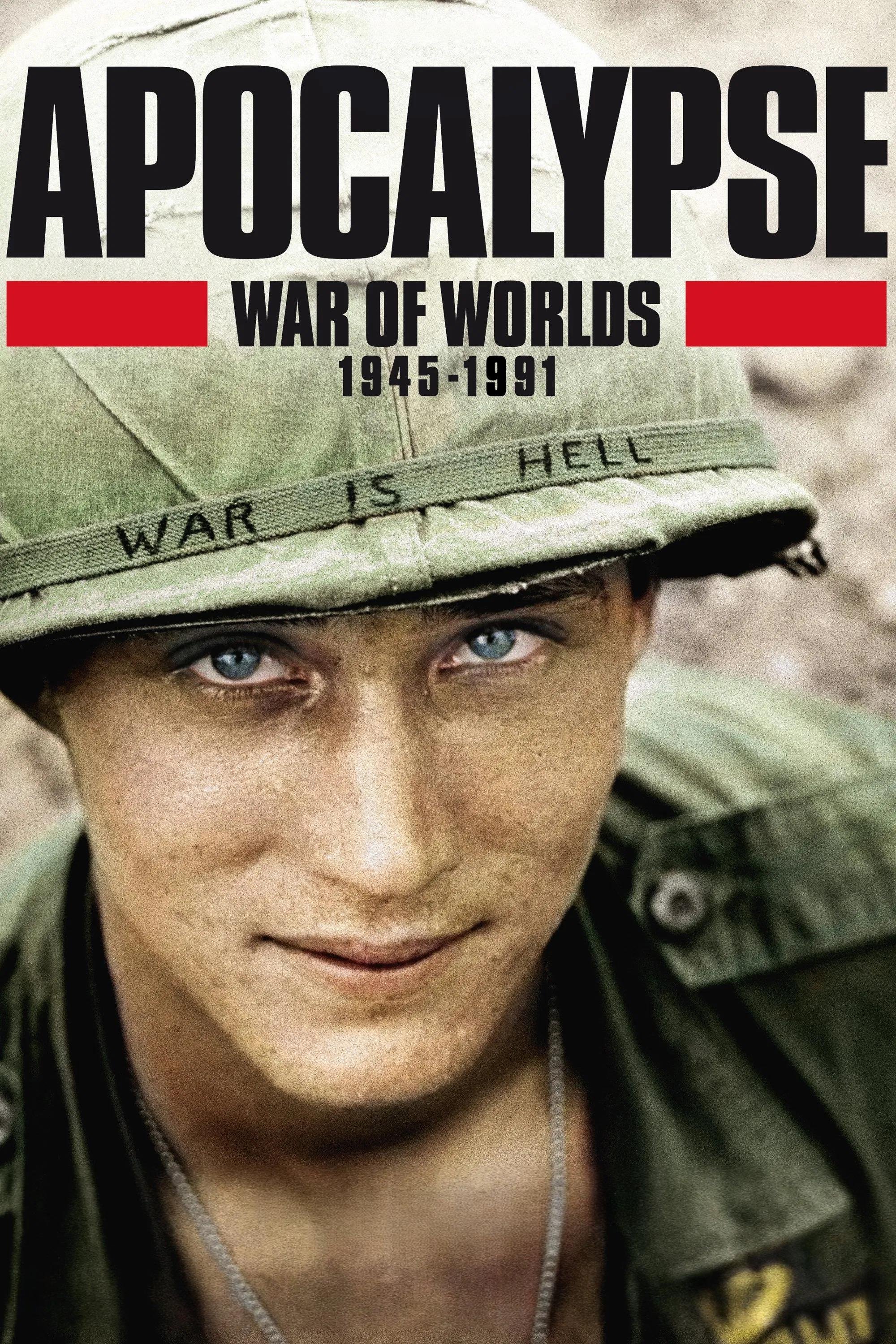
The story of this fantastic period of history between 1945 and 1991, which was defined by the confrontation of two worlds and two systems. The capitalist West, dominated by the ever-powerful United States, is pitted against the Communist East, the Soviet Empire.
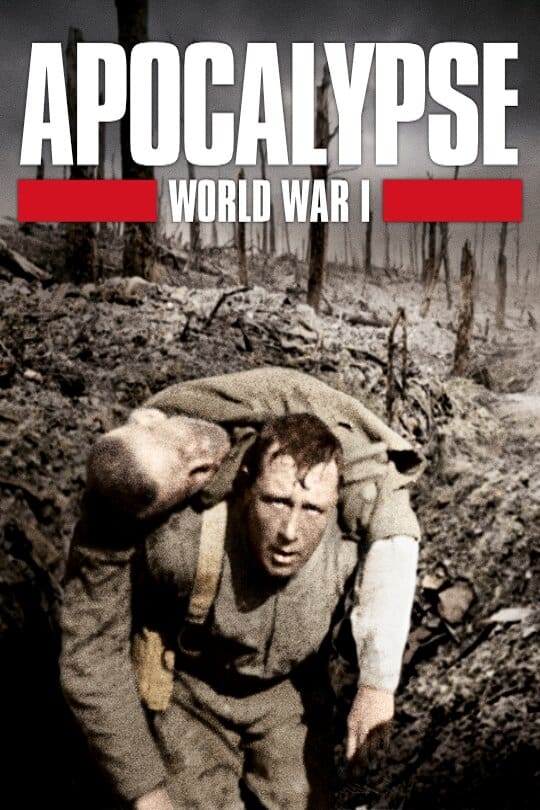
Colorized historical footage in ascending order of World War 1. Not only the relatively known Flanders and France battles, but also the generally unknown Italian-Austrian, German-Polish-Russian, Japanese-German, Ottoman Empire- Allied and African German Colonies, and other unknown or forgotten fronts and battles.
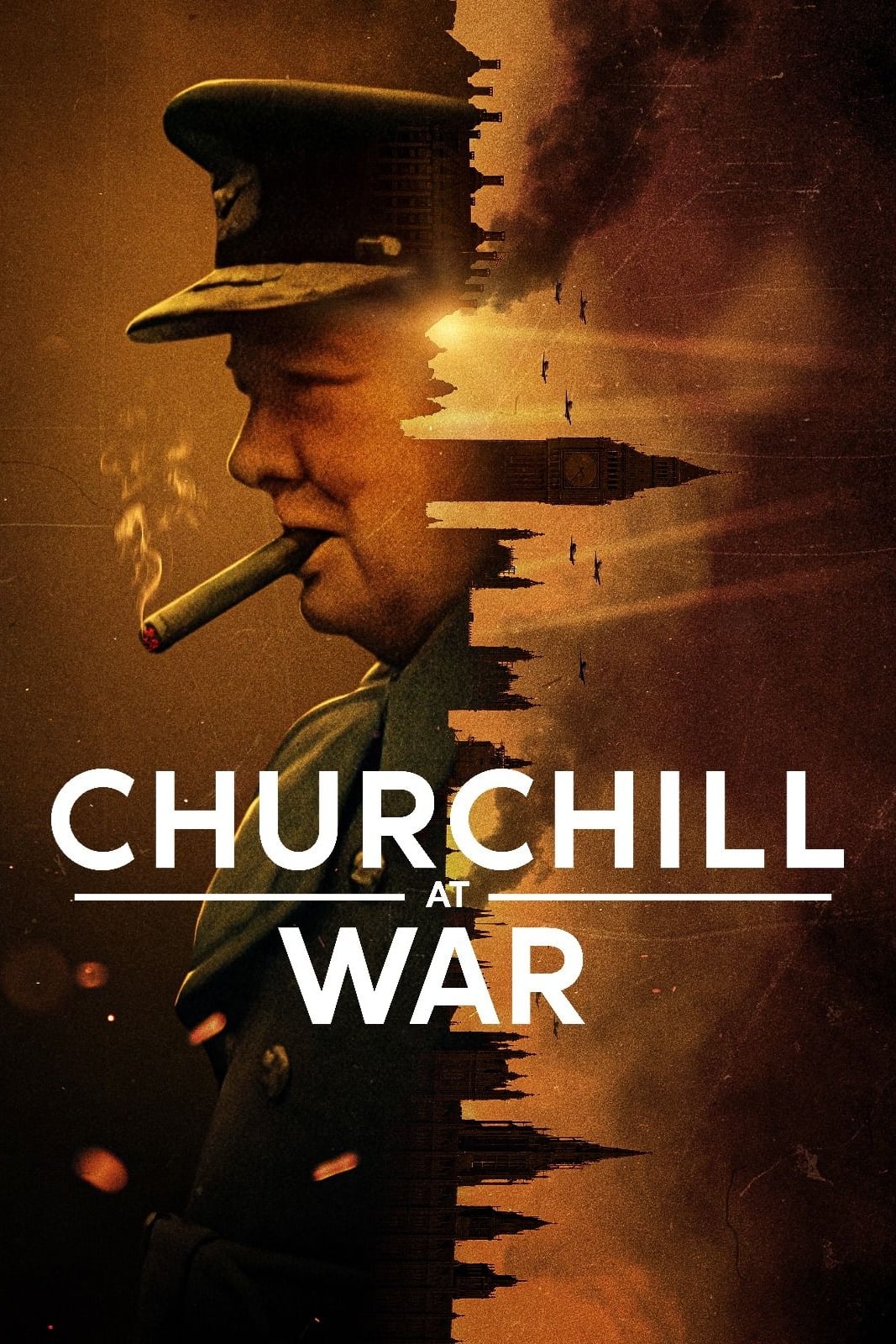
This captivating docuseries examines Winston Churchill's pivotal role in World War II and the formative events that made him an ideal leader for the era.
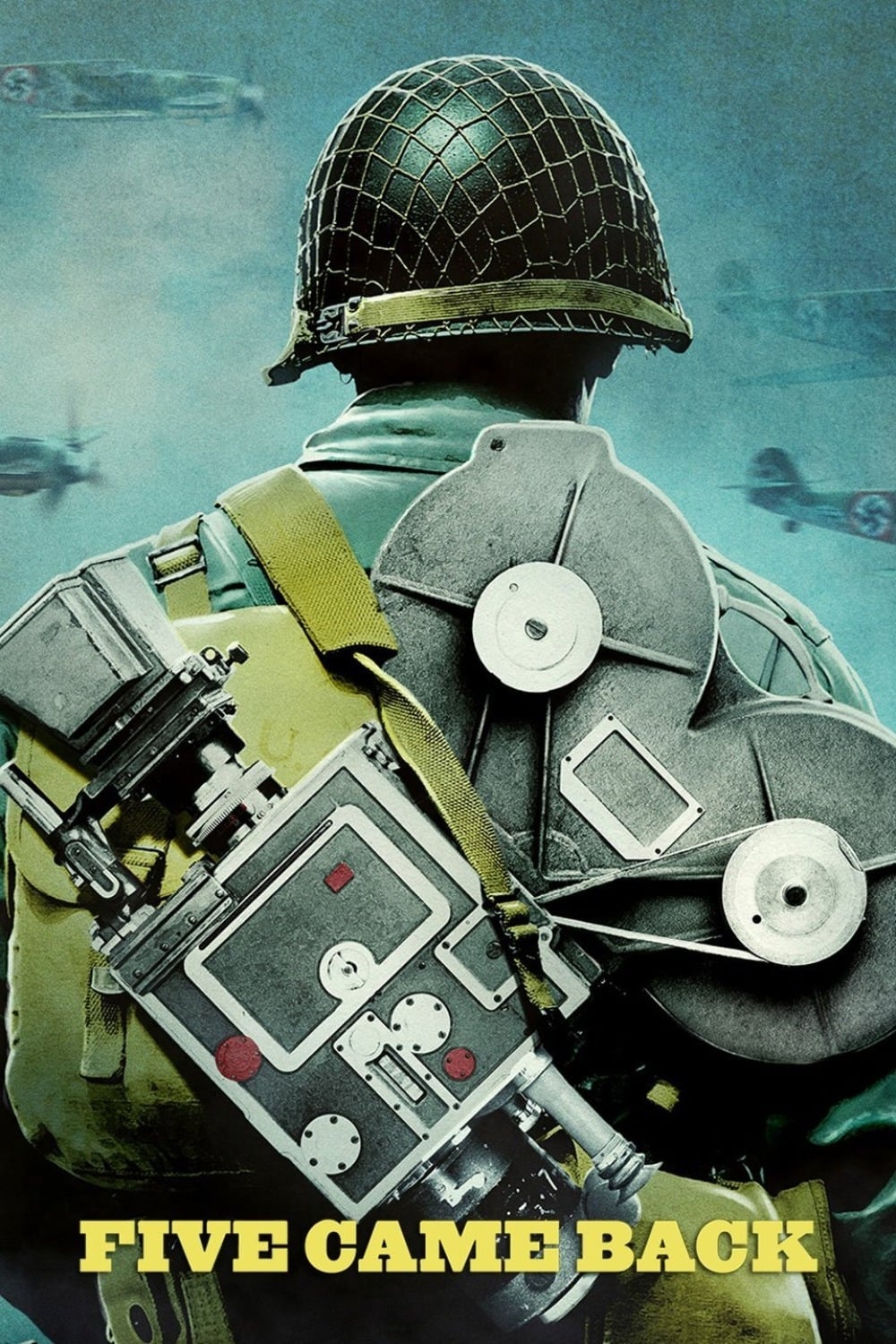
Five acclaimed contemporary directors tell the story of five legendary Hollywood filmmakers who enlisted in the armed forces to document World War II.
A “psychological exposé” into the minds of the most diabolical antagonists in WWE history and their impact on mainstream culture.
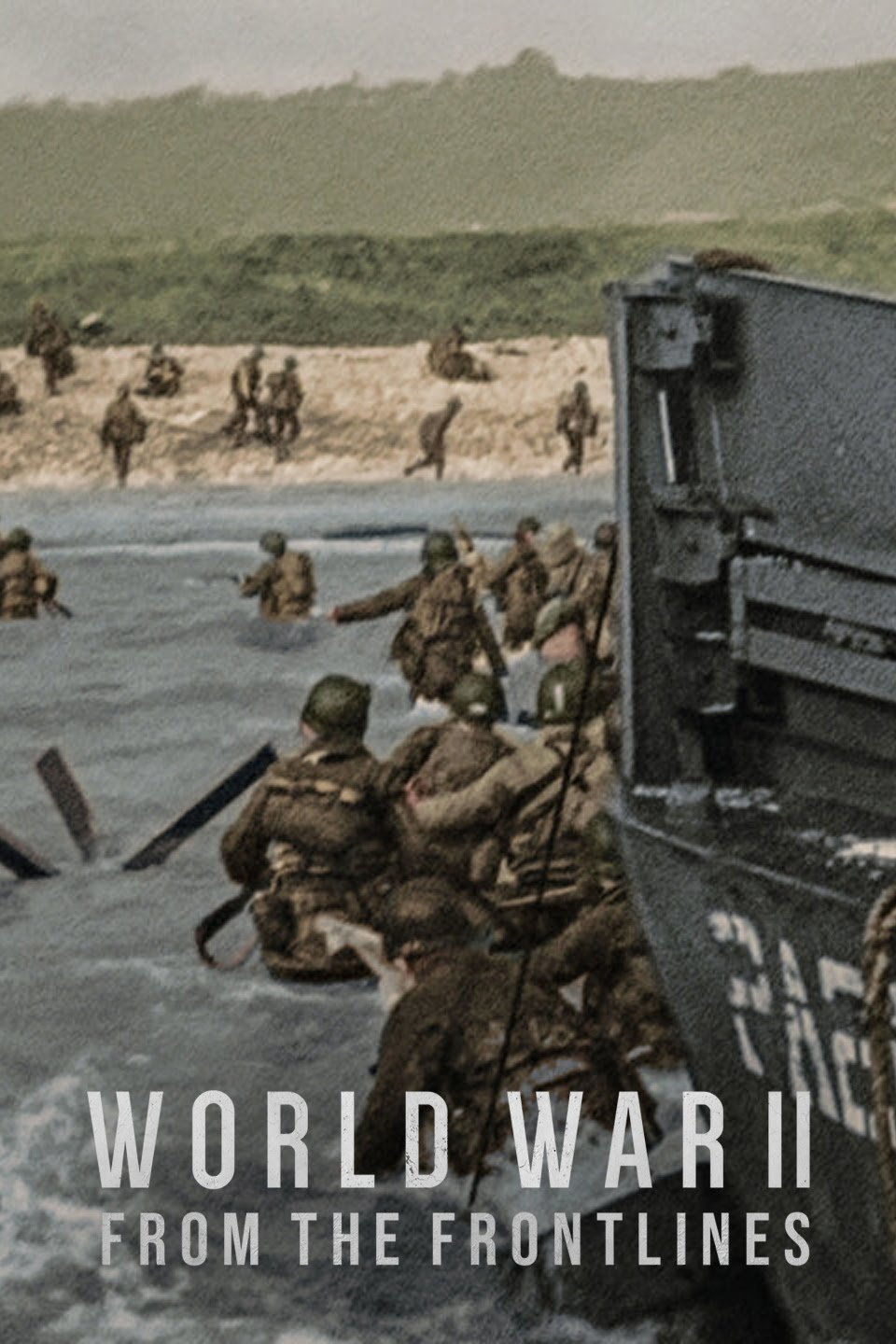
Through vividly enhanced archival footage and voices from all sides of the conflict, this docuseries brings WWII to life like never before.
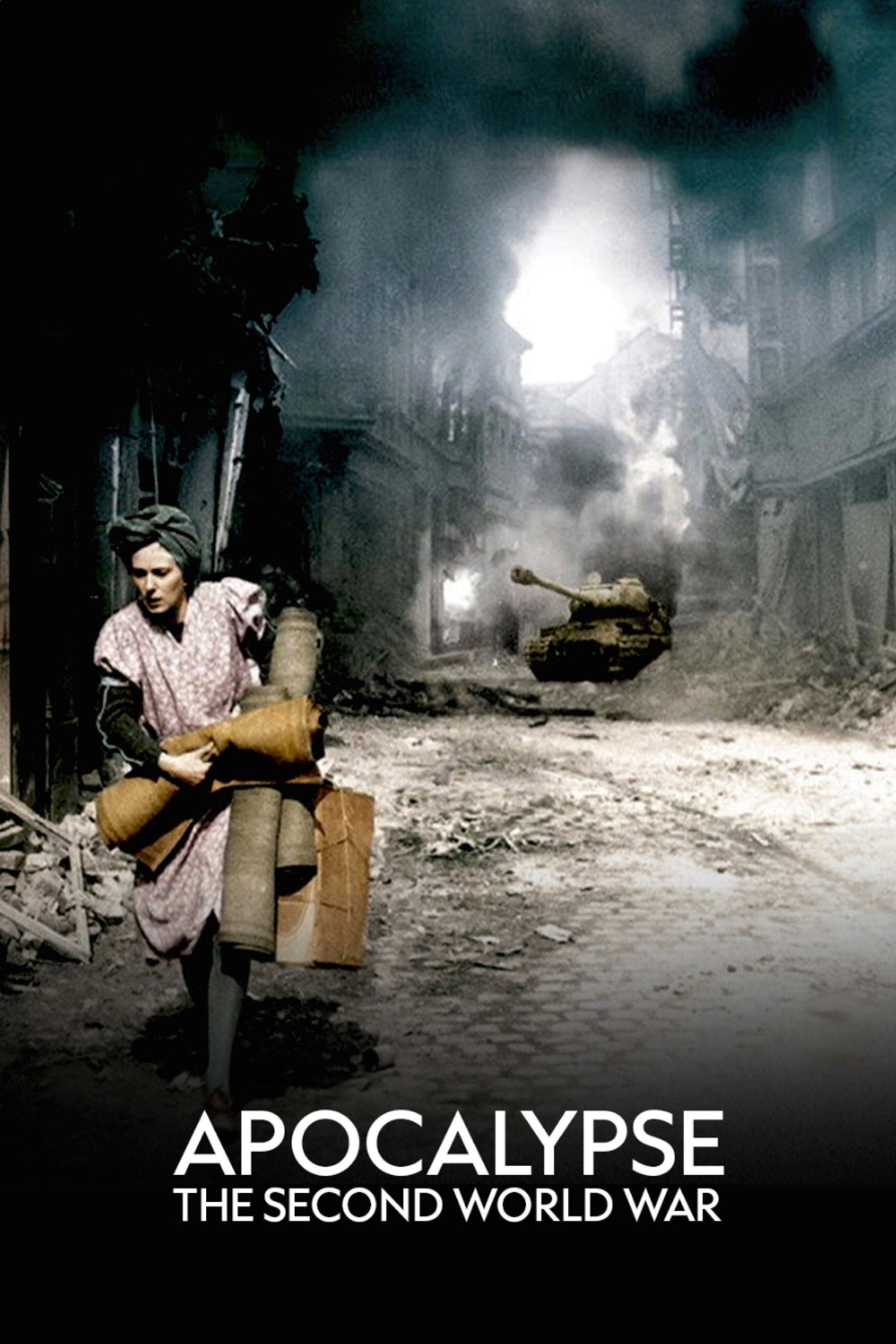
A six-part French documentary about the Second World War composed exclusively of actual footage of the war as filmed by war correspondents, soldiers, resistance fighters and private citizens. The series is shown in color, with the black and white footage being fully colorized, save for some original color footage. The only exception to the treatment are most Holocaust scenes, which are presented in the original black and white.
Gripping historical footage and expert commentary give detailed insights into the leading figures and decisive turning points of World War II.
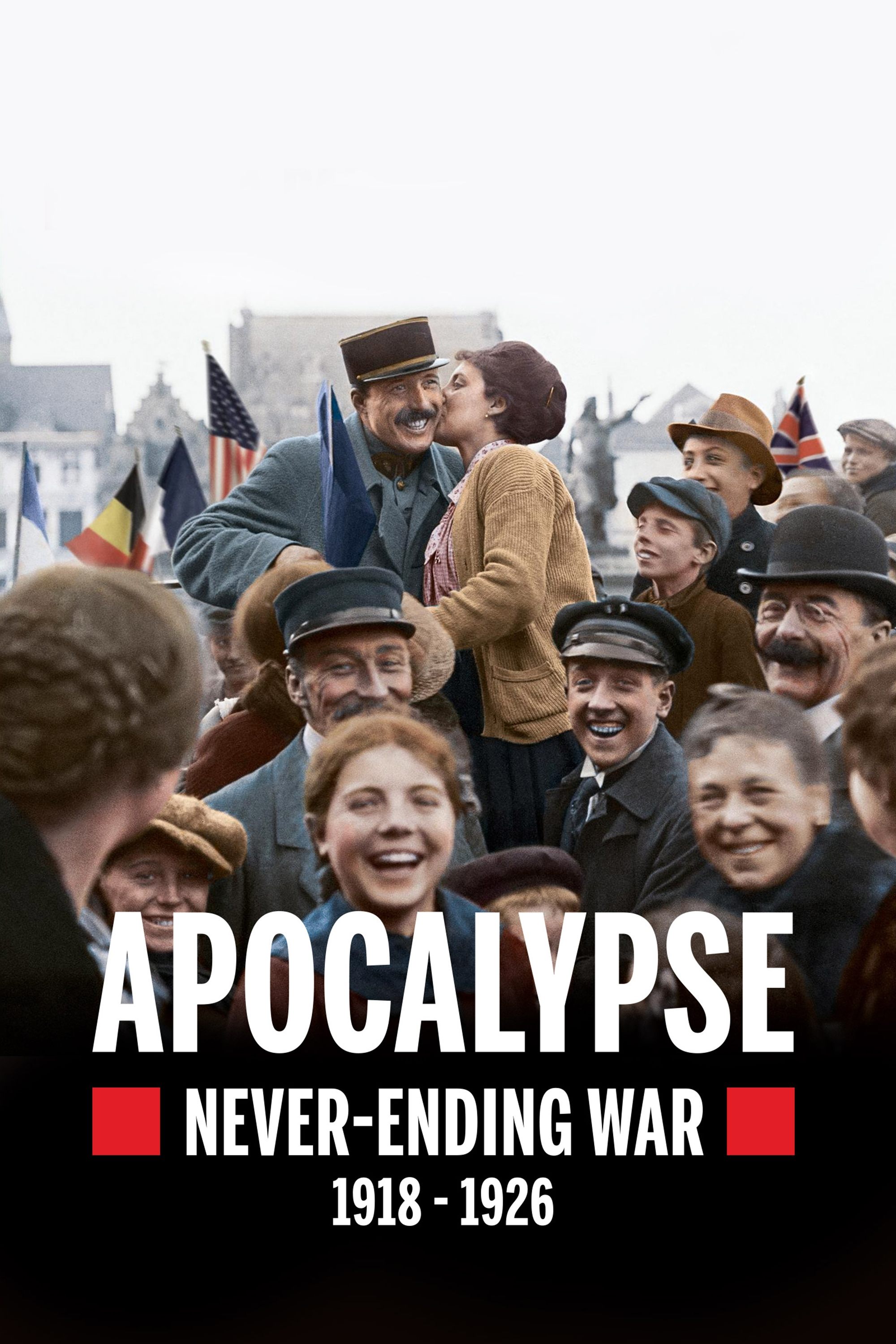
November 11, 1918. The world emerges from the most horrific conflict ever known. While leaders of the victorious countries design a new world order, traumatized societies struggle to find their footing. In the aftermath of war the Russian, German, Austro-Hungarian and Ottoman Empires fall apart, currencies fluctuate wildly, and vast numbers of refugees flee misery. Before long, age-old hatreds, fears, and resentments resurface and drive the world to the brink of a new apocalypse.