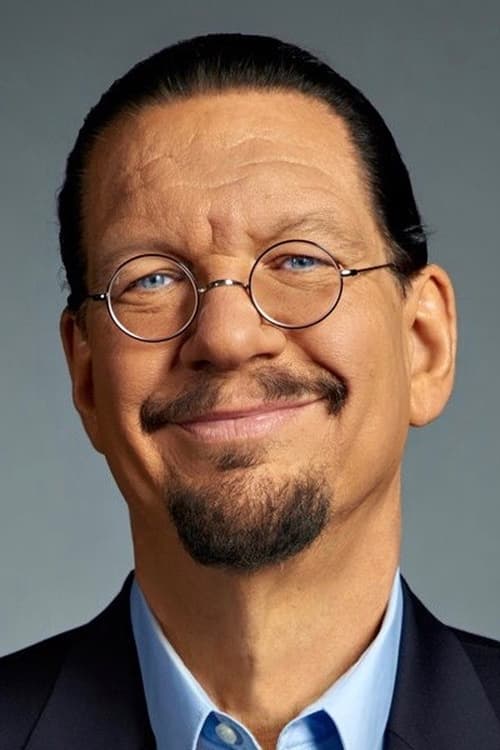
Identity is a reality/game show, hosted by Penn Jillette and produced by Reveille where contestants could win a prize money of up to US$500,000 by matching 12 strangers one-by-one to phrases about their identities.

Social & External
Host
The Mask Singer is a Thai singing competition program presented by Kan Kantathavorn. The contestants are broken up into four groups, each group containing 8 masked celebrities. Each episode consists of two pairs of battling contestants, up until the final for each group, where the contestants perform a duet before battling it out. The winner reveals their identity in the last episode of each season.
In this Finnish version of popular British format "Taskmaster," Jaakko Saariluoma will be seen in the role of Taskmaster, with Pilvi Hämäläinen as his right hand. They will be judging the stars competing as they explore the limits of their insight in a variety of tasks that require intelligence, skill, and wit. Guests will be visiting the studio and joining the fun.
CBS Television Quiz was the first live television game show ever to be broadcast regularly, running from July 2, 1941 to May 25, 1942 on the fledgling CBS Television network. Quiz was an in-house network production and broadcast in black and white. The host was Gil Fates, with Frances Buss as scorekeeper.
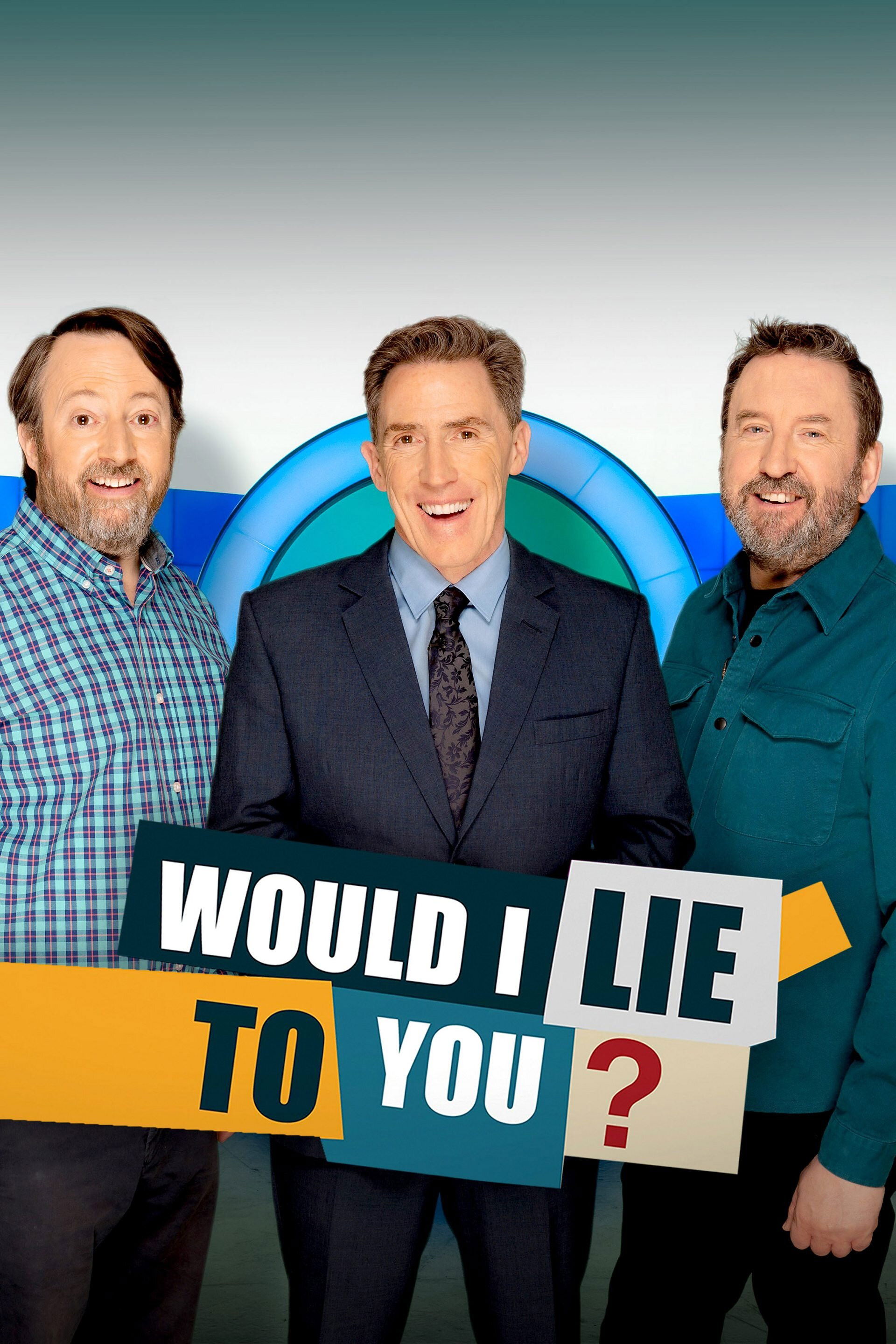
A comedic panel show featuring team captains Lee Mack and David Mitchell plus two guests per side, hosted by Rob Brydon (formerly Angus Deayton). Each person must reveal embarrassing facts and outrageous lies during a series of different rounds including "Home Truths", "This Is My..." and "Quickfire Lies". It is up to the opposing team to tell tall tales from fantastic facts.
Mindreaders is an American game show produced by Goodson-Todman Productions which aired on NBC from August 13, 1979 through January 11, 1980. Although NBC originally agreed to a 26-week run, the network canceled Mindreaders after 22 weeks. The host was Dick Martin and the announcer was Johnny Olson. Mindreaders was housed at Studio 4 at NBC in Burbank.
Hollywood's Talking is a short lived American game show based the 60s quizzer, Everybody's Talking, and produced by Jack Barry. It ran on CBS for three months in 1973, debuting on March 26 and ending on June 22 to make room for a new version of Match Game. It was hosted by Geoff Edwards, with Johnny Jacobs announcing. The series was the first national game show hosted by the 42-year-old Edwards, who would become notable for his next two hosting jobs, The New Treasure Hunt and Jackpot!. The program aired at 3:30 p.m./2:30 Central time, opposite ABC's One Life to Live and NBC's Return to Peyton Place. Edwards once said that while hosting this series, he had a tenuous working relationship with Jack Barry. It was not until 1980 that Edwards would host another Barry & Enright game, Play the Percentages.
ADbc is an Australian television comedy history quiz show hosted by Sam Pang. It was first broadcast on SBS One in 2009.
Waku waku is the Dutch version of a Japanese game-show format (hence the name, unintelligible in Dutch or other Western languages) in which a small panel of celebrities is shown a number of short film sequences in which (usually wild or zoo) animals are shown in unusual (often artificially created) situations. The presenter asks the panel members multiple choice-questions about what an animal (or group)'s next move or reaction will be, as a rule a matter of guessing, the scores don't actually affect the show.
Sporting quiz show, with regular captains leading teams of celebrities.
Jimmy Carr hosts a outlandish game show where pairs of comics and some of the nation's favourite celebrities battle it out for pride, prizes, and floorspace while living in a box.
Young athletes between the ages of 10 and 13 show what they are made of in the youth version of "Ninja Warrior Germany" in various obstacle courses. Only those who demonstrate courage, strength, endurance and skill can master the difficult tasks and win the respective age group.
Elite athletes will have the chance to win $1,000,000 every time they run the Million Dollar Mile course.
The show is divided into several segments, each one offering contestants prizes in return for achieving a set of challenges or game tasks given by the host. The prizes offered range from cars and motorcycles to gold, cash, vacation packages and household items. The show is funded by sponsors, advertisers and commercial brands
Game$how Marathon is an American television program which aired on CBS from May 31, 2006 to June 29, 2006. It is based on the UK series Ant & Dec's Gameshow Marathon which aired on ITV in 2005. The show features contestants competing in some of television's most historically popular game shows, in a single-elimination format until an ultimate winner is found. Both the UK and US versions featured celebrity contestants. The US version was produced by FremantleMedia North America and Granada America and was hosted by Ricki Lake and announced by Rich Fields. In the US, the series only aired for a single season, while in the UK a second season aired in 2007, this time entitled Gameshow Marathon and hosted by Vernon Kay. This program was recorded at Stage 46, CBS Television City in Los Angeles, CA, USA.
Card Sharks is an American television game show created by Chester Feldman for Mark Goodson-Bill Todman Productions. Two contestants compete for control of a row of oversized playing cards by answering questions posed by the host and then guessing if the next card is higher or lower in value than the previous one. The concept has been made into a series four separate times since its debut in 1978, and also appeared as part of CBS's Gameshow Marathon. The primary announcer for the first three series was Gene Wood.
Quiz show where contestants try to answer a question that only 1% of the country can get right.
High Rollers is an Australian version of the American television game show of the same name that aired on the Seven Network in 1975. It was hosted by Garry Meadows.
Concentration is an American television game show based on the children's memory game of the same name. Matching cards represented prizes that contestants could win. As matching pairs of cards were gradually removed from the board, it would slowly reveal elements of a rebus puzzle that contestants had to solve to win a match. The show was broadcast on and off from 1958 to 1991, presented by various hosts, and has been made in several different versions. The original network daytime series, Concentration, appeared on NBC for 14 years, 7 months, and 3,770 telecasts, the longest run of any game show on that network. This series was hosted by Hugh Downs and later by Bob Clayton, but for a six-month period in 1969, Ed McMahon hosted the series. The series began at 11:30 AM Eastern, then moved to 11:00 and finally to 10:30. Nearly all episodes of the NBC daytime version were produced at 30 Rockefeller Plaza, New York City. A weekly nighttime version appeared in two separate broadcast runs: the first aired from October 30 to November 20, 1958 with Jack Barry as host, while the second ran from April 24 to September 18, 1961 with Downs as host.
Bad Influence! is an early to mid-1990s British factual television programme broadcast on CITV between 1992 and 1996, and was produced in Leeds by Yorkshire Television. It looked at video games and computer technology, and was described as a "kid’s Tomorrow's World". It was shown on Thursday afternoons and had a run of four series of between 13 and 15 shows, each of 20 minutes duration. For three of the four series, it had the highest ratings of any CITV programme at the time. Its working title was Deep Techies, a colloquial term derived from 'techies' basically meaning technology-obsessed individuals.
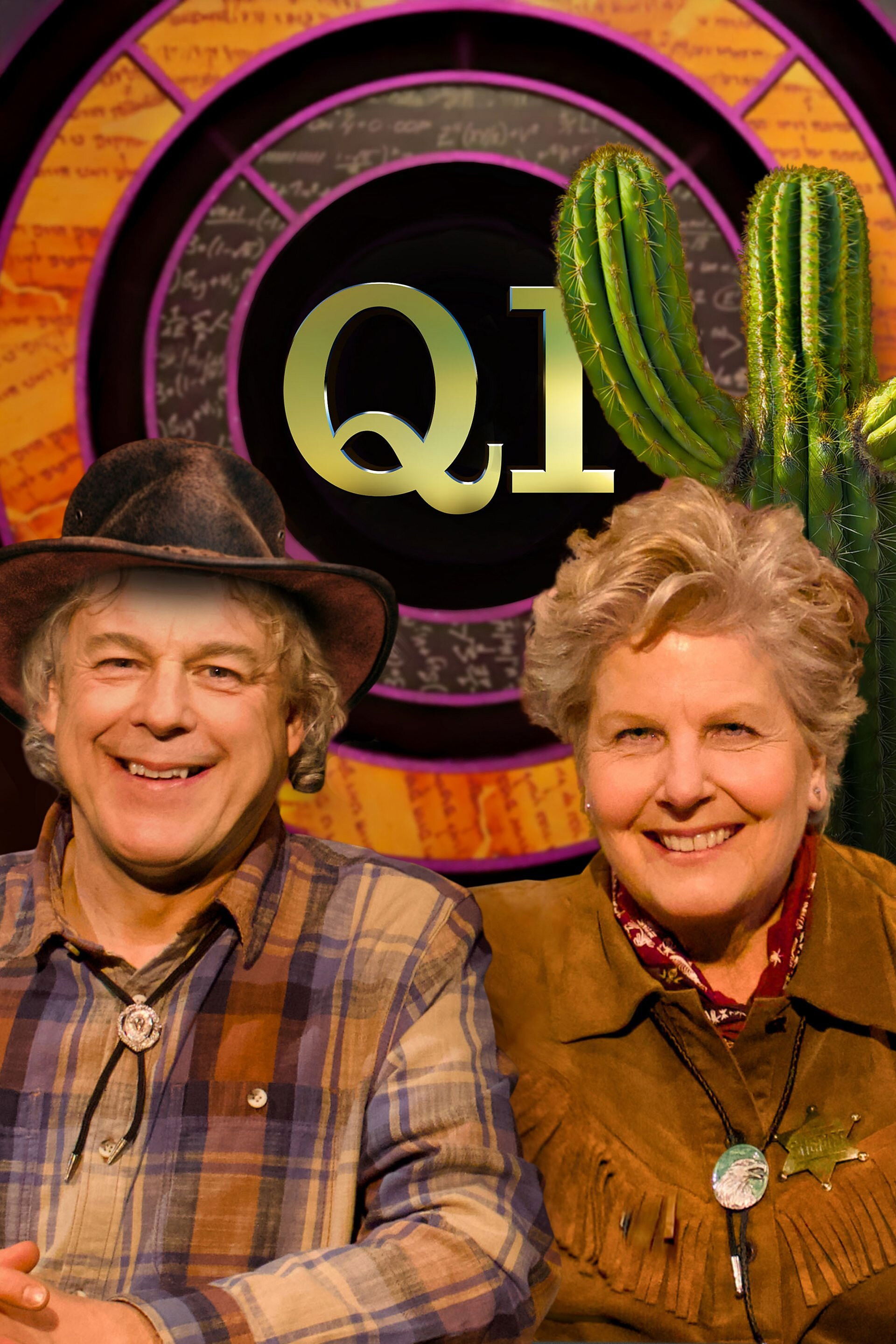
Comedy quiz show full of quirky facts, in which contestants are rewarded more if their answers are 'quite interesting'.
Two families compete against each other in a contest to name the most popular responses to a survey question posed to 100 people.
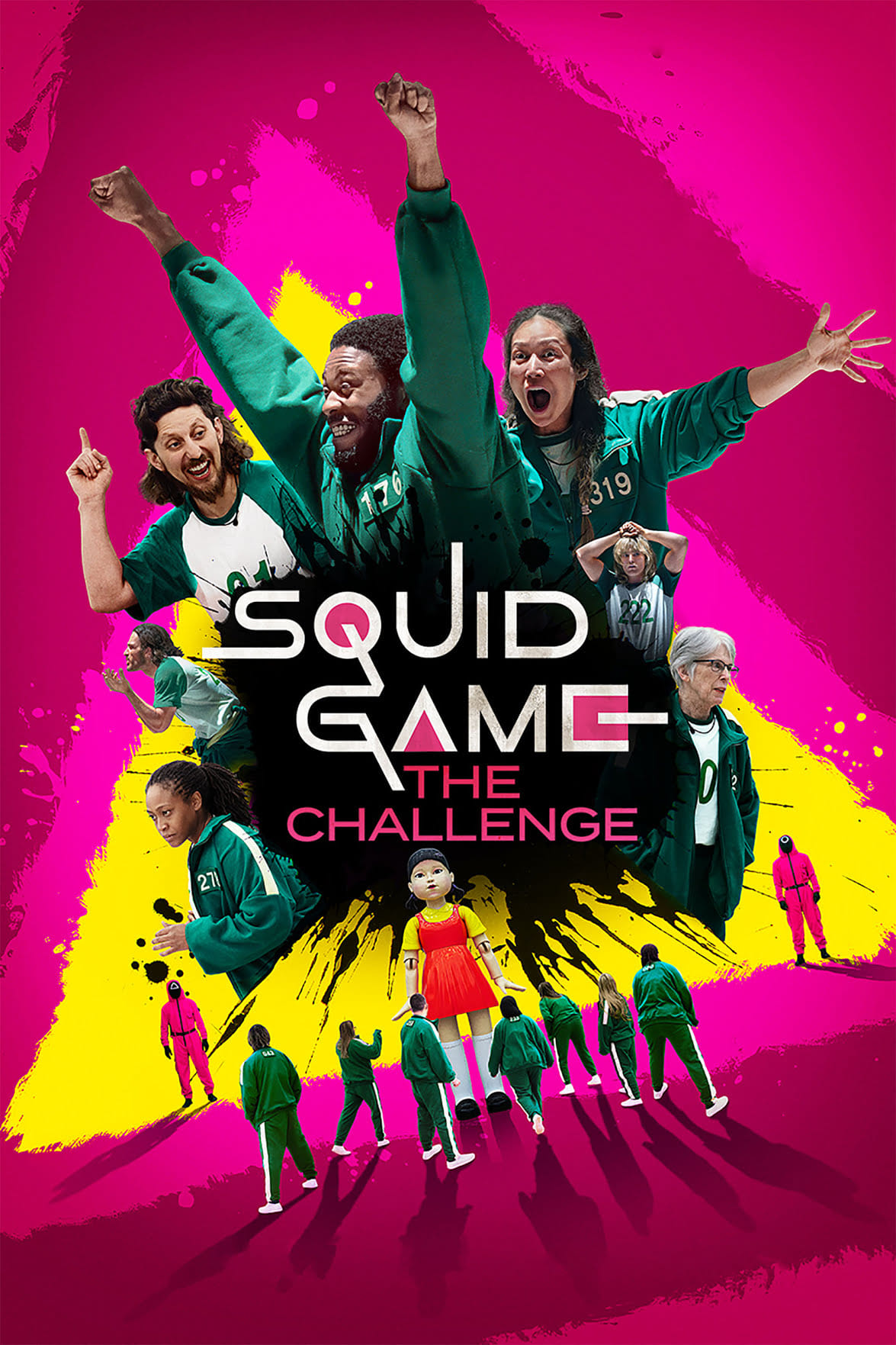
In this reality competition show inspired by "Squid Game," 456 players put their skills to the ultimate test for a life-changing $4.56 million prize.
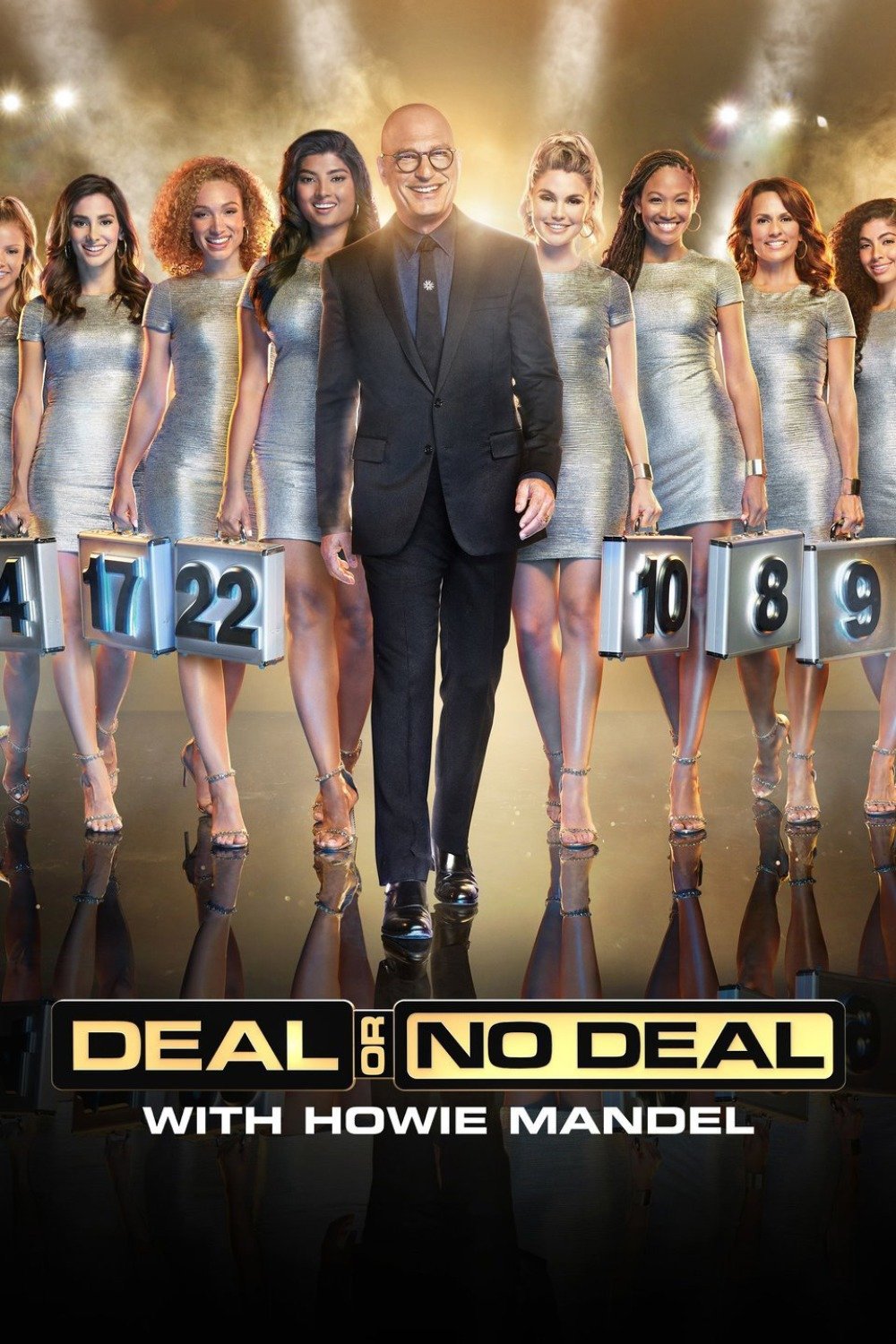
A contestant must choose from 26 sealed briefcases containing a marker for various amounts of cash from one penny to $1 million. The player then eliminates the remaining 25 cases one by one. The chosen ones are opened and the amount of money inside revealed. After several cases are opened, the player is tempted by the Banker to accept an offer of cash in exchange for not continuing the game and possibly winning a larger sum of money.
A weekly, topical panel show based around a huge series of opinion poll surveys carried out around Britain.
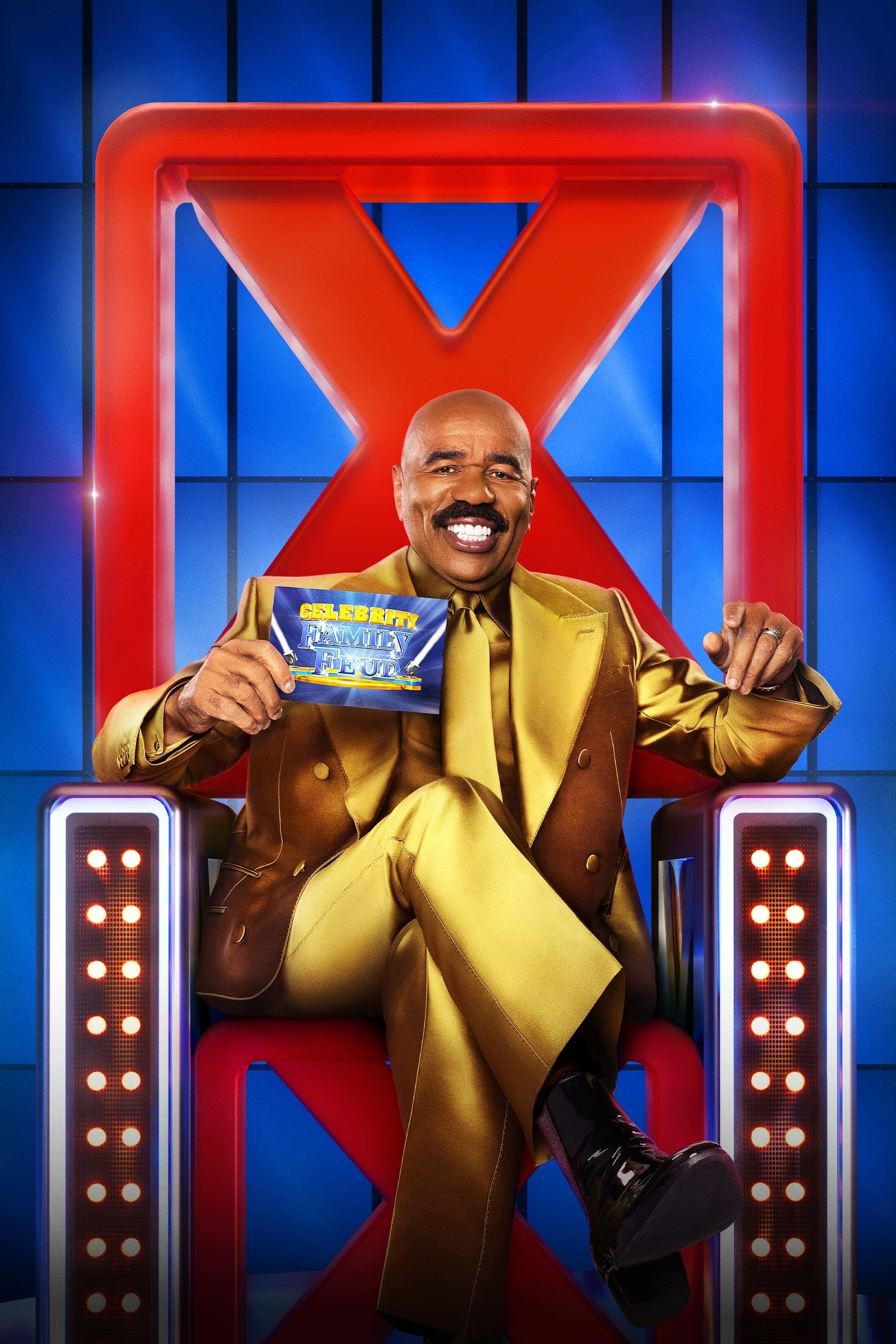
Celebrity Family Feud pits celebrities and their families against each other in a contest to name the most popular responses to survey-type questions posed to 100 people.
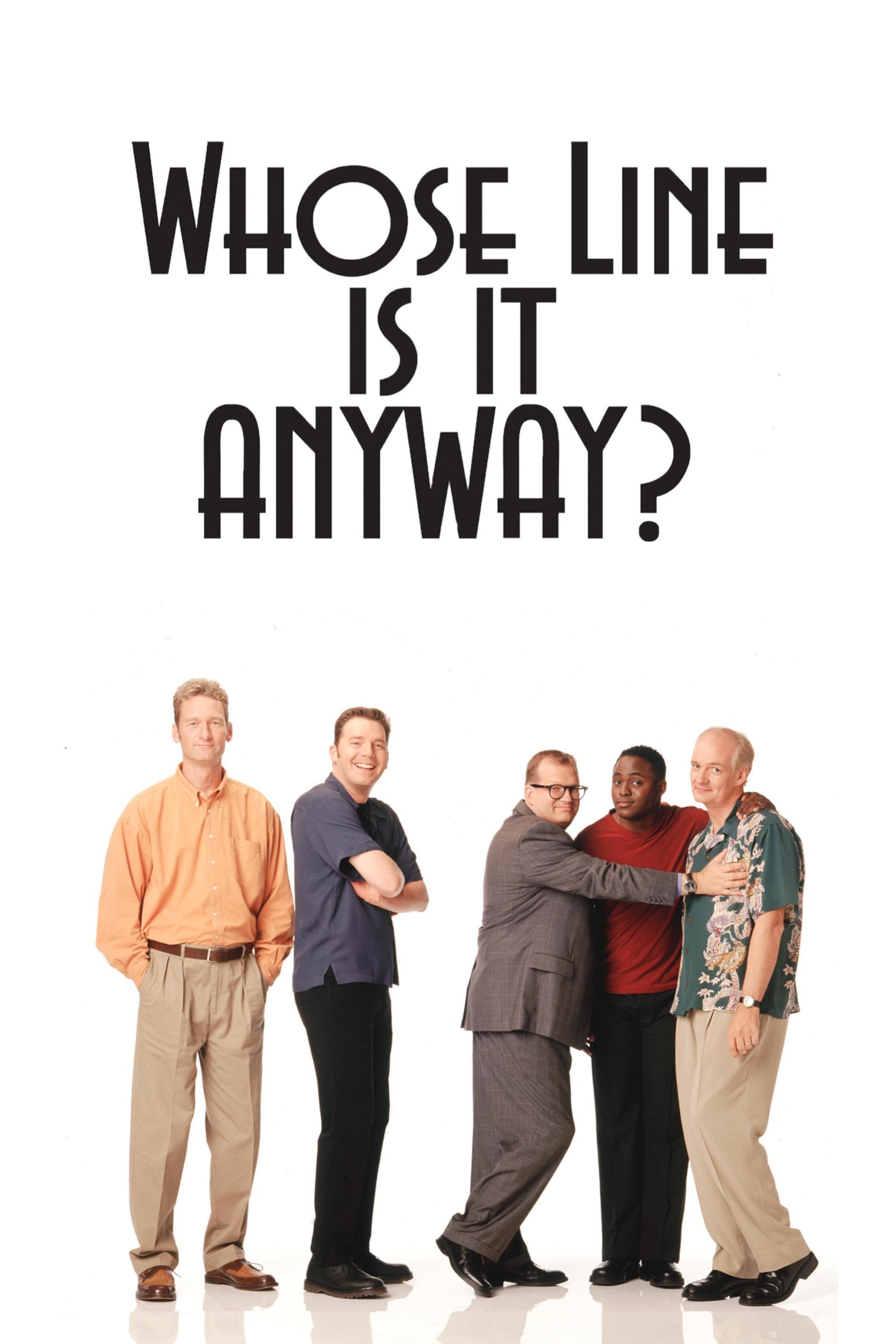
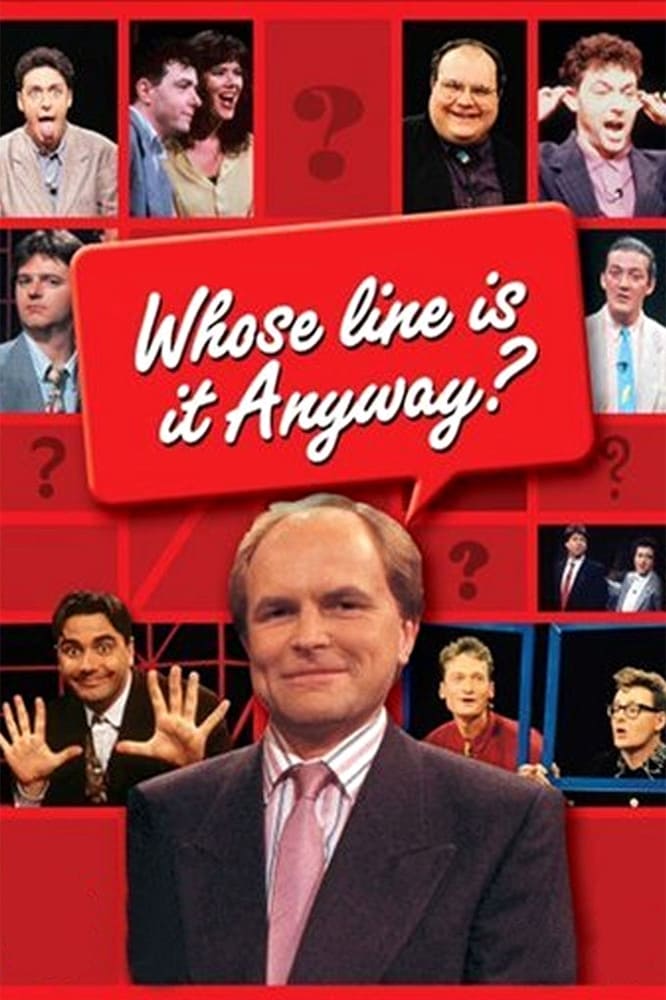
The show where everything's made up and the points don't matter. Not a talk show, not a sitcom, not a game show, Whose Line Is It Anyway? is a completely unique concept to network television. Four talented actors perform completely unrehearsed skits and games in front of a studio audience. Host Drew Carey sets the scene, with contributions from the audience, but the actors rely completely on their quick wit and improvisational skills. It's genuinely improvised, so anything can happen - and often does.
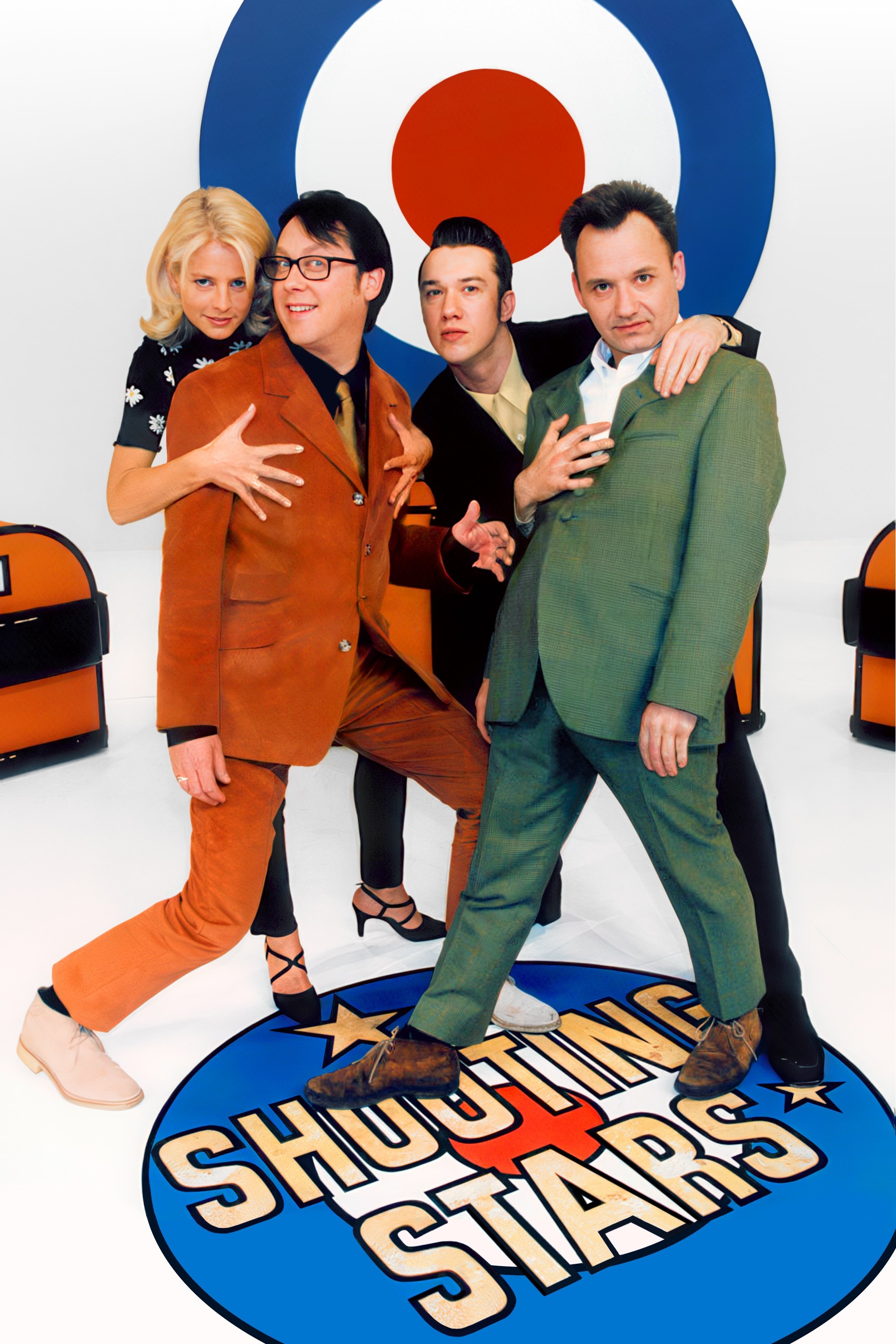
Shooting Stars is a British television comedy panel game broadcast on BBC Two as a pilot in 1993, then as 3 full series from 1995 to 1997, then on BBC Choice from January to December 2002 with 2 series before returning to BBC Two for another 3 series from 2008 until its cancellation in 2011. Created and hosted by double-act Vic Reeves and Bob Mortimer, it uses the panel show format but with the comedians' often slapstick, surreal and anarchic humour does not rely on rules in order to function, with the pair apparently ignoring existing rules or inventing new ones as and when the mood takes them.
An un-scripted comedy show in which four guest performers improvise their way through a series of games, many of which rely on audience suggestions.
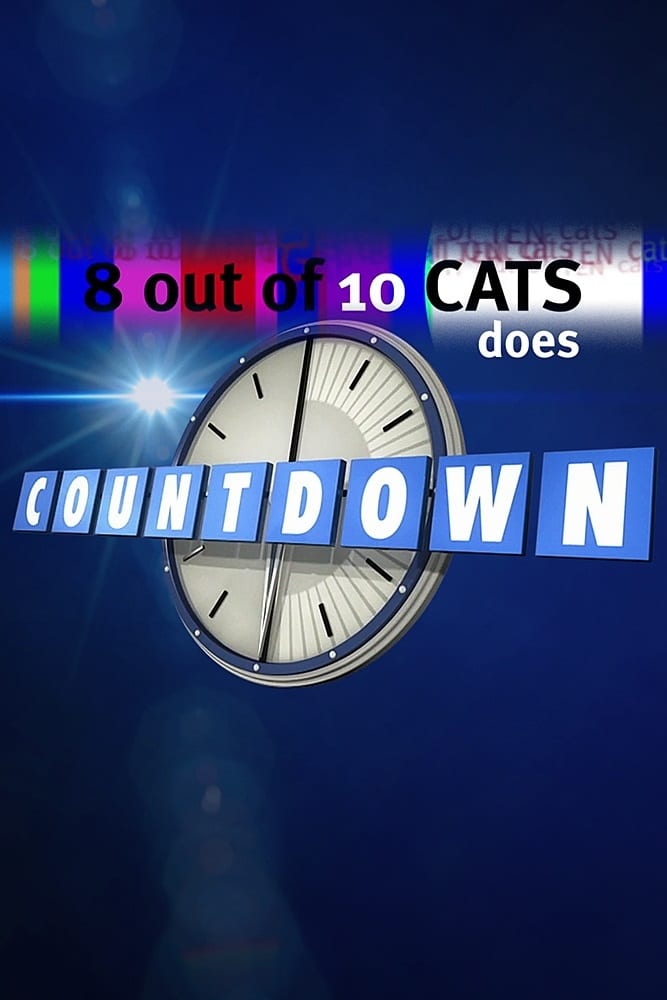
Jimmy Carr hosts proceedings as the 8 Out of 10 Cats crew take over the words and numbers quiz.
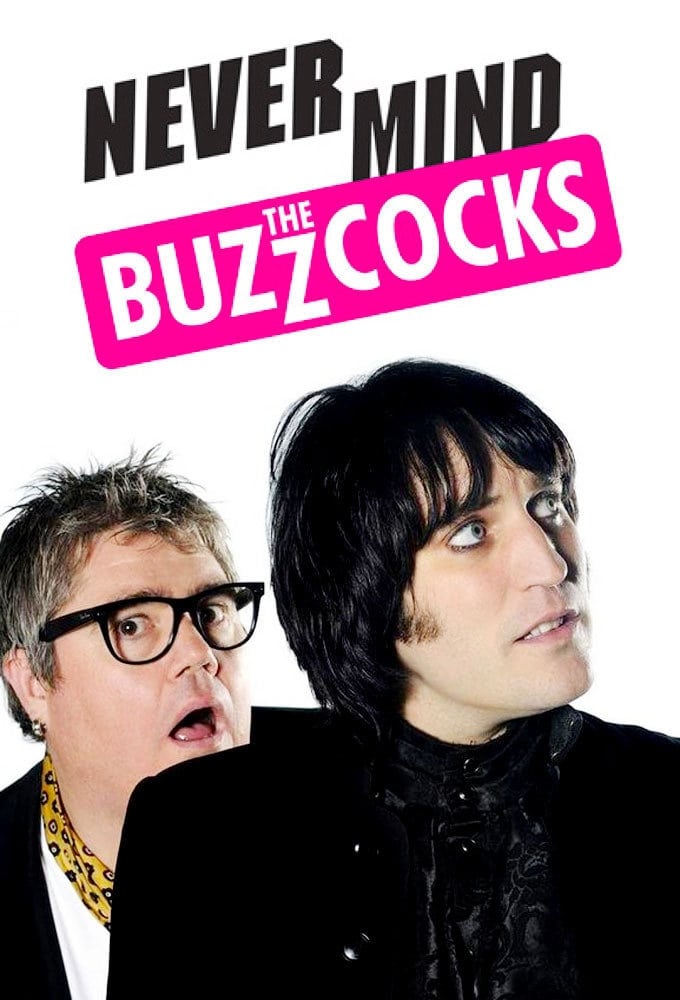
Never Mind the Buzzcocks is a comedy panel game show with a pop and rock music theme. The show is infamous for its dry, sarcastic humour and scathing, provocative attacks on the pop industry.
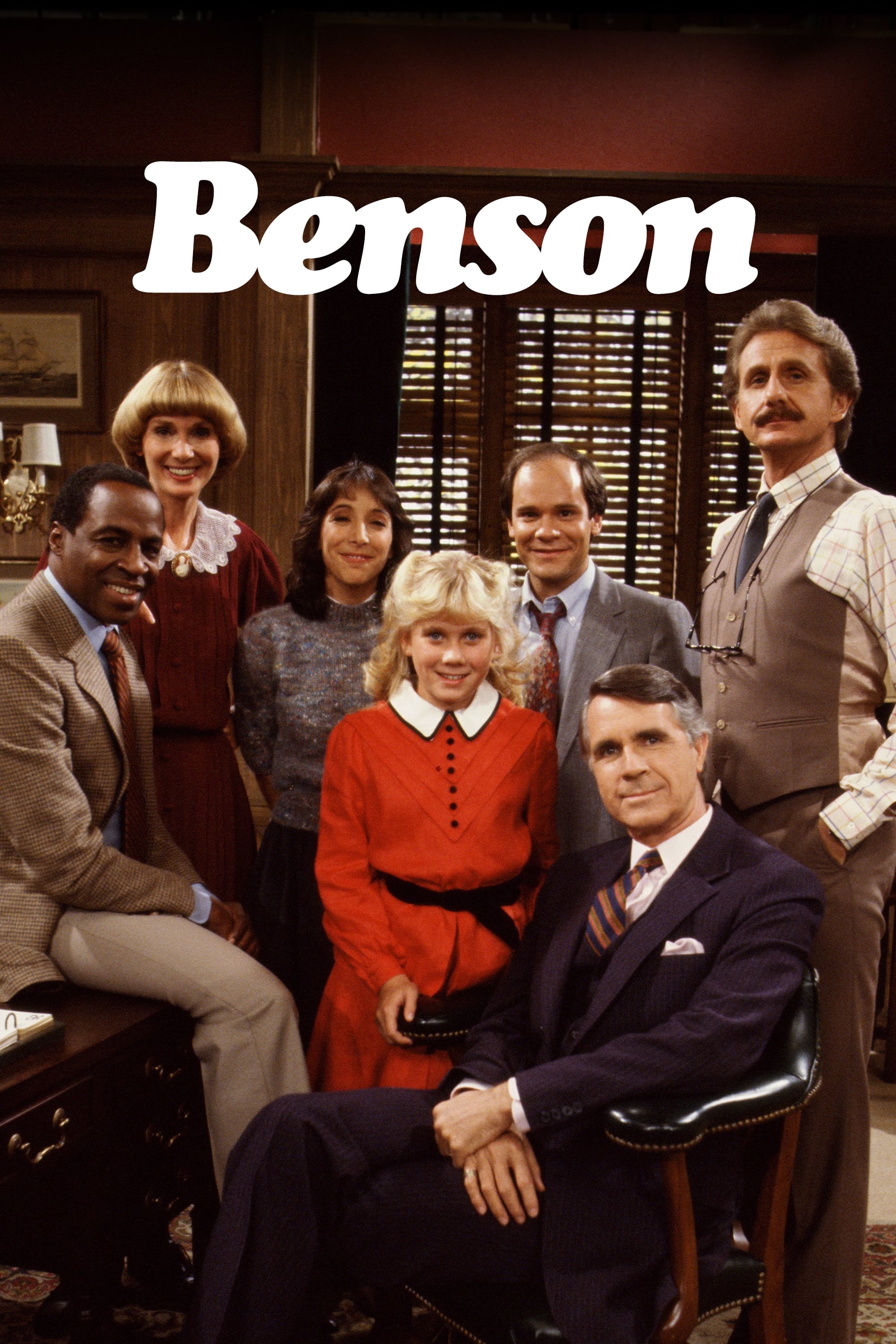
A butler deals with life at the governor's mansion.
Nev and his co-hosts -- from Max to Kamie to celebrity guests -- help people in dubious online relationships track down their baes IRL so they can sort out what's fact and what's fiction.
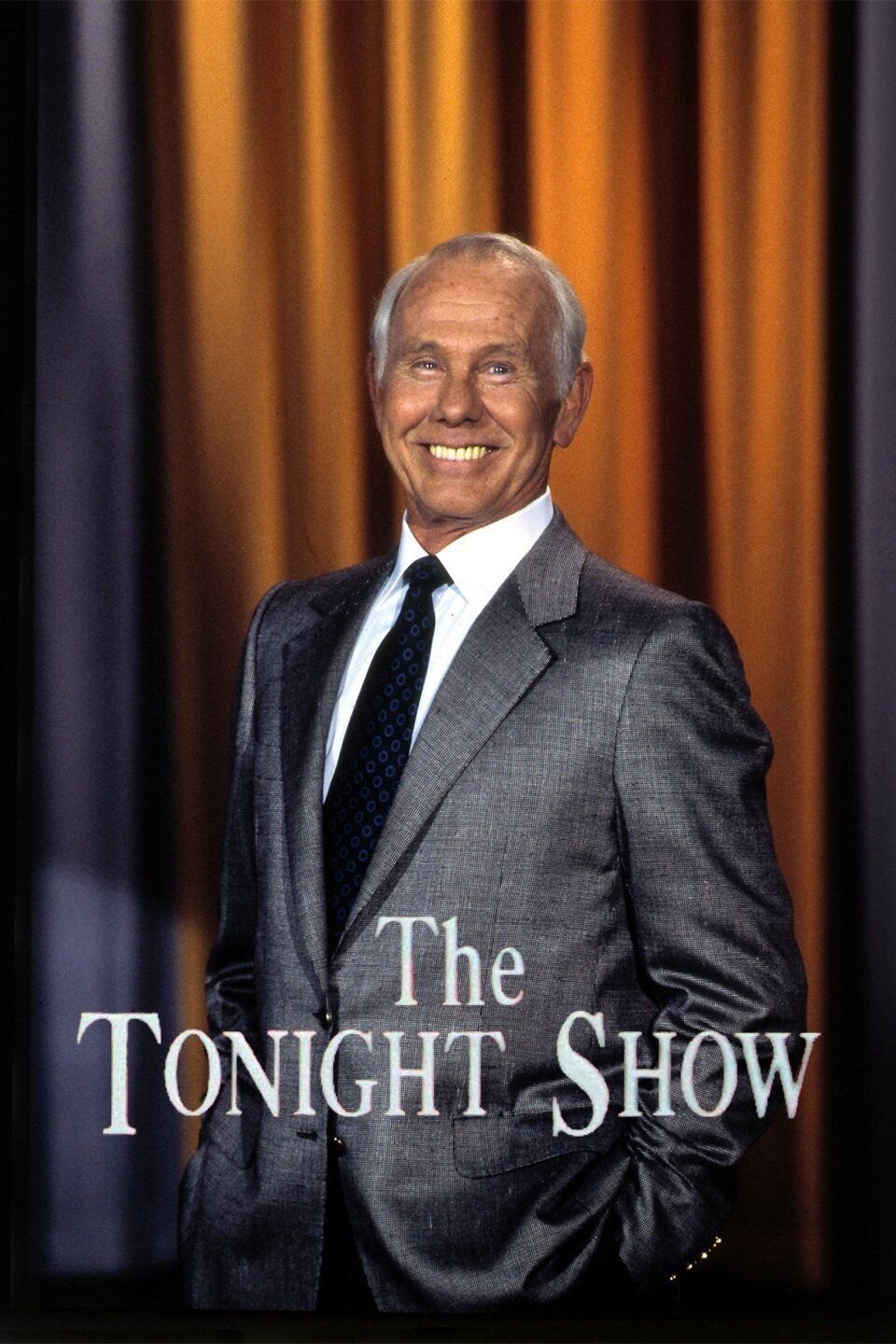
The Tonight Show Starring Johnny Carson is a talk show hosted by Johnny Carson under The Tonight Show franchise from 1962 to 1992. It originally aired during late-night. For its first ten years, Carson's Tonight Show was based in New York City with occasional trips to Burbank, California; in May 1972, the show moved permanently to Burbank, California. In 2002, The Tonight Show Starring Johnny Carson was ranked #12 on TV Guide's 50 Greatest TV Shows of All Time.
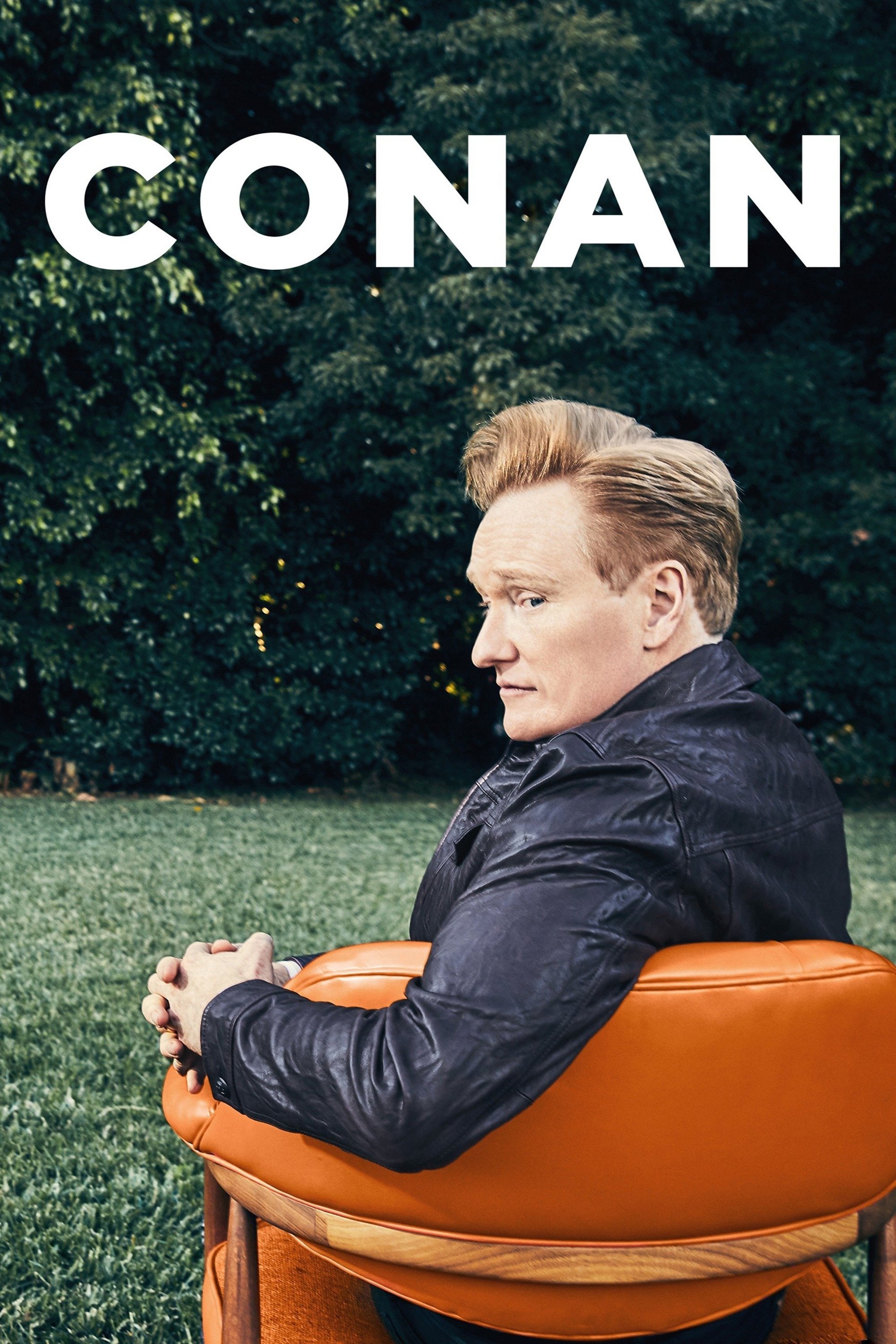
A late night television talk show hosted by Conan O'Brien.
Nick Cannon and an A-list celebrity lead a team of improv comedians as they compete against each other.
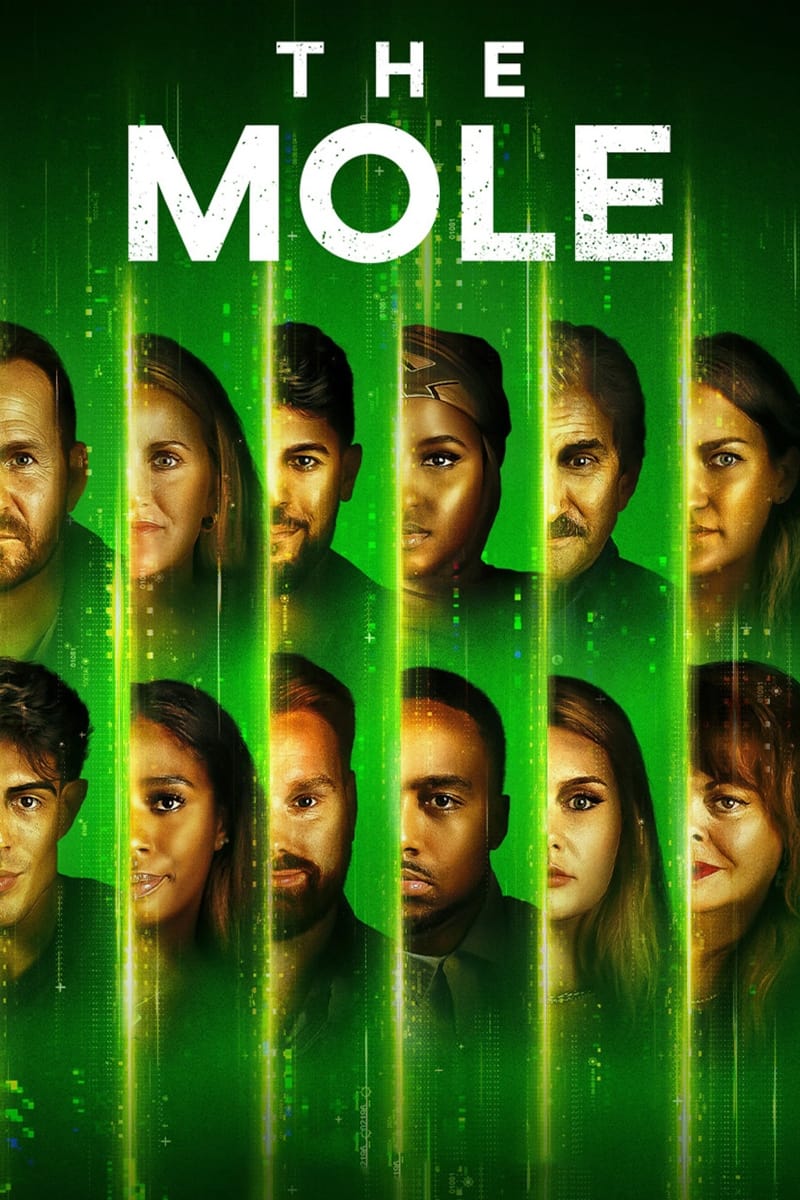
A high-stakes competition series where twelve players work together in challenges to add money to a pot that only one of them will win at the end. Among the players is one person who has secretly been designated "the Mole" and tasked with sabotaging the group's money-making efforts. In the end, one player will outlast their competition and expose the Mole to win the prize pot.
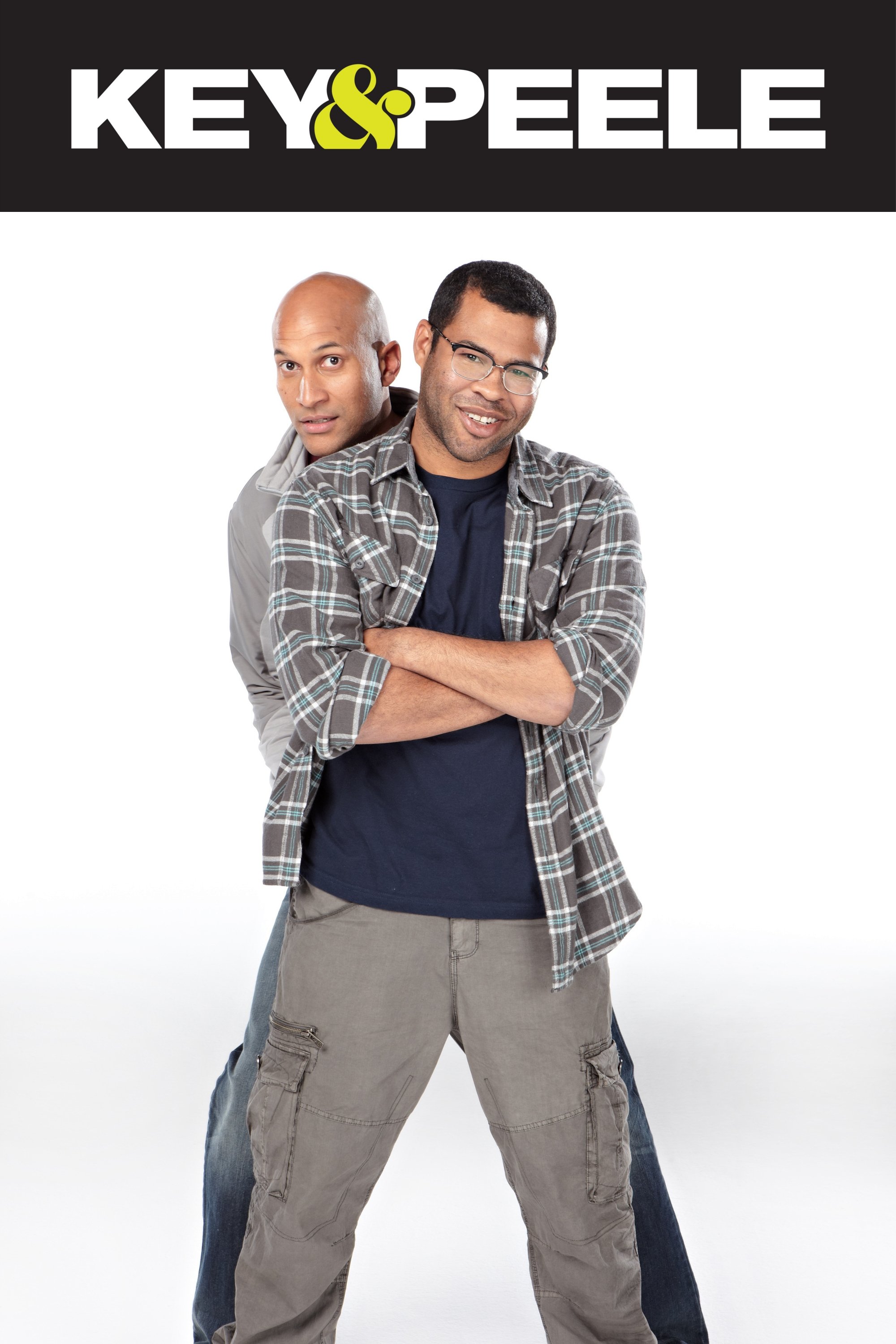
Key & Peele is an American sketch comedy television show. It stars Keegan-Michael Key and Jordan Peele, both former cast members of MADtv. Each episode of the show consists of several pre-taped sketches starring the two actors, introduced by Key and Peele in front of a live studio audience.
A show for Fanboys by Fanboys. Set in uber-geek Kevin Smith's iconic comic shop Jay and Silent Bob's Secret Stash, the show explores every nook and cranny of Fanboy culture from A to Z. Endless circular debates about the technical accuracy of the USS Enterprise's warp-core schematics? Snarky comic aficionados with an encyclopedic knowledge of every Marvel back issue? You bet.