

Social & External
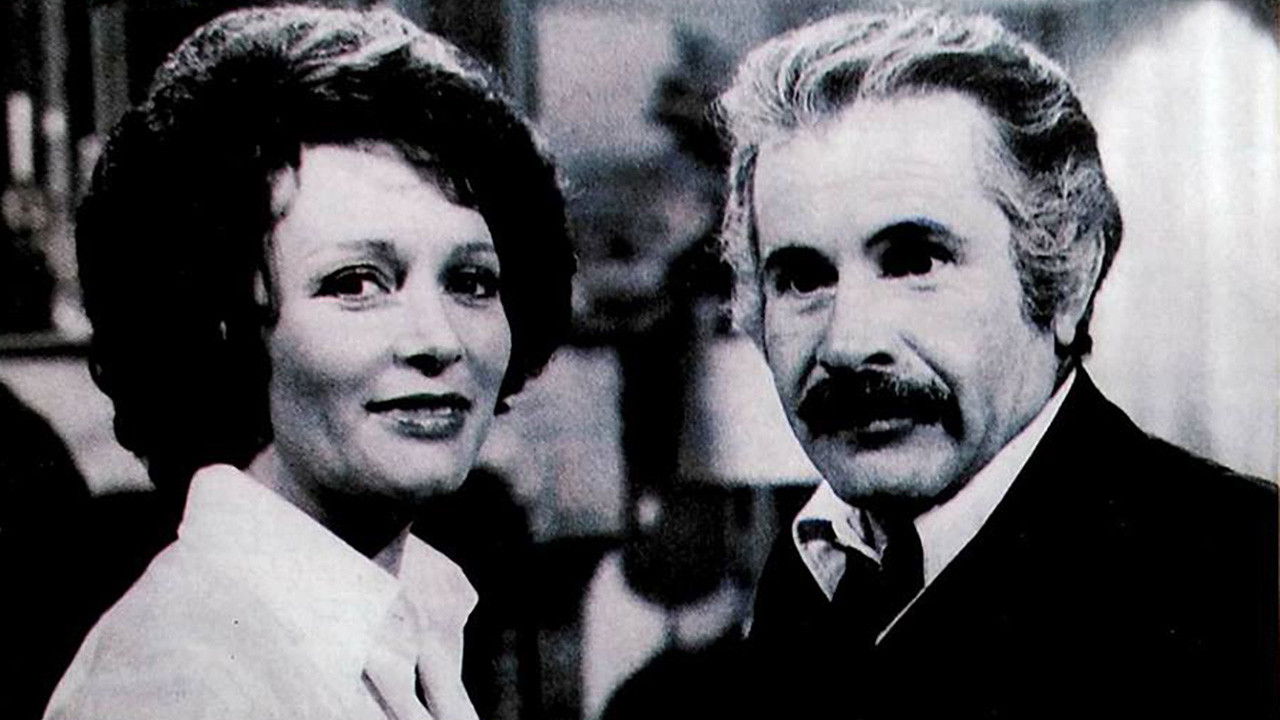
Julia Jimenez
Natalia
Martin
Paula Garmendia
Don Nicolas Garmendia
Gonzalo
Paulette
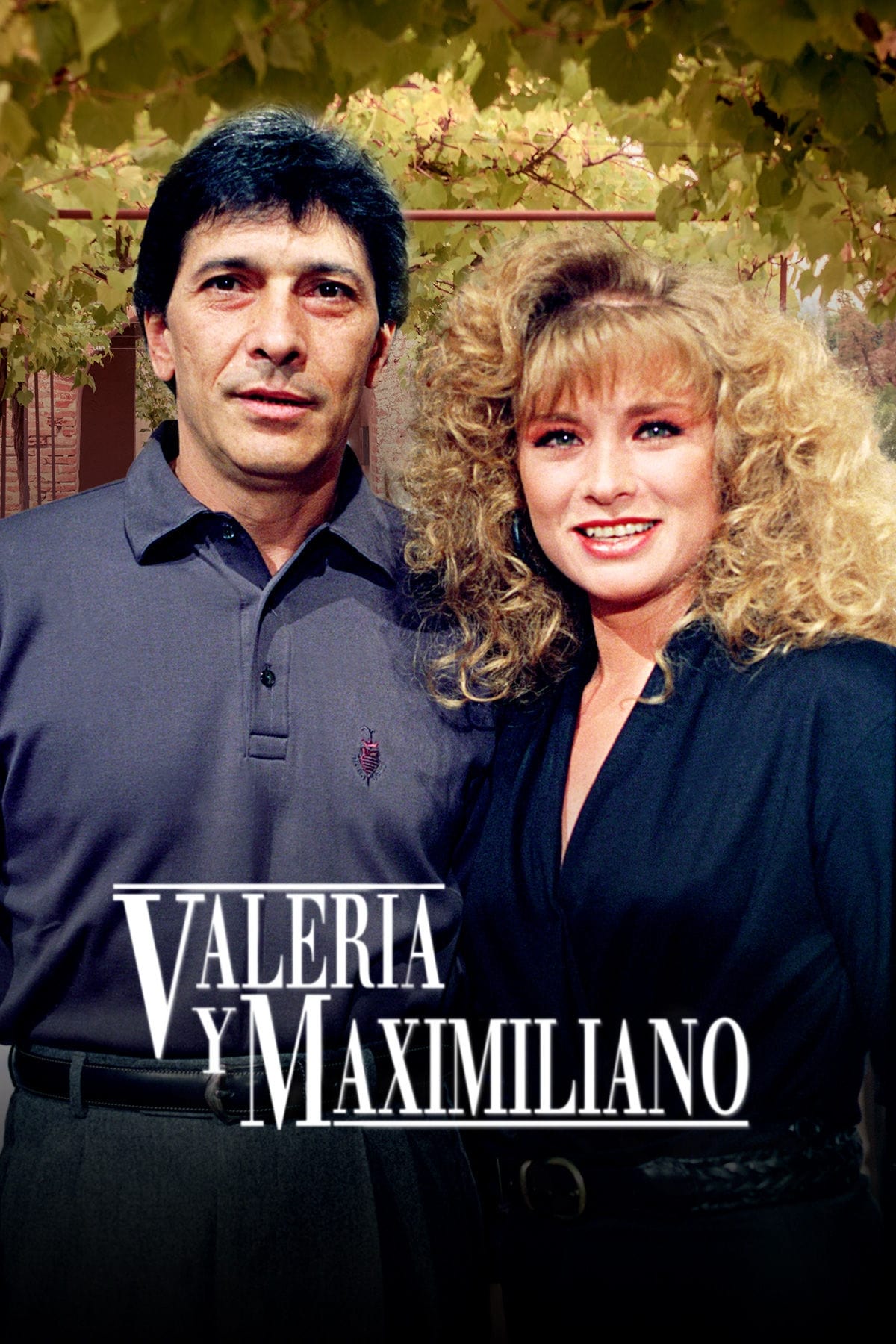
Valeria y Maximiliano is a Mexican telenovela produced by Carlos Sotomayor for Televisa and originally broadcast on Canal de las Estrellas from December 23, 1991, to May 1, 1992. Created by Nora Alemán, the telenovela stars Leticia Calderón and Juan Ferrara. The story follows Valeria Landero, a beautiful, wealthy, and strong-willed young woman whose pride and impulsive nature bring conflict to her family. After rejecting the obsessive Román de la Fuente, she becomes the target of his revenge, which threatens to destroy everything she loves. Throughout her struggles, Maximiliano Riva remains by her side, and together they must overcome betrayal, ambition, and family intrigue before finding true love.
Maria da Paz is a committed baker who becomes a wealthy businesswoman twenty years after a tragedy strikes on the day of her wedding to Amadeu. From this broken union a baby is born, Jô, who seeks power and despises her mother’s humble origins. Afraid that her parents’ reunion might spoil her plans, Jô starts an alliance with the charming Régis to convince Maria to marry him and, together, they plan to steal all of Maria’s fortune. In this exciting telenovela written by Emmy Awards winner Walcyr Carrasco, Maria’s optimism must be stronger than Jô’s ambition when the baker finds out about the betrayal and her own daughter’s dangerous secrets.
The story of Phoenician princess Jezebel, an idol worshipper who marries King Ahab and uses her beauty and wickedness to try to impose on the Israelite people the worship of her pagan gods.
The musical romantic comedy tells the story of Agrado Garcia, who dreams of being a successful country singer. On the way, she meets the star João Raul, her old flame.
This dramatization depicts the life -- and loves -- of Venezuelan Gen. Simón Bolívar who helped liberate several Latin American countries from Spain.
A wealthy and handsome man named Marco Durán arrives in a small coastal town called San Carlos, partly to consolidate his businesses in the area and partly to get away from Miranda Narváez, his obsessive and unstable ex-girlfriend. María del Cielo Montalvo is a beautiful and tasteful young woman, whose strength of character arouses the admiration of all the men in the sector and the love at first sight of Marco who does not hesitate to ask for her hand immediately after seeing her for the first time. She is the woman he has always dreamed of; However, for Cielo he is just another man like many who has come to poison the quiet life of San Carlos with his money and does not hide the contempt she feels for him, being also a woman engaged to Sergio Zambrano, her lifelong boyfriend.
This is the story of four women who live on the paradisiacal Isla de Margarita: Saioa Mujica, Elizabeth Zamora, Rebeca Ponti and Eloína Díaz. The four will be forced to face the issues of fidelity and love with their partners, navigating the difficult waters of self-interest and true feelings.
Vivir a Destiempo is a Mexican telenovela produced by Fides Velasco and Jacky Castro for Azteca. It stars Edith González and Ramiro Fumazoni as the protagonists alongside Humberto Zurita, Andrea Noli and Wendy de los Cobos as the main villains. The original story and screenplay is written by Eric Vonn. From February 25 to September 20, 2013 Azteca 13 broadcast Vivir a Destiempo, replacing Los Rey.
La Madame is a 2013 Spanish-language series produced by RTI Producciones with collaboration of Sierralta Entertainment Group for México-based television network Canal de las Estrellas and United States-based television network UniMás. Alicia Machado stars as the protagonist. As of August 26, 2013, UniMás is broadcasting La Madame weeknights at 10pm/9c, replacing Clorofomo.

Bari Aapa is the central character of the telenovela who possesses a rigid and dictatorial nature and her husband, likes to stay out of her way.
Mistreated by the Narváez family, the poor and innocent Maricruz is humiliated, abandoned, and imprisoned, losing everything. Upon discovering her true origins, she transforms into a wealthy and powerful woman. Driven by grief and the loss of her father, she vows revenge against everyone who made her suffer.
Based on the original version of same name created by Cris Morena, the series tells the story of a group of orphans living in a manor, known as Raio de Luz, struggling and being guided by a young woman, Carol, that assumes a maternal figure for them. Their experiences such as discovering first love, deceptions, loneliness and friendship, as well as adventures in fantasy, are depicted throughout the series. The narrative is followed by musical themes and videoclips.
El amor no es como lo pintan is a Mexican telenovela produced by Juan David Burns and Elisa Salinas for TV Azteca. It was broadcast on Azteca 13 from November 6, 2000 to April 27, 2001 for 165 episodes.
La Impostora, is a Spanish-language telenovela presumably to be produced by United States-based television network Telemundo Studios, Miami.
A telenovela that dramatizes the romances and rivalries between two brothers and two sisters in Mexico between the years 1885 and 1900.
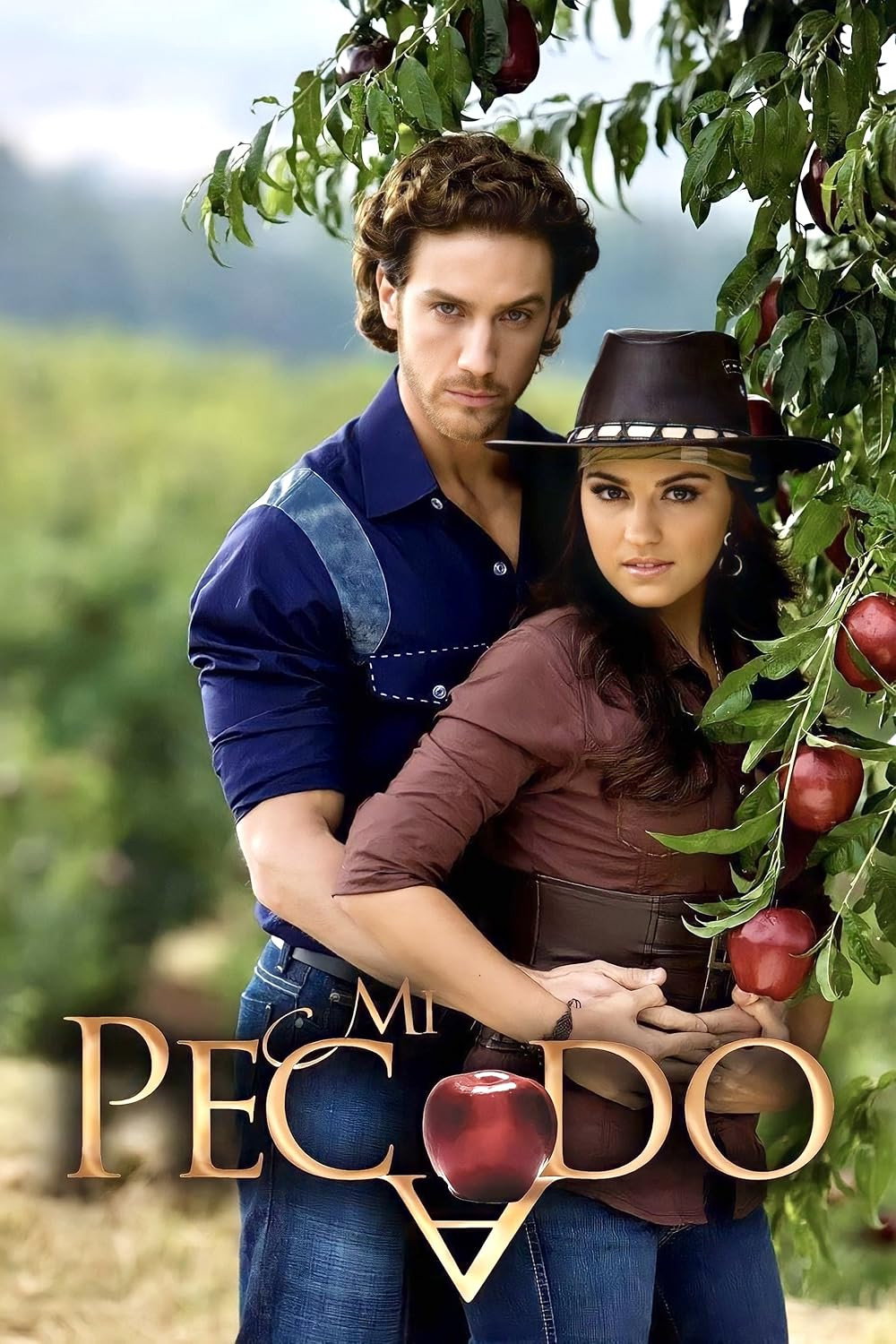
Paulino Córdoba, Gabino Roura, Rodolfo Huerta, and Matías Quiroga have been friends since childhood; however, as adults, their priorities shifted, and a sin now threatens to destroy their friendship. Paulino owns the El Milagro apple hacienda and is married to Rosario; they have two children, César and Lucrecia. Rosario has always favored her son while openly rejecting her daughter. Lucrecia was raised by Delfina, Rosario’s maid and Manuel’s mother.
Teresa Chavez is a young woman with an obsession for money and ambition. Despite her beauty and the fact that she was raised in the bosom of a loving family, she is resentful; her one desire is to leave her humble but poor neighbourhood.
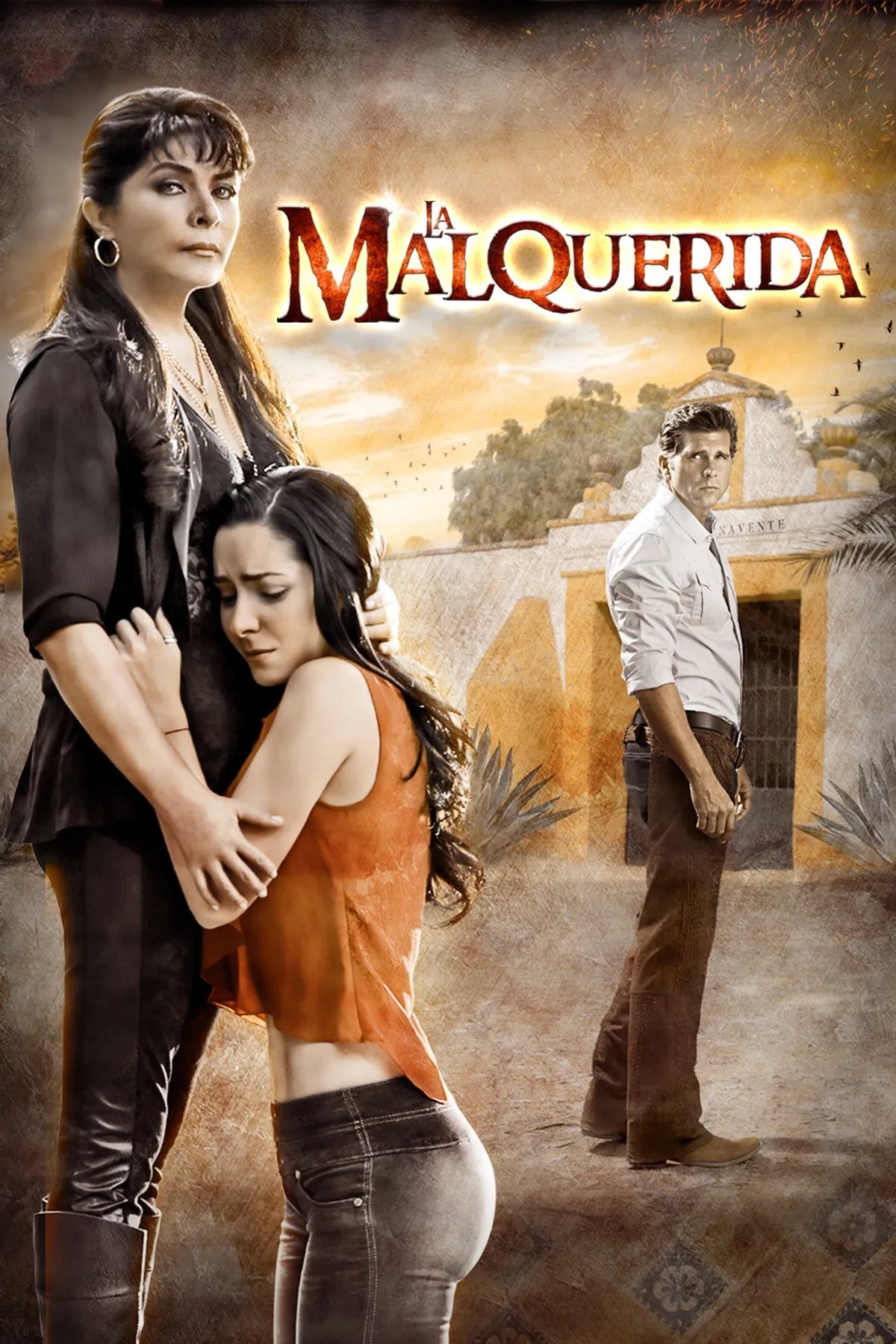
La malquerida is a Mexican telenovela produced by José Alberto Castro for Televisa. It is an adaptation of the play "La malquerida", written by Spanish playwright Jacinto Benavente. Victoria Ruffo and Christian Meier will star as the adult protagonist, Ariadne Díaz and Mane de la Parra will star as the young protagonists, while Brandon Peniche will star as the main antagonist.
¡Válgame Dios! is a Spanish-language Venezuelan telenovela written by Mónica Montañéz for Venevisión. Sabrina Seara and Eduardo Orozco star as the main protagonists while Ricardo Alamo, Carlota Sosa and Raquel Yanez star as the main antagonists.
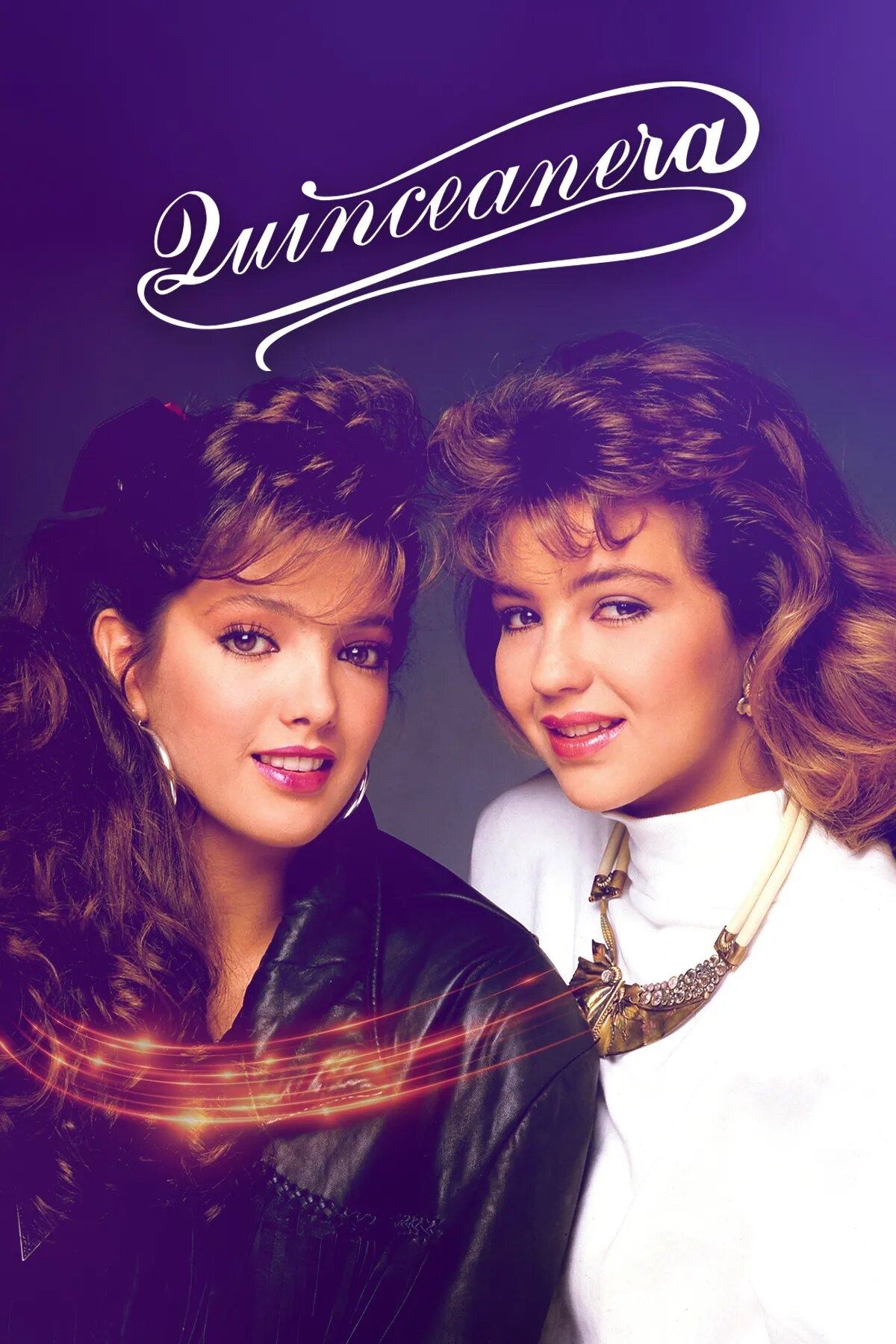
Maricruz and Beatriz are school friends; Beatriz comes from a well-to-do family, whereas Maricruz belongs to a lower socioeconomic stratum. Both are on the verge of turning fifteen and are preparing to leave childhood behind. Issues within their family and social environments affect them directly; for Beatriz, her parents' marital breakdown becomes the primary obstacle to overcome, compounded by a sexual awakening fraught with taboos and misinformation. Meanwhile, Maricruz must contend with her mother's overprotectiveness and prejudices, as well as the tension caused by a neighbor who is obsessed with her.
Sofía Peralta-Avitia Villaseñor, a successful businesswoman and great mother, who feels lonely in her marriage to Gonzalo Balmori-Ricci Nava. At the same time, her daughter, Bárbara Balmori-Ricci Peralta-Avitia, and her young bodyguard, Salvador "Chava" Reyes Encino, will transform their rebelliousness into passion. But none of them know that the evil, ambitious people around them will try to meddle in their paths on their road to love.
Story of love between Marimar and Sergio. Sergio is from a wealthy family, and Marimar lives with her poor grandparents in a hut in front of the ocean.
True love threatens to tear a family apart in this epic Mexican serial set in the 1800s. Rich and beautiful Matilde falls in love with Adolfo, but her mother, Augusta, disapproves of the relationship when she learns Adolfo is poor. Augusta forces her daughter to marry rich and handsome Manuel Fuentes Guerra, but Matilde plays with fire by continuing to be with Adolfo. Adela Noriega, Fernando Colunga, Helena Rojo and Chantal Andere star.
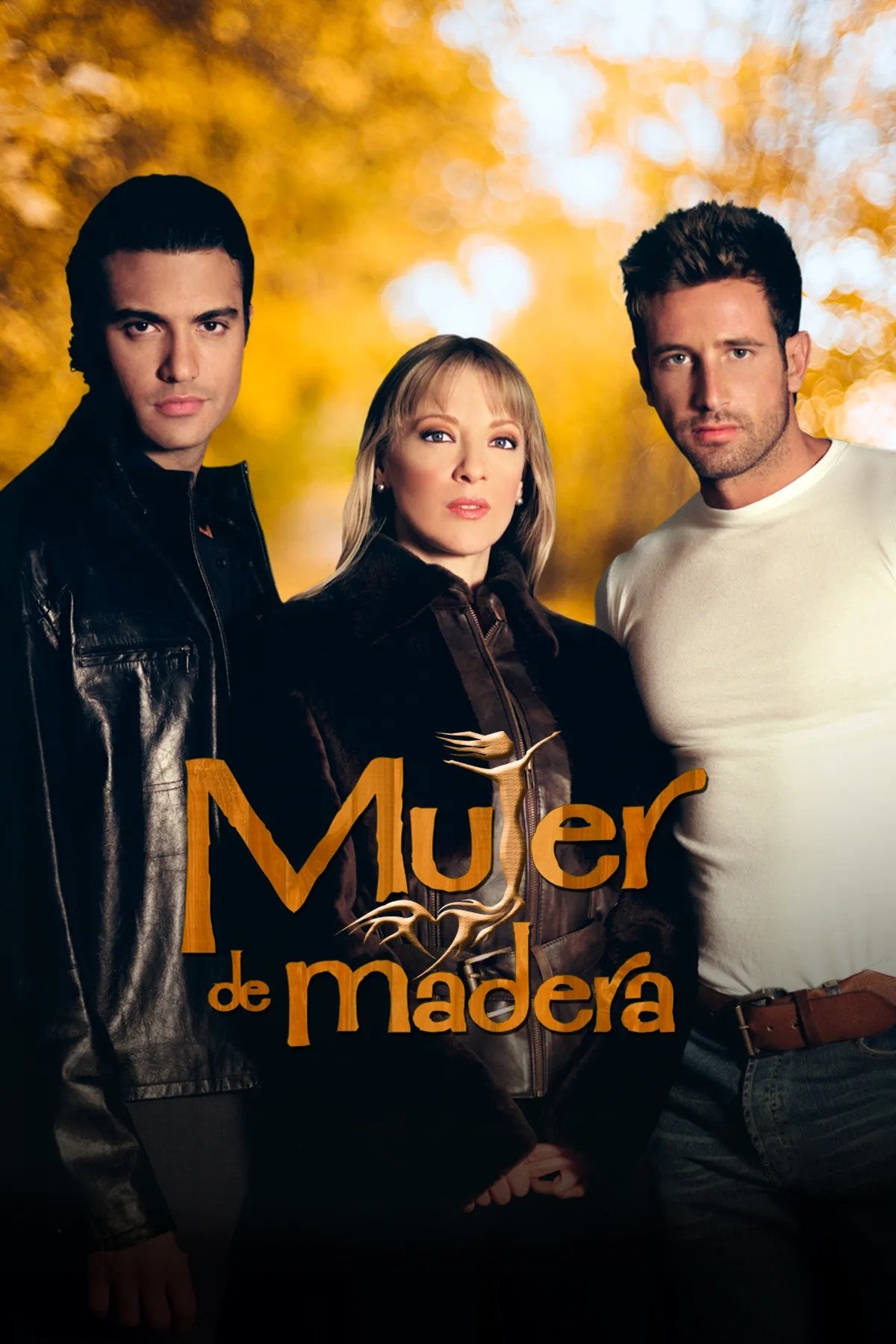
Mujer de Madera is a Mexican telenovela produced by Televisa in 2004. One unusual feature of this telenovela is that the main character is played by different actresses before and after her stay in hospital due to a forest fire.
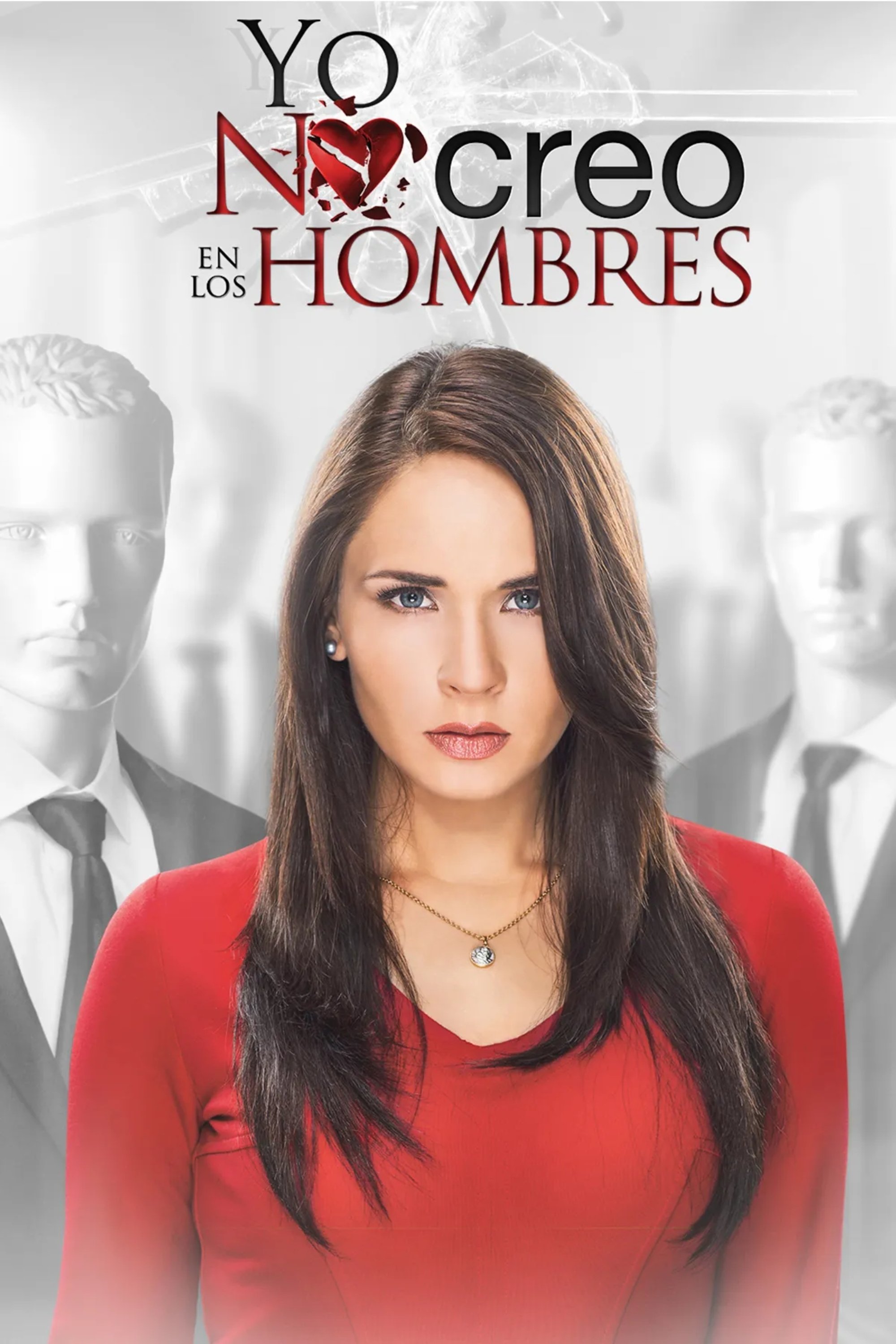
Yo no creo en los hombres (I don't trust men anymore) is a Mexican telenovela produced by Giselle González for Televisa. It is based on Yo no creo en los hombres (1991), produced in México.
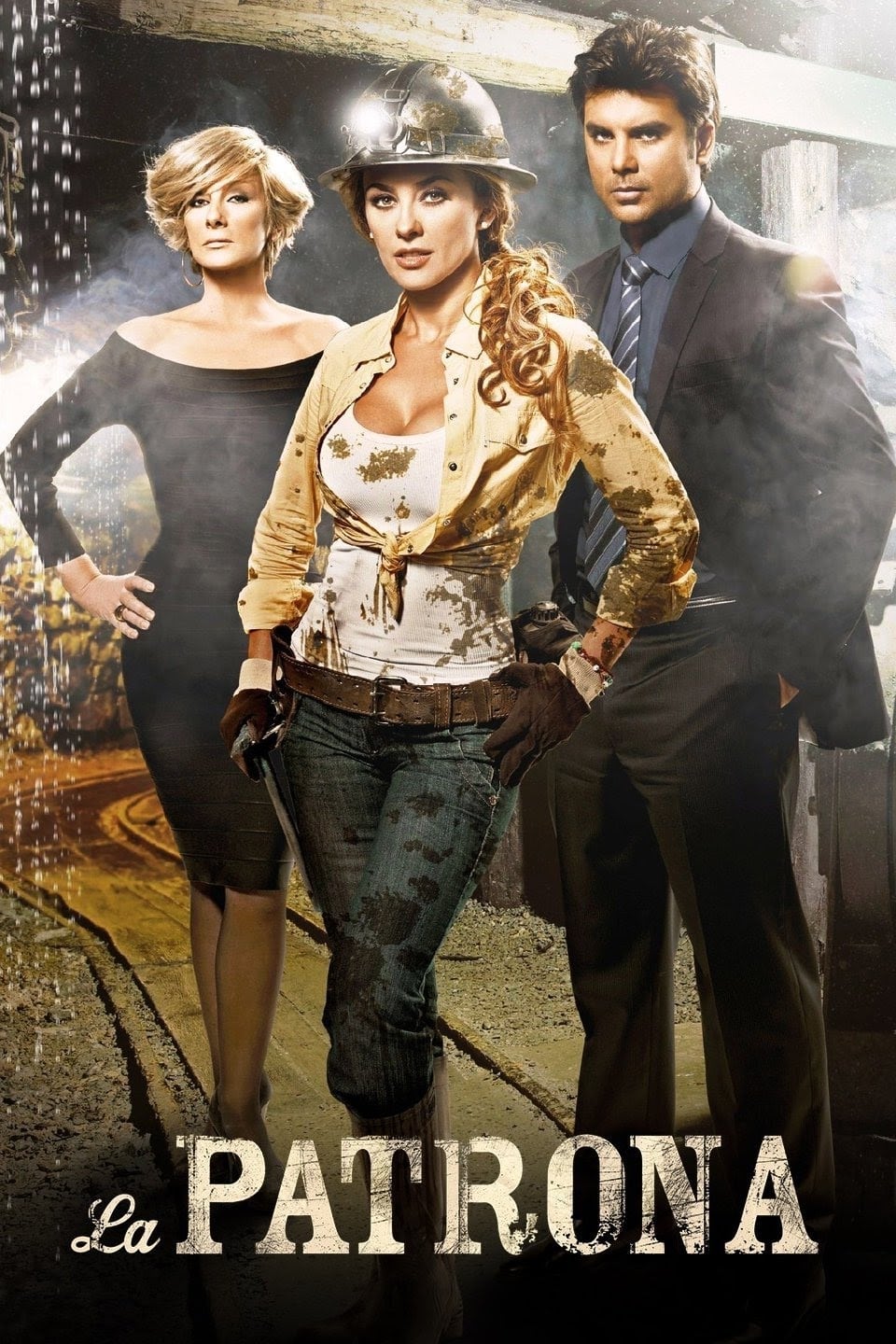
La Patrona is a Spanish-language telenovela produced by United States-based television network Telemundo Studios, Miami and Mexican Argos Comunicación. The telenovela is a remake of the Venezuelan telenovela La Dueña, written by José Ignacio Cabrujas. The name reflects a local term or slang in Mexico to address a person recognized as the main boss. However, the title is also a reflection of both the protagonist and the antagonist struggle to conquer power, authority and respect in a labor field traditionally deemed to be a man's job.
After their father's death, Sofía Ripoll, the oldest of three sisters, takes over the family's fictional successful chocolate factory. Though she is engaged to a man who uses her for money, she quickly falls in love with Salvador Cruz, a former racecar driver who takes a job as her chauffeur.
María Mercedes, a poor girl who sells lottery tickets, meets a rich man who hates his own family and sees in María Mercedes an opportunity to make their lives miserable.
Apuesta por un Amor is a Mexican telenovela produced by Angelli Nesma Medina for Televisa in 2004. Patricia Manterola and Juan Soler starred as the protagonists, while Alejandra Ávalos, Roberto Ballesteros and Fabián Robles starred as the antagonists.
Acorralada is an American telenovela produced by Venevisión. Univision aired Acorralada from January 2007 to October 2007 on weekday afternoons at 2 pm central. It was rebroadcast in late 2011 through April 2012 on Univision's sister network, Telefutura. It was filmed in Miami, Florida, and lasted about 187 episodes. It is the second long-running telenovela that Venevisión Productions has produced without its former co-producer Fonovideo.
Emiliano, a wealthy Mexican businessman, is ripped off by his friends and partners. Hidden in Bogotá, he receives help from Rosario, a mariachi singer. She does not know Emiliano’s background and that he is wanted by the police of two countries and by a criminal organization. With a new name and personality, he adapts well to his new life as a mariachi band member and finds in Rosario the love of his life. But he is afraid his secret will tear them apart. He needs to clear his name and resolve his case to avoid that fate. Meanwhile, he often finds his love tested and vulnerable to several rivals, but Rosario always trusts that he has been honest with her.
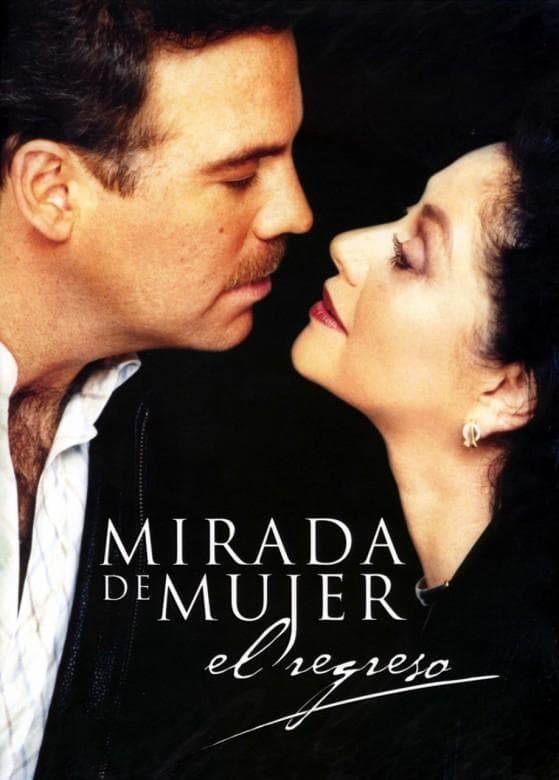
Mirada de mujer: El regreso is a Mexican telenovela, which was produced by and broadcast on TV Azteca in 2003. It is the sequel of Mirada de Mujer.
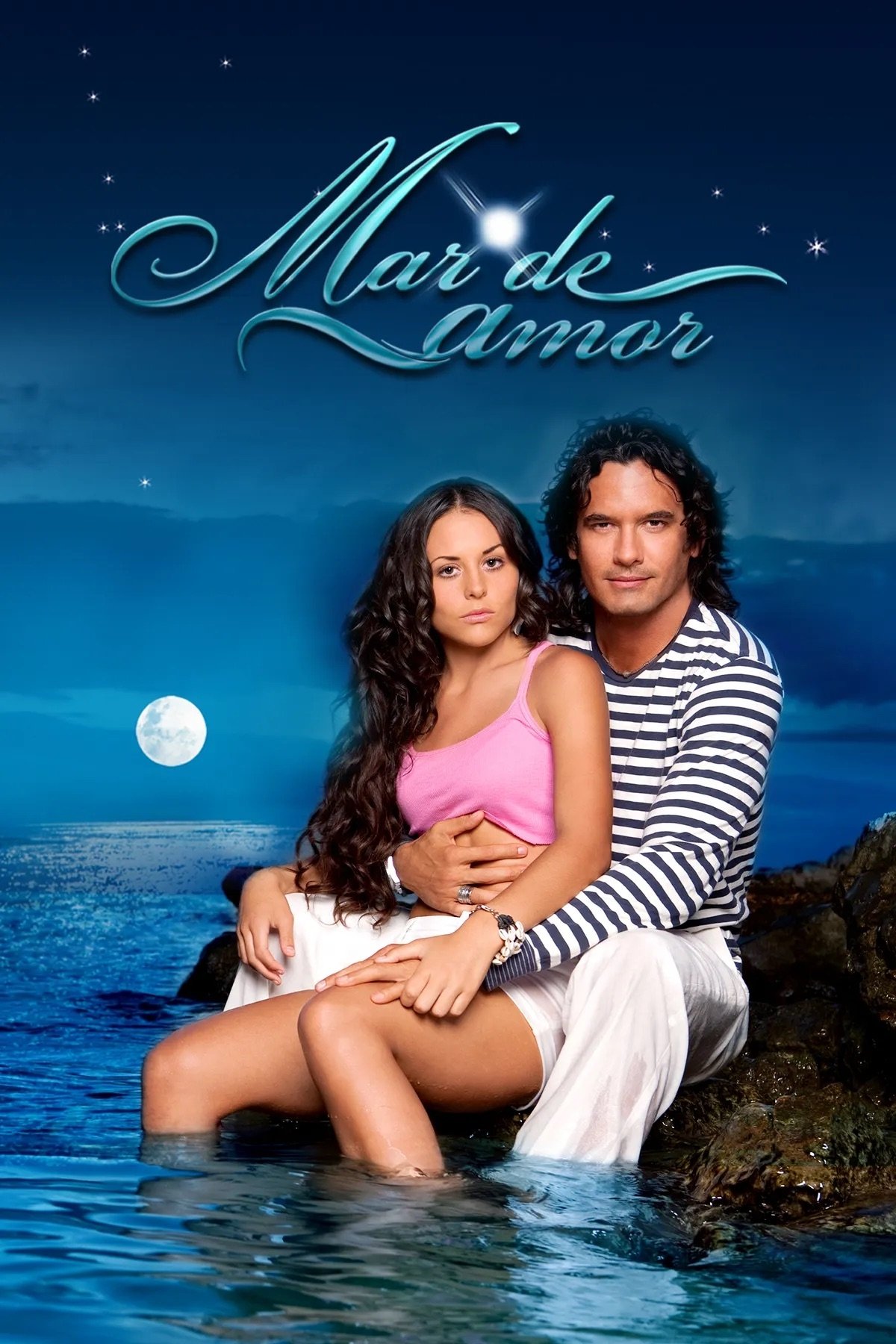
Mar de Amor is a Spanish-language telenovela produced by Nathalie Lartilleux with protagonists Zuria Vega, Mario Cimarro and Mariana Seoane and antagonists Ninel Conde, Marcelo Córdoba and Manuel Landeta. This is a remake of the 1978 Venezuelan telenovela María del Mar.