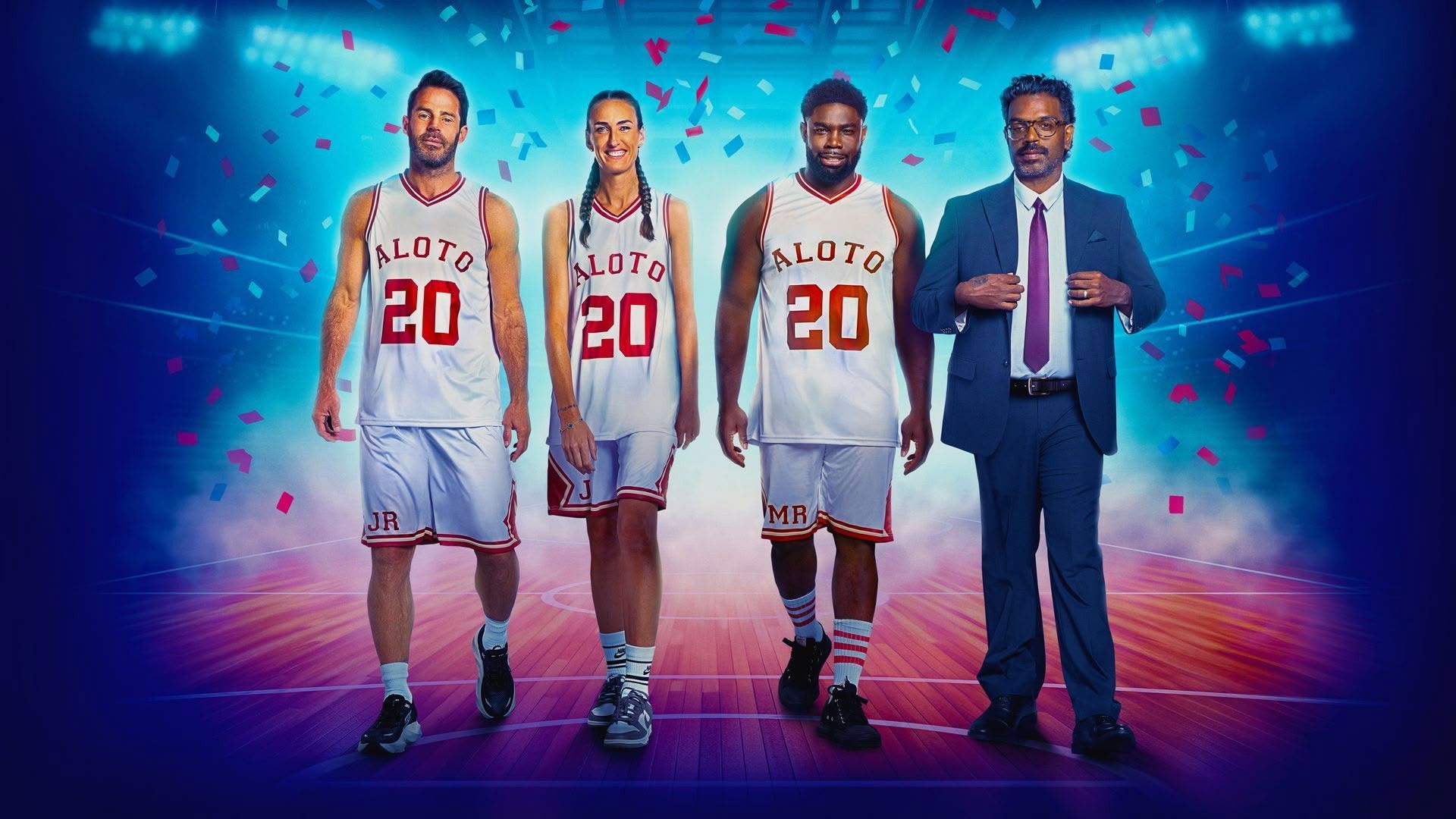
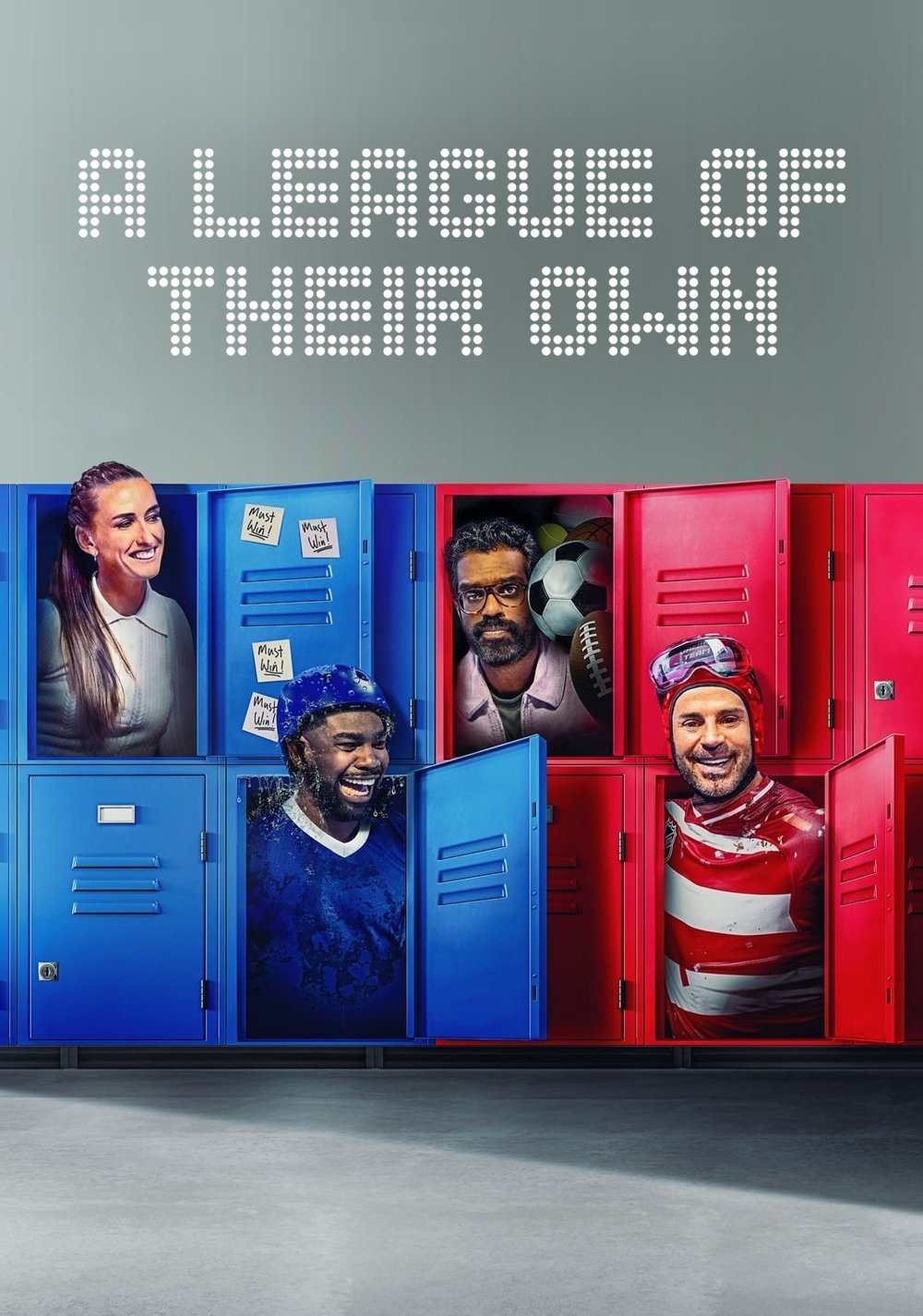
Two teams comprised of comedians, celebrities and sports stars compete against each other in a test of their sporting knowledge, taking place over three rounds.
Social & External
The people behind it
Romesh Ranganathan
Self - Host
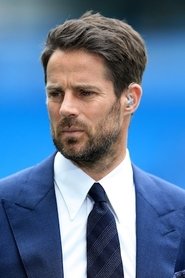
Jamie Redknapp
Self - Team Captain
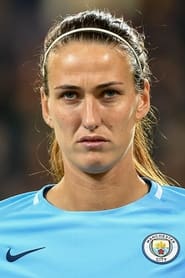
Jill Scott
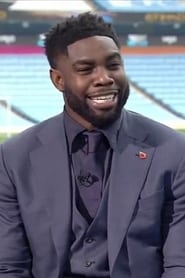
Micah Richards
Self - Panellist
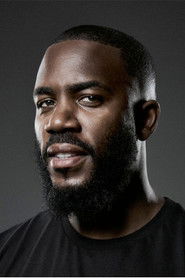
Mo Gilligan
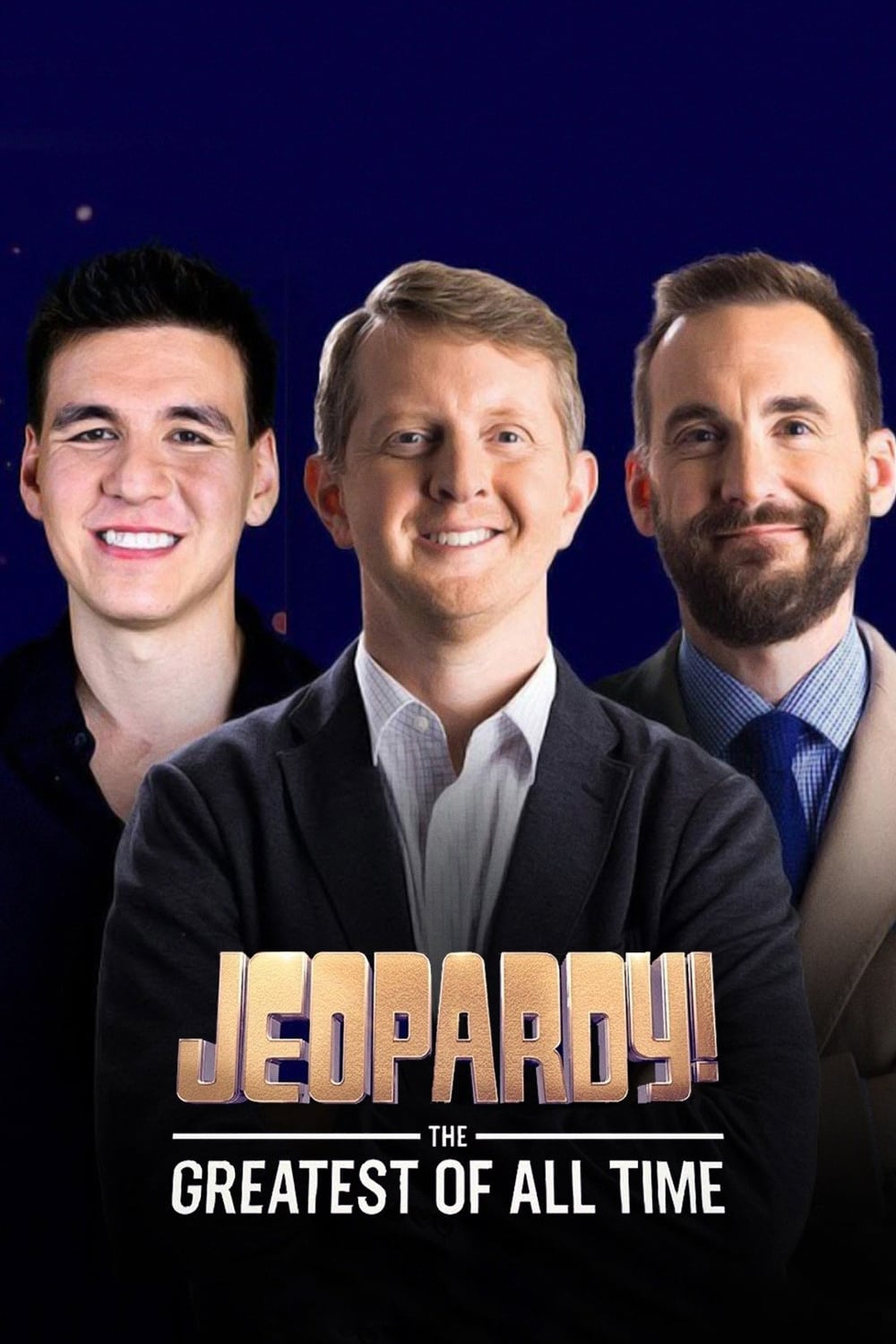
Ken Jennings, Brad Rutter, and James Holzhauer compete in a series of matches in prime time. The first to win 3 matches receives $1 million and the title of “Jeopardy! The Greatest of All Time.” The 2 non-winners each receive $250,000.
Tattletales is an American game show which first aired on the CBS daytime schedule on February 18, 1974. It was hosted by Bert Convy, with several announcers, including Jack Clark, Gene Wood, Johnny Olson and John Harlan, providing the voiceover at various times. The show's premise involved questions asked about celebrity couples' personal lives and was based on He Said, She Said, a syndicated Goodson-Todman show that aired during the 1969—1970 season.
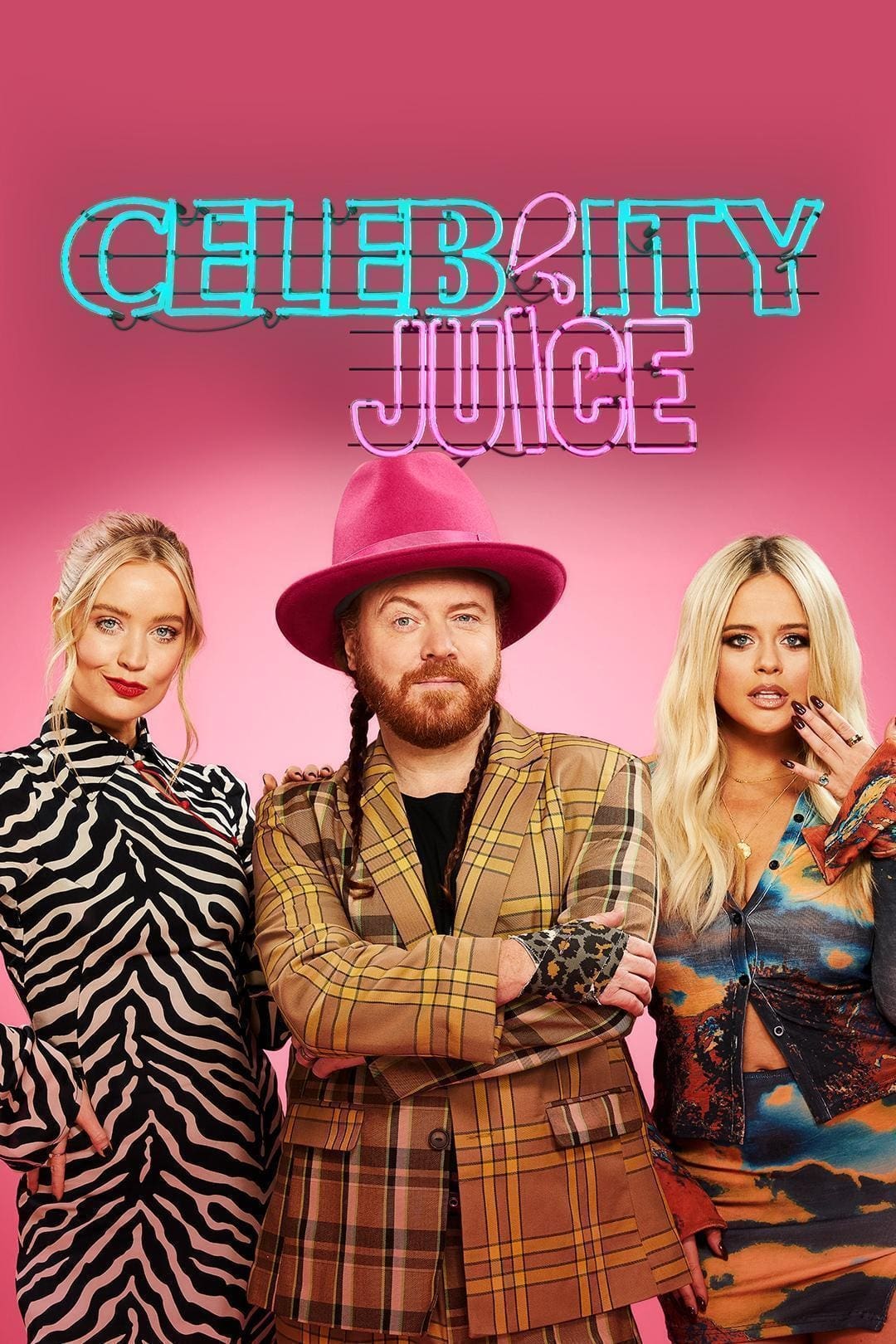
The outrageous comedy panel show hosted by the irrepressible Keith Lemon. Each episode sees top celebrities going head to head in a series of hilarious rounds unlike any other panel show.
Bull Fighting is a 2007 Taiwanese drama starring Mike He, Hebe Tien, and Lee Wei. The series was broadcast on free-to-air Taiwan Television from 18 November 2007 to 9 March 2008 on Sunday at 22:00 and cable TV Sanlih E-Television from 24 November 2007 to 15 March 2008 on Saturday at 21:00. But it is worth noting that the word 鬥牛 in this context actually means street basketball.
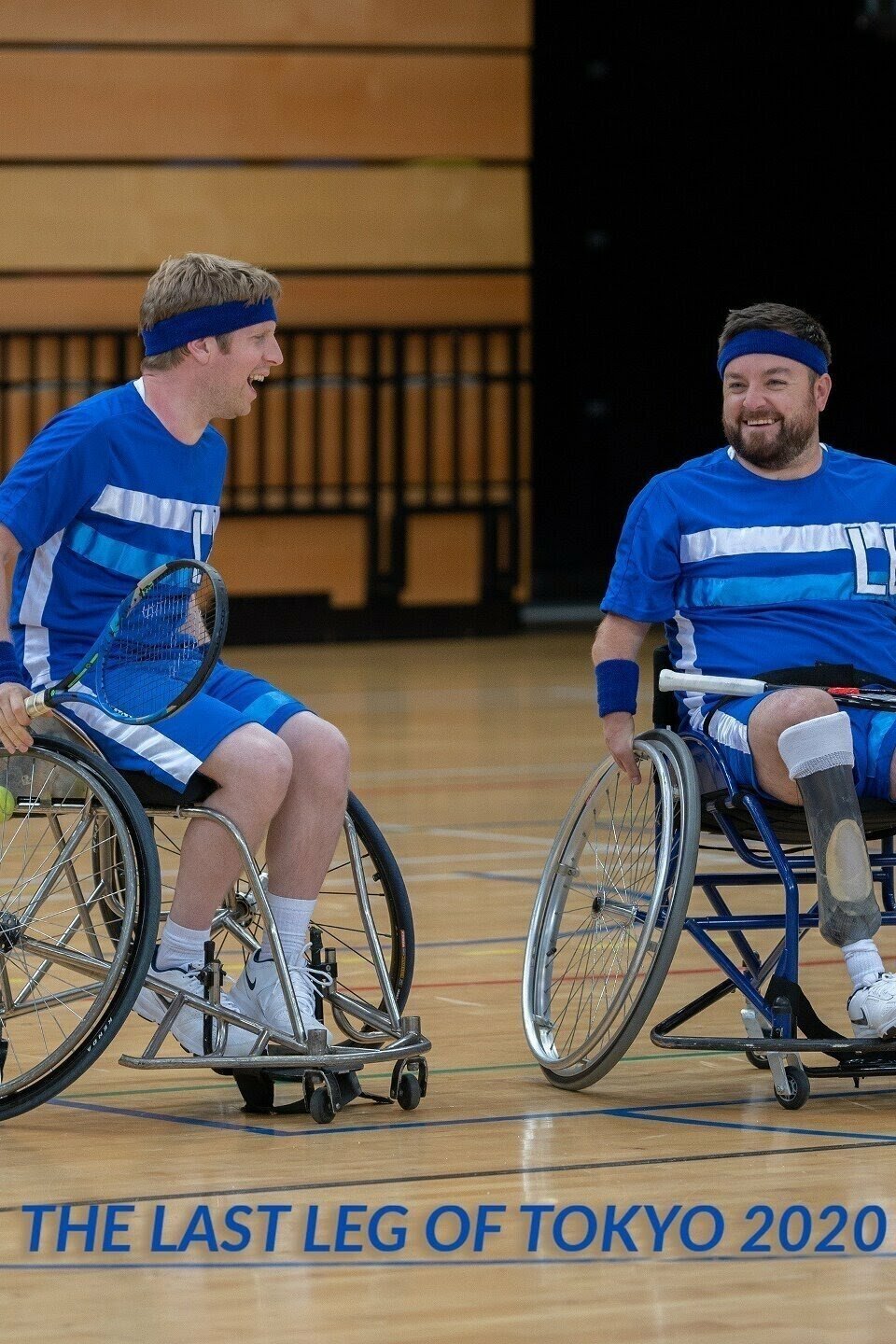
The Tokyo 2020 Paralympic Games are officially here and who better to cover it than the cast of The Last Leg? Returning to their disability positive routes, the comedy trio will be providing us with laughs and Paralympic insight throughout the Game.
Based off of American game show Family Feud, hosted by Johnson Lee.
Makoto Kubota and Minoru Tokito are the muscle of their high school's all-powerful student council. They defend the student body from disorder -- generated by both humans and demons -- while avoiding their classes.
Zuo Xiaochuan, a teenager in a northern town, loves basketball very much and enjoys rare physical conditions, but he is less skilled. His grandaunt Ma Tian accidentally notices his talent and suggests him to apply for Nanjing Yuanchuan Middle School as a student with sports talent to receive systematic trainings. But to his surprise, the school had no basketball team at all and all other players are amateur players. Yet, from having the first teammate Cai Zhen to playing the first game, Xiaochuan has overcome many obstacles and difficulties with his passion for basketball. He gets tougher and tougher in an environment full of “rules”. He infects everyone with his passion and eventually brings the team together.
Five artists show their wild side by performing zany challenges. There are no points, no stakes, and no keeping score between guests, just a fun and unique combination of crazy games and improvisation.
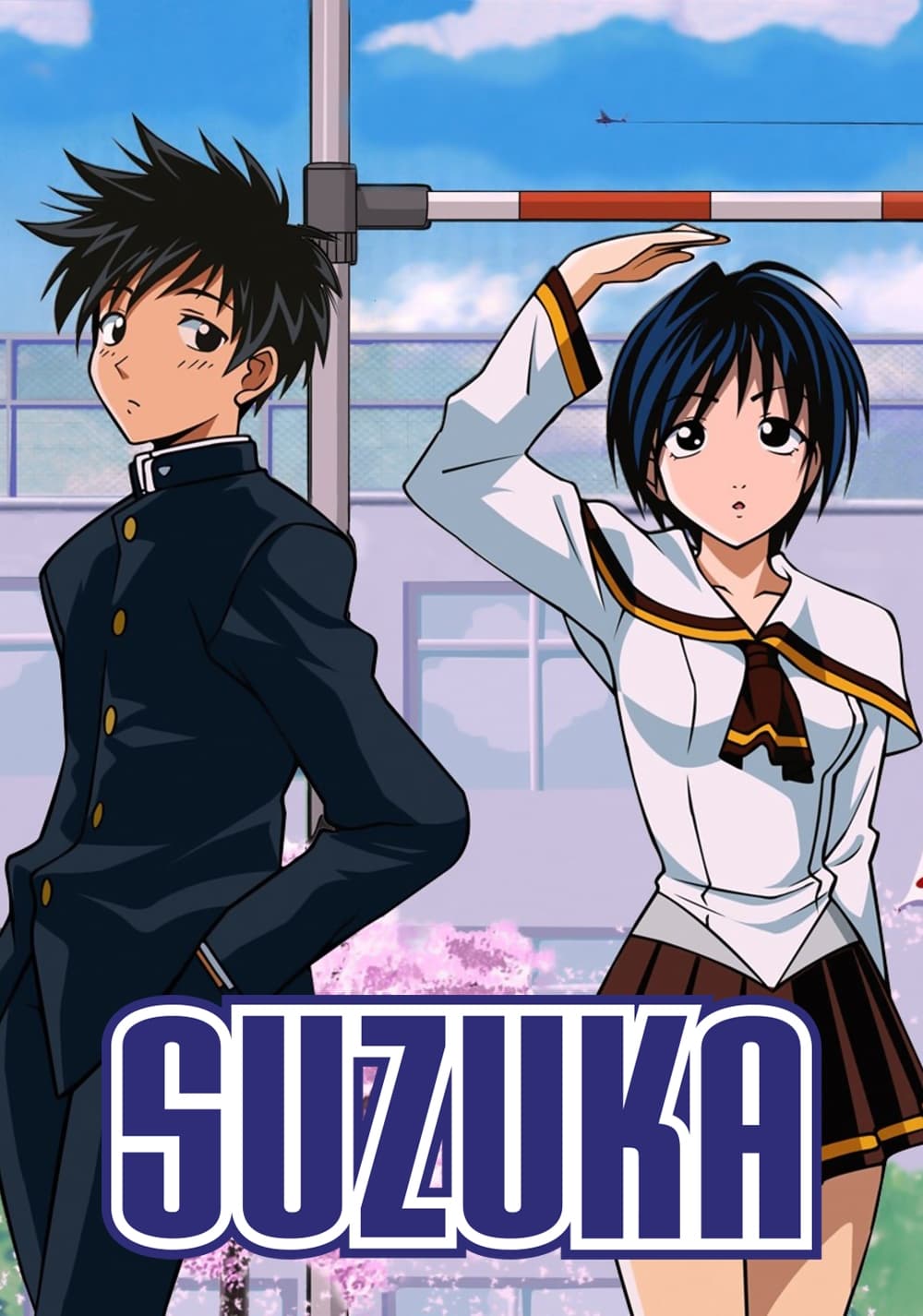
Yamato Akitsuki travels to Tokyo alone to study in one of the high schools located within the area. He lives in with his aunt who operates a public bath solely for the ladies in the local district and begins his normal high-school life. One day, he chances upon a girl in school and is immediately mesmerized by her beauty. He is shocked when he realizes later that the girl, Suzuka, is actually living next door to him. From then on, Yamato's ordinary life begins to change little by little.
We asked 100 game show-loving Canadians: Name the only iconic TV show featuring two Canadian families competing to guess popular answers to fun survey questions. Top answer on the board? Survey says...get ready for Family Feud Canada!
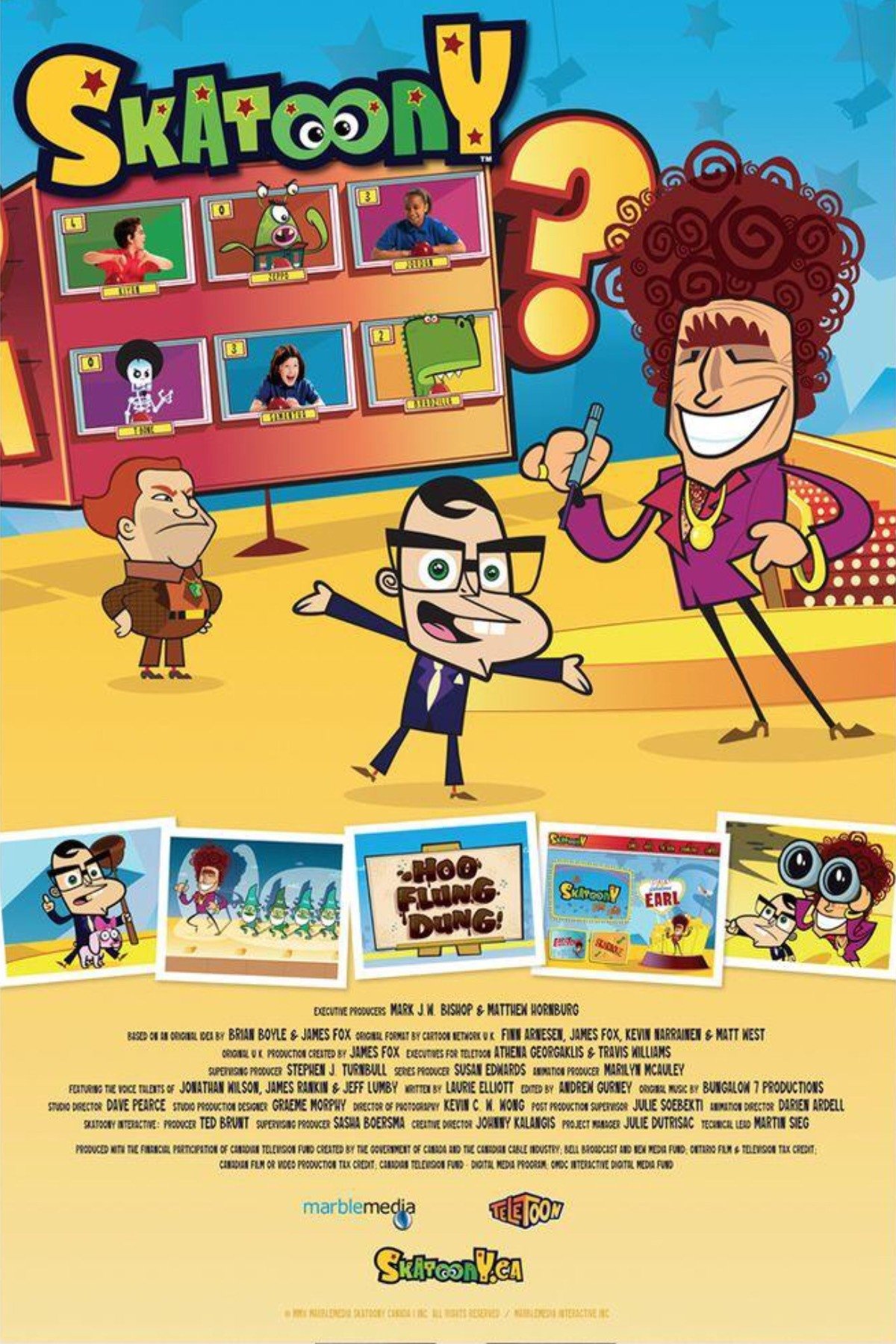
In Skatoony, animation meets live-action as real kids compete with toons in a quiz-style game show. Three young contestants and original animated characters compete in four trivia-based game rounds to win a spectacular prize. Each week Skatoony's cartoon host "Chudd Chudders" and his sidekick "The Earl" attempt to put together another spectacular show, despite all manner of mad happenings and greedy studio-exec Charles La Puck who seems to conspire against them. Skatoony Canada is a distinctly Canadian version of the innovative U.K. series, with all-Canadian creative talent, new characters, and trivia questions based on the Canadian educational curriculum. The high-energy world of Skatoony will capture the minds and imaginations of young people, motivating them to learn.
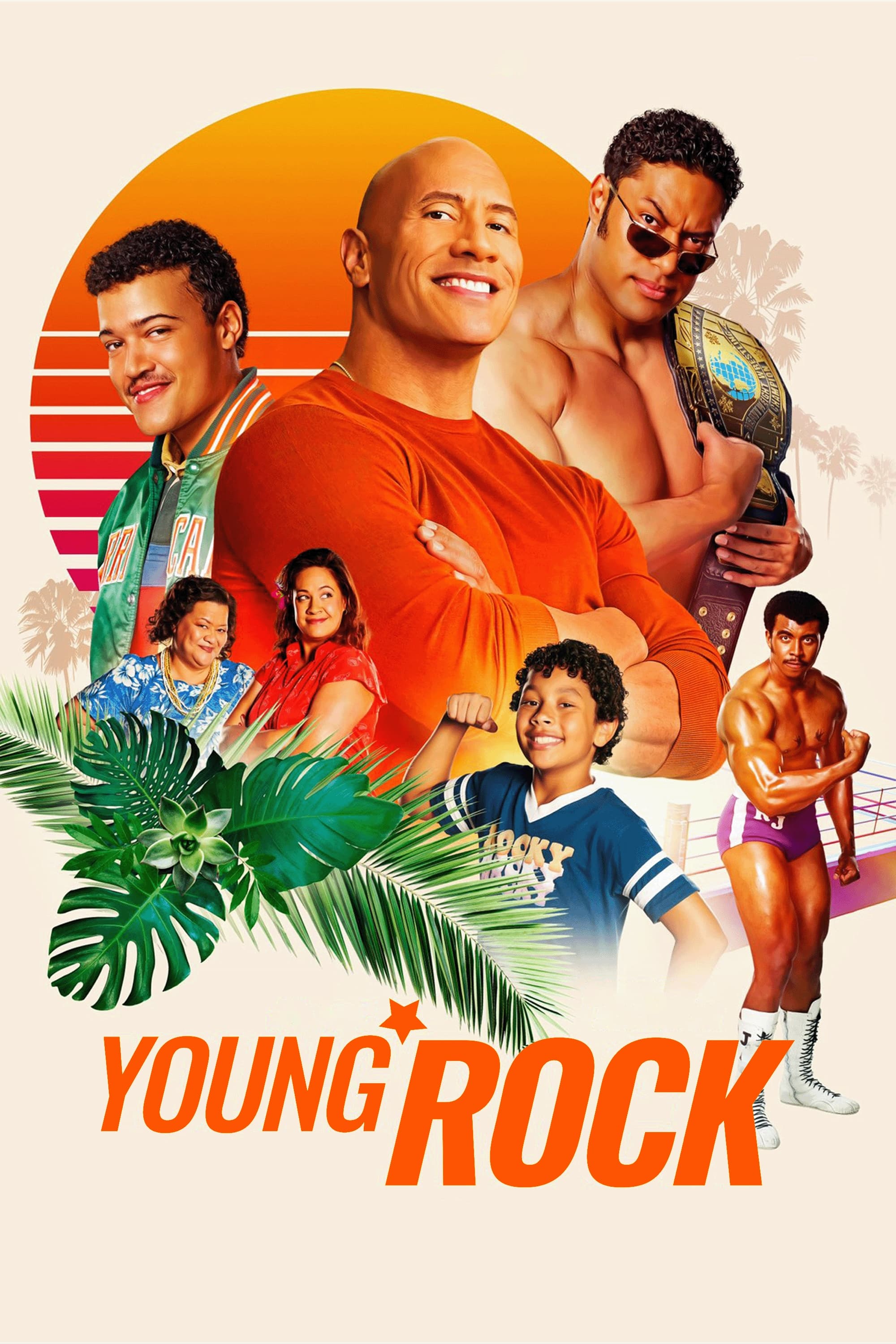
As Dwayne Johnson runs for president in 2032, he takes a comedic look back at his extraordinary life through the outrageous stories of his family and youth that shaped him into the man he is today. He explores his childhood years living amid influential wrestling icons while his dad rose to fame in the business, his rebellious teenage years attending high school in Pennsylvania, and his football years teamed up with powerhouse players at the University of Miami. In his telling, Johnson explains that while his experiences have been larger than life, he remains a down-to-earth guy who still relates to the American people.
The Moment of Truth was a game show based on the Japanese format Happy Family Plan that was produced by LWT and was broadcast on ITV from 5 September 1998 to 29 September 2001. It was hosted by Cilla Black. A similar show, Celebrities Under Pressure followed two years after The Moment of Truth ended. The format was strikingly similar, except that celebrities partook in challenges on behalf of the family, rather than a family member.
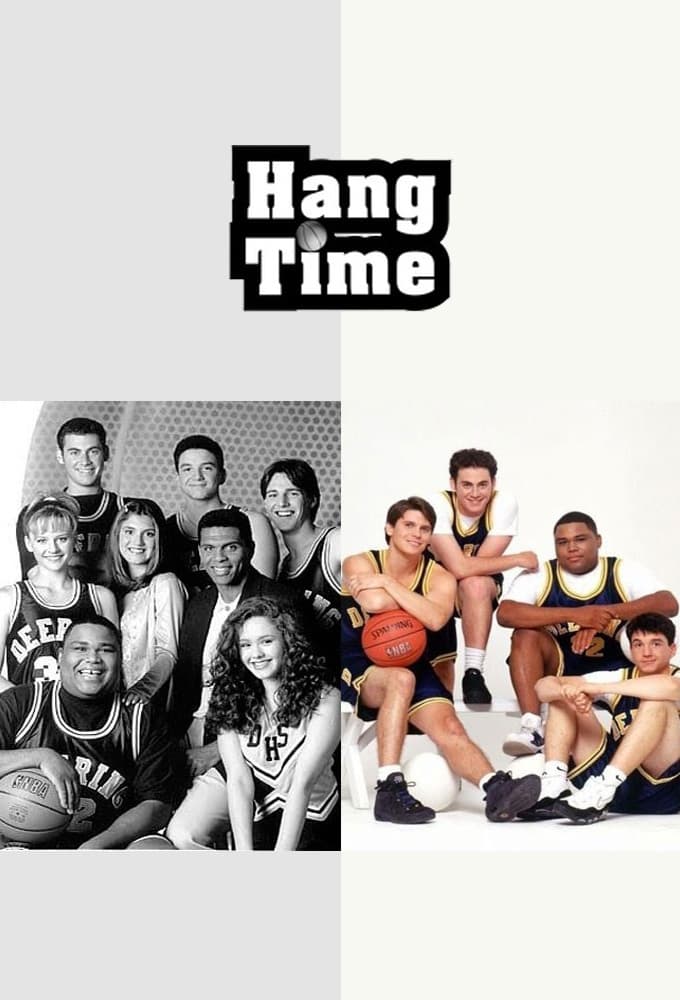
New transfer student Julie Connor tries out for and wins a position on the Deering Tornadoes, her high school’s boys basketball team, much to the dismay of team captain Chris and snooty head cheerleader Mary Beth.
Florentin and Lars guess prices on Amazon. Whoever is closer to the real price gets one point.
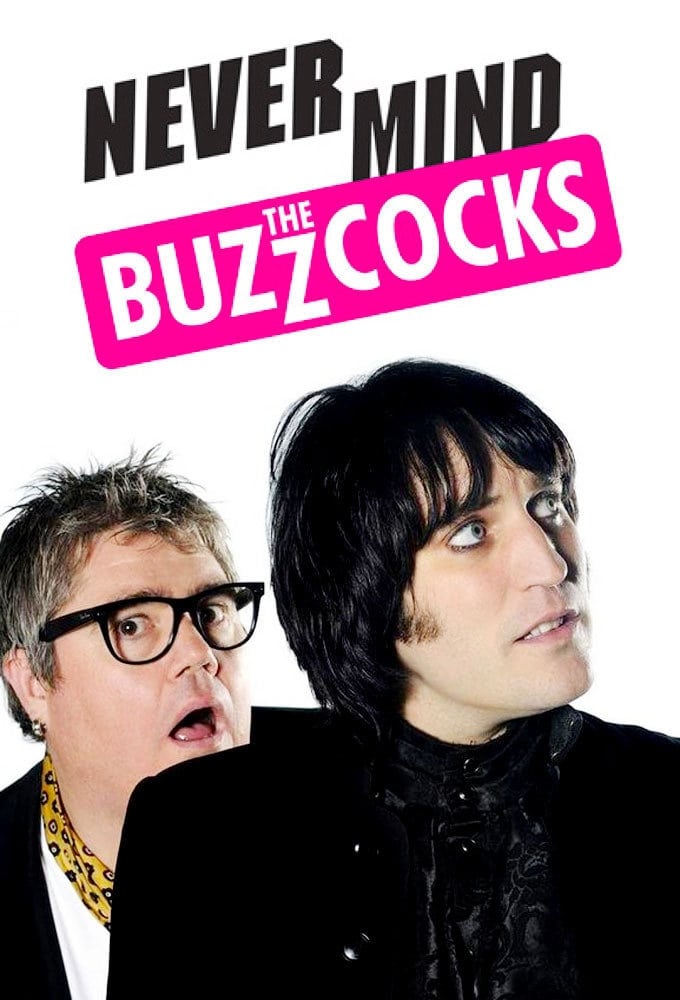
Never Mind the Buzzcocks is a comedy panel game show with a pop and rock music theme. The show is infamous for its dry, sarcastic humour and scathing, provocative attacks on the pop industry.
Nick Cannon and an A-list celebrity lead a team of improv comedians as they compete against each other.
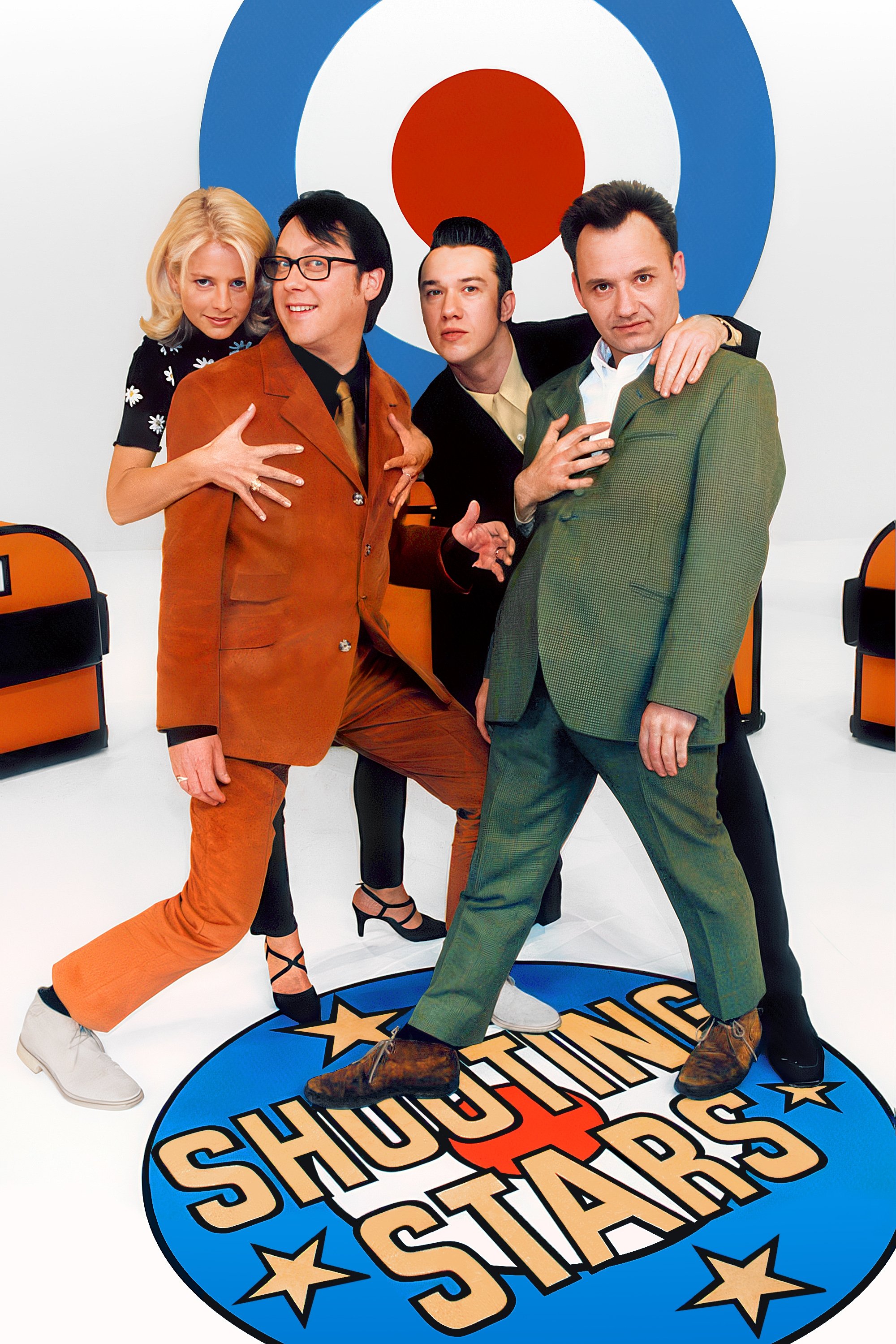
Shooting Stars is a British television comedy panel game broadcast on BBC Two as a pilot in 1993, then as 3 full series from 1995 to 1997, then on BBC Choice from January to December 2002 with 2 series before returning to BBC Two for another 3 series from 2008 until its cancellation in 2011. Created and hosted by double-act Vic Reeves and Bob Mortimer, it uses the panel show format but with the comedians' often slapstick, surreal and anarchic humour does not rely on rules in order to function, with the pair apparently ignoring existing rules or inventing new ones as and when the mood takes them.
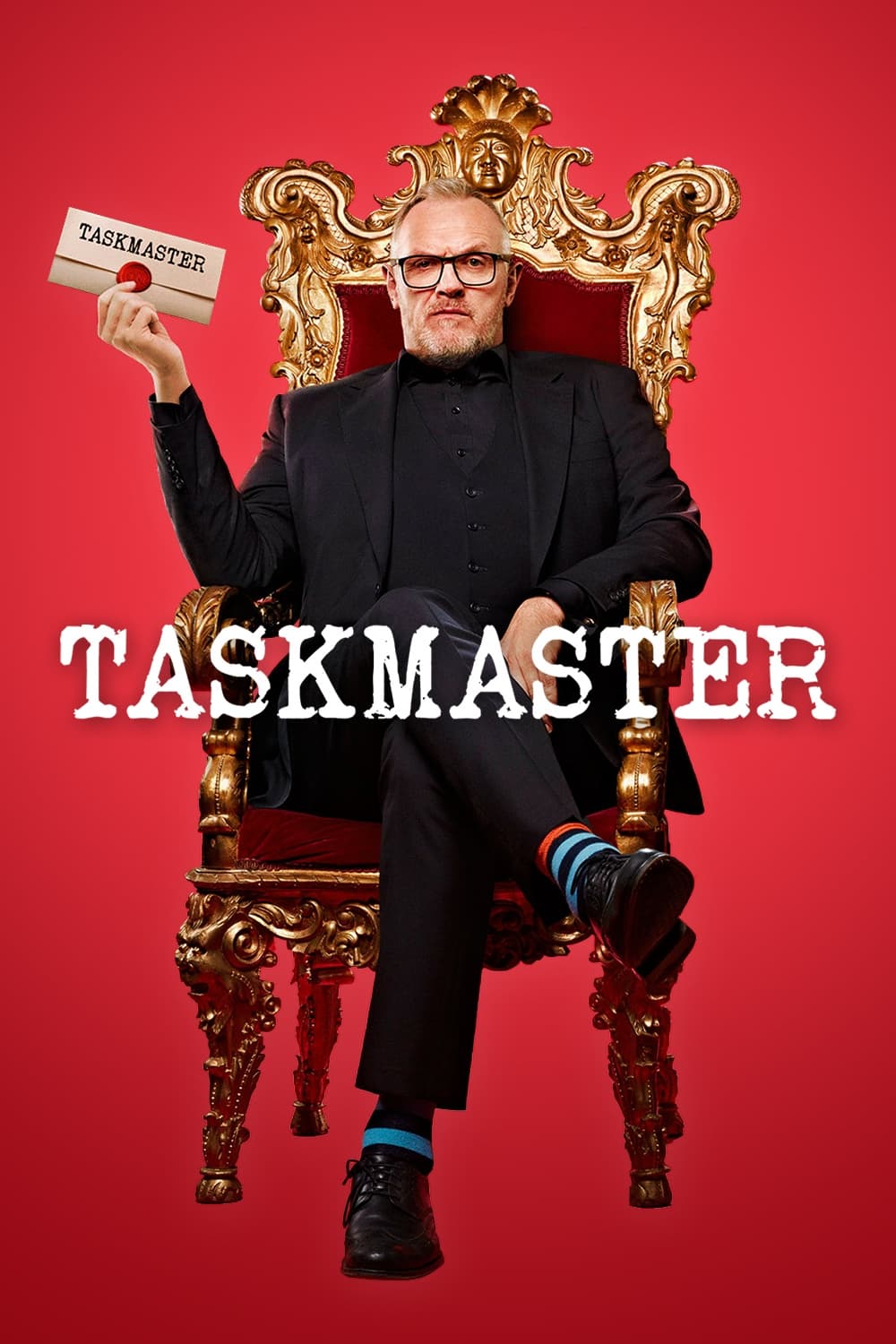
Greg Davies is the Taskmaster, and with the help of his ever-loyal assistant Alex Horne, they will set out to test the wiles, wit, wisdom and skills of five hyper-competitive comedians. Who will be crowned the Taskmaster champion?
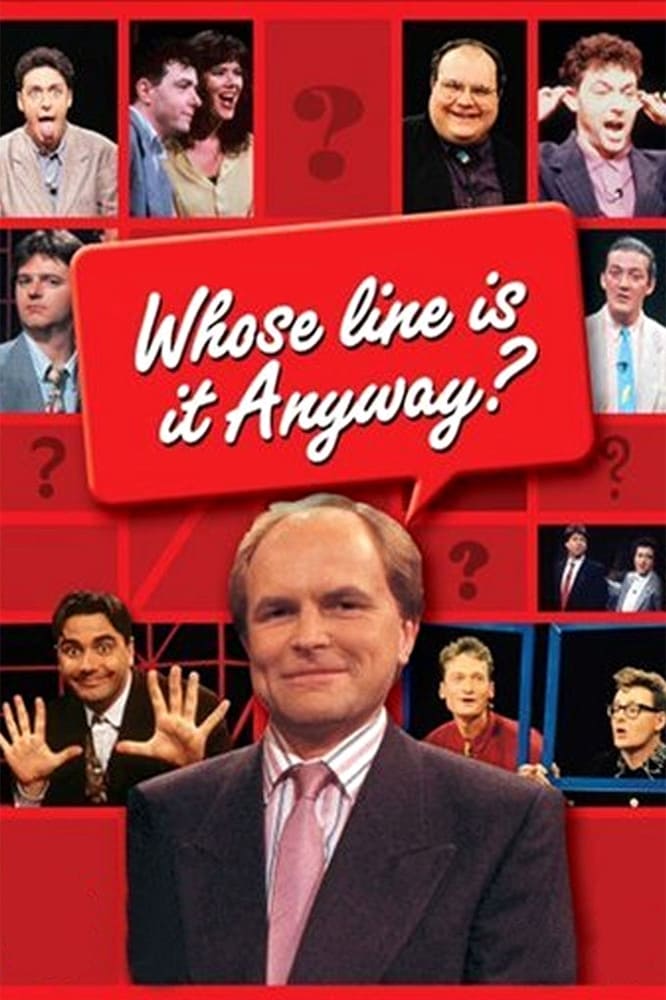
An un-scripted comedy show in which four guest performers improvise their way through a series of games, many of which rely on audience suggestions.
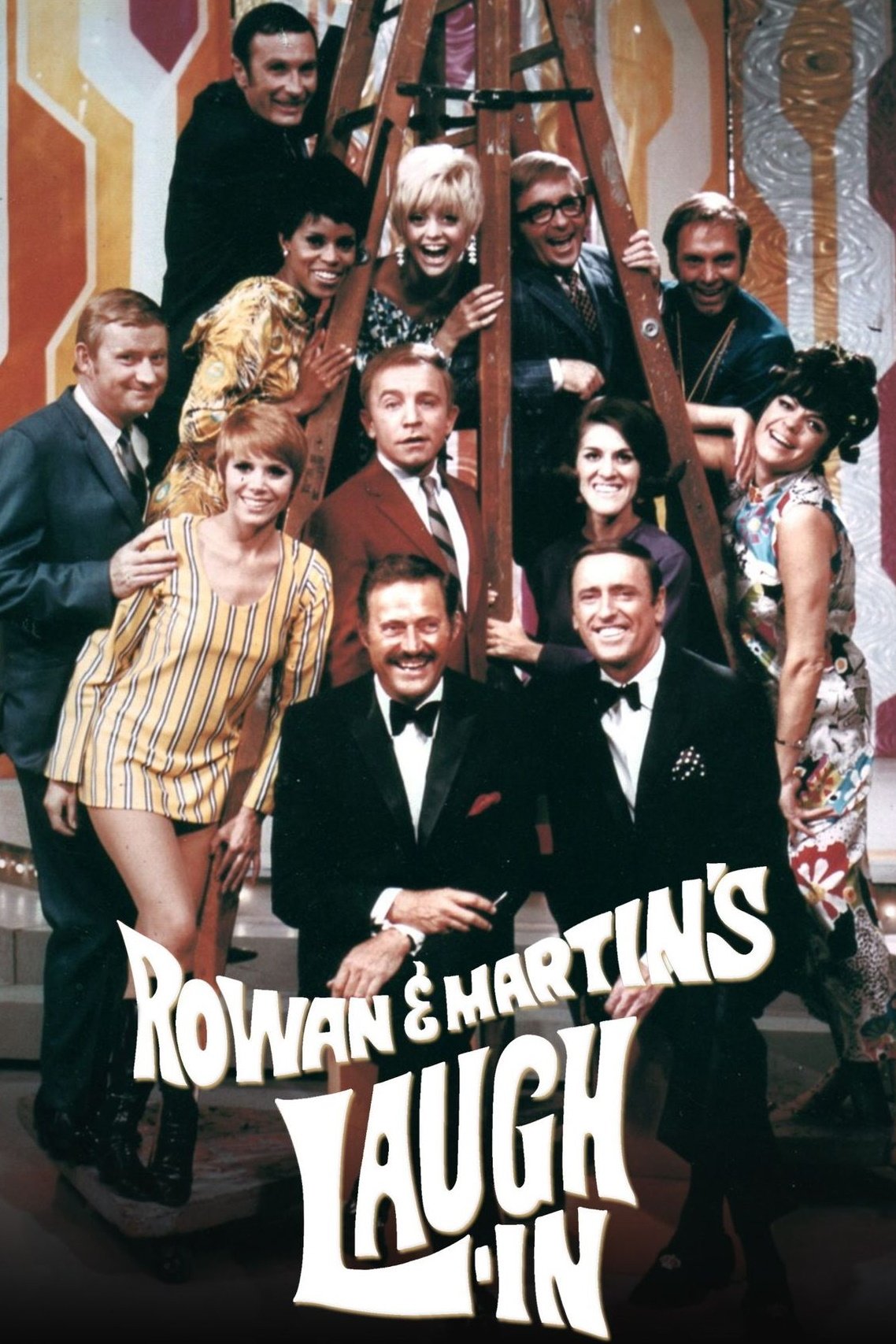
An American sketch comedy television program hosted by comedians Dan Rowan and Dick Martin.
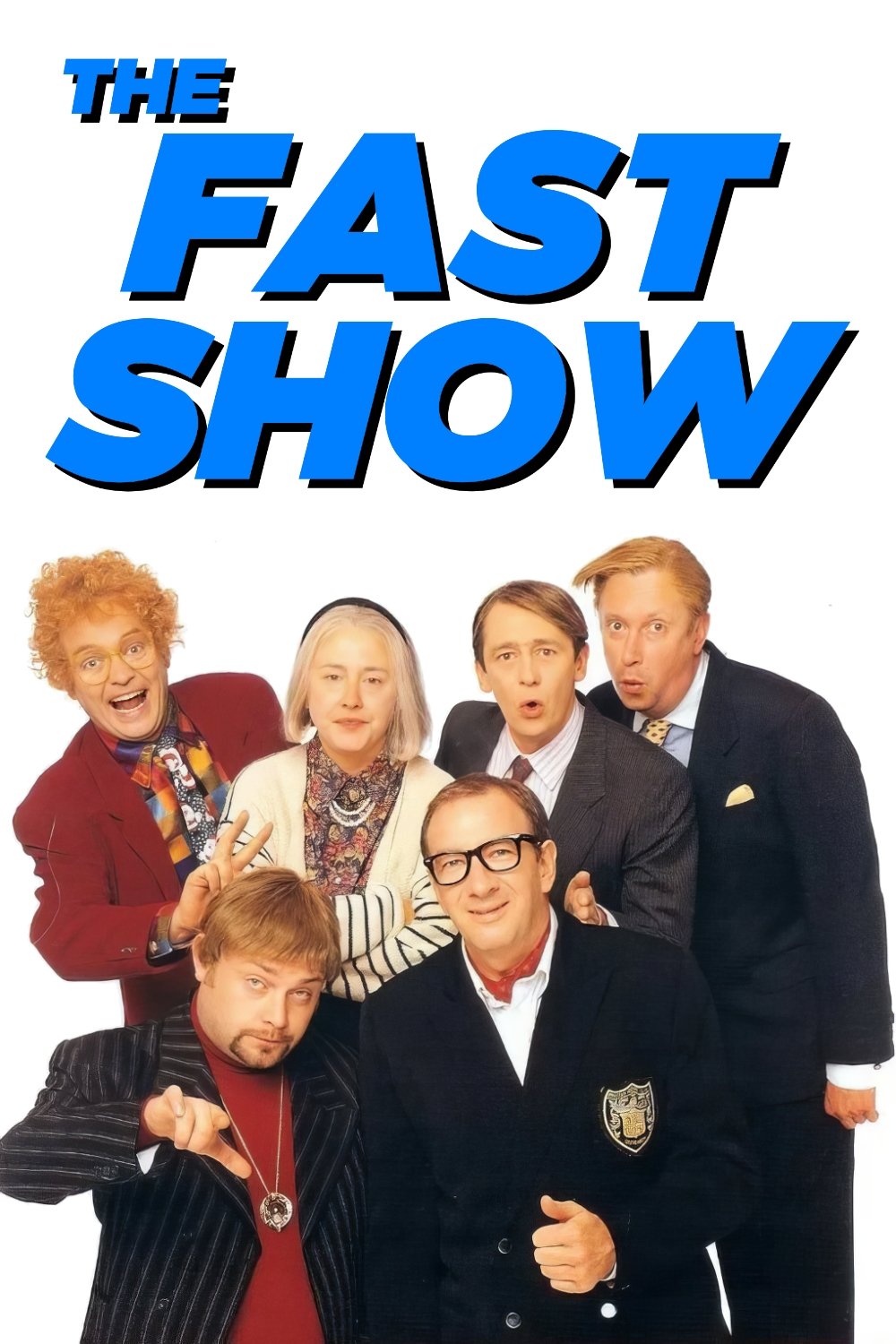
The Fast Show is a multi BAFTA award winning sketch comedy show written and produced by Paul Whitehouse and Charlie Higson.
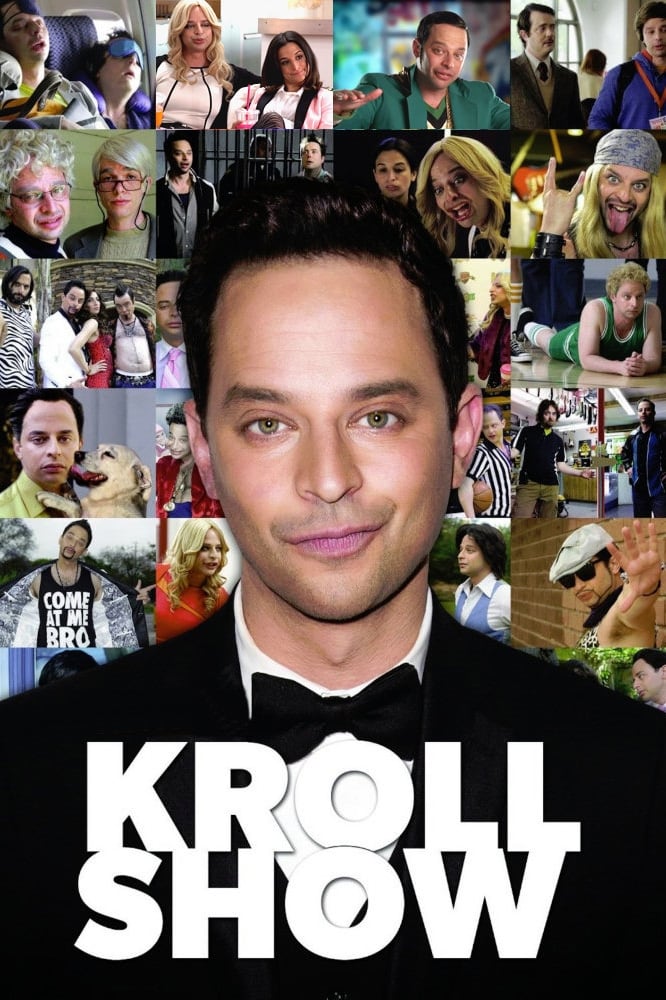
Kroll Show is an American sketch comedy television series created by and starring comedian Nick Kroll.
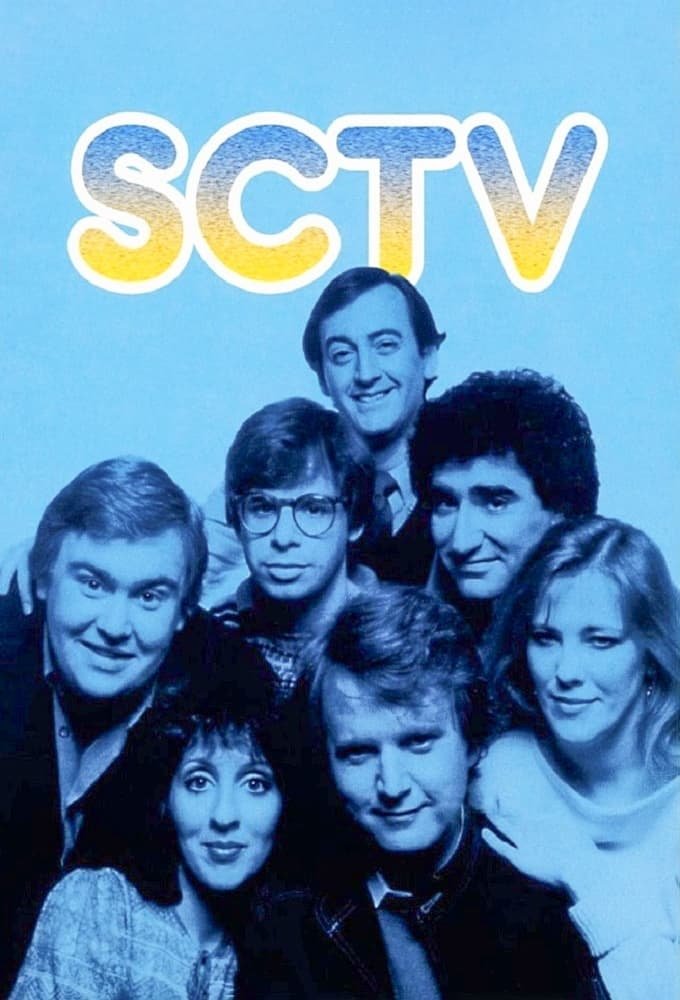
Second City Television is a Canadian television sketch comedy show offshoot from Toronto's Second City troupe that ran between 1976 and 1984.
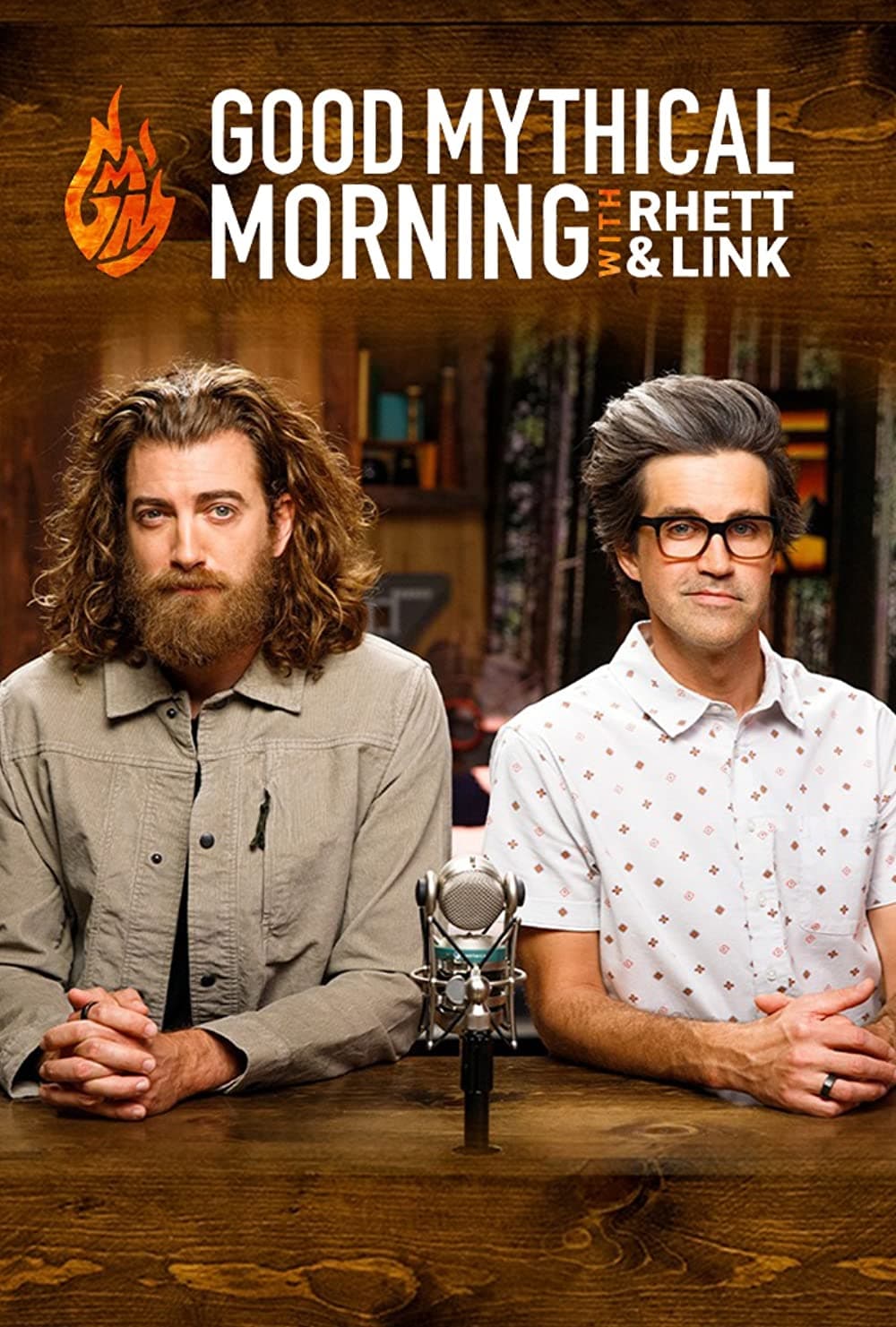
Two "Internetainers" (Rhett & Link) go far out and do the weirdest things, giving you a daily dose of casual comedy every Monday-Friday.
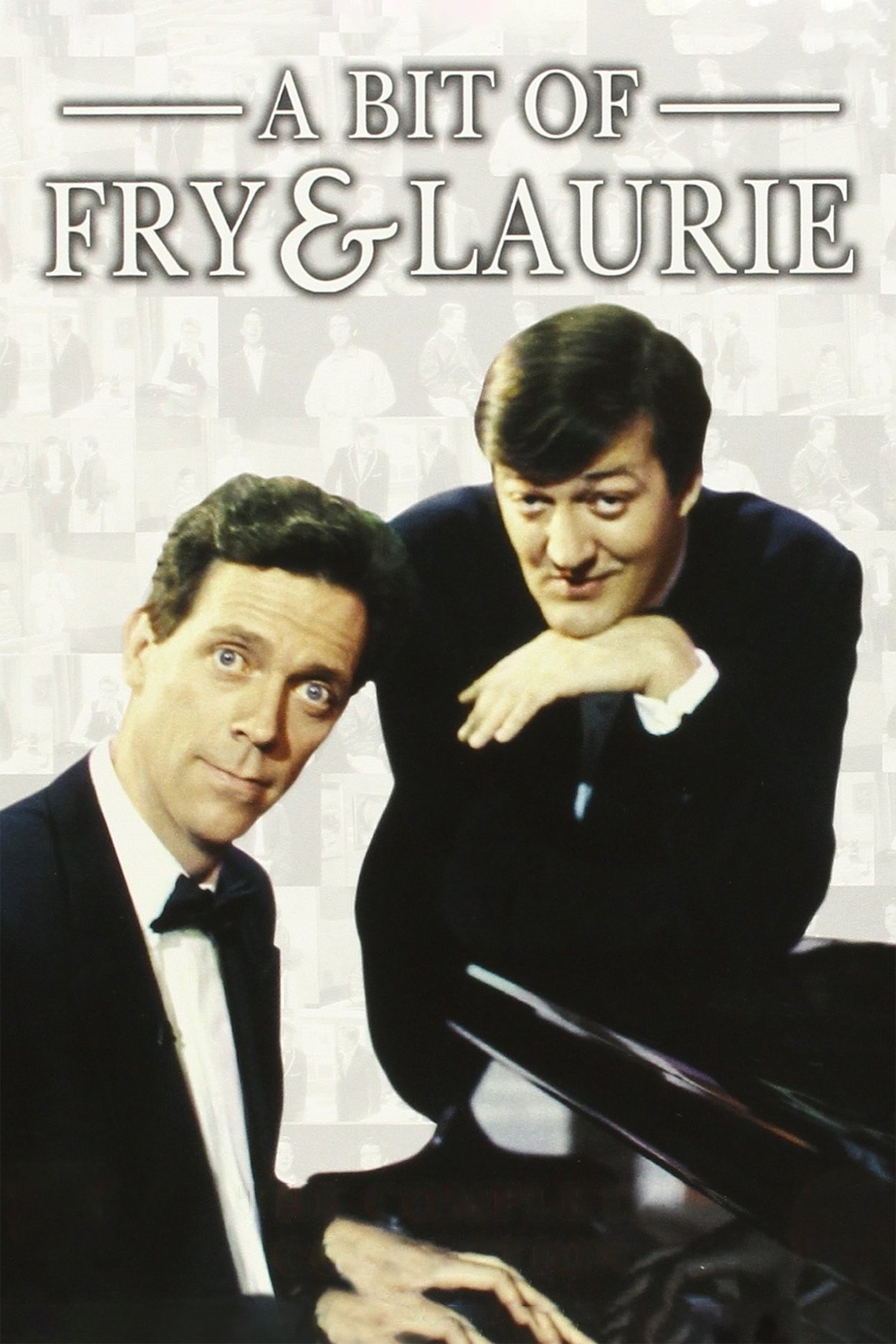
A British comedy television series with turns of phrase and elaborate wordplay, written by and starring former Cambridge Footlights members Stephen Fry and Hugh Laurie.
Celebrity pairings ride along in a car together as they sing tunes from their personal playlists and surprise fans who don't expect to see big stars belting out tunes one lane over.
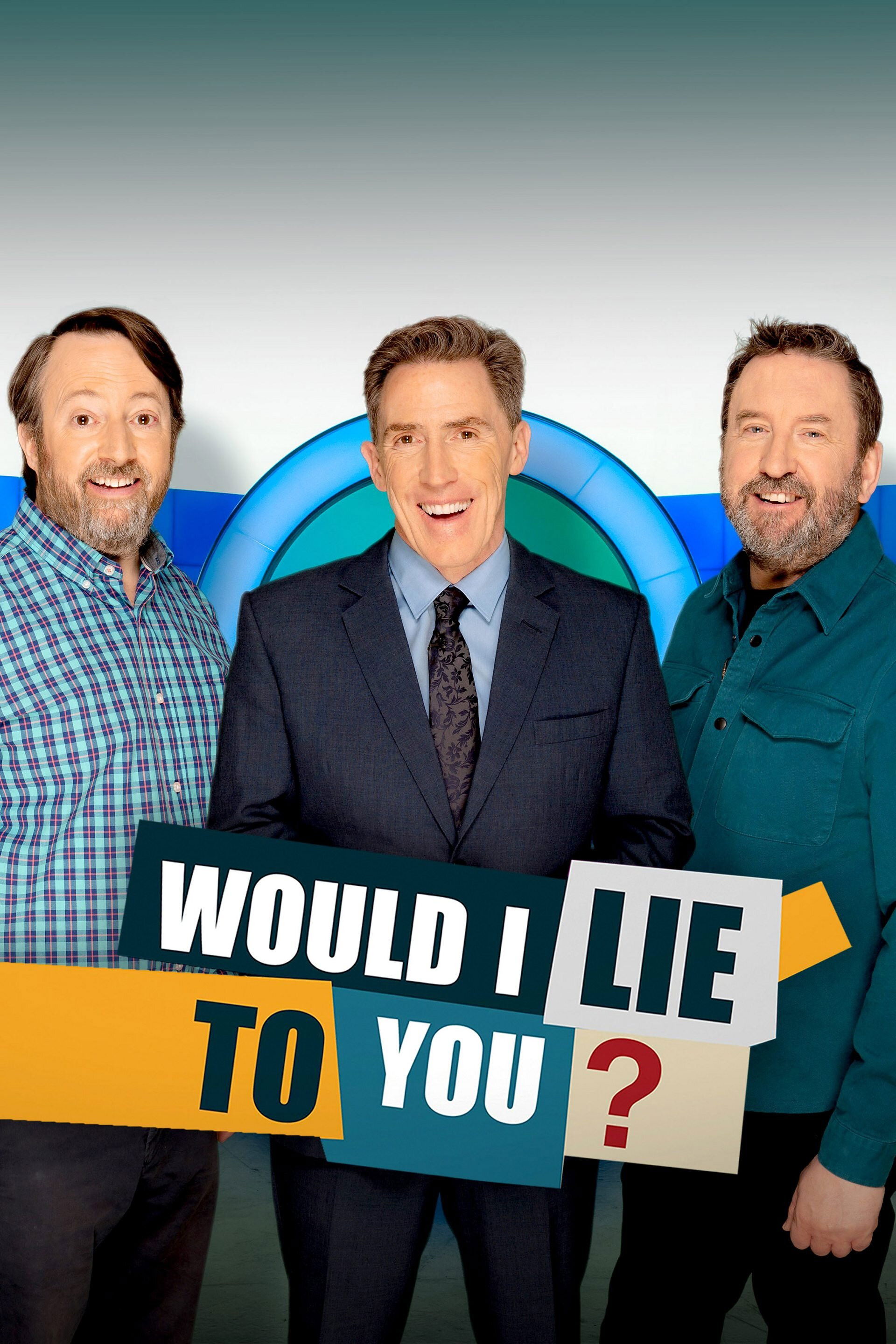
A comedic panel show featuring team captains Lee Mack and David Mitchell plus two guests per side, hosted by Rob Brydon (formerly Angus Deayton). Each person must reveal embarrassing facts and outrageous lies during a series of different rounds including "Home Truths", "This Is My..." and "Quickfire Lies". It is up to the opposing team to tell tall tales from fantastic facts.
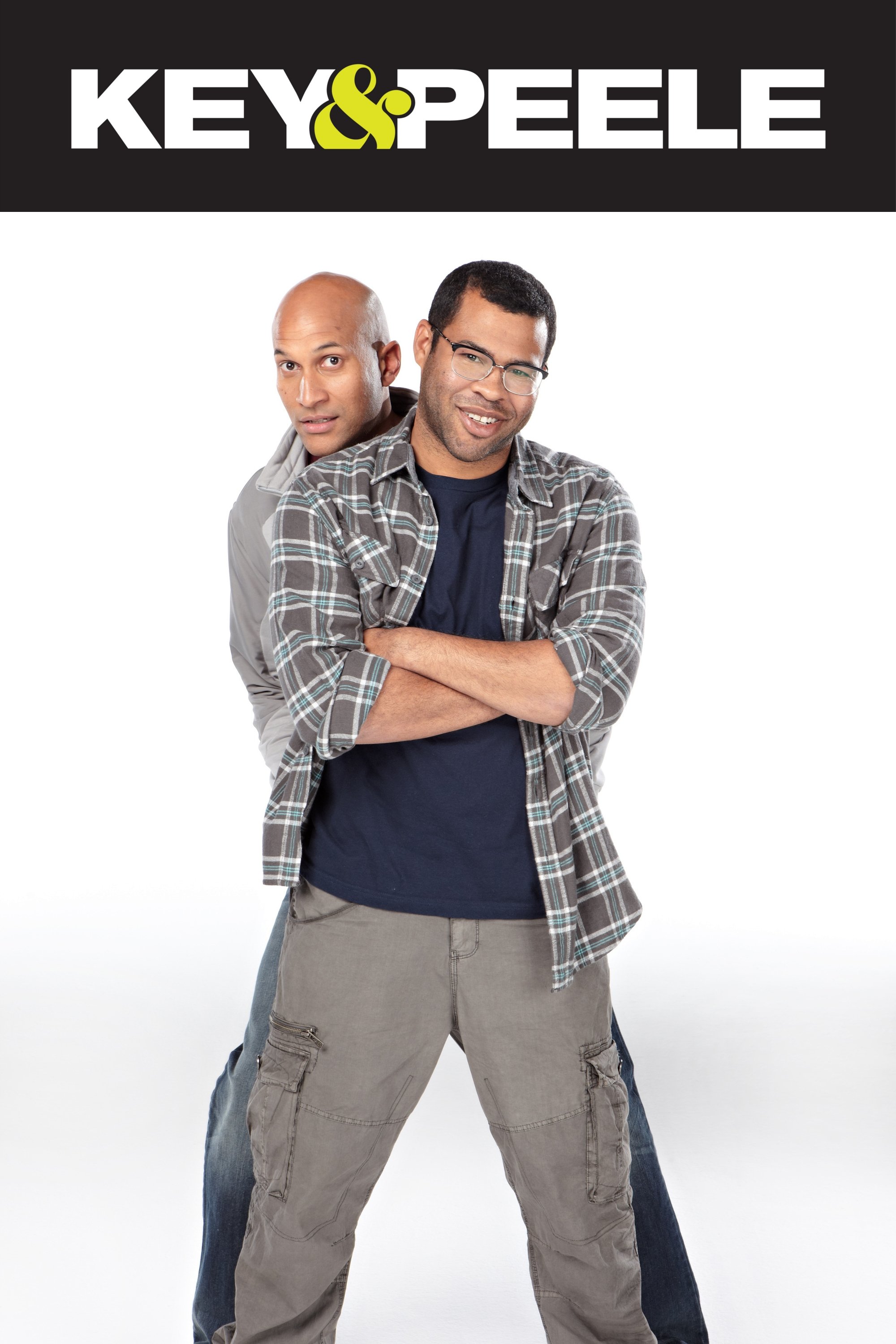
Key & Peele is an American sketch comedy television show. It stars Keegan-Michael Key and Jordan Peele, both former cast members of MADtv. Each episode of the show consists of several pre-taped sketches starring the two actors, introduced by Key and Peele in front of a live studio audience.
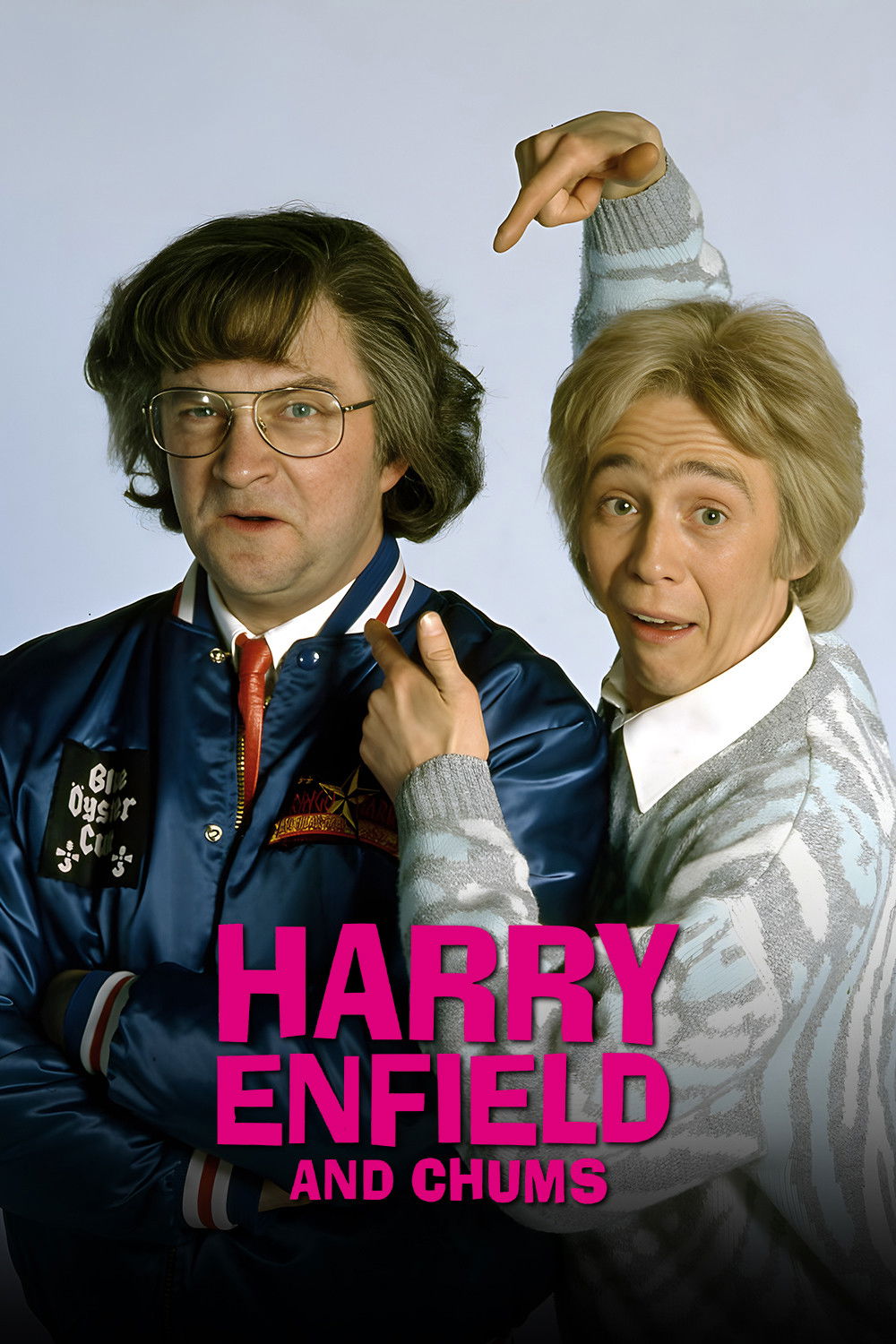
Harry Enfield, Kathy Burke, Paul Whitehouse and others take on an array of oddball characters and old-time favorites in this sketch comedy show.
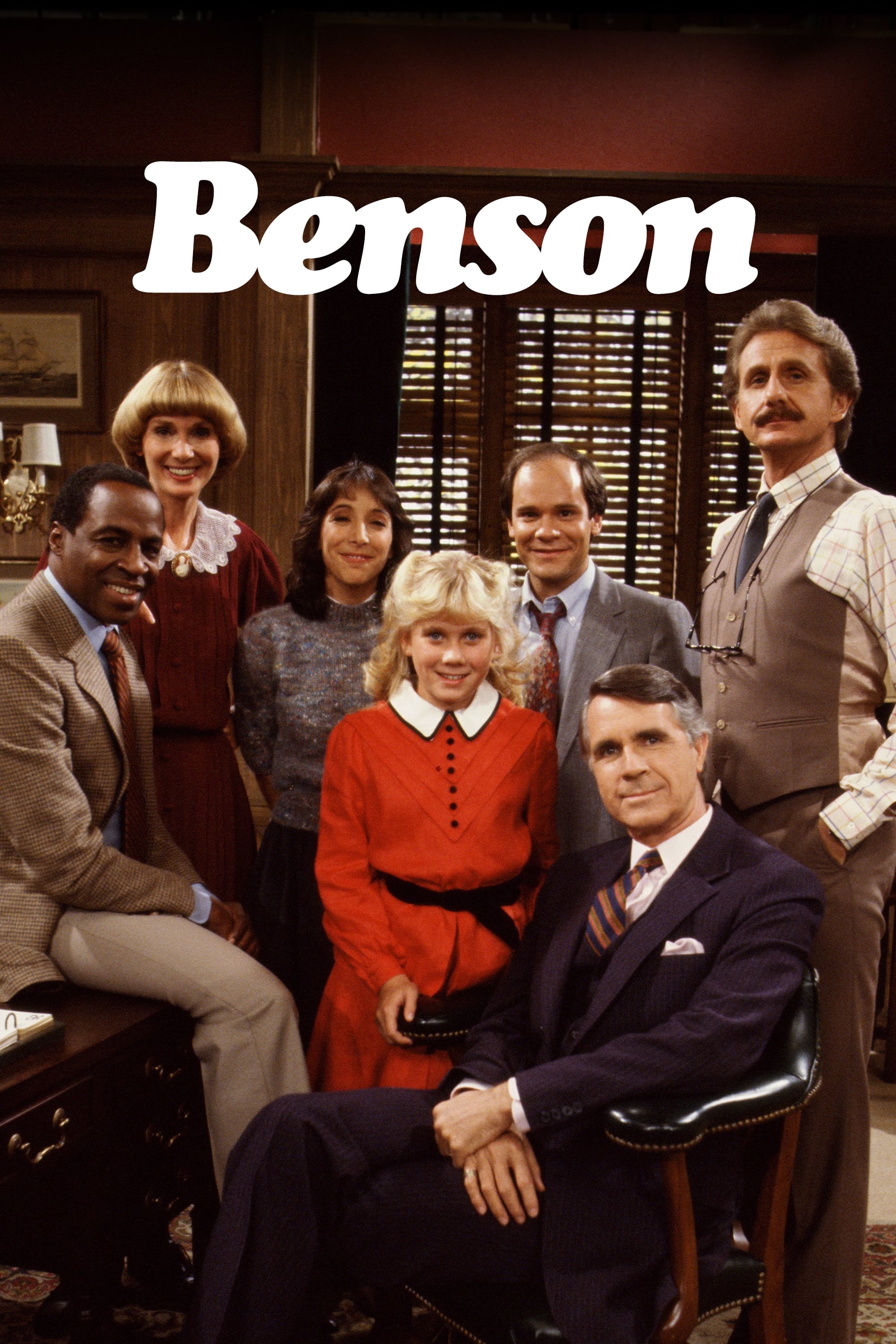
A butler deals with life at the governor's mansion.
French and Saunders is a British sketch comedy television series written by and starring comic duo Dawn French and Jennifer Saunders. It is also the name by which the performers are known on the occasions when they appear elsewhere as a double act.
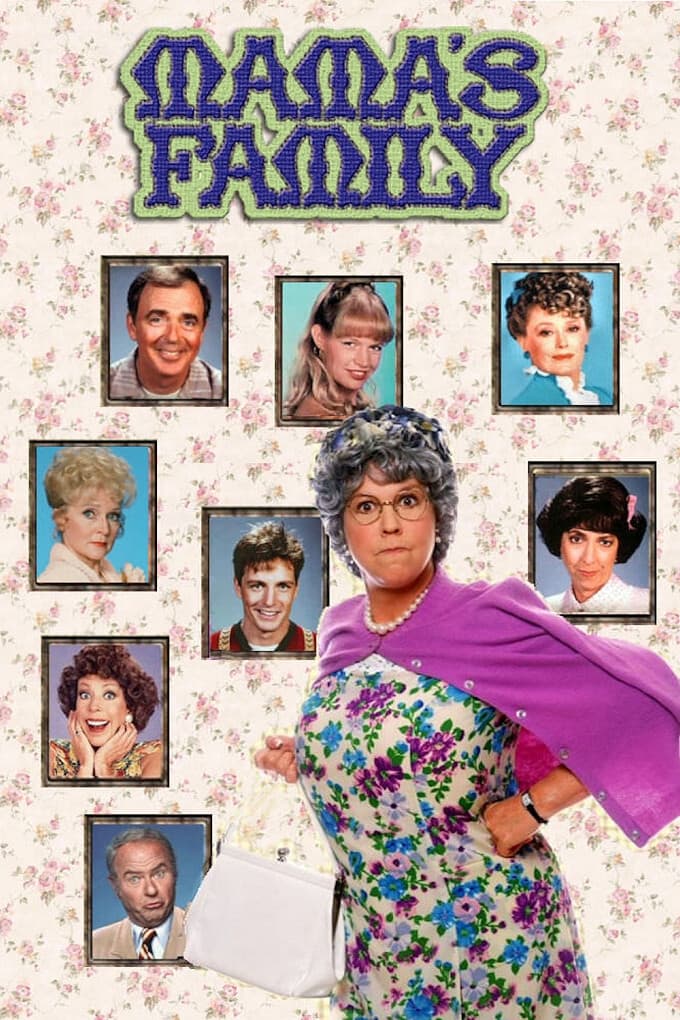
Thelma Harper and her spinster sister Fran open their home to Thelma's recently divorced son Vinton and his teenage son and daughter. It's quite an adjustment for everyone, especially the cranky, argumentative Thelma.
The office politics and interpersonal relationships among the staff of WNYX NewsRadio, New York's #2 news radio station.
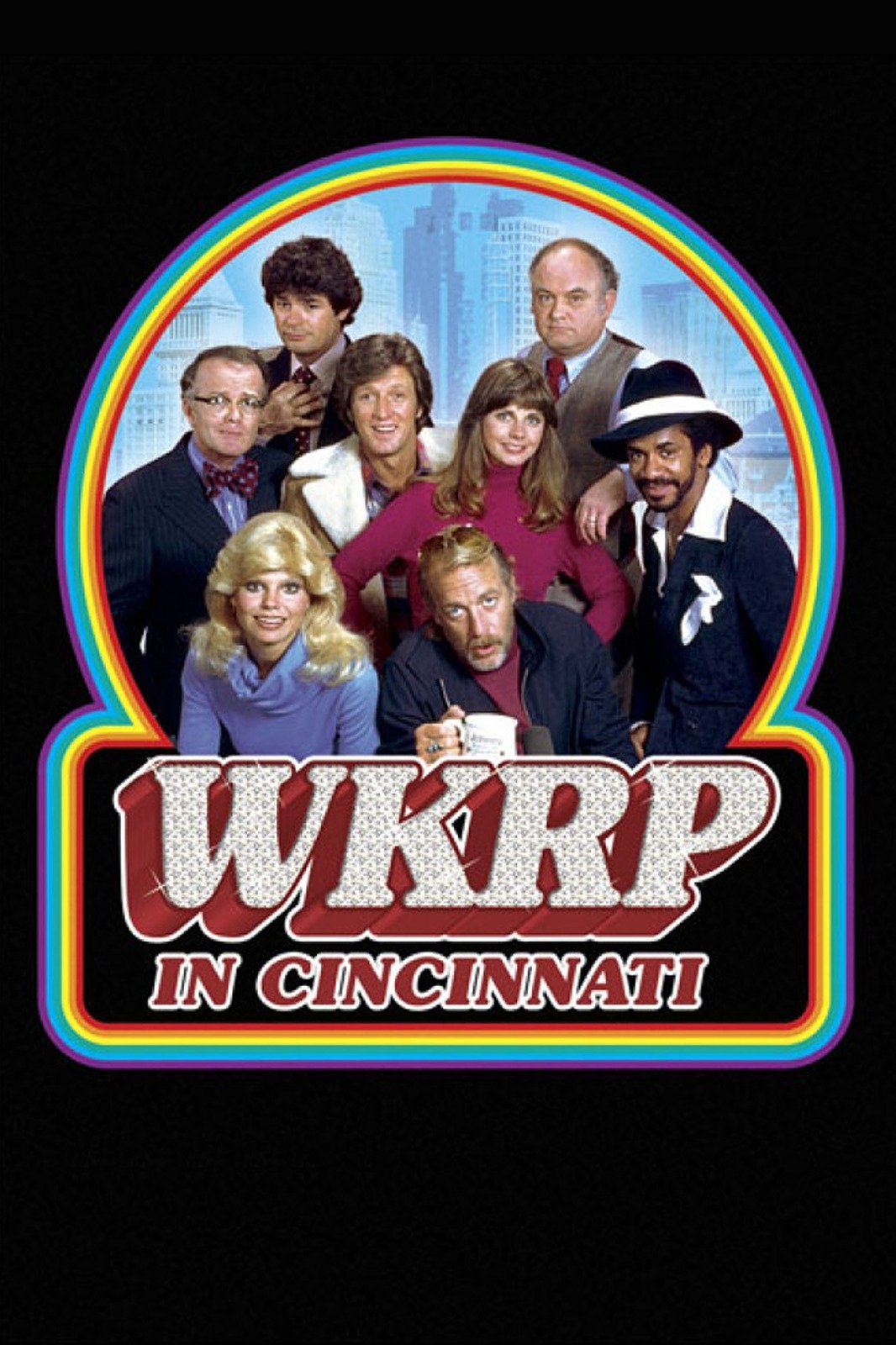
When a Cincinnati radio station switches from sedate music to top-40 rock 'n' roll, its staff of oddball characters is forced to switch gears quickly. New programming director Andy Travis brings in a new DJ named Venus Flytrap to work with the station's burned-out veteran, Dr. Johnny Fever. Neurotic newsman Les Nessman, eager beaver Bailey Quarters, sleazy salesman Herb Tarlek, blonde bombshell Jennifer Marlowe, who serves as the station's ultra-capable receptionist, and station manager Arthur Carlson, whose domineering mother owns WKRP, round out the eccentric bunch.