
Over 80 per cent of Madagascar's animals and plants are found nowhere else on Earth. Discover what made Madagascar so different from the rest of the world, and how evolution ran wild here.
Social & External
The people behind it
David Attenborough
Self - Presenter
John Brown
Self
Pam Fogg
Tim Fogg
Ian Gray
The series will deploy the most advanced Spy Creatures ever created to infiltrate groups of apes and monkeys. Sophisticated AI will enhance the Spies ability to communicate, allowing them to use the same calls and facial expressions as the primates they encounter.
Explore the raw beauty and awesome natural power of the Great Canadian Wilderness - the largest untouched wilderness in the world.
Series showcasing Scotland's wildlife, habitats and scenery. Scotland is moving into a new age of the Wild. Driven by the passion of youth and a spirit of innovation, the re-wilding of the Nation has become a flagship issue for the 21st Century. With a new appreciation of the wild and its wildlife the future of Scotland’s most iconic habitats may be wilder than we could ever imagine …..
David Attenborough uses pioneering 3D-techniques and technology to explore the unique environments and species of the Galapagos.
The fascinating life of dedicated zookeepers of Parc Safari, one of the largest zoos in Quebec.
The dedicated team at the Houston Society for the Prevention of Cruelty to Animals, a private charity, responds to a variety of distress calls involving an average of more than 100 animals per day. This series documents the work they do, from the initial investigation through, in some cases, the animals being adopted into loving homes.
Long-running travel programme
See It Now is an American newsmagazine and documentary series broadcast by CBS from 1951 to 1958. It was created by Edward R. Murrow and Fred W. Friendly, Murrow being the host of the show. From 1952 to 1957, See It Now won four Emmy Awards and was nominated three other times. It also won a 1952 Peabody Award, which cited its
Geologist Iain Stewart explain in three stages of natural history the crucial interaction of our very planet's physiology and its unique wildlife. Biological evolution is largely driven bu adaptation to conditions such as climate, soil and irrigation, but biotopes were also shaped by wildlife changing earth's surface and climate significantly, even disregarding human activity.
Australian host Steve Irwin and his wife Terri run a wildlife refuge. Their shared passion is educating the world about wildlife, including the much feared crocodile and numerous venomous snakes. Steve's specialty is the capture and relocation of crocodiles. No animal appears too threatening to Steve, his true respect for animals is the foundation for everything he does.
Meerkat Manor is a British television programme produced by Oxford Scientific Films for Animal Planet International that premiered in September 2005 and ran for four series until its cancellation in August 2008. Blending more traditional animal documentary style footage with dramatic narration, the series told the story of the Whiskers, one of more than a dozen families of meerkats in the Kalahari Desert being studied as part of the Kalahari Meerkat Project, a long-term field study into the ecological causes and evolutionary consequences of the cooperative nature of meerkats. The original programme was narrated by Bill Nighy, with the narration redubbed by Mike Goldman for the Australian airings and Sean Astin for the American broadcasts. The fourth series, subtitled The Next Generation, saw Stockard Channing replacing Astin as the narrator in the American dubbing.
Ronan Donovan, our expert guide and National Geographic photographer, takes the audience on an intimate exploration of the Arctic during the endless day of the summer months, giving insight to the unexpected abundance of the 'Garden of the Arctic' in Wolf Valley as he attempts to embed with a wolf family pack.
This delightful new series gets under the sometimes leathery skin of our animal friends, exploring how we live with them, care for them and also rely on them to protect and defend as well as comfort us in our time of need. The series also takes a look at the individual personalities of our beloved pets, including the way in which they communicate and how they cope with domestication, as well as exploring some of their quirkier moments.
Roam South Luangwa National Park in Eastern Zambia with cameraman Julz Braatvedt as he follows three wild dog packs during the dry season. Capture their triumphs and disasters during this tough time of the year in the world-famous wildlife sanctuary.
Bees are disappearing fast, with 46% of species having declined in the past 10 years; Jimmy Doherty looks at the reasons why, and rallies the people of Peterborough to bring back the bees.
Baboons with Bill Bailey is a wildlife documentary series presented by Bill Bailey. The series follows Bill as he attempts to find out more about the lives of baboons who are living in several colonies in Cape Town, South Africa.
David Attenborough reveals the drama unfolding in the hidden wild world of Britain's backyards. Because even in familiar surroundings, the rules of the wild are still in force.
The people, places and stories making news in the British countryside.
David Attenborough presents a documentary series exploring how animals meet the challenges of surviving in the most iconic habitats on earth.
Filmed across six continents, this docuseries uses cutting-edge camera technology to capture animals' nocturnal lives, revealing new behaviours filmed in full color like never before.
Natural World is a nature documentary television series broadcast annually on BBC Two and regarded by the BBC as its flagship natural history brand. It is currently the longest-running series in its genre on British television, with more than 400 episodes broadcast since its inception in 1983. Natural World is produced by the BBC Natural History Unit in Bristol, but individual programmes can be in-house productions, collaborative productions with other broadcasters or films made and distributed by independent production companies and purchased by the BBC. Natural World programmes are often broadcast as PBS Nature episodes in the USA. Since 2008, most Natural World programmes have been shot and broadcast in high definition.
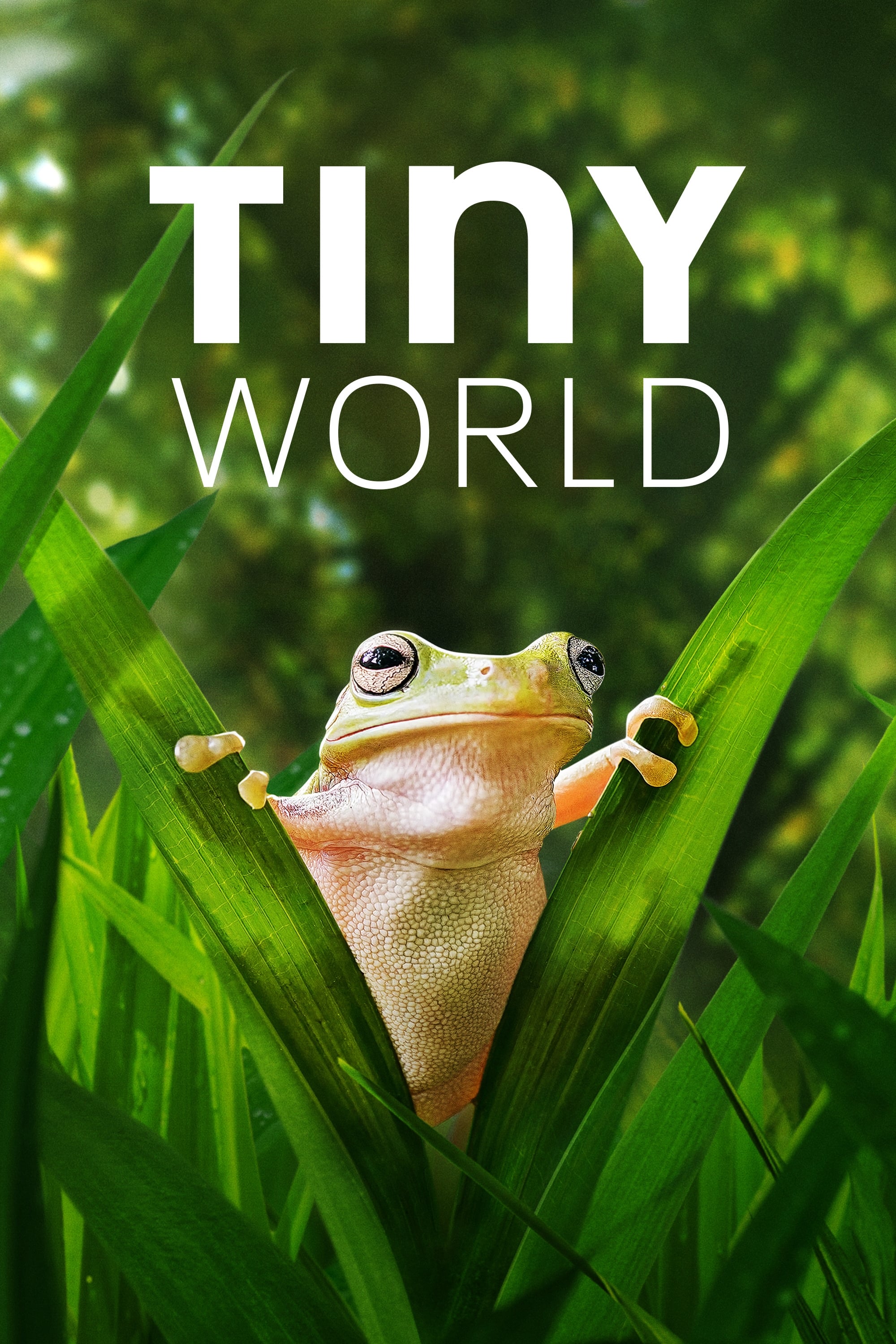
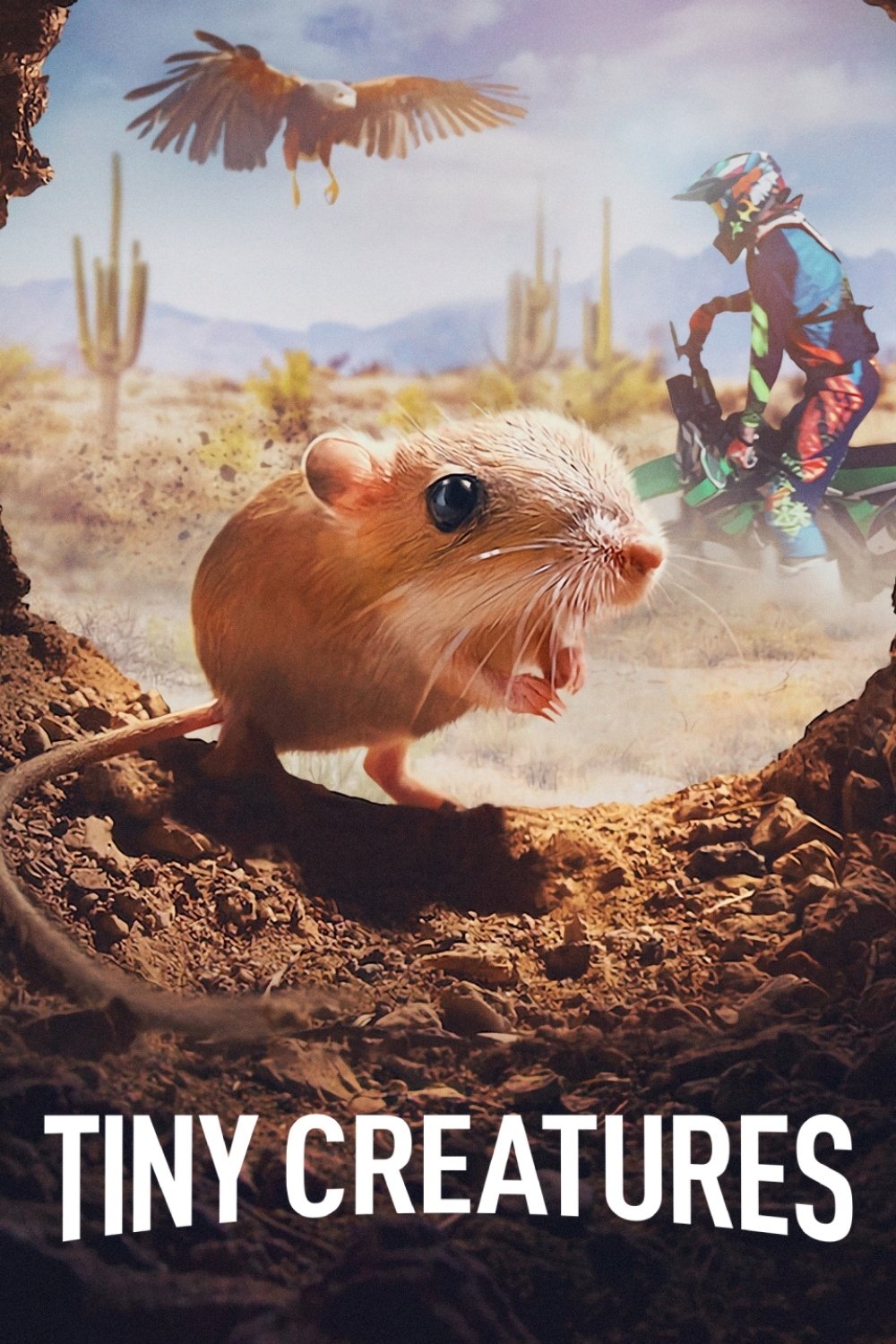
This docuseries showcases nature's lesser-known tiny heroes. Spotlighting small creatures and the extraordinary things they do to survive, each episode is filled with surprising stories and spectacular cinematography.
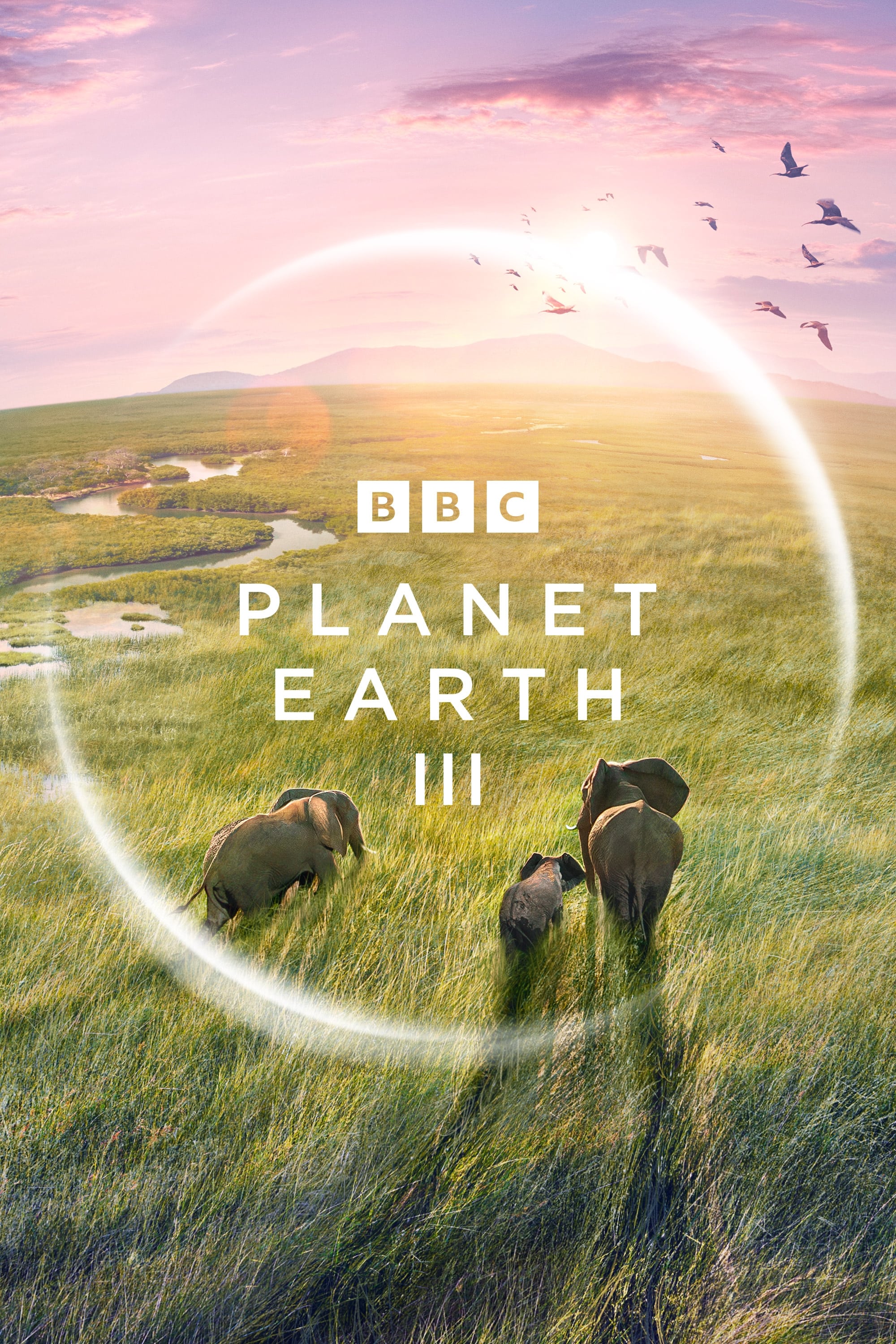
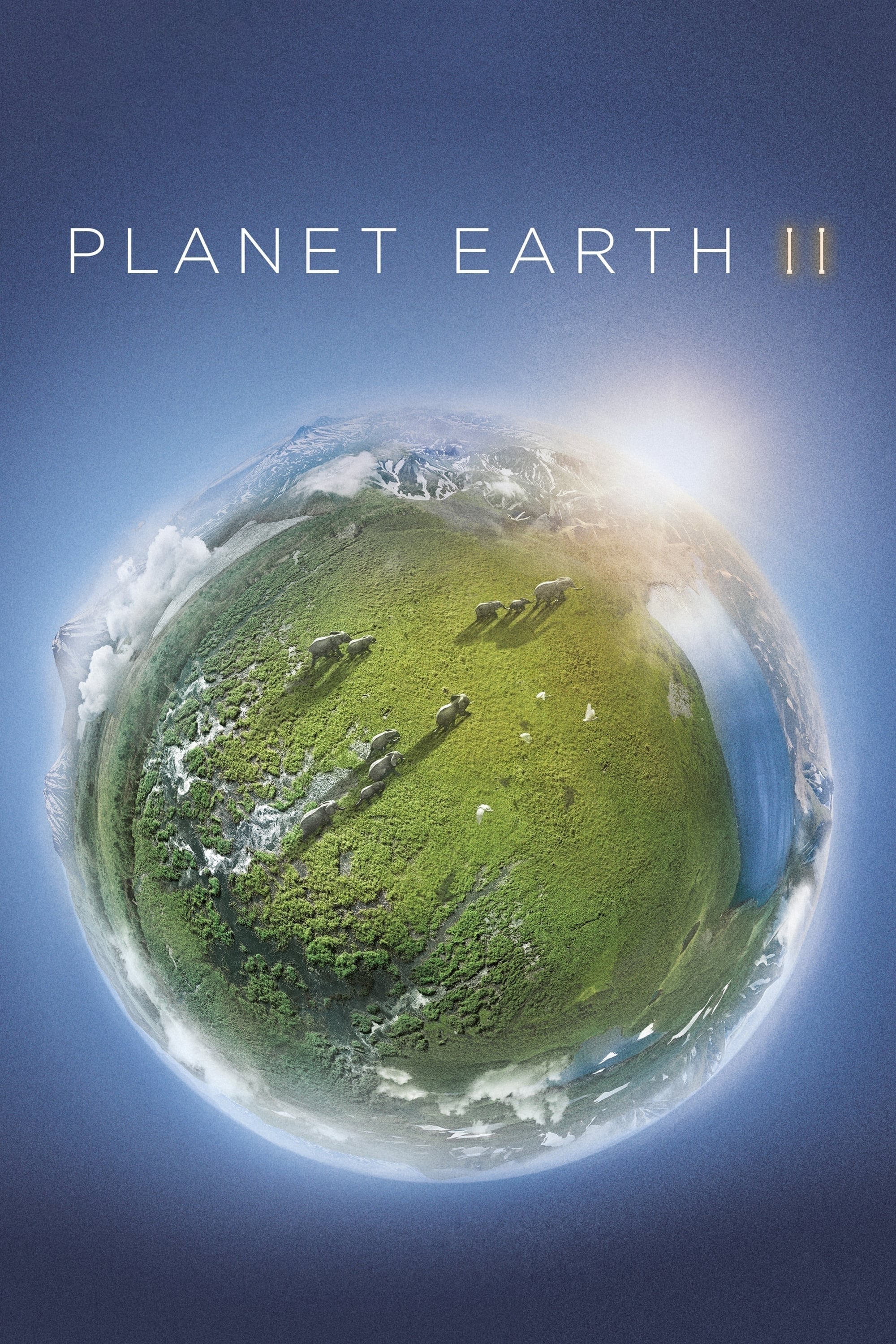
David Attenborough celebrates the amazing variety of the natural world in this epic documentary series, filmed over four years across 64 different countries.
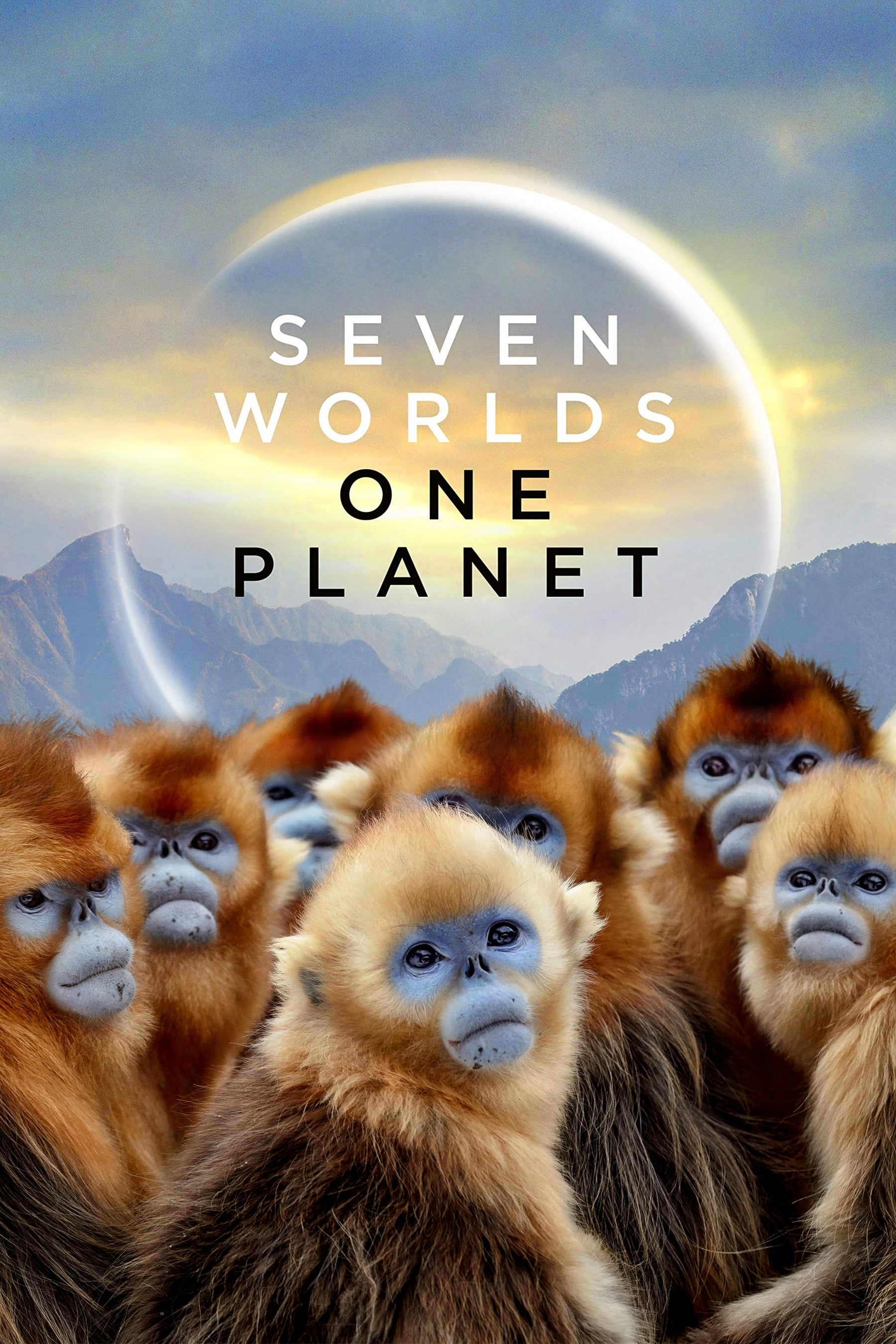
Millions of years ago, incredible forces ripped apart the Earth’s crust creating seven extraordinary continents. This documentary series reveals how each distinct continent has shaped the unique animal life found there.
Shot from land and air, in trees and cliff-blinds, on ice floes and underwater, this documentary tells the powerful stories of many of the planet's species and their movements, while revealing new scientific insights with breathtaking high-definition clarity and emotional impact. The beauty of these stories is underscored by a new focus into these species; fragile existence and their life-and-death quest for survival in an ever-changing world.
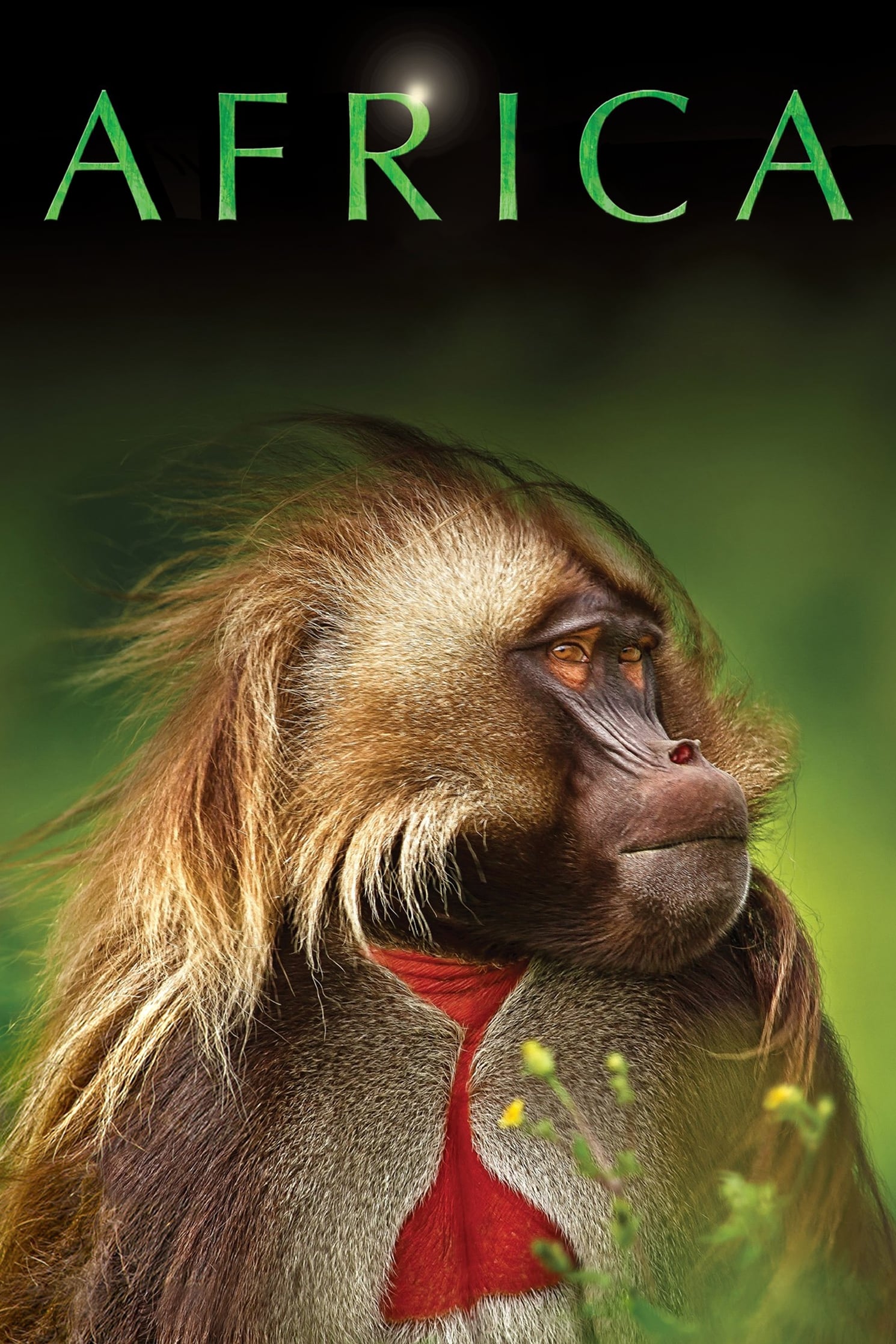
Africa, the world's wildest continent. David Attenborough takes us on an awe-inspiring journey through one of the most diverse places in the world. We visit deserts, savannas, and jungles and meet up with some of Africa's amazing wildlife.
This immersive series follows the world's most magnificent creatures, capturing never-before-seen moments from the heartwarming to the outrageous.
Consistently stunning documentaries transport viewers to far-flung locations ranging from the torrid African plains to the chilly splendours of icy Antarctica. The show's primary focus is on animals and ecosystems around the world. A comic book based on the show, meant to be used an as educational tool for kids, was briefly distributed to museums and schools at no cost in the mid-2000s.
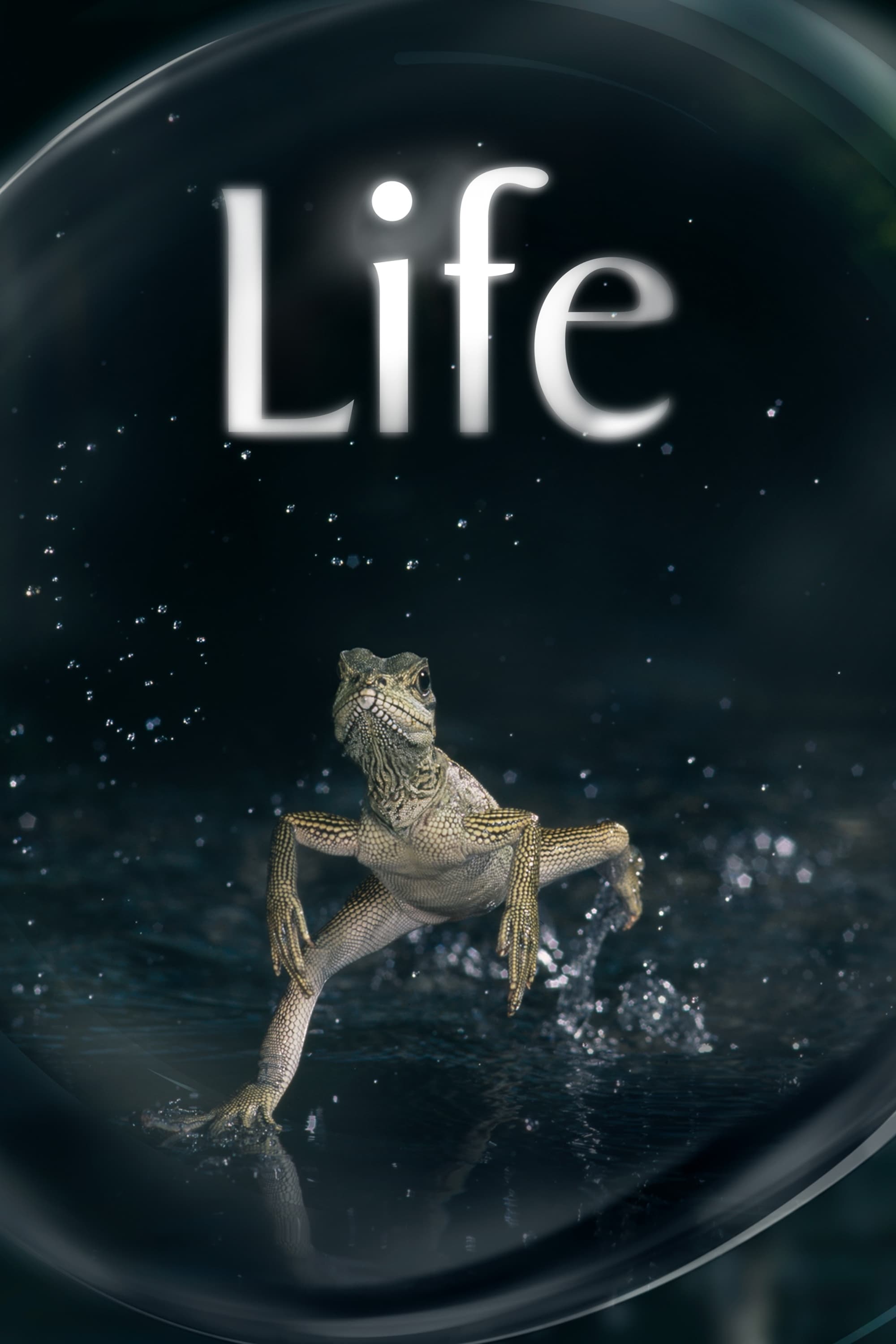
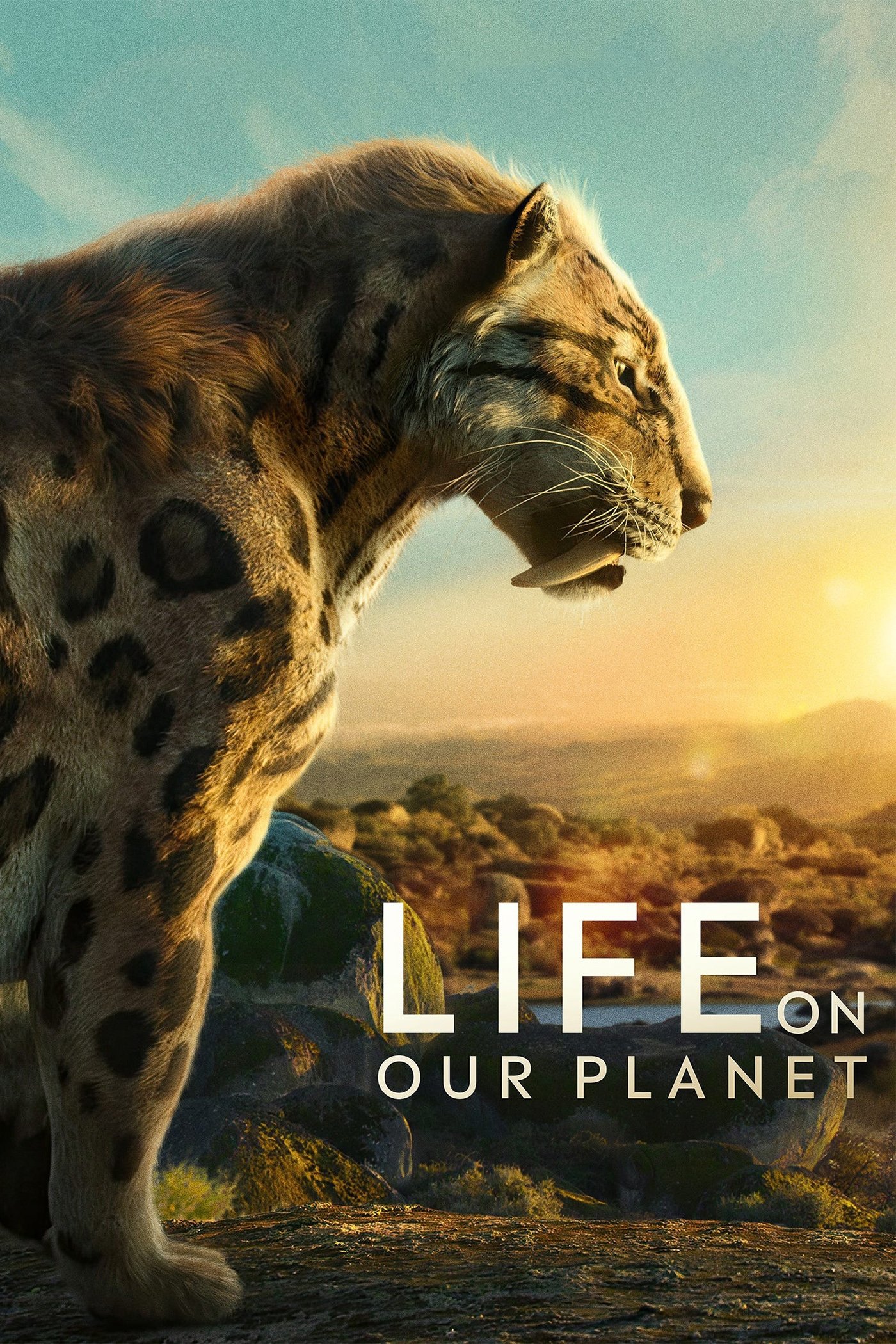
Life's extraordinary journey to conquer, adapt and survive on Earth across billions of years comes alive in this groundbreaking nature docuseries.
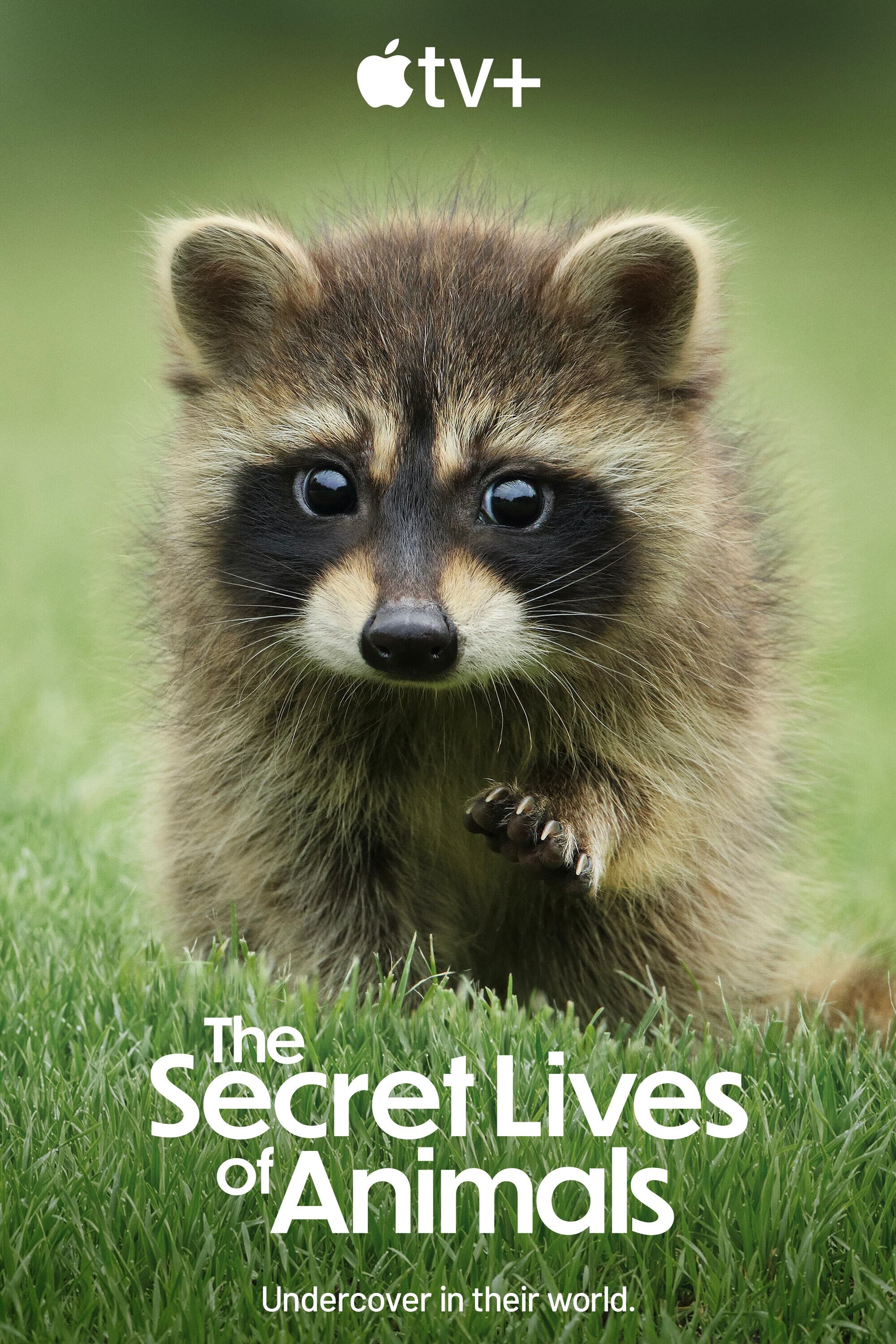
Discover the clever and creative ways animals navigate life’s most extraordinary challenges, from leaving home to finding a partner.
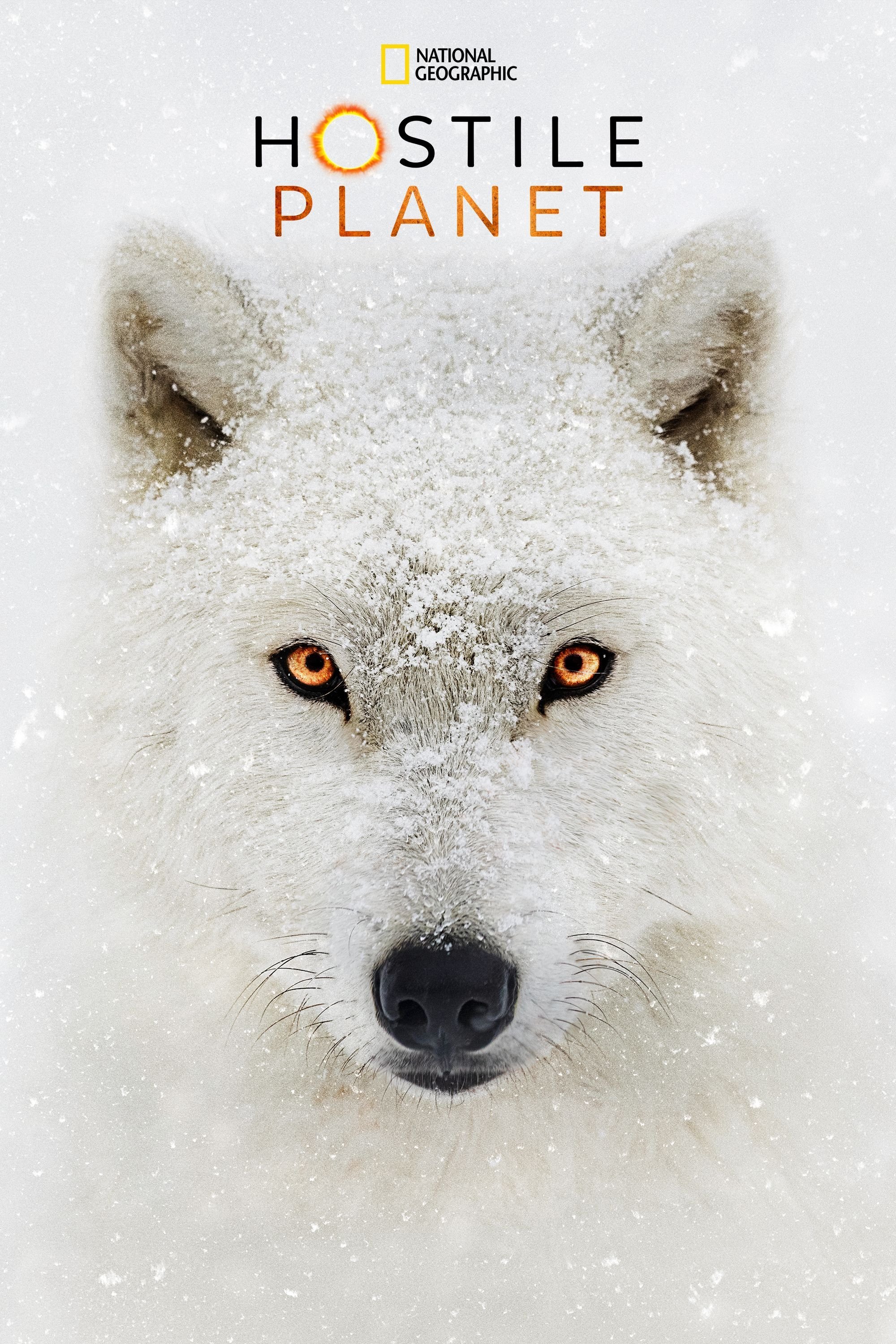
Journeying to the far reaches of our planet, this eight part series follows some of the world's most amazing species, telling extraordinary stories that are dramatic, thrilling, funny and sometimes heart-breaking, but always full of hope.
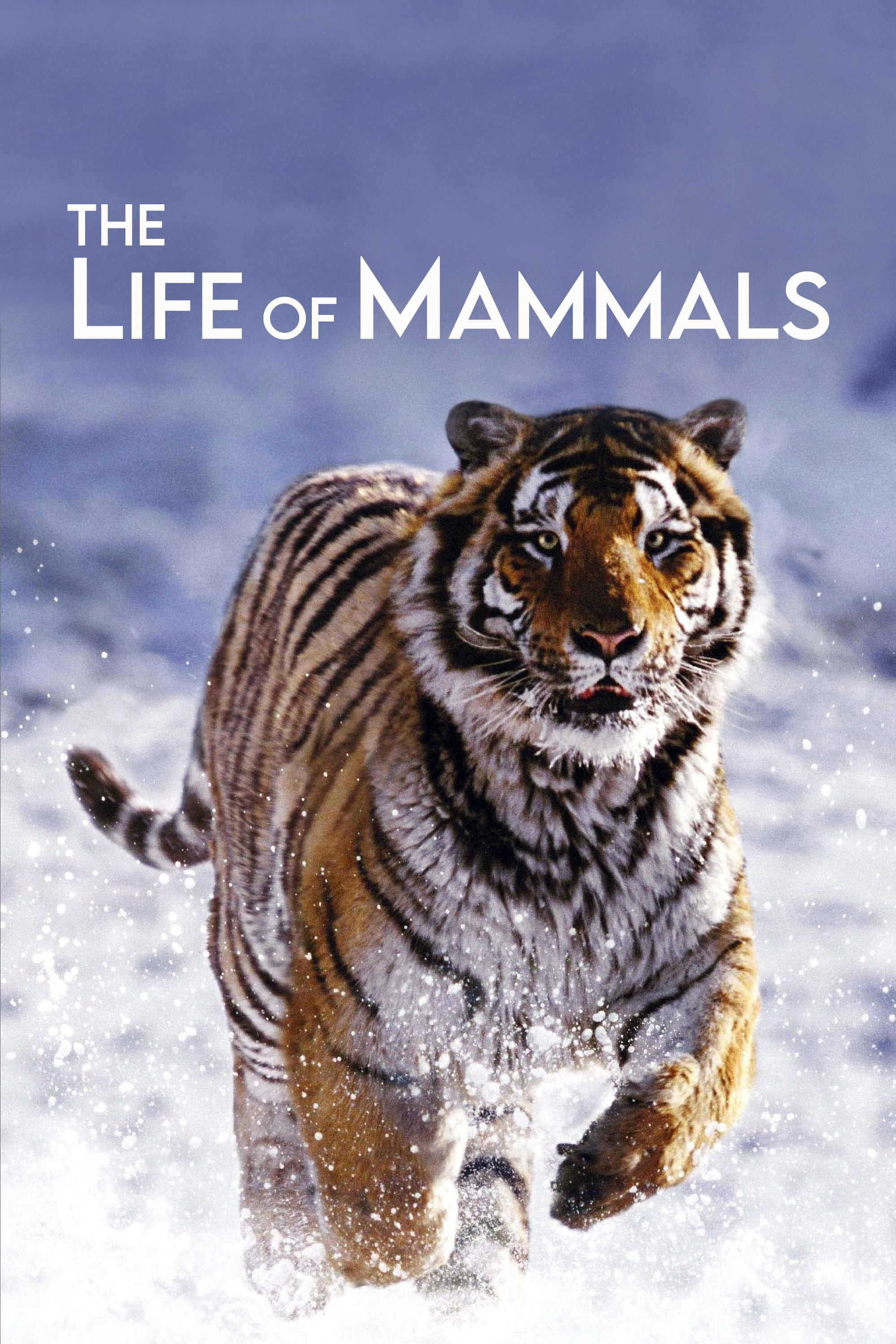
David Attenborough presents a nature documentary series looking at why mammals are the most successful creatures on the planet.
A vast community of chimpanzees thrives in a forest in Uganda, navigating complex social politics, family dynamics and dangerous territory disputes.
Follow the true stories of five of the world's most celebrated, yet endangered animals; penguins, chimpanzees, lions, painted wolves and tigers. Each in a heroic struggle against rivals and against the forces of nature, these families fight for their own survival and for the future of their dynasties.
Sir David shines the spotlight on some of nature’s evolutionary anomalies and reveals how these curious animals continue to baffle and fascinate.
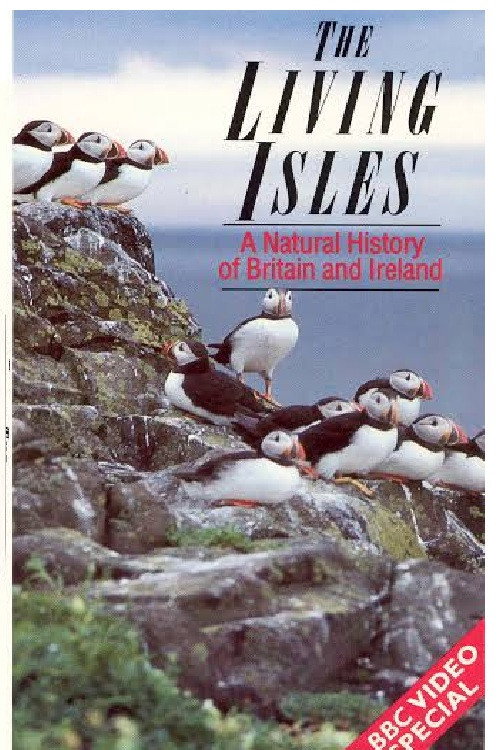
This nature documentary introduces viewers to the fauna and flora of Britain and Ireland across four main areas: woodlands, grasslands, freshwater and marine.
This six part documentary draws attention to the most extraordinary — almost supernatural — accounts of animals that have adapted to the cruelest evolutionary curveballs.