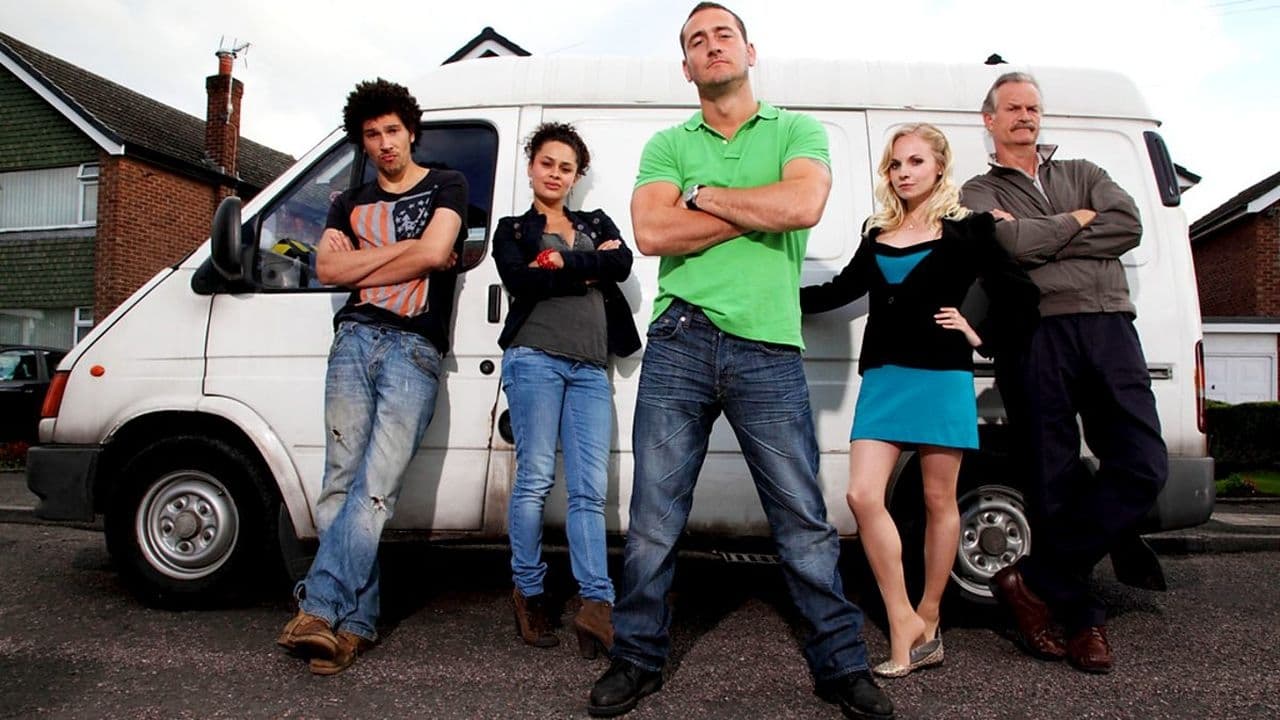
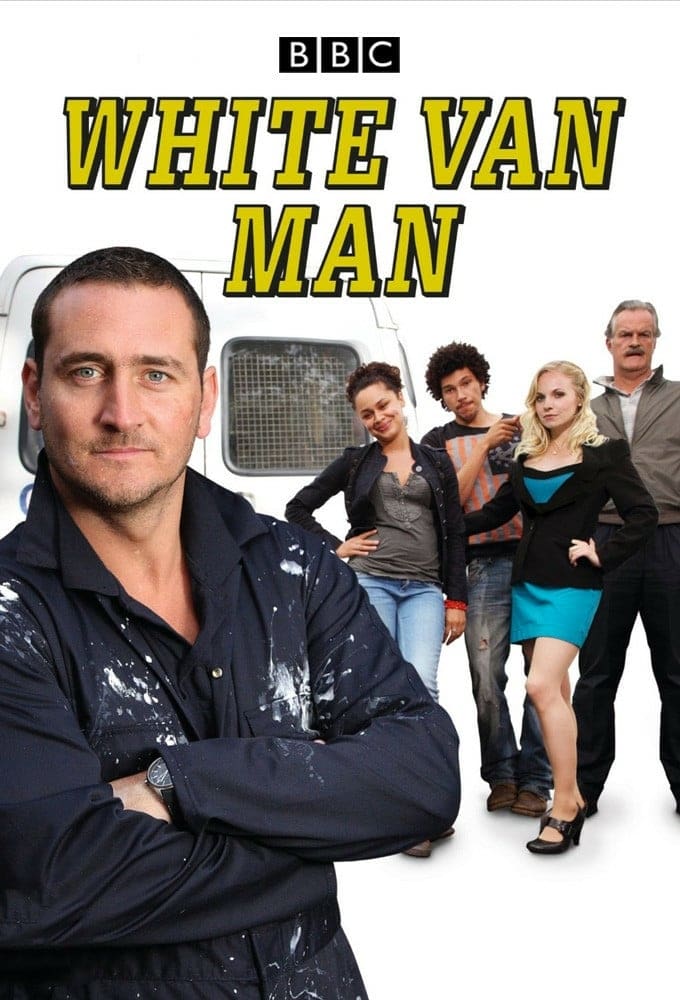
The incredible misadventures of two handymen on the road and the extraordinary people they meet along the way.
Social & External
The people behind it
Clive Mantle
Tony
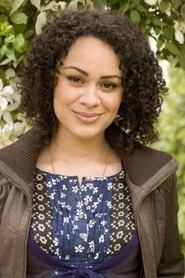
Georgia Tennant
Emma
Will Mellor
Ollie Curry
Naomi Bentley
Liz
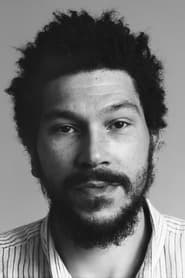
Joel Fry
Darren
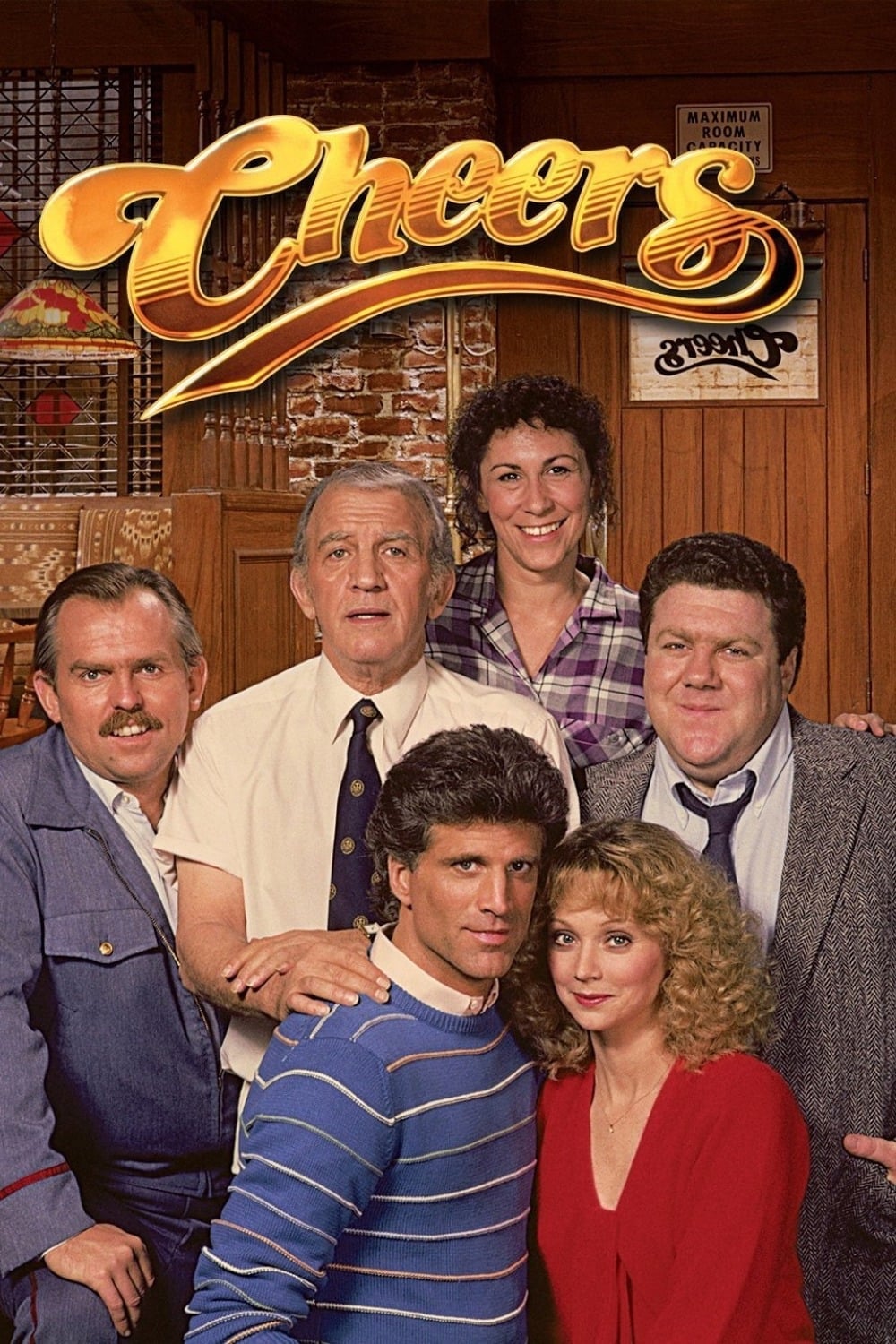
The story about a blue-collar Boston bar run by former sports star Sam Malone and the quirky and wonderful people who worked and drank there.
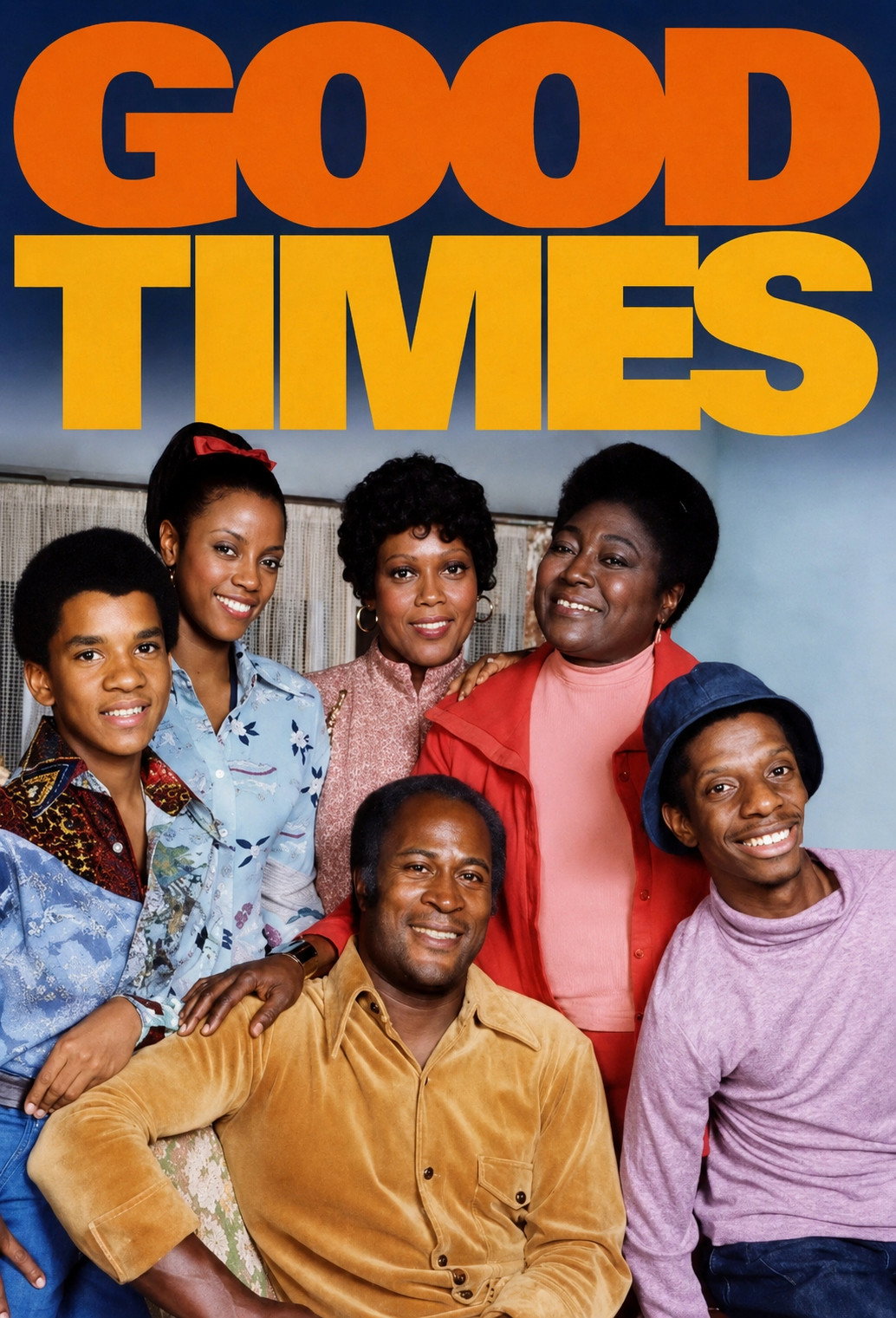
Good Times is an American sitcom that originally aired from February 8, 1974, until August 1, 1979, on the CBS television network. It was created by Eric Monte and Mike Evans, and developed by Norman Lear, the series' primary executive producer. Good Times is a spin-off of Maude, which is itself a spin-off of All in the Family along with The Jeffersons. The series is set in Chicago. The first two seasons were taped at CBS Television City in Hollywood. In the fall of 1975, the show moved to Metromedia Square, where Norman Lear's own production company was housed.
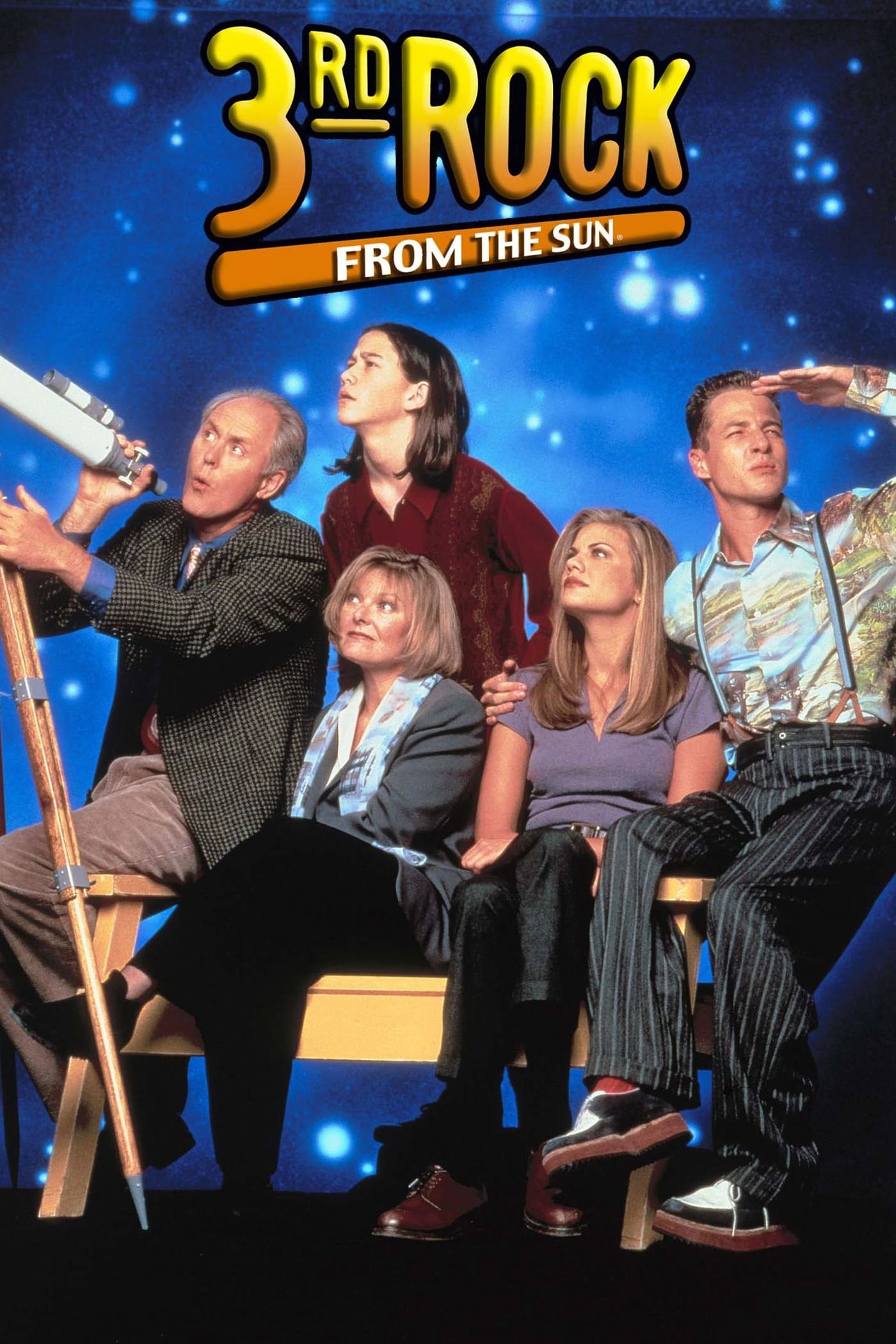
The high commander of an alien expedition lands on Earth -- what he considers to be the least-important planet -- in human form as Dick Solomon. Along for the ride are his alien compatriots Harry, Sally and Tommy -- who is the eldest of the group but is now angrily trapped in a teen's body.
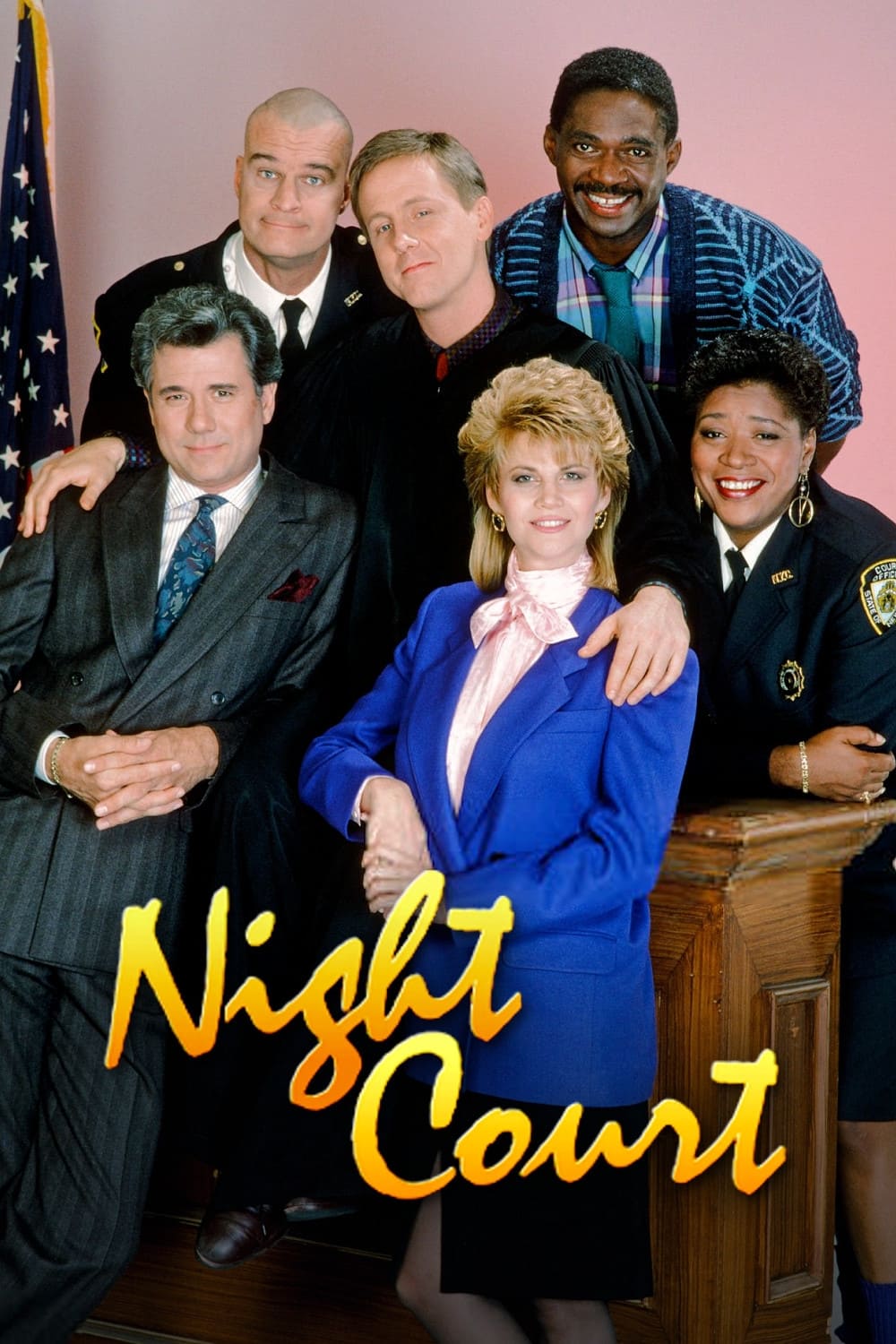
An eccentric fun-loving judge presides over an urban night court and all the silliness going on there.
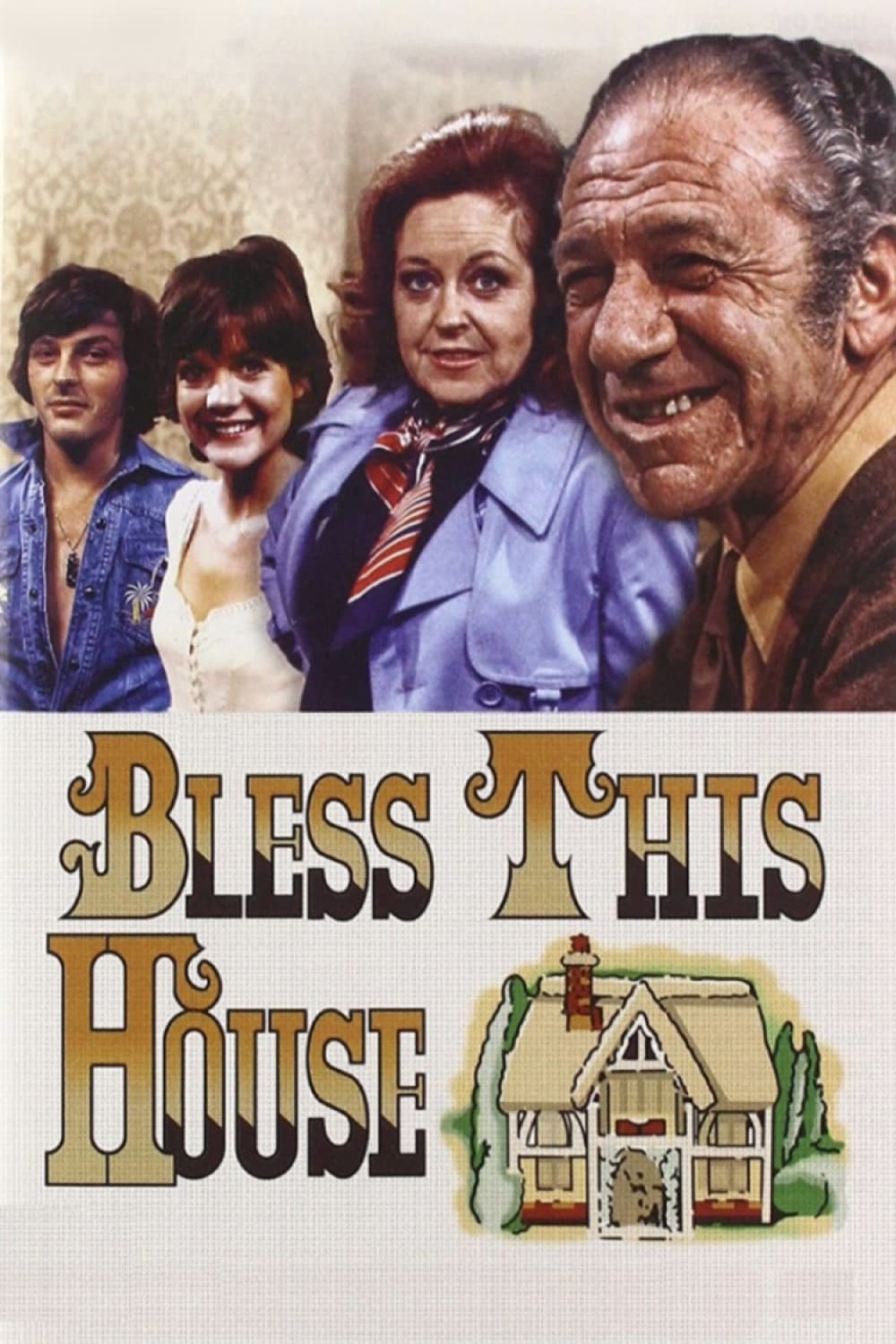
On Howard Road, travelling stationery salesman Sid Abbott and his wife Jean constantly battle to comprehend the permissive ways of their teenage children Mike and Sally.
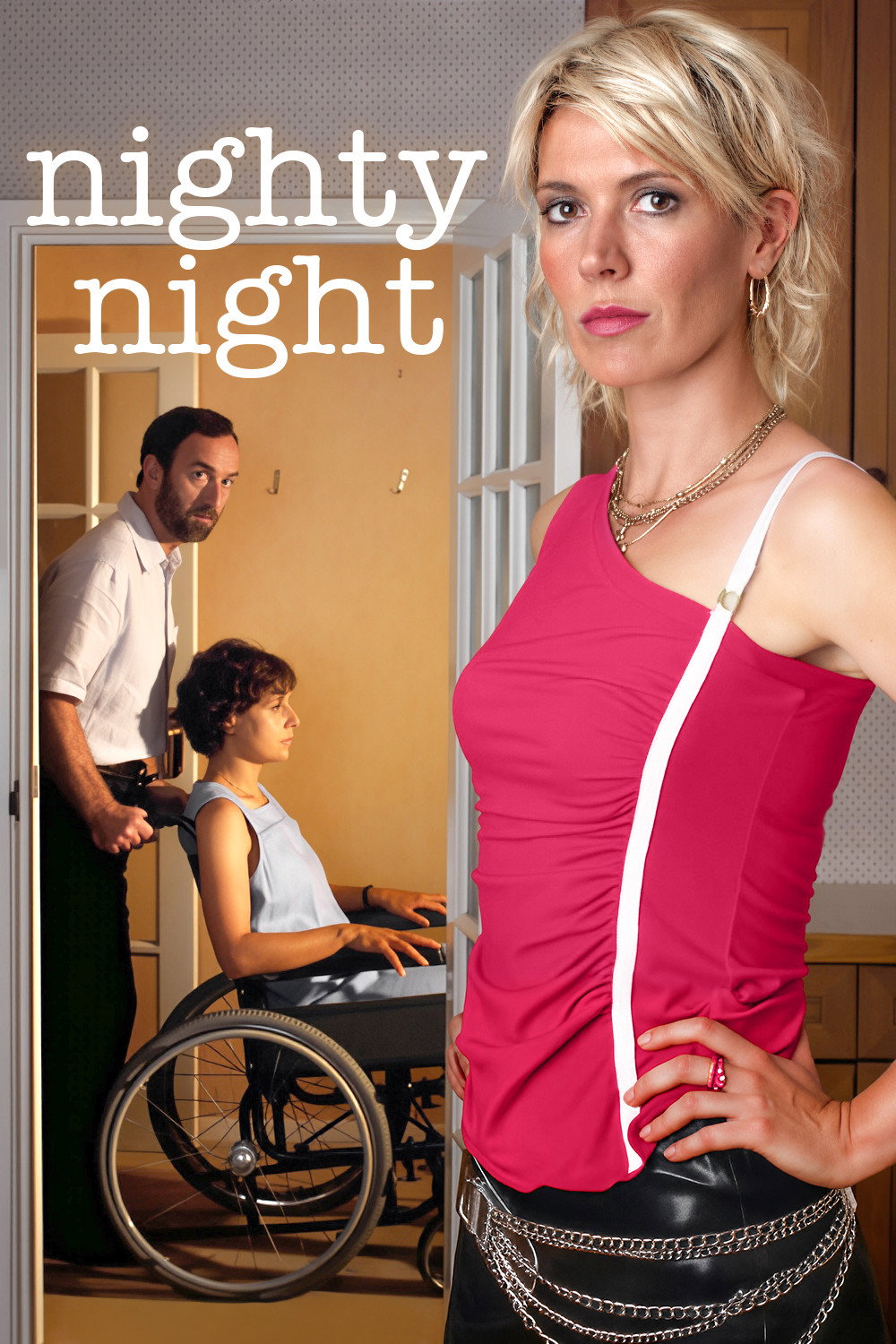
Jill Tyrell is a narcissistic sociopath who manages a beauty parlour alongside her moronic, asthmatic assistant Linda. When Jill learns that her husband has cancer, she uses this fact to manipulate new neighbour Cathy Cole, a wheelchair user with multiple sclerosis whose husband Don, a womanising doctor, Jill has become obsessed with.
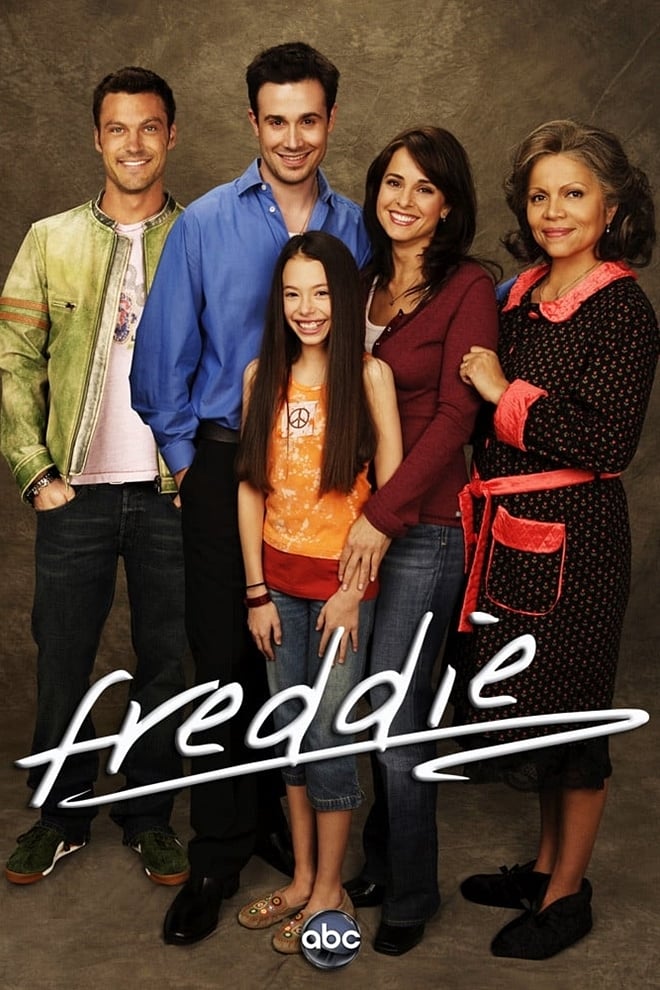
Freddie Moreno had finally escaped from the raucous house of women with whom he grew up. Having achieved some success as head chef at a trendy Chicago restaurant, he's ready for love and everything else that single life has to offer, including hanging out with his best friend and neighbor, Chris. Unfortunately, there's one slight hitch: After the death of his older brother and the collapse of his sister's marriage, goodhearted Freddie took in his impulsive sister-in-law, his pragmatic sister with her 13-year-old daughter and their irascible grandma, who refuses to speak English and only responds in Spanish – even though she understands every word. But while the members of this unconventional brood may test Freddie's patience endlessly, they also support and take care of one another, just as they always have. Now all Freddie has to do is figure out how to maintain his thriving bachelor lifestyle in a house overflowing with estrogen.
A comedy about six friends at different stages in their lives – married, divorced, newly engaged and single – who are outwardly happy, but secretly questioning if their friends have it better. Andi and Bobby are happily married with two kids but at times long for the days they had less responsibility and more fun; Will is newly single and preaching the bachelor lifestyle, but still pining for his ex-wife; Jules and Lowell are high on their passionate new relationship; and Kate has a successful career but may take a swan dive into the L.A. River when she finds out her last remaining single friend, Jules, just got engaged. When it comes to relationships, these six friends are finding it a challenge to look at each other without wondering… who really has the better life?
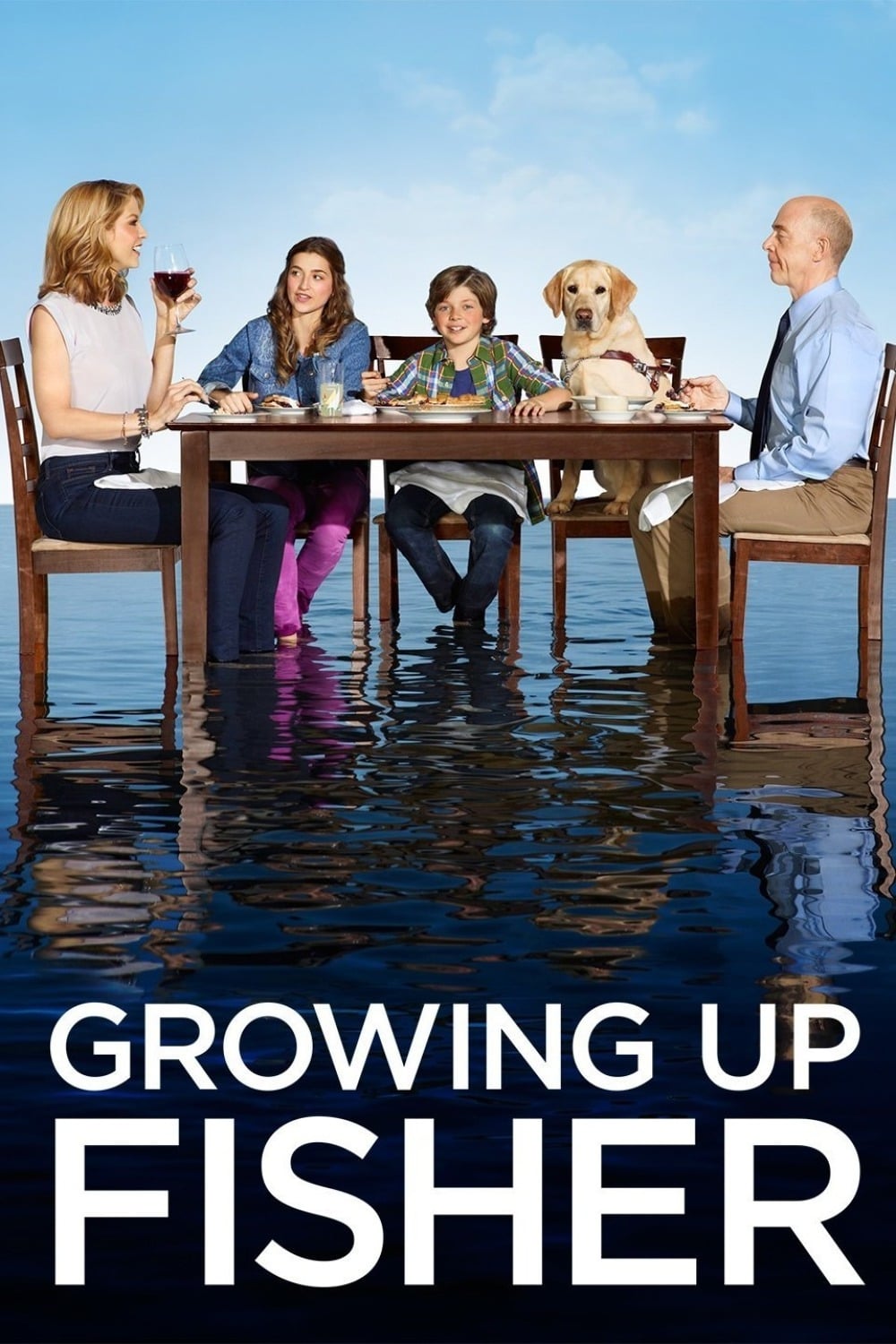
It's not every family that's brought closer together by divorce, but then again, the Fishers are anything but typical.
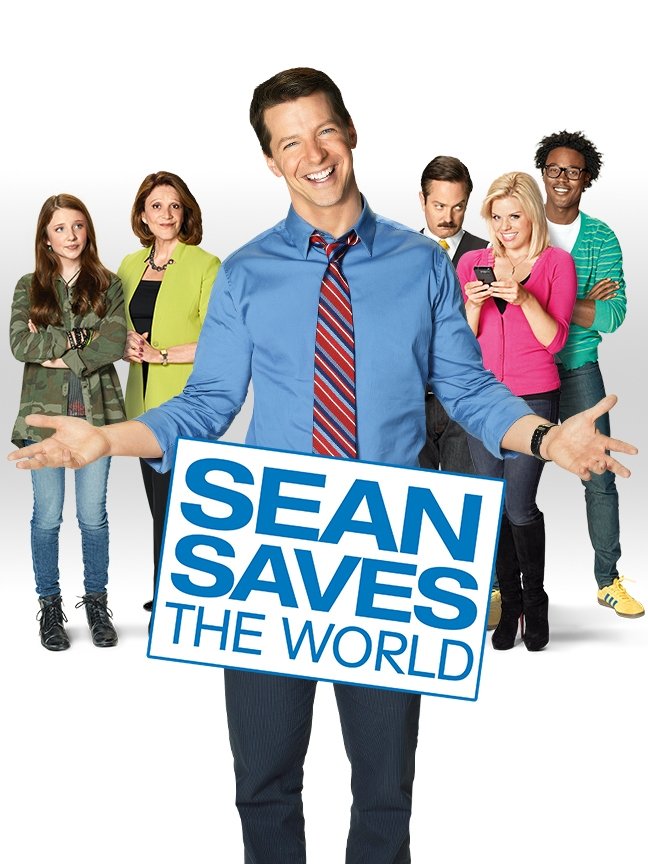
Sean Saves the World is an American television series starring Sean Hayes. The multi-camera comedy aired on NBC as part of the 2013–14 American television season.
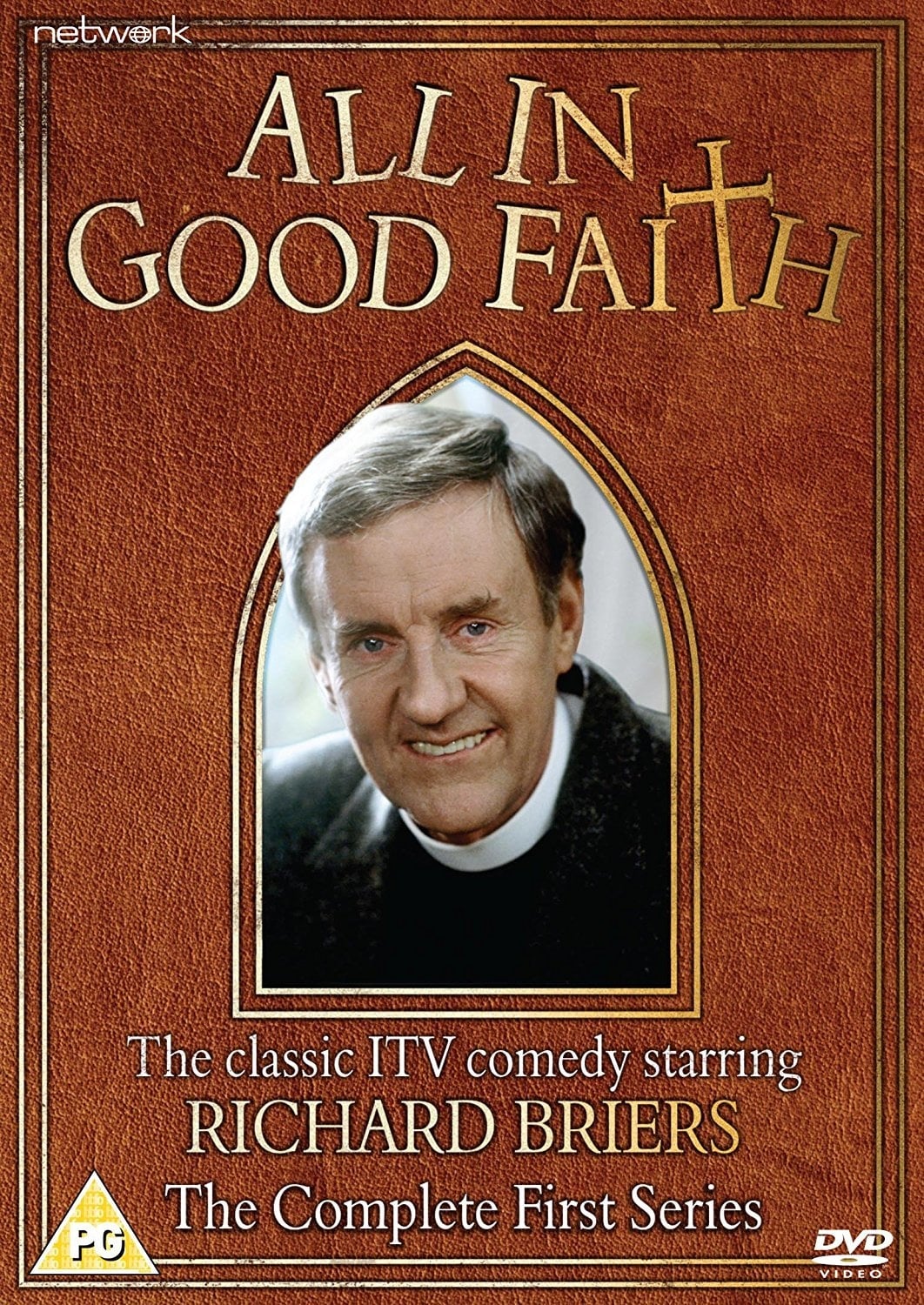
British sitcom in which Reverend Philip Lambe, after becoming bored in his wealthy Oxfordshire parish, asks for a transfer to a more difficult assignment. Sent to Edendale, a fictional urban town in the Midlands, he is accompanied by his wife Emma, sixteen-year-old daughter Miranda and twelve-year-old son Peter.
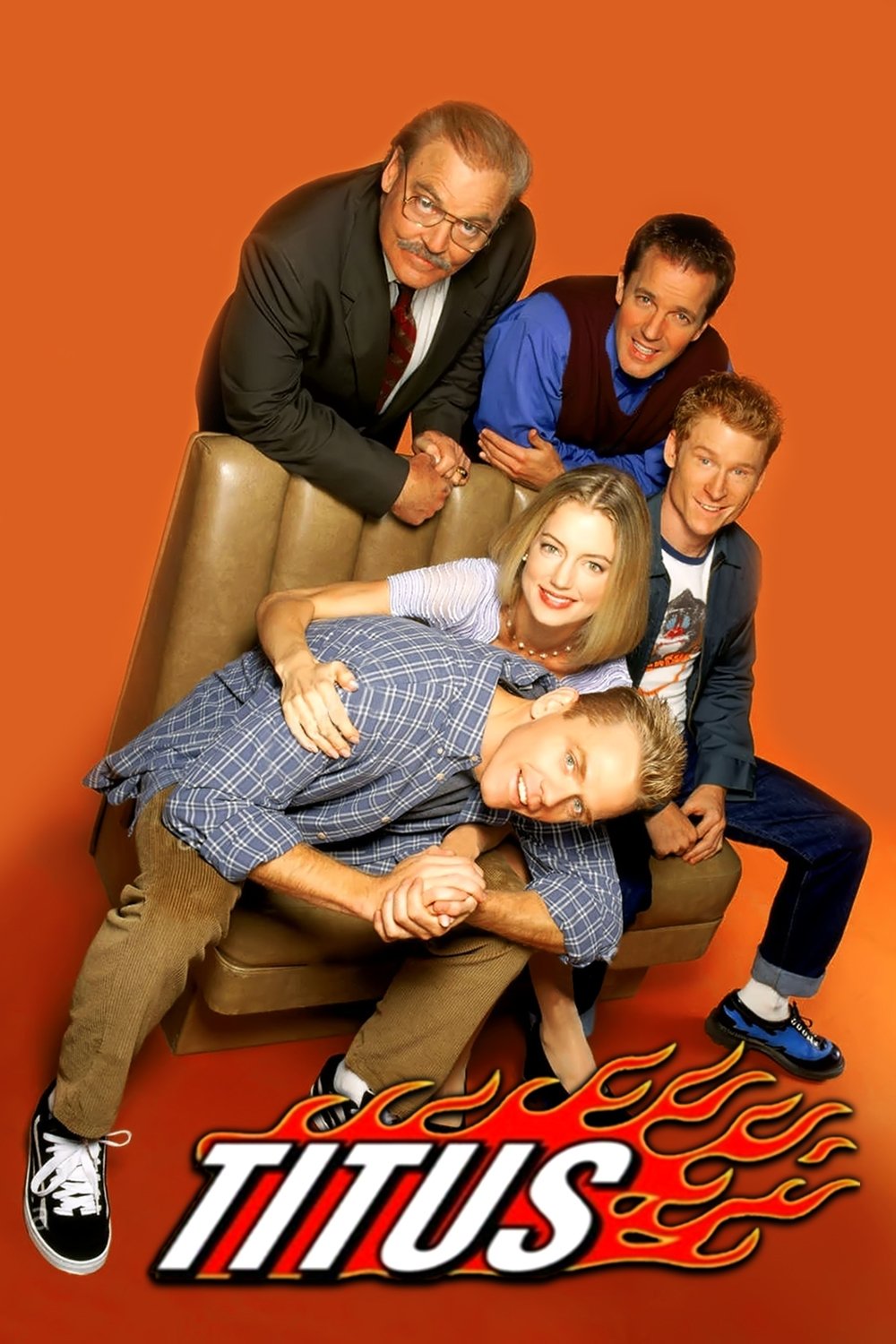
Titus is an American dark comedy sitcom that debuted on Fox in 2000. The series was created by its star, Christopher Titus, Jack Kenny, and Brian Hargrove. This sitcom was based on Christopher's stand-up comedy act, more specifically his one-man show Norman Rockwell is Bleeding, which was based loosely upon his real-life family; lines from Norman Rockwell is Bleeding were spoken by Titus as commentary. Titus plays an outwardly childish adult, who owns a custom car shop. The show follows him and his dimwitted halfbrother Dave, his girlfriend Erin with the "heart of gold", his goody-goody friend Tommy, and his arrogantly lewd, bigoted and multiple-divorced father Ken "Papa" Titus.
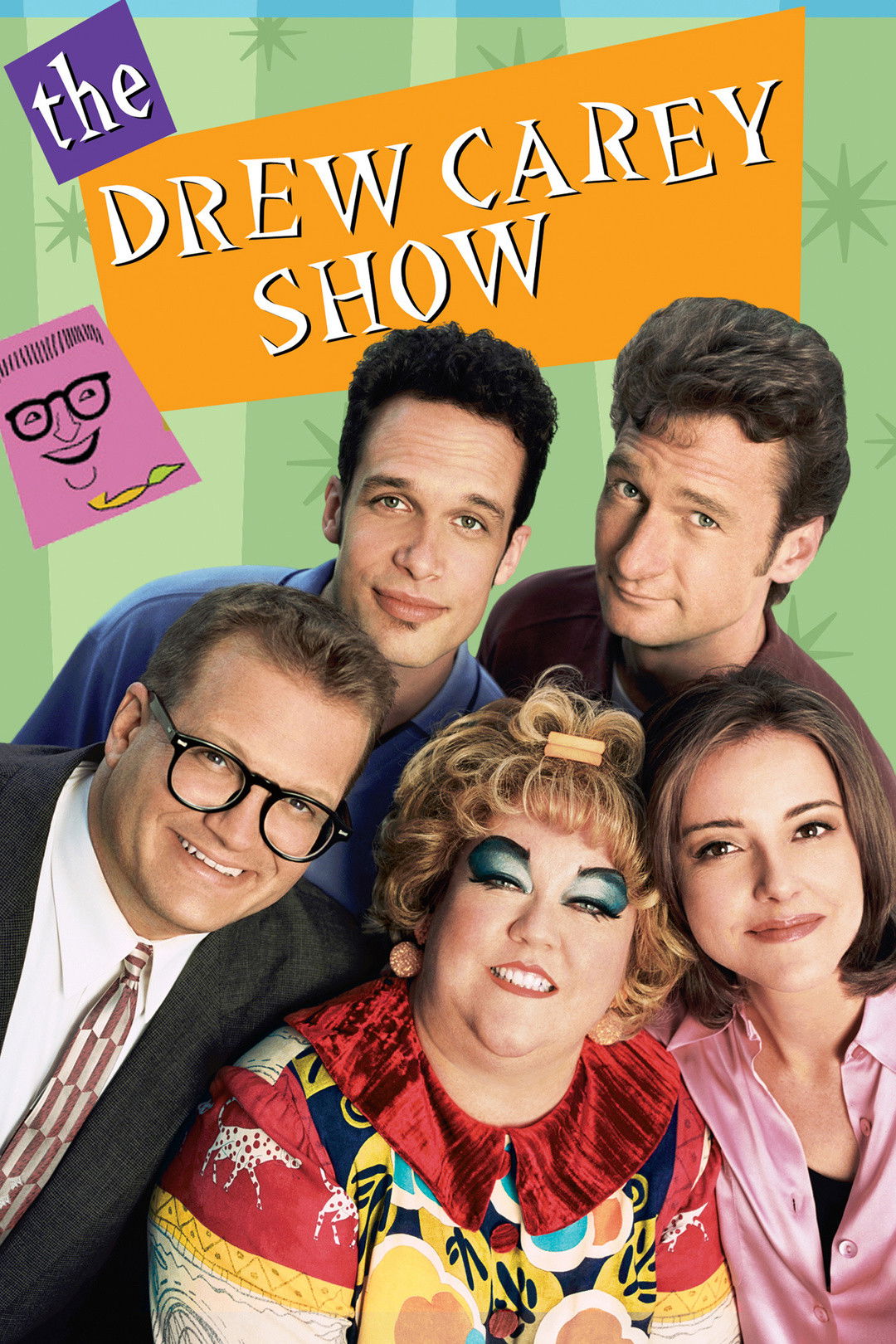
Drew is an assistant director of personnel in a Cleveland department store and he has been stuck there for ten years. Other than fighting with co-worker Mimi, his hobbies include drinking beer and not being able to get dates. To make a few extra bucks he has a micro-brewery going in his garage with his buddies.
Based on the bestselling book by Candace Bushnell, Sex and the City tells the story of four best friends, all single and in their late thirties, as they pursue their careers and talk about their sex lives, all while trying to survive the New York social scene.
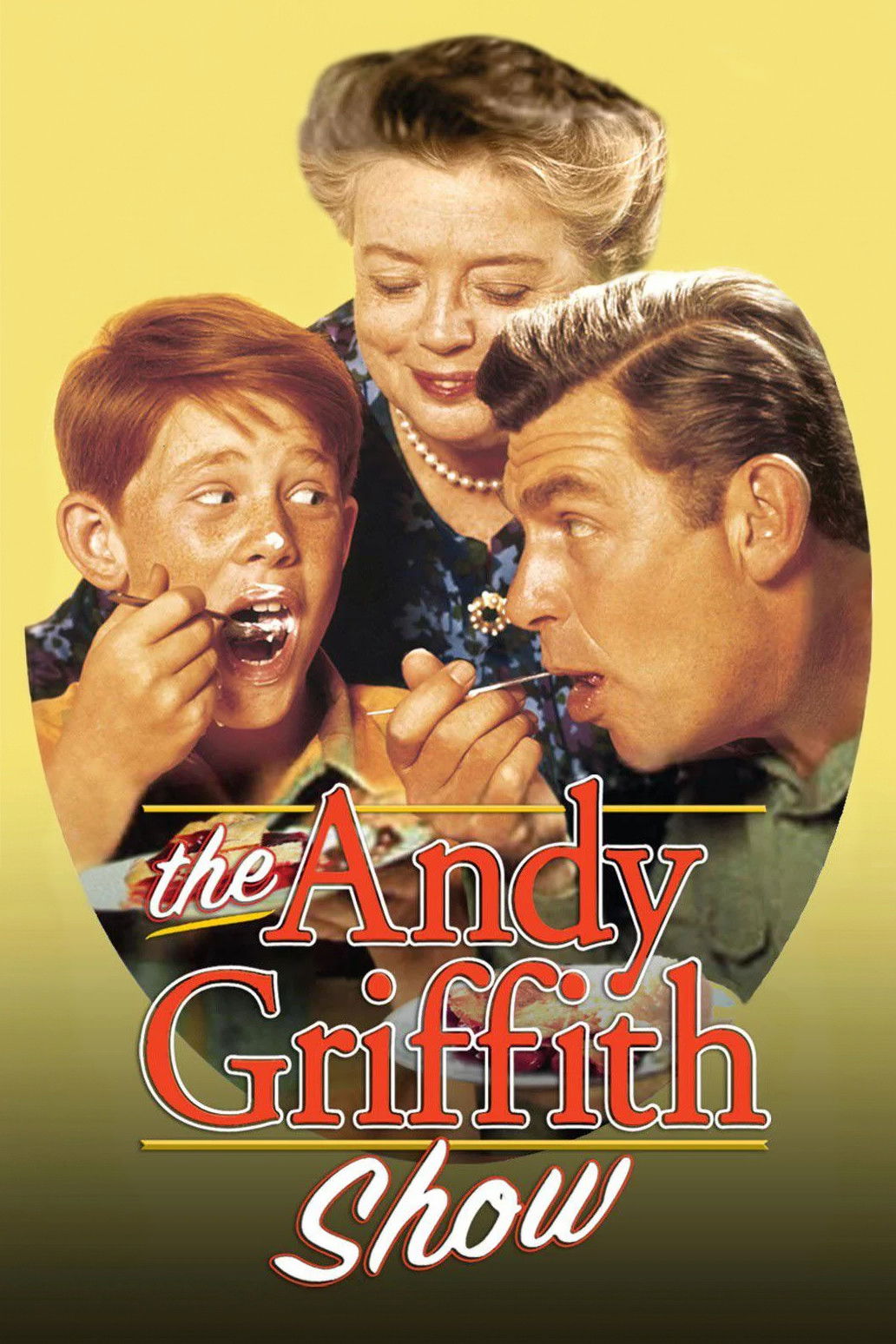
Andy Taylor is the widowed sheriff of the fictional small community of Mayberry, North Carolina. His life is complicated by an inept, but well-meaning deputy, Barney Fife, a spinster aunt and housekeeper, Aunt Bee, and a precocious young son, Opie. Local ne'er-do-wells, bumbling pals, and temperamental girlfriends further complicate his life.
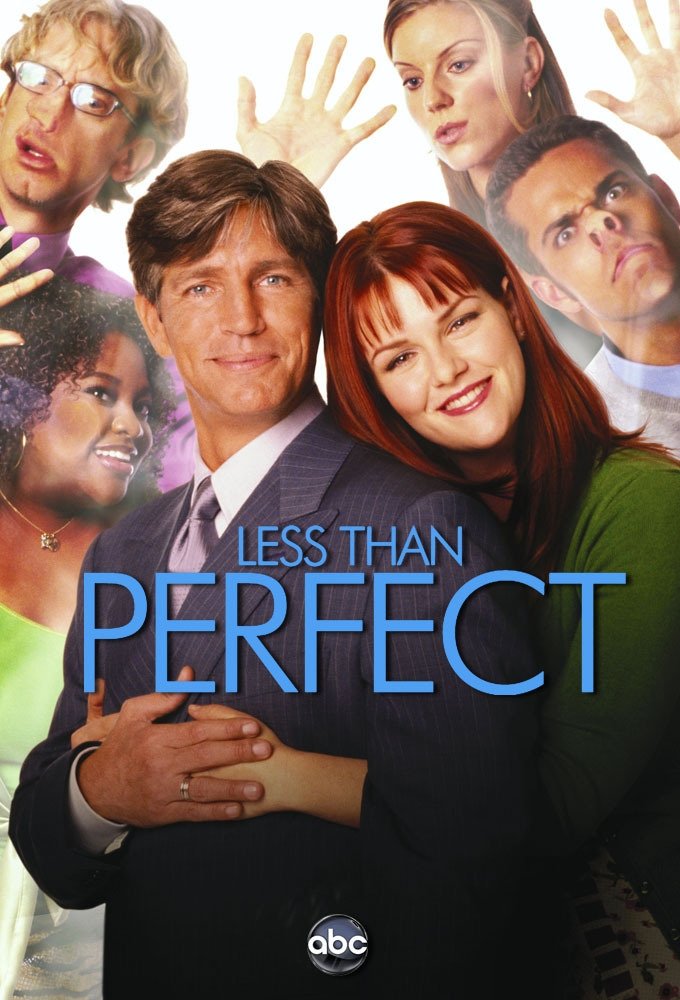
Claude Casey moved up in the secretarial world of television news, from temp to the anchor's desk. After her boss hires her full time, Claude realizes she may be in over her head in this world of assistants fighting to get ahead. But Claude is determined to prove that though she may not be perfect, she's not going down without a fight.
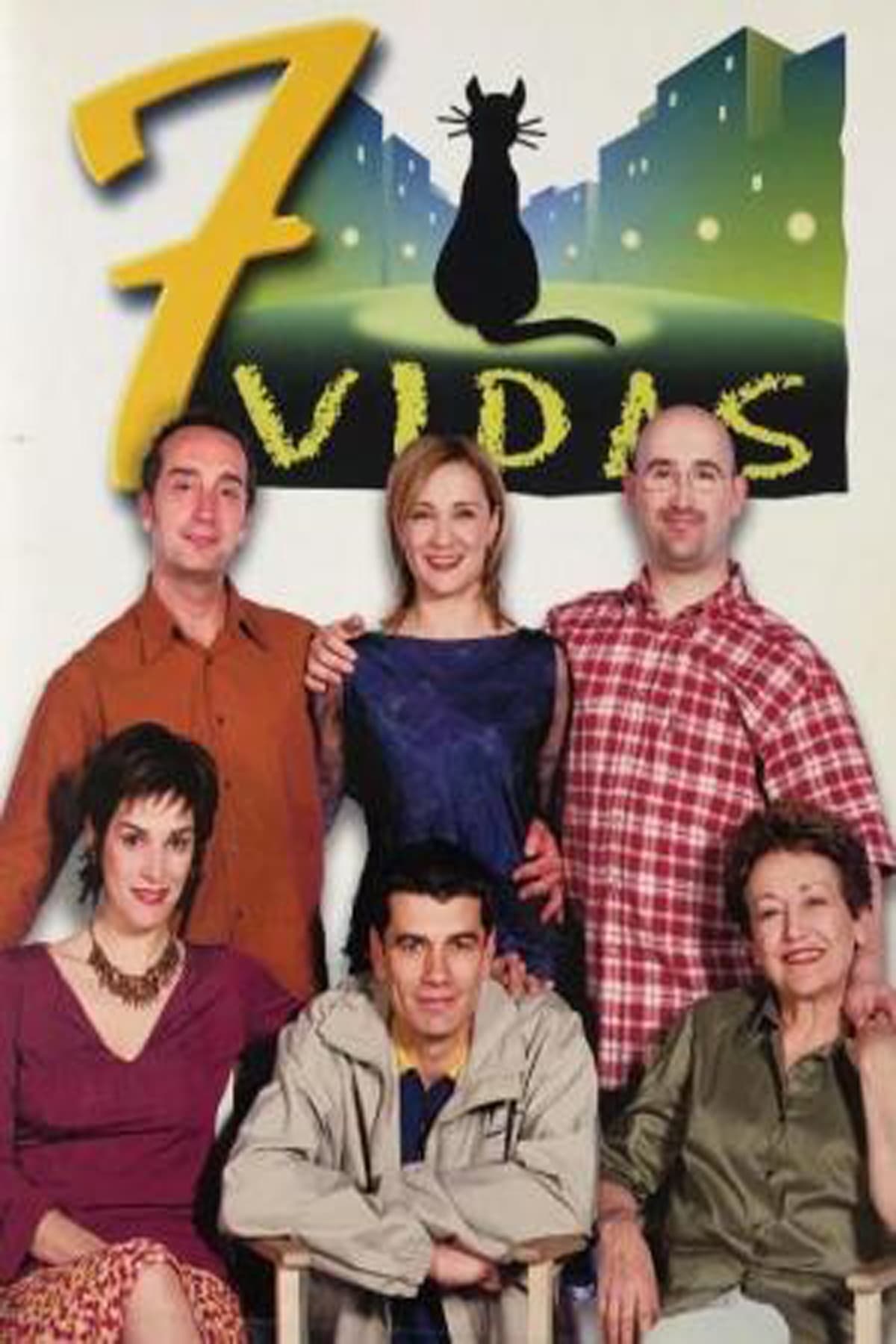
The story of a group of friends in Madrid.
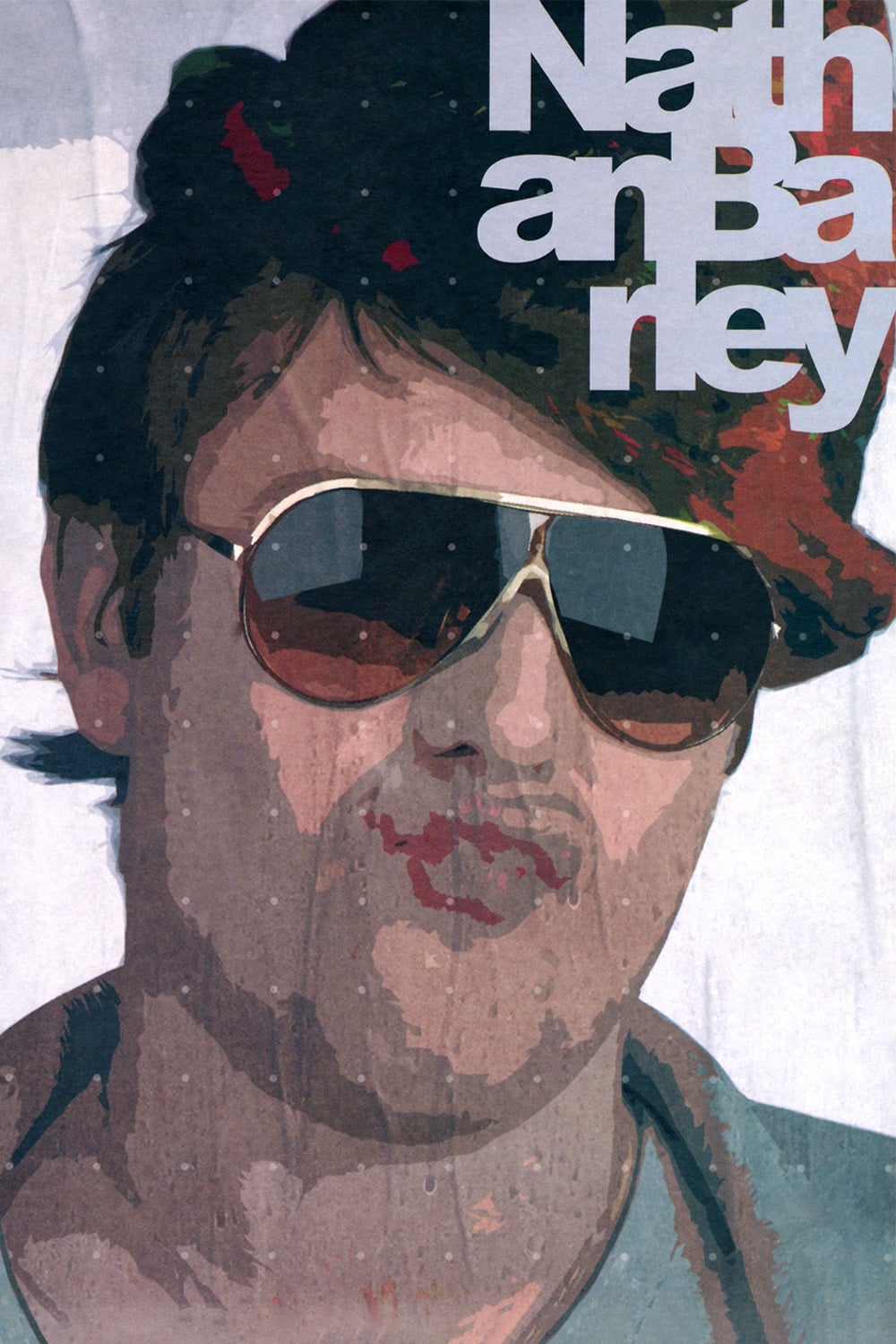
Nathan Barley is a Channel 4 sitcom written by Charlie Brooker and Chris Morris, starring Nicholas Burns, Julian Barratt, Charlie Condou and Claire Keelan. The series of six weekly episodes began broadcasting on 11 February 2005 on Channel 4. Described by his creator as a "meaningless strutting cadaver-in-waiting", the character originated on Brooker's TVGoHome – a website parodying television listings – as the focus of a fly-on-the-wall documentary called Cunt.
Valerie Tyler is a 28-year-old organization freak who loves her 16-year-old sister Holly. Even if Holly is rambunctious. Spontaneous. Impulsive. Disconcerting. And definitely disorganized. Then Holly moves in with Val, and the sisters discover they may make better siblings than roomies.
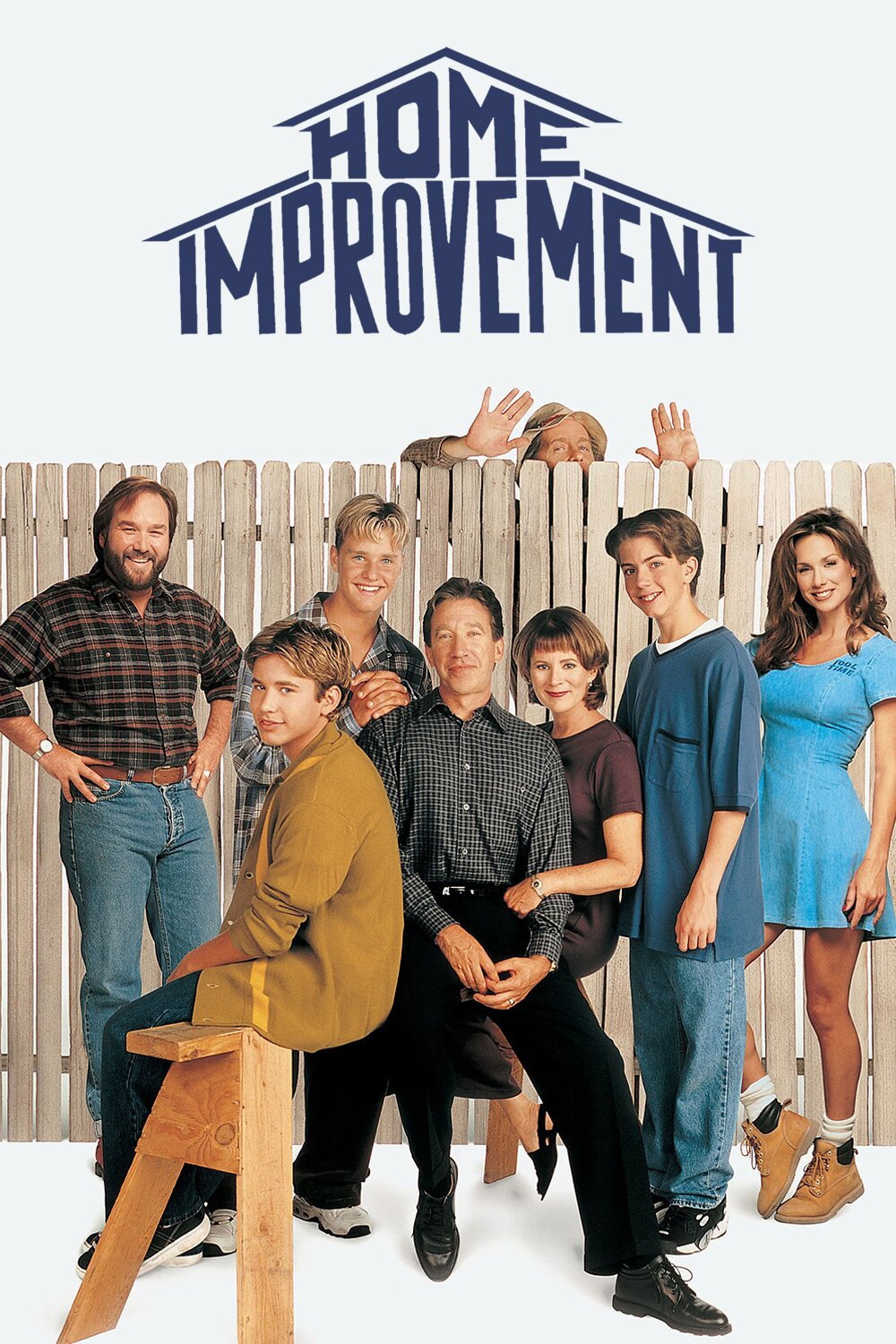
The daily trials and tribulations of handyman Tim Taylor, a TV show host raising three boys with help from his loyal co-host, domineering wife, and unseen neighbor.
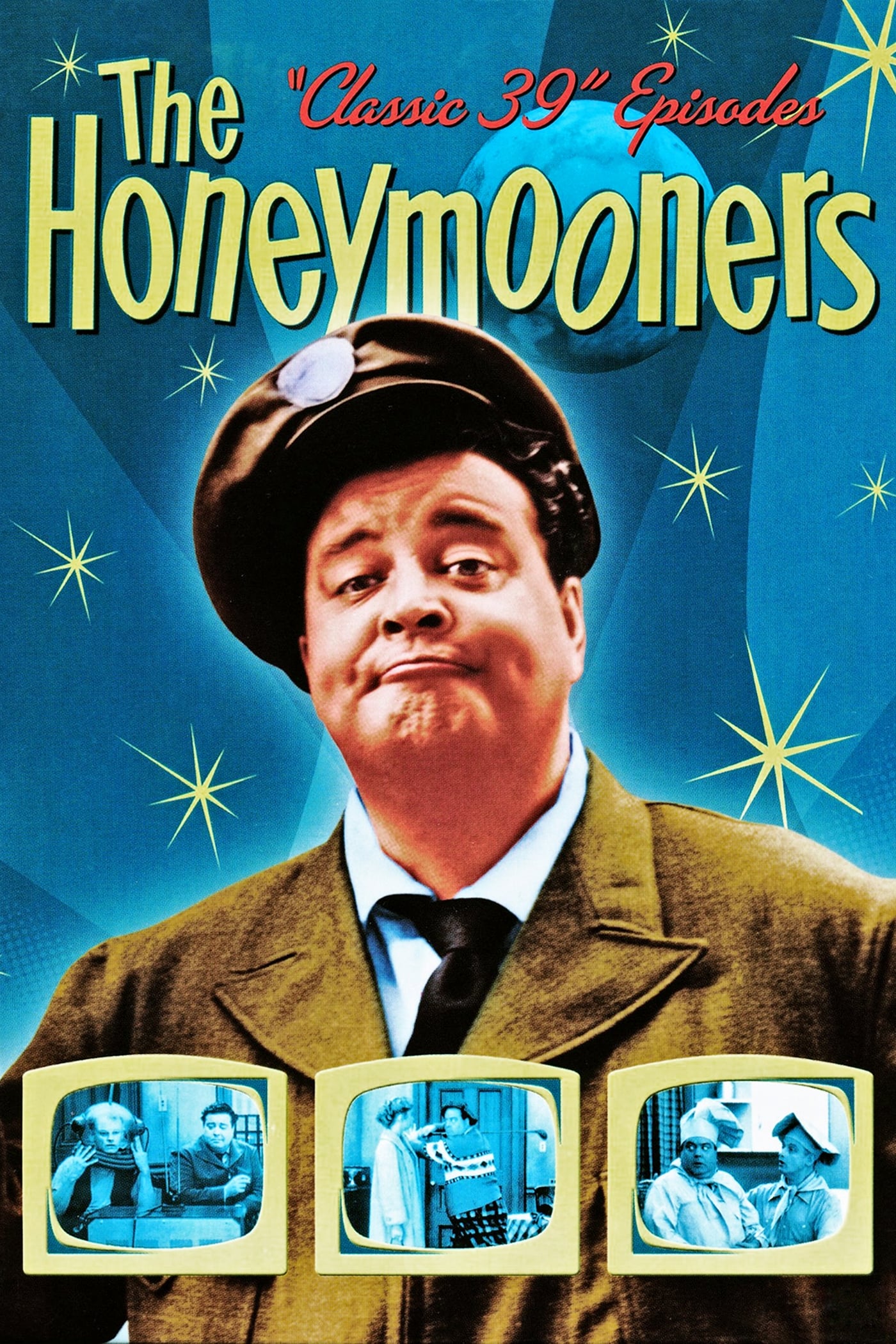
A bus driver and his sewer worker friend struggle to strike it rich while their wives look on with weary patience. One of the most influential situation comedy television series in American history.
Nick Cannon and an A-list celebrity lead a team of improv comedians as they compete against each other.
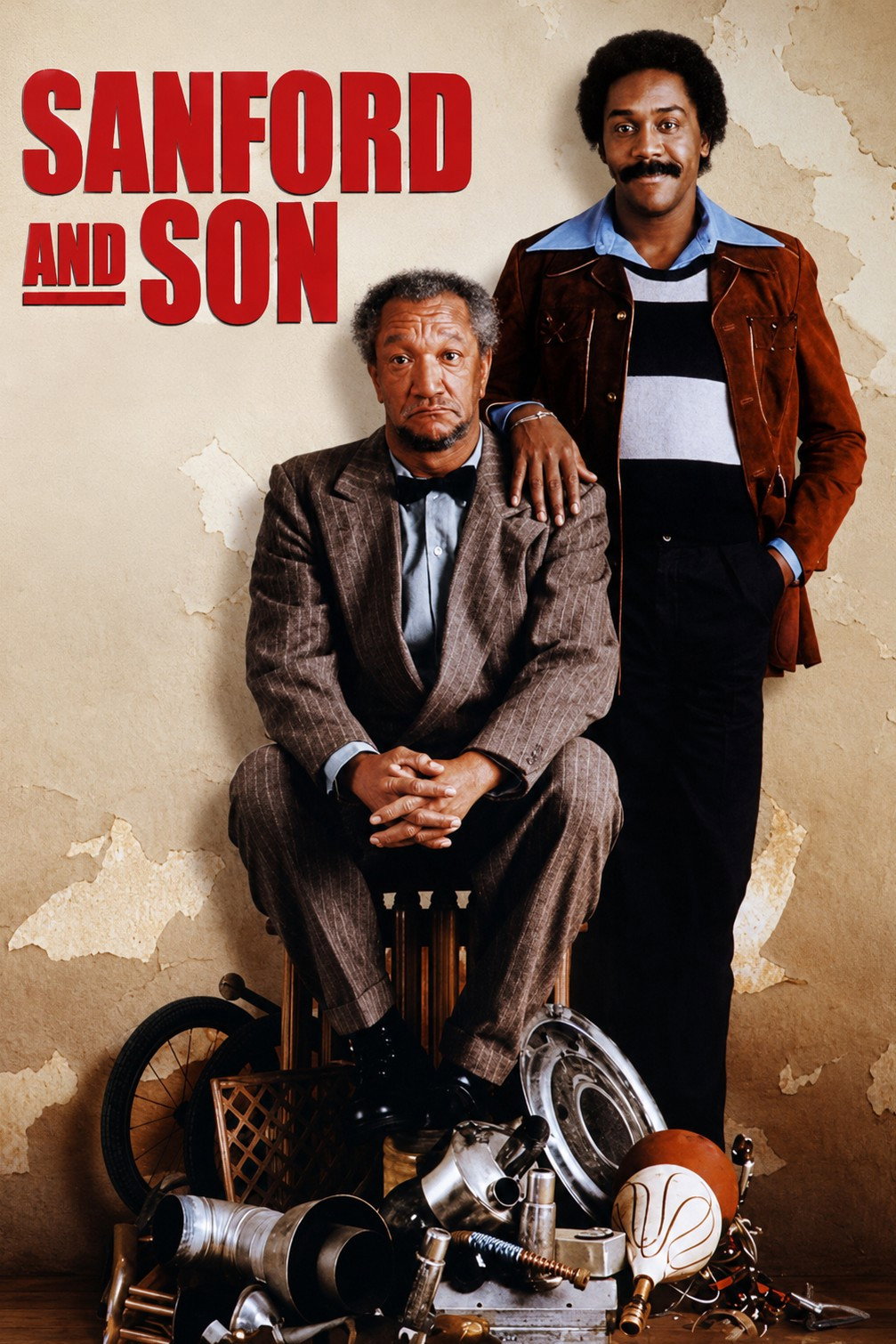
The misadventures of a cantankerous junk dealer and his frustrated son.
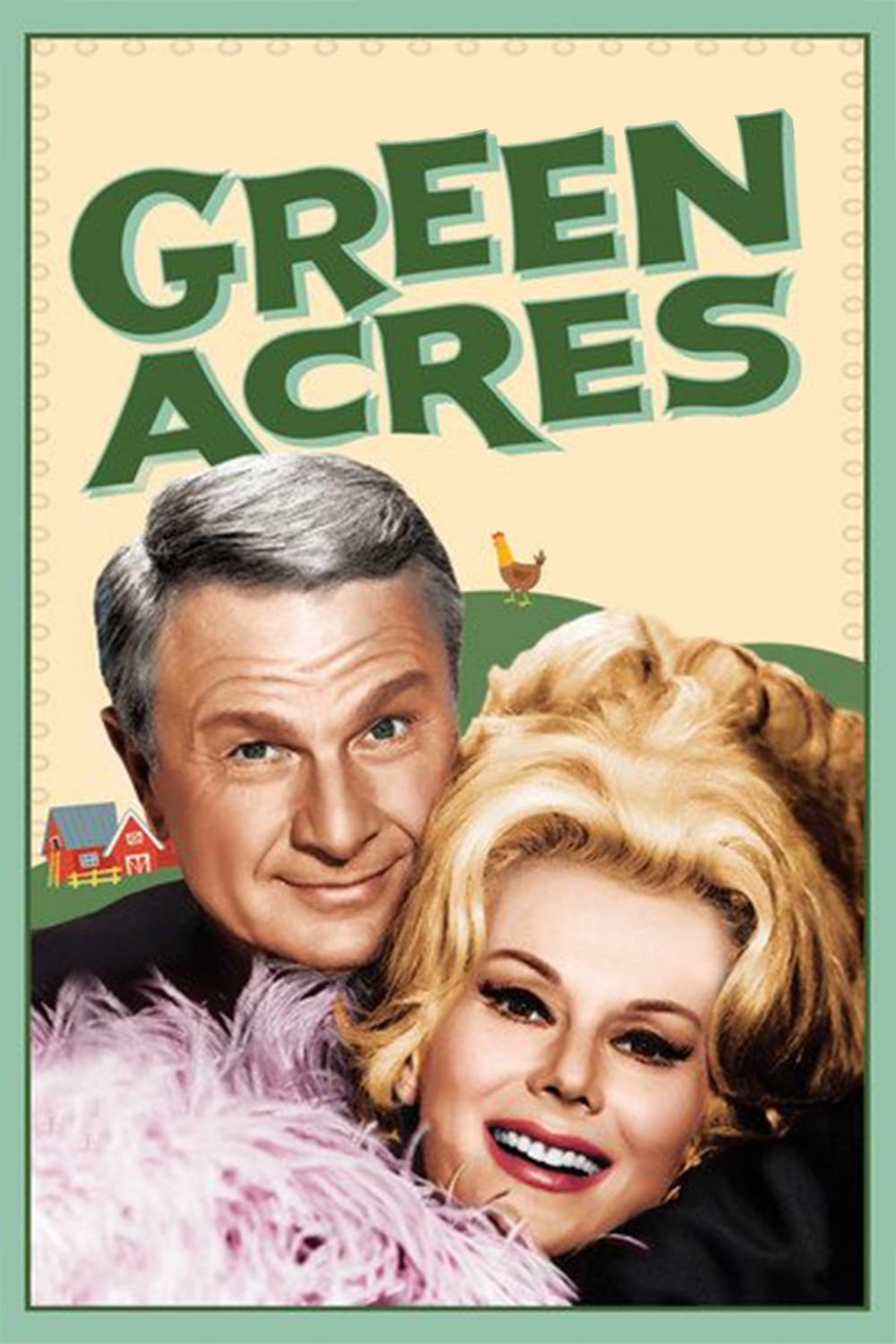
Green Acres is an American sitcom starring Eddie Albert and Eva Gabor as a couple who move from New York City to a rural country farm. Produced by Filmways as a sister show to Petticoat Junction, the series was first broadcast on CBS, from September 15, 1965 to April 27, 1971. Receiving solid ratings during its six-year run, Green Acres was cancelled in 1971 as part of the "rural purge" by CBS. The sitcom has been in syndication and is available in DVD and VHS releases. In 1997, the two-part episode "A Star Named Arnold is Born" was ranked #59 on TV Guide's 100 Greatest Episodes of All Time.
Buddies Raj, Rerun and Dwayne come of age in 1970s Los Angeles. The trio have a penchant for mischief and trying to find ways of getting rich quick. Almost always the trio's schemes wind up getting them into trouble and it's up to Raj's mother Mabel to get them out of it. Also, half of the time, the guys get into trouble because of Raj's bratty sister Dee.
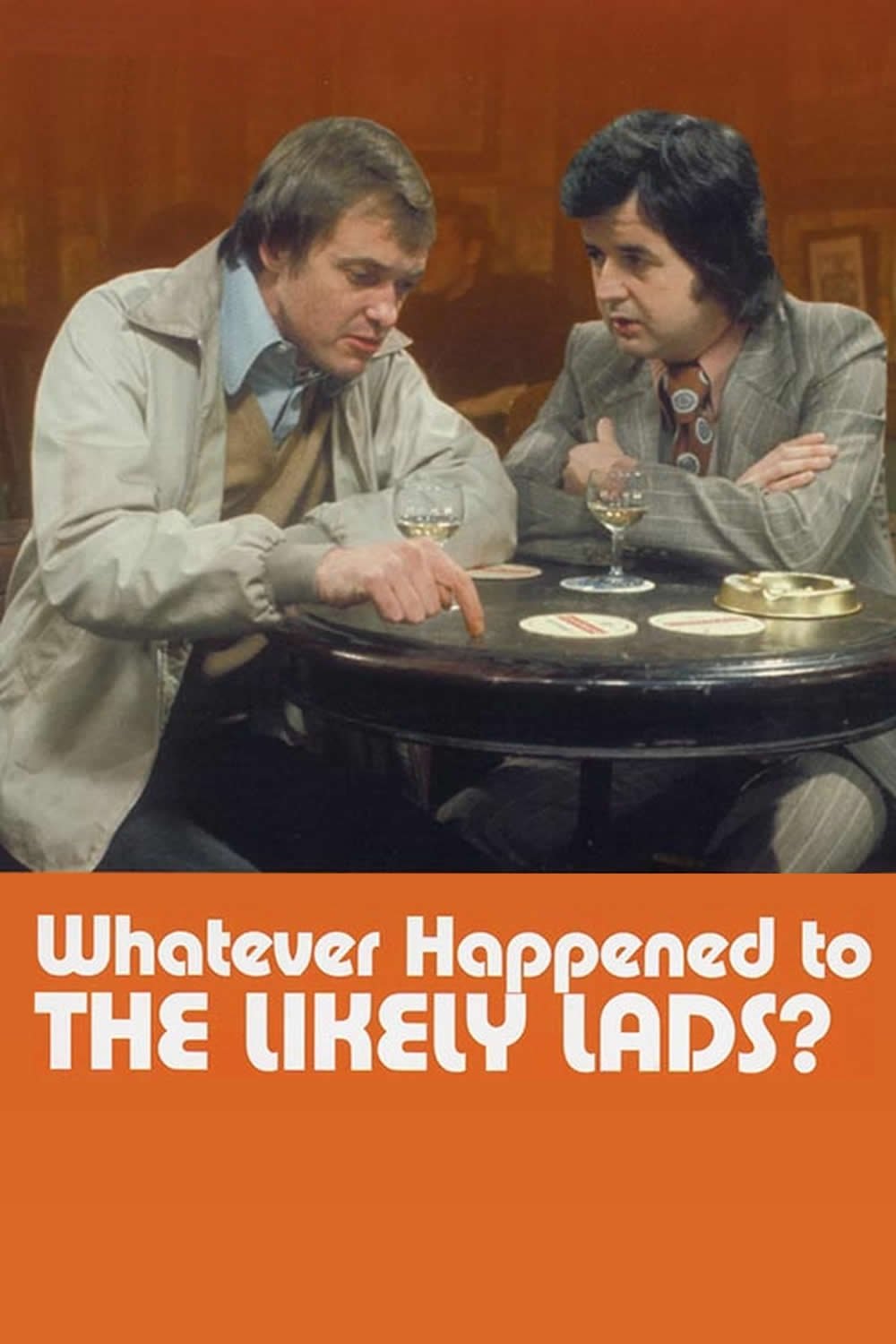
Whatever Happened to the Likely Lads? is a British sitcom which was broadcast between 9 January 1973 and 9 April 1974 on BBC1. It was the colour sequel to the mid-1960s hit The Likely Lads. It was created and written, as was its predecessor, by Dick Clement and Ian La Frenais. There were 26 television episodes over two series; and a subsequent 45-minute Christmas special was aired on 24 December 1974. The cast were reunited in 1975 for a BBC radio adaptation of series 1, transmitted on Radio 4 from July to October that year. In 1976, a feature film spin-off was made. Around the time of its release, however, Rodney Bewes and James Bolam fell out over a misunderstanding involving the press and have not spoken since. This long-suspected situation was finally confirmed by Bewes while promoting his autobiography in 2005. Unlike Bewes, Bolam is consistently reluctant to talk about the show, and has vetoed any attempt to revive his character.
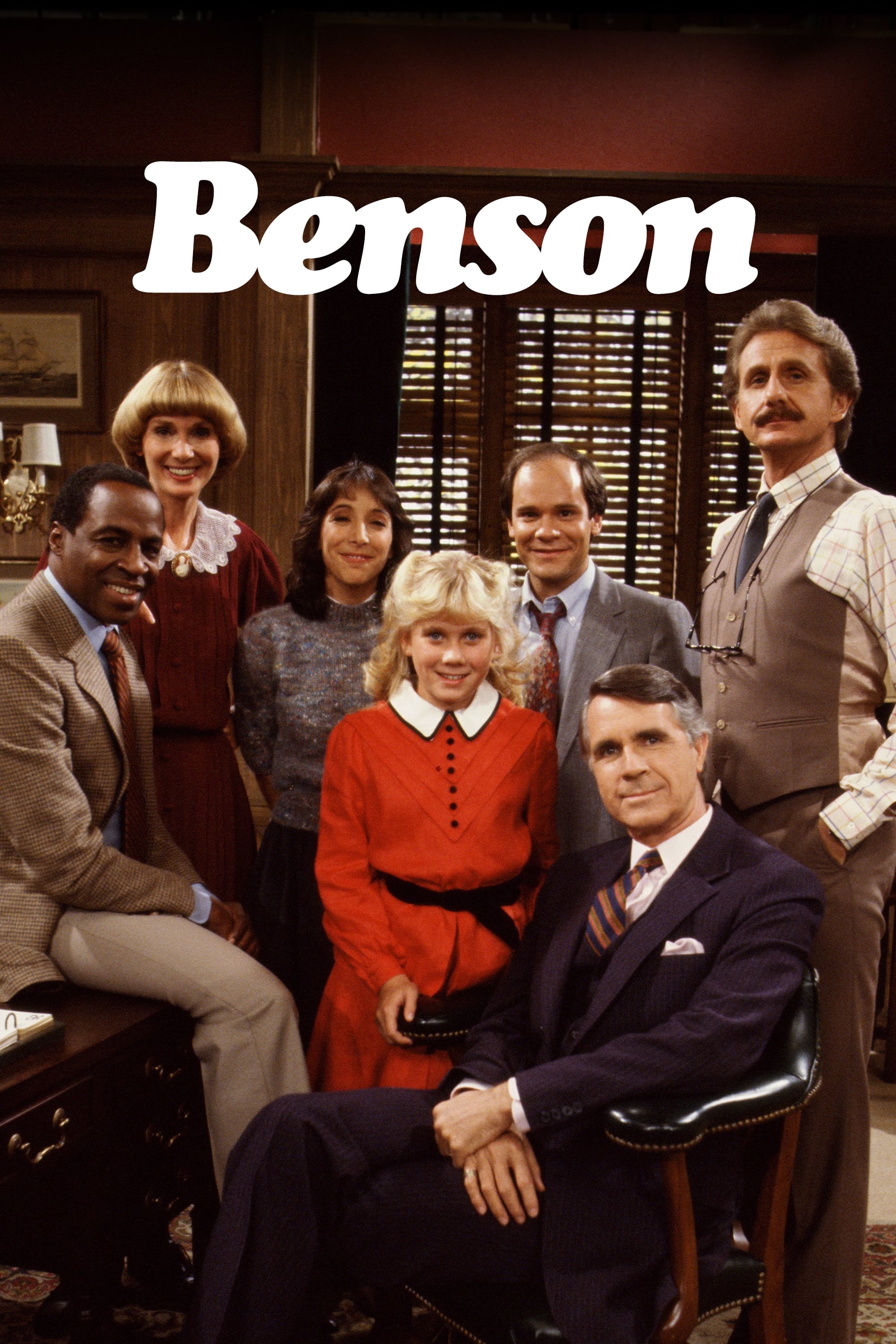
A butler deals with life at the governor's mansion.
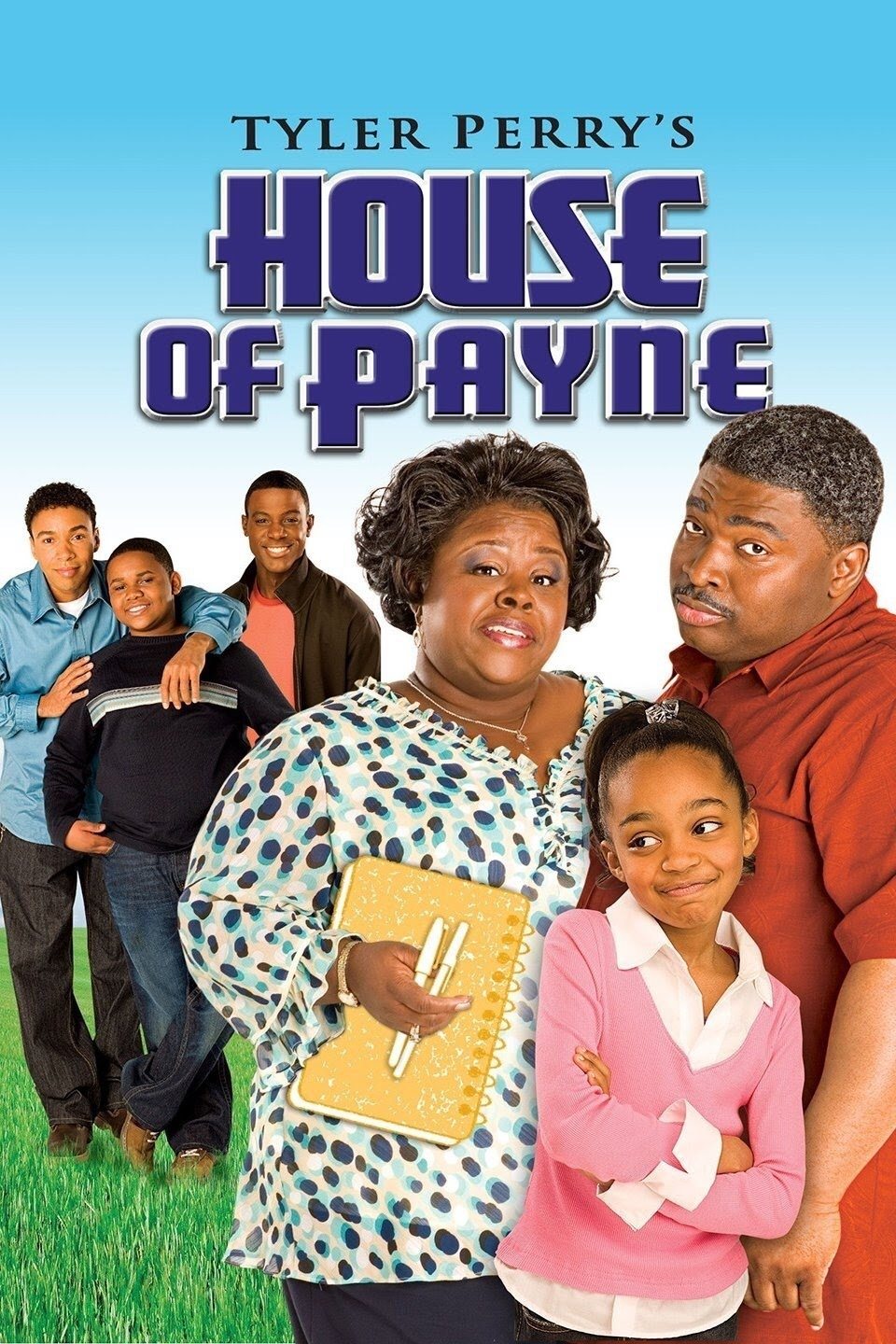
A multigenerational, working-class family experience life's struggles with faith, love and, most importantly, humor. Curtis, aka 'Pops', the uncle and head of the household, has house and home turned upside down when an unexpected event forces his nephew, CJ, and CJ’s kids to move in, putting three generations under one roof. This chaotic living situation takes its toll on cranky Pops, who is reluctant to have his routine disturbed. In addition to CJ’s family, Pops and Ella’s son, Calvin, a wise-cracking, broke college student, hangs out at home, making it impossible for any peace and quiet. It soon becomes evident just how wide the gap is, as the family tries to find a way to coexist through all of life’s hilarious ups and downs.
Still Open All Hours is a sitcom set in a grocer's shop. It is a sequel to the series Open All Hours, written by original series writer Roy Clarke and featuring several of the permanent cast members of the original series
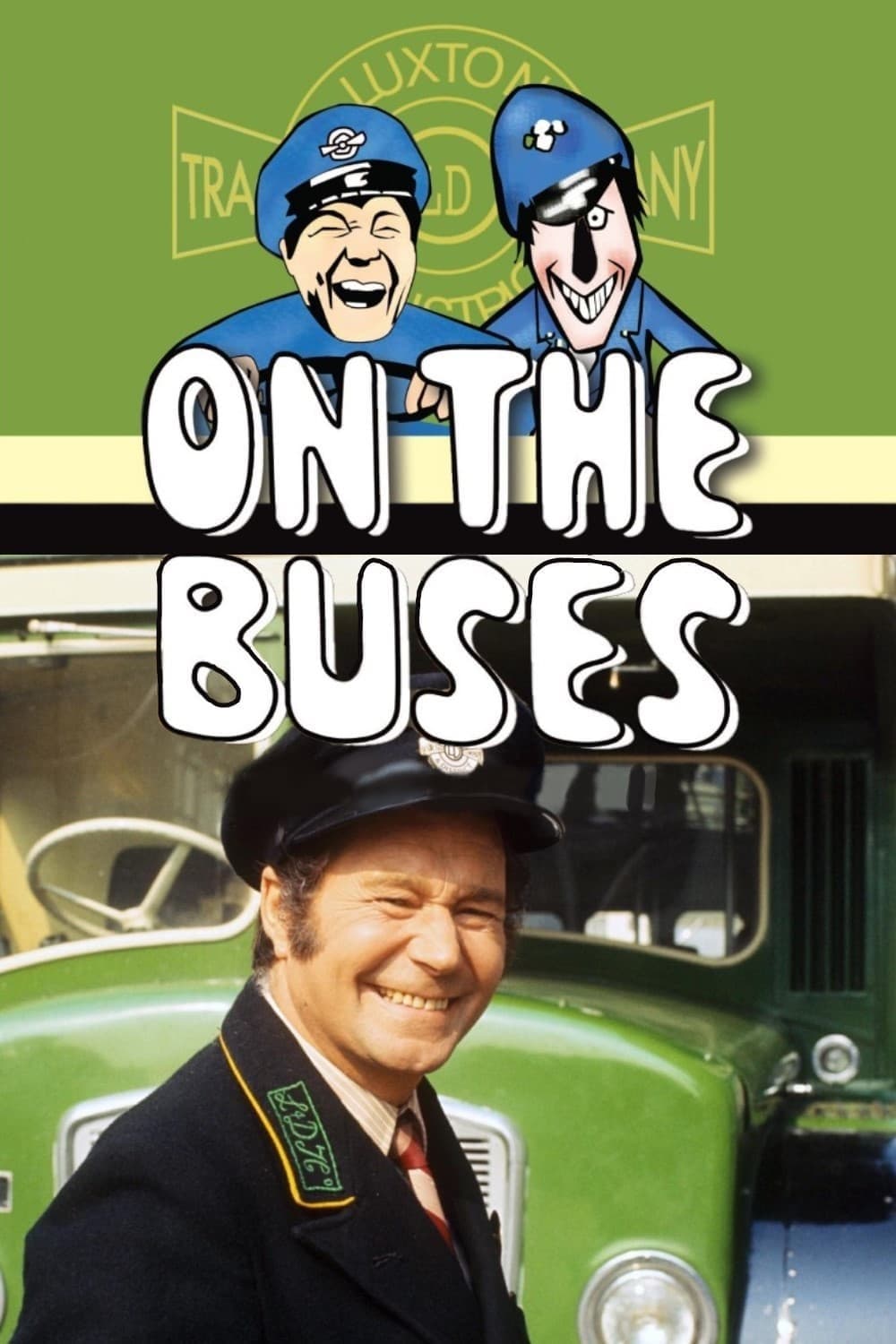
On the Buses is a British comedy series created by Ronald Wolfe and Ronald Chesney, broadcast in the United Kingdom from 1969 to 1973. The writers' previous successes with The Rag Trade and Meet the Wife were for the BBC, but the corporation rejected On the Buses, not seeing much comedy potential in a bus depot as a setting. The comedy partnership turned to a friend, Frank Muir, Head of Entertainment at London Weekend Television, who loved the idea; the show was accepted and despite a poor critical reception became a hit with viewers.
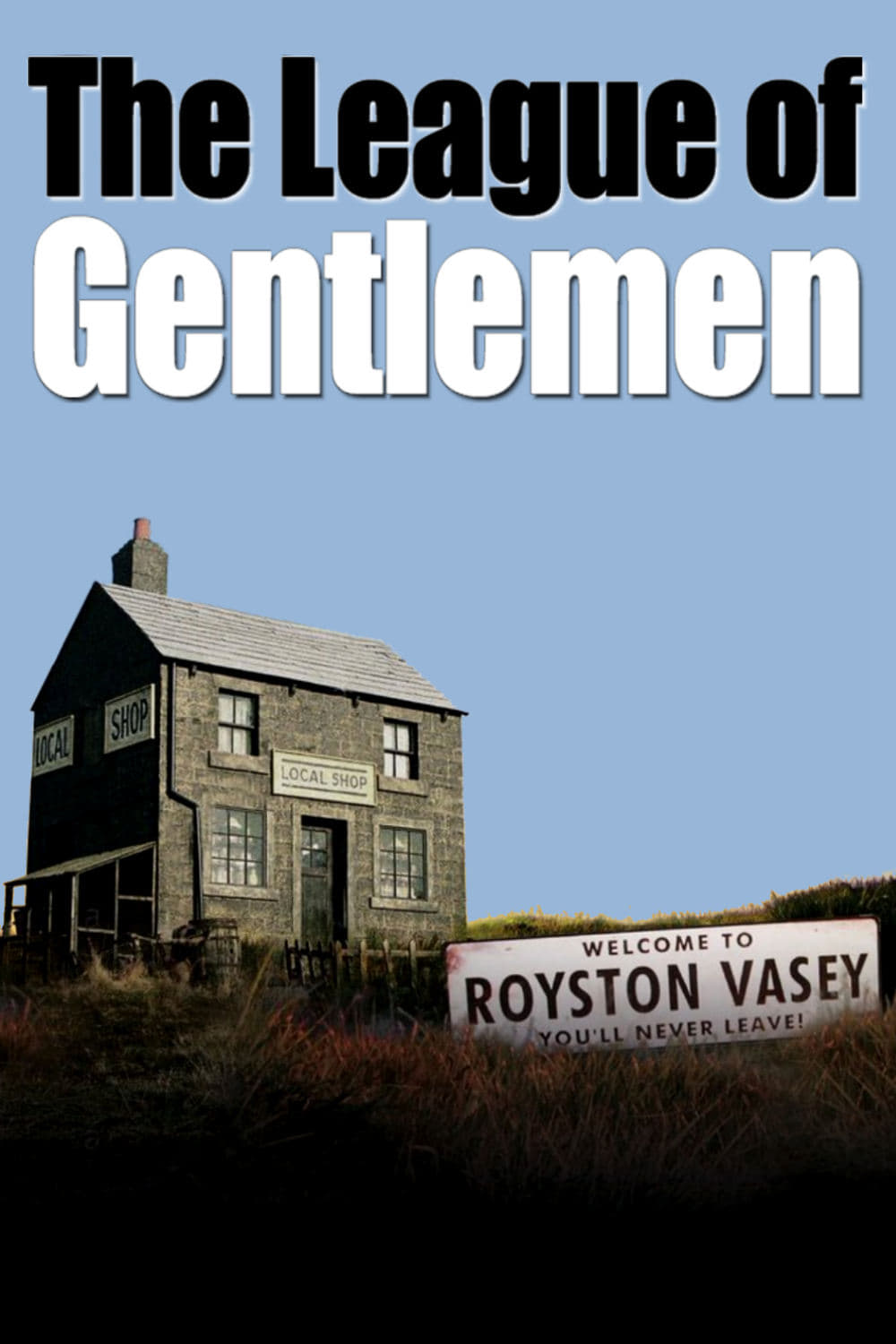
The League of Gentlemen is a British sitcom broadcast on BBC Two over three series from 1999 to 2002. In the fictional Northern England town of Royston Vasey—based on Bacup, Lancashire—the lives are explored of dozens of bizarre citizens, much of whom are played by three of the show's four writers—Mark Gatiss, Steve Pemberton, and Reece Shearsmith—who, along with Jeremy Dyson, formed the titular comedy troupe in 1995. The programme was followed by a film in 2005, and a three-part revival miniseries in December 2017 to celebrate the group's 20th anniversary.
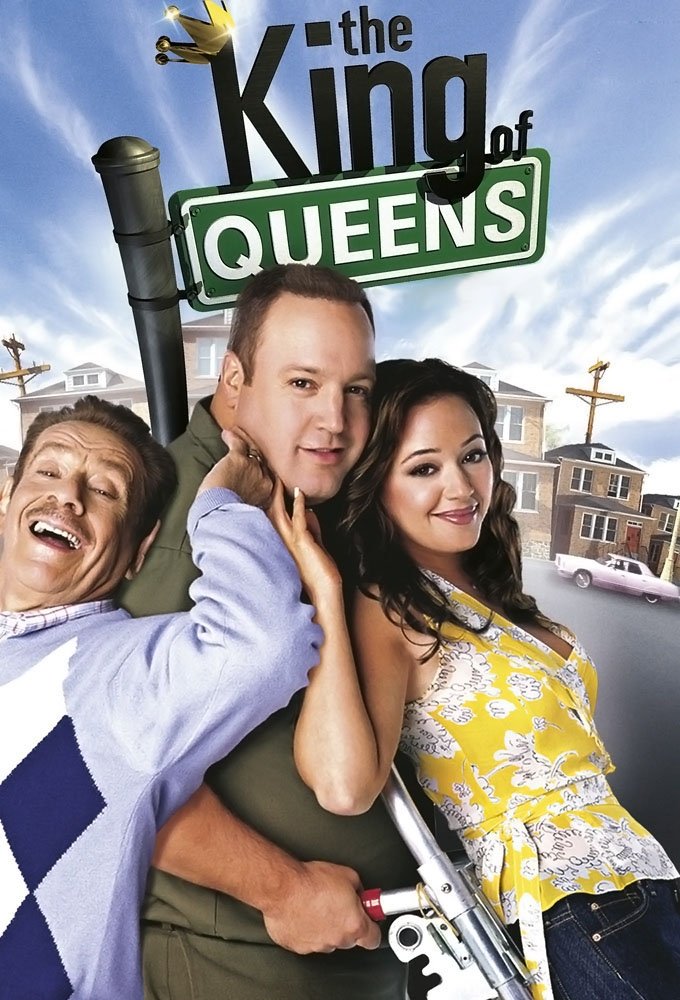
Life’s good for deliveryman Doug Heffernan, until his newly widowed father-in-law, Arthur, moves in with him and his wife Carrie. Doug is no longer the king of his domain, and instead of having a big screen television in his recently renovated basement, he now has a crazy old man.
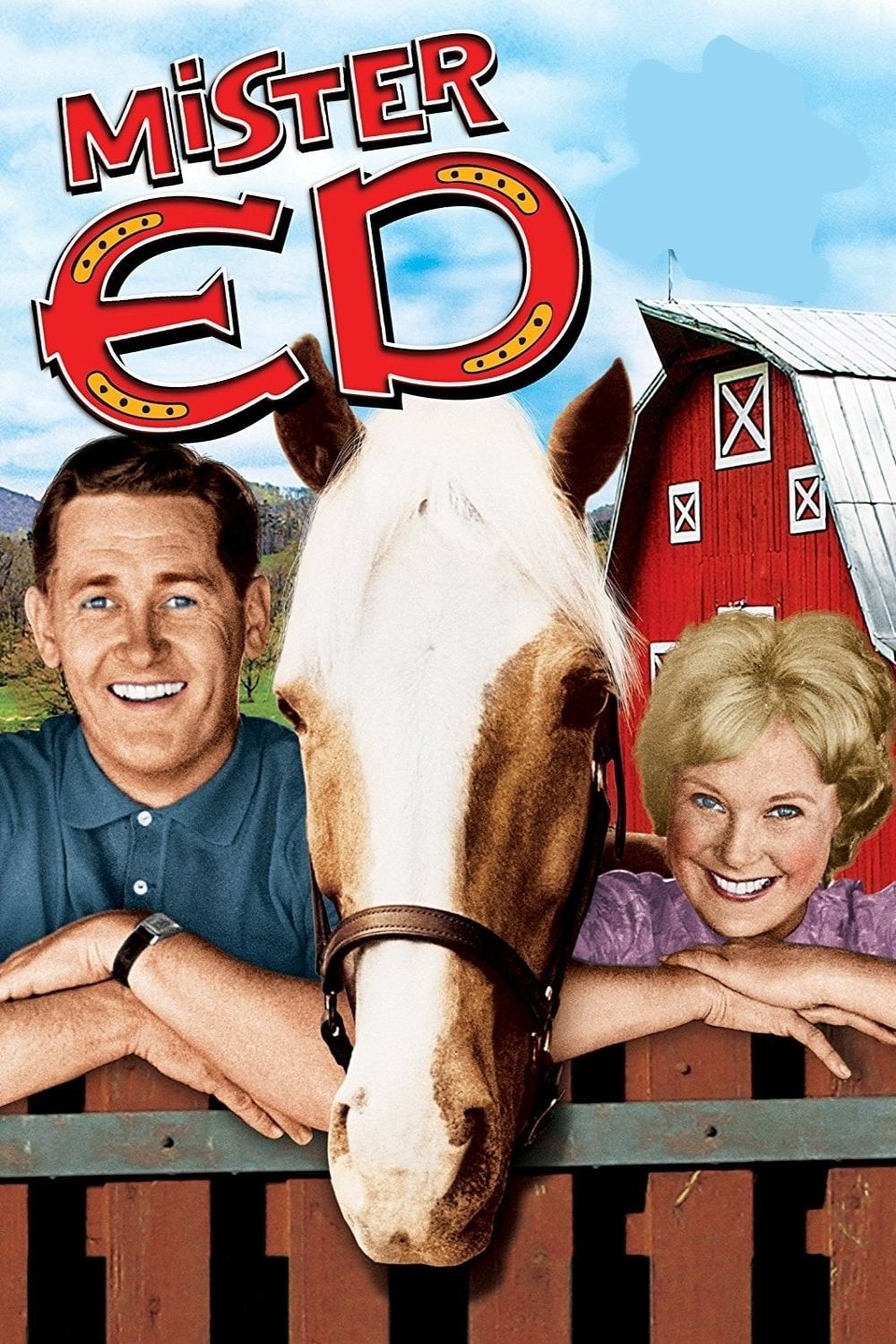
Wilbur Post and his wife Carol move into a beautiful new home. When Wilbur takes a look in his new barn, he finds that the former owner left his horse behind. This horse is no ordinary horse . . . he can talk, but only to Wilbur, which leads to all sorts of misadventures for Wilbur and his trouble-making sidekick Mister Ed.
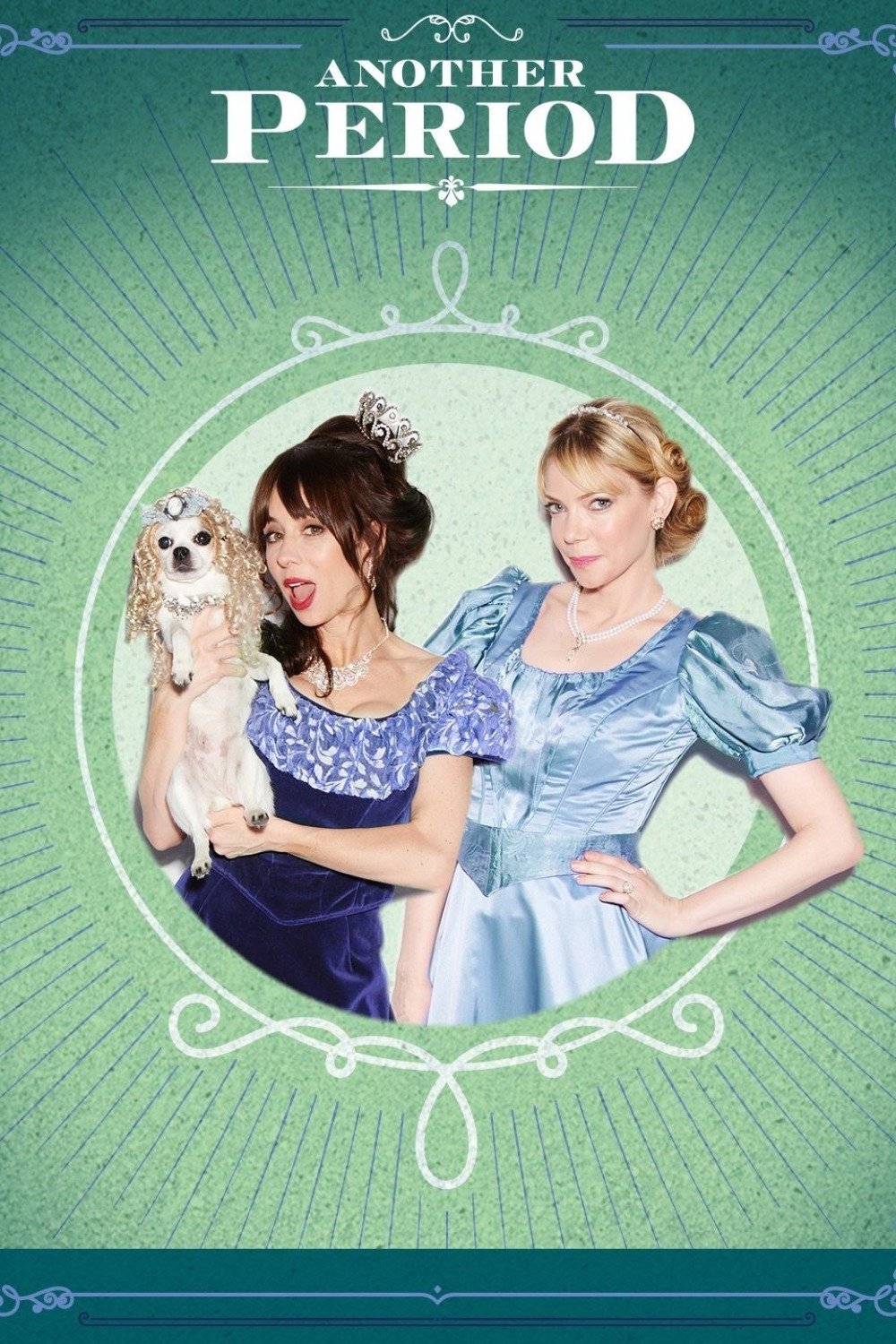
Set at the turn of the century, “Another Period” follows the misadventures of the Bellacourts, Newport, RI’s first family, who have absolutely nothing to offer to the world, but who have so much money it doesn’t matter. The series focuses on sisters “Lillian” and “Beatrice”, who care only about how they look, what parties they attend and becoming famous, which is a lot harder in 1902.
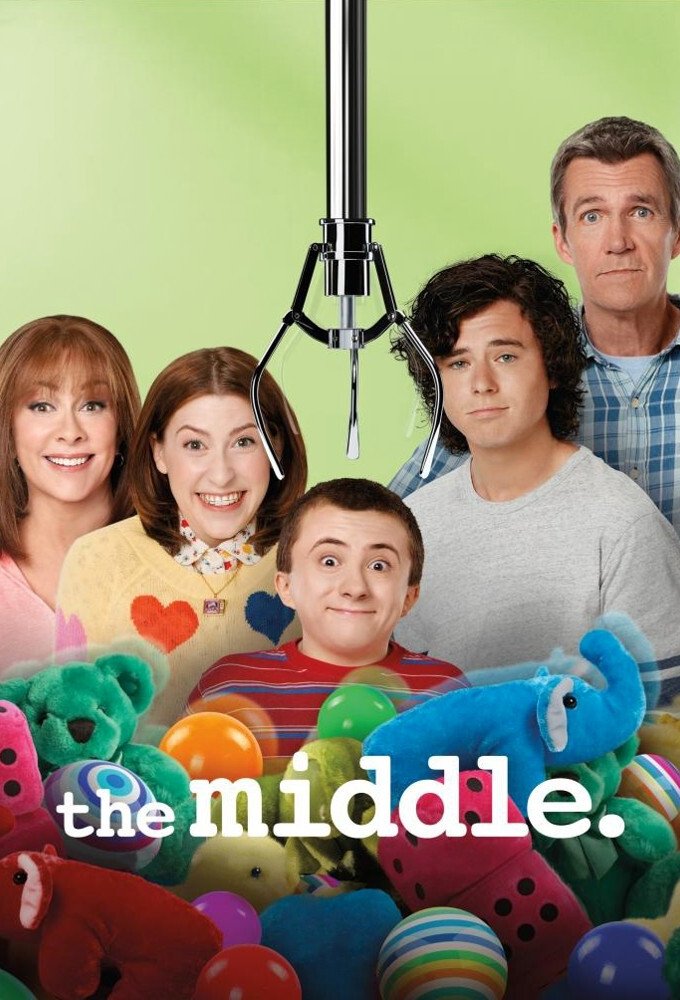
The daily mishaps of a married woman and her semi-dysfunctional family and their attempts to survive life in general in the city of Orson, Indiana.
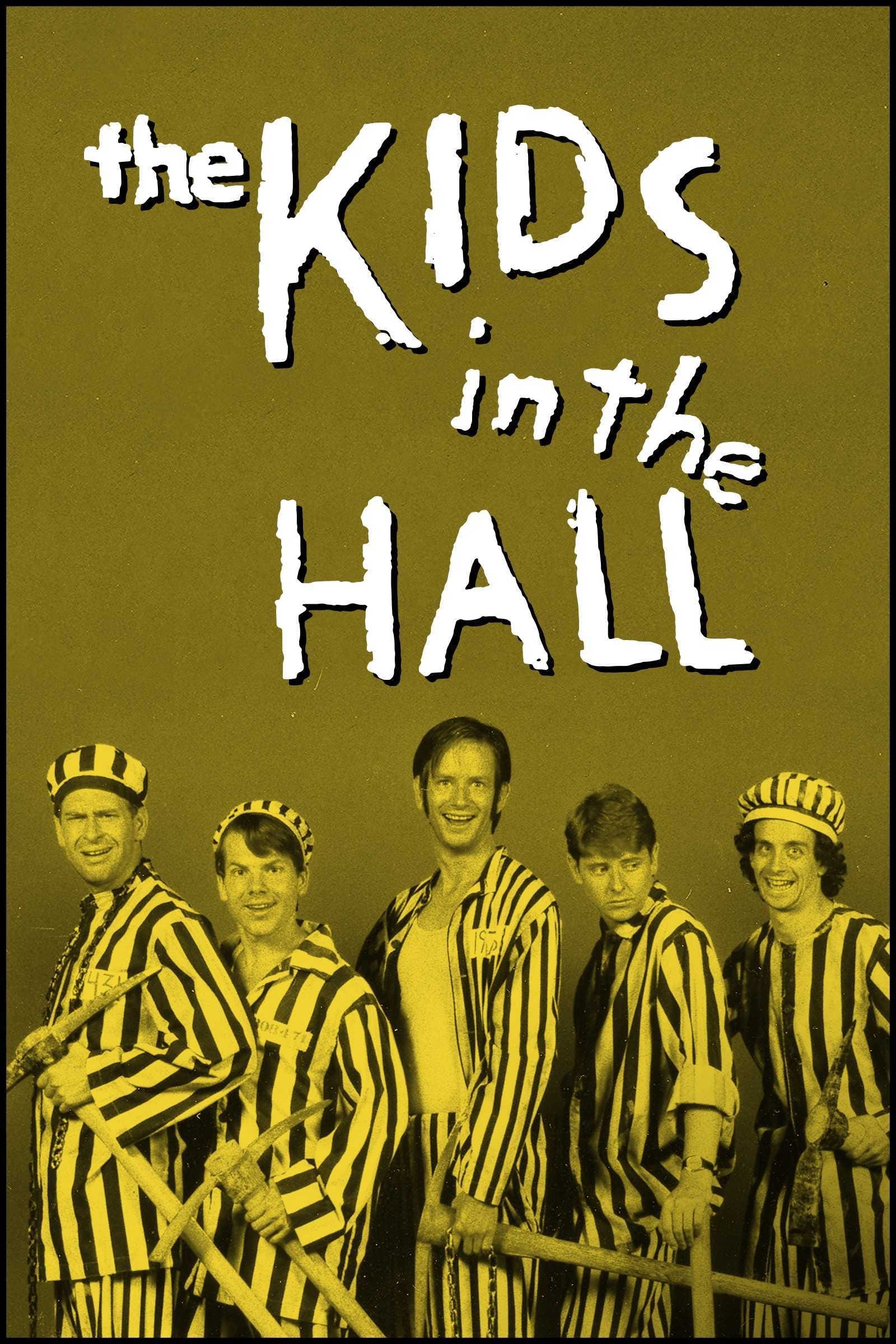
The Kids in the Hall is a Canadian sketch comedy group formed in 1984, consisting of comedians Dave Foley, Kevin McDonald, Bruce McCulloch, Mark McKinney, and Scott Thompson.
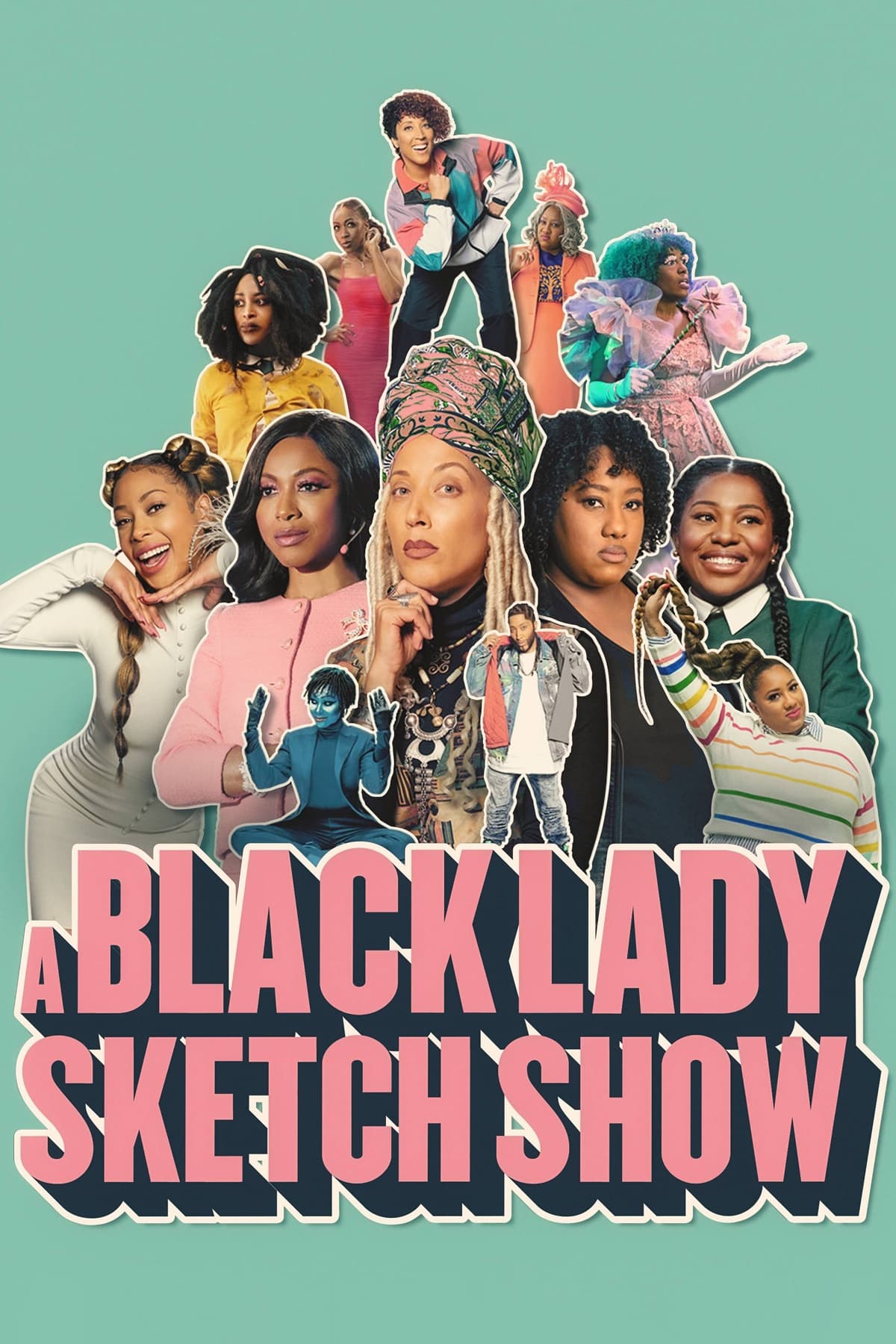
A narrative series set in a limitless magical reality full of dynamic, hilarious characters and celebrity guests presenting sketches performed by a core cast of black women.
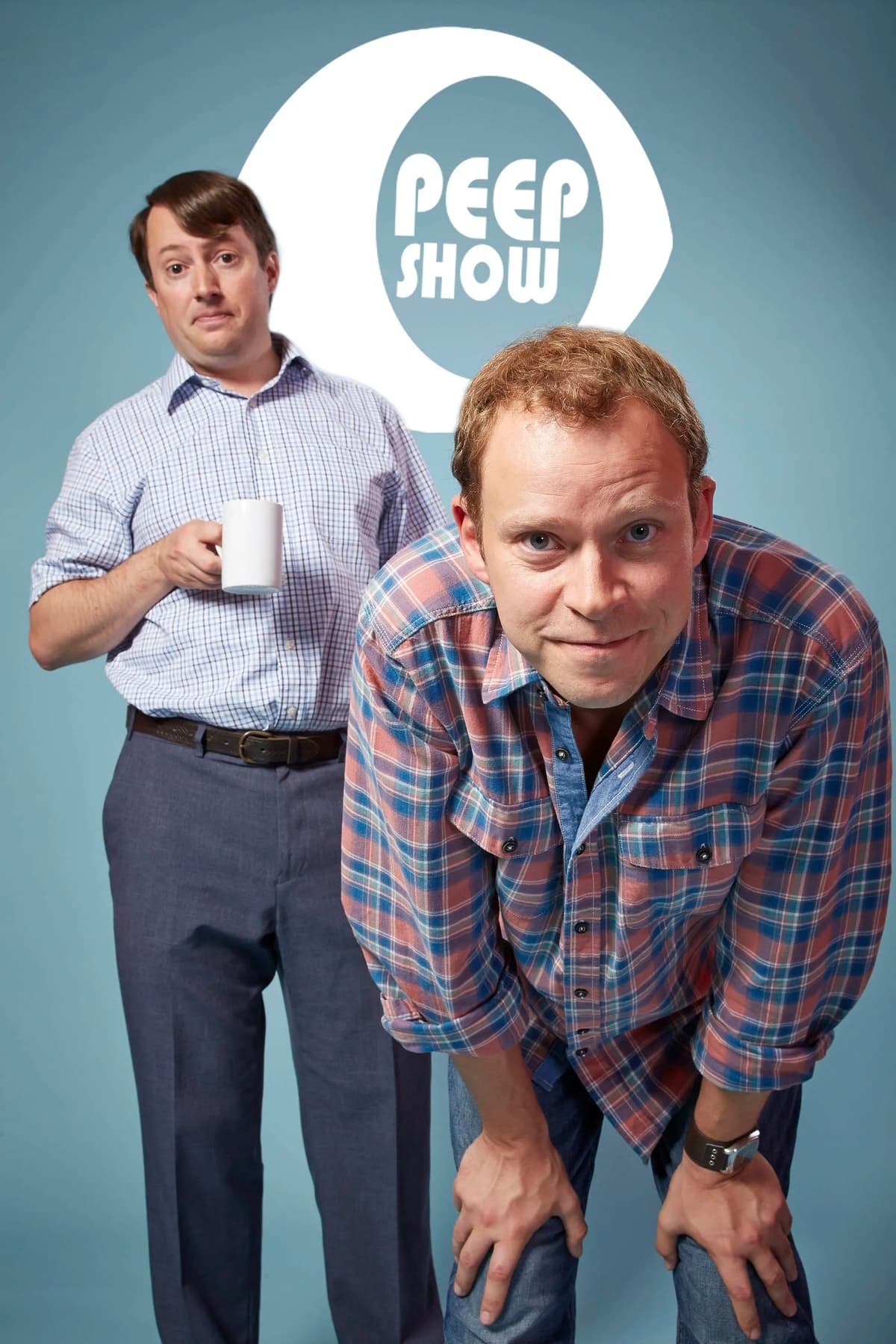
Two dysfunctional flatmates reveal all their inner thoughts - whether dark, stupid or embarrassing. Or, occasionally, all three...
Join sadomasochistic superheroes Johnny Knoxville, Bam Margera, and the rest of the Jackass crew as they terrorize your TV screens and everyone that gets in their way (especially themselves) with their own sick and twisted interpretation of physical entertainment. Their brand of pranks, goofball antics, and unabashed brutal comedy are sure to bring new meaning to the phrase "Don't Try This At Home!"