Games World was an entertainment video games show that was broadcast on Sky One each weekday from 1 March 1993–2 October 1998. The overall concept of Games World was similar to GamesMaster.
Social & External
Self
Storybook Squares is a short-lived Saturday morning version of Hollywood Squares for children. The primary difference, apart from having children as contestants, was that it featured celebrities in costume as well-known fictional characters and some as historical figures. As with the adult version, Peter Marshall was host and Kenny Williams was announcer; Williams read the characters' names off a scroll as "The Guardian of the Gate", a role similar to his "Town Crier" on Video Village. The series originally ran on NBC from January 4 to April 19, 1969, with repeats airing until August 30.
The show is divided into several segments, each one offering contestants prizes in return for achieving a set of challenges or game tasks given by the host. The prizes offered range from cars and motorcycles to gold, cash, vacation packages and household items. The show is funded by sponsors, advertisers and commercial brands
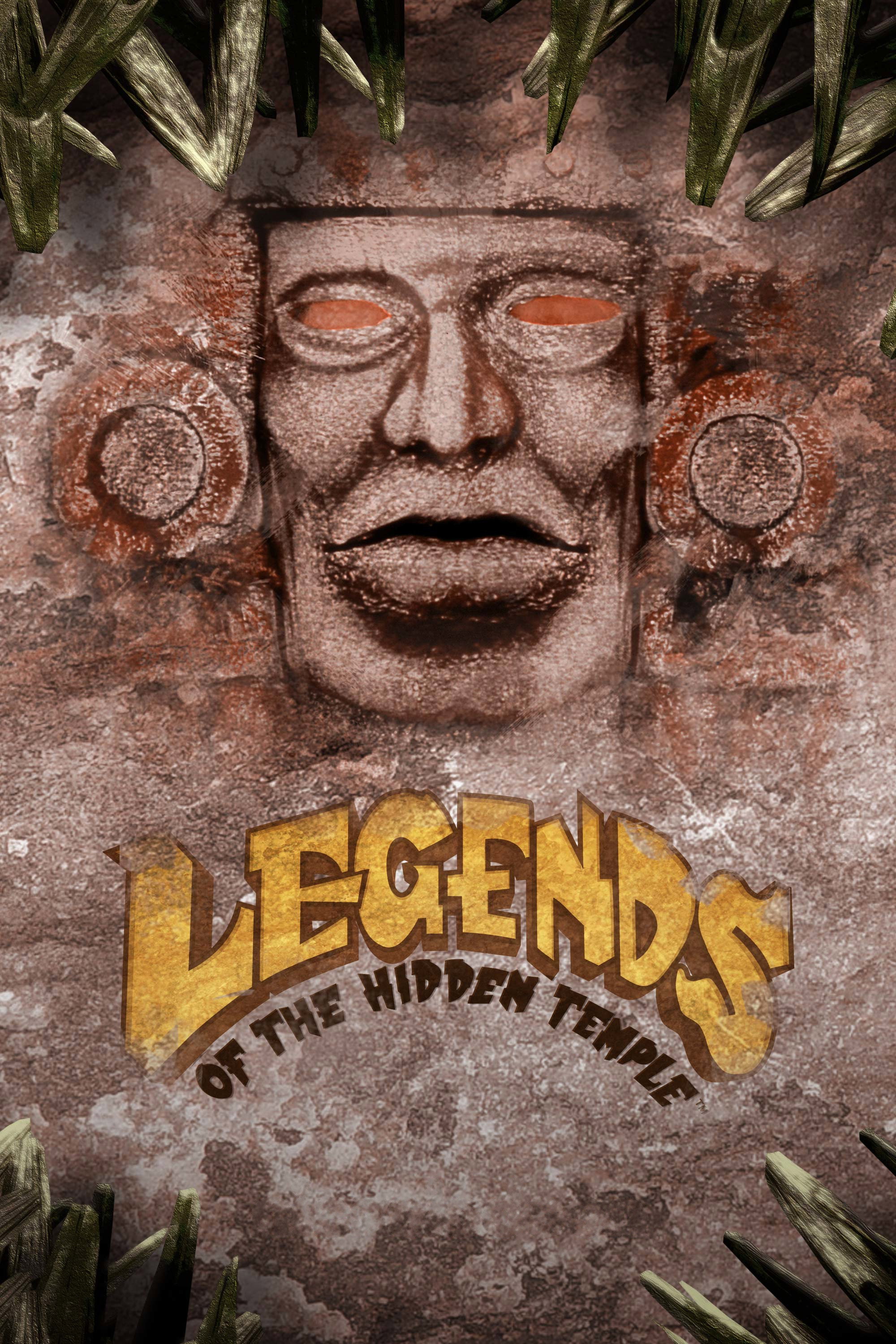
In a Temple filled with lost treasures and protected by mysterious Mayan temple guards, six teams of two children compete to retrieve one of the historical artifacts in the Temple by performing physical stunts and answering questions based on history, mythology, and geography. After three elimination rounds, only one team remains, who then earns the right to go through the Temple to retrieve the artifact within three minutes and win a grand prize.
Lavezzi Rutjes looking for The Mole. Every week he speaks in the studio about the episode. The missions and the behavior of the candidates. Does Lavezzi succeed to find that one question?
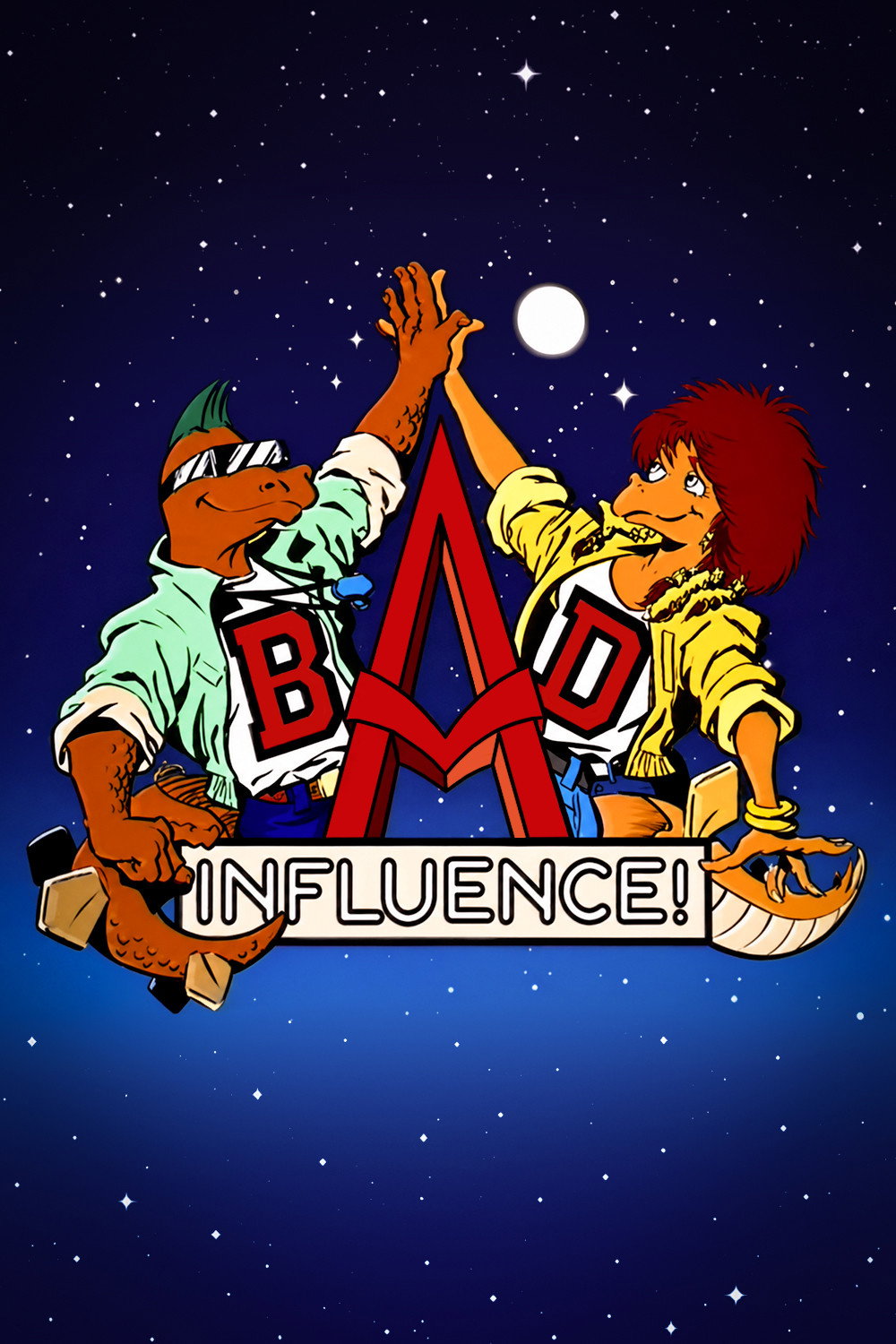
Bad Influence! is an early to mid-1990s British factual television programme broadcast on CITV between 1992 and 1996, and was produced in Leeds by Yorkshire Television. It looked at video games and computer technology, and was described as a "kid’s Tomorrow's World". It was shown on Thursday afternoons and had a run of four series of between 13 and 15 shows, each of 20 minutes duration. For three of the four series, it had the highest ratings of any CITV programme at the time. Its working title was Deep Techies, a colloquial term derived from 'techies' basically meaning technology-obsessed individuals.
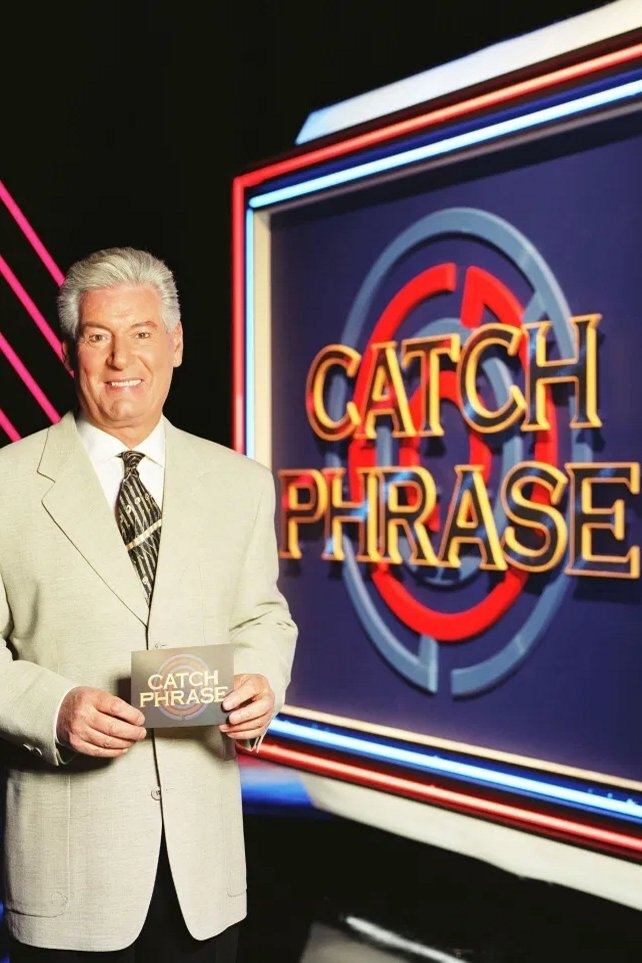
Catchphrase is a British game show based on the short-lived U.S. game show of the same name. It originally aired on ITV in the United Kingdom between 12 January 1986 and 19 December 2002. It was presented by Northern Irish comedian Roy Walker from 1986–1999; followed by Nick Weir from 2000–2002, and Mark Curry in 2002. In the original series, two contestants, one male and one female would have to identify the familiar phrase represented by a piece of animation accompanied by background music. The show's mascot, a golden robot called "Mr. Chips", appears in many of the animations. In the revived version of the show, the same format remains, but there are three contestants. In August 2012, it was announced that Stephen Mulhern would host a revived version of the show beginning on 7 April 2013. On 21 August 2013, it was confirmed that Catchphrase has been re-commissioned for a second series, following the success of the first.
Bamzooki is a mixed reality television gameshow on the BBC which features a toolkit developed by Gameware Development. The first series aired in March 2004 on CBBC. The show was presented by Jake Humphrey. It has occasionally featured specials with Sophie McDonnell. In July 2008, it was announced on CBBC on BBC One that Bamzooki was returning. A new thirteen part series began in November 2009 and was now hosted by Barney Harwood and Gemma Hunt.
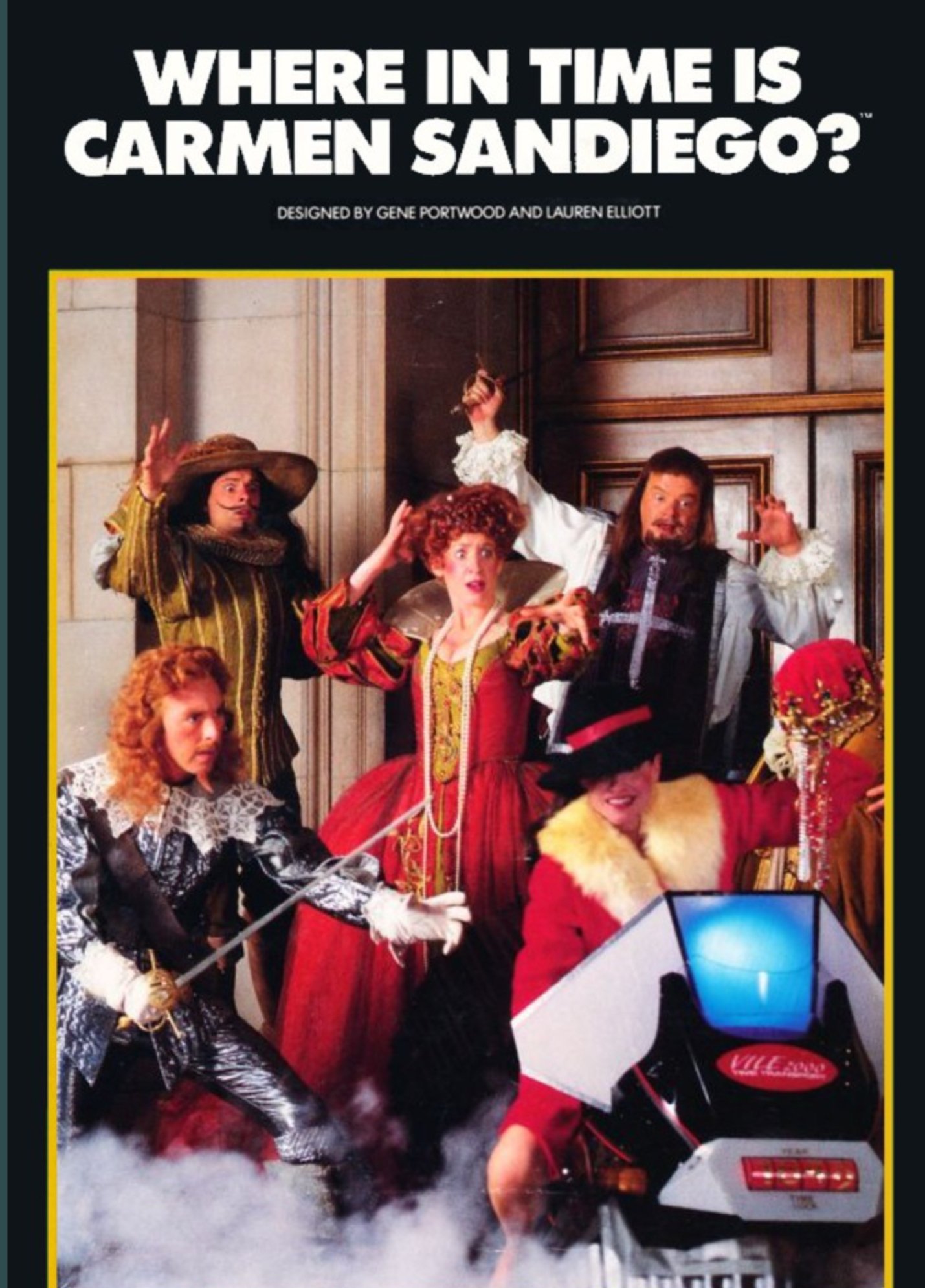
A game show based on the Carmen Sandiego computer game series created by Brøderbund Software.
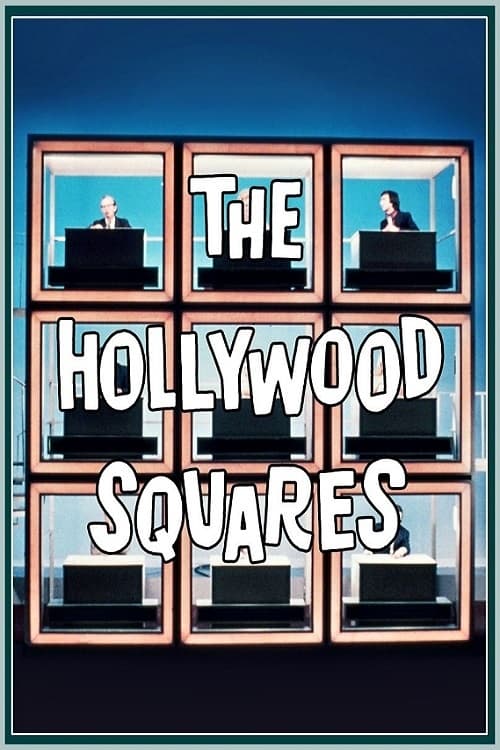
Hollywood Squares is an American panel game show, in which two contestants play tic-tac-toe to win cash and prizes. The "board" for the game is a 3 × 3 vertical stack of open-faced cubes, each occupied by a celebrity seated at a desk and facing the contestants. The stars are asked questions by the host, or "Square-Master", and the contestants judge the veracity of their answers in order to win the game. Although Hollywood Squares was a legitimate game show, the game largely acted as the background for the show's comedy in the form of joke answers, often given by the stars prior to their "real" answer. The show's writers usually supplied the jokes. In addition, the stars were given question subjects and plausible incorrect answers prior to the show. The show was scripted in this sense, but the gameplay was not. In any case, as host Peter Marshall, the best-known "Square-Master" and the man in whose honor the show's first announcer, Kenny Williams, actually "coined" the term, would explain at the beginning of the Secret Square game, the celebrities were briefed prior to show to help them with bluff answers, but they otherwise heard the actual questions for the first time as they were asked on air.
Danish version of the British “Taskmaster” panel show in which comedians, actors and musicians (the contestants) must solve weird challenges in weird ways.
Strike it Lucky was a popular British television game show from 29 October 1986 to 23 August 1999, originally produced by Thames Television for ITV, and presented by the British comedian Michael Barrymore. It was based on the American show of the same name that aired in 1986. In its formative years, it became well known for the outlandish and often highly eccentric contestants it featured - Barrymore would often spend over 5 minutes talking to them. The introductory footage of the prizes on offer were also noteworthy, often filmed in black-and-white with a slapstick style. In 1987, it was the fifth most watched programme on UK television. The Thames Television version of the show was recorded at Teddington Studios, and later Pinewood Studios. From 1996, the new version aired under the title Strike it Rich!; this being the title of the short-lived American game show Strike it Rich! on which it was based, and it moved to The London Studios. The reason for the name change was that the show was now being co-produced by LWT with Fremantle, so despite now being owned by the same company as Fremantle, Thames were unwilling to allow LWT use of the original title. There is also the factor that when the show was first exported to the UK, the Independent Broadcasting Authority's prize limits were still in place, and "Rich" was probably dropped from the title because of the relatively low value of prizes on offer; by the time it returned as Strike it Rich! the limits had been lifted and it was giving away a substantially higher value of prizes.
Two teams of children answer questions and perform stunts all-the-while getting messy.
Eggheads is a BBC quiz show which pits a team of five "Eggheads" against a series of teams of five "challengers" who in each episode attempt to beat the Eggheads through a series of rounds. The program was first broadcast in 2003, and co-presented by Dermot Murnaghan and Jeremy Vine. For the 2008 series, Jeremy Vine was brought in to present on nights when Murnaghan was hosting the spinoff series Are You an Egghead?. This happened again from October 2009 while Murnaghan presented the second series of the spinoff show. Since the spin-off show finished, Jeremy Vine has continued to host the second half of each series, which broadcasts 52 weeks a year. Episodes generally air weekdays.
Blockbusters is a British television game show based upon the American game show of the same name in which contestants answer trivia questions to complete a path across or down a game board of hexagons.
50/50 was a British children's game show that was broadcast on BBC1. It was broadcast from 7 April 1997 to 12 July 2005. Two schools in the UK put forward 50 students, each child given a number from 1–50 which they wear during the show, before each round a random number generator picks which students will take part in the next game. The t-shirt colours were originally green and orange but this was changed to blue and yellow. They sit opposite each other in raised seating while the game takes place in between them. Most of the children will not get an opportunity to play in a game, but there are question rounds and observation rounds where points are won by the number of correct answers. The games usually consist of inflatable obstacle courses similar to those found in Get Your Own Back, Fun House and Run the Risk.
Blankety Blank is a British comedy game show based on the 1977–1979 Australian game show Blankety Blanks. The British version ran from 18 January 1979 to 12 March 1990 on BBC One, hosted first by Terry Wogan and later by Les Dawson. Regular members of the celebrity panel on this version included Kenny Everett, Lorraine Chase, Gareth Hunt, Gary Davies, and Cheryl Baker. A revival fronted by Lily Savage was produced by the BBC from 26 December 1997 to 28 December 1999, followed by ITV from 7 January 2001 to 10 August 2002. This version was produced by Grundy, then Thames.
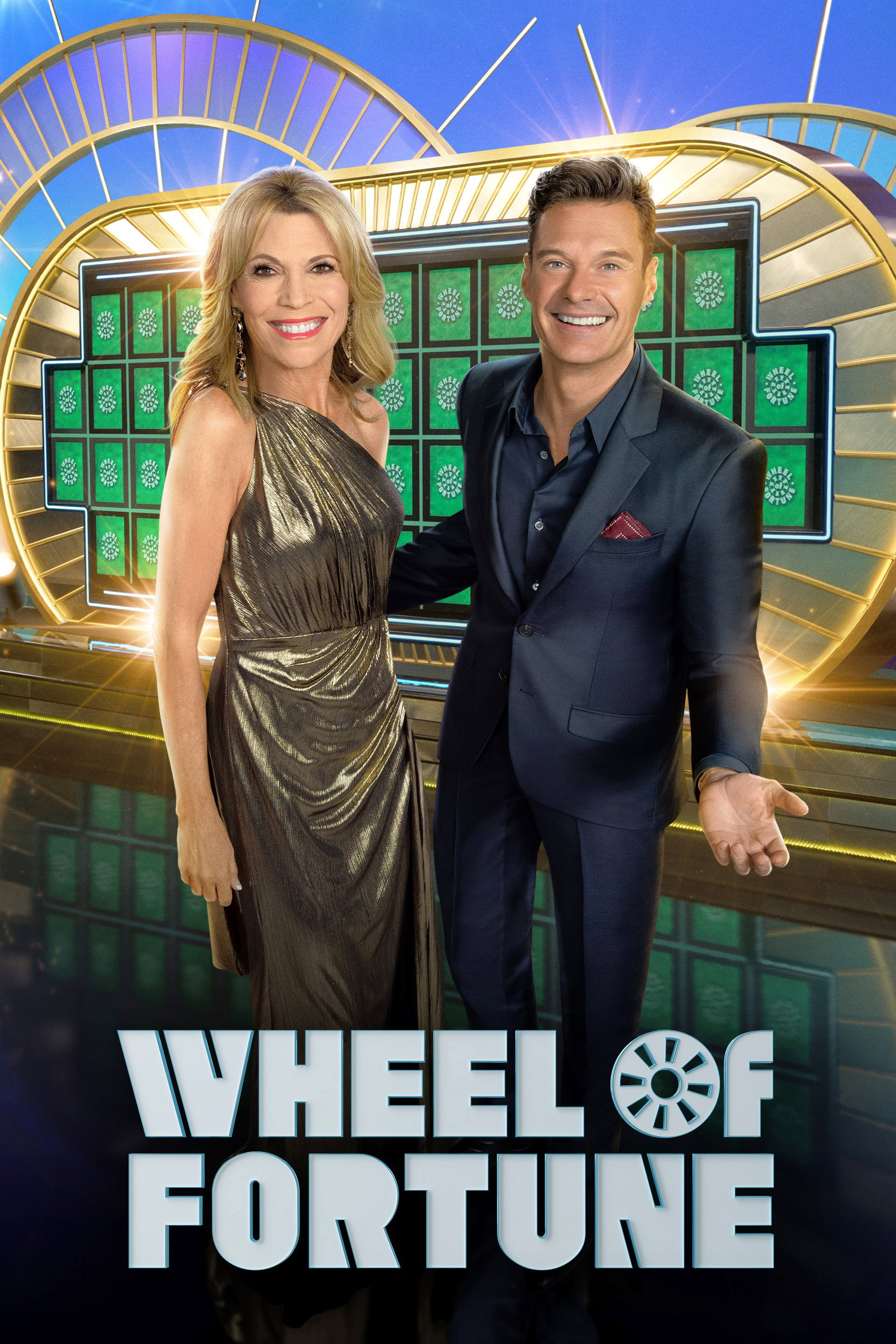
This game show sees contestants solve word puzzles, similar to those used in Hangman, to win cash and prizes determined by spinning a giant carnival wheel.
In 1989 the two most famous plumbers from Brooklyn burst out of the Nintendo game world and onto television screens across America. The Super Mario Bros. Super Show! aired weekday afternoons and brought Mario, Luigi, Princess Toadstool and King Koopa more thrilling adventures as cartoon characters. And if that weren't enough, each episode also contained live-action segments featuring Mario and Luigi running their Brooklyn plumbing shop - all before they were flushed down a drainpipe into the Mushroom World.
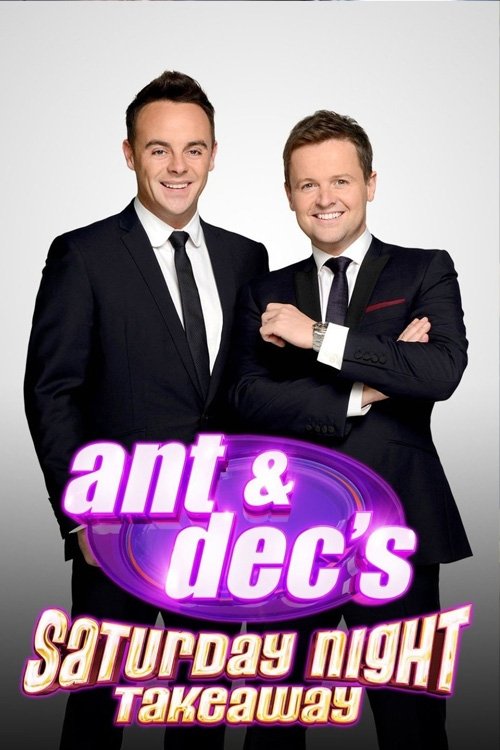
A gameshow hosted by Ant and Dec filled with stunts, sketches, and special guest appearances.
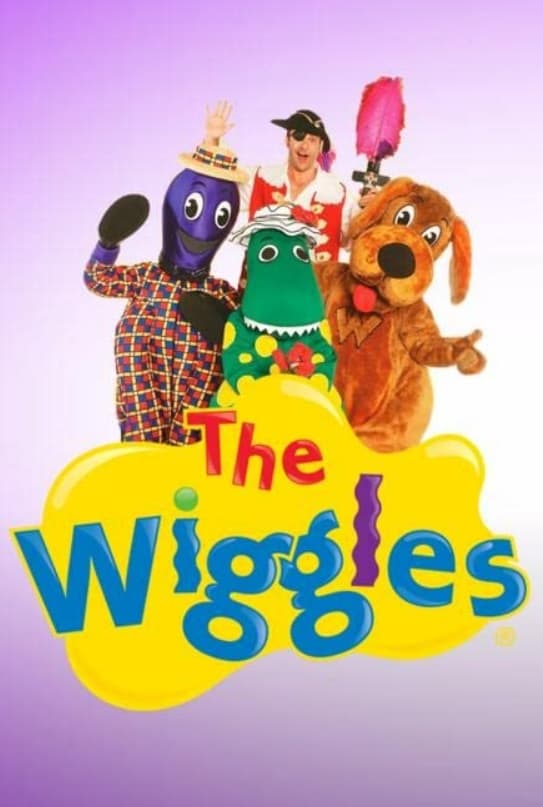
A show geared for babies up to older toddlers. This show is full of music, teaching kids songs and easy dances.
American version of the tense gameshow where contestants tackle a series of multiple-choice questions to win large cash prizes.
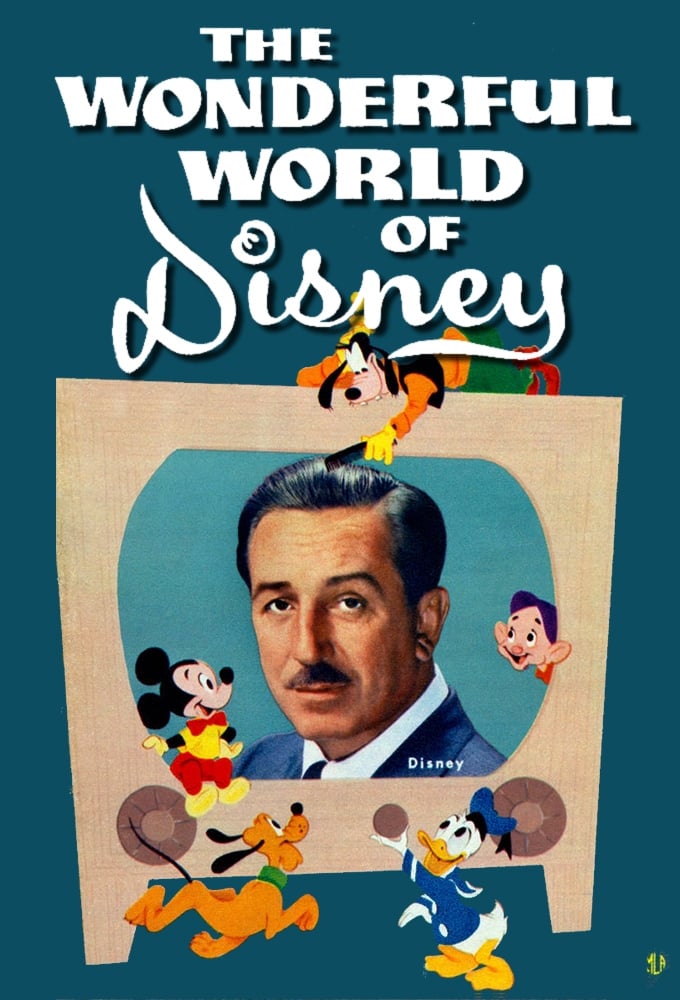
Walt Disney Productions (later The Walt Disney Company) has produced an anthology television series under several different titles since 1954. The original version of the series premiered on ABC in 1954. The show was broadcast weekly on one of the Big Three television networks until 1990, a 36-year span with only a two-year hiatus in 1984-85. The series was broadcast on Sunday for 25 of those years. From 1991 until 1997, the series aired infrequently. The program resumed a regular schedule in 1997 on the ABC fall schedule, coinciding with Disney's recent purchase of the network. From 1997 until 2008, the program aired regularly on ABC. Subsequently, ABC continued the series as an occasional special presentation.
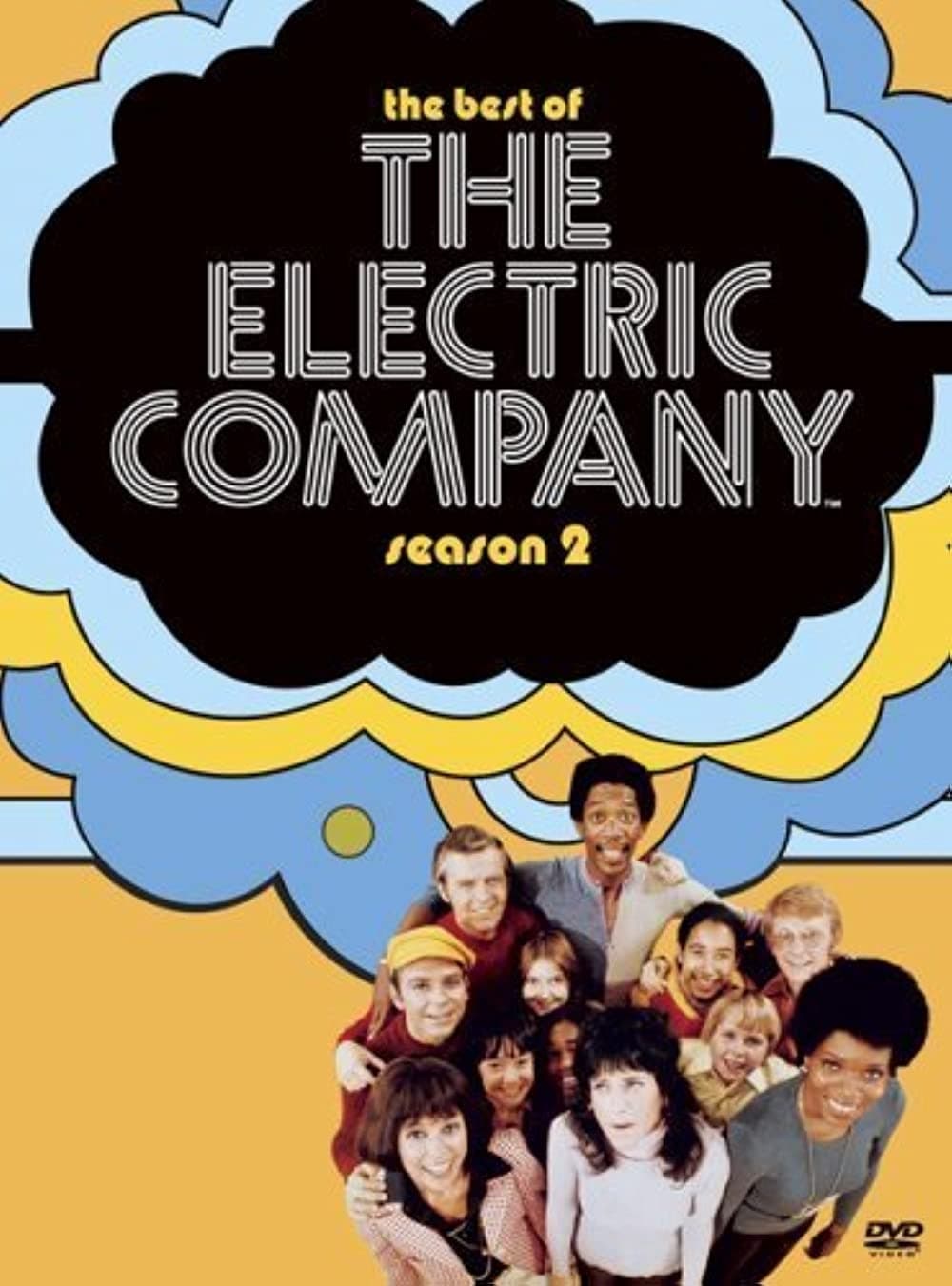
The Electric Company is an educational American children's television series that was produced by the Children's Television Workshop for PBS in the United States. PBS broadcast 780 episodes over the course of its six seasons from October 25, 1971 to April 15, 1977. After it ceased production that year, the program continued in reruns from 1977 to 1985, the result of a decision made in 1975 to produce two final seasons for perpetual use. CTW produced the show at Teletape Studios Second Stage in Manhattan, the first home of Sesame Street. The Electric Company employed sketch comedy and other devices to provide an entertaining program to help elementary school children develop their grammar and reading skills. It was intended for children who had graduated from CTW's flagship program, Sesame Street. Appropriately, the humor was more mature than what was seen there.
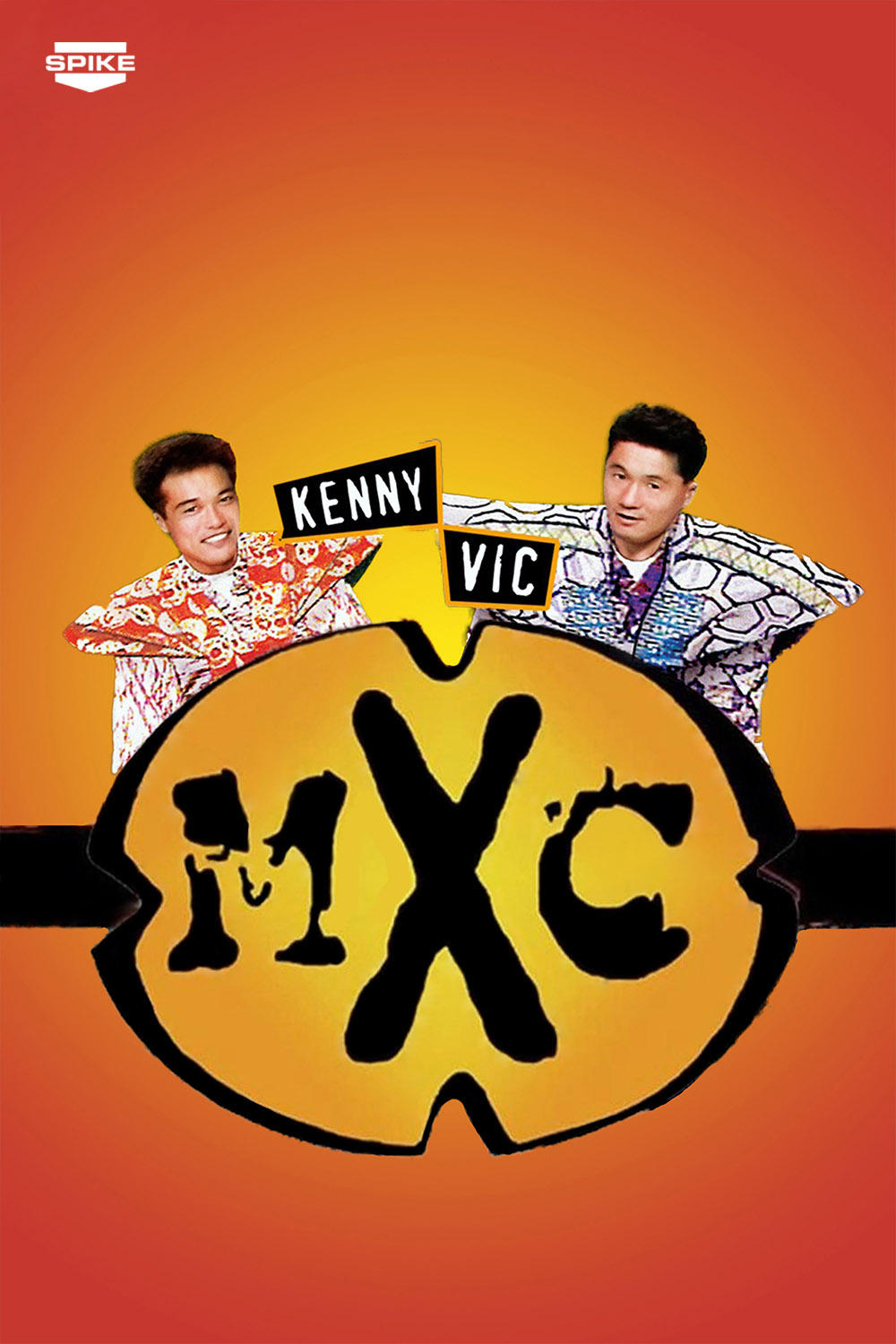
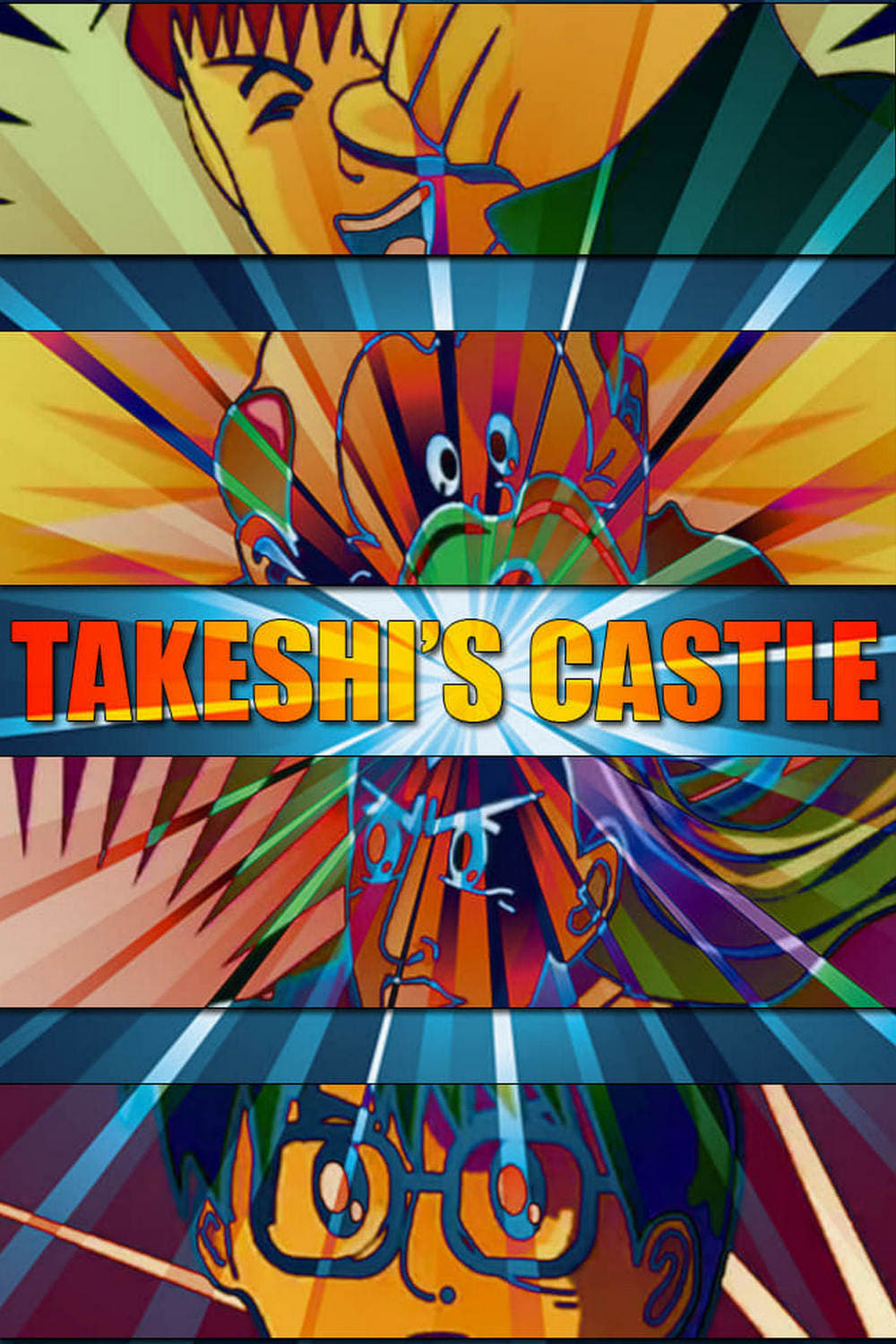
Footage from the popular game show, Takeshi's Castle has been re-edited, re-written and re-voiced into a hilarious, intentionally over-produced, modern "action/X-treme" sports show.
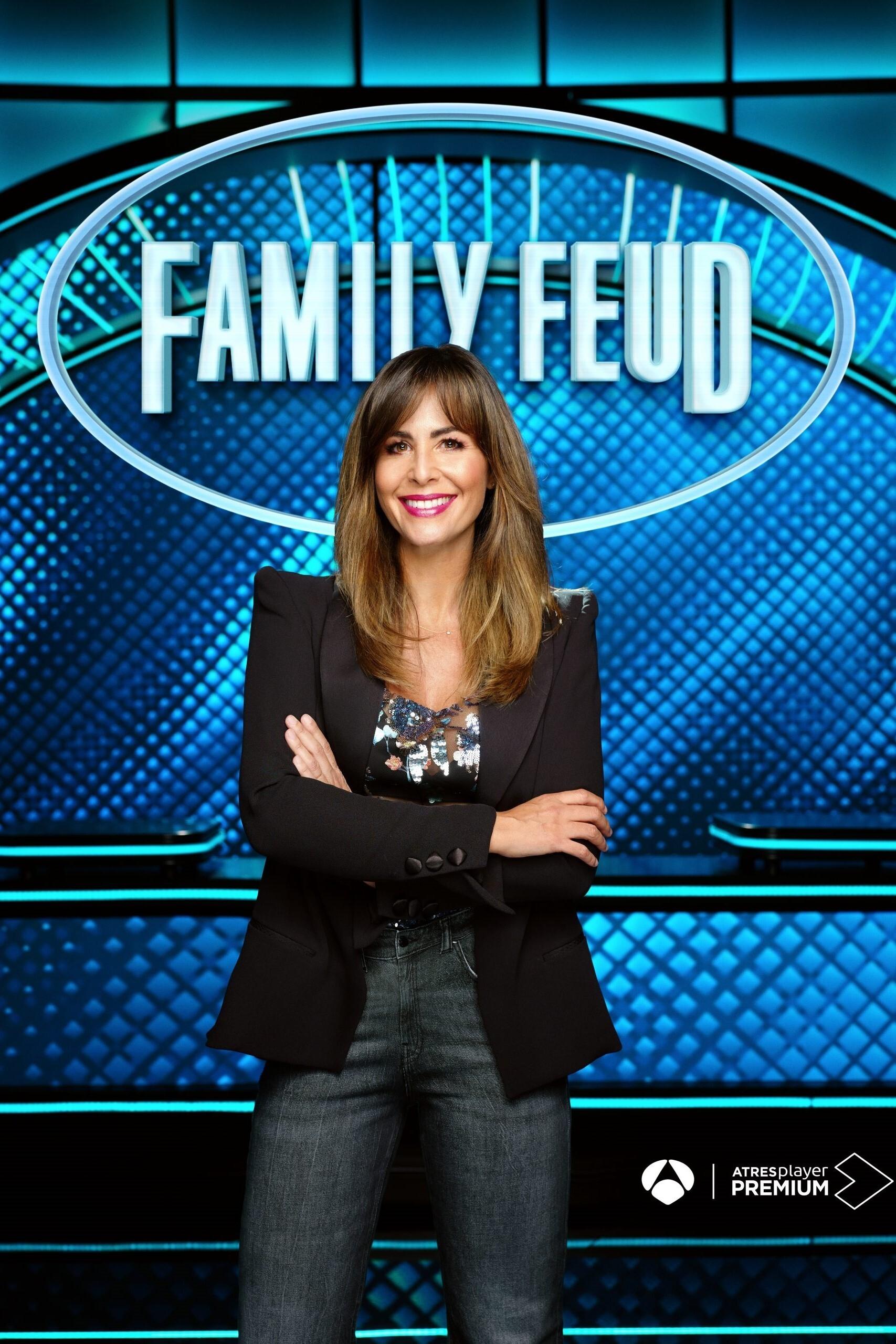
Two families compete against each other in a contest to name the most popular responses to a survey question posed to 100 people.
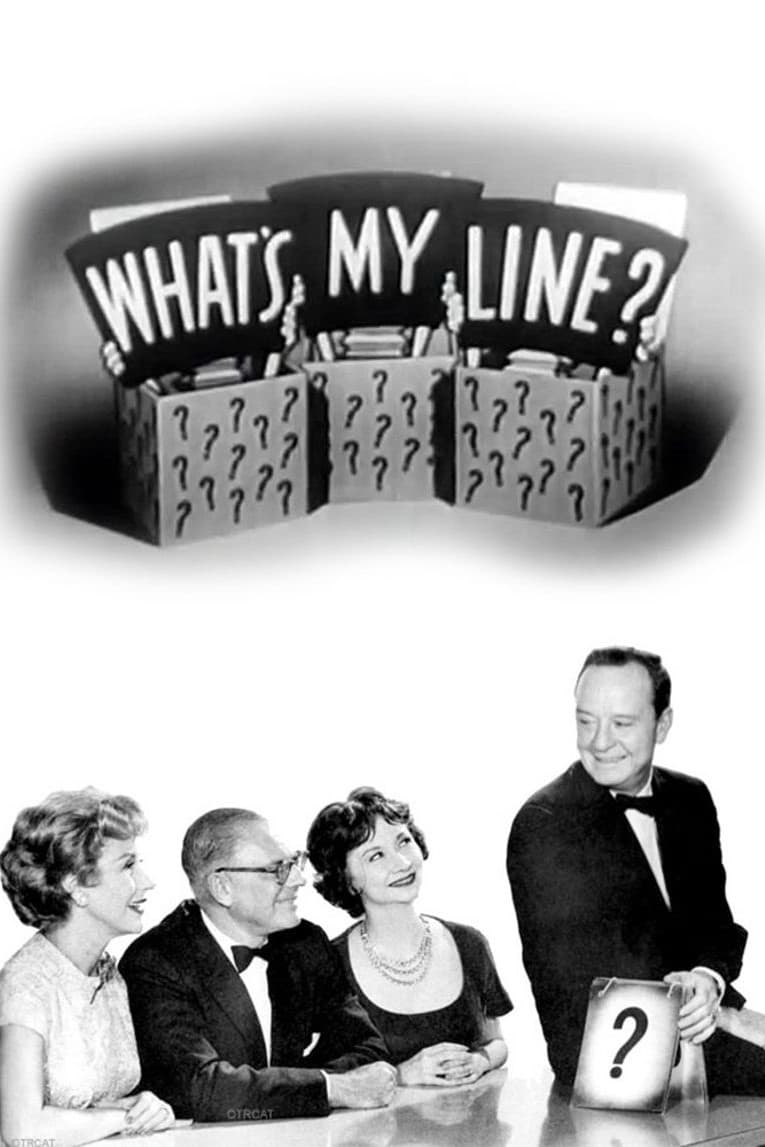
Four panelists must determine guests' occupations - and, in the case of famous guests, while blindfolded, their identity - by asking only "yes" or "no" questions.
AJ is an 8-year-old techie who drives monster-truck Blaze, the top racer in Axle City. The two go on adventures that have them taking on problems involving science and math. Many predicaments they face are caused by Blaze's rival, Crusher, a tractor-trailer that will do anything to beat other vehicles to the finish line. The animated series is billed as the first TV show for preschoolers to comprehensively cover areas of science, technology, engineering and math. Each episode introduces different STEM concepts, including buoyancy and trajectory.
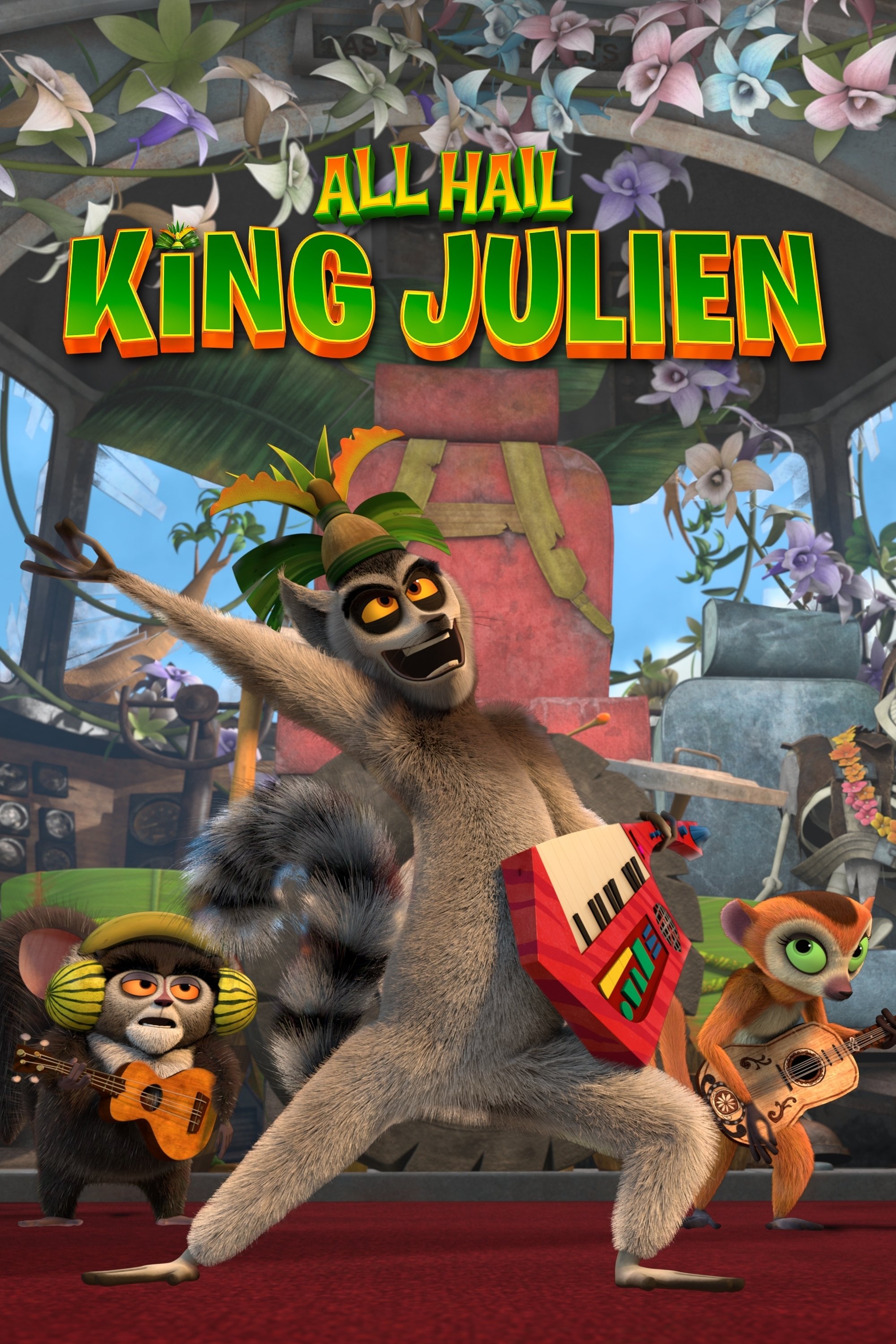
King Julien is back and shaking his booty harder than ever! Discover the wild world of Madagascar as the king takes on the jungle’s craziest adventures in this comedy series. With his loyal sidekicks Maurice and Mort, they meet a whole new cast of colorful animals, including ambitious head of security Clover and the villainous Foosa. No one can stop this king from ruling with an iron fist...in the air...wavin' like he just doesn't care.
A five-person team comprised of a thief, a grifter, a hacker, and a retrieval specialist, led by former insurance investigator Nathan Ford, use their skills to fight corporate and governmental injustices inflicted on ordinary citizens.
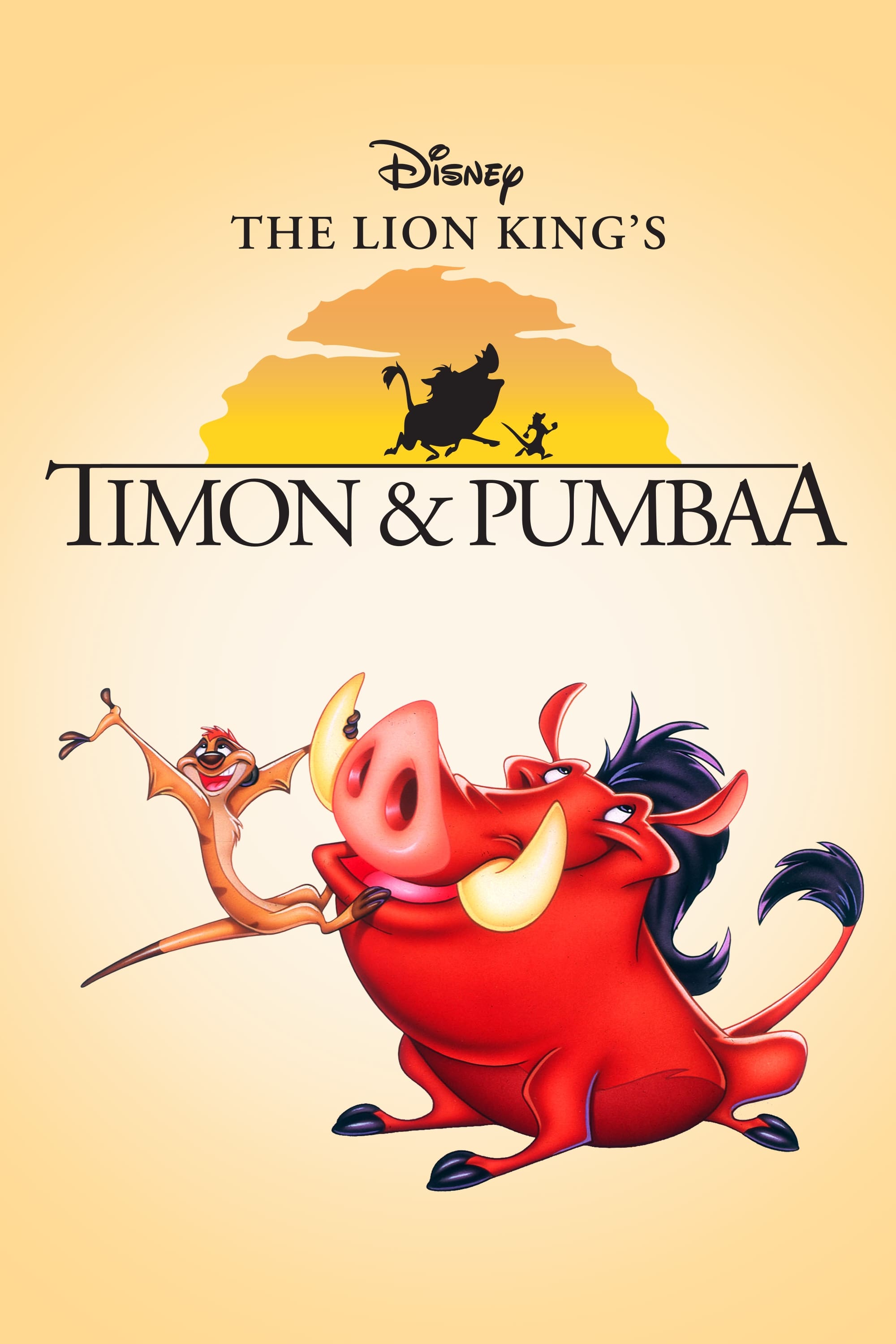
Set after the events of the "The Lion King," follow Timon and Pumbaa as they go on misadventures in the jungle, as well as across the globe in various.
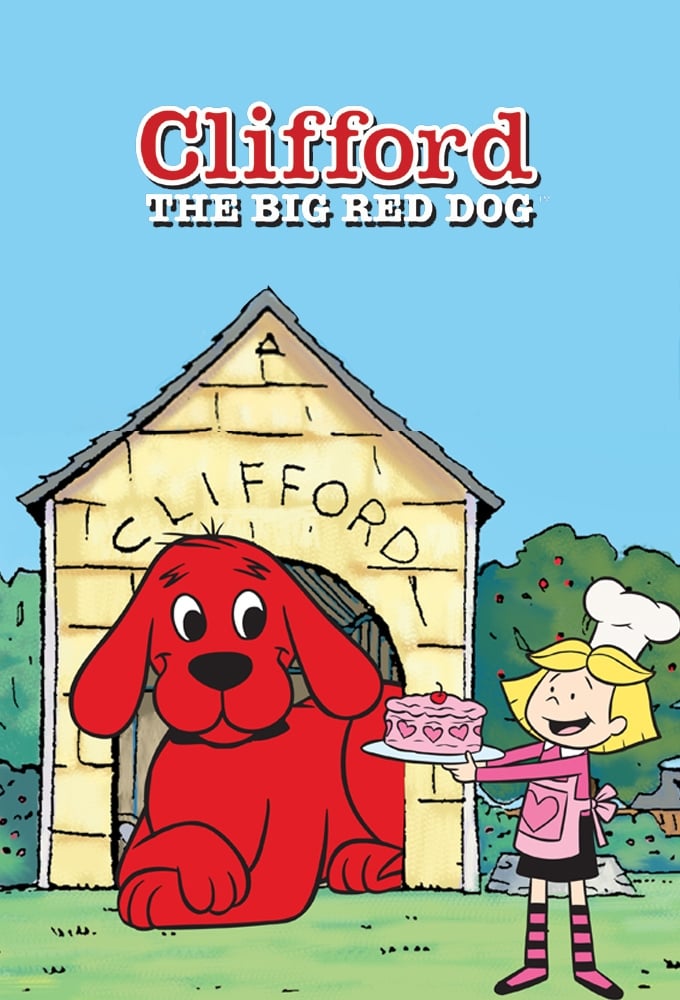
The adventures of a larger-than-life red dog on Bridwell Island.
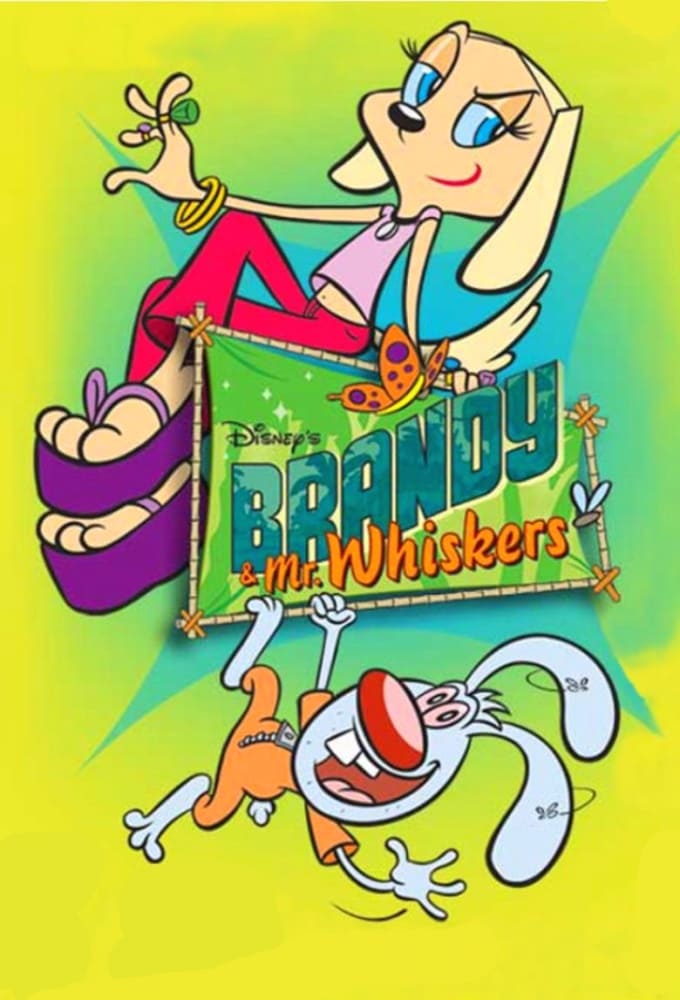
Brandy & Mr. Whiskers is an American animated television series about a pampered yet spunky dog and a hyperactive rabbit who get stuck in the Amazon Rainforest together. The show originally aired from August 2004 to August 2006. It was televised in the United States by Disney Channel.
The Amanda Show is an American live action sketch comedy and variety show that aired on Nickelodeon from October 16, 1999 to September 21, 2002. It starred Amanda Bynes, Drake Bell, and Nancy Sullivan, along with several performing artists who came and left at different points, such as John Kassir, Raquel Lee, and Josh Peck. The show was a spin-off from All That, in which Bynes had co-starred for several years. The show was unexpectedly cancelled at the end of 2002, according to creator Dan Schneider's blog. Writers for the show included John Hoberg, Steven Molaro, Andrew Hill Newman, and Dan Schneider. Two years after the end of The Amanda Show, Dan Schneider created a new series, called Drake & Josh, featuring Drake Bell, Josh Peck and Nancy Sullivan.
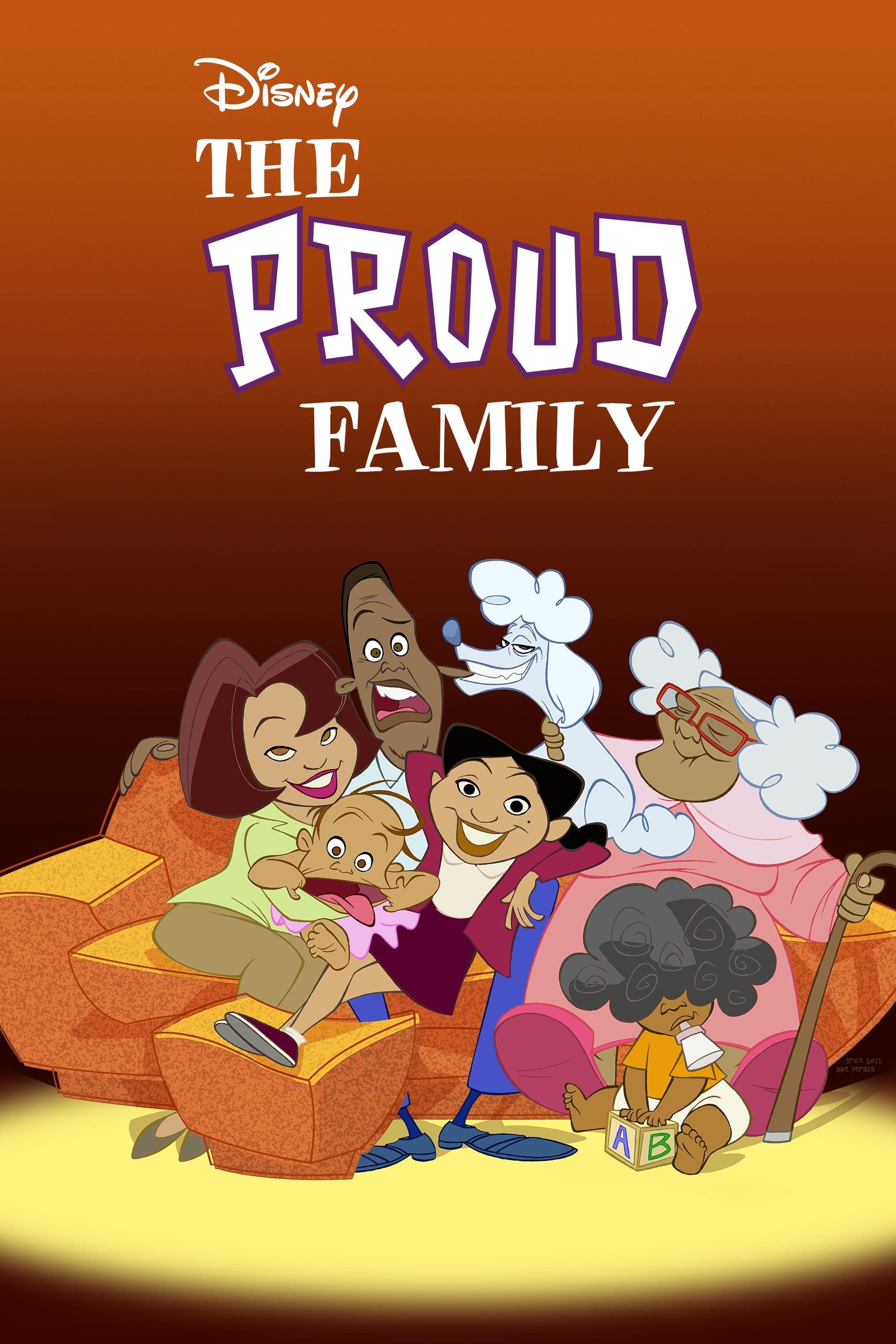
Follow the adventures and misadventures of Penny, a 14-year-old African American girl who's doing her best to navigate through the early years of teen-dom. Penny's every encounter inevitably spirals into bigger than life situations filled with hi-jinks, hilarity and heart. Her quest to balance her home, school and social lives are further complicated by friends like the sassy Dijonay, Penny's nemesis LaCienega Boulevardez, her loving, if not over-protective parents and her hip-to-the-groove-granny, Suga Mama.
A live-action sitcom about two 12-year-old girls who start a multi-million-dollar gaming company and take on rap superstar Double G as a business partner.
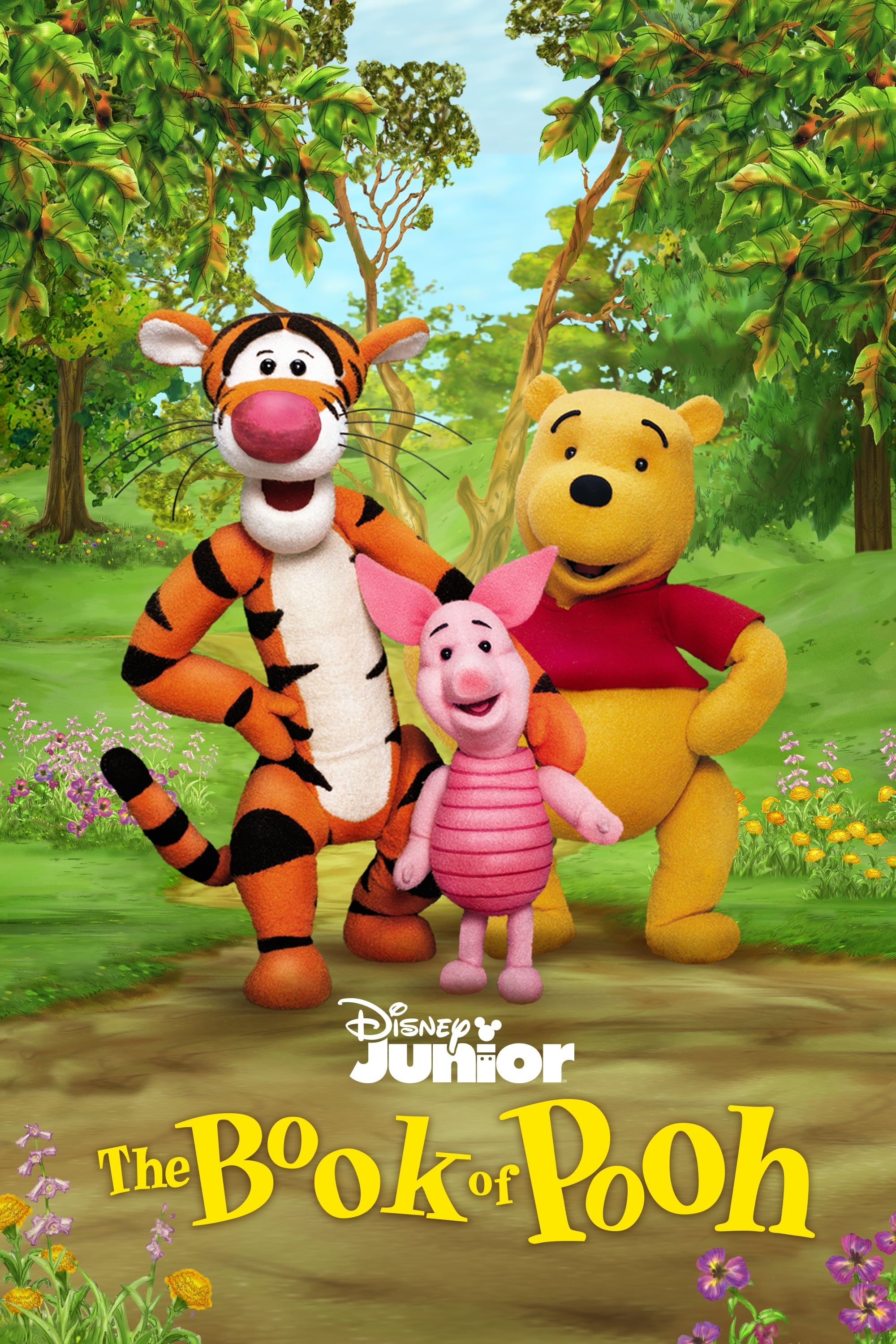
The Book of Pooh is an American television series that aired on the Disney Channel. It is the third television series to feature the characters from the Disney franchise based on A. A. Milne's works; the other two were the live-action Welcome to Pooh Corner and the animated The New Adventures of Winnie the Pooh which ran from 1988-1991. It premiered on February 9, 2001, and completed its run on July 8, 2003. The show is produced by Shadow Projects, and Playhouse Disney. This is the first Pooh show where Jim Cummings voices Tigger filling in for the late Paul Winchell. It was shown in U.K on a Channel 5 Block known as 'Milkshake!' as well as Playhouse Disney. It's run on Milkshake! ended around 2006 to 2007.