Social & External
The people behind it
Patrice Robitaille
Philippe
François Létourneau
Mathieu
Isabelle Blais
Sophie
Louise Portal
Mirielle
Sophie Cadieux
Geneviève
Sandrine Bisson
Marie
France Castel
Maman
Jean-Pierre Bergeron
François
Louis Morissette
Bruno
Fermont: A remote mining colony in the endless frozen hell that is Canada's far North. The body of a young exotic dancer is found and the Quebec City police sends one of their toughest, most experienced detectives to investigate. Céline sure is always up for a challenge. Being cooped up in the massive structure that is the colony – the inhabitants simply call it “The Wall” – soon presents her with some challenges that exceed her investigative efforts.
Les Belles Histoires des pays d'en haut is a Canadian television drama series, which aired on Radio-Canada from 1956 to 1970. One of the longest-running programs in the history of Canadian television, the series produced 81 episodes during its 14-year run and was one of the first influential téléromans. Written by Claude-Henri Grignon as an adaptation of his 1933 novel Un Homme et son péché and initially set in the 1880s, the series starred Jean-Pierre Masson as Séraphin Poudrier, the wealthy but miserly mayor of the village of Sainte-Adèle, Quebec, and Andrée Champagne as Donalda Laloge-Poudrier, the young daughter of a village resident who is given in marriage to Séraphin as payment for a family debt even though she remains in love with her suitor Alexis Labranche.
Six months ago, life went dark for the underworld negotiator Kida when his lifelong friend and fellow former outcast Makoto became embroiled in a deadly plot. Makoto had risen to become the head of a powerful trading firm, but the events that unfolded on Christmas Eve put an end to all that. Since then, Kida has continued to drift through life without a single bright spark to light up his life. Nobody cares if he lives or dies except his underworld boss, who values Kida’s inimitable skills.
Serial monogamist Brian O'Hara hits his mid-30s and suddenly realizes he's the last bachelor standing in his circle of friends. Not averse to the happily ever after his friends have achieved, Brian wonders whether he'll ever find Mrs. Right. The fact that he's in love with his best friend's girlfriend doesn't help his chances.
A forty year old woman who feels like she has not accomplished anything in life and a twenty-seven year old man who's frightened of himself.
An American comedy series that originally aired on ABC in October 2000. The show starred David Krumholtz, Brad Raider, Jon Cryer, Larry Joe Campbell, and Paget Brewster. The show was described as "the misadventures of four paranoid young men whose fear of urban conspiracy leads them to seek counseling in a therapy group run by therapist Claire Garletti." Recurring members of the therapy group were played by Jim Beaver and Patricia Belcher.
Les Invincibles is a comedy/drama television series from Radio-Canada produced by Casablanca Productions and Alliance Atlantis Vivafilm. The story is about four twenty-something men signing a pact ordaining the simultaneous break-up of their current relationships, and the subsequent adoption of a common responsibility-free life. In 2006, the show won an "Olivier" for best drama series. The third and last season ended on March 25, 2009. A remake of the series was made in France. Filming began in Strasbourg in August 2008 and the show was broadcast on the Franco-German Arte network in Fall 2009.
After a very public breakdown and a subsequent philosophical awakening in rehabilitation, Amy tries to get her life back together.
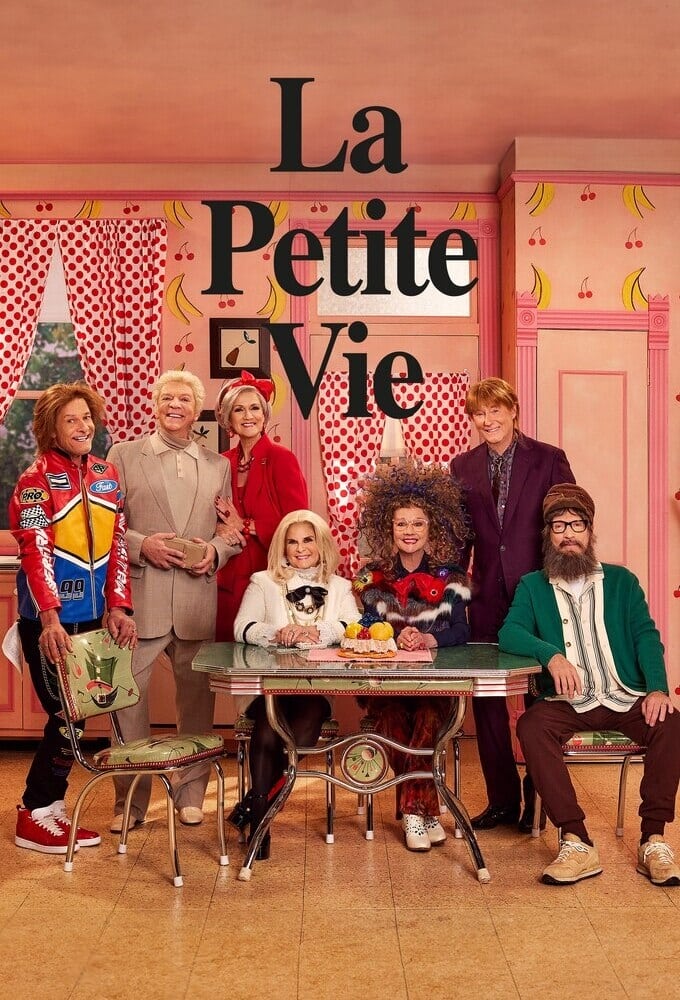
La petite vie was first a stage sketch of the comedy duo Ding et Dong, formed by Claude Meunier and Serge Thériault, and later a hit Quebec television sitcom aired by Radio-Canada from 1993 to 1999. In total, 59 episodes were created plus 3 specials, two for Christmas and one for New Year's 2000. It is to date the only Canadian TV show to ever gather more than 4 million viewers, a performance it achieved twice in 1995.
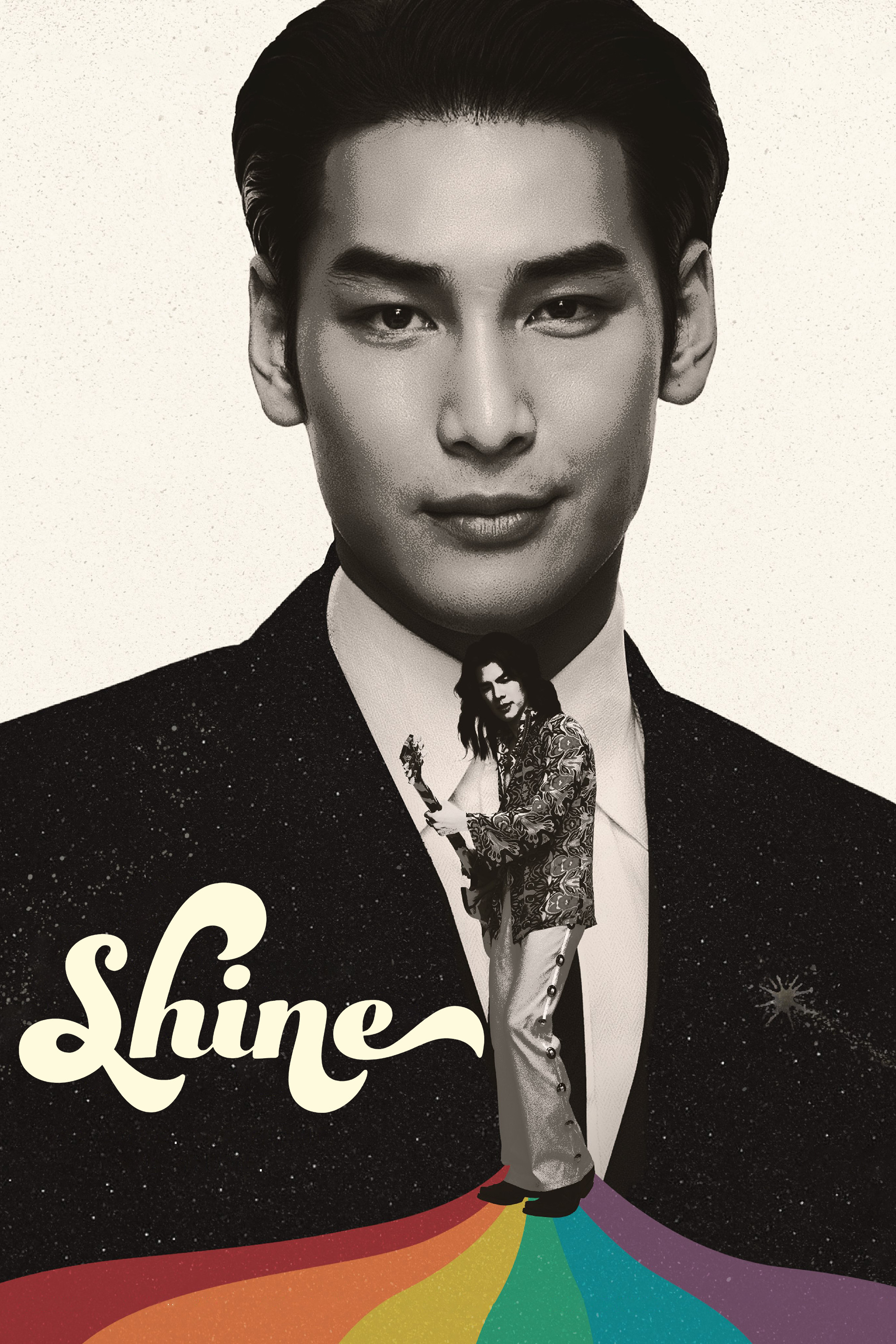
In 1969 Bangkok, idealistic economist Trin meets carefree musician Tanwa amid political unrest, sparking a forbidden romance that tests their beliefs.
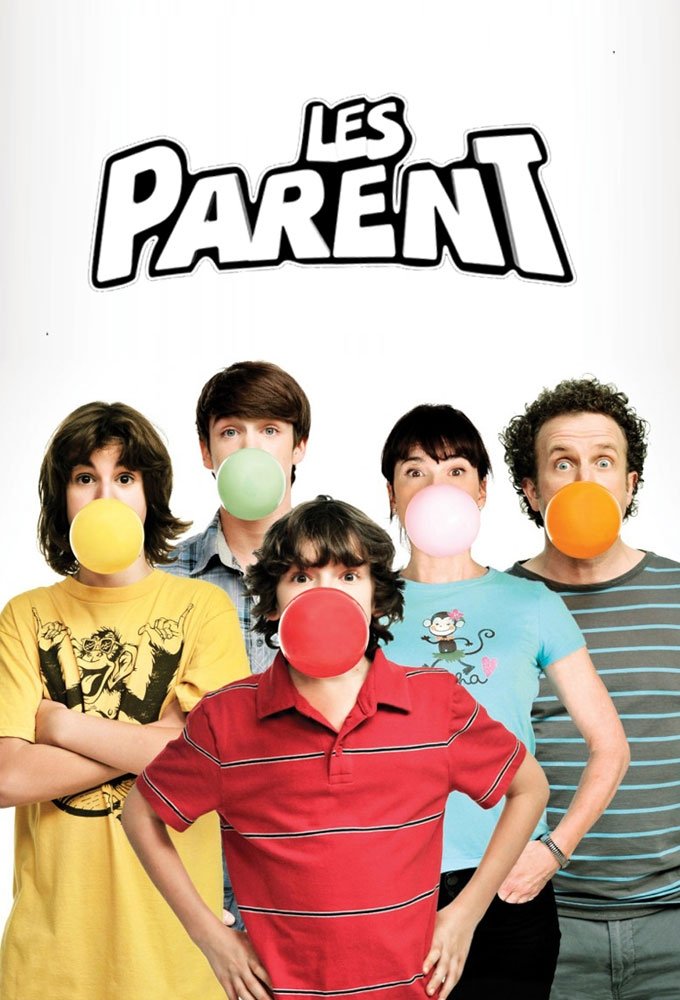
The trials and tribulations of a family of five: Louis-Paul Parent, Natalie Rivard and their three sons: Thomas, the eldest, a slacker who does well in school, rebellious Olivier (Oli), a manipulative, athletic, mischievous skateboarder, and the youngest, Zacharie (Zak), a bundle of energy who gets picked on by Oli.
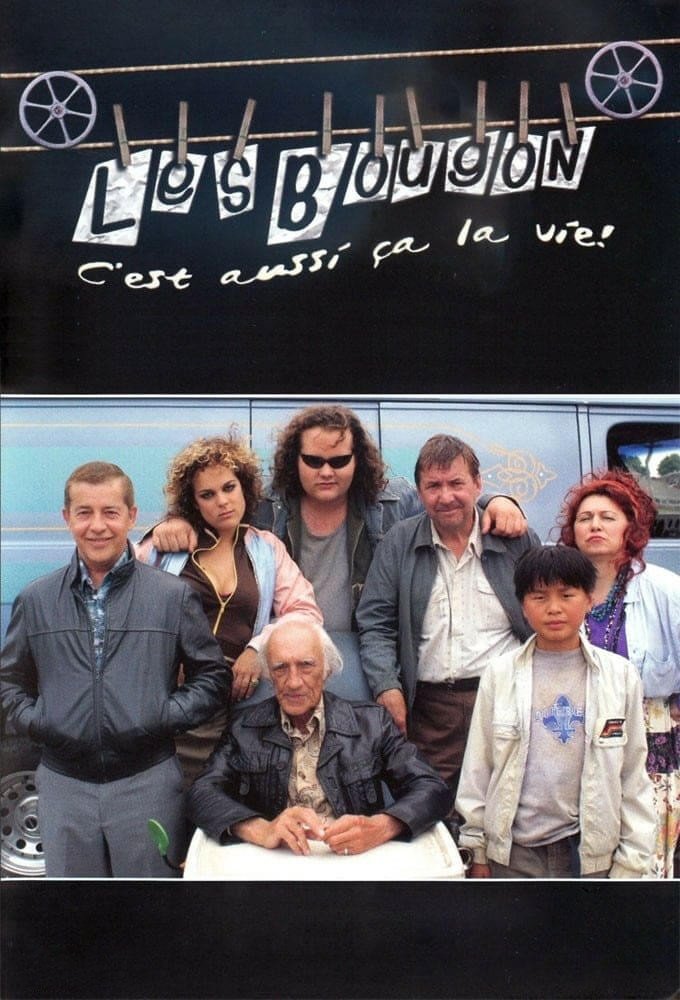
They’re dirty, vulgar, dishonest, grouchy, uncultured. They’re also a big, happy family. The Bougon are a joyous bunch of scoundrels who live on the margins of society, doing whatever it takes to scam their way through life, thinking up new schemes for avoiding work, and never conforming to the system.
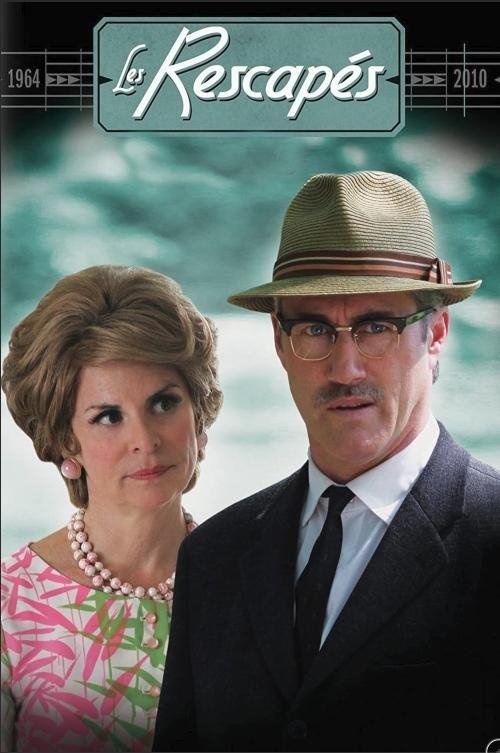
Les Rescapés is a Canadian television drama series, which debuted on Télévision de Radio-Canada in the 2010-11 television season. The series stars Roy Dupuis and Guylaine Tremblay as Gérald and Monique Boivin, the patriarch and matriarch of a family from 1960s-era Montreal who find themselves mysteriously transported into 2010. The cast also includes Maxim Gaudette, Ève Lemieux, Antoine L'Écuyer, Benoît Girard, Céline Bonnier and Yan England.
Fionna and Cake – with the help of the former Ice King, Simon Petrikov - embark on a multiverse-hopping adventure and journey of self-discovery. All the while a powerful new antagonist determined to track them down and erase them from existence, lurks in the shadows.
Fictionalized portrayal of the conflict and standoff in Kanehsatake during the summer of 1990. This major conflict between a Mohawk community and municipal, Quebec and Canadian governments was over the expansion of a golf course into an aboriginal cemetery. Based on the book by John Ciaccia (Quebec Liberal cabinet minister and negotiator) : The Oka Crisis, A Mirror of the Soul
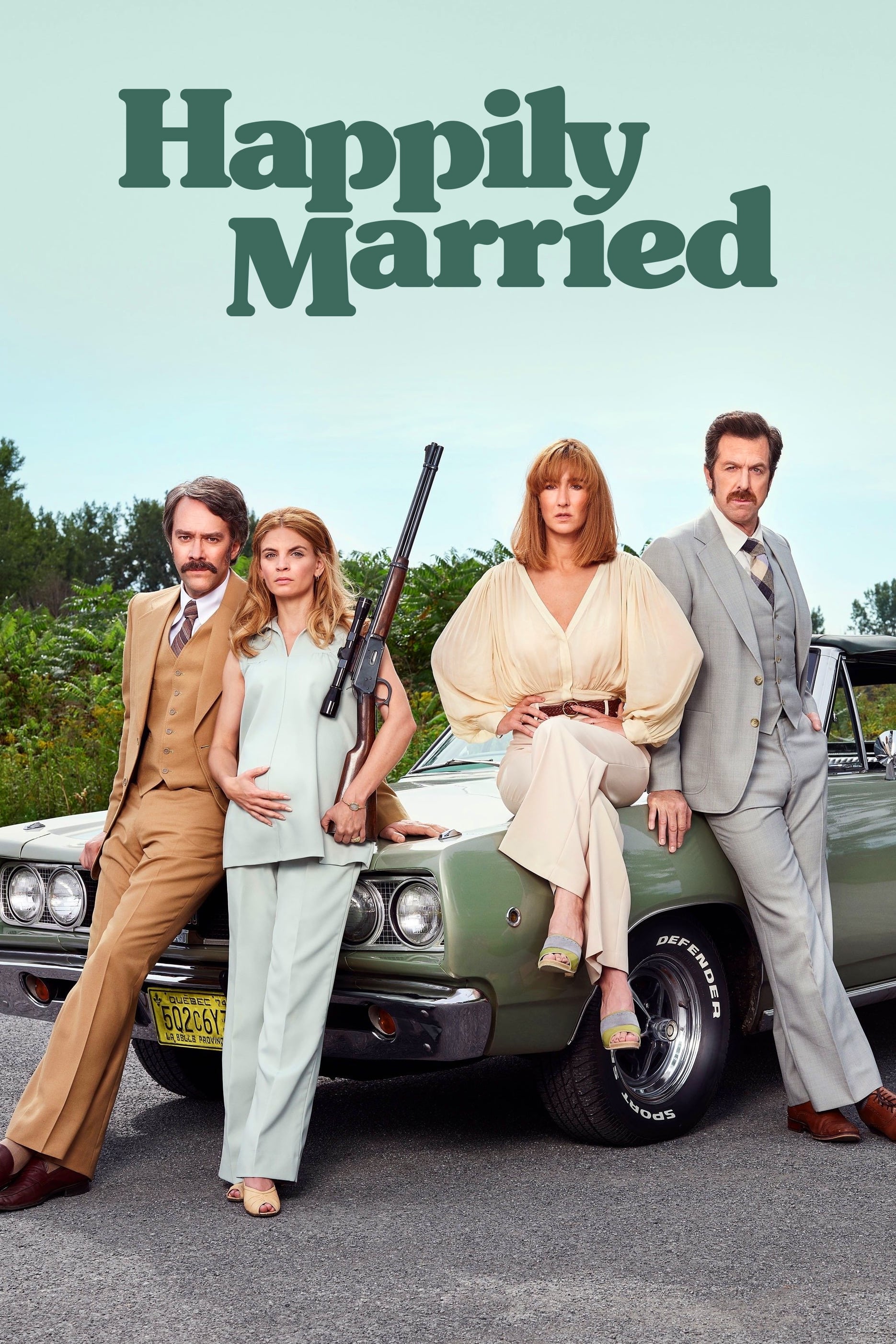
In 1974, in the quiet suburb of Sainte-Foy, two discontented couples bring their kids to summer camp. Once home, they must face the pitiful state their marriages are in. Unable to deal with their problems, they become the most infamous criminals in the history of organized crime in Quebec City.
It’s the first day of the 1963 school year at Voltaire High! And for the first time, girls and boys will mingle. This first year of coeducation is full of surprises, both for teachers and students.
Men at Work is an American comedy series that airs on TBS. The series was created by Breckin Meyer and stars Danny Masterson, Michael Cassidy, Adam Busch, James Lesure and Meredith Hagner. The series premiered on May 24, 2012 at 10 pm. TBS second season premiered on April 4, 2013 with another 10 episode season.
Four adults nearing 40, living under the same roof, struggle to keep their relationships and their individual dreams alive.
The Finley-Cullens are a dysfunctional family of adult half-siblings battling to take control over the family business - a ramshackle summer resort on the South Shore of Nova Scotia, one septic tank away from bankruptcy and with a dark family secret at its core.
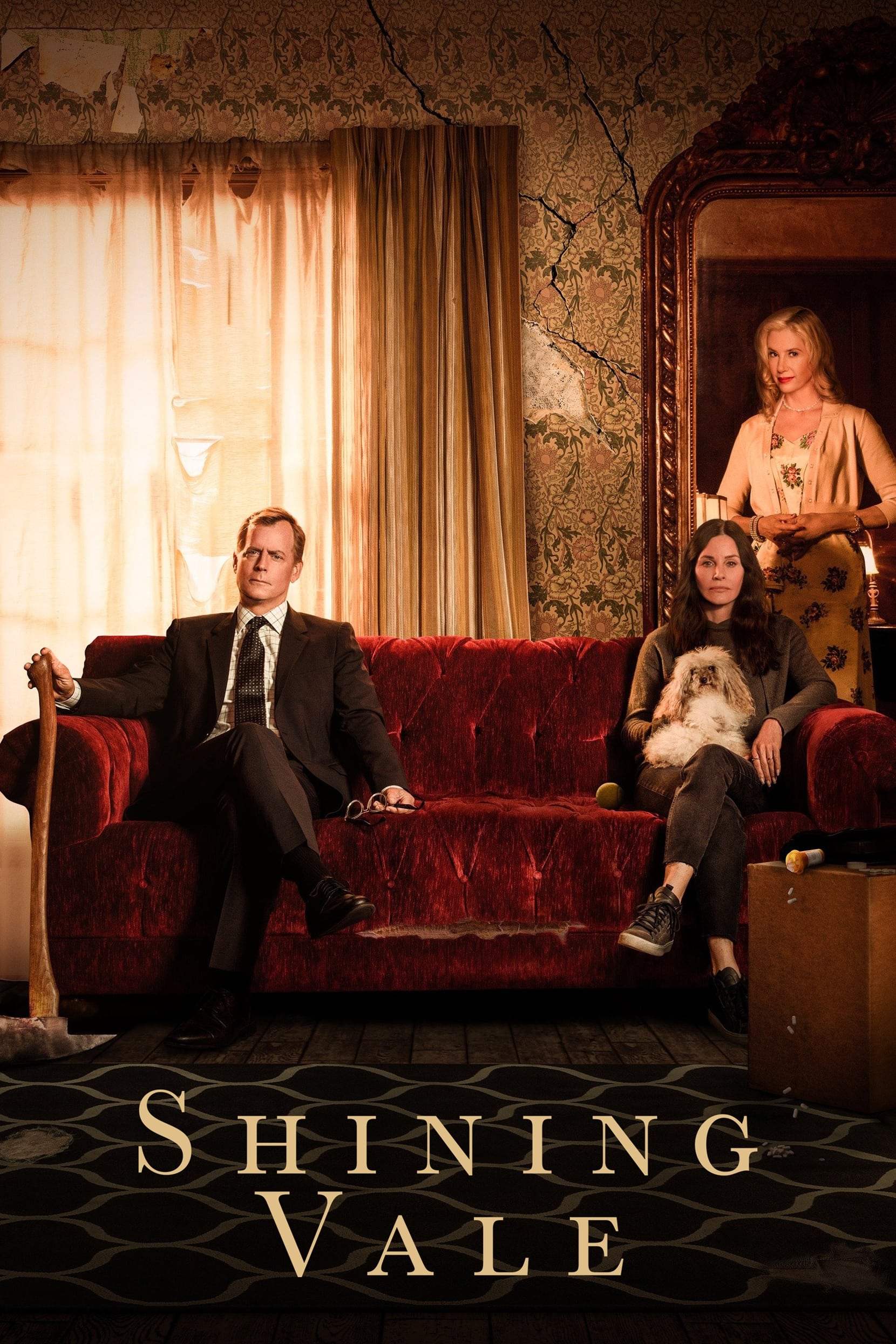
A dysfunctional family moves from the city to a small town into a house in which terrible atrocities have taken place. But no one seems to notice except for Patricia “Pat” Phelps, who’s convinced she’s either depressed or possessed – turns out, the symptoms are exactly the same.
Follow the life and crimes of five diverse and treacherous manicurists working at the Nail Artisan of Manatee County salon, where there is a lot more going on than silk wraps and pedicures.
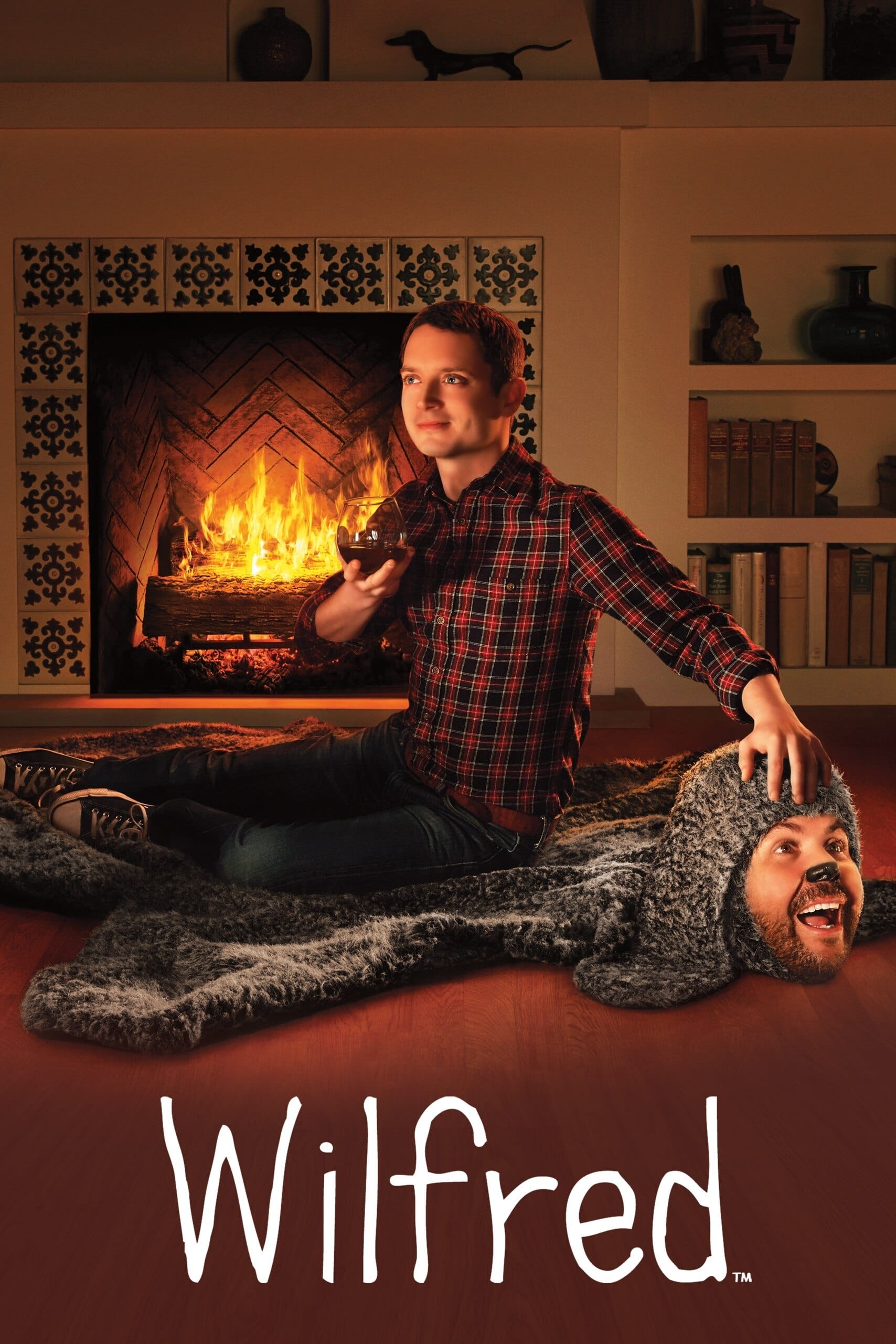
Everyone else sees Wilfred as just a dog, but Ryan sees a crude and somewhat surly, yet irrepressibly brave and honest Australian bloke in a cheap dog suit. While leading him through a series of comedic and existential adventures, Wilfred the dog shows Ryan the man how to overcome his fears and joyfully embrace the unpredictability and insanity of the world around him.
This anthology series about timeless moral questions in unprecedented times, takes provocative concepts and brings them into the open, delivering three-dimensional, character-driven stories with humor and heart.
In the near future, Sophie tells her son the story of how she met his father: a story that catapults us back to the year 2021 where Sophie and her close-knit group of friends are in the midst of figuring out who they are, what they want out of life, and how to fall in love in the age of dating apps and limitless options.
Murphy is a flawed and irreverent woman who just happens to be blind and is the only “witness” to the murder of her drug-dealing friend, Tyson. When the police dismiss her story, she sets out with her dog, Pretzel, to find the killer while also managing her colorful dating life and the job she hates at Guiding Hope, the guide-dog school owned by her overprotective parents.
The Diaz siblings, Lily and Jorge, are on a mission to find love and purpose. They cross paths with seemingly unrelated residents during some of the most heightened days of the year—the holidays.
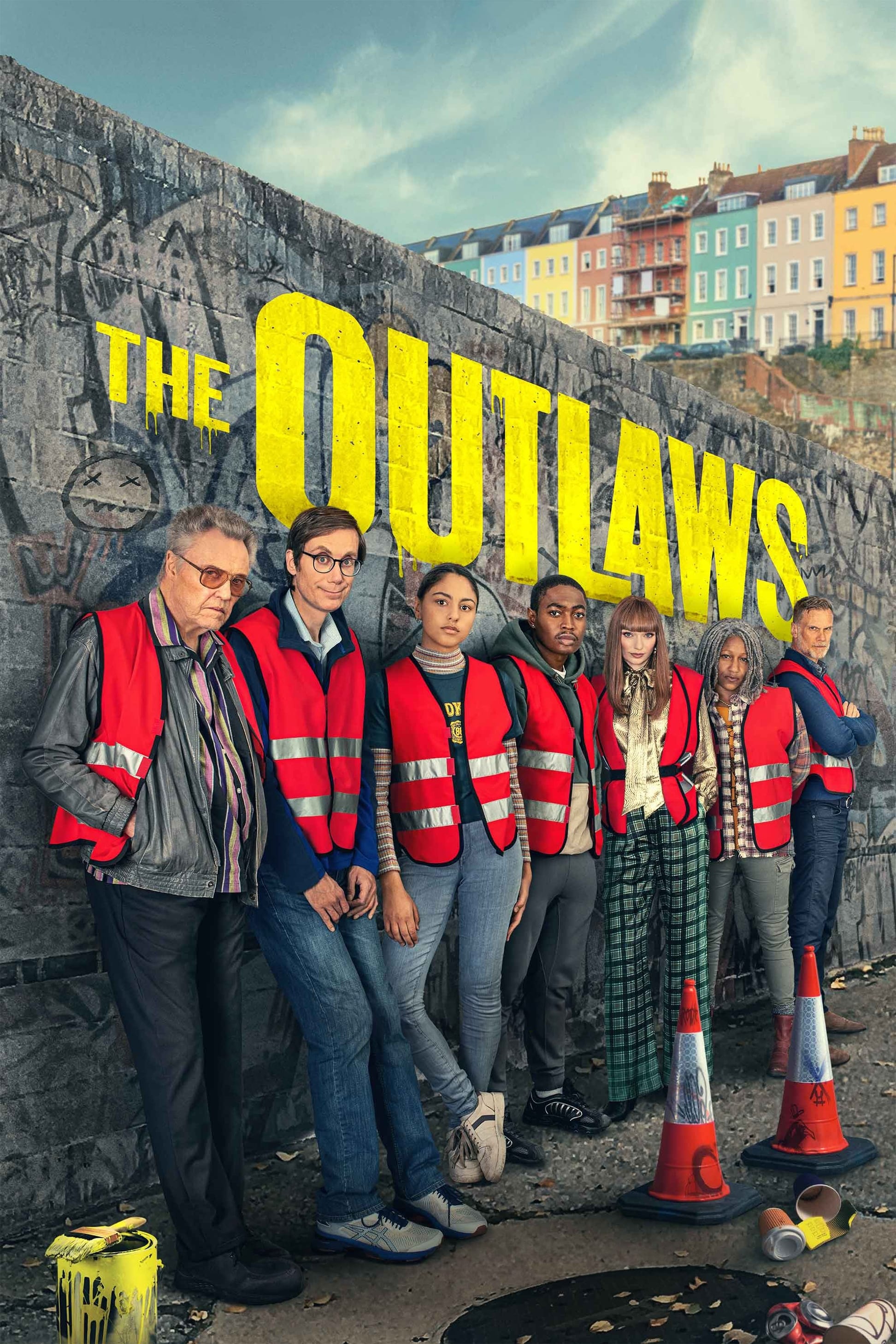
Seven strangers from different walks of life - people who would never normally interact - are forced to work together to renovate a derelict community centre. They resent the menial physical labour and they resent each other. But when one of their number gets dragged into a dangerous world of organised crime, they unite in ways none of them thought possible.
A loving (but immature) father is committed to co-parenting his two kids with his very-together ex-wife. While his misguided fatherly advice, unstoppable larger-than-life personality and unpredictable Internet superstardom might get in the way sometimes, for Marlon, family really always does come first - even if he's the biggest kid of all.
Eight Is Enough is an American television comedy-drama series that ran on ABC from March 15, 1977, until August 29, 1981. The show was modeled after syndicated newspaper columnist Thomas Braden, a real-life parent with eight children, who wrote a book with the same name.
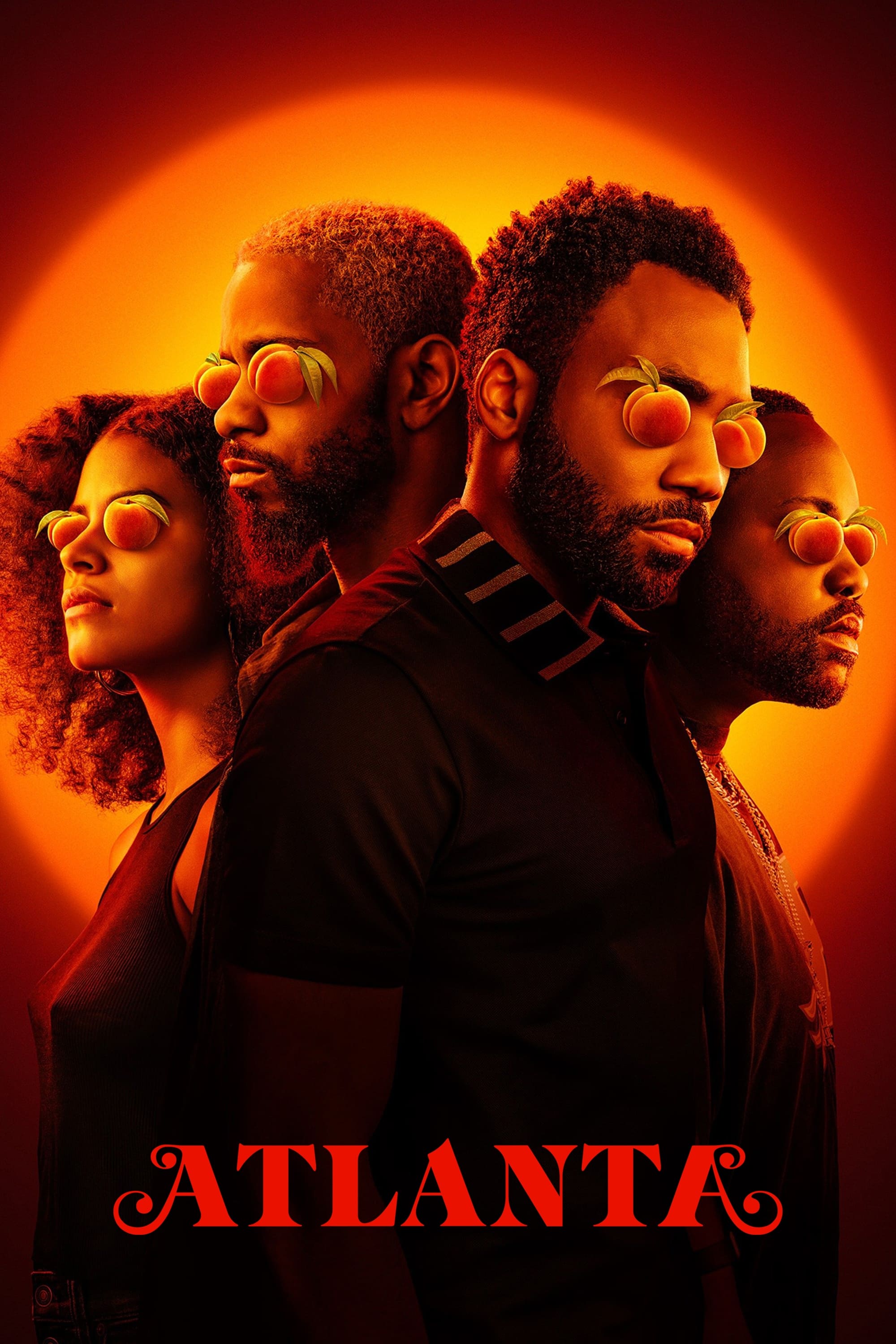
Two cousins work through the Atlanta music scene in order to better their lives and the lives of their families.
This new chapter of “Sex and the City” follows Carrie, Miranda and Charlotte as they navigate the journey from the complicated reality of life and friendship in their 30s to the even more complicated reality of life and friendship in their 50s.
A suburban mother faces her cancer diagnosis while trying to find humor and happiness as well.
Crank up the 8-track and flash back to a time when platform shoes and puka shells were all the rage in this hilarious retro-sitcom. For Eric, Kelso, Jackie, Hyde, Donna and Fez, a group of high school teens who spend most of their time hanging out in Eric’s basement, life in the ‘70s isn’t always so groovy. But between trying to figure out the meaning of life, avoiding their parents, and dealing with out-of-control hormones, they’ve learned one thing for sure: they’ll always get by with a little help from their friends.
Tara's multiple personalities include "T" the wild-child teenager, "Buck" the rough and tumble biker dude, and "Alice" the type-A homemaker. But with a family that loves her just the way she is, Tara never gives up hope that someday she can just be herself.