Go inside the lives of legendary music artists—through the lens of their own music.
Social & External
The people behind it
Lindsey Stirling
Self
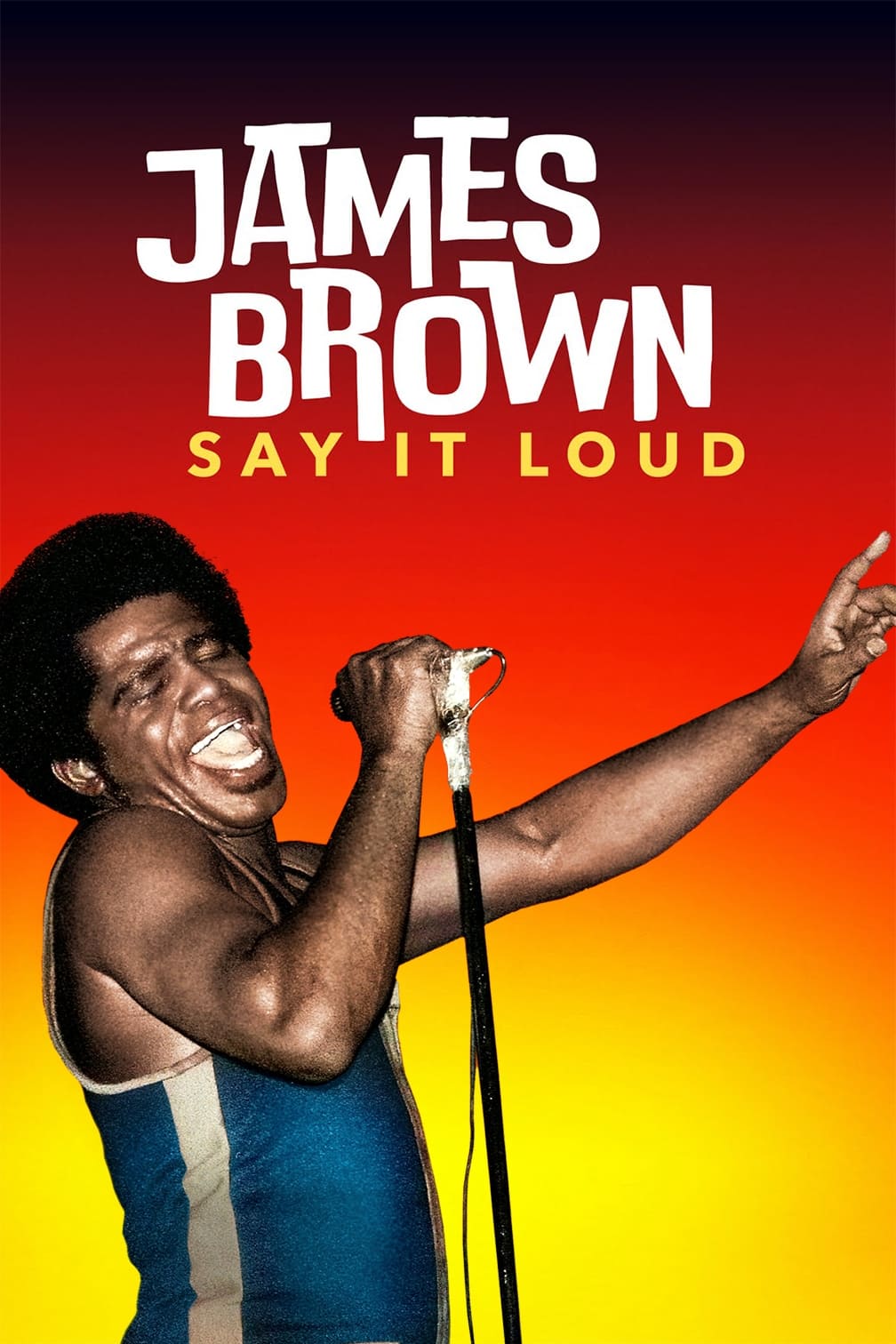
Traces the incredible trajectory of Brown’s life and career from a 7th grade drop-out arrested and jailed at the age of 16 for breaking into a car in the Jim Crow-era South, to an entertainment legend whose groundbreaking talent and unique perspective catapulted him to become a cultural force.
Music Professionals share their most memorable stories of their career in the Rock N' Roll world.
KET’s Jubilee series features the performances of nationally known artists and popular local musicians at summer folk music festivals in Kentucky. Since its premiere in 1996, Jubilee has presented an eclectic mix of traditional and contemporary bluegrass, blues, folk, gospel, and other forms of music from around the world to your backyard.
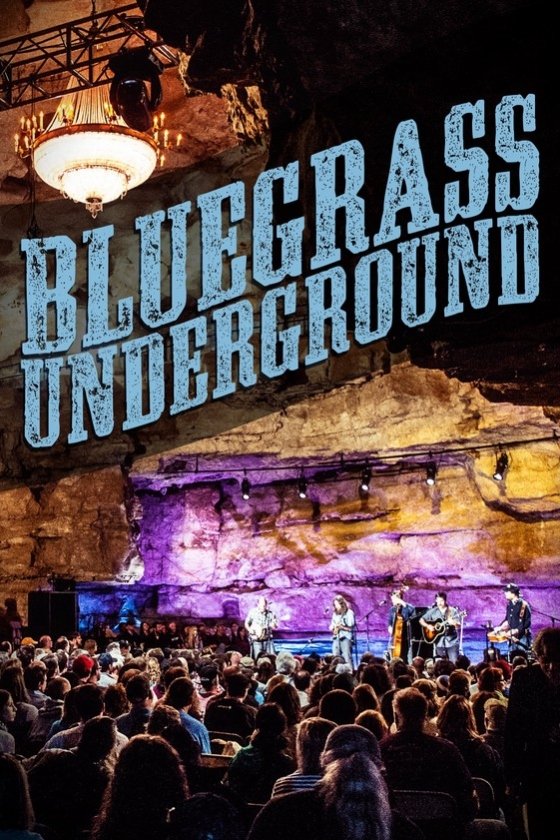
A musical adventure series emanating from The Caverns in Tennessee's majestic Cumberland Mountains. Celebrating the diversity of America’s musical heritage with artists from the full spectrum of genres: Bluegrass, yes but also Americana, Country, Soul, Blues, Rock N Roll, Gospel, Folk, and everything between.
Being... N-Dubz is a documentary series detailing the life and times of English hip-hop group N-Dubz. The series was sponsored by Adidas Originals, and broadcast on 4Music and Channel 4 from 21 June 2010 to 18 May 2011. Two seasons of the show were broadcast. The second series focuses on the group as they travel to America to meet with top American producers. The second series premiered on Channel 4 on 13 April 2011. The series was narrated by Loose Women panelist Lynda Bellingham. The first series of the show is set for release on DVD on 24 September 2012.
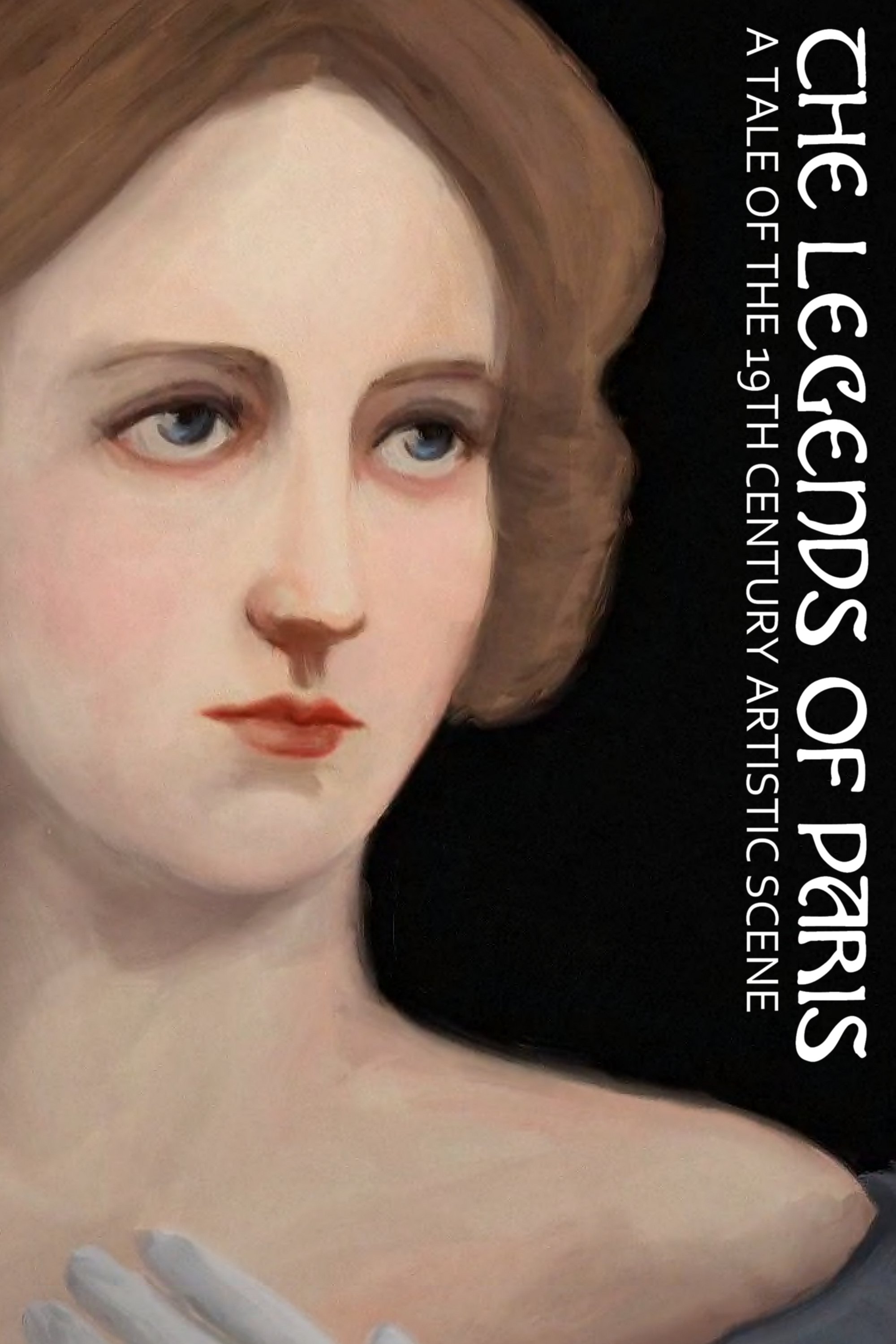
During the turbulent 19th century, a number of brilliant French artists developed the Romantic movement in Paris: writers Victor Hugo, Alexandre Dumas, George Sand, Honoré de Balzac and Charles Baudelaire, painter Eugène Delacroix and composer Hector Berlioz, among others, changed the way of looking at art and created enduring works that have inspired the world to this day.
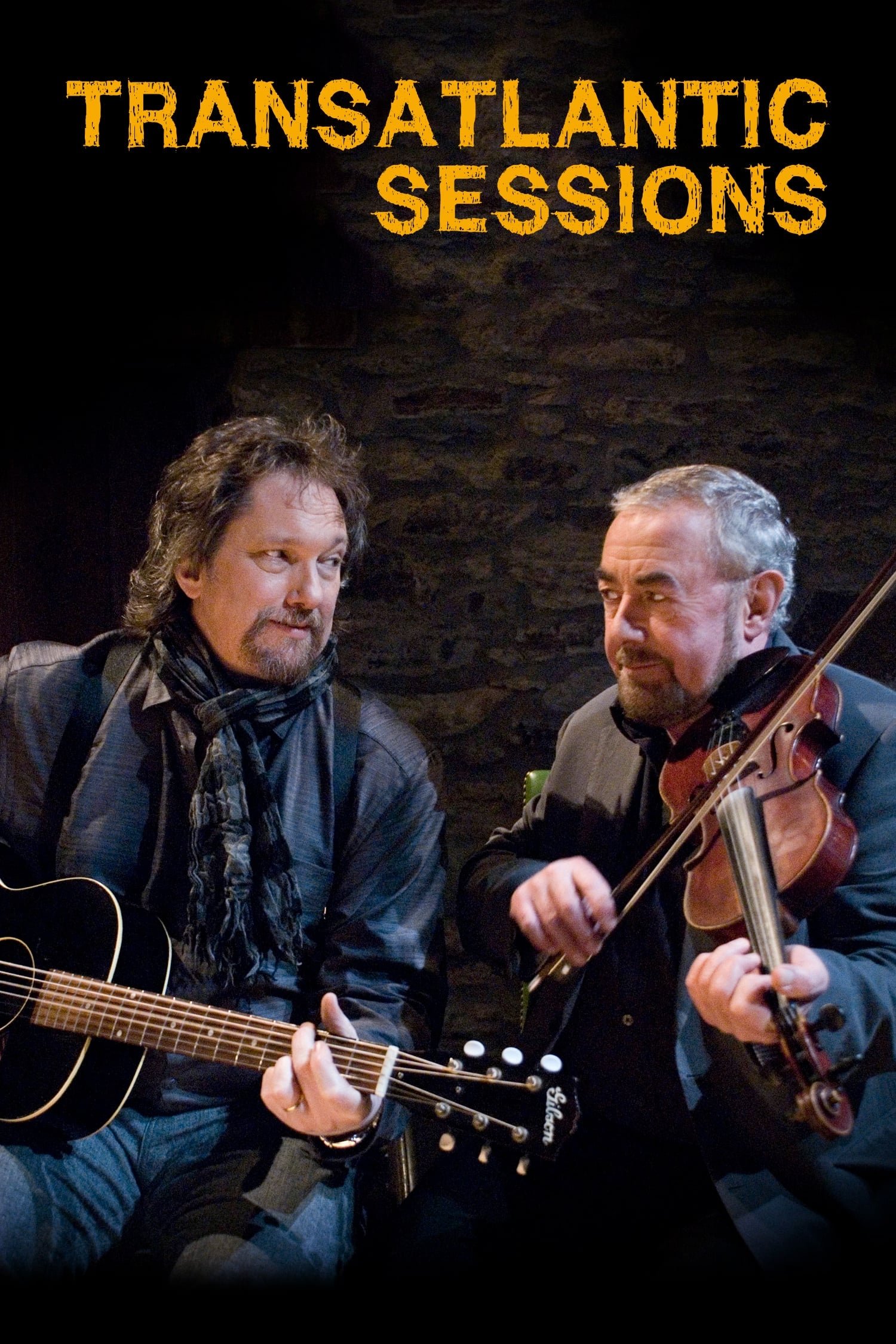
Folk musicians from both sides of the Atlantic come together in what have been called “the greatest backporch shows ever.” Collaborative live performances by various leading folk and country musicians playing music from Scotland, Ireland, England and North America.
The multi-genre music, entertainment & lifestyle show reveals the incredible stories behind some of the biggest Rock, Pop, Country, Triple A, R&B and Hip Hop songs ever written and recorded while illuminating the power music has to influence our thoughts and feelings, impact society and inspire us all to live our dreams.
Unknown histories take center stage as the hitmakers themselves - from ABBA to T-Pain - explore dimensions of pop music you never knew existed.
The series sheds a completely different light on Ke$ha as she works through all the drama and adventures in both her personal and professional life over the course of two years. Filmed by her journalist brother Lagan Serbert, and filmmaker Steven Greenstreet, it also encompasses the artist as she creates her newest album, Warrior, and travels to various countries.
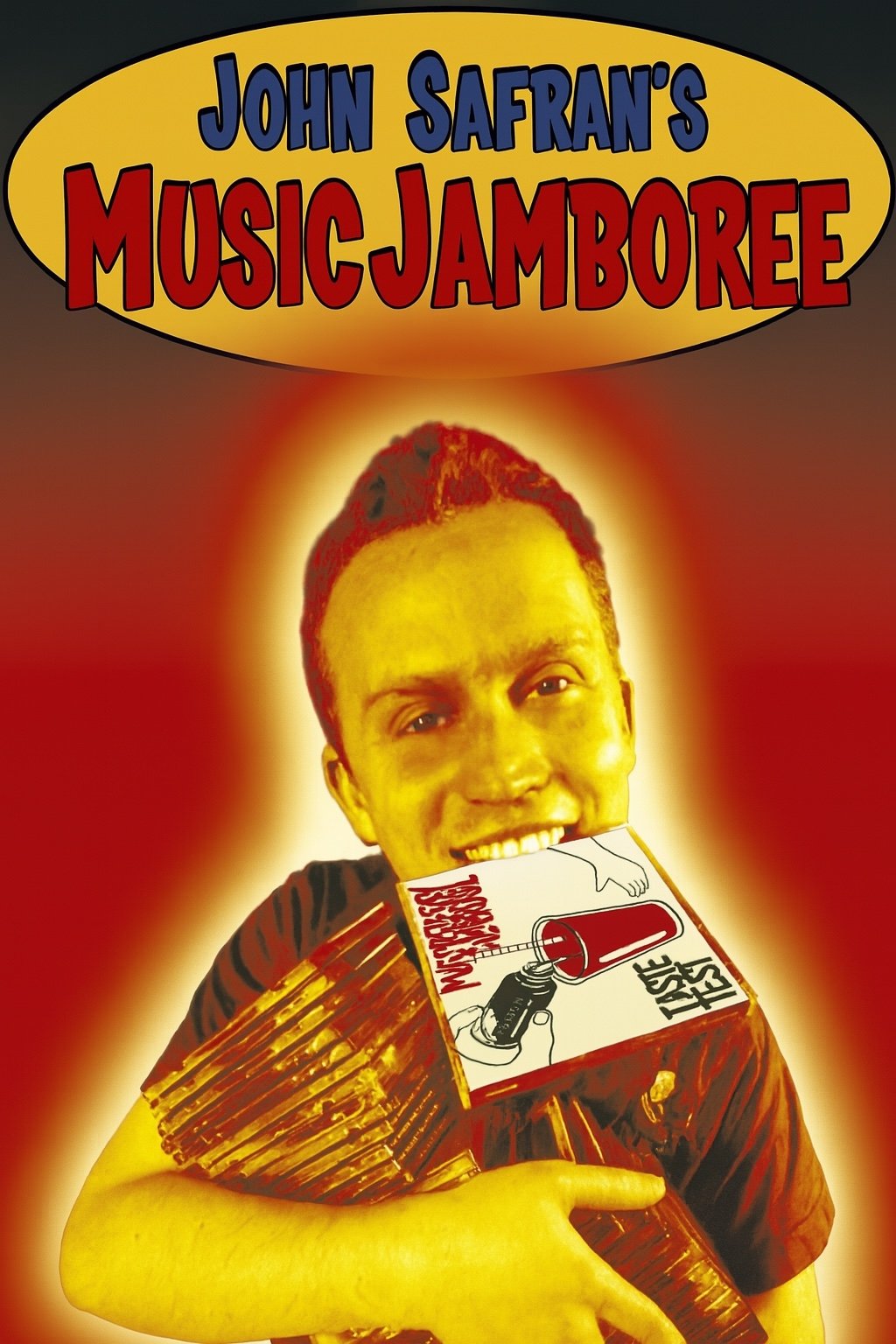
John Safran's Music Jamboree was a light-hearted Australian music documentary television series, hosted by John Safran for SBS television. The program was produced by Selin Yaman and directed by Craig Melville, Clayton Jacobson and a number of other directors under the production company Ghost of Your Ex-Boyfriend Productions in association with SBS Independent. It screened in 2002, and consisted of sketches and outlandish public stunts, typical of Safran's work. The series won two Australian Film Institute Awards; "Best Comedy Series" and "Most Innovative Program Concept". SBS followed the series up with the similarly styled John Safran vs. God in 2004.
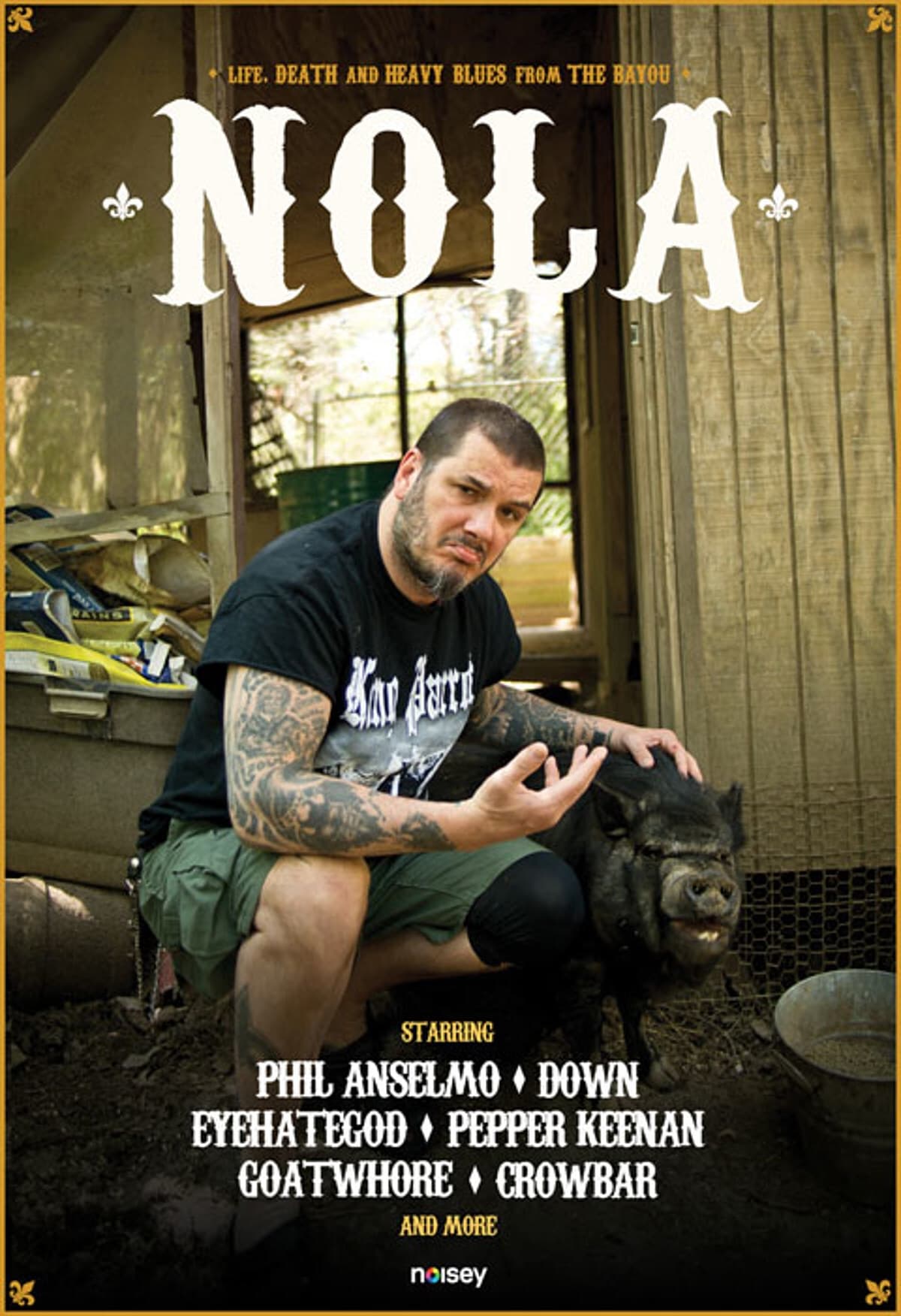
A seven-part series examining the people and the culture that helped foster bands like Down, Eyehategod, Crowbar, Acid Bath, Goatwhore and many others. The documentary features in-depth interviews discussing the bands, catastrophe, drugs, suicide, murder, and records that helped shape the New Orleans sound known the world over.
The Blues (2003) is a seven-part documentary series produced by Martin Scorsese that explores the history and influence of blues music. Each episode, directed by a different filmmaker, traces a unique aspect of the genre’s evolution—from its African roots to its global impact. Originally airing on PBS, the series includes Scorsese’s Feel Like Going Home, Wim Wenders’ The Soul of a Man, Richard Pearce’s The Road to Memphis, Charles Burnett’s Warming by the Devil’s Fire, Marc Levin’s Godfathers and Sons, Mike Figgis’ Red, White and Blues, and Clint Eastwood’s Piano Blues.
A music docuseries hosted by legendary music journalist and producer Nelson Motta about the songs that moved hearts and minds of the country, illustrated by selected archive and live performance footage.
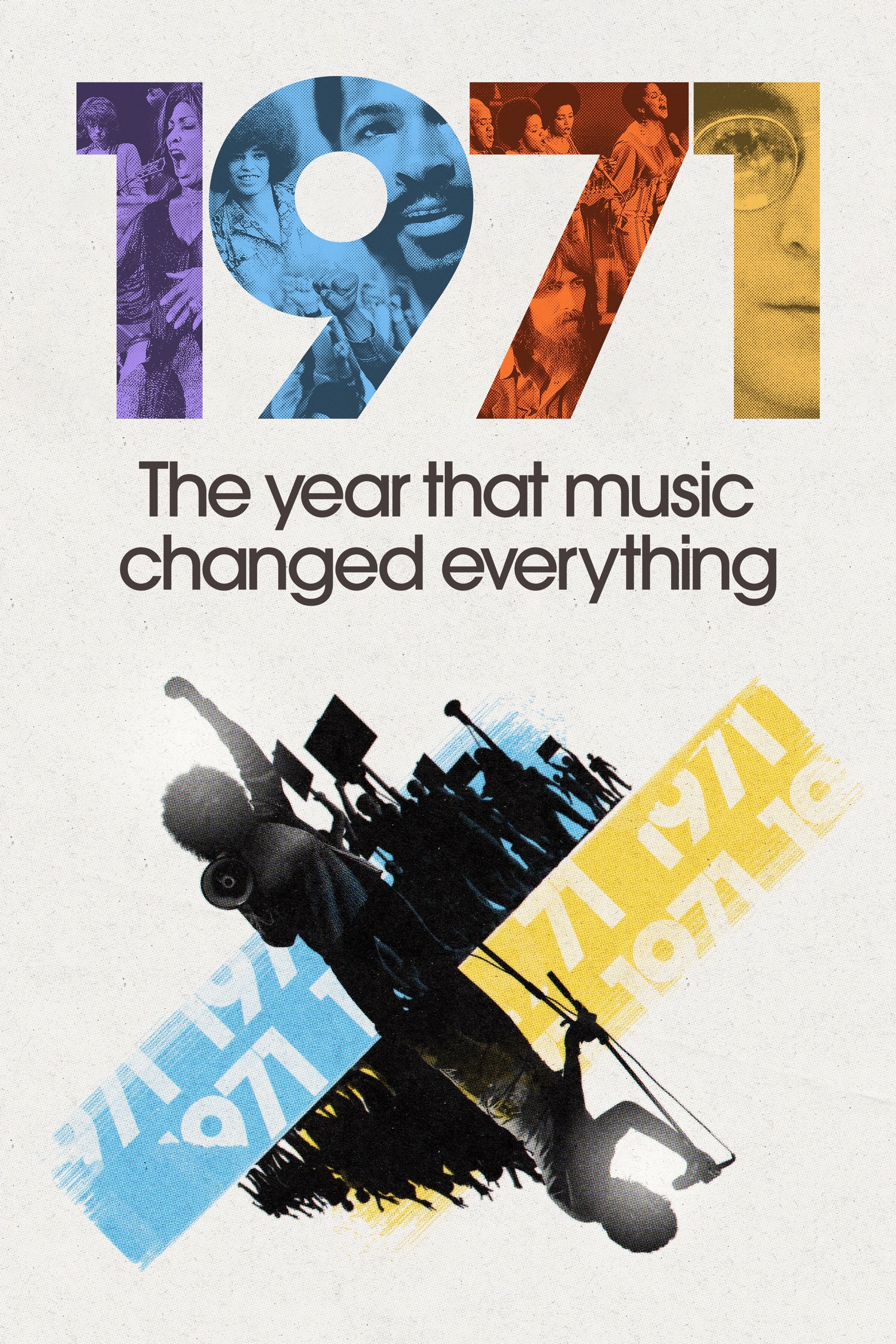
In a tumultuous era, 1971 was a year of musical innovation and rebirth fueled by the political and cultural upheaval of the time. Stars reached new heights, fresh talent exploded onto the scene, and boundaries expanded like never before.
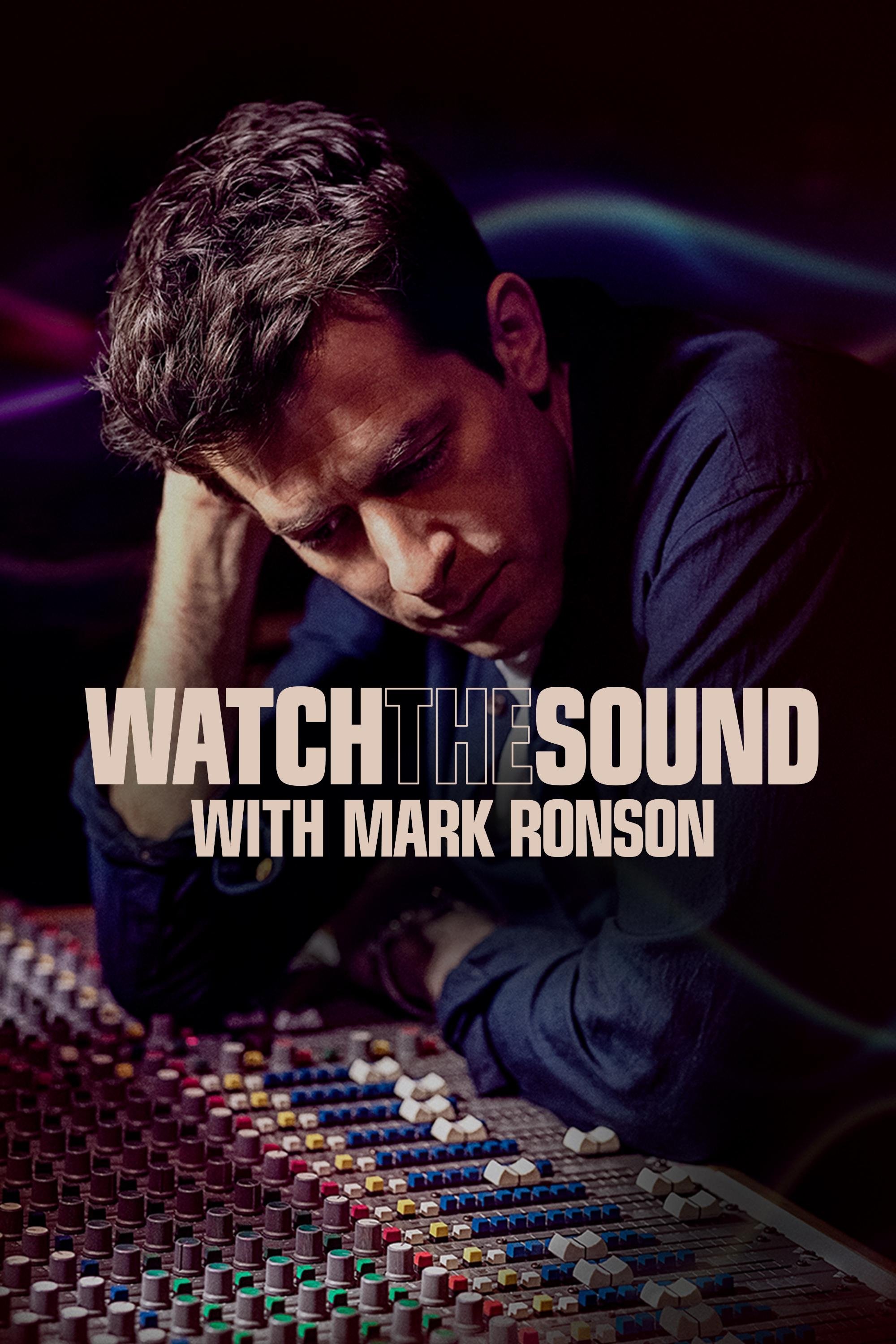
Oscar and Grammy Award-winning producer and artist Mark Ronson explores the intersection of technology and musical innovation with his heroes and fellow hitmakers – including Paul McCartney, DJ Premier, Charli XCX, Dave Grohl, and Questlove.
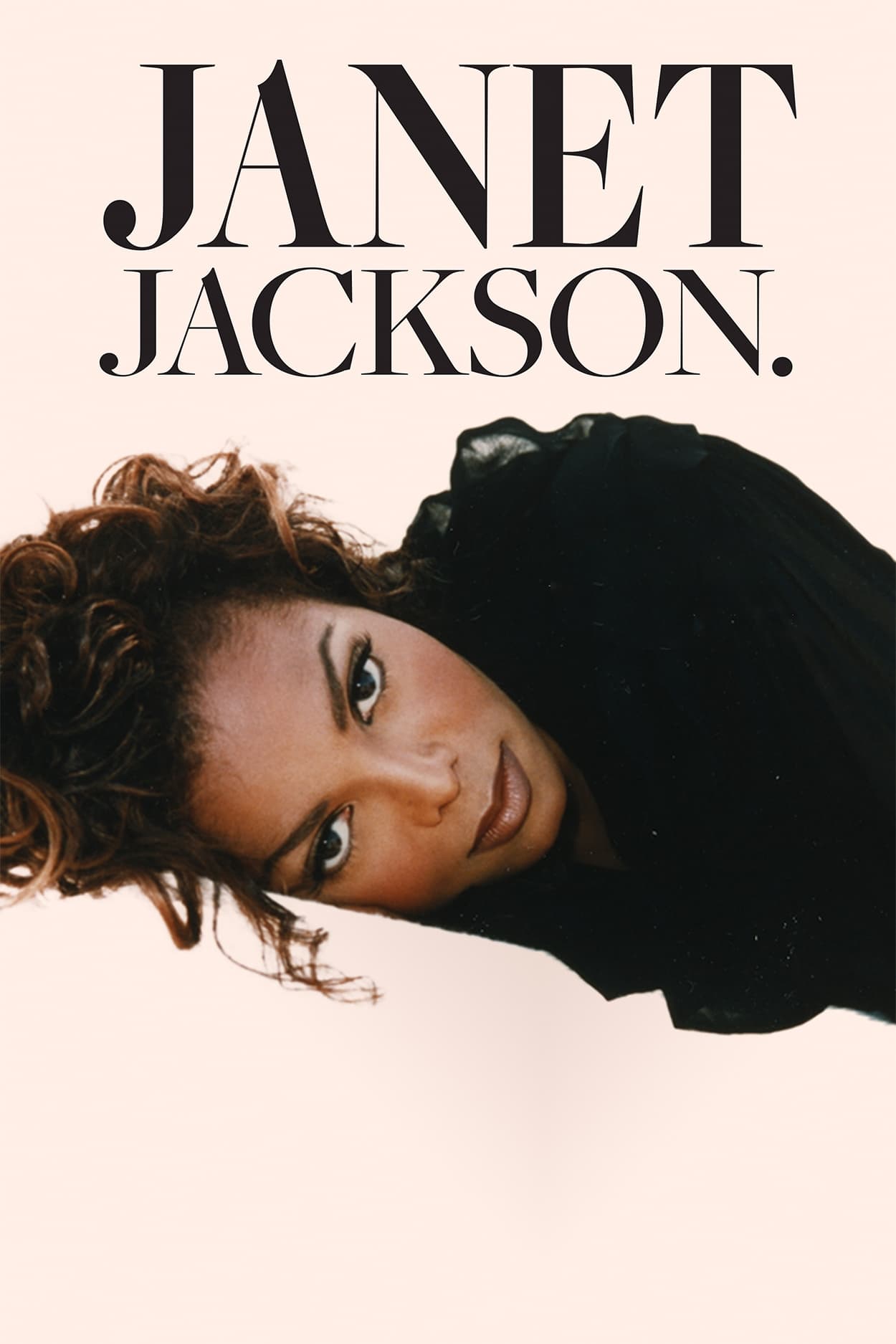
The documentary takes viewers through Janet Jackson's life and career, contain never-before-seen footage, and feature home videos from the legendary artist. Jackson discusses her controversial 2004 Super Bowl halftime show performance with Justin Timberlake, her father Joe Jackson, the death of her brother Michael Jackson, and more.
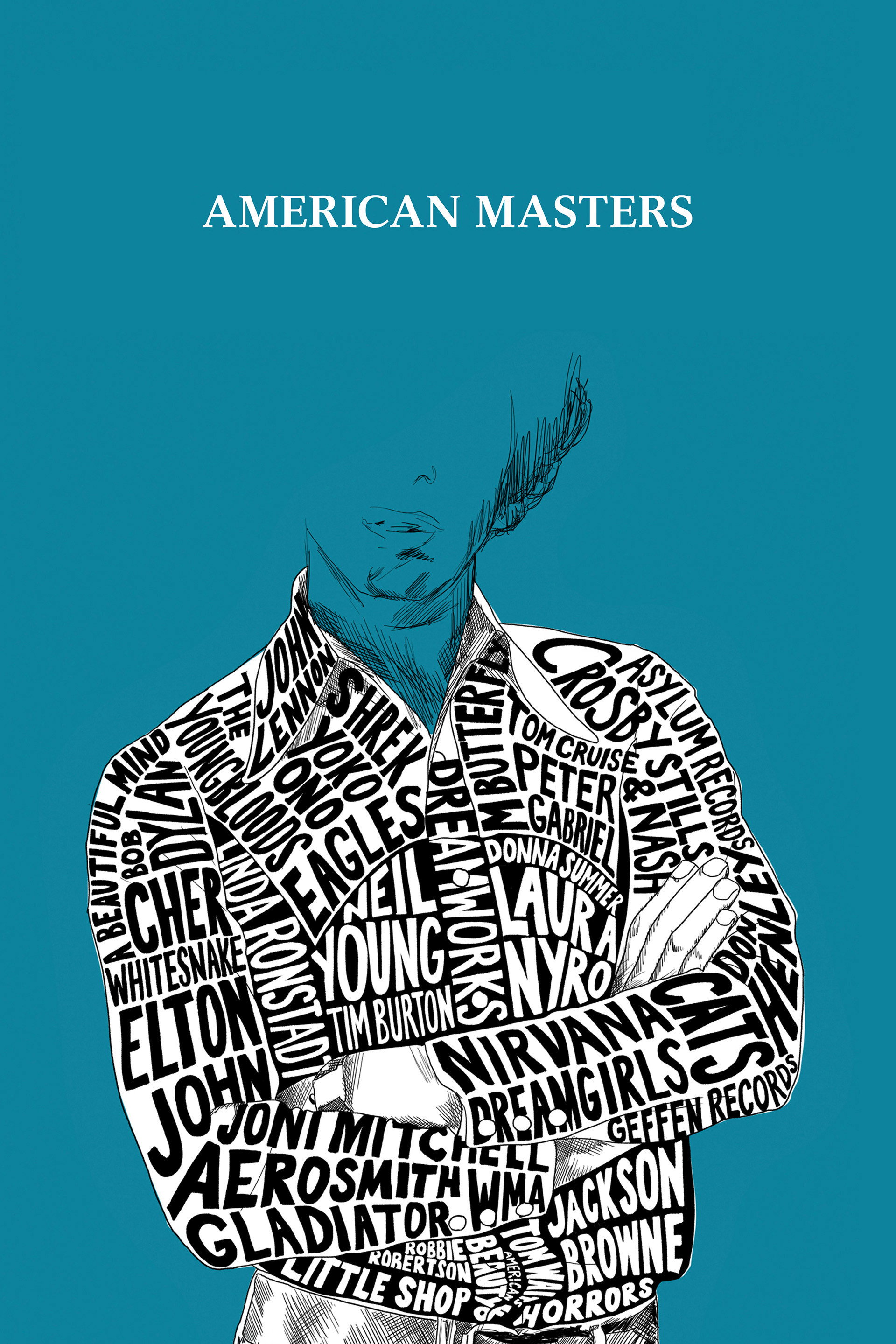
American Masters is a PBS television series which produces biographies on enduring writers, musicians, visual and performing artists, dramatists, filmmakers, and others who have left an indelible impression on the cultural landscape of the United States.
Doctor Who Confidential is a documentary to complement the revival of the long-running British science fiction television series Doctor Who. Each episode was broadcast on BBC Three on Saturdays, immediately after the broadcast of the weekly television episode on BBC One. The running time of the first two series was 30 minutes, being extended to 45 minutes in the third. BBC Three also broadcast a cut-down edition of the programme, lasting 15 minutes, shown after the repeats on Sundays and Fridays and after the weekday evening repeats of earlier seasons.
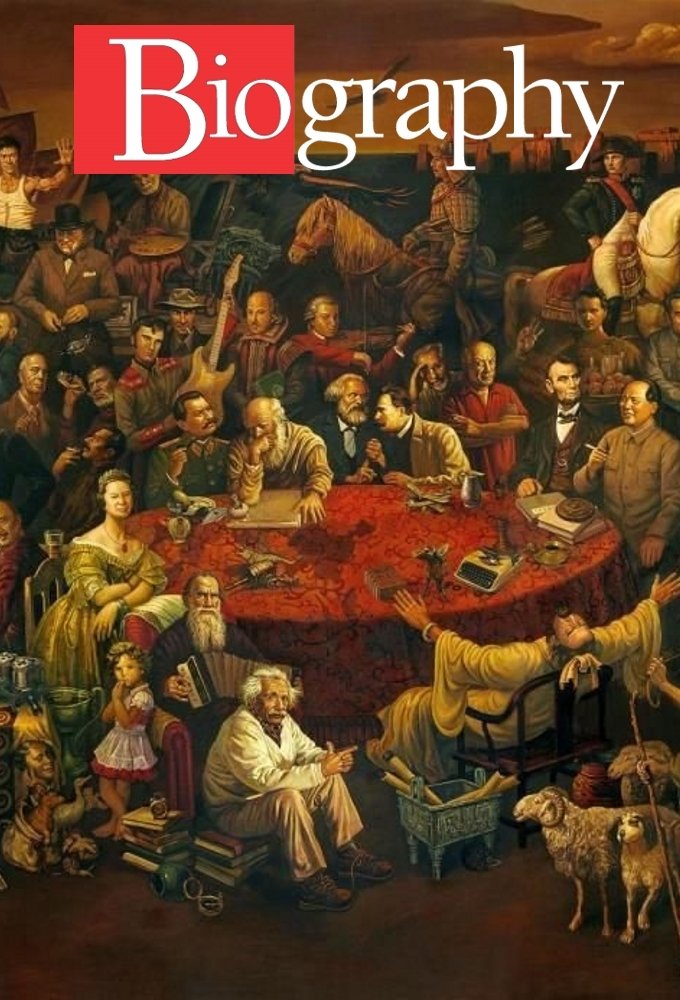
Biography is a documentary television series. It was originally a half-hour filmed series produced for CBS by David Wolper from 1961 to 1964 and hosted by Mike Wallace. The A&E Network later re-ran it and has produced new episodes since 1987. The older version featured historical figures such as Helen Keller and Mark Twain, or long-dead entertainment figures such as Will Rogers or John Barrymore. The A&E series has placed the emphasis on such people as Marilyn Monroe, Elvis Presley, Plácido Domingo, Freddie Mercury, Jacqueline Kennedy Onassis, Eric Clapton, Pope John Paul II, Gene Tierney, Selena, Diego Rivera, Mao Zedong and Queen Elizabeth II, and fictional characters like The Phantom, Superman, Hamlet, Betty Boop, and Santa Claus. The program ended up profiling enough figures that in 1999, A&E spun it off into an entire network, The Biography Channel.
Hit rewind and explore the most iconic moments and influential people of The Nineties, the decade that gave us the Internet, DVDs, and other cultural and political milestones.
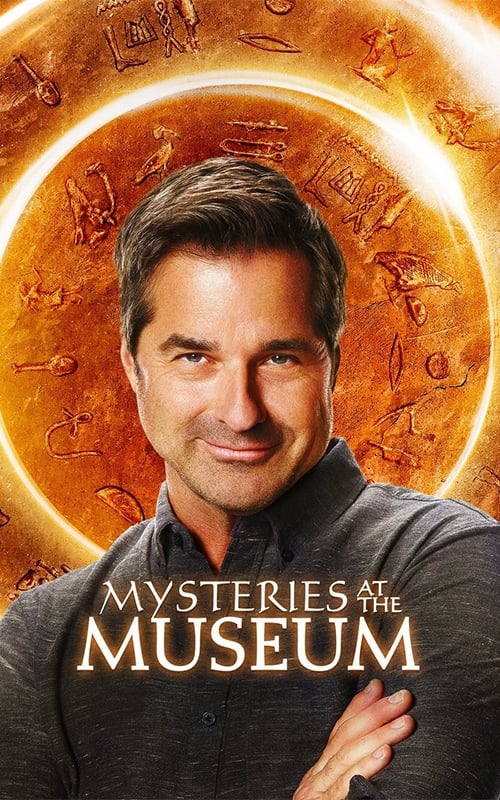
Don Wildman unearths relics from the world's greatest institutions to reveal secrets from the past. He examines each artifact to illuminate history's most incredible triumphs, sensational crimes and bizarre encounters.
A series of standalone documentaries powered by the unparalleled journalism and insight of The New York Times, bringing viewers close to the essential stories of our time.
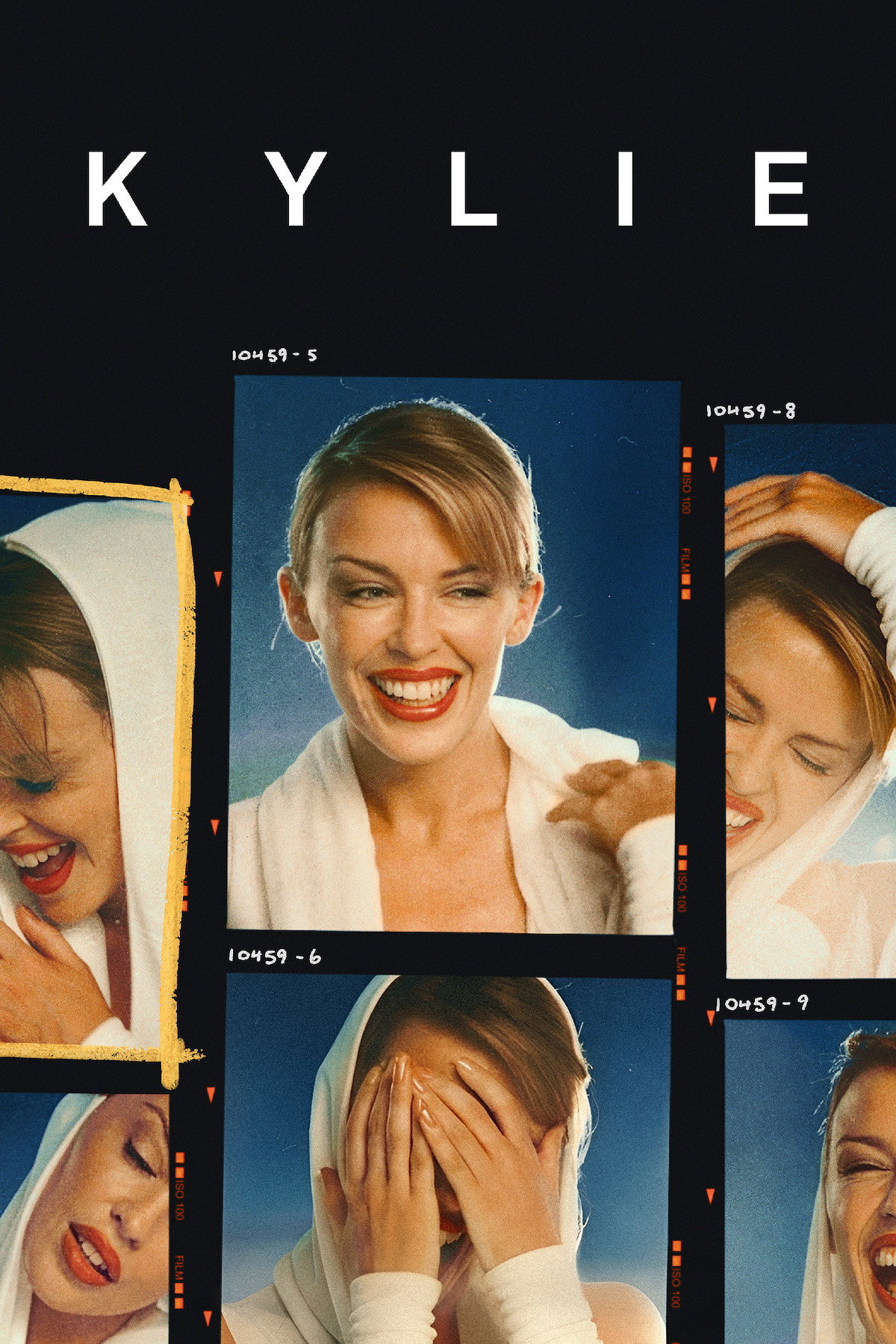
A look at the life of Australian pop star Kylie Minogue, who opens her personal archives and reflects on a career in which she has sold 80 million records and reinvented herself, and by extension pop, several times. Home movies, personal photographs and new interviews reveal the picture, as Kylie addresses how she’s faced public scrutiny, personal loss and illness.
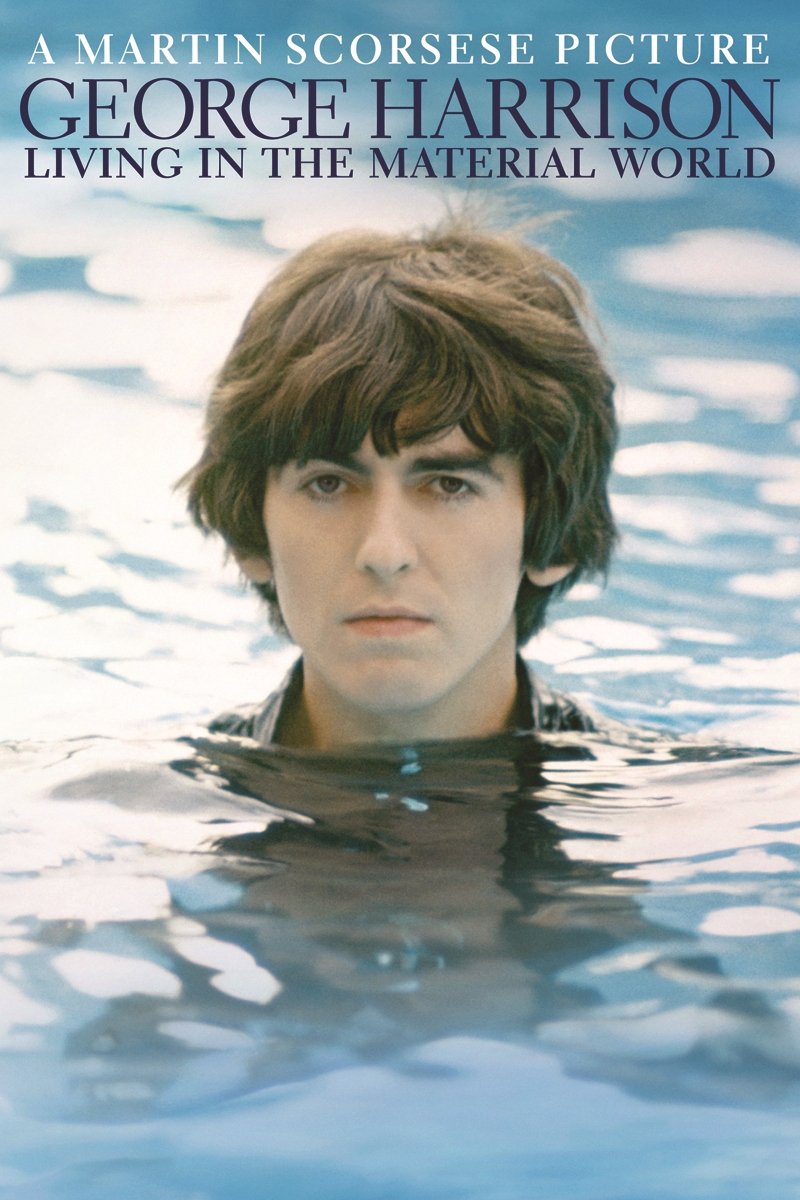
He was part of the most famous rock-'n'-roll quartet in history. But George Harrison was much more than just a member of The Beatles.
Infographics and archival footage deliver bite-size history lessons on scientific breakthroughs, social movements and world-changing discoveries.
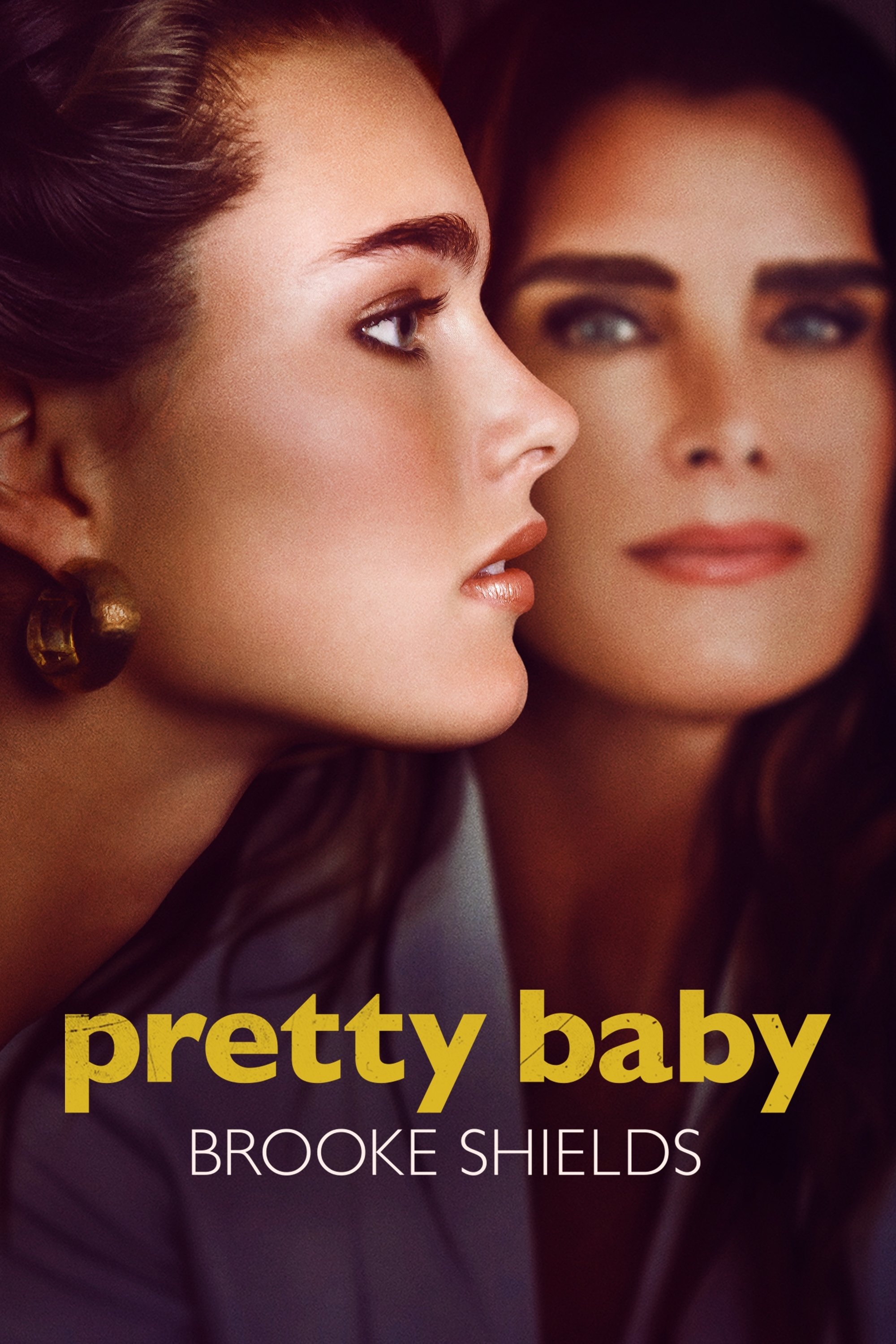
Actor, model, and global superstar Brooke Shields’ journey from a sexualized young girl to a woman who embraces her identity and voice.
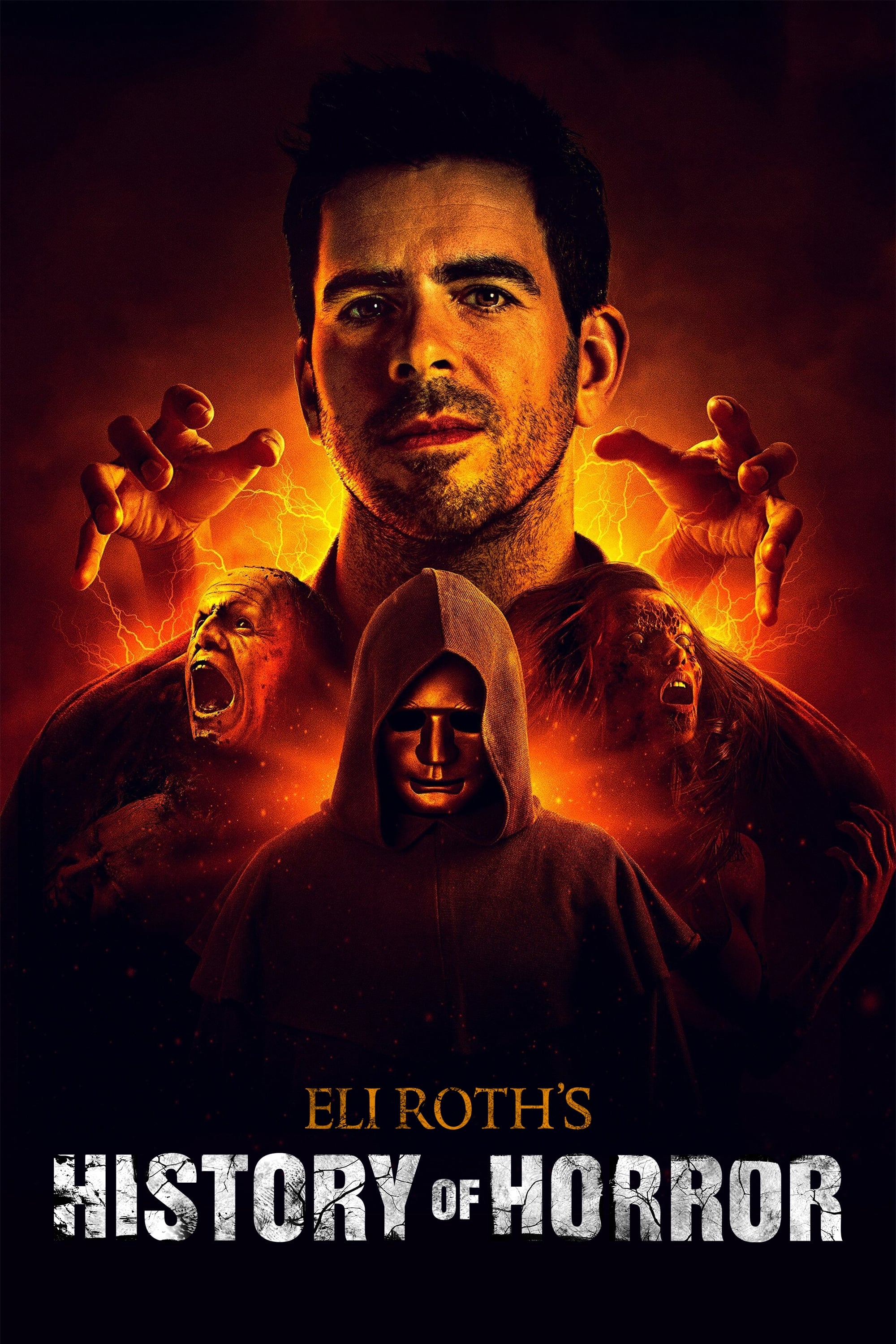
An in-depth look at the history and pop cultural significance of horror films.
A British genealogy documentary series in which celebrities trace their ancestry, discovering secrets and surprises from their past.
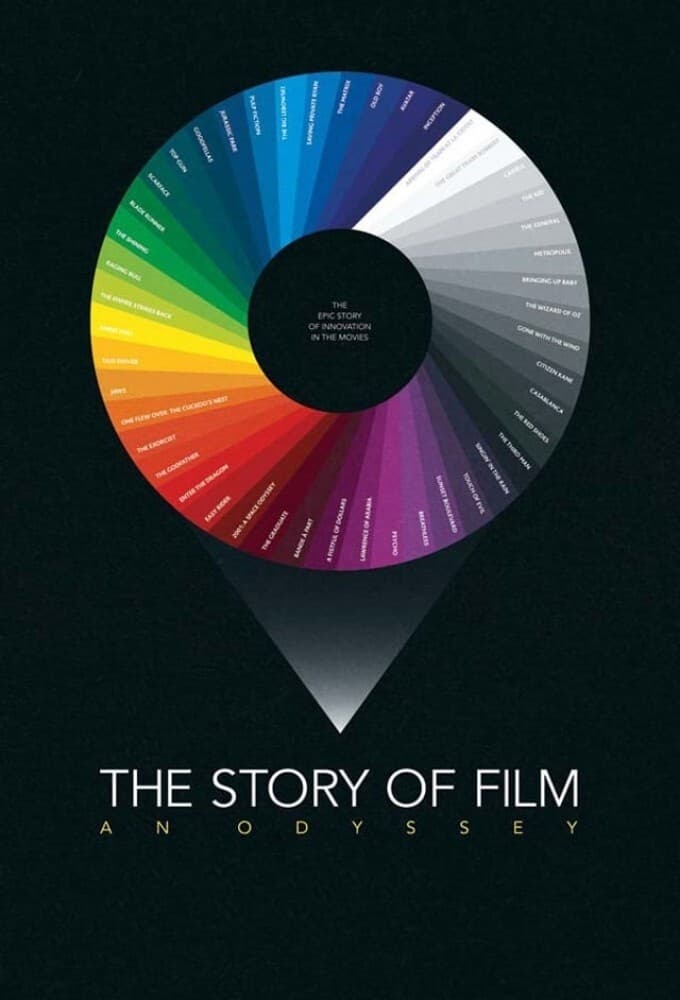
A worldwide guided tour of the greatest movies ever made and the story of international cinema through the history of cinematic innovation.
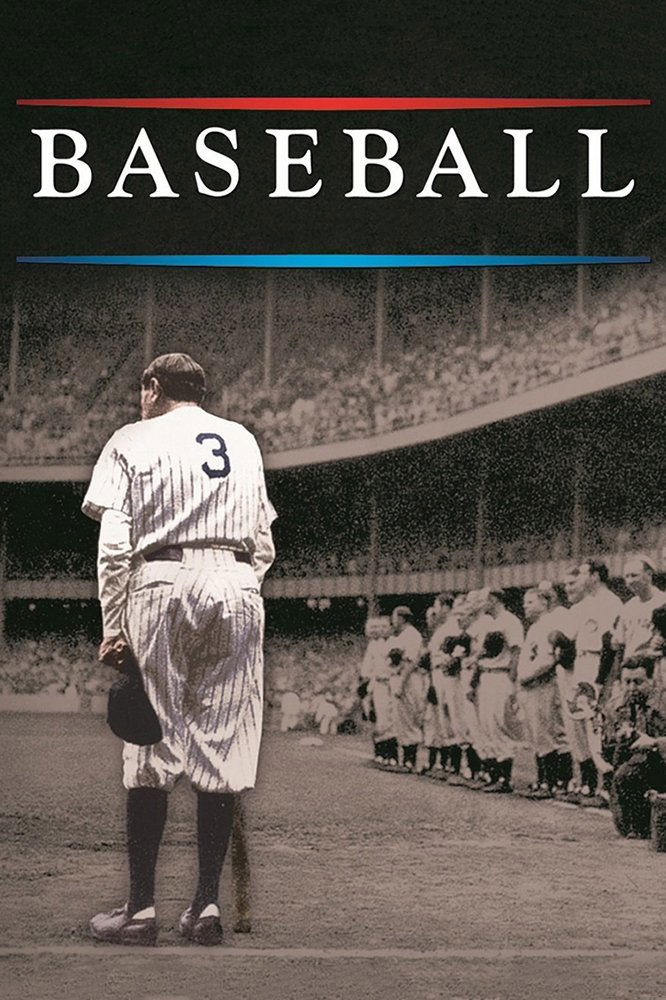
The history of the sport of baseball in America, told through archival photos, film footage, and the words of those who contributed to the game in each era. Writers, historians, players, baseball personnel, and fans review key events and the significance of the game in America's history.
TV's most-watched history series brings to life the compelling stories from our past that inform our understanding of the world today.
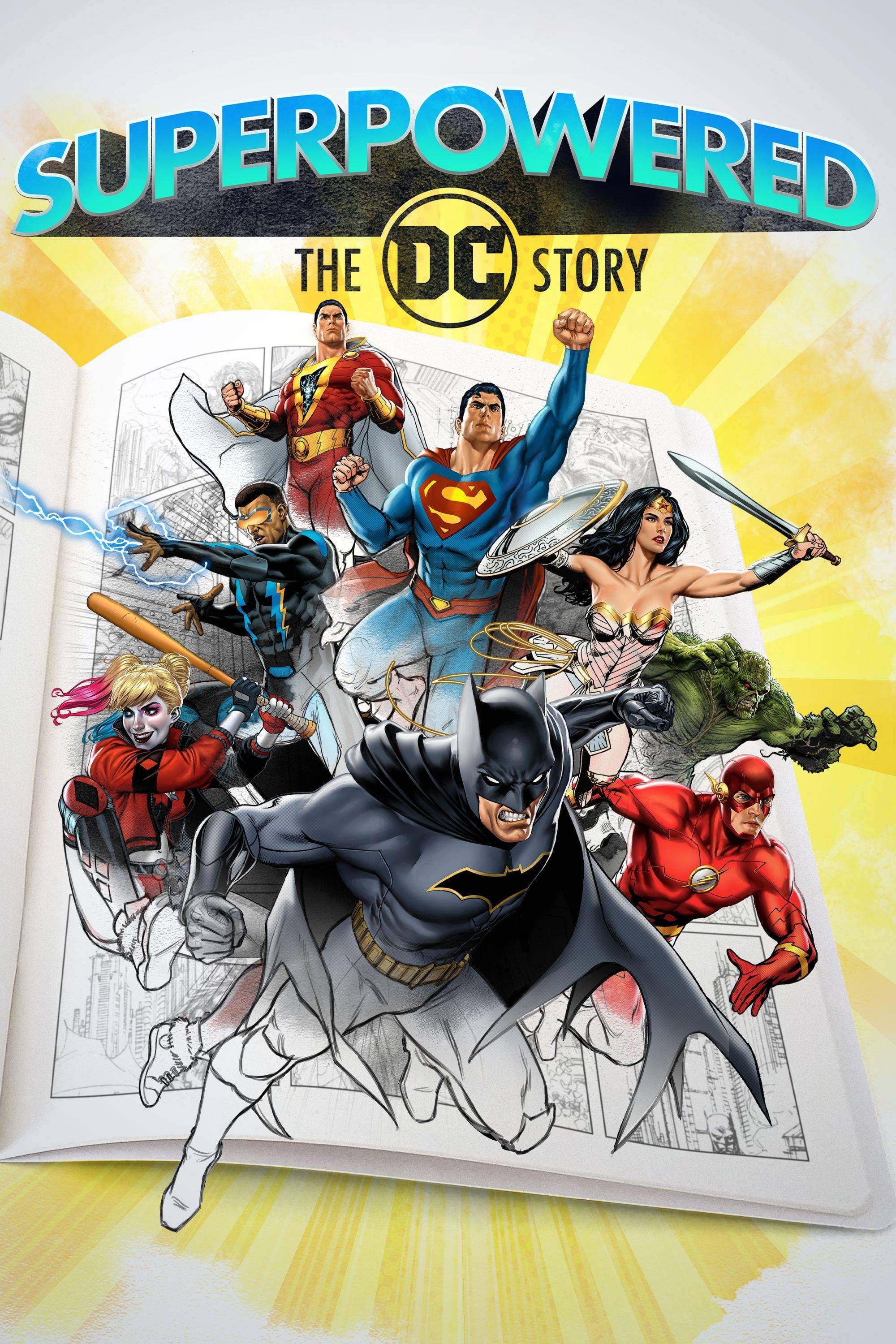
This docuseries takes an unprecedented look at the enduring and influential legacy of DC, allowing fans to rediscover the universe of characters, as well as the iconic comic book company’s origins, its evolution and its nearly nine-decade cultural impact across every artistic medium.