Series looking at the 1920s and 30s, which creates a portrait of an age so daring, influential and exciting that it still shapes who we are today.
Social & External
Voiceover Artist
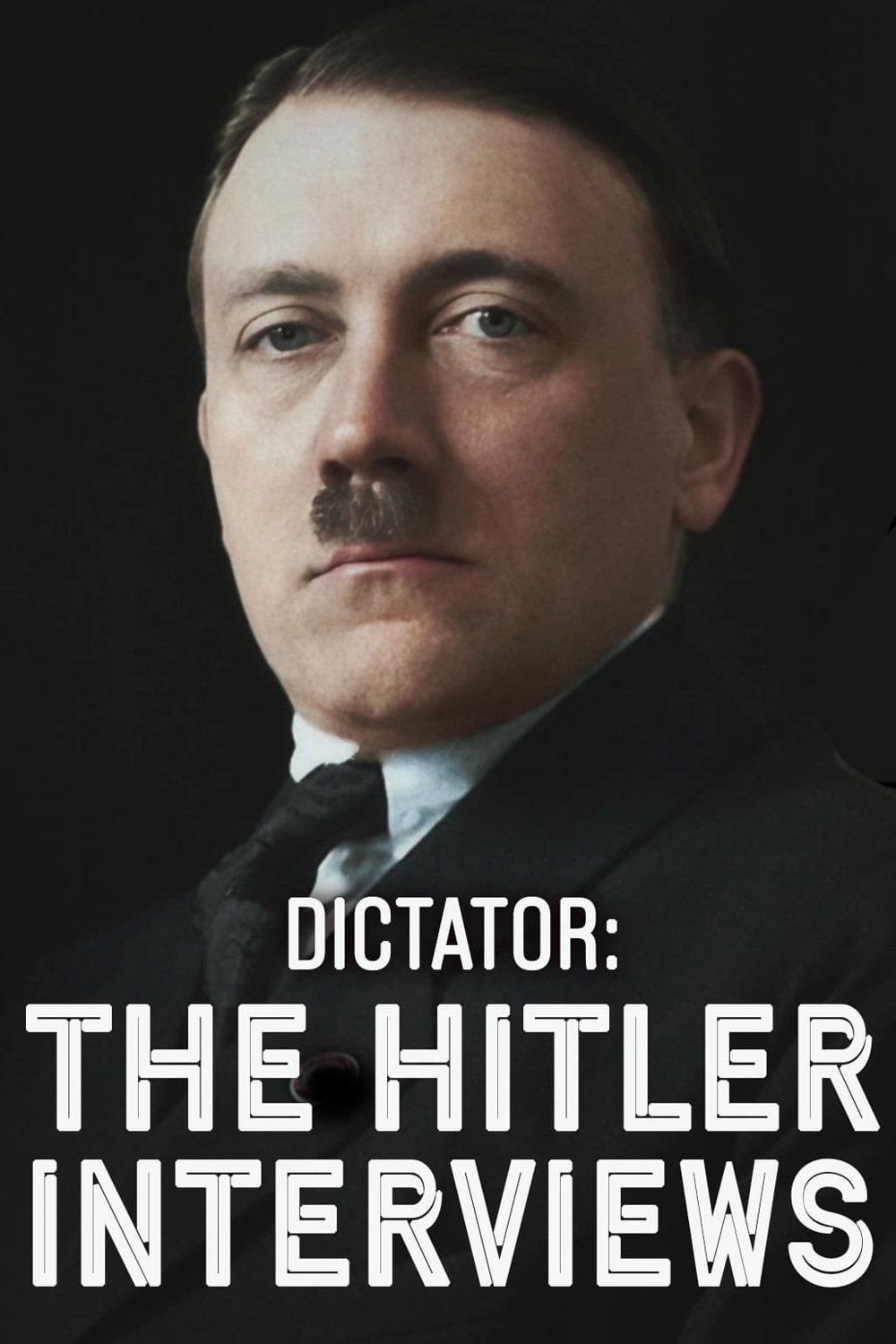
It is customary to give every new government 100 days to draw an initial summary of its work, its successes, its failures, its prospects. A “grace period” that also applied to Chancellor Adolf Hitler. However, he uses them more radically for his goals than anyone before him. This is what this series tells about – as a canon of contemporary voices. Diary entries from all over Germany document different perspectives, perceptions and very private things. How can a civilized country, a democratic state, turn into a brutal dictatorship in just a few weeks?
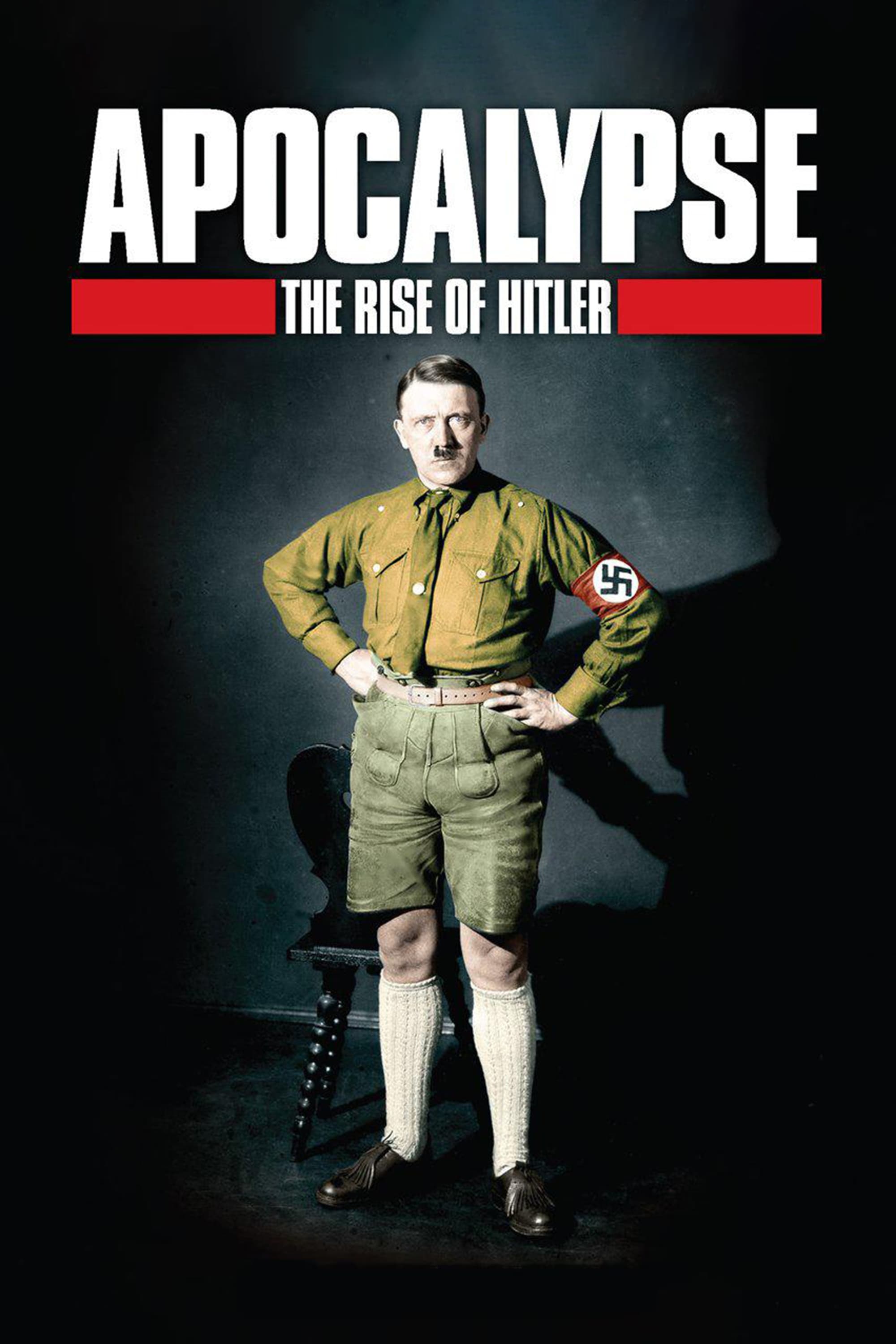
Adolf Hitler (1889-1945) was a mediocre who rose to power because of the blindness and ignorance of the Germans, who believed he was nothing more than an eccentric dreamer. But when the crisis of 1929 devastated the economy, the population, fearful of chaos and communism, voted for him. And no one defended democracy. As the dictatorship extended its relentless shadow, the leader claimed peace, but was preparing the Apocalypse.
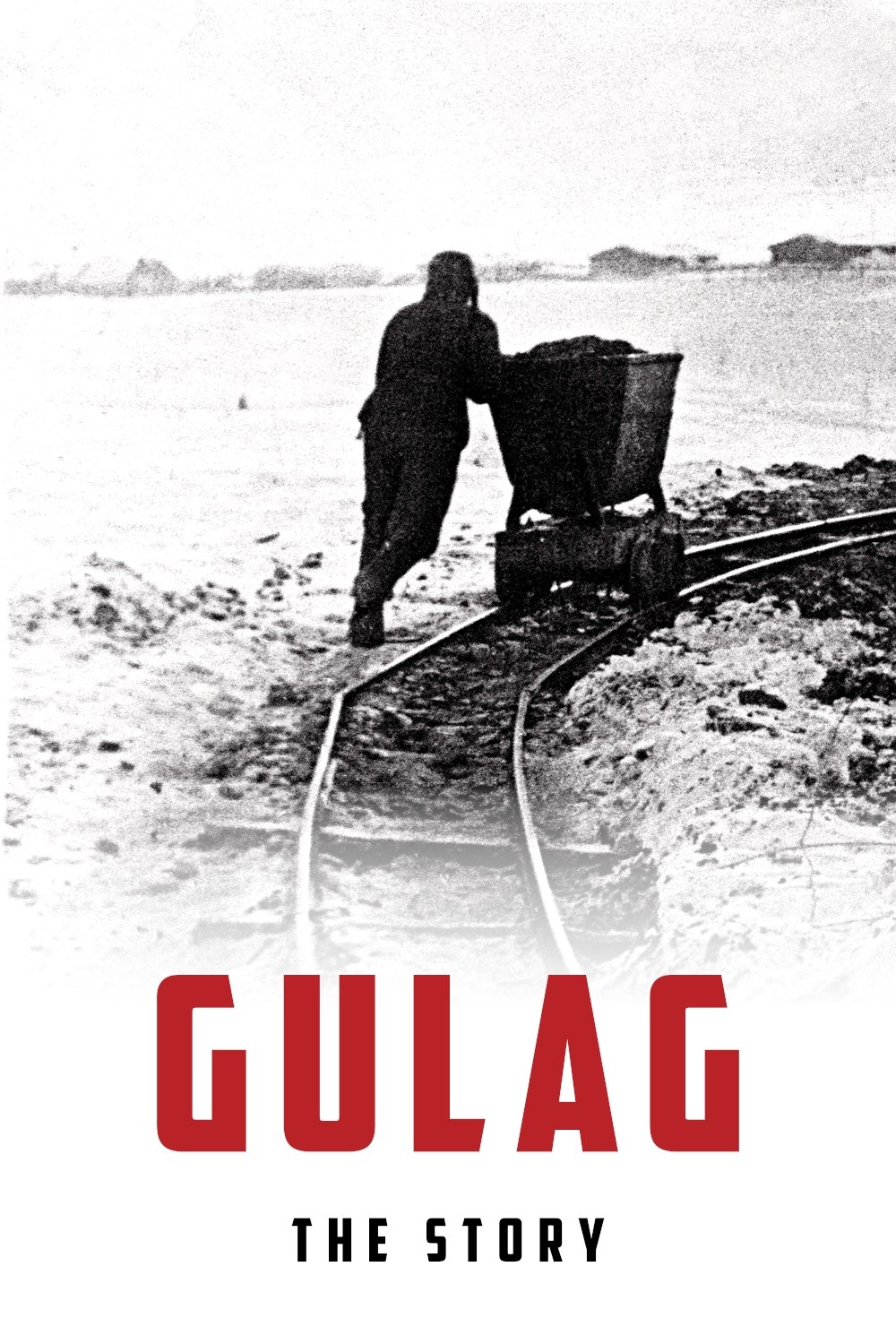
A major political, historical, human and economic fact of the 20th century, the Gulag, the extremely punitive Soviet concentration camp system, remains largely unknown.
Through the birth of cinema and the first images recorded in Spain, this series takes viewers on a journey from the late 19th century to the 1970s across 6 hour-long episodes. An exclusive journey through Spain's history featuring stunning footage colorized for the first time and enhanced with realistic sound design to bring out their vividness and spectacular nature. A captivating yet educational series with lively and emotional narration that offers viewers a new way to experience the past.
The history of the rise, rule and fall of the Eighteenth Amendment to the United States Constitution and the entire era it encompassed (1920-33). After nearly a century of activism, Prohibition was intended to improve the lives of all citizens by protecting individuals, families and society at large from the devastating effects of alcohol abuse; but paradoxically it made millions of people rethink their definition of morality.
November 11, 1918. The world emerges from the most horrific conflict ever known. While leaders of the victorious countries design a new world order, traumatized societies struggle to find their footing. In the aftermath of war the Russian, German, Austro-Hungarian and Ottoman Empires fall apart, currencies fluctuate wildly, and vast numbers of refugees flee misery. Before long, age-old hatreds, fears, and resentments resurface and drive the world to the brink of a new apocalypse.
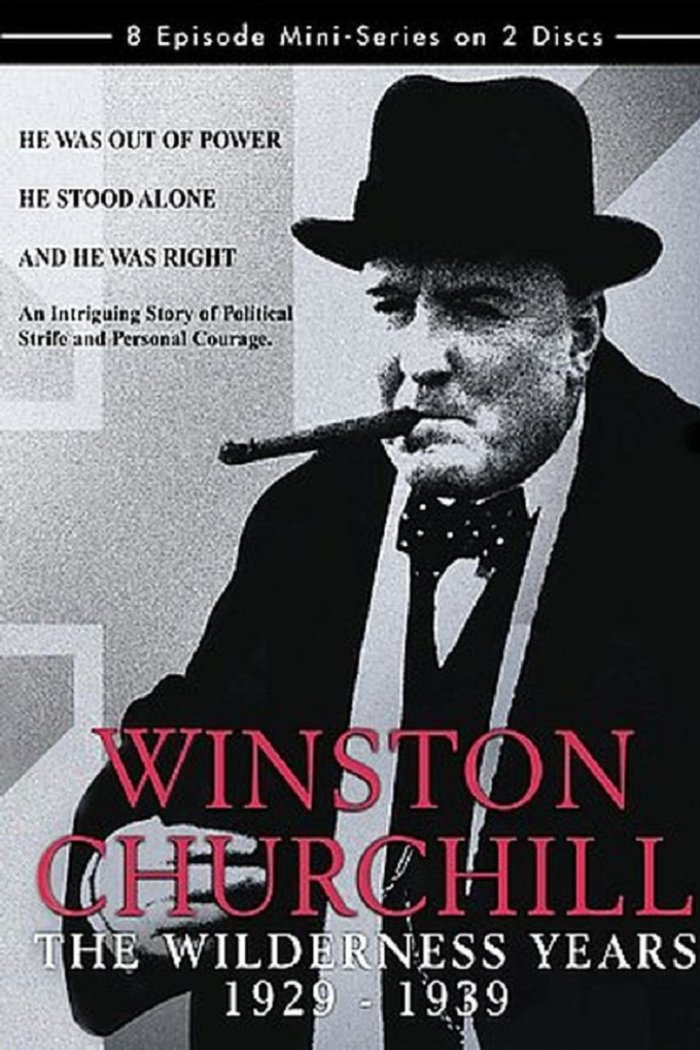
Winston Churchill: The Wilderness Years is an 8-part 1981 drama serial based on the life of Winston Churchill, and particularly his years in enforced exile from political position during the 1920s and 30s. It was written and directed by Ferdinand Fairfax and Churchill was played by Robert Hardy. Hardy's brilliant performance as Churchill won critical acclaim and a BAFTA award in 1982. He reprised the role in The Sittaford Mystery, Bomber Harris and War and Remembrance and at the 50th anniversary celebrations of the end of World War II in 1995 when he quoted a number of Churchill's wartime speeches in character.
Chronicles the worst man-made ecological disaster in American history, in which the frenzied wheat boom of the Great Plow-Up, followed by a decade-long drought during the 1930s nearly swept away the breadbasket of the nation.

The remarkable story of the Irish War of Independence (1919-1922) which resulted in the formation of the Irish Free State and became the model for other British colonies to gain their independence.
Thirties in Colour: Countdown to War takes black-and-white films from the era and colourises the footage, bringing the past vividly back to life.
A century ago, the world experienced a revolution in mobility. Cities like Berlin grew rapidly, with the Graf Zeppelin soaring over the city in 1928, sparking excitement for airship travel. These majestic airships made ocean crossings faster and more luxurious, and even enabled polar expeditions. At the same time, automobiles and motorcycles became staples for many, although streets became congested. Women like Amelia Earhart and Elly Beinhorn broke barriers in aviation, inspiring new possibilities for both genders in the field of technology. While air travel grew in popularity, trains remained the main long-distance transport. The era also saw an explosion of new mobility options, with faster, cheaper ways to travel across the globe, making the world seem smaller and more connected. However, this golden age of mobility would be cut short by the outbreak of World War II.
Dramatization of the 1932/33 Test cricket series between England and Australia. Played in Australia, the series gained notoriety in Australian and worldwide cricketing history for the fact that the English team (headed by captain Douglas Jardine) applied a bowling technique called "leg theory", or more commonly, Bodyline. This technique involved bowlers bowling the ball directly at the batsman's body, and resulted in many of the Australian team receiving numerous bruises and injuries, with batsman Bert Oldfield sustaining a cracked skull. The series generated much anger and resentment towards the English team within Australia and seriously damaged Anglo-Australian cricketing relations at the time.
You Rang, M'Lord? is a British comedy series written by Jimmy Perry and David Croft, the creators of Dad's Army, It Ain't Half Hot Mum and Hi-de-Hi! It was broadcast between 1990 and 1993 on the BBC. The show was a comedy set in the house of an aristocratic family in the 1920s, contrasting the upper-class family and their servants in a house in London, along the same lines as the popular drama Upstairs, Downstairs. The series featured many actors who had also appeared in their earlier series, notably Paul Shane, Jeffrey Holland and Su Pollard, all of whom had previously been in Perry and Croft's holiday camp sitcom, Hi-de-Hi!. Also featured were Donald Hewlett and Michael Knowles from Perry and Croft's It Ain't Half Hot Mum, and Bill Pertwee and occasionally Frank Williams from Dad's Army. The memorable 1920s-style theme tune was sung by Bob Monkhouse.
Comedy, set during the 1930s, of social rivalry between two women in a small English town. New arrival Lucia (Geraldine McEwan, as Emmeline "Lucia" Lucas) creates challenges to the established local social dominance of Miss Elizabeth Mapp (Prunella Scales).


The lives and loves of a 1930s Yorkshire town explored in a passionate tale of politics in small places. South Riding charts the story of Sarah Burton's homecoming to Yorkshire in 1934 after twenty years teaching in London and the Empire. After a fiery interview with a conservative interview panel, outspoken Sarah takes up her first headmistress-ship at Kiplington High School for Girls, determined to demonstrate to her new pupils that the future is theirs for the taking.
Lu Yiping, one of many children of a retired general with nine wives, is banished from her family home due to Wang Xueqin. Driven by resentment, she plots revenge by targeting her stepsister's love interest, He Shuhuan. But as Yiping navigates life with her mother, she unexpectedly finds forgiveness and love through the people she meets, transforming her journey of vengeance into one of self-discovery and healing.
Matador is a Danish TV series produced and shown between 1978 and 1982. It is set in the fictional Danish town of Korsbæk between 1929 and 1947. It follows the lives of a range of characters from across the social spectrum, focusing specifically on the rivalry between the families of two businessmen: The banker Hans Christian Varnæs, an established local worthy, and social climber Mads Skjern, who arrives in town as the series opens. The name Matador was taken from the localised edition of the boardgame Monopoly, also the series' tentative English title. In addition, in contemporary Danish a "matador" is often used to describe a business tycoon, in the series referring to the character of Mads Skjern and his craftiness as a self-made entrepreneur. Directed by famed Danish film maker Erik Balling, Matador was the idea of author Lise Nørgaard who wrote the bulk of the episodes alongside Karen Smith, Jens Louis Petersen and Paul Hammerich. The series is one of the most well-known and popular examples of Danish television and represents the peak of longtime development of Danish TV drama by the public service channel Danmarks Radio. The series has become part of the modern self-understanding of Danes, partly because of its successful mix of melodrama and a distinct warm Danish humour in the depiction of characters, which were portrayed by a wide range of the most popular Danish actors at the time; but also not least because of its accurate portrayal of a turbulent Denmark from around the start of the Great Depression and through Nazi Germany's occupation of Denmark in World War II.
England, 1925. At a lavish country house party, a practical joke appears to have gone horribly, murderously wrong. It will be up to the unlikeliest of sleuths—the fizzingly inquisitive Lady Eileen "Bundle" Brent—to unravel a chilling plot that will change her life, cracking wide open the country house mystery.