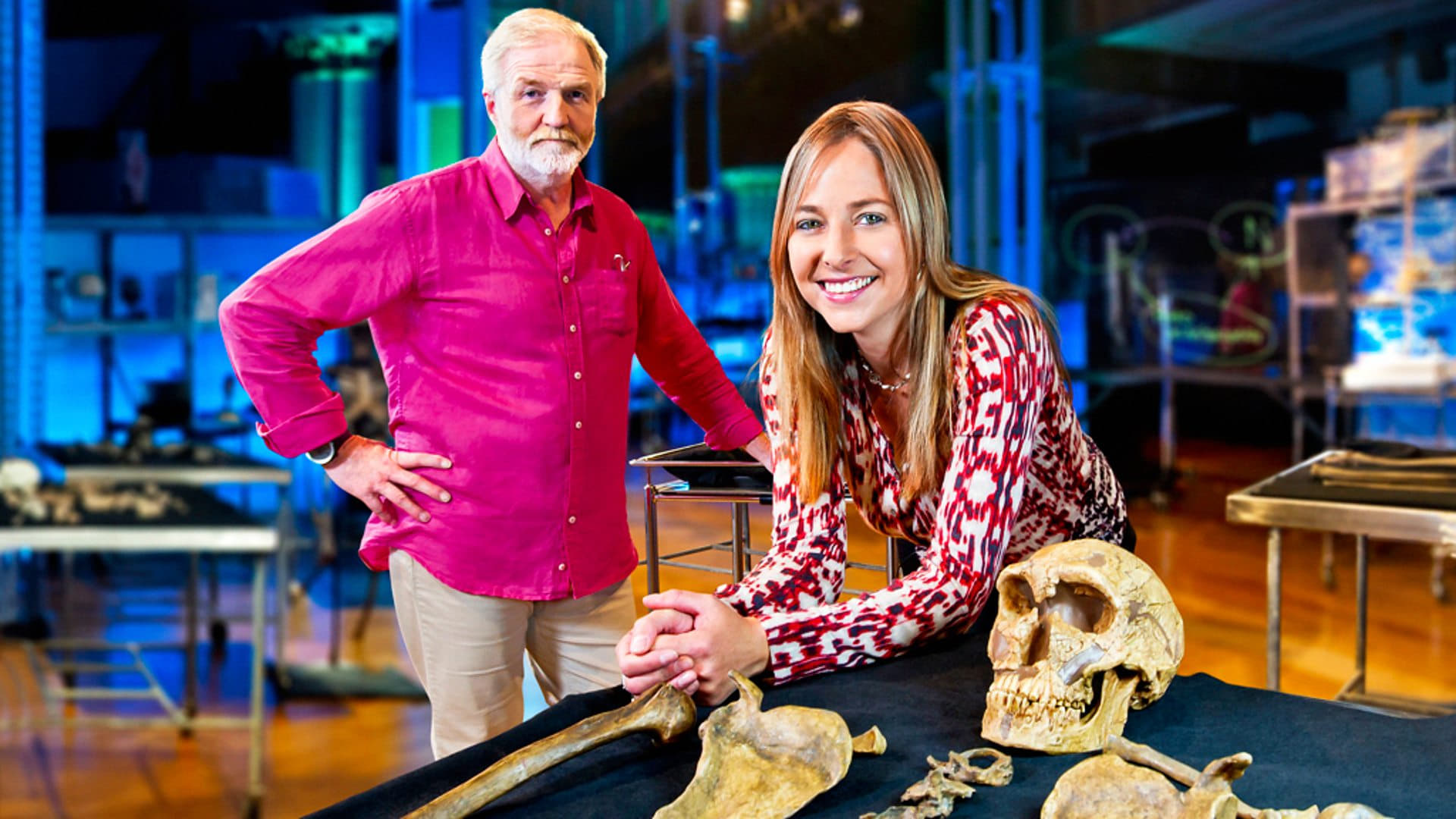
A journey into our evolutionary past, piecing together the bodies of our prehistoric family.
Social & External
The people behind it
George McGavin
Himself - Presenter
Alice Roberts
Herself - Presenter
Jez Harris
Self
Viktor Deak
Long-running travel programme
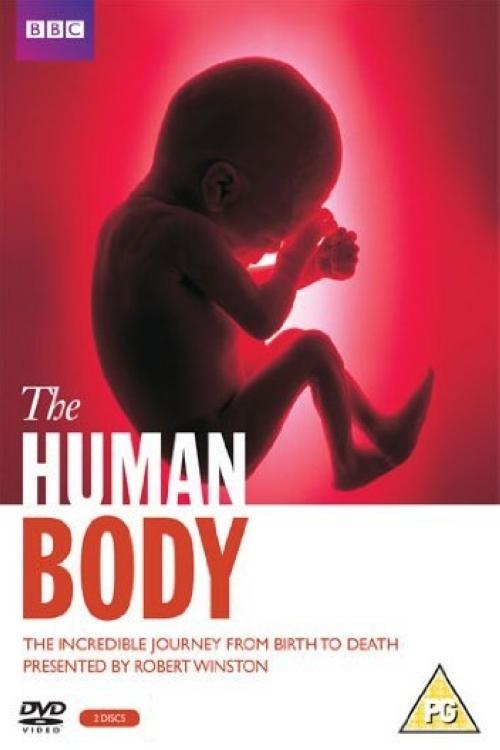
The Human Body is a seven-part documentary series that looks at the mechanics and emotions of the human body from birth to death.
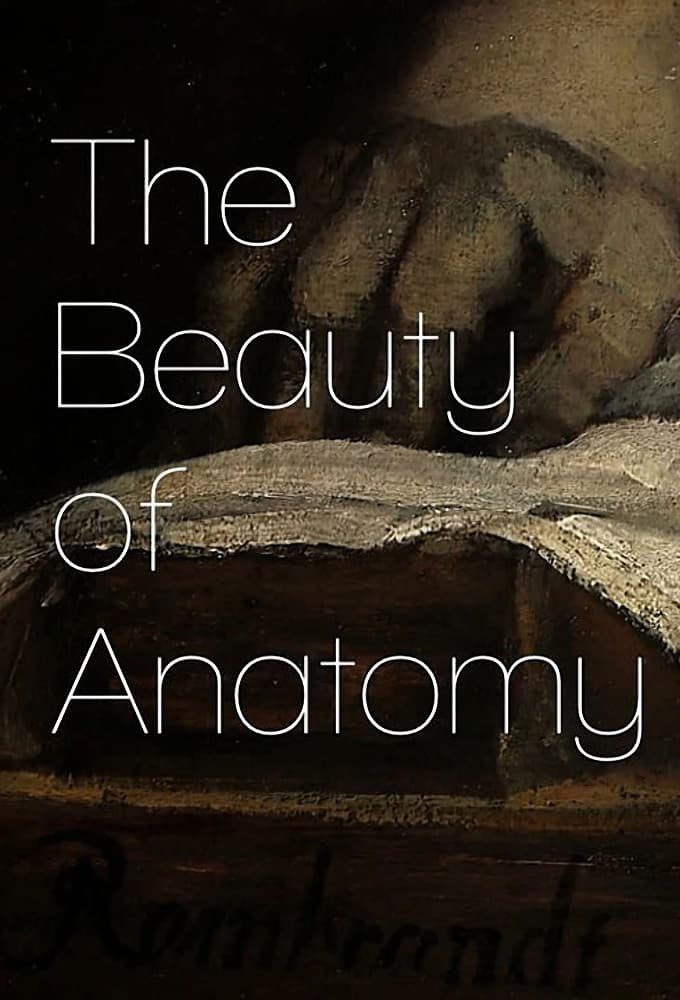
Dr Adam Rutherford investigates the close relationship between discoveries in anatomy and the works of art that illustrate them.
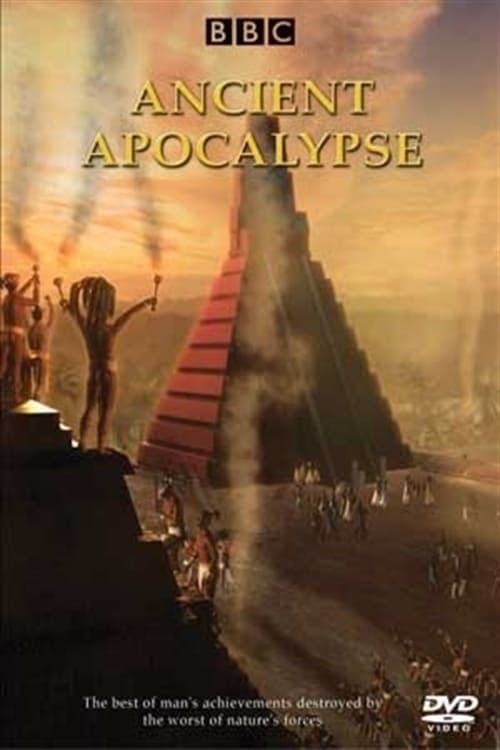
Throughout the ages, civilisations have risen up and then disappeared. Ancient Apocalypse seeks to explain how human achievements were destroyed by the forces of nature.
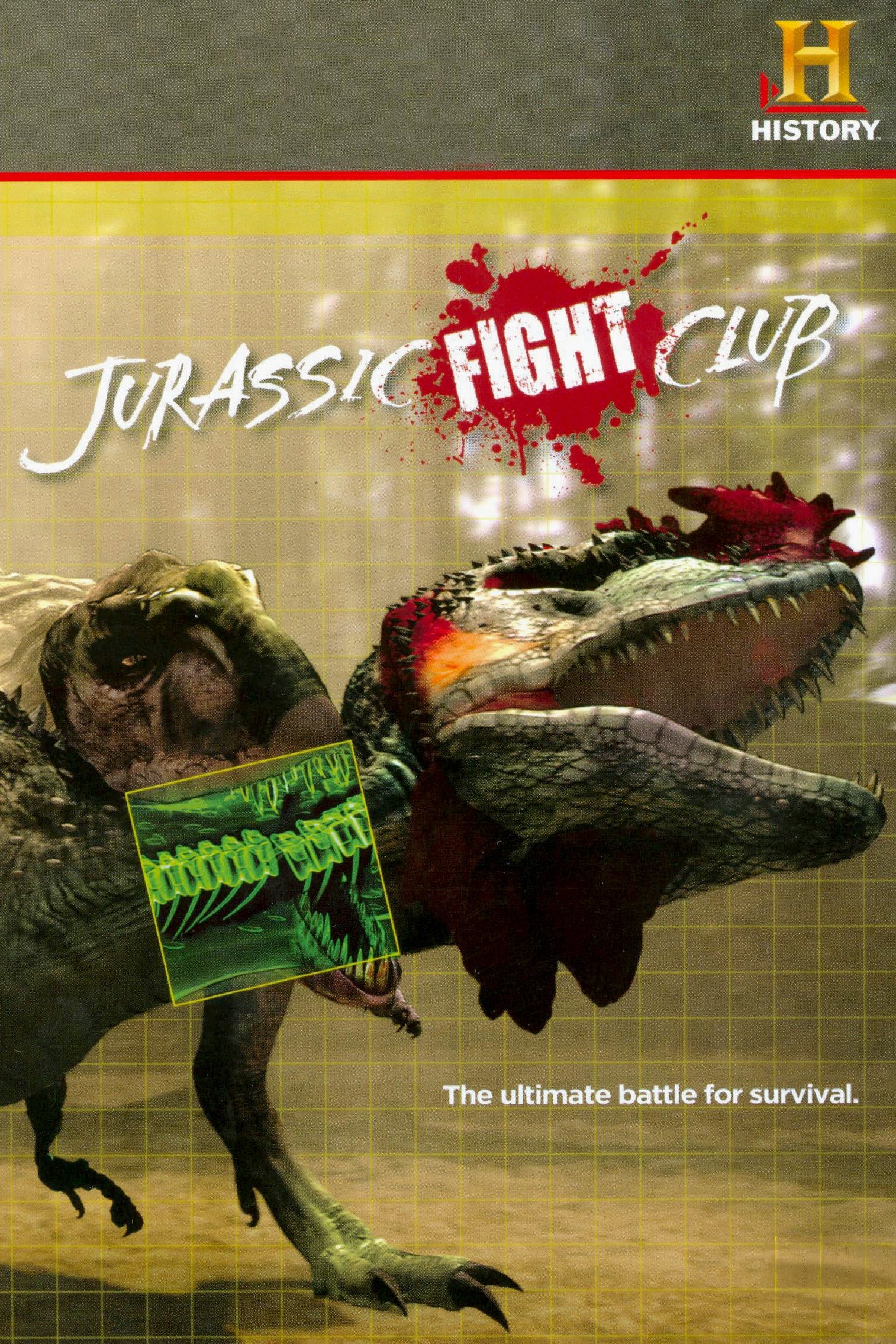
Imagines prehistoric life in this entertainment series about dinosaur battles. Computer-generated dinosaurs engage in conflicts choreographed using paleontological evidence from 70-million-year-old crime scenes. Jurassic Fight Club was hosted by George Blasing, a self-taught paleontologist.
Three part series detailing the dangerous prehistoric creatures humans met as they explored the world for the first time.
Experience the wonders of our world like never before in this epic series from Jon Favreau and the producers of Planet Earth. Travel back 66 million years to when majestic dinosaurs and extraordinary creatures roamed the lands, seas, and skies.
A five-part series that features the latest research exploring how early humans evolved. See how the mixing of prehistoric human genes led the way for our species to survive and thrive around the globe. Archaeology, genetics and anthropology cast new light on 200,000 years of history, detailing how early humans became dominant.
Life is a fragile thing. It changes and adapts so specifically to survive in the environment it's placed in. This ability to adapt is called evolution, and it's the reason that life has endured for the past few billion years. But evolution takes a long time, so when environments change too quickly for the inhabitants to keep up, the result is a drop in population or at the worst… extinction. And sometimes these changes can be so big that they affect the entire globe. Leading to some of the most catastrophic events in our planet’s history… mass extinctions. Content creator Angel of Death explores the five mass extinctions and the effects they had on life on earth in this five part miniseries.
Join hosts Hank Green, Kallie Moore, and Blake de Pastino as they take you on a journey through the history of life on Earth. From the dawn of life in the Archaean Eon through the Mesozoic Era — the so-called “Age of Dinosaurs” -- right up to the end of the most recent Ice Age. The evolutionary history of mammals including humans and other modern species is explored with these amazing paleontology experts.
Extinct for millions of years, dinosaurs continue to fascinate as scientists struggle to understand the creatures that went from domination to extinction seemingly overnight. This four-part documentary series attempts to provide some answers. From the badlands to the Yucatán Peninsula, paleontologists scour the earth to learn about the predatory habits of carnivorous dinosaurs, the land area required to feed a large sauropod and much more.
A long journey in 8 episodes to discover the human body, with Piero Angela who closely observes our organism, focusing each time on a theme: the eye, the ear, taste and smell, the stomach and the intestine, liver, bones, lungs and heart. How does our "wonder machine" work? To make each explanation direct and clear, the program uses films, animations and photographs developed with the scanning electron microscope.
Criss-crossing the globe, "Body Bizarre" embarks on a voyage of discovery unlike any other. From India's child snake charmers to the world's hairiest girl, this series uncovers the real human stories behind the headlines. With deeply personal interviews and footage from the most unusual of day-to-day routines, it's an adventure through the truly astonishing.
Did democracy actually originate in Greece? Was the plague the worst epidemic of all time? And did we really work harder in the past than we do today? Is it true that ...? questions what we think we know and takes another look at history.
Documentary narrated by Dan Akroyd of paleontologists searching for dinosaurs and the evidence they left behind.
Documentary series about famous anthropologists.
David Attenborough presents a series on fossils and palaeontology.
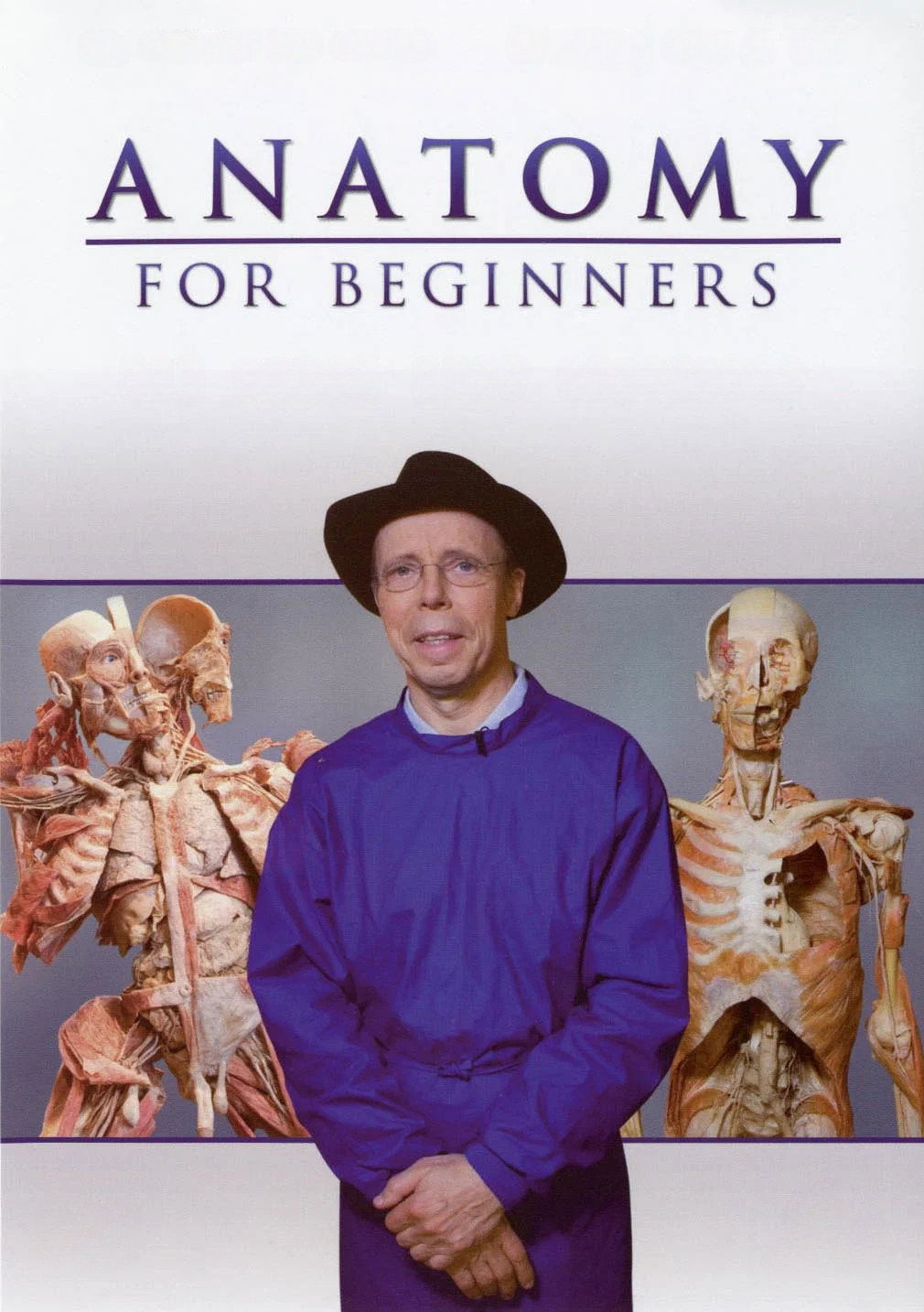
Anatomy for Beginners is a television show created by Gunther von Hagens. In this 4-part series, Dr Gunther von Hagens and Professor John Lee demonstrated the anatomical structure and workings of the body. The 4 episodes were screened in the United Kingdom on Channel 4 in 2005. The show features public anatomy demonstrations with the use of real human cadavers and live nude models, carried out at Gunther von Hagens' "Institute for Plastination" in Heidelberg, Germany. Dr von Hagens’ public demonstrations are not formal anatomy dissections performed by medical students in some countries as part of their medical training. Formal dissection are performed slowly and take dozens of hours of dissection. Anatomy for Beginners performs quicker autopsy and also combines with demonstration of plastinated body parts and specimens to gives just a glimpse of the human anatomy. The individuals on whom the demonstration was performed had, before their death, enrolled on von Hagens’ body donor programme and consented to the use of their bodies for public education in anatomy, including public demonstration.
There are seven billion humans on Earth, spread across the whole planet. Scientific evidence suggests that most of us can trace our origins to one tiny group of people who left Africa around 70,000 years ago. In this five-part series, Dr Alice Roberts follows the archaeological and genetic footprints of our ancient ancestors to find out how their journeys transformed our species into the humans we are today, and how Homo Sapiens came to dominate the planet.
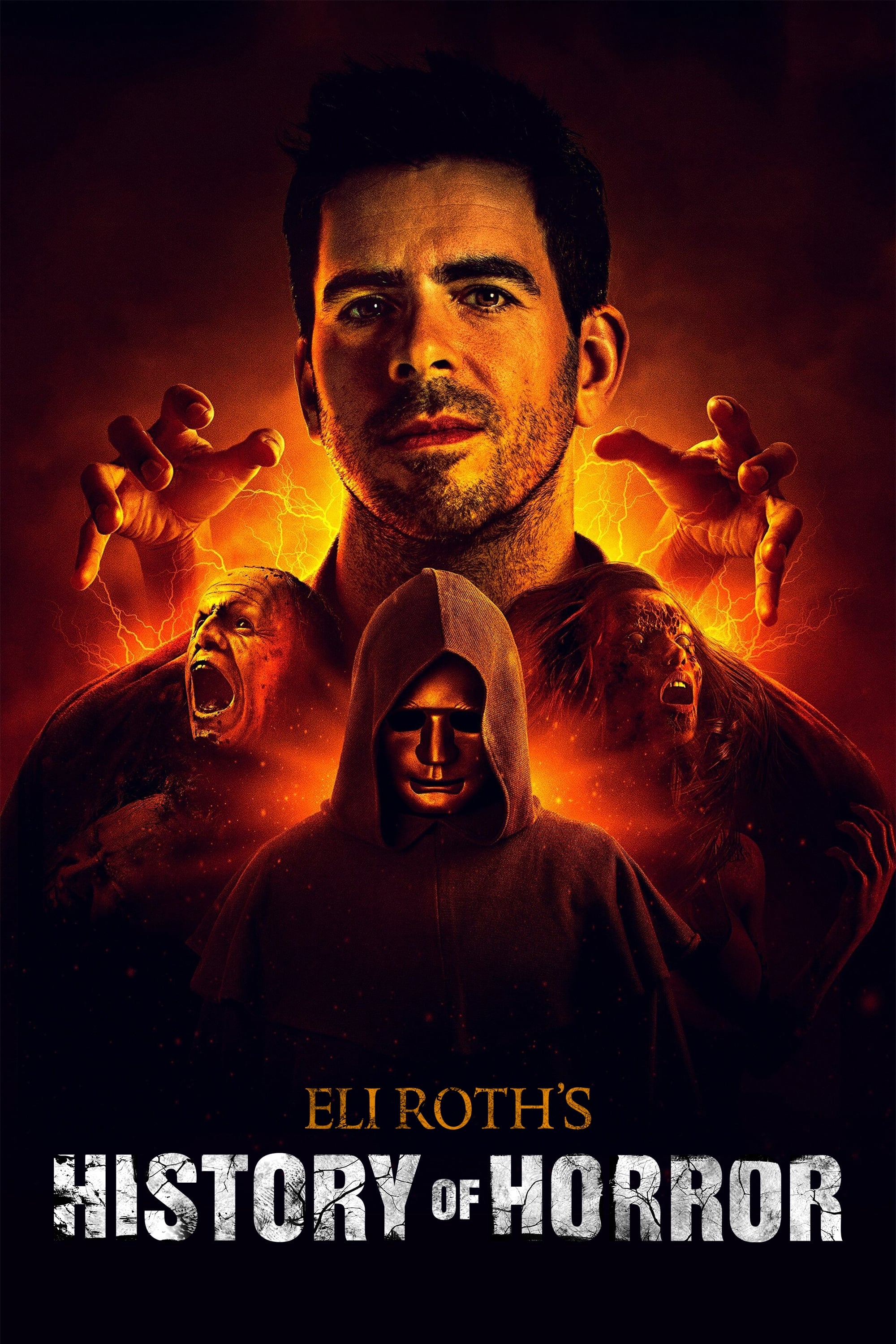
An in-depth look at the history and pop cultural significance of horror films.
An insider's look at the engineering and scientific miracles behind the things that form the modern world.
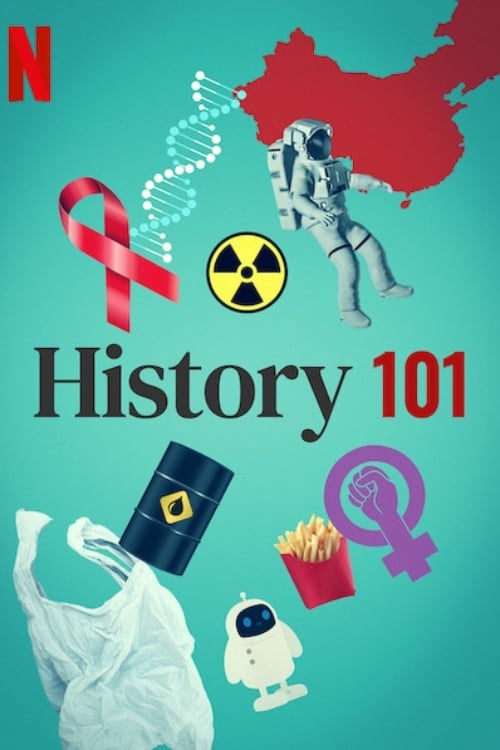
Infographics and archival footage deliver bite-size history lessons on scientific breakthroughs, social movements and world-changing discoveries.
The history of the sport of baseball in America, told through archival photos, film footage, and the words of those who contributed to the game in each era. Writers, historians, players, baseball personnel, and fans review key events and the significance of the game in America's history.
This compelling series investigates the motives and m.o. of female murderers. While males are often driven by anger, impulse and destruction, women usually have more complex, long-term reasons to kill.
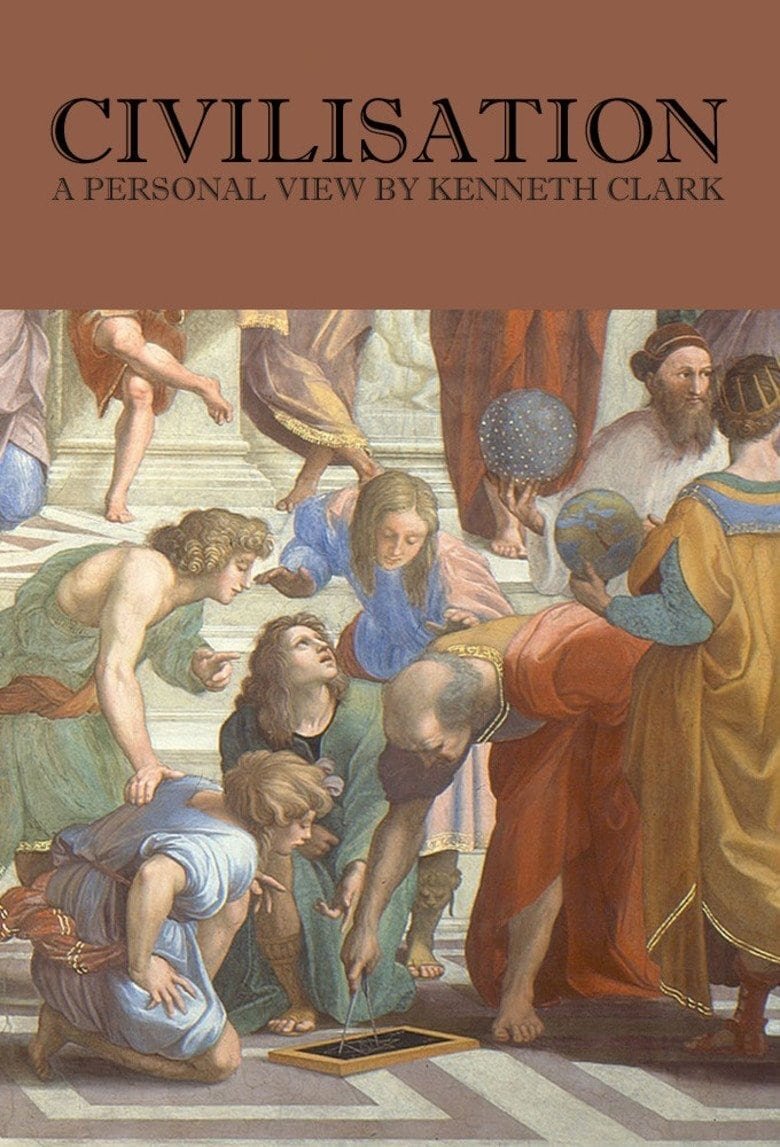
Sir Kenneth Clark guides us through the ages exploring the glorious rise of civilisation in western man. Beginning with the bleakness of the dark ages to the present day, we consider civilisation's articulations and expressions in some of man's finest works of art.
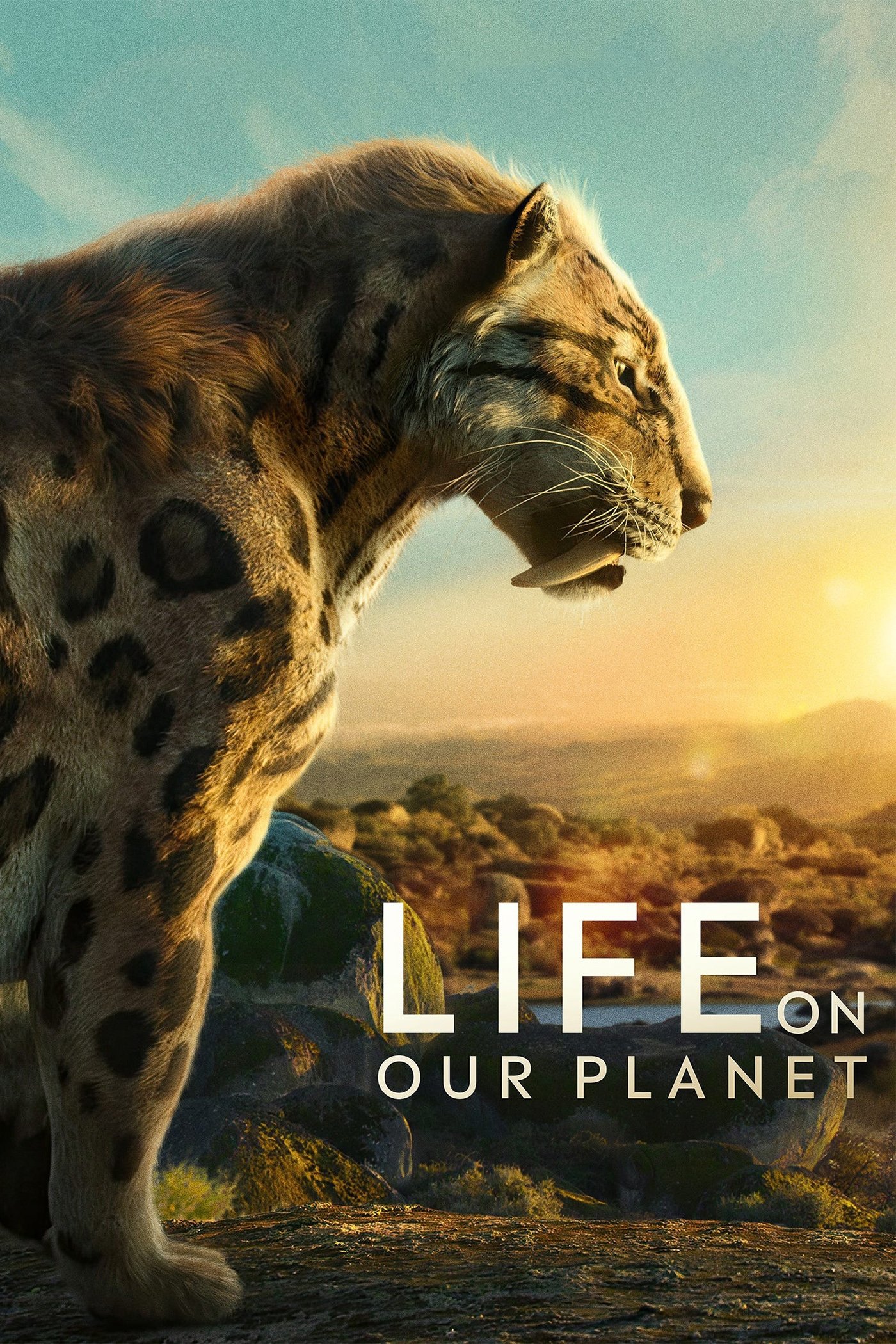
Life's extraordinary journey to conquer, adapt and survive on Earth across billions of years comes alive in this groundbreaking nature docuseries.
A British genealogy documentary series in which celebrities trace their ancestry, discovering secrets and surprises from their past.
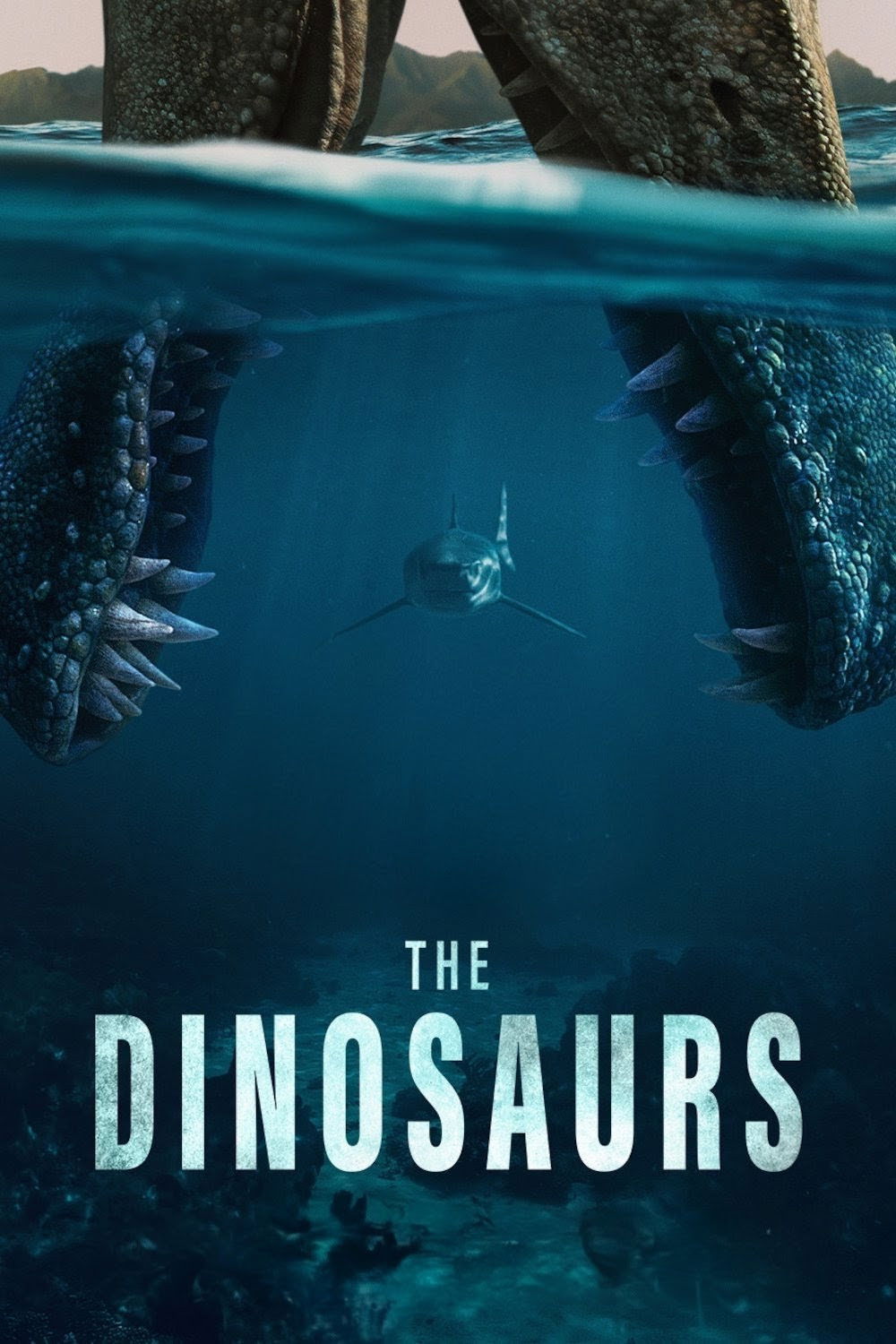
From the first dinosaurs to the last, this epic documentary series examines their 165 million years on Earth and the forces that shaped their evolution.
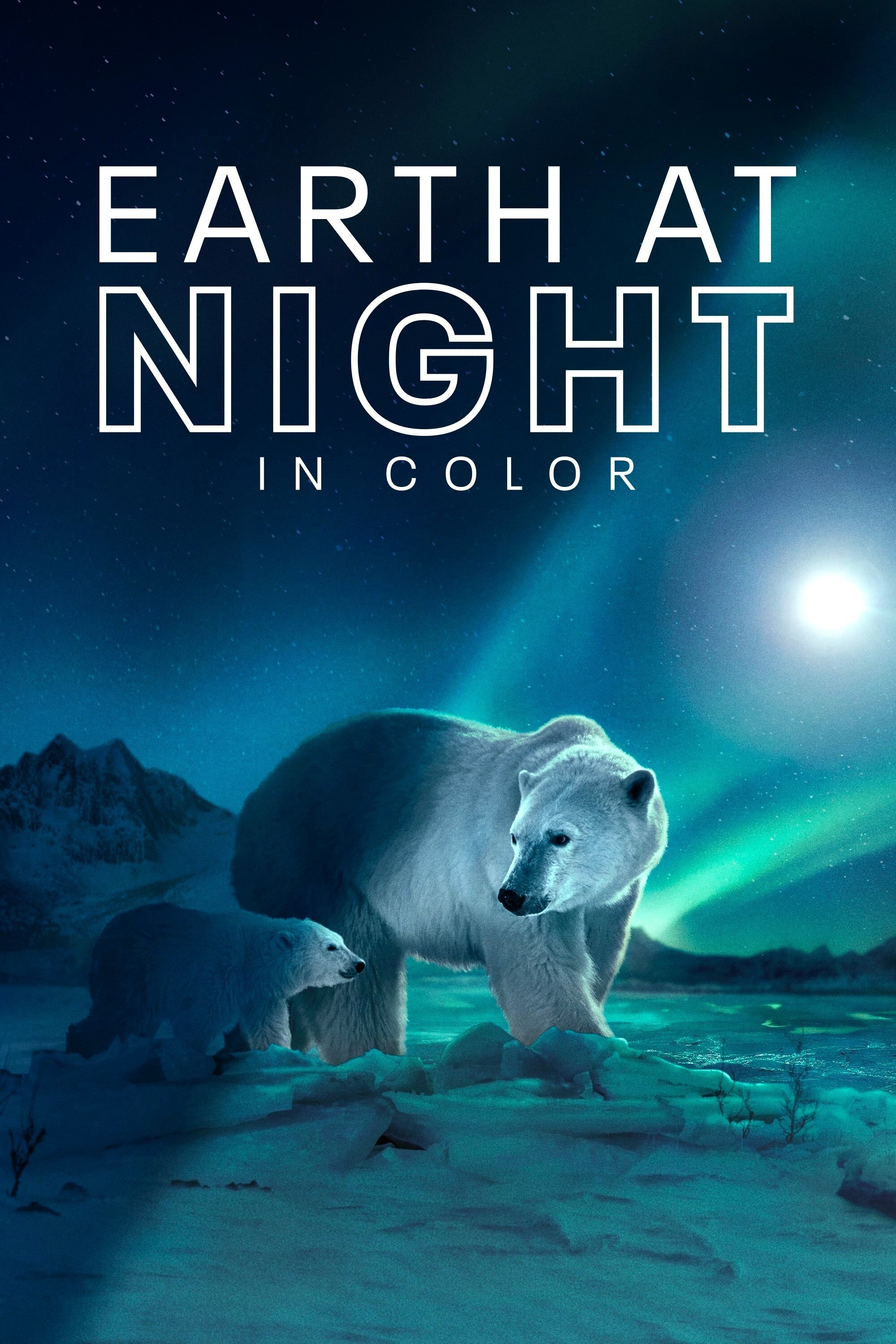
Filmed across six continents, this docuseries uses cutting-edge camera technology to capture animals' nocturnal lives, revealing new behaviours filmed in full color like never before.
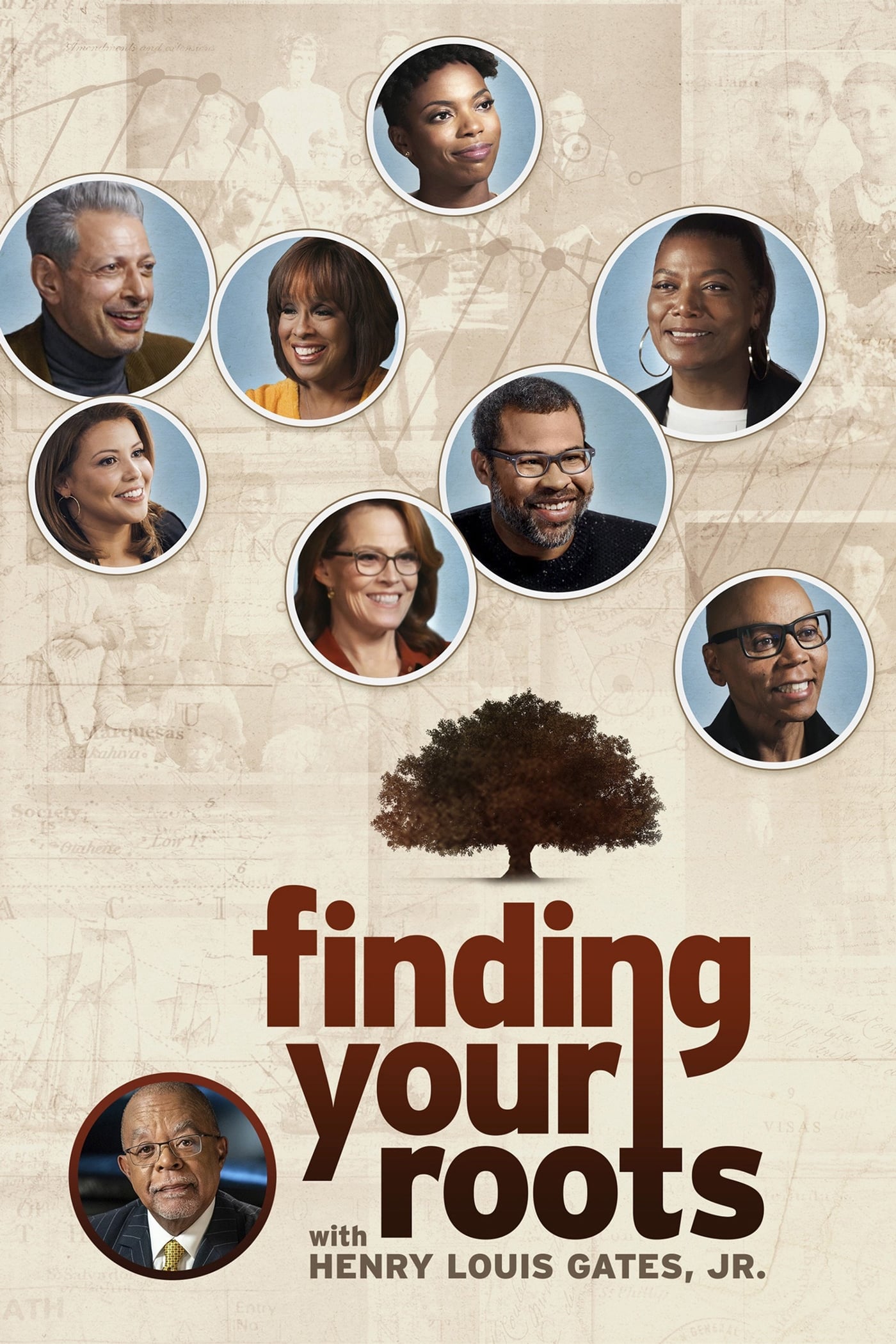
Noted Harvard scholar Henry Louis Gates, Jr. has been helping people discover long-lost relatives hidden for generations within the branches of their family trees. Professor Gates utilizes a team of genealogists to reconstruct the paper trail left behind by our ancestors and the world’s leading geneticists to decode our DNA and help us travel thousands of years into the past to discover the origins of our earliest forebears.
A series of standalone documentaries powered by the unparalleled journalism and insight of The New York Times, bringing viewers close to the essential stories of our time.
TV's most-watched history series brings to life the compelling stories from our past that inform our understanding of the world today.
Through bodycam footage, texts and interviews with loved ones, this documentary investigates the horrifying murder of four University of Idaho students.
Horizon tells amazing science stories, unravels mysteries and reveals worlds you've never seen before.
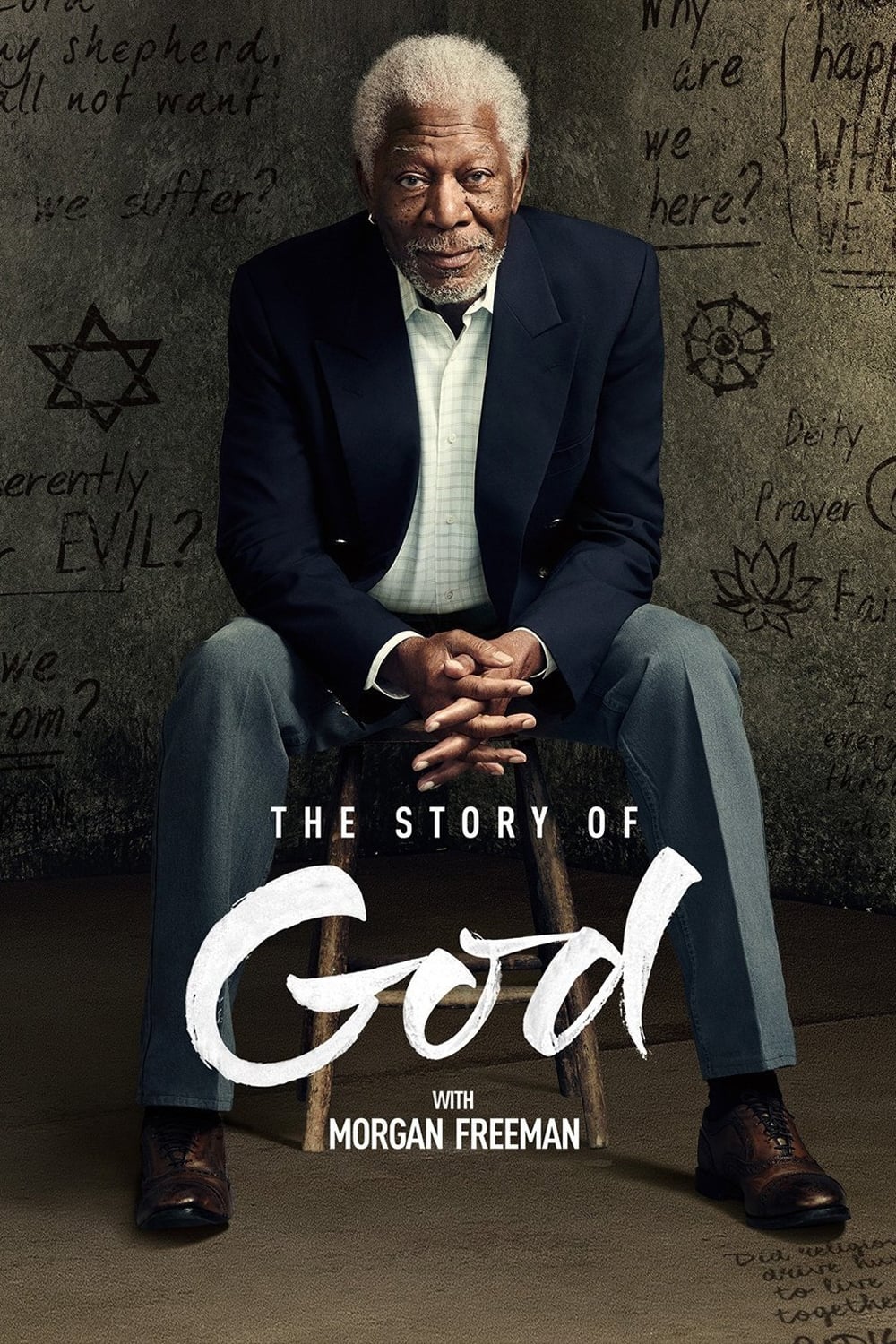
Morgan Freeman presents his quest in order to find how most religions perceive life after death, what different civilizations thought about the act of creation and other big questions that mankind has continuously asked.
Professor Brian Cox explores the dramatic lives of the eight majestic planets/worlds that make up our solar system.
This immersive series follows the world's most magnificent creatures, capturing never-before-seen moments from the heartwarming to the outrageous.
Come one, come all to The Circus. This real-time documentary series pulls back the curtain on the current political stories, revealing the intense, inspiring and infuriating stories behind the headlines. Key characters and events are presented in real time, as they are happening.