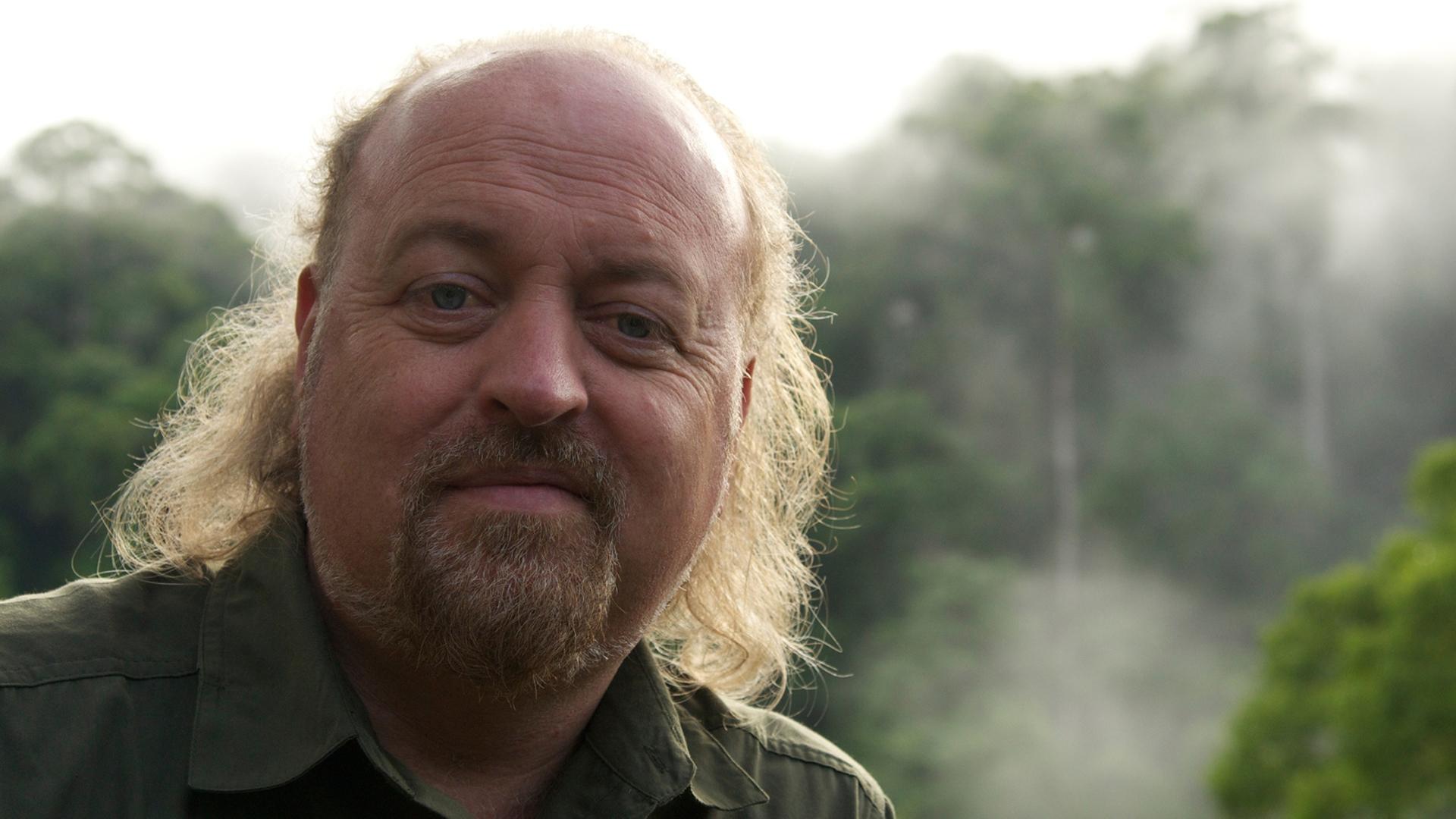
Bill meets wildlife in Borneo and Indonesia to tell the story of Darwin's rival Wallace.
Social & External
Himself - Presenter
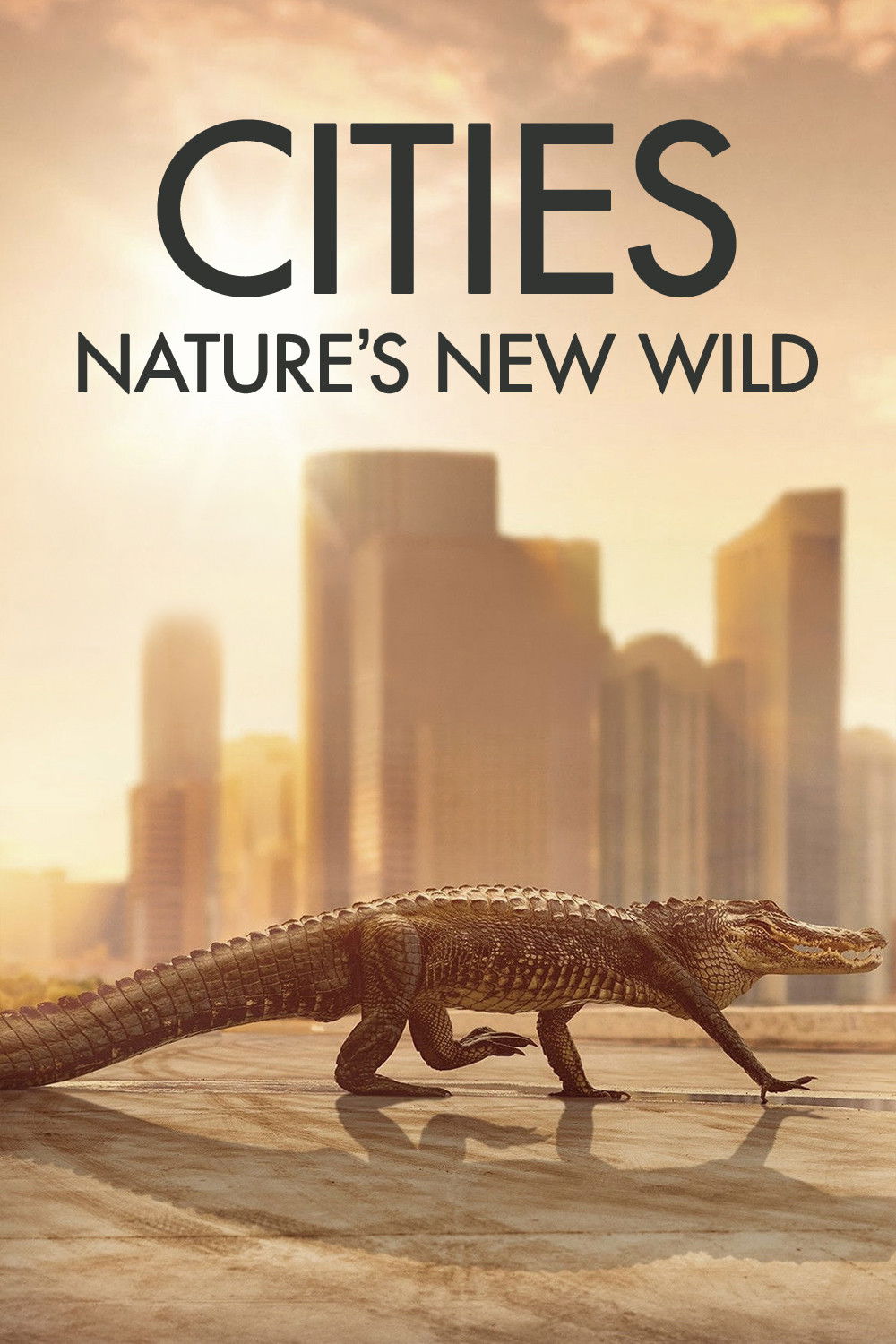
Discover the remarkable ways animals of all shapes and sizes are adapting to make the most of opportunities in the newest and fastest changing habitat on the planet - our cities.
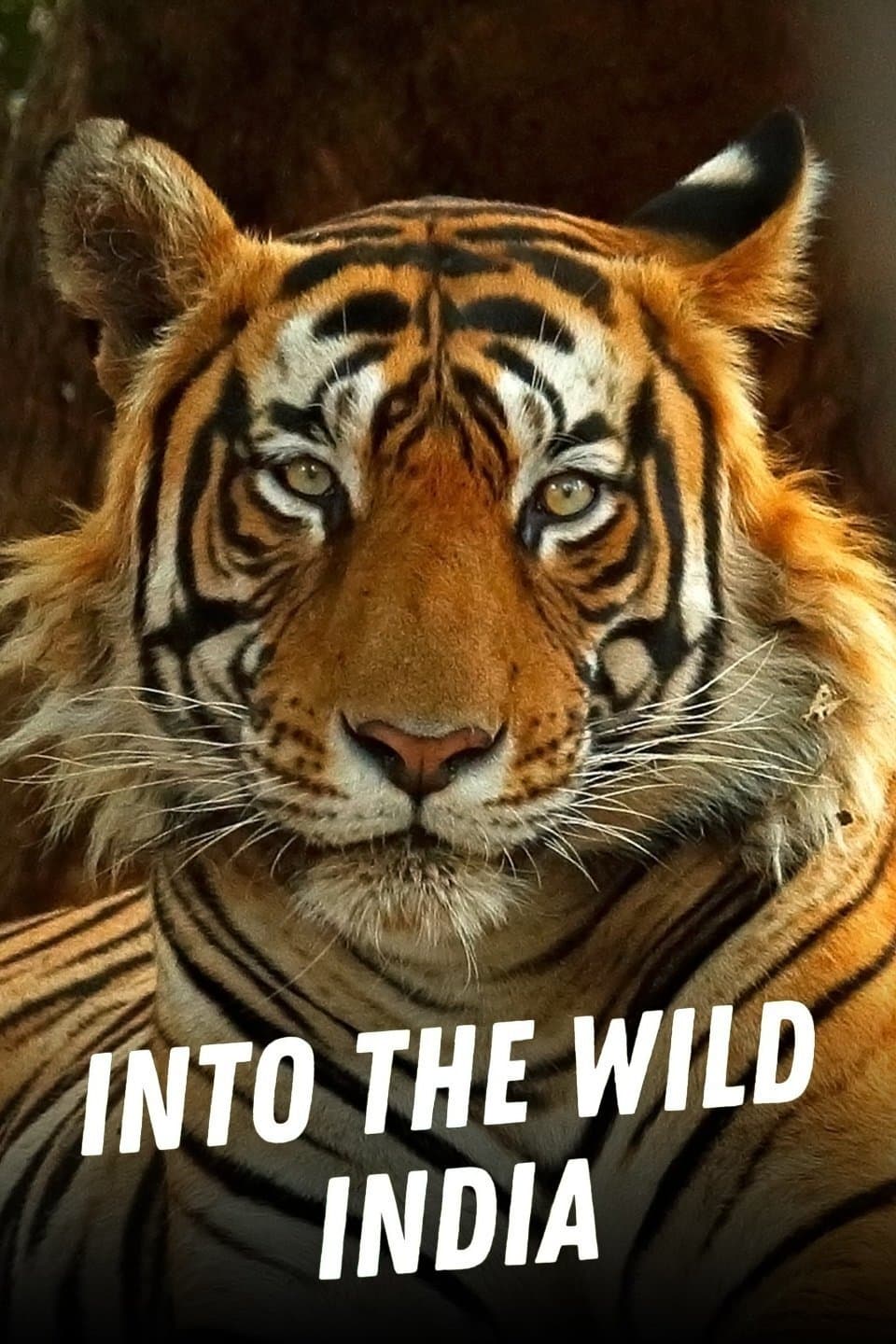
A journey through the magical wilderness of India, witnessing the day-to-day lives and challenges of some its most iconic species and the many other creatures with which they share their home.
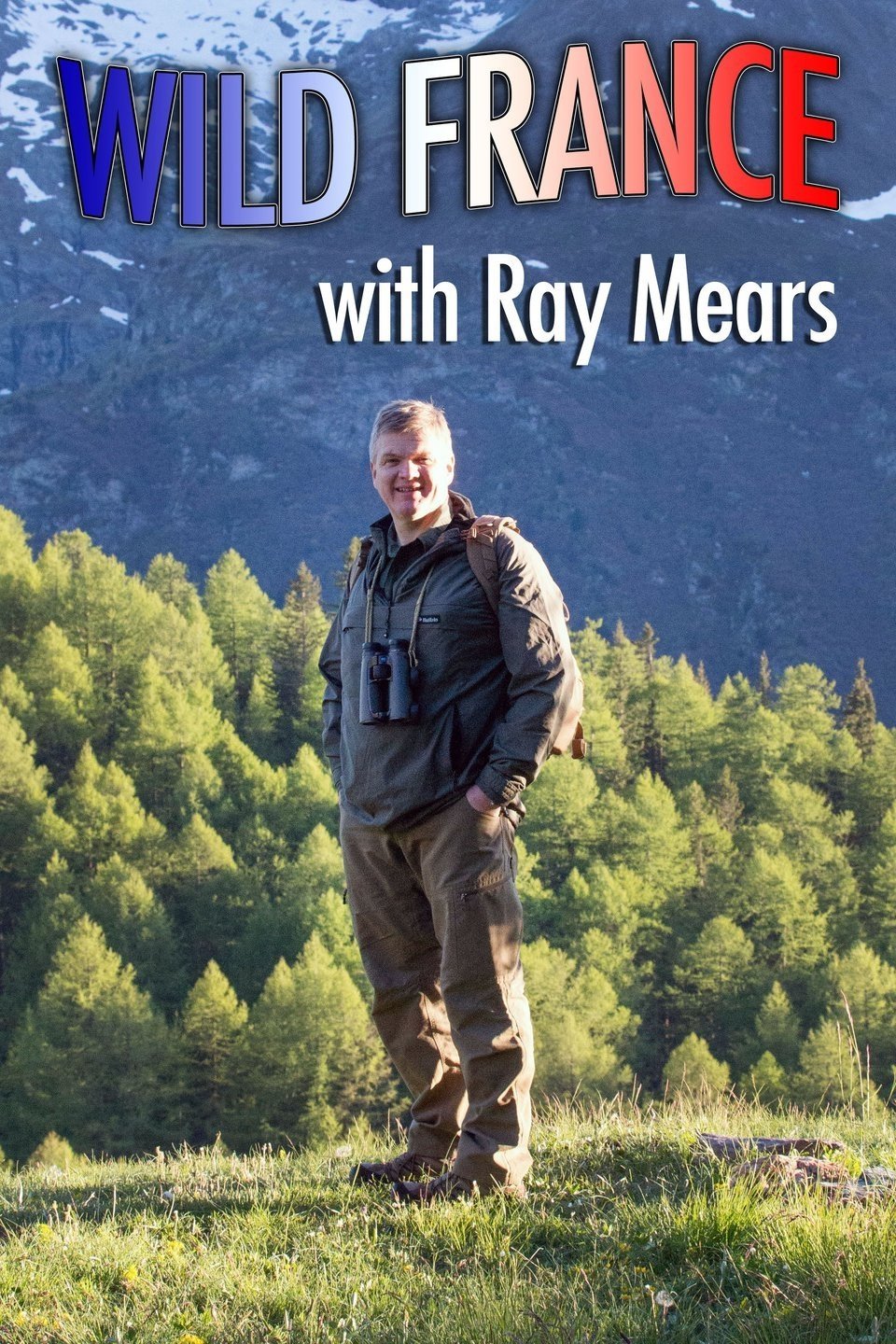
Ray Mears discovers the dramatic landscapes of France. Exploring the wildlife and plant life and delving into the secrets the landscape hold on his journey through mountains, coast, forests, rivers and wetlands.
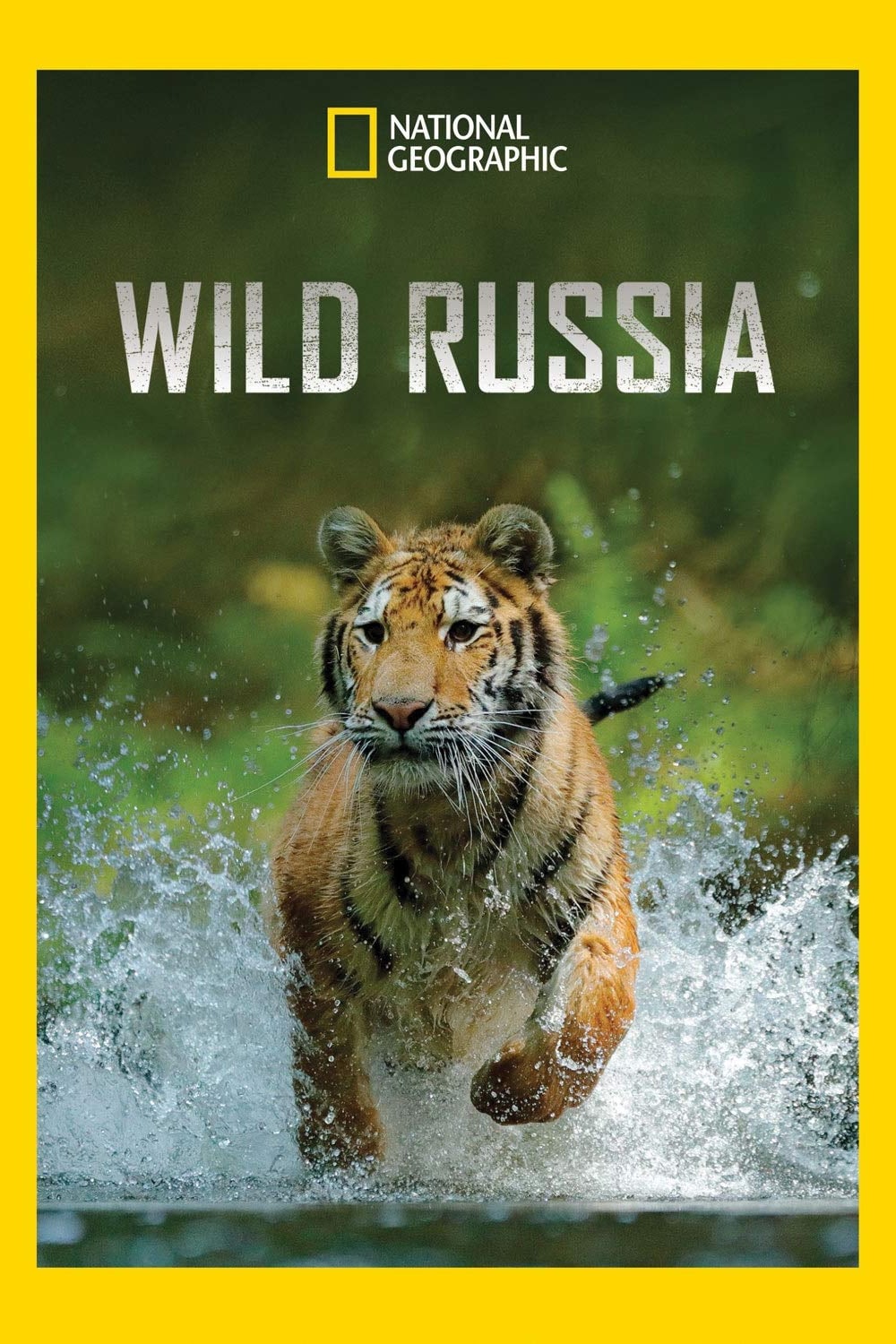
Through unprecedented access we showcase the spectacle that is Wild Russia. From east to west, via mountains, volcanoes, deserts, lakes and Arctic ice, this breathtaking six-part series uses stunning cinematography to chart the dazzling natural wonders of this vast country.
David Attenborough celebrates the amazing variety of the natural world in this epic documentary series, filmed over four years across 64 different countries.
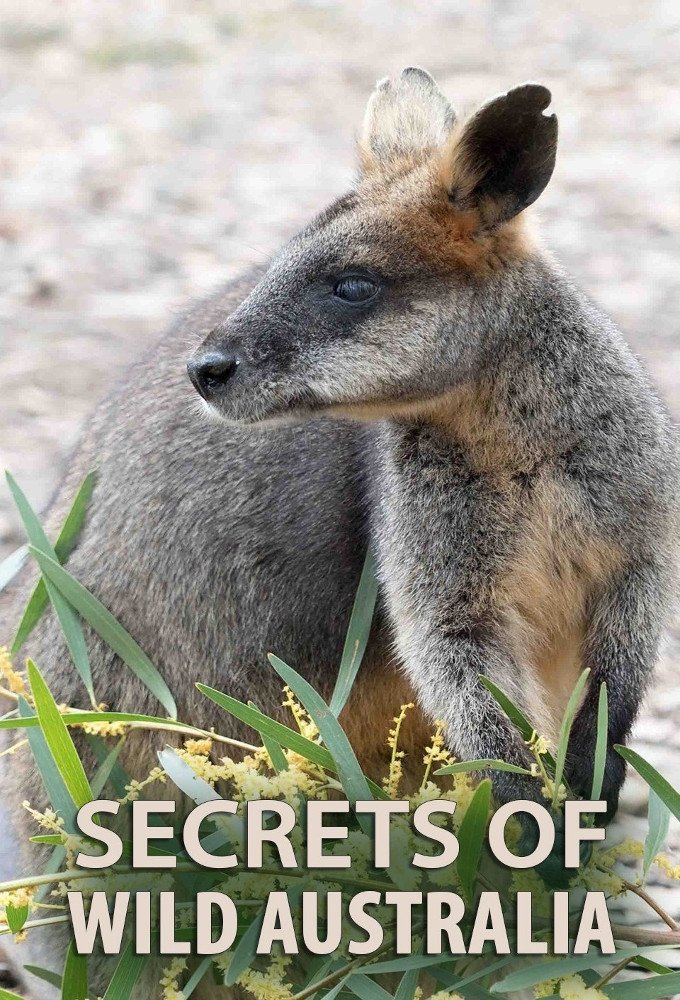
Dive into the secret and surprising lives of some of Australia's signature wildlife. From mini marsupials to flying foxes, join these extraordinary creatures thriving in the otherworldly landscapes of this astonishing island-continent.
In the heart of Europe lies Switzerland. In its midst yet apart from it, like an island. The Swiss Confederation holds a special position not only politically and historically – in particular, its scenic diversity is something really special: majestic mountains, lush green valleys, craggy rock landscapes and Mediterranean lakes all close together in one small geographical location. Switzerland is proud of its distinction and autonomy, reflected amongst other things in its different cantons and linguistic regions. Each episode in our series “Wild Faces of Switzerland“ seeks to do justice to this diversity.
David Attenborough reveals the surprising truth about the cold-blooded lives of reptiles and amphibians. These animals are as dramatic, as colourful and as tender as any other animals.
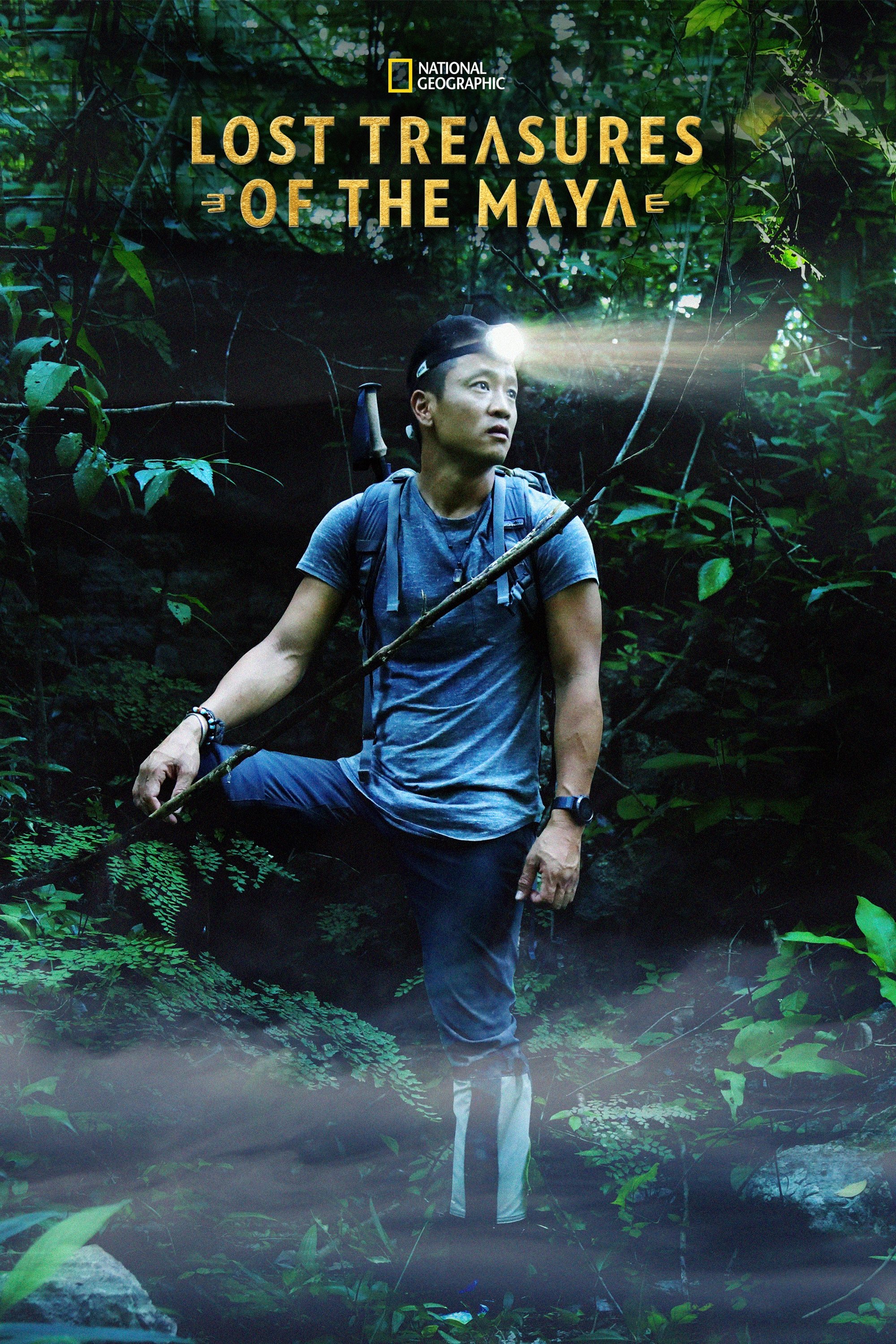
A new "treasure map" of the Maya world is transforming what we thought we knew of one of the world most mysterious ancient civilizations.
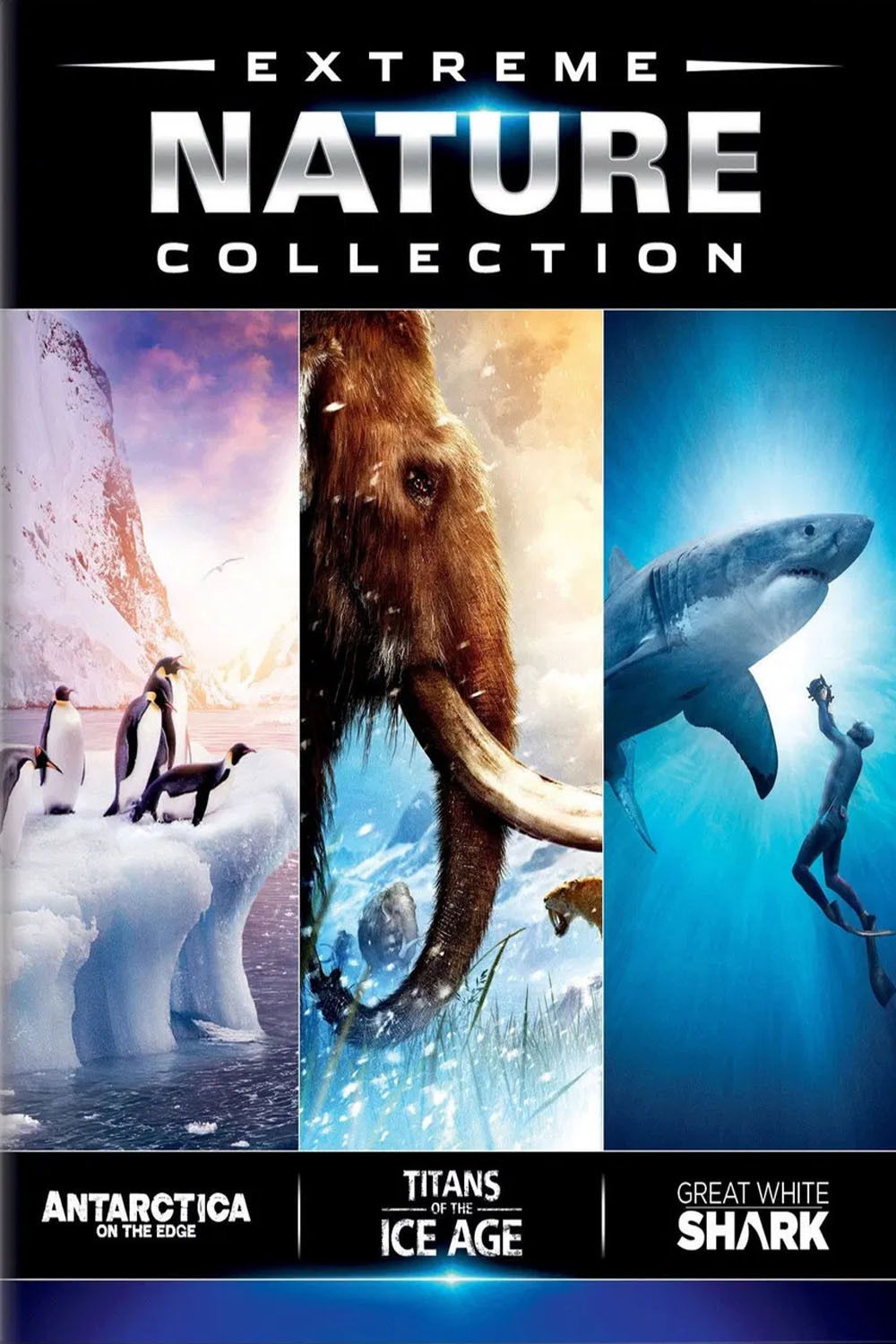
Experience the wonder of nature, past and present, majestic and dangerous, like you’ve never seen it before in these three features: Antarctica: On the Edge, Titans of the Ice Age and Great White Shark.
Wildlife adventure series following a team of explorers in the heart of the tropical island of Borneo.
Sky One introduces the start of a new ongoing documentary series that highlights the potential extinction of some of the world's most famous species. Working with Tiger Aspect Productions, the series follows a team of experts assisted by a wellknown personality. Each documentary will highlight the plight of the world's most endangered animals including the tigers of India, Aye-Ayes and Gorillas. Presenters include Sanjeev Bhaskar, Bill Bailey, Miranda Richardson and Joe Simpson. Each of the presenters will draw on the expertise of local teams campaigning to save the endangered species and work with conservationists to develop and implement strategies to help in their fight for survival.
Carl Sagan covers a wide range of scientific subjects, including the origin of life and a perspective of our place in the universe.
Sitting on top of one of the world’s largest super-volcanos are 3,500 square miles of the most spectacular American wilderness. This summer, National Geographic Channel opens this world to you LIVE with a four-night special event. The action reaches boiling point in the world’s first National Park, Yellowstone.
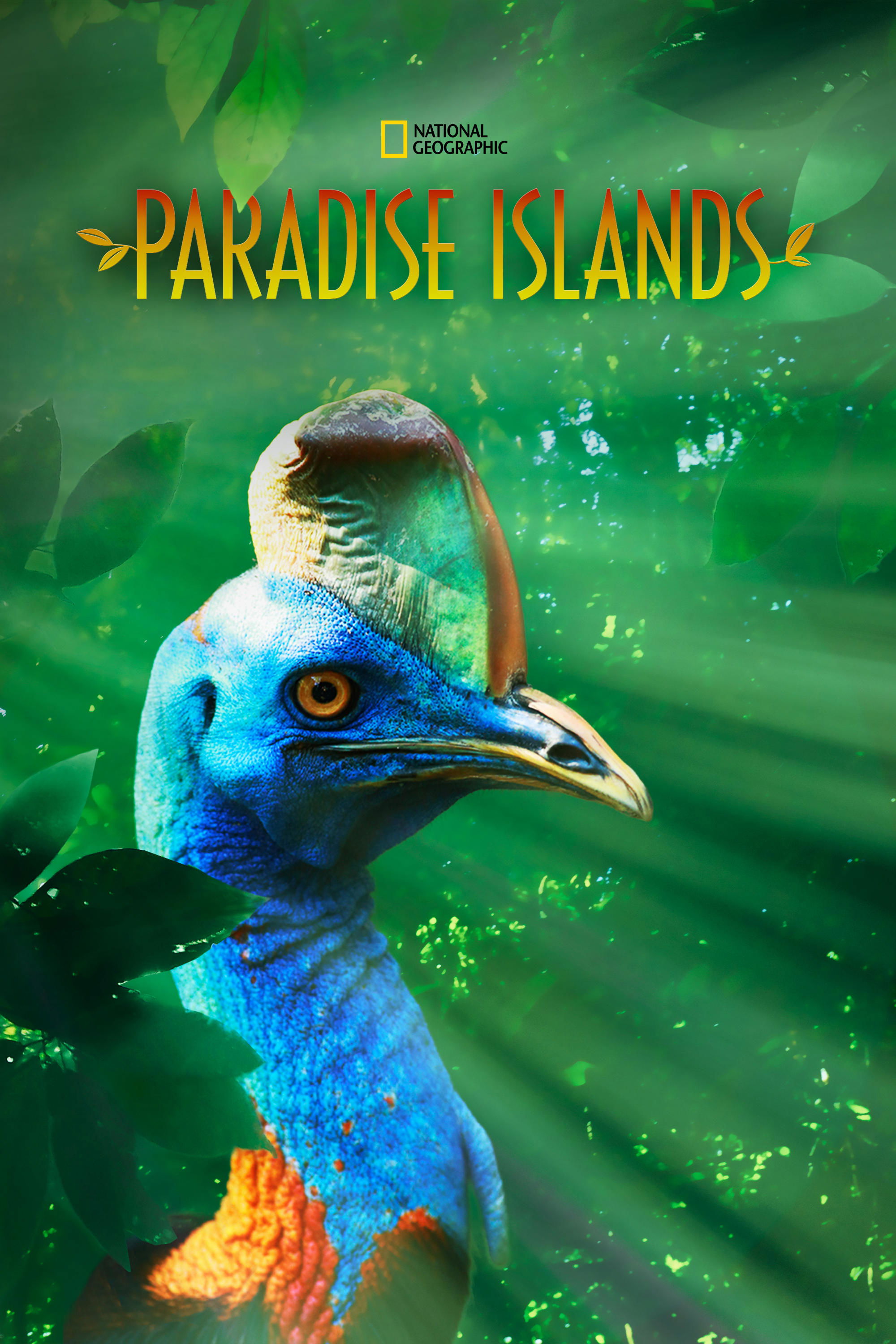
The tropical islands that lie between Asia and Australia are among the biologically richest on earth, and home to a vast number of plants and animals. From tree kangaroos to tarsiers, manta rays to mudskippers, the region abounds with life. But why? The answer lies deep in time, due to the many millions of years these islands have existed - and the power of the earth, the sun and the moon.
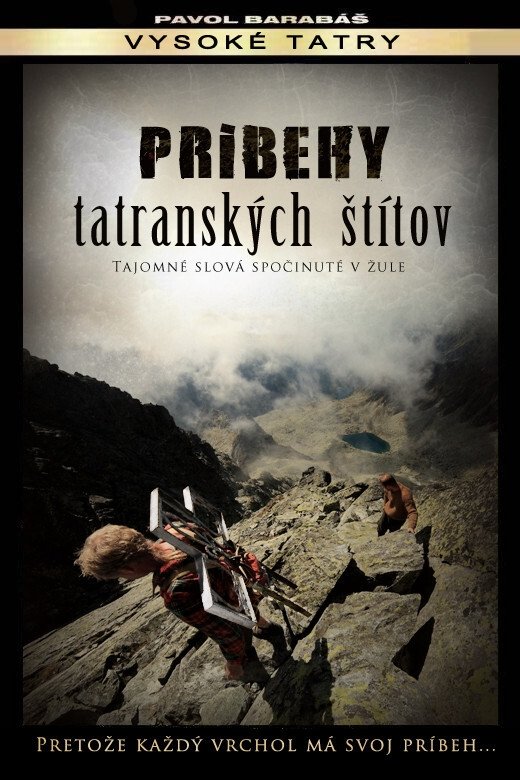
The High Tatras are very close to our hearts thanks to our shared history. But do we know everything about the individual peaks that tower above us? This six-part series by experienced documentary filmmaker Pavel Barabáš captures the history of the discovery of the Tatra peaks. Against the backdrop of the beautiful, majestic High Tatras, the fascinating stories and lives of their visitors unfold. These pioneers left behind a lasting legacy and played an important role in uncovering the secrets of the mountains. Kriváň, Gerlach, Ľadový štít, Mengusovský štít, Javorovy, Ostry štít, and other well-known peaks of the High Tatras shine in all their beauty in Stories of the Tatra Peaks. The smallest high mountains in the world are closely connected with great human destinies.
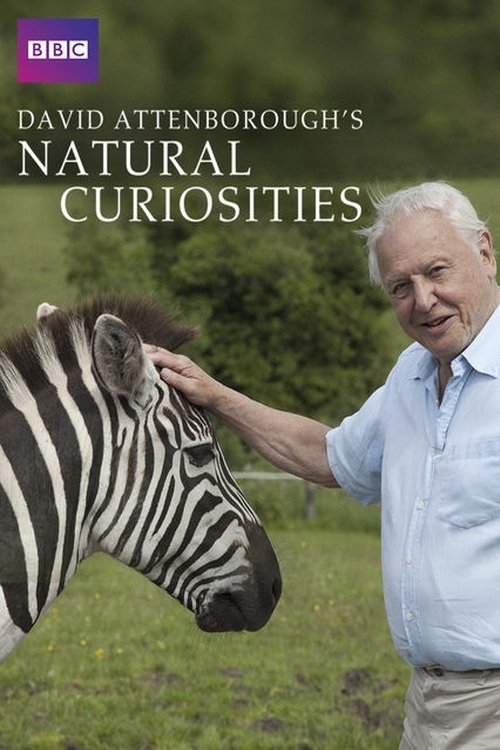
Sir David shines the spotlight on some of nature’s evolutionary anomalies and reveals how these curious animals continue to baffle and fascinate.
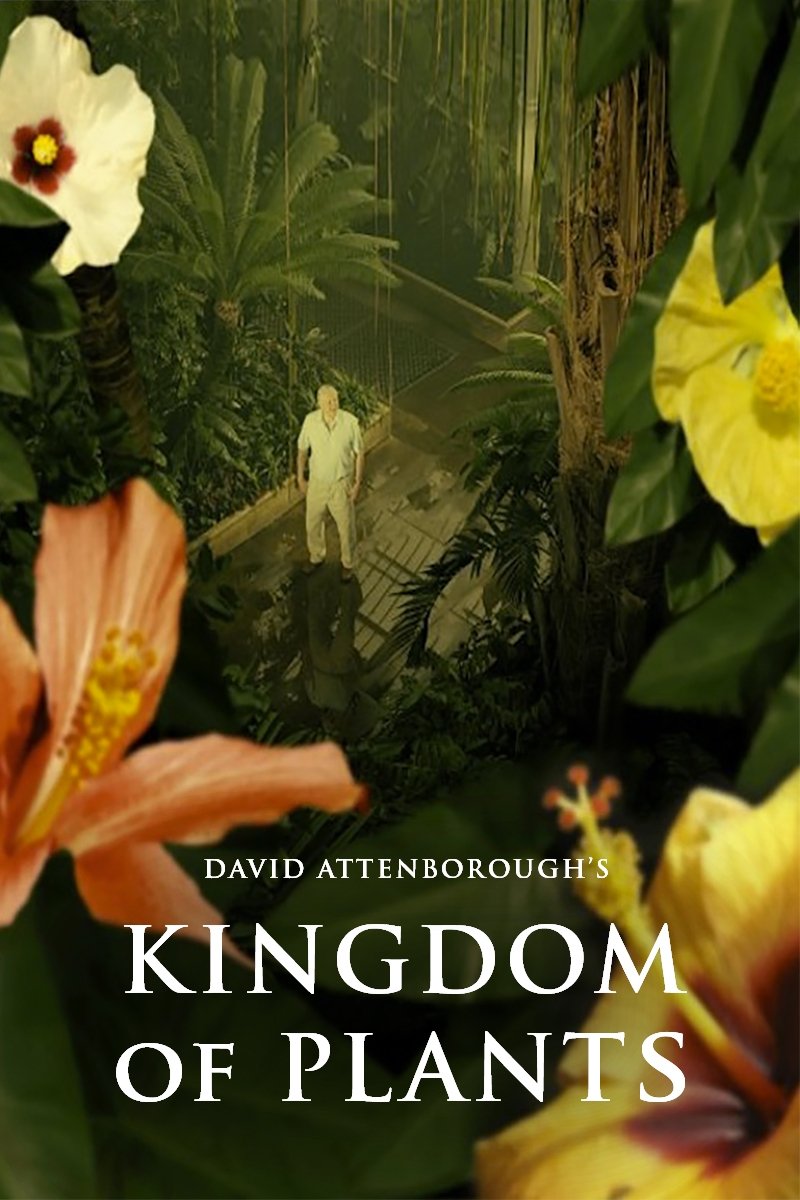
Sir David discovers a microscopic world that’s invisible to the naked eye, where insects feed and breed, where flowers fluoresce and where plants communicate with each other and with animals using scent and sound.
Natural World is a nature documentary television series broadcast annually on BBC Two and regarded by the BBC as its flagship natural history brand. It is currently the longest-running series in its genre on British television, with more than 400 episodes broadcast since its inception in 1983. Natural World is produced by the BBC Natural History Unit in Bristol, but individual programmes can be in-house productions, collaborative productions with other broadcasters or films made and distributed by independent production companies and purchased by the BBC. Natural World programmes are often broadcast as PBS Nature episodes in the USA. Since 2008, most Natural World programmes have been shot and broadcast in high definition.
TV's most-watched history series brings to life the compelling stories from our past that inform our understanding of the world today.
David Attenborough looks at the extraordinary ends to which animals and plants go in order to survive. Featuring epic spectacles, amazing TV firsts and examples of new wildlife behaviour.
Bear strands himself in popular wilderness destinations where tourists often find themselves lost or in danger.
Will Smith whose curiosity and wonder is positively infectious—is guided by National Geographic Explorers traveling to different corners of the world to get up close and personal with the weirdest, most unusual, dangerous and thrilling spectacles of the planet.
A vast community of chimpanzees thrives in a forest in Uganda, navigating complex social politics, family dynamics and dangerous territory disputes.
Experience the wonders of our world like never before in this epic series from Jon Favreau and the producers of Planet Earth. Travel back 66 million years to when majestic dinosaurs and extraordinary creatures roamed the lands, seas, and skies.
Award-winning actor and nervous explorer Eugene Levy steps out of his comfort zone for a whirlwind tour of the world's most beautiful and intriguing destinations.
Biography is a documentary television series. It was originally a half-hour filmed series produced for CBS by David Wolper from 1961 to 1964 and hosted by Mike Wallace. The A&E Network later re-ran it and has produced new episodes since 1987. The older version featured historical figures such as Helen Keller and Mark Twain, or long-dead entertainment figures such as Will Rogers or John Barrymore. The A&E series has placed the emphasis on such people as Marilyn Monroe, Elvis Presley, Plácido Domingo, Freddie Mercury, Jacqueline Kennedy Onassis, Eric Clapton, Pope John Paul II, Gene Tierney, Selena, Diego Rivera, Mao Zedong and Queen Elizabeth II, and fictional characters like The Phantom, Superman, Hamlet, Betty Boop, and Santa Claus. The program ended up profiling enough figures that in 1999, A&E spun it off into an entire network, The Biography Channel.
Experience our planet's natural beauty and examine how climate change impacts all living creatures in this ambitious documentary of spectacular scope.
PBS' premier science series helps viewers of all ages explore the science behind the headlines. Along the way, NOVA demystifies science and technology, and highlights the people involved in scientific pursuits.
Life's extraordinary journey to conquer, adapt and survive on Earth across billions of years comes alive in this groundbreaking nature docuseries.
Australian host Steve Irwin and his wife Terri run a wildlife refuge. Their shared passion is educating the world about wildlife, including the much feared crocodile and numerous venomous snakes. Steve's specialty is the capture and relocation of crocodiles. No animal appears too threatening to Steve, his true respect for animals is the foundation for everything he does.
Consistently stunning documentaries transport viewers to far-flung locations ranging from the torrid African plains to the chilly splendours of icy Antarctica. The show's primary focus is on animals and ecosystems around the world. A comic book based on the show, meant to be used an as educational tool for kids, was briefly distributed to museums and schools at no cost in the mid-2000s.
This immersive series follows the world's most magnificent creatures, capturing never-before-seen moments from the heartwarming to the outrageous.
Filmed across six continents, this docuseries uses cutting-edge camera technology to capture animals' nocturnal lives, revealing new behaviours filmed in full color like never before.
Africa, the world's wildest continent. David Attenborough takes us on an awe-inspiring journey through one of the most diverse places in the world. We visit deserts, savannas, and jungles and meet up with some of Africa's amazing wildlife.
The story of life, from the first primitive cells to the plants and animals that now live around us.
Millions of years ago, incredible forces ripped apart the Earth’s crust creating seven extraordinary continents. This documentary series reveals how each distinct continent has shaped the unique animal life found there.