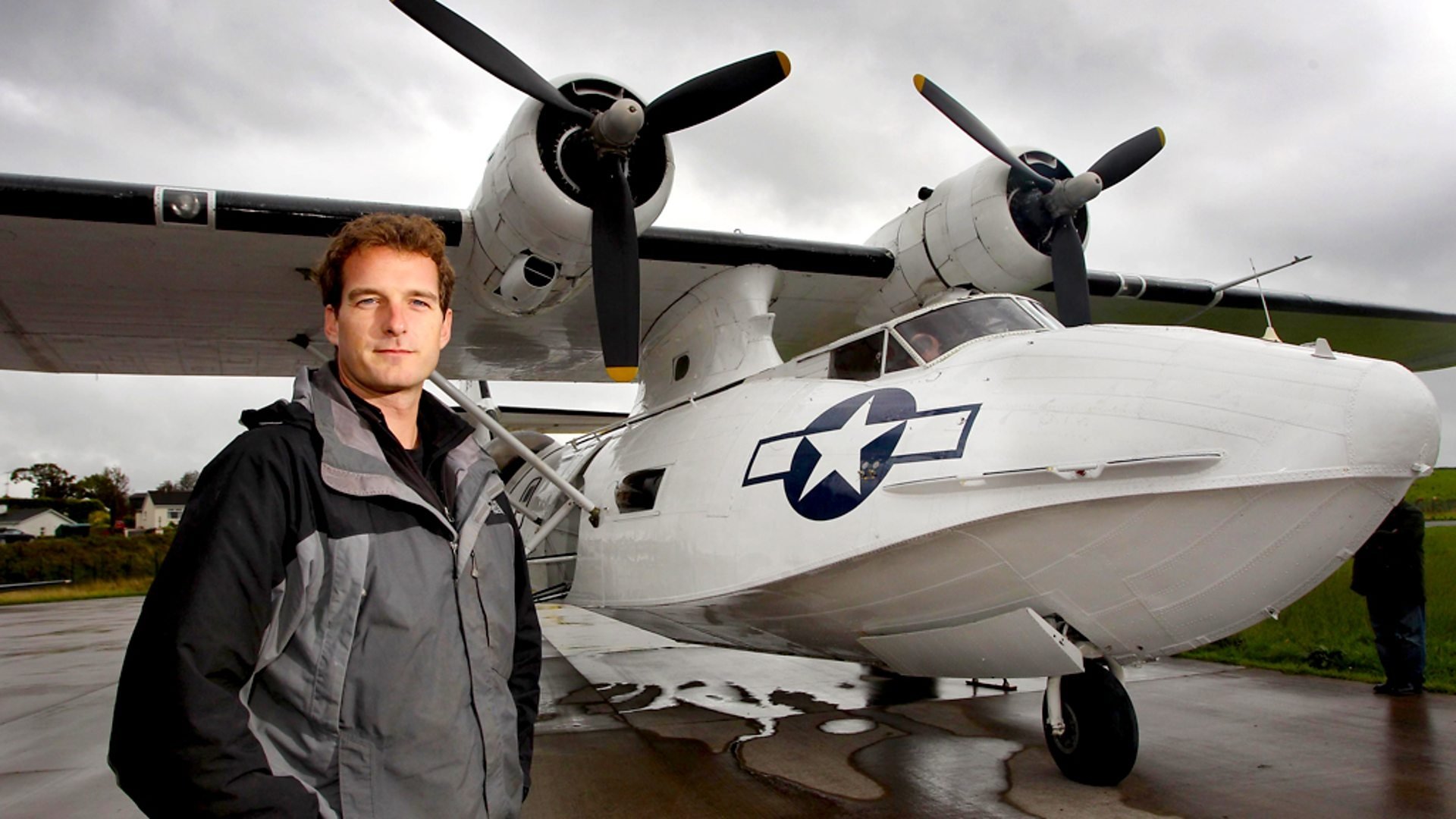
Dan Snow joins military archaelogists as they investigate the former battlegrounds of the Second World War, uncovering little-known stories through excavations and dives across Europe

Social & External
Presenter
Britain at Low Tide explores remarkable stories that are revealed when the tide goes out
Using witness testimony, archive and archaeological evidence, this three-part series reveals the untold story of the preparations to defend World War Two Britain by the Home Guard.
The presenter leads a six-strong team across Europe to track down lost relics from the Second World War. These men are real experts - and real friends - and have teamed up to discover the secrets of the conflict.
With the aid of rare archives, this film retraces the bloody history of the SS, some of whose members are still alive and have accepted to speak.
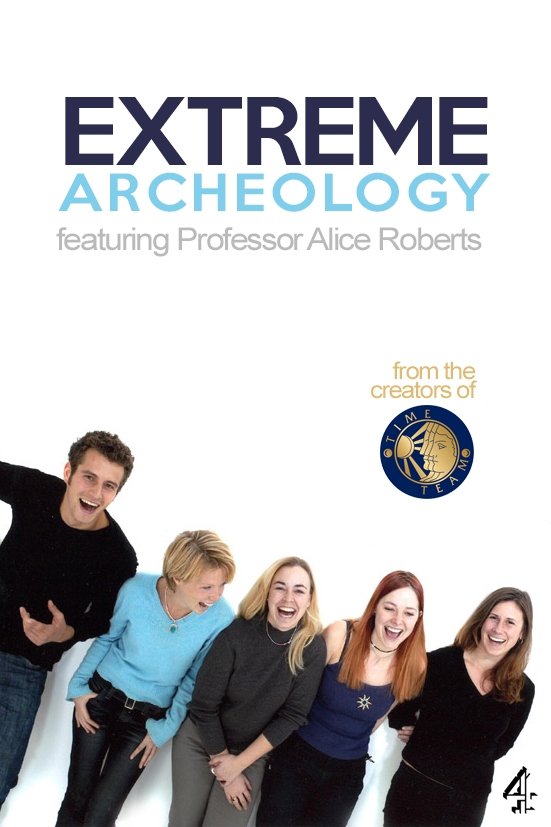
A new Channel 4 series takes archaeology to the edge this summer as a team of experts tackles sites across the country that are beyond the reach of normal investigations. In Extreme Archaeology, an eight-part series starting on 20 June, a team of archaeologists with help from top climbers, cavers and divers investigates amazing and unique archaeological sites throughout the UK. Many archaeological locations are beyond the reach of your average archaeologist. They are found in inaccessible caves, on treacherous cliffs, deep under water, or in locations simply too remote or dangerous for normal investigation. Their remoteness often means that their secrets are unique, but they can also be under threat from erosion or other factors and this adds a rescue element to any investigation. Using some of the most advanced scientific equipment available, and high-tech miniature cameras and communication systems to record the action, Extreme Archaeology's experts are dropped into extreme and inaccessible environments under time and other pressures that test their personal and professional skills to the limit.

Great Blunders Of World War II is a documentary series looking some of the worst errors of World War II that affected the course of history. They are the decisions that have gone down in infamy, the battles determined not by bravery and brilliance but by incompetence and arrogance.
Exploring the eight days in May 1941 when Britain, and Liverpool in particular, was subjected to one of the most intense bombardments of the entire war. Featuring eyewitness accounts and recollections from many whom have never spoken out before.
Neil Oliver, Chris Packham, Andy Torbet and Dr Shini Somara join hundreds of archaeologists from around the world who have gathered in Orkney to investigate at one of Europe's biggest digs.
The Nazi era from 1993 to 1945 is illustrated through archived material, with insights and anecdotes provided by world-leading experts and commentators.
The story of the Convoys is a tale of compelling drama, full of bravery and tragedy. It takes us into the lives of hundreds of thousands of unheralded men whose incredible everyday courage, played out in the cruel seas and cold skies of the North Atlantic changed the course of the war.
Time Team is a British television series which has been aired on British Channel 4 from 1994. Created by television producer Tim Taylor and presented by actor Tony Robinson, each episode featured a team of specialists carrying out an archaeological dig over a period of three days, with Robinson explaining the process in layman's terms. This team of specialists changed throughout the series' run, although has consistently included professional archaeologists such as Mick Aston, Carenza Lewis, Francis Pryor and Phil Harding. The sites excavated over the show's run have ranged in date from the Palaeolithic right through to the Second World War.
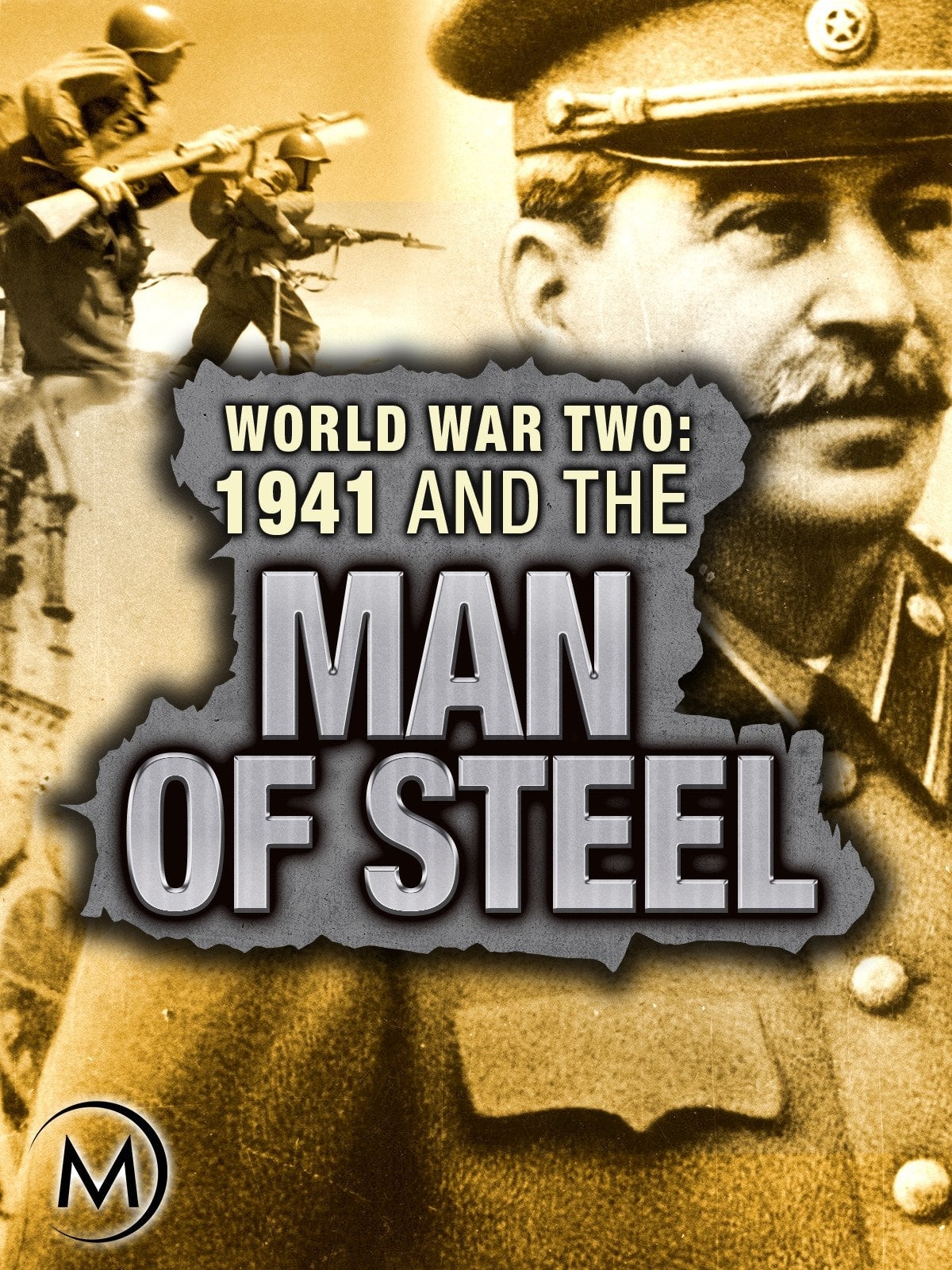
English historian David Reynolds reassesses Stalin's role in the life-and-death struggle between the Soviet Union and Germany in World War II.
During the darkest days of the Third Reich, the most dreaded sound was a knock at the door after dark. Everyone who lived under Nazi rule lived in fear of the secretive agents known colloquially as "V-Men". Hitler called them his "deadliest weapon", and without them the Fuhrer's ambition could never have been realized.
Nazi diehard and fanatics fight to the last man to stop Allied forces from freeing Europe, keeping an unrelenting grip on the naval bases, citadels and fortresses of occupied Europe.
WWII in the Pacific focuses on the events, notable figures, various bands of brothers, and heroic actions of the Allied powers. Take an inside look, starting with the conflict and tensions leading up to the war, the attack on Pearl Harbor, the evolution of the Pacific Theater, and the development and dropping of the atomic bomb, up until the subsequent end of WWII.
This three-part series tells the story of the Pacific War. At sea, this modern conflict relies on aircraft carriers: the battles are fought by fighters and bombers, flying kilometers from these floating runways
This is the story of two wars fought at the same time on opposite ends of the globe, often mislabeled as a single war: The Second World War. These conflicts remade our world in just a few decades. A story of how the rise and fall of great powers, from Nazi Germany to Imperial Japan, recast nations into those who could afford, and those that could not afford The Price of Empire.
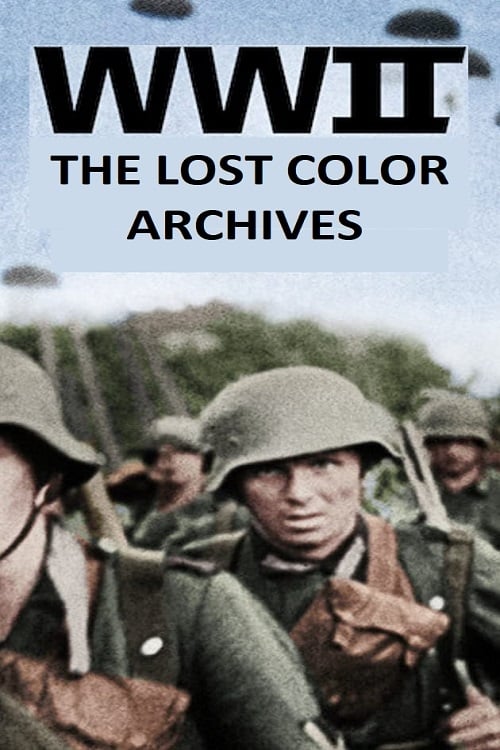
Using highly advanced colourisation techniques, critical moments from World War II, from Stalingrad to The Battle of Britain, are shown in a whole new light.
World War II In Colour is a 13-episode television documentary miniseries recounting the events of World War II narrated by Robert Powell. The show covers the Western Front, Eastern Front, and the Pacific War. It is on syndication in America on the Military Channel. This series is in full color, combining both original and colorized footage.
WWII in HD is a 10-part American documentary television miniseries that originally aired from November 15 to November 19, 2009 on the History Channel. The program focuses on the firsthand experiences of twelve American service members during World War II, including an Army nurse, a member of the Tuskegee Airmen, a second generation Japanese American and prisoner of war, and an Austrian Jewish immigrant. The twelve members recorded their time in both theaters and some had later interviews; found footage from the battlefield was paired with the stories of the twelve service members. The episodes premiered on five consecutive days, with two episodes per day. The series is narrated by Gary Sinise and was produced by Lou Reda Productions in Easton, Pennsylvania, United States.
The story of the Second World War through the personal accounts of a handful of men and women from four American towns. The war touched the lives of every family on every street in every town in America and demonstrated that in extraordinary times, there are no ordinary lives.
Maritime mysteries—old and new—come to life in this series, combining scientific data and digital re-creations to reveal shipwrecks, treasures, and sunken cities on the bottom of lakes, seas and oceans around the world.
A documentary series that gives a historical account of the events of World War II, from its roots in the 1920s to the aftermath and the lives it profoundly influenced.
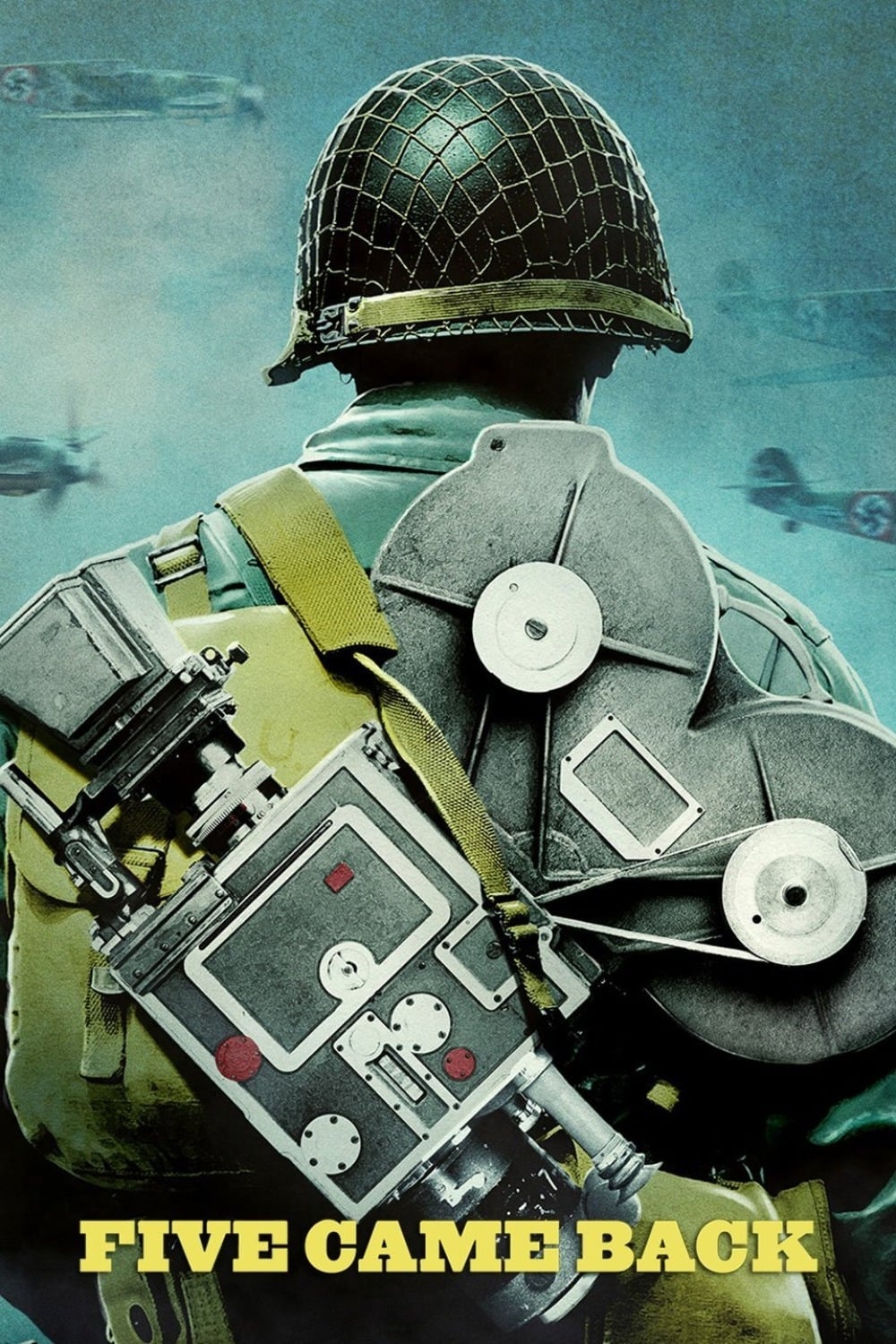
Five acclaimed contemporary directors tell the story of five legendary Hollywood filmmakers who enlisted in the armed forces to document World War II.
Through vividly enhanced archival footage and voices from all sides of the conflict, this docuseries brings WWII to life like never before.
Part detective story, part true-life drama, long-running series explores some of the most iconic moments in history to debunk myths and shed new light on past events. Using the latest investigative techniques, forensic science and historical examination, it shatters accepted wisdom, challenges prevailing ideas, overturns existing hypotheses, spotlights forgotten mysteries, and ultimately rewrites history.
Investigates a wide range of historically compelling topics and the mysteries surrounding each including the Titanic, D.B. Cooper, Roswell, John Wilkes Booth, and more. Fresh, new evidence and perspectives will be showcased, such as never-before-released documents, personal diaries and DNA evidence.
The exploits of four Allied soldiers — three Americans and one Englishman — who are part of a long-range desert patrol group in the North African campaign during World War II. Their mission: "to attack, harass and wreak havoc on Field Marshal Rommel's vaunted Afrika Korps".
Sharpe is a British series of television dramas starring Sean Bean as Richard Sharpe, a fictional British soldier in the Napoleonic Wars. Sharpe is the hero of a number of novels by Bernard Cornwell; most, though not all, of the episodes are based on the books. Produced by Celtic Films and Picture Palace Films for the ITV network, the series was shot mainly in Turkey and the Crimea, although some filming was also done in England, Spain and Portugal. The series originally ran from 1993 to 1997. In 2004, as part of ITV's new set of drama, ITV announced that it intended to produce new episodes of Sharpe, in co-production with BBC America, loosely based on his time in India, with Sean Bean continuing his role as Sharpe. Sharpe's Challenge is a two-part adventure; part one premiered on ITV on 23 April 2006, with part two being shown the following night. With more gore than earlier episodes, the show was broadcast by BBC America in September 2006.
Doctor Who Confidential is a documentary to complement the revival of the long-running British science fiction television series Doctor Who. Each episode was broadcast on BBC Three on Saturdays, immediately after the broadcast of the weekly television episode on BBC One. The running time of the first two series was 30 minutes, being extended to 45 minutes in the third. BBC Three also broadcast a cut-down edition of the programme, lasting 15 minutes, shown after the repeats on Sundays and Fridays and after the weekday evening repeats of earlier seasons.
Experience the wonders of our world like never before in this epic series from Jon Favreau and the producers of Planet Earth. Travel back 66 million years to when majestic dinosaurs and extraordinary creatures roamed the lands, seas, and skies.
Explore the surprising things we know (and don’t know) about why people are the way they are through expert interviews, rare footage from historical experiments, and brand-new, ground-breaking demonstrations of human nature at work.
This compelling series investigates the motives and m.o. of female murderers. While males are often driven by anger, impulse and destruction, women usually have more complex, long-term reasons to kill.
An in-depth look at the history and pop cultural significance of horror films.
The F Word is a British food magazine and cookery programme featuring chef Gordon Ramsay. The programme covers a wide range of topics, from recipes to food preparation and celebrity food fads. The programme is made by Optomen Television and aired weekly on Channel 4. The theme tune for the series is "The F-Word" from the Babybird album Bugged.
Infographics and archival footage deliver bite-size history lessons on scientific breakthroughs, social movements and world-changing discoveries.
30 for 30 is the title for a series of documentary films airing on ESPN, its sister networks, and online highlighting interesting people and events in sports history. This currently includes four "volumes" of 30 episodes each, a 13-episode series under the ESPN Films Presents title in 2011–2012, and a series of 30 for 30 Shorts shown through the ESPN.com website. The series has also expanded to include Soccer Stories, which aired in advance of the 2014 FIFA World Cup, and audio podcasts. This entry refers to the main Volumes of the series presented by ESPN