A best friend needs to solve a task, so that the other best friend wins a prize.
Social & External
The people behind it
Joko Winterscheidt
Self
Klaas Heufer-Umlauf
Brazilian version of the competitive cooking reality show where amateur and home chefs compete for the title of MasterChef.
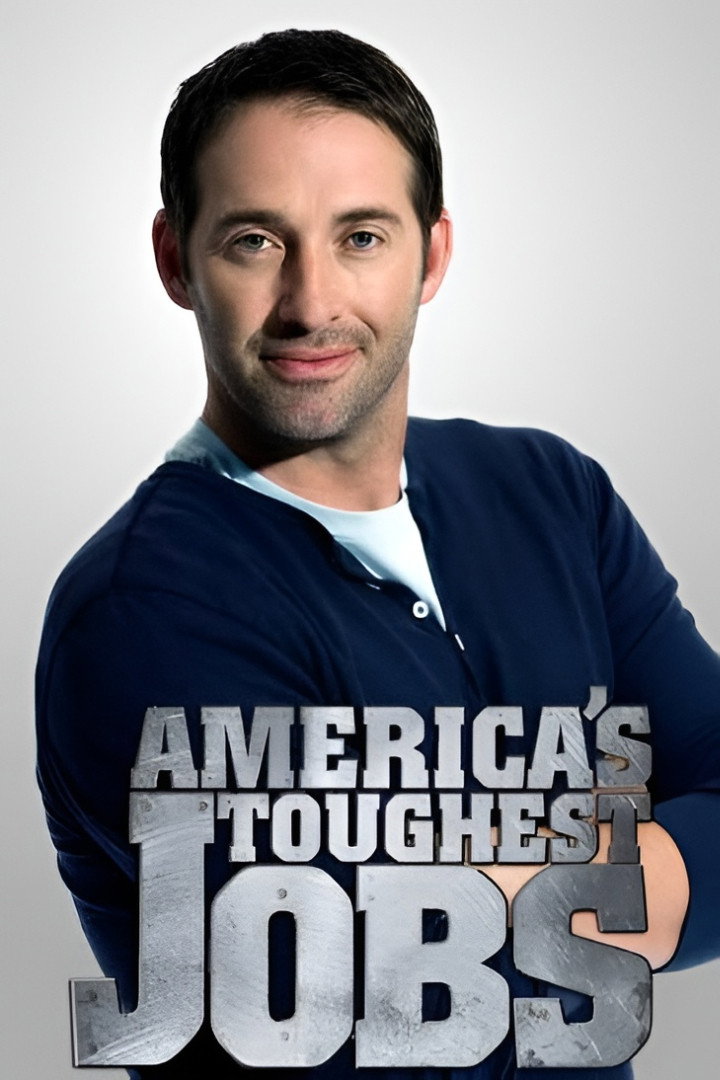
America's Toughest Jobs is a reality television show that lasted one season and aired on the American television network NBC. It pitted contestants against each other as they attempted a series of difficult and dangerous jobs. The prize was the sum of the salaries that would be earned by people doing these jobs in their first year. The show's creator and executive producer was Thom Beers, notable for creating shows such as Deadliest Catch and Monster Garage. Some of the jobs he chose to be featured on America's Toughest Jobs were featured on shows he previously created. The host was Josh Temple, a character actor who had minor roles in shows such as Will & Grace and Curb Your Enthusiasm. In each episode, contestants took part in tasks associated with a job, and were supervised and evaluated by workers or employers in that business. After spending time on the job, the supervisors selected one or more top employees for praise, and selected the employees who had the worst performances. Those employees were required to compete head-to-head in an additional challenge to determine who would be eliminated. For example, in the gold digging episode, the bottom four contestants were required to spend additional time digging for gold with the contestant who found the least amount eliminated. Once there were four contestants remaining, timed challenges were held for three of the season's toughest jobs with the contestant who had the slowest time at each eliminated until a winner was determined. At the end of each episode, an information screen was shown that detailed what the eliminated contestant decided to do after the show.
Stylista was an American fashion-themed reality-television competition series that premiered on the CW network in the United States, and Citytv in Canada on October 22, 2008. The series was produced by Warner Horizon Television and Tyra Banks through her Bankable Productions. The series was not renewed for a second season. Johanna was named the winner on December 17, 2008. She won a paid editorial position at Elle magazine, a paid lease on an apartment in Manhattan, and a clothing allowance at H&M, all for one year, valued at $100,000.
A variety show produced by Tencent about trio trainee from Produce Camp 2021 life after the show.
Contestants use drawing skills to communicate clues and win prizes. Teams are made up of kid contestants and Disney personalities.
"The Family's Honor" is an ecological observation program for the entertainment industry.
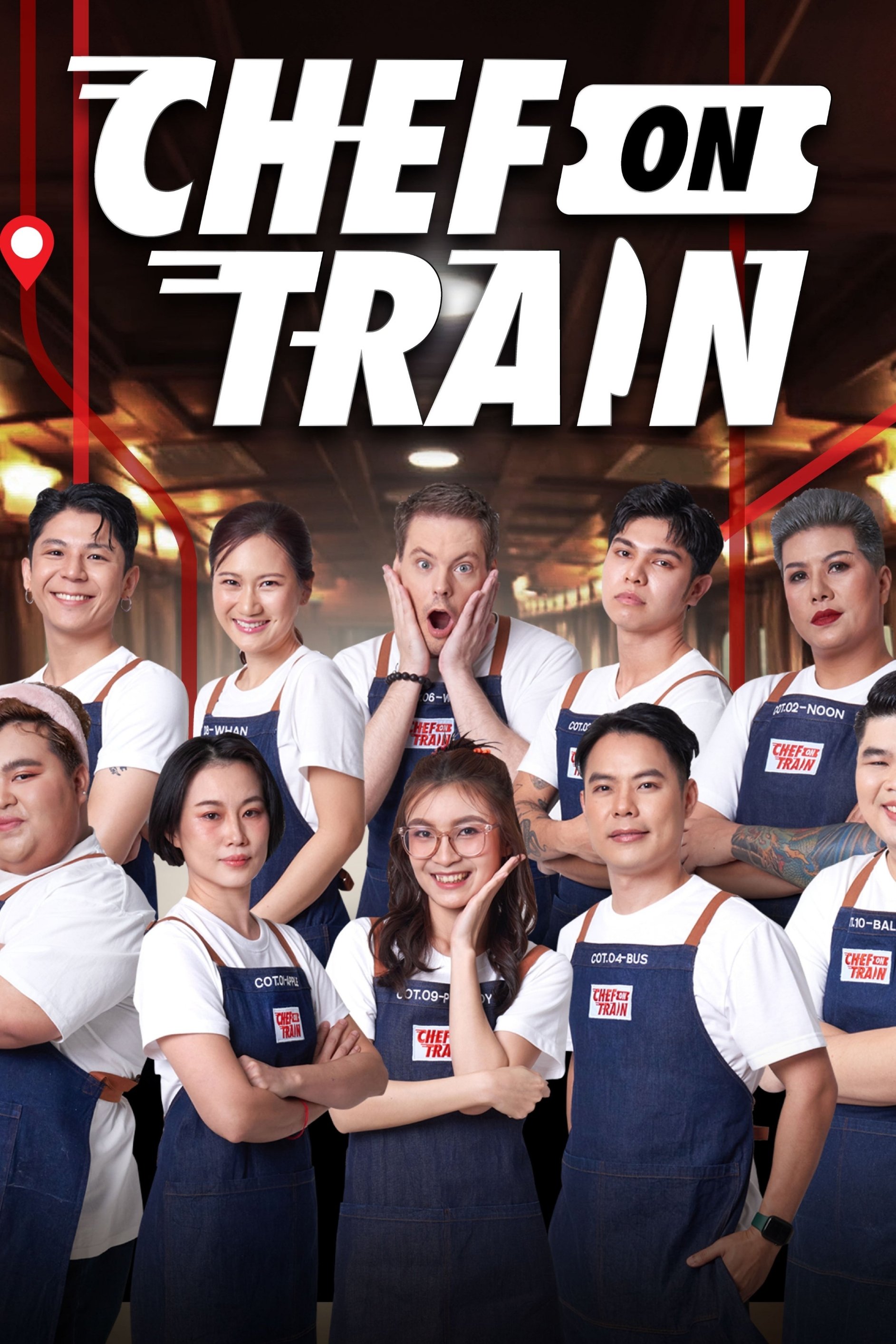
A flavourful journey to find the top chef, facing ten challenges across nine provinces.
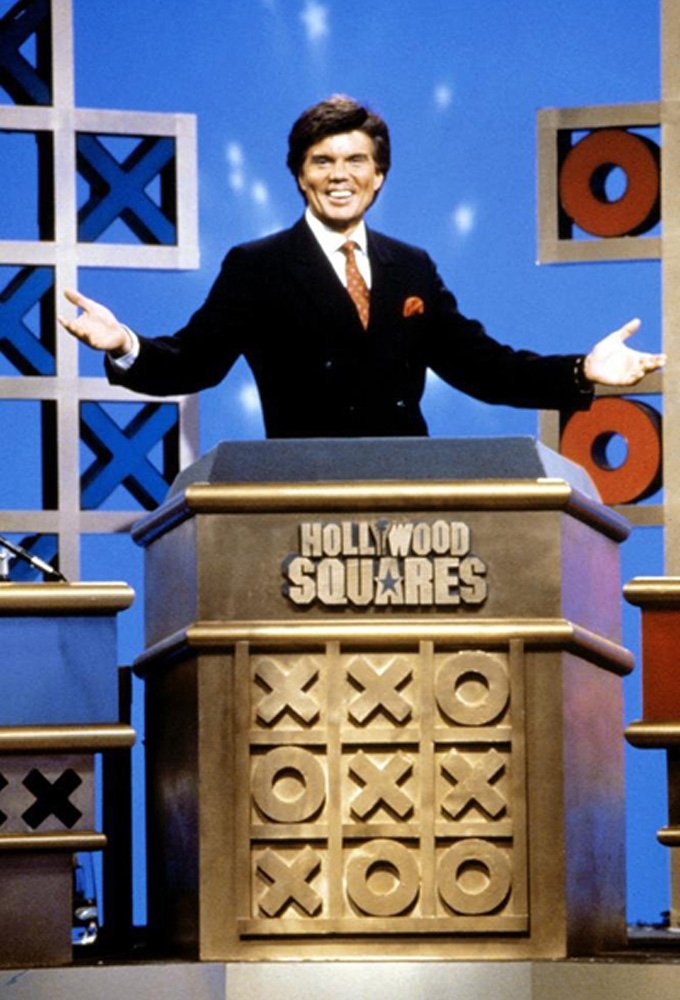
The New Hollywood Squares is the third Hollywood Squares television series. The program aired between September 15, 1986 and June 16, 1989. It was produced by Century Towers Television with Rick Rosner serving as executive producer and Orion Television as distributor. After the first season, became known simply as "Hollywood Squares."
The Pussycat Dolls Present is an American reality TV series that premiered on March 6, 2007 on The CW, and took place over the course of eight weeks. It was a joint venture between Ken Mok's 10x10 Entertainment, Pussycat LLC, and Warner Horizon Television.
Thai version of the hit Korean rap competition show: Show Me The Money.
Norwegian girls and boys check in at the Paradise Hotel in Mexico, where Triana Iglesias is the hotel manager. The hotel has great views and a fantastic pool. Cameras with a full view of the idyllic site tells the story of what happens when the single boys and girls meet in the hot surroundings of the hotel. The task they have is basically simple: Find a partner or check out.
Based off of American game show Family Feud, hosted by Johnson Lee.
Inside Vault-Tec's bomb-proof vaults, group of contestants take part in escalating challenges, strategic dilemmas, and moral crossroads"as they chase a cash prize.
Each Challenge pits numerous cast members from past seasons of reality shows against each other, dividing them into two separate teams according to different criteria, such as gender, which show they first appeared on, whether or not they're veterans or rookies on the show, etc. The two teams compete in numerous missions in order to win prizes and advance in the overall game.
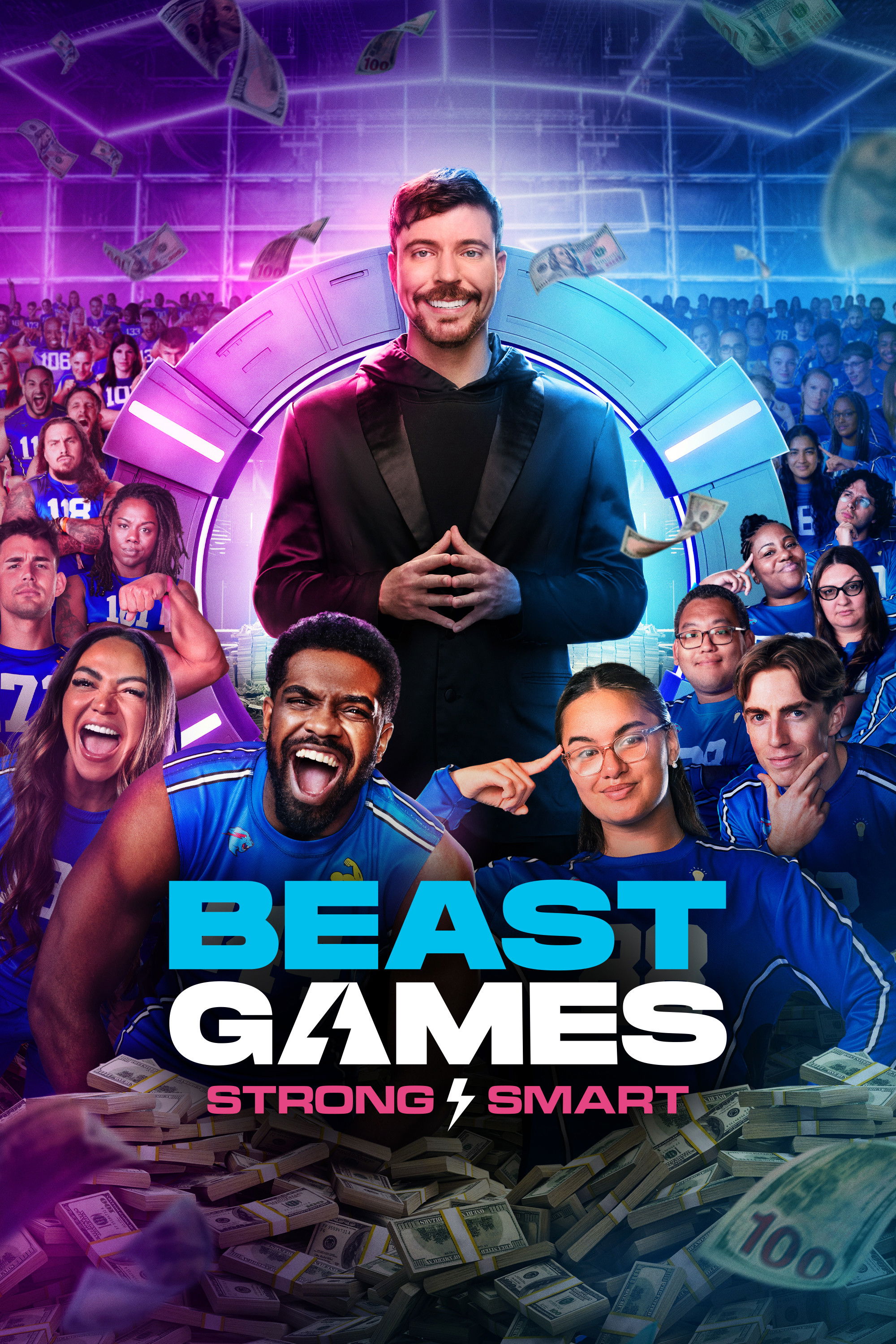
I gathered 1,000 people to fight for $5,000,000, the LARGEST cash prize in TV history! We're also giving away a private island, Lamborghinis, and millions more in cash throughout the competition! Go watch to see the greatest show ever made!
Quiz in which contestants try to score as few points as possible by plumbing the depths of their general knowledge to come up with the answers no-one else can think of.
Players from all walks of life will compete to win up to £50,000. All living in one modern block but separately in individual apartments, the players will never come face-to.face, and can only interact with one another through an specially-designed app called The Circle.
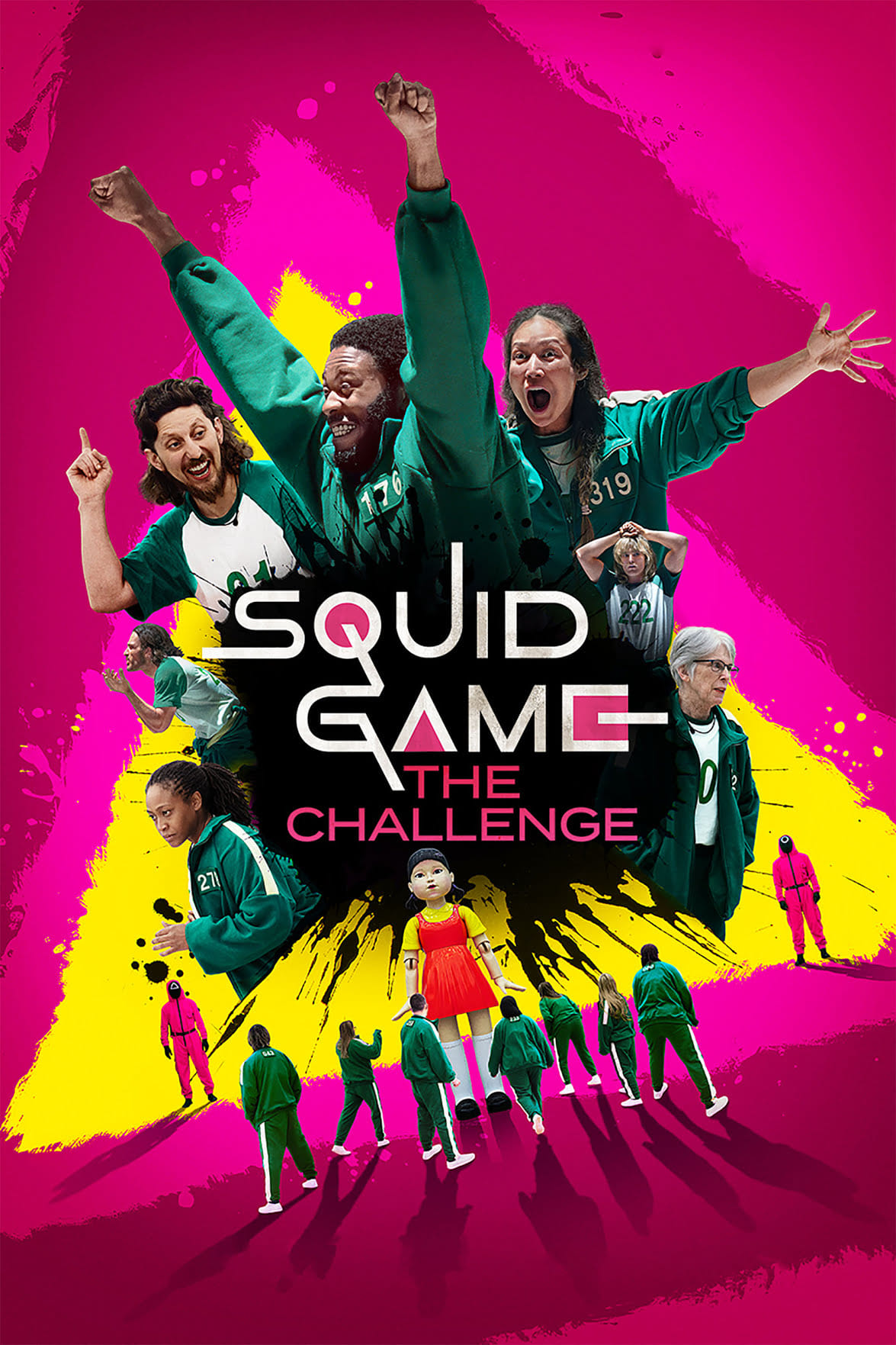
In this reality competition show inspired by "Squid Game," 456 players put their skills to the ultimate test for a life-changing $4.56 million prize.
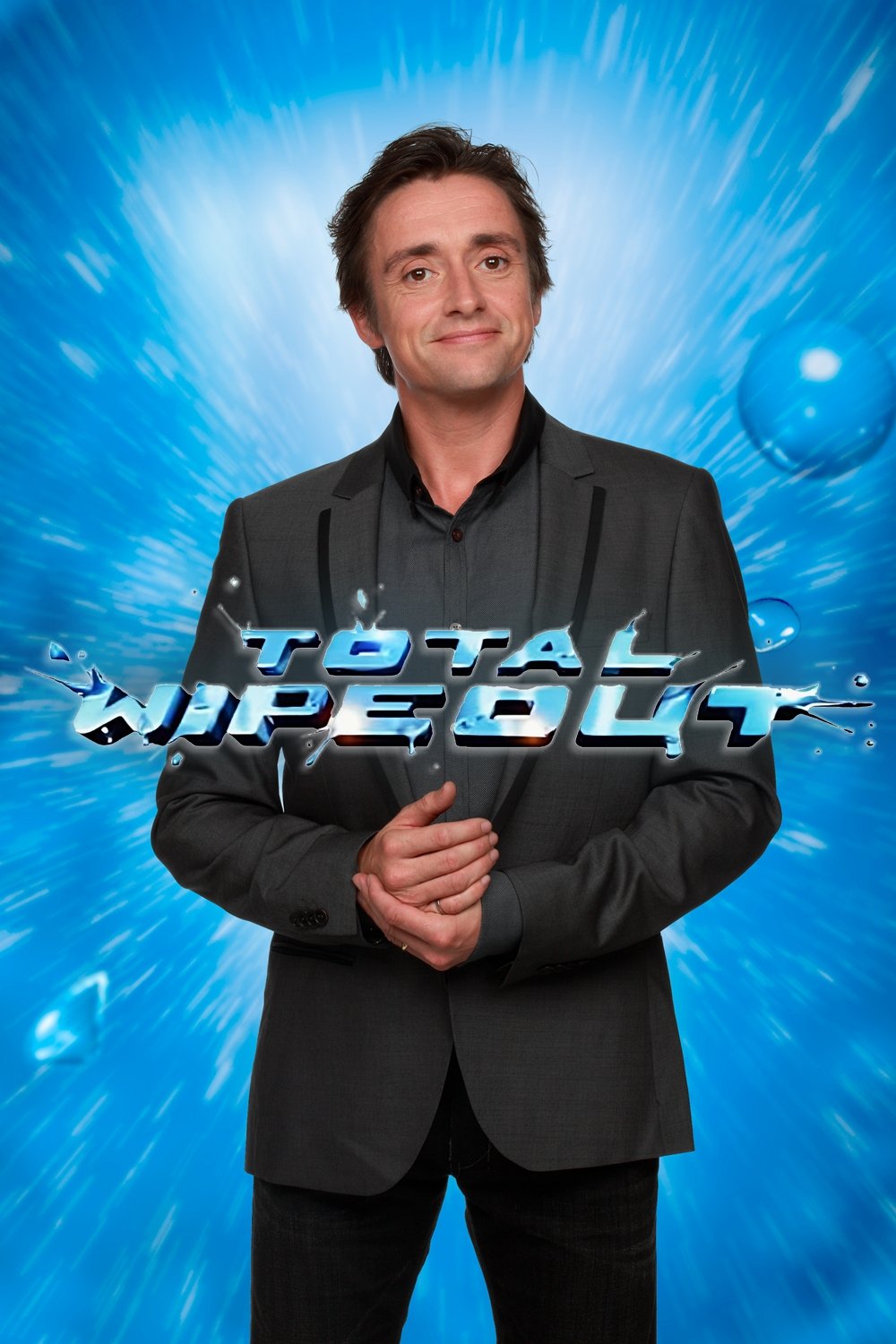
Human cannonballs! Human pinballs! Crashes, smashes and mud splashes! Twenty-four thrill-seekers will compete in the world's largest extreme obstacle course designed to provide the most spills, face plants and wipeouts ever seen on television.
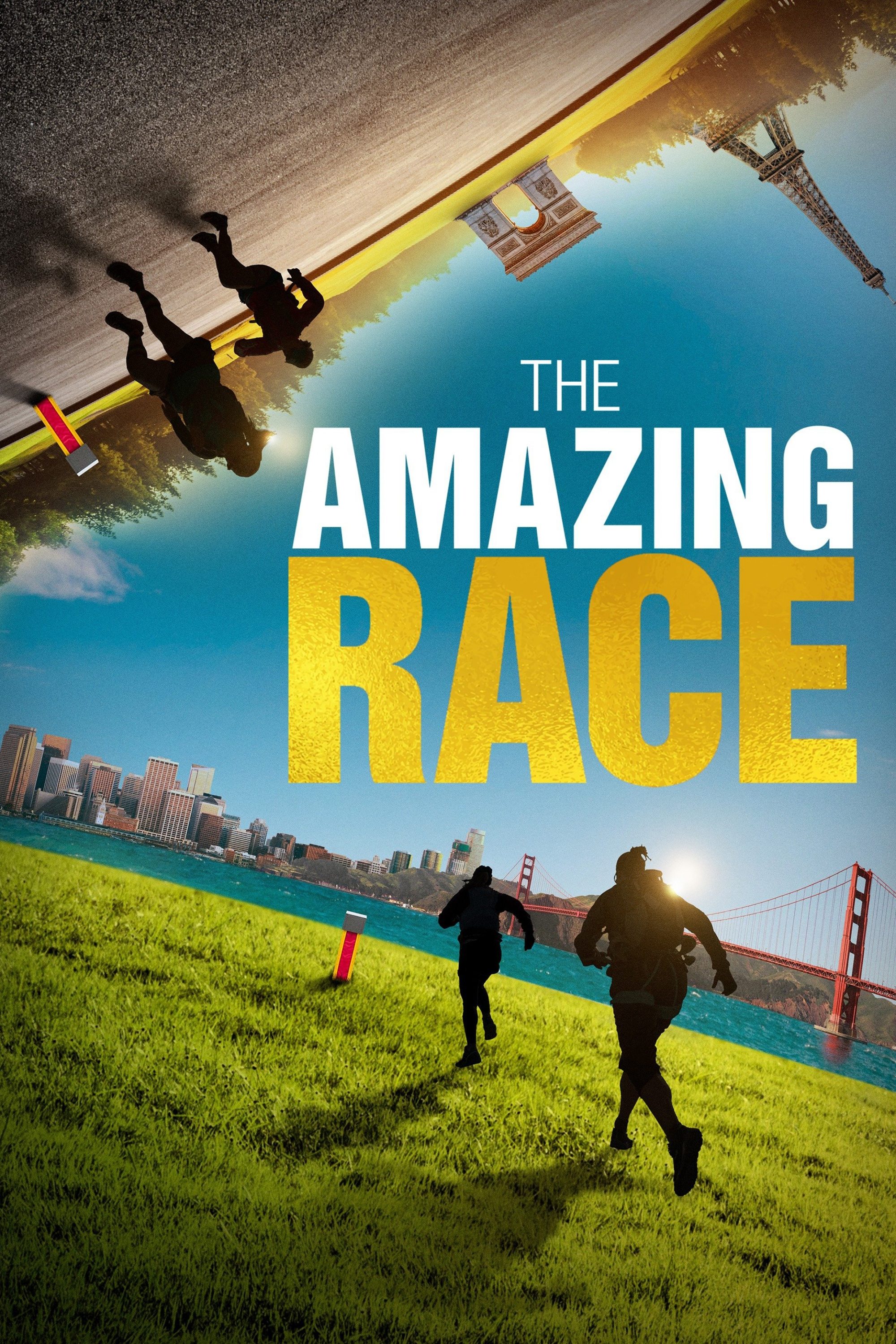
This reality competition sees teams embark on a trek around the world to amazing destinations where they must compete in a series of challenges, some mental and some physical. Only when the tasks are completed will they learn of their next location. Teams who are the farthest behind will gradually be eliminated as the contest progresses, with the first team to arrive at the final destination winning the race and the $1 million prize.
Each week, 20 contestants compete in a series of challenges in an attempt to win £10,000. These challenges are based in large pools of water or mud and generally involve large assault courses that participants must cross.
The clock is ticking as contestants compete in games of lexical dexterity and numerical agility.
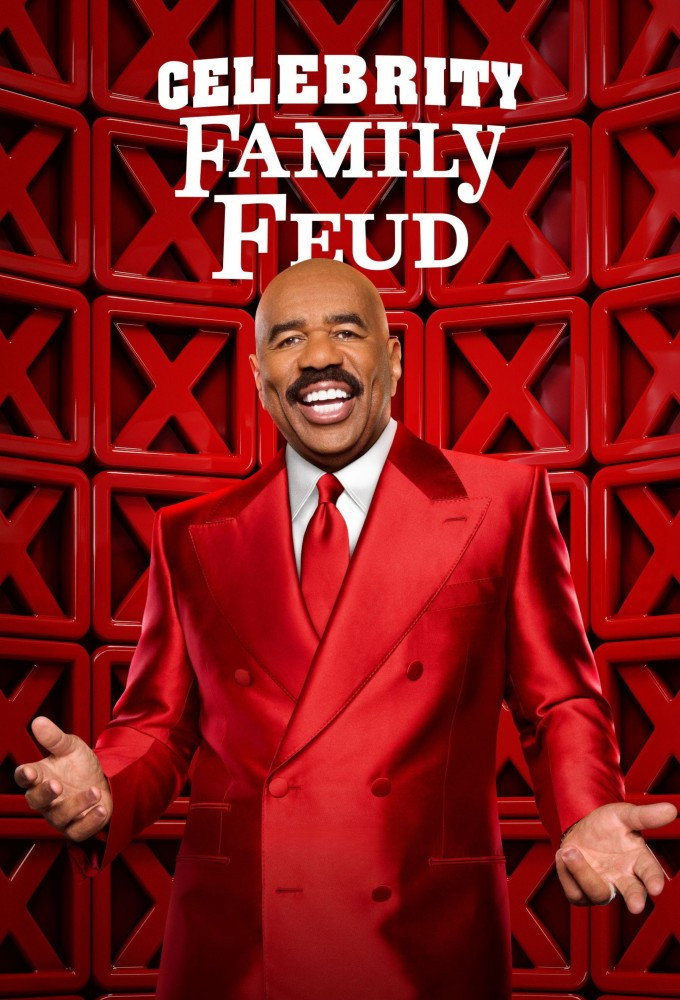
Celebrity Family Feud pits celebrities and their families against each other in a contest to name the most popular responses to survey-type questions posed to 100 people.
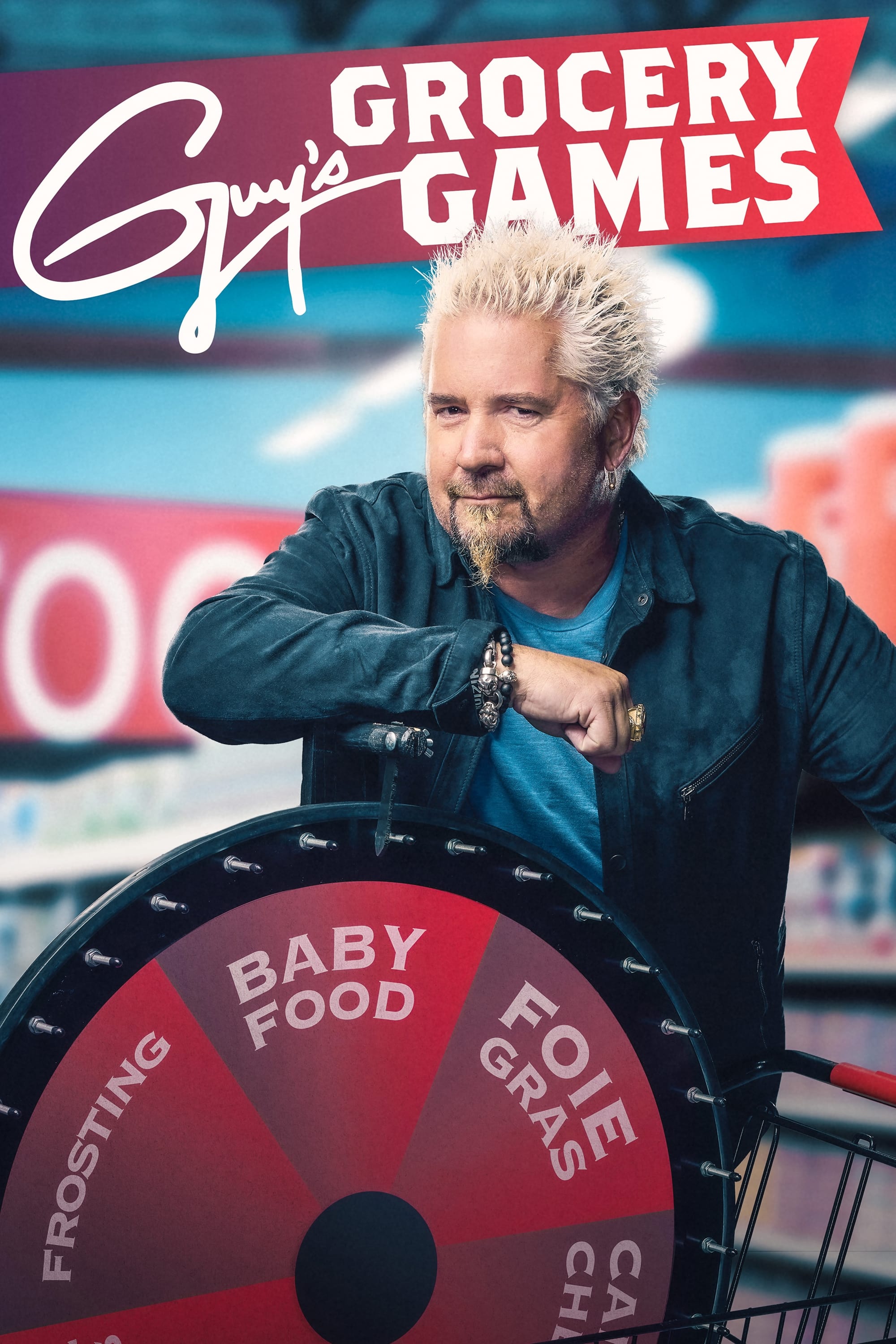
Guy Fieri sends four talented chefs running through the aisles in a high stakes, high skills, grocery store cooking competition. The chefs are hit by real-world challenges like finding workarounds when all the essential ingredients are suddenly "out-of-stock" or having to create a masterpiece when you can only cook with "5 items or less" or on a $10 budget. In the end, the food does the talking, as the last chef standing has the chance to make some serious dough!
This game show sees contestants solve word puzzles, similar to those used in Hangman, to win cash and prizes determined by spinning a giant carnival wheel.
"Come on down!" The Price Is Right features a wide variety of games and contests with the same basic challenge: Guess the prices of everyday (or not-quite-everyday) retail items.
Celebrities compete in a singing competition with one major twist: each singer is shrouded from head to toe in an elaborate costume, complete with full face mask to conceal his or her identity. One singer will be eliminated each week, ultimately revealing his or her true identity.
A talented cast of aspiring makeup artists live and work together as they attempt to prove their potential to industry professionals from a multitude of worlds from fashion to film. With regular eliminations, the challenges not only test their skills under pressure but also give them the opportunity to unleash their creative vision with jaw-dropping results.
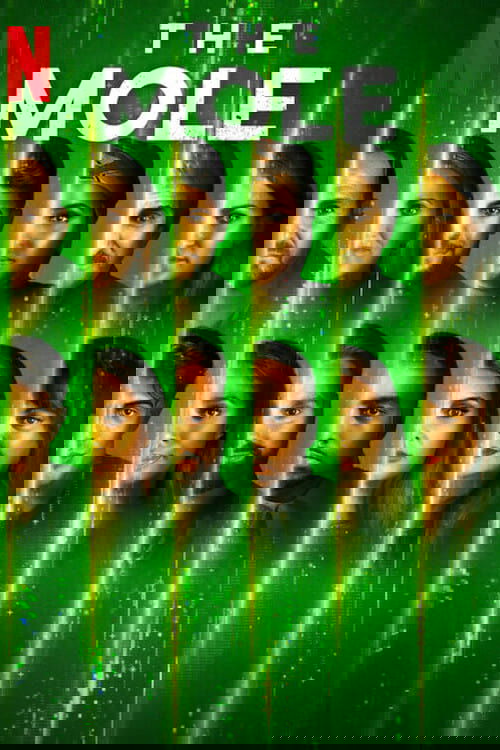
A high-stakes competition series where twelve players work together in challenges to add money to a pot that only one of them will win at the end. Among the players is one person who has secretly been designated "the Mole" and tasked with sabotaging the group's money-making efforts. In the end, one player will outlast their competition and expose the Mole to win the prize pot.
Teams of LEGO enthusiasts go head-to-head, with infinite possibilities and an unlimited supply of LEGO bricks. Teams of two will compete against each other in ambitious brick-building challenges to be crowned the country's most talented amateur LEGO builders. Based on the hit British reality-competition series of the same name.
A vocal contest reality series featuring people with real talent and great voices. Only the very best singers make it through the the blind auditions, the decisions from the four celebrity coaches are based solely on the voices they hear - and nothing else.
The Chase isn’t just a quiz… it’s a race, where the players must ensure they stay one step ahead of ‘The Chaser’, a ruthless quiz genius determined to stop them winning at all costs.
Scrapheap Challenge is an engineering game show produced by RDF Media and broadcast on Channel 4 in the United Kingdom. In the show, teams of contestants had 10 hours in which to build a working machine that could do a specific task, using materials available in a scrapheap. The format was exported to the United States, where it was known as Junkyard Wars as a completely different TV series. The US show was also produced by RDF Media, and was originally shown on The Learning Channel. Repeats have aired on another Discovery network, the Science Channel.