
After witnessing a murder, single mother Estela Carrillo must hide the fact that she is an undocumented immigrant escaping a dark past. While hiding her secret, romantic interests and her dream of becoming a singer complicate her plans.

Social & External
The people behind it
Ariadne Díaz
Estela Carrillo
David Zepeda
Ryan Cabrera
África Zavala
Morgana Santos
Danilo Carrera
Danilo Cabrera
Erika Buenfil
Mercy Cabrera
Alejandro Tommasi
John Blake Green
Zaide Silvia Gutiérrez
Rosario Hinojosa
Vanessa Bauche
Leticia Jiménez
César Évora Díaz
Don Walter Cabrera
Delia Casanova
Doña Herminia
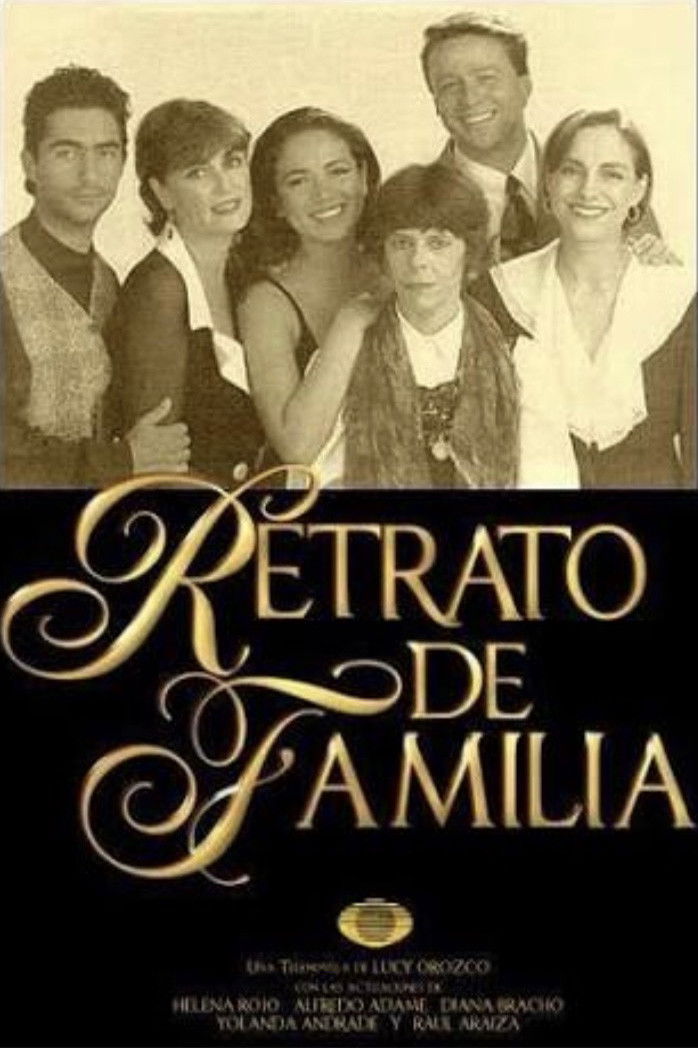
Retrato de familia is a Mexican telenovela produced by Lucy Orozco for Televisa and originally broadcast on Canal de las Estrellas from October 23, 1995, to January 19, 1996. Created by Jesús Calzada, the telenovela stars Helena Rojo, Alfredo Adame, Diana Bracho, and Yolanda Andrade. The story is set in Guadalajara and centers on the Mariscal Preciado family. The story follows Cecilia Mariscal, a devoted mother whose troubled marriage to Agustín falls apart, leaving her to rebuild her life. When she falls in love with Dr. Esteban Acuña, she faces unexpected opposition from her own daughter, Elvira, who also becomes obsessed with him. As family rivalries, forbidden love, betrayal, and long-hidden secrets emerge, the Mariscal family's relationships are pushed to the breaking point.
Cúmplices de um Resgate is a Brazilian children's musical telenovela produced by SBT and originally broadcast from August 3, 2015, to December 13, 2016. It is a remake of the Mexican telenovela Cómplices al rescate (2002), created by Rosy Ocampo. Adapted by Íris Abravanel, with direction by Reynaldo Boury, the telenovela stars Larissa Manoela, João Guilherme, Duda Nagle, and Juliana Baroni. The story follows Manuela and Isabela, twin sisters separated at birth who grow up in very different worlds. Manuela is a sweet and talented girl raised in a small town, while Isabela is a wealthy and spoiled young woman living in the city. After discovering each other's existence, they decide to switch places to uncover the truth about their past and face family secrets, conflicts, and challenges. Along the way, they find friendship, love, and the importance of family.
The illusionist is mysterious, captivating and mesmerizes all those around him. But is he really a swindler or a man with extraordinary powers? This fascinating telenovela tells the story of seductive Herculano Quintanilha, who exerts significant influence over his great love Amanda, the Hayalla family and his friends. These and other enigmas can be found in The Illusionist, a telenovela where seduction is the great secret.
A healing romance begins between fallen star doctor Jin Su Ji and stubborn newbie doctor Choi U Ri.
It is about a marriage formed by Isabela (Ángela Contreras) and Gustavo (Francisco Pérez-Bannen), a relationship that is broken when Gustavo tries to escape with his lover, Adriana (Luz Valdivieso), but in an accident, he loses all the memories of this year. Now, Adriana will try everything to make Gustavo regain his memory. Besides, Isabela is reunited with an old love, Martín (Francisco Melo), and doubts her marriage.
An engineer who works in a large construction company and a poor worker without aspirations both share a love that dared to go beyond all prejudices and differences.
Christian and Renato are identical twins who have opposite lives: Christian grew up in an orphanage and is underemployed, struggling to survive. Renato was adopted by a rich family and had everything that money can buy. When they meet again as adults, a tragedy happens: Renato is murdered and identified as Christian who, in turn, takes the place of his brother. However, to this end, he must leave behind his identity and his great love.
In 1934 two supposed brothers survived an avalanche in the Himalayas: the millionaire Franz Hauser (Bruno Gagliasso), who is saved by Buddhist monks, and Manfred (Carmo Dalla Vecchia), rescued by a team of climbers. Manfred returns to Brazil with a terrible secret: he sabotaged Franz’s equipment in order to take his place in the family business. After an exhaustive search, Ernest Hauser gives his son up for dead and appoints his bastard son as the director of the Hauser Group.
Heartbreak forever changed the fate of the young and humble José Alfredo. Years later, he became the Lord Alfredo, a successful owner of a jewelry empire and a man obsessed with power. Temperamental and cunning, he tries to balance his turbulent marriage, an extramarital love affair, and the dispute between his children over succession in his business. One day, however, the unexpected appearance of a possible daughter, of whom he was unaware, causes upheaval in his life and takes his familial conflicts to a whole new level.
The department store Fuzuê, specialized in popular items, is a success led by Nero Braga e Silva. Little does he know that the store's grounds have hidden relics for over 300 years.
Clarisa is a Mexican telenovela produced by Juan Osorio for Televisa and originally broadcast on Canal de las Estrellas from March 15 to June 11, 1993. Created by Ramón Obón, Lupita Obón, Pilar Obón, and María Teresa García, with literary editing by Dinorah Issak, the telenovela stars Gabriela Roel and Manuel Landeta. Set in the 1930s, the story follows Clarisa González León, a kind-hearted young woman who becomes the target of her ambitious and resentful sister, Elide. After tragedy strikes her family, Clarisa loses her husband and is led to believe that her newborn daughter has died. Years later, determined to uncover the truth, she embarks on a journey marked by love, betrayal, family secrets, and the hope of reuniting with her child.
Buscando el paraíso is a Mexican youth telenovela produced by Luis de Llano Macedo and Marco Flavio Cruz for Televisa and originally broadcast on Canal de las Estrellas from November 8, 1993, to April 1, 1994. Directed by Benjamín Cann, the telenovela stars Pedro Fernández and Yolanda Andrade, with Karla Álvarez and Alejandro Ibarra in antagonist roles. The story follows Dalia and Andrea Montero Machado, two sisters with very different personalities. While Andrea is confident and charismatic, Dalia is shy and insecure. Dalia secretly falls in love with Ángel, Andrea's former boyfriend, who begins a relationship with her only to hurt her. After being abandoned and discovering she is pregnant, Dalia finds support in Julio, a humble and hardworking young man. However, jealousy, betrayal, and unresolved feelings threaten their chance at happiness.
Inspired by the 1997 American drama Donnie Brasco, El Dandy tells the story of a law professor who has been hired by the Attorney General, to participate in a program of special operations, where you must infiltrate one of the most notorious drug cartels of Mexico City. Under the false name Daniel "El Dandy" Bracho, begins the task of identifying all the members of this clandestine network. However, he quickly finds that his acute ability to police work is only comparable with the exciting sense of danger that experiences living life to the fullest. Along the way, it avails itself of the help of a criminal's petty, loyal, even corrupt, called El Chueco, who quickly befriends Bracho and comes dangerously close to discover his true identity. Much deeper Bracho is involved in the mafia, more work tells him to get out, and the professor once incorruptible has to choose between returning to a normal life as a respectable citizen or fully embrace his criminal life.
The encounter between a young nanny and a lonely child serves as the starting point for a show about affection, companionship, human relationships, and the diverse forms of motherhood.
Oscar Leal is an irresponsible taxi driver who does not like compromises but a lover of parties. Oscar's life changes when he wins the lottery, going to live in a luxurious apartment where he meets Tatiana, an attractive business executive.
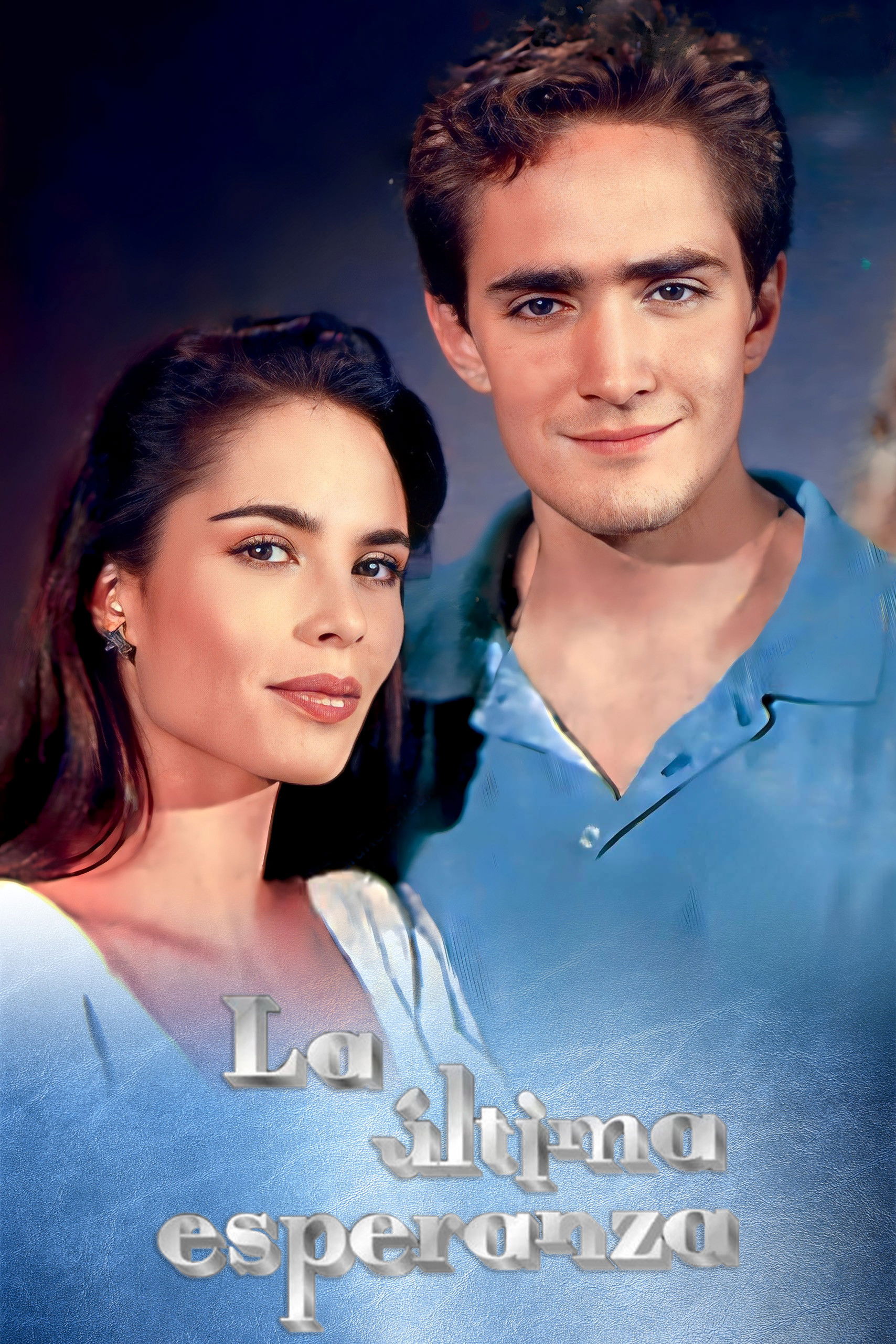
La última esperanza is a Mexican telenovela produced by Eugenio Cobo for Televisa and originally broadcast on Canal de las Estrellas from February 1 to May 14, 1993. It is a remake of the 1973 Mexican telenovela Muñeca, which was itself based on the 1971 Argentine telenovela Así en la villa como en el cielo, created by Abel Santa Cruz. The story follows Estelita Suárez, a kind-hearted young woman who lives in the impoverished neighborhood of La Última Esperanza while caring for her alcoholic father. Her life changes when she meets Daniel Burana, a wealthy young man who disguises himself as a poor resident to win her love. As their romance blossoms, they must confront family greed, corruption, and betrayal while fighting to protect their community from those determined to destroy it.
Por Estas Calles is a telenovela broadcast by Radio Caracas Televisión between 1992 and 1994. It was extremely popular in Venezuela, due to its very realistic approach to the day-to-day life of the country and local tone. It was the first Venezuelan program to give a realistic view of the corruption in political life, as well as the first to show the day-to-day life in the poor barrios. For example, it showed the impact on poor people's lives of the intermittent water supply, showing community meetings and lovers' trysts cut short by the news that the water was on, sending everyone running to fill storage tanks and barrels. It was considered by the Spanish edition of the magazine Rolling Stone as the 8th best show between the 100 Best TV Shows Ever in all Latin America. It is believed to be the longest telenovela ever produced in Venezuela.
Las secretas intenciones is a Mexican telenovela produced by Lucy Orozco for Televisa and originally broadcast on Canal de las Estrellas from August 17 to November 27, 1992. Created by Alberto Rudich and directed by Francisco Franco, the telenovela stars Yolanda Andrade and Cristián Castro in their first leading roles. The story follows Larisa Cardenal and Miguel Ángel Curiel, two young people whose romance is threatened by family conflicts, hidden secrets, and the manipulations of Antonieta Alcántara, a woman determined to take revenge on Larisa's family. As long-buried truths come to light, their lives become entangled in a web of love, betrayal, and ambition.

Esmeralda is a Brazilian telenovela produced by SBT in association with Televisa and originally broadcast from December 6, 2004, to July 19, 2005. It is a Brazilian adaptation of the Mexican telenovela Esmeralda (1997), itself based on the original story by Delia Fiallo. Adapted by Henrique Zambelli and Rogério Garcia, the telenovela stars Bianca Castanho and Cláudio Lins. The story follows Esmeralda, a young woman who has been blind since birth after being accidentally switched with another baby shortly after her birth. Raised by a humble family in the countryside, she grows up unaware of her true identity. When she falls in love with José Armando, the son of a wealthy landowner, their romance is threatened by family secrets, prejudice, social differences, and the revelation of the truth about her origins.
Teresa Chavez is a young woman with an obsession for money and ambition. Despite her beauty and the fact that she was raised in the bosom of a loving family, she is resentful; her one desire is to leave her humble but poor neighbourhood.

Emiliano, a wealthy Mexican businessman, is ripped off by his friends and partners. Hidden in Bogotá, he receives help from Rosario, a mariachi singer. She does not know Emiliano’s background and that he is wanted by the police of two countries and by a criminal organization. With a new name and personality, he adapts well to his new life as a mariachi band member and finds in Rosario the love of his life. But he is afraid his secret will tear them apart. He needs to clear his name and resolve his case to avoid that fate. Meanwhile, he often finds his love tested and vulnerable to several rivals, but Rosario always trusts that he has been honest with her.
Story of love between Marimar and Sergio. Sergio is from a wealthy family, and Marimar lives with her poor grandparents in a hut in front of the ocean.
Camila Monterde is a beautiful veterinarian whose life has been torn apart by a tragic accident in which her fiancé, Luis, was killed. Hoping to ease her depression, her uncle, Daniel Monterde, invites her to live at his ranch, where she can rest and recover while caring for the many animals he keeps there. Meanwhile, in Chile, Daniel Diaz suddenly receives a letter stating that he has come into a substantial inheritance and must travel to Mexico to claim it. Surprised and curious, he’s about to make the trip when a vicious lie disrupts his plans and lands him in prison, causing him to lose the inheritance and his family. Deeply bitter and hungry for revenge, Daniel travels to Mexico determined to destroy the Monterde family, which he blames for his terrible misfortune. He takes a job at the Monterde ranch to be close to his prey. His vengeance is perfectly planned except for one unexpected development: he and Camila fall passionately in love and that changes everything.
María Mercedes, a poor girl who sells lottery tickets, meets a rich man who hates his own family and sees in María Mercedes an opportunity to make their lives miserable.
Esmeralda is a telenovela that was released by Televisa in 1997. It is a remake of a 1970 Venezuelan telenovela of that same name, and was itself remade in Brazil in 2004. Another version is Topacio from Venezuela in 1984. One of the most famous telenovela all the time.
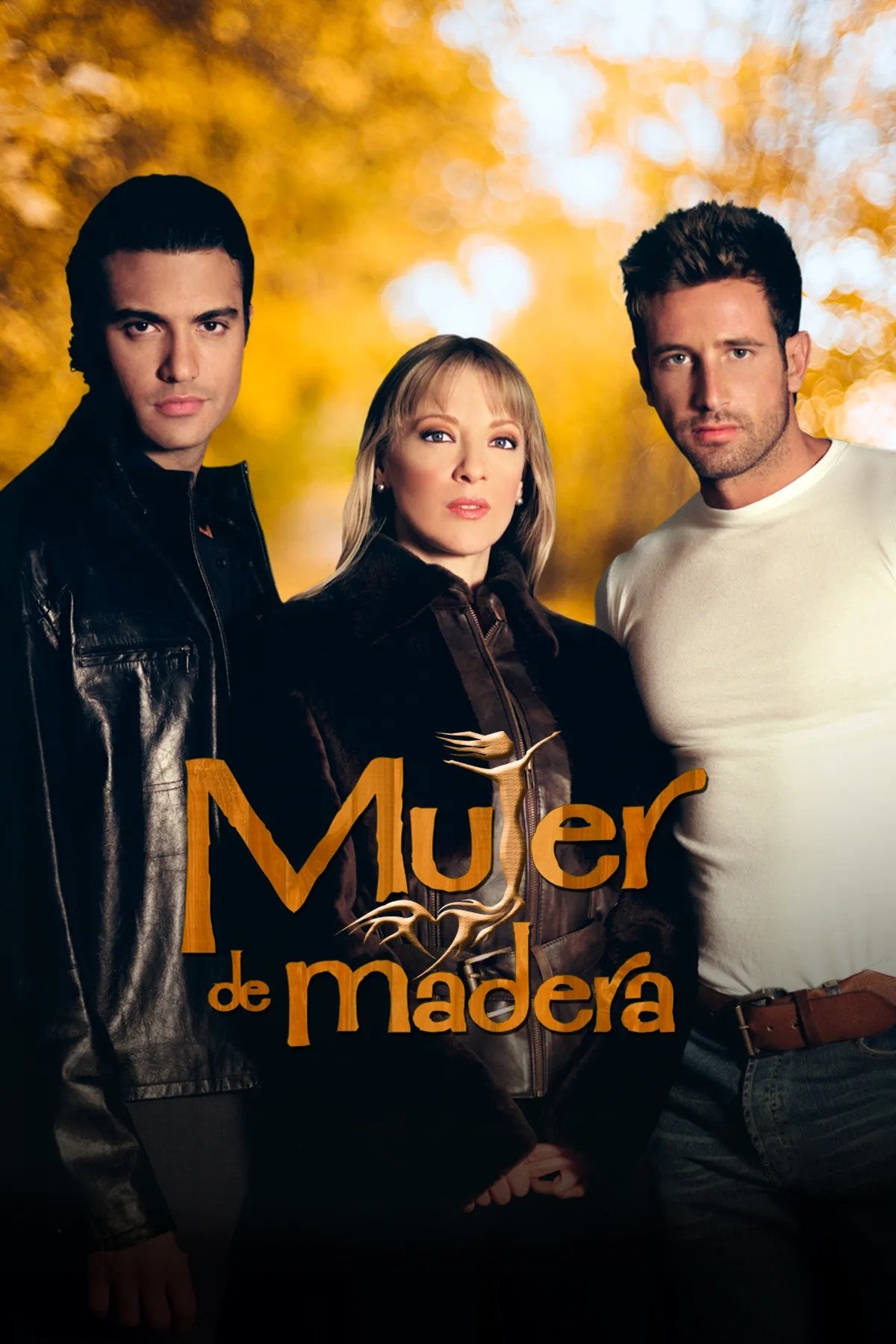
Mujer de Madera is a Mexican telenovela produced by Televisa in 2004. One unusual feature of this telenovela is that the main character is played by different actresses before and after her stay in hospital due to a forest fire.
Mistreated by the Narváez family, the poor and innocent Maricruz is humiliated, abandoned, and imprisoned, losing everything. Upon discovering her true origins, she transforms into a wealthy and powerful woman. Driven by grief and the loss of her father, she vows revenge against everyone who made her suffer.
Contra viento y marea is a Mexican telenovela aired from April 25 until November 4, 2005. This was also the last acting role of Beatriz Sheridan, who died in 2006 of a heart attack.
Rebeca murders her sister Adriana to end up with the man she loved, and becomes the step mother of her niece Lucía. Nora, Lucía's half sister and daughter of Rebeca, resents Lucía for the same reasons Rebeca hated Adriana, as history repeats itself.
When Marichuy was born, her mother—believing she was on the verge of death—handed her over to a priest, who took her to an orphanage. At the age of fourteen, Marichuy ran away from the institution and began wandering from place to place, scraping together a living however she could. Years later, she was attacked by a drunkard; the incident left her harboring resentment toward men and plagued by harrowing nightmares.
Victoria Balvanera owns a vast expanse of land and a prestigious advertising agency. She is married to the landowner Nelson Brizz. Following an attempted kidnapping, she finds love with José Ángel—her rescuer and the estate's new foreman.
Esmeralda, whom everyone knows as "The Stray Cat," is a girl who grows up in wretched conditions, yet possesses a special sweetness and charm. Her best friend is Pablo, a wealthy boy who defends her against the other children's teasing.
Danna Paola stars as Patito, Eleazar Gómez as Mateo, Violeta Isfel and Cynthia Klitbo, play antagonist roles as Antonella and Bianca. The telenovela features adult protagonists also, René Strickler and Vanessa Guzmán. It first aired on Sunday, 8 March 2009, as the first telenovela to debut on a Sunday in Mexico. After a year of success, becoming a major hit in Mexico, especially among children, its final episode was also on a Sunday, 7 March 2010.
Lola... Érase Una Vez is a teen targeted Mexican melodrama telenovela produced by Televisa that is an adaptation of the Argentine global phenomenon and teenage telenovela Floricienta. The show tells the story of a modern Cinderella, Lola, a 20 year old girl, who works as a nanny and sings in a rock band and meets her so call Prince Charming. It debuted in Mexico on February 26, 2007, starring Aarón Díaz and Eiza González. The show had gained popularity among teens and children not only in Mexico but also internationally including Venezuela, Spain and the in United States. With concert performances filling major auditoriums and songs by the protagonist become radio hits. It debuted in the United States on Univision in March 2008 and ended on January 26, 2009. The series consisted of 224 episodes which aried Monday through Friday at 3 P.M, intentionally for teenagers to watch after school, as is typical for most teenage & children telenovelas in Spanish networks.
Four teenagers at an elite school in Buenos Aires are drawn together by their love of music, despite their differing social and economic backgrounds.
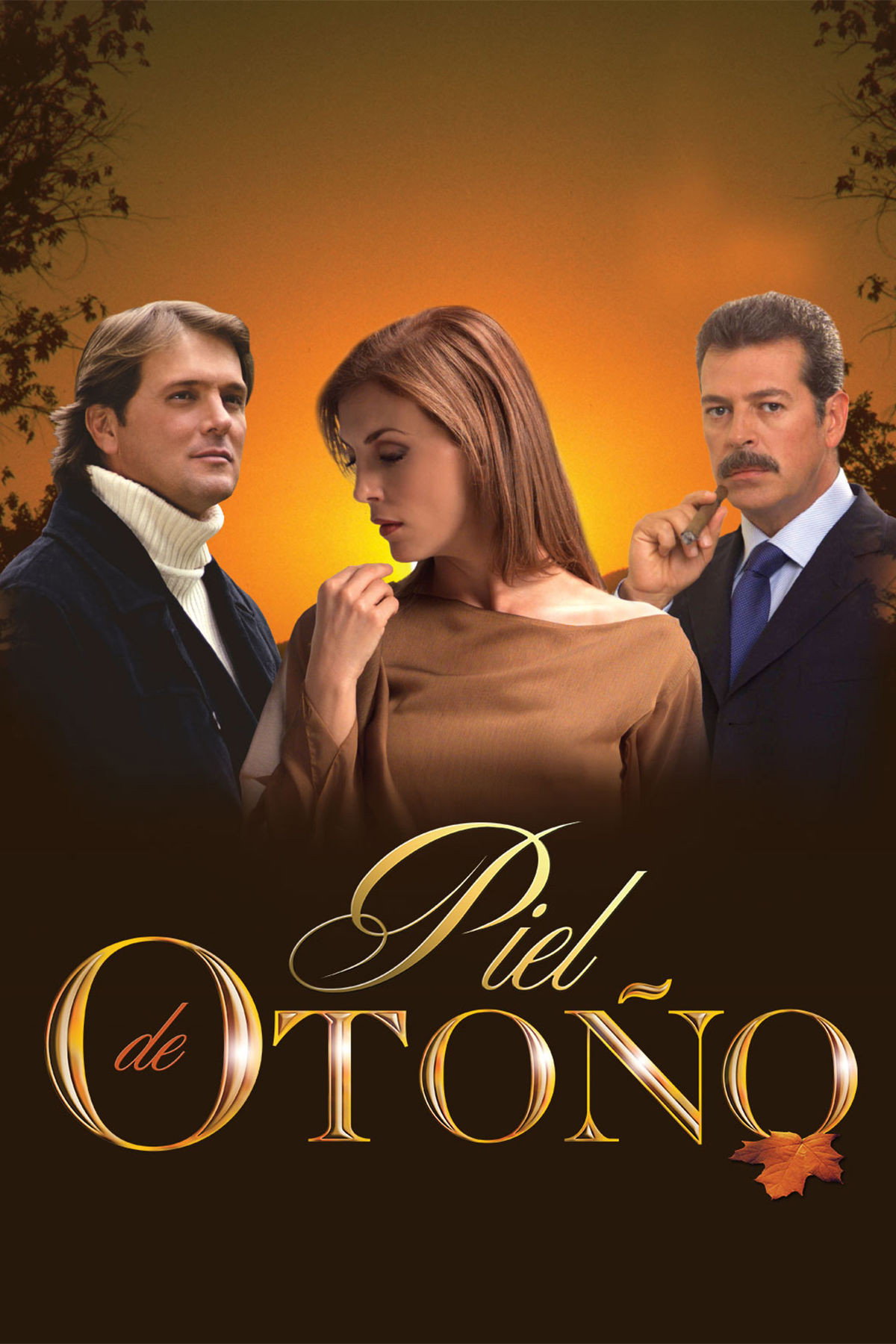
Piel de otoño is a Mexican telenovela that was produced by Televisa and broadcast on El Canal de las Estrellas in Mexico from 9 May 2005 through 23 September 2005 in Mexico, and from October 10, 2005, through February 17, 2005, in the United States. Starring Laura Flores and René Strickler as the series' protagonists, the show tells the story of Lucía Villarreal de Mendoza, a woman who seeks refuge from her husband and children's abuses in the friendship of a stranger on the Internet, who signs his messages only as "wind". Piel de otoño is a remake of the 1986 Televisa telenovela Cicatrices del alma. The program aired weekdays at 5 pm for twenty weeks.
A brave, poor young girl is welcomed into a rich family and develops a romance with their misogynist youngest son, driving a woman already in love with him to go to great lengths to destroy their relationship.
Acorralada is an American telenovela produced by Venevisión. Univision aired Acorralada from January 2007 to October 2007 on weekday afternoons at 2 pm central. It was rebroadcast in late 2011 through April 2012 on Univision's sister network, Telefutura. It was filmed in Miami, Florida, and lasted about 187 episodes. It is the second long-running telenovela that Venevisión Productions has produced without its former co-producer Fonovideo.
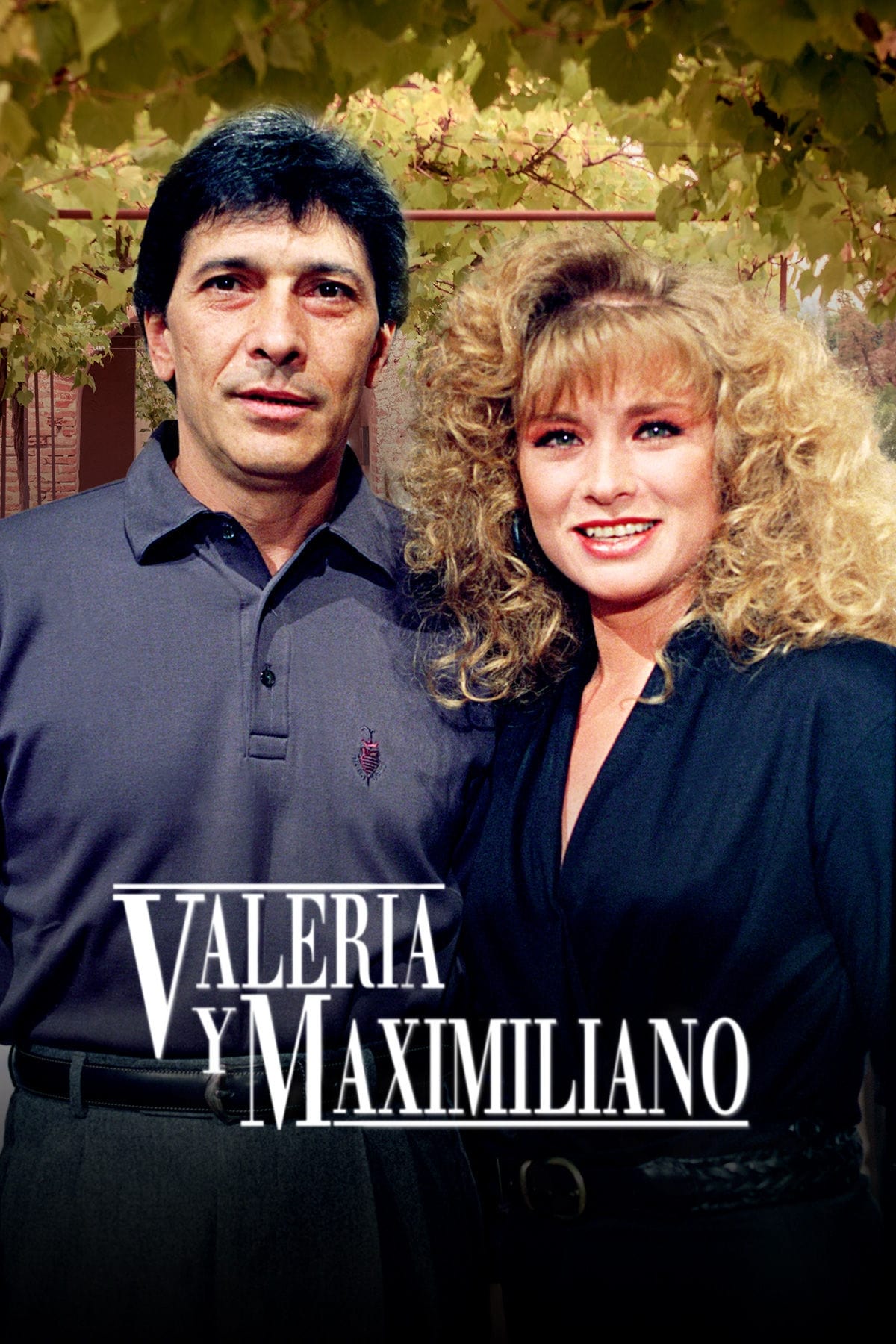
Valeria y Maximiliano is a Mexican telenovela produced by Carlos Sotomayor for Televisa and originally broadcast on Canal de las Estrellas from December 23, 1991, to May 1, 1992. Created by Nora Alemán, the telenovela stars Leticia Calderón and Juan Ferrara. The story follows Valeria Landero, a beautiful, wealthy, and strong-willed young woman whose pride and impulsive nature bring conflict to her family. After rejecting the obsessive Román de la Fuente, she becomes the target of his revenge, which threatens to destroy everything she loves. Throughout her struggles, Maximiliano Riva remains by her side, and together they must overcome betrayal, ambition, and family intrigue before finding true love.