Social & External
The people behind it
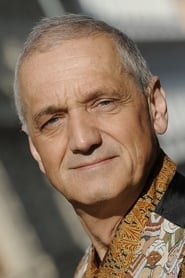
David Vávra
Host
Hindu or Buddhist temples, synagogues, churches or mosques: religions have inspired architectural marvels. Four episodes to discover jewels of Muslim sacred art, masterpieces of Christian architecture, captivating Hindu and Buddhist buildings or even the most beautiful synagogues, witnesses of the history of the Jewish people.
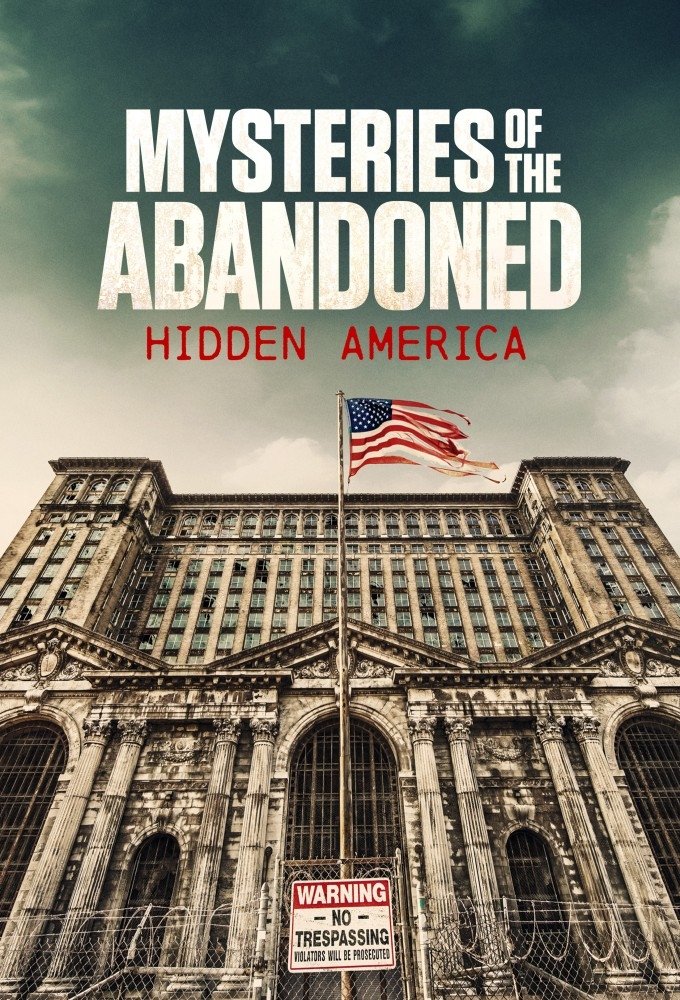
Scattered across the United States are abandoned structures, forgotten ruins of the past and monuments to a bygone era. Each one shines a light on the story of this land and its people, revealing the secrets of a hidden America.
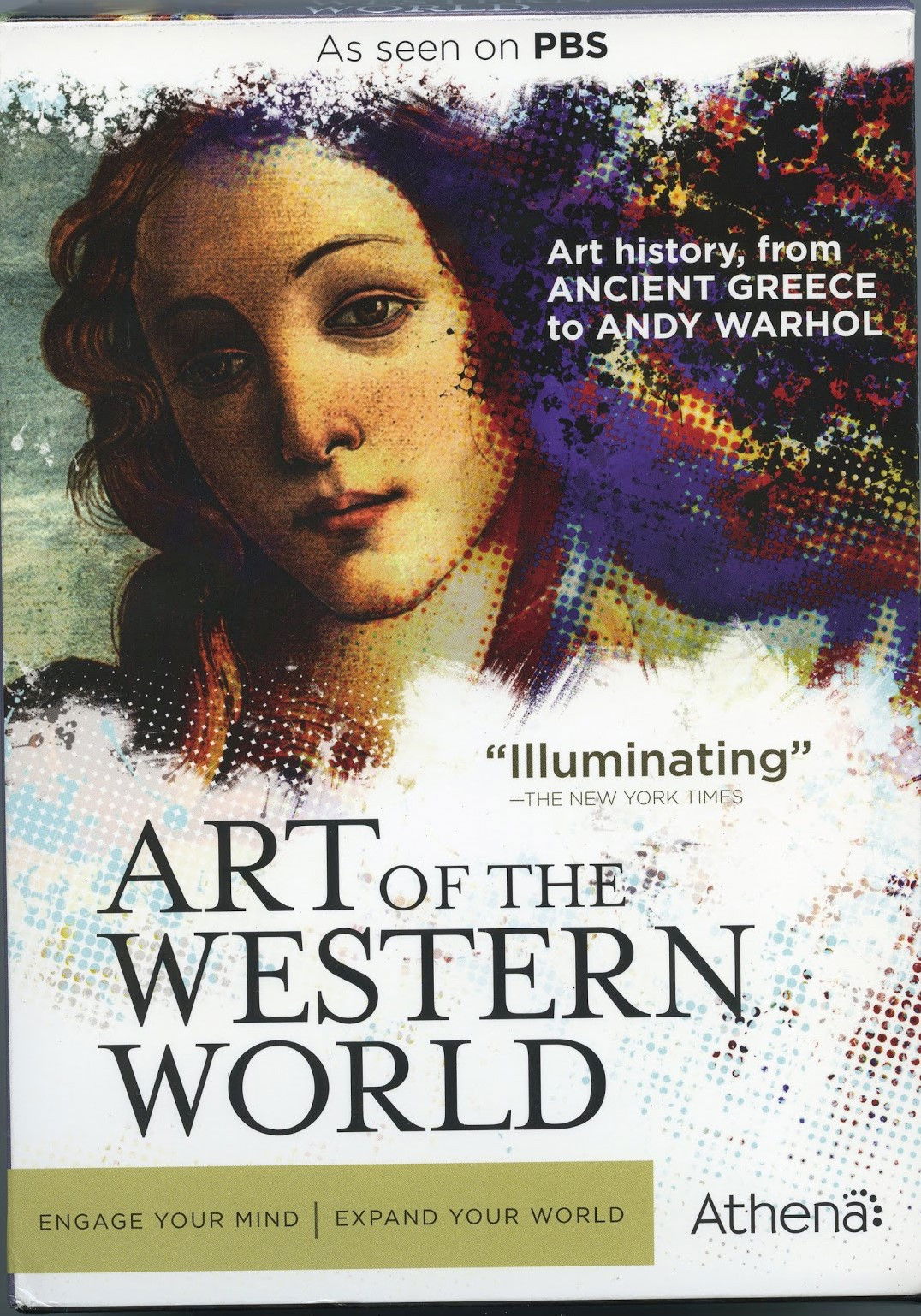
First broadcast on October 2, 1989, these 18 original 30-minute episodes provide a panorama of 2000 years of architecture, painting and sculpture, and studies the art masterpieces as reflections of the Western culture that produced them.
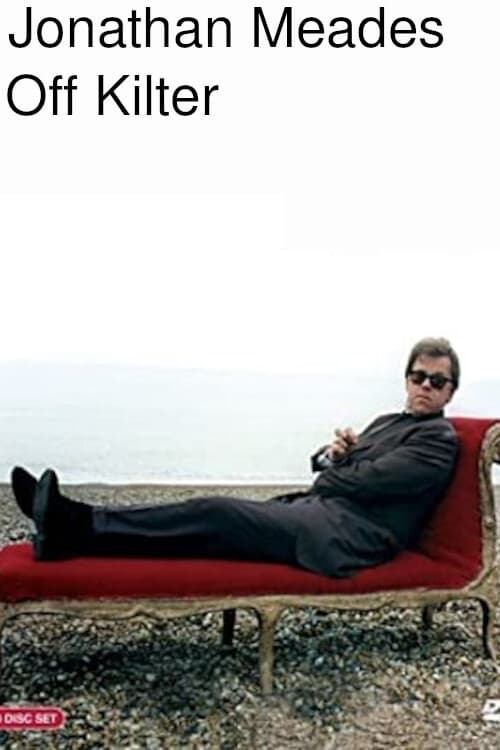
Jonathan Meades takes a quixotic tour of Scotland, a country which has intrigued him since he first encountered lists of towns only known from football coupons
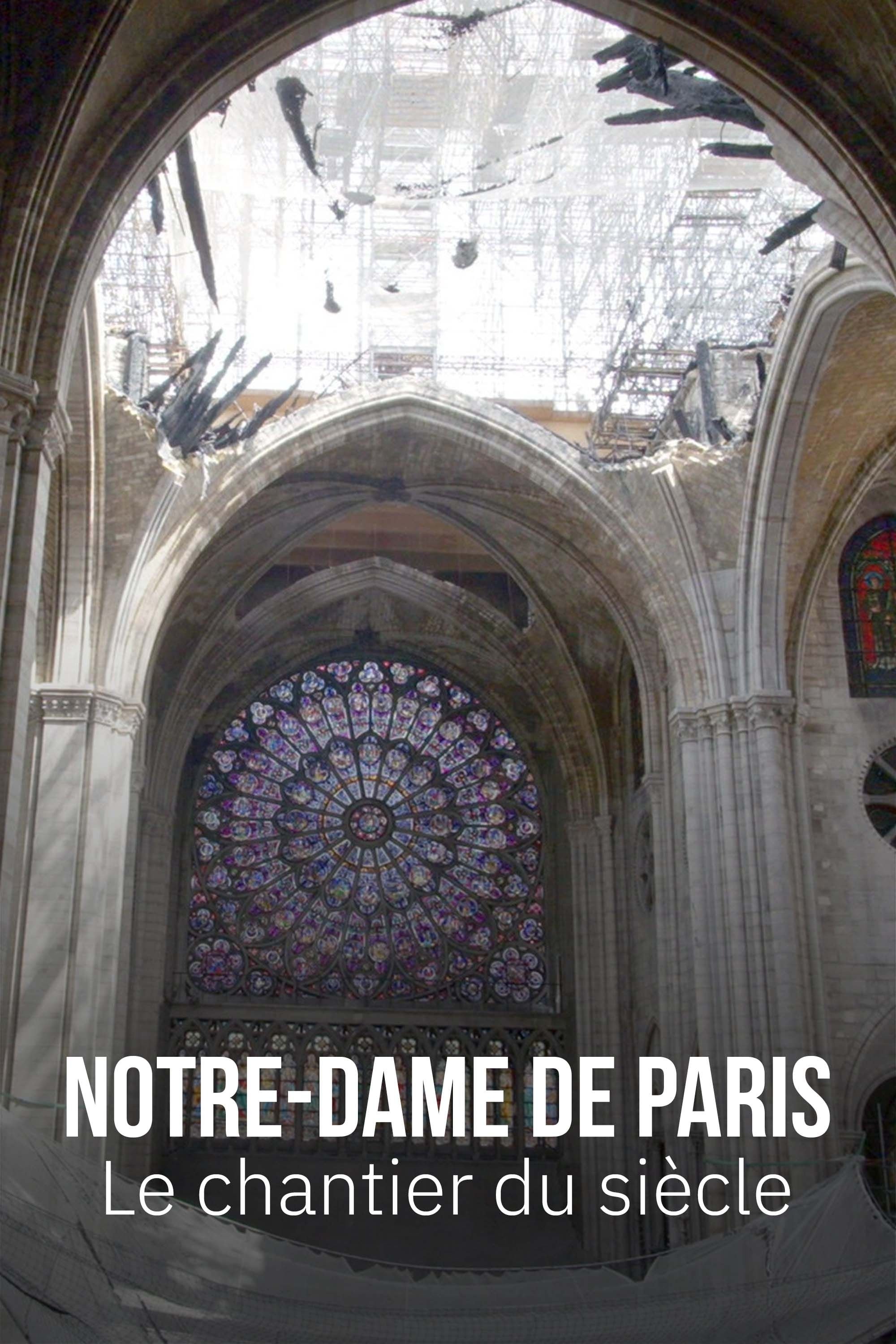
Across Quebec, André Robitaille meets with individuals, organizations, and businesses that have embarked on renovations or restorations of unique historic buildings. Whether by vocation, business, or because fate has thrown an ambitious project their way, the people who have taken charge of these unforgettable places share their stories with passion. Through their experience, the show offers an open door to a host of fascinating heritage sites, where we understand that built heritage is more alive than ever.
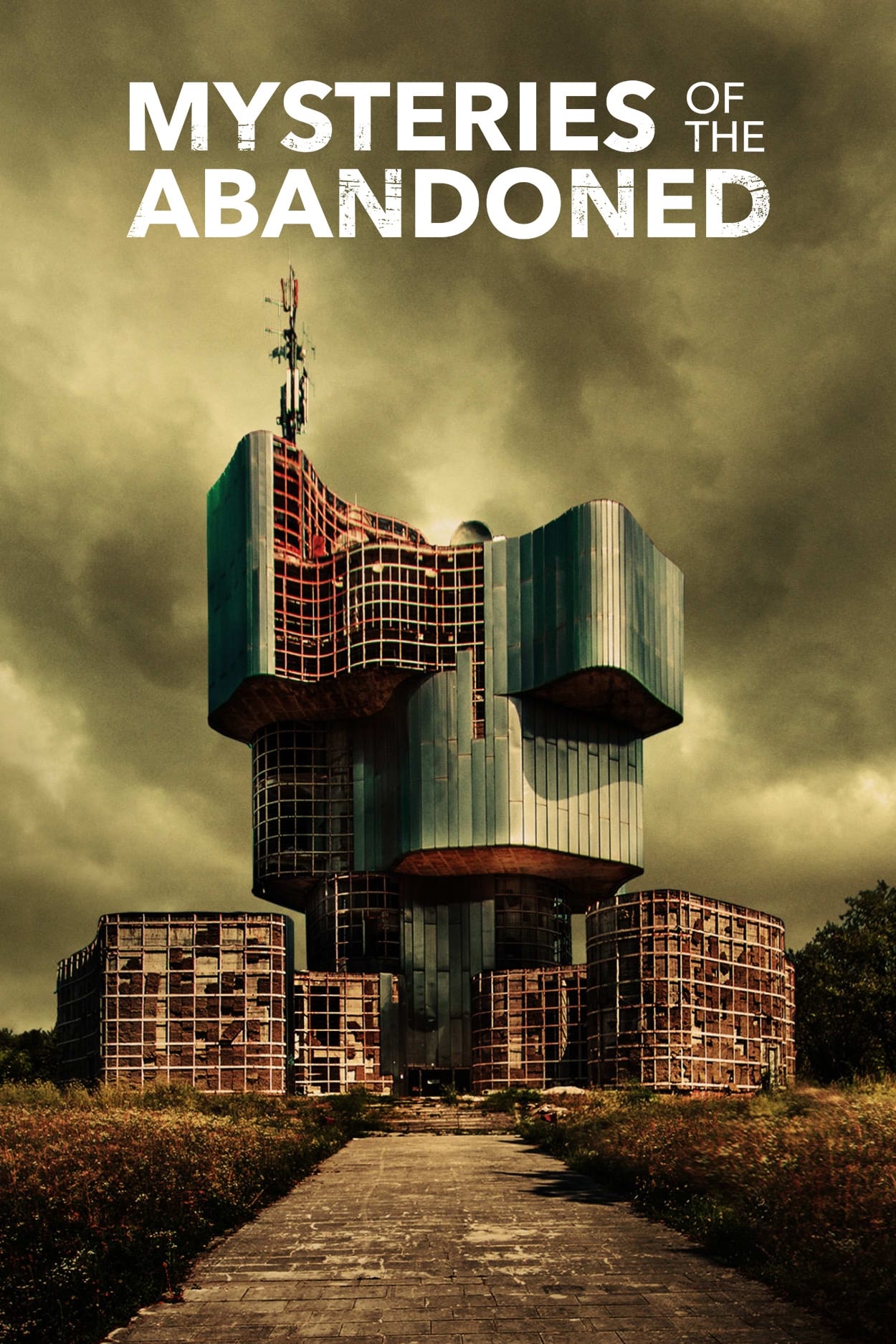
Documentary series investigating why some of the world's most advanced architectural achievements were abandoned.
These are some of the most spectacular examples of abandoned engineering the world has ever known. The series explores how and why they were built, consider the financial and social costs of their failure and examine the environmental and ecological impacts. The series also explores how experts came up with plans to make something beautiful or useful from the ruins.
Robert Hughes tackles the work and lives of three remarkable 20th-century architects: Albert Speer, Mies van der Rohe, and Antonio Gaudi - whose work did so much to shape the modern world. Hughes looks at how each one used space in different ways to express our response, respectively, to the power of religion (Gaudi), the power of the State (Speer), and the power of the corporation (Mies van der Rohe).
This four-part history series looks at how Australia has been shaped by its many definitions of home. Historic moments impacted homes, their designs, and the way we live as a society. From economic booms and busts to the fight for Land Rights and recognition, from various cultural migrations to the unrelenting force of nature, emerges a country building its way into the future.
The series covers the life and work of leading science fiction authors of the last couple of centuries. It depicts how they predicted and, accordingly, influenced the development of scientific advancements by inspiring many readers to assist in transforming those futuristic visions into everyday reality.
Three hour-long programs about the history of the Royal Canadian Navy. Filmed archives from Ottawa, the CBC and newsreels provide the bulk of the visuals.
The Hoarder Next Door is a British documentary series about compulsive hoarding. Produced by Twenty Twenty and shown on Channel 4 it features psychotherapist Stelios Kiosses helping extreme hoarders. The show is narrated by Olivia Colman.
Windrush is a 4-part series of one hour television documentaries originally broadcast on BBC2 in 1998 to mark the 50th anniversary of the arrival in Britain of the Empire Windrush, the ship which brought the first wave of post-war West Indian immigrants.
First Week In is a documentary TV show on The Discovery Channel which features interviews and overviews about the life of three recently arrested individuals in jail. Most of the inmates depicted in the show are in jail for their first time, earning the aptly named title. The events of the show take place over the course of 7 days, cycling between the three inmates as the show progresses. At the end of the show, there is an overview of what happened to the inmates after the events of the show.
Keith Floyd, known for his television programmes and books combining cookery and travel, goes on a gastronomical pilgrimage to explore the cuisine of the United States of America.
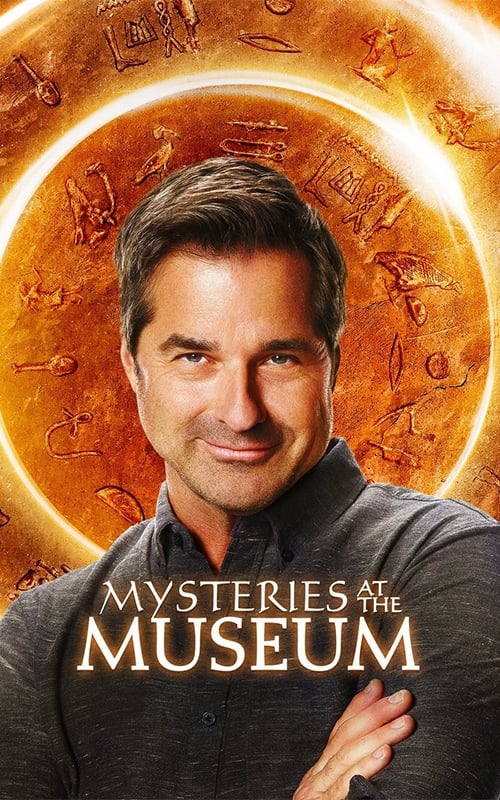
Don Wildman unearths relics from the world's greatest institutions to reveal secrets from the past. He examines each artifact to illuminate history's most incredible triumphs, sensational crimes and bizarre encounters.
Infographics and archival footage deliver bite-size history lessons on scientific breakthroughs, social movements and world-changing discoveries.
An insider's look at the engineering and scientific miracles behind the things that form the modern world.
Award-winning actor and nervous explorer Eugene Levy steps out of his comfort zone for a whirlwind tour of the world's most beautiful and intriguing destinations.
Motoring programme featuring reviews of and reports about cars of all types.
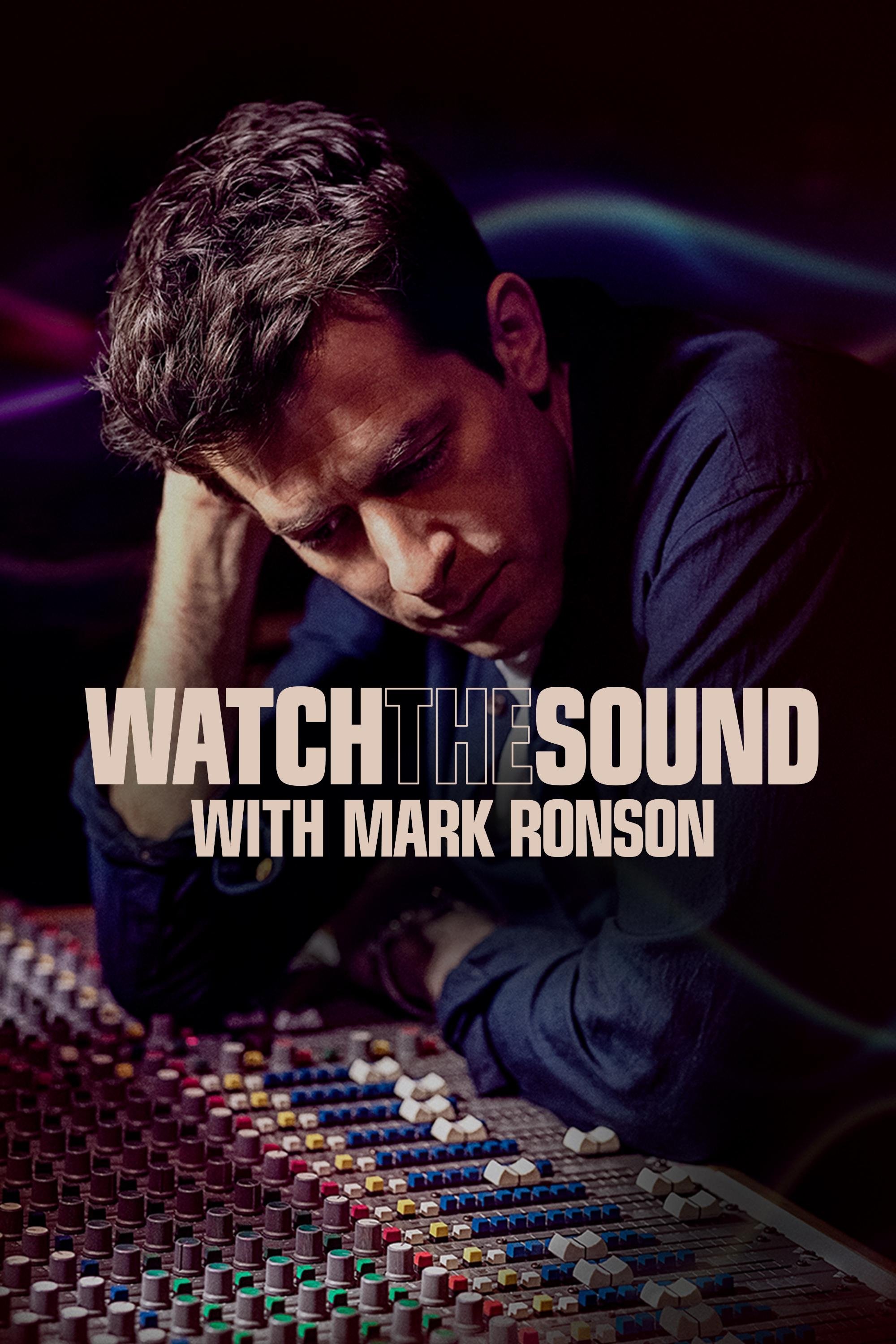
Oscar and Grammy Award-winning producer and artist Mark Ronson explores the intersection of technology and musical innovation with his heroes and fellow hitmakers – including Paul McCartney, DJ Premier, Charli XCX, Dave Grohl, and Questlove.
A series of standalone documentaries powered by the unparalleled journalism and insight of The New York Times, bringing viewers close to the essential stories of our time.
MegaStructures is a documentary television series appearing on the National Geographic Channel in the United States and the United Kingdom, Channel 5 in the United Kingdom, France 5 in France, and 7mate in Australia. Each episode is an educational look of varying depth into the construction, operation, and staffing of various structures or construction projects, but not ordinary construction products. Generally containing interviews with designers and project managers, it presents the problems of construction and the methodology or techniques used to overcome obstacles. In some cases this involved the development of new materials or products that are now in general use within the construction industry. MegaStructures focuses on constructions that are extreme; in the sense that they are the biggest, tallest, longest, or deepest in the world. Alternatively, a project may appear if it had an element of novelty or are a world first. This type of project is known as a Megaproject.
British television series which features unusual and often elaborate architectural homebuilding projects.
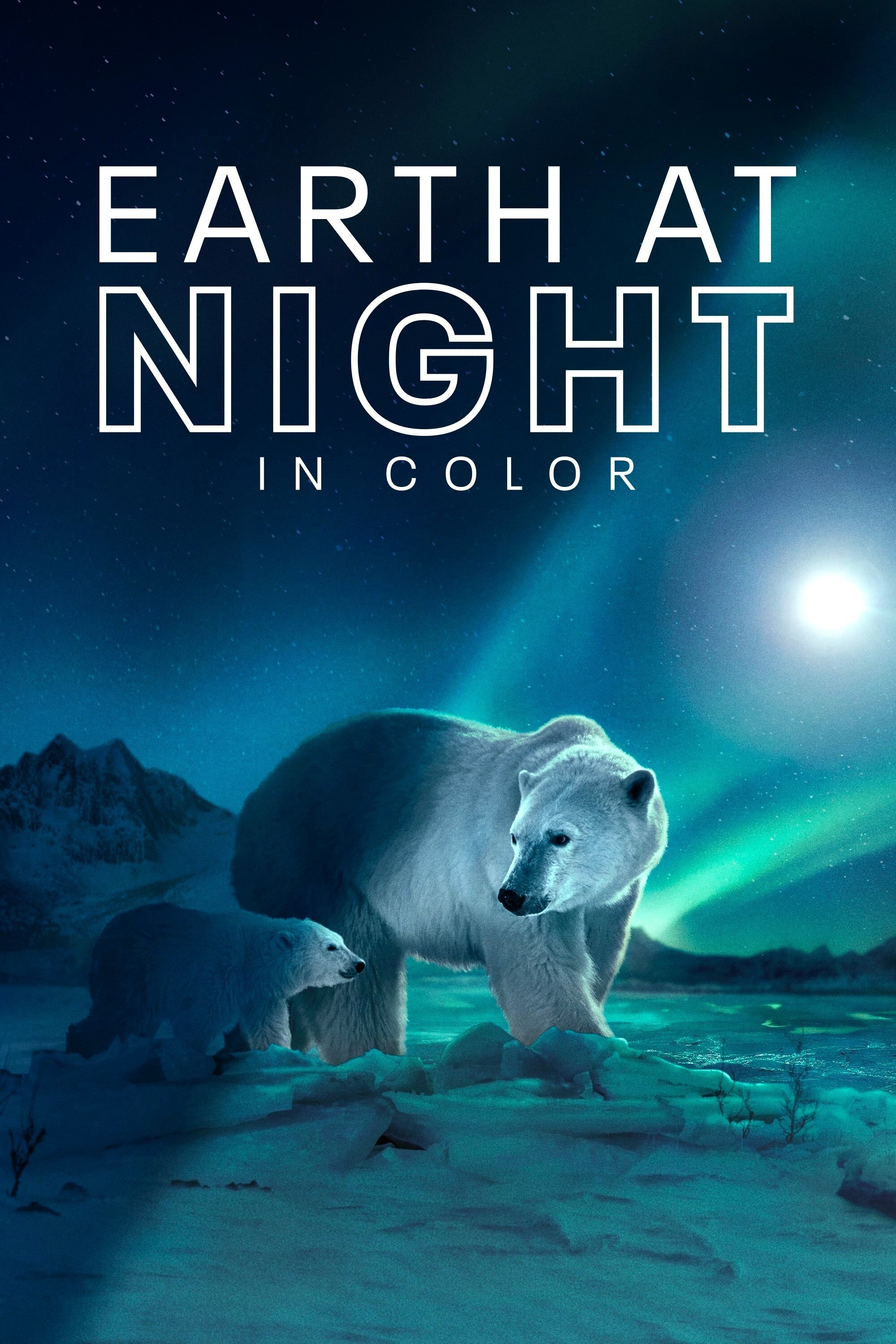
Filmed across six continents, this docuseries uses cutting-edge camera technology to capture animals' nocturnal lives, revealing new behaviours filmed in full color like never before.
Explores WWII from Germany's invasion of Poland through the atomic age, examining pivotal battles, wartime leaders like Churchill and Roosevelt, and the human cost of total war.
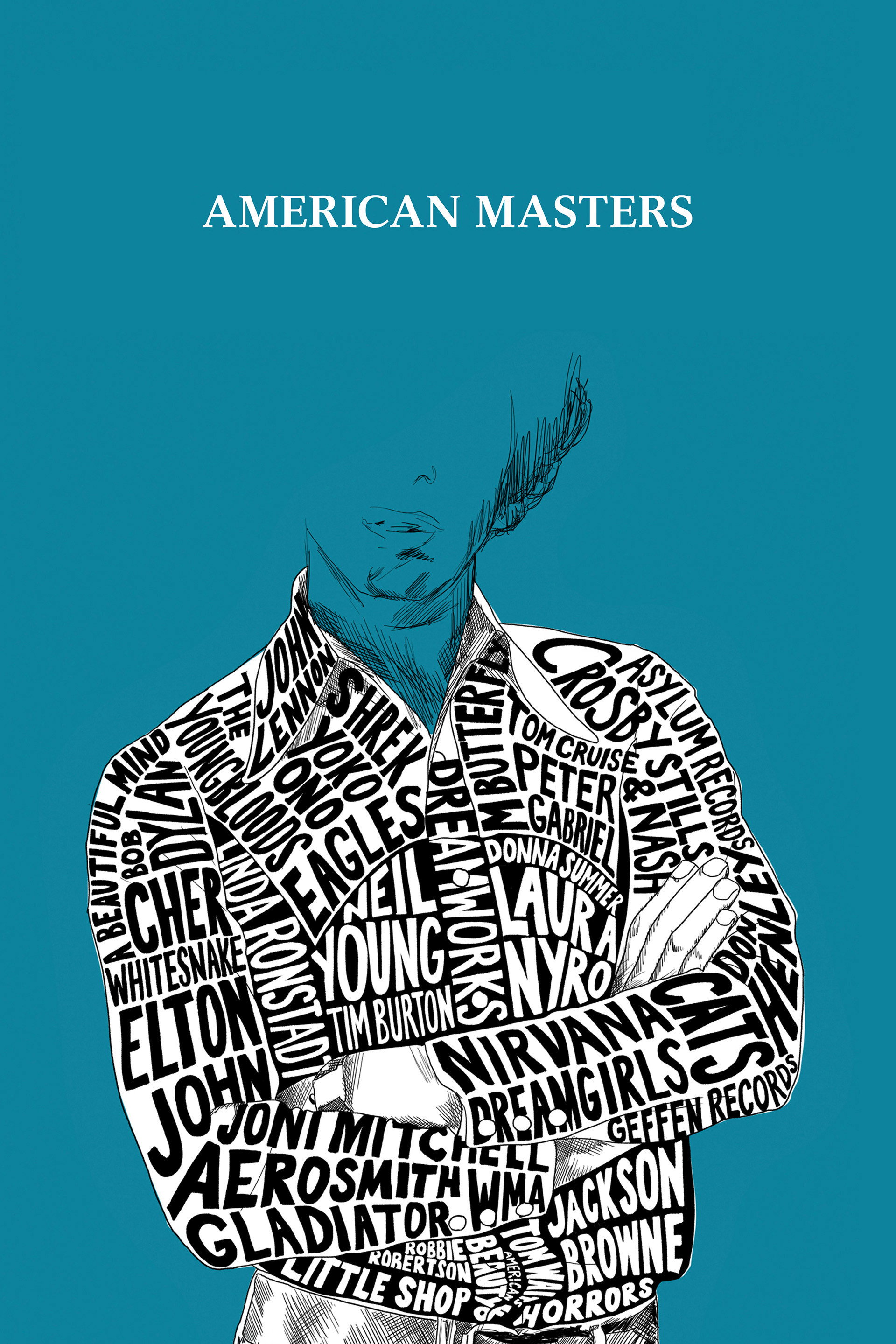
American Masters is a PBS television series which produces biographies on enduring writers, musicians, visual and performing artists, dramatists, filmmakers, and others who have left an indelible impression on the cultural landscape of the United States.
The documentary takes viewers through Janet Jackson's life and career, contain never-before-seen footage, and feature home videos from the legendary artist. Jackson discusses her controversial 2004 Super Bowl halftime show performance with Justin Timberlake, her father Joe Jackson, the death of her brother Michael Jackson, and more.
The history of the sport of baseball in America, told through archival photos, film footage, and the words of those who contributed to the game in each era. Writers, historians, players, baseball personnel, and fans review key events and the significance of the game in America's history.
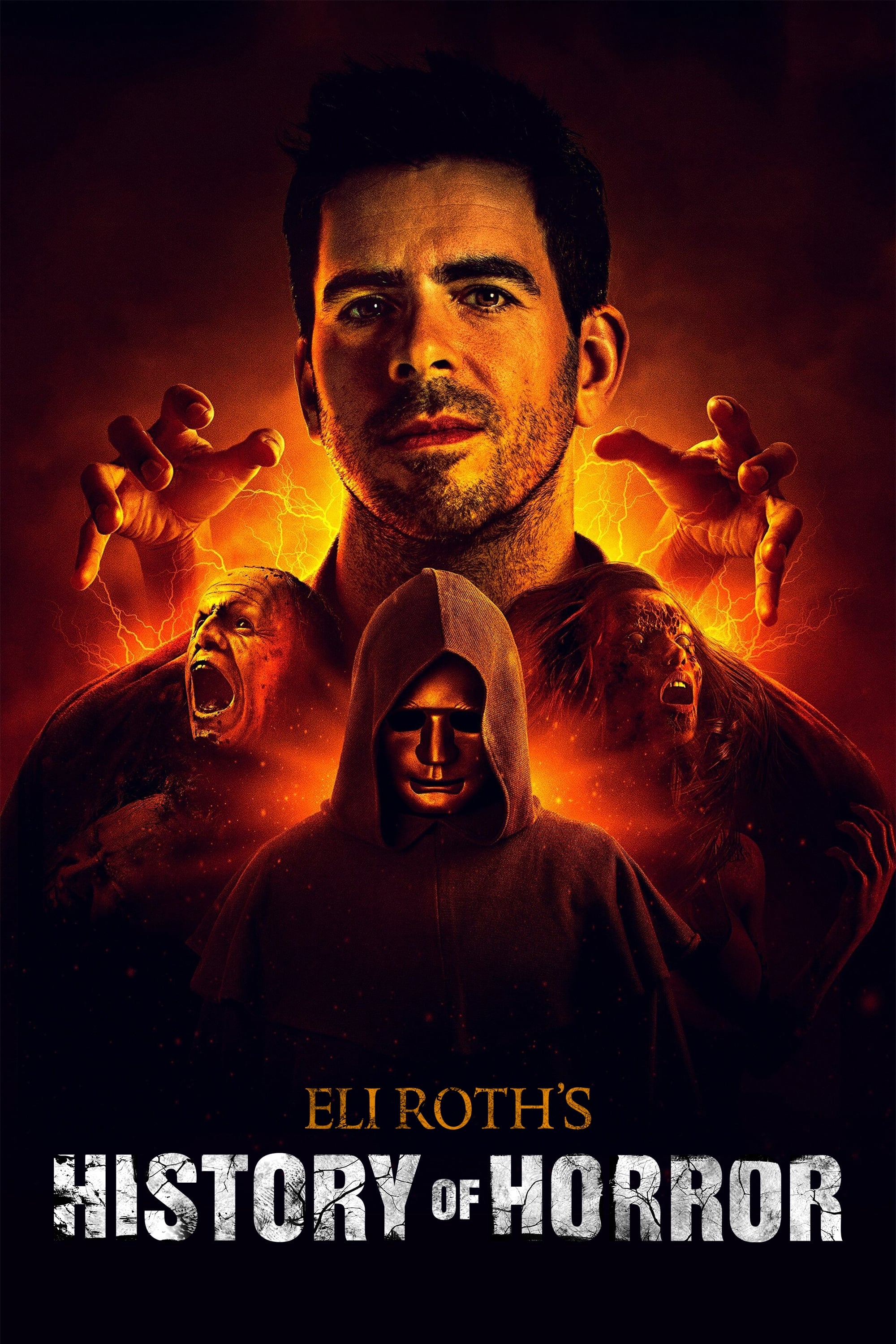
An in-depth look at the history and pop cultural significance of horror films.
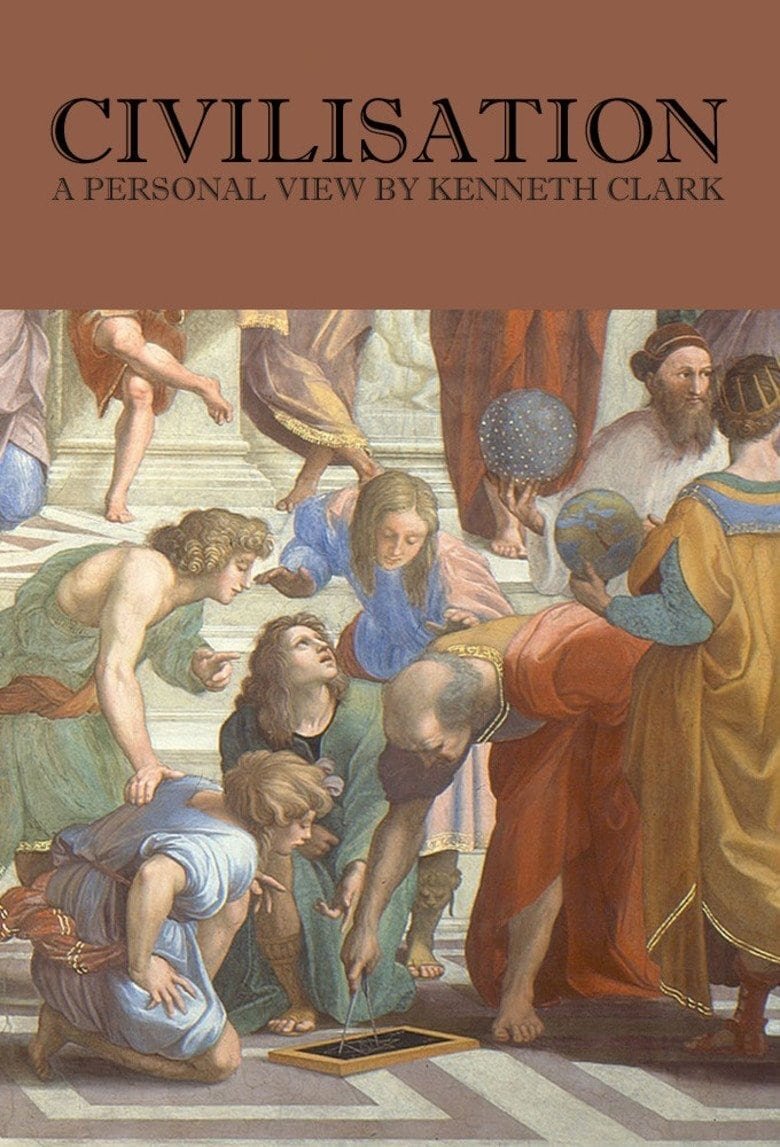
Sir Kenneth Clark guides us through the ages exploring the glorious rise of civilisation in western man. Beginning with the bleakness of the dark ages to the present day, we consider civilisation's articulations and expressions in some of man's finest works of art.
In a tumultuous era, 1971 was a year of musical innovation and rebirth fueled by the political and cultural upheaval of the time. Stars reached new heights, fresh talent exploded onto the scene, and boundaries expanded like never before.
A look at the life of Australian pop star Kylie Minogue, who opens her personal archives and reflects on a career in which she has sold 80 million records and reinvented herself, and by extension pop, several times. Home movies, personal photographs and new interviews reveal the picture, as Kylie addresses how she’s faced public scrutiny, personal loss and illness.
Before he was Hulk Hogan, he was Terry Bollea. Uncover the man behind the legend in this unfiltered documentary featuring his very last interview.
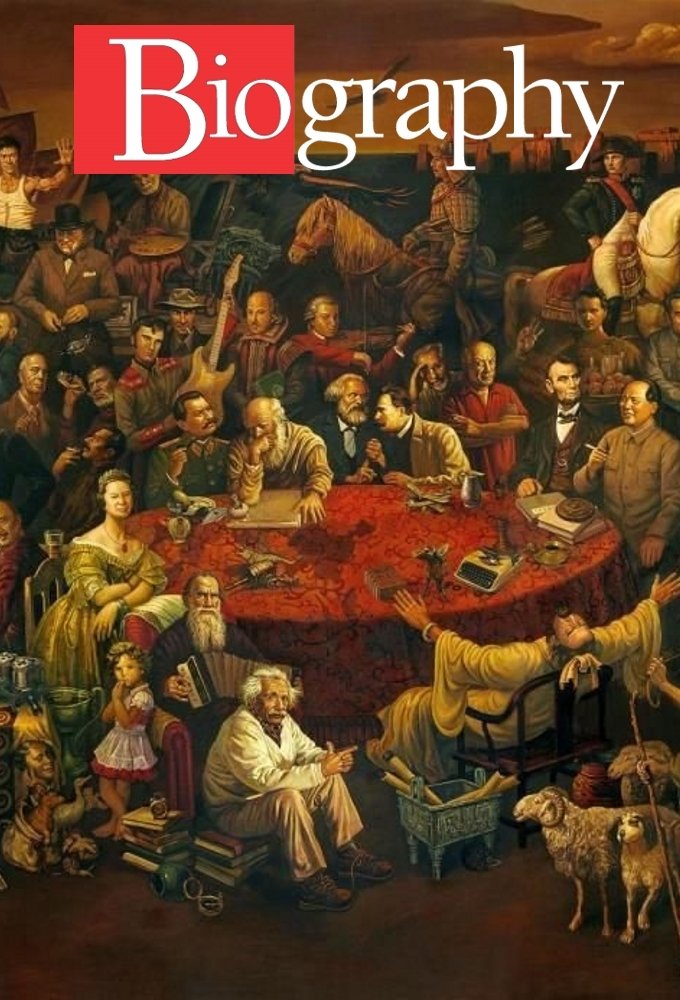
Biography is a documentary television series. It was originally a half-hour filmed series produced for CBS by David Wolper from 1961 to 1964 and hosted by Mike Wallace. The A&E Network later re-ran it and has produced new episodes since 1987. The older version featured historical figures such as Helen Keller and Mark Twain, or long-dead entertainment figures such as Will Rogers or John Barrymore. The A&E series has placed the emphasis on such people as Marilyn Monroe, Elvis Presley, Plácido Domingo, Freddie Mercury, Jacqueline Kennedy Onassis, Eric Clapton, Pope John Paul II, Gene Tierney, Selena, Diego Rivera, Mao Zedong and Queen Elizabeth II, and fictional characters like The Phantom, Superman, Hamlet, Betty Boop, and Santa Claus. The program ended up profiling enough figures that in 1999, A&E spun it off into an entire network, The Biography Channel.