Social & External
The people behind it
Petr Stach
narrator
The rise of Stalin, from his early beginning as a bankrobber to the cold-blooded leader of the Soviet Union.
Mark Gatiss examines the history of the horror film, from classic Hollywood monsters to Hammer's glory days and beyond.
Music show that tells the story behind modern pop classics.
Exploring the history behind Theme Park attractions.
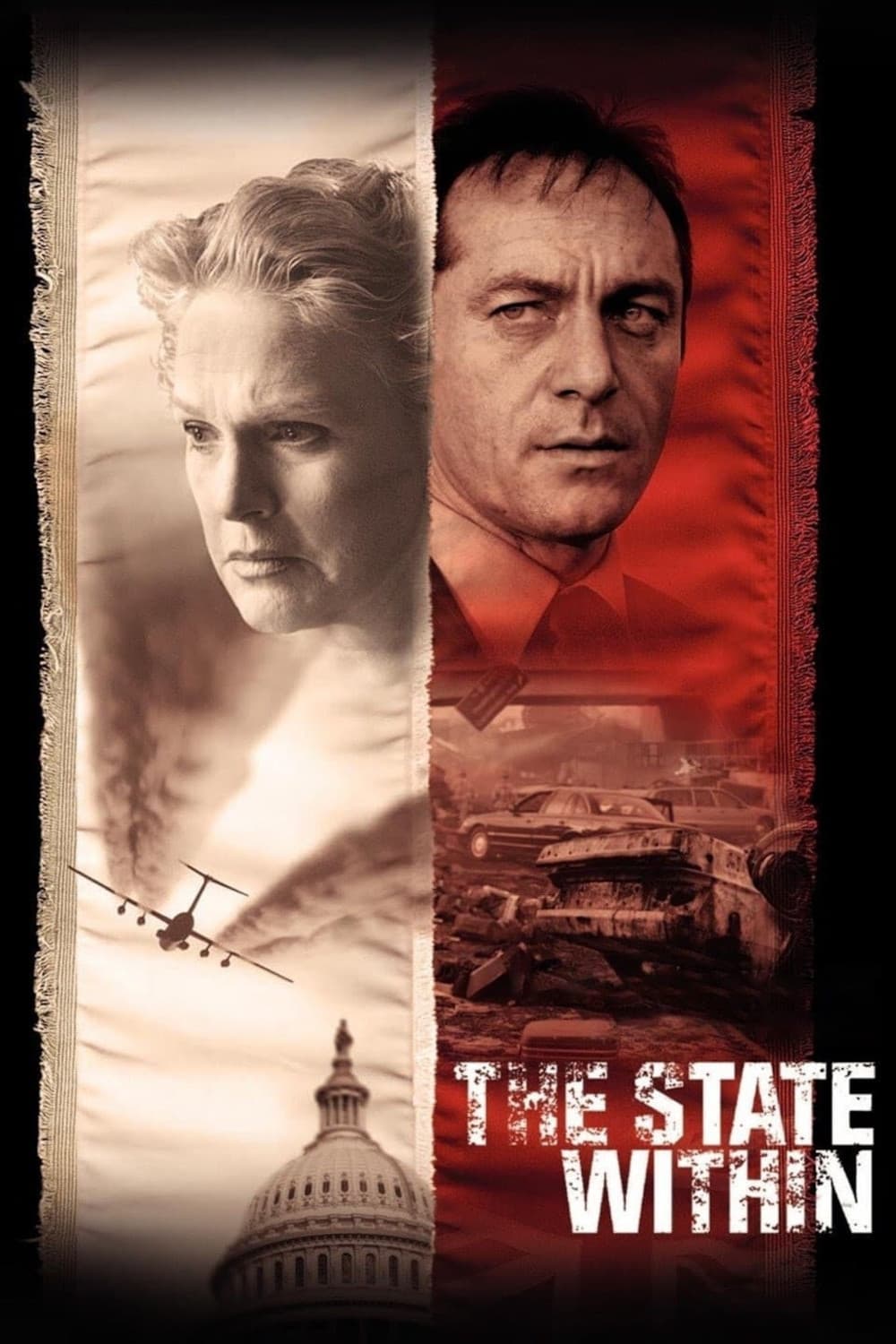
The State Within is a six-part British television political thriller serial written and created by Lizzie Mickery and Daniel Percival, broadcast on BBC One from 2 November to 7 December 2006. After a plane explodes over Washington DC, panic begins to envelop the British embassy, and its ambassador to Washington, Mark Brydon, finds himself caught in a potentially damaging diplomatic incident.
Pandora's Box is a six-part 1992 BBC documentary television series which examines the consequences of political and technocratic rationalism. The episodes deal, in order, with communism in The Soviet Union, systems analysis and game theory during the Cold War, economy in the United Kingdom during the 1970s, the insecticide DDT, Kwame Nkrumah's leadership in Ghana during the 1950s and 1960s and the history of nuclear power.
A showcase of the wonders, secrets and fragilities of the Americas, narrated by Tom Hanks.
Animated YouTube series which explores major historical events and figures. Each episodes focuses on a different topic, although Kings and Generals has made several mini-series based on complex historical events like wars. The series often focuses on warfare and battles, in addition to topic like economic and social history. Different animators have worked on the show throughout its history.
Ry Russo-Young turns the camera on her own past to explore the meaning of family. In the late 70s/early 80s, when the concept of a gay family was inconceivable to most, Ry and her sister Cade were born to two lesbian mothers through sperm donors. Ry’s idyllic childhood was threatened by an unexpected lawsuit which sent shockwaves through her family’s lives and continues to reverberate today.
A politically charged mini-series researched and written by Duncan Campbell which saw dramatic Special Branch raids on BBC Scotland. An entire production office was loaded into transit vans and confiscated by the police. + One: 'The Secret Constitution' about secret Cabinet committees that amount to a secret decision making system at the highest levels of power in the United Kingdom. + Two: 'In Time of Crisis' about secret preparations for war that began in 1982 within every NATO country. This programme revealed what Britain would do. + Three: 'A Gap In Our Defences' about bungling defence manufacturers and incompetent military planners who have botched every new radar system that Britain has installed since World War II. + Four: 'We're All Data Now' about the Data Protection Act. + Five: 'Association of Chief Police Officers' and how Government policy and actions are determined in the fields of law and order. + Six: 'Communications' with particular reference to Zircon spy satellites ...
Take a trip back in time to see what Christmas and the holiday season were like in America not too long ago as we reveal how many of today’s popular holiday celebrations and traditions had their start in the 1960s, 70s, 80s and 90s. With experts and cultural icons offering their own insight and personal memories, we reveal how your favorite holiday films, fads, television specials, songs and toys are still part of your holiday celebrations today.
Bettany Hughes take viewers on armchair travels to explore household-name treasures and new finds from across the world.
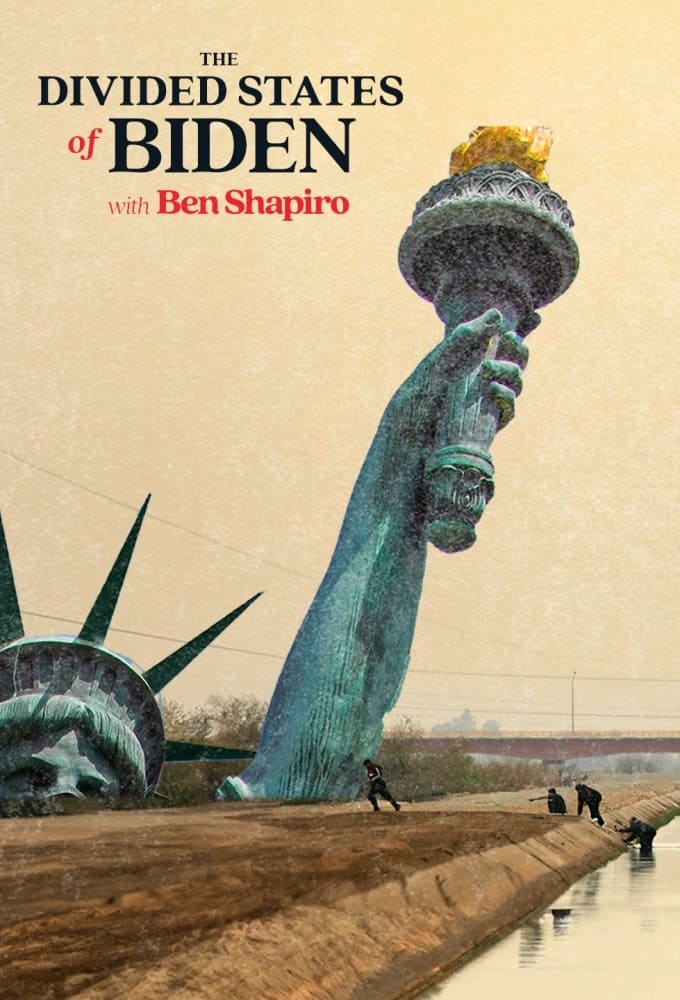
Joe Biden is tearing America apart, and the media refuses to report on the impact of Biden’s treasonous policies. Join Ben Shapiro on the ground as he explores the real world consequences of one of the most destructive presidencies in American history.
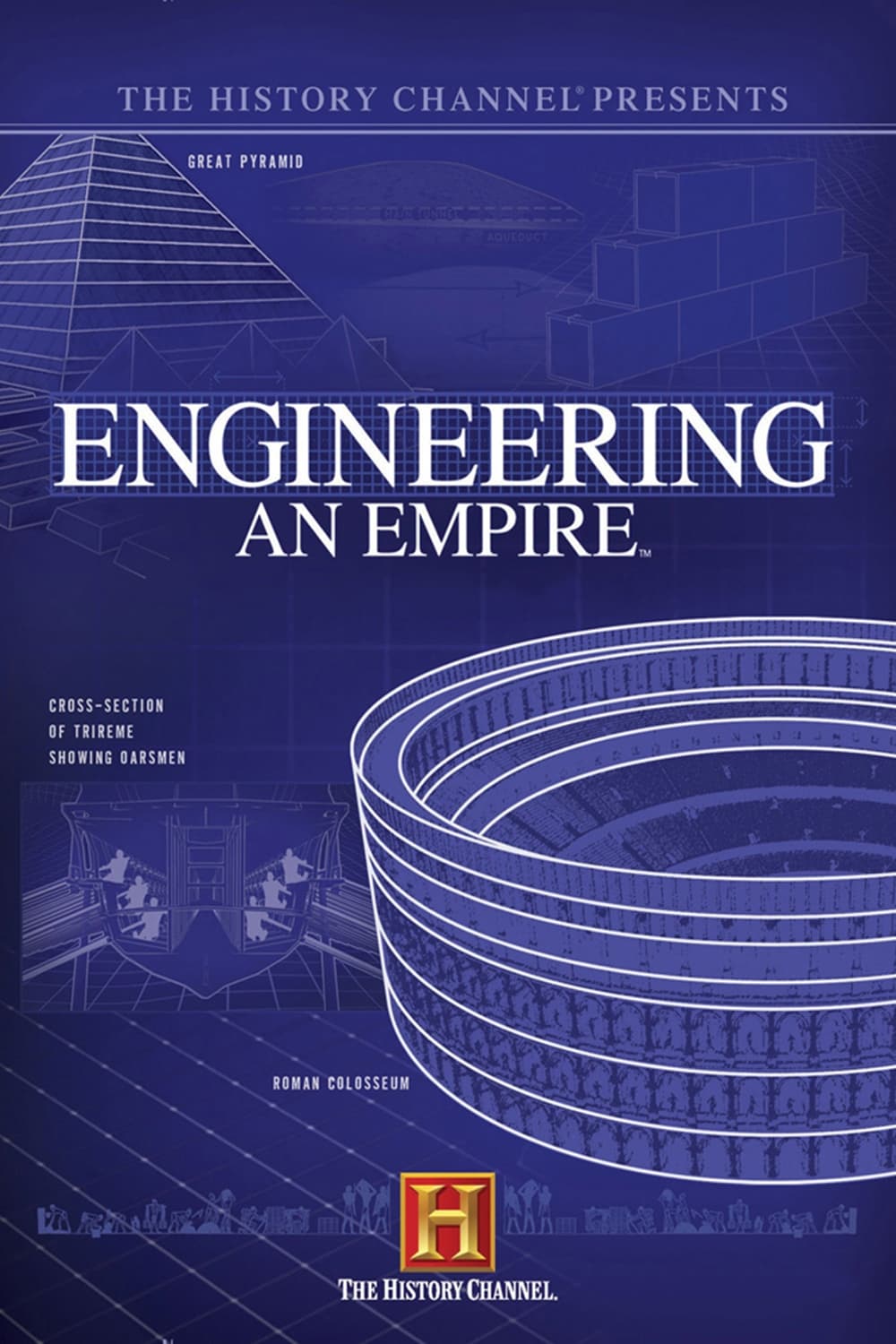
Engineering an Empire is a program on The History Channel that explores the engineering and/or architectural feats that were characteristic of some of the greatest societies on this planet. It is hosted by Peter Weller, famous for his acting role as RoboCop but also a lecturer at Syracuse University, where he completed his Master's in Roman and Renaissance Art. The executive producer is Delores Gavin. The show started as a documentary about the engineering feats of Ancient Rome and later evolved into a series. It originally ran for one full season of weekly episodes.
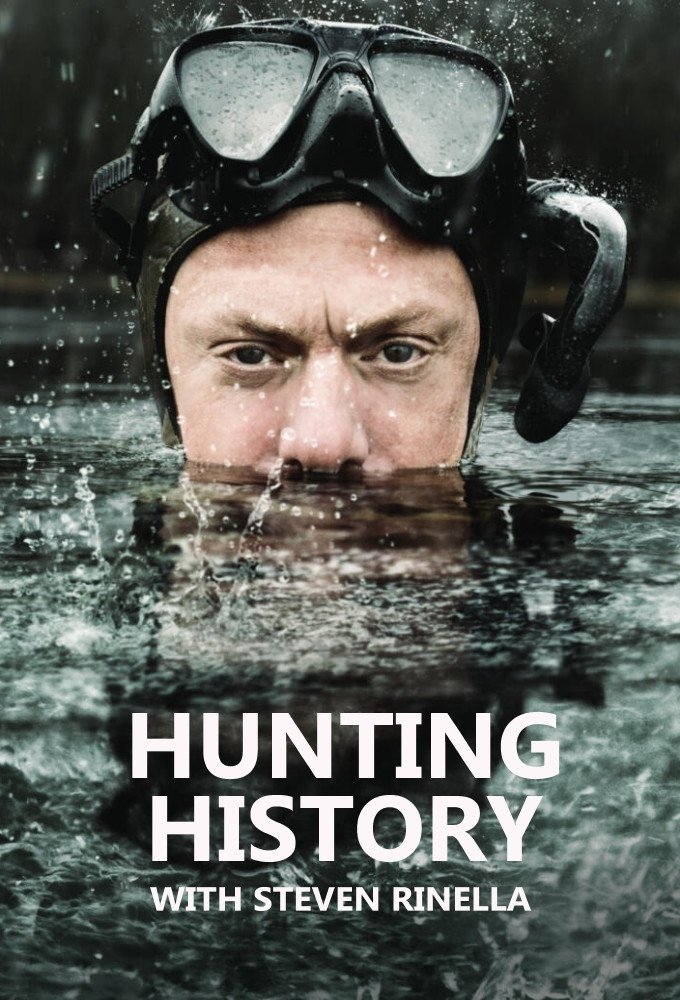
Join world-renowned outdoorsman and author Steven Rinella as he dives into history’s greatest and most perplexing wilderness mysteries. With his deep knowledge of the wild, survival expertise, and unyielding curiosity and grit, Steve is uniquely positioned to look at these mysteries through a totally new lens, examining how people’s interactions with their environment may rewrite the narrative on some of our most iconic legends.
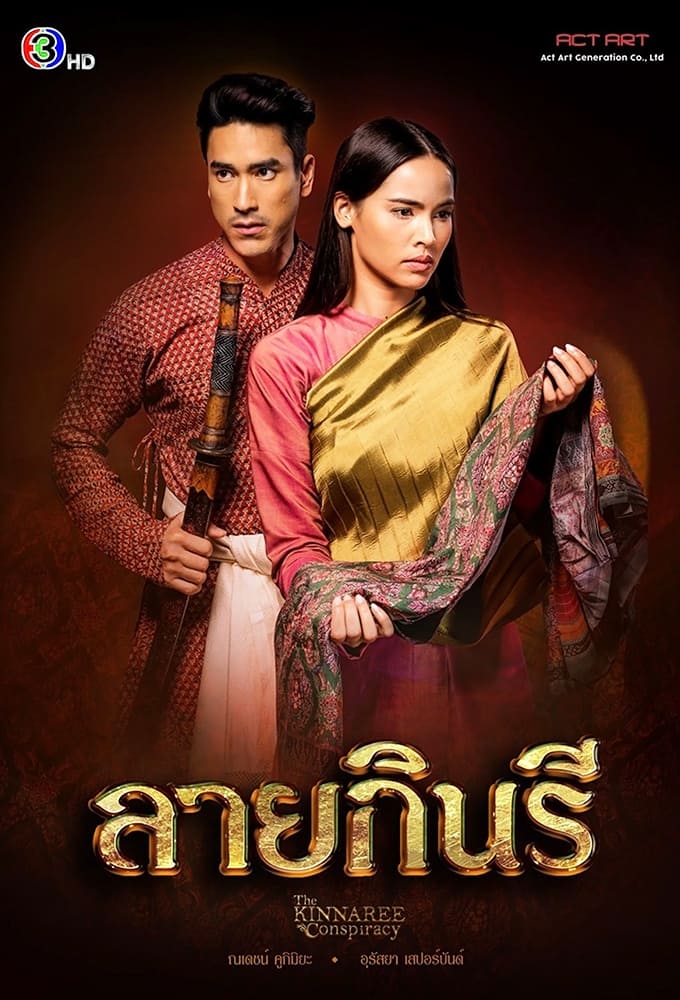
During the reign of Narayan Nyamgyi, the land of Ayutthaya was prosperous, as I said, there was trade with Westerners, and everywhere there were foreign merchants, ambassadors, It is full of military officers. Makoying Phutkan is the daughter of a famous physician who has passed away. Lon Trafford is a battalion commander responsible for the safety of the city's citizens. Robert is an officer who is close to the French diplomatic officer recruited from the King of France. One day, when the body of a drowned person appeared, and the dead person was a French officer, the officer not only drowned, but also wore a canary dress that only young ladies in the court wear, and conflicts arose between France and Ayutthaya. When Loin and Rob have feelings for escape
Jonathan Roberge dives into the world of Montréal crime during the 1957-1977 period, when the city saw a prolonged war between the police and bank robbers.
The documentary series explores different political figures throughout history.
WWII in HD is a 10-part American documentary television miniseries that originally aired from November 15 to November 19, 2009 on the History Channel. The program focuses on the firsthand experiences of twelve American service members during World War II, including an Army nurse, a member of the Tuskegee Airmen, a second generation Japanese American and prisoner of war, and an Austrian Jewish immigrant. The twelve members recorded their time in both theaters and some had later interviews; found footage from the battlefield was paired with the stories of the twelve service members. The episodes premiered on five consecutive days, with two episodes per day. The series is narrated by Gary Sinise and was produced by Lou Reda Productions in Easton, Pennsylvania, United States.
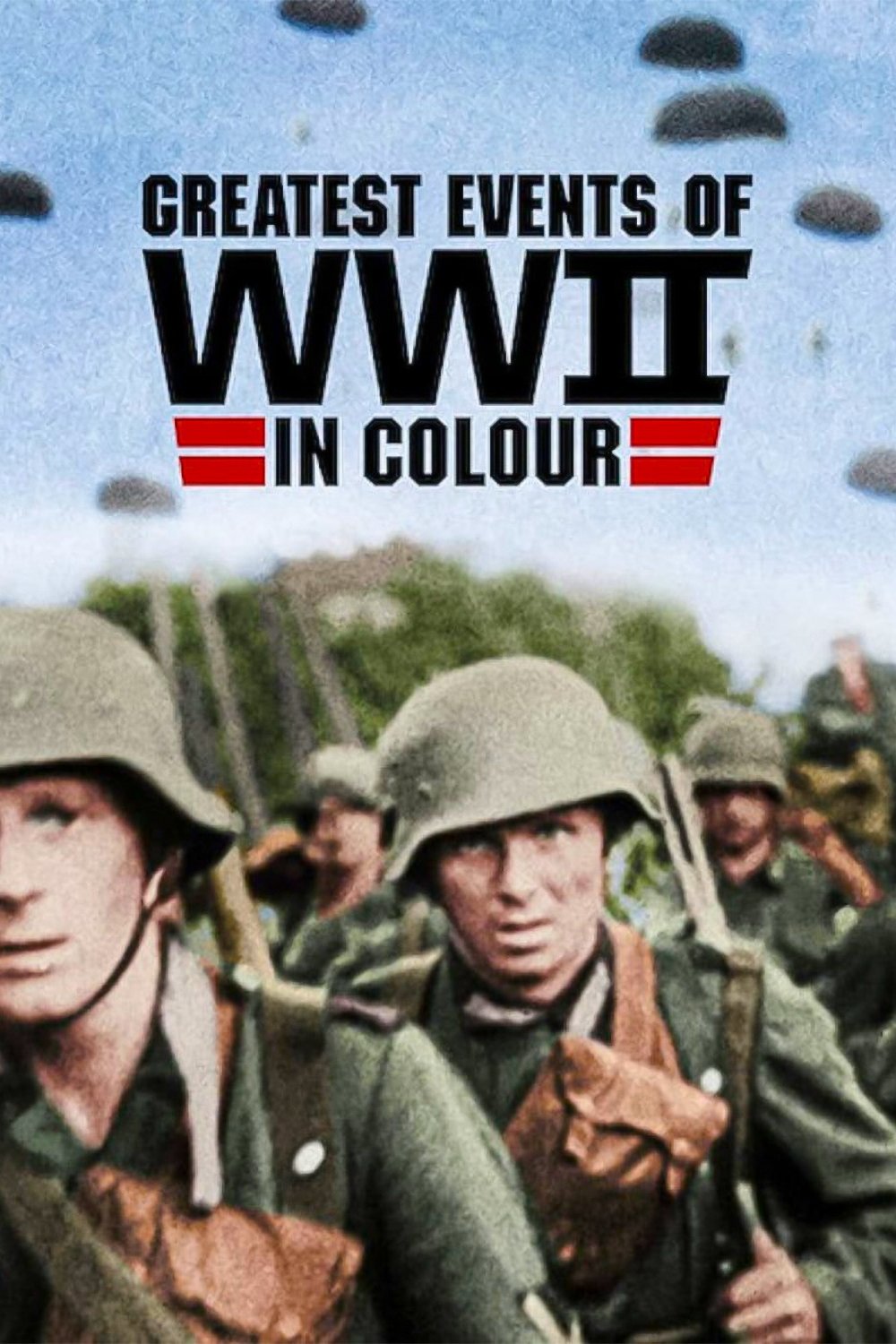
World War II In Colour is a 13-episode television documentary miniseries recounting the events of World War II narrated by Robert Powell. The show covers the Western Front, Eastern Front, and the Pacific War. It is on syndication in America on the Military Channel. This series is in full color, combining both original and colorized footage.
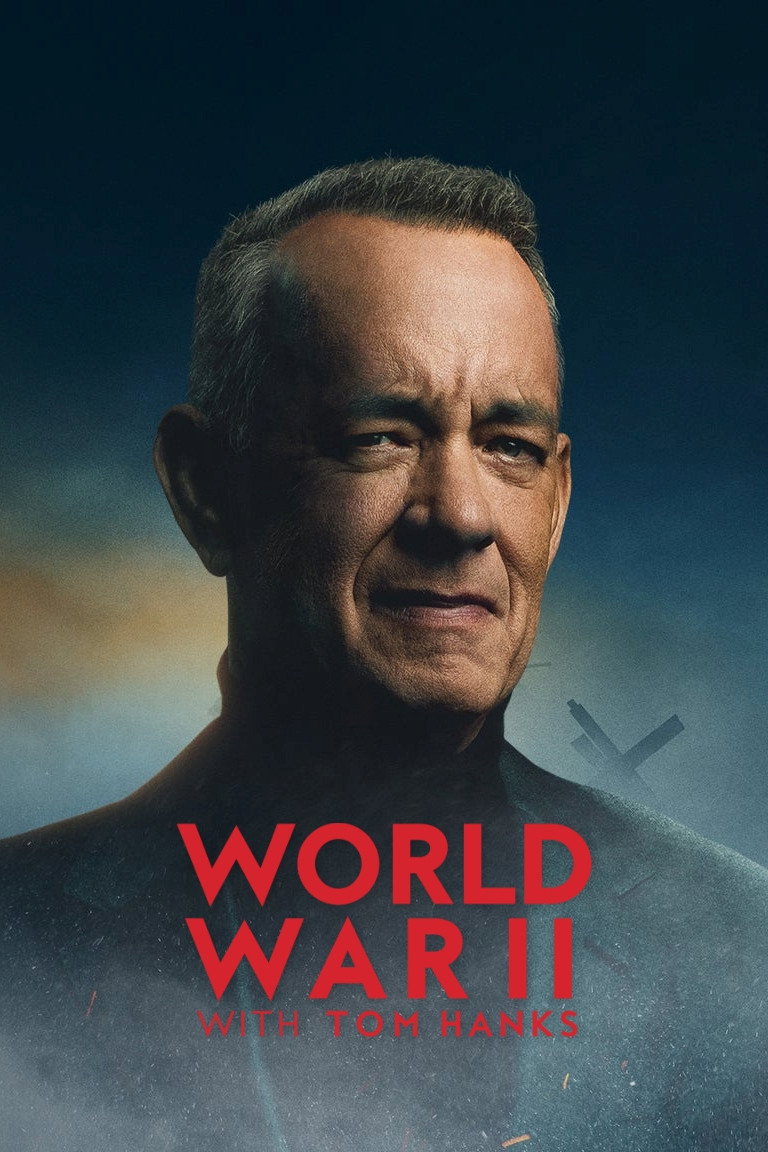
A documentary series that gives a historical account of the events of World War II, from its roots in the 1920s to the aftermath and the lives it profoundly influenced.
Surviving power struggles, betrayals and plots, Hitler's inner circle of Nazi leaders seizes control of Germany and designs its disastrous future.
The story of the Second World War through the personal accounts of a handful of men and women from four American towns. The war touched the lives of every family on every street in every town in America and demonstrated that in extraordinary times, there are no ordinary lives.
Oliver Stone's re-examination of under-reported events in American history.
A documentary on the American Civil War narrated by Ken Burns, covering the secession of the Confederacy to the assassination of Abraham Lincoln.
Using highly advanced colourisation techniques, critical moments from World War II, from Stalingrad to The Battle of Britain, are shown in a whole new light.
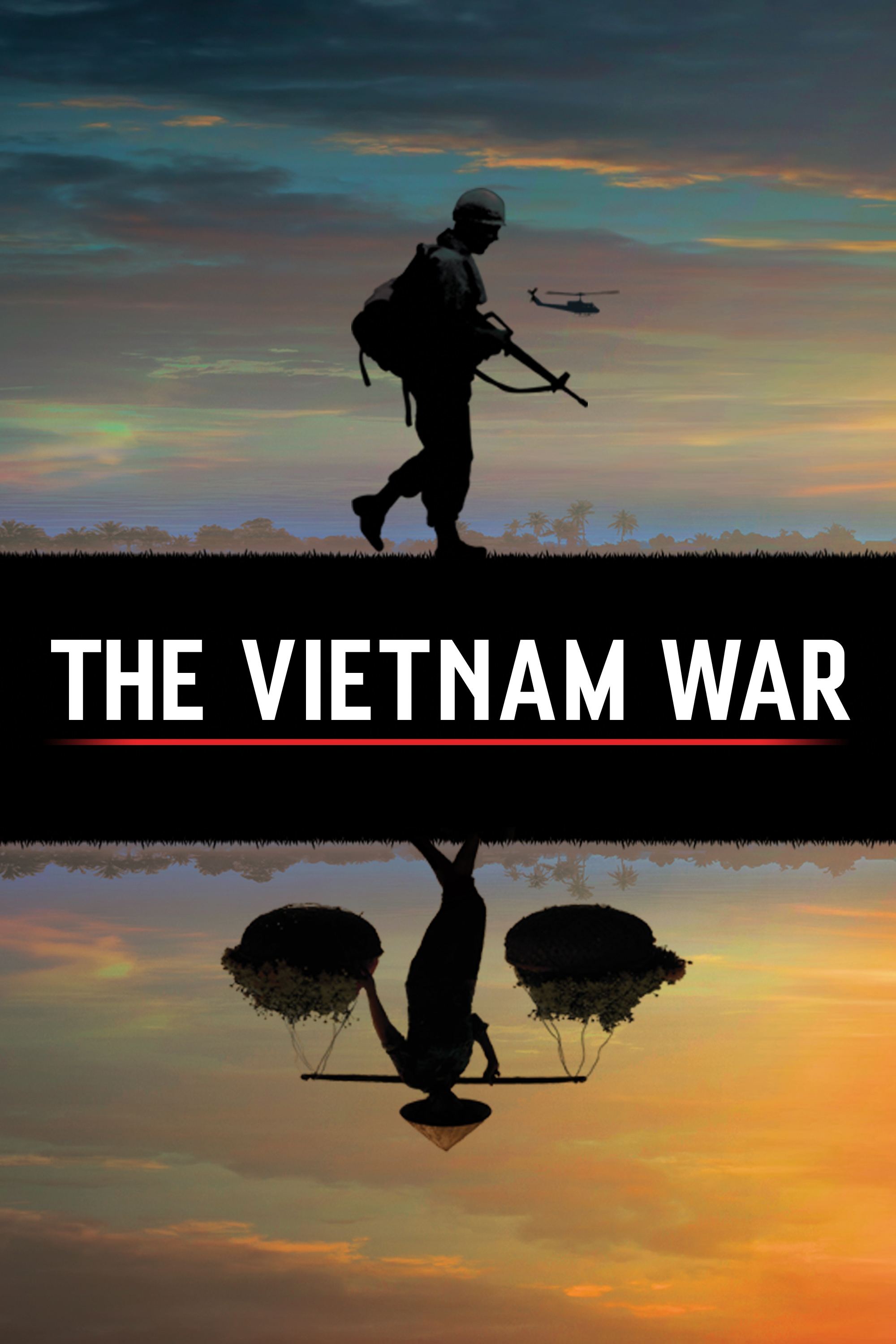
An immersive 360-degree narrative telling the epic story of the Vietnam War as it has never before been told on film. Featuring testimony from nearly 80 witnesses, including many Americans who fought in the war and others who opposed it, as well as Vietnamese combatants and civilians from both the winning and losing sides.
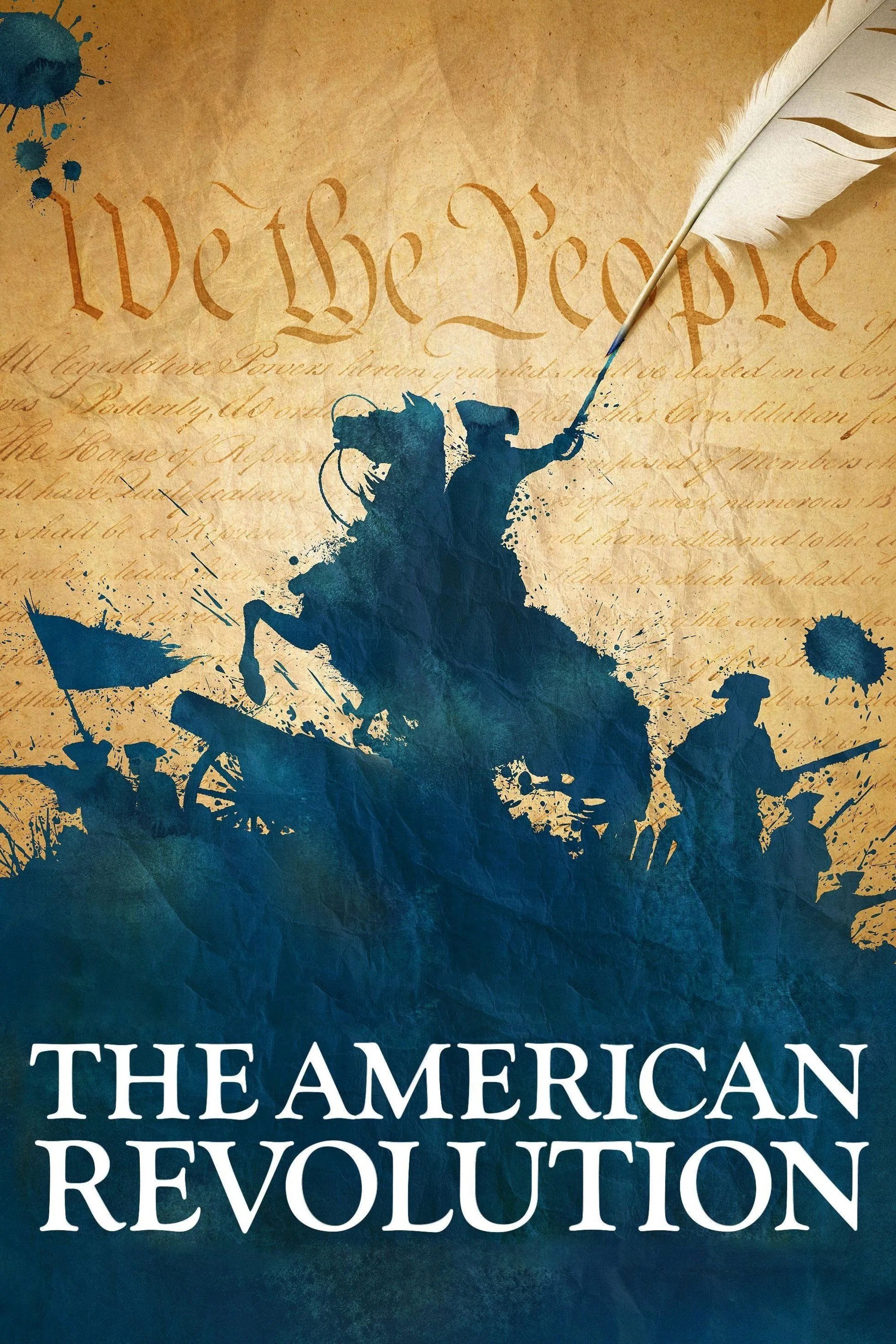
The American Revolution was at once a war for independence, a war of conquest, a civil war, and a world war, fought by neighbors on American farms and between global powers an ocean or more away. It impacted millions from Vermont’s Green Mountains to the swamps of South Carolina, from Indian Country to the Iberian Peninsula. In defeating the British Empire and giving birth to a new nation, the American Revolution turned the world upside-down. Thirteen colonies on the Atlantic Coast united in rebellion, won their independence, and established a republic that still endures. The American Revolution will present the story of the men and women of the Revolutionary generation, their humanity in victory and defeat, and the crisis that they lived through.
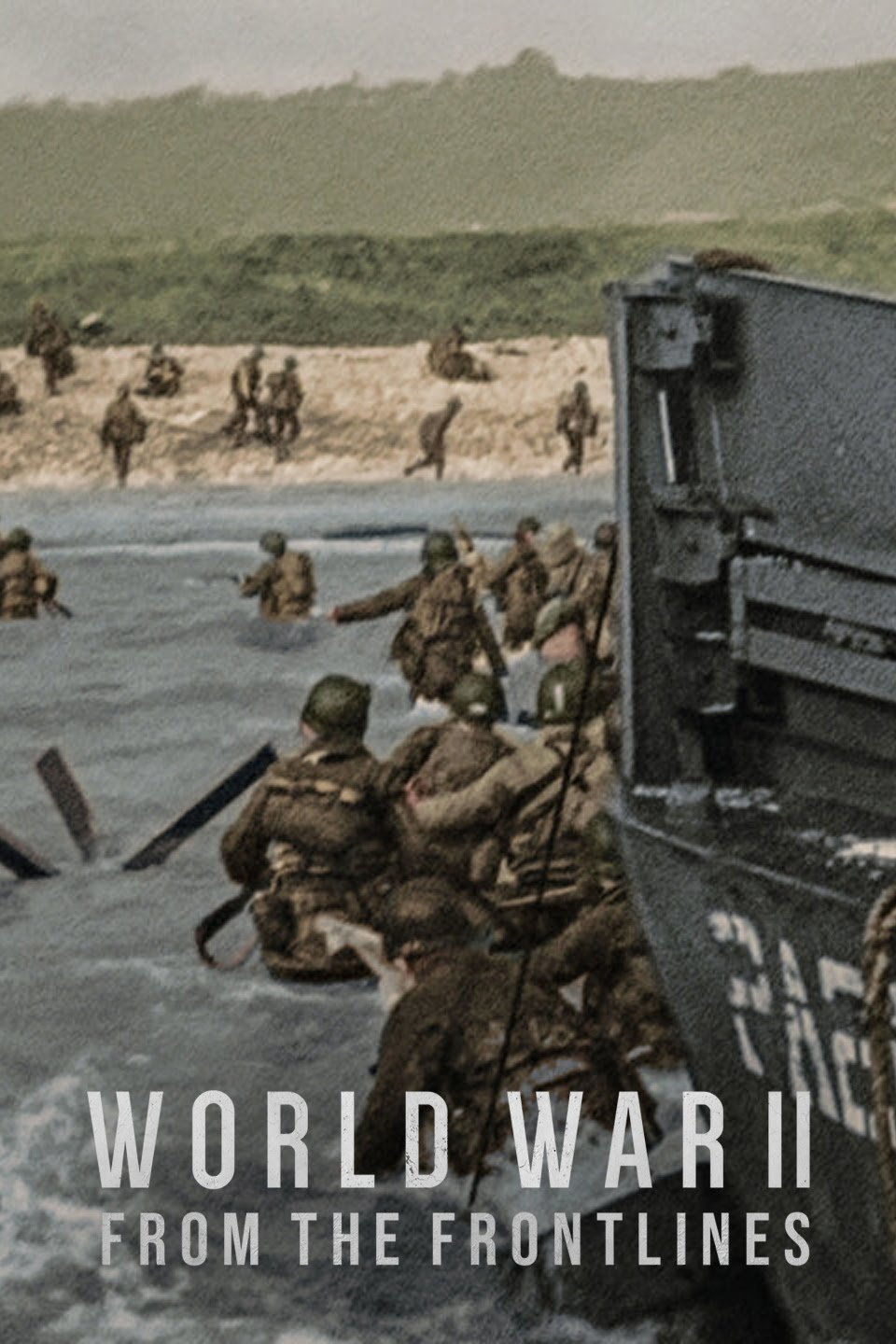
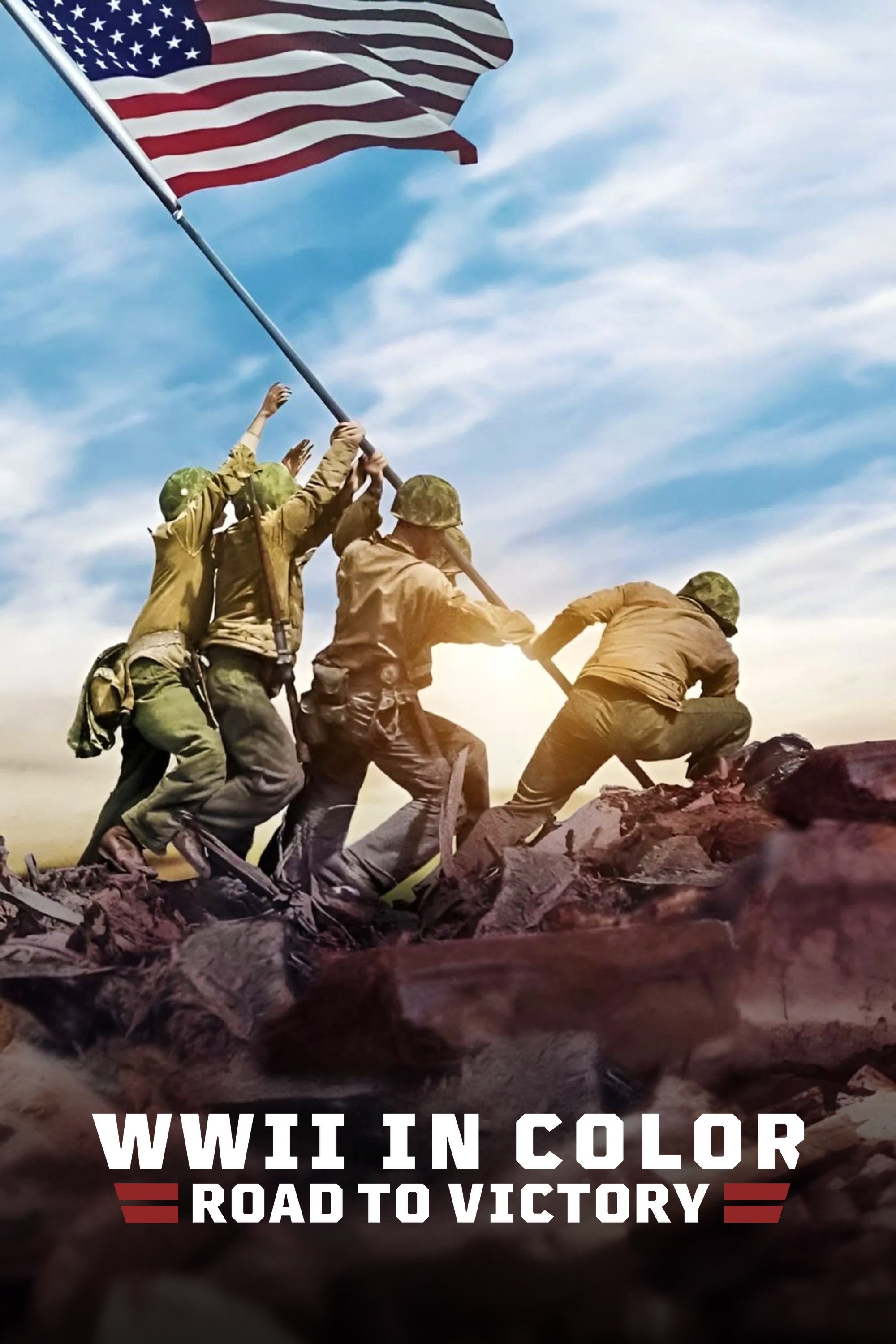
Through vividly enhanced archival footage and voices from all sides of the conflict, this docuseries brings WWII to life like never before.
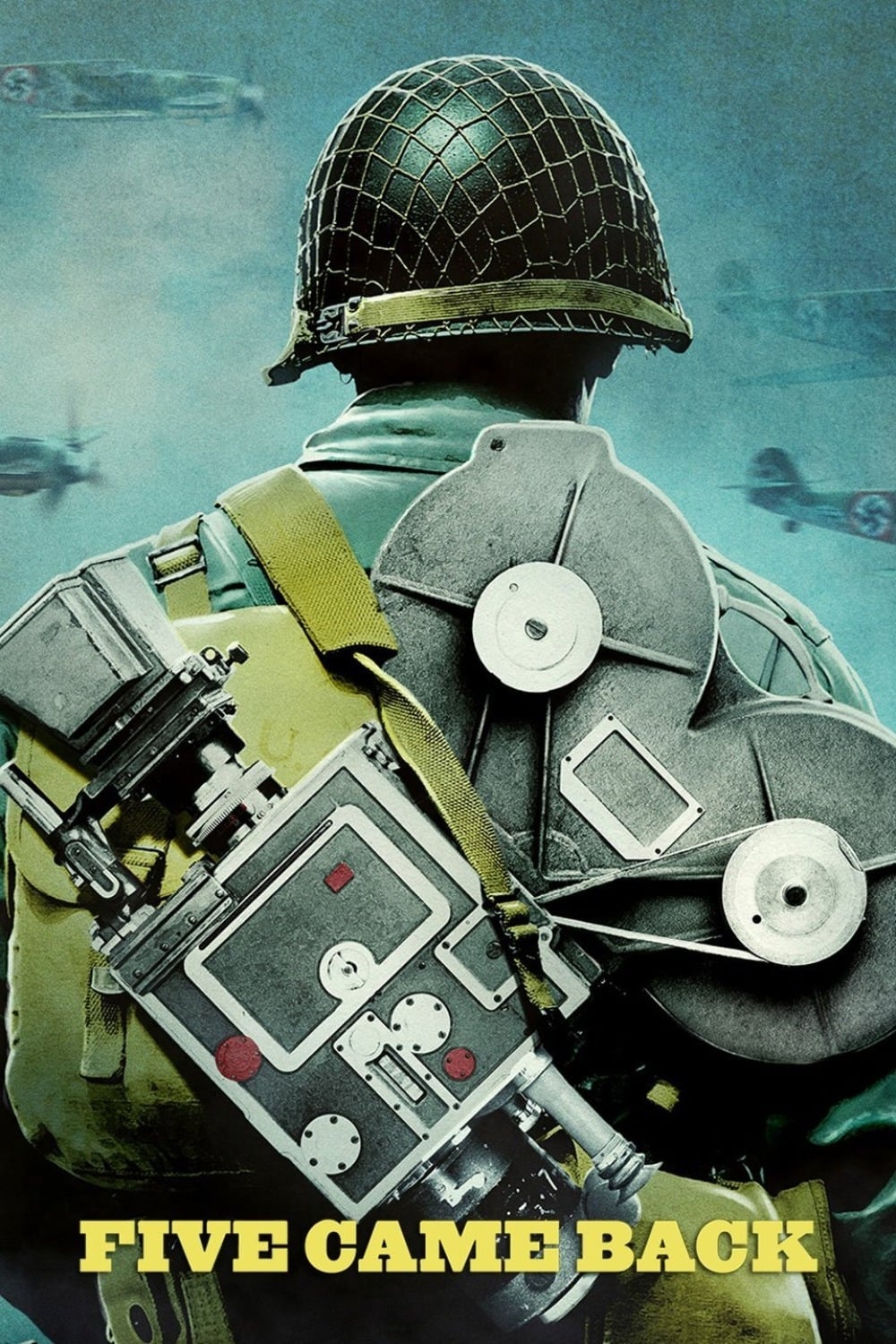
Five acclaimed contemporary directors tell the story of five legendary Hollywood filmmakers who enlisted in the armed forces to document World War II.
Explores WWII from Germany's invasion of Poland through the atomic age, examining pivotal battles, wartime leaders like Churchill and Roosevelt, and the human cost of total war.
Gripping historical footage and expert commentary give detailed insights into the leading figures and decisive turning points of World War II.
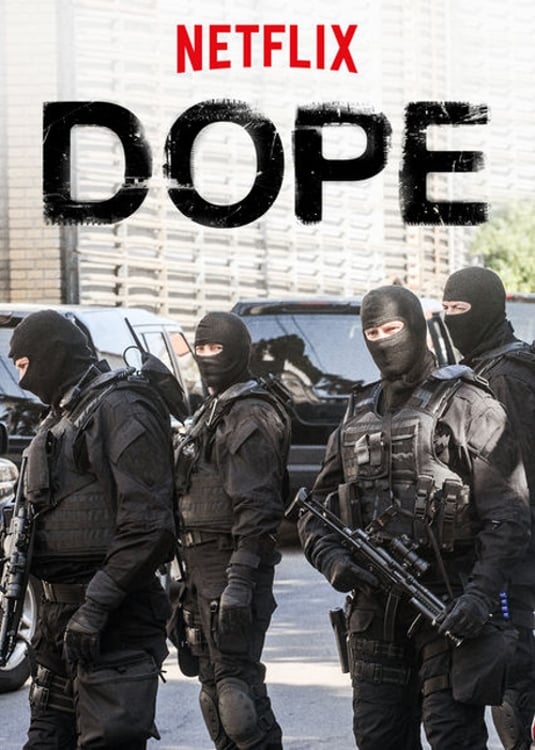
Filmed from the perspectives of dealers, users and the police, this vivid series offers a bracing look at the war on drugs.
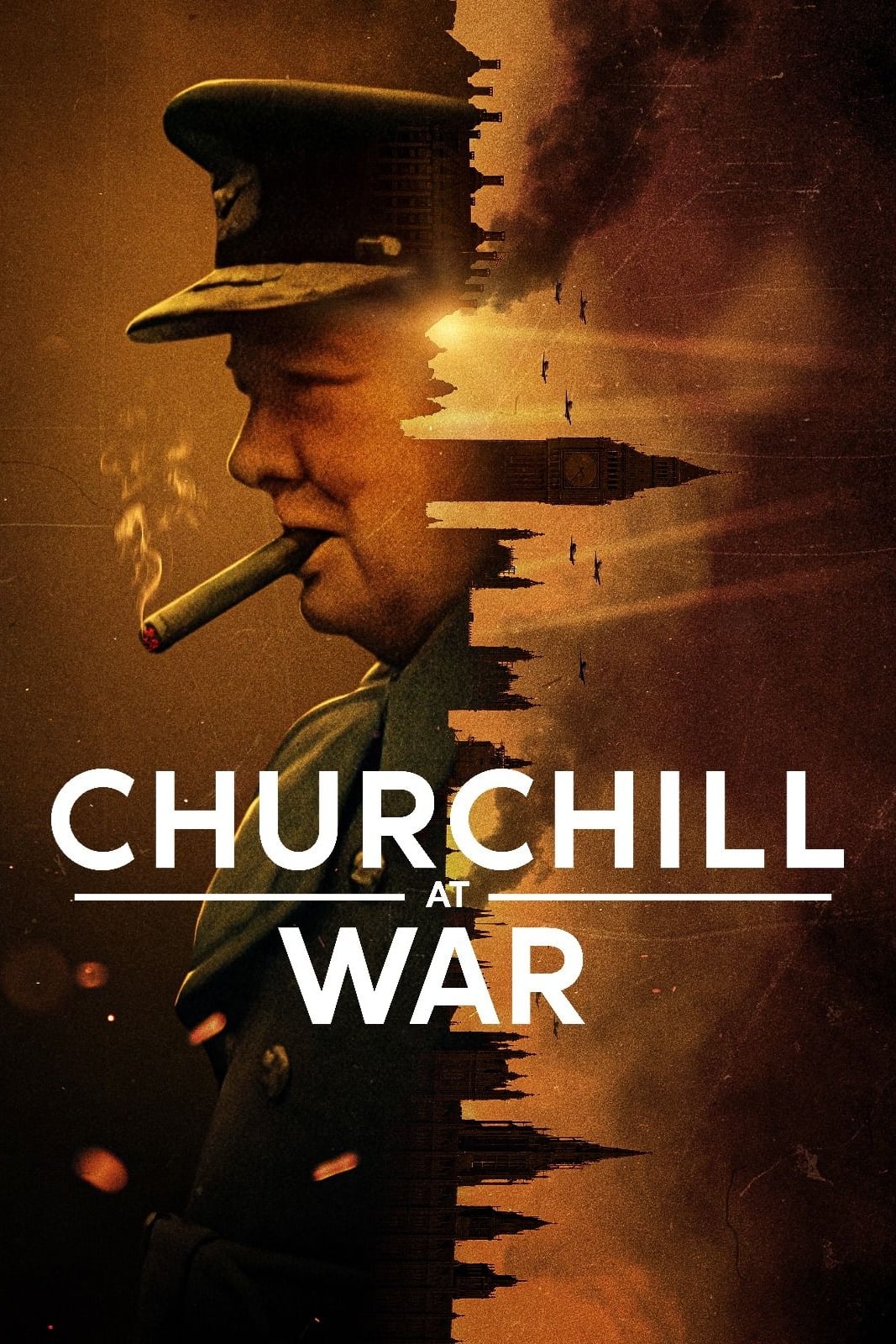
This captivating docuseries examines Winston Churchill's pivotal role in World War II and the formative events that made him an ideal leader for the era.
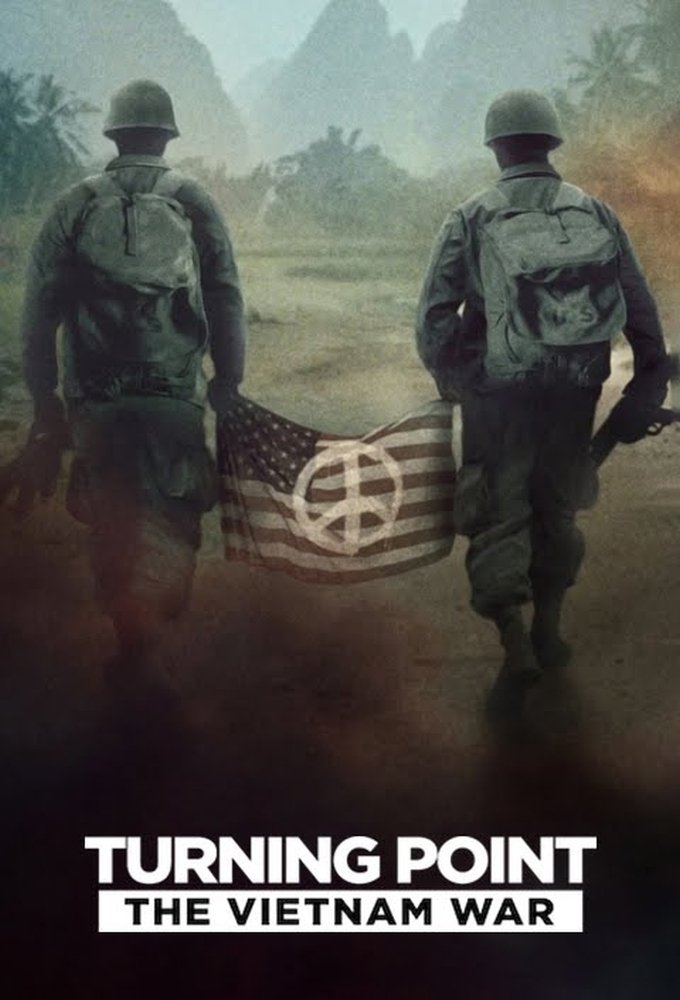
This thought-provoking documentary series examines the harrowing consequences of the Vietnam War, from the Gulf of Tonkin incident to the fall of Saigon.
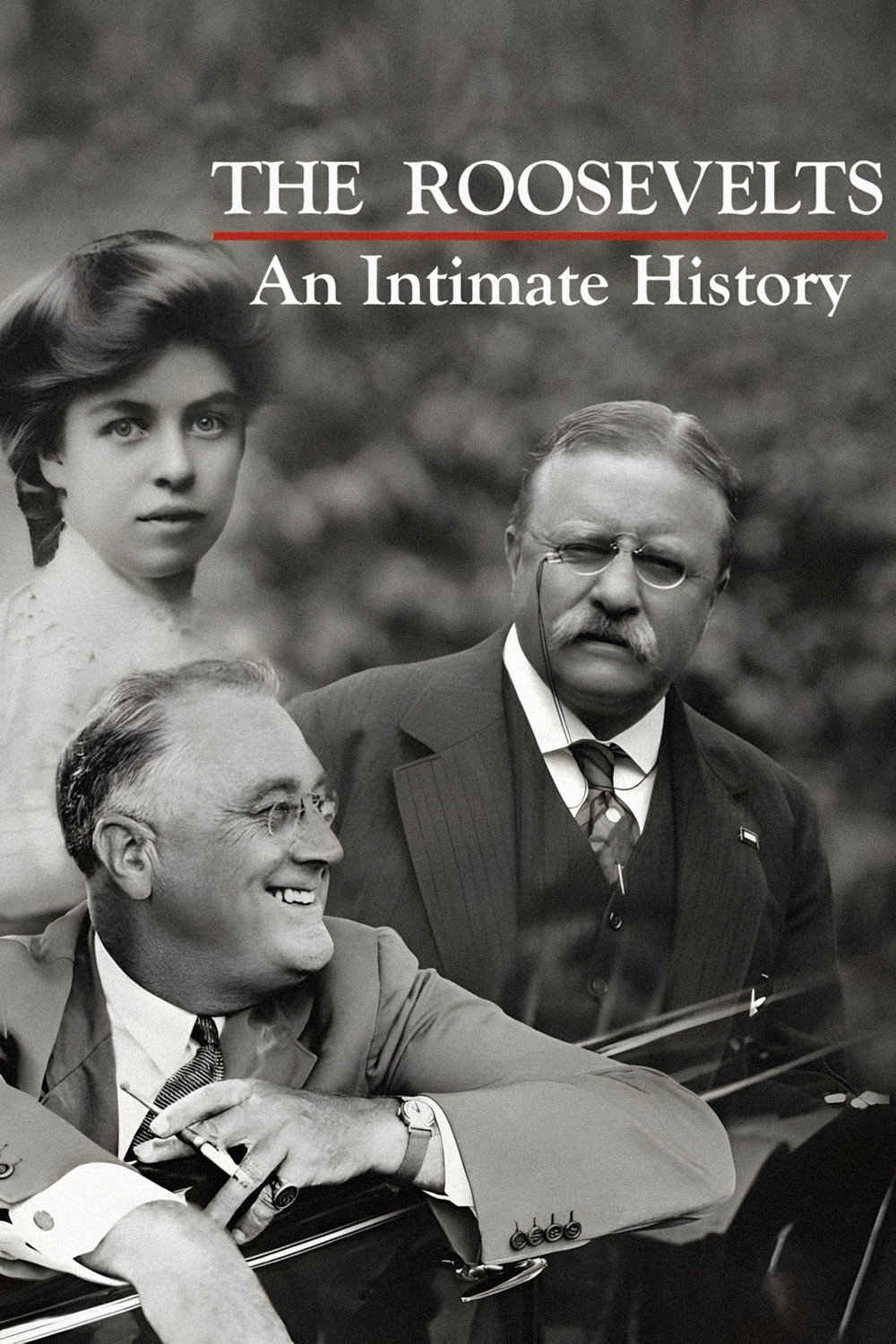
Chronicles the lives of Theodore, Franklin and Eleanor Roosevelt, three members of the most prominent and influential family in American politics. It is the first time in a major documentary television series that their individual stories have been interwoven into a single narrative. This seven-part, fourteen hour film follows the Roosevelts for more than a century, from Theodore’s birth in 1858 to Eleanor’s death in 1962.
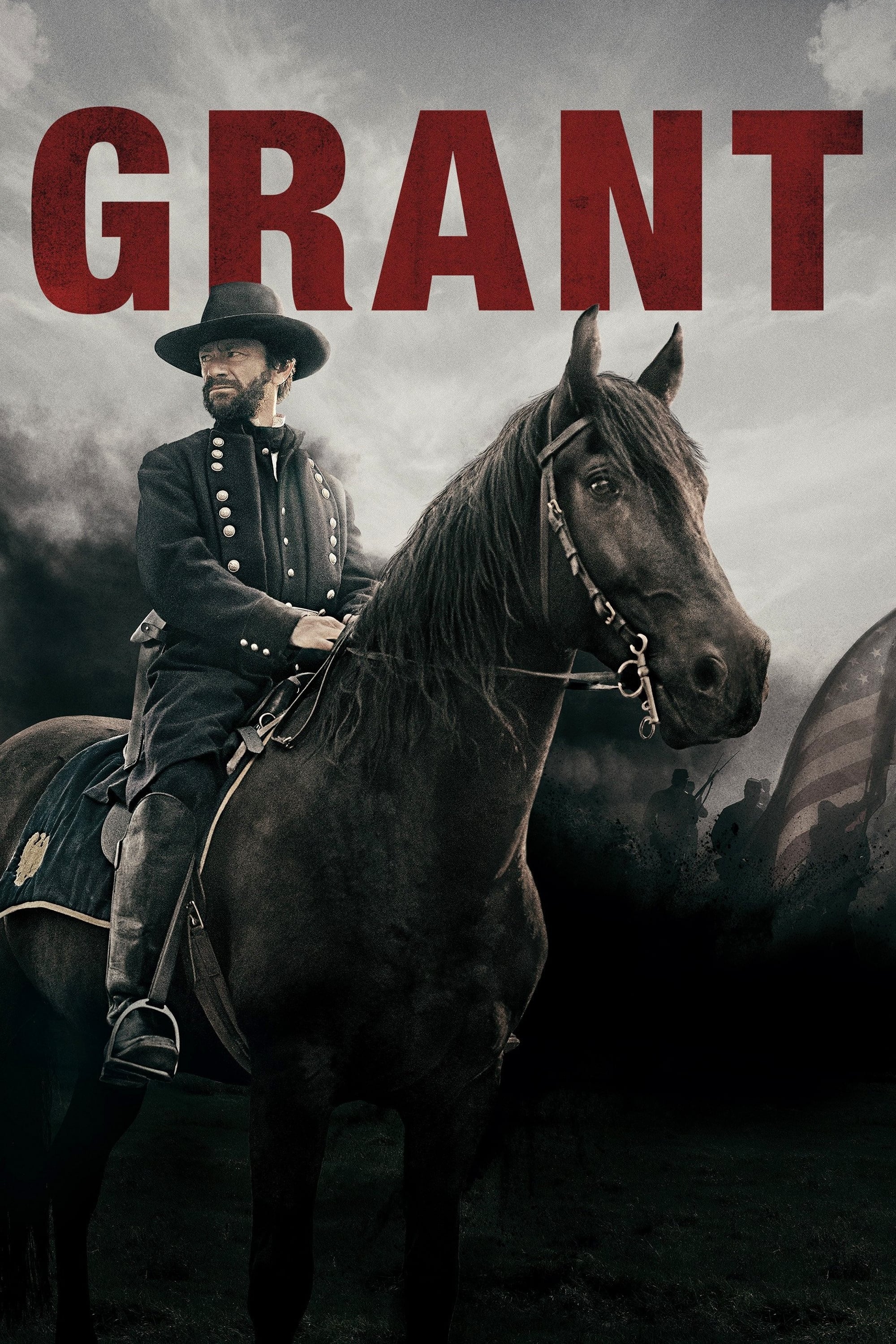
This documentary-series examines Grant's life story using his perspective and experiences to explore a turbulent time in history: the Civil War and Reconstruction.