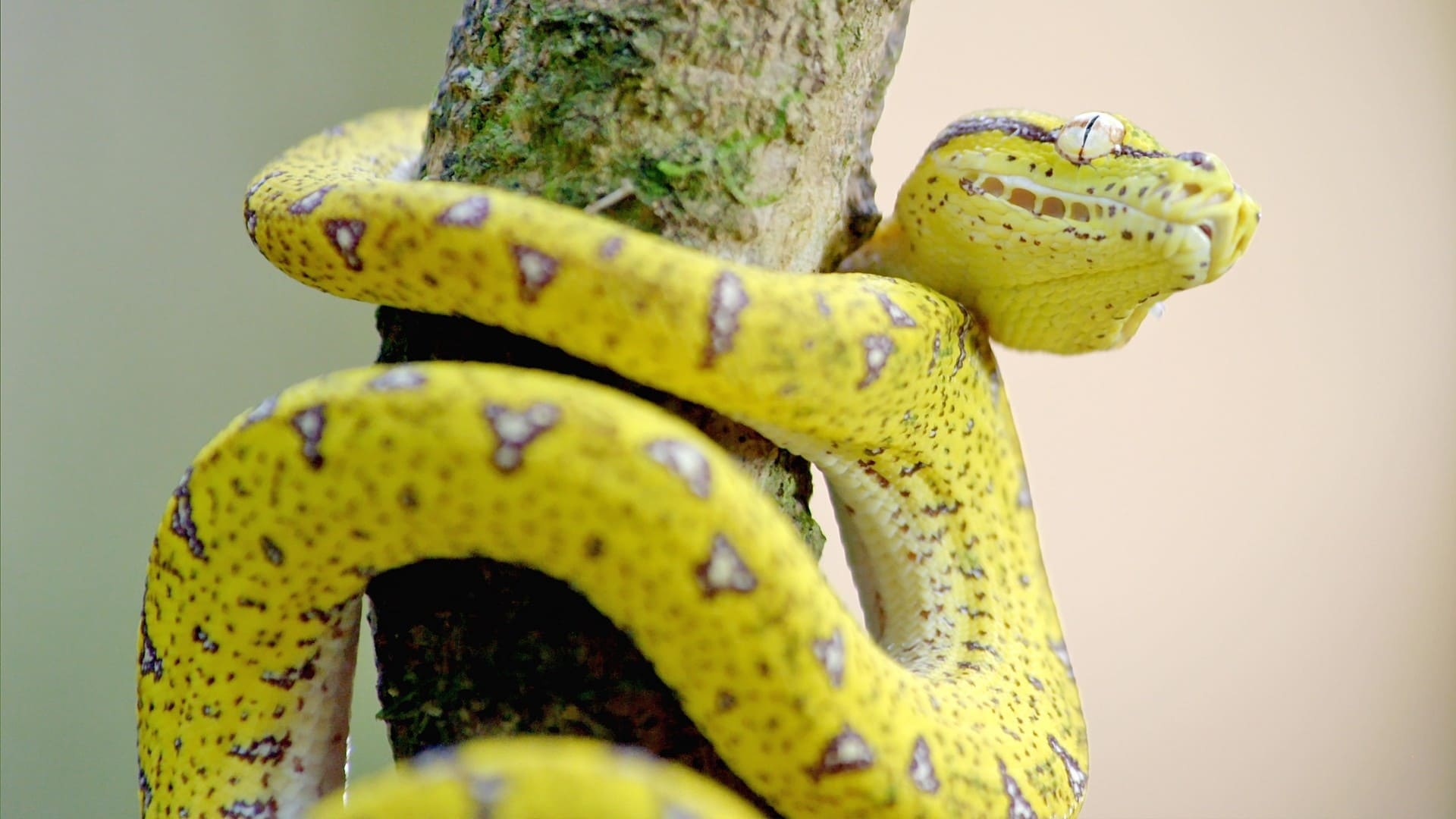
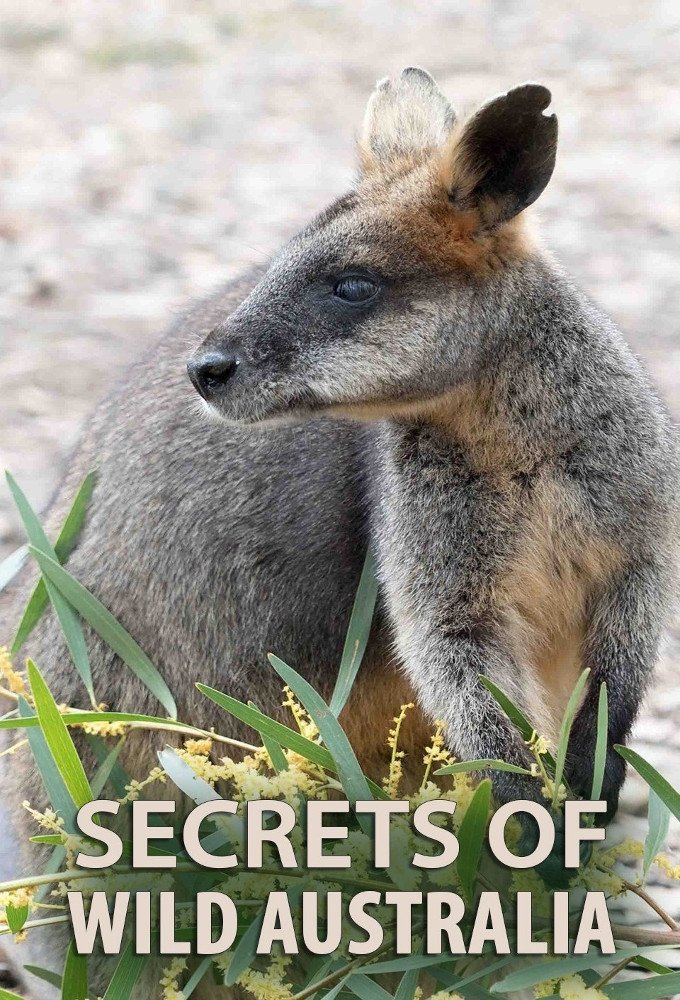
Dive into the secret and surprising lives of some of Australia's signature wildlife. From mini marsupials to flying foxes, join these extraordinary creatures thriving in the otherworldly landscapes of this astonishing island-continent.
Social & External
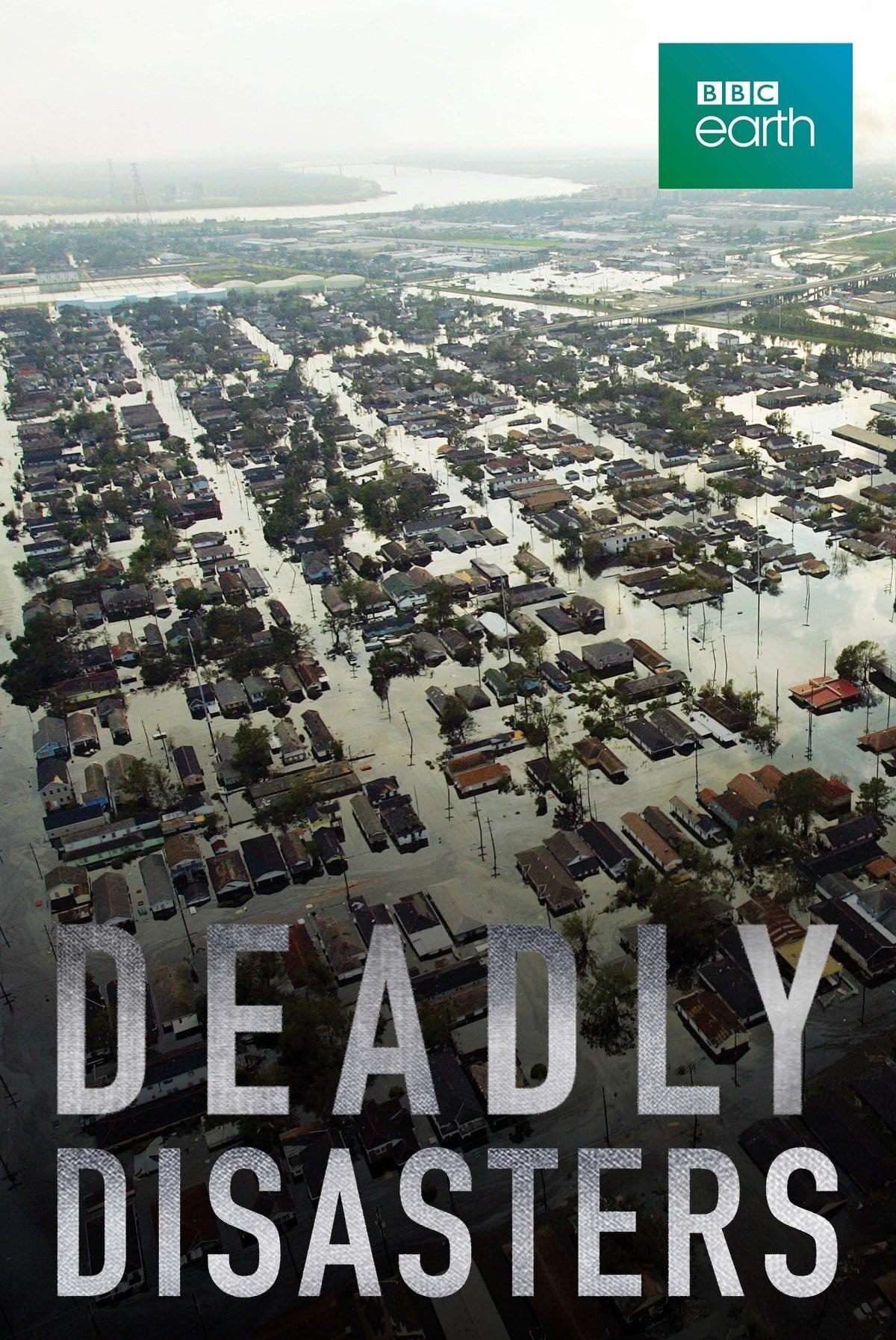
Deadly Disasters explores some of the most terrifying and destructive natural disasters to ever strike the planet, uncovering fascinating new details and packed with jaw-dropping footage.
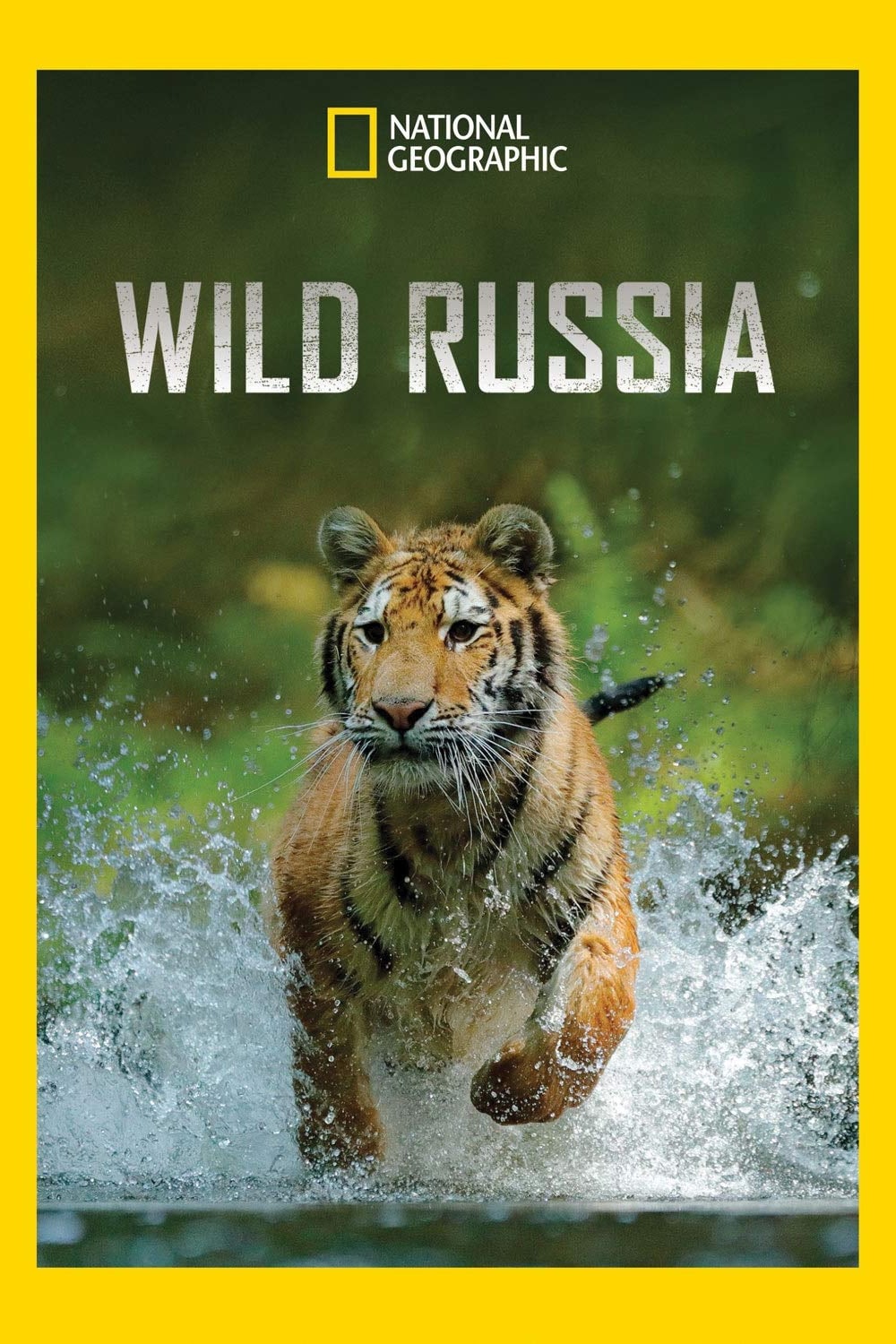
Through unprecedented access we showcase the spectacle that is Wild Russia. From east to west, via mountains, volcanoes, deserts, lakes and Arctic ice, this breathtaking six-part series uses stunning cinematography to chart the dazzling natural wonders of this vast country.
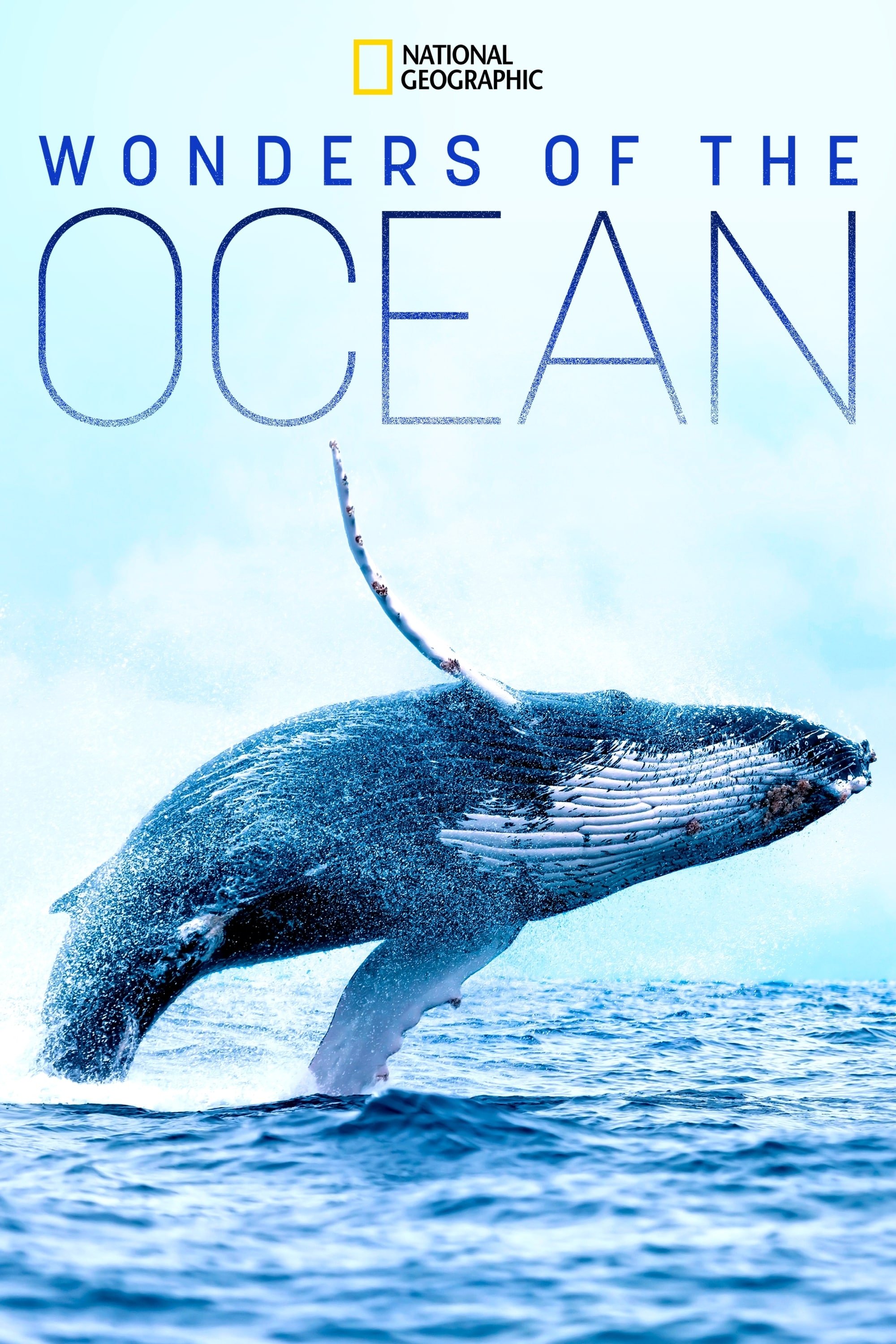
The Pacific is the largest and deepest ocean on our planet. This series showcases the many incredible creatures that call the Pacific home.
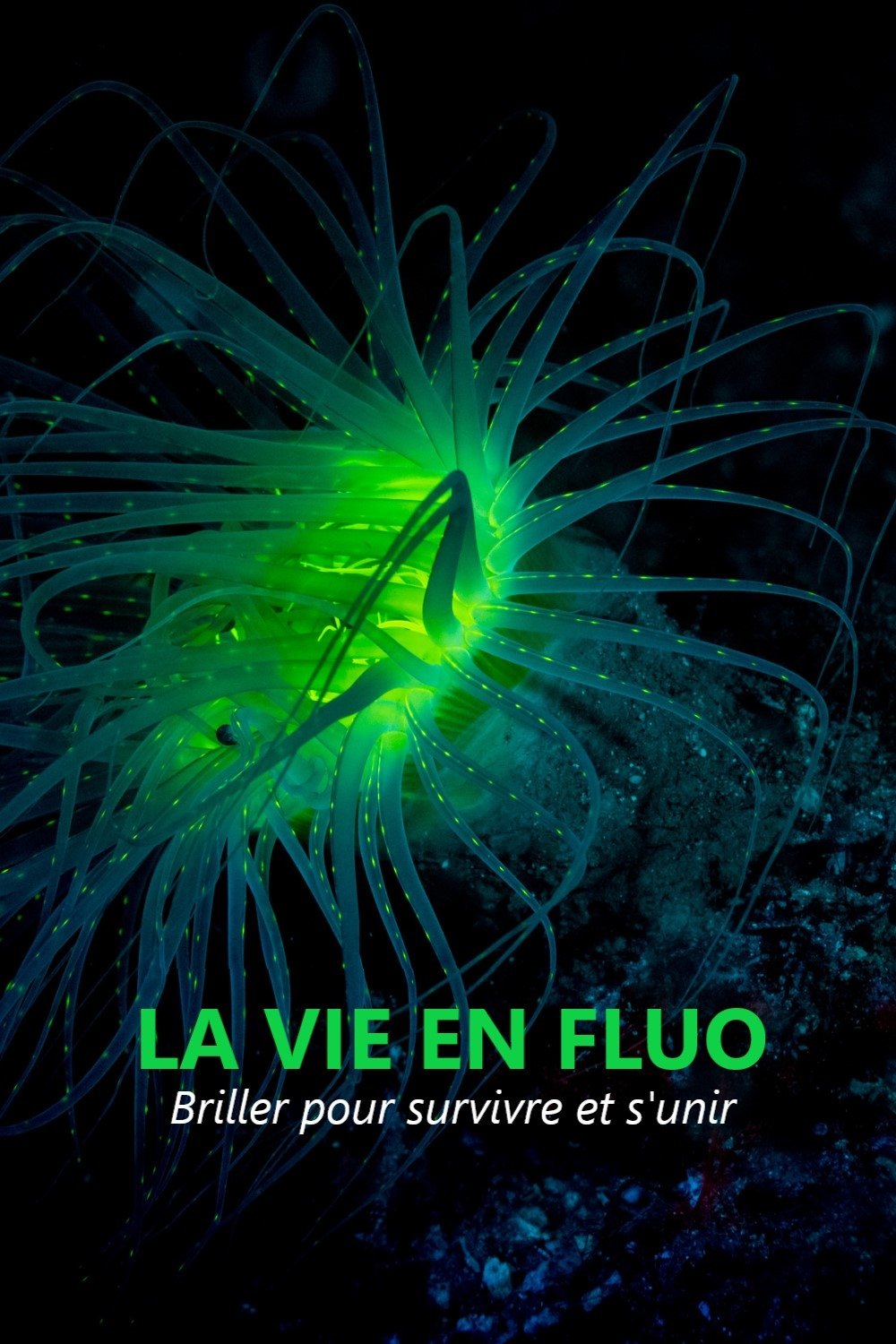
From the jungles of Singapore to the coral reefs of Indonesia, from the ornaments of Australian budgies to the deceptive traps of carnivorous plants, this film explores a world where light becomes language. Seduction, camouflage, overexploitation, reproduction: fluorescence directs behavior, often without us noticing. A light phenomenon that science is just beginning to decipher.
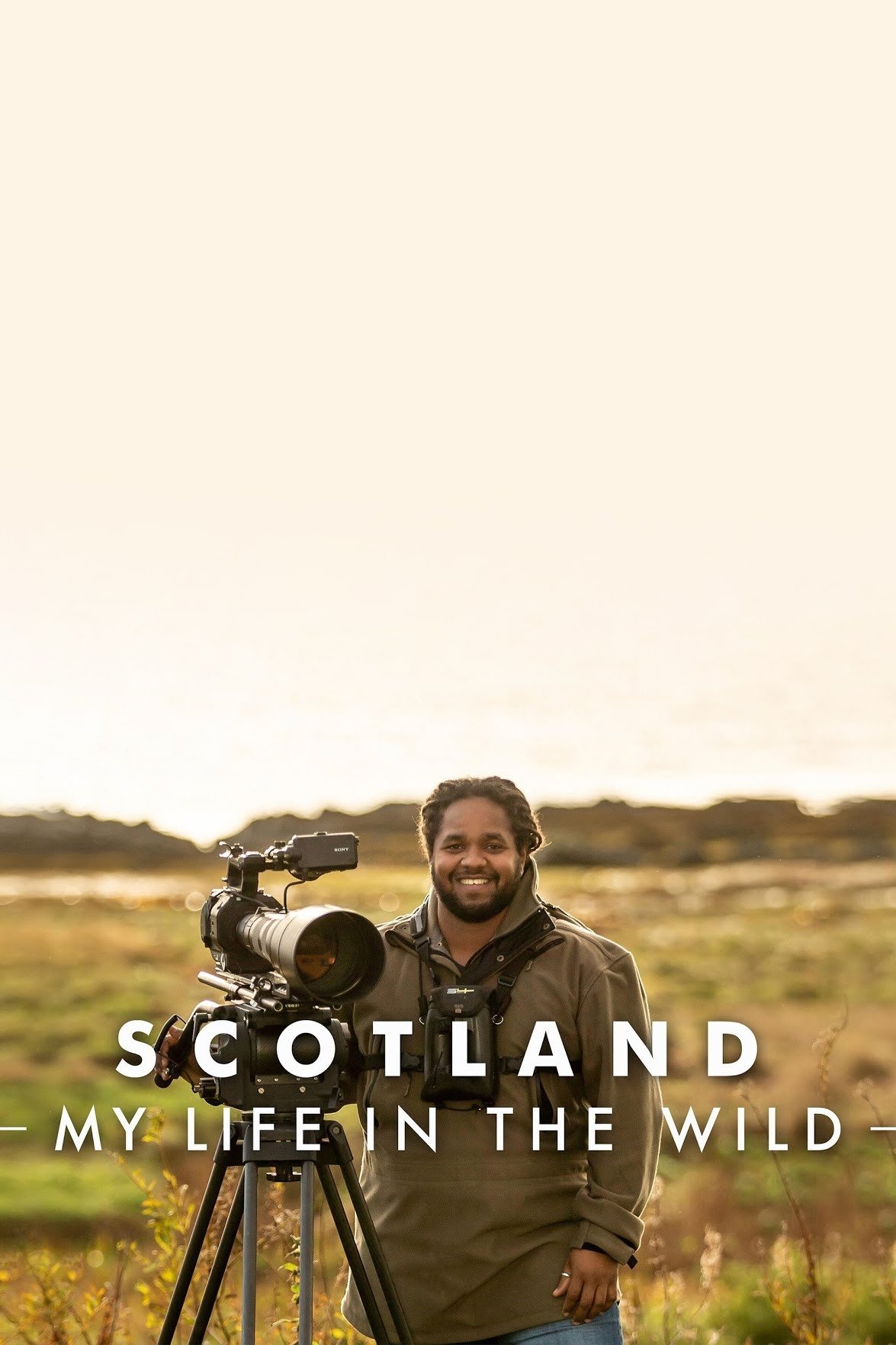
Wildlife cameraman Hamza Yassin captures beautiful footage of incredible animal behaviour on one of the most spectacular locations on the planet - Scotland's Ardnamurchan peninsula
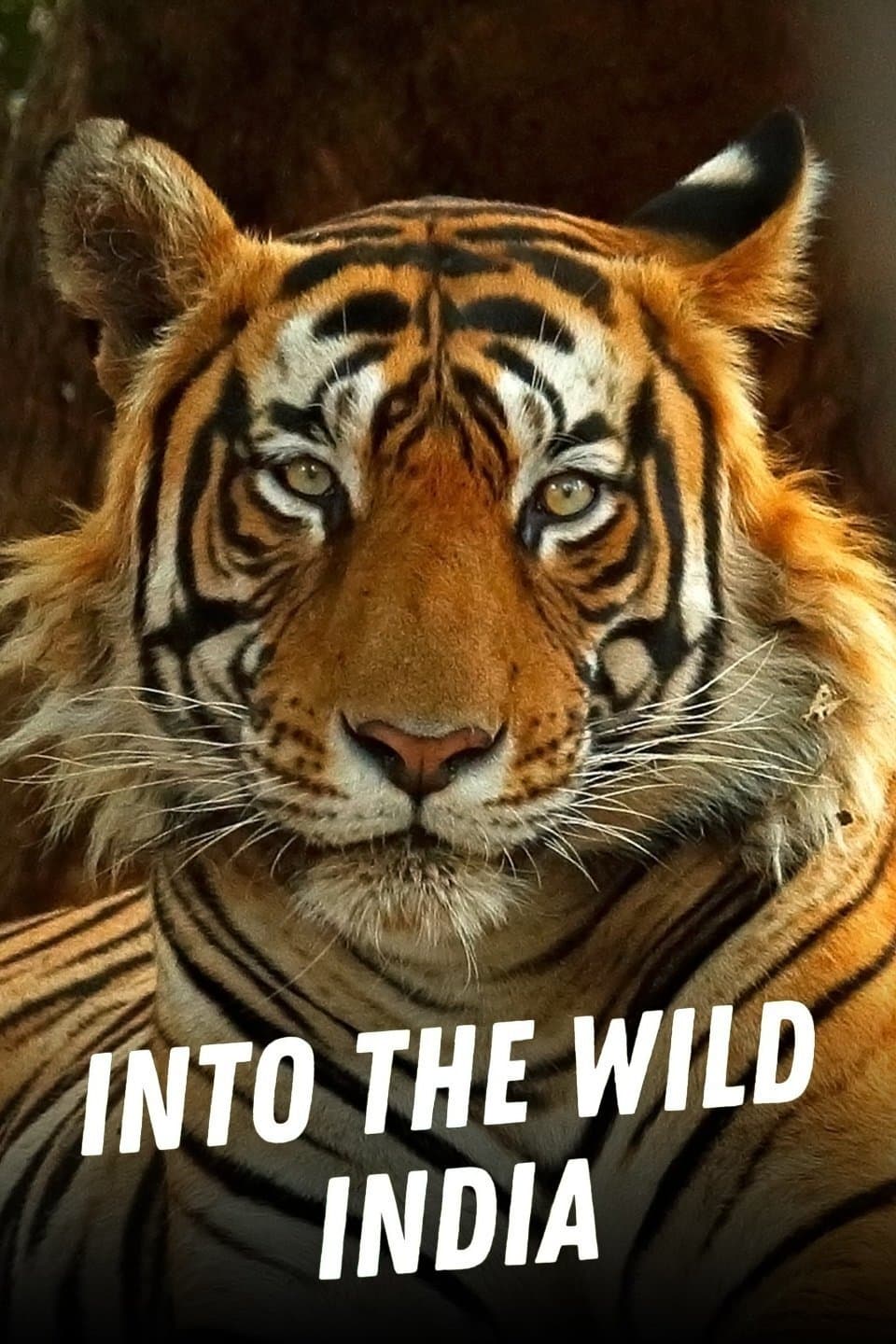
A journey through the magical wilderness of India, witnessing the day-to-day lives and challenges of some its most iconic species and the many other creatures with which they share their home.
David Attenborough celebrates the amazing variety of the natural world in this epic documentary series, filmed over four years across 64 different countries.
The series takes viewers on the ultimate retreat—transporting them to a vast array of colorful and calming corners of the world. Viewers travel to blue glaciers, arid deserts, lush rainforests and pulsating metropolises to escape from the cacophony of everyday life.
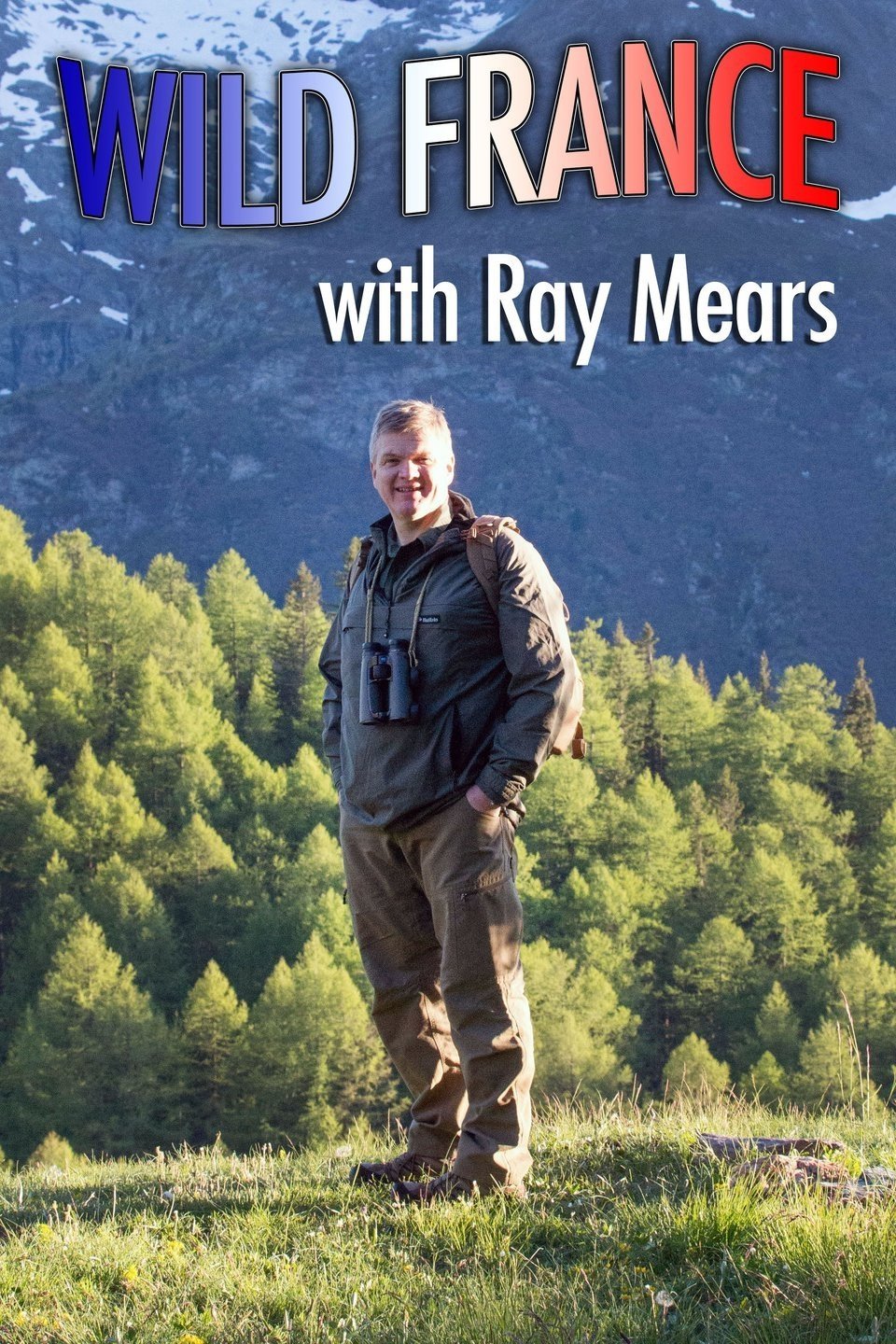
Ray Mears discovers the dramatic landscapes of France. Exploring the wildlife and plant life and delving into the secrets the landscape hold on his journey through mountains, coast, forests, rivers and wetlands.
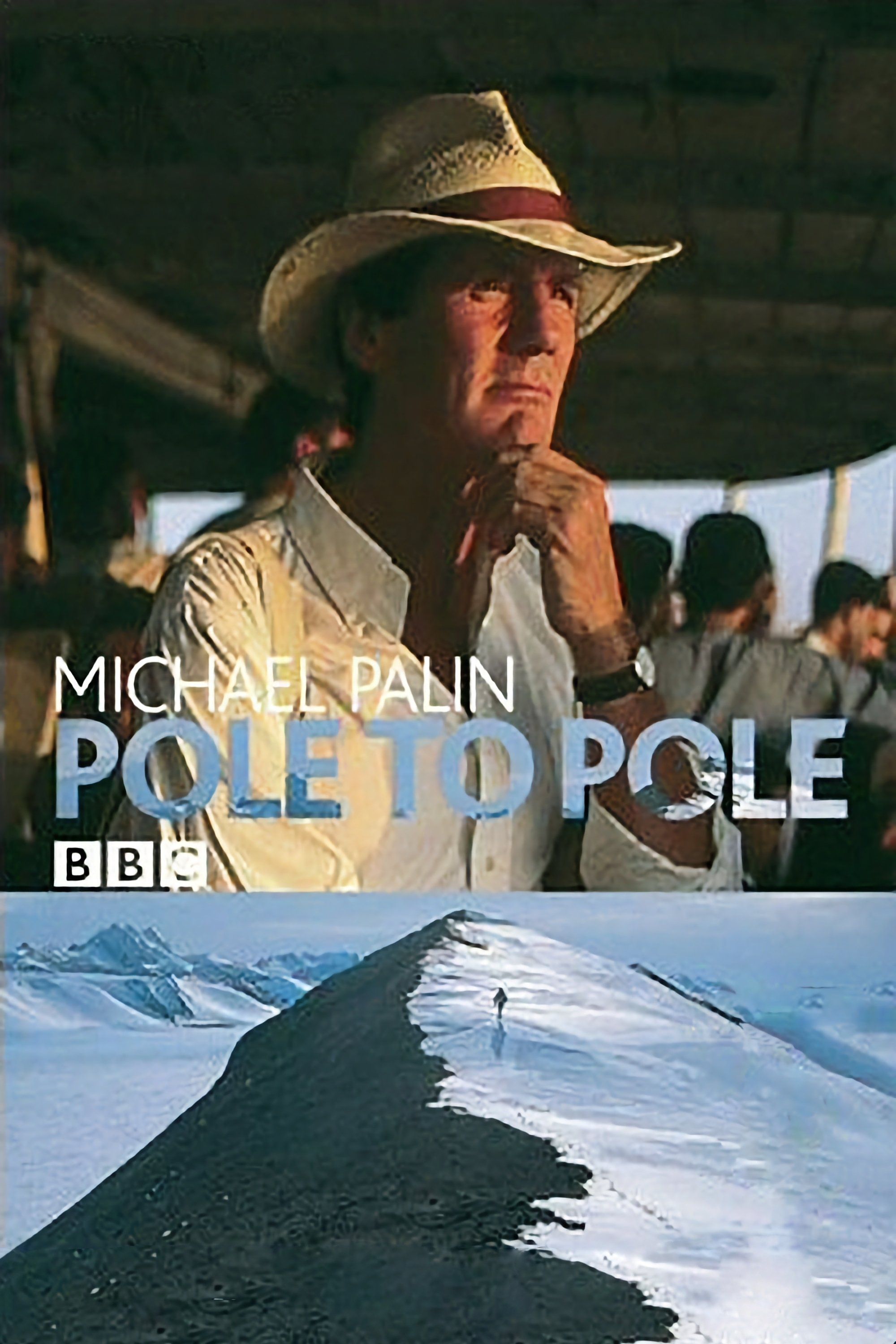
Michael Palin undertakes an epic journey of 23,000 miles, traveling from the North to the South Pole across 17 countries with a minimum of air travel, all on a tight deadline.
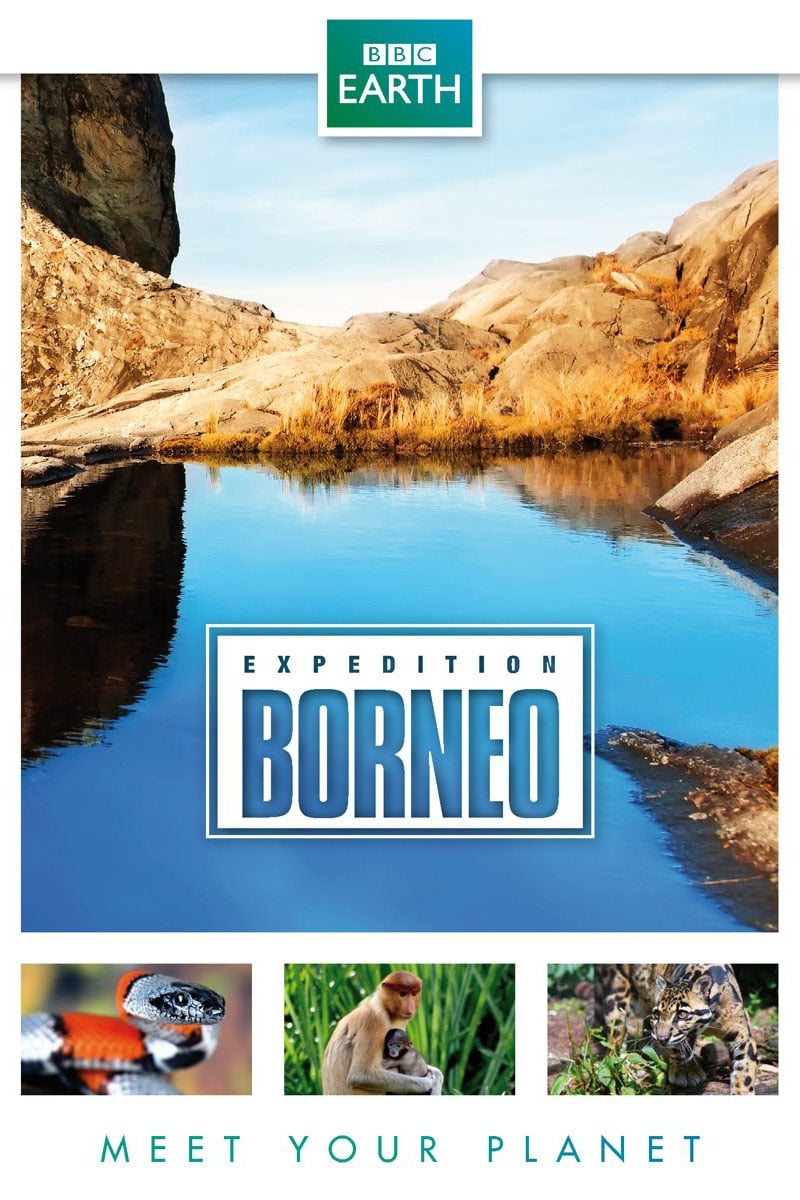
Wildlife adventure series following a team of explorers in the heart of the tropical island of Borneo.
A new "treasure map" of the Maya world is transforming what we thought we knew of one of the world most mysterious ancient civilizations.
David Attenborough reveals the surprising truth about the cold-blooded lives of reptiles and amphibians. These animals are as dramatic, as colourful and as tender as any other animals.
In the heart of Europe lies Switzerland. In its midst yet apart from it, like an island. The Swiss Confederation holds a special position not only politically and historically – in particular, its scenic diversity is something really special: majestic mountains, lush green valleys, craggy rock landscapes and Mediterranean lakes all close together in one small geographical location. Switzerland is proud of its distinction and autonomy, reflected amongst other things in its different cantons and linguistic regions. Each episode in our series “Wild Faces of Switzerland“ seeks to do justice to this diversity.
Sky One introduces the start of a new ongoing documentary series that highlights the potential extinction of some of the world's most famous species. Working with Tiger Aspect Productions, the series follows a team of experts assisted by a wellknown personality. Each documentary will highlight the plight of the world's most endangered animals including the tigers of India, Aye-Ayes and Gorillas. Presenters include Sanjeev Bhaskar, Bill Bailey, Miranda Richardson and Joe Simpson. Each of the presenters will draw on the expertise of local teams campaigning to save the endangered species and work with conservationists to develop and implement strategies to help in their fight for survival.
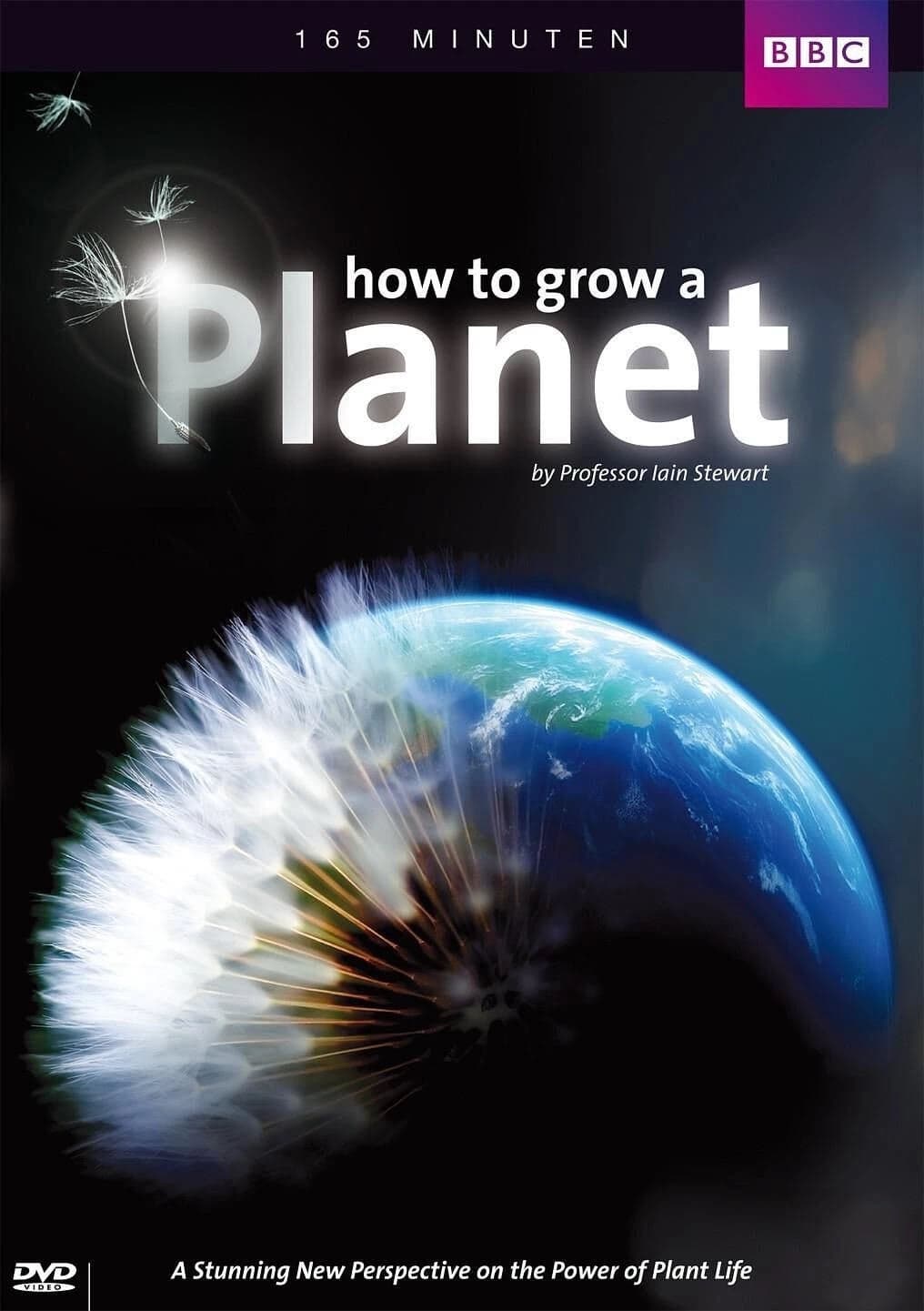
Geologist Iain Stewart explain in three stages of natural history the crucial interaction of our very planet's physiology and its unique wildlife. Biological evolution is largely driven bu adaptation to conditions such as climate, soil and irrigation, but biotopes were also shaped by wildlife changing earth's surface and climate significantly, even disregarding human activity.
Zoologist Jack Randall journeys into Australia's Outback to encounter extraordinary wildlife.
David Attenborough uses pioneering 3D-techniques and technology to explore the unique environments and species of the Galapagos.
A celebration of California’s wildlife and wild places, and their coexistence with the 40 million people who call it home. Famous for its beaches and Hollywood, California is also a wellspring of biodiversity. Bounded by mountains, deserts and the Pacific Ocean, here are iconic wild places like Yosemite National Park and Death Valley, as well as Baja California’s lesser-known wild beauty.
Natural World is a nature documentary television series broadcast annually on BBC Two and regarded by the BBC as its flagship natural history brand. It is currently the longest-running series in its genre on British television, with more than 400 episodes broadcast since its inception in 1983. Natural World is produced by the BBC Natural History Unit in Bristol, but individual programmes can be in-house productions, collaborative productions with other broadcasters or films made and distributed by independent production companies and purchased by the BBC. Natural World programmes are often broadcast as PBS Nature episodes in the USA. Since 2008, most Natural World programmes have been shot and broadcast in high definition.
Shot from land and air, in trees and cliff-blinds, on ice floes and underwater, this documentary tells the powerful stories of many of the planet's species and their movements, while revealing new scientific insights with breathtaking high-definition clarity and emotional impact. The beauty of these stories is underscored by a new focus into these species; fragile existence and their life-and-death quest for survival in an ever-changing world.
Filmed across six continents, this docuseries uses cutting-edge camera technology to capture animals' nocturnal lives, revealing new behaviours filmed in full color like never before.
This immersive series follows the world's most magnificent creatures, capturing never-before-seen moments from the heartwarming to the outrageous.
Consistently stunning documentaries transport viewers to far-flung locations ranging from the torrid African plains to the chilly splendours of icy Antarctica. The show's primary focus is on animals and ecosystems around the world. A comic book based on the show, meant to be used an as educational tool for kids, was briefly distributed to museums and schools at no cost in the mid-2000s.
Will Smith whose curiosity and wonder is positively infectious—is guided by National Geographic Explorers traveling to different corners of the world to get up close and personal with the weirdest, most unusual, dangerous and thrilling spectacles of the planet.
Millions of years ago, incredible forces ripped apart the Earth’s crust creating seven extraordinary continents. This documentary series reveals how each distinct continent has shaped the unique animal life found there.
Australian host Steve Irwin and his wife Terri run a wildlife refuge. Their shared passion is educating the world about wildlife, including the much feared crocodile and numerous venomous snakes. Steve's specialty is the capture and relocation of crocodiles. No animal appears too threatening to Steve, his true respect for animals is the foundation for everything he does.
Follow the true stories of five of the world's most celebrated, yet endangered animals; penguins, chimpanzees, lions, painted wolves and tigers. Each in a heroic struggle against rivals and against the forces of nature, these families fight for their own survival and for the future of their dynasties.
David Attenborough presents a documentary series exploring how animals meet the challenges of surviving in the most iconic habitats on earth.
Experience our planet's natural beauty and examine how climate change impacts all living creatures in this ambitious documentary of spectacular scope.
David Attenborough presents a nature documentary series looking at why mammals are the most successful creatures on the planet.
Journeying to the far reaches of our planet, this eight part series follows some of the world's most amazing species, telling extraordinary stories that are dramatic, thrilling, funny and sometimes heart-breaking, but always full of hope.
The adventures of lion cubs, elephants, penguins, pangolins and more as they learn to cope with the ups and downs of life in the wild and try their best to reach adulthood in an unforgiving world.
Exploring the vital role colour plays in the daily lives of many species.
In the documentary series produced by the BBC, The Life of Birds, Sir David Attenborough unveils a new investigation into the behaviour of birds, perfectly adapted animals that conquer the air. This ten-part series reveals the secret of the birds' great success, their remarkable strategies for finding food, their complex social systems, and their ingenious and often bizarre ways of mating and breeding. From the high speed of large airborne hunters to long distance migrations or the bright colors of nectar feeding hummingbirds, this is the ultimate bird series that every ornithologist should not miss.
This docuseries showcases nature's lesser-known tiny heroes. Spotlighting small creatures and the extraordinary things they do to survive, each episode is filled with surprising stories and spectacular cinematography.
David Attenborough looks at the extraordinary ends to which animals and plants go in order to survive. Featuring epic spectacles, amazing TV firsts and examples of new wildlife behaviour.
Sir David Attenborough narrates this critically acclaimed series that dives deep into the marine environment of Planet Earth. Although two-thirds of the world's surface is covered with water, scientists know less about the oceans than they do about the surface of the moon. This limited series travels from various coasts to the poles to examine watery denizens ranging from the gigantic blue whale to microscopic coral polyps.