Social & External
The people behind it
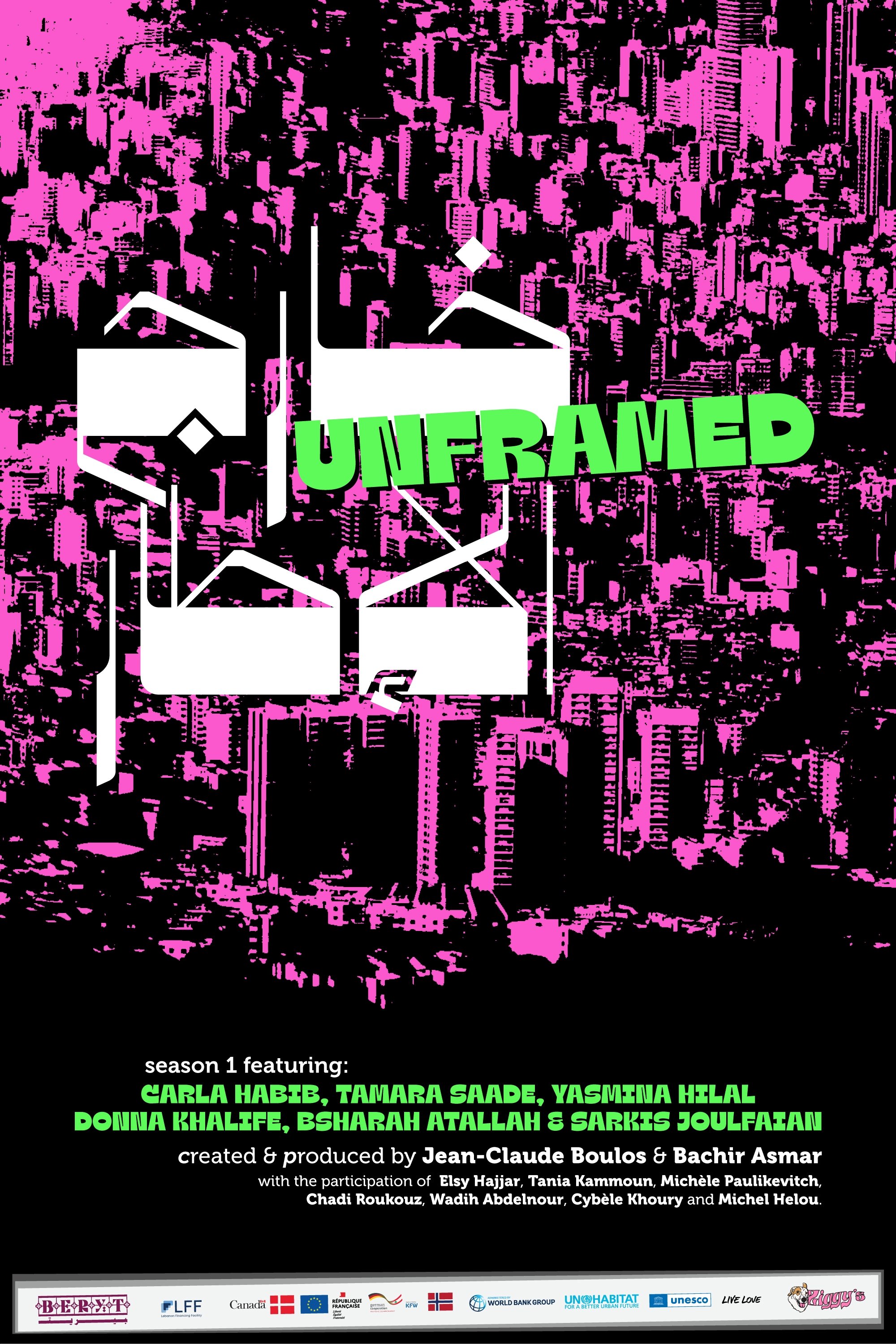
Unframed immerses viewers in Lebanon's creative pulse, following independent artists as they navigate their craft, inspirations, and challenges—offering an intimate and unfiltered look at the role of art in a country undergoing constant change.
Karl Lagerfeld was an enigmatic figure who spent his life reinventing himself. He ruled the fashion world for decades, making history with his achievements at Chanel, Fendi and his own brand. An extraordinary personality, a fashion Stakhanovite, a tireless worker who created day and night until his last breath. A flamboyant man too, in his appearance and in his words, known for his outbursts mixing perfidy, provocation and self-deprecation. He was also an illusionist, a provocateur, a controversial icon, who used the truth - particularly about his past - to embellish his legend. But where does this determination come from? What were his inspirations and motivations? And behind his enigmatic façade - with his tight suit, ponytail and dark glasses - who really was Karl Lagerfeld?
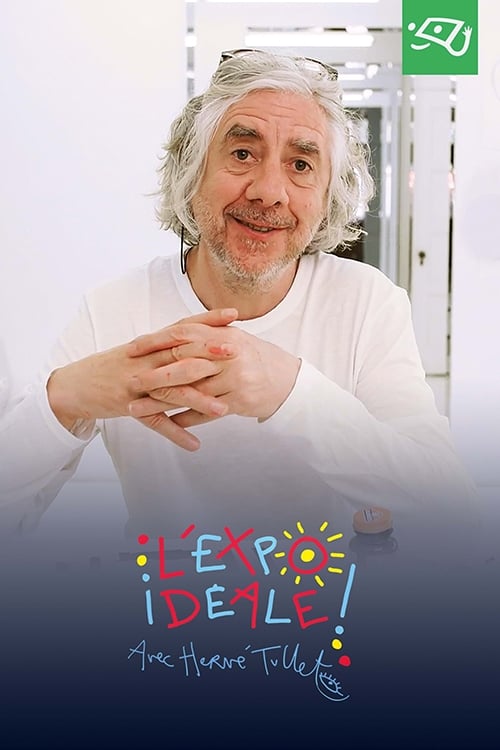
Hervé Tullet, an artist of playful and uninhibited creations, invites young and old to unleash their creativity. He offers a series of creation, recreation and inspiration workshops, so that anyone can put together their own Ideal Exhibition.
A series of 6 Arts Documentaries, fronted by supermodel, actress and Cambridge Arts graduate, Lily Cole. Lily gets unprecedented access to some of today's most revered and successful contemporary artists. In the name of Art; she navigates the desert with 'wrap' artist Christo, learns the art of boomerang throwing with Mexican artist Gabriel Orozco, models for a nude portrait for Contemporary artist Fiona Banner, has a drawing lesson with the sculptor, Antony Gormley, touches down in Monaco for Marc Quinn's latest exhibition and paints pictures with the doyenne of celluloid film, Tacita Dean. These intimate portraits of artists at home and at play show a side to them rarely seen before. Largely observational documentary in style, there are also contributions from high profile curators, collectors and art commentators; from Ralf Rugoff, Director of the Hayward Gallery to Germaine Geer and, champion of public art, Mayor Michael Bloomberg.
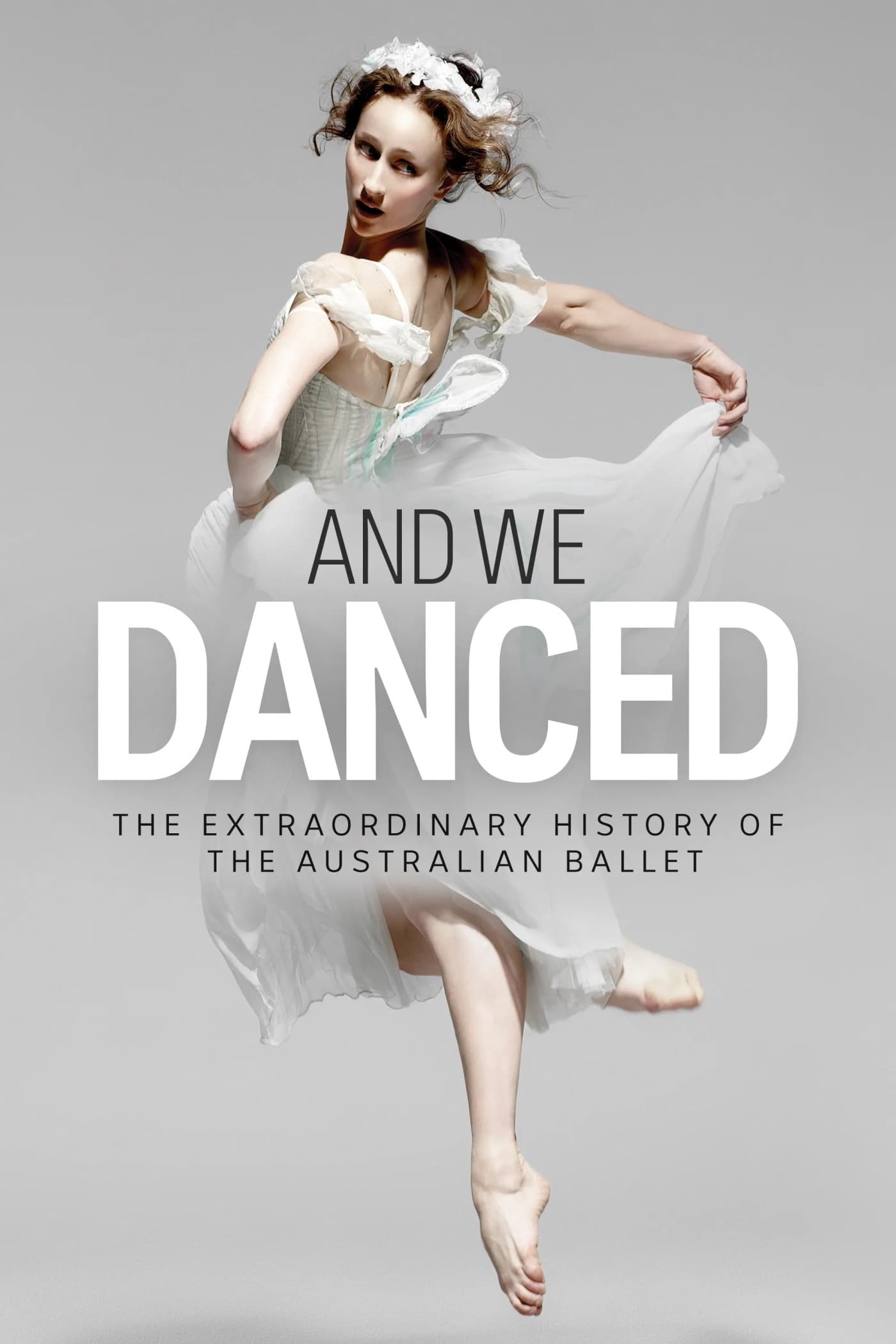
The Australian Ballet has evolved to become our nation's most treasured performing arts company and an icon of dance. 'And We Danced' looks back to reveal what has shaped this world-class institution and made it uniquely ours.
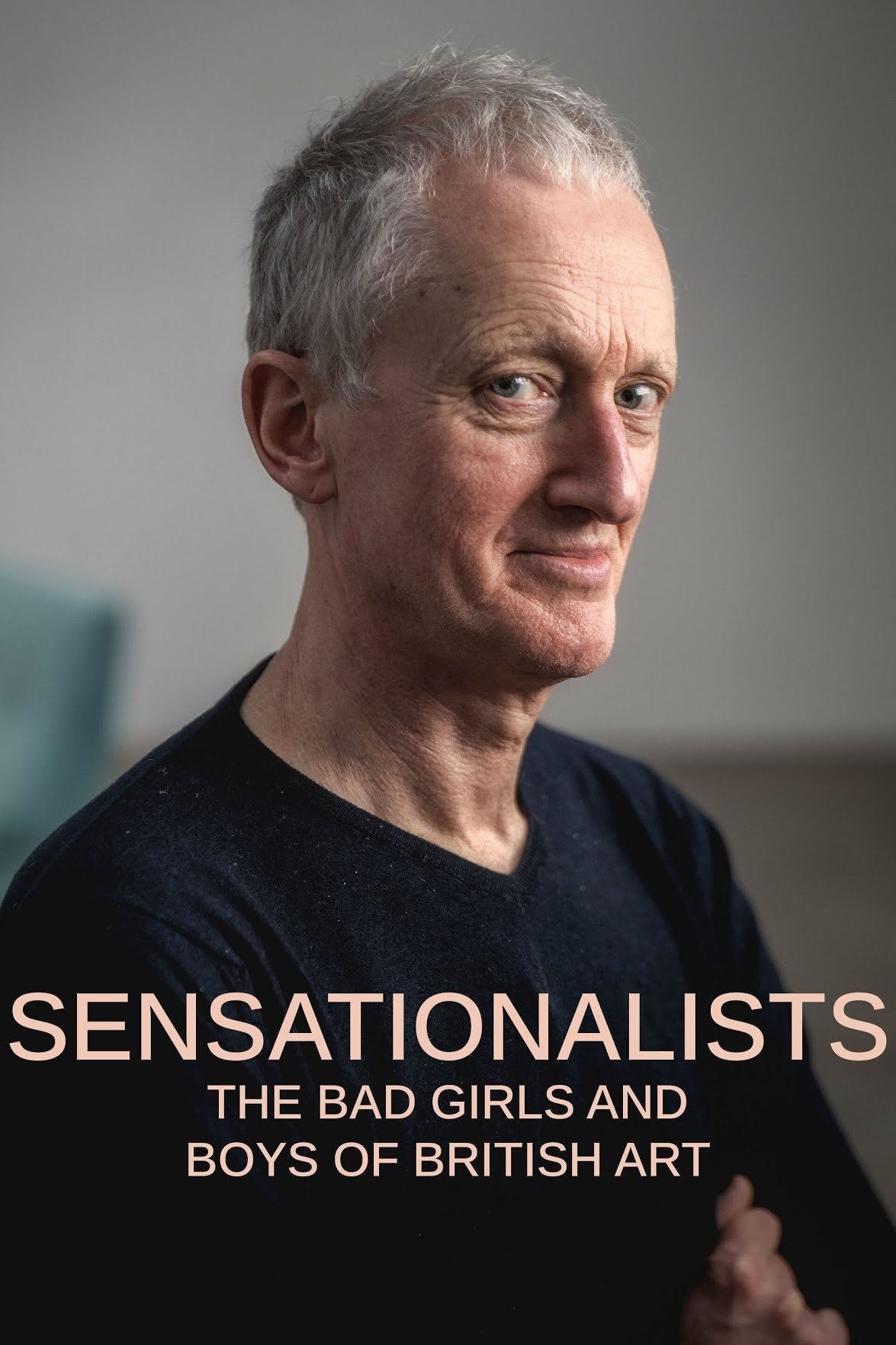
Rebellious, provocative and unapologetic. The Young British Artists crashed the 90s art scene, making Tracey Emin, Damien Hirst and others household names. This is their story.
Covering the ancient world through the age of technology, this illustrated lecture by Eugen Weber presents a tapestry of political and social events woven with many strands — religion, industry, agriculture, demography, government, economics, and art. A visual feast of over 2,700 images from the Metropolitan Museum of Art portrays key events that shaped the development of Western thought, culture, and tradition.
Focusing on five disparate characters who each toil and/or party well into the night (hence the title), this latenight entry takes the “city that never sleeps” line and runs with it. The result is visually provocative but only mildly entertaining, and never for a moment truly convincing.
An art magazine show guest-edited by a different personality each week.
On a journey through a dozen countries, Anik Magny met contemporary artists who are exploring the secrets of desire and the forbidden, creating stunning works that stimulate the senses and give us pause.
Women write art history – but in turn are systematically ignored by it. LOST WOMEN ART tells the story of the suppressed female avant-garde and by doing so introduces a new art history.
Our citizen space accommodates a large number of artistic manifestations that account for the way in which their authors interpret the context in which they are immersed. Living Art is a series of 10 chapters that seeks to be the reflection of the views of those who through art pay new ways of interpreting the world but above all to share their interests, their passions as well as their likes and dislikes which are a fundamental part of his inspiration, thus focusing on his human side.
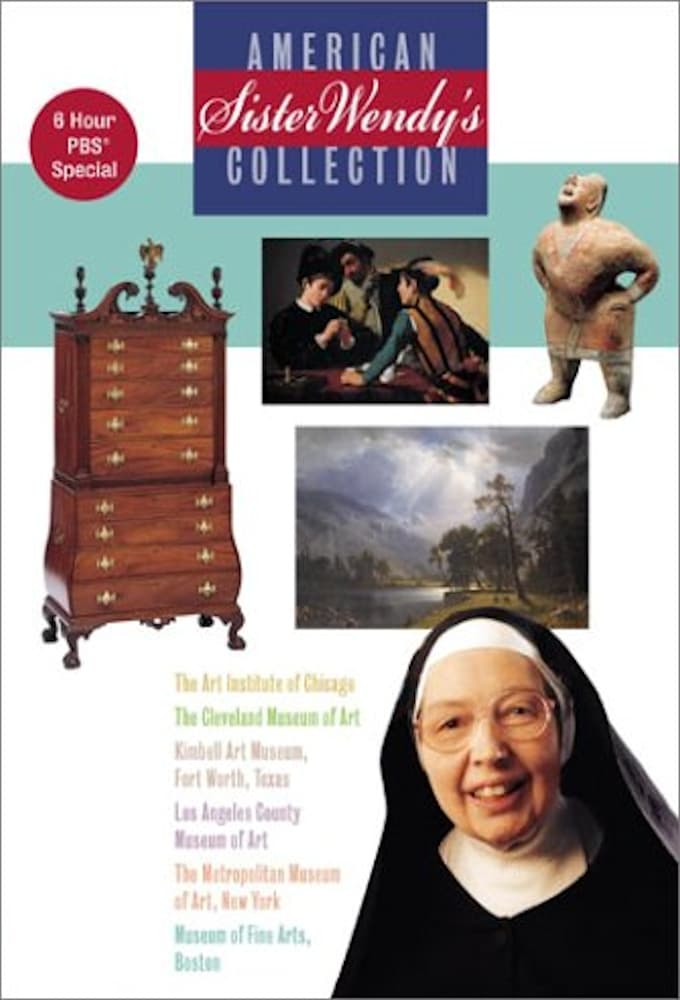
Sister Wendy Beckett, a cloistered nun and Oxford-educated art scholar, takes an art appreciation tour across America, visiting six major art museums in this 6-hours documentary series from PBS.
Great Art Explained is a video series that focuses on one piece of art per episode, breaking it down, using clear and concise language free of 'art-speak'.
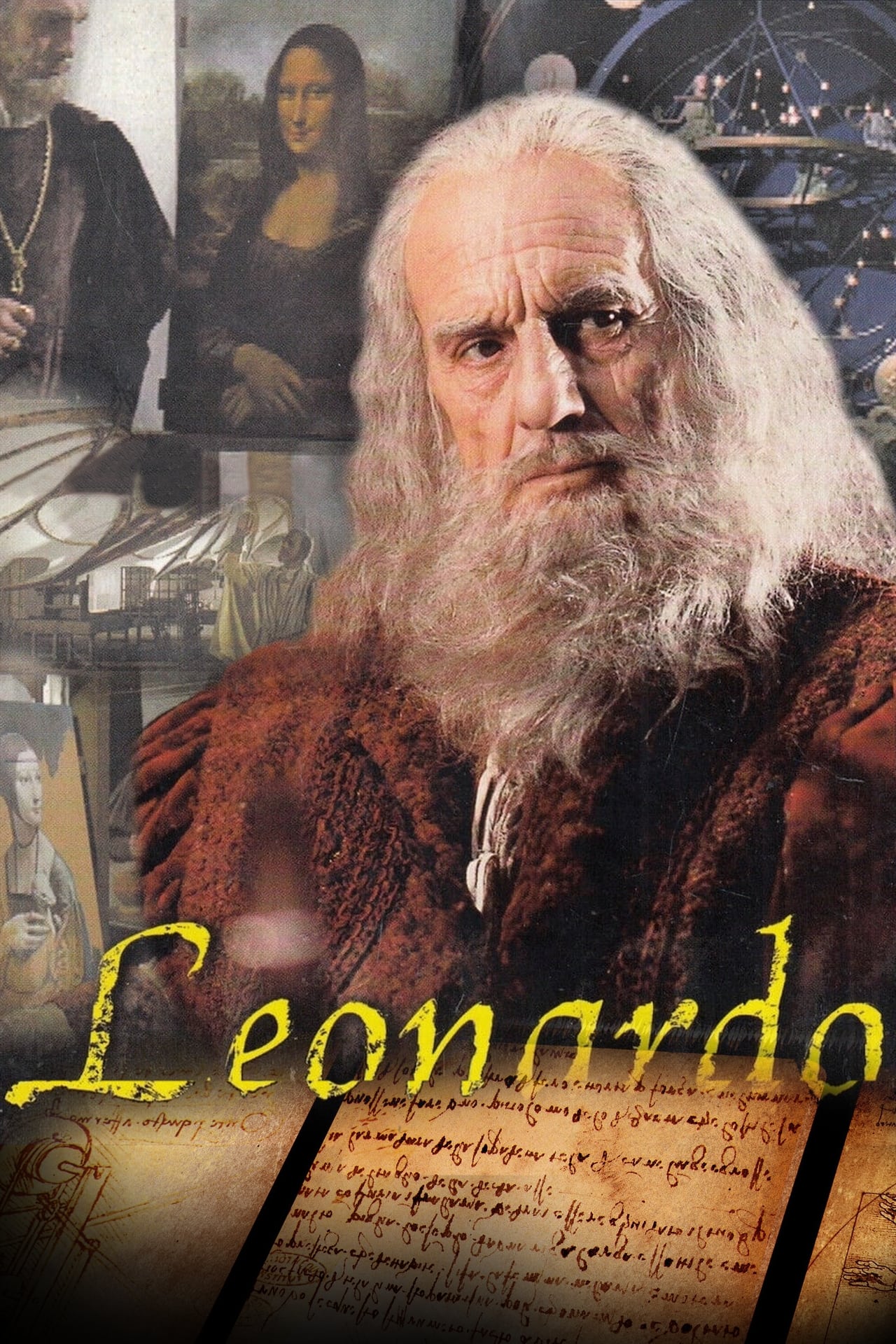
Miniseries dramatizing the life of the Italian Renaissance polymath Leonardo da Vinci.
Delve into the world of video game box art with the artists responsible for some of gaming’s most iconic images ever created. Hear about the creation process, discover easter eggs hidden in plain sight, see alternate cover art options, and learn how the gaming industry evolved from infancy until now. Welcome to Video Game Box Art: The Stories Behind the Covers.
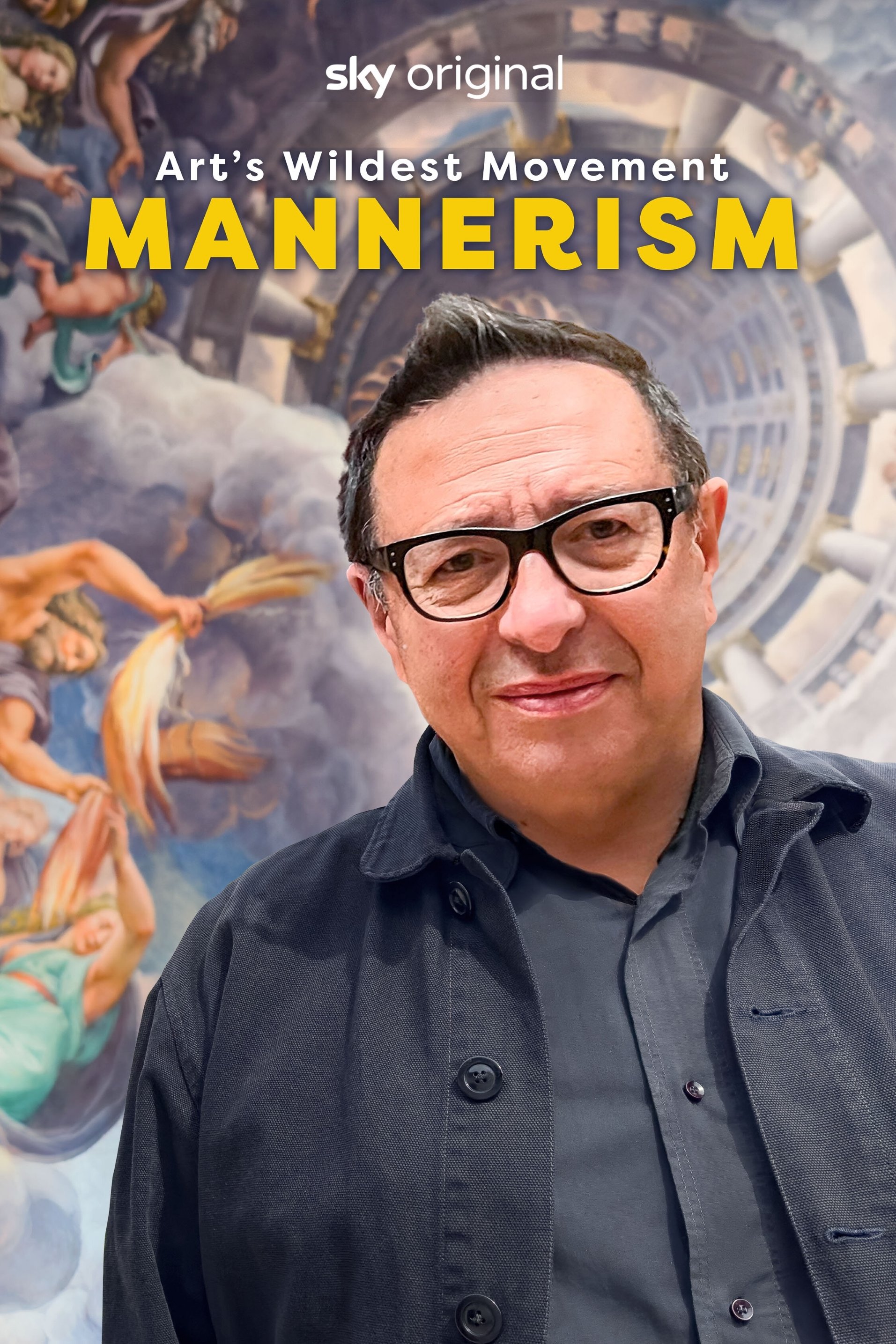
Art critic Waldemar Januszczak delves into the heart of Mannerism, as he explores the development of the art style, examines its characteristics, and questions what it achieved.
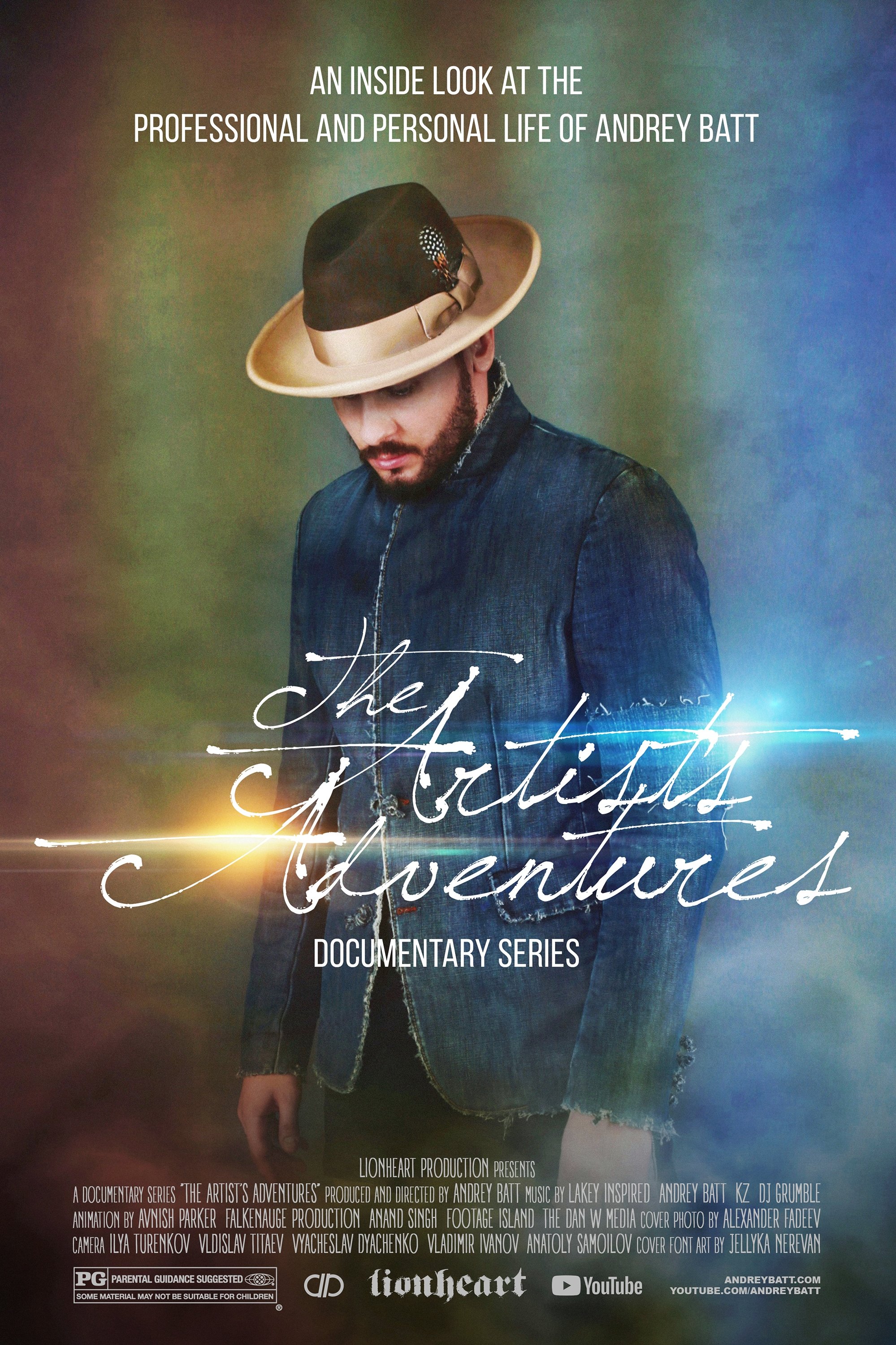
An inside look at the professional and personal life of Andrey Batt. A peek inside the exploits and privileged adventures of the artist himself and his friends. Batt welcomes viewers into his unfiltered world of fame, relationships, sport and art.
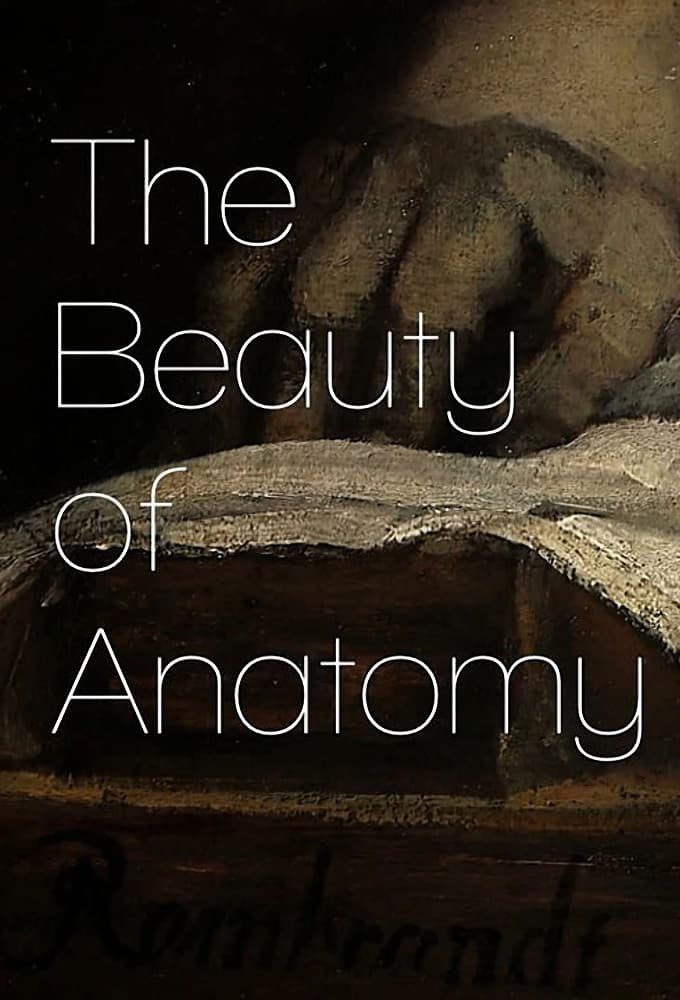
Dr Adam Rutherford investigates the close relationship between discoveries in anatomy and the works of art that illustrate them.
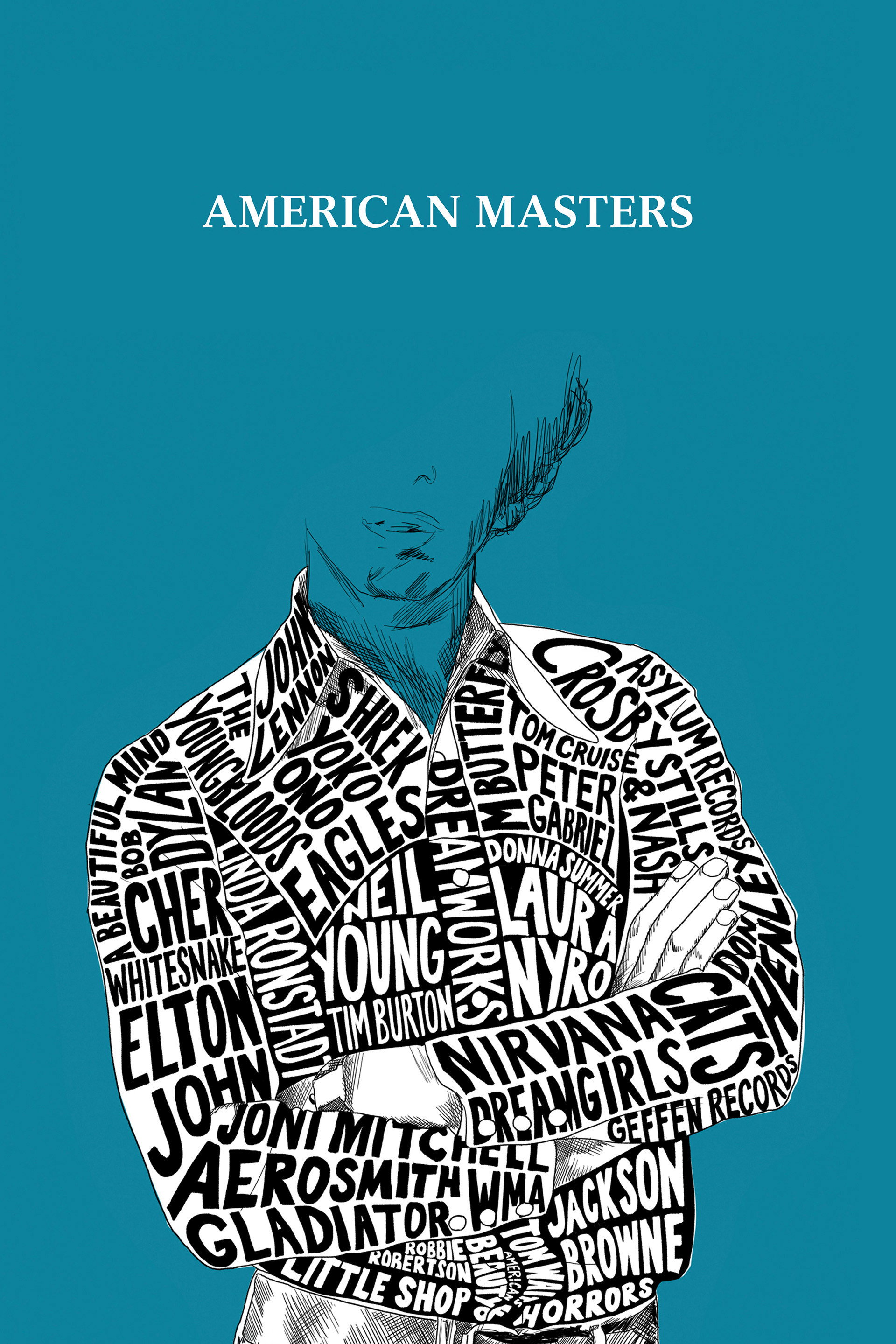
American Masters is a PBS television series which produces biographies on enduring writers, musicians, visual and performing artists, dramatists, filmmakers, and others who have left an indelible impression on the cultural landscape of the United States.
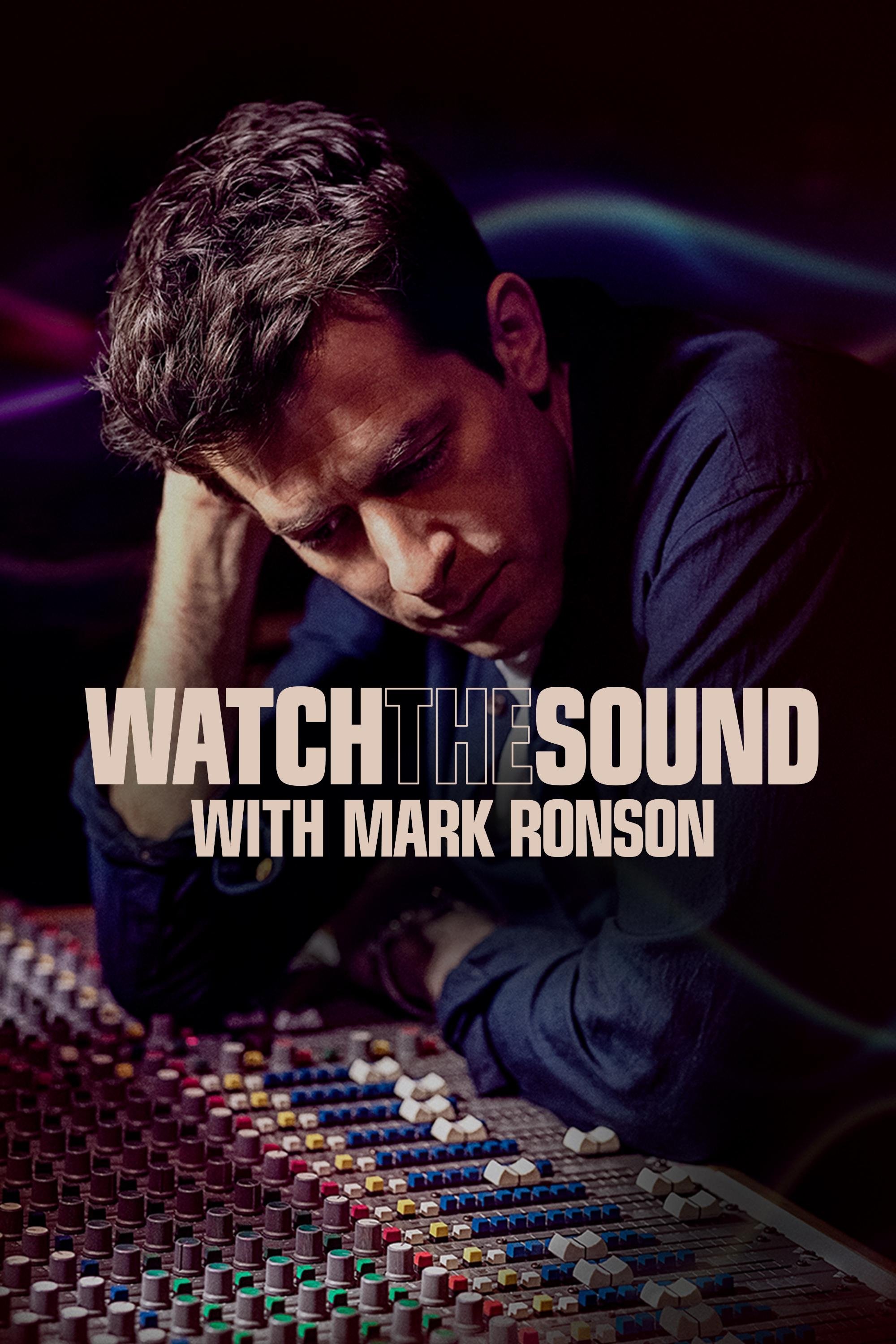
Oscar and Grammy Award-winning producer and artist Mark Ronson explores the intersection of technology and musical innovation with his heroes and fellow hitmakers – including Paul McCartney, DJ Premier, Charli XCX, Dave Grohl, and Questlove.
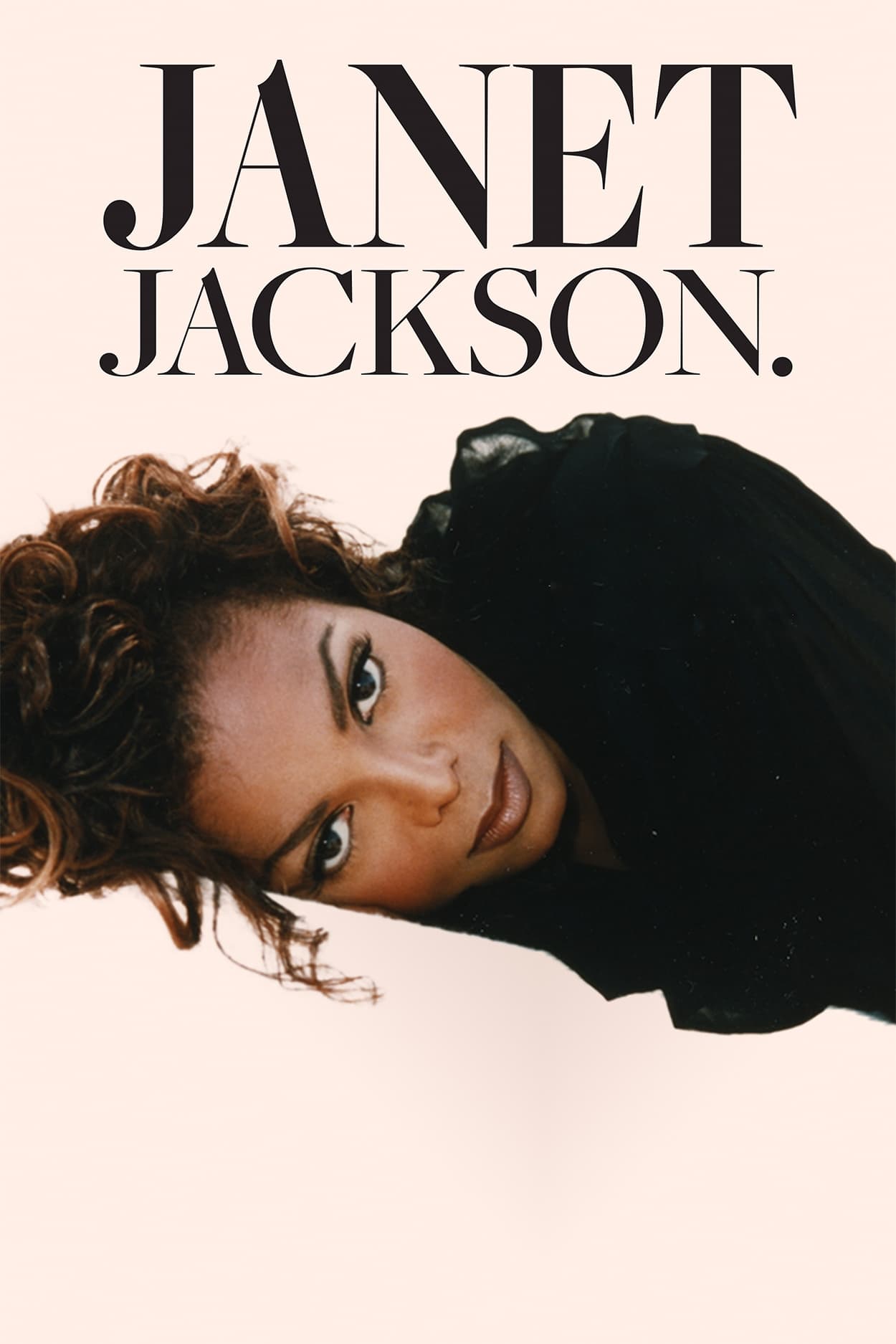
The documentary takes viewers through Janet Jackson's life and career, contain never-before-seen footage, and feature home videos from the legendary artist. Jackson discusses her controversial 2004 Super Bowl halftime show performance with Justin Timberlake, her father Joe Jackson, the death of her brother Michael Jackson, and more.
Infographics and archival footage deliver bite-size history lessons on scientific breakthroughs, social movements and world-changing discoveries.
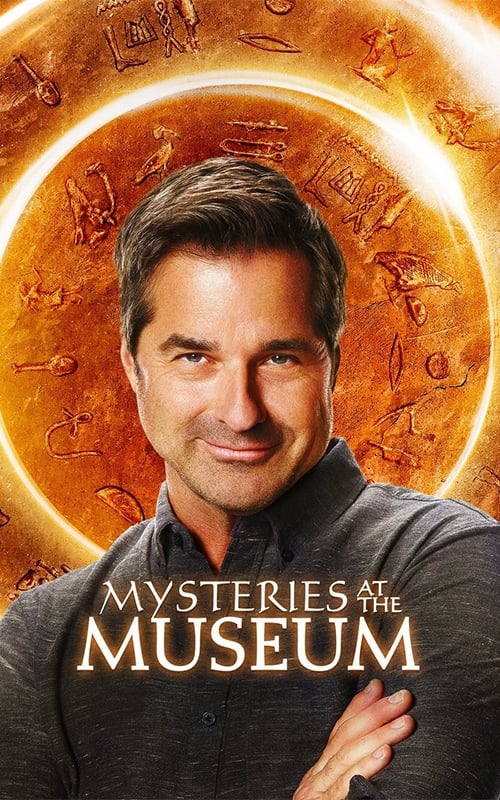
Don Wildman unearths relics from the world's greatest institutions to reveal secrets from the past. He examines each artifact to illuminate history's most incredible triumphs, sensational crimes and bizarre encounters.
A series of standalone documentaries powered by the unparalleled journalism and insight of The New York Times, bringing viewers close to the essential stories of our time.
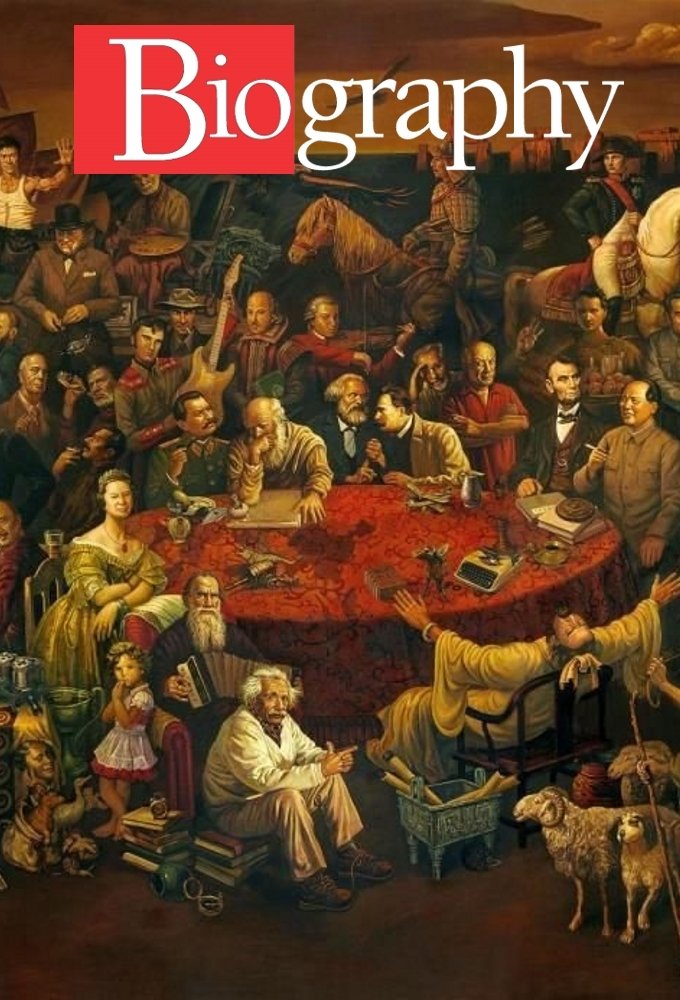
Biography is a documentary television series. It was originally a half-hour filmed series produced for CBS by David Wolper from 1961 to 1964 and hosted by Mike Wallace. The A&E Network later re-ran it and has produced new episodes since 1987. The older version featured historical figures such as Helen Keller and Mark Twain, or long-dead entertainment figures such as Will Rogers or John Barrymore. The A&E series has placed the emphasis on such people as Marilyn Monroe, Elvis Presley, Plácido Domingo, Freddie Mercury, Jacqueline Kennedy Onassis, Eric Clapton, Pope John Paul II, Gene Tierney, Selena, Diego Rivera, Mao Zedong and Queen Elizabeth II, and fictional characters like The Phantom, Superman, Hamlet, Betty Boop, and Santa Claus. The program ended up profiling enough figures that in 1999, A&E spun it off into an entire network, The Biography Channel.
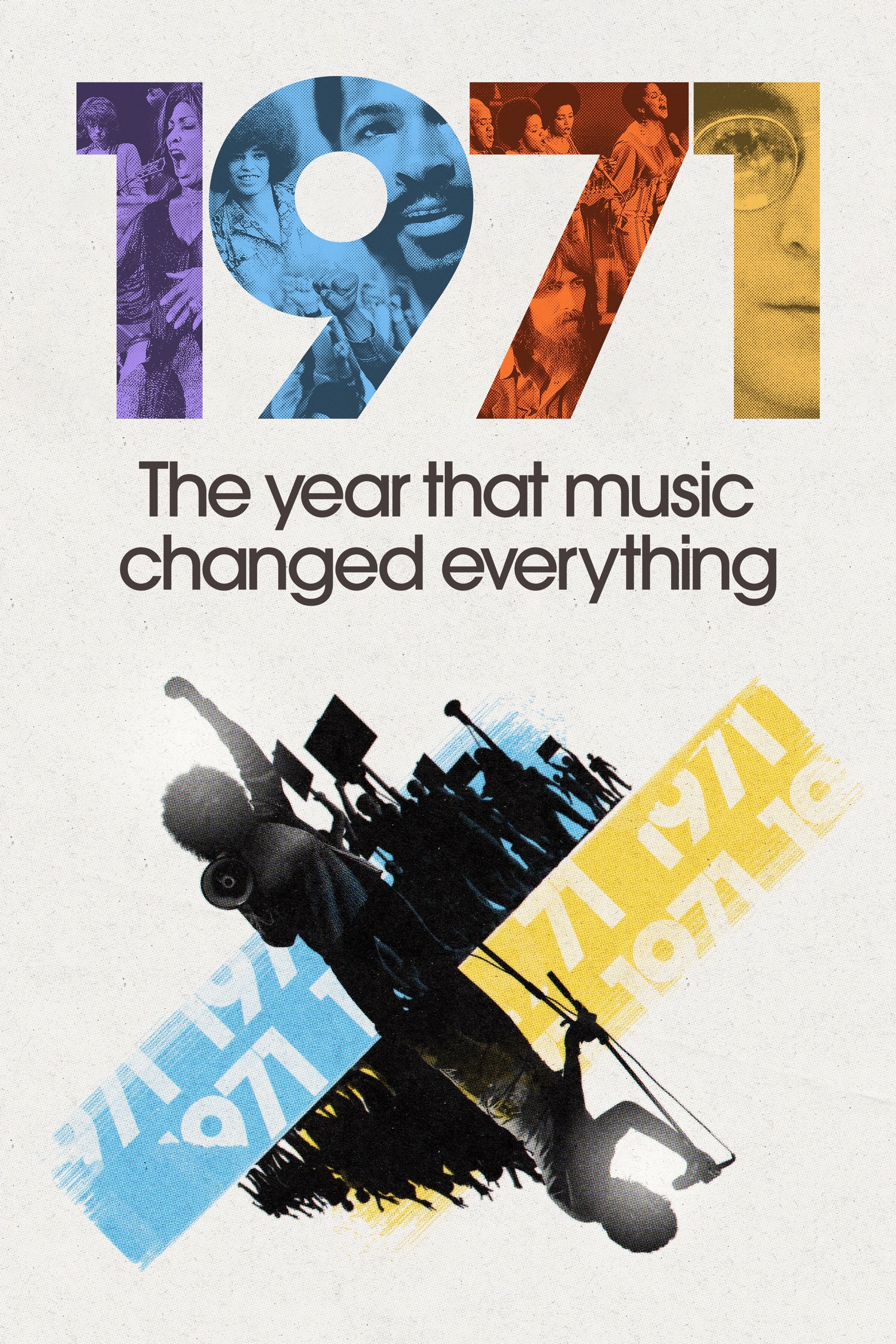
In a tumultuous era, 1971 was a year of musical innovation and rebirth fueled by the political and cultural upheaval of the time. Stars reached new heights, fresh talent exploded onto the scene, and boundaries expanded like never before.
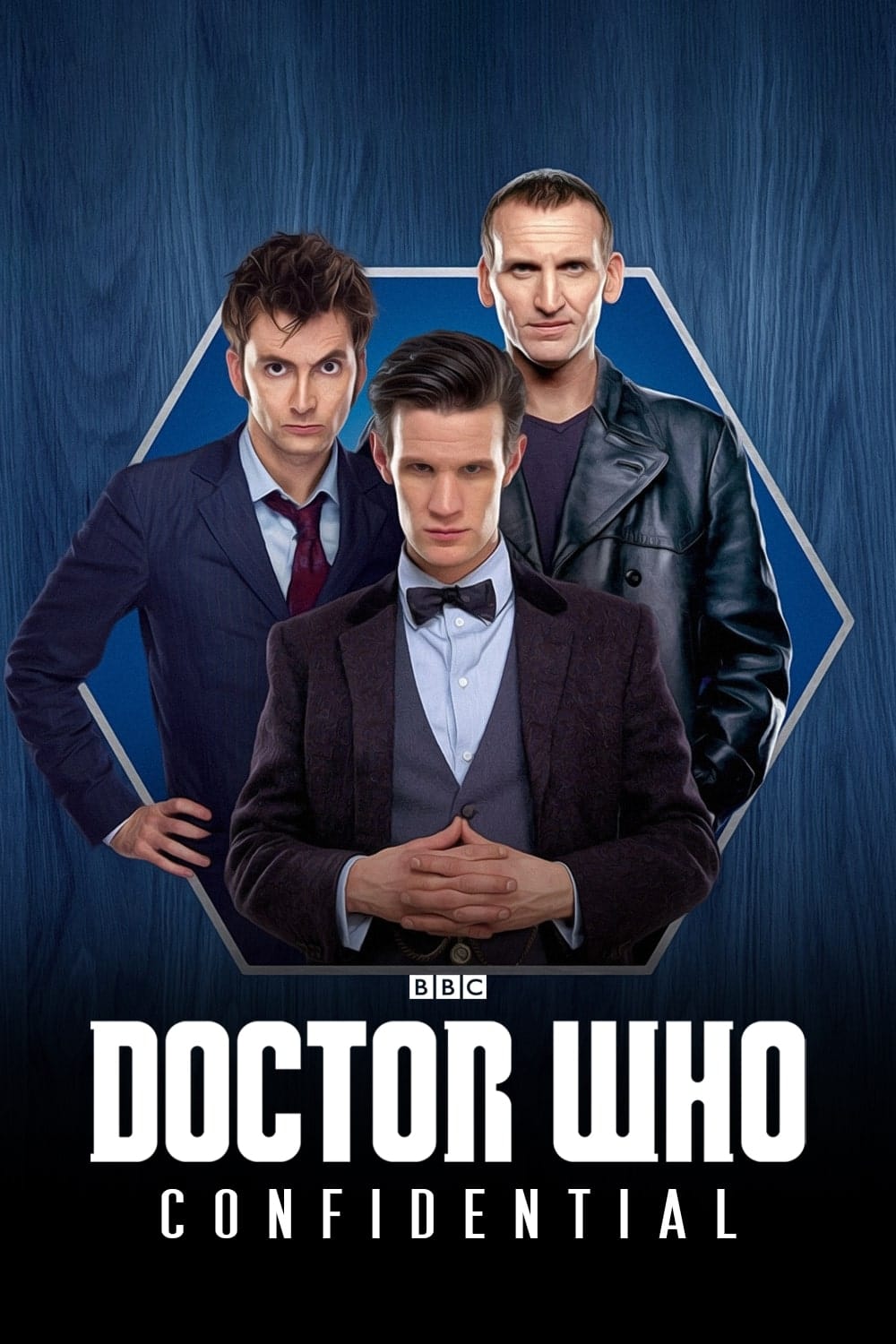
Doctor Who Confidential is a documentary to complement the revival of the long-running British science fiction television series Doctor Who. Each episode was broadcast on BBC Three on Saturdays, immediately after the broadcast of the weekly television episode on BBC One. The running time of the first two series was 30 minutes, being extended to 45 minutes in the third. BBC Three also broadcast a cut-down edition of the programme, lasting 15 minutes, shown after the repeats on Sundays and Fridays and after the weekday evening repeats of earlier seasons.
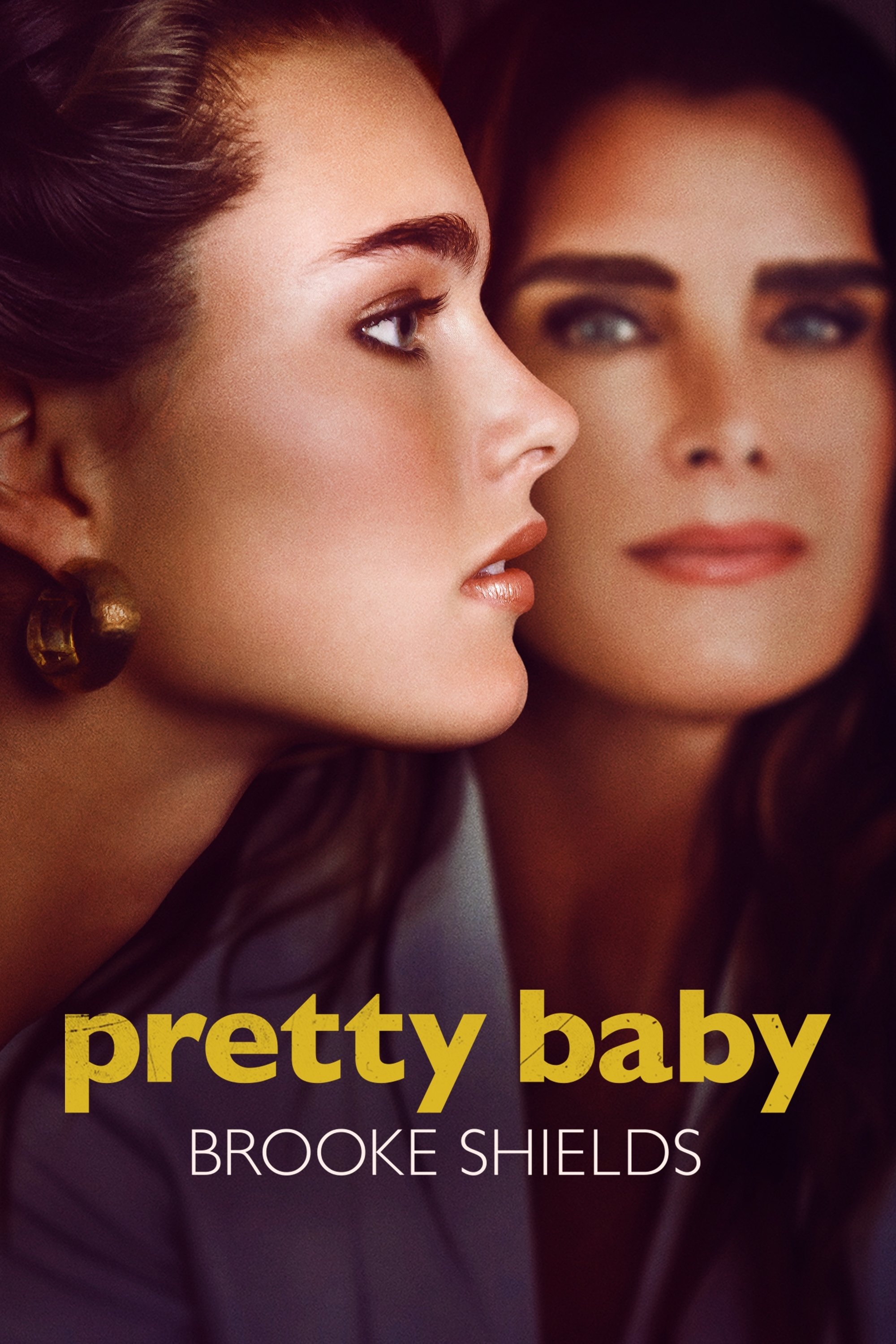
Actor, model, and global superstar Brooke Shields’ journey from a sexualized young girl to a woman who embraces her identity and voice.
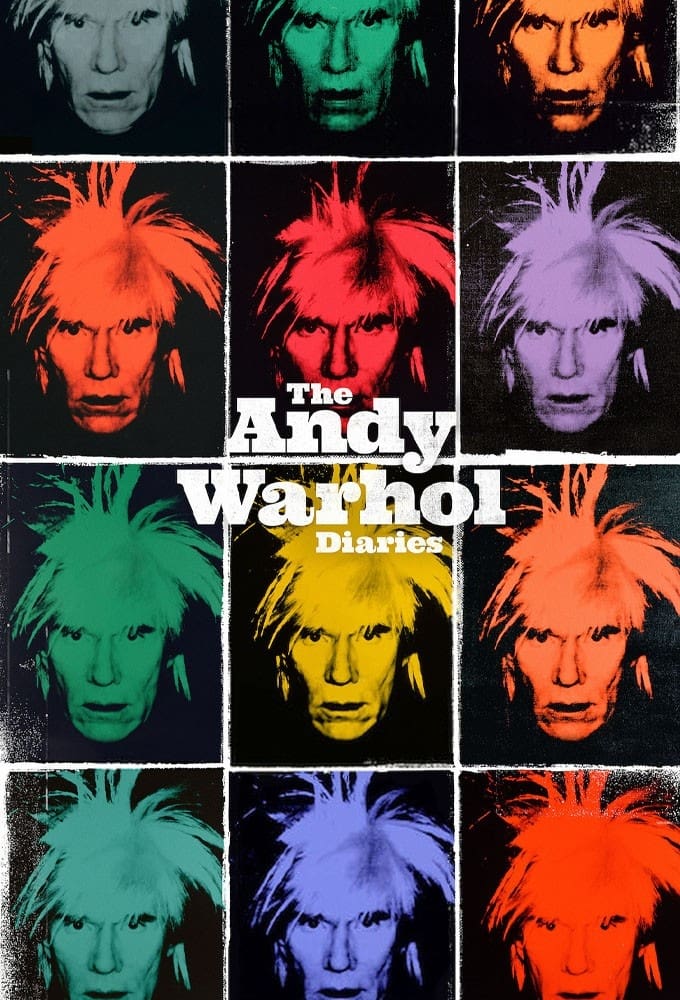
After he's shot in 1968, Andy Warhol begins documenting his life and feelings. Those diaries, and this series, reveal the secrets behind his persona.
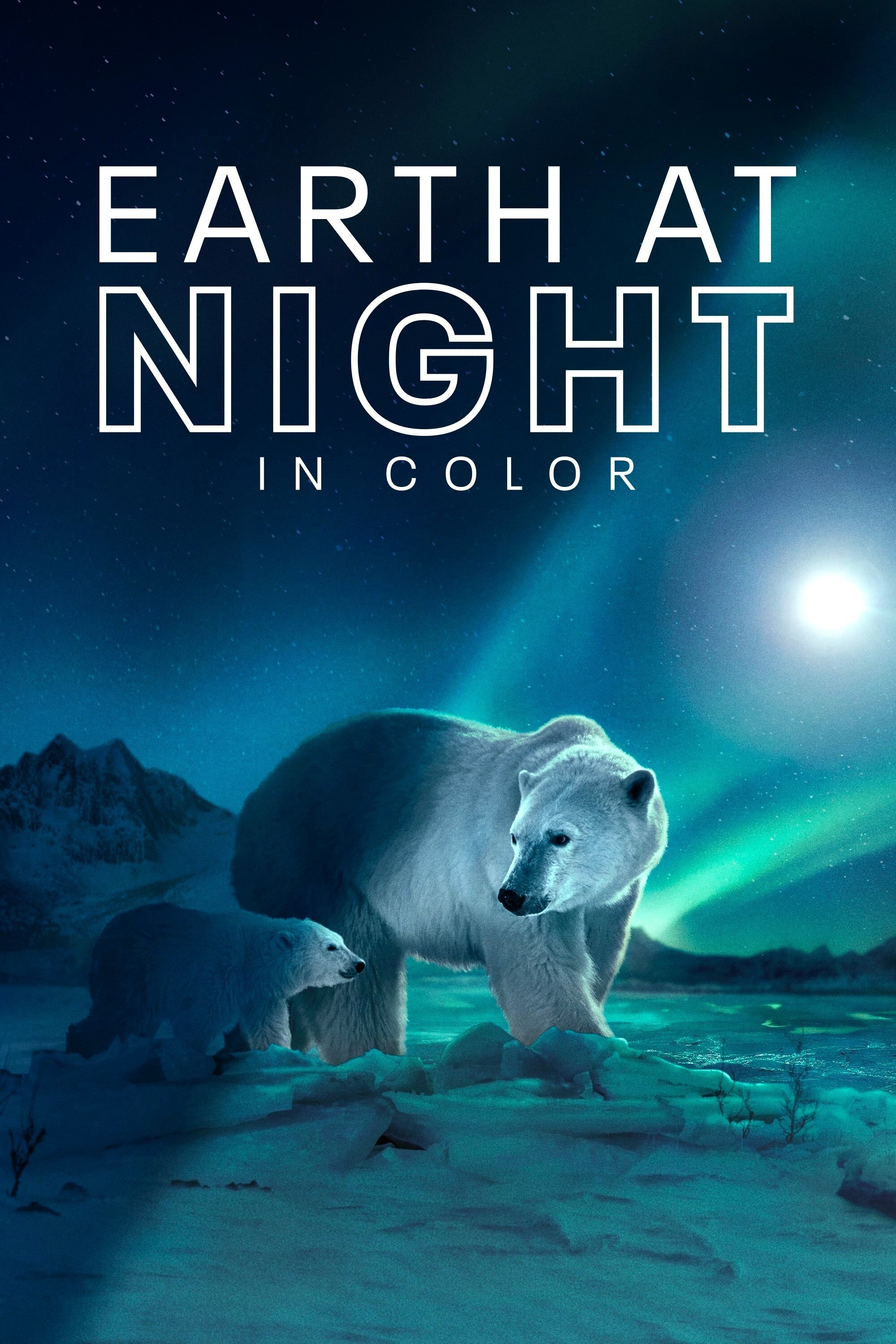
Filmed across six continents, this docuseries uses cutting-edge camera technology to capture animals' nocturnal lives, revealing new behaviours filmed in full color like never before.
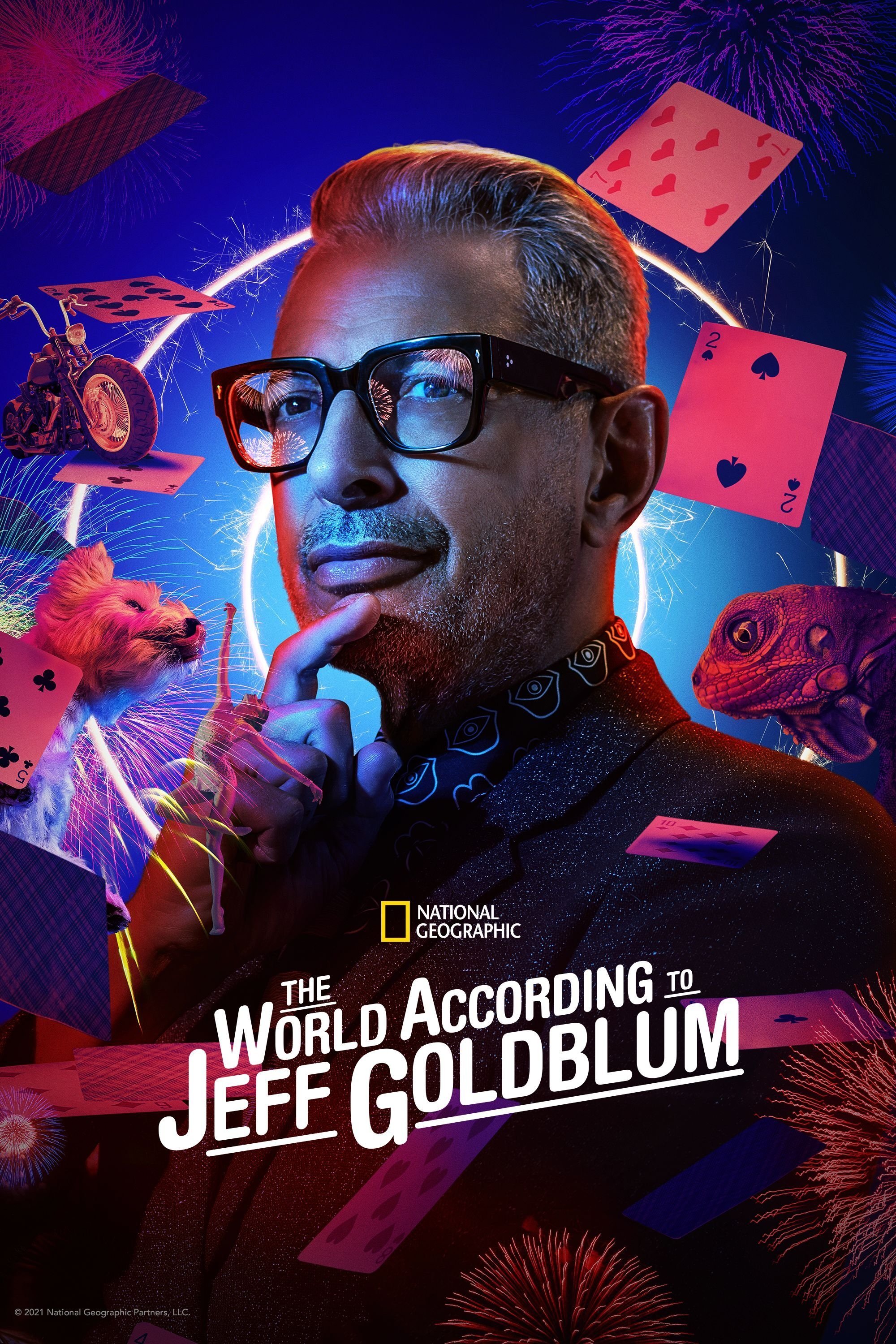
Through the prism of Jeff Goldblum's always inquisitive and highly entertaining mind, nothing is as it seems. Each episode is centered around something we all love — like sneakers or ice cream — as Jeff pulls the thread on these deceptively familiar objects and unravels a wonderful world of astonishing connections, fascinating science and history, amazing people, and a whole lot of surprising big ideas and insights.
Natural World is a nature documentary television series broadcast annually on BBC Two and regarded by the BBC as its flagship natural history brand. It is currently the longest-running series in its genre on British television, with more than 400 episodes broadcast since its inception in 1983. Natural World is produced by the BBC Natural History Unit in Bristol, but individual programmes can be in-house productions, collaborative productions with other broadcasters or films made and distributed by independent production companies and purchased by the BBC. Natural World programmes are often broadcast as PBS Nature episodes in the USA. Since 2008, most Natural World programmes have been shot and broadcast in high definition.
Explore the past, present and future of Walt Disney Imagineering with noted filmmaker Leslie Iwerks. Ms. Iwerks comes from a family with deep Disney history — her grandfather was an early Disney animator and her father is a former Imagineer — and her previous work includes profiles of Pixar Animation Studios and visual effects house Industrial Light & Magic.
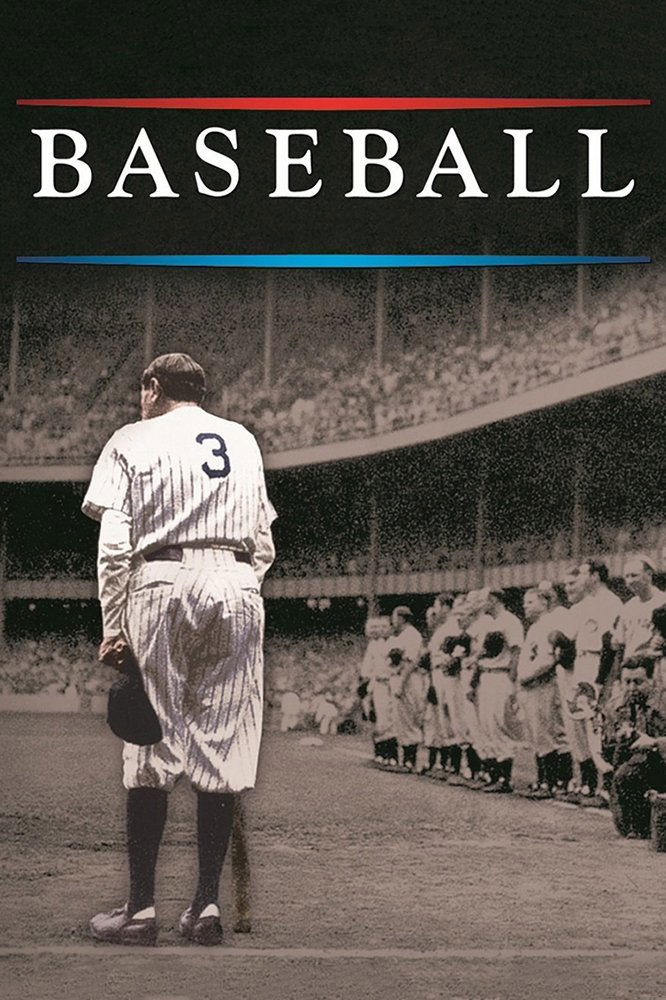
The history of the sport of baseball in America, told through archival photos, film footage, and the words of those who contributed to the game in each era. Writers, historians, players, baseball personnel, and fans review key events and the significance of the game in America's history.
Explore the history of the American LGBTQ movement through the lens of TV in this five-part docuseries. Combining archival footage with new interviews, the series looks at homophobia, the evolution of LGBTQ characters, and coming out in the TV world.
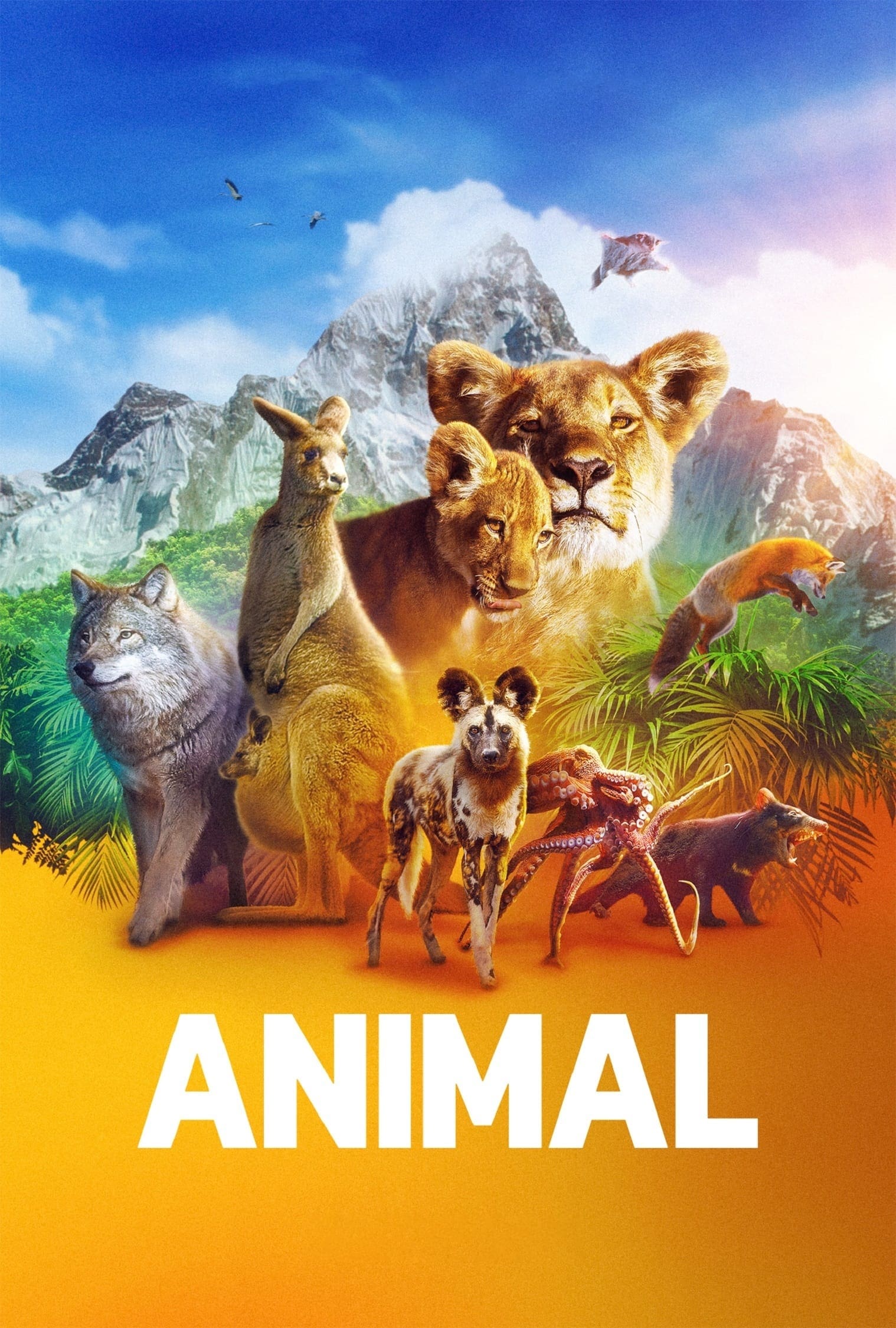
This immersive series follows the world's most magnificent creatures, capturing never-before-seen moments from the heartwarming to the outrageous.
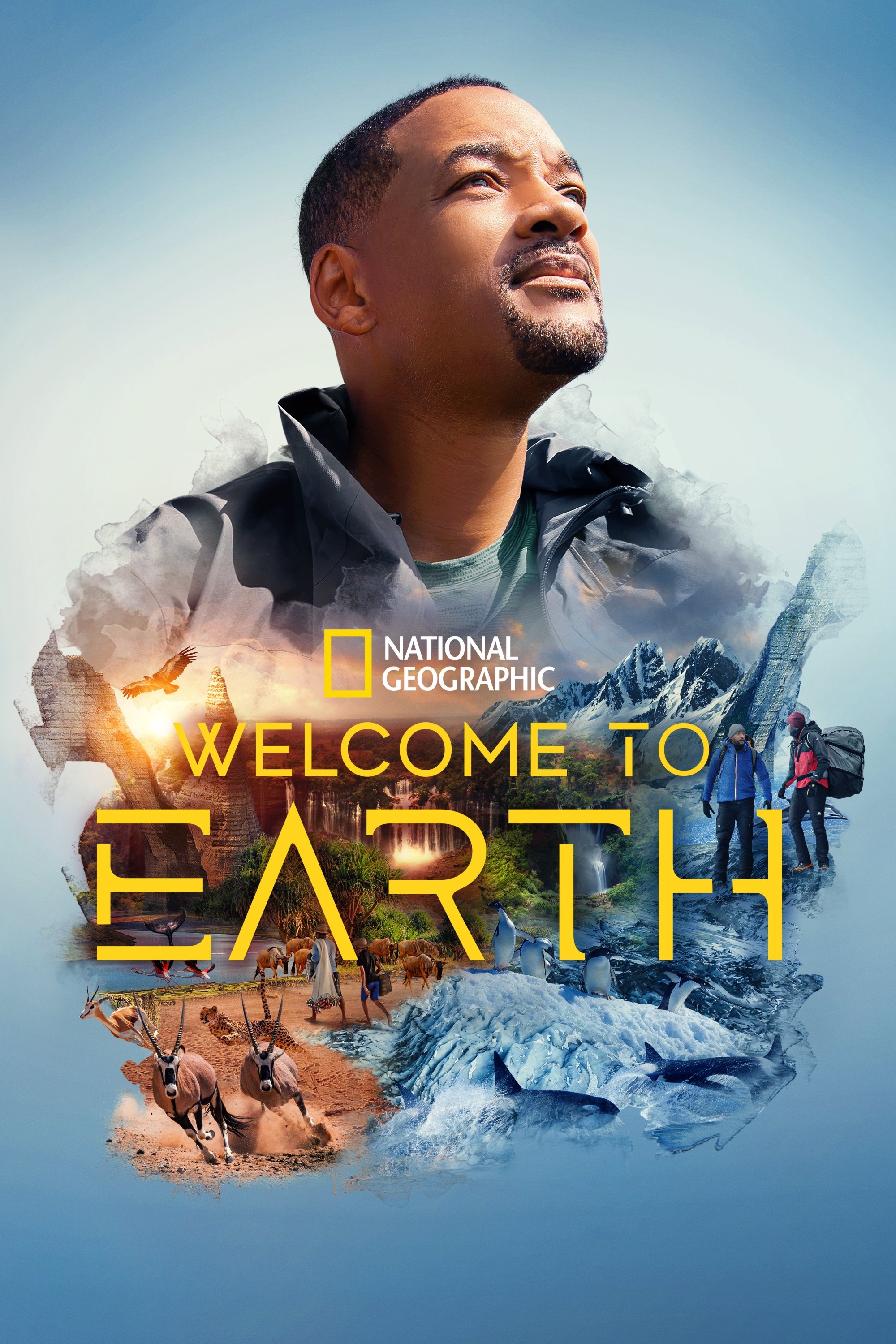
Will Smith whose curiosity and wonder is positively infectious—is guided by National Geographic Explorers traveling to different corners of the world to get up close and personal with the weirdest, most unusual, dangerous and thrilling spectacles of the planet.
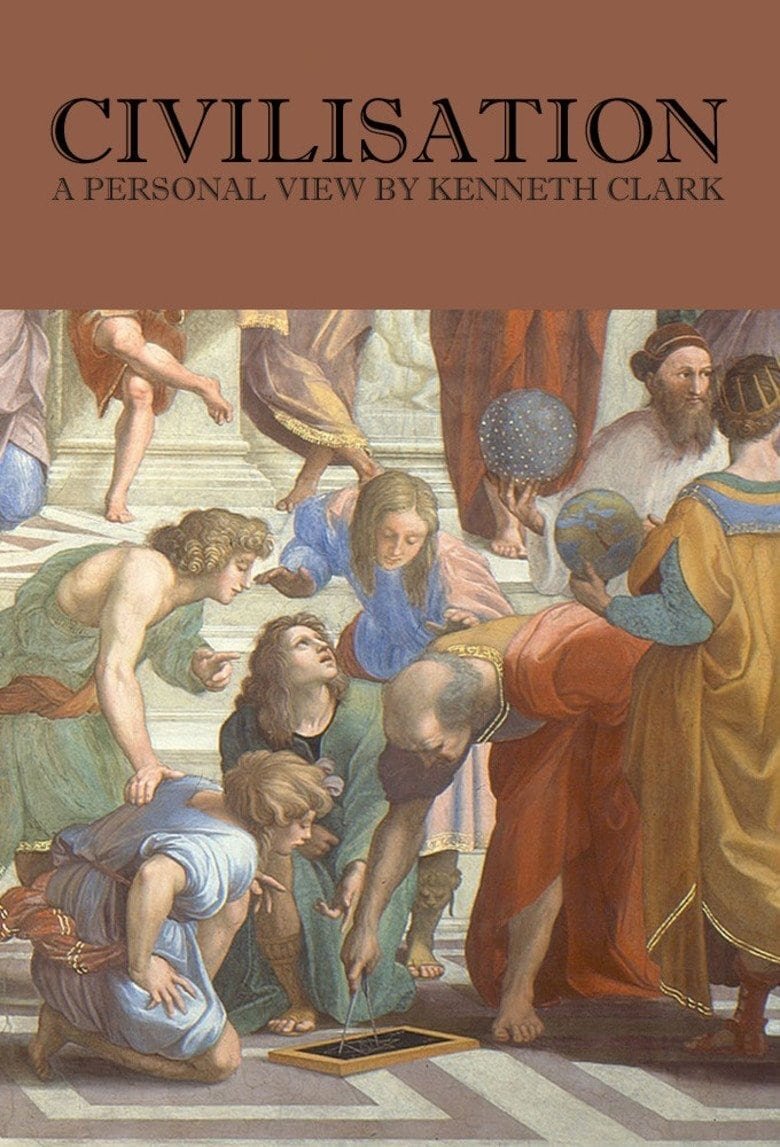
Sir Kenneth Clark guides us through the ages exploring the glorious rise of civilisation in western man. Beginning with the bleakness of the dark ages to the present day, we consider civilisation's articulations and expressions in some of man's finest works of art.